
Add GIZMOCHINA on Google:
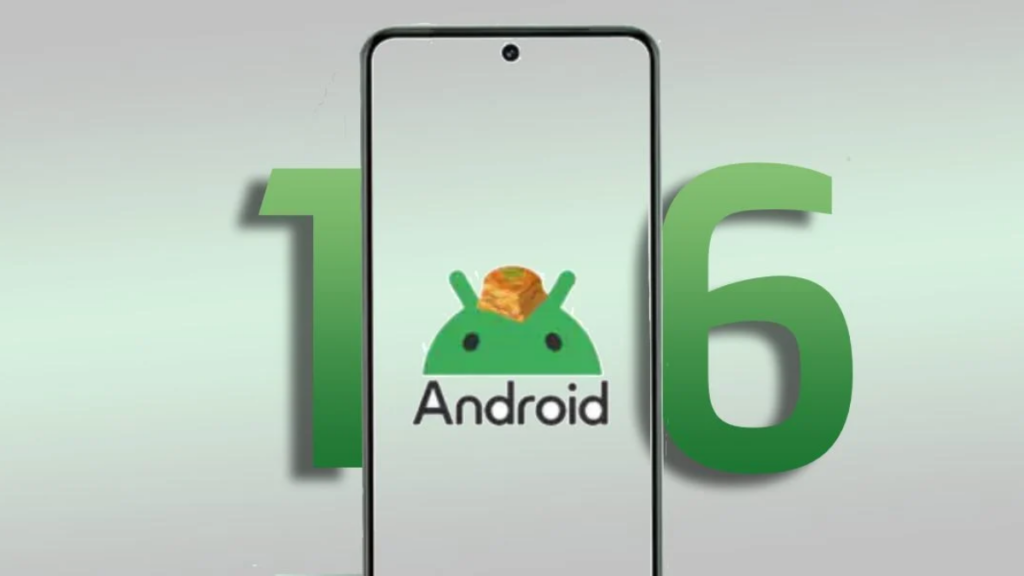
While many Android brands are wrapping up their Android 15 rollout, Google is already moving ahead with Android 16. In fact, this will be the earliest Android OS release in recent years.
Android 16 has been in testing since November 2024, when Google released the first Developer Preview. The public beta followed in January 2025. Initially, only Google Pixel devices were eligible for testing, but that has now changed. Brands like Xiaomi and OnePlus have also joined the early access program, allowing select users to try Android 16 ahead of the public rollout.
We’ve curated a list of all devices that are eligible for Android 16 beta testing.
Devices eligible for Android 16 beta testing
Google Pixel:
Pixel 9
Pixel 9 Pro
Pixel 9 Pro XL
Pixel 9 Pro Fold
Pixel 8
Pixel 8 Pro
Pixel 8a
Pixel 7
Pixel 7 Pro
Pixel 7a
Pixel 6
Pixel 6 Pro
Pixel 6a
Xiaomi:
Xiaomi 15
Xiaomi 14T Pro
OnePlus:
OnePlus 13
Honor:
- HONOR Magic7 Pro
Vivo:
- Vivo X200 Pro
- iQOO 13
Oppo:
- Oppo Find X8
Realme:
- Realme GT 7 Pro
Lenovo:
- Lenovo Yoga Tab Plus
These early builds are mainly intended for advanced users and developers. If you’re not familiar with flashing custom ROMs, it’s best to avoid installing them. The process could potentially brick your device.
Moreover, these builds come with a number of known issues, and there may be even more undiscovered bugs. It’s strongly advised not to flash beta builds on your primary phone, at least.
What’s new in Android 16?
One of the standout features in Android 16 is Live Updates. These are prominently displayed on the lock screen and status bar, so that they don’t get lost among other less-timely notifications.This feature is similar to Live Activities on iOS, but Google’s implementation emphasizes high-priority notifications specifically tailored to progress-centric use cases such as navigation, food delivery, or ride-sharing.
The photo picker has been a great privacy addition to Android that restricts apps’ access to the entire media library when uploading images or videos. The app can only access photos and videos you want to upload. This is getting even in Android 16 as it’ll allow users searching from cloud media providers in the Android photo picker.
Google is working on adding support for select health records in Health Connect. This feature is being tested in Developer Preview builds and might make it to the final release. The new OS will also bring Adaptive Refresh Rate (ARR) that will help conserve battery life by dynamically adjusting the screen refresh rate based on activity.
Android 16 will have deeper Gemini AI integration, although specific details are still under wraps. Lock screen widgets are making a comeback for the first time since Android 5.0 Lollipop in 2014. Android 16 also brings plenty of small but useful changes. So, there’s a lot to took forward to in the upcoming OS.
Android 16 has already reached the platform stability milestone, and the stable version is confirmed to launch in Q2 2025, before the end of June. This is earlier than most previous Android OS releases, which typically arrive in August or later.
Stay tuned with us for all the latest updates, and don’t forget to visit our Android 16 section to stay on top of every development.




Comments