
Add GIZMOCHINA on Google:
As an Amazon Associate, Gizmochina earns from qualifying purchases. Links on this page may earn us a commission at no extra cost to you.
I’ve had the opportunity to spend nearly two months with the new OnePlus 13s. Specifically, I’ve been reviewing the Pink Silk edition with 12GB of RAM and 256GB of storage. OnePlus positions this device as a compact flagship that doesn’t compromise on performance or battery life, addressing a common pain point in the compact phone market. Having put it through its paces in daily use—from heavy multitasking to extensive media consumption and photography, I’ve formed a comprehensive understanding of its capabilities and how it holds up to its claims.
5Cameras and Other Features
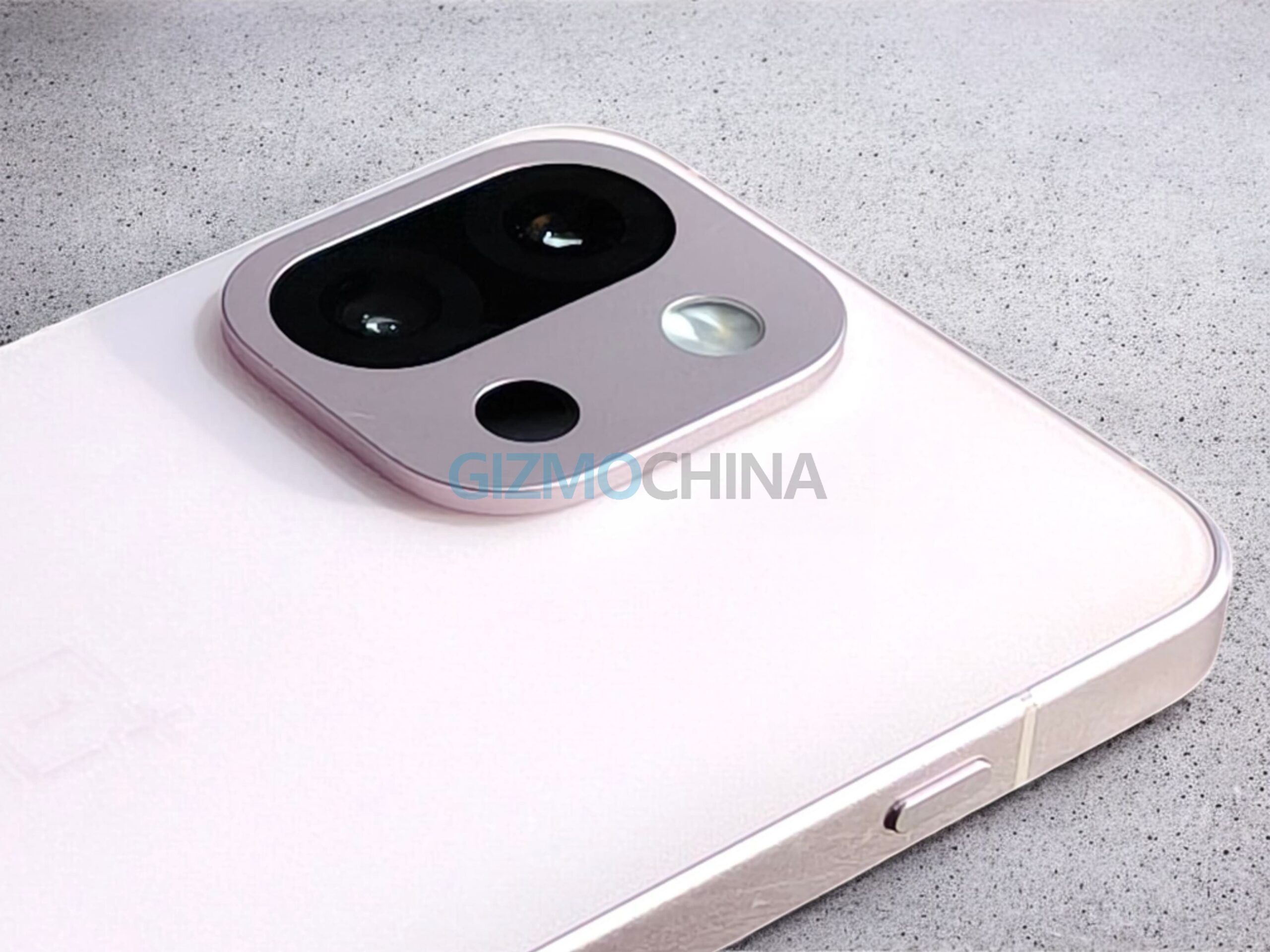
- Front: 32MP OmniVision OV32C with autofocus
- Rear: 50MP Sony LYT-700 with OIS | 50MP Samsung JN5, 2x telephoto
The OnePlus 13s features a dual-camera setup with a 50-megapixel main sensor with OIS support and a 50-megapixel telephoto lens with 2x optical zoom and EIS. support. While it forgoes an ultra-wide lens, the remaining cameras cover most everyday shooting needs fairly well.
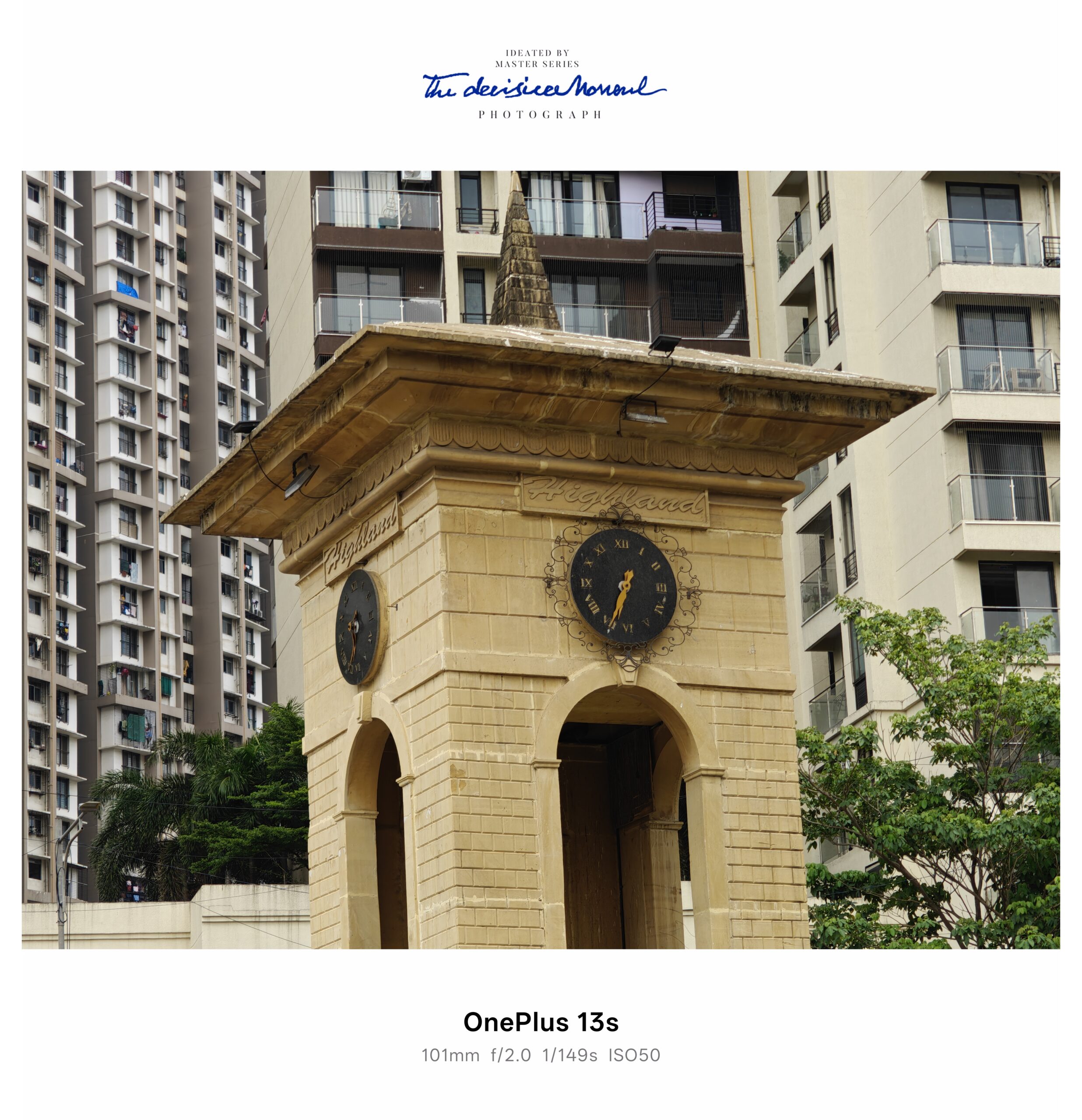
In well-lit conditions, the OnePlus 13s’ main camera captures photos with balanced exposure and natural colours that don’t appear overly enhanced. Details are generally preserved nicely, resulting in sharp and clear images that hold up well for casual viewing. However, when you zoom in closely, you may notice the sharpness isn’t as crisp as some other flagship models. It should also be noted that the 13s’ shutter speed is also very good, and it can capture multiple moving shots with clarity. I did not miss having an ultra-wide camera on this













In low-light environments, the main camera manages to hold its own but doesn’t excel. Shots come out bright enough, though they tend to lose some detail and sharpness. Noise is controlled to a reasonable extent, but moving subjects can appear somewhat blurred. The camera’s handling of light sources is decent, with minimal flare or excessive glare in darker scenes.





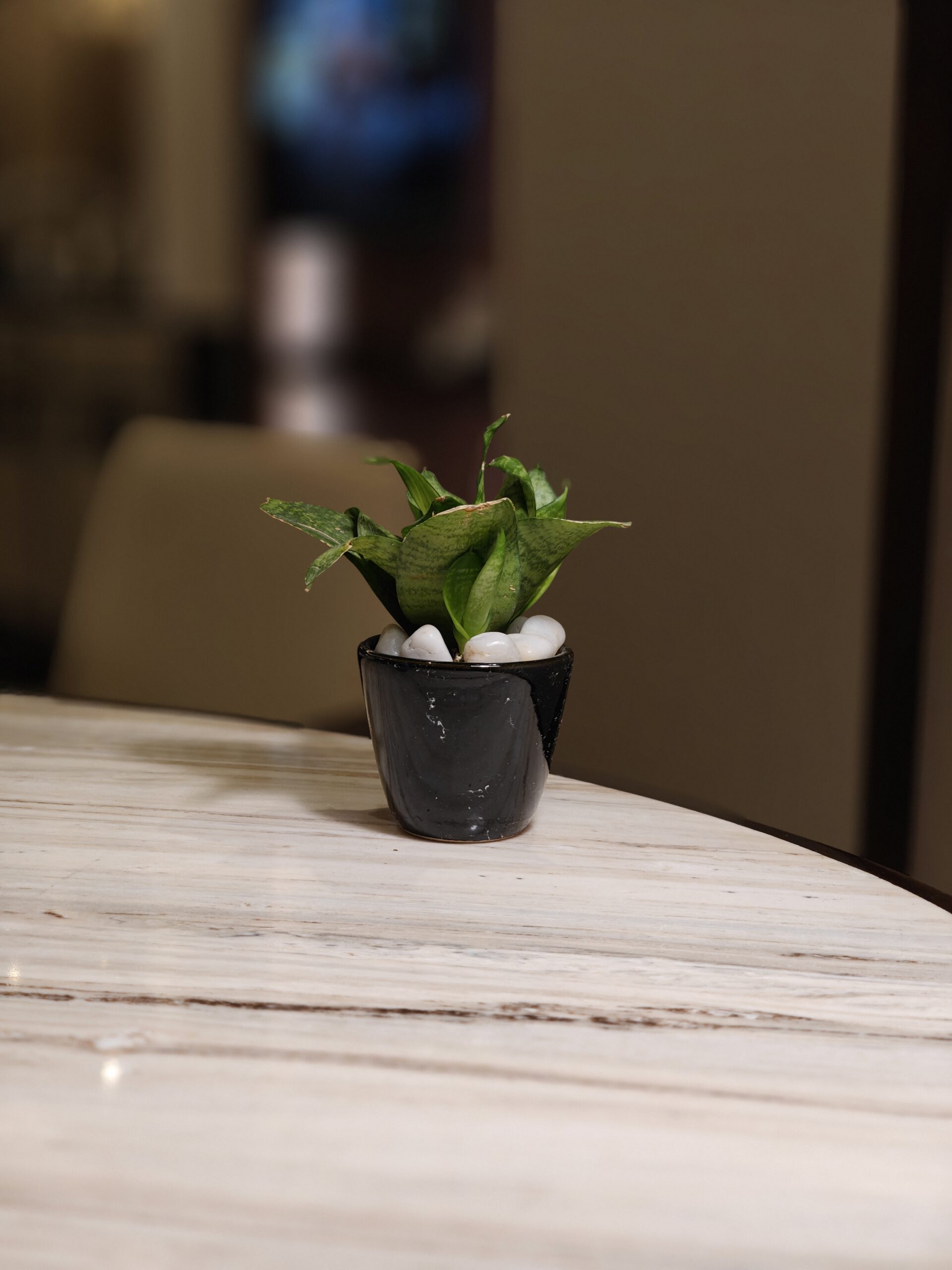

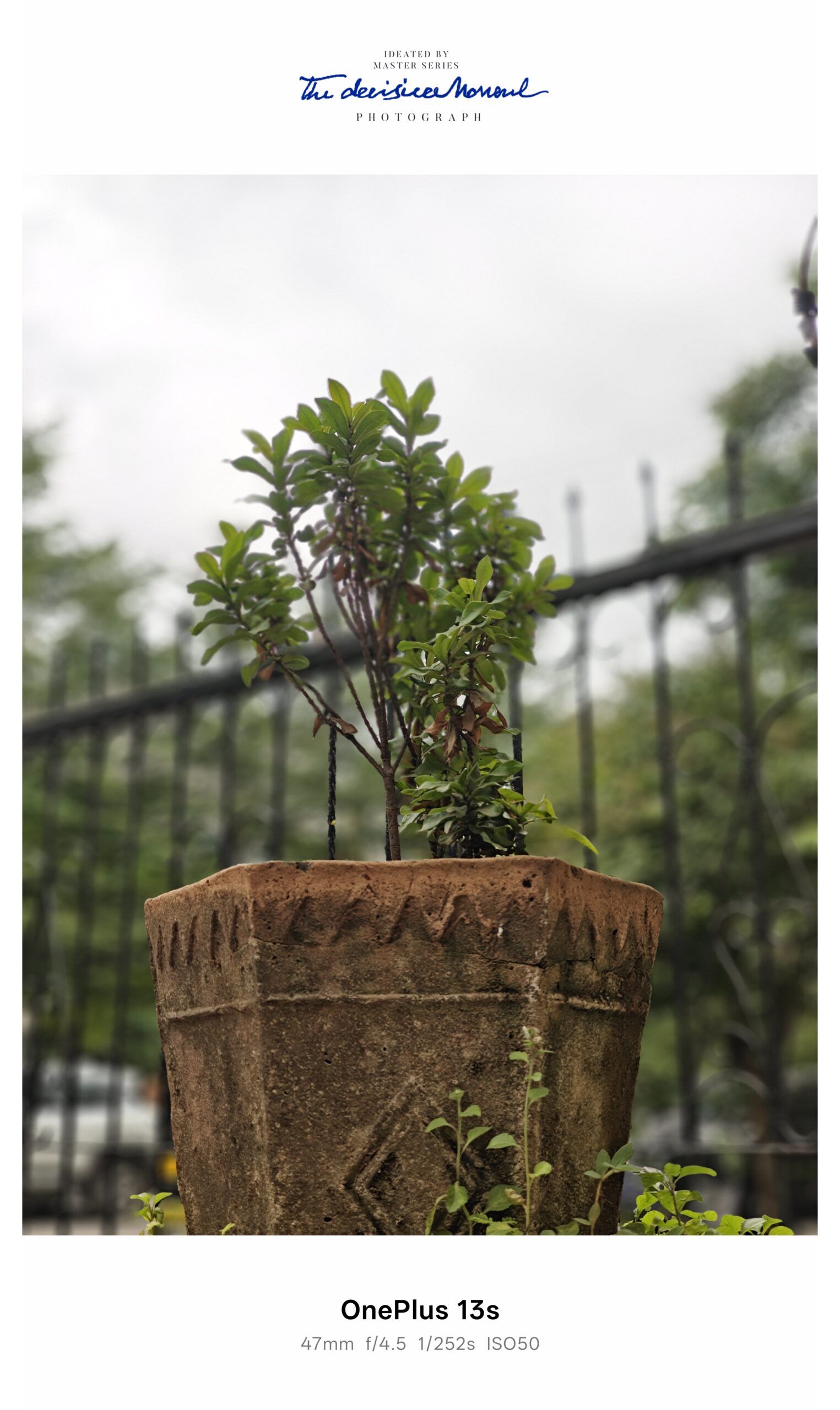

Portraits taken in daylight benefit from pleasant bokeh effects and consistent colour tones, delivering images that look natural and visually appealing. Edge detection does its job well most of the time, although it occasionally struggles to separate fine details like hair strands. However, the portrait camera does not offer any zoom options.
At night or in dim lighting, portrait quality drops somewhat, with less defined edges and softer focus. Still, the overall image retains a nice depth effect, making it usable for casual portrait shots in darker settings.



The autofocus-enabled 32-megapixel selfie camera produces bright and clear images with skin tones that lean towards natural rather than artificially smoothed. While there is some subtle skin smoothing, it doesn’t feel excessive or overly processed. Selfies taken in good lighting are generally satisfying, though low-light selfies show a reduction in detail and sharpness, similar to the main camera’s performance.
Video capture from the rear camera is stable and offers good clarity under normal lighting conditions. However, under low light, videos lose some sharpness and show minor noise. The front camera records usable video, suitable for video calls and casual clips, though it doesn’t stand out in terms of clarity or stabilization.
A notable addition is the Plus Key, which evolves the familiar Alert Slider found on previous OnePlus devices. Instead of just toggling sound profiles, this innovative and customizable button serves multiple functions. A long press intuitively switches between ring, vibrate, and silent modes, providing quick control over notifications. Additionally, users can customize the Plus Key for quick access to various features:
• Activate AI Plus Mind (as detailed in the AI section)
• Access Sound & Vibration settings (functions like an Alert Slider)
• Enable Do Not Disturb
• Launch Camera
• Turn on Flashlight
• Start Audio Recording
• Activate Translation Feature
• Capture a Screenshot
To be frank, I only enjoyed using the AI Plus Mind feature. Alternatively, I might use it for the flashlight, but it’s awkwardly placed for accessing the camera. I felt it should also have the option to launch any desired app.
The OnePlus 13s offers a good system-wide haptic feedback experience, as it features an x-axis linear motor. The IR blaster is one feature I used quite often, and I enjoyed the experience. It comes with support for other features, such as an optical in-screen fingerprint scanner, Wi-Fi 7, G1 Wi-Fi chip, Bluetooth 6.0, and USB-C (2.0).