
Add GIZMOCHINA as Preferred Source on Google

The Vivo X200 garnered significant attention with its excellent design, cutting-edge specs, and a suite of features designed for power users. No doubt, it’s an impressive smartphone, but it’s far from the only showstopper in the premium segment. In fact, there are several phones that could be offering more value to you for a similar price point as the Vivo X200.
Whether you’re looking for super high-end performance, top-tier cameras, or simply a good flagship smartphone, there’s no shortage of compelling options. Here, we’ll break down the top 5 alternatives to the Vivo X200 you could consider.
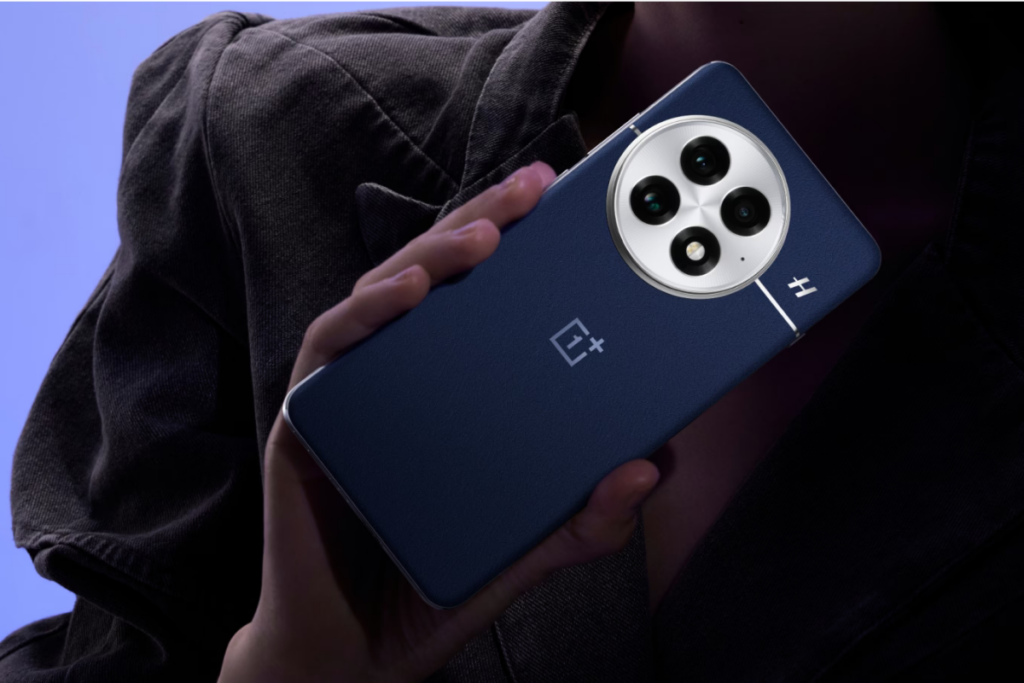
1. OnePlus 13
It’s one of the best flagship smartphones right now — and more importantly, it’s better than the Vivo X200 in multiple aspects. The OnePlus 13 (full review) features a slightly larger 6.82-inch screen and a higher resolution, resulting in a higher PPI (pixels per inch). It brings a 120Hz OLED panel with a peak brightness of 4500 nits, similar to the Vivo X200. However, the OnePlus phone is a step ahead with LTPO support. This enables dynamic refresh rate for better power saving while offering a smooth experience.
The OnePlus phone also features triple 50MP rear cameras, similar to the X200, which include a 50MP primary shooter, a 50MP periscope telephoto lens with 3x optical zoom, and a 50MP ultrawide sensor. Both phones can record 4K videos from their front and rear cameras, but the OnePlus 13 can record 8K rear videos as well.
Under the hood is the Snapdragon 8 Elite (versus Dimensity 9400 on the Vivo X200). Both are the most powerful chips from their respective brands and compete neck-and-neck in terms of performance, but the OnePlus 13 slightly outperforms the Vivo X200 on multiple benchmarks. They have the same set of connectivity features, except that the OnePlus 13 features a faster data transfer rate via a USB-C port.
The OnePlus 13, with a 6,000mAh battery, outshines the Vivo X200’s 5,800mAh by offering longer running time on a single charge. The OnePlus phone features a 100W fast wired charging. Additionally, it supports 50W wireless charging and 10W reverse wireless charging, which are lacking in the Vivo phone

2. Xiaomi 15
Xiaomi 15 (full review) is another excellent flagship and a great alternative to the Vivo X200. It’s also powered by the Snapdragon 8 Elite, like the OnePlus 13, which performs better than the Vivo X200’s Dimensity 9400, particularly when it comes to gaming.
Unlike the Vivo X200, the Xiaomi 15 is a compact flagship phone with a 6.36-inch screen. Both phones feature AMOLED screens with a 120Hz refresh rate and HDR10+ support, but the Xiaomi device also offers LTPO (for dynamic refresh rates) and Dolby Vision. The Vivo phone has a higher peak brightness, but the Xiaomi 15, with a brightness of 3200 nits, is not difficult to use outdoors.
The Xiaomi 15 features triple rear cameras: a 50MP primary camera, a 50MP telephoto camera with 2.6x optical zoom, and a 50MP ultrawide shooter with 116-degree field of view. There’s a 32MP selfie snapper with 4K video recording capability. The rear cameras can record up to 8K videos.
On the connectivity front, things aren’t much different, except that the Xiaomi phone features a newer Bluetooth standard and faster transfer speed via USB-C port. It packs a 5,240mAh battery, which should last for a day on normal usage. With 90W fast charging, you can refill it in a short time. Additionally, it supports 50W wireless and 10W reverser wireless charging.
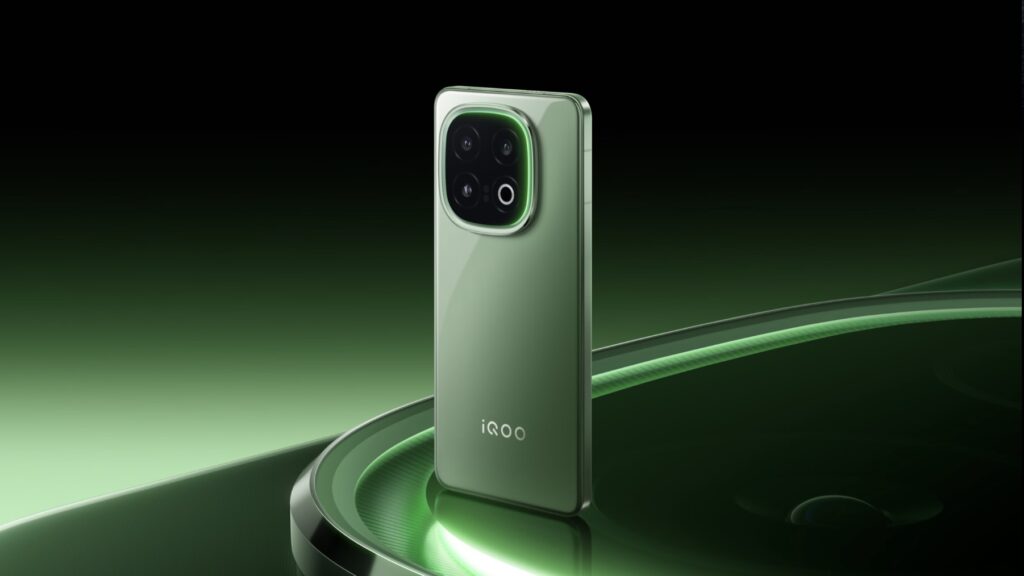
3. iQOO 13
iQOO 13 is another Snapdragon 8 Elite-powered smartphone on the list. In addition to a powerful chipset, iQOO phones are generally better optimized to achieve maximum performance. Furthermore, the iQOO 13 boasts a sturdy build quality and is IP68/IP69 rated, ensuring it can withstand high-pressure water jets, dust, and debris.
The smartphone features a 32MP selfie camera that can record up to 4K videos. Around the back, it features a triple camera setup, which includes a 50MP primary camera, a 50MP telephoto camera with 2x optical zoom, and a 50MP ultrawide camera. It allows up to 8K video recording.
The iQOO 13 comes in two battery variants: 6,150mAh (global) and 6,000mAh (India). The maximum charging speed is 120W, which, according to the brand, can fully charge the battery in just 30 minutes.

4. Realme GT 7 Pro
Again, we have a Snapdragon 8 Elite-powered smartphone on the list, which means you don’t need to worry about the performance as you’re getting the absolute best on any Android smartphone. Its narrowingly bigger AMOLED screen features a higher peak brightness and LTPO, which is lacking on the Vivo X200.
The Realme GT 7 Pro (full review) features a triple camera setup, which includes a 50MP primary shooter, a 50MP telephoto camera with 3x optical zoom, and an 8MP ultrawide camera. The setup allows for up to 8K video recording, while the 16MP selfie camera lets you do up to 4K video.
The device packs a 6,500mAh battery, but hold on: it’s for the global version. The Indian unit gets a 5,800mAh battery. The charging speed, however, is the same at 120W, which only takes around 40 minutes to fully charge the battery.

5. iPhone 15
iPhone 15 is another solid alternative to Vivo X200, but that’s a whole different route if you aren’t familiar with iOS. It’s a compact flagship phone featuring a 6.1-inch Super Retina XDR OLED panel with 2000 nits of peak brightness and Ceramic Shield Glass protection.
The device features dual rear cameras, including a 48MP primary sensor and a 12MP ultrawide shooter. On the front side, there’s a 12MP selfie shooter. iPhone 15 can record up to 4K videos from both sides. It features all necessary connectivity options, including Wi-Fi 6, Bluetooth 5.3, NFC, and GPS.
The smartphone has a 3,349mAh battery with support for 20W fast charging over a USB-C port. It takes around 30 minutes to refill half the battery capacity. Additionally, the smartphone supports MagSafe and Qi2 wireless charging up to 15W.
Which of the above smartphones is the best alternative to Vivo X200 in your opinion? Share your thoughts in the comments below.




Comments