Add GIZMOCHINA as Preferred Source on Google
As an Amazon Associate, Gizmochina earns from qualifying purchases. Links on this page may earn us a commission at no extra cost to you.
The Indian smartphone market is currently undergoing premiumization. According to Counterpoint Research, the market’s value is projected to exceed $50 billion by 2025.
As a result, we are witnessing more premium offerings from brands than ever before. Almost all phone companies with a presence in India now sell expensive handsets.
OnePlus is no exception. The brand has been a key player in this category for quite some time. With increasing competition, OnePlus has been improving its flagship smartphones methodically.
Having used the OnePlus 12 for over a year and the latest OnePlus 13 for more than a month, here are my thoughts on the brand’s latest flagship smartphone.
1. Where OnePlus Stands in the Flagship Landscape
OnePlus transitioned to offering a single flagship model a few generations ago. The brand dropped the ‘Pro’ variant, effectively replacing it with the standard model in all but name.
Although the price has gradually increased with newer generations, it remains lower than what Apple and Samsung charge for their baseline flagship models, let alone their Pro and Ultra versions. For a lower price, the OnePlus 13 offers a superior feature set compared to the iPhone 16 and Galaxy S25.
However, the OnePlus 13’s notable competitors come from fellow Chinese brands, namely the Vivo X200, Xiaomi 15, and Oppo Find X8. While these three smartphones excel in their ways, I believe the OnePlus 13 is a compelling option for most consumers (more on this later).
2. Design that’s Functional and Durable
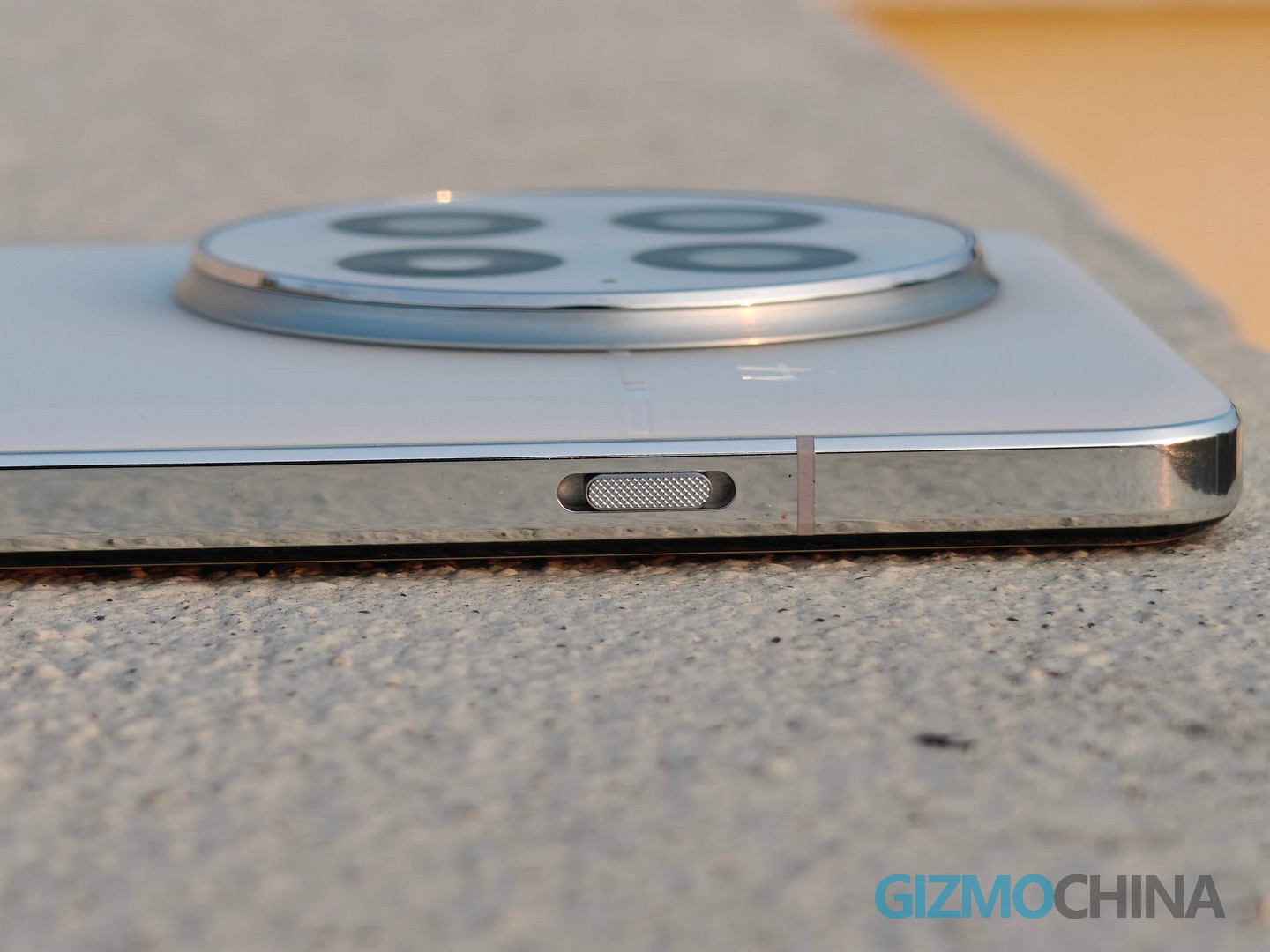
When I first picked up the OnePlus 13, I was skeptical about its in-hand feel due to the flat frame. But, to my surprise, I got used to it after a few days of use.
Though it isn’t as cozy as the OnePlus 12 (thanks to its curved display), the flat frame makes the phone feel more grippy. The best part of this change is the reduction in accidental touches—hallelujah!
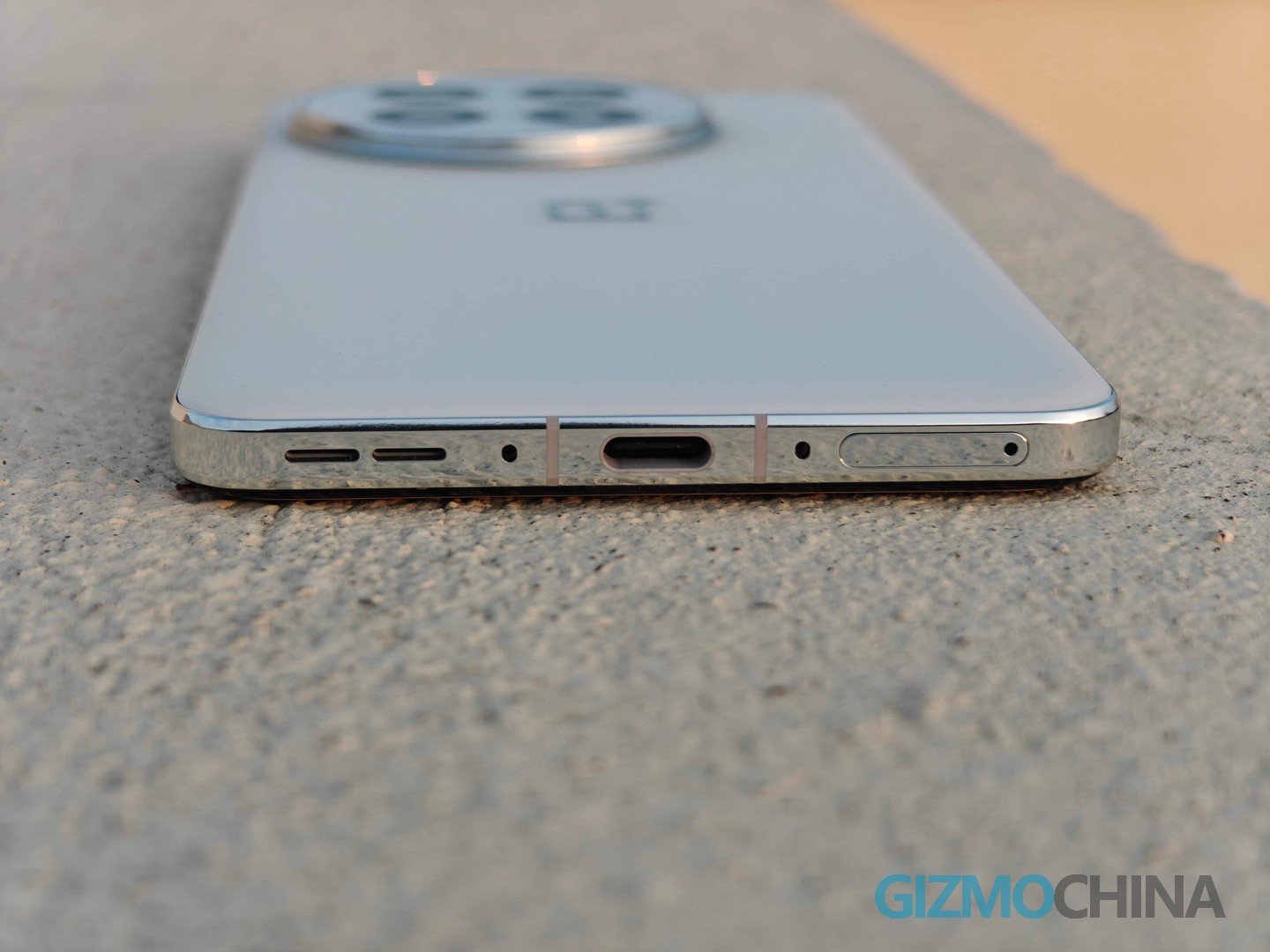
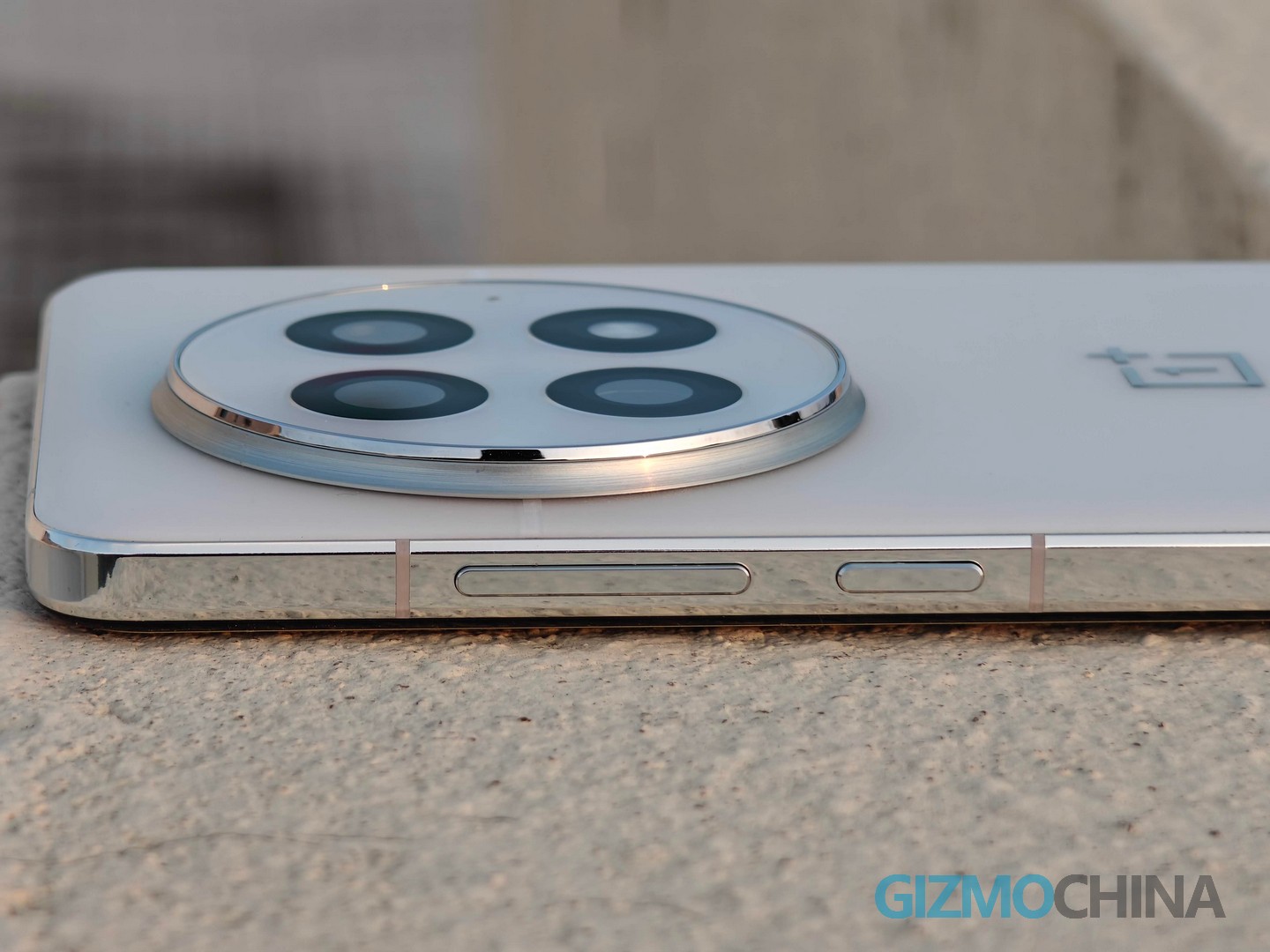
Additionally, the 6.82-inch QHD+ 120Hz screen is a visual treat. Although it’s not the brightest display in this price range, it performs well in both HDR and non-HDR scenarios and is complemented by loud dual stereo speakers.
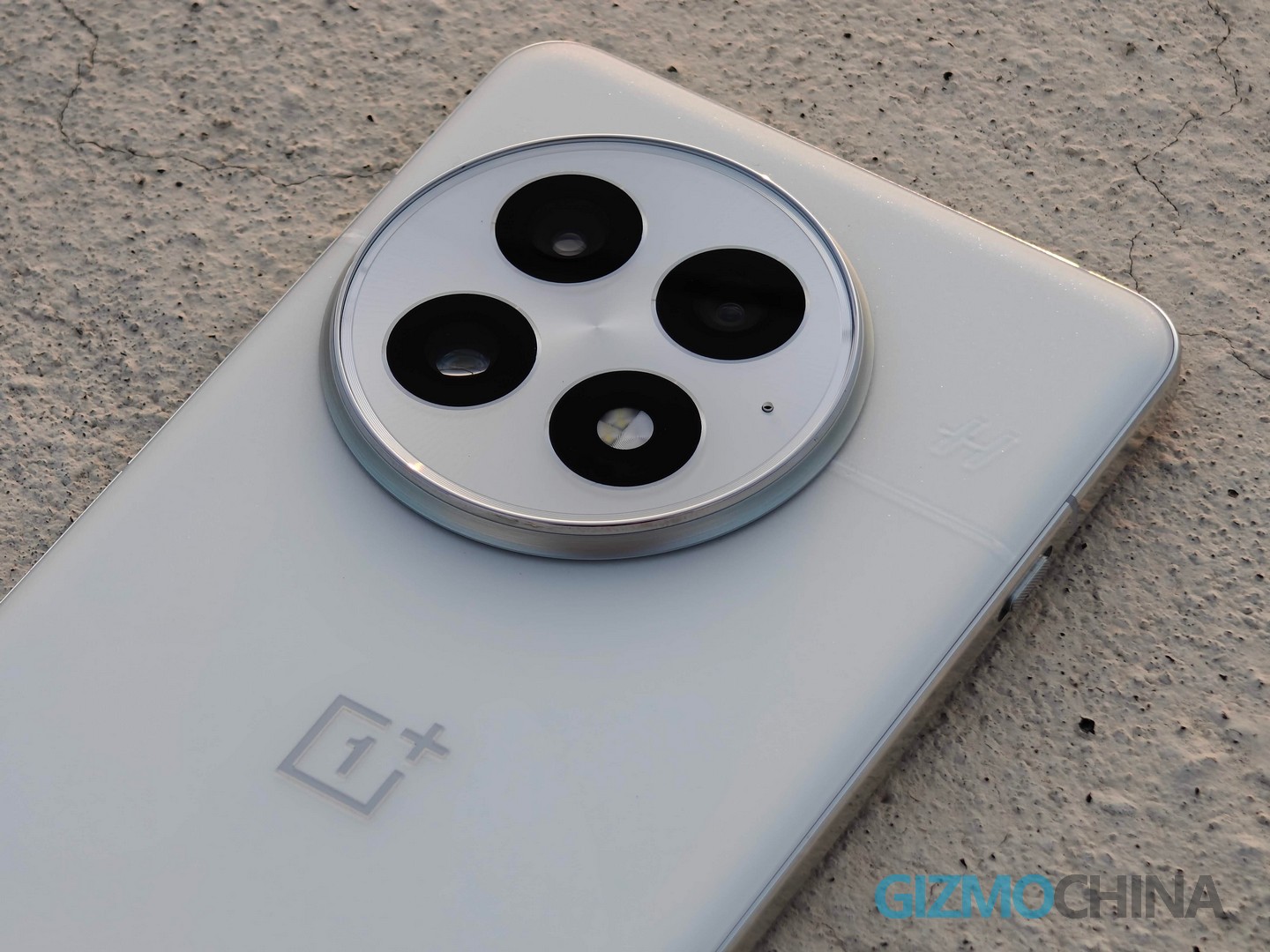
I received the Arctic Dawn version of the handset. While I like this hue, I prefer the Midnight Ocean variant, as it features a vegan leather back, which is less slippery than the frosted glass found on Arctic Dawn and Black Eclipse.
Interestingly, the OnePlus 13 comes with an improved alert slider compared to the OnePlus 12. It feels sturdier and more tactile. The phone also boasts better ingress protection ratings (IP68 and IP69), making me feel more at ease using it during rain or even shower sessions.
3. Power that Goes the Distance
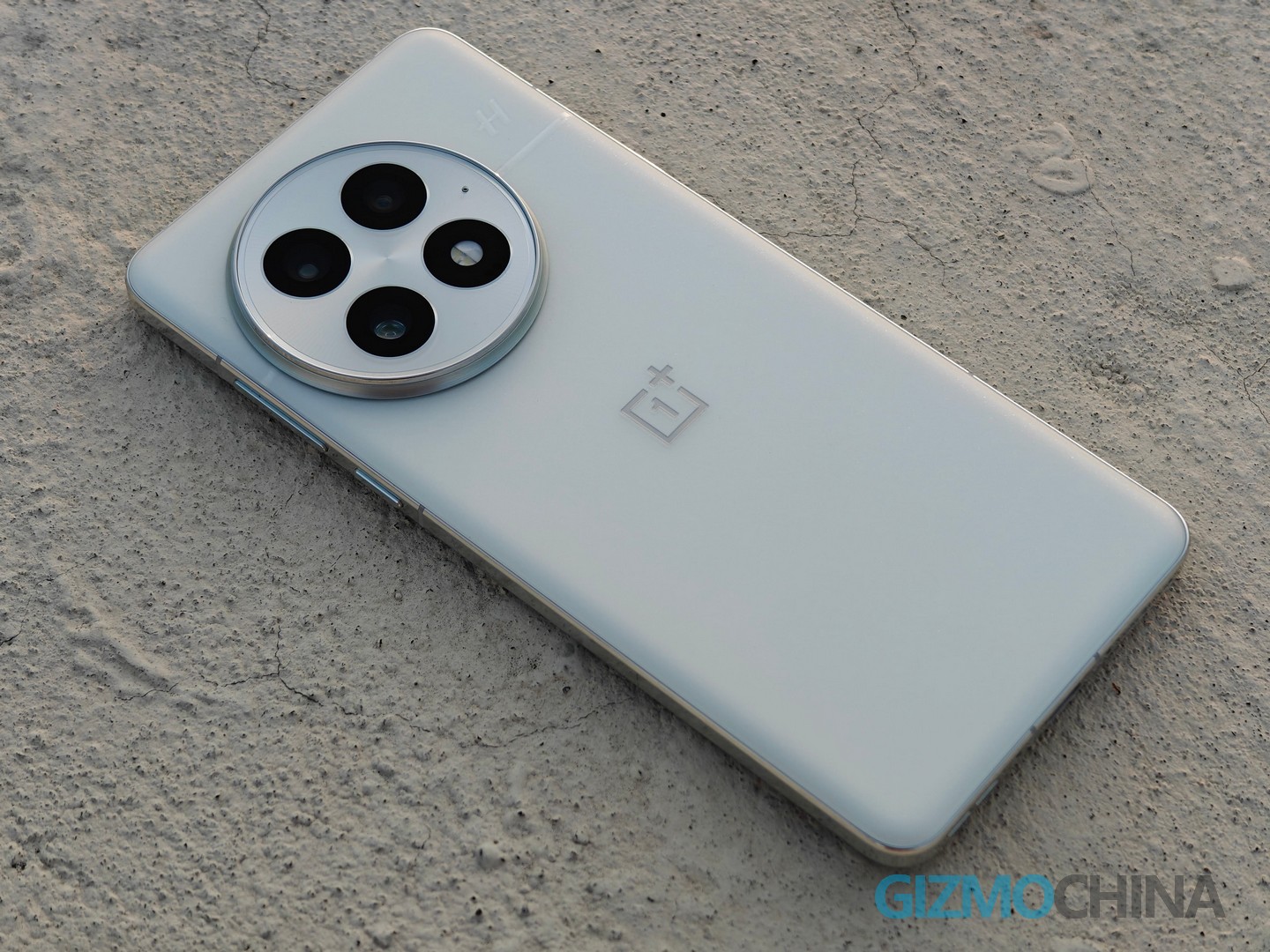
The unique selling proposition (USP) of OnePlus flagships has always been smoothness. The OnePlus 13 takes this even further. I was amazed to find that the phone feels snappier than the already fast OnePlus 12, even though they run the same software (OxygenOS 15 based on Android 15).
The Snapdragon 8 Elite powering the OnePlus 13 is a significant upgrade compared to previous Snapdragon 8 series chips. It not only delivers better raw performance than the Snapdragon 8 Gen 3 in the OnePlus 12, but it does so with improved power efficiency.
During my weeks of usage, I consistently experienced better battery life, thanks to the new chipset and a larger 6,000mAh battery (compared to 5,400mAh on the OnePlus 12). The 100W SuperVOOC charger fully recharges the phone in around 40 minutes, and a quick refill suffices in case of low battery.
Wireless charging support (up to 50W) adds convenience, although you’ll need to invest in the proprietary magnetic charger to achieve maximum speed.
4. Subtle Camera Upgrades with Some Trade-offs

The cameras on the OnePlus 13 are not significantly improved compared to the OnePlus 12. While image processing differs slightly, the difference is not substantial.
The camera hardware has been upgraded, featuring a new 50MP Sony LYT-600 3x periscope telephoto lens and a 50MP Samsung JN5 ultrawide unit with autofocus. The main sensor, however, remains the 50MP Sony LYT-808.















All three rear cameras deliver detailed images with excellent dynamic range in good lighting conditions. Color reproduction is consistent across all cameras. Even under low-light scenarios, performance is relatively stable.
Video recording sees minor improvements over the OnePlus 12. However, the selfie camera remains virtually unchanged and could benefit from autofocus.
Although the new zoom camera hardware is technically better, I personally prefer the older one. The newer module struggles with a high minimum focus distance, making macro photography difficult. It also faces challenges focusing on very distant objects, and extreme zoom shots are overly processed, resulting in artificial-looking images.
5. Why the OnePlus 13 is an Easy Recommendation
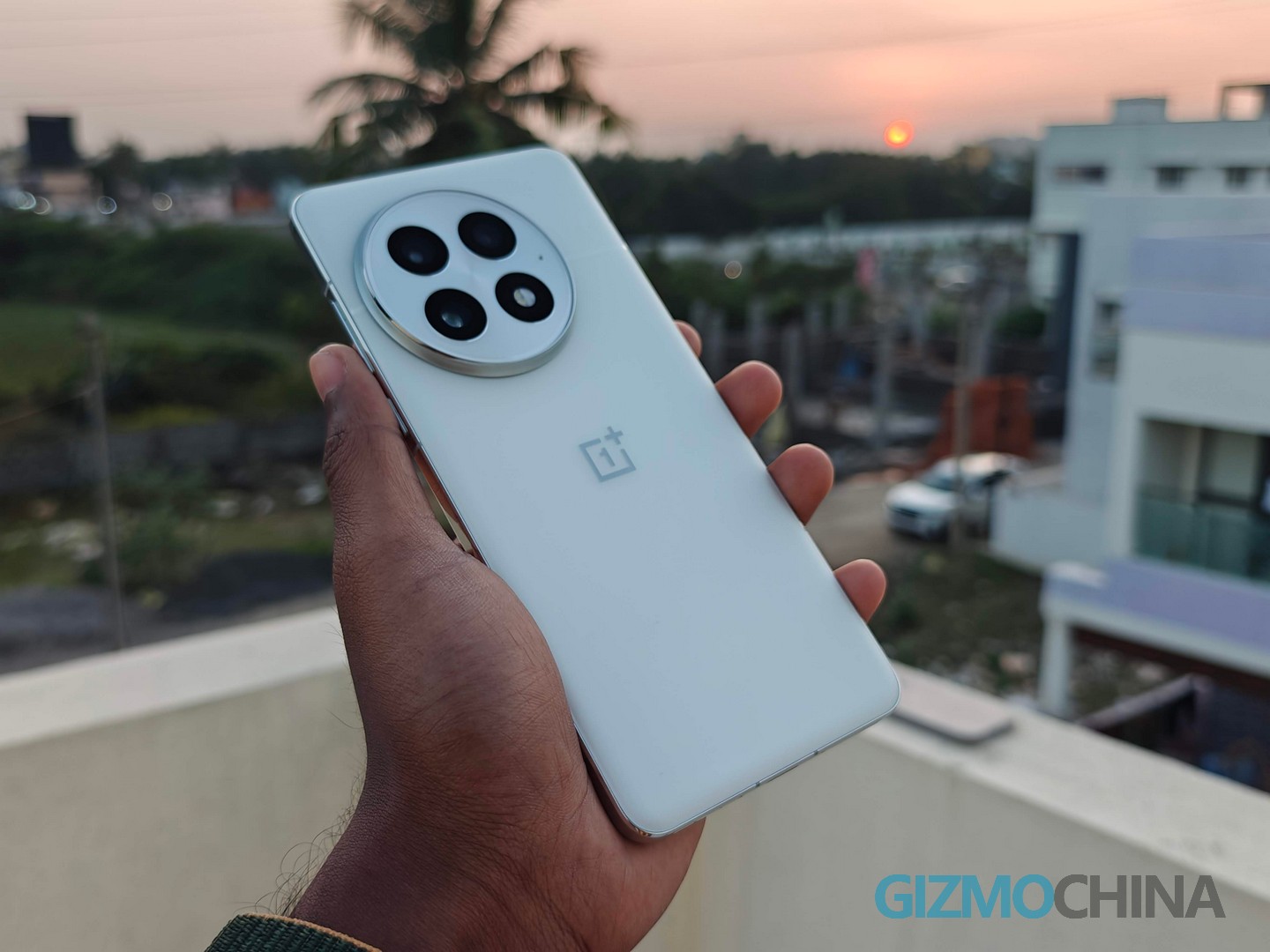
The OnePlus 13 is a smartphone that can be recommended to a vast majority of people, especially in India. It positions itself as a worthy alternative to the iPhone 16 and Galaxy S25.
Unlike Apple and Samsung’s handsets, the OnePlus 13 isn’t compact. It’s a large phone that competes with the Pro and Ultra models of the aforementioned brands at a more affordable price.
Spec and price-wise, the Vivo X200, Xiaomi 15, and Oppo Find X8 are more direct competitors to the OnePlus 13. These three smartphones excel in camera performance, an area where OnePlus has improved but still doesn’t lead.
If camera performance is your sole focus, you may want to explore these alternatives. However, a good flagship should be an all-rounder—and the OnePlus 13 fits that definition perfectly.
| Preview | Product | |
|---|---|---|

|
OnePlus 13| Smarter with OnePlus AI (12GB RAM, 256GB Storage Midnight Ocean) | Check Price on Amazon |
Please Note: When you buy something using the links in our articles, we may earn a small commission at no cost to you.
The OnePlus 13 offers top-notch performance, a smooth UI, long battery life, fast charging, excellent build quality, and good cameras. Its software caters to a global audience better than other Chinese brands. OnePlus also promises 4 Android updates and 6 years of security updates.
Moreover, consumers can opt for OnePlus ecosystem products like smartwatches, tablets, and earbuds to enhance their overall experience—a feature that other Chinese brands often lack in global markets.
Finally, OnePlus is the only smartphone brand that provides a lifetime warranty for green-line display issues, a problem currently affecting the industry at large.
For more daily updates, please visit our News Section.
Stay ahead in tech! Join our Telegram community and sign up for our daily newsletter of top stories!