
Add GIZMOCHINA as Preferred Source on Google
PC and tablet shipments in mainland China saw moderate growth in the first quarter of 2025, according to new data from Canalys. The report shows that PC shipments (excluding tablets) reached 8.9 million units in the mainland. It’s a 12% growth year-over-year.
Meanwhile, the tablet shipments climbed to 8.7 million units, which is a 19% increase over the same period last year.
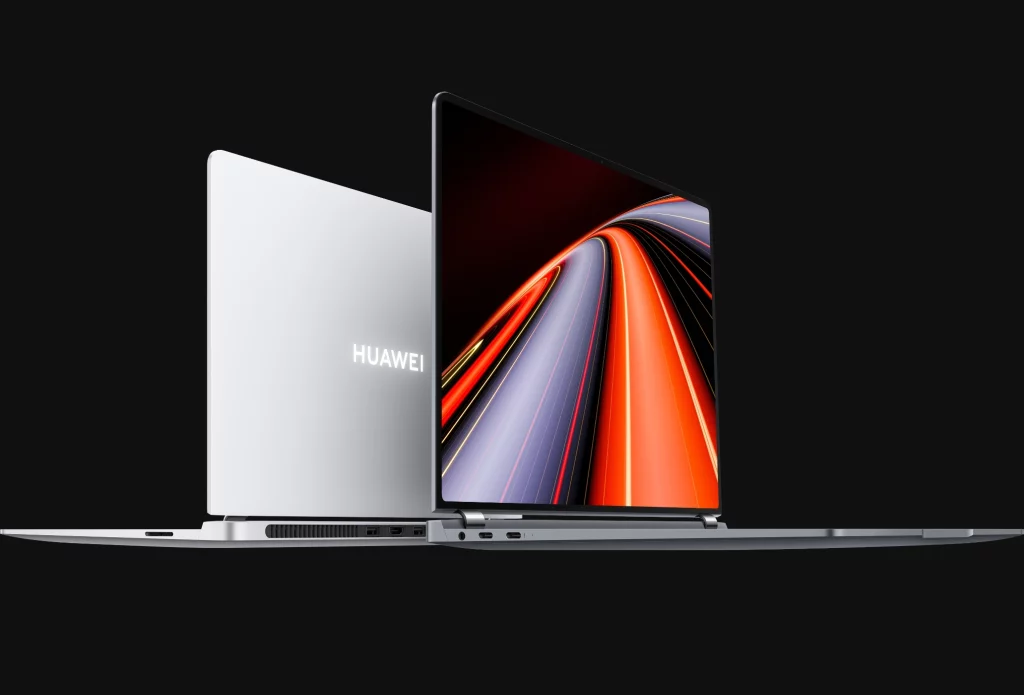
According to the report, the Chinese government’s subsidy program appears to be doing most of the heavy lifting. The incentives have been pushing consumers to upgrade older devices, especially notebooks, which saw a 20% jump compared to Q1 2024.
However, not all segments are sharing in the optimism. The commercial PC market showed less momentum. Canalys’ report shows purchases from large enterprises remained flat, while the SMB (small and medium-sized business) sector did show some signs of recovery after nearly three years of decline, growing 2% over the year.
Lenovo secures the top spot
Among PC vendors, Lenovo maintained its lead with 2.63 million units shipped and a 30% market share. However, this is still a 3% decline compared to Q1 2024. Huawei followed with 1.04 million units (12% share), posting 8% growth.

iSoftStone, another Chinese company that also manufactures and sells PCs, shipped 890,000 units in Q1, 2025. It’s a massive 111% increment year-over-year, bringing its market share to 10%.
Apple and HP rounded out the top five, with Apple growing 43% to 680,000 units (8% share), while HP declined 7% to 640,000 units (7% share).
In the tablet segment, Huawei led with 2.3 million units shipped (26% market share), closely followed by Apple with 2.1 million units (24%). Xiaomi reported the highest year-over-year growth at 57%, shipping 1.4 million units. Honor and Lenovo trailed, with Honor up 41% to 900,000 units, and Lenovo falling 23% to 500,000 units.

Looking ahead, Canalys forecasts a flat PC market for the rest of 2025, with slight 6% growth expected in 2026. The tablet market is projected to expand 5% this year, followed by an 8% contraction next year.
(Via)
For more daily updates, please visit our News Section.
Stay ahead in tech! Join our Telegram community and sign up for our daily newsletter of top stories.




Comments