
Add GIZMOCHINA as Preferred Source on Google
As an Amazon Associate, Gizmochina earns from qualifying purchases. Links on this page may earn us a commission at no extra cost to you.
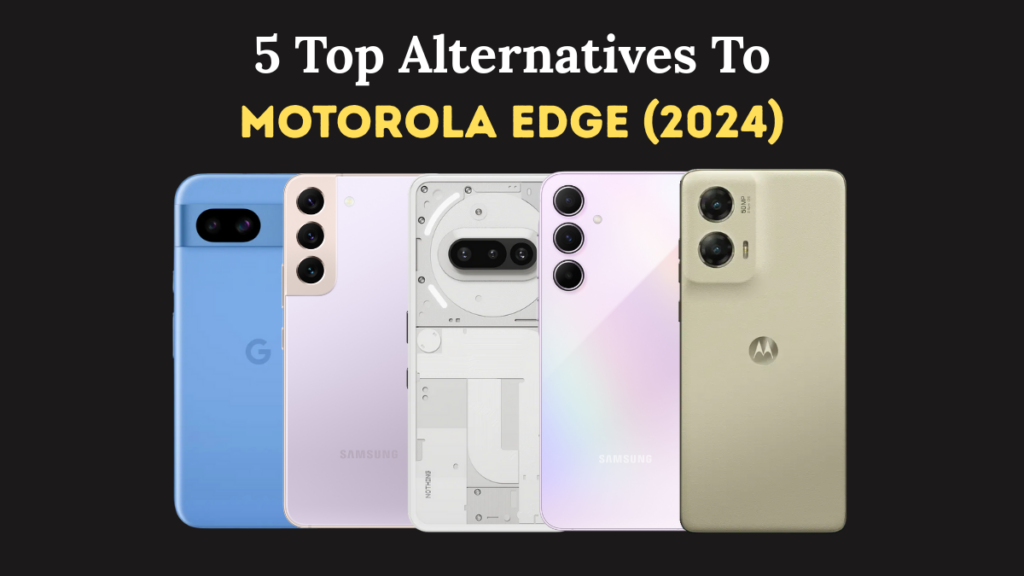
The Motorola Edge (2024) is an excellent mid-range smartphone. It boasts a gorgeous display, a fast Snapdragon chipset, and a large enough battery that lasts throughout the day — all at a sweet $350 price tag. However, it’s far from being the only showstopper, as several great alternatives exist that are better than this in one or more ways.
In this post, I have curated a list of the five best alternatives you could consider instead of the Motorola Edge (2024). Let’s have a look at them.
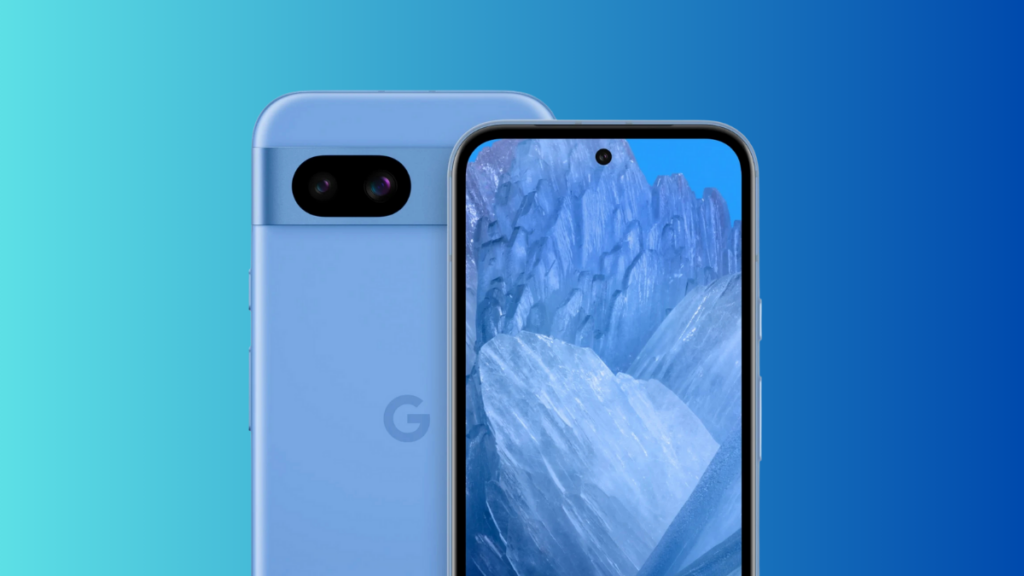
1. Google Pixel 8a
If you’re eyeing a flagship smartphone without going deep into the pocket, the Pixel 8a might be a good bet. It packs a 6.1-inch OLED screen that refreshes at 120Hz. Its 2000nits brightness ensures the content is visible outdoors without causing eye strain — and there’s Gorilla Glass 3 protecting the front.
The device is powered by an in-house Tensor G3 chipset, which is significantly faster than the Snapdragon 7s Gen 2 in the Motorola Edge (2024) and offers solid AI capabilities on-device. It promises seven years of Android updates, while the Motorola phone will only get two. That’s a significant gap, on top of faster software updates for the Google Pixel.
The Google Pixel 8a also excels in its camera capabilities, featuring a 64MP OIS-enabled primary camera and a 13MP ultrawide camera on the rear. The other side is equipped with a 13MP selfie snapper. Unlike the Motorola phone, the Pixel 8a can record 4K videos from both sides. Plus, it brings a range of AI-powered tools, such as Best Take, Magic Editor, Magic Eraser, Photo Unblur, and more.
The battery comes in at 4,492mAh, which should last for a day on regular usage. The 18W charging might feel a little slow, taking more than 1.5 hours to reach the full capacity. The Pixel 8a also supports 7.5W wireless charging.
| Preview | Product | |
|---|---|---|

|
Google Pixel 8a (Porcelain, 128, GB, 8, GB) | Check Price on Amazon |
Please Note: When you buy something using the links in our articles, we may earn a small commission at no cost to you.
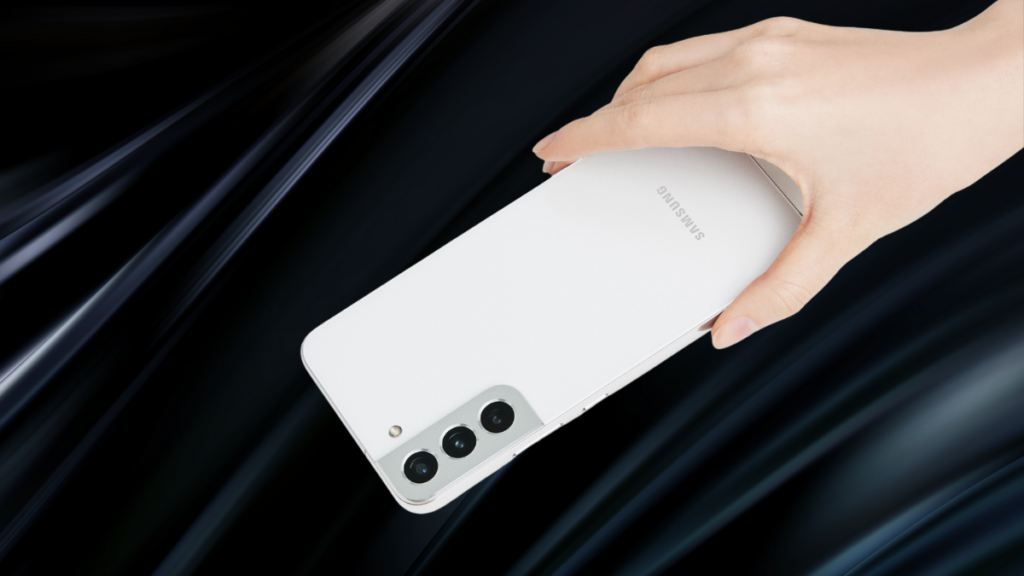
2. Samsung Galaxy S22
It’s another flagship device on the list, available at half its original price. The Galaxy S22 boasts a premium design, featuring an Armor Aluminum frame and robust Gorilla Glass Victus+ protection on both sides. The screen measures 6.1 inches, featuring an AMOLED panel with HDR10+ and a 120Hz refresh rate.
The processing needs are fulfilled by a Snapdragon 8 Gen 1 chipset, which is faster than the Snapdragon 7s Gen 2 powering the Motorola Edge (2024). Since the Galaxy S22 was released in 2022, it ships with Android 12. However, you’ll receive an upgrade to Android 15 or Android 16 as soon as you set up the device. Since it promises four OS updates, Android 16 will be the end of the road. The latter part is also true for the Edge (2024).
The Galaxy S22 is equipped with a high-end camera setup, featuring a 50MP OIS-enabled primary camera and a 12MP ultrawide camera. There’s also a 10MP telephoto shooter on the rear side with 3x optical zoom, which isn’t present on the Motorola phone. The device can record up to 8K rear videos, while the 10MP selfie camera allows up to 4K video recording.
The battery capacity is a little disappointing at 3,700mAh, paired with 25W okay(ish) wired and 15W wireless charging support. The device also supports 4.5W reverse wireless charging for powering up your accessories. Unlike most smartphones that rely on optical fingerprint scanning, the Galaxy S22 offers an ultrasonic under-display fingerprint scanner, which is more secure, reliable, and faster.
| Preview | Product | |
|---|---|---|

|
Samsung Galaxy S22 Plus 5G (Phantom White, 8GB, 128GB Storage) with No Cost EMI/Additional Exchange… | Check Price on Amazon |
Please Note: When you buy something using the links in our articles, we may earn a small commission at no cost to you.
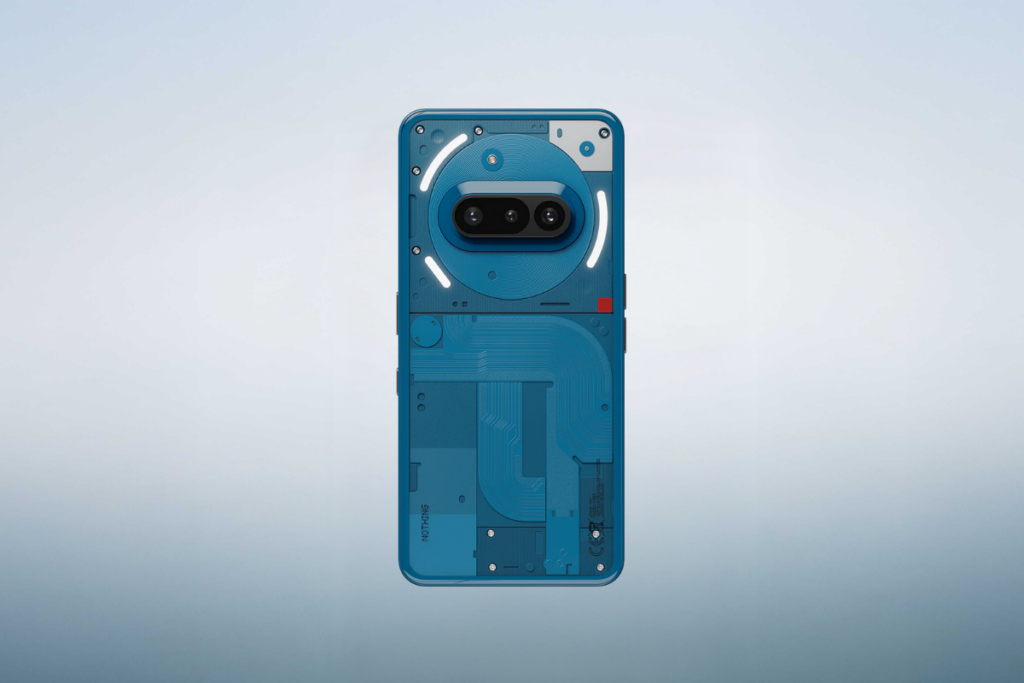
3. Nothing Phone (3a)
The Noting Phone (3a) is another compelling option in the sub-$400 category. Besides a unique transparent look, there are several other aspects that the device gets right. That includes a slightly larger 6.7-inch AMOLED screen with a significantly higher peak brightness of 3000 nits compared to the Motorola Edge (2024).
Besides its design, Nothing phones are also known for a smooth and clean software experience. The Phone (3a) boots Android 15 and promises three major Android updates. It’s powered by a Snapdragon 7s Gen 3 chipset, which ensures smooth performance, and it’s also faster than Edge (2024).
The Nothing Phone (3a) also surprises with a 50MP telephoto camera (2x optical zoom), which is not often seen on mid-range phones. Besides this, there’s a 50MP OIS-enabled primary camera and an 8MP ultrawide snapper on the rear side. The front side features a 32MP snapper with 1080p video recording, while the rear setup can record up to 4K videos.
The smartphone houses a 5,000mAh battery, which should provide sufficient power for a full day on normal usage. It comes with 50W fast charging support, promising to fully charge the battery in just under an hour. There’s no wireless charging support, though. This would have been a nice addition, but the Nothing Phone (3a) is still a great value-for-money phone.

Please Note: When you buy something using the links in our articles, we may earn a small commission at no cost to you.
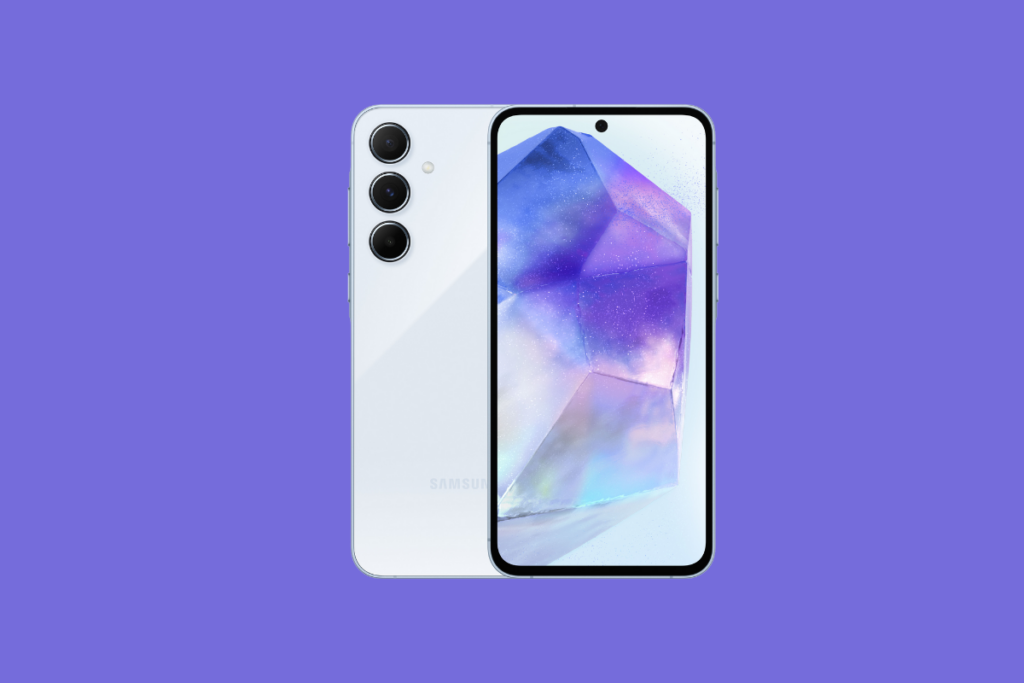
4. Samsung Galaxy A55
The Galaxy A55‘s design closely mirrors the look and feel of Samsung’s flagship S-series. It has an aluminum frame and Gorilla Glass protection on both sides. The IP67-rating ensures the device can withstand dust and water to some extent.
The Samsung phone features a 6.6-inch Super AMOLED screen with 1080p resolution, 120Hz refresh rate, and HDR10+ support. The brightness peaks at 1000 nits, which isn’t extremely bright when you’re outdoors, but it does the job. The device is powered by an in-house Exynos 1480 chipset, which ensures smooth performance in everyday tasks, such as messaging, browsing, and scrolling through social media apps. By the way, it’s faster than the Snapdragon 7s Gen 2 that powers the Edge (2024).
The Galaxy A55 features a triple rear camera, which includes a 50MP primary shooter with OIS, a 12MP ultrawide camera, and a 5MP depth camera. The front side is equipped with a 32MP selfie snapper. The smartphone allows up to 4K video recording from both sides.
The device has all the necessary connectivity features, including Wi-Fi 6, Bluetooth 5.3, NFC, and multiple positioning systems. To keep it powered on, there’s a 5,000mAh battery, which offers a day of backup on regular usage. It comes with 25W charging support, which takes around an hour and a half to reach its full capacity.
| Preview | Product | |
|---|---|---|

|
Samsung Galaxy A55 5G (Awesome Iceblue, 8GB RAM, 256GB Storage) | Metal Frame | 50 MP Main Camera… | Check Price on Amazon |
Please Note: When you buy something using the links in our articles, we may earn a small commission at no cost to you.
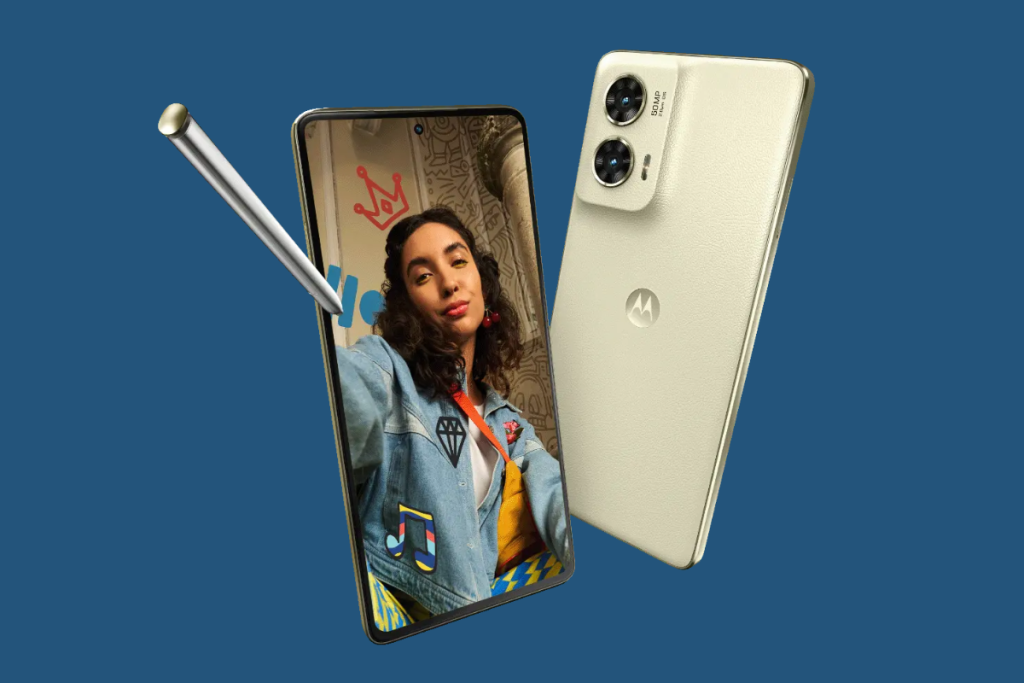
5. Moto G Stylus 5G (2024)
This is the cheapest on the list — even cheaper than the Edge (2024) — and still gets the job done. Additionally, it features a stylus for improved accuracy, accessibility, and enhanced productivity. It closely resembles the Edge (2024) except that it has a flatter display while the other one has a curved one.
The Moto G Stylus 5G (2024) features a slightly larger 6.7-inch AMOLED screen that refreshes at 120Hz. To bring the price down, Motorola had to cut some corners, and one of them comes in the form of screen protection. Overall, it’s a great display with vibrant colors and good viewing angles.
The device is powered by a Snapdragon 6 Gen 1 chipset, which closely matches the Snapdragon 7s Gen 2 performance, the same chip powering the Edge (2024). Both Motorola phones come with Android 14 out of the box. However, the Moto G Stylus (2024) will only get one Android update, while the Edge (2024) will likely get an additional major upgrade.
In terms of optics, the Moto G Stylus 5G (2024) features a dual rear camera setup comprising a 50MP OIS-enabled primary shooter and a 13MP ultrawide camera. The other side houses a 32MP selfie camera. Unfortunately, the device doesn’t support 4K video recording and only allows up to 1080p recording from both sides.
The smartphone ships with a 5,000mAh battery, easily lasting for a day on regular usage. Battery-conscious users might stretch it to more than a day. Moreover, the device supports 30W wired and 15W wireless charging.
| Preview | Product | |
|---|---|---|

|
G Stylus 5G 2024 Pen Replacement for Motorola Moto G Stylus 5G 2024 Stylus Pen Replacement for… | Check Price on Amazon |
Please Note: When you buy something using the links in our articles, we may earn a small commission at no cost to you.
Would you still pick the Motorola Edge (2024) over these value-packed smartphones? Also, let us know which one impressed you the most. Share your thoughts in the comments below.



Comments