Add GIZMOCHINA as Preferred Source on Google
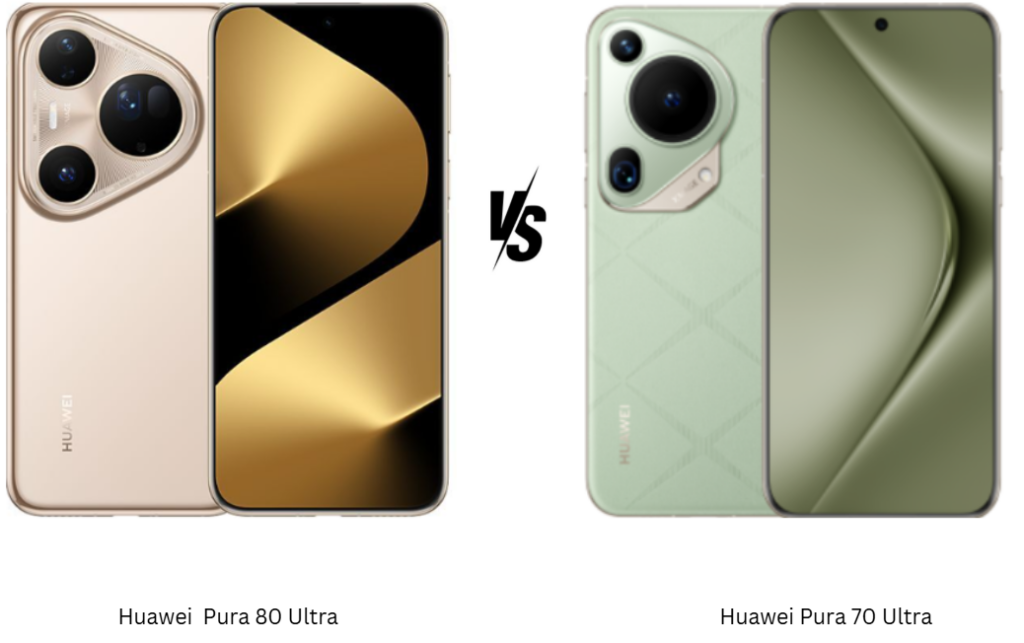
The Huawei Pura 80 Ultra and Pura 70 Ultra represent Huawei’s most advanced smartphones, packed with top-tier hardware and innovative camera systems. With both targeting premium users, this comparison is crucial to understand how Huawei has evolved its flagship line and whether the higher price of the Pura 80 Ultra brings enough meaningful upgrades over the already powerful Pura 70 Ultra.
| Preview | Product | |
|---|---|---|

|
HUAWEI Pura 70 Ultra Smartphone, 16GB + 512GB, Ultra Lighting Camera with Retractable Lens, Ultra… | Check Price on Amazon |
Please Note: When you buy something using the links in our articles, we may earn a small commission at no cost to you.
1. Design and Display
Build and Feel:
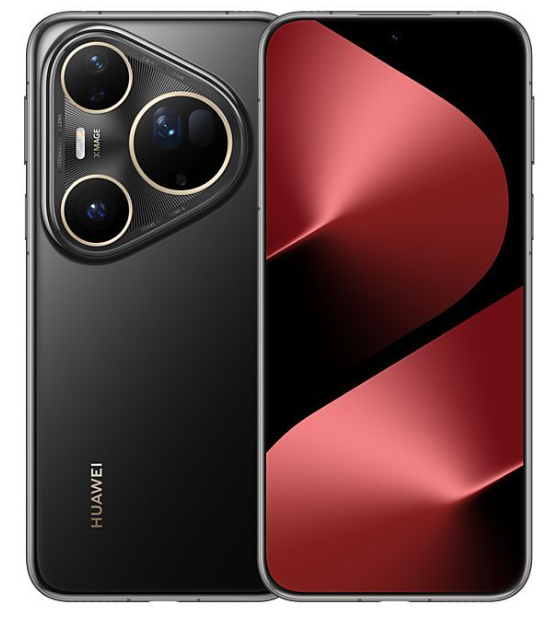
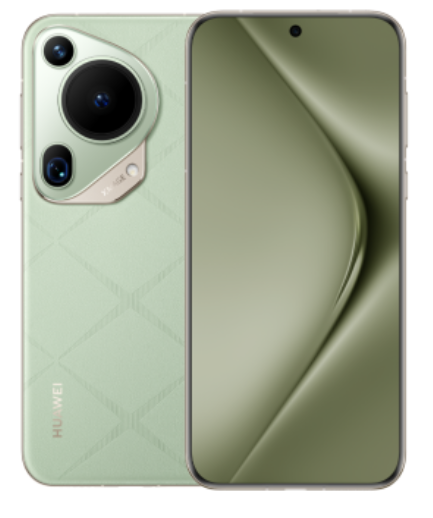
Huawei Pura 80 Ultra adopts a more refined, flagship-grade glass-aluminum-glass sandwich design, offering a premium hand feel and polished aesthetics. In contrast, the Pura 70 Ultra uses a silicone polymer back (eco-leather texture), which appeals more to users preferring a soft-touch, grippy finish. Both devices are IP68 water and dust resistant, but the 80 Ultra adds an IP69 rating, giving it added protection against high-pressure water jets, useful for harsh environments. While both are durable, the 80 Ultra feels more premium and rugged with its upgraded build certification.
Pura 80 Ultra offers a more luxurious and rugged design.
Display Quality:
Both phones feature 6.8-inch LTPO OLED displays with a 120Hz refresh rate and 1440Hz PWM dimming for eye comfort. The Pura 80 Ultra reaches a higher peak brightness of 3000 nits compared to 2500 nits on the Pura 70 Ultra, enhancing visibility under direct sunlight. Both support HDR Vivid, but the 80 Ultra’s Kunlun Glass 2 provides improved scratch resistance and shatter protection over the original Kunlun Glass on the 70 Ultra.
Pura 80 Ultra delivers a brighter, more durable, and refined display experience.
Verdict:
The Pura 80 Ultra edges ahead in design and display with superior materials, a brighter screen, and tougher glass protection. It feels more like a flagship-grade device, especially for users who value durability and maximum screen clarity.
2. Specifications
Performance:
The Pura 80 Ultra uses the Kirin 9020 chipset, which slightly outpaces the Kirin 9010 in the Pura 70 Ultra with better clock speeds and efficiency. GPU performance is also improved with the Maleoon 920, making it better suited for graphics-heavy tasks. While real-world differences are minor, the 80 Ultra also comes with only 16GB RAM configurations, ensuring top-tier multitasking. In contrast, the 70 Ultra has a 12GB RAM variant, which might impact performance under intensive use.
Pura 80 Ultra delivers a more powerful and future-proof performance setup.
Battery and Charging:
Both models feature ultra-fast 100W wired and 80W wireless charging, along with reverse wireless and wired charging. However, the Pura 80 Ultra (China version) houses a slightly larger 5700 mAh battery compared to the 5200 mAh in the Pura 70 Ultra. For international variants, the Pura 80 Ultra offers 5170 mAh, still marginally smaller but compensated by a more efficient chipset. Overall, endurance is slightly better in the China-exclusive model of the 80 Ultra.
Battery life is longer and more flexible in the Pura 80 Ultra, especially in the Chinese variant.
Verdict:
While both phones offer excellent battery systems and flagship-grade performance, the Pura 80 Ultra pulls ahead with its faster chipset, larger battery (in China), and consistent 16GB RAM, making it better for power users and gamers.
3. Camera

Main and Secondary Lenses:
The Pura 70 Ultra introduces a unique retractable main lens with variable aperture and the same large 1.0-inch sensor. However, the Pura 80 Ultra enhances this by adding a quad-camera setup with two distinct periscope telephoto lenses: a 3.7x and 9.4x zoom, using the same sensor for better consistency. This gives it unmatched versatility, especially for long-range photography. Both support sensor-shift OIS and laser AF, but the 80 Ultra clearly wins in optical zoom and camera flexibility.
Pura 80 Ultra offers superior telephoto and multi-scenario camera performance.
Selfie Camera:
Both phones feature a 13MP ultrawide front camera with autofocus, capable of recording up to 4K with HDR. The Pura 80 Ultra includes additional slow-motion features like 240fps video and HDR Vivid support for enhanced dynamic range. This adds value for vloggers or those who prioritize high-quality front-facing video.
Pura 80 Ultra slightly improves the selfie experience with better video capabilities.
Verdict:
The Pura 80 Ultra leads the camera category with its dual periscope lenses and enhanced front camera video options. It’s a better tool for photography enthusiasts who want both range and versatility without relying on digital zoom.
4. Pricing
The Huawei Pura 70 Ultra is priced around $1200, while the Pura 80 Ultra is approximately $1500. The Pura 70 Ultra still offers a powerful camera, flagship chip, and premium build at a slightly more affordable cost. However, the Pura 80 Ultra justifies its premium with upgrades in zoom capabilities, display brightness, chipset, and enhanced durability (IP69). For users wanting the absolute best Huawei flagship experience, the extra $300 brings meaningful improvements.
Verdict: Pura 70 Ultra is better for value-conscious users; Pura 80 Ultra is ideal for no-compromise buyers.
Disclaimer:
Prices are approximate and may vary based on country, region, and applicable taxes.
5. Conclusion
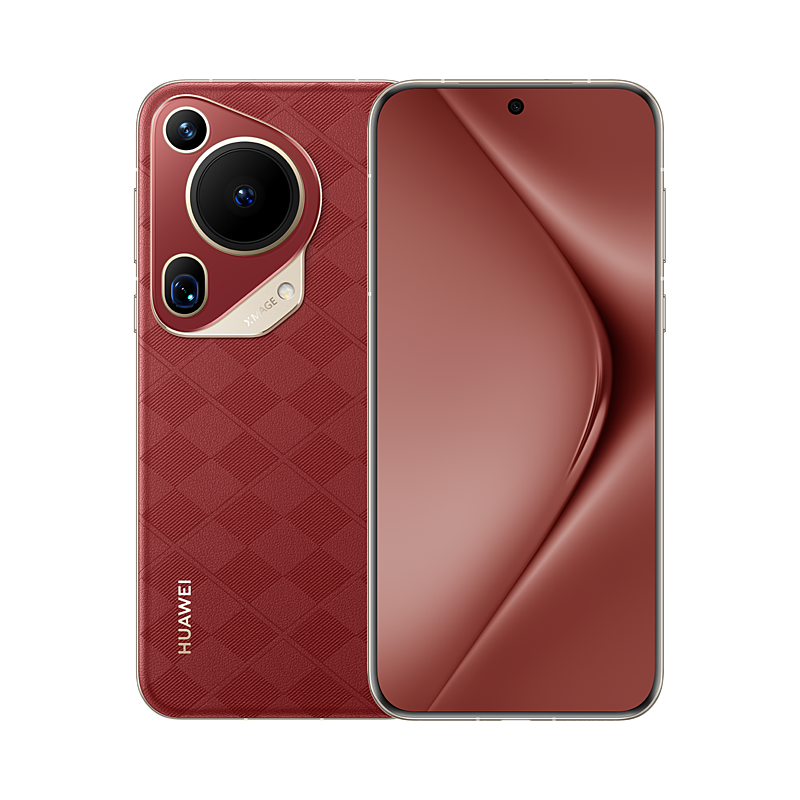
The Pura 80 Ultra stands out with its dual telephoto camera setup, IP69 durability, brighter display, and Kirin 9020 chip, features not found in the Pura 70 Ultra. It also has the latest Kunlun Glass 2 and a slightly larger battery (in the China model). The Pura 70 Ultra remains a capable flagship with its retractable lens innovation and eco-leather back, which appeals to design-conscious users who don’t require extreme zoom or heavy-duty builds.
Final Verdict:
Choose the Huawei Pura 80 Ultra if you want maximum camera versatility, better performance, and enhanced ruggedness. Go for the Huawei Pura 70 Ultra if you’re after flagship-level features with a unique design and excellent primary camera, at a more approachable price.
Read More:
- Huawei Pura 80 Ultra vs Pro: Is the $500 Extra Really Worth It?
- Nothing Phone 3 vs OnePlus 12: Which Is The Better Buy?
- OnePlus Nord CE 5 vs OPPO Reno 14F: Which Mid-Ranger Gives The Best Value For Money