
Add GIZMOCHINA as Preferred Source on Google

iPhone 17 Pro and Xiaomi 15 Ultra represent two different approaches to flagship smartphones in 2025: Apple’s focus on refined ecosystem integration versus Xiaomi’s hardware-driven innovation. Both devices push boundaries in design, performance, and imaging, making this comparison essential for anyone deciding between Apple’s seamless experience and Xiaomi’s cutting-edge specifications.
1. Design and display
Build and Feel
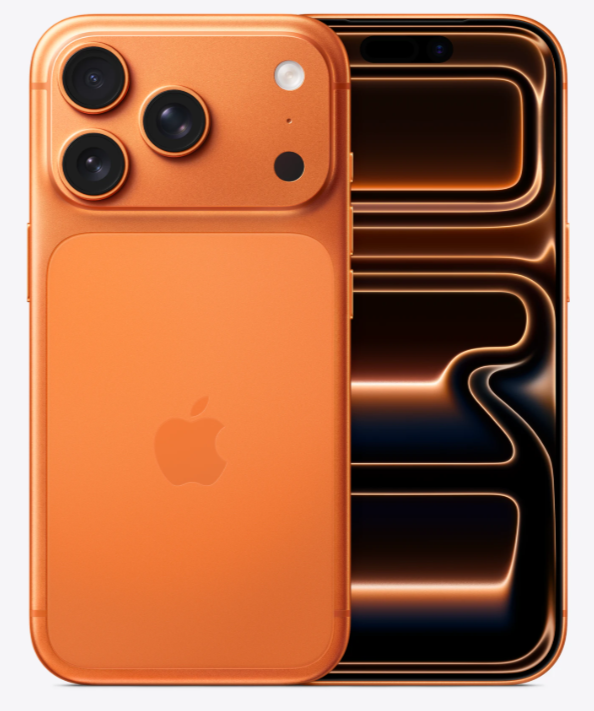
The iPhone 17 Pro continues Apple’s minimalist design with Ceramic Shield 2 protection and an aluminum alloy frame. It feels refined and durable, with excellent IP68 water resistance rated up to 6 meters. In contrast, the Xiaomi 15 Ultra offers a more versatile design, featuring glass-fiber or eco-leather backs with aerospace-grade reinforcement. Its IP68 rating is also strong but slightly less durable underwater. Xiaomi’s design adds character and choice, while Apple sticks with premium consistency.
Verdict: Xiaomi offers more variety and ruggedness, but Apple’s sleek durability may feel more polished for daily use.
Display Quality
Apple’s 6.3-inch LTPO Super Retina XDR OLED delivers up to 3000 nits peak brightness, Dolby Vision, and superb color accuracy. Xiaomi counters with a larger 6.73-inch LTPO AMOLED panel, pushing 3200 nits peak, QHD+ resolution, and advanced HDR formats including HDR Vivid. The 1920Hz PWM dimming also helps reduce eye strain. While Apple’s display is incredibly bright and calibrated for precision, Xiaomi edges ahead with higher resolution and broader HDR support.
Verdict: Xiaomi’s display is more versatile for media, but Apple ensures an unmatched visual balance and ecosystem tuning.
| Preview | Product | |
|---|---|---|

|
iPhone 17 Pro 1 TB: 15.93 cm (6.3″) Display with Promotion up to 120Hz, A19 Pro Chip, Breakthrough… | Check Price on Amazon |
Please Note: When you buy something using the links in our articles, we may earn a small commission at no cost to you.
| Preview | Product | |
|---|---|---|

|
Xiaomi 15 Ultra Smartphone, 16 + 512 GB, Silver, Mobile Phone without Contract, 100 mm 200 MP Leica… | Check Price on Amazon |
Please Note: When you buy something using the links in our articles, we may earn a small commission at no cost to you.
2. Specifications
Performance
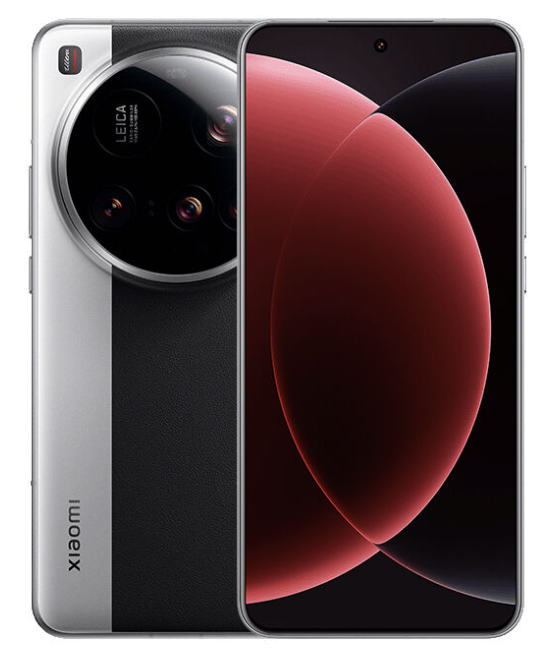
The iPhone 17 Pro runs on the Apple A19 Pro chip, known for its efficiency and optimized performance within iOS 26. Multitasking, gaming, and media editing benefit from its dedicated Apple GPU and NVMe storage. Xiaomi 15 Ultra uses the Snapdragon 8 Elite with Oryon cores and Adreno 830 GPU, delivering sheer raw power, higher RAM options, and Android flexibility under HyperOS 2. Apple ensures better sustained performance and ecosystem stability, while Xiaomi pushes raw speed and customization.
Verdict: Xiaomi is stronger in specs on paper, but Apple wins on stability and long-term efficiency.
Battery and Charging
Apple provides up to 4252 mAh with fast wired and wireless charging (25W MagSafe/Qi2, 50% in 30 minutes). Xiaomi counters with 5410–6000 mAh, depending on the market, along with blazing 90W wired and 80W wireless charging. It also includes 10W reverse wireless support. Xiaomi clearly leads with bigger capacity and faster refueling, making it ideal for power users. Apple’s smaller cell is offset by efficiency but cannot match Xiaomi’s speed and longevity.
Verdict: Xiaomi dominates battery and charging, offering more flexibility for heavy users.
3. Camera
Main and Secondary Lenses
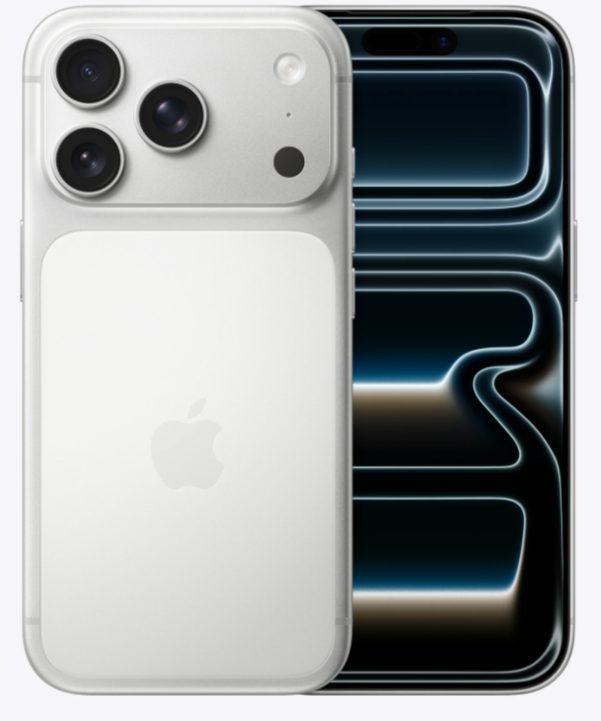
Apple equips a triple 48 MP system with wide, ultrawide, and 4x periscope telephoto, complemented by a LiDAR scanner. It excels in video with Dolby Vision HDR at 120fps and ProRes RAW. Xiaomi takes a bolder step with a quad setup, 50 MP wide with a 1-inch sensor, 50 MP telephoto, 200 MP periscope telephoto with 4.3x zoom, and 50 MP ultrawide. Backed by Leica optics, laser AF, and filter ring support, it offers unmatched hardware versatility. Apple remains king of video, but Xiaomi’s hardware pushes photography boundaries.
Verdict: Xiaomi wins in still photography, while Apple leads in cinematic video.
Selfie Camera
Apple’s 18 MP ultrawide selfie camera integrates Face ID hardware, OIS, Dolby Vision HDR, and ProRes RAW support, making it one of the most advanced front-facing setups. Xiaomi offers a 32 MP camera with higher resolution and solid HDR support, but lacks Apple’s advanced depth sensing and pro-level video tools.
Verdict: Apple delivers a more advanced selfie and biometric experience, while Xiaomi caters better to high-resolution shots.
4. Pricing
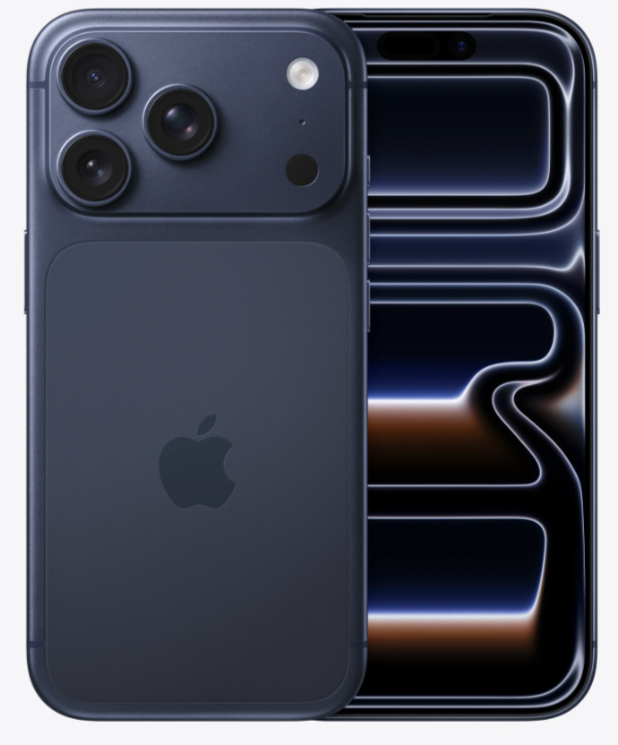
The iPhone 17 Pro starts around $1100, while the Xiaomi 15 Ultra is priced closer to $1500. Xiaomi justifies its premium with a larger battery, faster charging, and an advanced quad-camera setup. However, Apple provides a more optimized and polished ecosystem at a lower cost, with longer guaranteed software support.
Verdict: Apple offers better value for money, while Xiaomi demands more but delivers unmatched hardware upgrades.
5. Conclusion
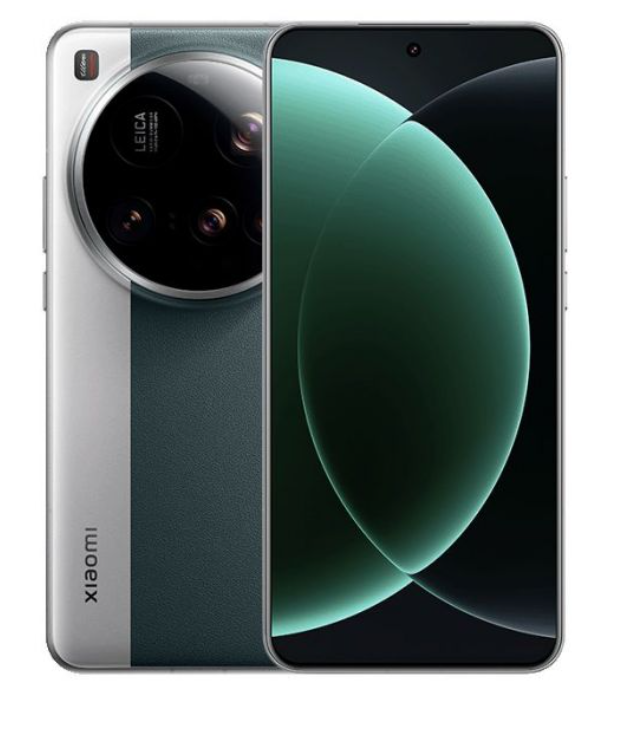
The iPhone 17 Pro stands out with ProRes RAW video, Face ID depth sensing, satellite SOS, and tight ecosystem integration. Meanwhile, the Xiaomi 15 Ultra introduces two-way satellite communication, Leica optics with a 200 MP periscope, and ultra-fast 90W charging, making it one of the most spec-heavy devices on the market.
Verdict
The iPhone 17 Pro is ideal for users who value stability, video creation, and a balanced flagship at a lower price. The Xiaomi 15 Ultra, on the other hand, caters to enthusiasts wanting the best hardware, a bigger battery, and professional-grade photography tools.
Both are excellent, but the decision depends on whether the buyer prefers ecosystem refinement (Apple) or maximum innovation (Xiaomi).
Read More:

Comments