
Add GIZMOCHINA on Google:
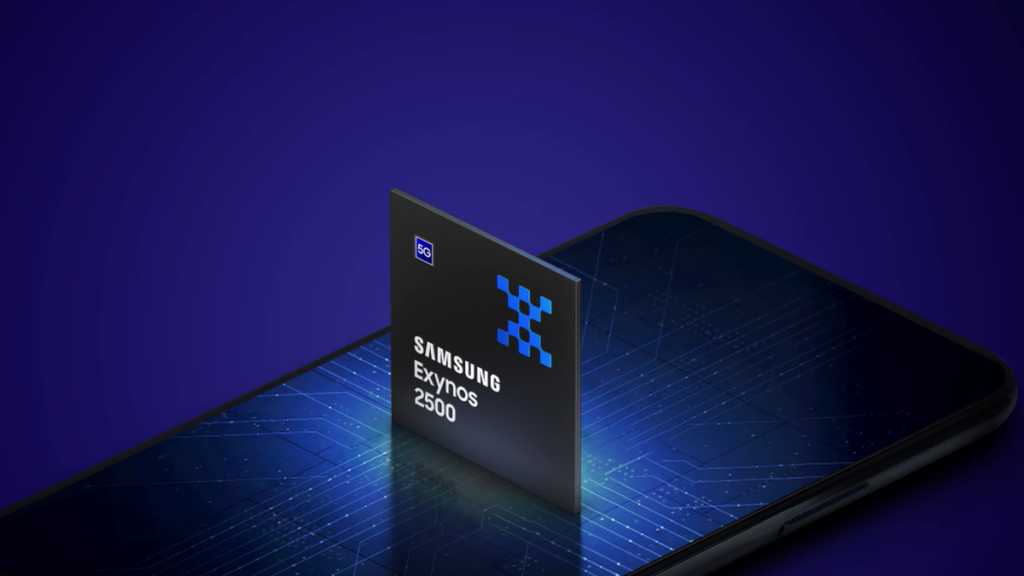
Samsung has officially entered the 2nm era, but not without turbulence. The company’s Foundry Division has kicked off mass production of its next-gen Exynos 2600 chipset using its cutting-edge 2nm GAA process. While this should mark a triumphant return for Samsung’s in-house silicon after the Exynos 2500’s absence from the Galaxy S25, the reality is more complicated.
Galaxy S26 Ultra could drop Exynos 2600
According to a report by Korean outlet Dealsite, initial output stands at just 15,000 wafers, with yield rates hovering around 50%, far below the industry’s target of 70% for profitability. That number, while an improvement over Samsung’s broader 2nm yields in the 30% range, still limits how widely the Exynos 2600 can be deployed.
Sources now suggest that only about 30% of Galaxy S26 units will ship with the Exynos 2600, primarily in Samsung’s home market. The flagship S26 Ultra is expected to skip the chip entirely, instead relying on Qualcomm’s Snapdragon 8 Elite Gen 5, contradicting earlier reports that projected a full Exynos rollout across all S26 variants.
The reduced allocation follows promising early tests that initially supported a broader deployment. However, limited wafer supply and unstable 2nm yields have forced Samsung to scale back. The Foundry Division now faces a pivotal moment as it works to recover from mounting losses and rebuild trust with major partners.
Samsung is also preparing to produce Tesla’s AI6 chip using the same 2nm process, with pilot runs scheduled for next year and full-scale production expected by 2027. The deal, valued at around 22 trillion won (roughly $15.2 billion), includes plans for roughly 10,000 wafers per month. However, initial output will remain limited, and profitability will depend heavily on improving yield rates.
Despite the growing pains, Samsung’s Exynos 2600 and Tesla AI6 projects are shaping up as high-stakes proving grounds. If the company can stabilize its 2nm output, it could turn these two chips into marketing weapons, and perhaps even lure Qualcomm back into the fold.
For more daily updates, please visit our News Section.
Stay ahead in tech! Join our Telegram community and sign up for our daily newsletter of top stories! 💡
(Source)



Comments