
Add GIZMOCHINA as Preferred Source on Google
Earlier this week, Huawei introduced its Mate 80 series of next gen flagship smartphones in its home market. The lineup consists of the base Mate 80, Mate 80 Pro, new Mate 80 Pro Max, and the Mate 80 RS Ultimate Edition. These premium devices feature the brand’s in-house silicon, bold designs, and cutting edge camera and display technology. With four distinct models, Huawei is trying to cover all bases. So here’s a quick breakdown of what the Mate 80 series brings to the table.
Meet the Mate 80 Lineup
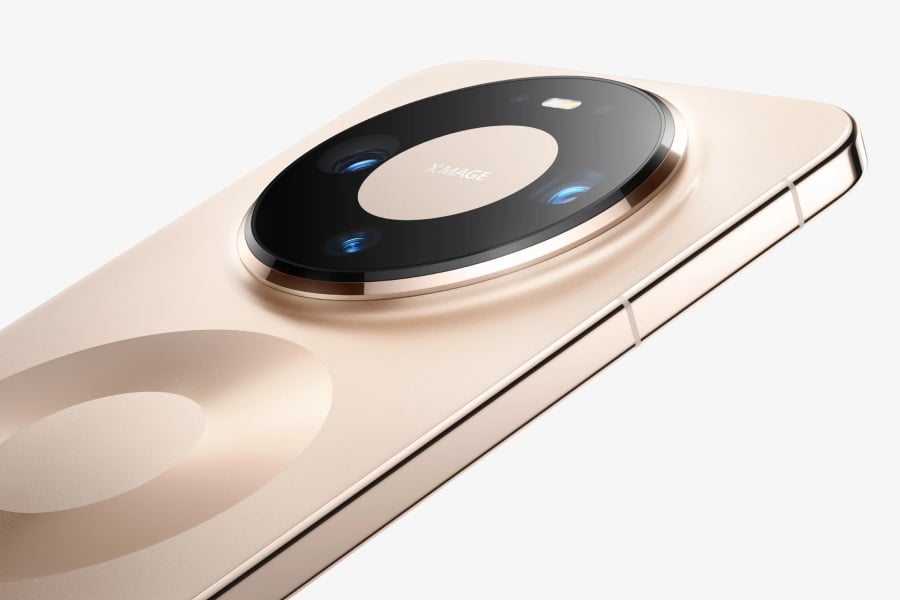
The Mate 80 Series comprises four variants: Huawei Mate 80, Huawei Mate 80 Pro, Huawei Mate 80 Pro Max, and Huawei Mate 80 RS Ultimate Design. Each uses Huawei’s custom chipset and runs on HarmonyOS 6. The base Mate 80 is built with the Kirin 9020, targeting users who want flagship level design and features without spending an exorbitant sum. But the Mate 80 Pro and Mate 80 Pro Max step up the performance with the newer Kirin 9030/Kirin 9030 Pro chipsets. The RS Ultimate Design gets the Kirin 9030 chip as well, but pairs it with a whopping 20GB of RAM.
Dual-Ring Builds & Dual-Layer OLED
All models in the Mate 80 series carry a distinctive dual-ring design, combining glass, metal, and brocade fiber for enhanced durability. These also get an IP68 + IP69 rating for water and dust resistance, Xuanwu mid frame, Kunlun Glass for protection. The second ring below the circular camera module basically makes the infinity “8” figure.

On the front, the base Mate 80 and Mate 80 Pro ship with a tall 6.75-inch OLED display with LTPO support for a 1-120Hz variable refresh rate, 1.5K resolution, 1440Hz PWM dimming, 300Hz touch sampling rate, and second generation Kunlun glass. While this is fairly standard, the Mate 80 Pro Max and Mate 80 RS Ultimate take things a step further with a tall 6.9-inch dual layer OLED display. This also brings LTPO, 1-120Hz refresh rate, 1440Hz PWM dimming, 300Hz touch sampling rate, and a ludicrous peak brightness of 8000 nits. The new dual-layer OLED implementation is a standout, promising better durability, color accuracy, and higher brightness.
Cameras & Photography
Photography has been one of Huawei’s strong suits, and it hasn’t skipped out here. Across the series, the camera hardware stays compelling, with the Mate 80 Pro Max and RS Ultimate offering advanced imaging systems. You get a main 50 MP sensor, RYYB color filter, ultra-wide, macro telephoto, and a super-telephoto lens that delivers up to 6.2× optical zoom and 12.4× “optical-quality” zoom.
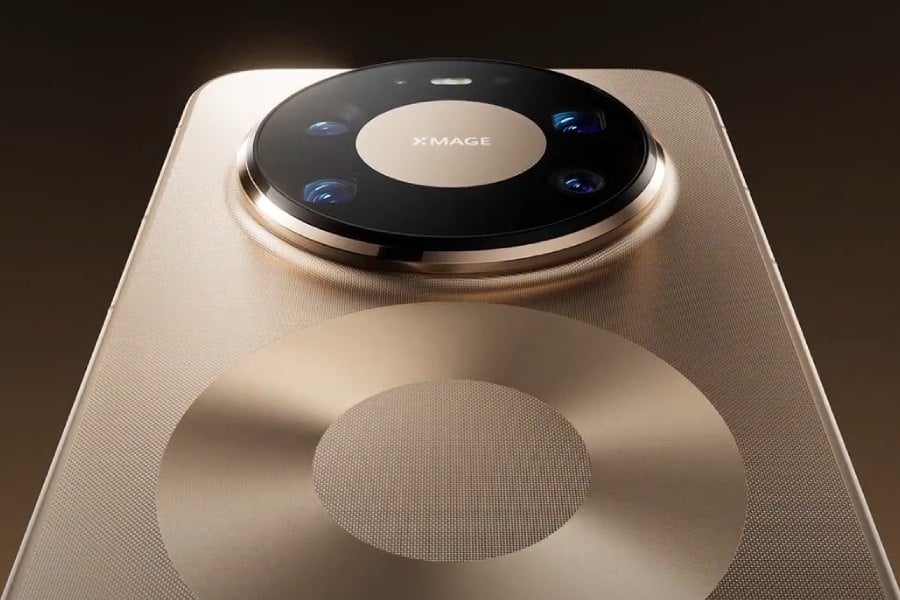
The main camera is a large 1/1.28-inch sensor with 10 stop variable aperture, and there is even support for a new 3.3x teleconverter photography kit. This camera system is powered by Huawei’s proprietary XMAGE imaging tech. Meanwhile, the base Mate 80 and Mate 80 Pro feature less advanced hardware. The standard model gets a 50MP main + 40MP ultra wide angle lens, + 12MP periscope telephoto shooter, and the Mate 80 Pro arrives with a 50MP main + 40MP ultra wide angle lens, + 48MP macro telephoto shooter. For selfies and video calls, all four models pack a 13MP camera on the front.
On top of that, features like AI-assisted composition, dynamic portrait tweaks, super-night shots, RAW support, and Starry-Sky portrait mode make the cameras versatile. These are also suitable for creative work, travel photography, and content creation as well.
AI, Satellite Tools & Extras
All Mate 80 models run HarmonyOS 6, giving access to a suite of AI tools and cross-device integrations. More interestingly, the Pro Max and RS models support satellite communication (via Tiantong & Beidou) and come packed with robust outdoor tools: maps, compass, waypoint tracking, and emergency messaging.
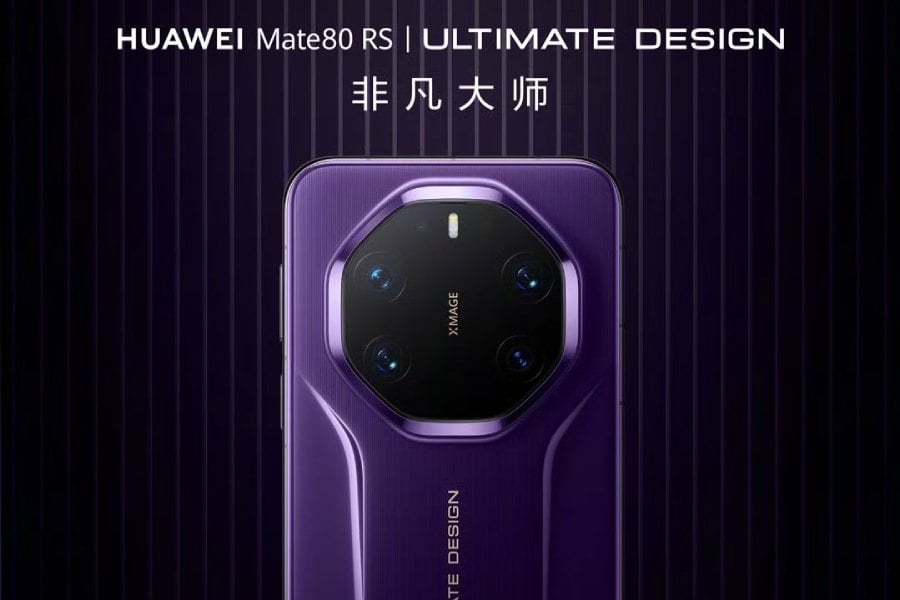
These are features that make the devices ideal for travel or outdoor enthusiasts. The RS Ultimate also adds further polish: titanium frames, enhanced glass protection, and even a smarter AI assistant that can learn your habits, automate tasks, and bring dynamic themes.
For more daily updates, please visit our News Section.
Don’t miss a thing! Join our Telegram community for instant updates and grab our free daily newsletter for the best tech stories!



Comments