Add GIZMOCHINA on Google:
Oppo unveiled the Find X9 and Find X9 Pro in China and global markets in October. In November, these devices were unveiled through a dedicated launch event in India. I have been using the Find X9 for around 3 weeks, and before I switch to my next review device, I will share my thoughts about this device through this review.
3Performance and Software (1/2)
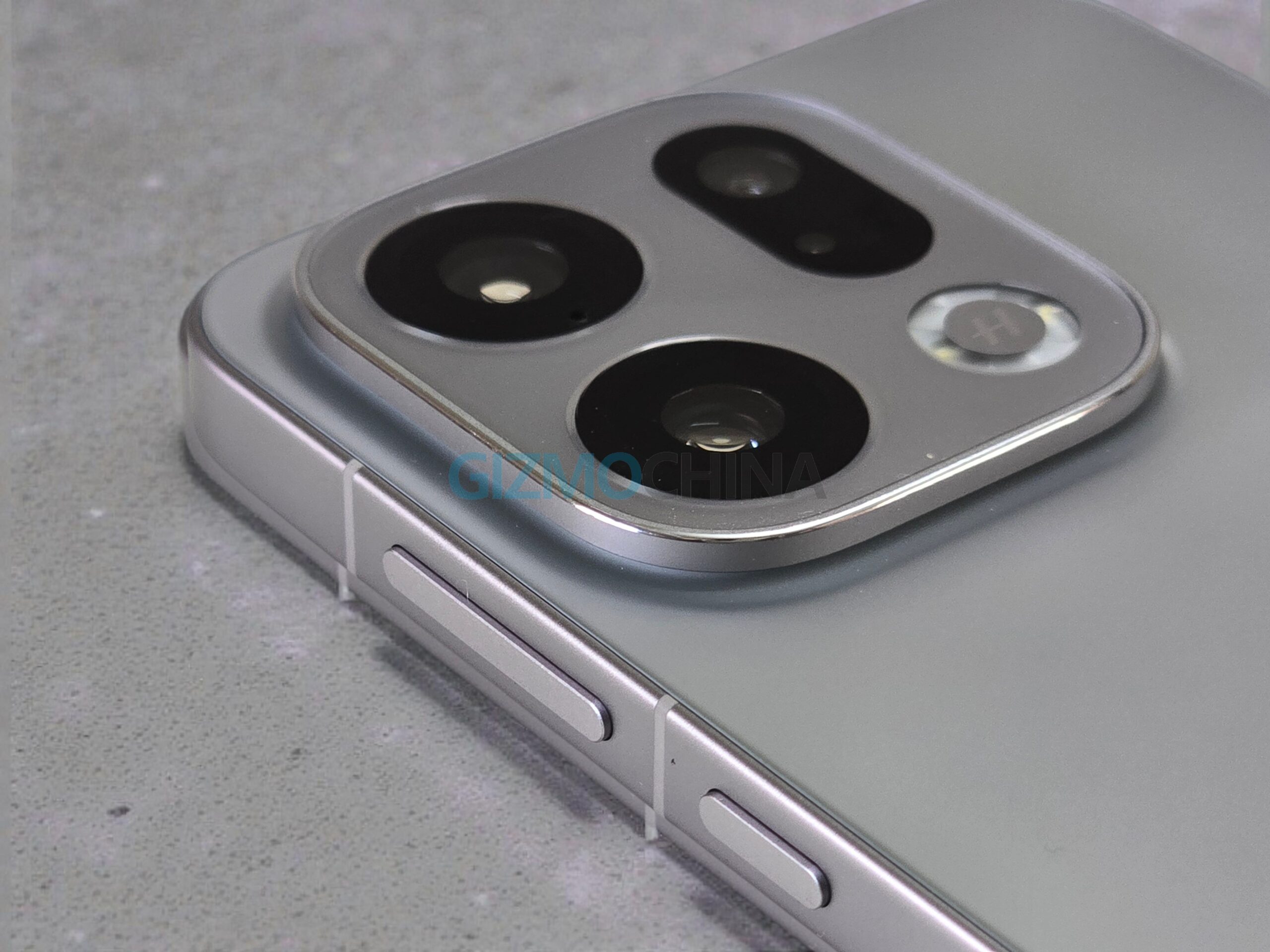
The Find X9 delivers a reliable, consistent performance profile. It runs on the MediaTek Dimensity 9500 platform, produced using a 3nm manufacturing node. In real daily use, this processor copes well with quick app transitions, media apps, navigation, editing tools, and AI functions. I don’t lean on synthetic scores to measure phones anymore, so the focus here is behavior, not charts.
Large world-map games like Genshin Impact sustained 60-frame movement inside dense areas for 15-minute sessions. Rear panel temperature topped out at roughly 36°C during those runs. In extreme repeat stress cycles, it did reach approximately 48°C, and multi-run benchmarking loops forced the processor into protective throttling that reduced output sharply after several continuous passes. This is not a rare issue in premium Android phones, and in real tasks, I did not face repeated throttling during photo processing, background app use, or image editing.
Battery technology is one of the Find X9’s strongest advantages. Oppo has used its fourth-generation silicon-carbon chemistry, resulting in a 7,025mAh cell that is both denser and lighter than conventional graphite-based packs. In practical use, I consistently crossed 10 hours of screen-on-time with a mix of camera use, social media, streaming, and navigation. Standby drain is minimal, and power management feels well-tuned even on mobile data.
The device supports 80W wired charging, 50W wireless charging, 55W PD/PPS, and 10W reverse wireless charging. Using the bundled 80W charger, the phone reached about 66 percent in half an hour and took around 1 hour and 10 minutes for a full charge. These numbers hold consistently across multiple cycles, and the temperature during charging remained controlled.