
Add GIZMOCHINA as Preferred Source on Google
HIGHLIGHTS:
- ByteDance and ZTE are developing a second-generation Agentic AI, Doubao phone, for a planned late-2026 launch.
- The first AI phone sold out quickly but was limited to around 30,000 units as an engineering test.
- ByteDance aims to expand Doubao AI across third-party smartphones rather than build its own hardware long-term.
- The company’s OS-level agentic AI ambitions position it as a potential challenger to Apple, Huawei, Xiaomi, and other major smartphone ecosystems.
Early Prototype Sold Out After Limited Release
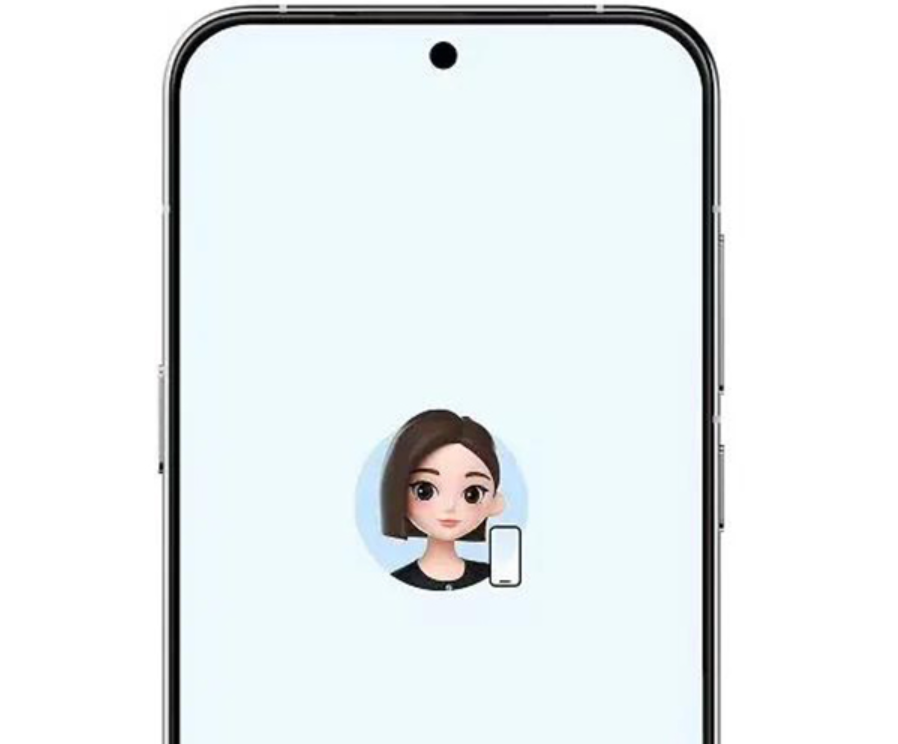
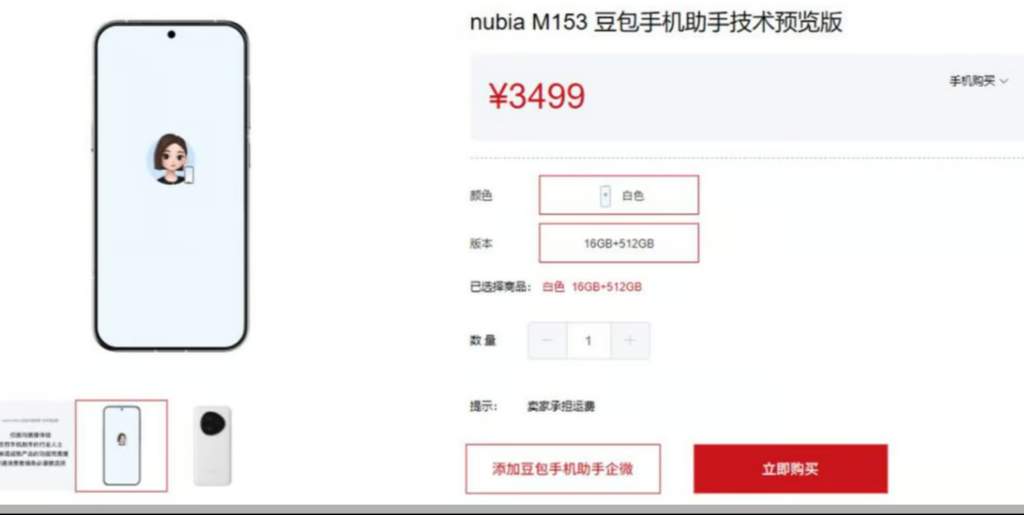
ByteDance’s first AI-powered smartphone, built with ZTE and running the company’s Doubao agentic assistant, sold out rapidly in China. The device, ZTE Nubia M153, was marketed as an engineering prototype rather than a commercial product. According to industry sources, the initial batch consisted of roughly 30,000 units, designed mainly to test real-world performance. Despite the limited supply, consumer interest was strong, with resale prices rising more than 40% above retail.
Why ByteDance Released a Prototype Instead of a Full Product
The company intentionally treated the first phone as a market experiment. The goal was to evaluate Doubao’s system-level automation, including cross-app operations such as ticket booking, restaurant reservations, price comparison, and complex task coordination. The feedback from this early batch will inform the design and capabilities of future devices.
App Restrictions After Privacy and Control Concerns
Shortly after launch, the phone faced nationwide pushback from major Chinese apps. Several high-usage platforms blocked or limited the Doubao assistant, citing concerns over fairness, data access, and the device’s ability to control apps at an OS level. This reflected growing industry unease about agentic AI performing actions across apps without traditional API permissions, an issue that drew wide scrutiny in earlier reporting.
New Second-Gen AI Phone Targeted for Late 2026
ByteDance and ZTE are now jointly developing a second-generation smartphone, with a planned launch window in late 2026. This upcoming version is reportedly more mature in both hardware and AI integration. The shift to next-generation development has led to the halt of production for the current prototype.
ByteDance’s Long-Term Hardware Strategy
Despite entering the smartphone market with these early models, ByteDance says it does not plan to become a long-term phone manufacturer. Instead, it wants Doubao to operate as an OS-level AI layer that other smartphone makers can adopt. However, analysts at Morgan Stanley and IDC warn that partnering with major OEMs may be challenging, as brands like Apple, Huawei, and Xiaomi are expected to rely on their own AI systems.
Why ByteDance Is Entering the AI Phone Market
ByteDance, best known worldwide for TikTok and its Chinese counterpart Douyin, is not a traditional hardware company. Its push into AI phones is driven by the need to test and scale agentic AI directly at the operating-system level. Working with partners like ZTE allows ByteDance to control the device environment, sharpen Doubao’s automation features, and demonstrate its capabilities to potential OEM collaborators, all without any plan to become a permanent phone manufacturer.
Future Opportunities and Challenges
IDC predicts ByteDance may struggle to secure top-tier hardware partners by 2026, potentially limiting Doubao’s reach despite 159 million MAUs. Still, the company sees strong opportunities for app developers and enterprise vendors, particularly in e-commerce, travel, payments, and food delivery sectors that can benefit from Doubao’s cross-app orchestration.
On the other hand, ByteDance’s Volcano Engine, already handling nearly half of China’s public-cloud LLM API calls, positions the company well for broader AI ecosystem expansion.
Read More:
- Leaked Video Exposes Tesla’s Robot Secret: Was Optimus Being Remote-Controlled?
- Why U.S. Startups Are Dumping Western AI for China’s Open-Source Models
- ByteDance’s Agentic AI Phone Sparks Panic and Nationwide App Bans
(via)


Comments