
Add GIZMOCHINA as Preferred Source on Google
Xiaomi says it has completed the construction of a new Sports and Health Lab, a large research facility meant to improve the accuracy and reliability of its wearable devices.
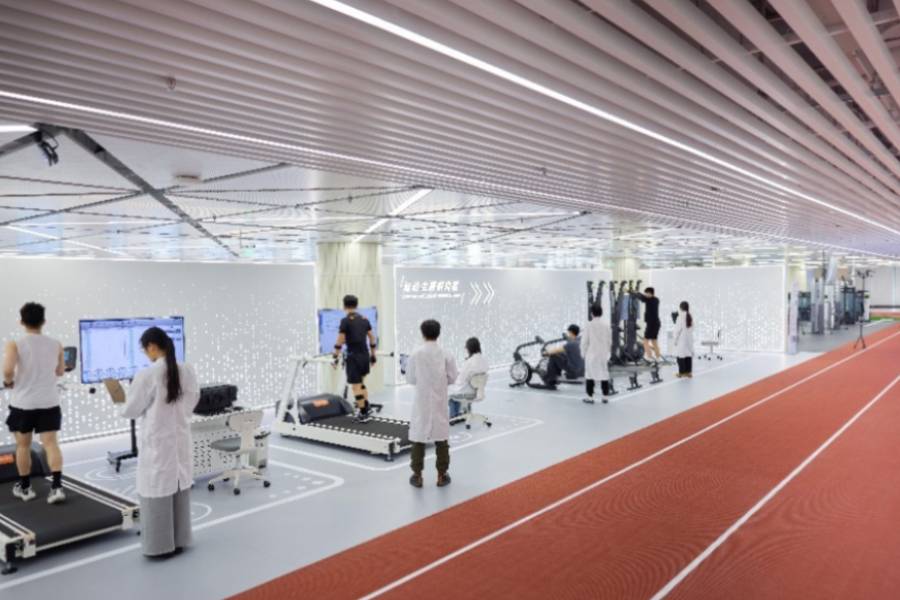
The lab spans more than 5,000 square meters and is designed to test how its fitness and health algorithms perform in situations that closely resemble real-world use.
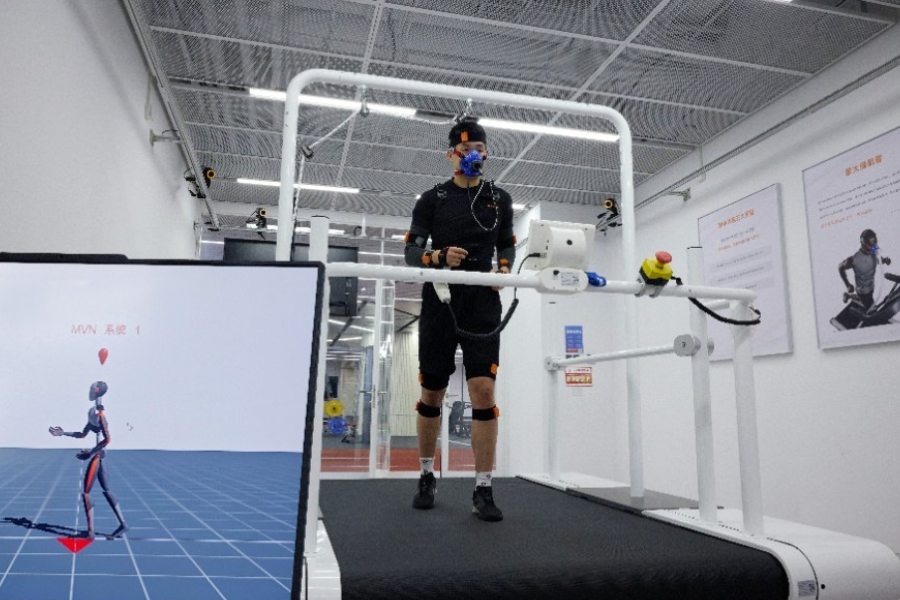
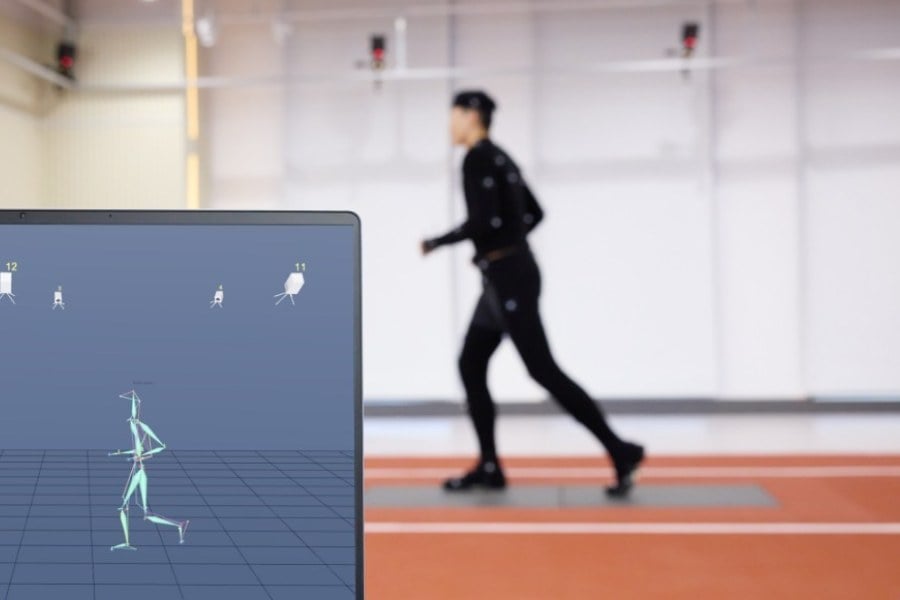
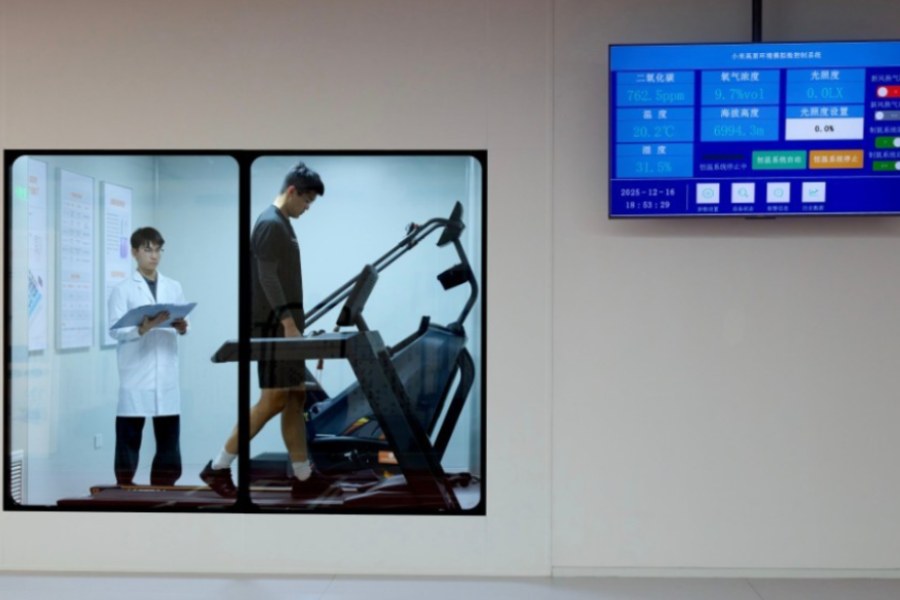
The lab includes 23 different sports testing zones, which Xiaomi says are equipped with 41 types of professional sports testing equipment and 29 so-called “gold standard” testing devices typically used in medical or scientific research.
The goal is to simulate realistic exercise and health scenarios, collect large amounts of data, and use that data to verify and fine-tune Xiaomi’s algorithm models.
According to the company, the facility will serve as a central hub for algorithm optimization, early-stage technology research, and collaboration with universities and medical institutions. The systematic data collection and analysis from this lab will help close the gap between consumer-grade smartwatches and professional health equipment.
The results are measurable
Xiaomi is already pointing to measurable results. After repeated testing and optimization inside the lab, the company claims its wearable devices have improved calorie consumption accuracy by 17 percent. Accuracy for estimating maximum oxygen uptake (VO₂ max) has increased by 15 percent. These are key metrics often used to evaluate fitness performance and cardiovascular health.
Health tracking has also seen changes. Xiaomi says its devices now detect sleep onset and wake-up times with 11 percent higher accuracy, while deep sleep and light sleep stage recognition have improved by 14 percent.
The company adds that these indicators are gradually approaching the standards of professional medical devices, though it does not say they are meant to replace them.
Xiaomi says the lab could also serve as a collaboration space. It is working closely with institutions such as Peking University Third Hospital, Beijing Sport University, and Tongren Hospital of Capital Medical University for research on menstrual cycle prediction, heart health monitoring, sleep apnea risk screening, and motion sickness intervention.
On the certification side, the lab has received testing qualification approvals from organizations including TÜV SÜD and SGS-CSTC. Xiaomi also says it plans to continue opening up its underlying research to the broader wearable industry over time.
For more daily updates, please visit our News Section.
Tech enthusiast? Get the latest news first! Follow our Telegram channel and subscribe to our free newsletter for your daily tech fix! ⚡
(Views)

Comments