
Add GIZMOCHINA as Preferred Source on Google
Xiaomi is set to launch the Xiaomi 17 Ultra on December 25th in China. It’s the company’s top-of-the-line phone and will compete with the iPhone 17 Ultra and the upcoming Samsung Galaxy S26 Ultra. And this year, Xiaomi is doing everything it can to stay ahead in the competition.
Here’s everything you need to know about the Xiaomi 17 Ultra ahead of its launch this Thursday.
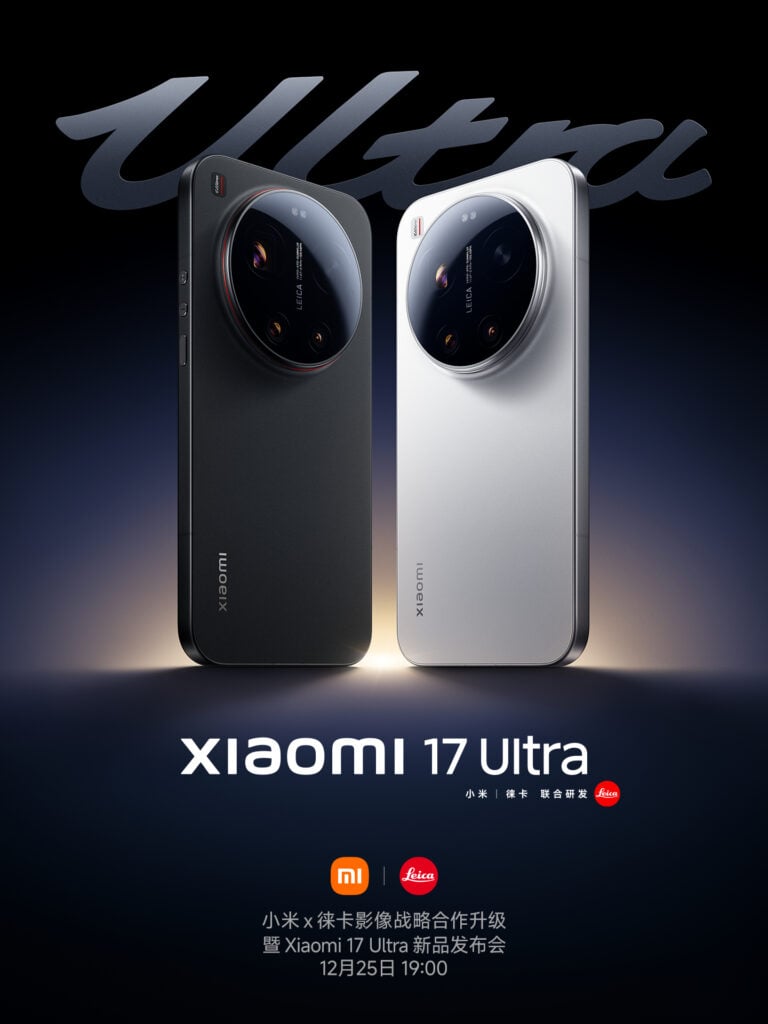
A new phase of Xiaomi × Leica
Xiaomi has worked with Leica for several years, but the Xiaomi 17 Ultra is the first phone built under what the company calls a “strategic co-creation model.” In simple terms, Leica now participates in the earliest stages of development instead of stepping in at the end to tune colors and image profiles.
According to Xiaomi, this deeper collaboration has influenced sensor selection, lens design, and the overall camera system layout. The company says its goal is to deliver noticeable improvements in night photography and telephoto performance.
A new 1-inch main camera sensor
At the center of the Xiaomi 17 Ultra’s camera system sits a new 1-inch main sensor called the OmniVision OV50X. This flagship sensor, developed in China, includes third-generation LOFIC (Lateral Overflow Integration Capacitor) technology.


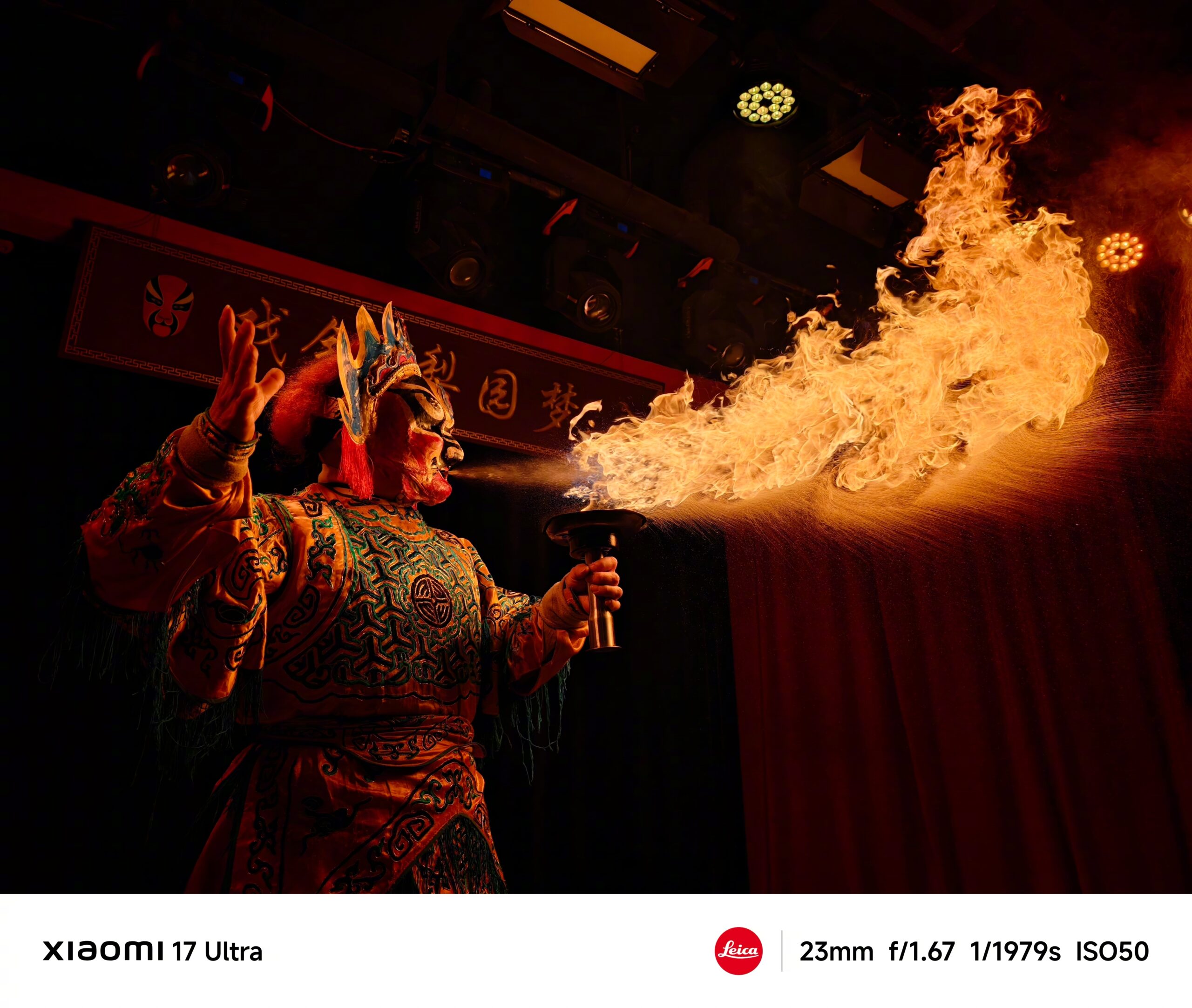

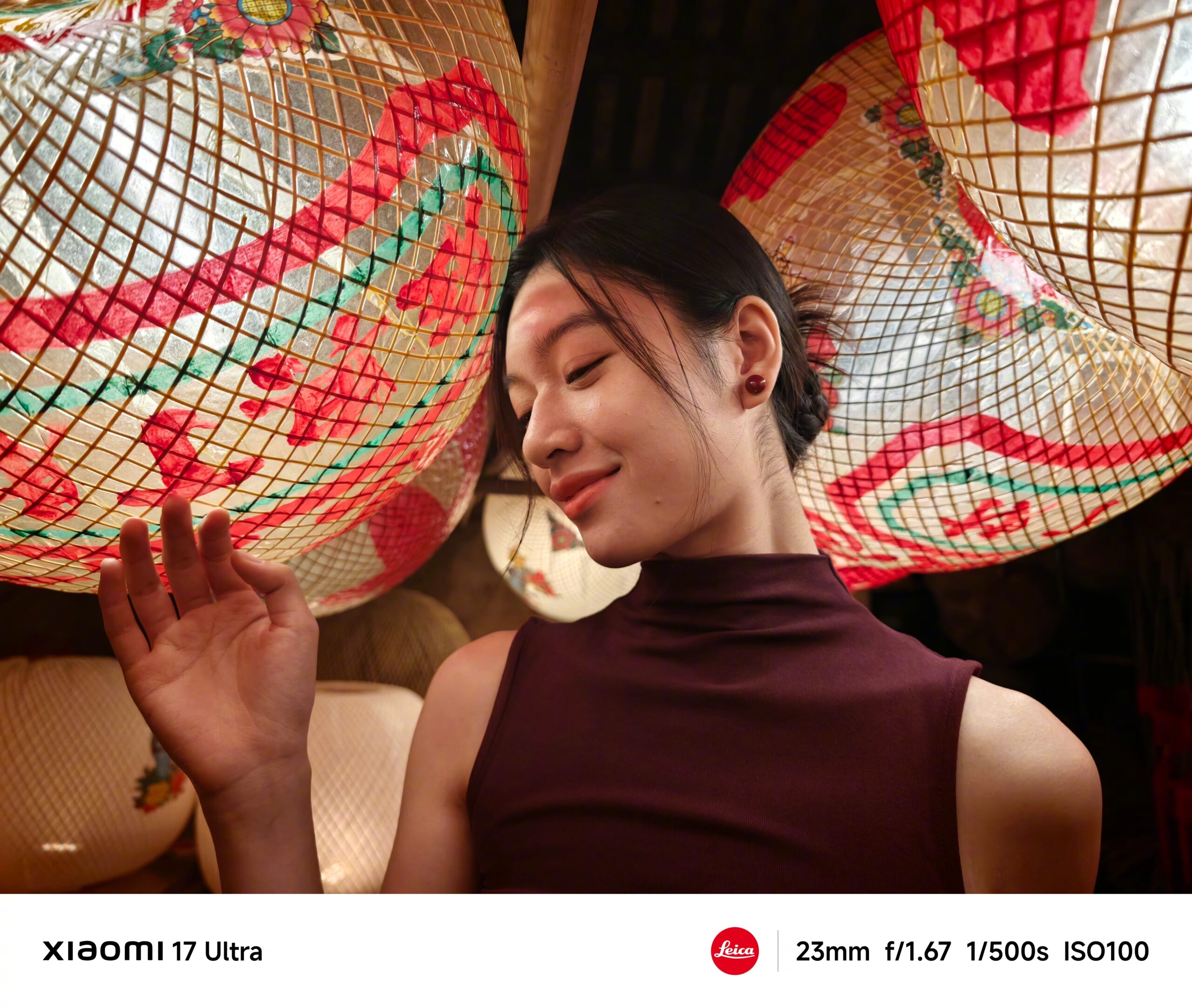

LOFIC improves dynamic range by handling bright and dark areas more effectively within the same frame. Xiaomi says this will be especially useful in challenging scenes such as fireworks, night cityscapes, or indoor shots with harsh lighting. In theory, it should reduce blown-out highlights while preserving shadow detail.
A single, more capable telephoto camera
The biggest change, however, comes to the telephoto system.
Instead of using two separate telephoto lenses like the Xiaomi 15 Ultra, the Xiaomi 17 Ultra switches to a single 200-megapixel periscope telephoto camera. Samsung supplies the sensor, which measures 1/1.4 inches and pairs with Leica APO-certified optics and a lens module that is 35 percent larger than before.
What makes this camera particularly interesting is its continuous optical zoom capability. A camera app screenshot revealed in a previous report shows that the phone can perform smooth optical zoom between 3x and 4.3x, covering focal lengths of roughly 70mm to 100mm.
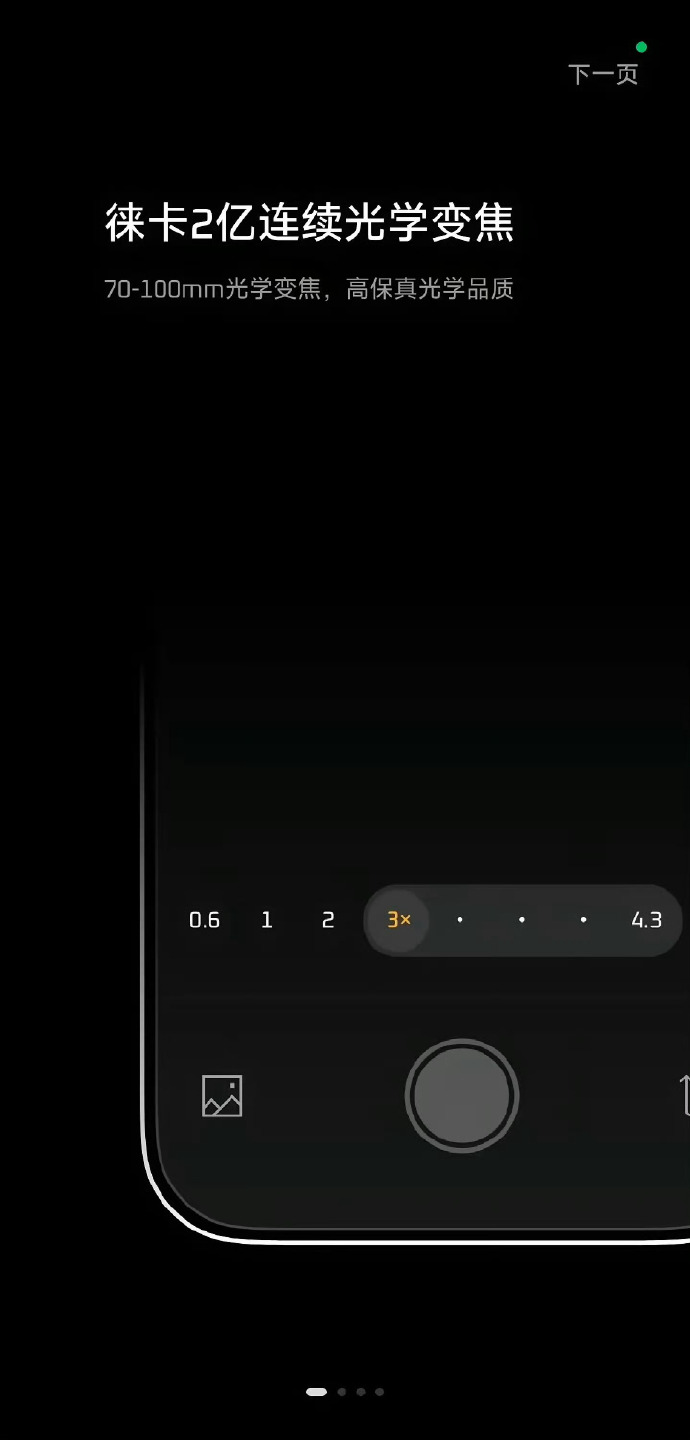
Rather than switching between fixed lenses or relying on digital zoom in between, the system appears to physically adjust its optics to deliver true optical zoom across that range. That’s a meaningful improvement.
Sony has experimented with similar technology in its Xperia lineup, but most manufacturers still rely on multiple fixed telephoto lenses because they are easier to engineer.
The Leica APO certification also matters here. APO lenses minimize chromatic aberration, which reduces color fringing around edges. Xiaomi says this should result in sharper images with cleaner color separation, even at higher zoom levels.
A cleaner, flatter design
The Xiaomi 17 Ultra doesn’t radically change the Ultra design language, but it does refine it.
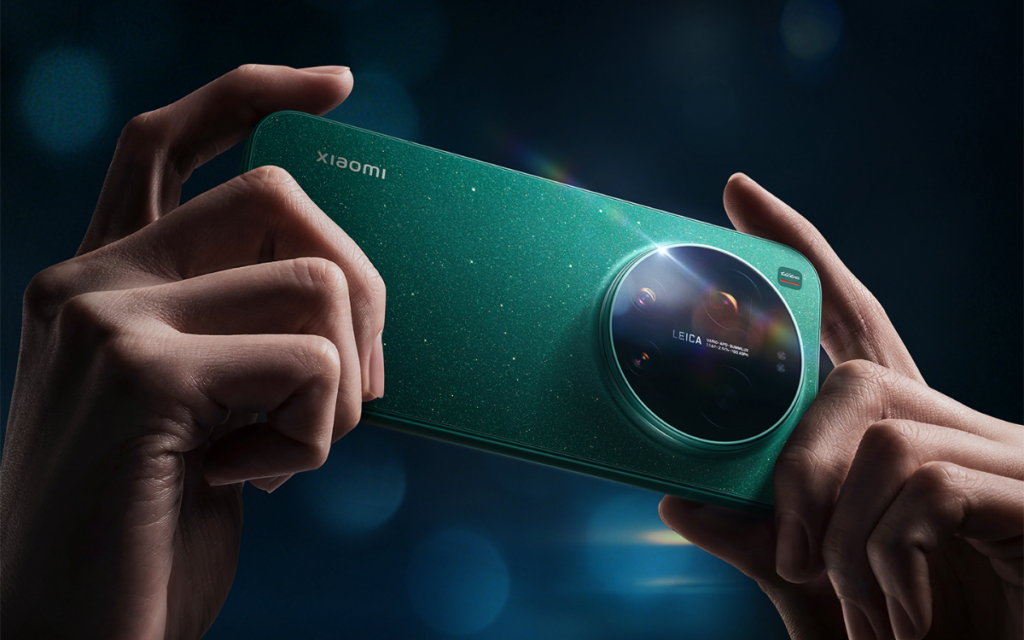
The phone keeps the centered circular camera island with Leica branding in the middle. This time, however, Xiaomi has slightly reduced the camera bump, which the company says improves grip comfort.
On the front, the phone now features a flat 2D display with large, rounded corners. By comparison, the 15 Ultra uses a curved panel. The flat screen should make the phone easier to handle and reduce accidental touches.
Xiaomi has also redesigned the buttons. The volume controls now use separate circular keys, which the company says provide better tactile feedback.
The phone measures just 8.29mm thick, making it the slimmest Ultra model Xiaomi has released so far. Despite that, it still includes a large battery and a complex camera system, which is no small engineering feat.
Alongside the standard black and white options, Xiaomi has introduced a new “Starry Green” variant of the 17 Ultra. The company describes it as its most visually striking Ultra phone to date.
The green model features a textured finish made with mineral-like particles. Xiaomi also uses a wraparound frame design, which helps the large device feel more balanced in the hand.
Performance, battery, and charging
Under the hood, the Xiaomi 17 Ultra is expected to run on Qualcomm’s latest Snapdragon 8 Elite Gen 5 processor. Xiaomi will likely pair it with up to 16GB of LPDDR5x RAM and up to 1TB of UFS 4.1 storage.
Powering the phone is a rumored 6,800mAh battery that supports 100W wired and 80W wireless charging. The device also includes dust and water resistance, ultra-wideband support, and satellite connectivity on higher-end variants.
Pricing and the reality of rising costs
Xiaomi is being unusually transparent about pricing this year. The 17 Ultra will almost certainly see a price increase over the 6,499-yuan launch price of the 15 Ultra. It is expected to start at around 6,999 yuan (roughly $999).
According to Xiaomi Group president Lu Weibing, rising component costs, including memory, are the main reason for the hike. Lu further warned that 2025 through 2027 will be especially challenging years for hardware pricing across the industry.
For more daily updates, please visit our News Section.
Stay ahead in tech! Join our Telegram community and sign up for our daily newsletter of top stories! 💡




Comments