
Add GIZMOCHINA on Google:
Google is planning a major change in how it builds its premium Pixel smartphones. According to a Nikkei Asia report, the company is expected to start developing and manufacturing its high-end Pixel models in Vietnam from 2026. This includes the Pixel, Pixel Pro, and Pixel Fold. Until now, China has played a central role in both the development and production of these devices. Entry-level Pixel A series phones will continue to be handled in China for the time being.
This move shows that Google is expanding Vietnam’s role beyond simple assembly and trusting the country with the most important stages of smartphone production.
What Will Happen in Vietnam
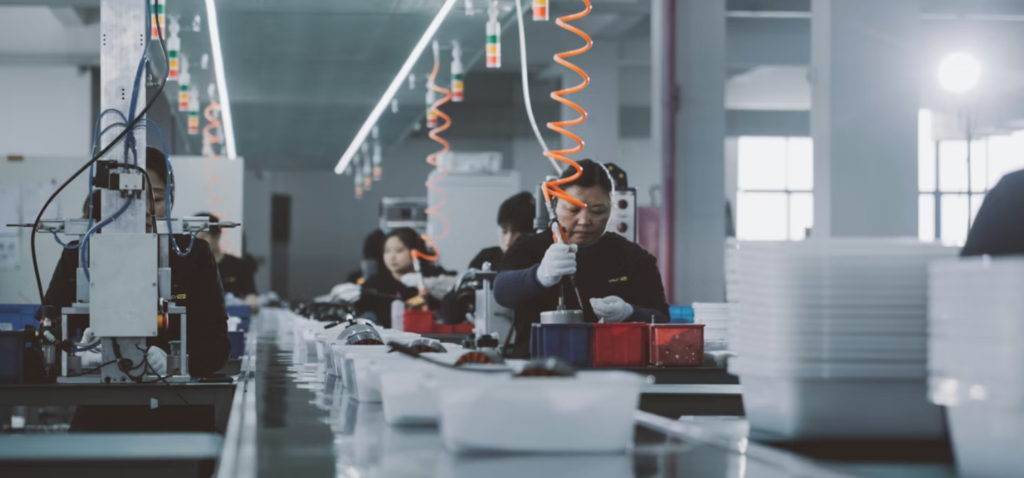
Google will begin the New Product Introduction process in Vietnam. This is the most critical stage in making a new smartphone. It includes testing designs, checking how parts work together, setting up production lines, and preparing the phone for mass manufacturing. This phase requires hundreds of engineers, advanced testing equipment, and close coordination with suppliers.
In the smartphone industry, handling NPI work is seen as a sign of high manufacturing capability. It also means long-term trust from global technology companies.

Where Pixel Phones Were Made Before
For many years, China has been the main location for developing and manufacturing Pixel smartphones. China has the world’s most advanced smartphone supply chain, with experienced factories and suppliers that can handle complex products from the ground up. More recently, Google shifted some Pixel assembly work to Vietnam, but development and early-stage production remained in China.
With this new plan, Vietnam will take on full responsibility for developing premium Pixel models from scratch.
Why Google Is Making This Change in 2026
The decision reflects growing confidence in Vietnam’s manufacturing ecosystem. Google already produces some high-end Pixel phones in Vietnam and carries out testing and verification there. This makes it possible to move the entire development process to the country.
Another reason is the need to reduce supply-chain risk. Relying too much on one country can be risky due to trade tensions, policy changes, or disruptions. By spreading production across different countries, Google can make its supply chain more stable and flexible.
Impact on Geopolitics and the Economy
This shift has wider effects beyond Google. For China, it shows that global tech companies are slowly reducing their dependence on its manufacturing system. For Vietnam, it is a major win. High-end smartphone development brings investment, skilled jobs, and stronger supplier networks, helping the country move up the technology value chain.
From a global perspective, this move fits into a larger trend where tech companies are reshaping supply chains across Asia to balance economic and political risks. It also strengthens Vietnam’s position as a key technology manufacturing hub in the region.
Google has not officially commented on the report, but if the plan moves forward, it will mark a turning point for Pixel smartphones. Vietnam could soon become one of the most important locations in the world for developing and producing high-end smartphones, signaling a new chapter in the global tech manufacturing landscape.
Read More:
- World’s First Humanoid Robot Cinema Worker Goes Live in China
- China Sells Humanoid Robot for the Price of an iPhone
- China’s XPENG Shocks the World with Full-Stack Physical AI: Meet the IRON Robot and Flying Car
(via)



Comments