
Add GIZMOCHINA as Preferred Source on Google
The wait is finally over. While we usually wrap up our annual rankings in December, we made the strategic decision to hold off until the final days of the year. The reason? Several heavyweight contenders launched at the very last minute, barely catching the “2025 train.”
After extensive hands-on testing—including our just-completed review of the Xiaomi 17 Ultra—we have finalized our list. Here are Gizmochina’s picks for the top smartphones of 2025.
Best Camera: Xiaomi 17 Ultra by Leica
It probably won’t surprise anyone that the Xiaomi 17 Ultra takes the Best Camera award. Compared to other “Ultra” phones that have already been on the market for half a year, the Xiaomi 17 Ultra has only been out for about two weeks.
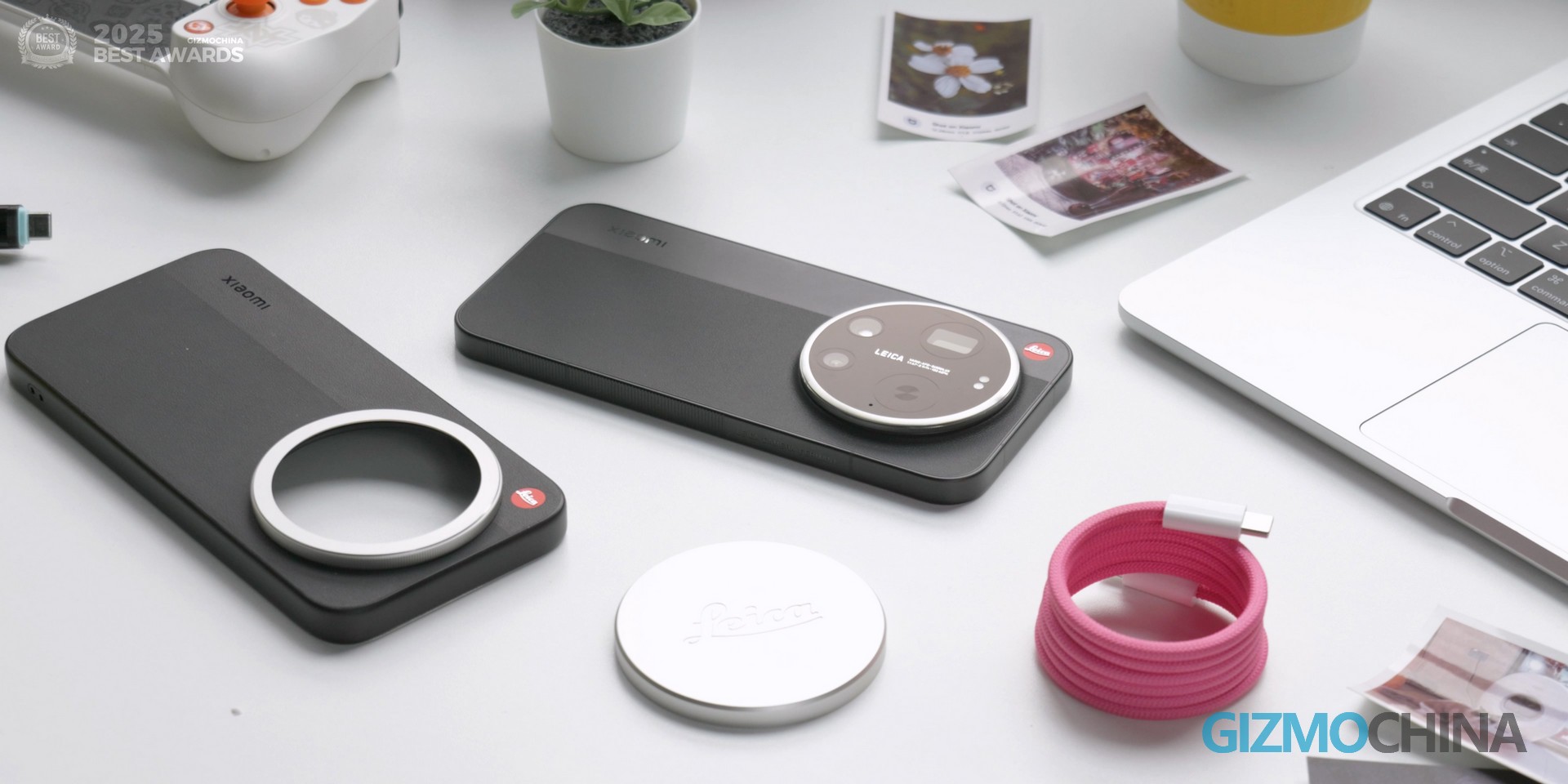
As Xiaomi’s latest imaging-focused flagship, it comes packed with the newest Snapdragon chipset and a true optical-zoom telephoto camera. Most importantly, the main camera features the largest sensors currently available in any smartphone.
What really makes the Xiaomi 17 Ultra special, however, is the depth of the Leica collaboration. At this point, it is easily the most involved partnership we’ve seen between a smartphone brand and a traditional camera brand—you can even find this phone inside Leica’s own retail stores. For me, this is the first phone I’d confidently buy purely for its emotional value. Both emotionally and rationally, it deserves to be the No.1 camera phone.


The 2025 Alternative: If you personally consider the Xiaomi 17 Ultra more of a 2026 phone because of its late release, then my favorite camera phone of 2025 would be the OPPO Find X8 Ultra.
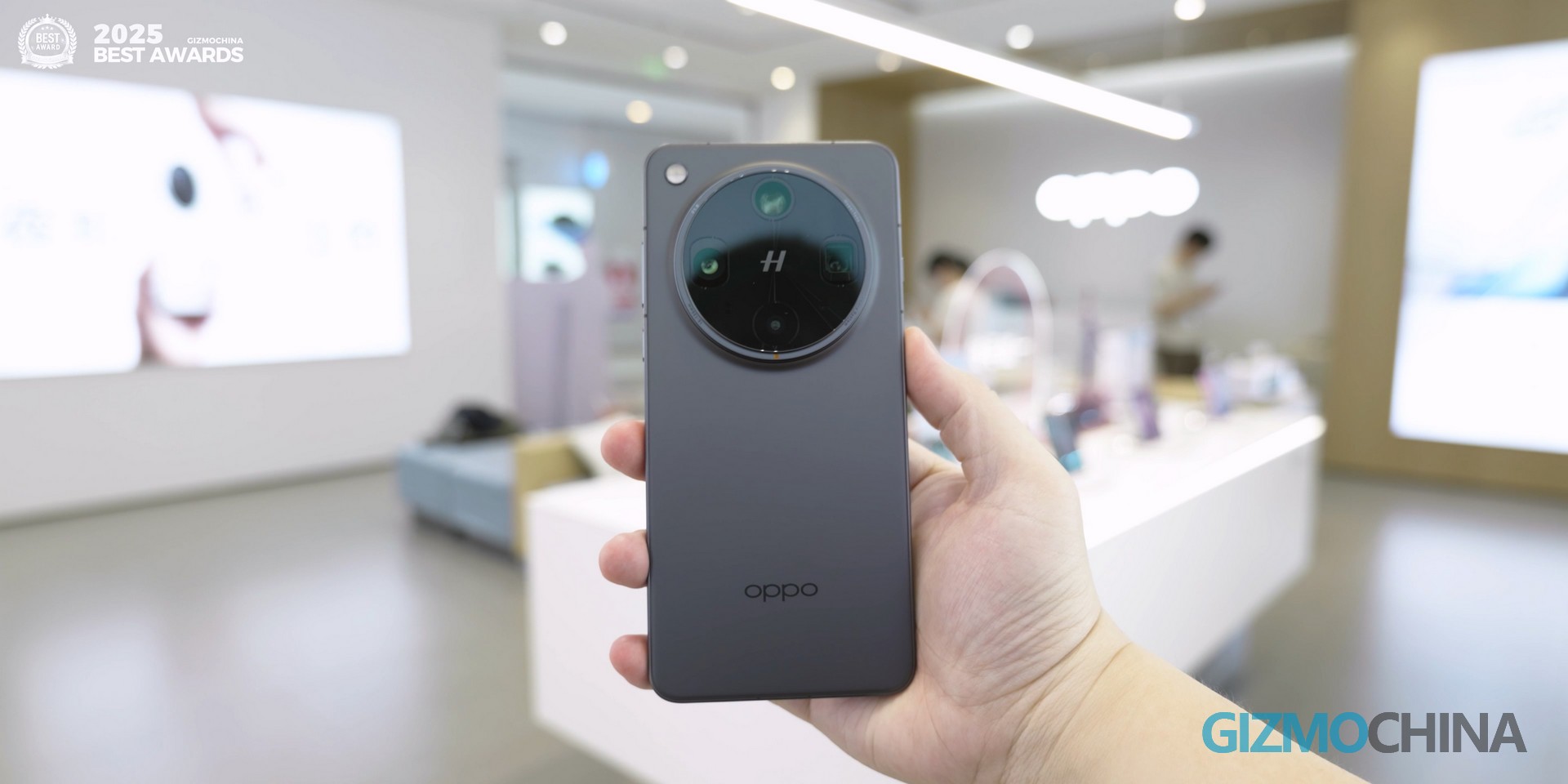
I’m fairly conservative when it comes to camera design; I believe problems that can be solved with hardware shouldn’t be left to software. In the second half of 2025, many phones tried to rely on a single 200MP telephoto camera to cover long focal lengths. Personally, I still prefer having two separate telephoto cameras with different focal lengths, even if their sensors aren’t particularly large. That’s also why I really like the HUAWEI Mate 80 Pro Max, which uses a quad-camera setup. However, the Find X8 Ultra has one key advantage: Hasselblad Master Mode. It gives even casual shots a more cinematic look and feel.
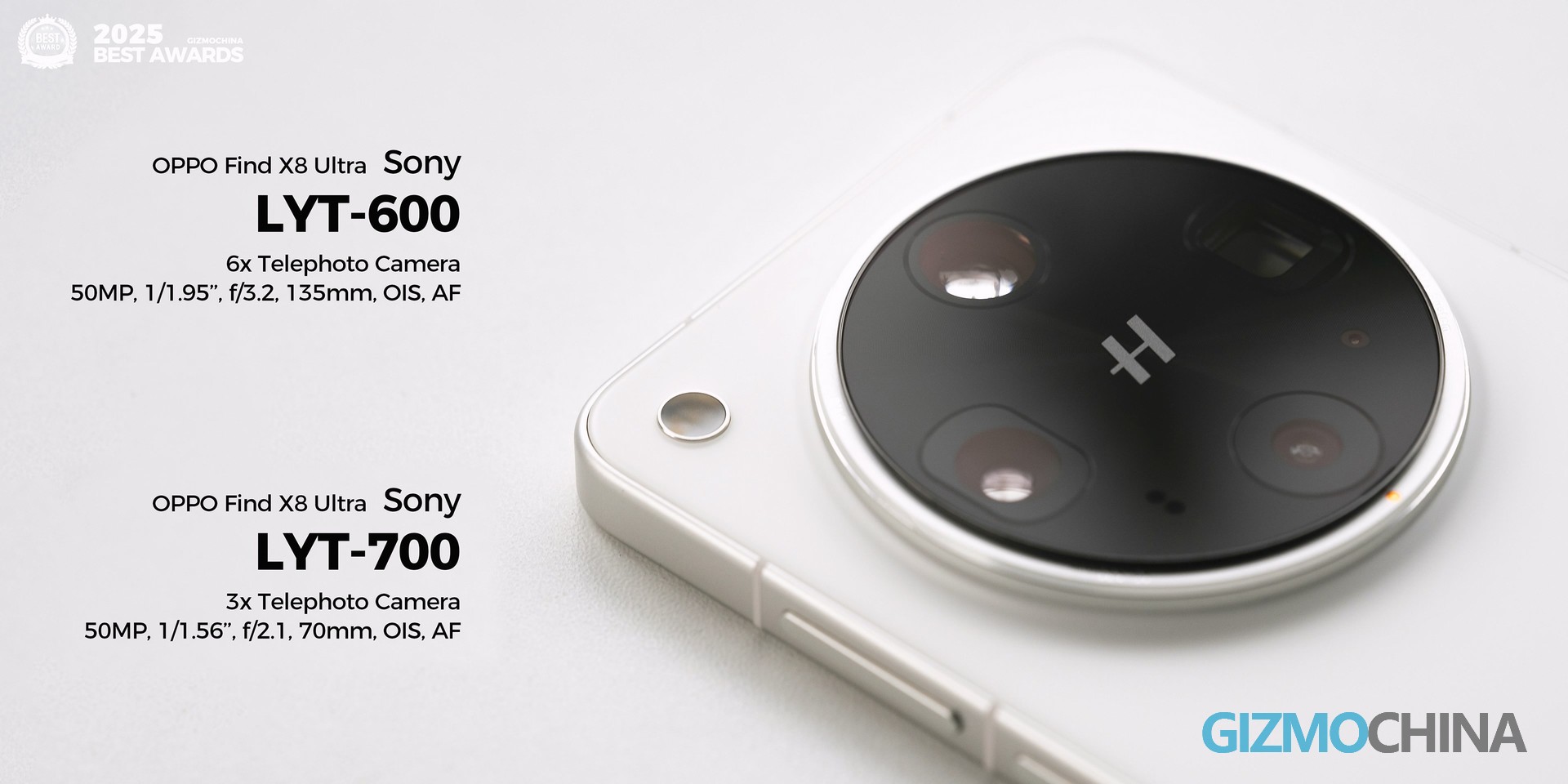
If you want a phone with four well-balanced focal lengths, strong hardware, and a body that isn’t overly thick, the Find X8 Ultra is an excellent choice.
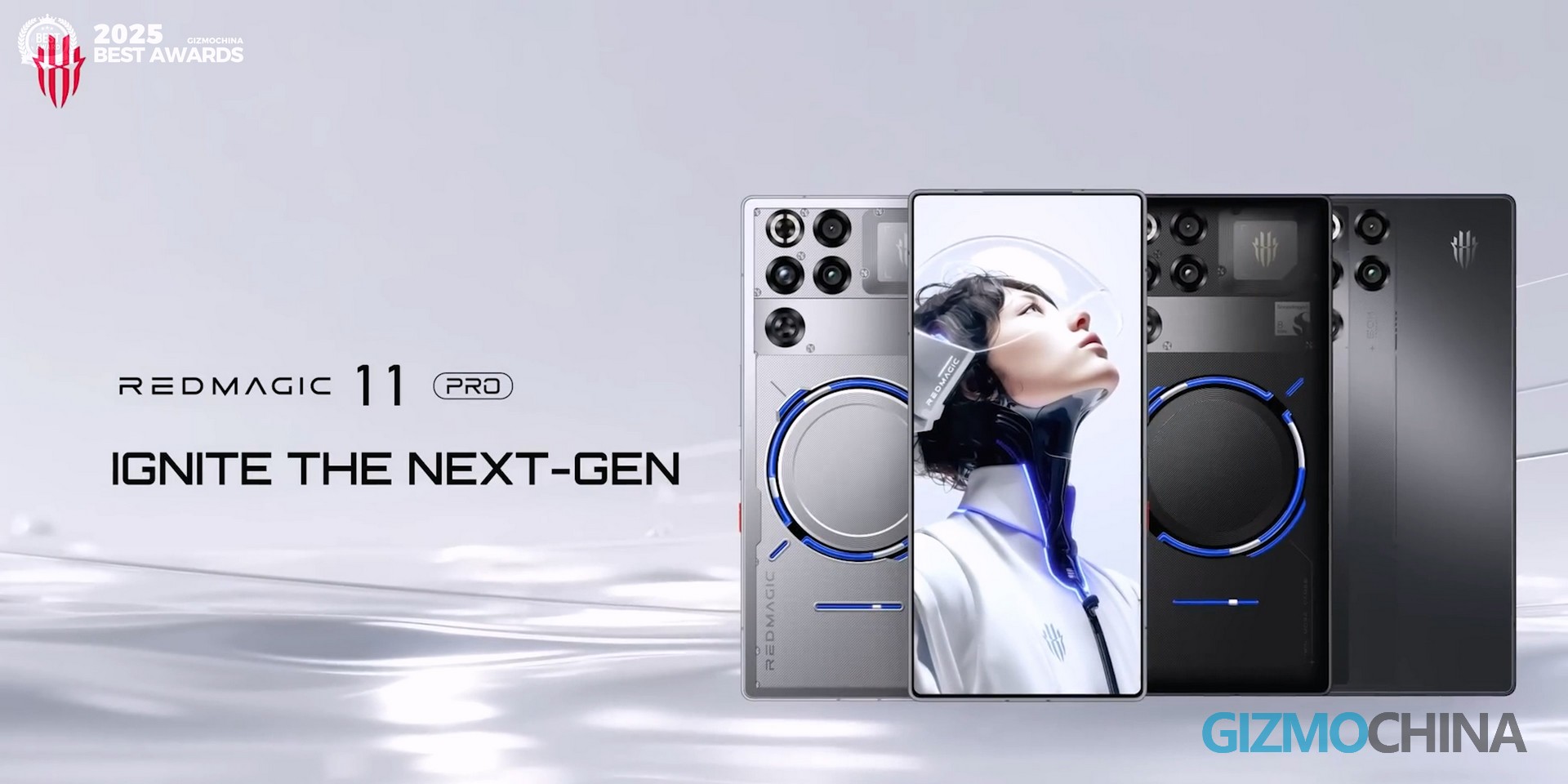
Best Gaming: iQOO 15 / REDMAGIC 11 Pro+
There aren’t many brands left still willing to make true gaming phones, so this category is fairly straightforward. Even though we didn’t review the REDMAGIC 11 Pro+ last year, I’ve never doubted its gaming performance. This is a phone built specifically for gaming, and this title absolutely belongs to it.
If we’re choosing from the phones we did review, then the best fit is the iQOO 15. Yes, it lacks shoulder triggers—that’s the only real downside. Everything else is exactly what you’d expect from a gaming-focused phone. The Q3 gaming chip enables frame interpolation and resolution upscaling, and in certain games, you can even turn on ray tracing. It supports bypass charging, has a large battery, and most importantly, it still has RGB lighting.
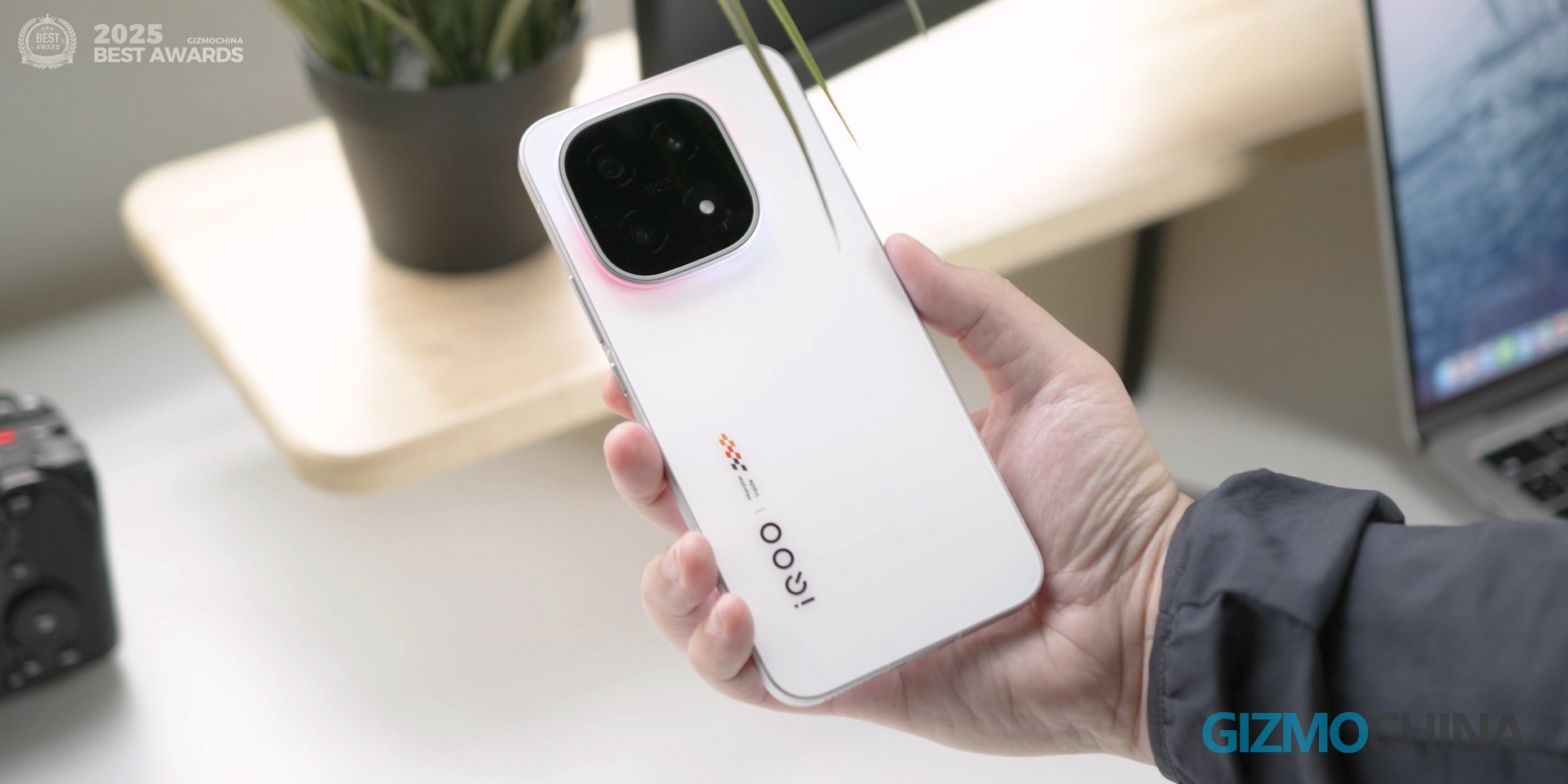
For people who want flagship-level performance without an overly aggressive “gaming” design, the iQOO 15 makes a lot of sense.
Best Foldable: HUAWEI Mate X7
Samsung released three foldable phones in 2025, covering everything from compact to large designs, and all of them were solid. Even so, the HUAWEI Mate X7 takes the Best Foldable title.
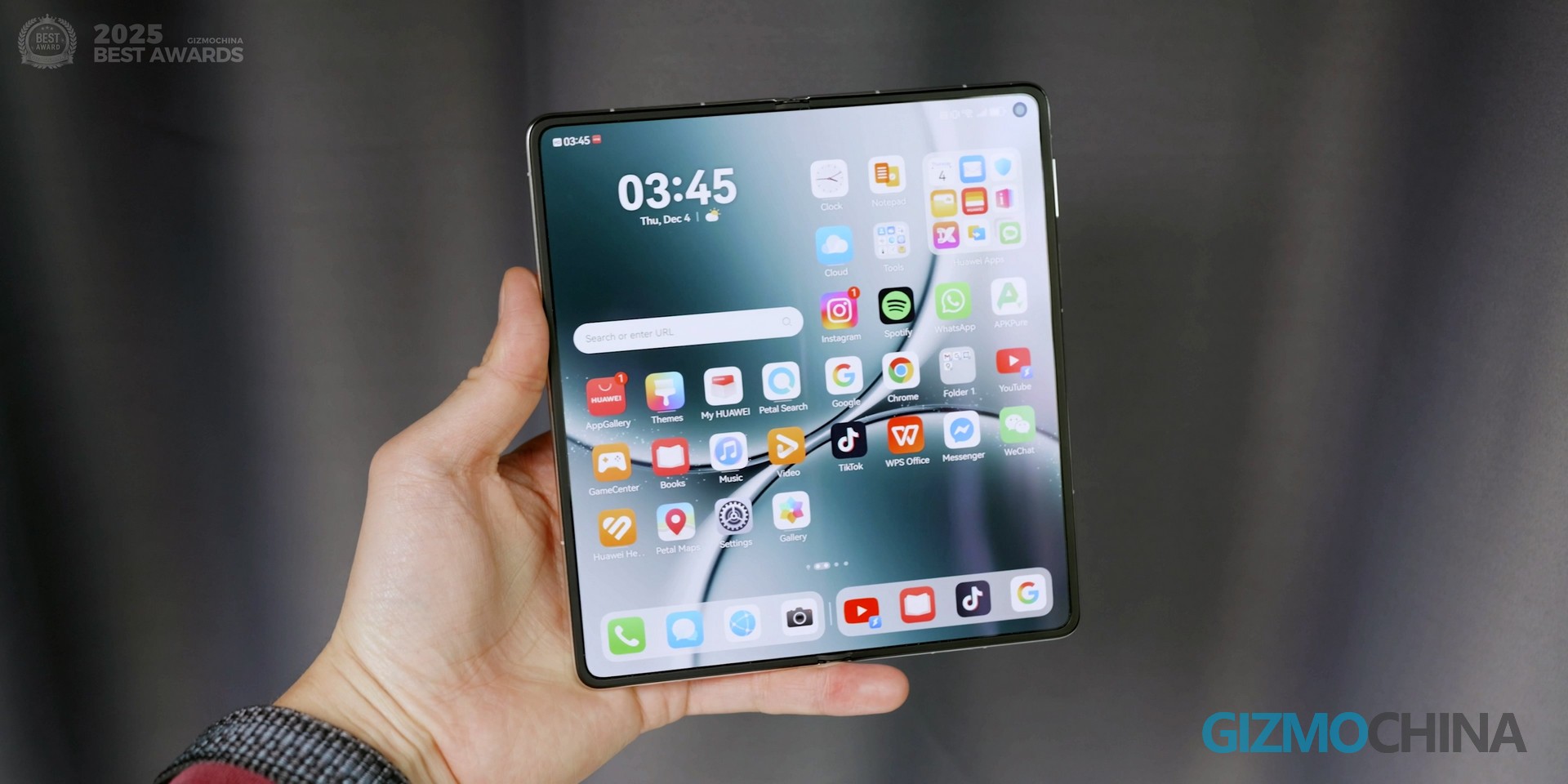
The reason is simple: it’s currently the most well-rounded foldable phone on the market. Compared to the Galaxy Z Fold 7, it offers better cameras, a larger battery, a higher IP rating, and still supports the M-Pencil. The Kirin 9030 Pro may not beat the Snapdragon 8 Elite in raw performance, but HarmonyOS more than makes up for it. The system is smooth, stable, and the overall software experience feels like it has reached the next level. As long as you don’t mind installing GMS yourself—or if you live in China—the Mate X7 is the most impressive foldable phone you can buy right now.
Best Compact: vivo X300
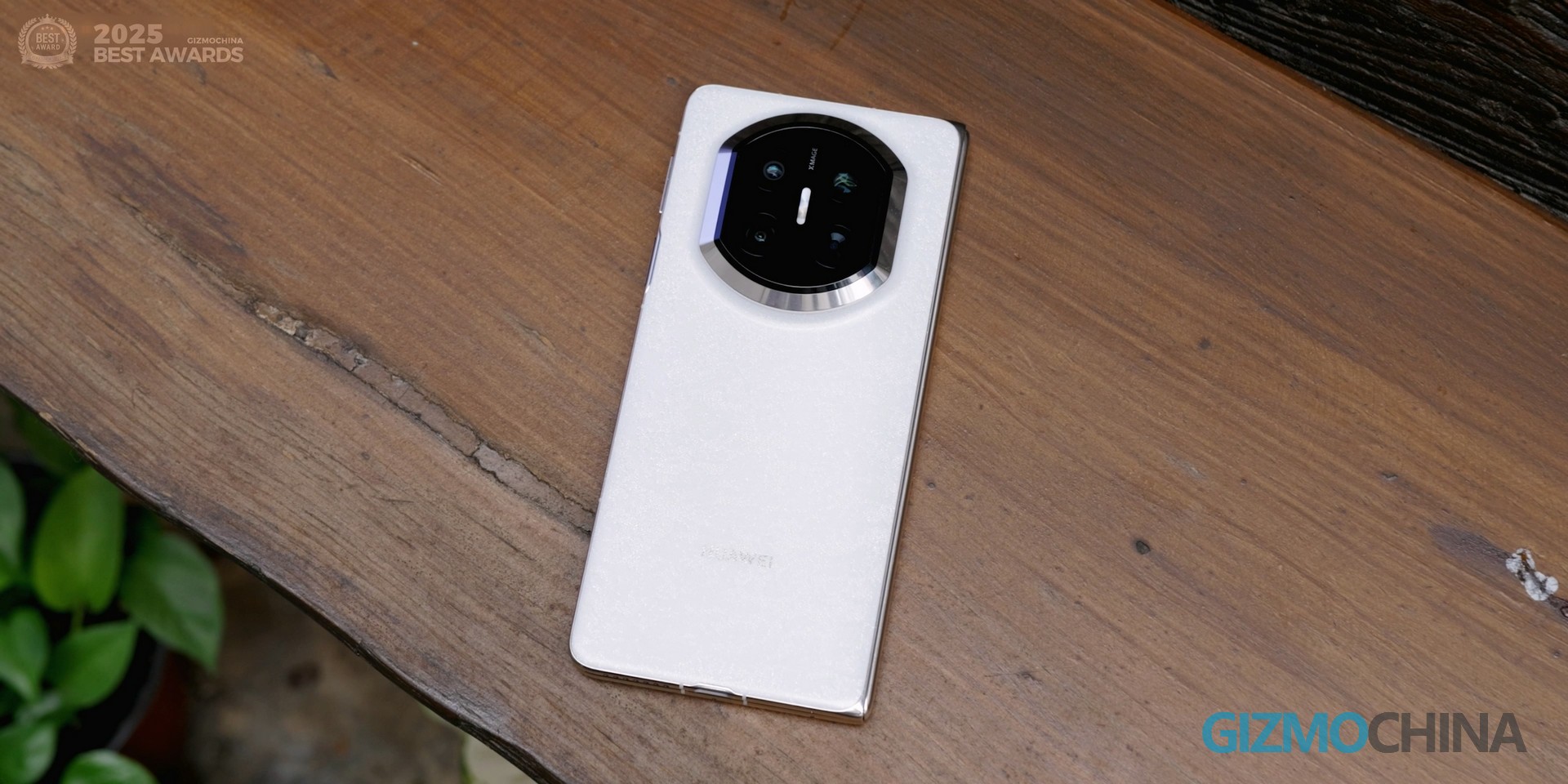
For compact phone lovers, the vivo X300 is basically a dream device. Despite its 6.3-inch size, it still includes a periscope telephoto camera and a 200MP main camera. That alone is impressive. Aside from having a slightly smaller battery than some competitors, everything else is top-tier.
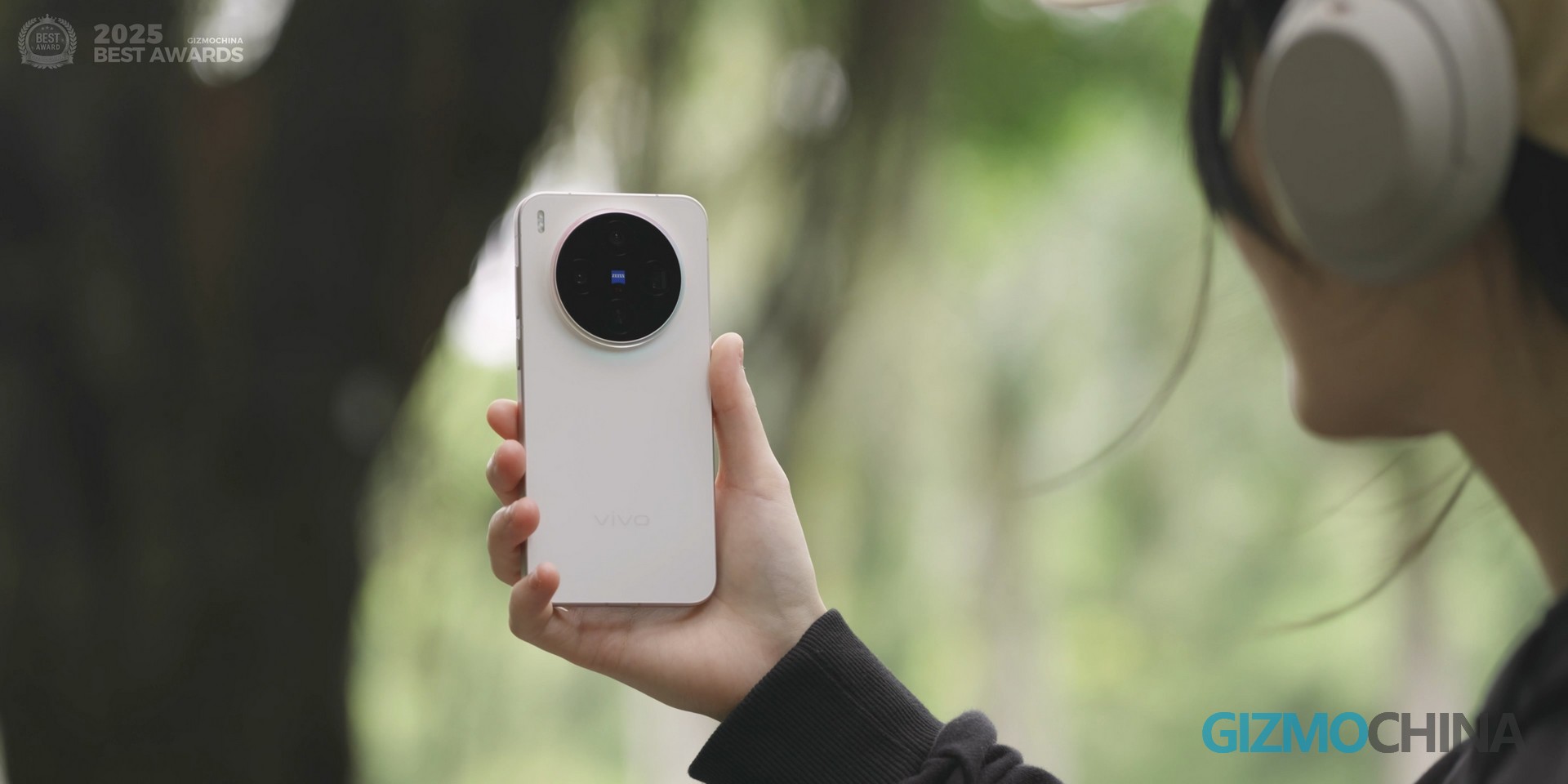
2025 was a tough year for compact phone users, as many models made compromises. The Xiaomi 17 narrowed the field of view on its ultra-wide camera, while the Find X9 remains at 6.6 inches, which doesn’t really qualify as compact. That’s why the X300 stands out. It upgrades across the board without obvious downgrades, making it the clear and uncontested choice for Best Compact Phone.
Best Rugged Phone: DOOGEE V MAX Play
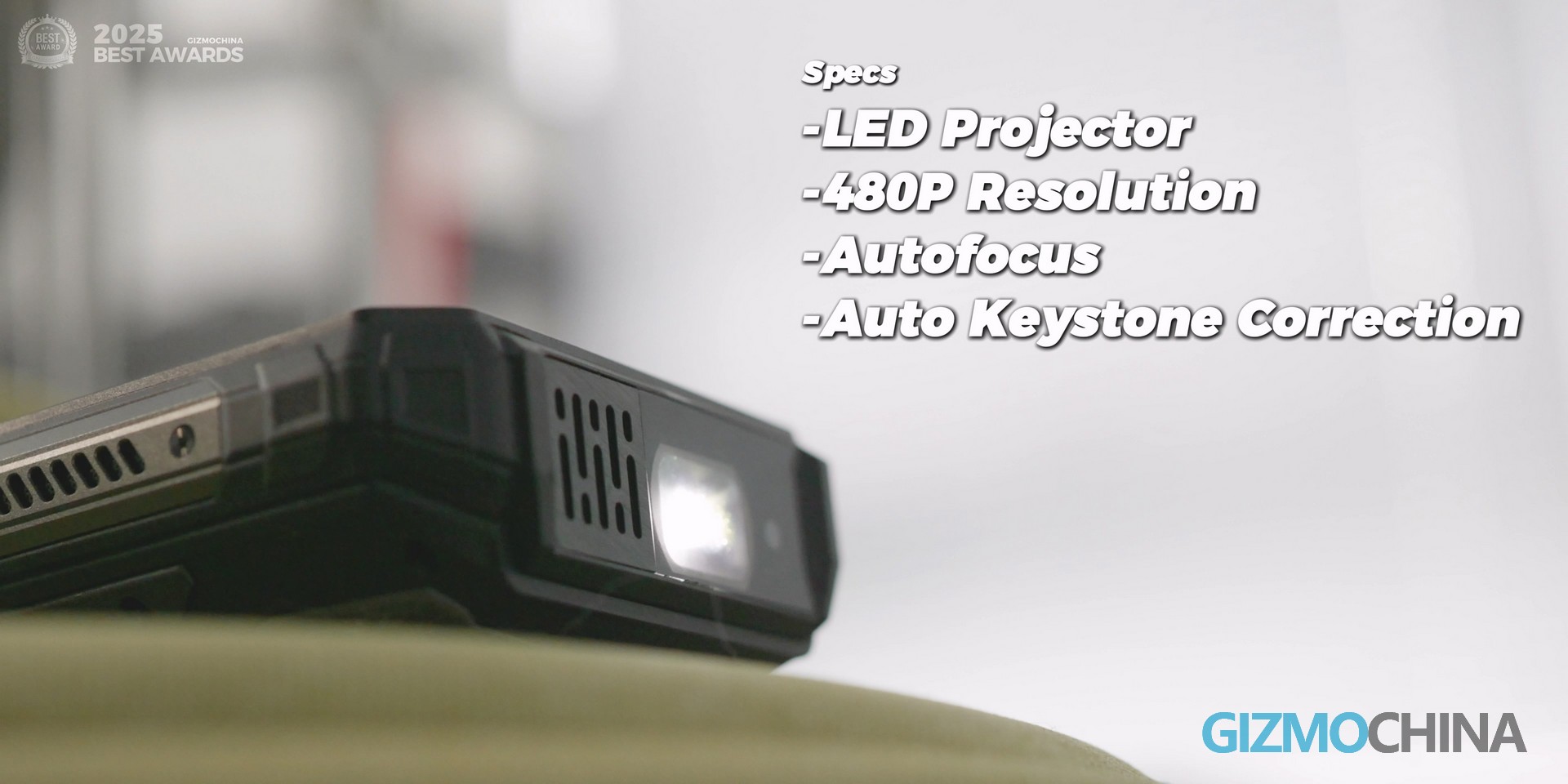
We reviewed many rugged phones in 2025, but the DOOGEE V MAX Play was easily the most fun. It has everything you’d expect: IP69K water resistance, a massive battery exceeding 20,000mAh, a 200MP main camera, and a dedicated night vision camera. There’s even an ultra-bright camping light on the back.

What really sets it apart is the built-in LED projector. It can project a large image anytime, anywhere. Like a proper projector, it supports autofocus, has an internal cooling fan, and surprisingly loud speakers. The moment I realized I could genuinely use a phone as a projector, I knew the V MAX Play deserved the Best Rugged Phone title.
Best Big Phone: OPPO Find X9 Pro
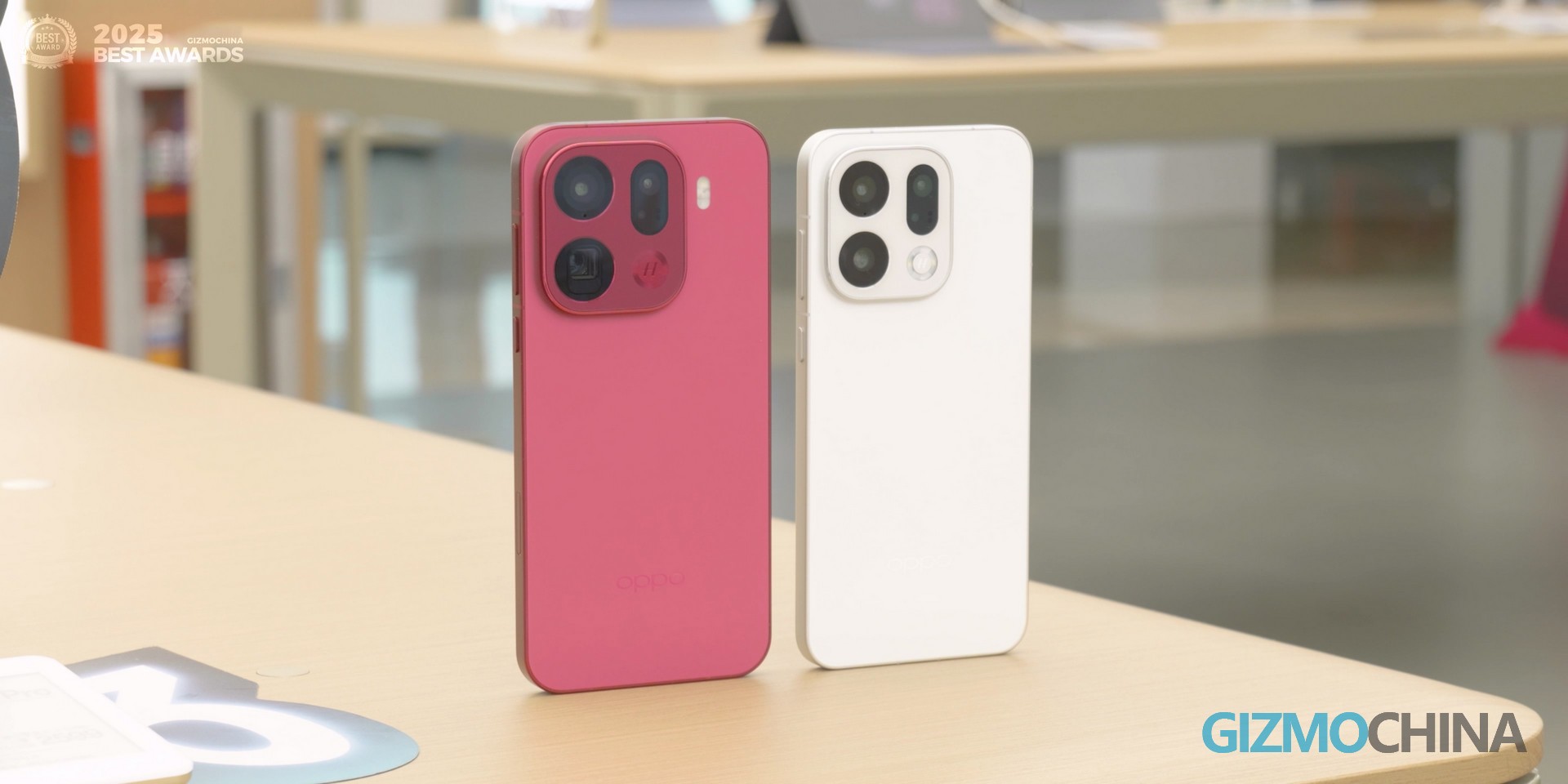
The OPPO Find X9 Pro earns the Best Big Phone award for one reason: balance. The X300 Pro’s battery is small, and the ultra-wide camera on the Xiaomi 17 Pro Max is simply unacceptable. That leaves the Find X9 Pro as the only big “Pro” phone without major weaknesses. Its camera performance is also among the best in this category.
Overall, it’s the most well-rounded large phone you can buy. Everyone will have their own opinion here—I simply chose the least controversial option.
Best Design: Xiaomi 17 Pro Max
There were two strong candidates for Best Design: the iPhone Air and the Xiaomi 17 Pro Max. In the end, I chose Xiaomi.
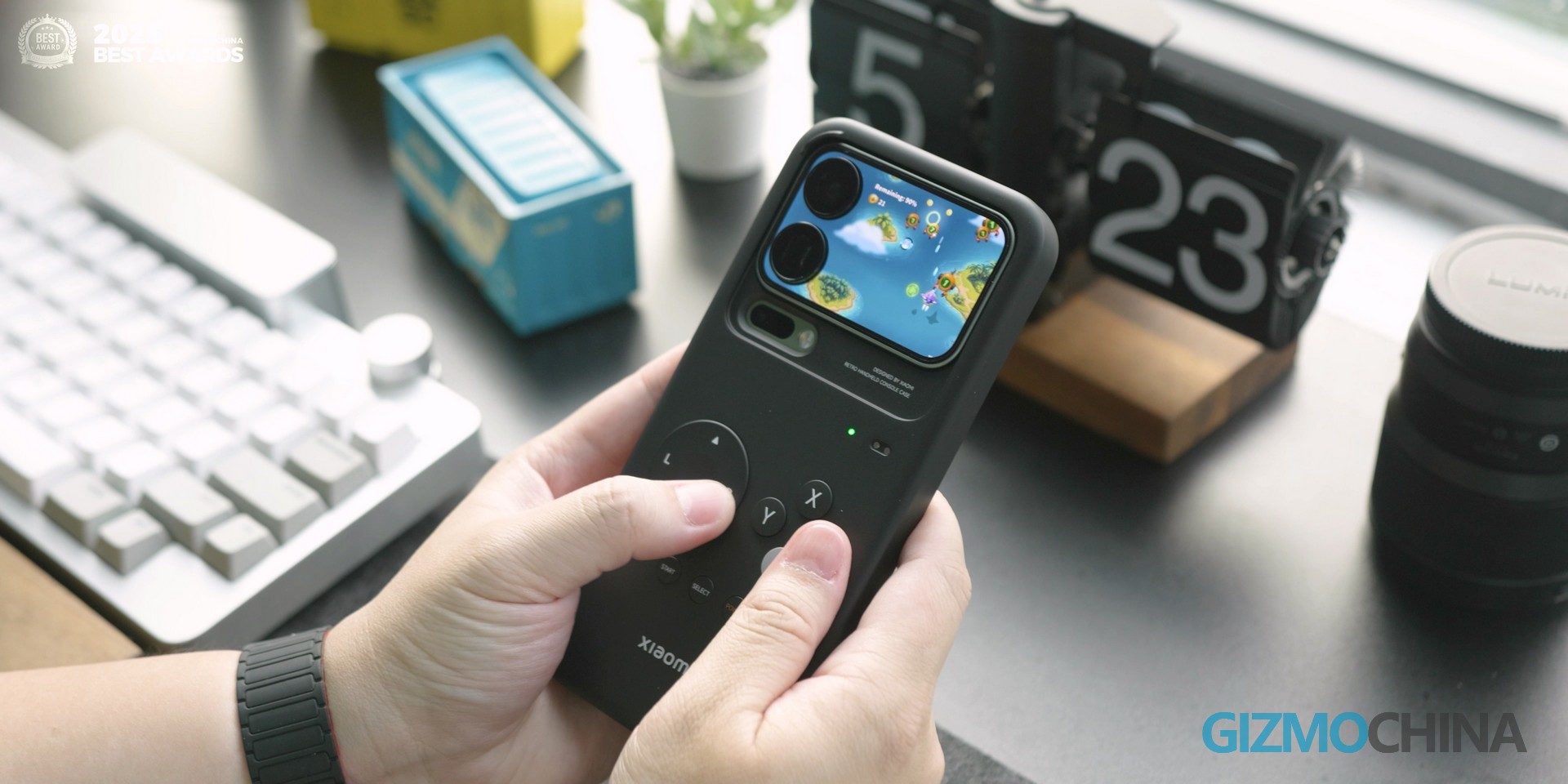
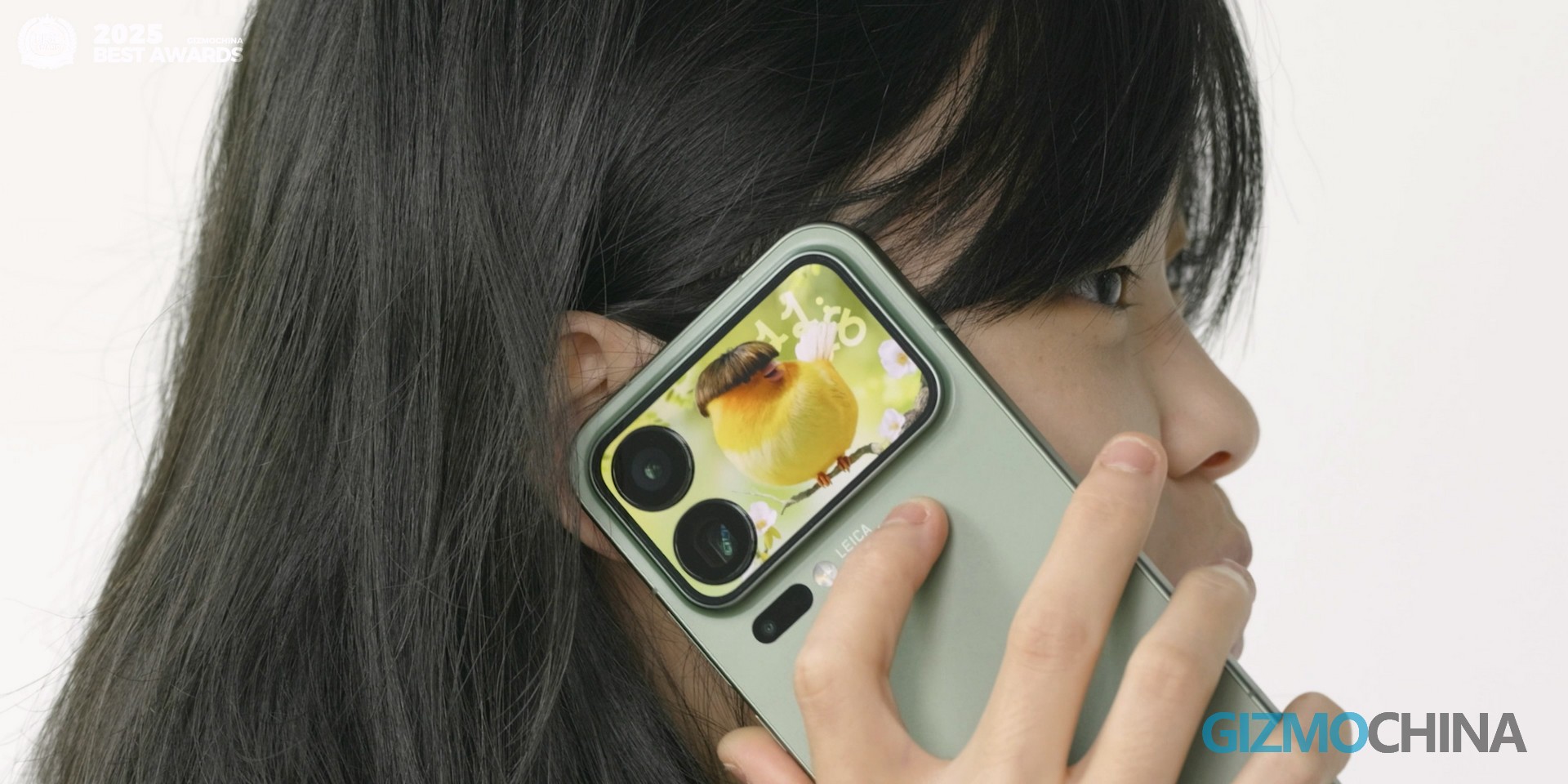
The iPhone Air is thin, but thin alone isn’t very exciting anymore—if you ignore camera bumps, most foldables are actually thinner. Xiaomi’s decision to place a secondary display next to the camera module may not be the most practical, but it’s undeniably different. Because the rear display supports custom wallpapers, it can be styled in a way that appeals to almost anyone, regardless of their personal yardstick for design. That’s why the Xiaomi 17 Pro Max takes this award.
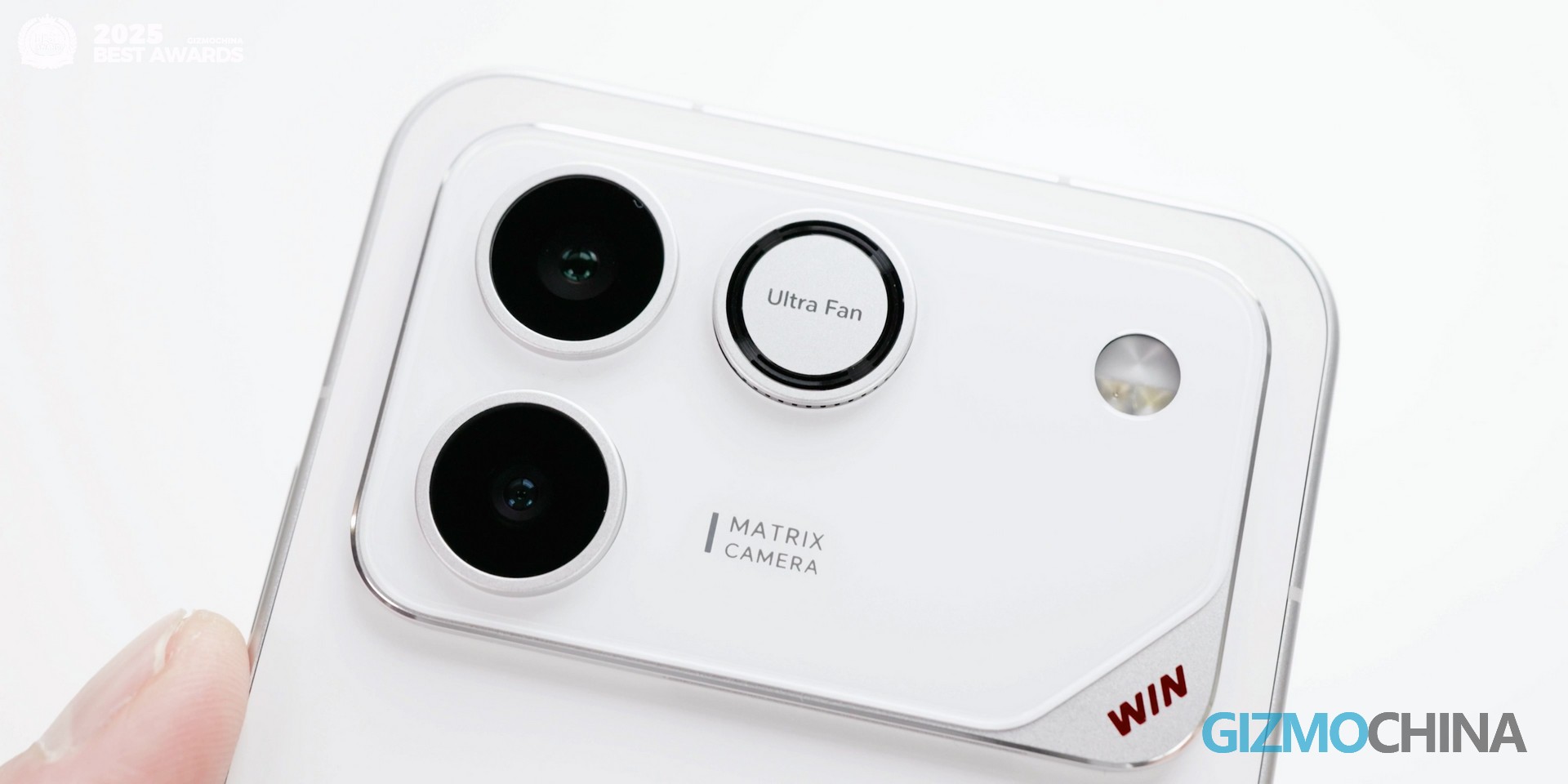
Best Flagship Killer: HONOR WIN RT
True flagship killers are rare in 2025. This year, that title goes to the HONOR WIN RT. Launched just last month, it stands out in two ways: a built-in cooling fan and a massive battery. The fan allows sustained high performance, while the 10,000mAh battery means you can finally say goodbye to power banks—and the phone’s weight and thickness haven’t gotten out of control.
At $380, if this phone isn’t a flagship killer, then nothing is.
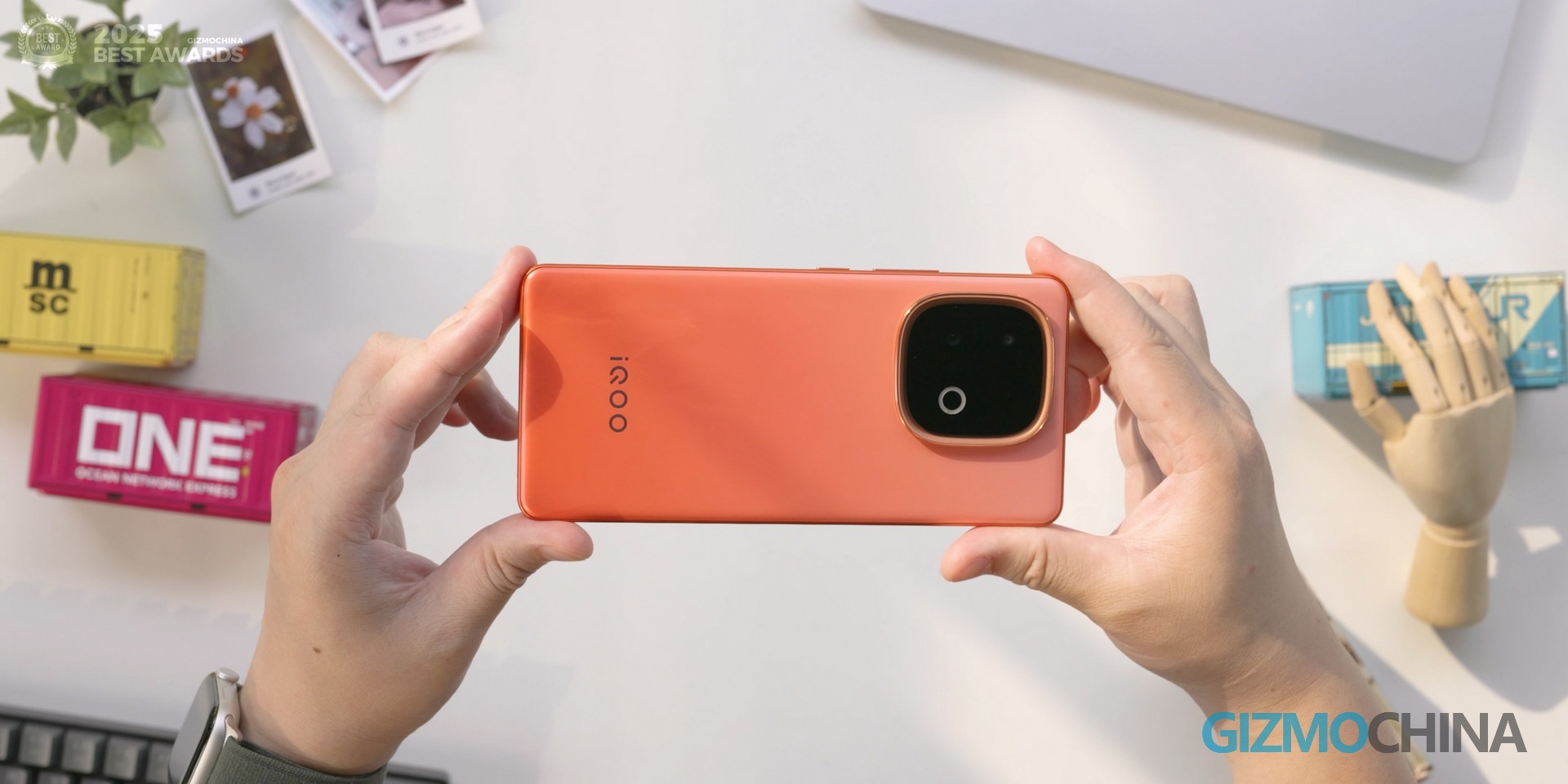
Best Budget: iQOO Z10 Turbo Pro
2025 wasn’t kind to budget buyers, as most brands focused almost entirely on flagships and upper mid-range devices. That’s why the iQOO Z10 Turbo Pro stands out. It delivers a near-$400 experience for around $250 by perfectly balancing performance and specs. While the OnePlus Ace 6 series is also excellent, all of those models cross the $300 line. This award is meant to encourage brands that are still committed to making affordable, genuinely good phones.
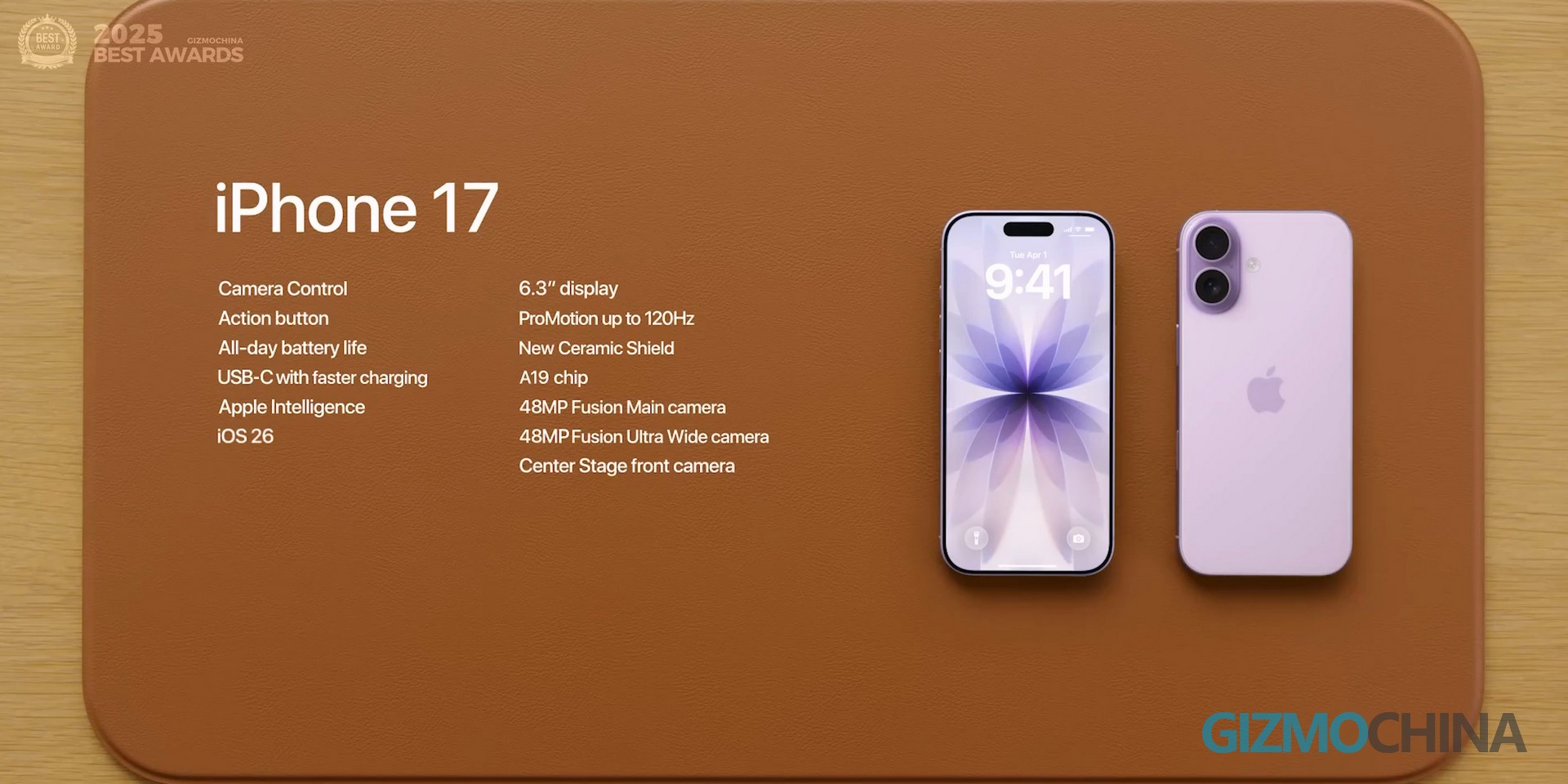
Most Improved: iPhone 17
Apple and Samsung rarely win our awards, but this year, the iPhone 17 earns the Most Improved title. Not because it’s incredible—but because previous standard iPhones were simply too weak. The iPhone 17 finally moves on from a 60Hz display, the A19’s efficiency gains are impressive, and the new front camera has been widely praised. For the first time in years, the standard iPhone is finally on the same starting line as its Android competitors.
Congratulations to iPhone users.
Final Thoughts
This list represents our journey through 2025, based on hundreds of hours of hands-on testing. While “the best” is always a matter of personal preference, these devices represent the pinnacle of innovation in their respective categories. As usual, most of the titled models are available to buy on GeekWills.






Comments