Add GIZMOCHINA as Preferred Source on Google
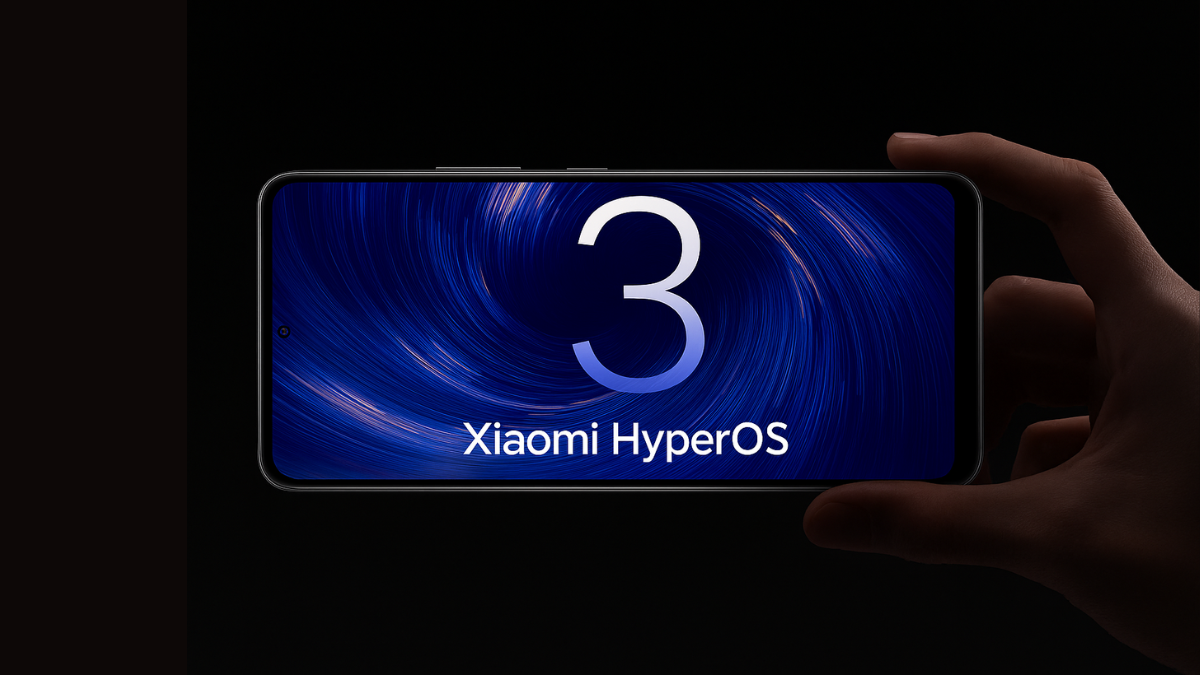
Xiaomi’s HyperOS 3 update has taken a major step toward unifying performance across regions by bridging the longstanding gap between the Global and China builds of the OS. Recent system-level changes mean users running the global version can now enjoy near-China-level responsiveness, smoother animations, and improved memory and power management without resorting to unofficial ROMs.
1. Why the Gap Existed
For years, Xiaomi’s China-exclusive version of HyperOS tended to edge out its global counterpart when it came to certain performance metrics. The Chinese builds typically offered faster animations, more aggressive memory and background task handling, and earlier access to optimizations tailored for local hardware usage. This is what prompted many enthusiasts to install China-region firmware on their global devices to get access to this more reliable, stable, and smoother experience. However, the move came with a trade off where the users lost Google services or faced other compatibility issues.
2. HyperOS 3 Levels the Field
With the rollout of HyperOS 3, Xiaomi has made a concerted push to align the core performance characteristics of the Global and China OS variants. According to recent reports, the latest builds unify task scheduling, memory compression, background-process control, and animation pipelines, resulting in a shrinking gap between ROM versions during everyday use. This means that common tasks such as launching apps, multitasking, and gaming feel largely consistent regardless of whether the software originated from the worldwide or China-region build.
This alignment brings several enhancements for global users. Smoothness of scrolling and transitions has improved, wake-up times from sleep states are more responsive, and power management algorithms now mirror those previously reserved for domestic builds. All of this is available without sacrificing the Google app ecosystem or regional compatibility that most global users expect out of the box.
3. Practical for Global Users
Previously, performance-minded users often turned towards Chinese ROMs to get features or fluidity not yet enabled in their region’s software. With HyperOS 3’s core optimizations, that workaround is significantly less necessary. Global builds now bundle equivalent system-level enhancements while preserving native support for regional languages, Google Play services, and local app ecosystems. So it is easily a more practical and secure experience for users who aim to avoid unofficial firmware.
For more daily updates, please visit our News Section.
Don’t miss a thing! Join our Telegram community for instant updates and grab our free daily newsletter for the best tech stories!