Add GIZMOCHINA as Preferred Source on Google
A new Vivo value flagship just made its debut in India. The Vivo X200T just debuted as the rebranded global version of the Vivo X200s, which was first announced in China last year. Packing cutting edge specs and features, this model aims on competing in the highly competitive sub-flagship category. But we recently saw another great entry in this segment with the Motorola Signature. Both start at around Rs 59,999, bringing powerful chipsets, versatile cameras, and long software support, so here’s a side-by-side look at how these stack up across key areas to help you decide which one deserves a place in your pocket.
1. Design: Motorola shines here
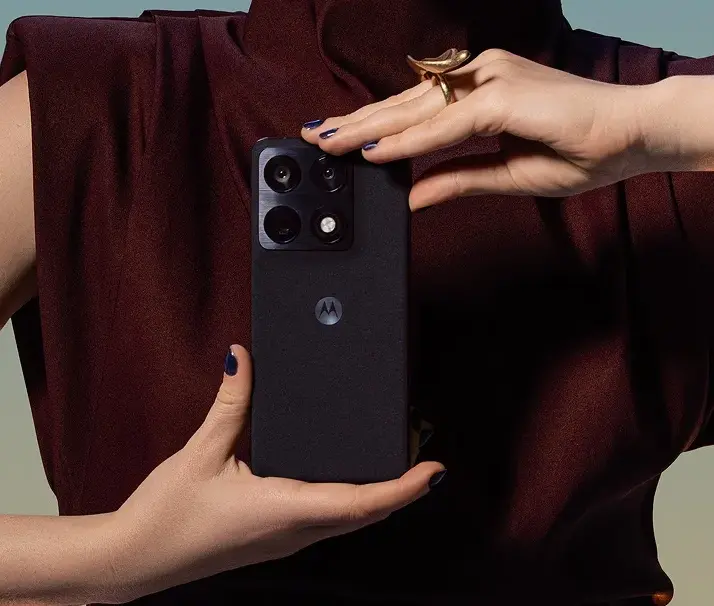
At first glance, both phones deliver a premium aesthetic, but the execution is distinct in the two flagship killers. The Motorola Signature leans into a sleek, ultra-thin silhouette at just about 6.99mm thickness and approximately 186g weight, giving it a very refined in-hand feel. Its aircraft-grade aluminium frame, paired with a textile-inspired finish, elevates the experience. Despite the slim new design, Motorola still offers military grade durability and an IP68 + IP69 rating for water and dust resistance.
On the other hand, the Vivo X200T has a more typical premium form factor. It measures 7.9mm thick and weighs slightly over 200 grams. While it isn’t as thin and light, the Vivo X200T gets a glass rear panel and aluminum middle frame. The flat back and side should appeal more to users who are looking for something more familiar. It also offers a robust IP68 + IP69 rating for water and dust resistance.
2. Bigger and brighter Signature
Both Motorola and Vivo offer a similar 1.5K AMOLED display, although the Signature has a few advantages. The taller 6.8-inch panel brings LTPO support for better battery efficiency since it lowers to just 1Hz, a higher 165Hz refresh rate, and a peak brightness that hits 6,200 nits (over X200T’s 5000 nits screen). In comparison, the Vivo X200T brings a 6.67-inch display. The Motorola Signature has another edge with security since it offers an ultrasonic in-display fingerprint scanner, over the optical sensor on the X200T.
3. Motorola takes on Vivo & Zeiss
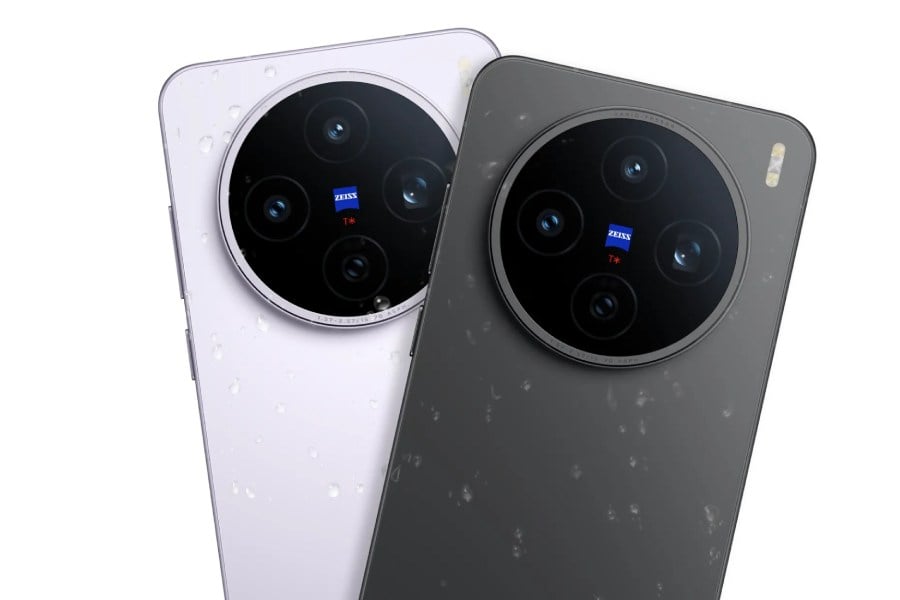
The rear camera setup on the Vivo X200T and Motorola Signature is surprisingly similar. The periscope telephoto shooter with 3x zoom and the ultra wide angle lens are basically identical. Both get the Sony LYT600 (1/1.95-inch sensor) for zoom photography, while the ultra wide angle lens is likely the Samsung JN1. Where the main difference lies with the main camera and the tuning. Motorola opts for a flagship grade Sony LYT828 sensor, which is the same camera that is found on much more expensive devices like the Oppo Find X9 Pro and Vivo X300 Pro.
This device also gets Pantone tuning for improved color accuracy, especially with skin tones. Meanwhile, the Vivo X200T has a smaller 1/1.56-inch Sony IMX921 sensor that is found on budget flagship models. So despite Zeiss’ expertise, Motorola has advantages in low light photography, even managing to hit the 7th spot in DxOMark’s smartphone camera rankings. The Signature with a 50MP selfie shooter offers better details as well thanks to autofocus support, which is lacking on the X200T’s 32MP front facing camera.
4. Battery & Charging: Vivo Swings Back
A clear advantage for the Vivo X200T is battery capacity. It has a massive 6,200mAh cell that offers 90W wired and 40W wireless fast charging that promises impressive. While the fast charging is matched by the Motorola Signature with 90W wired and 50W wireless charging support. It has a much smaller 5,200mAh battery pack, since it has a slimmer body. You even get 10W wireless reverse charging support here.
5. Performance & Software
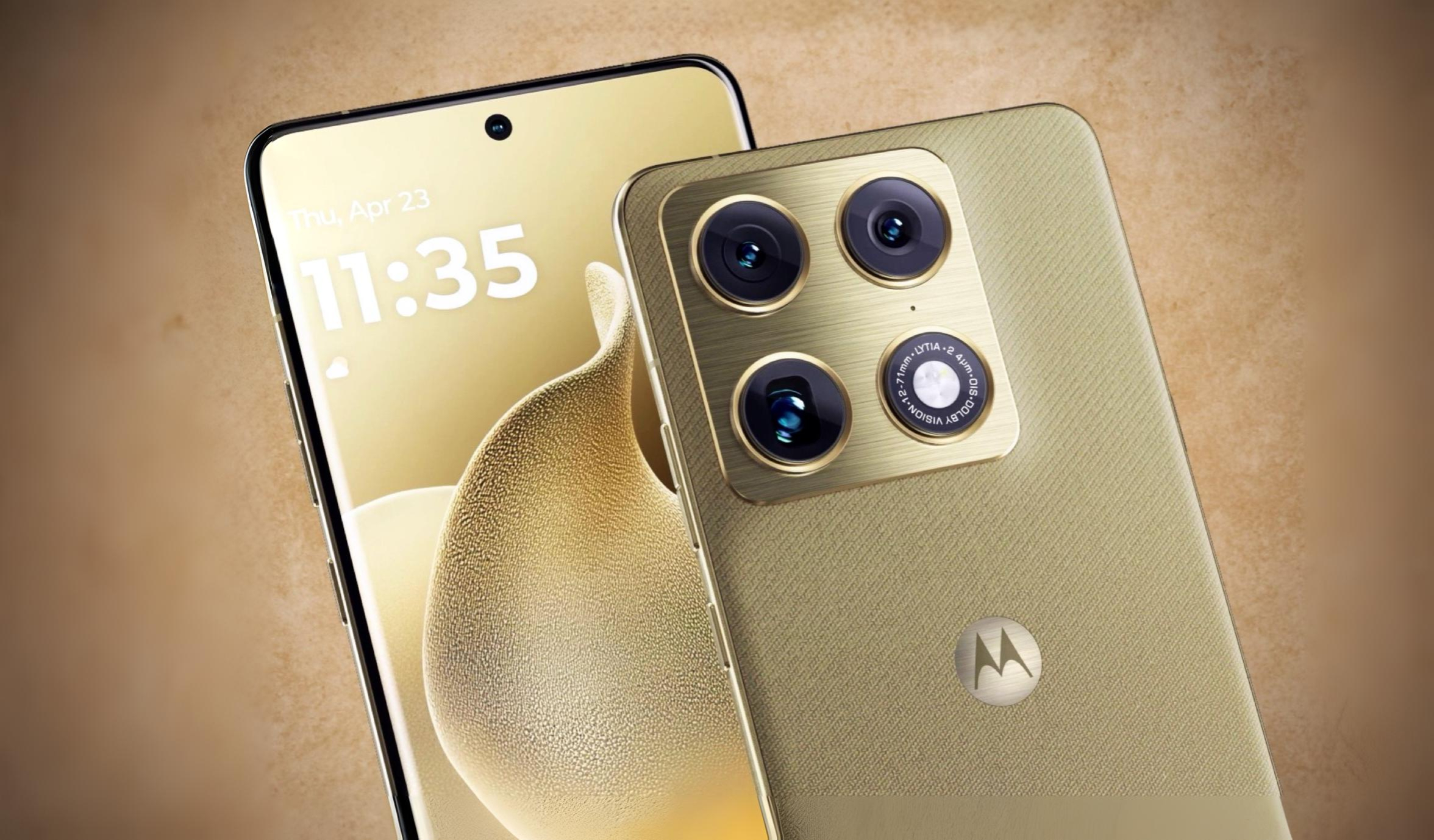
Under the hood, the Motorola Signature is powered by Qualcomm’s Snapdragon 8 Gen 5, one of the fastest mobile chipsets of 2026, that ensures great performance in games, multitasking, and creative workflows. On the other hand, the Vivo X200T counters with MediaTek’s Dimensity 9400+, which offers similar performance levels.
However, Motorola takes the lead with a much longer 7 years of OS updates with a light Hello UI skin. Vivo’s OriginOS 6 is a lot heavier and customizable, but you only get five years of Android updates. So the Signature has better software longevity.
6. Verdict
Both the Vivo X200T and Motorola Signature bring flagship energy to a very competitive price segment in 2026, and they trade blows in performance, display quality, imaging, and battery life. The X200T shines in battery endurance, balanced performance, and Zeiss-tuned imaging, making it an excellent choice for users who value longevity and strong everyday photography. The Motorola Signature, on the other hand, stands out with its premium design, larger and smoother display, superior camera hardware, and cleaner software longevity promise. This positions it as the more complete flagship package.
For more daily updates, please visit our News Section.
Tech enthusiast? Get the latest news first! Follow our Telegram channel and subscribe to our free newsletter for your daily tech fix! ⚡