
Add GIZMOCHINA as Preferred Source on Google
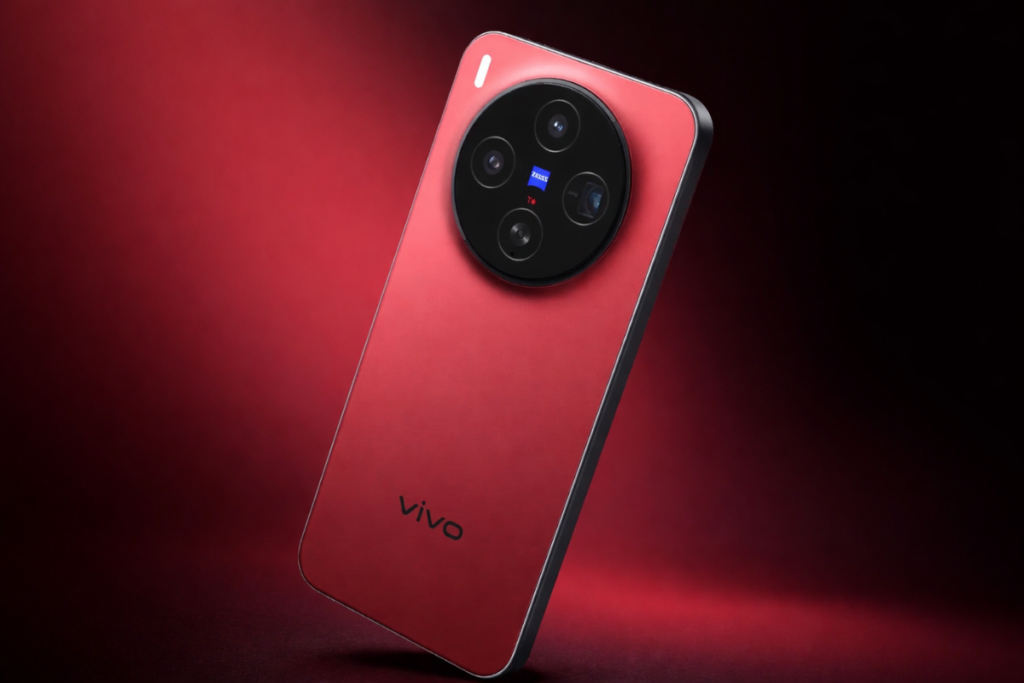
The Vivo X300 (review) is a highly rated flagship smartphone that promises excellent performance and top-tier camera capabilities. It quickly became one of the most demanding flagship smartphones after its release in December 2025. However, it’s not the only showstopper in the price segment the device falls in. There exist some great alternatives that give the Vivo X300 a serious run for its money.
Here are the 5 best alternatives to Vivo X300.
5 phones you can buy instead of Vivo X300

1. Oppo Find X9
The Oppo Find X9 (review) is the closest competitor to the Vivo X300, offering a similar flagship experience but scaling up in important aspects. It offers a 6.59-inch AMOLED screen, which is larger than Vivo X300’s for media consumption but not unwieldy as “Ultra” phones.
Both smartphones feature competitive camera performance, but the Hasselblad colour tuning on the Find X9 should yield more natural skin tones. Plus, the Oppo phone offers a 16% higher battery capacity and faster wireless charging.
Oppo Find X9 specs:
- Display: 6.59″ AMOLED, 1256 x 2760 pixels, 120Hz refresh rate, HDR10+, Dolby Vision, HDR Vivid, 3600nits (peak)
- Processor: MediaTek Dimensity 9500 (3 nm)
- Software: Android 16, up to four major Android upgrades
- Rear camera: 50MP (wide) + 50MP (periscope telephoto, 3x optical zoom) + 50MP (120˚ ultrawide) + 2MP (monochrome)
- Selfie camera: 32MP
- Battery & charging: 7025mAh; 80W (wired), 50W (wireless)
- Connectivity: Wi-Fi 7, Bluetooth 6.0, NFC
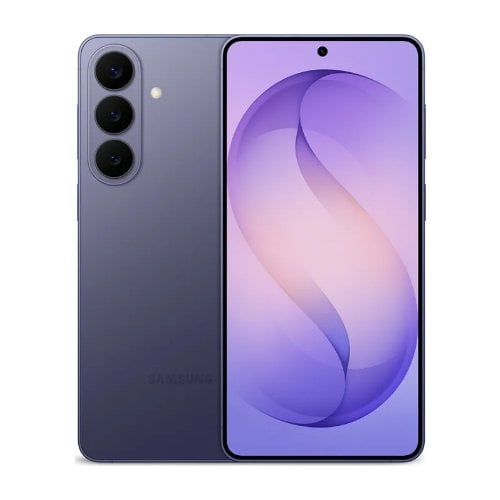
2. Samsung Galaxy S26
The Galaxy S26 doesn’t outshine the Vivo X300 on the spec sheet, but it’s a reliable choice for people looking for a compact flagship phone with longer software support. Also, it’s the only non-Chinese alternative on this list.
While the screen sizes are almost identical, the Galaxy S26 features tougher Gorilla Glass Victus 2 protection on both sides. The Galaxy device also offers a tougher Armour aluminium 2 frame than the standard aluminium frame on the Vivo X300.
The Galaxy S26 ships with Snapdragon 8 Elite Gen 5 in the US, Canada, China, and Japan, which offers better performance than the Dimensity 9500 inside the Vivo X300. But the rest of the world gets the Exynos 2600, which is slightly weaker compared to the Dimensity 9500.
Samsung phones win big when it comes to software support, and the Galaxy S26 is no different. It promises Android updates up to seven generations, while the Vivo X300 only promises four major Android updates.
Samsung Galaxy S26 specs:
- Display: 6.3″ Dynamic LTPO AMOLED 2X, 1080 x 2340 pixels, 120Hz refresh rate, HDR10+, 2600nits (peak)
- Processor:
- Qualcomm Snapdragon 8 Elite Gen 5 (3 nm) – the US, Canada, China, Japan
- Samsung Exynos 2600 (2 nm) – rest of the world
- Software: Android 16, up to seven major Android upgrades
- Rear camera: 50MP (wide) + 10MP (telephoto, 3x optical zoom) + 12MP (120˚ ultrawide)
- Selfie camera: 12MP
- Battery & charging: 4300mAh; 25W (wired), 15W (wireless)
- Connectivity: Wi-Fi 7, Bluetooth 5.4, NFC

3. OnePlus 15
The OnePlus 15 is a solid choice here, with several key upgrades, including a more powerful Snapdragon 8 Elite Gen 5 chipset and a larger 6.78-inch screen with tougher Gorilla Glass Victus 2 protection.
OnePlus 15 also outperforms the Vivo X300 in battery capacity and charging speeds. The former has a 7,300mAh battery with 120W wired charging support, while the latter has a smaller 6,040mAh battery with 90W wired charging support. The OnePlus phone also offers faster wireless charging.
OnePlus 15 specs:
- Display: 6.78″ LTPO AMOLED, 1272 x 2772 pixels, 165Hz refresh rate, HDR10+, Dolby Vision, HDR Vivid, 1800nits (HBM)
- Processor: Qualcomm Snapdragon 8 Elite Gen 5 (3 nm)
- Software: Android 16, up to four major Android upgrades
- Rear camera: 50MP (wide) + 50MP (periscope telephoto, 3.5x optical zoom) + 50MP (116˚ ultrawide)
- Selfie camera: 32MP
- Battery & charging: 7300mAh; 120W (wired), 50W (wireless)
- Connectivity: Wi-Fi 7, Bluetooth 6.0, NFC
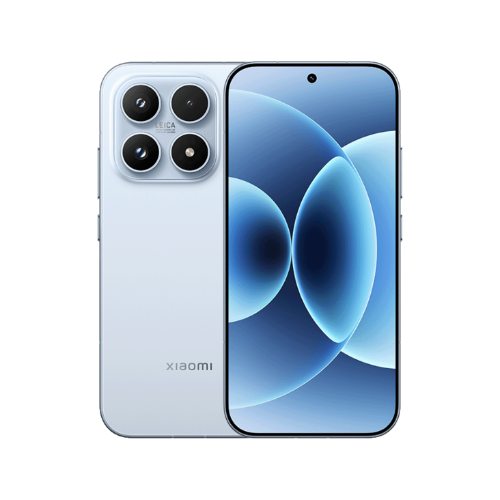
4. Xiaomi 17
Xiaomi’s high-end phones offer robust hardware, and Xiaomi 17 is no different. The smartphone ships with the Snapdragon 8 Elite Gen 5 chipset, which is faster and more efficient than the Dimensity 9500 inside the Vivo X300.
The Xiaomi 17 (review) packs a bigger 6,330mAh battery (versus 6,040mAh on Vivo X300) and offers faster wired and wireless charging.
Xiaomi 17 specs:
- Display: 6.3″ LTPO AMOLED, 1220 x 2656 pixels, 120Hz refresh rate, HDR10+, Dolby Vision, HDR Vivid, 3500nits (peak)
- Processor: Qualcomm Snapdragon 8 Elite Gen 5 (3 nm)
- Software: Android 16, up to five major Android upgrades
- Rear camera: 50MP (wide) + 50MP (telephoto, 2.6x optical zoom) + 50MP (102˚ ultrawide)
- Selfie camera: 50MP
- Battery & charging: 6330mAh; 100W (wired), 50W (wireless)
- Connectivity: Wi-Fi 7, Bluetooth 5.4, NFC
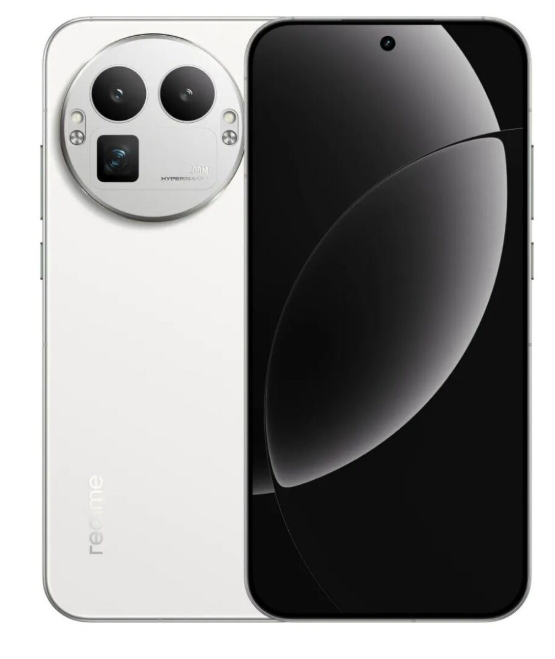
5. Realme GT 8 Pro
The Realme GT 8 Pro features a larger 6.79-inch AMOLED screen with a higher resolution and a 144Hz refresh rate. The peak brightness of 7,000 nits is also much higher than the 4,500 nits on the Vivo X300. The Realme smartphone also delivers better performance and efficiency, thanks to the Snapdragon 8 Elite Gen 5 processor.
The GT 8 Pro’s camera specs are competitive with the Vivo X300, but it outperforms the Vivo phone in battery capacity and charging speeds.
Realme GT 8 Pro specs:
- Display: 6.79″ AMOLED, 1440 x 3136 pixels, 144Hz refresh rate, HDR10+, Dolby Vision, HDR Vivid, 7000nits (peak)
- Processor: Qualcomm Snapdragon 8 Elite Gen 5 (3 nm)
- Software: Android 16, up to four major Android upgrades
- Rear camera: 50MP (wide) + 200MP (periscope telephoto, 3x optical zoom) + 50MP (116˚ ultrawide)
- Selfie camera: 32MP
- Battery & charging: 7000mAh; 120W (wired), 50W (wireless)
- Connectivity: Wi-Fi 7, Bluetooth 6.0, NFC (360˚)




Comments