
Add GIZMOCHINA as Preferred Source on Google
For years, the smartphone industry’s unspoken rule has been clear: if you want a compact device, prepare to compromise. Brands reserve their best cameras, batteries, and performance for “Ultra” and “Pro” variants, leaving small-screen enthusiasts with a choice between overloaded premium devices or underpowered budget options. I spent two weeks testing the vivo X300 Standard, and it systematically demolishes that compromise.
Design: Finally, a True One-handed Phone
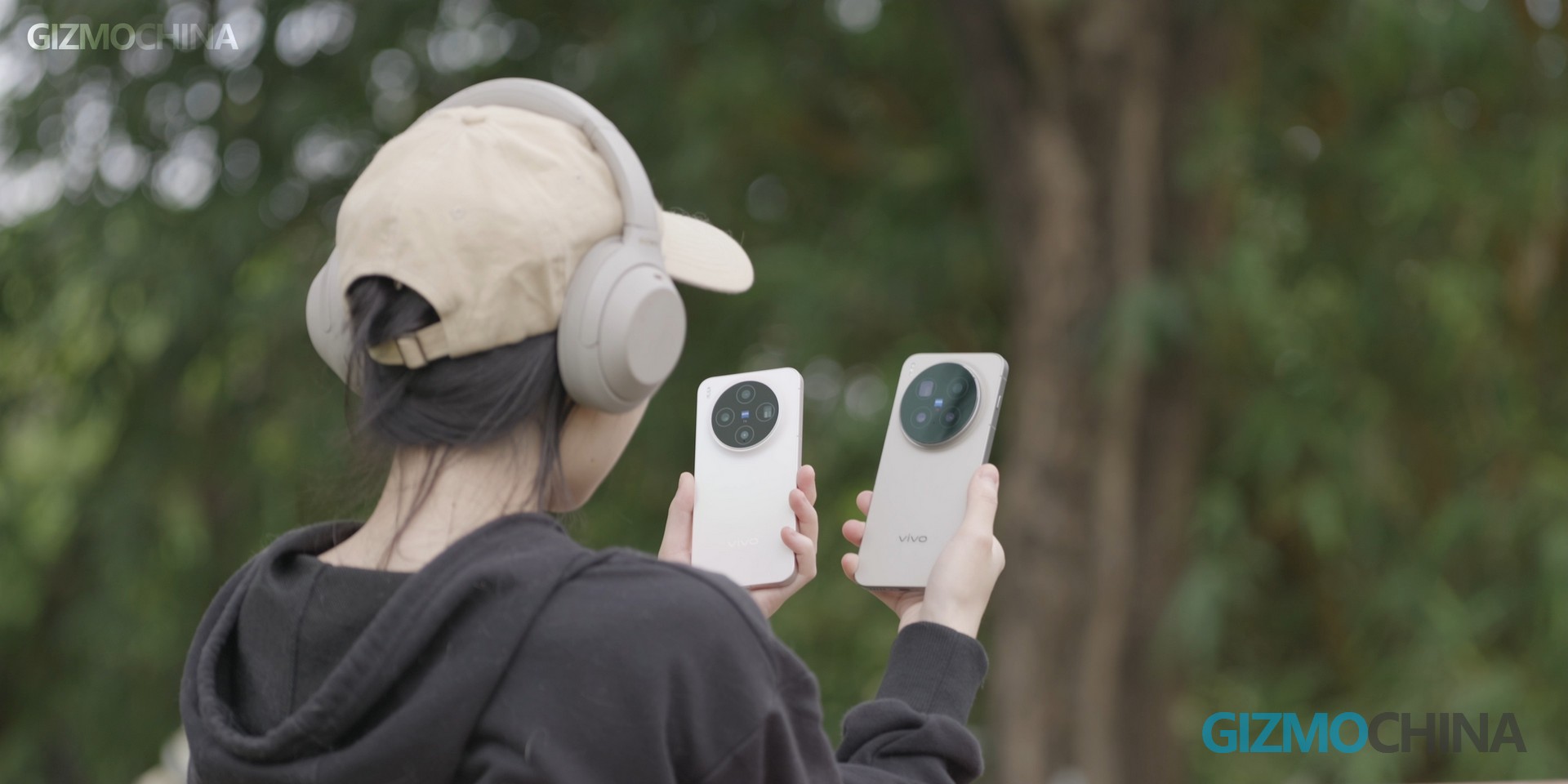
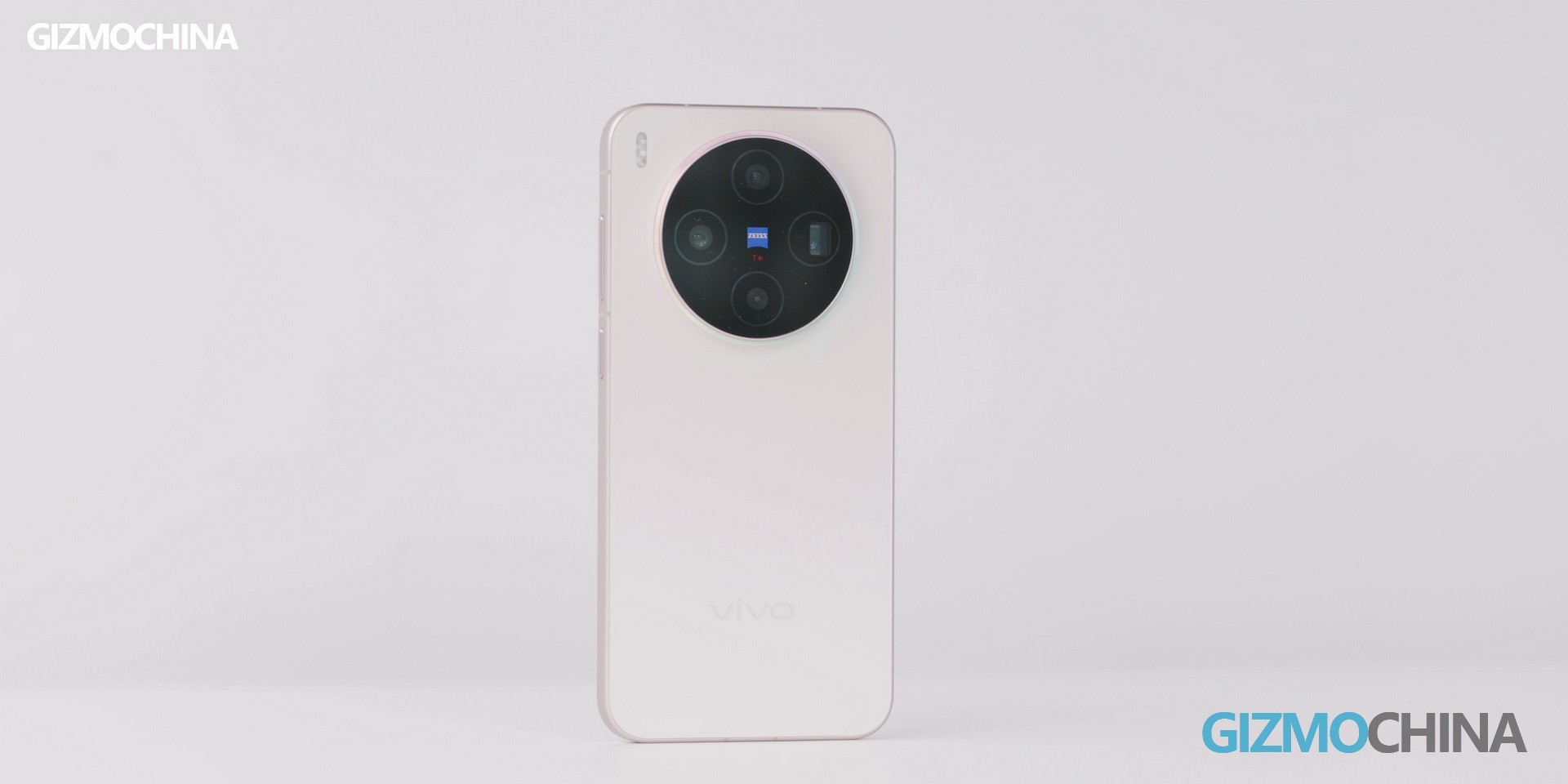
The X300 is built for people who actually use phones with one hand. At 6.3 inches and 183 grams, it achieves something rare: a device that doesn’t force you to choose between portability and capability.
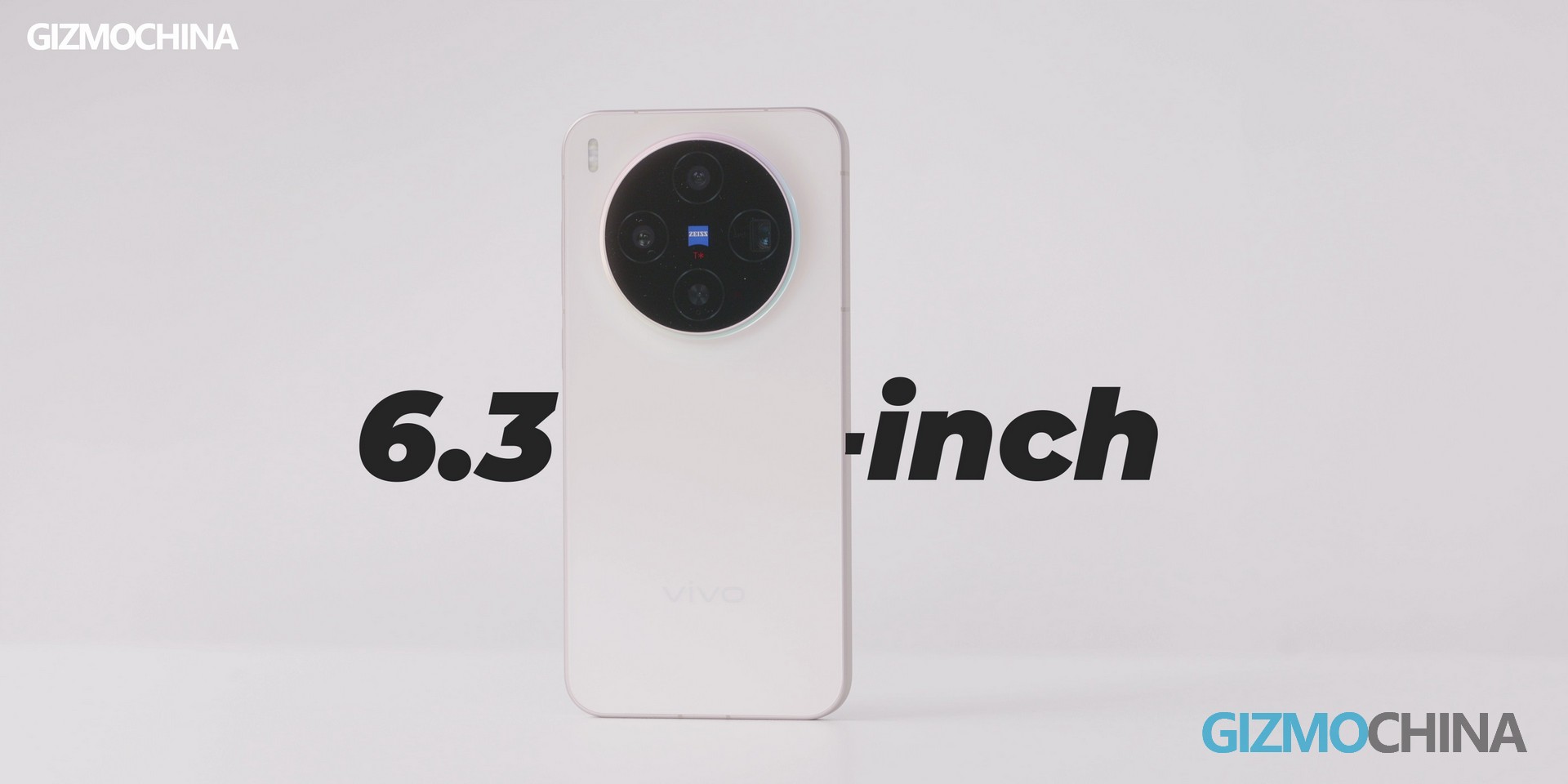
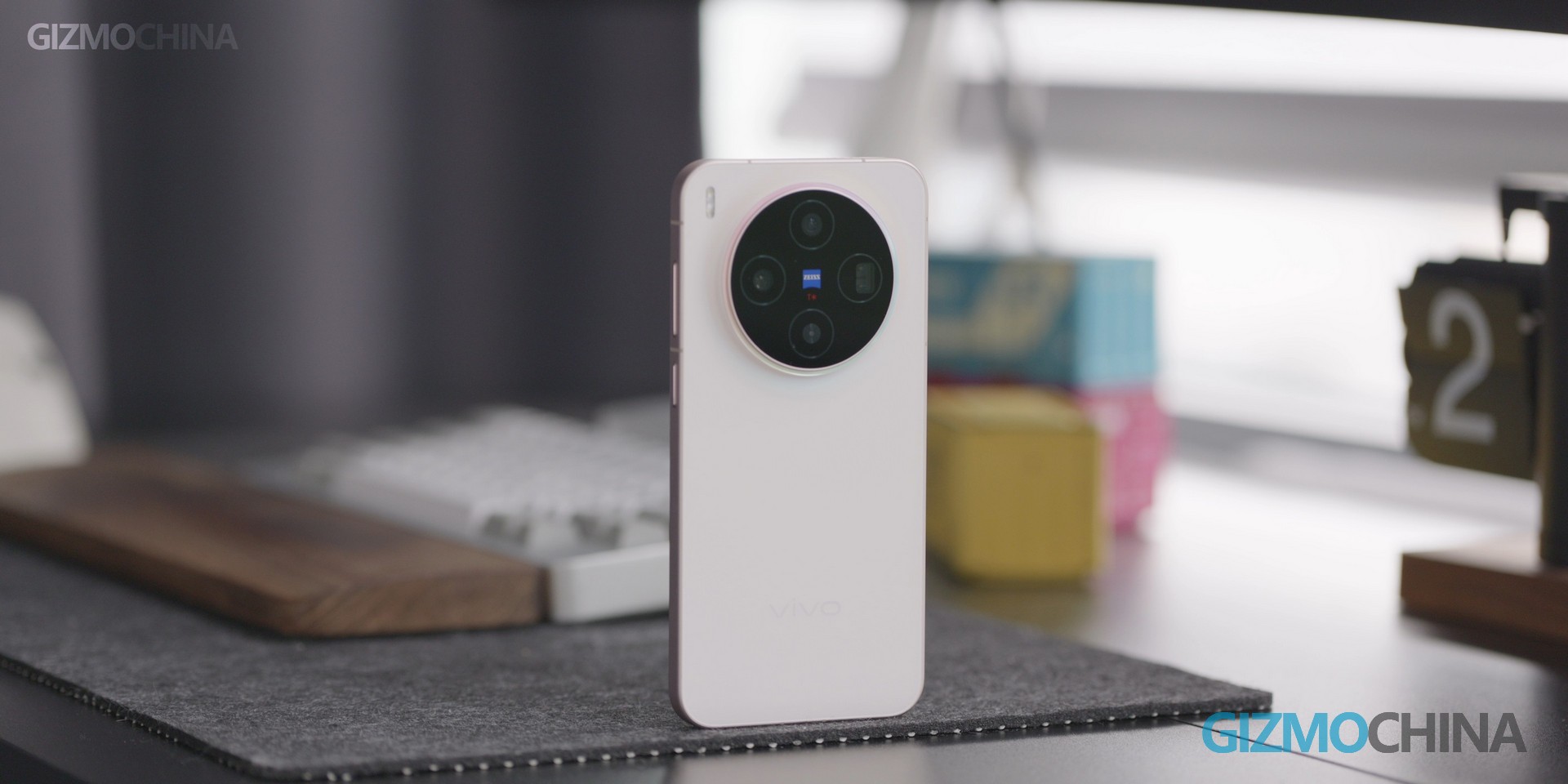
vivo didn’t cut corners on materials. The matte AG glass back comes in four colors—Black, Blue, Purple, and Pink—and resists fingerprints while catching light in subtle, shifting patterns. It feels premium, not plasticky. More importantly, it doesn’t slip from your grip when you’re juggling coffee and groceries. After a week of daily use, I’d forgotten what a relief it is to have a phone that doesn’t require finger gymnastics.
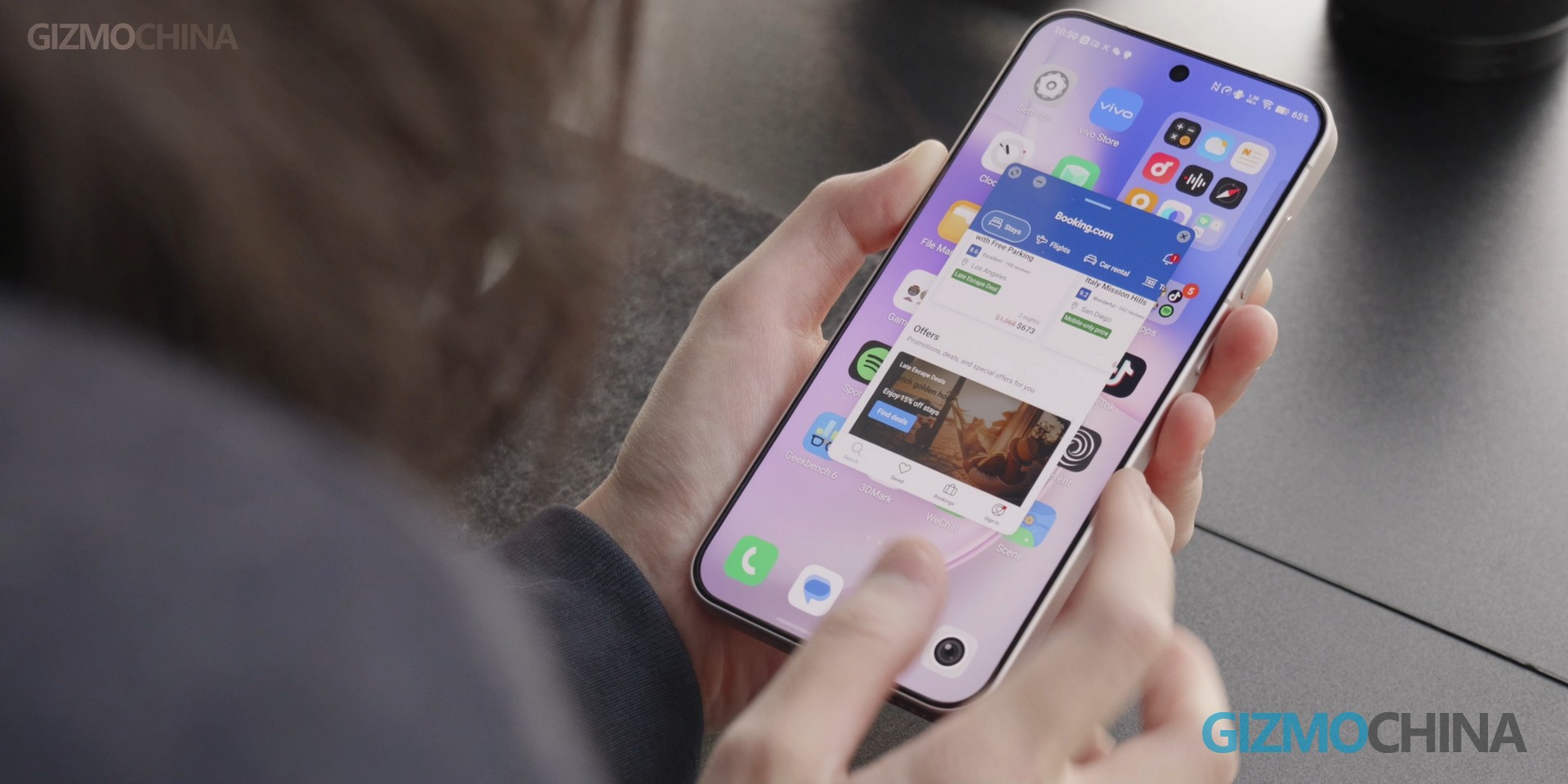
Software: OriginOS 6 Actually Understands Real Usage
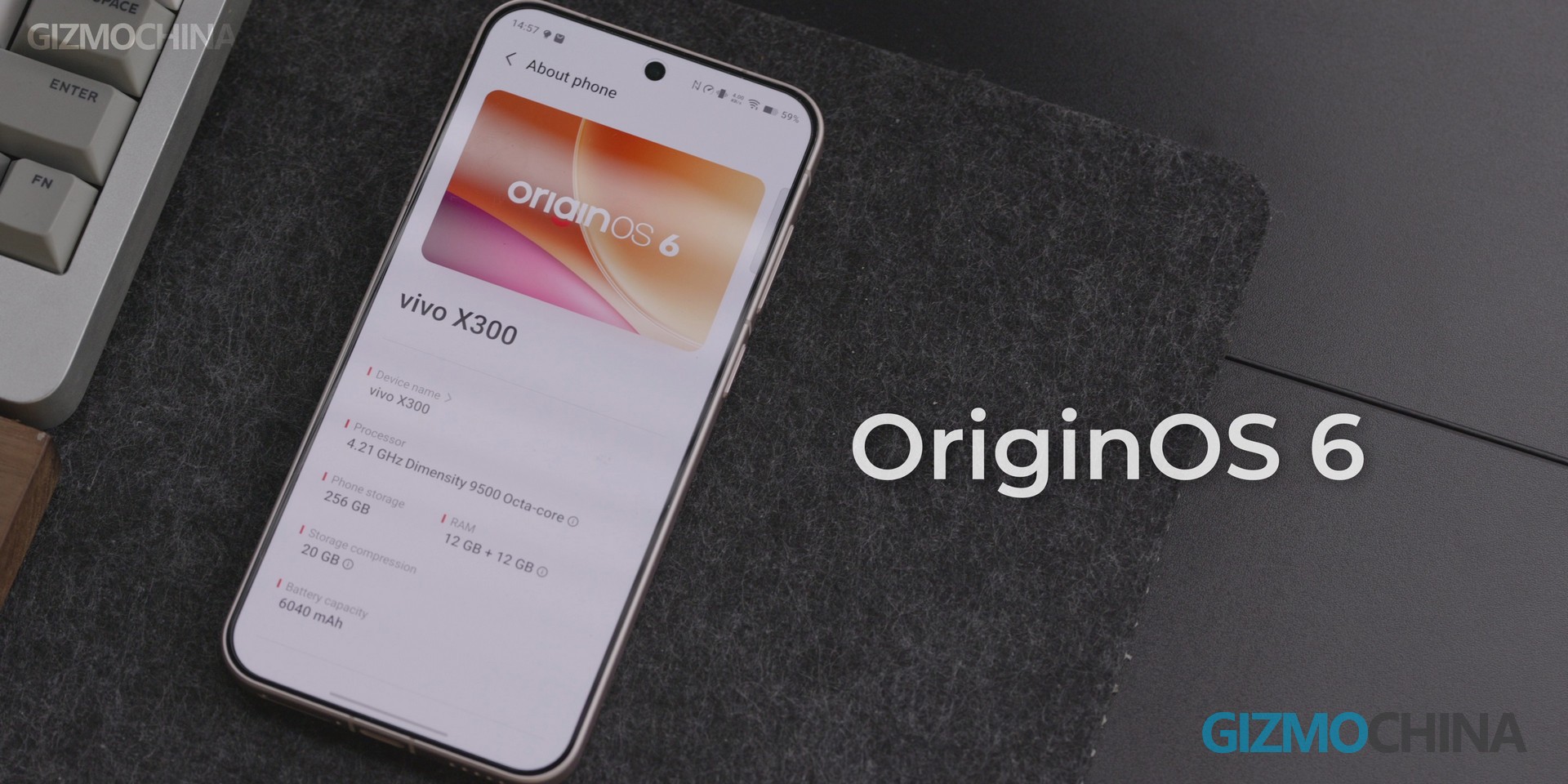
Running Android 16 with OriginOS 6, the X300’s software revolves around three principles: smoothness, intelligence, and personalization. But unlike most manufacturer skins, Vivo’s execution respects how people actually work.
Real-World Performance, Not Benchmark Theater
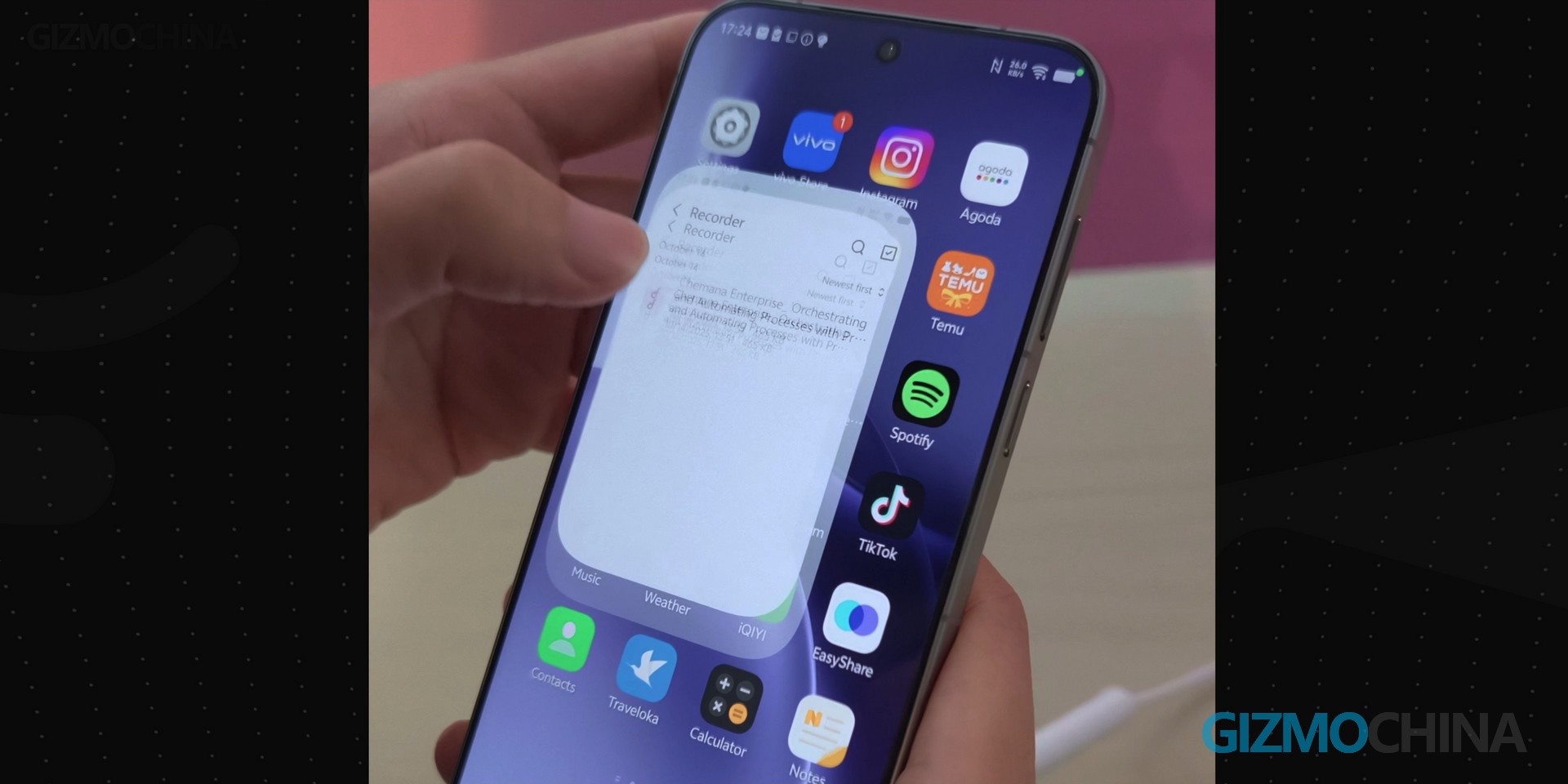
Multitasking doesn’t faze this phone. I had a dozen apps running background processes while gaming, and never noticed a frame drop. More impressively, vivo’s interface rendering makes everyday actions—scrolling lists, switching apps, loading content—noticeably snappier than other small-screen flagships I’ve used.
Standout Features
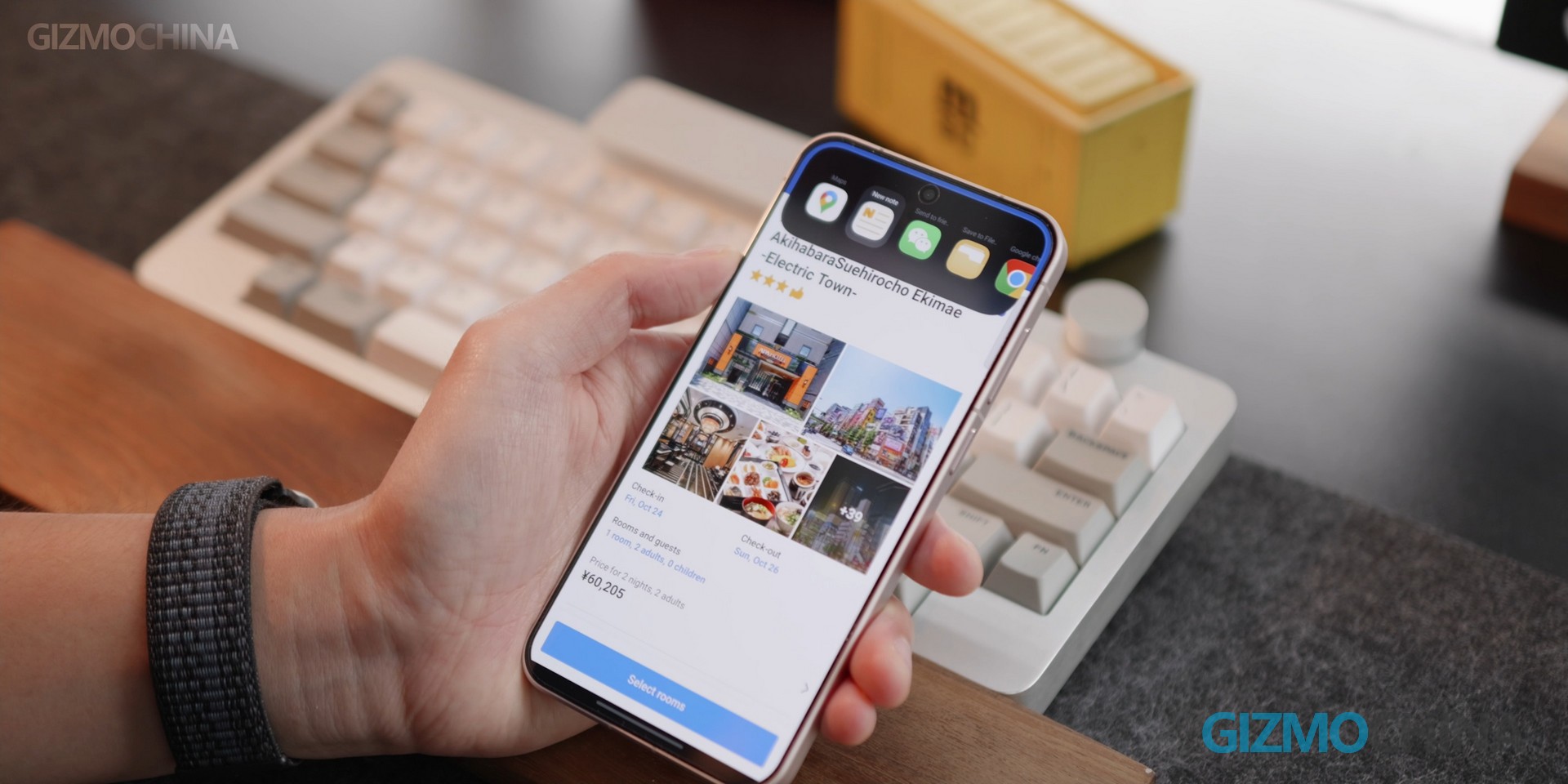
Drag & Go sounds like marketing fluff until you actually use it. Drag a hotel address to the OriginOS shelf and navigation launches instantly. Drag a check-out time to Notes and you’ve saved yourself three taps. It’s the kind of friction reduction that adds up.
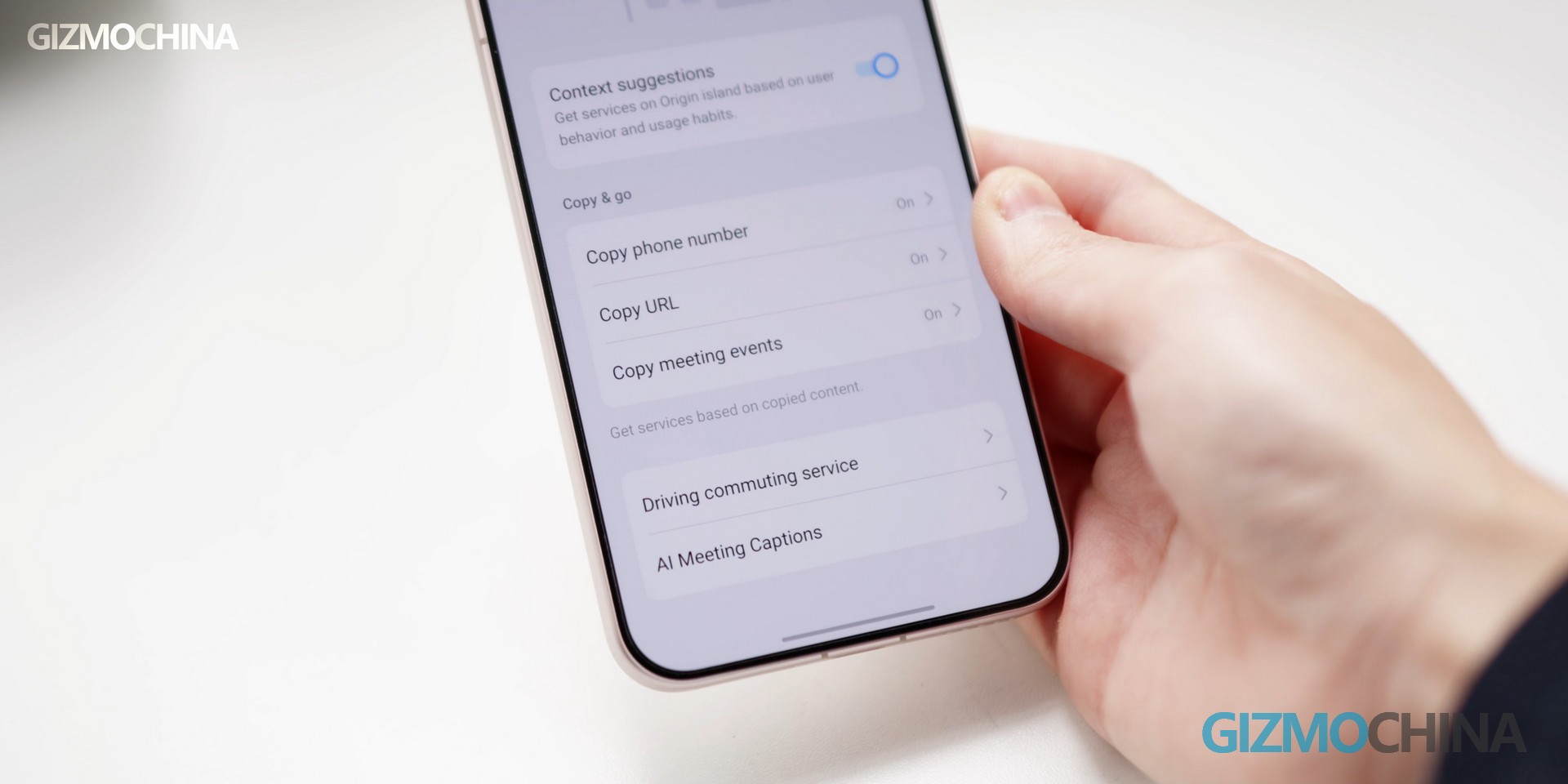
AI Meeting Captions transcribed calls in real time with surprising accuracy, and the Driving Commute Service automatically simplified my notifications when it detected I was in the car. These aren’t gimmicks; they’re practical tools I used daily.
Global Support – The system offers real-time translation for over 30 languages—including English, Spanish, and French—enabling one-click translation of chat messages or foreign-language webpages. It also integrates seamlessly with Google services with zero compatibility issues, a critical requirement for global users (Please check the video).
Notification Stacking – Alerts from the same app automatically fold into a single stack, keeping the lock screen uncluttered and ensuring important information remains easy to locate.
Imaging: Where This Phone Punches Above Its Weight
The X300’s camera system is its crown jewel, and the telephoto lens is the star—rare for a non-Pro device.
Telephoto Lens: Sharp Details with Minor Trade-Offs
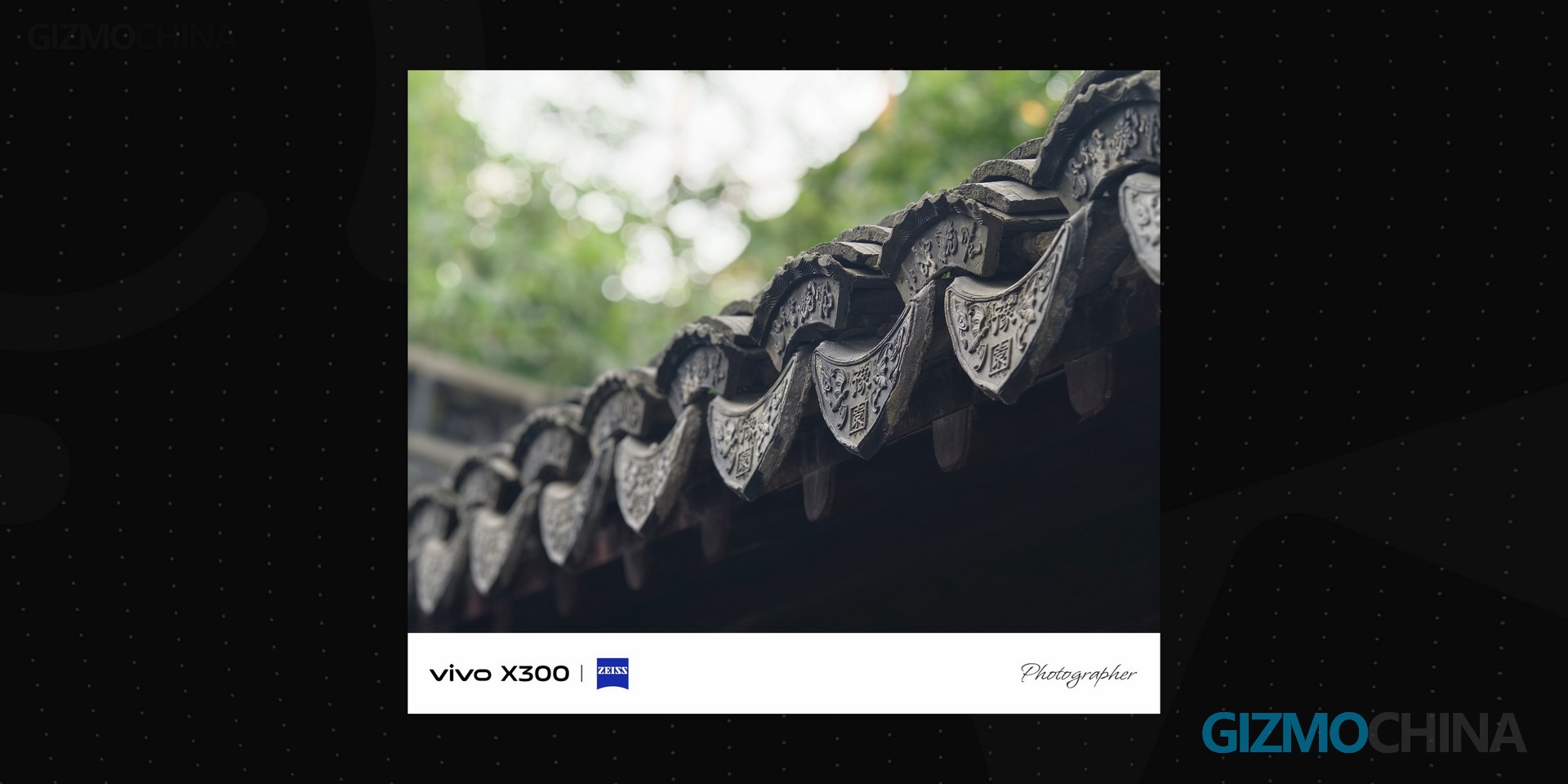
Our testing team captured real-world sample shots using the telephoto lens, with impressive results: sharp-edged grass plants, intricate garden roof tiles, detailed sculptures on ancient buildings, and the sleek architectural lines of the Shanghai World Financial Center were all rendered with exceptional clarity. This is no “mini” downgrade of a flagship camera—it functions as a capable standalone imaging system.

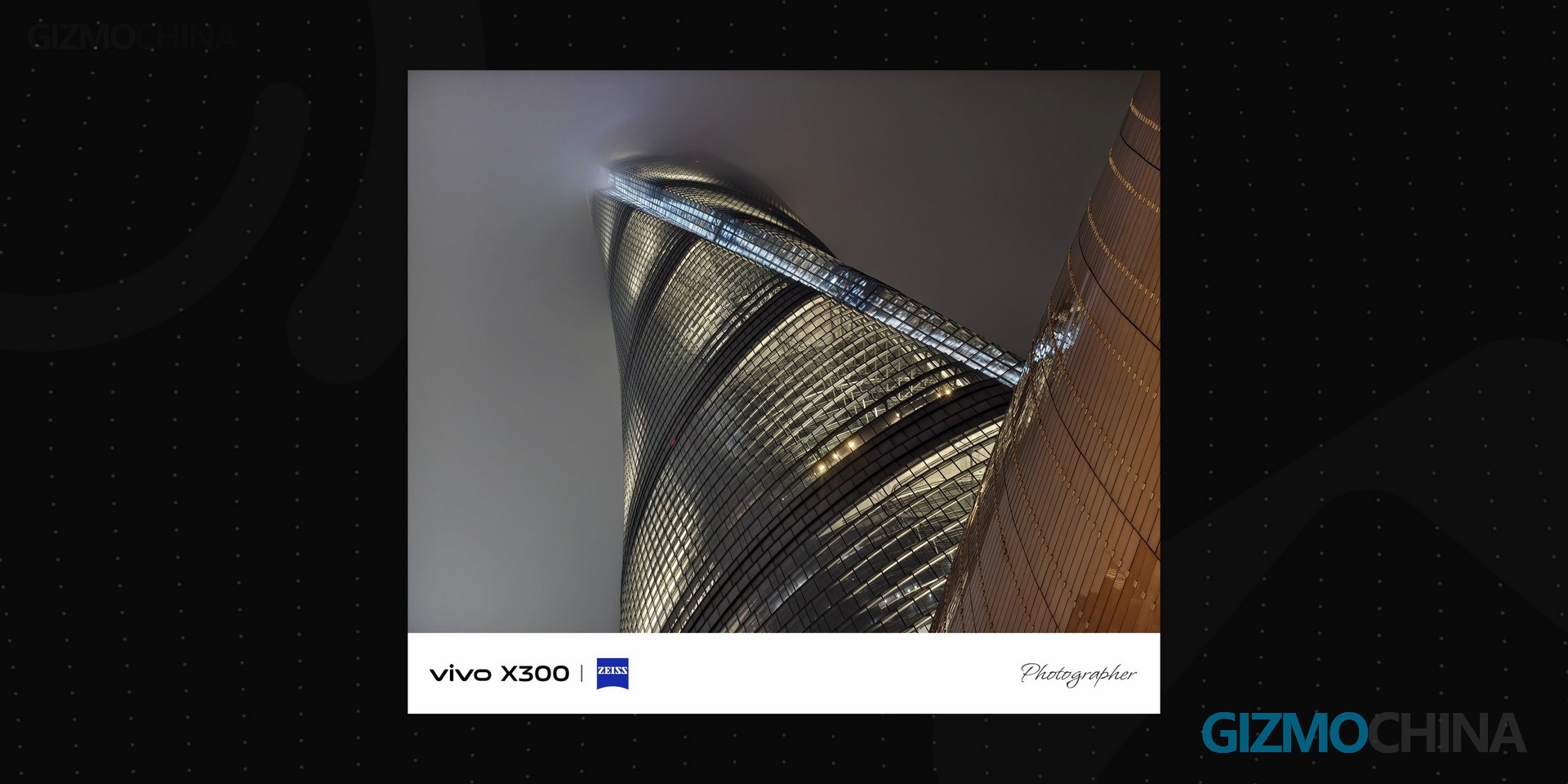
That said, we observed a minor limitation at 223mm focal length: the AI sharpening algorithm creates a trade-off. While it boosts edge sharpness, it also introduces slight smearing, especially in overcast weather or complex indoor lighting. In these conditions, detailed objects may appear slightly AI-generated—a flaw, but one that is forgivable when comparing a standard model to its Pro-tier counterpart.
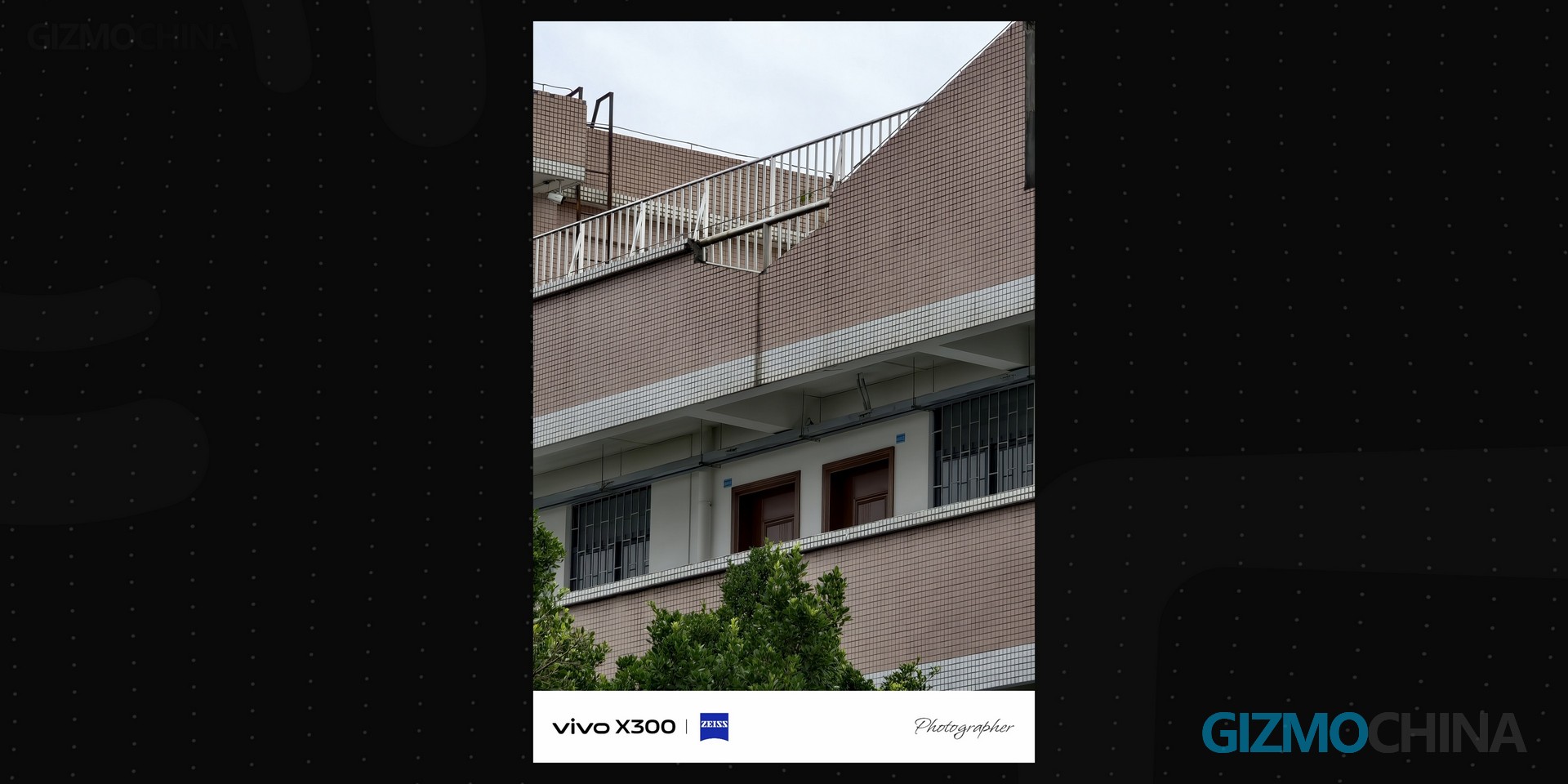
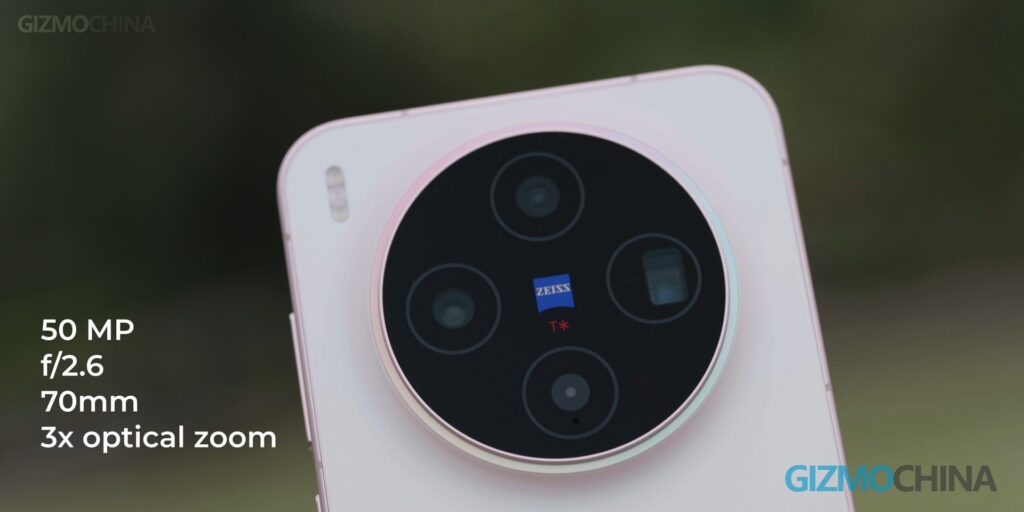
A key advantage is the 50MP periscope telephoto lens equipped with CIPA 4.5 professional anti-shake technology. Whether capturing portraits or macro shots of flower petals, results remain consistently sharp—a feature many brands omit from standard models to cut costs.
- 200MP Zeiss Main Camera: Consistent Quality Across Lighting Conditions
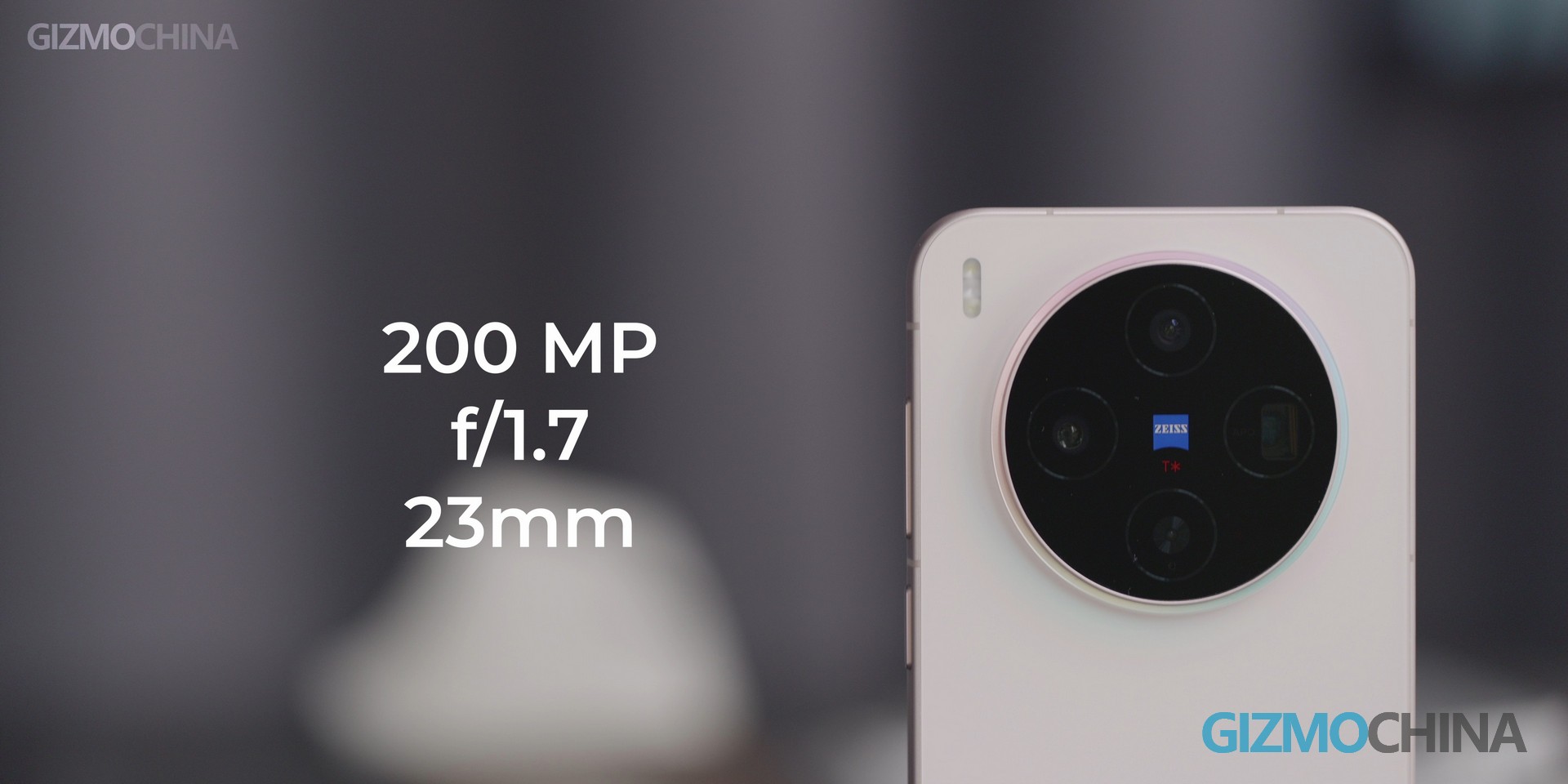
The 200MP Zeiss main camera uses a custom large-size Samsung HPB sensor—the same core hardware that made the X300 Pro a favorite among photography enthusiasts. It maintains sharpness in low-light environments and bright sunny landscapes, delivering reliable quality across diverse shooting scenarios.
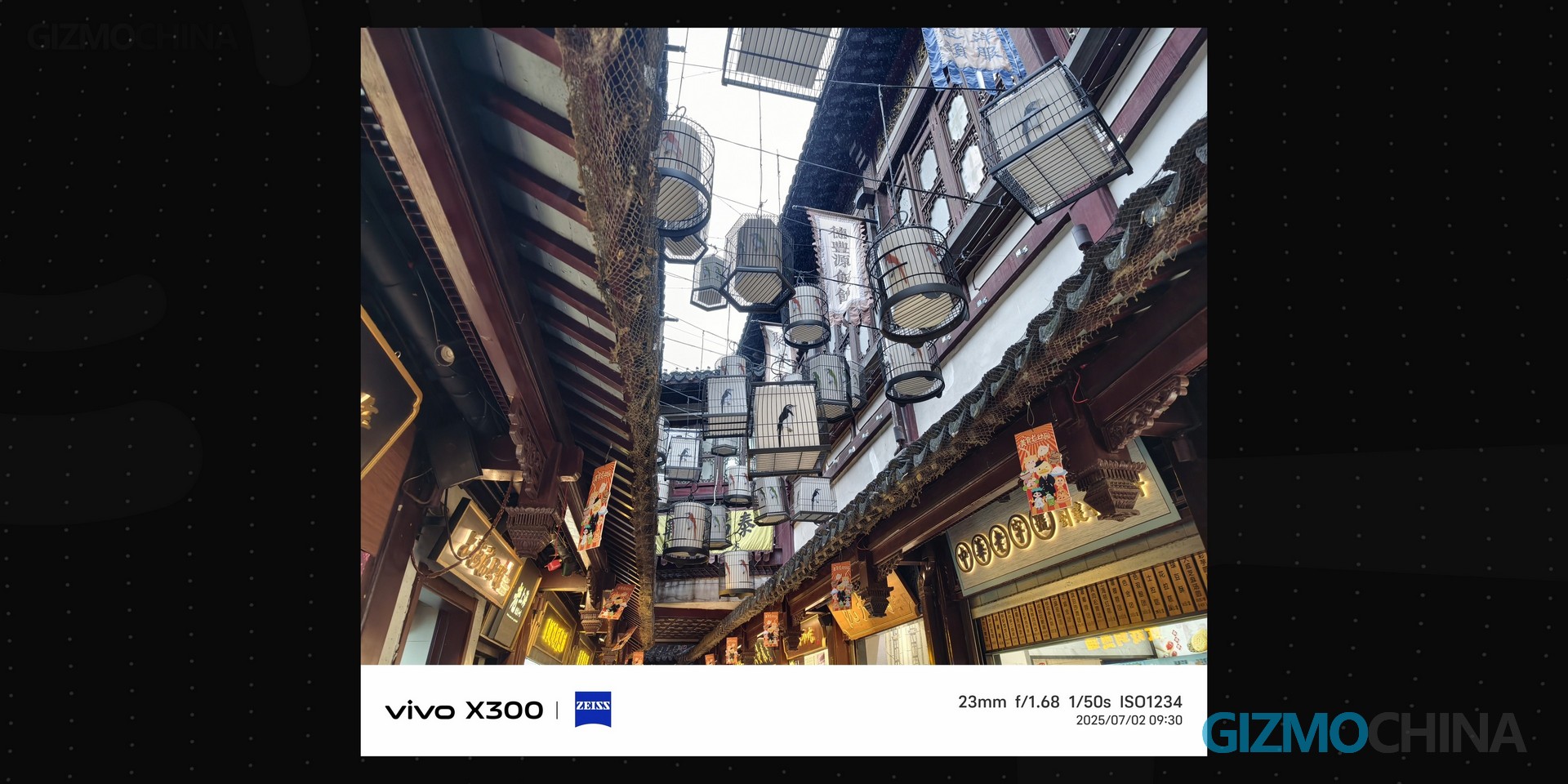
- Ultra-Wide and Portrait Capabilities
The ultra-wide-angle lens also performs strongly, capturing expansive scenes without distortion (sample photos available for reference). For portraits, the X300 Standard retains the X200 series’ popular focal lengths: 23mm, 35mm, 50mm, 85mm, and 100mm.
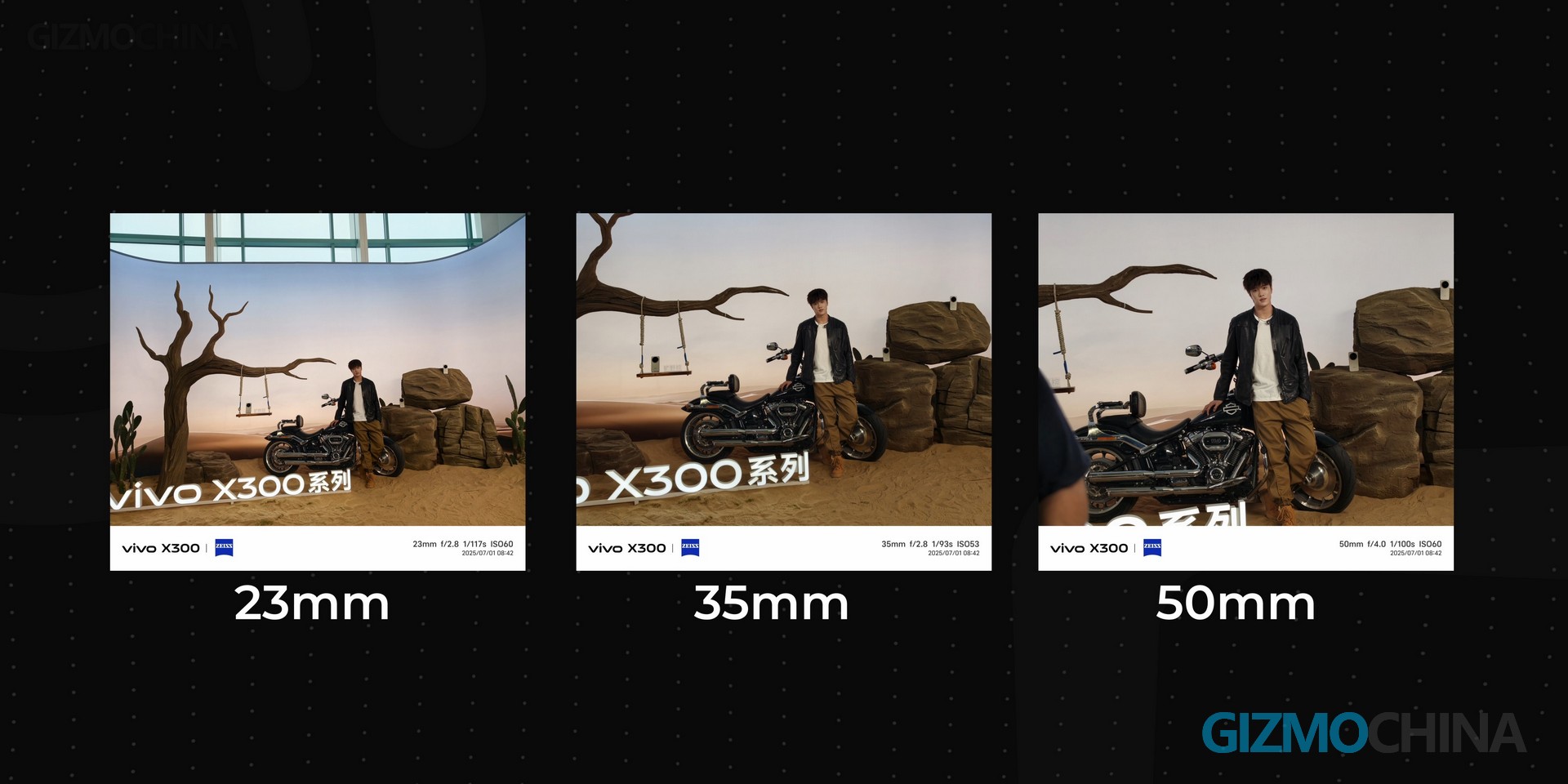
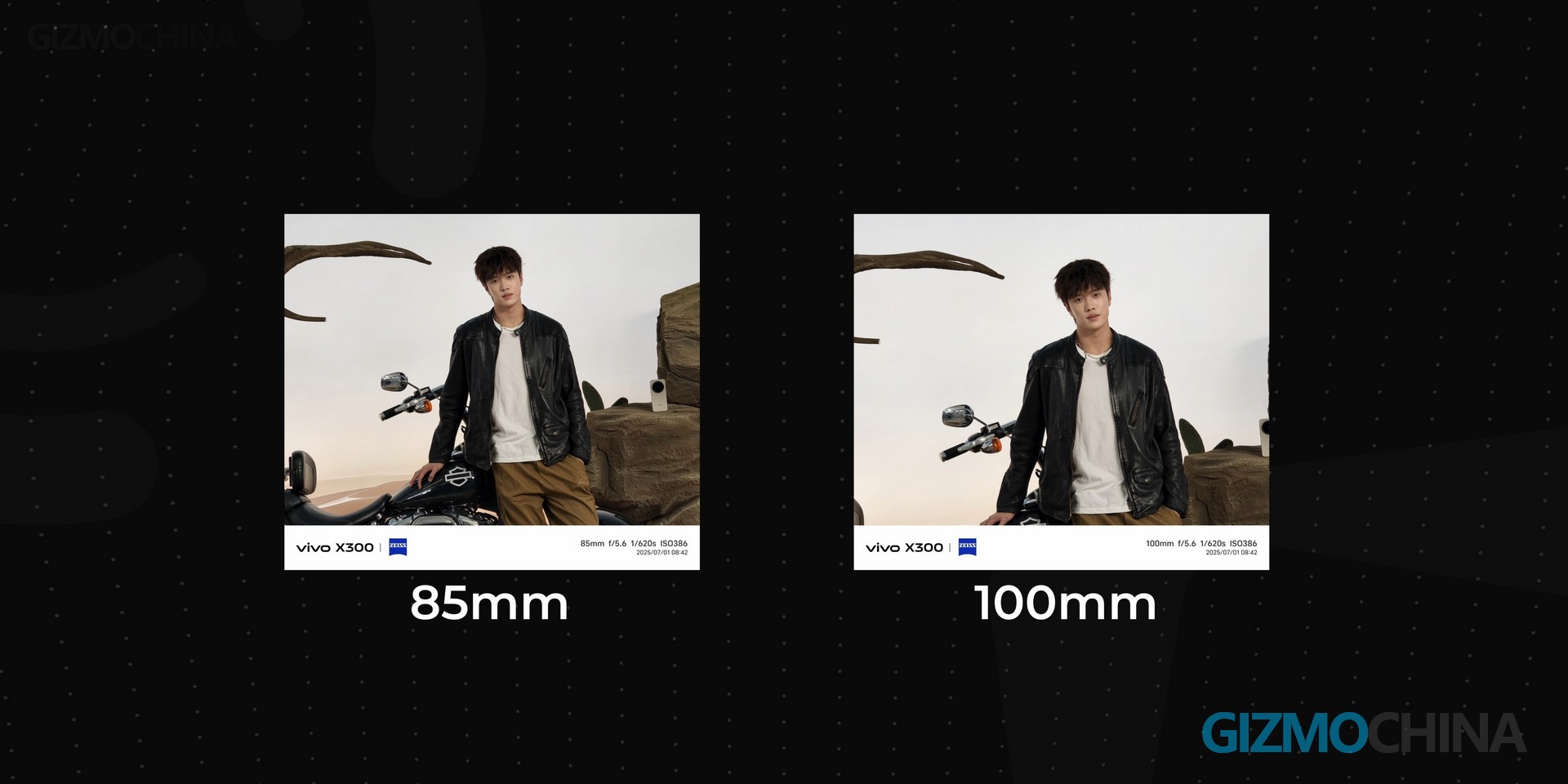
Vivo’s imaging style prioritizes “enhanced appeal” over strict realism—skin blemishes are subtly softened, a choice that sparks mild industry debate but aligns with consumer preferences for flattering portrait results.
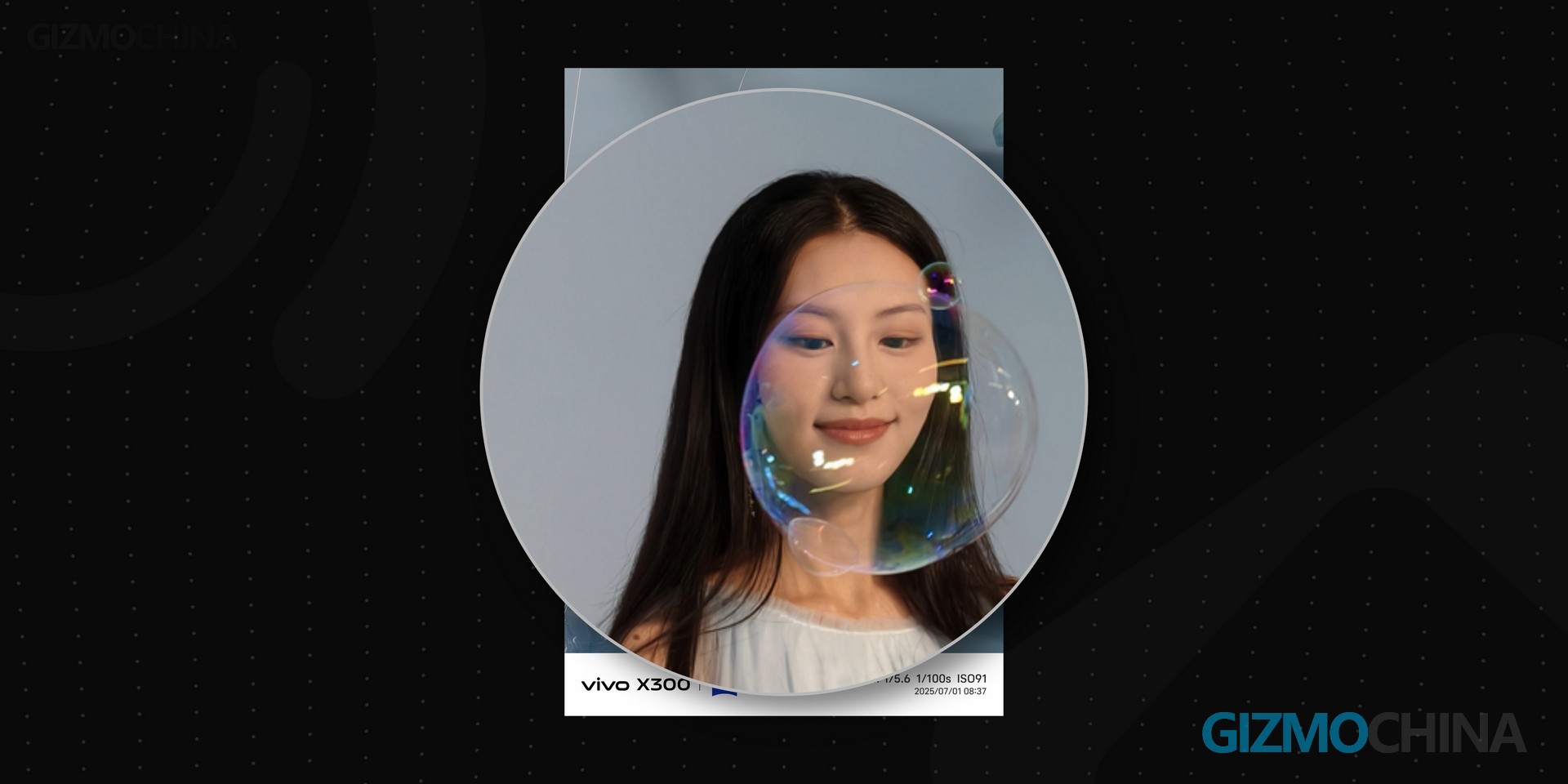
- Video and Creator-Centric Features
Video Performance: The device supports 4K 120fps LOG video mode and up to 2.8K 60fps video stabilization. Our sample videos showed minimal shakiness during walking shots, making them suitable for casual content creators and vloggers.
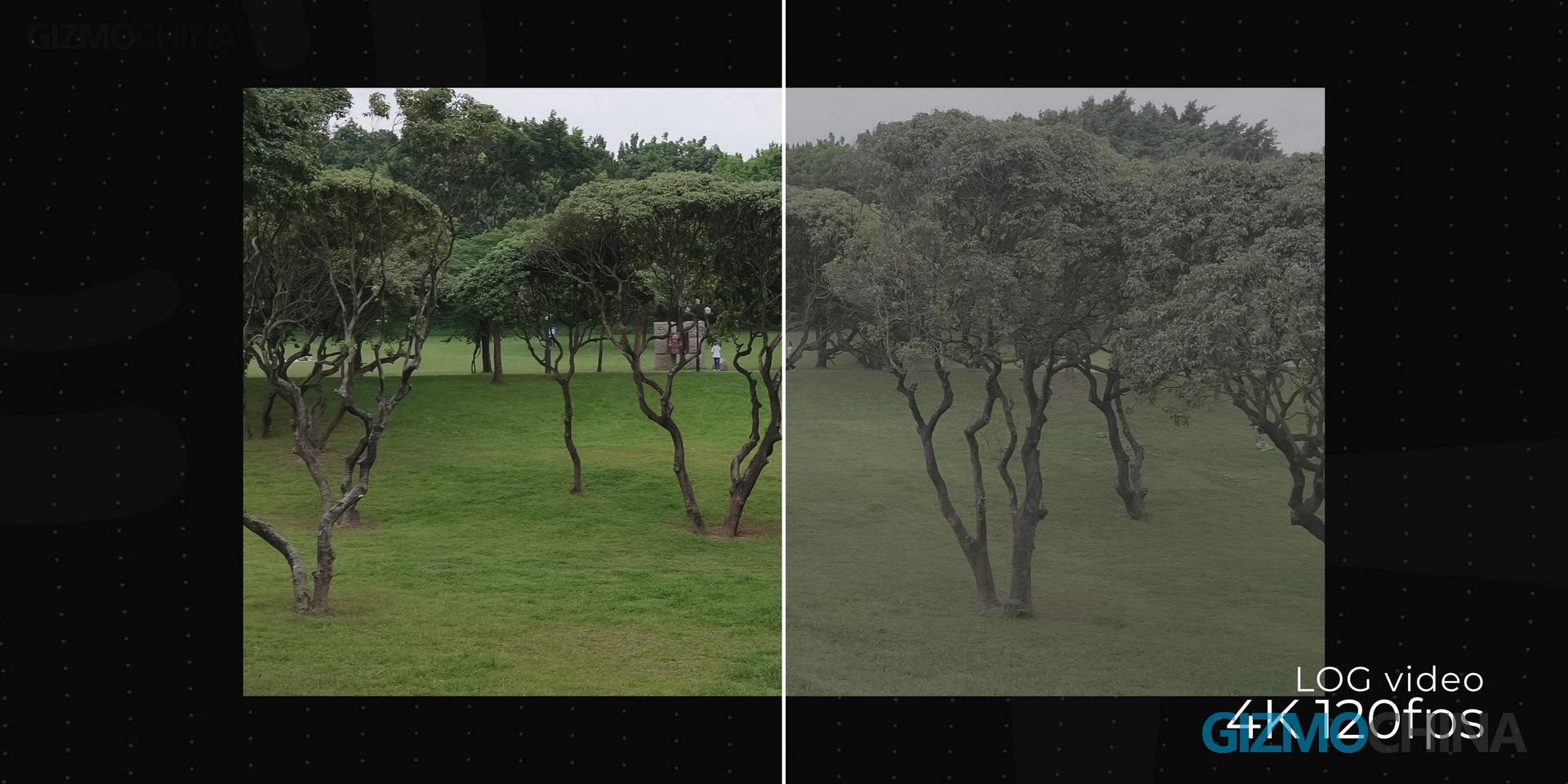
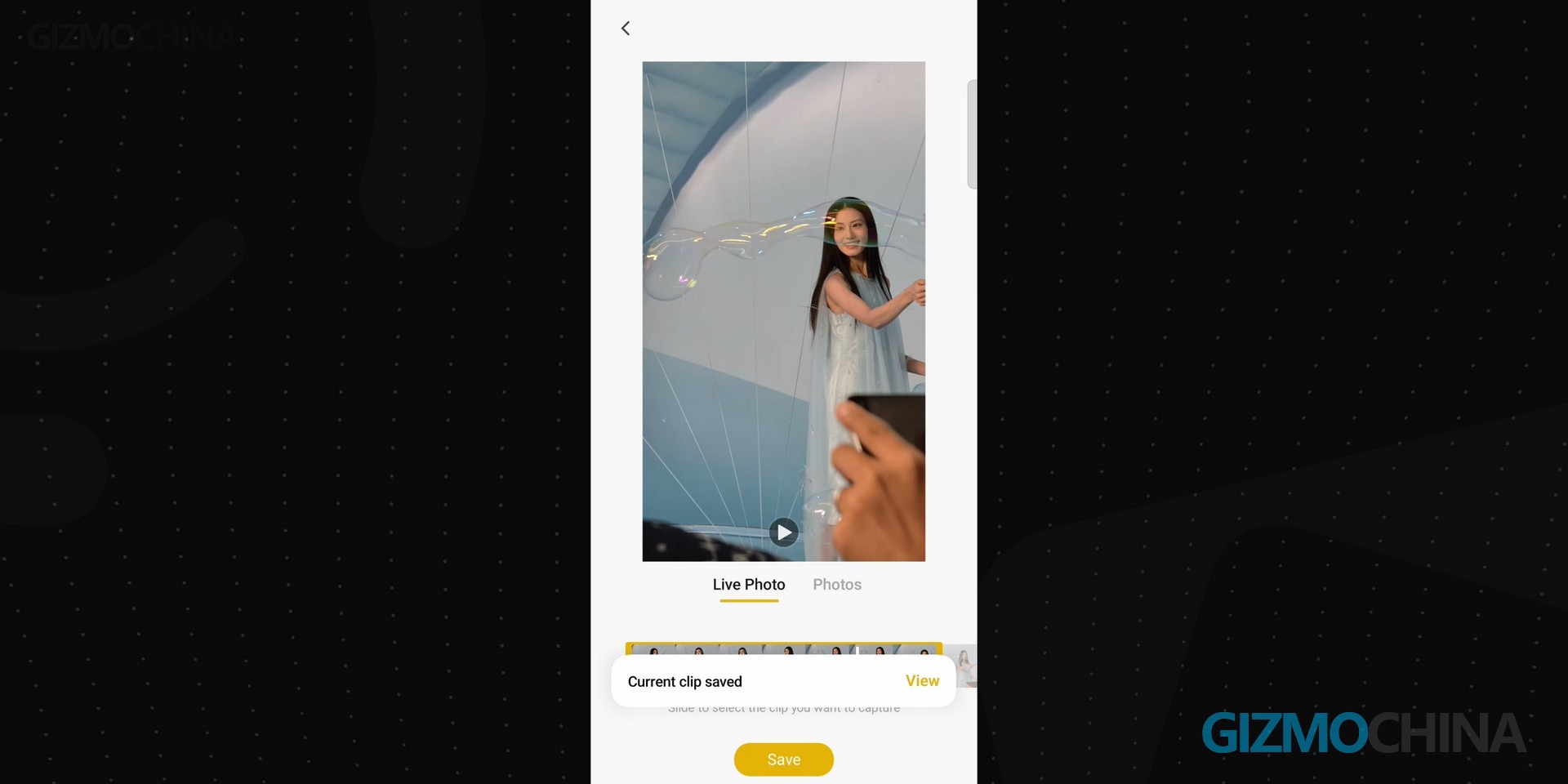
Post-Processing Tools: “Shoot First, Crop Later” allows users to adjust framing after capture, while video-to-Live-Photo conversion preserves dynamic moments (e.g., street scenes, event highlights) without requiring perfect initial composition.
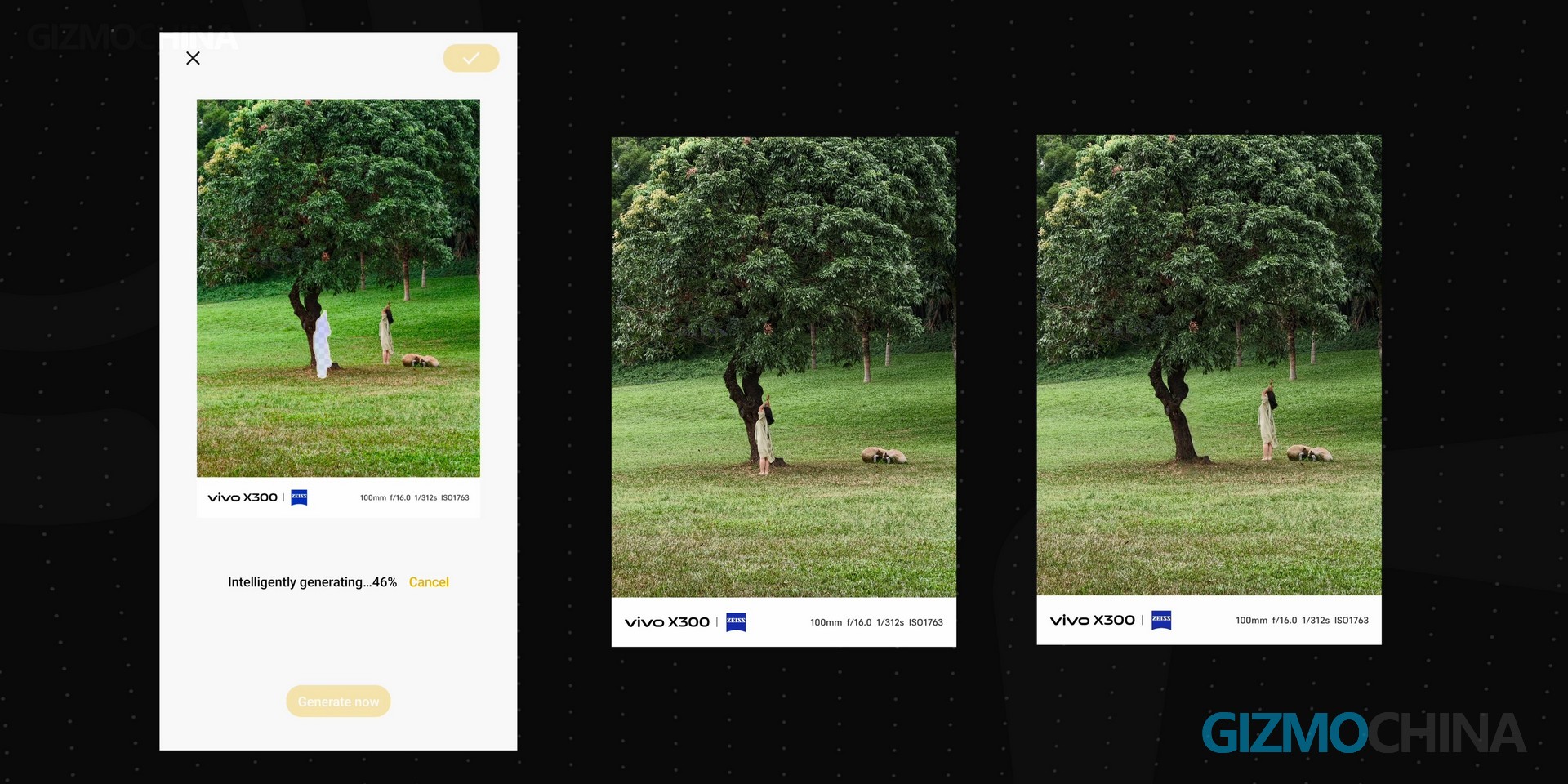
AI Portrait Erasure: Notably, this feature stands out as more natural and realistic than competing solutions. Users can even reposition people within a photo, and the results remain visually authentic—offering unprecedented flexibility for post-shoot editing.
Performance: Strong Benchmarks and Real-World Gaming Stability
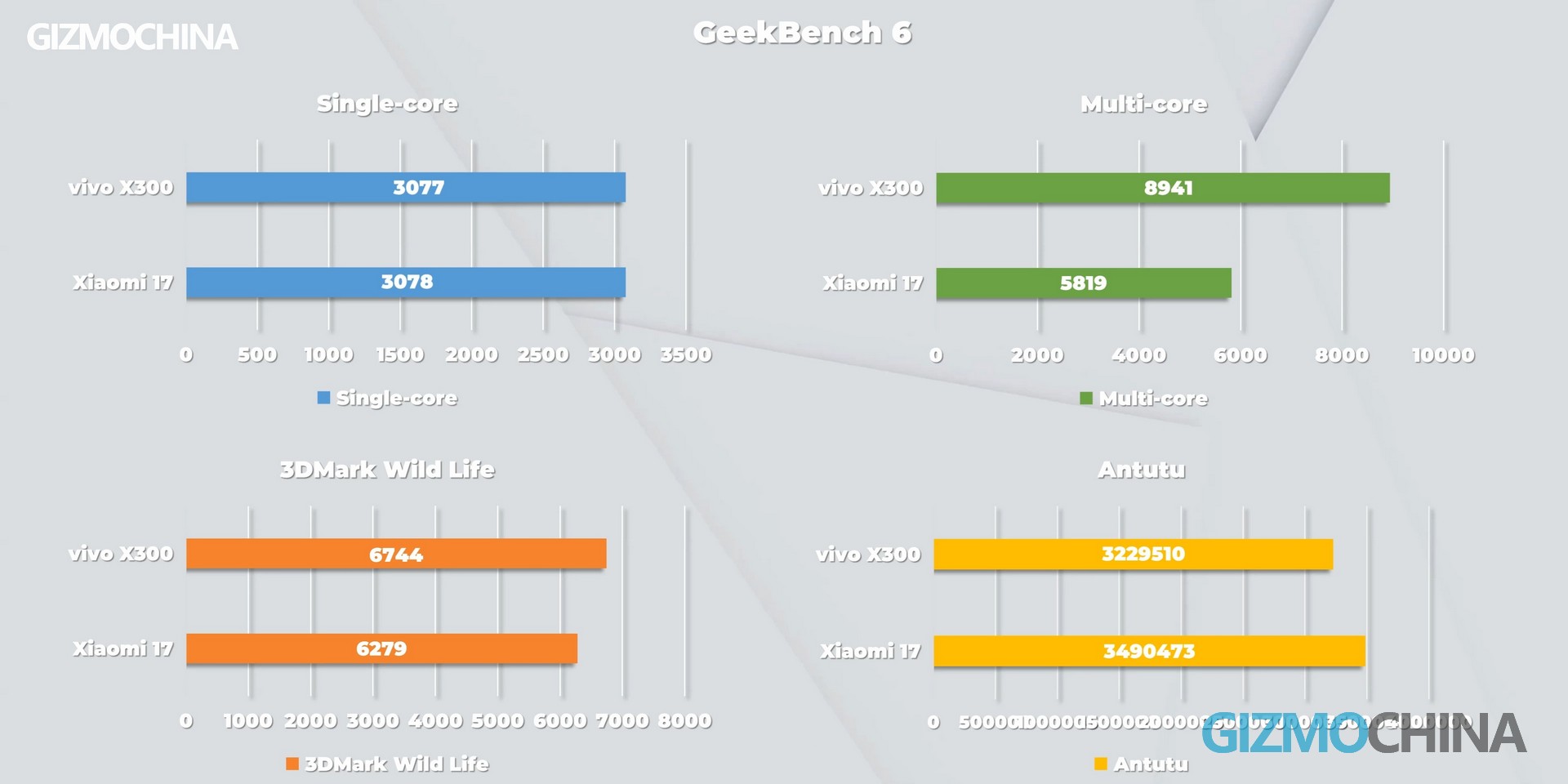
To evaluate performance comprehensively, we combined benchmark testing with real-world usage scenarios—ensuring results reflect how users actually interact with the device.
- Benchmark Results
- Real-World Gaming Test
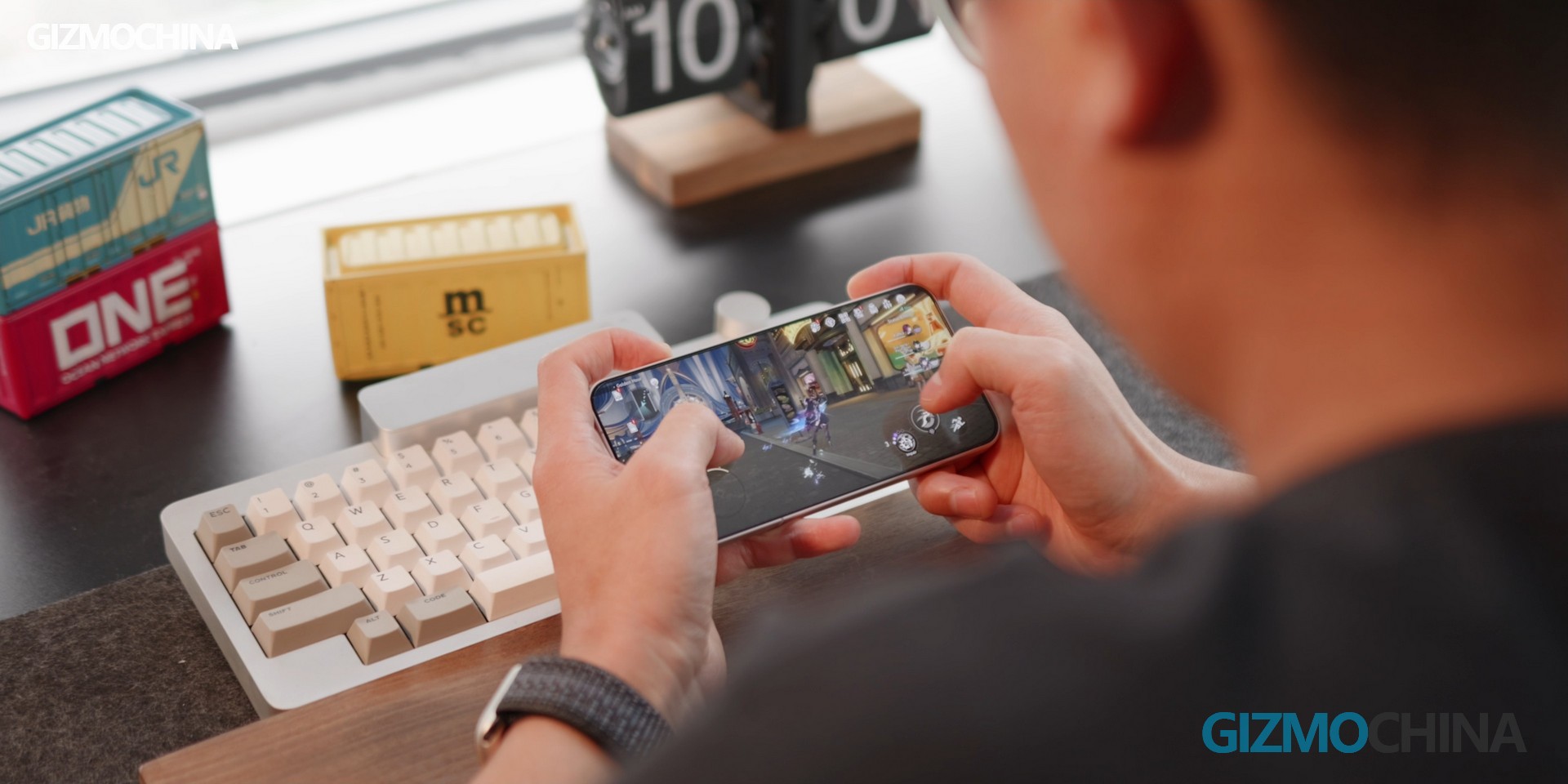
We subjected the device to heavy gaming with Honkai: Star Rail, maxing out graphics settings and frame rates:
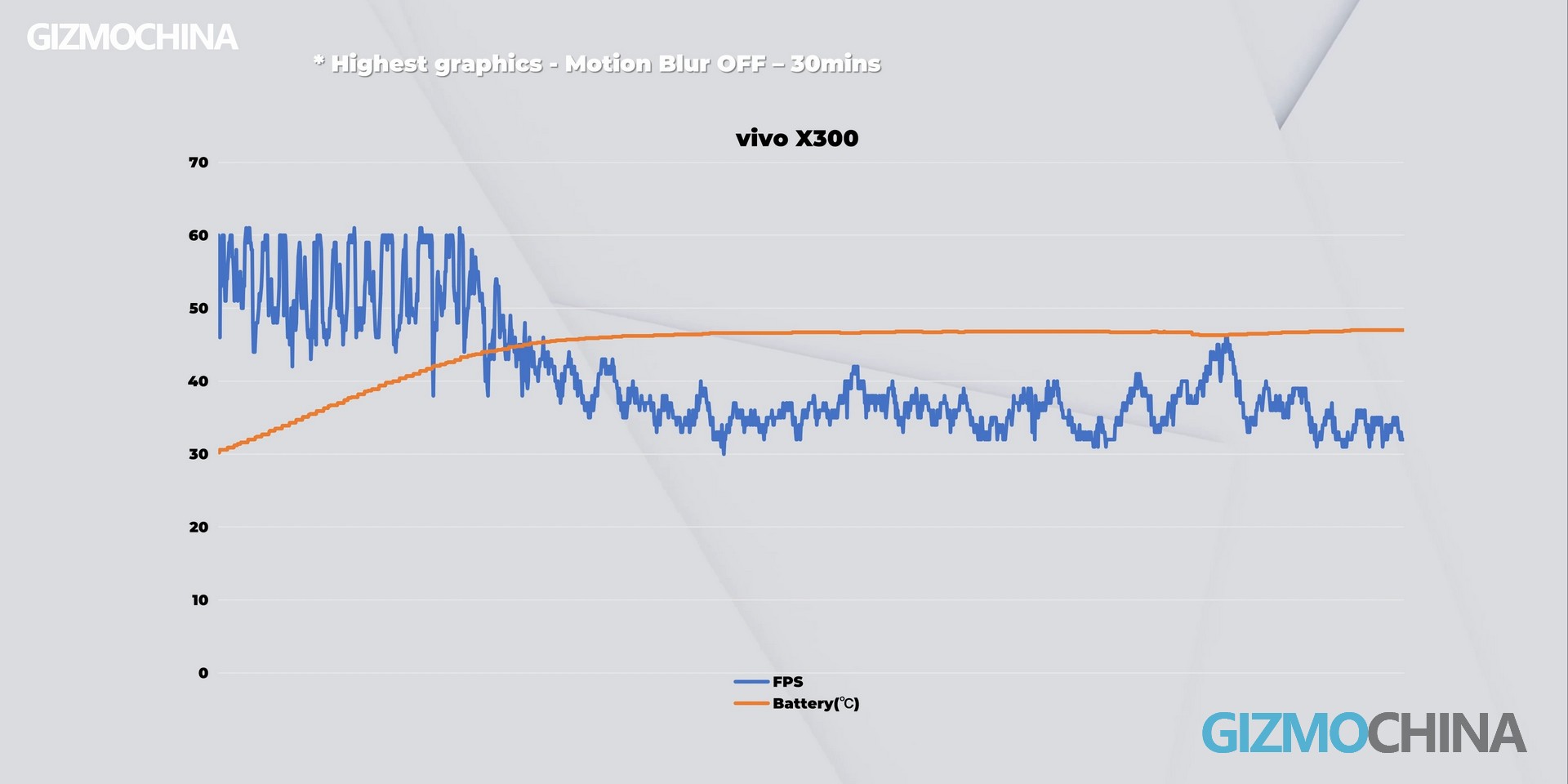
0–10 minutes: Maintained a stable 60fps, with responsive controls and no lag or frame drops—handling the game’s initial load and complex in-game environments effortlessly.
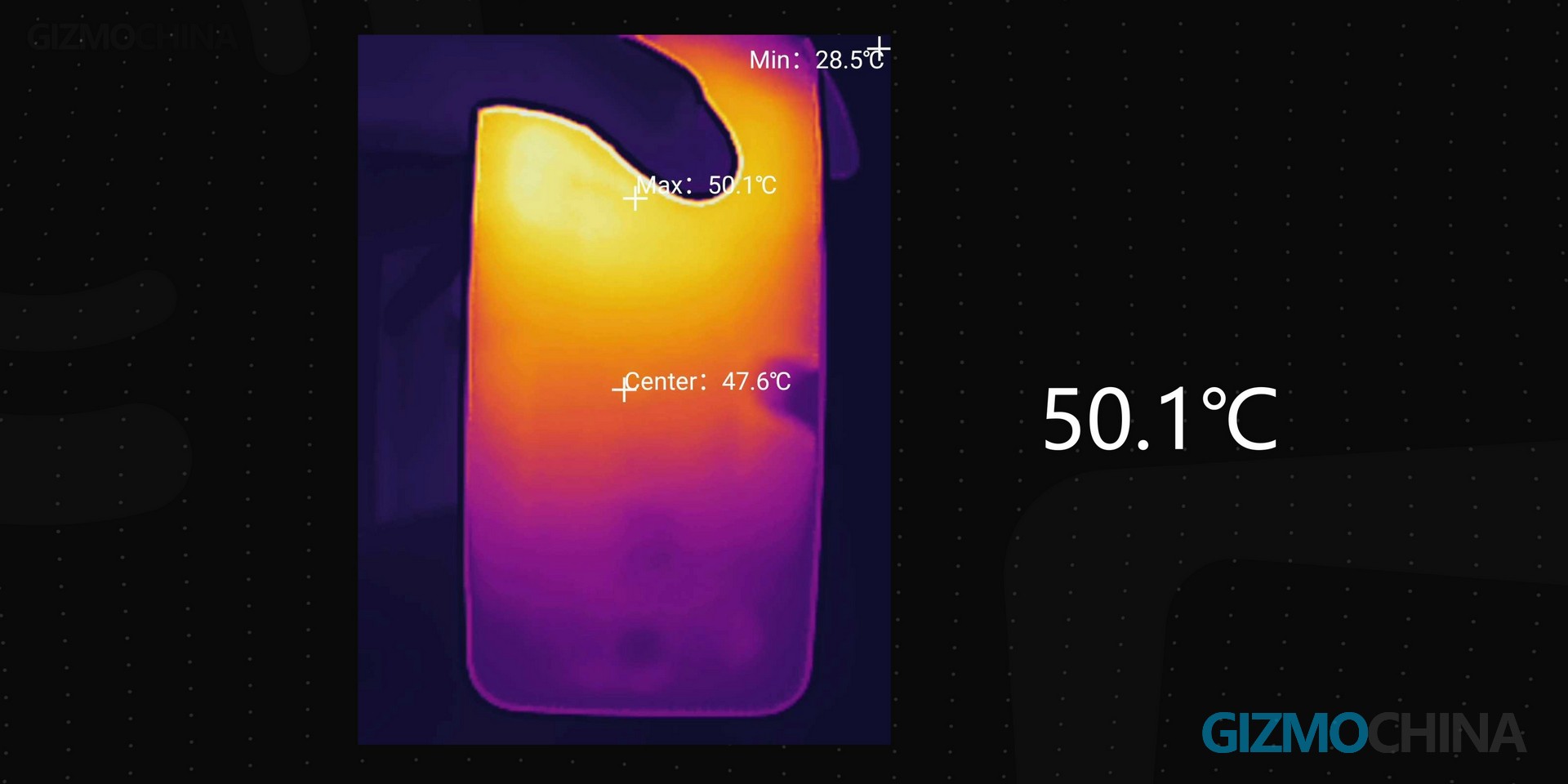
10–15 minutes: Performance throttling kicked in, causing slight frame rate fluctuations (55–60fps). Concurrently, the device’s body temperature reached approximately 50°C (122°F), feeling noticeably warm to the touch.
15+ minutes: Frame rates dropped further to 35–45fps, likely due to limited inner thermal space.
This is physics, not failure. Slim bodies have less thermal mass. If you do play games for over 30 minutes, expect throttling. For everything else—including my typical 15-minute gaming sessions—it stays smooth.
Display: Compact but Thoughtful
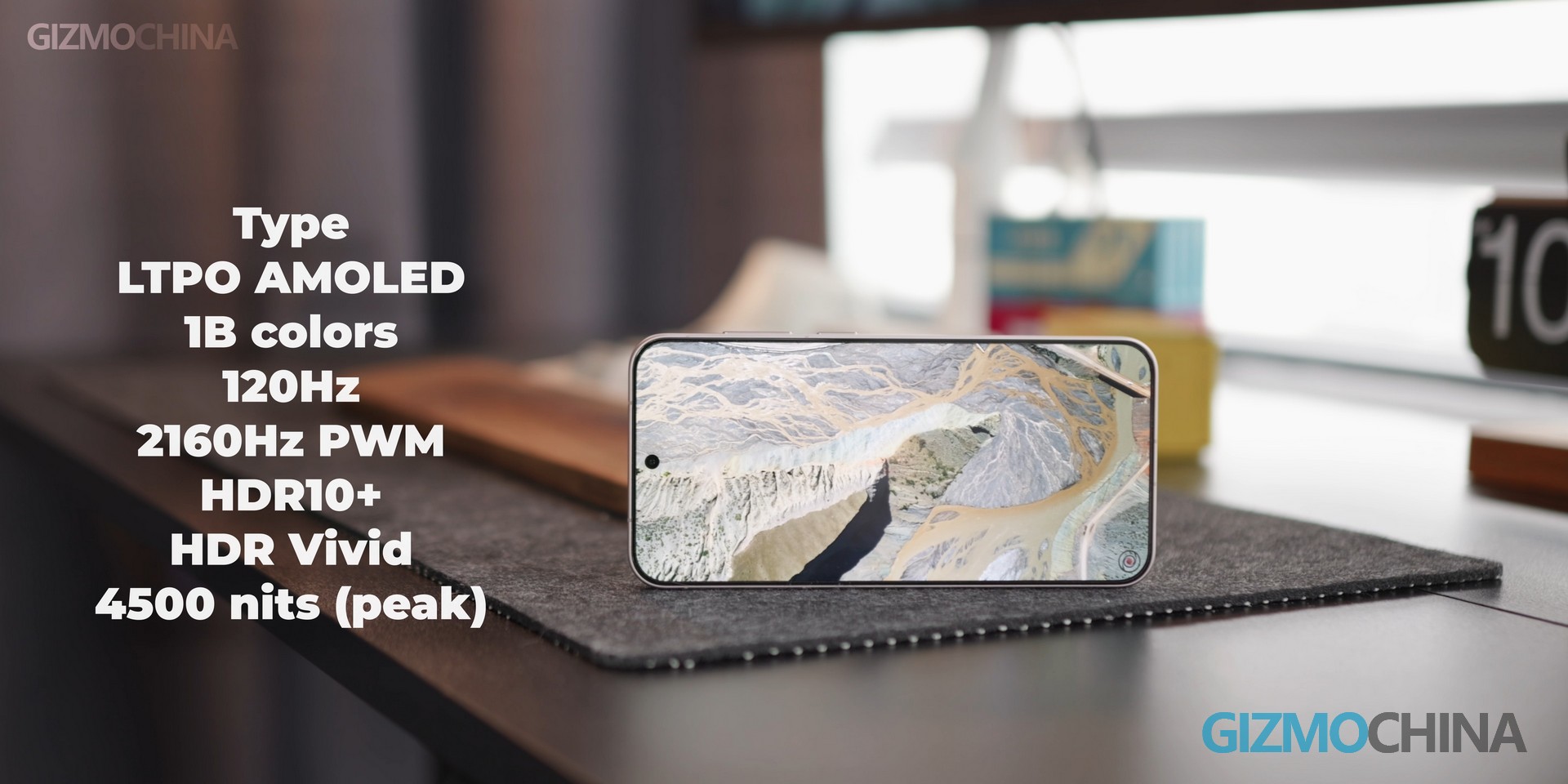
While the 6.3-inch display is compact, Vivo has implemented smart tweaks to balance display quality and long-term eye comfort:
AI Adaptive Eye Comfort Mode: Adjusts the screen’s color temperature based on ambient light to minimize eye strain. The display also holds Germany’s TÜV Low Blue Light certification, making extended scrolling less tiring.
In-Display Fingerprint Unlock: Operates in just 0.2 seconds—fast enough for seamless one-handed access—and functions reliably even with wet hands, addressing a common pain point for users.
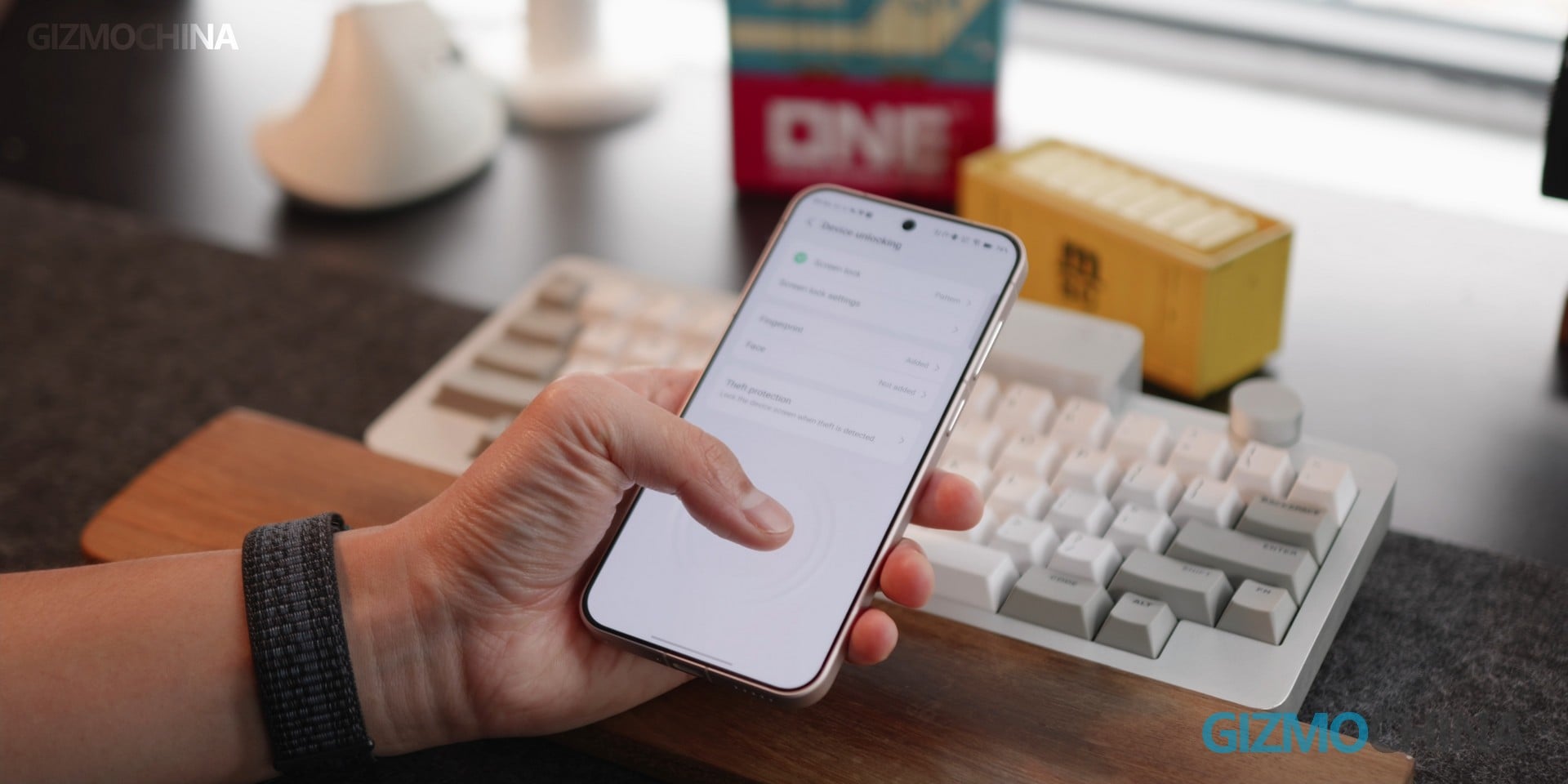
Small Screen Mode: Sliding inward from the bottom edge of the screen shrinks the display to a one-hand-friendly size, enabling easy access to top-screen icons without adjusting grip.
Battery Life: Big Capacity Solves Small-Screen Limitations
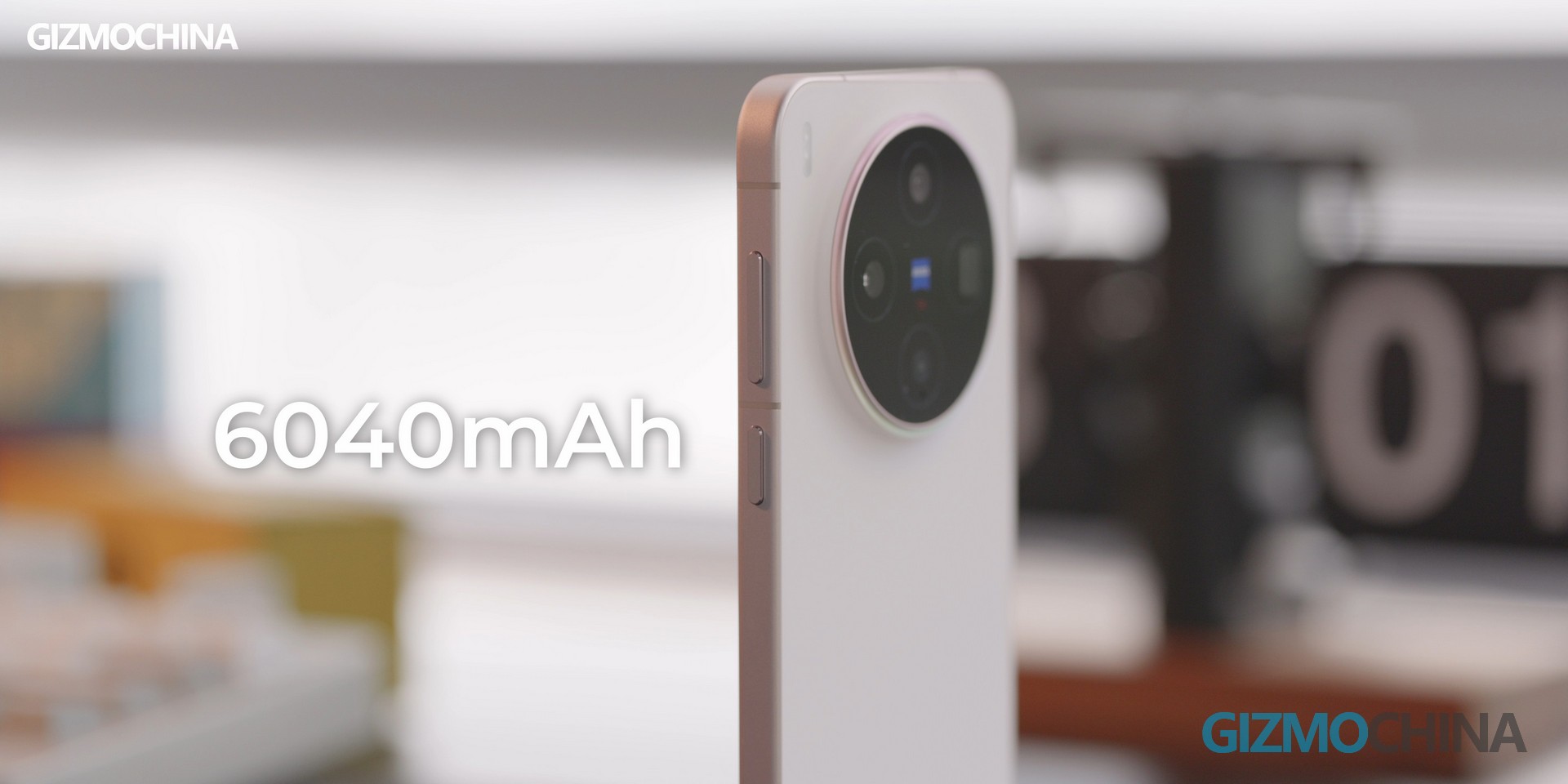
Small-screen phones are often criticized for poor battery life, but the Vivo X300 Standard addresses this with a combination of hardware upgrades and software optimizations. At its core is a 6040mAh battery—unusually large for a compact device. Our real-world testing recorded up to 14 hours of mixed usage—including web browsing, social media scrolling, and photography—on a single full charge
Complementing the large battery is 67W fast charging: it reaches 50% battery in 18 minutes and a full charge in approximately 45 minutes, eliminating anxiety about low power during busy days.
The Verdict: The Small-Screen Phone to Beat in 2025
The Vivo X300 Standard redefines what a small-screen flagship can be. It retains a slim, 183g, 6.3-inch body for effortless one-handed use while delivering flagship-level performance in three critical areas: imaging, processing speed, and battery life.
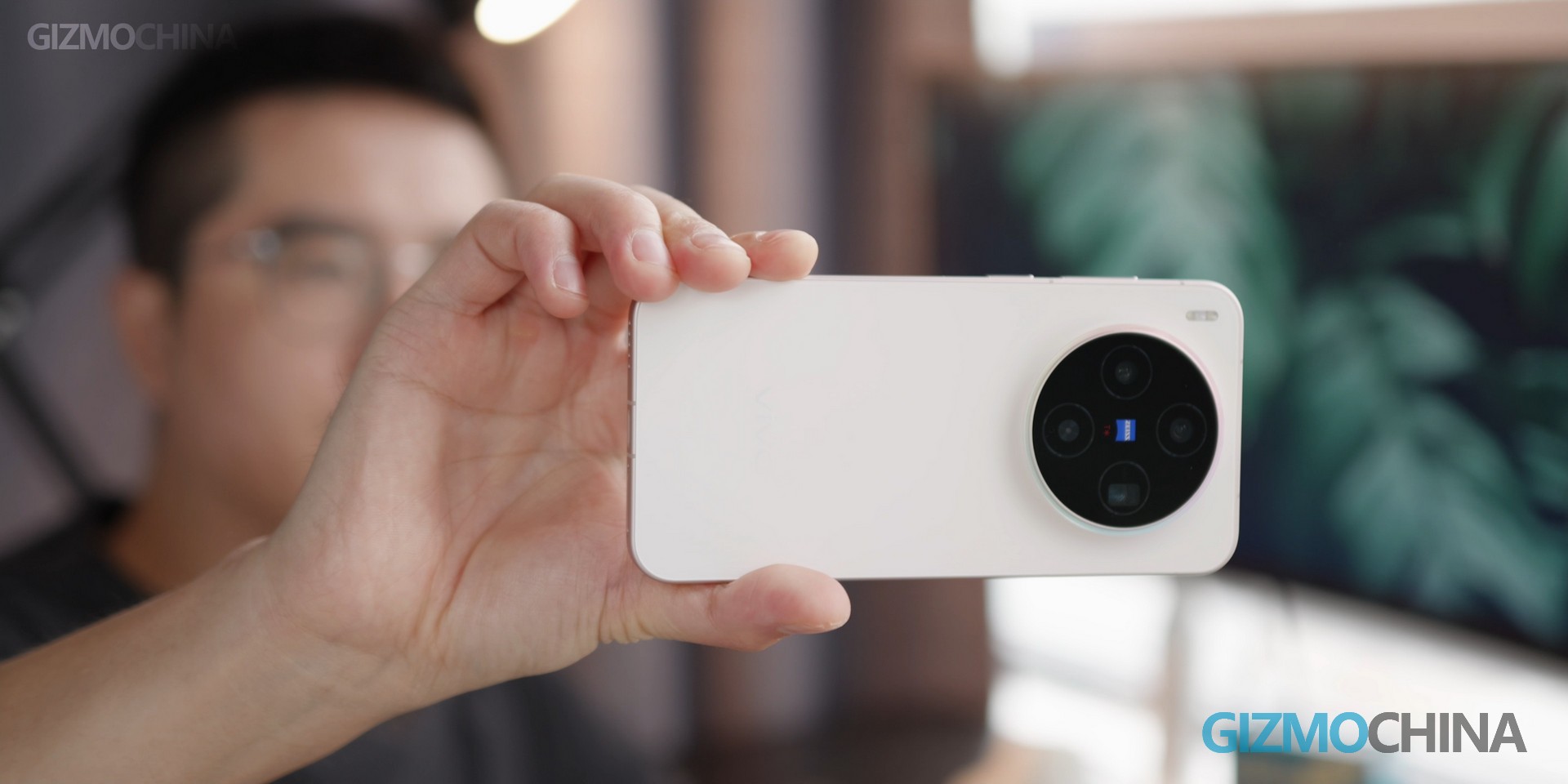
Its greatest strength is the 50MP anti-shake periscope telephoto + 200MP Zeiss main camera combo—a pairing that lets small-screen users capture professional-quality photos without paying Pro-tier prices. It excels at shooting “distant or small” subjects in daily life, outperforming even our highest expectations for a small-screen flagship in this price range. For photography enthusiasts, it even supports custom lenses, matching the X300 Pro’s versatility.
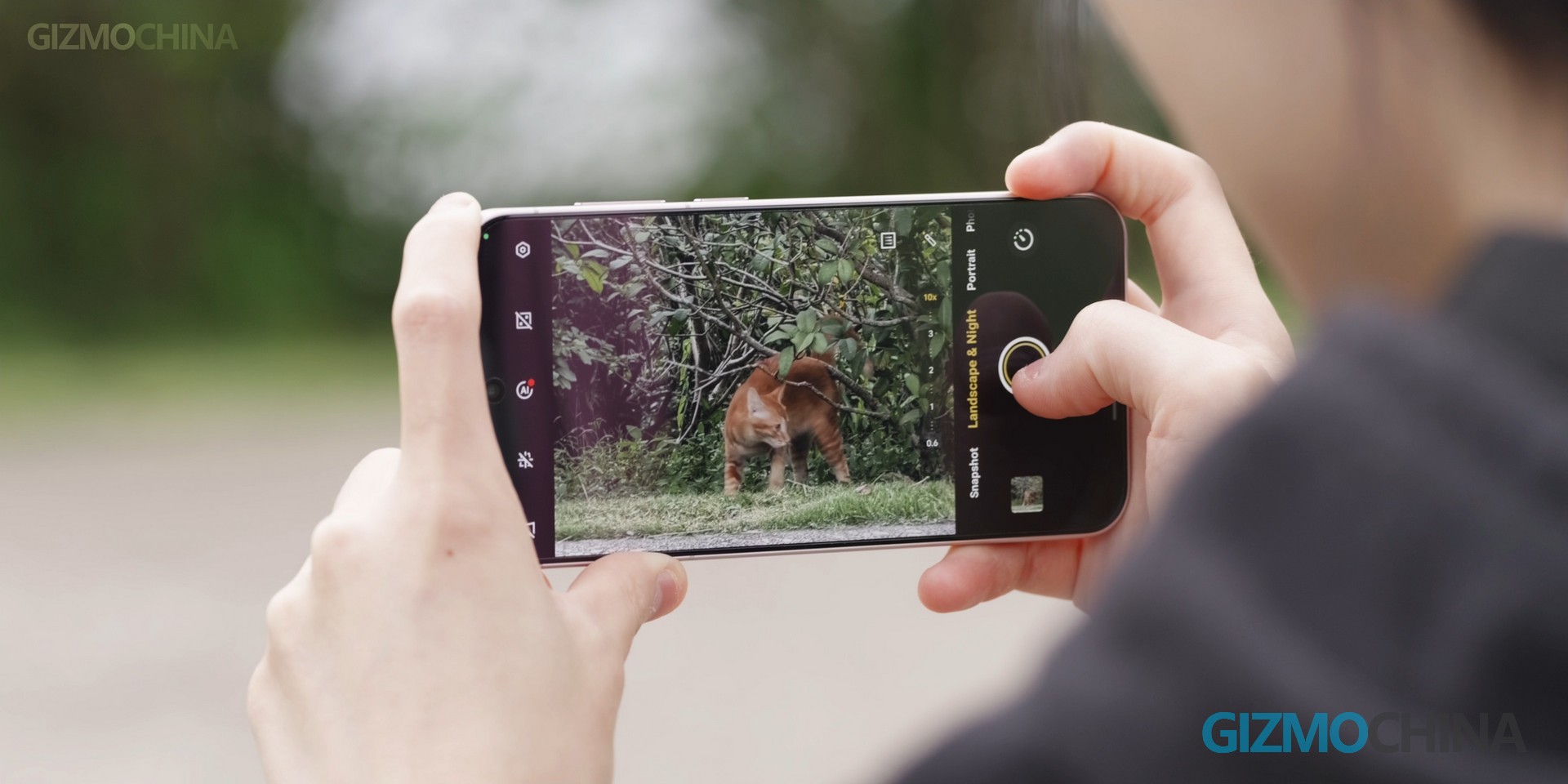
If you’re tired of choosing between portability and performance, the Vivo X300 Standard is the 2025 small-screen flagship worth Buying.




Comments