Add GIZMOCHINA on Google:
Xiaomi recently introduced the Xiaomi Watch 5 to global markets, expanding on its legacy of delivering high-end features at an aggressive price point. But how does it compare to its competitors like the Galaxy Watch 8, Apple Watch Series 11, OnePlus Watch 4, and others? Here’s a detailed breakdown of how the newest Xiaomi entry fares in a fiercely competitive space.
1. Xiaomi Watch 5 Specs
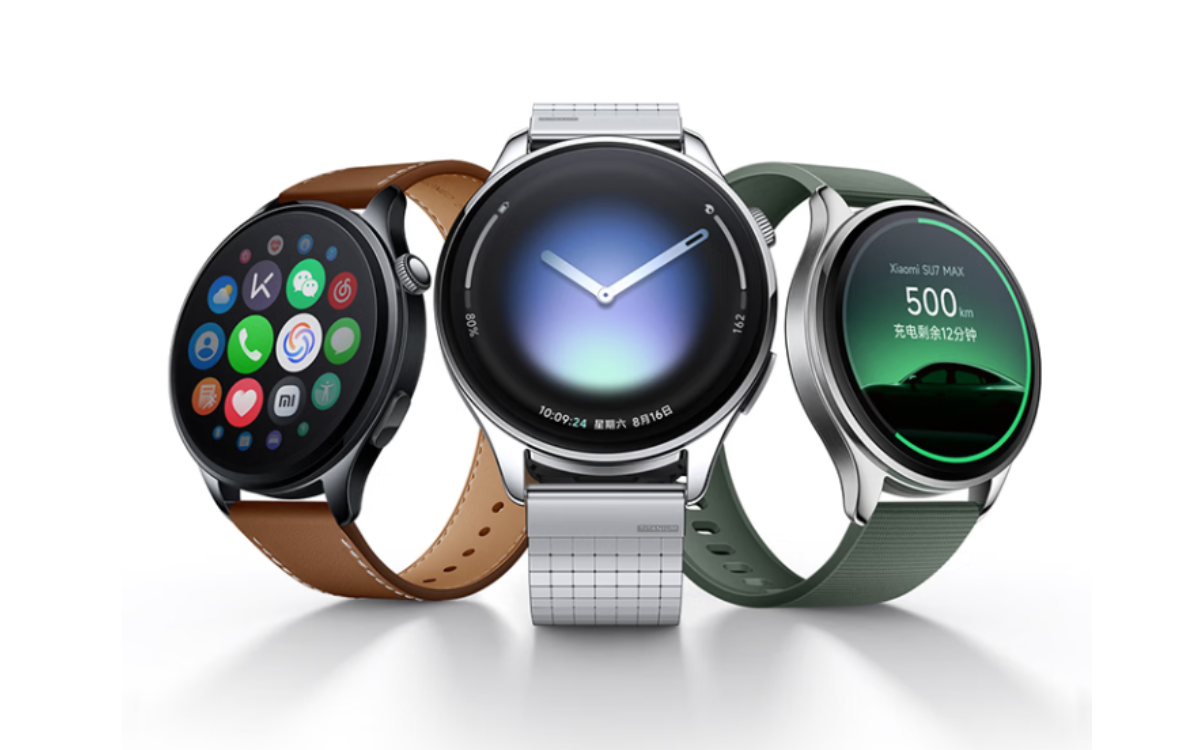
The Xiaomi Watch 5 runs on Wear OS 6, giving users seamless access to Google applications such as Calendar, Maps, and Wallet. Xiaomi includes Google Gemini, which powers voice commands for navigation and task management directly on the device.
Xiaomi designed the watch with dual-chip architecture, using a Snapdragon W5 Gen 1 processor alongside the BES2800 low-power chip. This configuration allows efficient power use and six days of use in standard mode, or up to 18 days in power-saving mode. The watch also introduces gesture controls with pinch, snap, and wrist rotation options, enhancing productivity for hands-free actions.
The stainless-steel frame and sapphire crystal provide durability and a premium look. With 150 sports modes, advanced GNSS tracking, and one-tap health checks, Xiaomi delivers a comprehensive smartwatch for fitness fans. At a starting price of €299.99 ($354), it provides high-end features at an accessible price point.
2. Apple Watch Series 11

While it may not be a direct competitor to Apple Watches, the Xiaomi Watch 5 is compatible with iOS, making a comparison worthwhile. Apple introduced features like hypertension notifications and sleep tracking with Sleep Score in the Watch Series 11. These rely on advanced health sensors designed to monitor blood pressure and assess sleep quality over time.
The smartwatch uses WatchOS 26, which includes new watch faces, apps like Notes, and better ecosystem integration with iPhones. Apple also updated the display glass with 2x scratch resistance and improved cellular connectivity by adding a 5G modem.
Battery life remains the device’s primary shortfall, with just 24 hours of normal use compared to competitors offering much longer runtimes. However, its pricing starts at $399, making it a desirable choice for Apple users.
3. Samsung Galaxy Watch 8
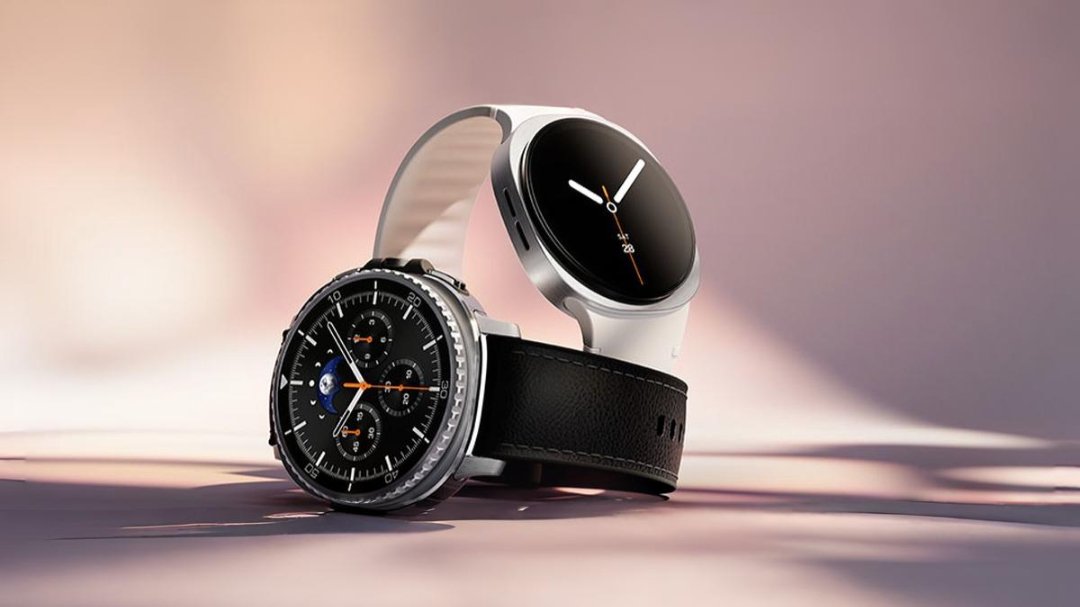
Although Samsung has yet to refresh its smartwatch lineup this year, the company made significant refinements last year with the Galaxy Watch 8. The updated design featured a slimmer profile for improved comfort and wearability. Additionally, the watch introduced advanced health features, including sleep apnea detection, vascular load monitoring, and a personalized running coach.
Samsung’s One UI 8 Watch software provides a cleaner interface, and the watch runs on a 3nm processor for enhanced performance. Dual-frequency GPS enables accurate outdoor tracking. Despite impressive features, its two-day battery life underperforms when compared with other flagship smartwatches. The Galaxy Watch 8 starts at $349.99, offering strong integration with Android smartphones.
4. Huawei Watch Fit 5 Pro
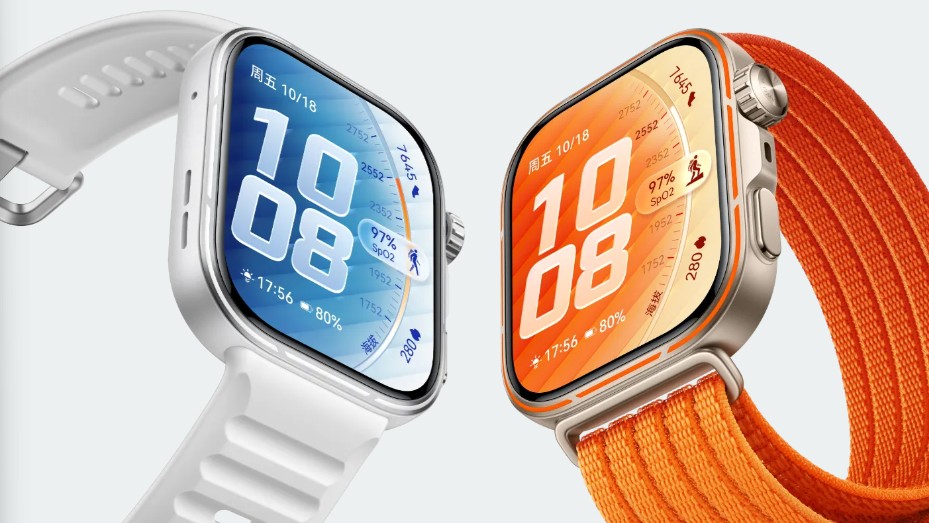
The Huawei Watch Fit 5 Pro targets fitness enthusiasts. It includes features like trail navigation, cycling recognition, and detailed golf course maps. Advanced health tools like vascular elasticity detection and blood glucose risk alerts set it apart from other fitness wearables.
The larger 1.92-inch AMOLED display with 3,000 nits of brightness ensures visibility outdoors, while the 10-day battery life beats many competitors in its class. However, it lacks support for Wear OS and focuses primarily on Huawei’s ecosystem. The Pro model starts at 2,199 yuan ($322), positioning it as a premium fitness tool.
5. Oppo Watch X3
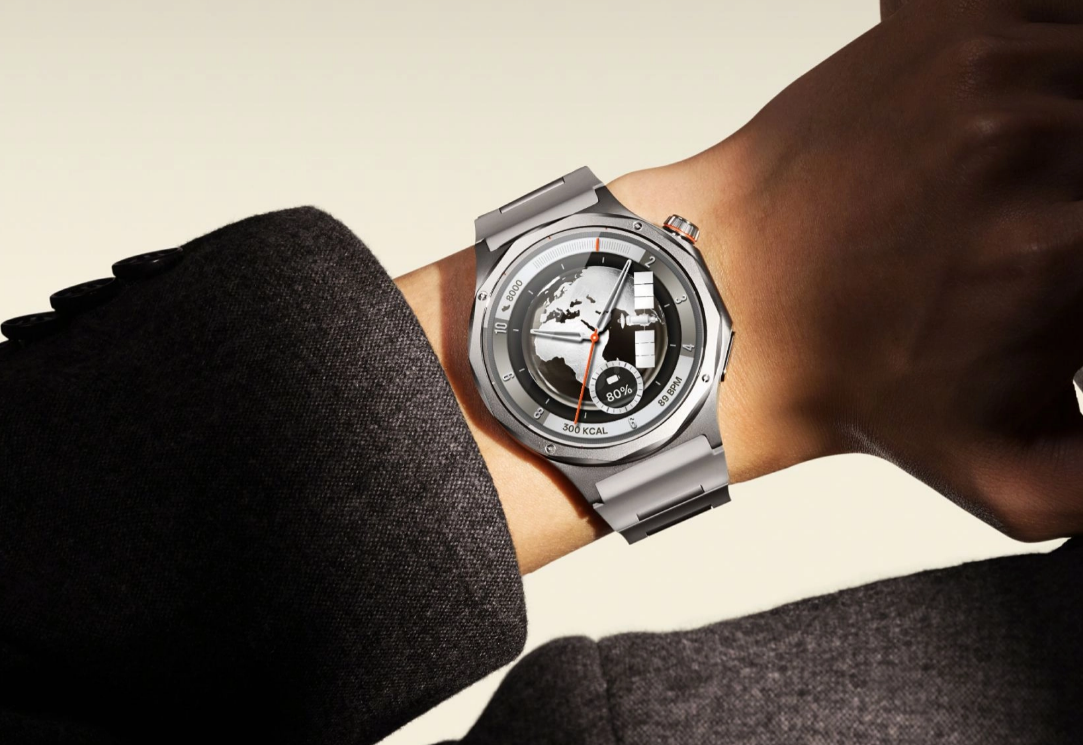
The Oppo Watch X3 brings a titanium build, reducing its weight by 13.4% compared to its predecessor. It runs Wear OS 6 with access to Google’s suite of apps, offering compatibility with a wide range of Android devices.
Oppo uses a dual-chip system with the Snapdragon W5 and BES2800 processors, balancing performance and power. The device manages a five-day battery life in standard mode and up to 16 days in power-saving mode. At €379 ($445), it offers a durable design, bright AMOLED display, and comprehensive health tracking.
6. OnePlus Watch 4
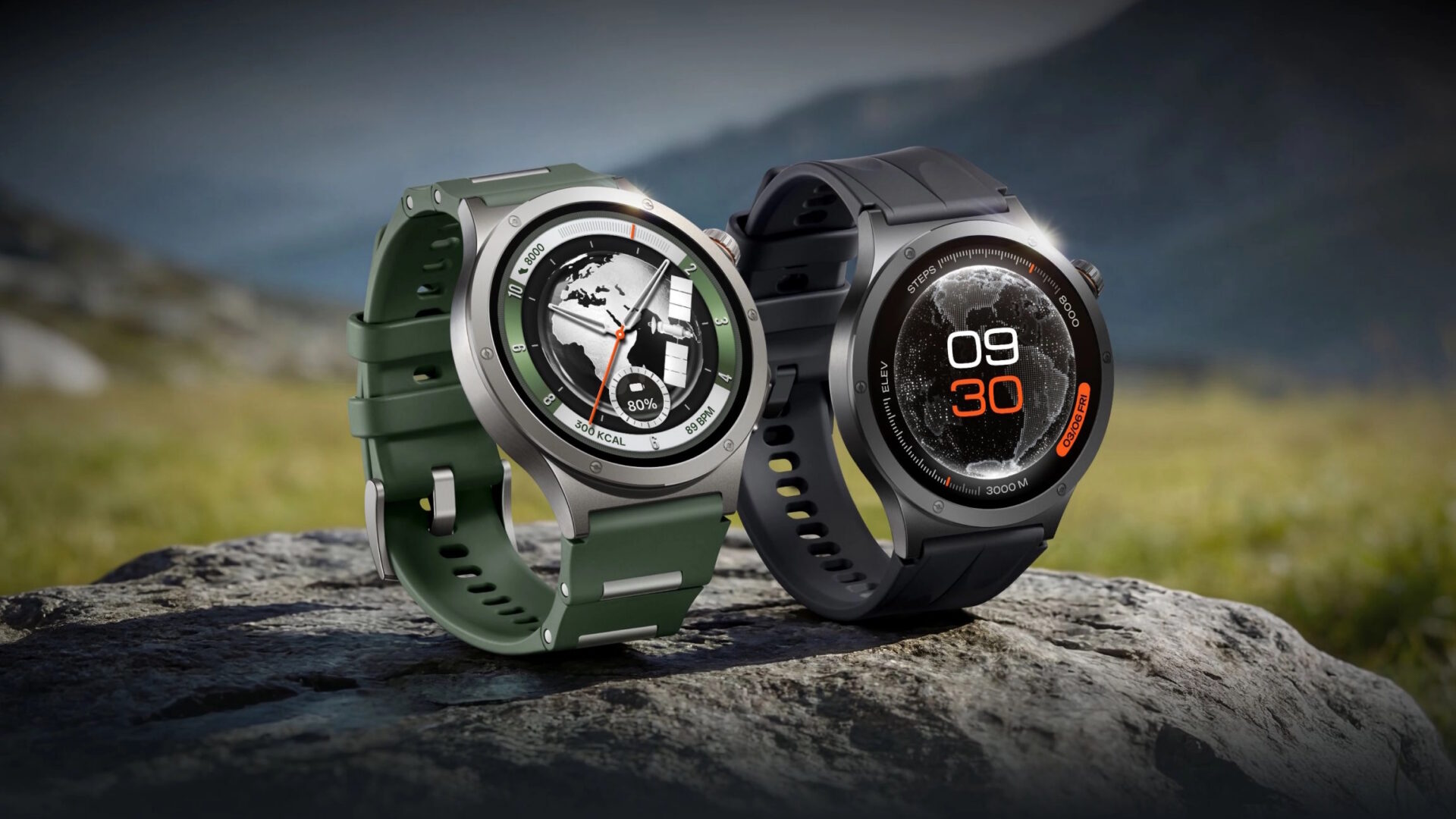
The OnePlus Watch 4 shares much of its design and hardware with the Oppo Watch X3. It features the same Snapdragon W5 chip, a titanium case, and Wear OS 6 software. The watch delivers similar battery life and durability ratings, including IP68 and military-grade certifications.
OnePlus adds its OxygenOS Watch 8 experience to improve user interaction. Sensors track health metrics like heart rate, blood oxygen, and sleep patterns. The price and availability remain unclear, though it is expected to compete closely with premium offerings in the market.
7. Should You Buy the Xiaomi Watch 5 Over Its Competitors?
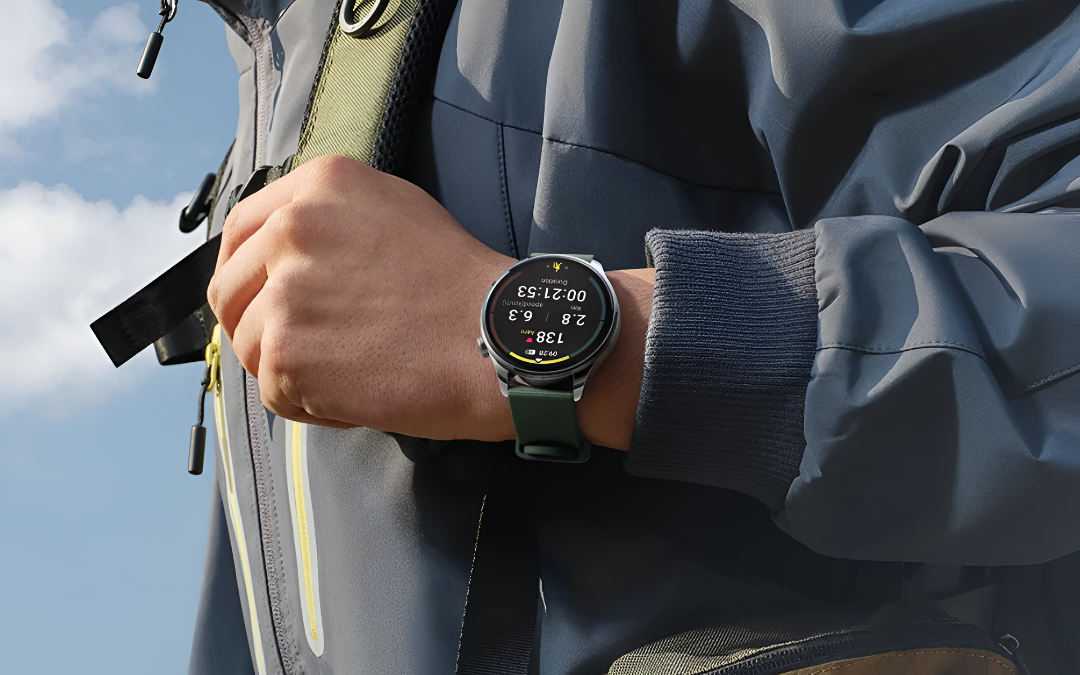
The Xiaomi Watch 5 is arguably the most balanced smartwatch of 2026 for Android users, but it isn’t a one-size-fits-all device. You should opt for the Xiaomi Watch 5 if battery life and value are your top priorities. With its massive 930mAh battery delivering up to six days of smart use and an incredible 18 days in power-saver mode, it easily outlasts the daily charging cycles required by Apple and Samsung devices.
It is also an excellent choice for tech trendsetters and budget-conscious buyers. At €299.99, it undercuts many premium competitors while still delivering flagship hardware like a sapphire glass display, dual-band GPS, cutting-edge hands-free gesture controls, and direct Google Gemini integration.
However, there are specific users who should avoid the Xiaomi Watch 5 in favor of its competitors. If you are an iPhone user, the Apple Watch Series 11 remains your undisputed choice, offering seamless iOS integration and exclusive health features like Hypertension Notifications that simply aren’t available on Wear OS.
On the Android side, users seeking the absolute latest in AI-driven health analysis might find the Xiaomi lacking compared to the Samsung Galaxy Watch 8. Samsung’s offering justifies its higher price tag with a highly efficient 3nm processor and advanced metrics like Vascular Load Monitoring and an AI-Powered Energy Score.
Furthermore, extreme outdoor athletes and premium material purists should likely look elsewhere. If your training relies on specialized sports tracking, such as offline vector maps for golf or segmented trail running navigation, the Huawei Watch Fit 5 Pro is a much better fit for your active lifestyle.
Finally, if you prefer the ultra-lightweight and rugged feel of aerospace-grade titanium over standard stainless steel, you will be much better served by the OnePlus Watch 4 or the Oppo Watch X3.
For more daily updates, please visit our News Section.
Stay ahead in tech! Join our Telegram community and sign up for our daily newsletter of top stories! 💡