
Add GIZMOCHINA as Preferred Source on Google
Google’s next Pixel lineup is starting to leak in detail. A large spec dump has now revealed information across the entire Pixel 11 lineup. The focus this time seems to be a few hardware changes that are a little unexpected.
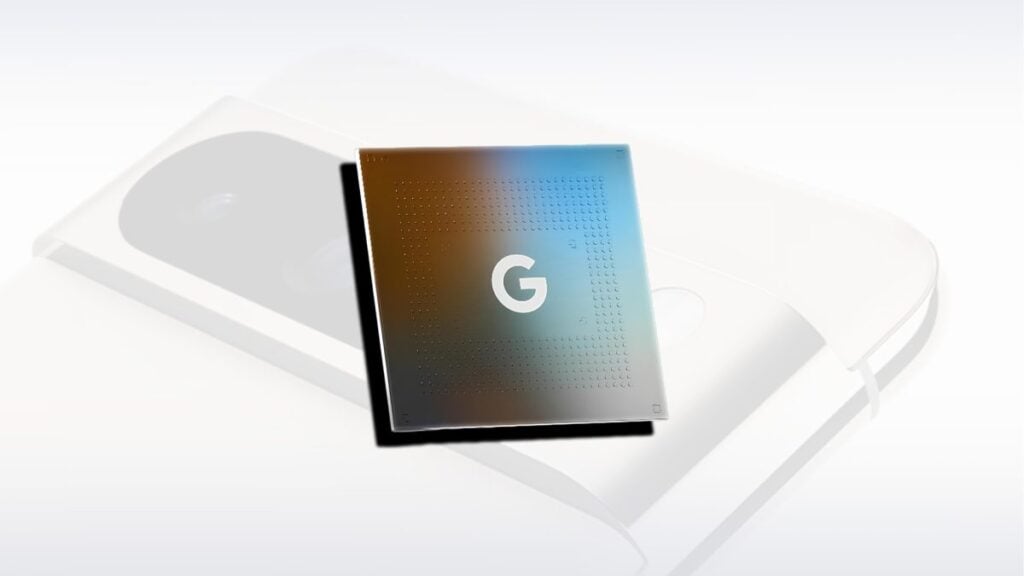
The biggest shift is probably the new Tensor G6 chip
Google is moving to TSMC’s 2nm process for the chipset, which should help quite a bit with efficiency and sustained performance, two areas Pixel phones have been criticized for in the past. The chip itself uses a 1+4+2 CPU setup, combining ARM’s newer C1-series cores with a PowerVR GPU. There’s also a refreshed TPU for AI tasks, the Titan M3 security chip, and notably, a switch to the MediaTek M90 modem.
That last part is important because it means Google may finally be moving away from Samsung’s Exynos-based modem setup, something Pixel users have complained about in the past due to heat and connectivity issues. The MediaTek M90 itself is a newer 5G-Advanced modem introduced in early 2025, and appears to succeed the M80 modem found in the Dimensity 9100.
Google Pixel 11 series specs (rumored)
The regular Pixel 11 is expected to feature a 6.3-inch OLED display with a 60-120Hz refresh rate, HDR brightness up to 2,000 nits, and peak brightness reaching 3,100 nits. Battery capacity is listed at 4,840mAh rated. For comparison, the current Pixel 10 has a rated capacity of 4,835mAh, while the marketed typical capacity sits at 4,970mAh. Camera-wise, the phone is tipped to get a new 50MP main sensor, along with 8GB or 12GB RAM options.
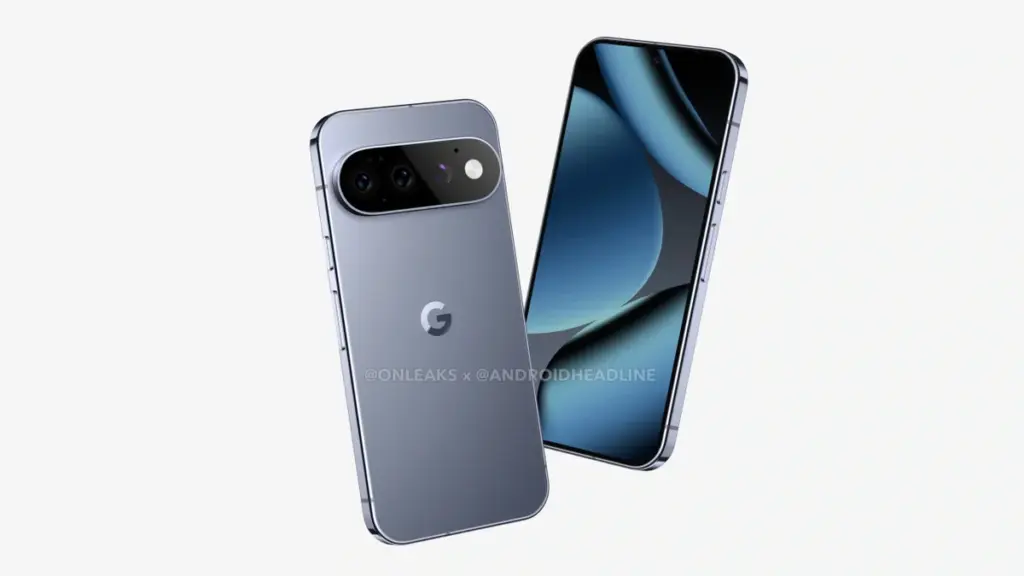
Moving up the lineup, the Pixel 11 Pro and Pixel 11 Pro XL are expected to bring sharper displays with resolutions of 1280×2856 and 1344×2992, respectively. Both panels are also tipped to reach up to 2,450 nits HDR brightness and 3,600 nits peak brightness. RAM options reportedly go up to 16GB, while the camera setup sees upgrades to both the main and telephoto sensors.
As for battery capacity, the Pixel 11 Pro is listed with a 4,707mAh rated cell, while the Pro XL is expected to pack a 5,000mAh battery. The capacities themselves are fairly close to the Pixel 10 series, but the move to the 2nm Tensor G6 chip could still help improve overall battery life and efficiency.
Google is reportedly removing the infrared thermometer and replacing it with a small RGB LED setup called “Pixel Glow.” From what’s being described, it works somewhat like a smaller version of Nothing’s Glyph interface. The previously rumored IR face unlock apparently still isn’t ready for this generation.
Taken together, the Pixel 11 lineup looks less like a dramatic redesign and more like Google refining the experience in areas where previous Pixels fell short: better thermals, improved cellular connectivity.
(Source: Mystic Leaks)




Comments