
Add GIZMOCHINA as Preferred Source on Google
I’ve already switched my SIM card back to the iPhone, yet I still shoot with 35mm as my default focal length year-round. It’s not because I’m particularly into street photography—it’s simply that this focal length isn’t too wide or too narrow, making it just right for everyday shots. So when I heard that the vivo X300 Ultra‘s main camera remains at 35mm, I was genuinely pleased.
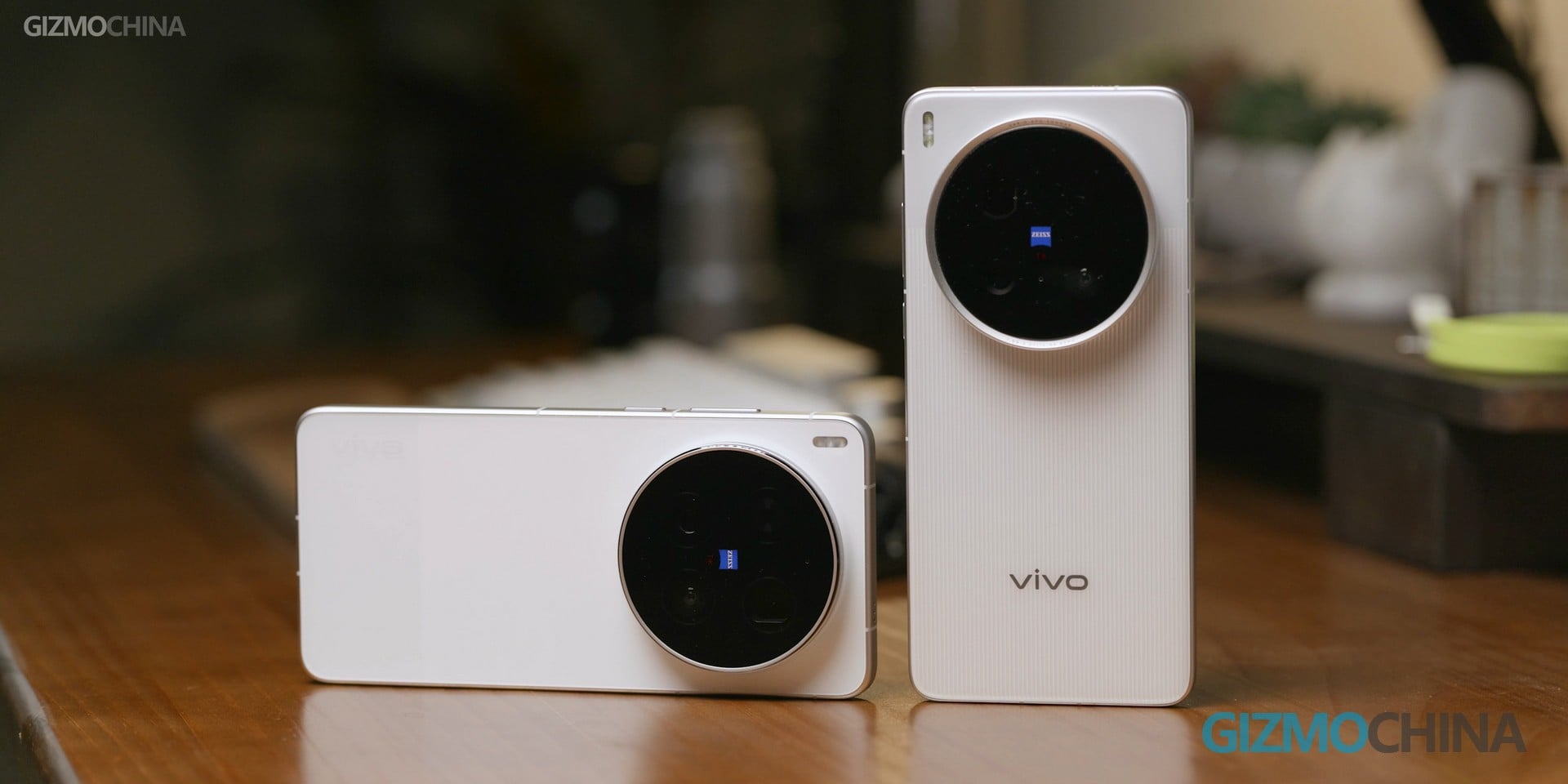
After using the phone for a while, I can tell it’s indeed better than the previous generation, even if some specs don’t look impressive on paper. But is this minor upgrade really worth an extra cost? Well, why not bring in the X200 Ultra and run a direct comparison to find out?
35mm
The X300 Ultra’s main camera uses Sony’s latest 200MP sensor. The aperture is smaller, but in exchange, you get stronger stabilization.
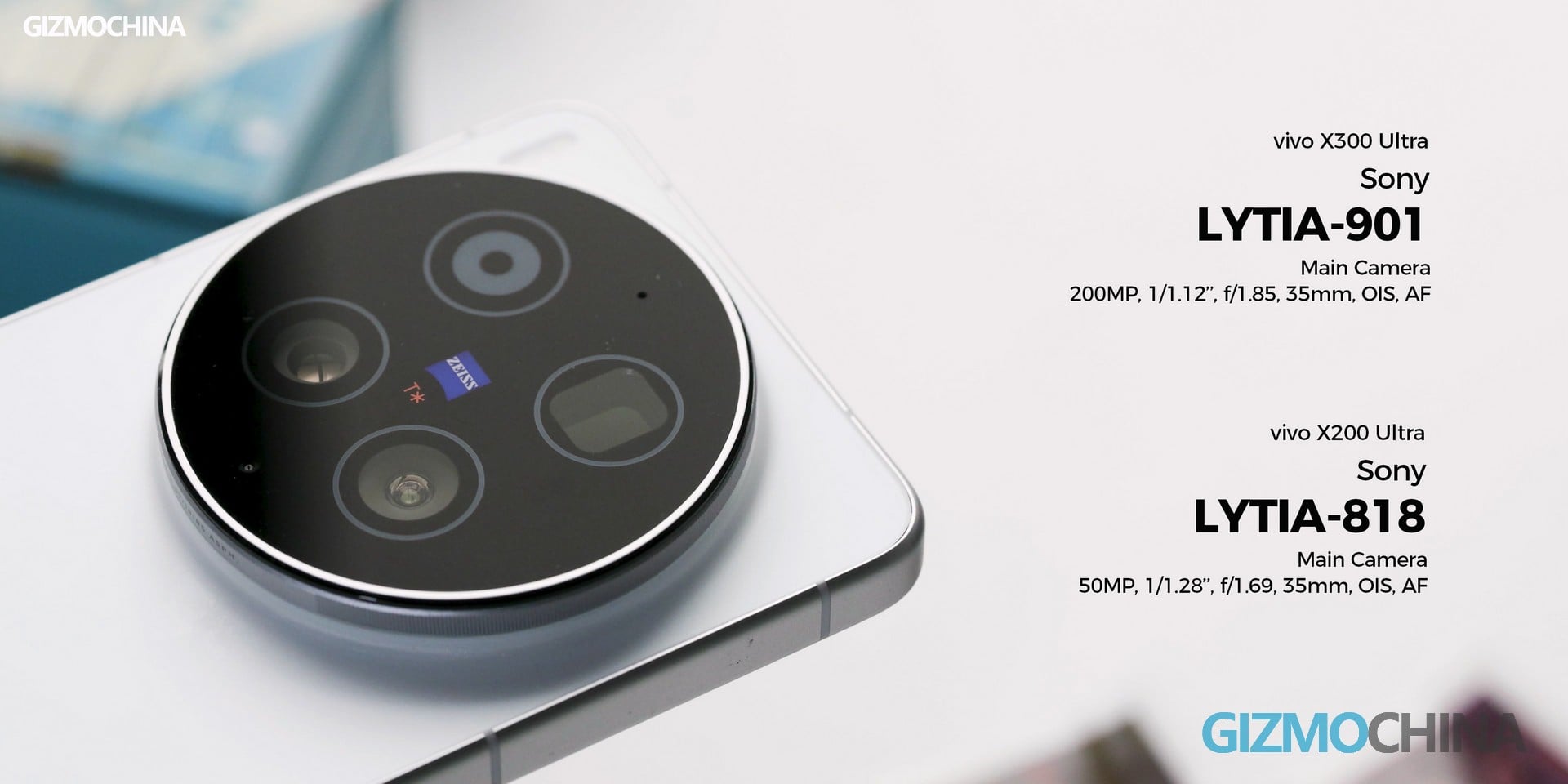
In well-lit conditions—basically daytime and indoor environments—the X300 Ultra performs slightly better overall than the X200 Ultra. Exposure is more accurate, clarity is higher, colors aren’t overly saturated, and the sharpening isn’t as aggressive as before. The new sensor and updated algorithms bring noticeable improvements to the X300 Ultra.



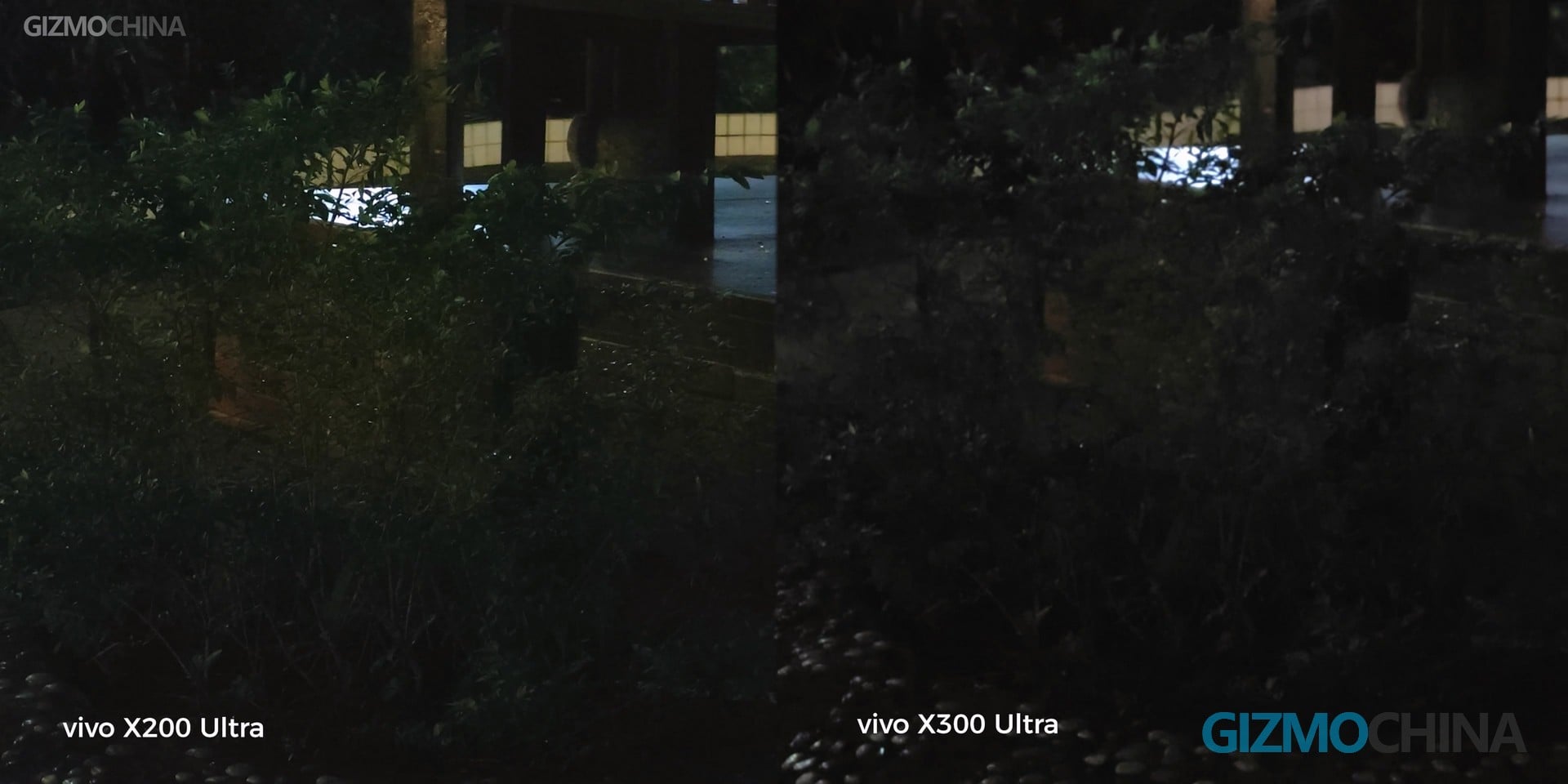
At night, the gap becomes even more obvious. I don’t even need to explain it—you can see how much it has improved just from the photos. Especially with the help of the multispectral sensor, the white balance accuracy is significantly better. There’s only one situation where the X300 Ultra loses to the previous generation: in near-total darkness.



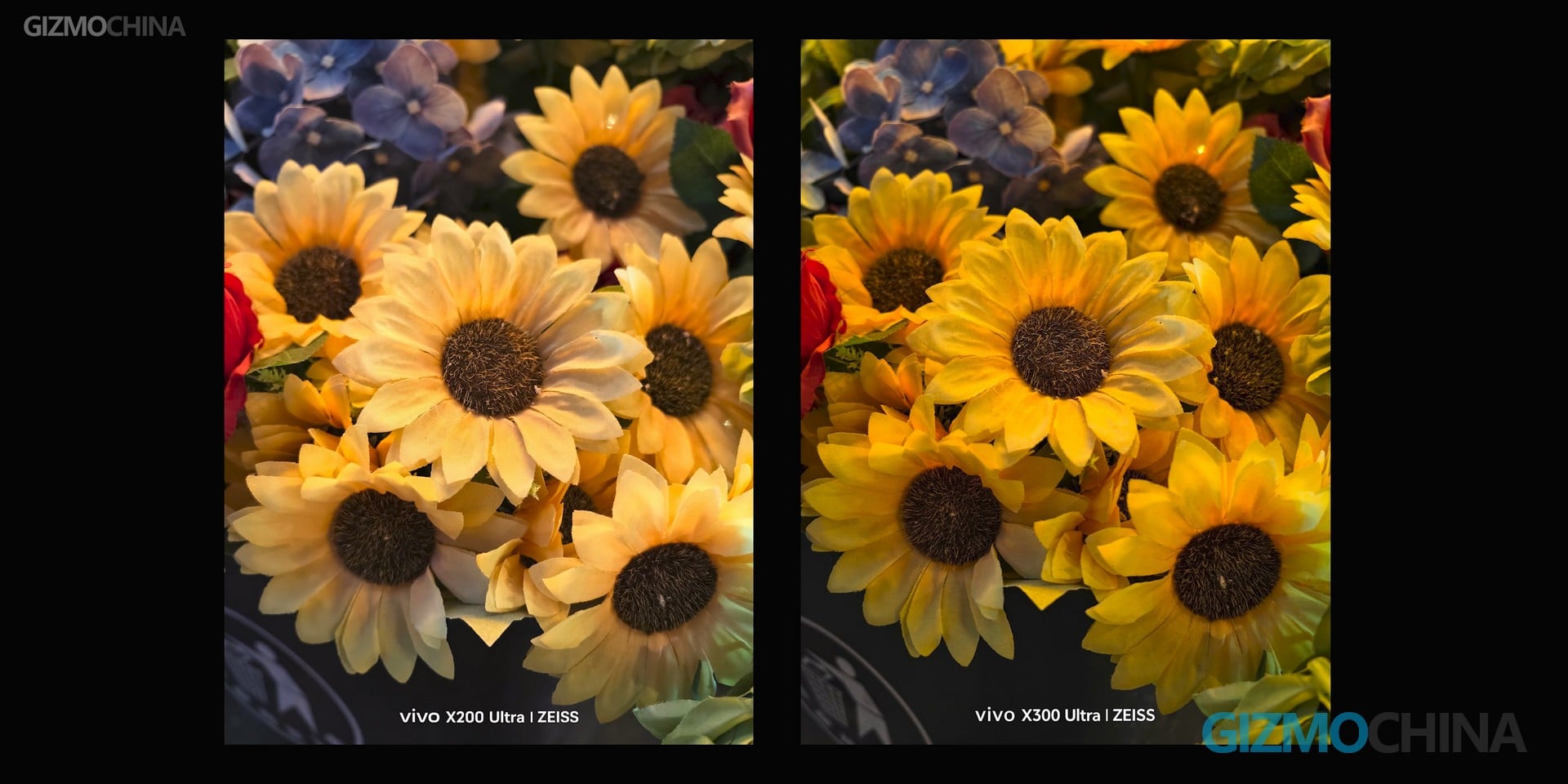
If you’re shooting in an environment where people can barely see anything, the X200 Ultra will have slightly better clarity. The performance of the X300 Ultra’s main camera can be summed up with this curve. I still appreciate the effort vivo put into this main camera.


There’s a feature on the X300 Ultra that I really like, called “Raw Lighting”. “Restore the camera’s raw lighting for authentic results”—that’s how vivo describes it. Simply put, it reduces the impact of computational processing on the photo. The most obvious result is that the images look more like they were taken with a professional camera rather than a phone. Saturation is further reduced, sharpening is significantly toned down, and fine details look more natural. I think this feature is way more practical than those flashy new filters.


X200 Ultra users don’t need to be jealous—just update your system, and you’ll get it too. Well done, vivo.
85mm
This 85mm telephoto camera is probably the most controversial one on the X300 Ultra. The sensor size hasn’t changed, and once again, a smaller aperture is traded for better stabilization. So which matters more—the downside of a smaller aperture, or the benefits of improved stabilization?
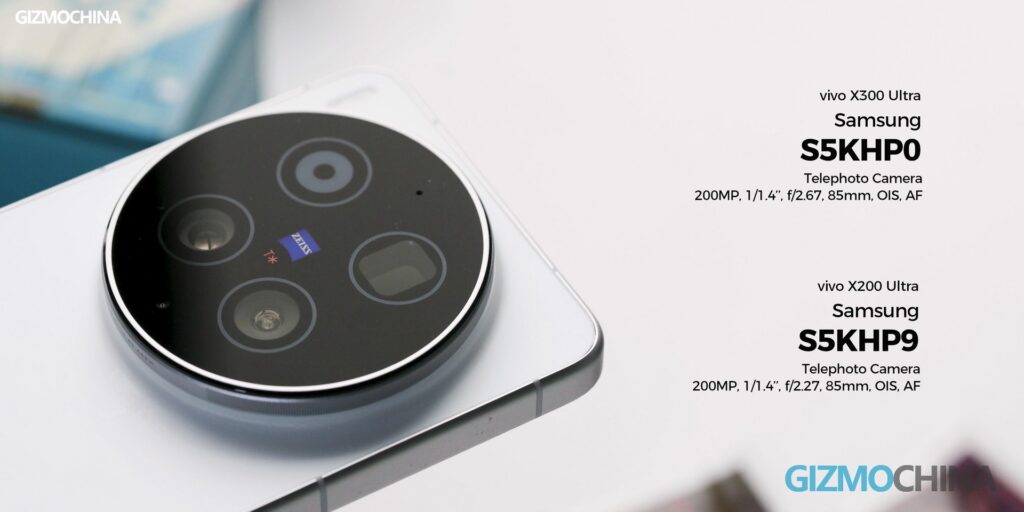
Honestly, the difference isn’t as obvious as with the main camera. You’ll only notice it when you zoom in 200% or 300%—then you’ll realize, okay, the X300 Ultra is indeed better. And this is mainly in low-light conditions; the stronger the lighting, the smaller the gap.
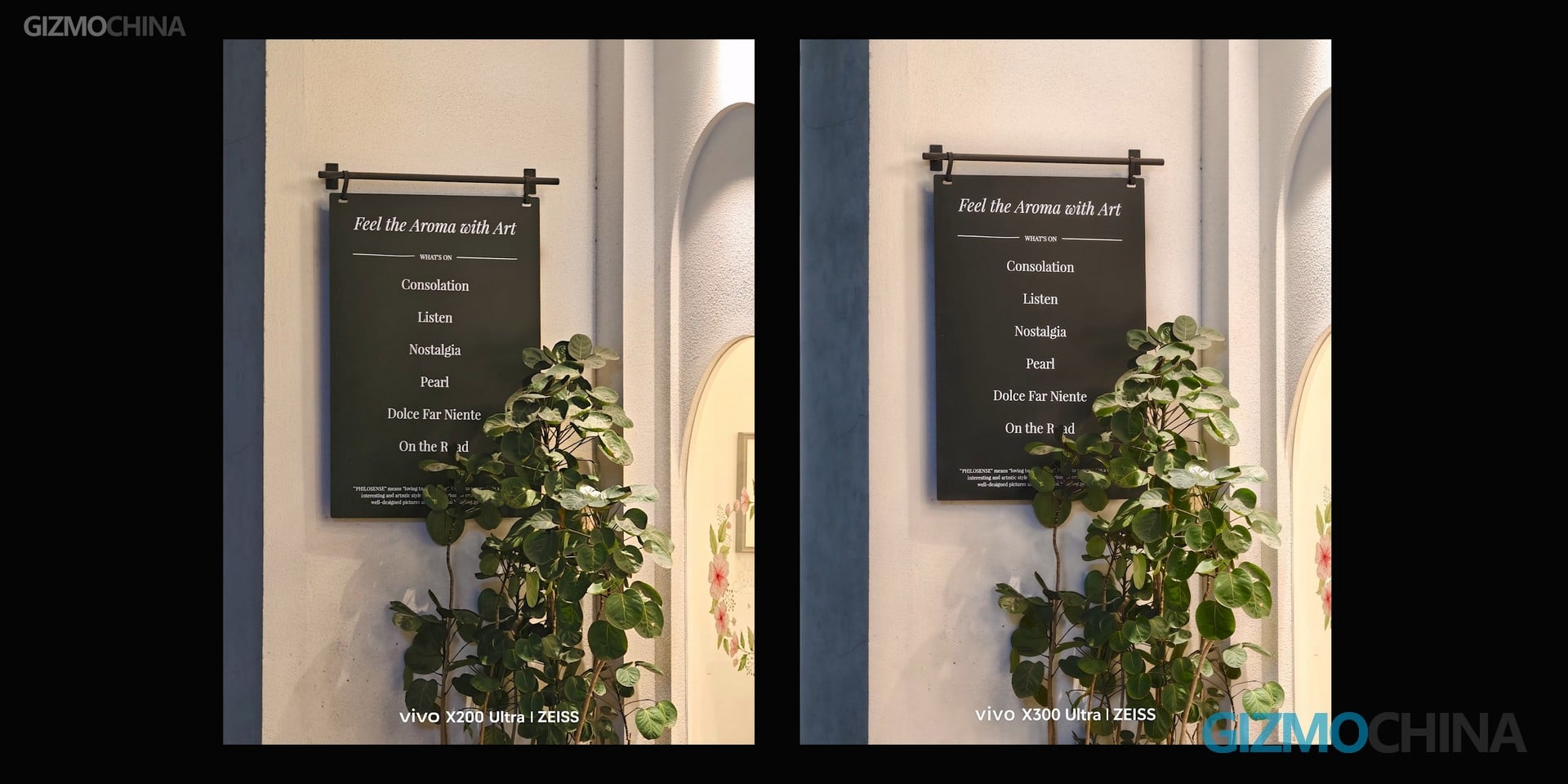
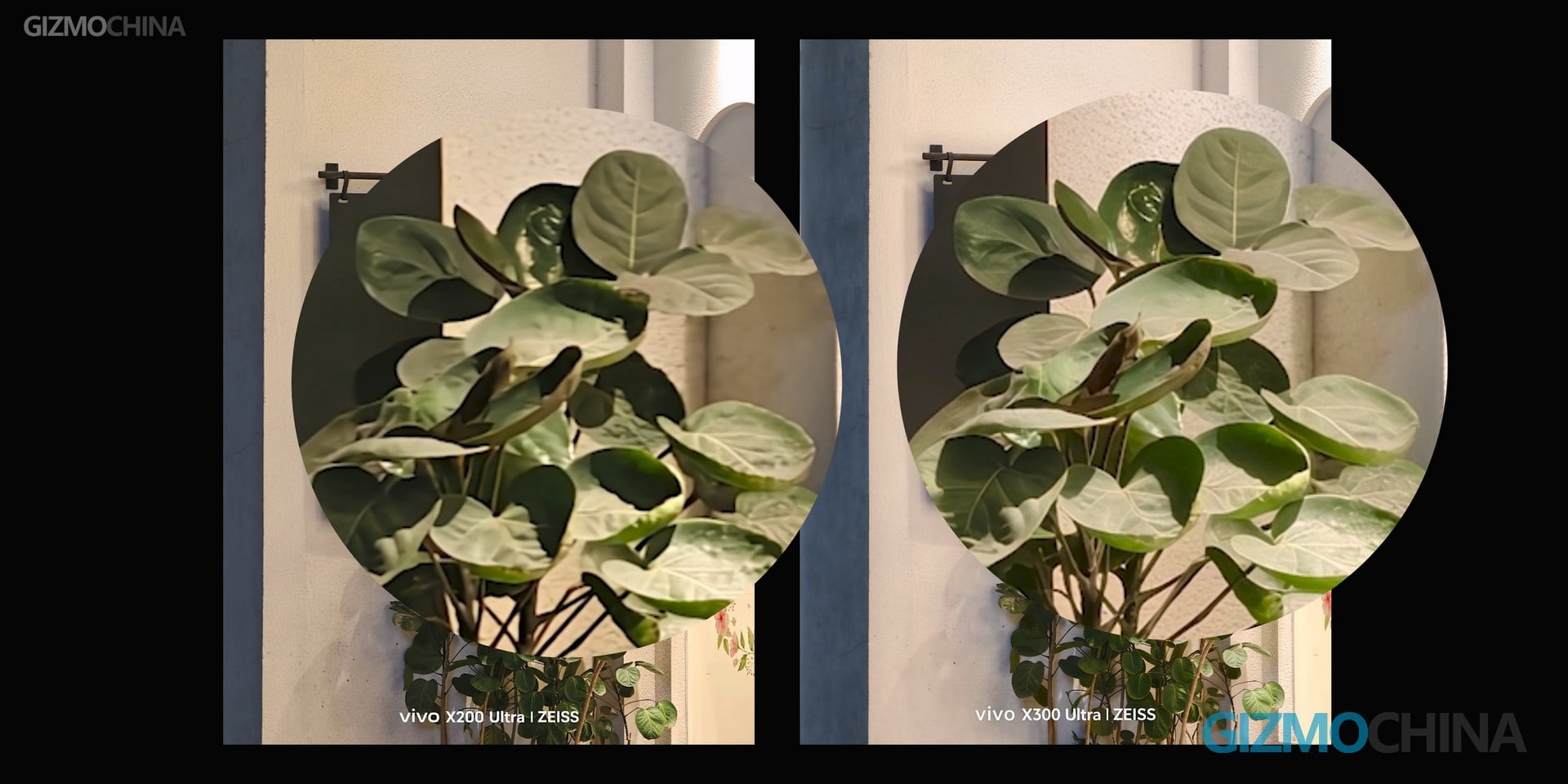


So the conclusion is: the X300 Ultra’s telephoto camera is a real upgrade, but only for photos. Video is a different story—I’ll explain that in a bit.
14mm
Since there’s no hardware change for the ultra-wide camera, its performance should theoretically be very similar—and it is.
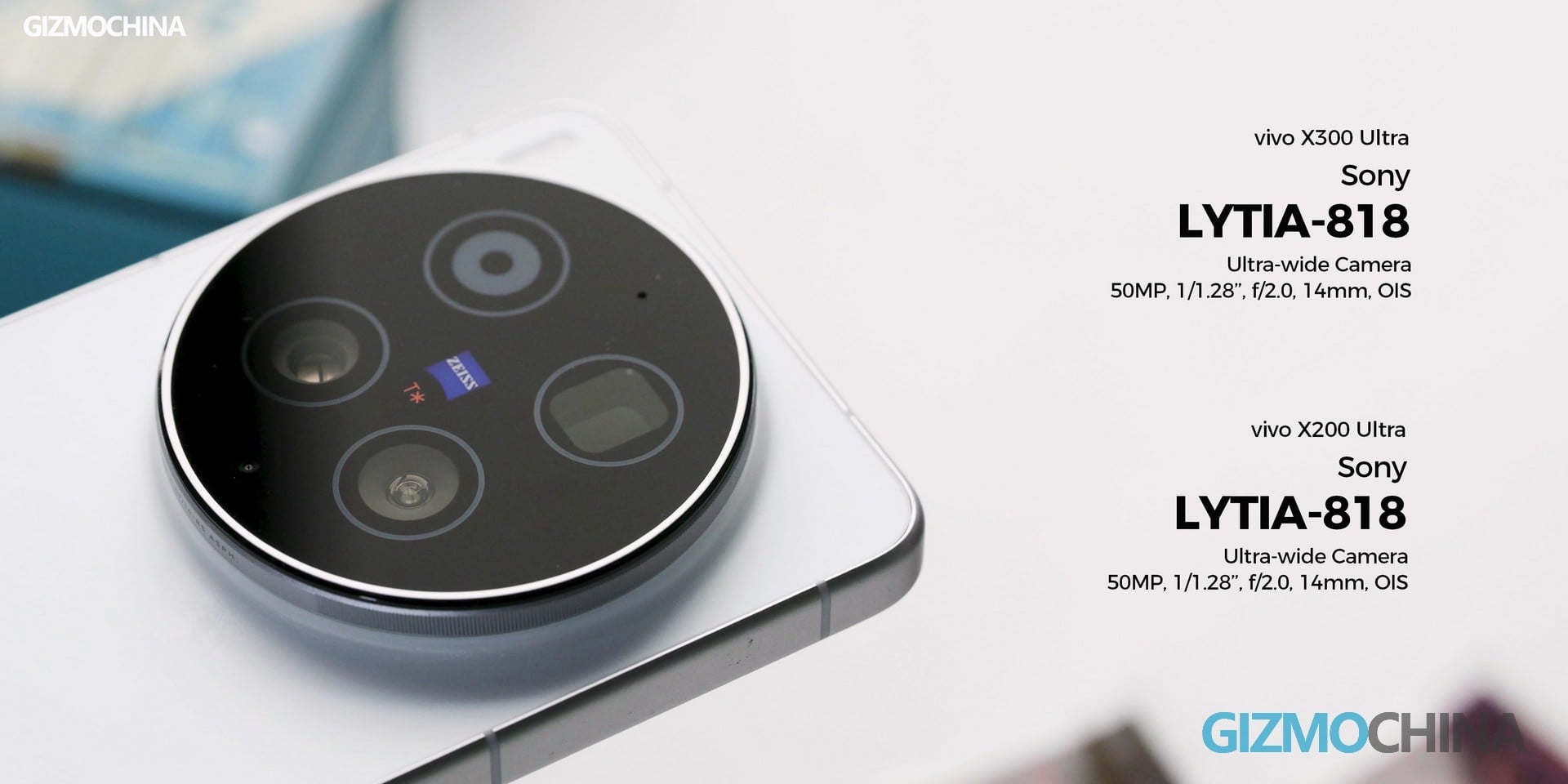
In scenes without extreme contrast, the image quality is basically identical to that of the previous generation. However, the two phones take different approaches to HDR. The X200 Ultra tends to control highlights and leaves shadows untouched, while the X300 Ultra does the opposite. There’s no clear winner here—it just comes down to personal preference.

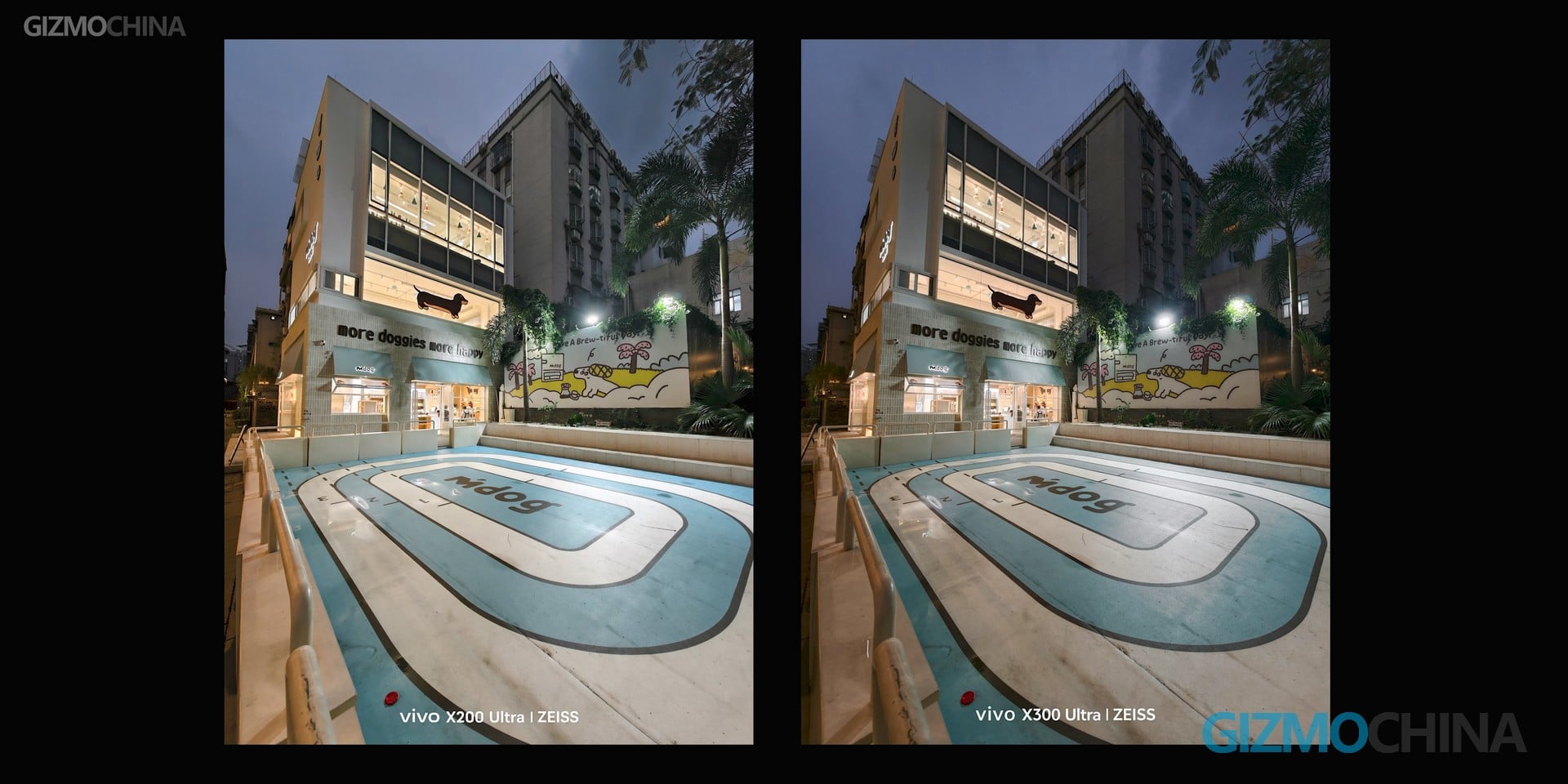

Anyway, the main purpose of the ultra-wide camera on the X300 Ultra is to compensate for the narrow field of view when recording video with the 35mm lenses. So next, let’s look at video performance.
Video & Selfie
If I didn’t label which footage came from which phone, you definitely wouldn’t be able to tell them apart. In fact, even during editing, I had to carefully check the file names to distinguish which clips were shot from the X300 Ultra. And it’s not just the ultra-wide camera—even the main camera footage looks the same. The improved stabilization doesn’t give you a wider field of view either. You can basically consider their video capabilities to be nearly identical.
For photography, better stabilization allows for longer shutter speeds, improving image quality. But in a video, shutter speed cannot drop below the frame rate. That’s why you can see the X300 Ultra’s telephoto camera actually performs worse in low light. Especially compared to the previous generation, with a larger aperture.
The front camera’s the same story as the rear—you really have to pixel-peep to notice any difference. Thanks to reduced noise reduction in the new algorithm, more texture detail on clothing is preserved.



Overall, this entire camera system has more upgrades than downgrades. But without any new technology, the X300 Ultra lacks that one “hook” to really grab users. For those who chase novelty—like me—most probably won’t be willing to pay that extra $145.
Grip & Teleconverter
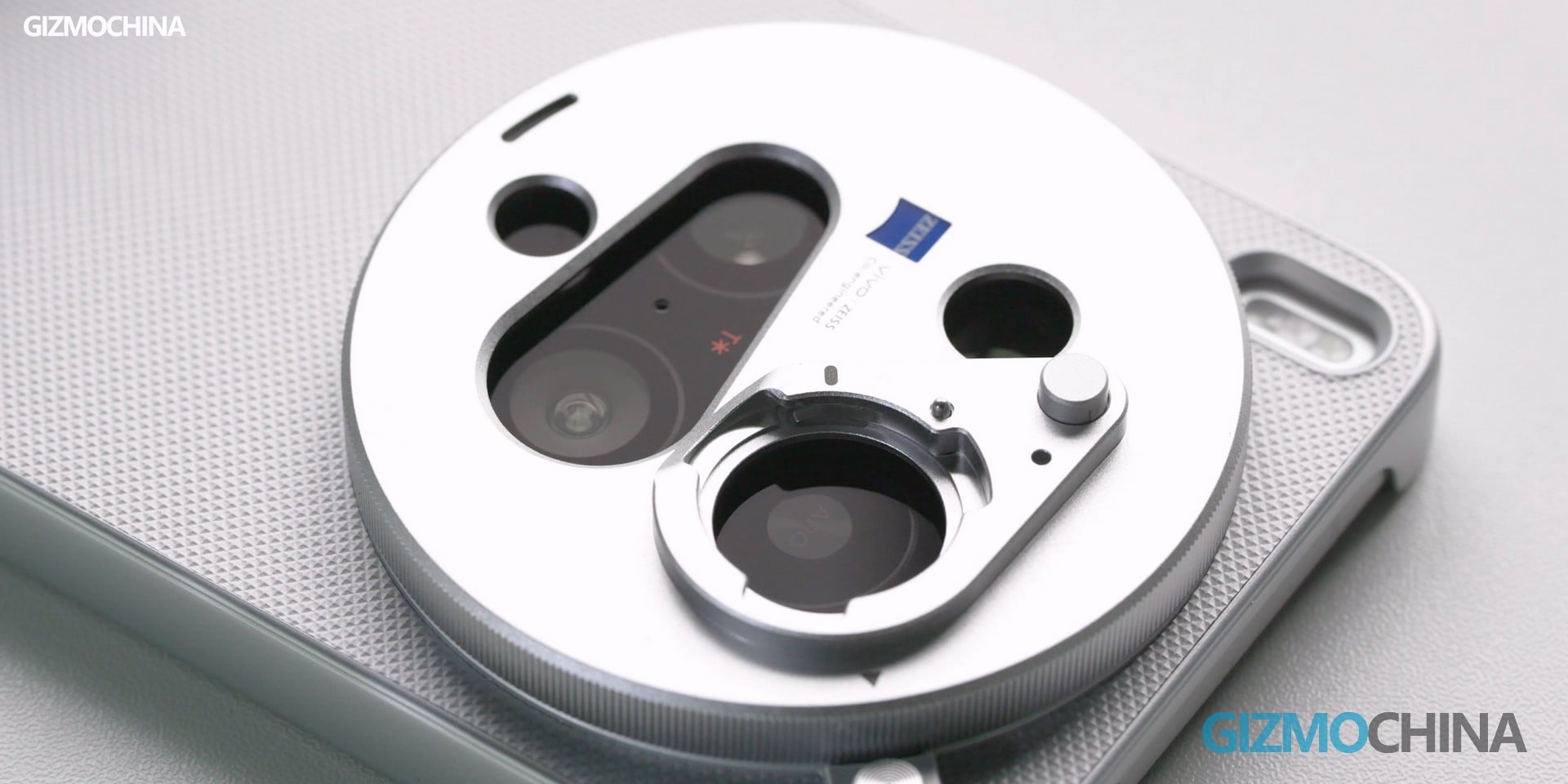
Luckily, we also got the photography kit and the G2 Ultra lens. Let’s start with the grip. It still connects via Type-C and has a screw mount at the bottom. The build quality is more refined—it both looks and feels more premium. There’s an extra customizable button, and whether the grip charges the phone can be toggled with another button.
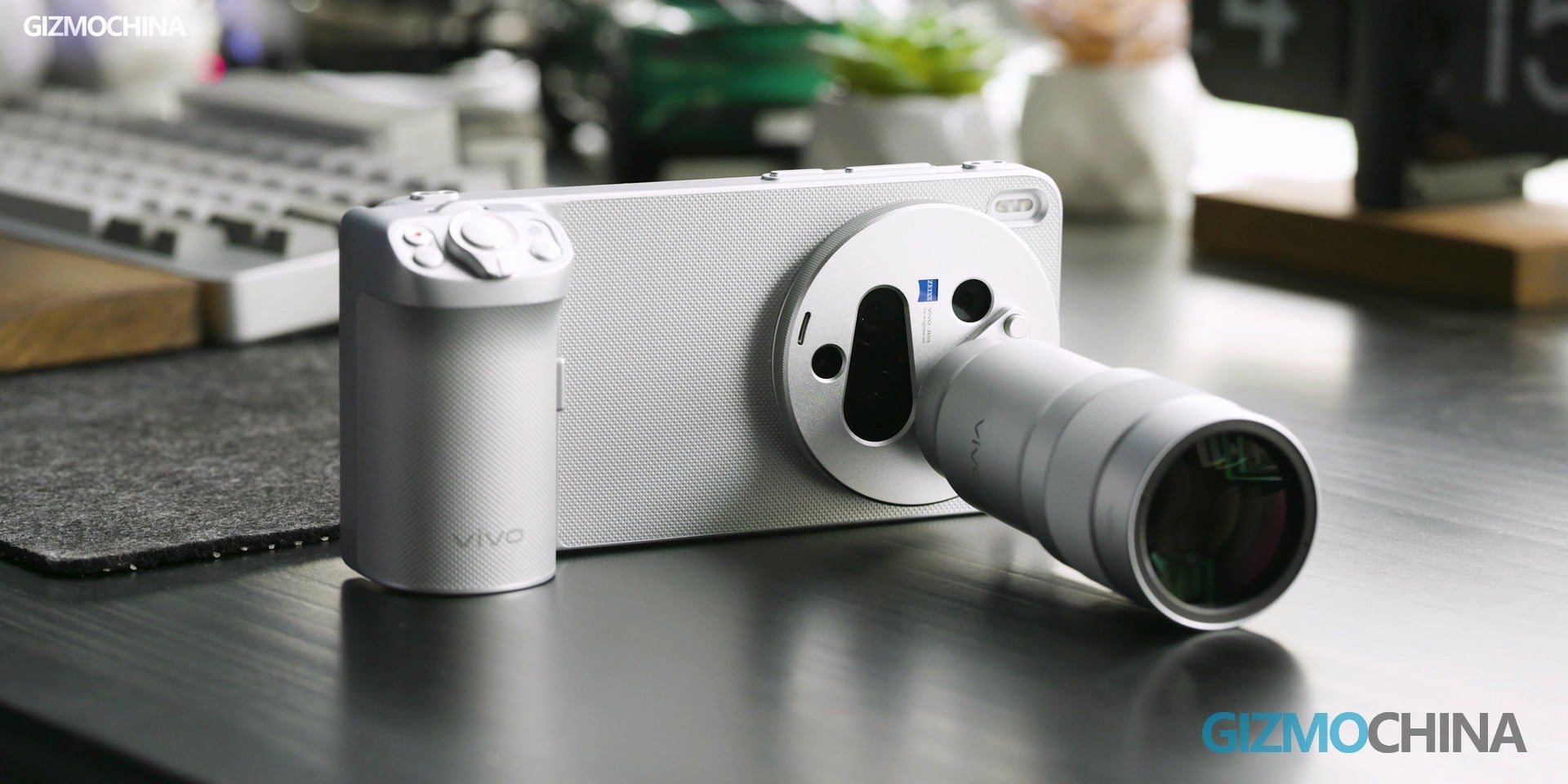
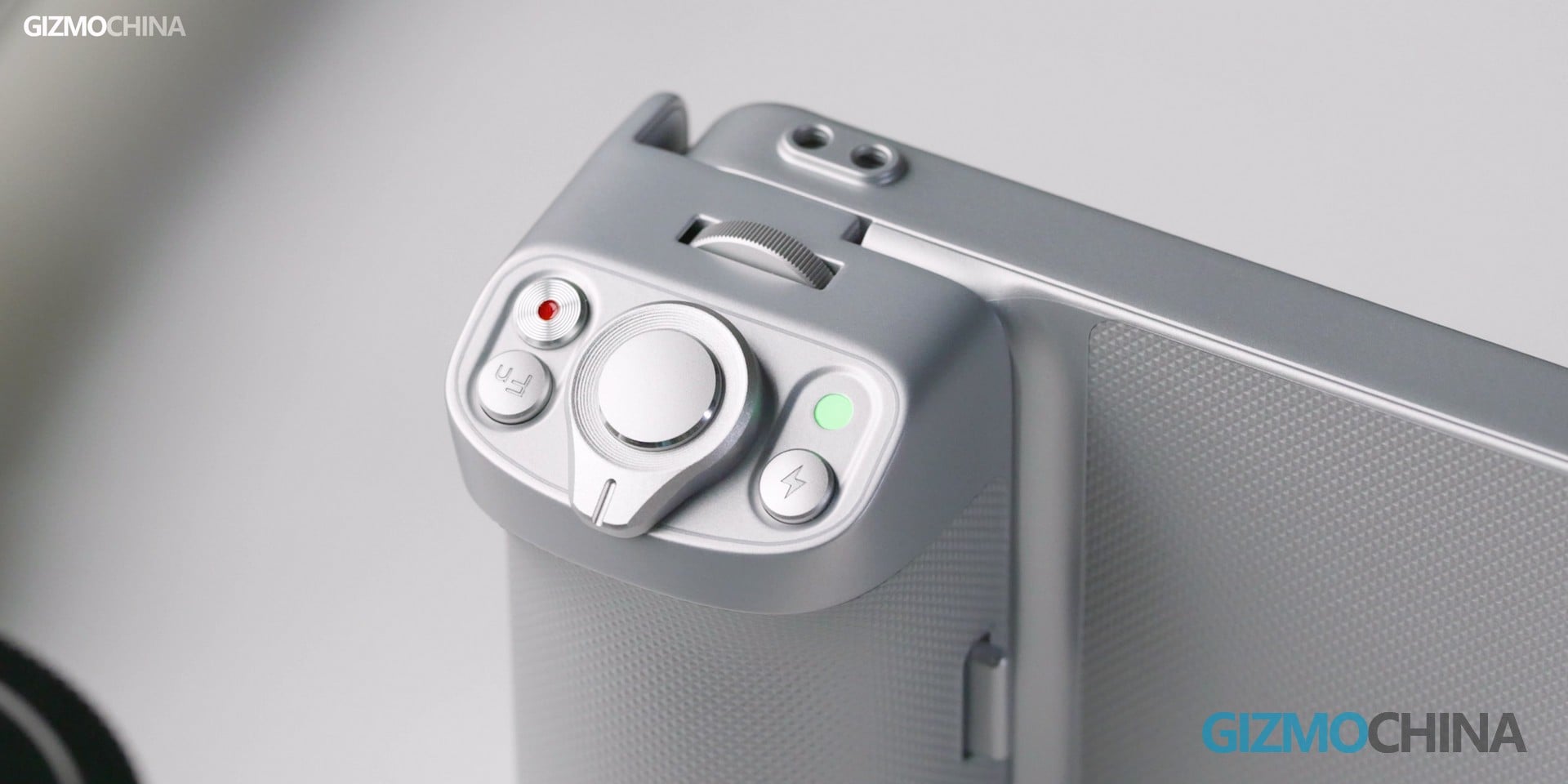
But two issues remain. First, the unlock slider is still positioned near your fingers, which honestly makes me nervous about accidentally unlocking it. Second, when charging the phone through the grip, the power is only 7.5W. The only real downgrade might be the removal of the kickstand on the case.
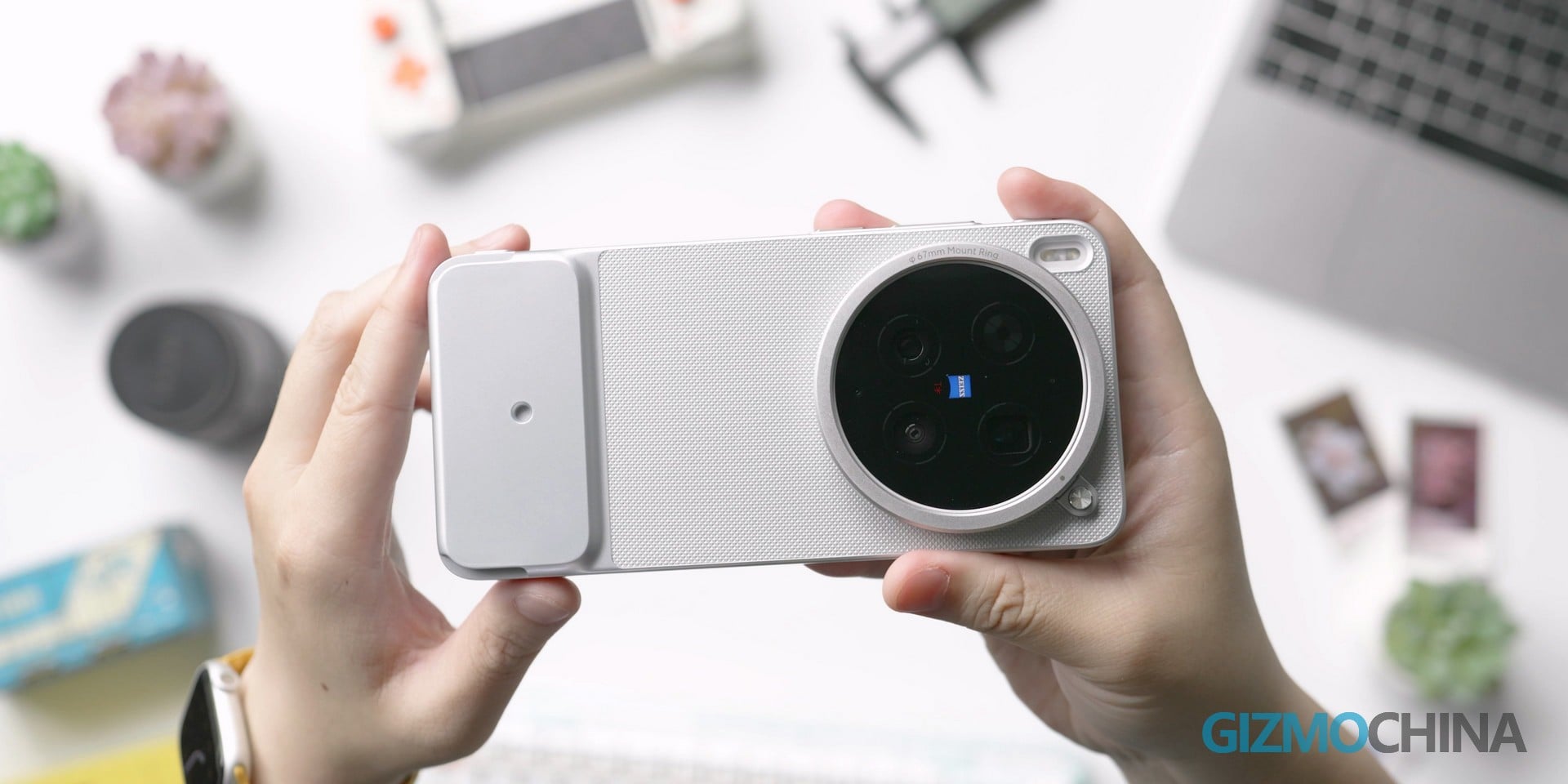
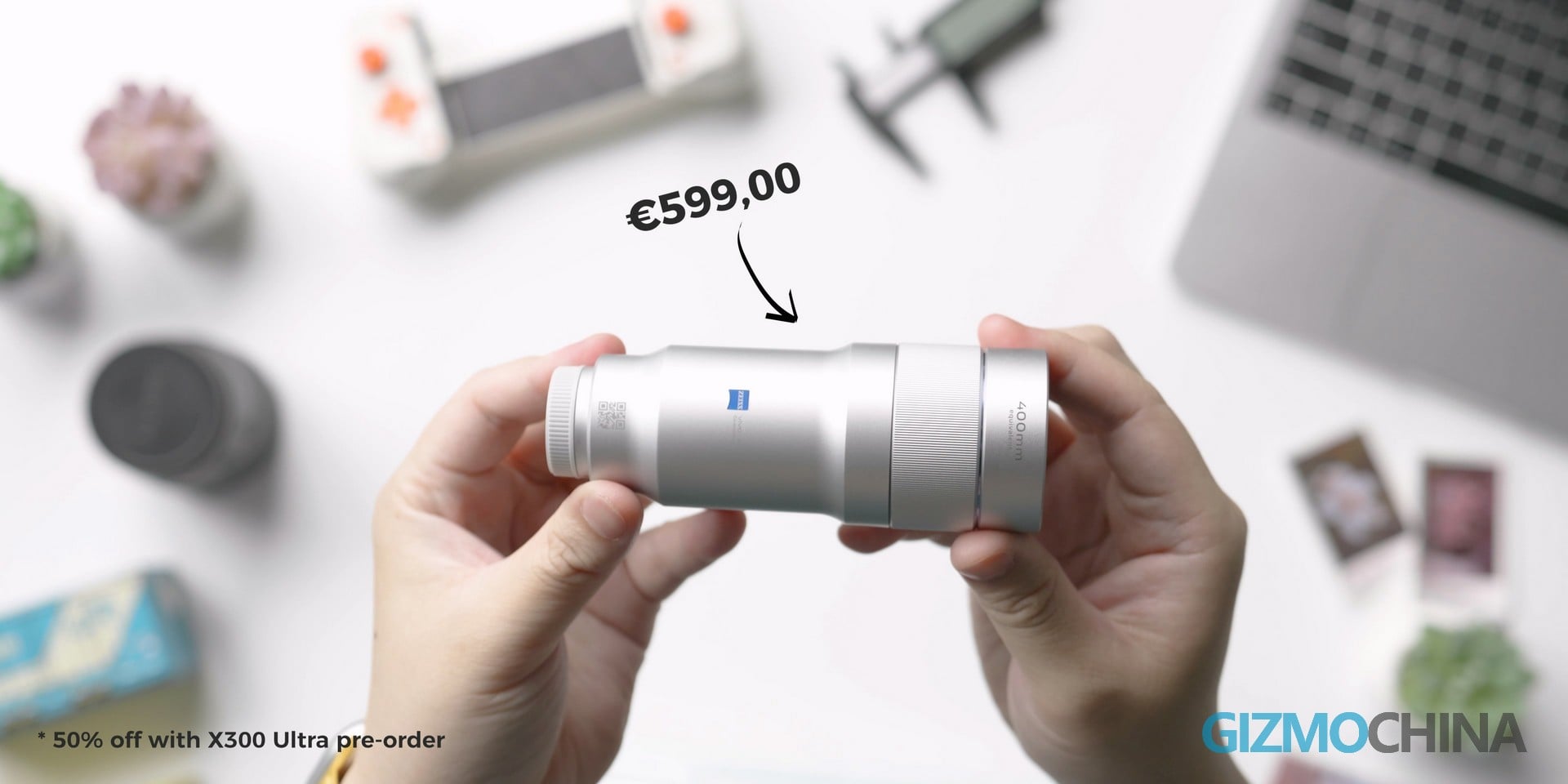
At the X300 Ultra launch event, two new teleconverters were introduced: a 200mm and a 400mm. The 200mm is more compact, but otherwise unchanged. We already covered it in detail in last year’s X200 Ultra Camera Test, so this time we’ll focus on the 400mm.
First, you can now enter teleconverter mode directly via the top button, which is much more convenient than before. Image quality is still excellent and looks more natural than AI-enhanced photos. And then… well, that’s about it. It’s big, heavy, expensive, and the stabilization isn’t as good as expected. So I’d recommend the 200mm version instead—unless you’re really planning to shoot wildlife with a phone.
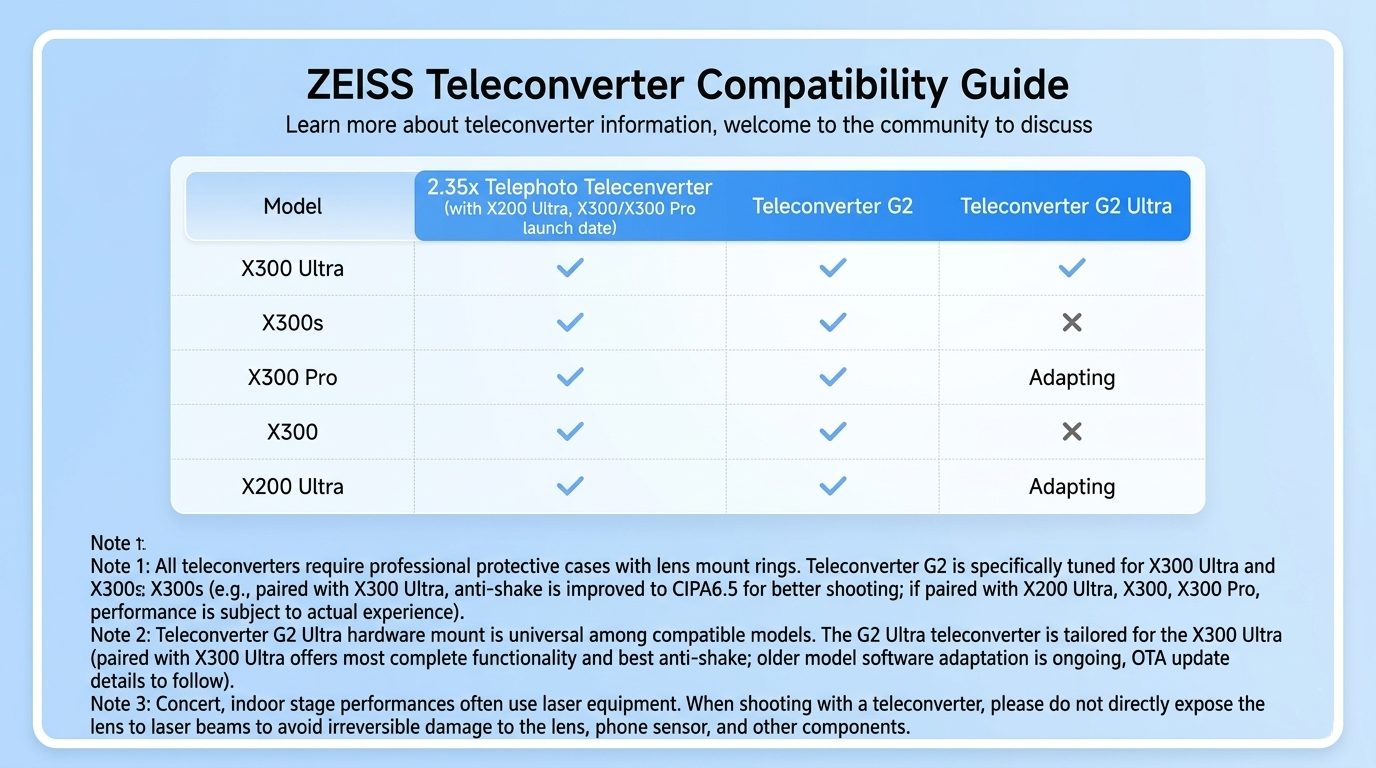
I’m glad vivo considered compatibility between old and new teleconverters. The X300 series photography kit can use the previous generation teleconverters. The G2 and G2 Ultra lenses also work on the X200 Ultra, but the adapter rings are not interchangeable due to changes in lens layout.
Also, the X300 Ultra’s grip does not work properly on the X200 Ultra, so you’ll need to buy the correct version for your phone. However, the lenses have no such limitation.
Design
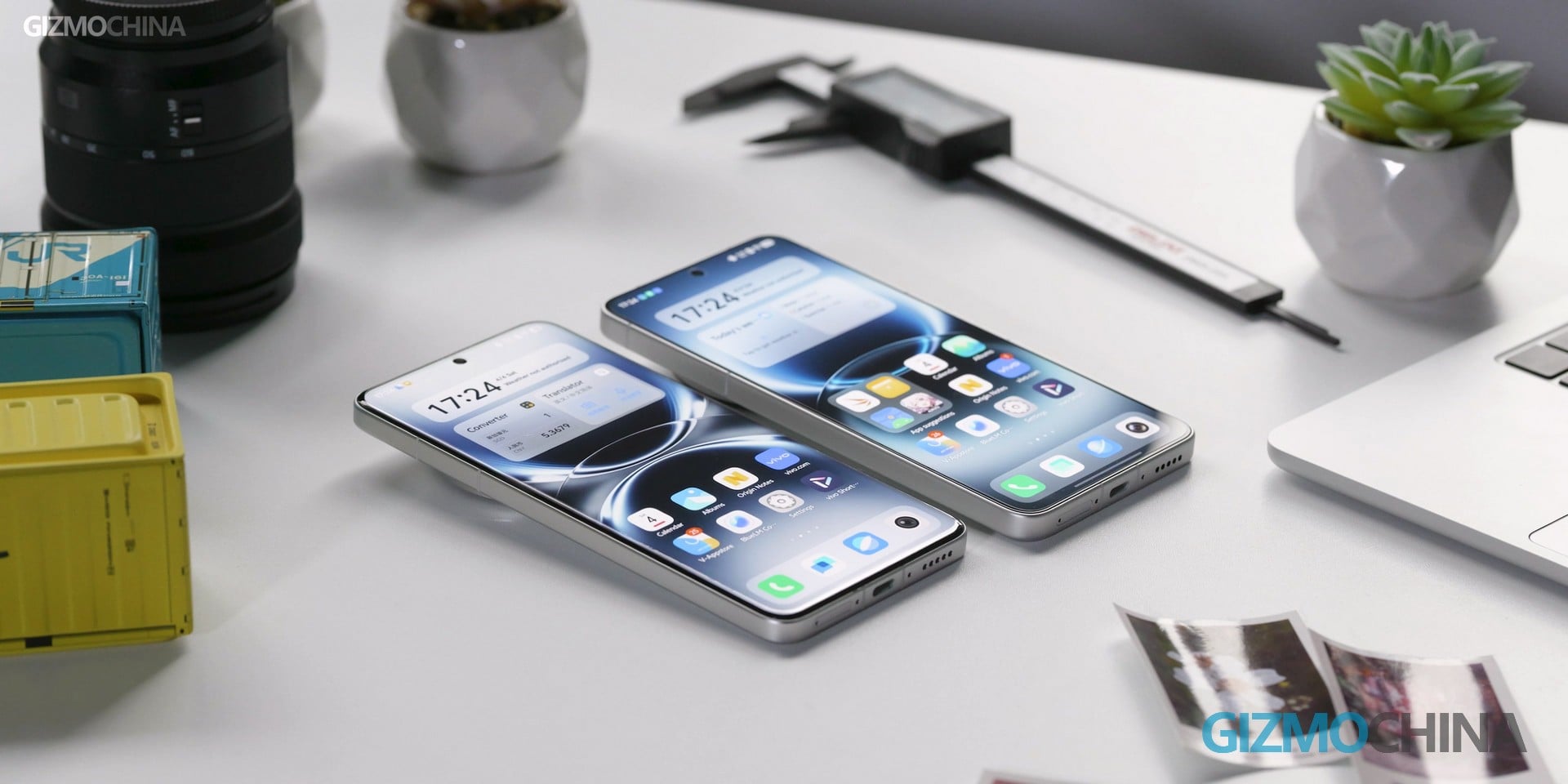
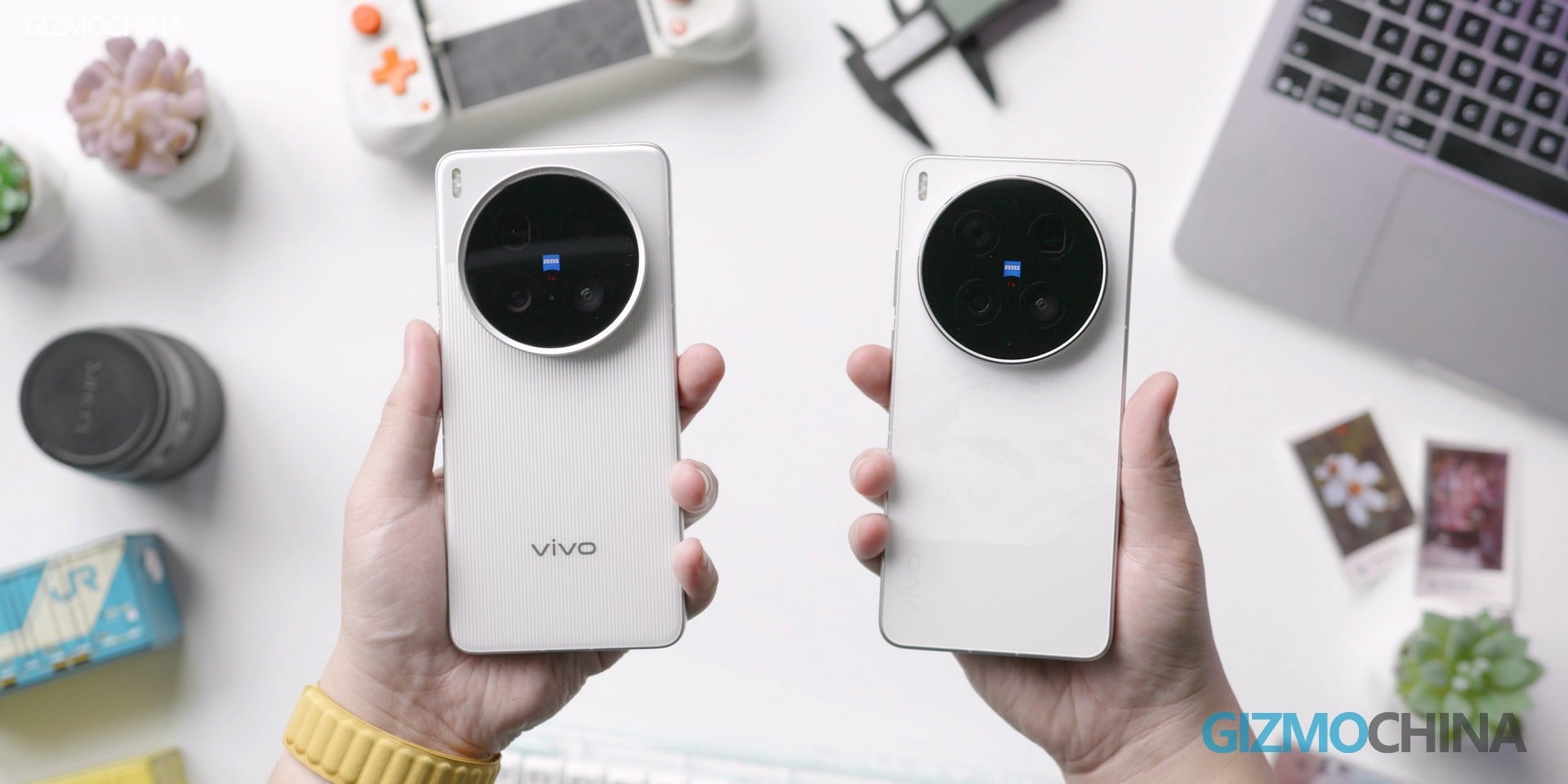
I think I already described the X300 Ultra’s design clearly enough in the hands-on video. In one sentence: you can hardly tell it apart from the X200 Ultra. You can even put an X200 Ultra case on the X300 Ultra, and all the cutouts will line up perfectly. If you’re being picky, yes, there are tiny differences.
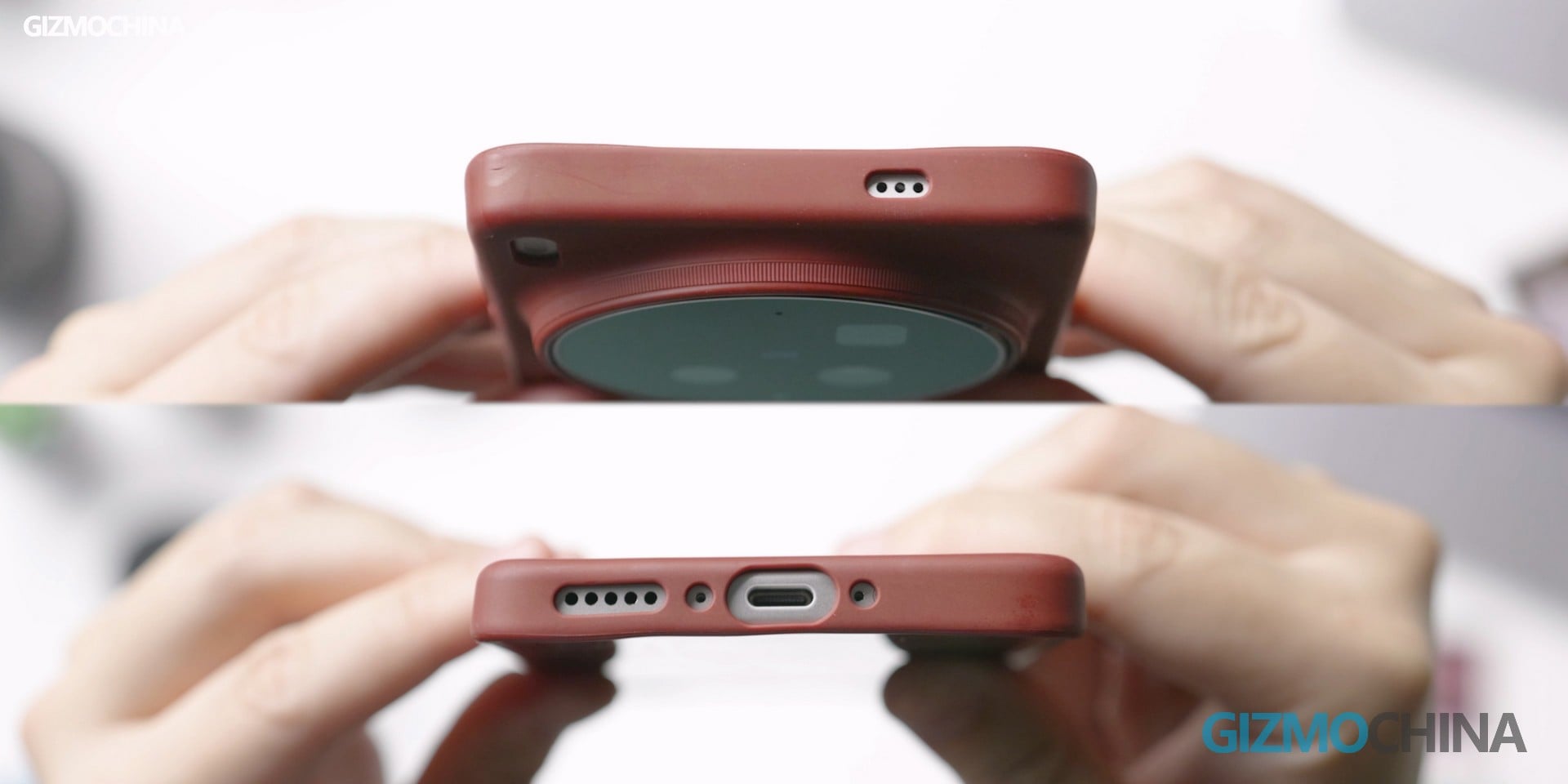
For example, the X300 Ultra is indeed thinner—but what they don’t tell you is that it’s actually thicker, including the camera module. Put the phone on a table; it feels more like a seesaw.
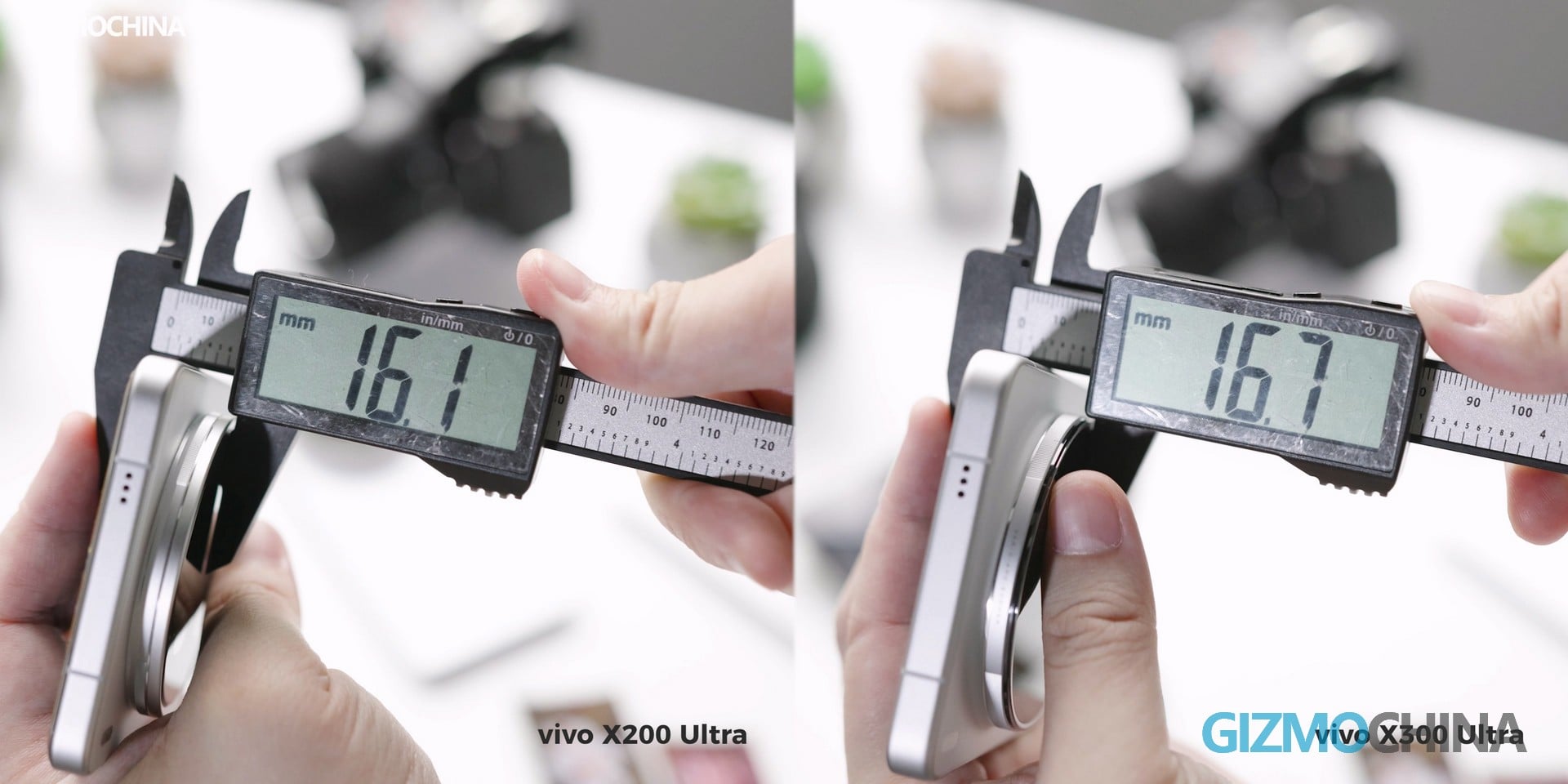
Also, the white version looks worse—especially compared to how good the X200 Ultra looked. But these are basically the only two design downgrades. The larger vibration motor and the removal of the camera control button are both good changes. Another positive is that the X300 Ultra is the first in the vivo lineup to support USB 3.2 Gen2 with video output.
Perhaps the best news is that the X300 Ultra finally has a global version, making it easier to buy and service. That said, the Chinese version also has excellent band support—except for slightly weaker signals in rural areas of the US, it works well almost anywhere in the world.
Performance
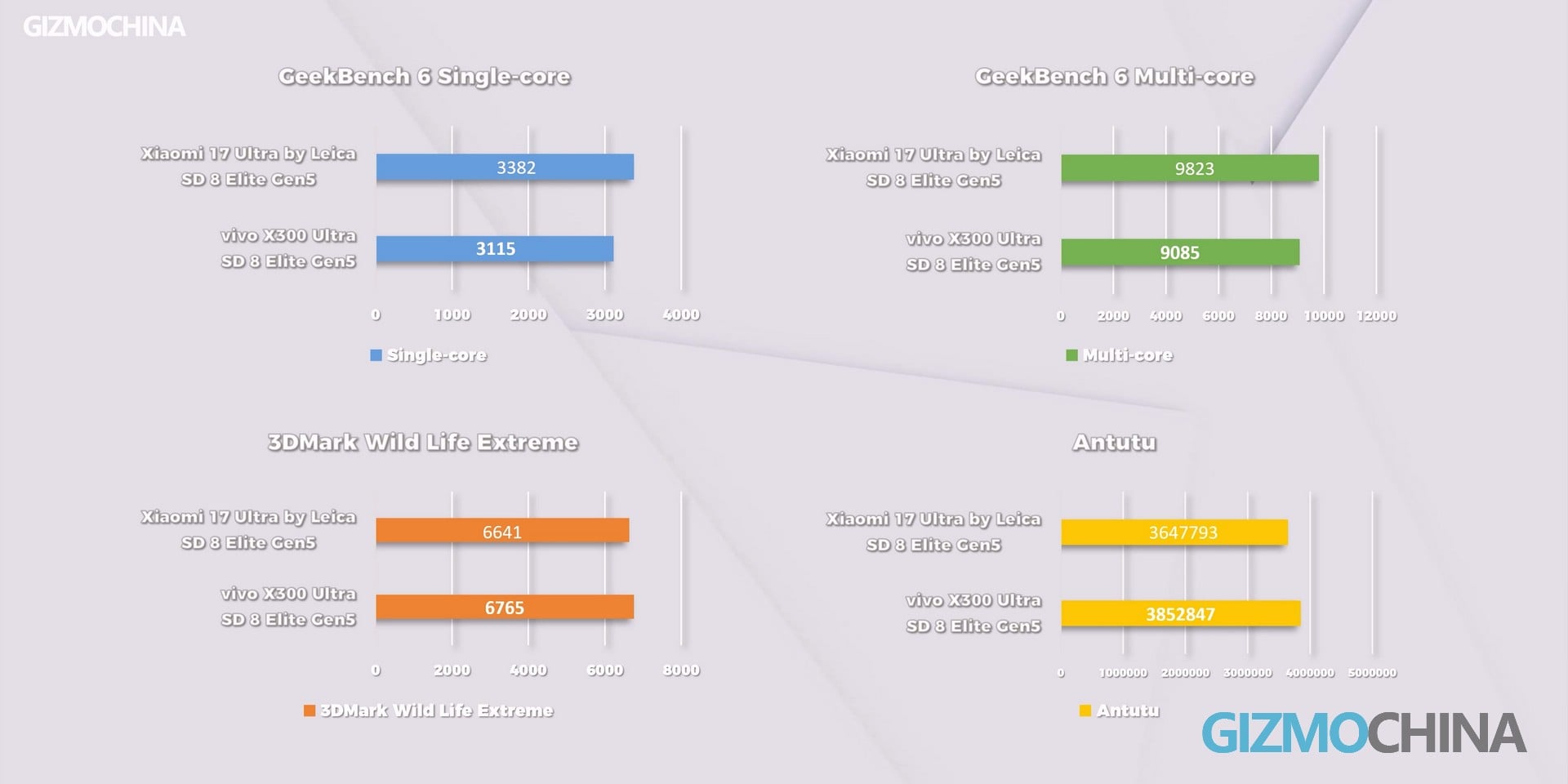
The X300 Ultra is powered by the Snapdragon 8 Elite Gen5, so peak performance is not a concern. However, since the ultra-wide camera is still stacked above the processor, its thermal performance is slightly worse than that of other Ultra phones.
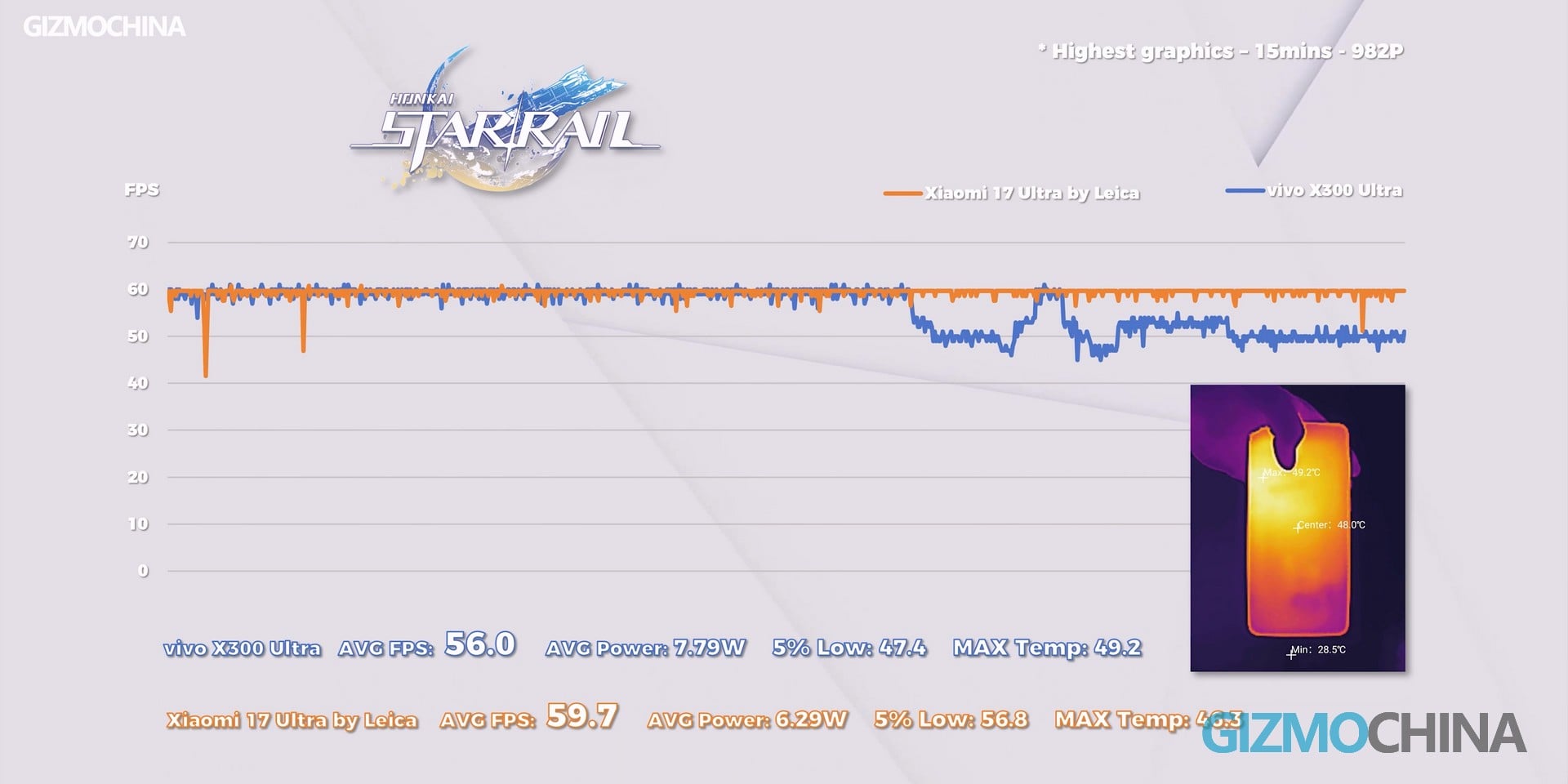
In Honkai: Star Rail, its maximum in-game resolution exceeds 900P, which is slightly higher than that of other phones. To keep things fair, I lowered the X300 Ultra’s resolution to 1200P. Even so, the Xiaomi 17 Ultra still wins easily. Even though game optimization could be better, I don’t think it will affect the target audience of the X300 Ultra. If you care that much about gaming performance, you probably shouldn’t buy a phone with such a massive camera module in the first place.
Display
The display and battery life are not the focus of this upgrade. The X300 Ultra’s screen looks and feels very similar to the X200 Ultra. Most apps still top out at 120Hz, and the peak brightness increase is only 100 nits—these “upgrades” are basically unnoticeable.
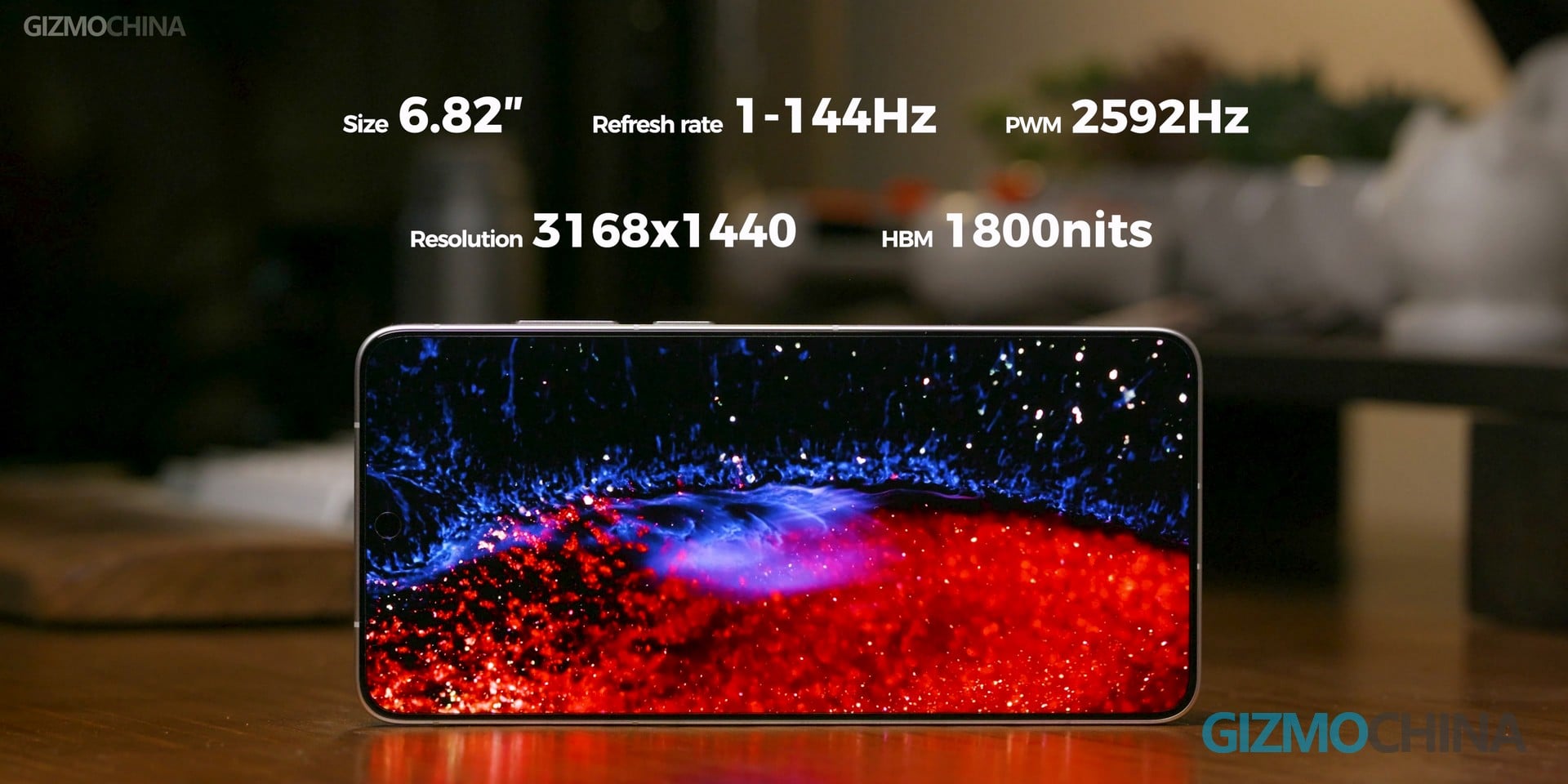
What I can notice is that the old 2.5D glass is now completely flat—finally, it’s easy to apply a tempered glass screen protector. Thanks to the upgraded top speaker, the overall audio experience is better. I’ll include a speaker test at the top of the video—listen for yourself.
Battery Life
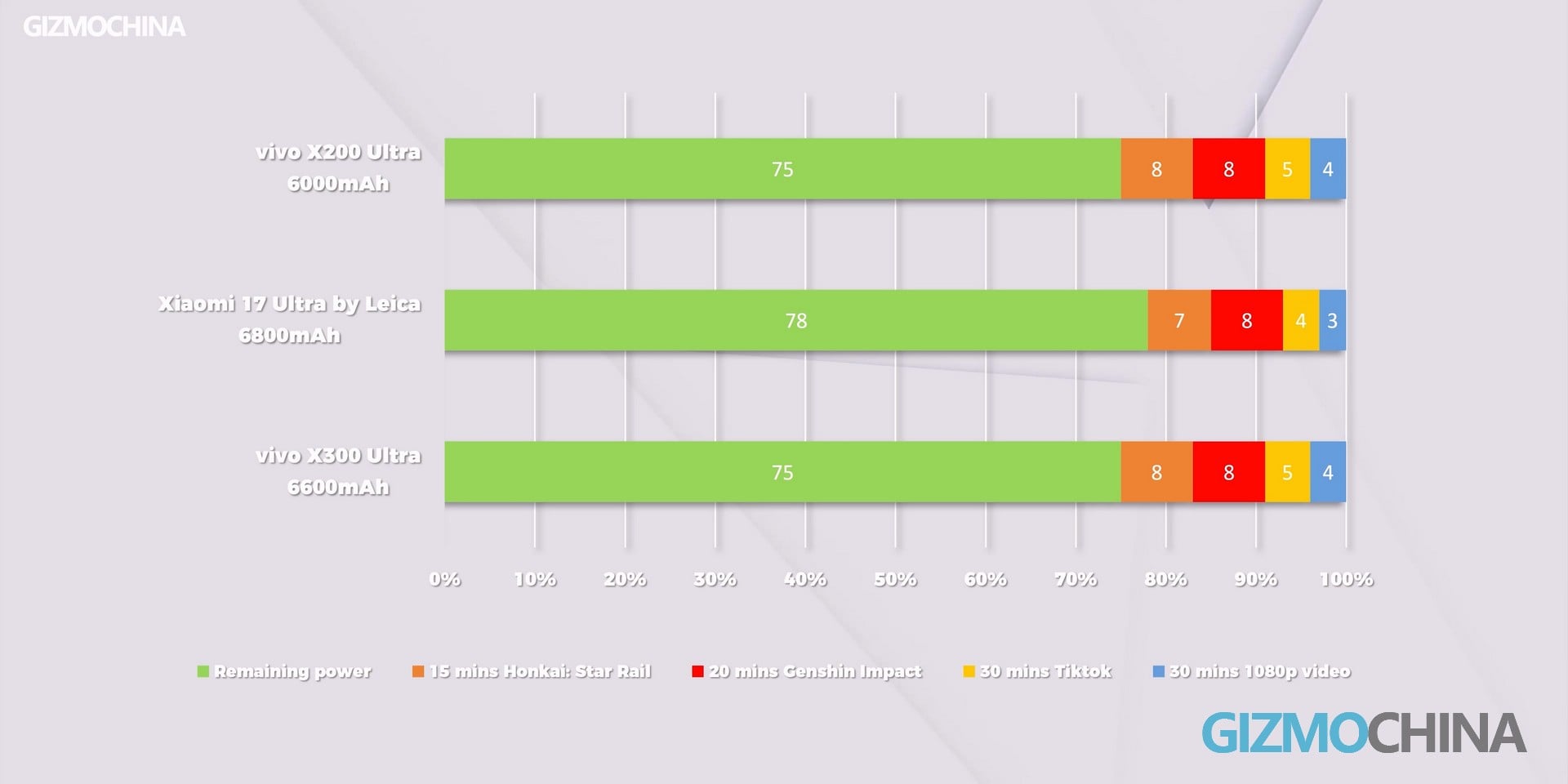
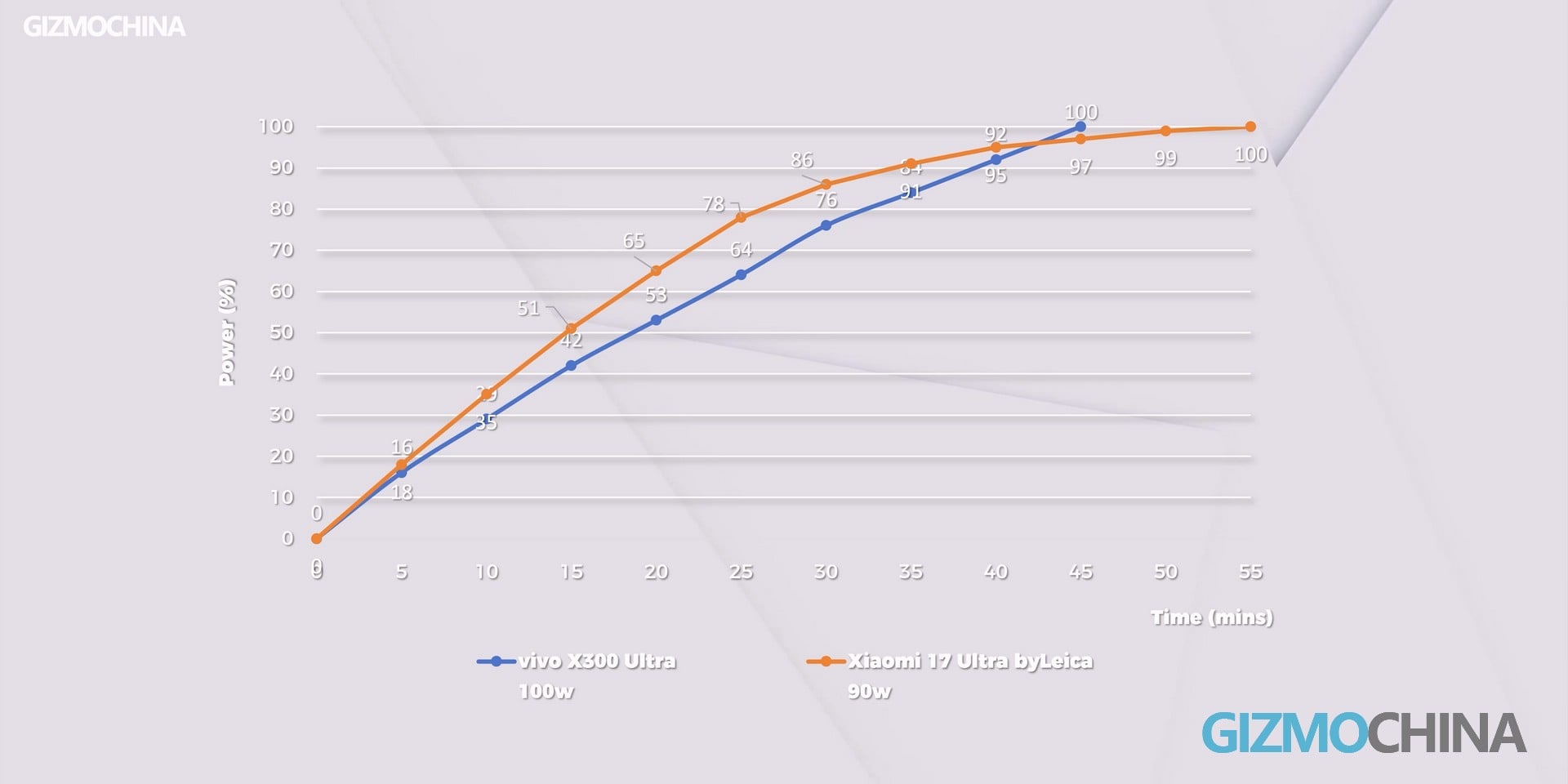
The X300 Ultra’s battery capacity increased by 600mAh compared to the X200 Ultra, but in our standard tests, the difference is negligible. After a full day of gaming and camera testing, 46% battery remained. It may not beat Xiaomi or OPPO’s Ultra models, but it comfortably outperforms Samsung’s. As for charging speed, there’s not much to say—you can tell its level just by looking at the curve.
I know—even if you agree that the X300 Ultra’s upgrades are minimal, you might still buy it. Why? Because on the global market, you simply can’t get the more cost-effective X200 Ultra. But after our comparison, you can’t deny that the upgrade is good, though not significant. I’m not a fanboy or a hater of any brand—being loyal to products is definitely smarter. Back when the Xiaomi 15 Ultra showed the smallest improvement, I voiced my dissatisfaction as well. However, since the vivo X300 Ultra is indeed an enhanced version of one of the most powerful camera phones on the market, we still consider it one of the best options—though you’ll have to pay a bit more for the new model. And if you’re already holding the X200 Ultra, considering the price increase, it’s probably not necessary to upgrade to the X300 Ultra in 2026.

Comments