
Add GIZMOCHINA as Preferred Source on Google
The HONOR Number series has occupied an interesting market position over the past few years. It’s not the kind of device where you feel compelled to buy the absolute top-end model, yet it’s equally difficult to point out any major shortcomings. As some users put it, it’s a “premium mid-range all-rounder with a distinct flagship flavor.”
I’ve been using the HONOR 600 and 600 Pro side by side for quite some time now. Honestly, they don’t feel like two completely different phones. Instead, they feel like two different concentrations of the same excellent foundation. One is “more than enough and highly capable,” while the other is “that, plus a few serious upgrades.” Let’s break them down together, so you can clearly see the difference between this regular cup and the large cup.
Design & Build
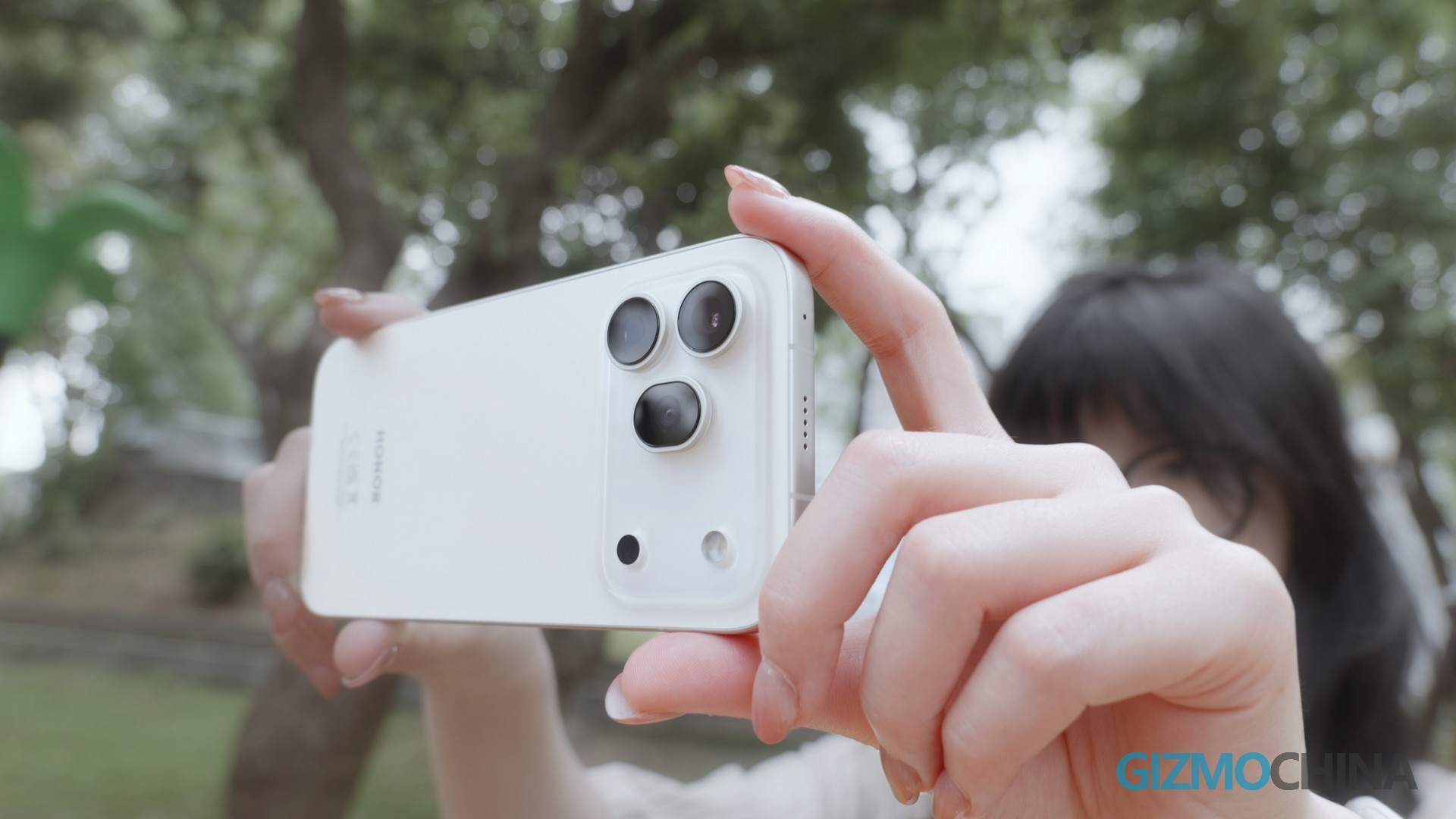
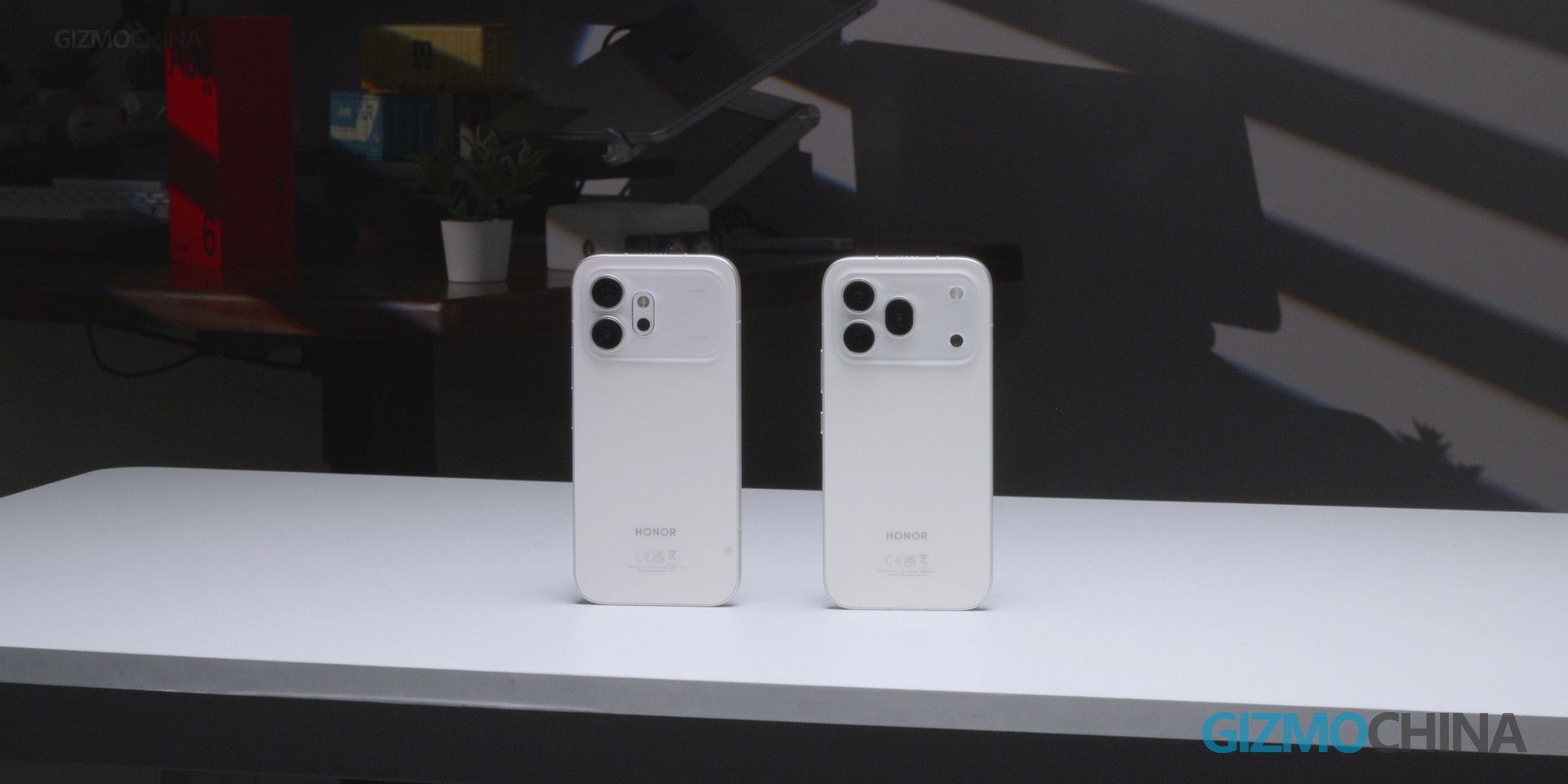
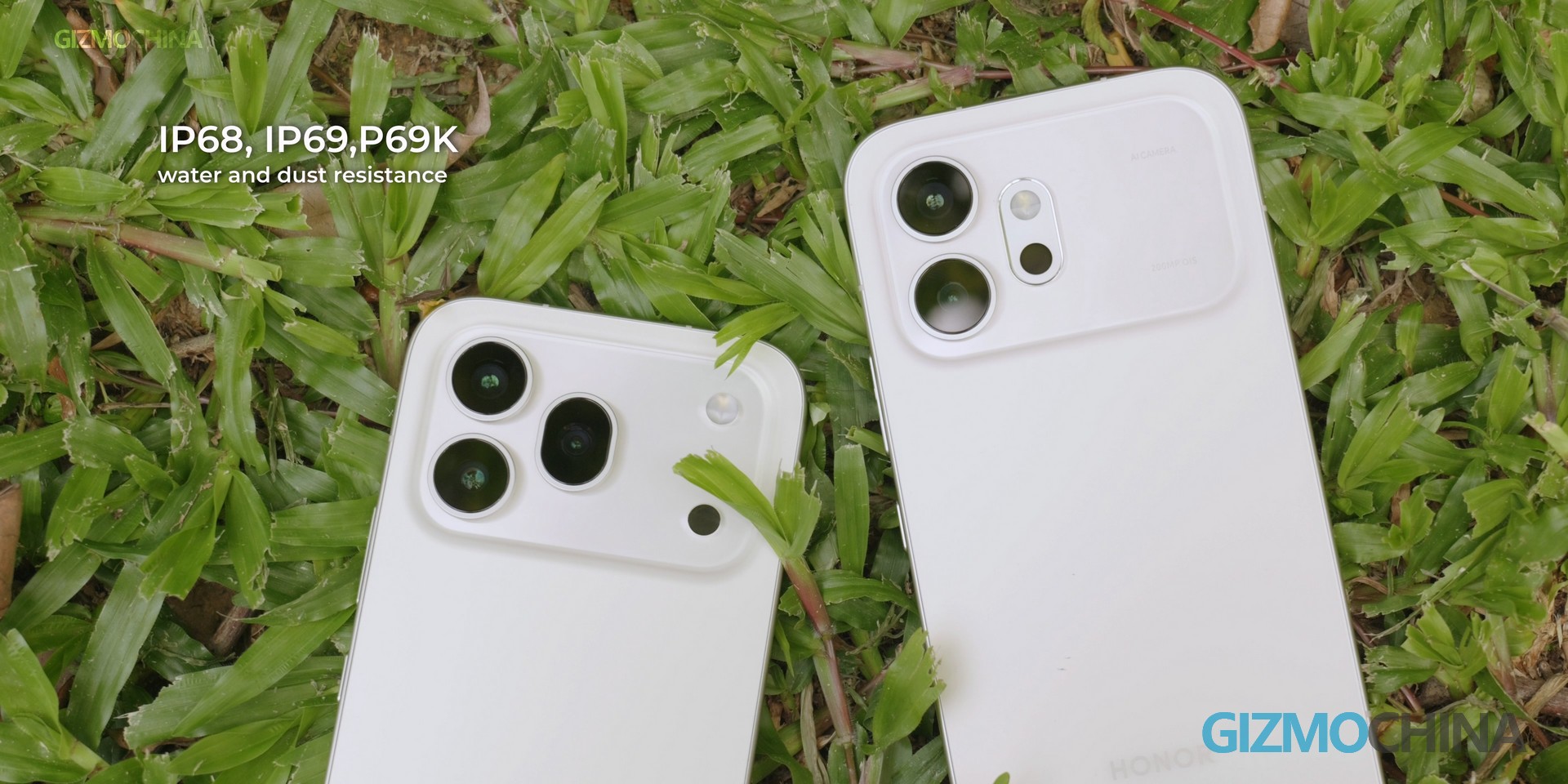
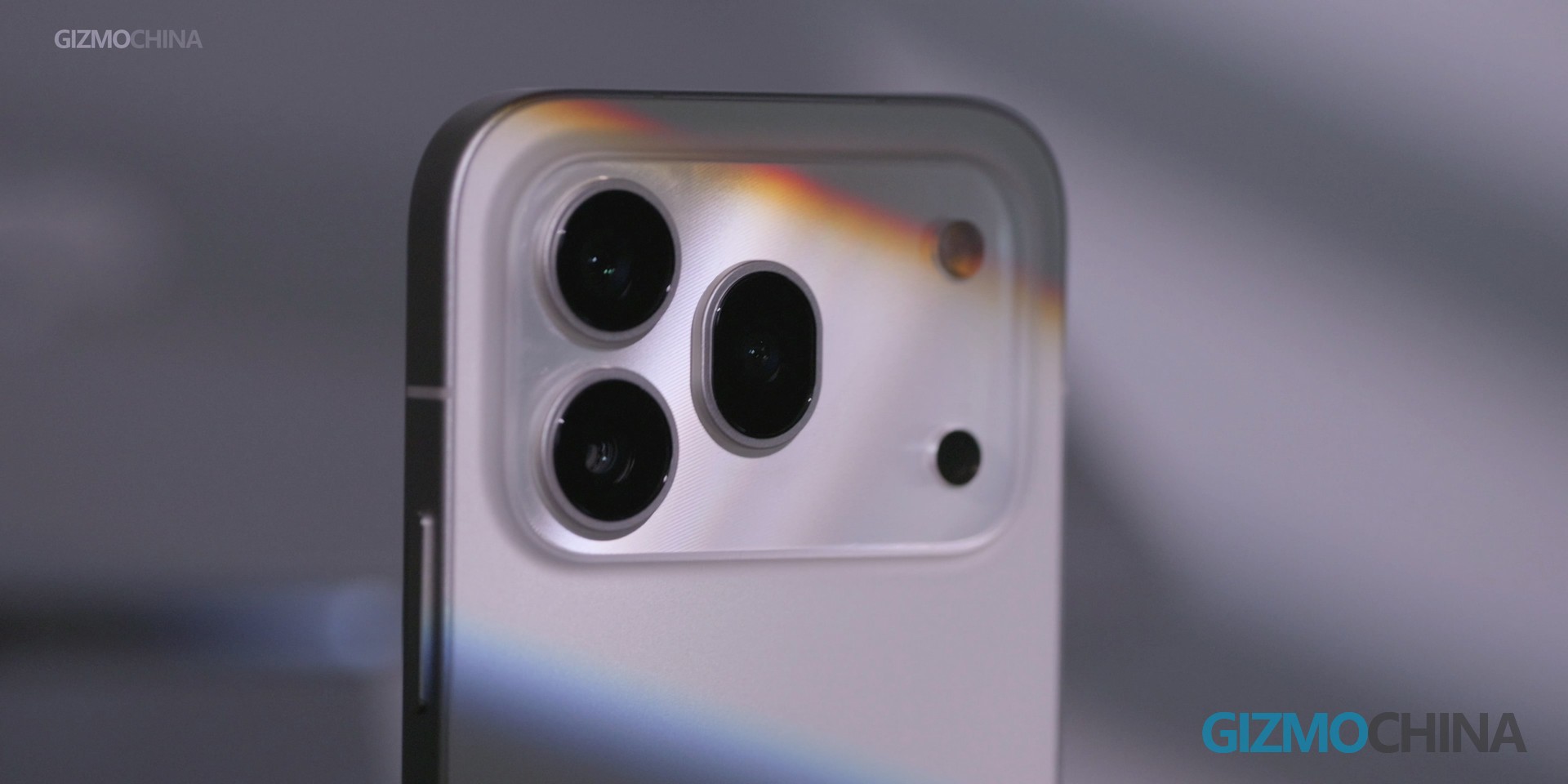
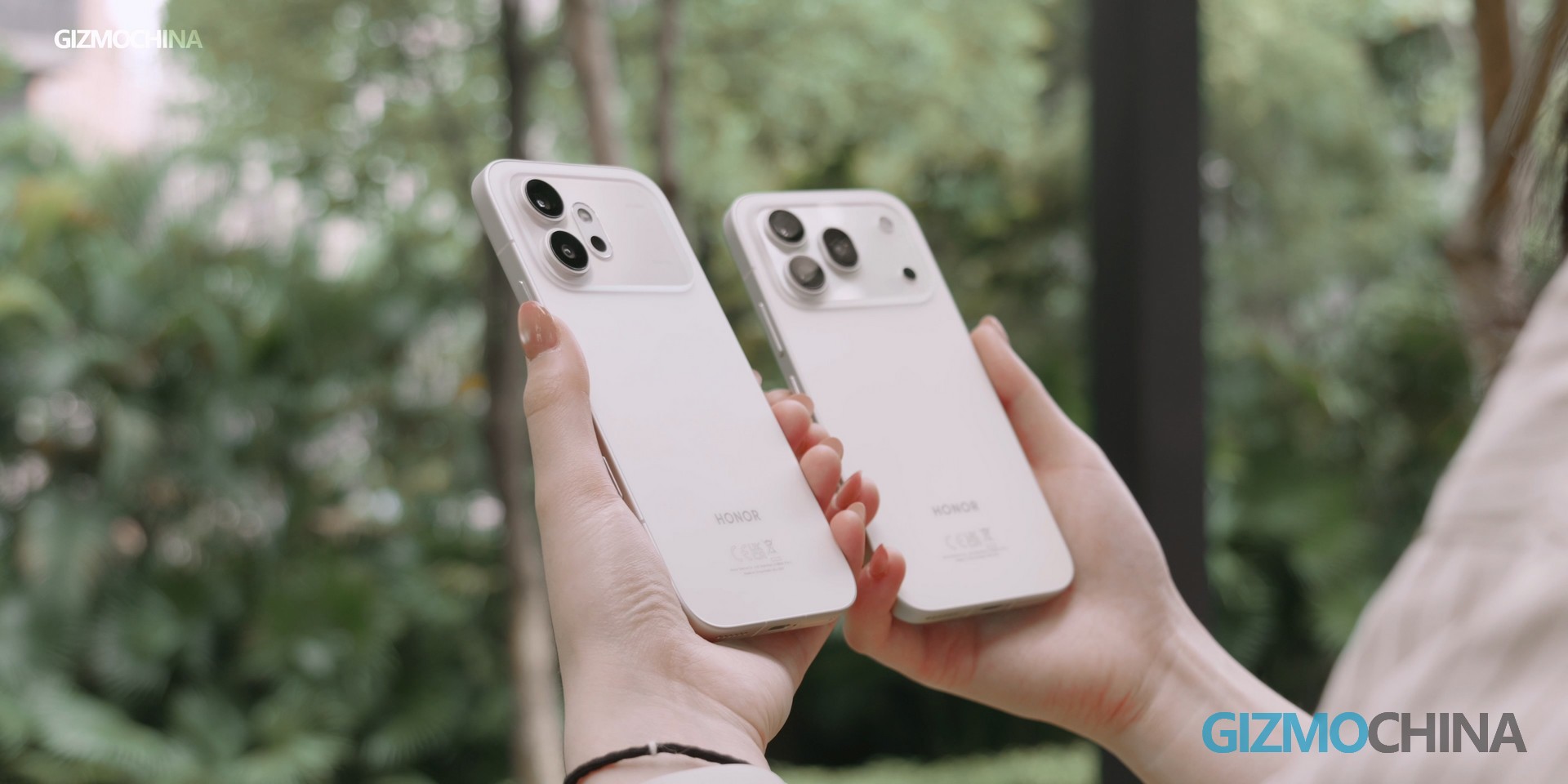
At first glance, the two phones look nearly identical. But if you look closely, the main physical difference is that the standard model lacks a telephoto lens. If you put the 600, the 600 Pro, and the iPhone 17 Pro side by side, and only look at the camera module… even Apple’s own designers would have to do a double-take. But jokes aside, the biggest design change on this generation of HONOR Number series isn’t the color — it’s the craftsmanship.
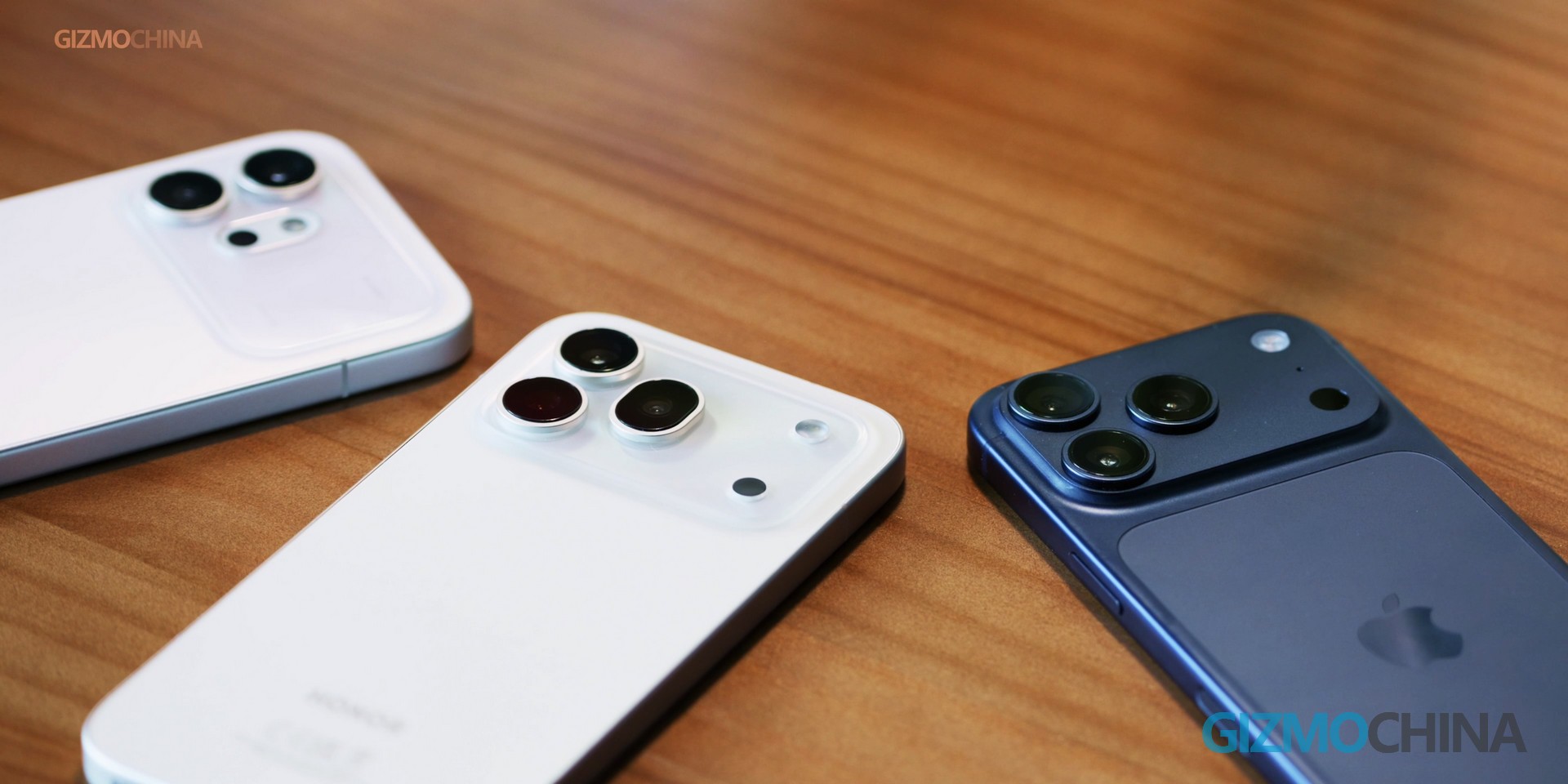
The build and finish are identical across both models. They feature a semi-transparent ultra-durable composite fiber back and a matte metal frame. The unit I have on hand is the White colorway. On this model, the texture of the semi-transparent back panel is at its most expressive. In low light, it resembles warm, polished jade. It resists smudges remarkably well, which is especially noticeable on this white finish. After a week of use, the back remains remarkably clean.
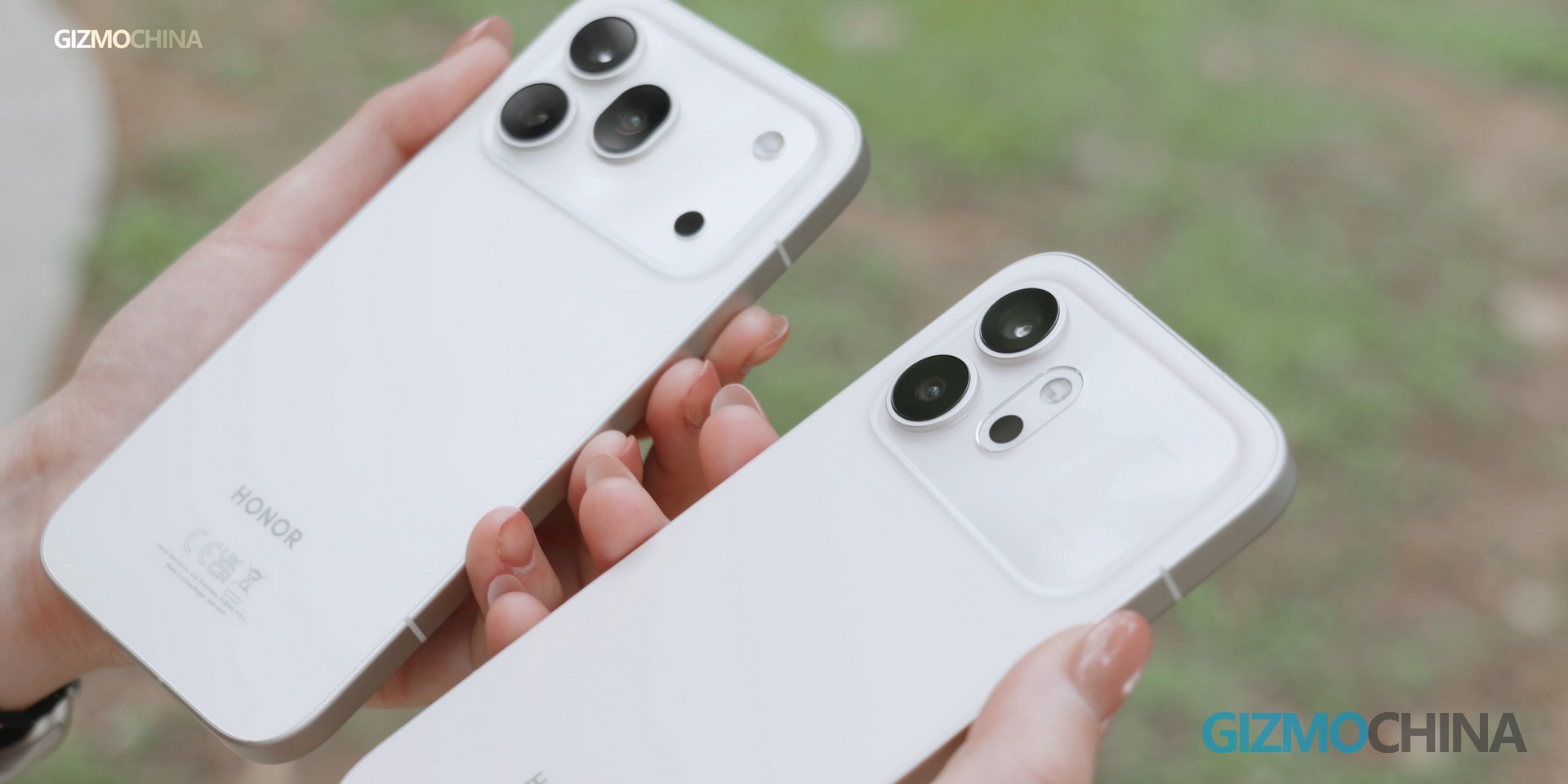
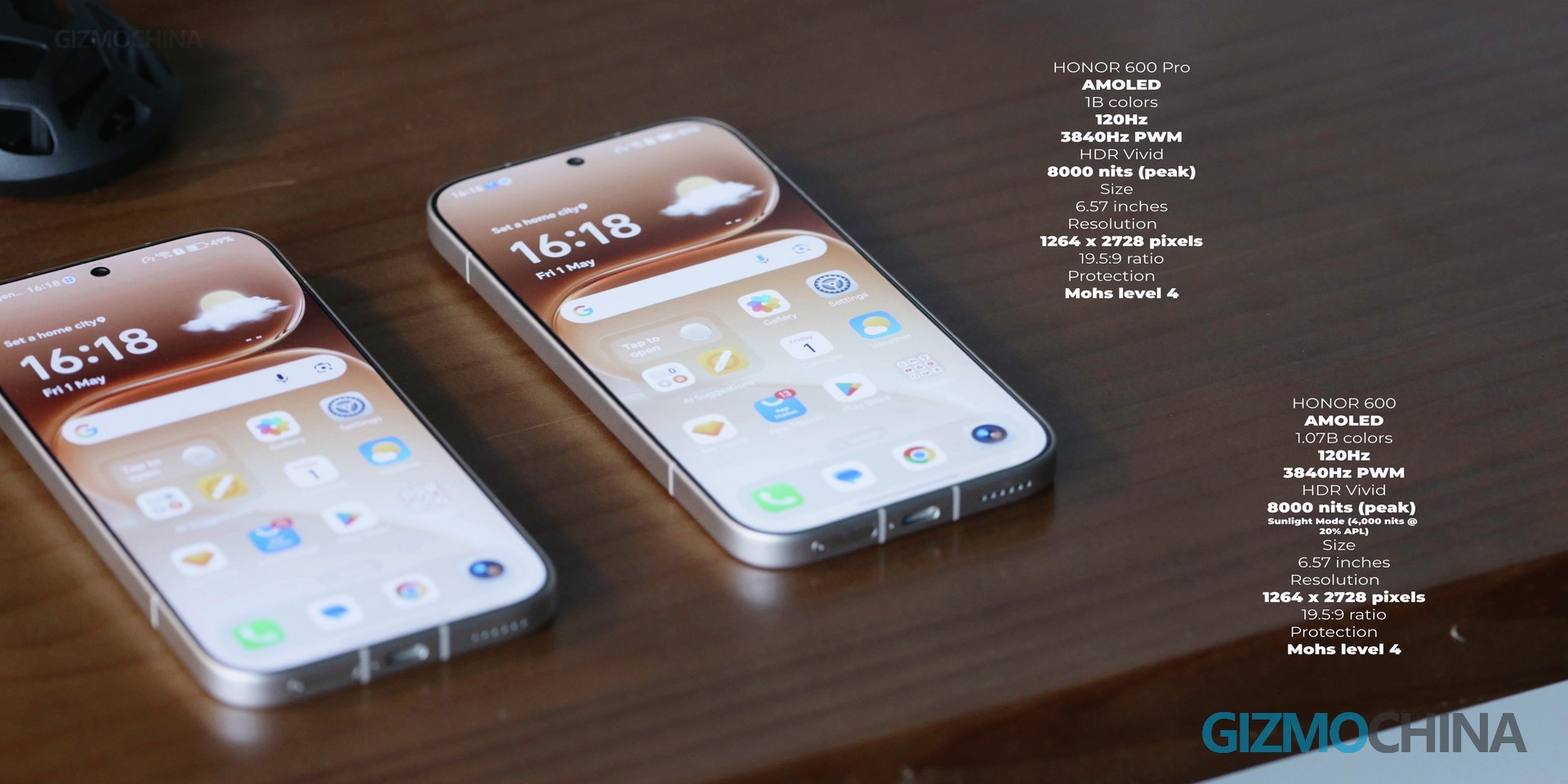
Both phones share the same display: a 6.57-inch AMOLED flat screen. And yes, it’s flat — a significant advantage for flat-screen enthusiasts — with extremely slim bezels. Combined with the largest corner radius of any Android device, the front-facing design projects a presence that easily punches above its mid-range class.
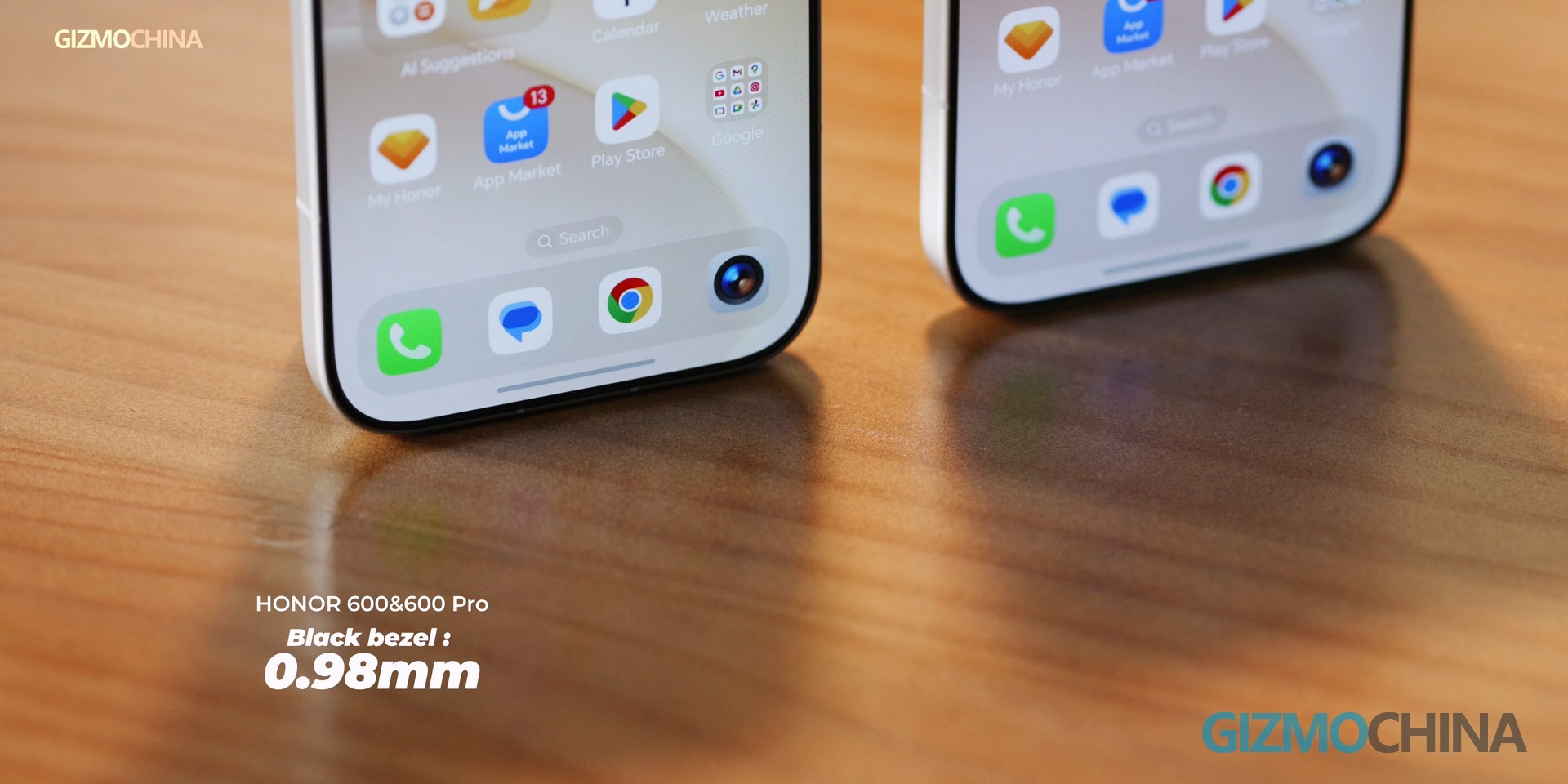
The physical dimensions are identical. The only difference is weight. That extra 10 grams in the Pro model is barely noticeable in the hand, but it’s the price you pay for that telephoto lens. In a sense, those 10 grams are the most valuable 10 grams on this entire phone. It’s also worth noting that IP68, IP69, and IP69K water and dust resistance are present on both devices. Whether you’re at the beach or caught in the rain, you won’t have to worry as long as you’re not intentionally submerging it. This level of protection remains rare at this price point.
Display
I’ll admit, I initially dismissed the “8000 nits HDR peak brightness” as marketing speak, reminiscent of the early “hundred-megapixel” craze.
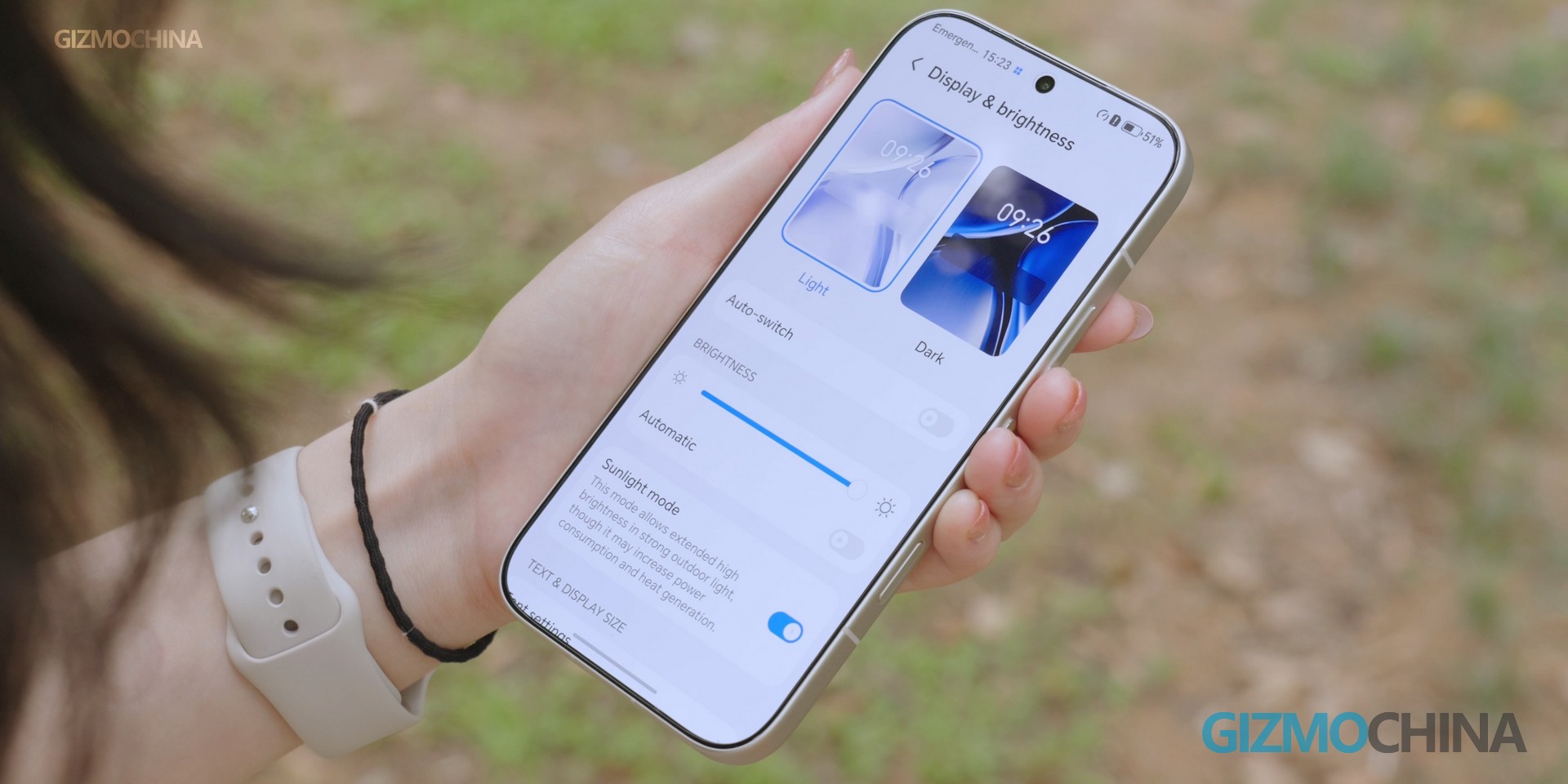
But after using it, I stand corrected. The greatest value of this display isn’t that theoretical peak of 8000 nits — it’s the Sunlight Mode. You won’t notice it indoors, but under direct sunlight at noon, the screen automatically ramps up to another level. According to official data, at 20% APL, it can hit 4000 nits. The simple translation is: while other phones force you to shield the screen with your hand just to see what’s on it, you can continue to browse messages and use navigation without issue.
Both displays share identical specifications: a 120Hz refresh rate, 3840Hz ultra-high frequency PWM dimming, and 1.07 billion colors. After using both the standard and Pro models for a week in low-light nighttime conditions, I can confirm that eye strain is significantly reduced compared to certain flagships with low-frequency PWM dimming. For those who tend to scroll through their phones for a while after turning off the lights, this display offers a distinct, yet often overlooked, advantage.
System & AI
Both phones run MagicOS 10, based on Android 16, and both feature the dedicated AI Button. I find the logic behind this AI button quite clever. It’s not a “press and talk” voice assistant, but rather a contextual trigger. For example, when you’re viewing photos in the gallery, a long press of the AI button directly launches AI Image to Video 2.0 — select a few images, type a description, and generate a 3 to 8-second video. This feature is available on both the standard and Pro models, and the experience is identical.
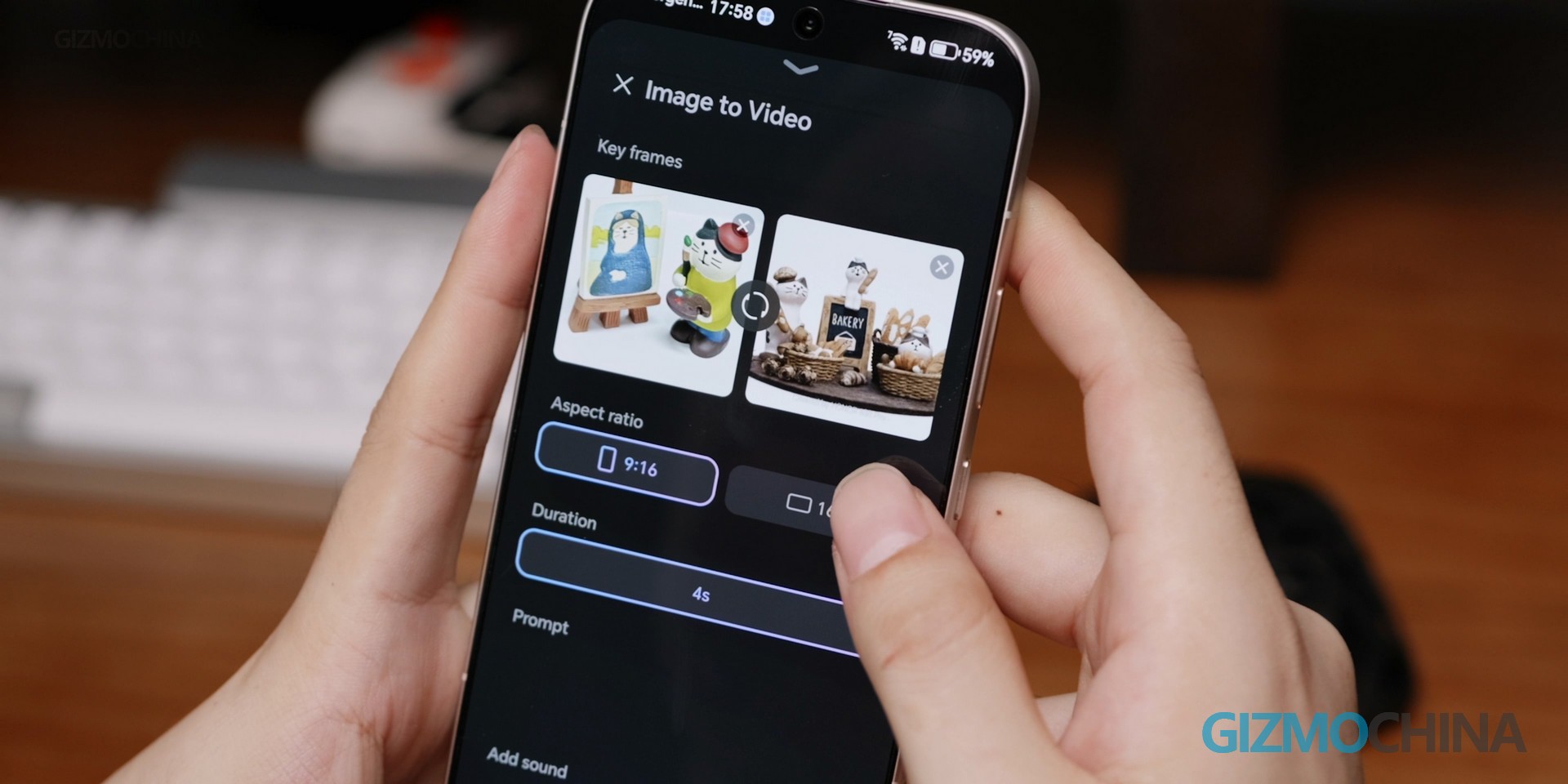
These AI experiences are the same across both models. Where the gap truly opens is the underlying performance headroom.
The Pro model’s Snapdragon 8 Elite is significantly more powerful than the standard model’s Snapdragon 7 Gen 4. In practical AI terms, this means the Pro generates videos faster, handles multitasking more smoothly, and keeps more apps active in the background. You might not notice it in everyday casual use, but if you’re simultaneously running AI generation, navigation, and background music streaming, the Pro model’s composure becomes apparent.
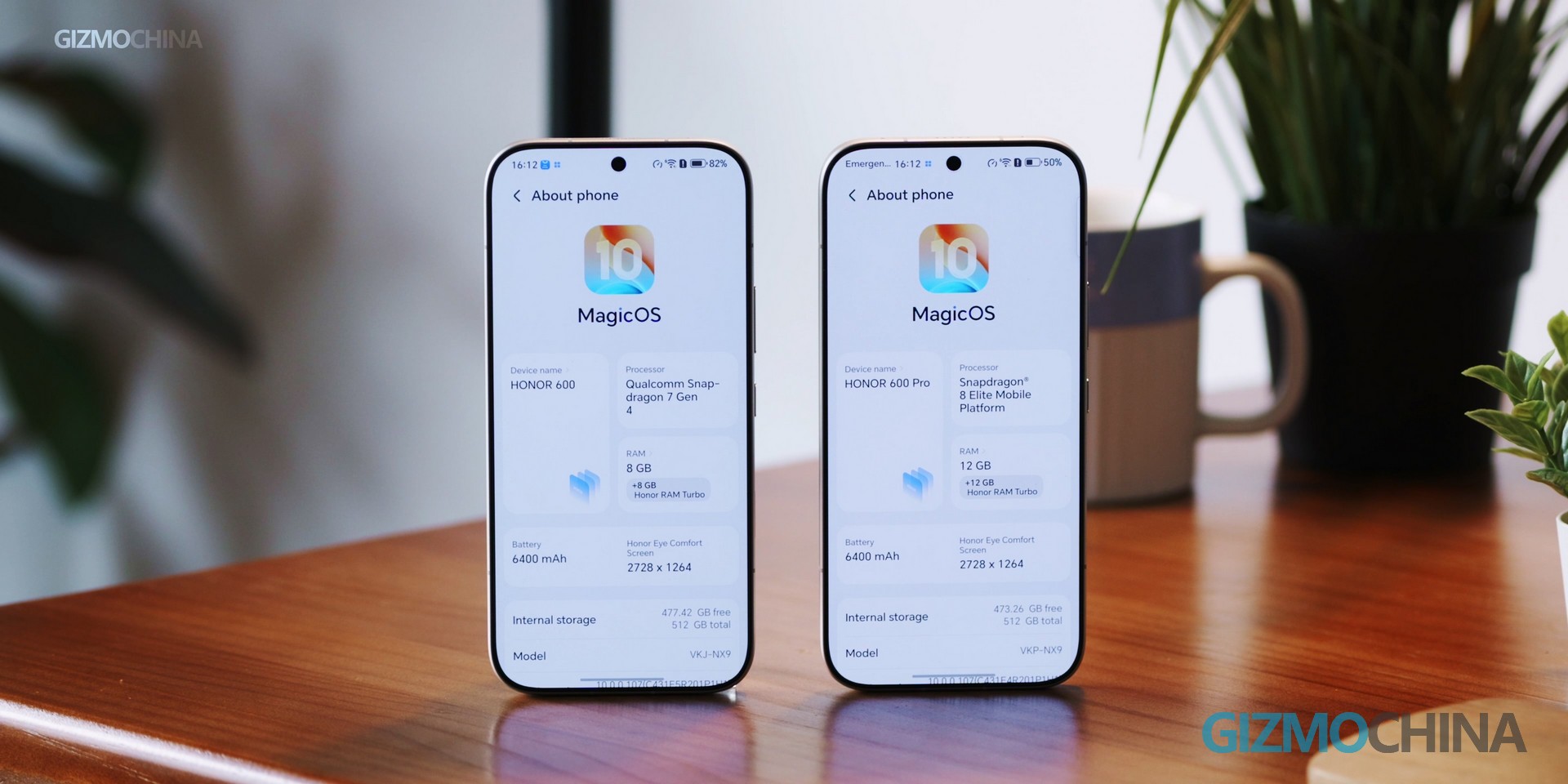
Performance & Battery Life: Same 7000mAh, Different Ceilings
Both phones pack a 7000mAh battery. That’s an extraordinary number, made even more impressive by the fact that both maintain a 7.8mm thickness. In real-world testing, the standard 600 easily lasts two days on a single charge with light to moderate use. The Pro model, with its more powerful chipset and marginally higher power draw, still comfortably delivers a day and a half to two days of use.
On the charging front:
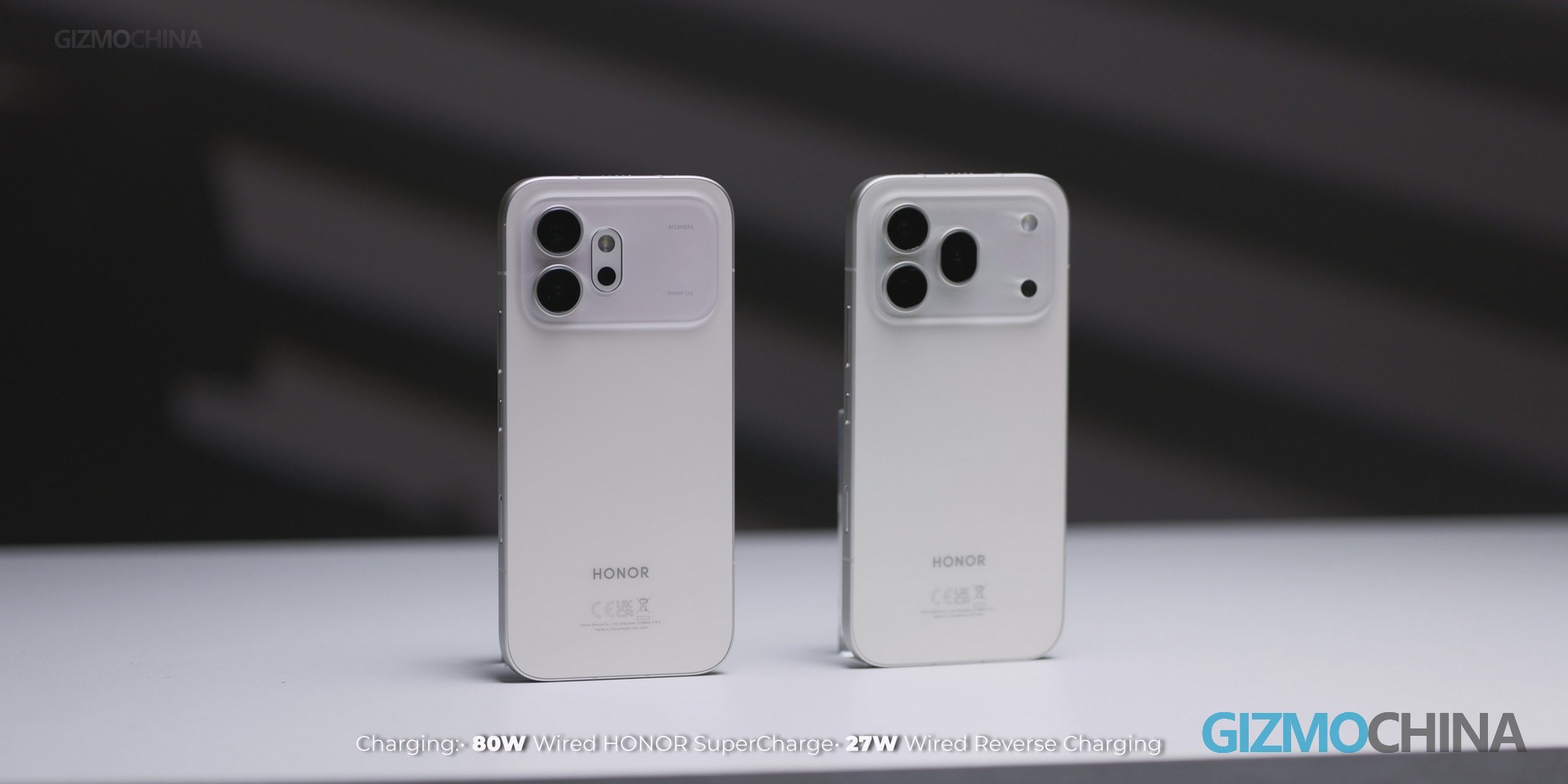
- Both support 80W wired fast charging
- The standard model supports 27W wired reverse charging
- The Pro model adds 50W wireless charging
This wireless charging capability has a real impact on usage habits. If you’re accustomed to simply placing your phone on a wireless charging pad, the Pro model will feel significantly more convenient. If that’s not part of your routine, the standard model is perfectly adequate.
Cameras
Earlier, I mentioned that the Pro model’s extra 10 grams over the standard version is the most valuable 10 grams on the entire device. This is why — the periscopic telephoto lens.
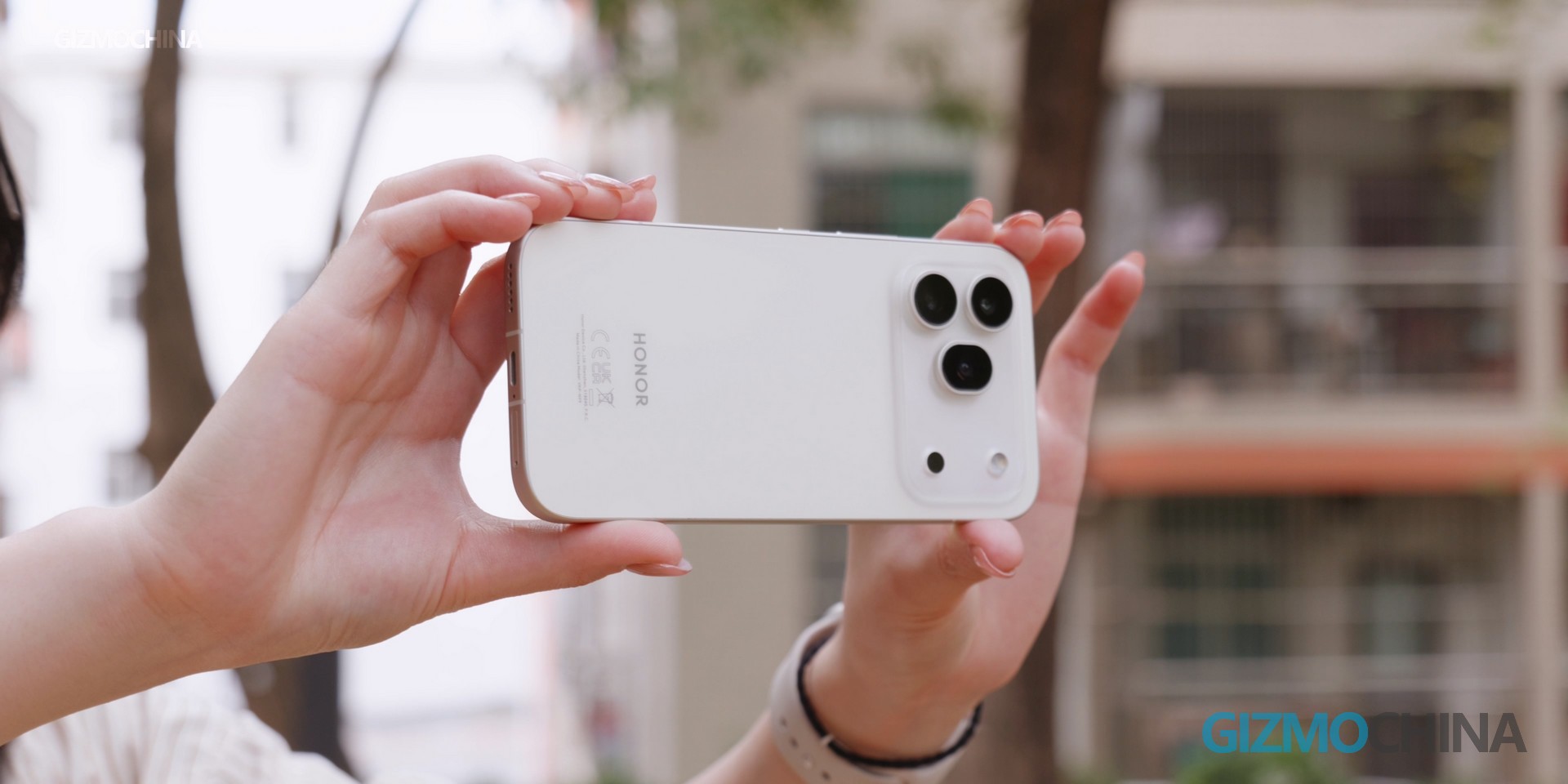
The main cameras on both phones are identical. Daytime, nighttime, and low-light shots are highly consistent between the two. The main camera, paired with the AI Night Engine, delivers a very high success rate, especially in low light — as long as you keep the phone reasonably steady, blur is rarely an issue.
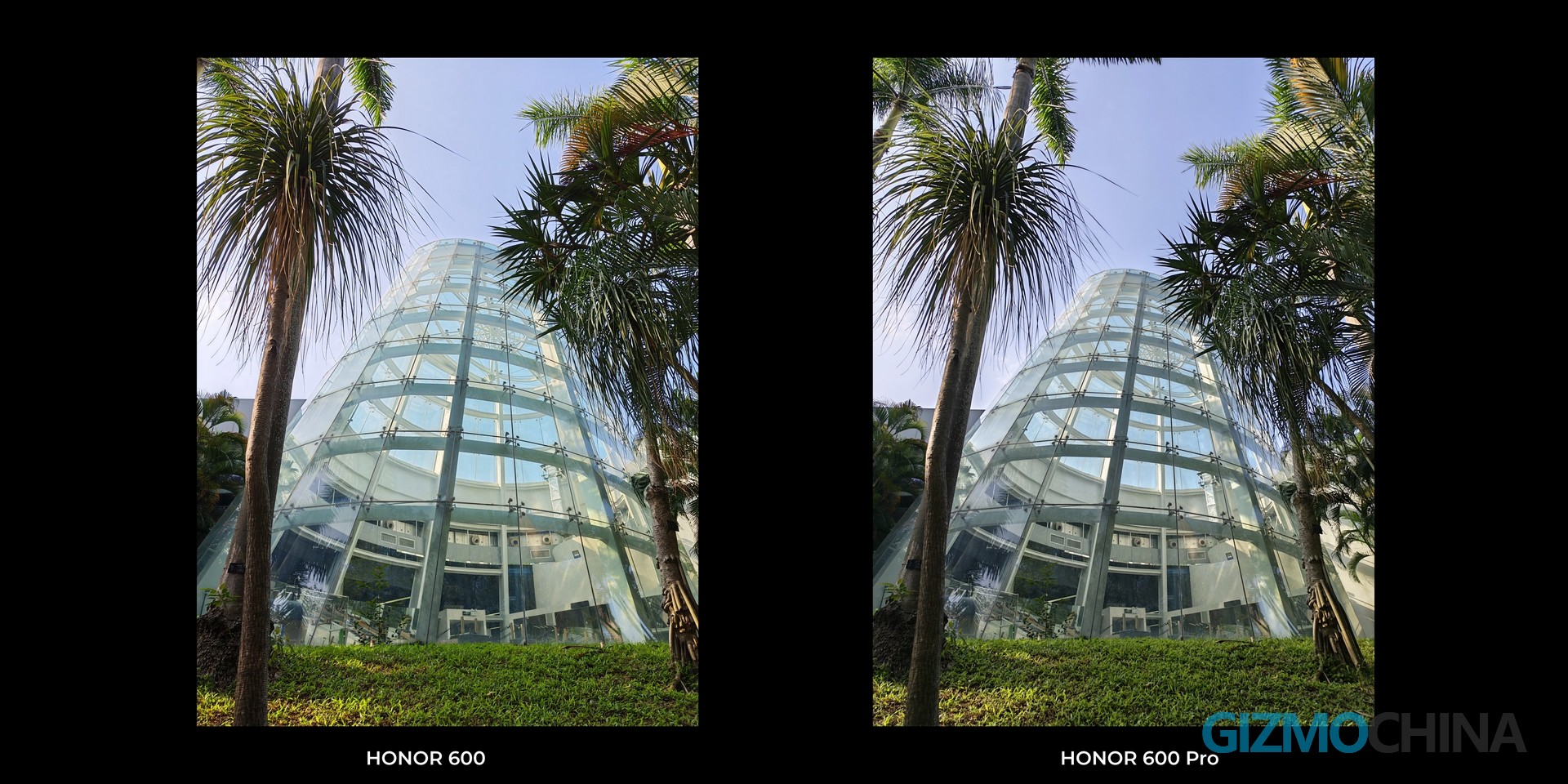
But the moment you zoom to mid or long range, the difference becomes immediately apparent. The standard 600 relies on cropping from the main camera beyond roughly 3x, where quality begins to visibly degrade. The 600 Pro adds a 50MP periscopic telephoto lens with excellent stabilization, offering 3.5x optical zoom and up to 120x hybrid zoom.

Here’s a real-world example: from an overpass, I used the Pro model’s 10x zoom to capture the illuminated signage of a distant building. The detail was remarkably sharp — not at all what you’d expect from a mid-range device. So the camera summary is straightforward: the standard HONOR 600 has a very strong main camera, covering 90% of daily shooting scenarios. The HONOR 600 Pro offers the main camera plus a periscopic telephoto, covering 99% of scenarios, and adds a genuinely creative zoom range.
Conclusion
We’ve summarized the strengths of both phones for your reference.
The HONOR 600 series represents a very smart product strategy. It doesn’t cripple the standard version just to make the Pro model look “stronger.”What it trims is primarily the periscopic telephoto lens and wireless charging, with a slightly lower-tier chipset that remains perfectly adequate for most users. The HONOR 600 Pro builds on the standard version by adding: the periscopic telephoto lens, 50W wireless charging, the Snapdragon 8 Elite flagship core, and more responsive AI processing under heavy loads.
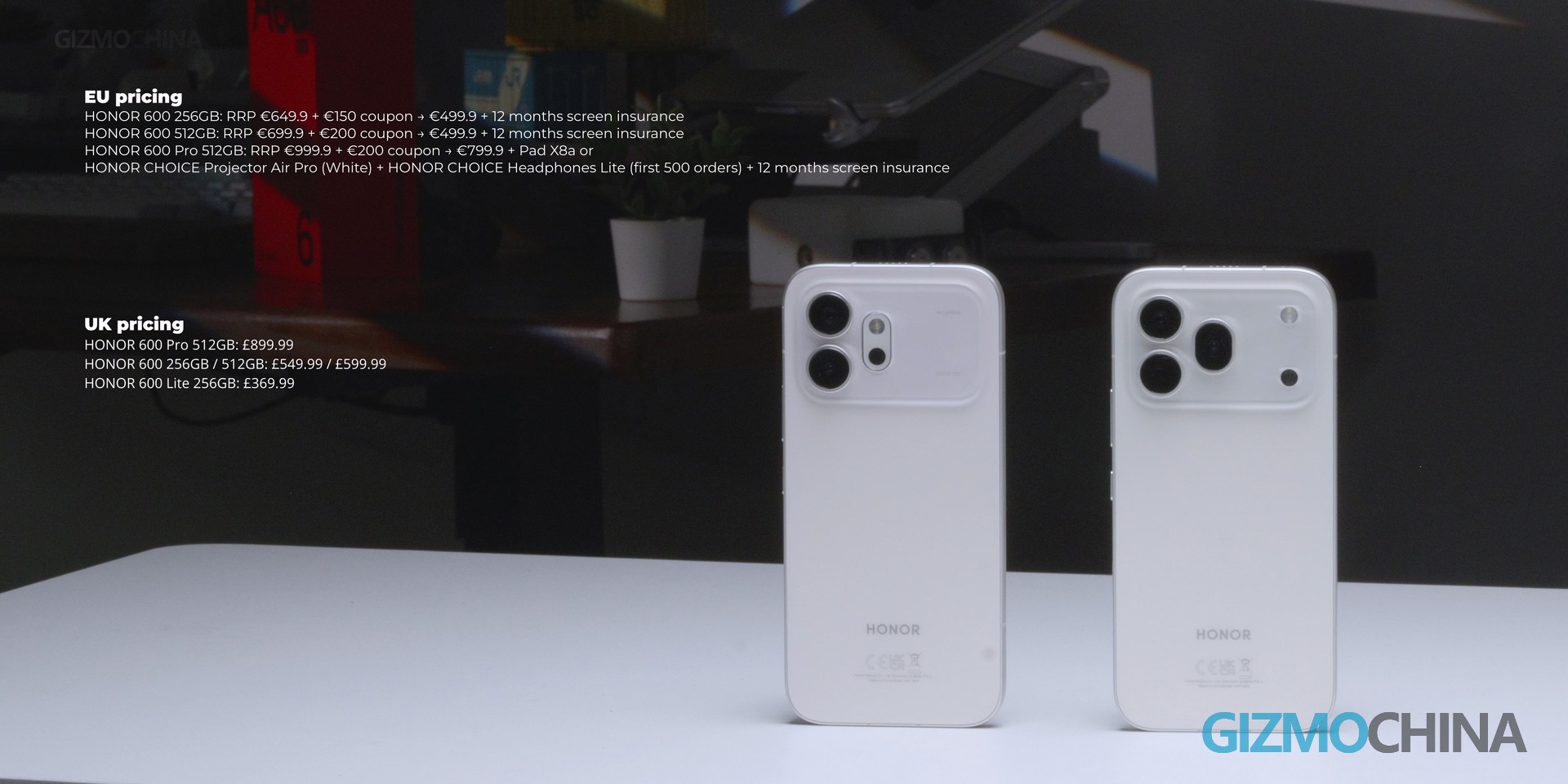
Pricing has already been announced for the EU market: the standard 600 is effectively €499.9 after voucher with screen insurance, while the Pro is priced at €799.9 bundled with a tablet or projector. The UK Pro model is priced at £899.99.
So which one should you pick? Go with the HONOR 600 if you prefer a flat display, put battery life above all else, want a dependable primary phone that’ll easily last two to three years without breaking the bank, and don’t rely heavily on telephoto photography.



Comments