
Add GIZMOCHINA as Preferred Source on Google
Although I already shared my hands-on experience with the photography kit in the vivo X300 Ultra review, the weather during those days was quite poor, so I didn’t manage to capture many sample shots. Recently, I decided to head out again—into the woods and down to the seaside—to see if I could truly uncover the potential of this kit. When something costs €600, you definitely wouldn’t dare buy it casually without doing your homework first. Hopefully, after reading this article, you’ll have a clearer idea of whether it’s worth the investment.
Unboxing
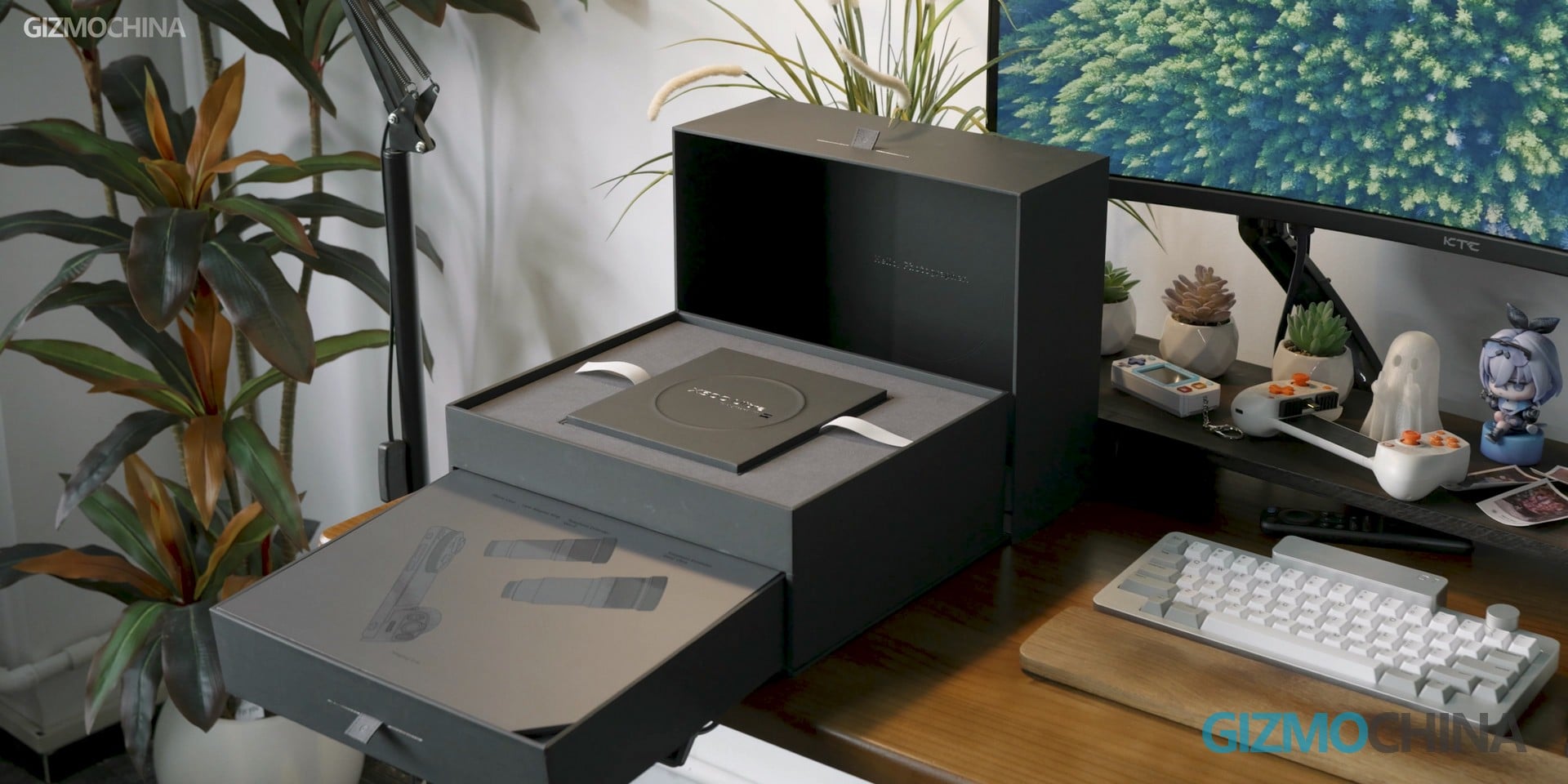
The first layer of the packaging is the X300 Ultra itself, while the second layer contains all the accessories from the vivo X300 Ultra photography kit.
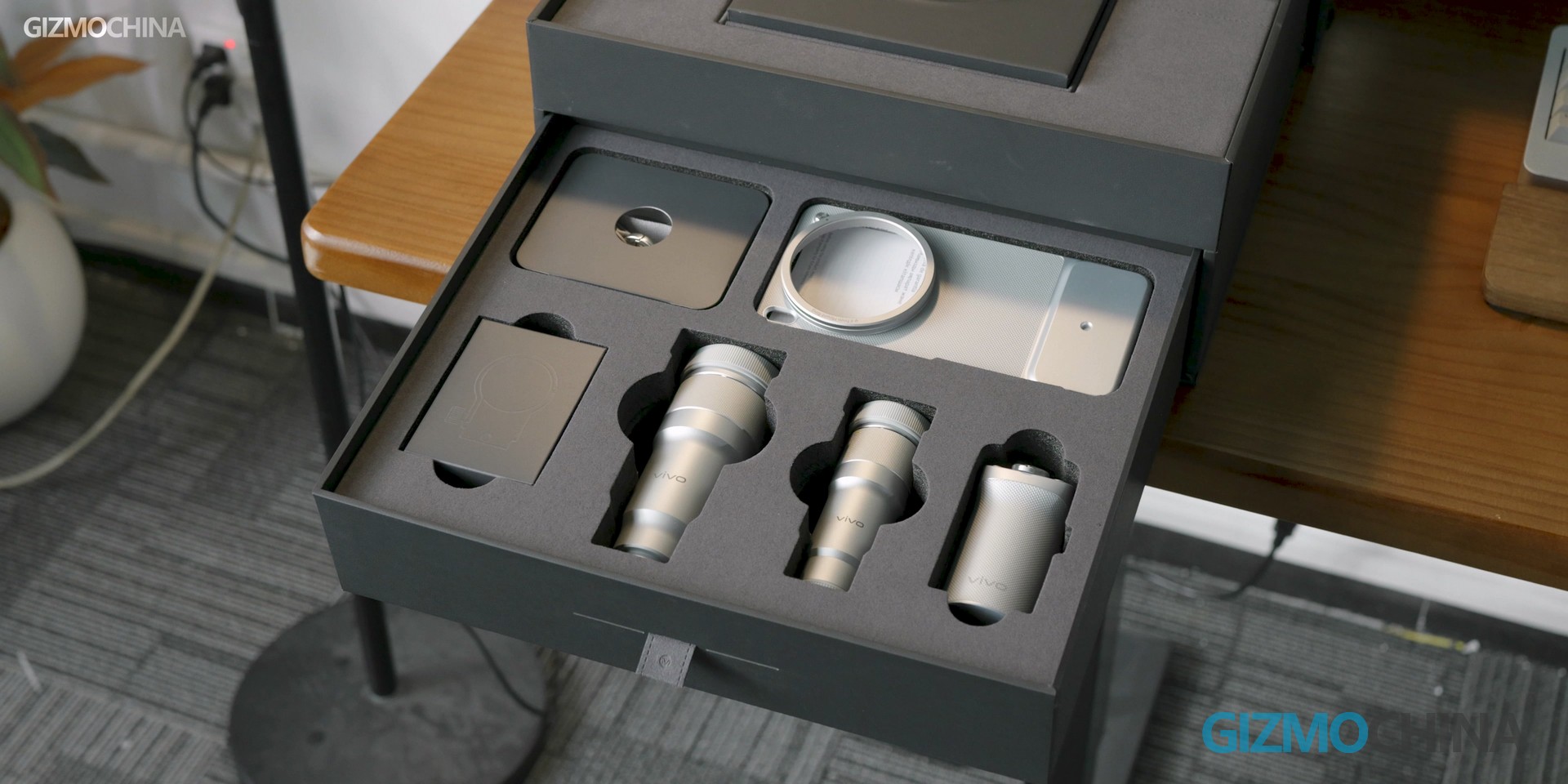
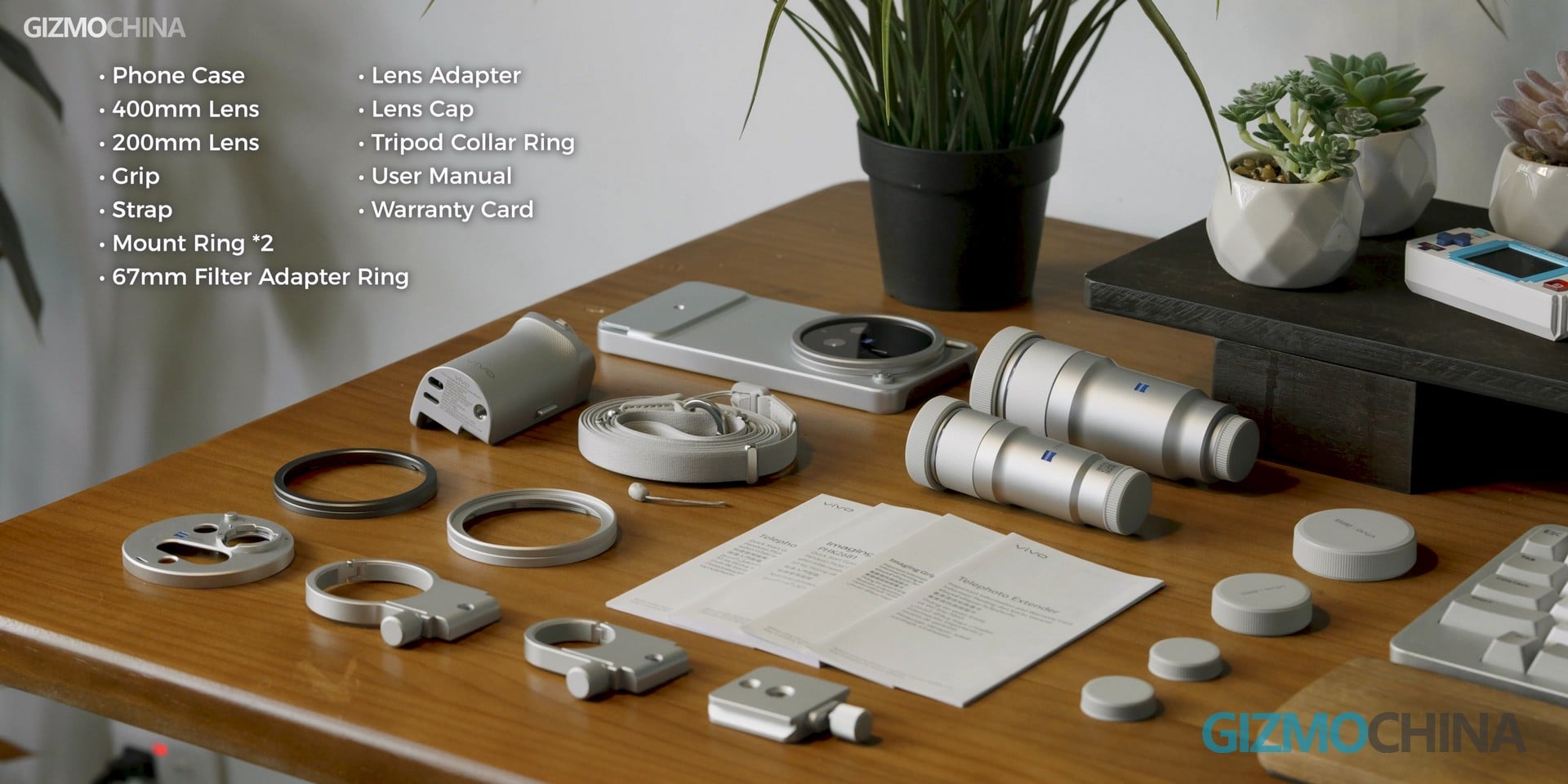
Actually, the accessories are basically the same as those of the first generation. There’s a tripod collar ring and also a 67mm filter adapter ring. Aside from this new 200mm teleconverter lens, everything else can easily be purchased from the official website. If you really only want the 200mm lens, make sure you check the link here.
Grip Usage Experience
The overall design of the new photography kit is pretty similar to the one from the X200 Ultra, except that the color has changed from black to silver. Once all the accessories are attached to the phone, it really does look quite a bit like a professional camera, right?
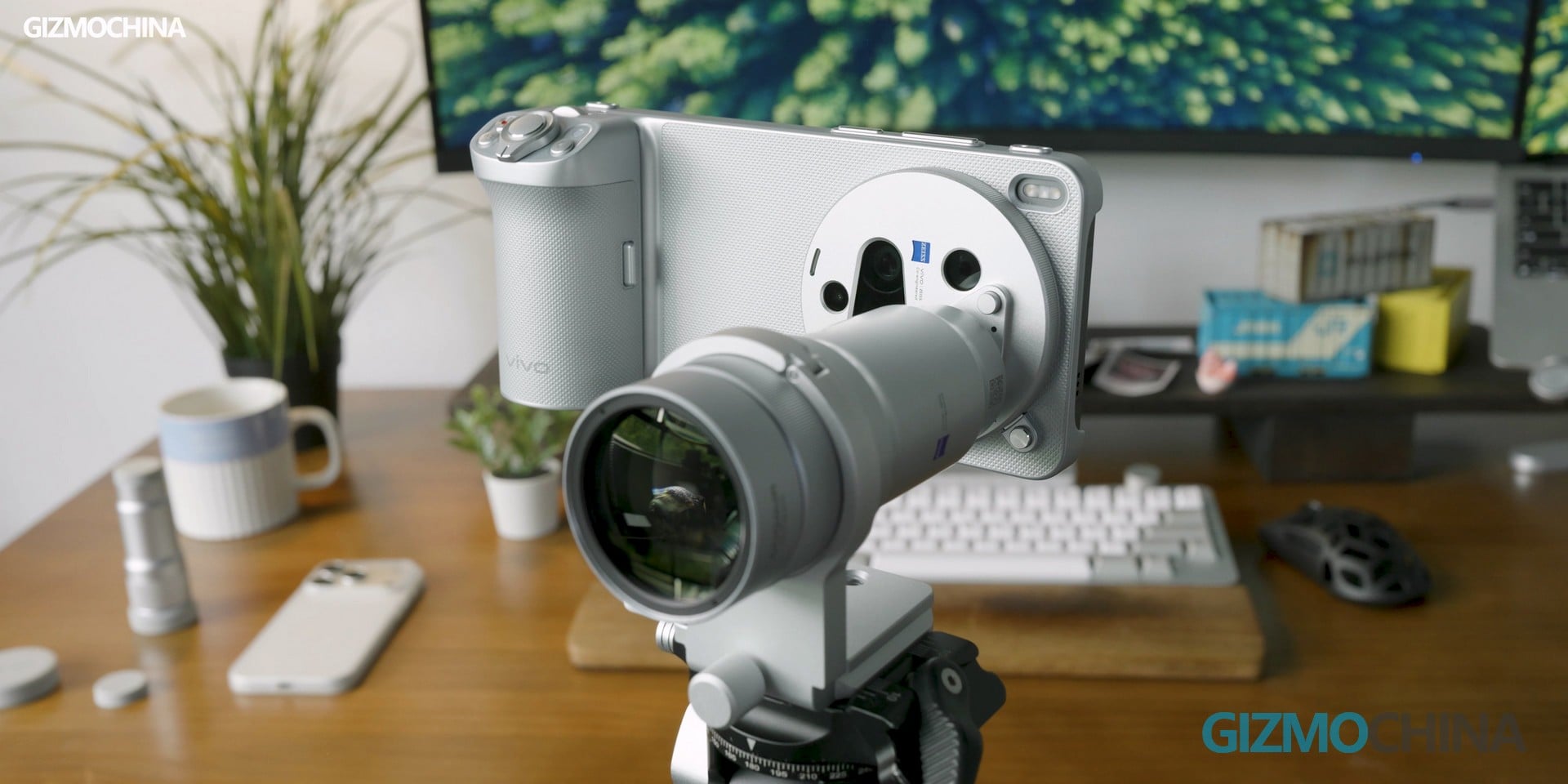
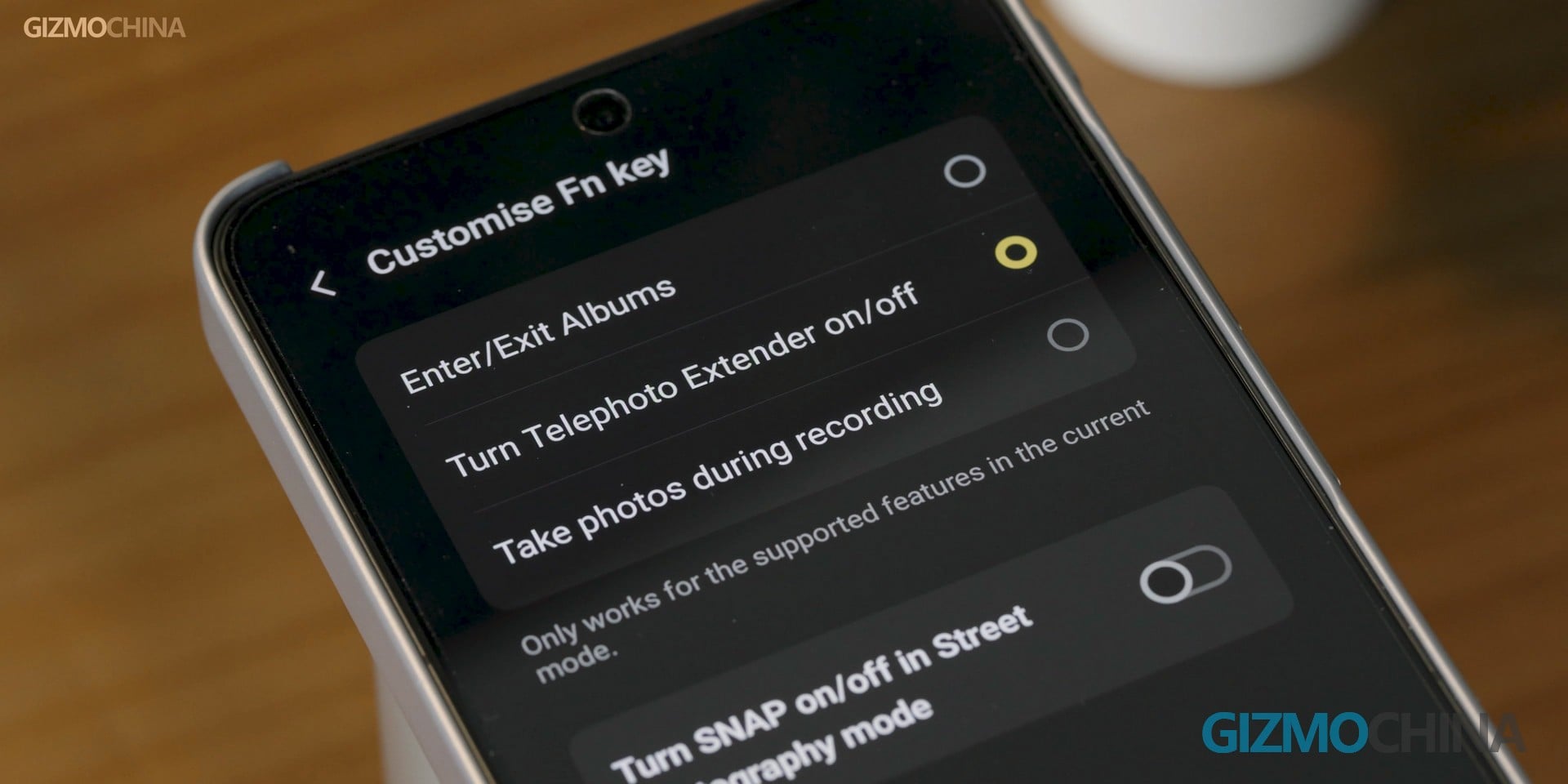
The imaging grip allows you to customize the function of every button and dial. Among them, I recommend customizing this function for the Fn key, because if you want to use the teleconverter lens for street photography or birding, this is the only way to quickly activate teleconverter mode.
Speaking of street photography, the 200mm teleconverter is probably the more suitable choice. The 400mm one not only sees farther than you’d imagine, but also feels pretty awkward in the hand. Compared to the grip, I actually prefer holding onto the lens itself. But with the 200mm one, you can just hold the grip normally.
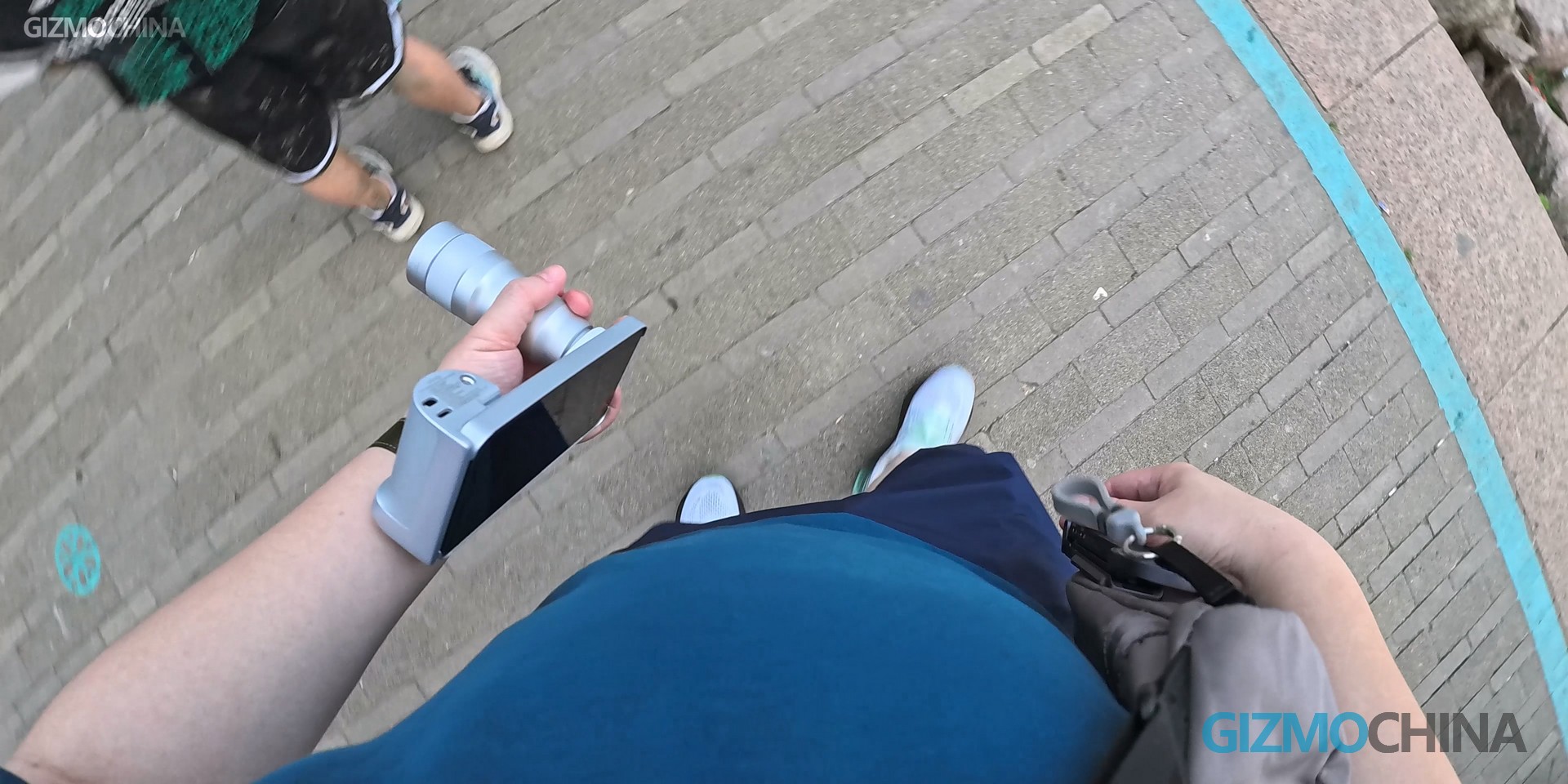
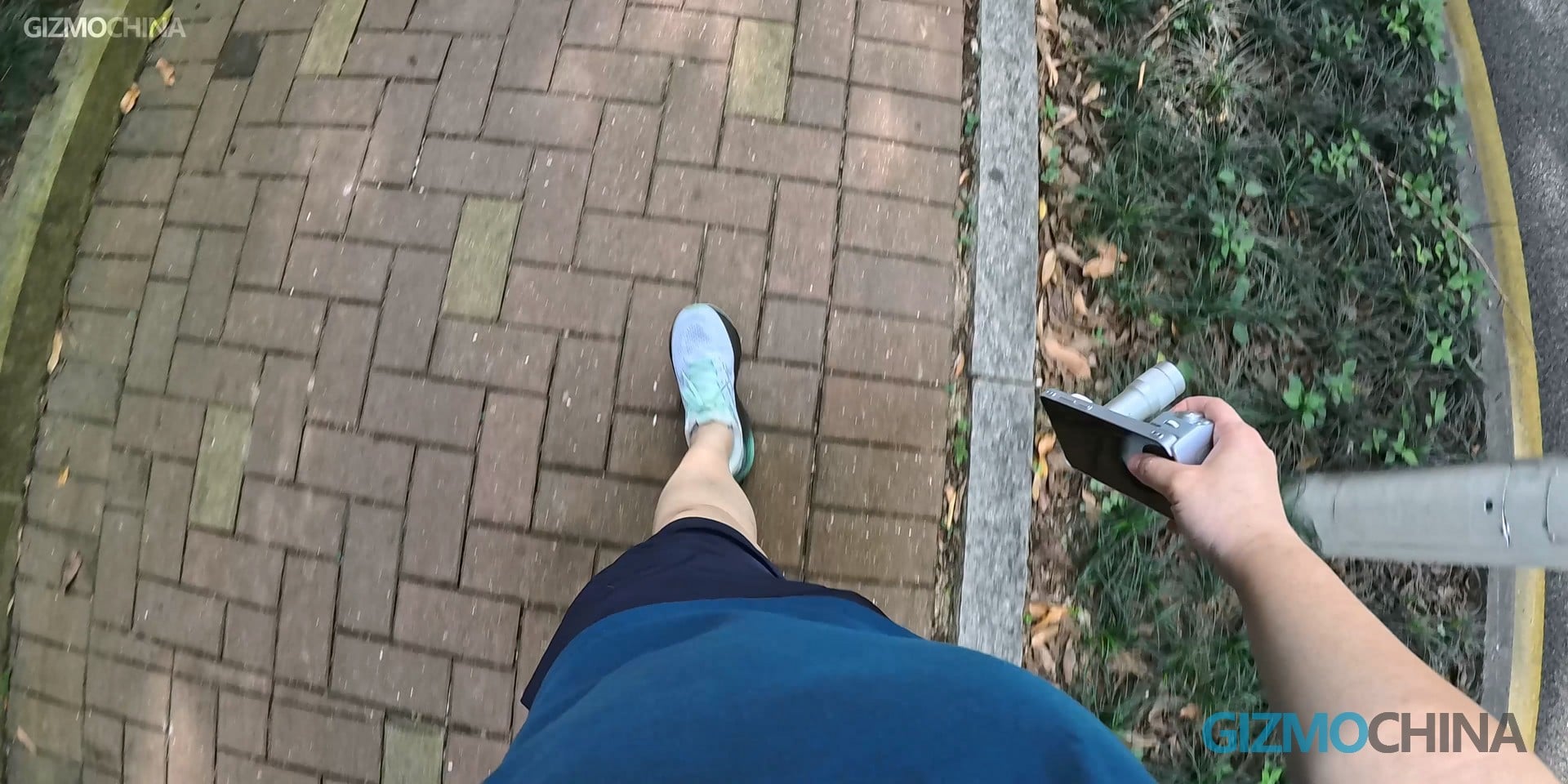
As for things like build quality or compatibility, I already talked about them in the X300 Ultra review, so I won’t repeat them here. Instead, let’s combine it with some photos and talk about the actual user experience.
Astrophotography
If you have a 400mm lens, I’m pretty sure you’ll be interested in the moon.
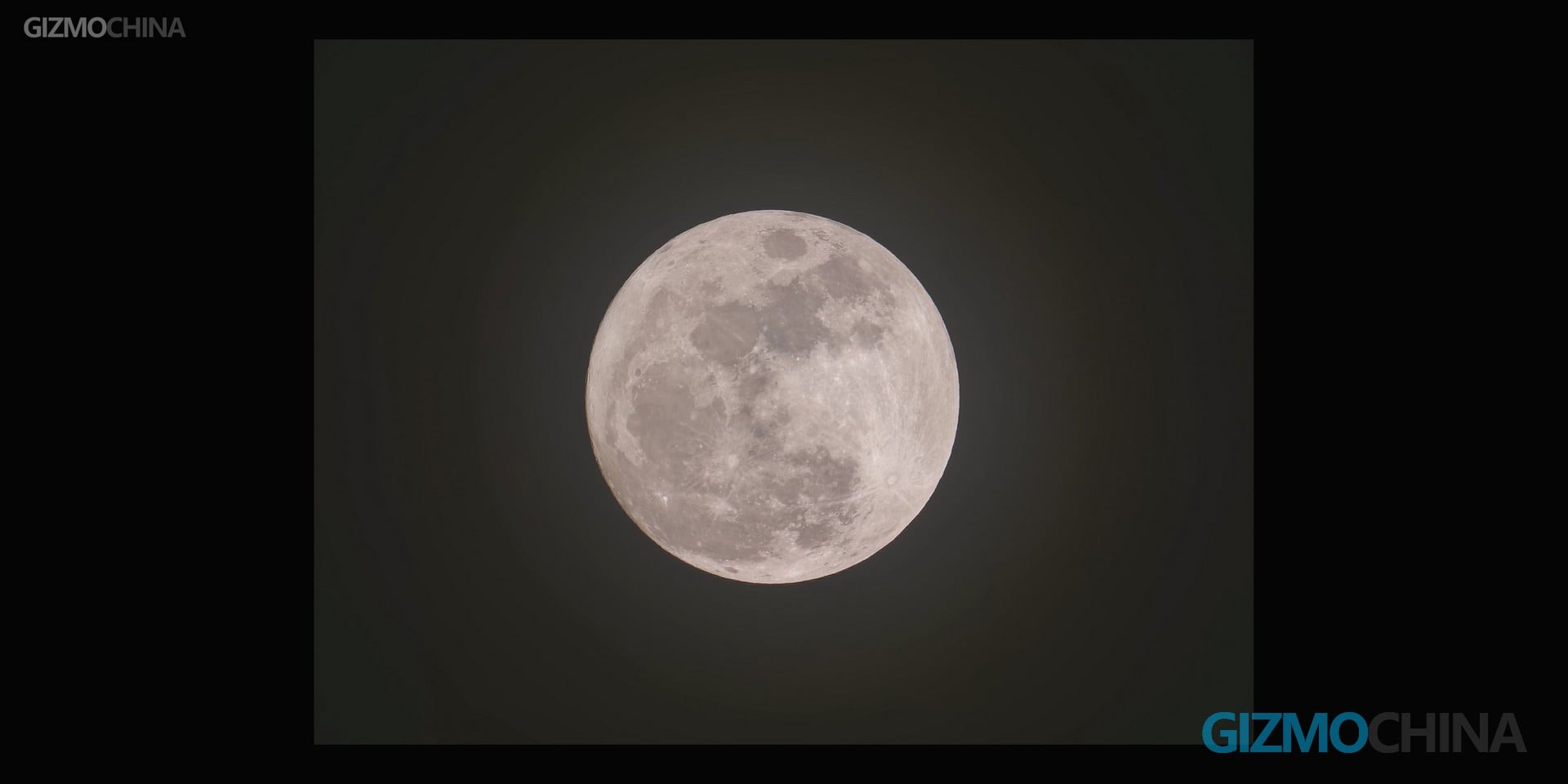
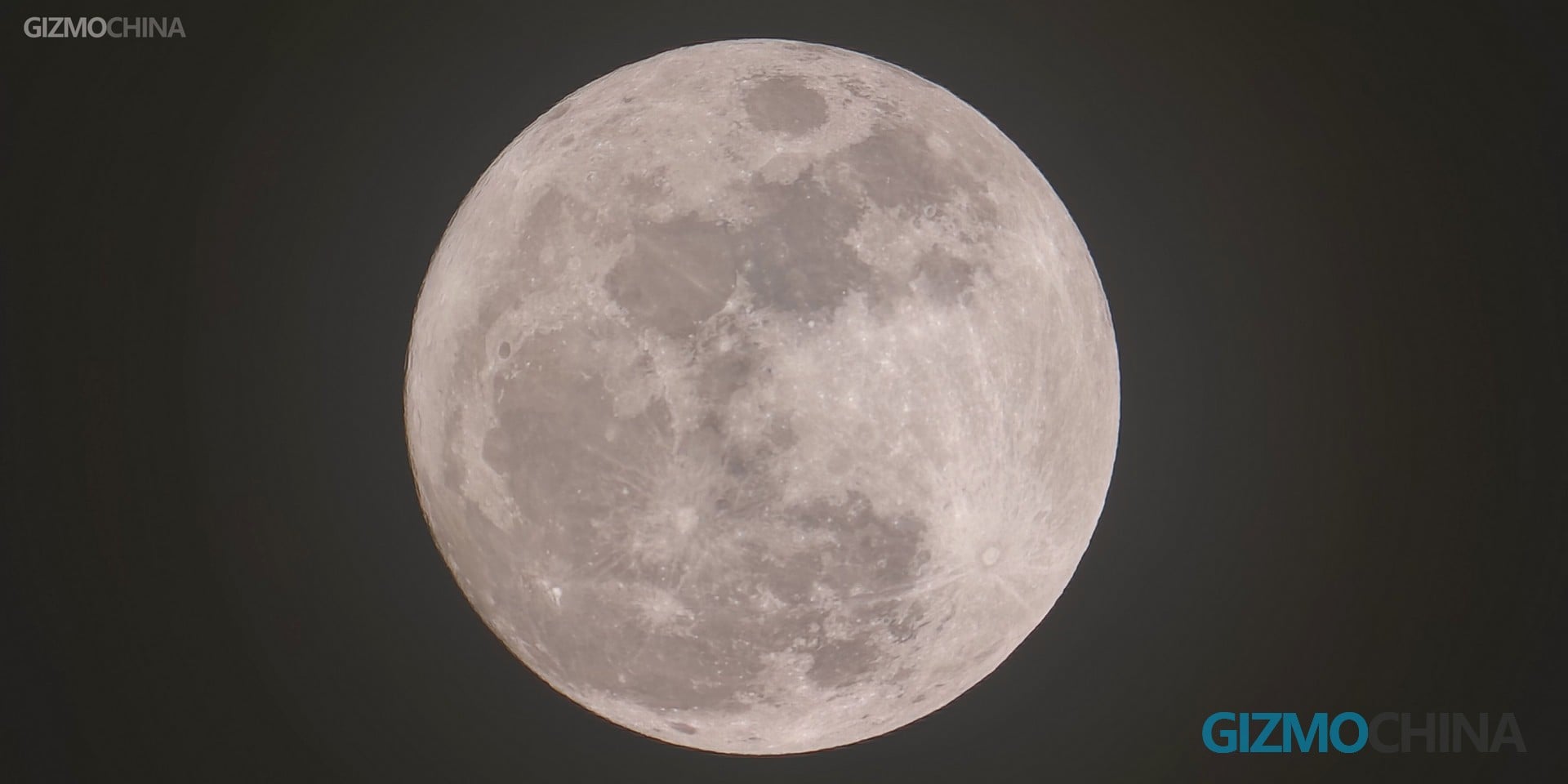
What do you think about this photo? Isn’t it hard to believe this was taken with a smartphone? Even though it was shot at 1600mm and definitely uses algorithms to enhance image quality, this is still the most natural-looking moon photo I’ve ever seen, with the least amount of obvious AI processing. You can see the craters on the surface, but without excessive sharpening. That’s the charm of an optical telephoto lens.
Maybe you haven’t realized what it means to shoot celestial objects without a tripod: the stabilization on this kit has reached to the next level. Out of the 9 photos I took, only one came out slightly blurry.
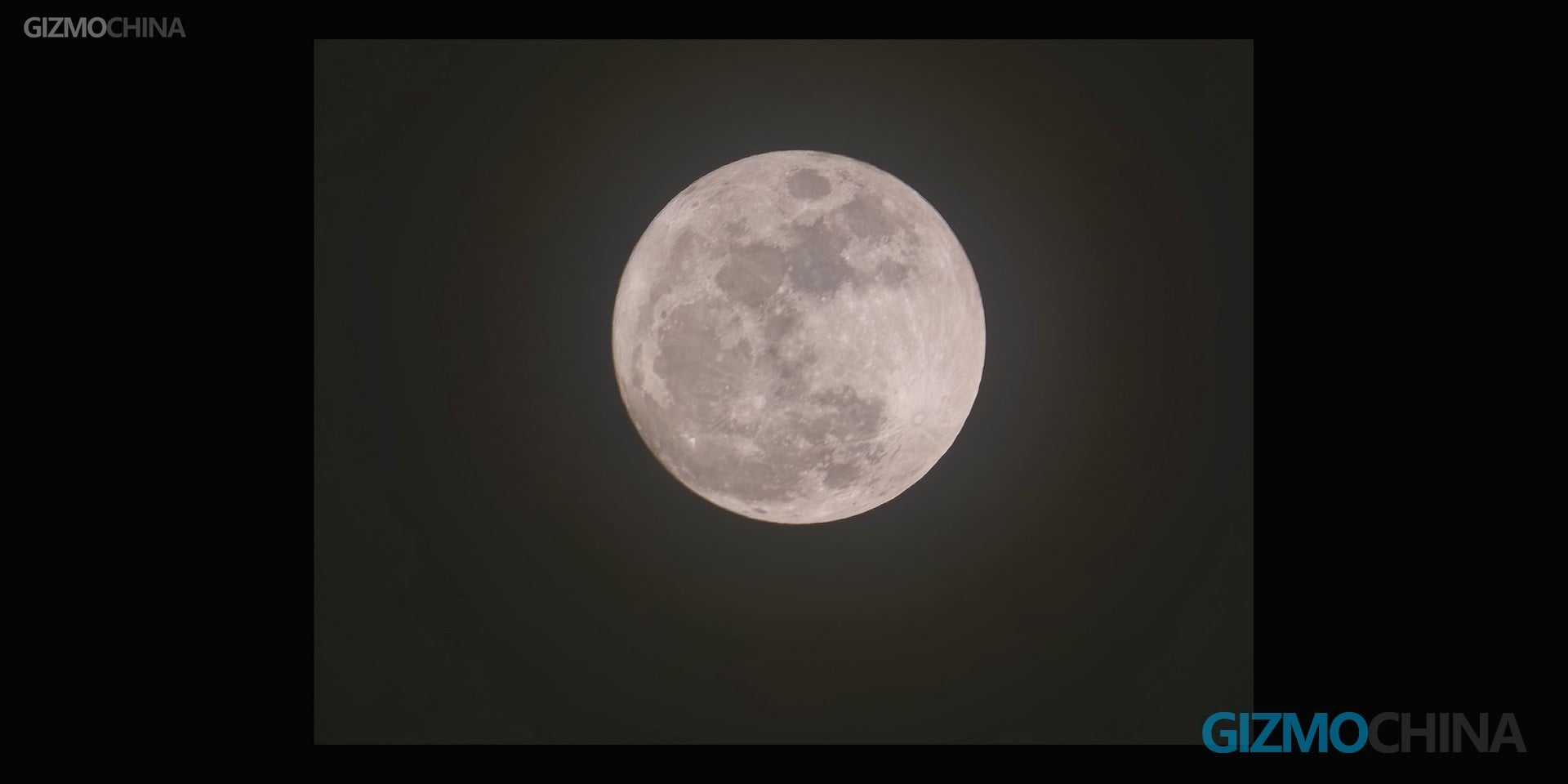
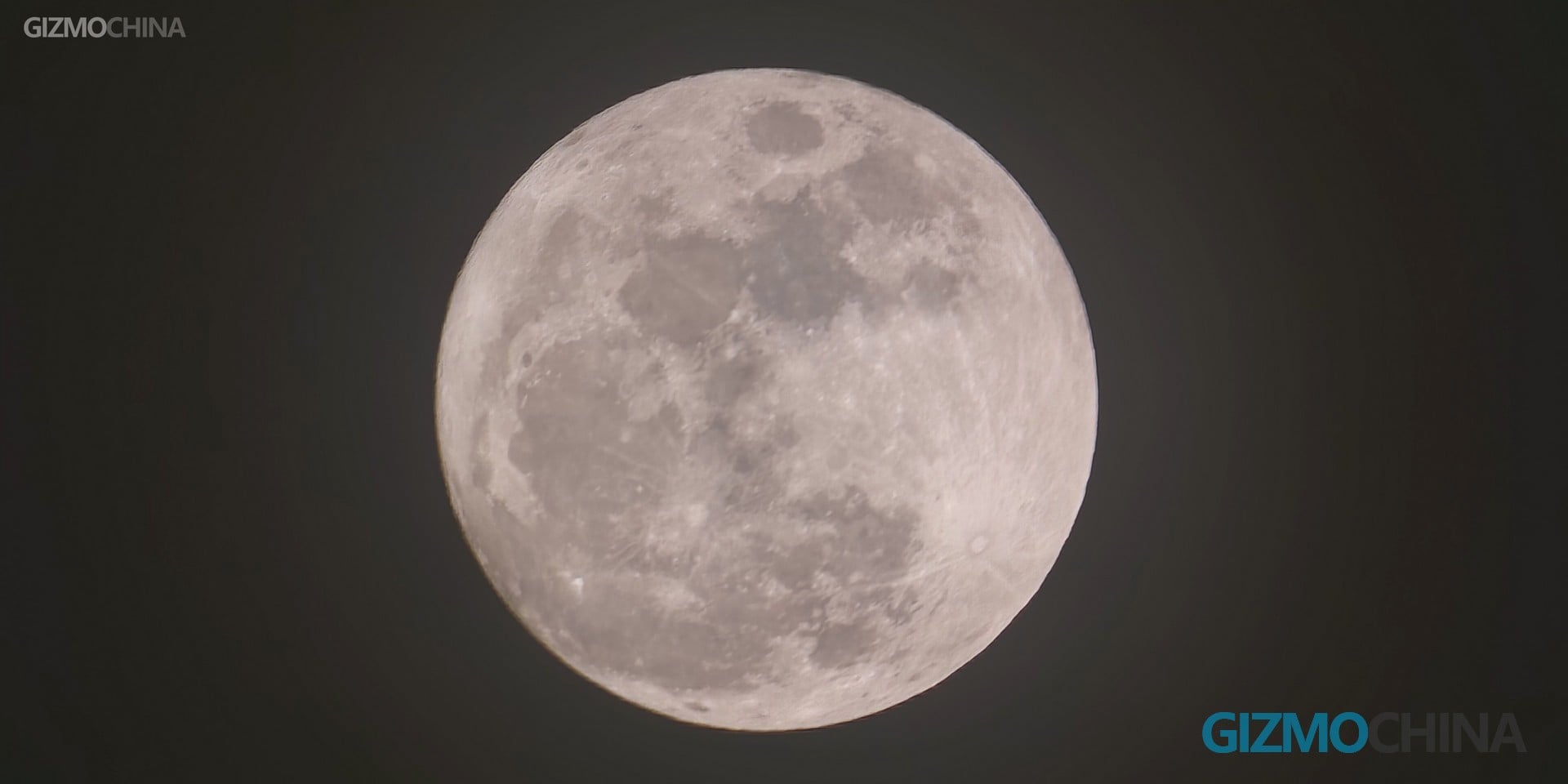
Even if you were holding a professional camera, you still wouldn’t be able to capture shots like this without a tripod. But aside from the moon, other celestial bodies are still too far away from Earth. If you really want to get into astrophotography, you’ll still need to buy more professional lenses.
Concert Photography
Ever since vivo started making teleconverter lenses, its phones have included a mode called “Stage”.
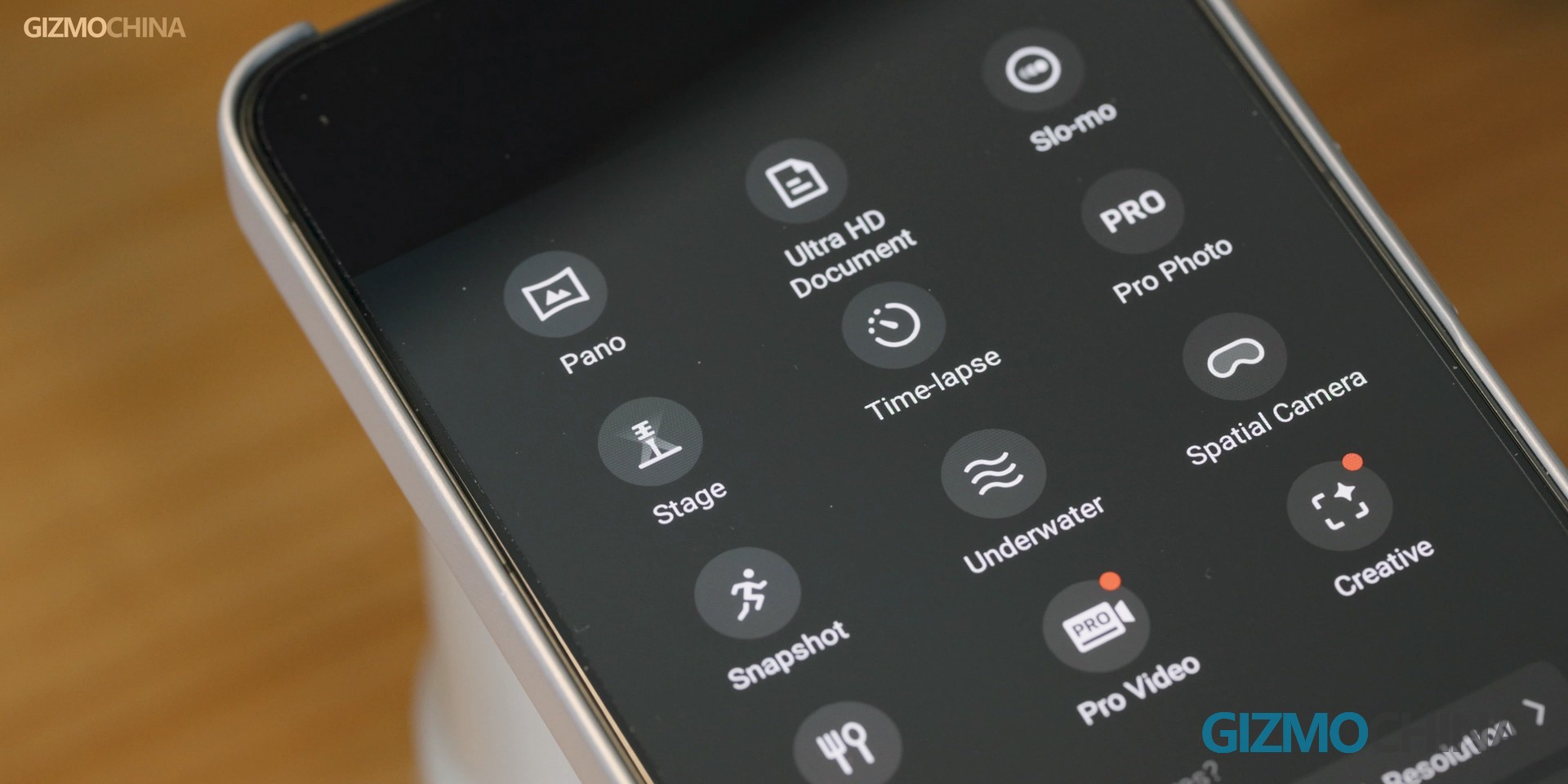
In this mode, exposure is lowered, shutter speed is shortened, contrast is increased, and AI enhances every detail of the subject. It’s hard to believe that from 20 meters away, you can clearly capture someone’s hair strands and even the texture of their face, but the X300 Ultra, combined with the teleconverter lens, really does achieve this.
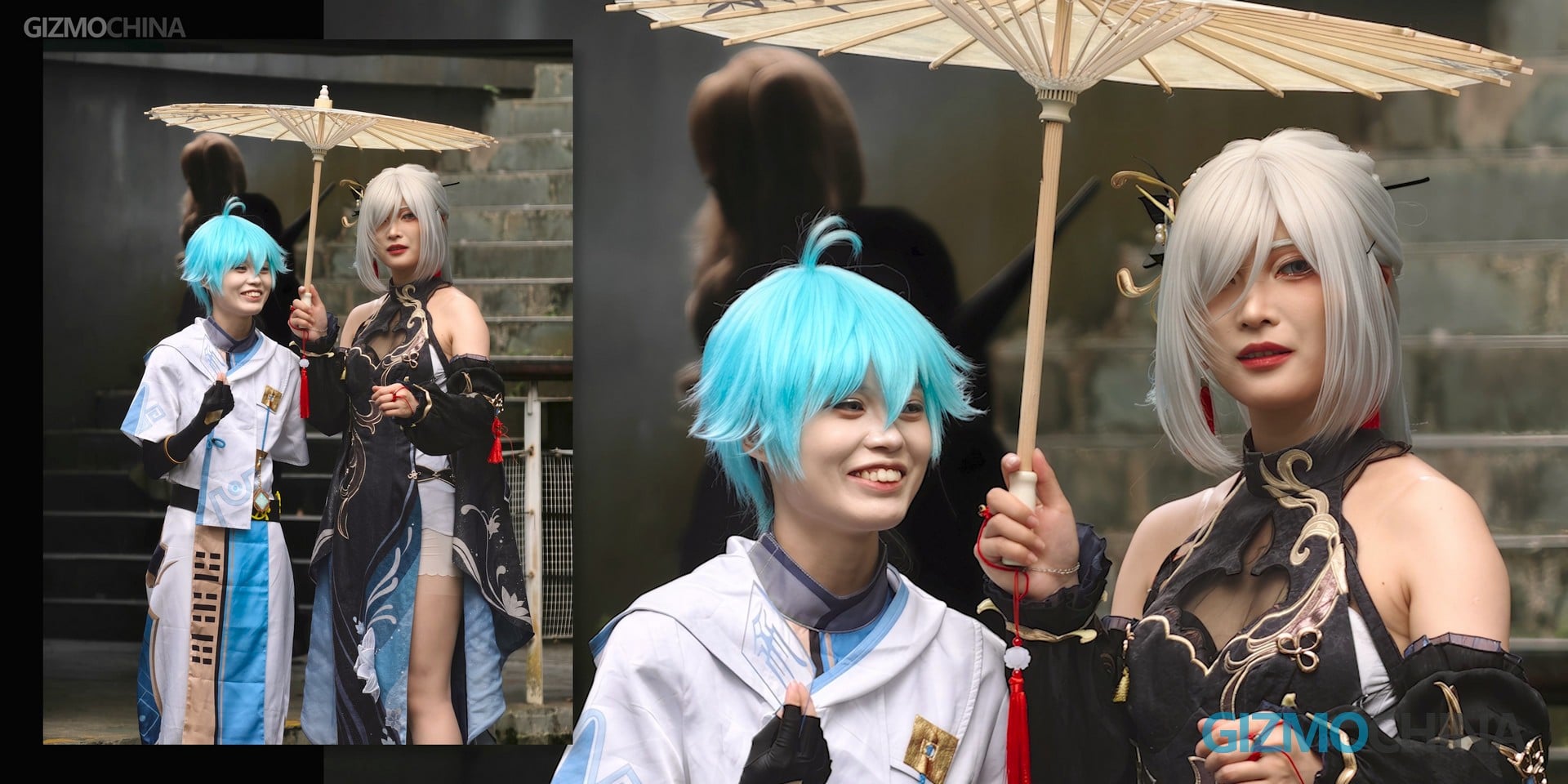
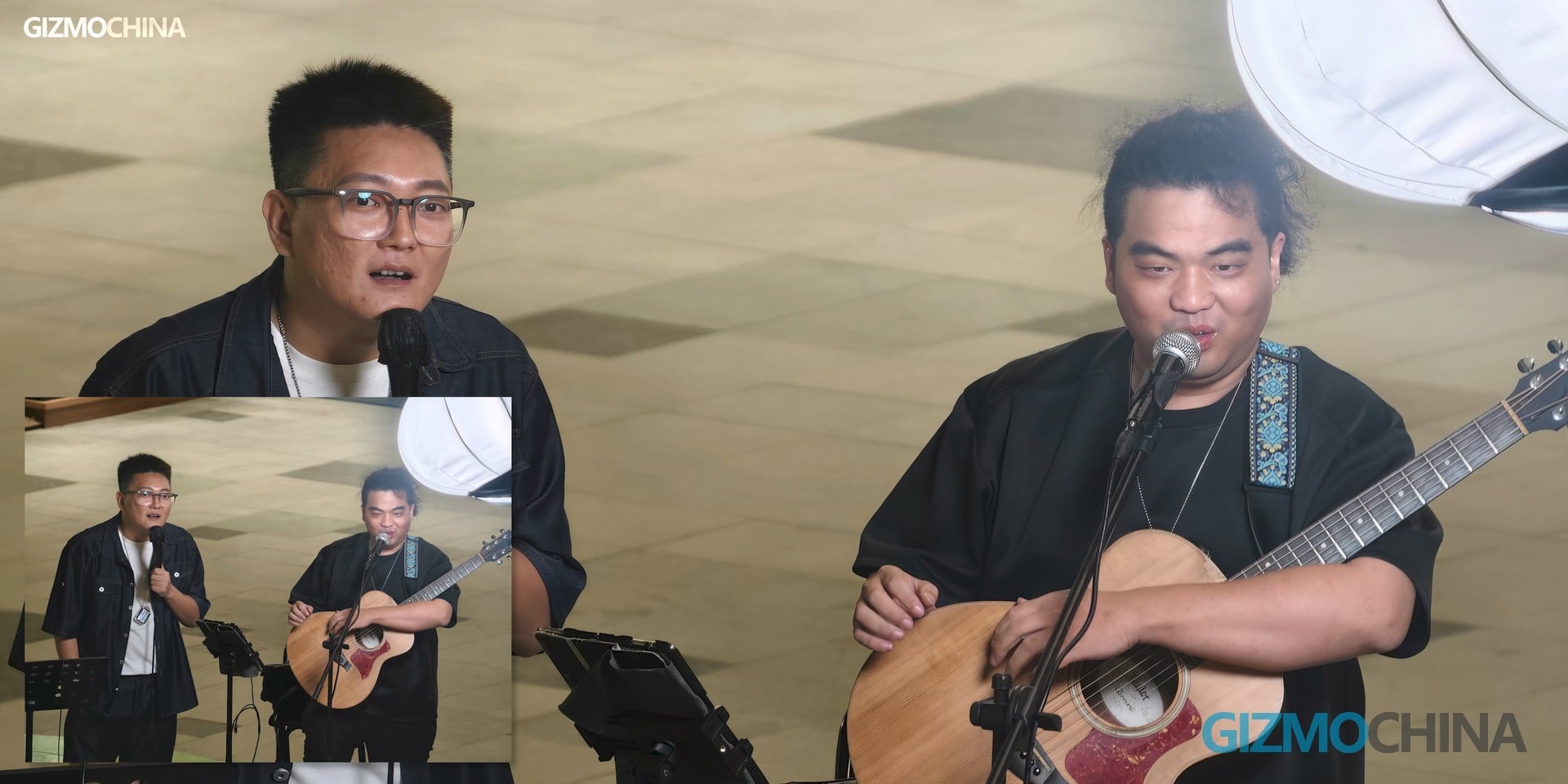

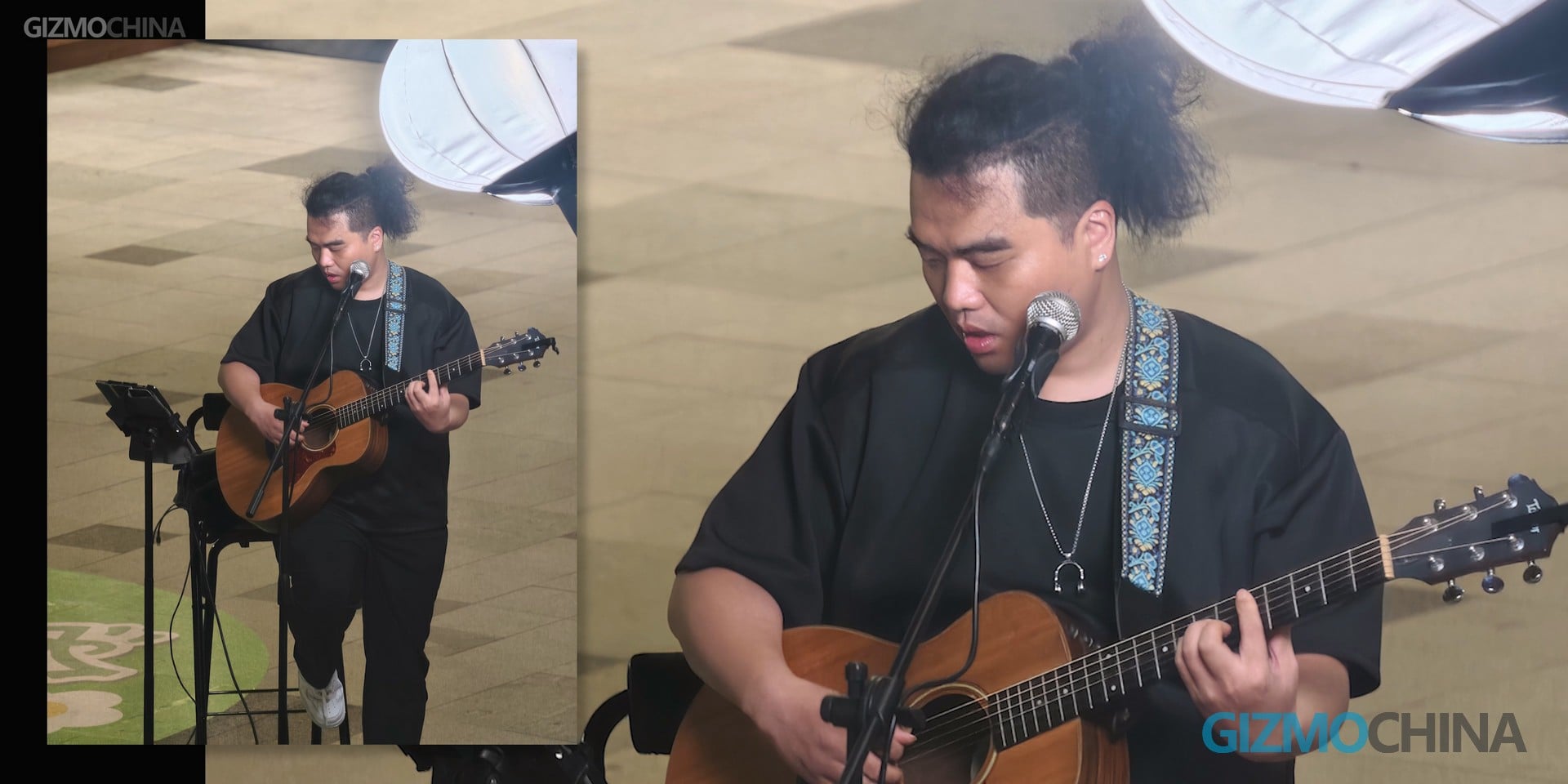
Some people don’t really like AI-enhanced photos, and honestly, neither do I, but if you’re actually at a concert and don’t want to regret your photos after getting home, then I’d still recommend using Stage mode. The AI is basically just bringing back your wrinkles and hair details. I think that’s acceptable.
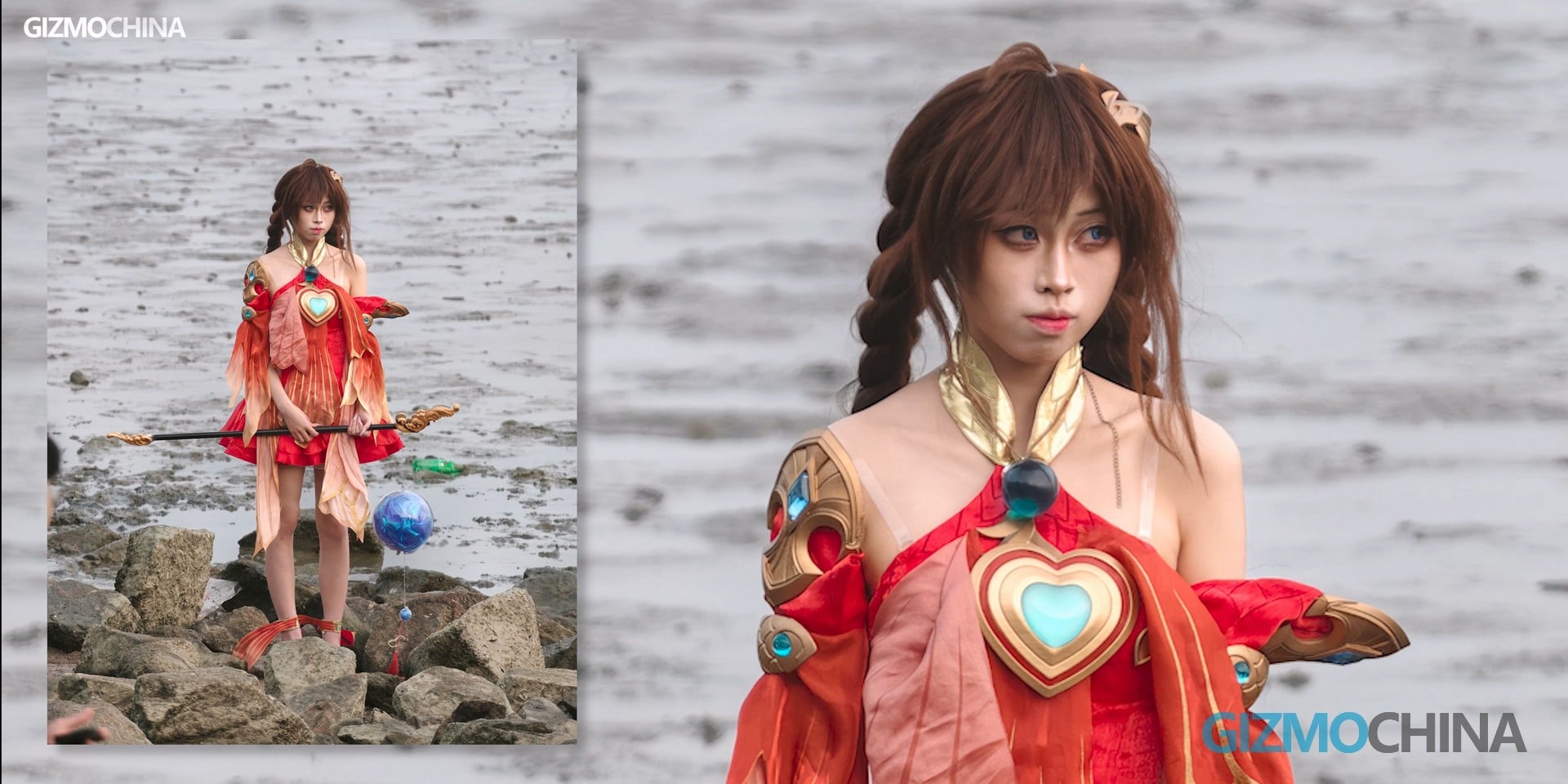
If you’re outdoors during the daytime, then Auto mode can also produce a very sharp photo. No AI, everything just looks natural.
Wildlife Photography
Wildlife photography has always been a category that demands a lot from photography equipment. But now, you only need to spend 3000 dollars to step into the world of wildlife photography. You just need to walk into the woods, attach the grip and teleconverter lens, and then you’re already a qualified birder.
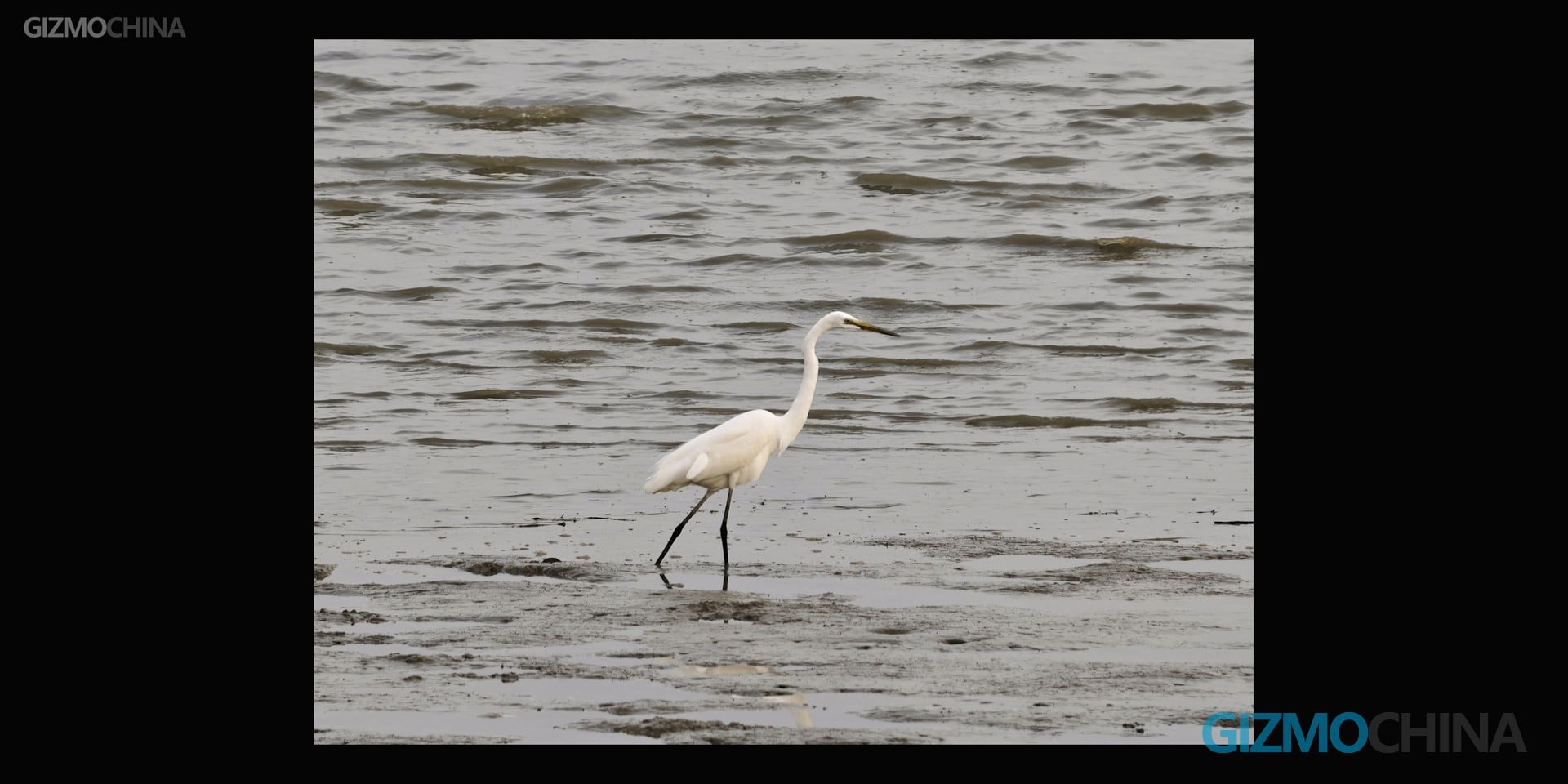
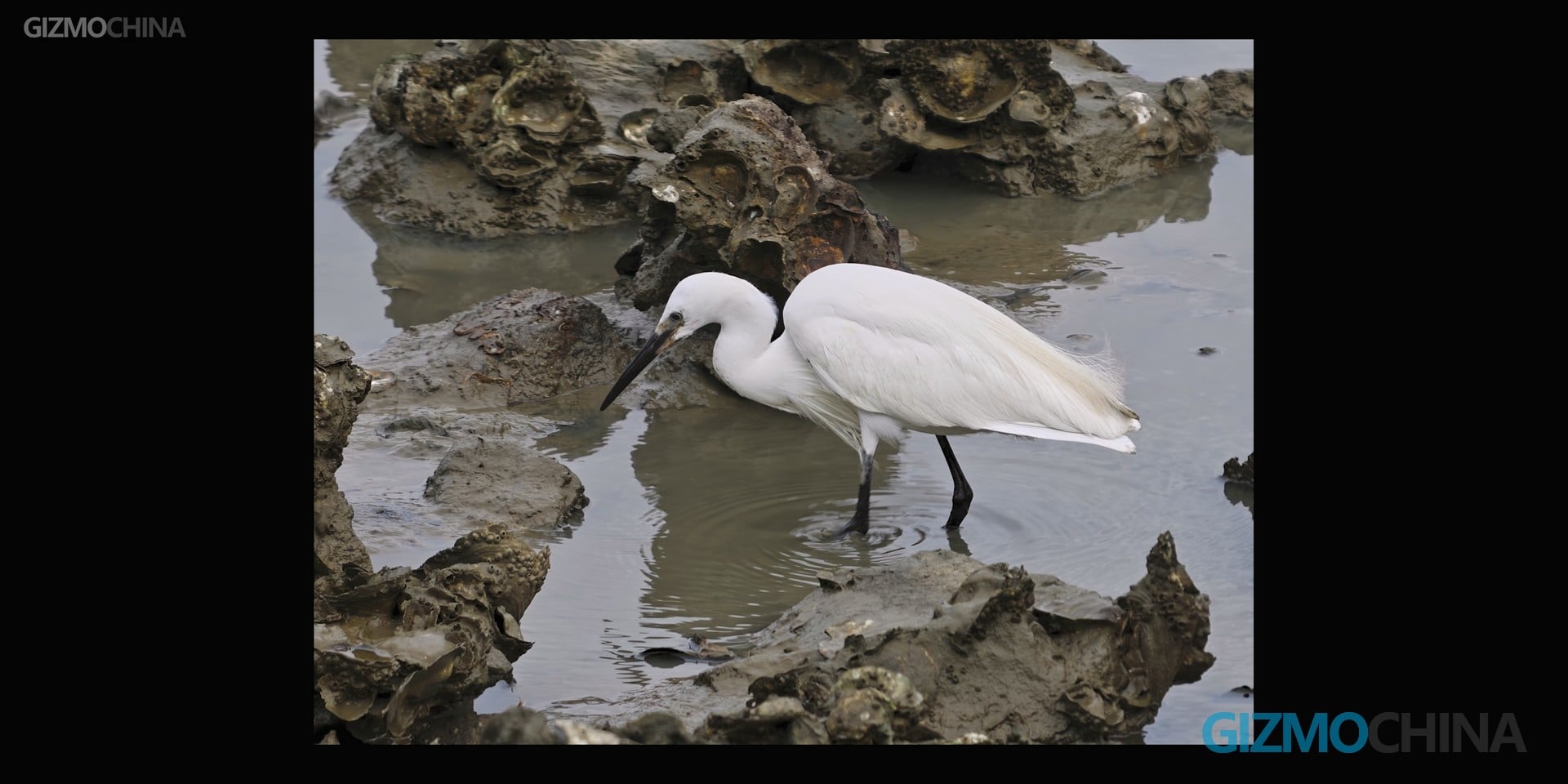
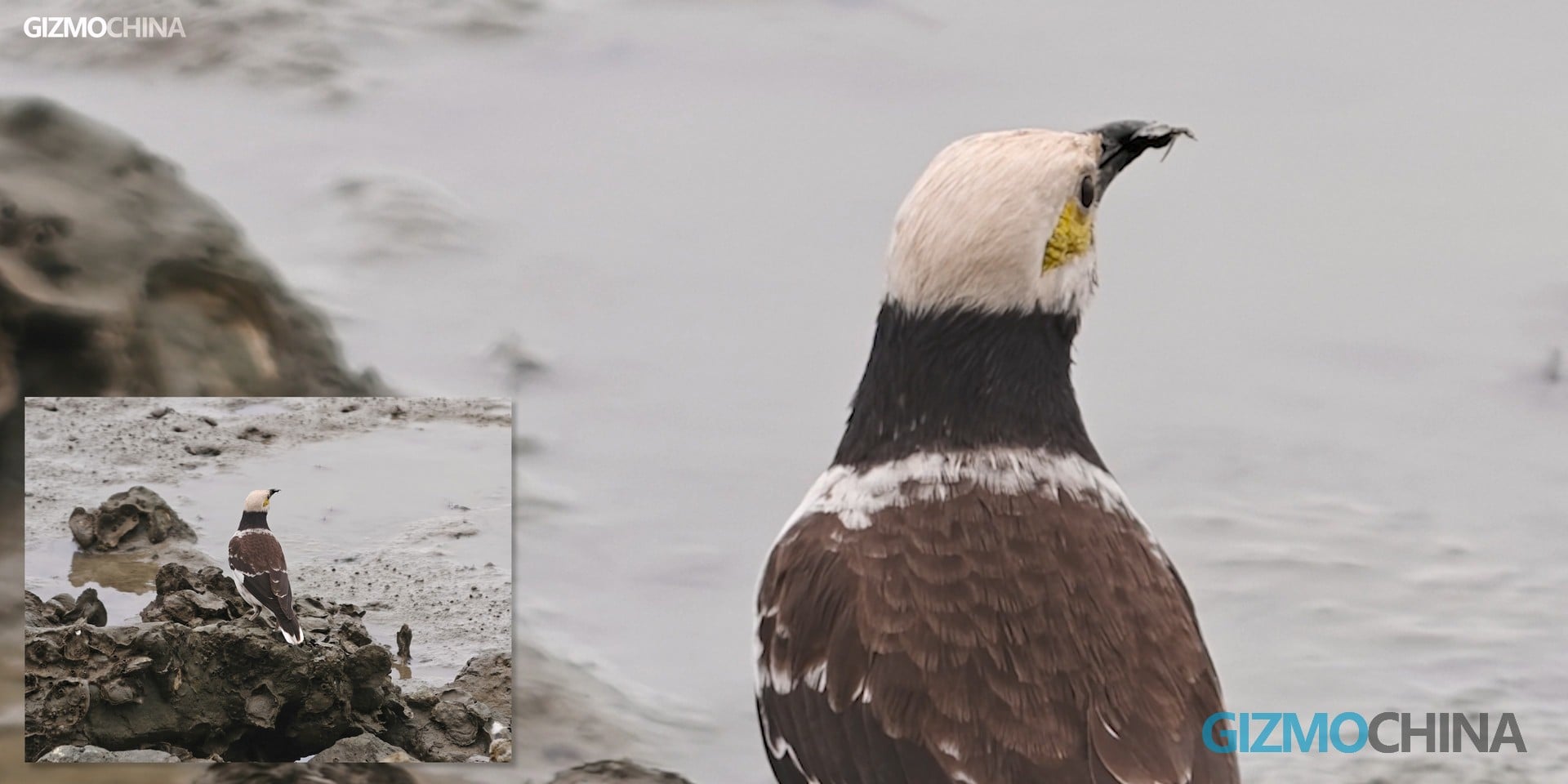
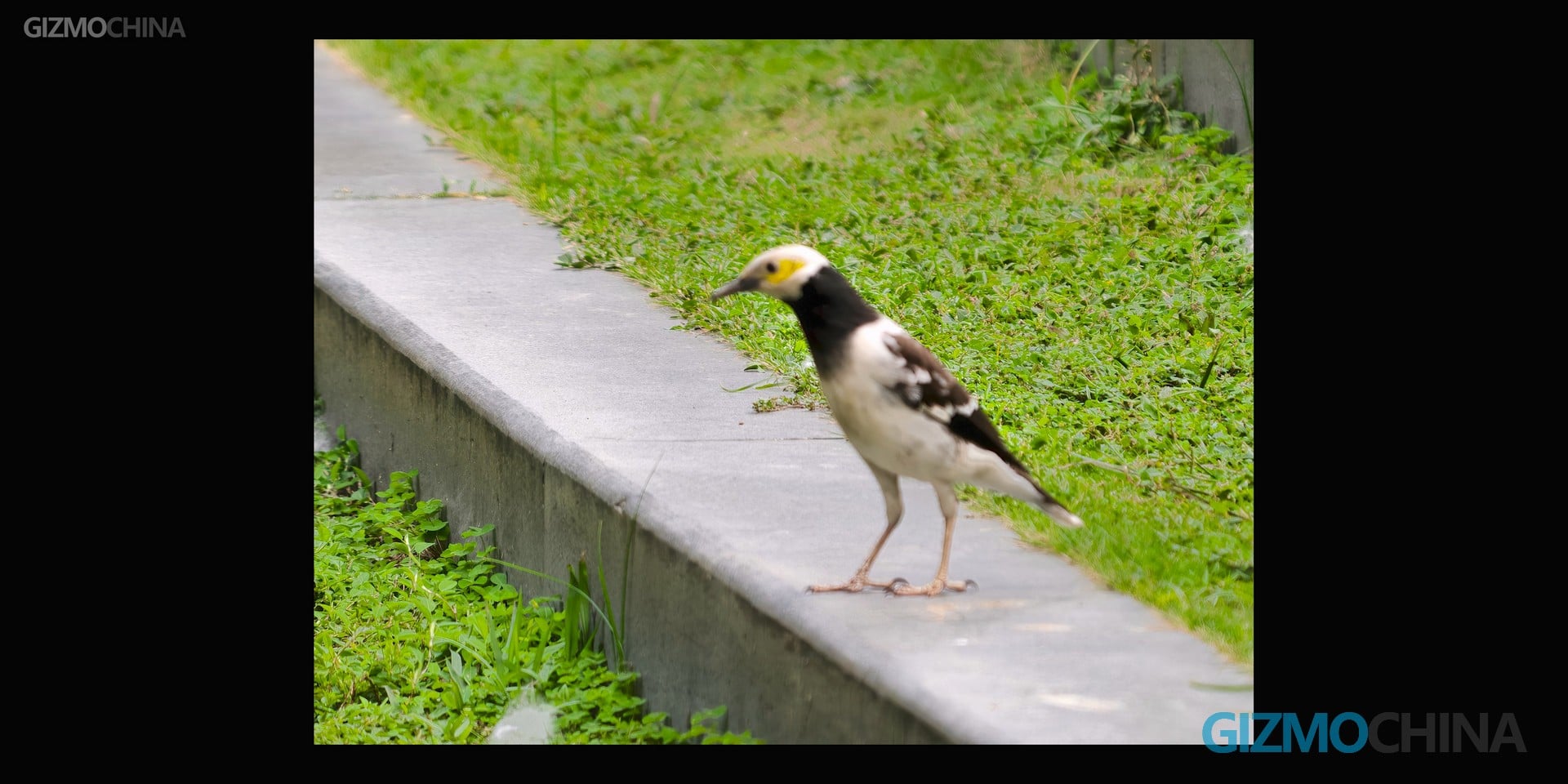
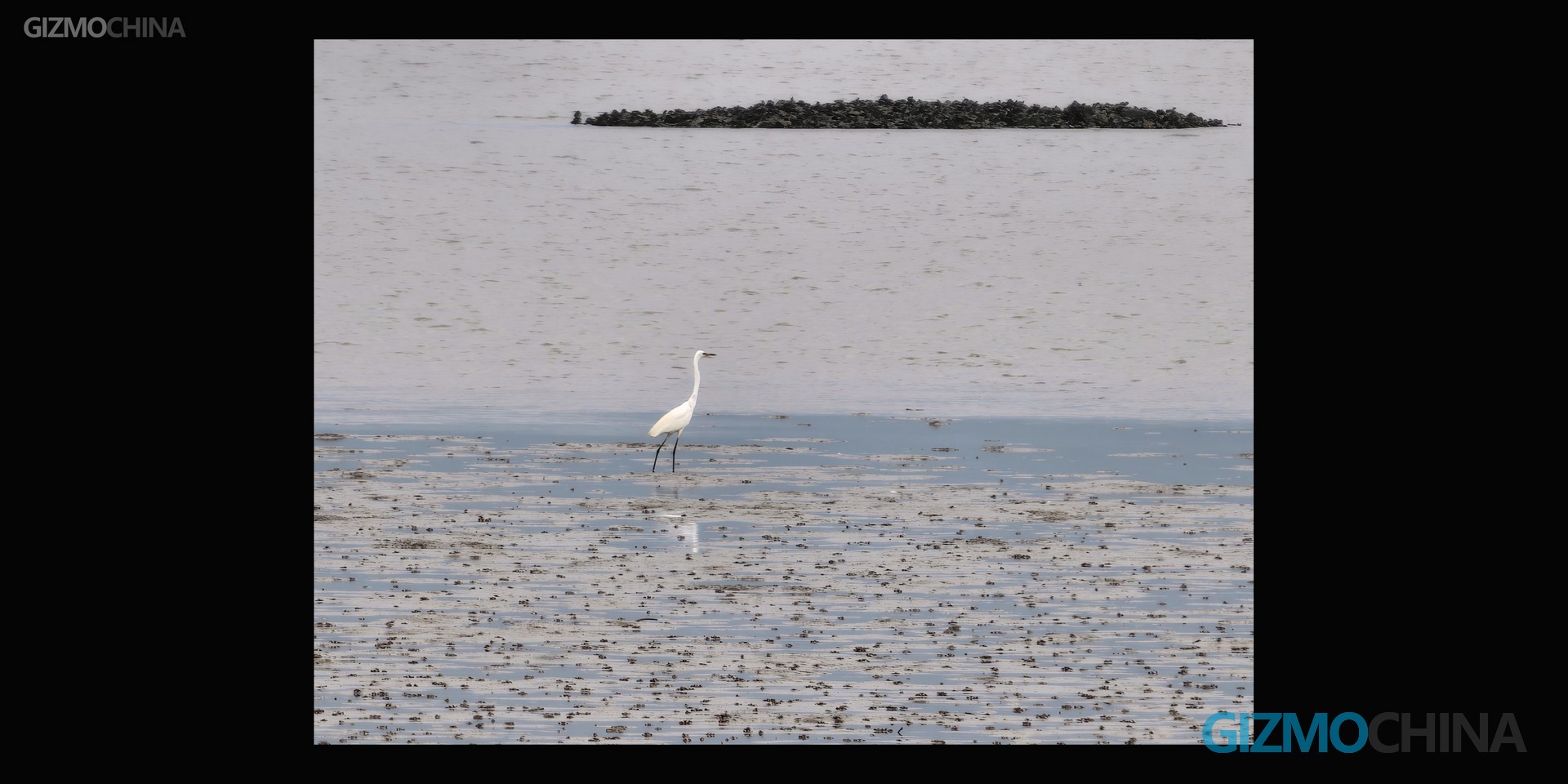
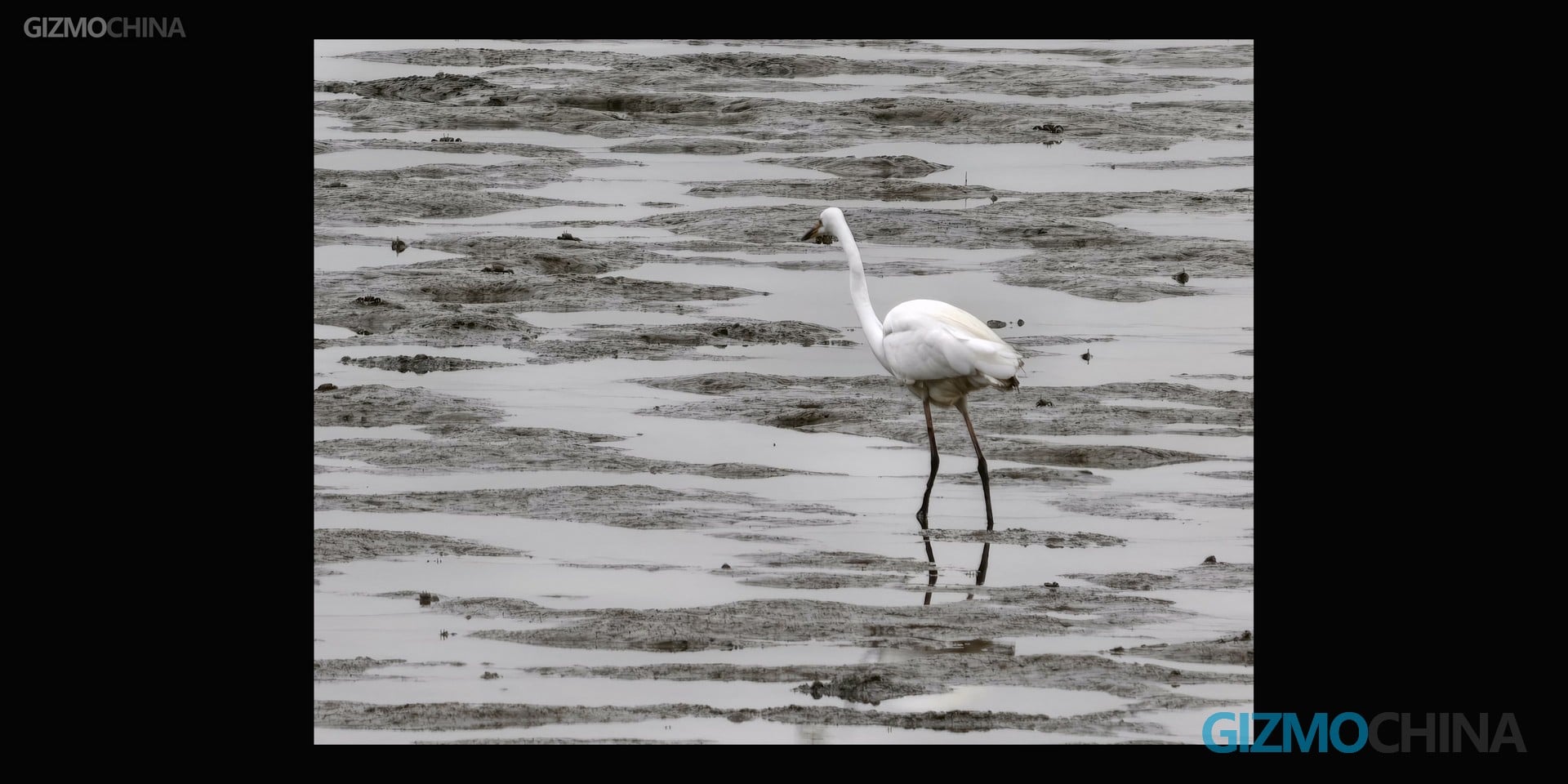
Well, this combination really can take some very beautiful bird photos. Sharp, clear, and sometimes it can even capture what they’re eating. You should also remember that these were handheld shots. Being able to take photos like these without a tripod proves to some extent just how high the upper limit of the stabilization performance is.
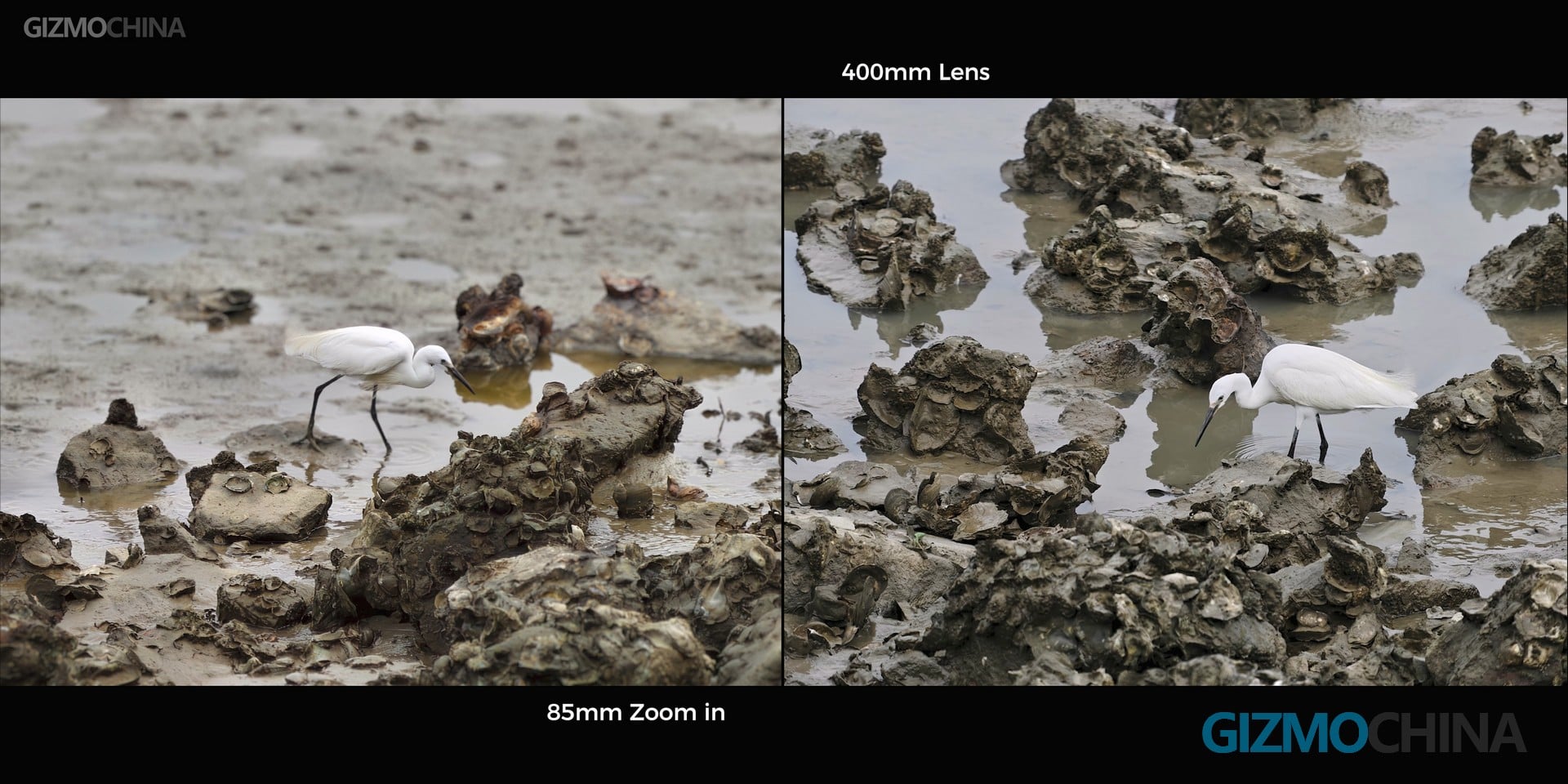
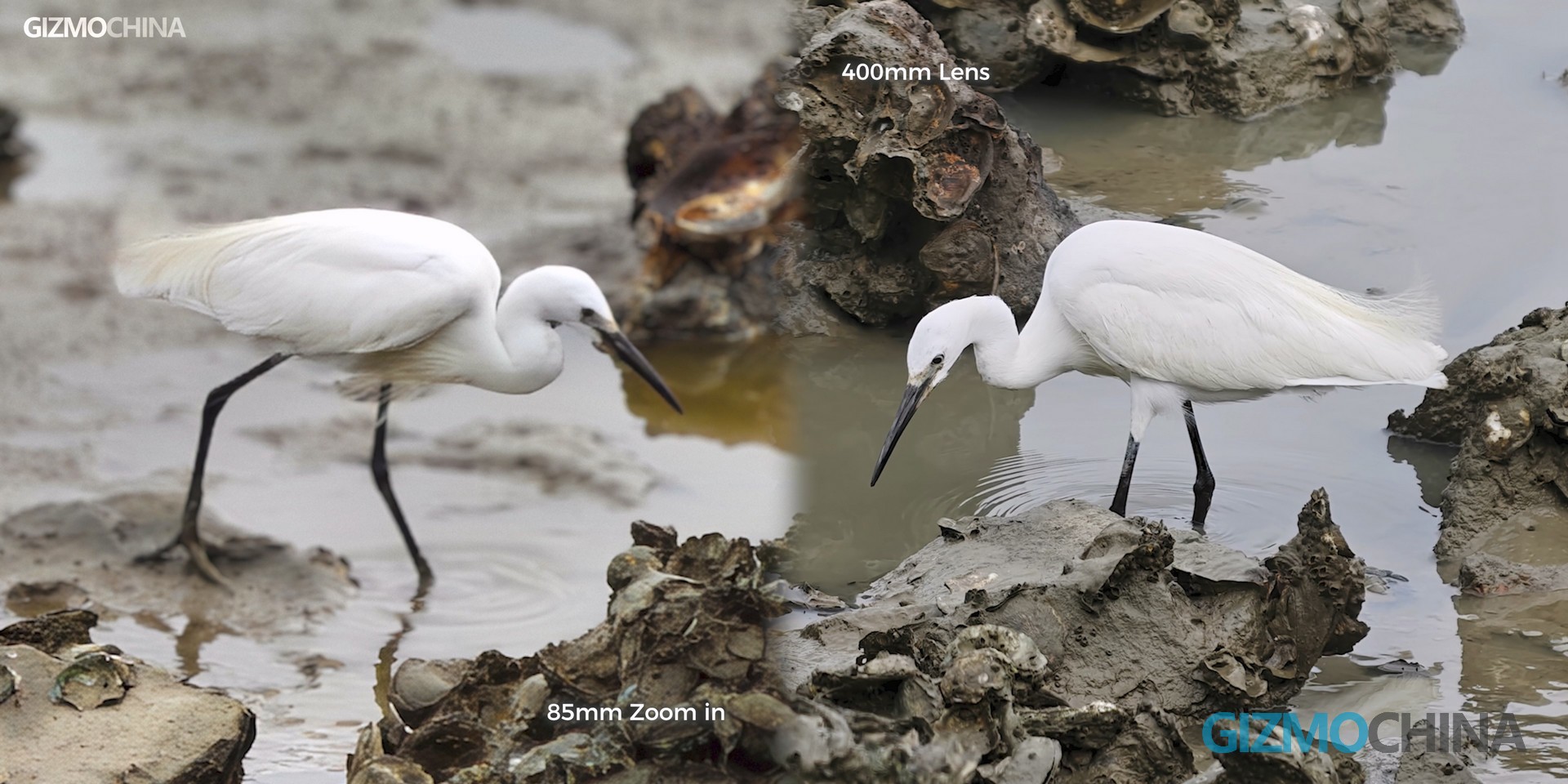
Maybe you’re wondering how much the teleconverter lens improves image quality. Here’s a photo taken without the teleconverter lens. At first glance, it still looks quite clear, but compared to the one shot with the teleconverter attached, there’s still a pretty noticeable gap. Taking excellent wildlife photos also requires some skill, because animals are always moving, making them much harder to photograph than the moon or singers.
First of all, you need to be willing to press the shutter button. Smartphones are not like DSLRs; electronic shutters don’t have a lifespan. So you really need to take a lot of shots before getting a satisfying photo. Secondly, if you want to photograph birds in flight, you still need to mount it on a tripod. And remember to turn off stabilization, because that’s the only way to keep the bird inside your frame.
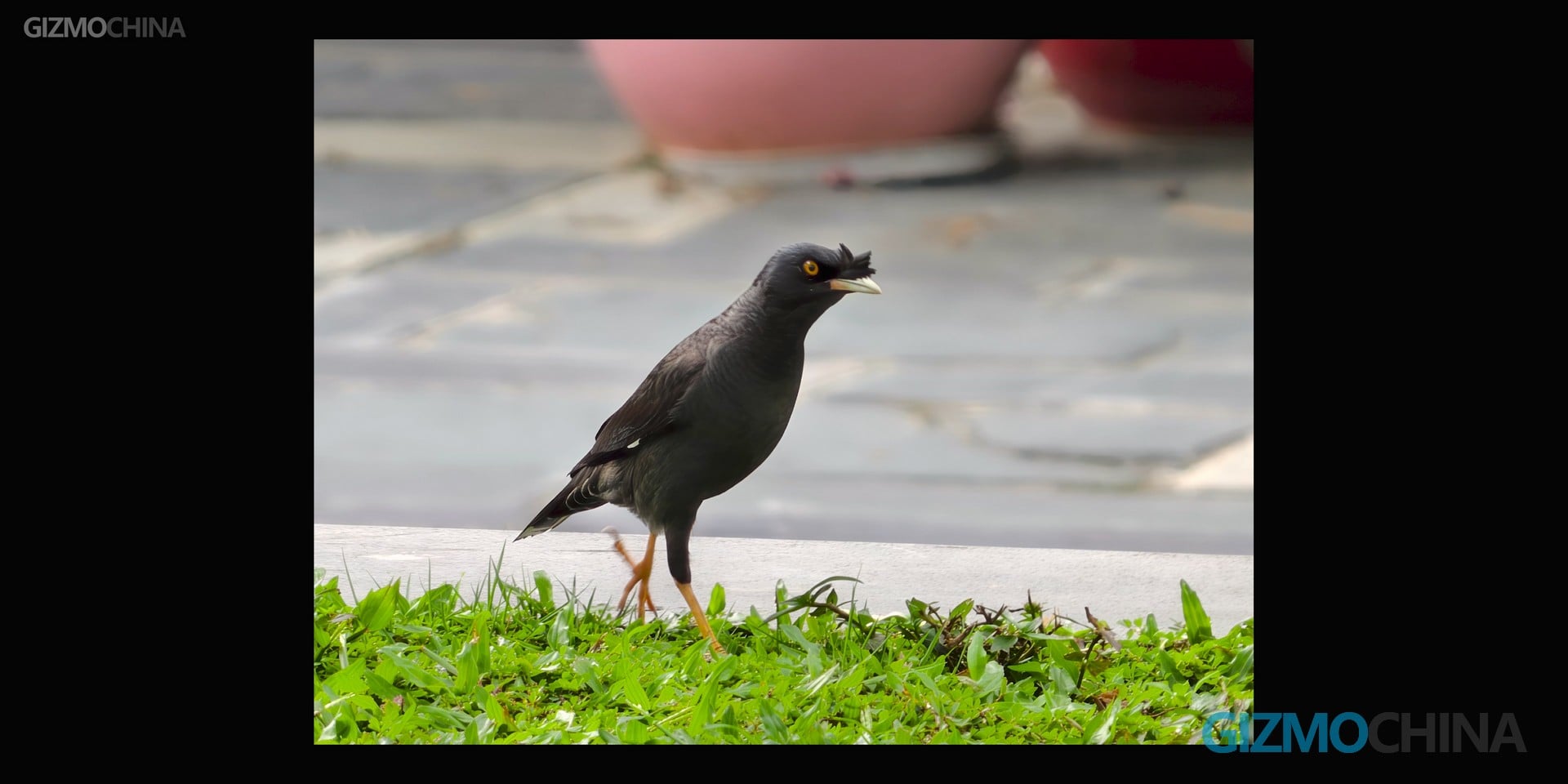
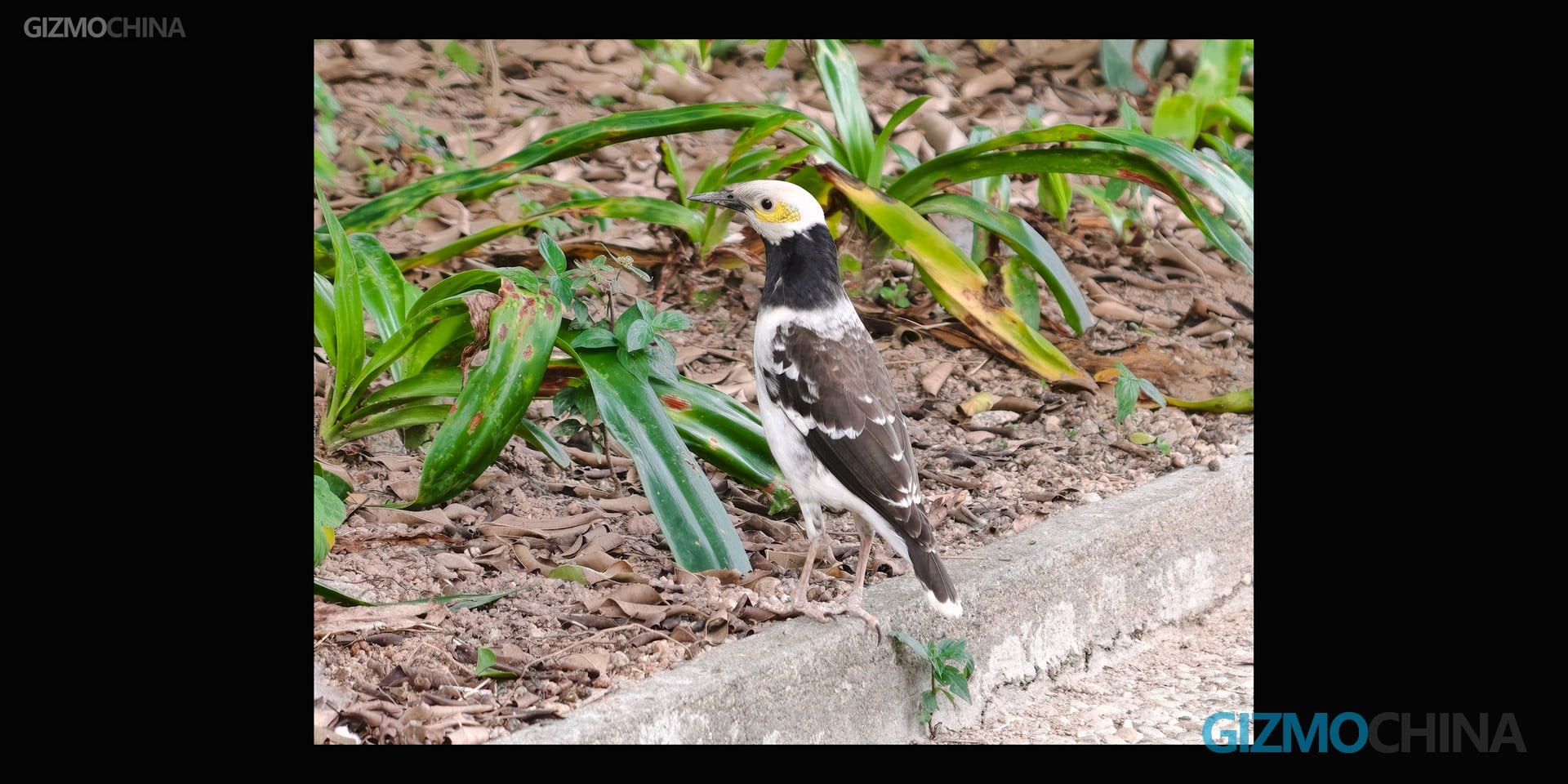
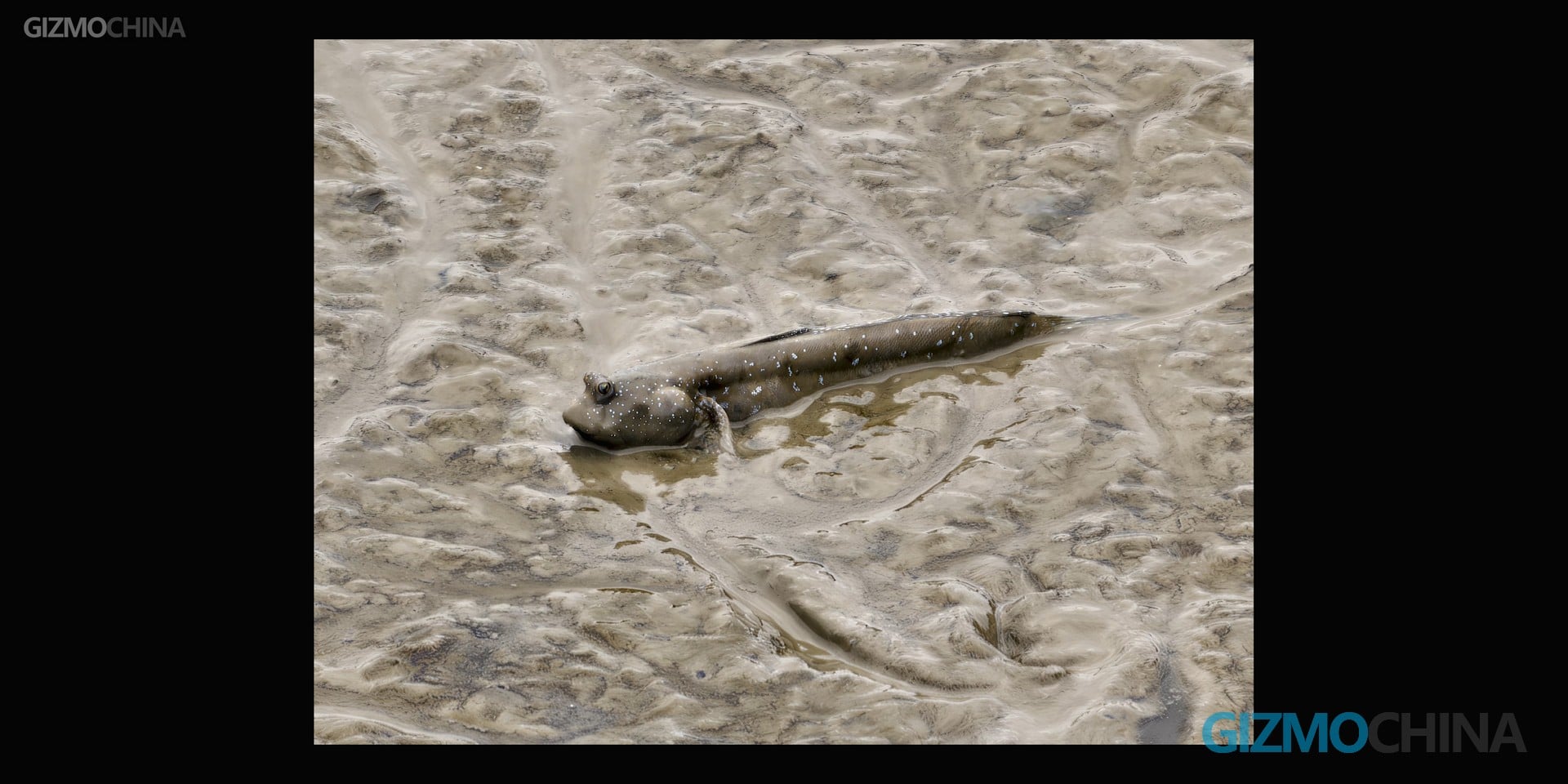
If I had to point out a weakness, I’d say autofocus. Right now, the X300 Ultra’s bird recognition isn’t very accurate. In about 1/4 of the bird photos, the focus wasn’t actually on the bird itself, which is why I emphasized earlier that you absolutely need to shoot more photos.
There are also two more issues that are neither big nor small. The first is that the higher the magnification, the more obvious the shaking around the edges of the video becomes. This is caused by electronic stabilization, so if you avoid zooming in too much, the issue becomes less noticeable.
The second is that a 400mm focal length is still a bit too short for bird photography. In-Sensor Zoom alone simply can’t save photos taken in low light. So this photography kit can only really serve as an entry-level setup for wildlife photographers. Once the X300 Ultra helps you discover the charm of wildlife photography, then you can move on to buying a dedicated camera and longer telephoto lenses.
Conclusion
I’ve already tested the teleconverter lenses in the three main scenarios they’re designed for: astrophotography, concert photography, and wildlife photography. Looking at the results, concert photography turns out to be the most suitable use case for this kit. vivo clearly understands that its strength lies in portrait shooting, so even in a dim concert venue, it handles capturing the moment remarkably well.


Comments