
Add GIZMOCHINA as Preferred Source on Google
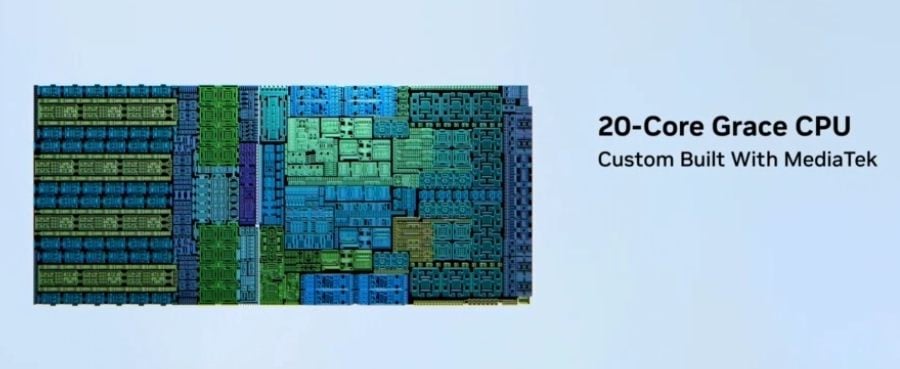
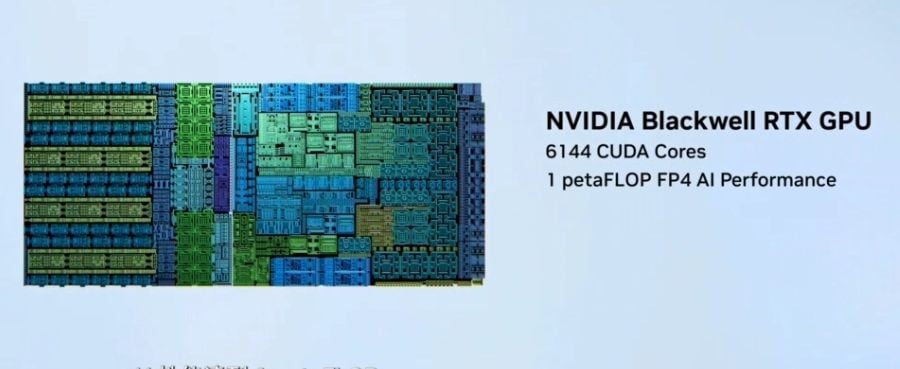
At Computex Taipei 2026, NVIDIA‘s CEO took the stage and officially unveiled the RTX Spark, the company’s first-ever processor built specifically for Windows PCs. It’s an Arm-based chip that packs a 20-core Grace CPU (built alongside MediaTek), a Blackwell RTX GPU with 6,144 CUDA cores, an NPU, and up to 128GB of unified LPDDR5X memory, all on a single TSMC 3nm package.
As a result, NVIDIA says the RTX Spark is capable of 1 petaFLOP of AI performance. That’s a lot of zeroes.
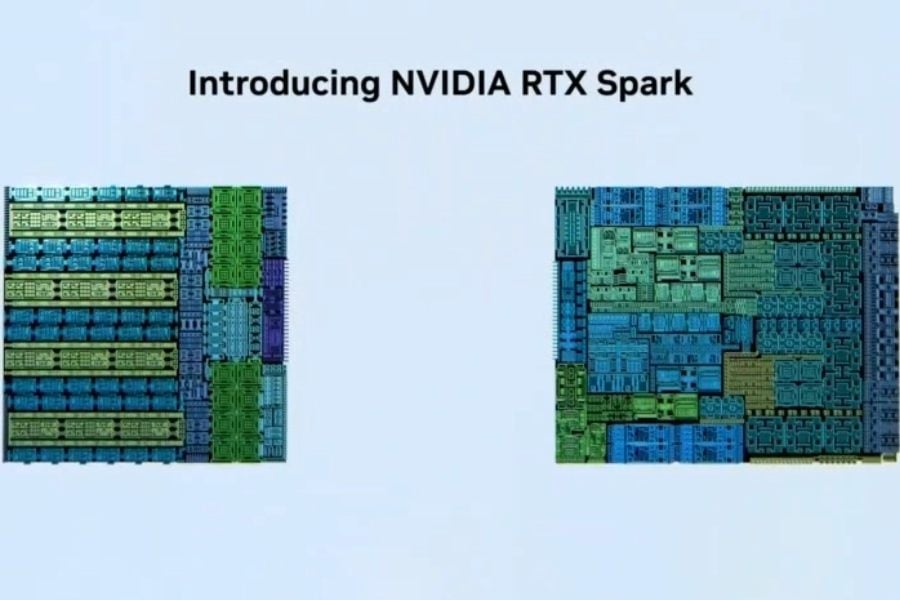
The chip, formerly rumored under the codename “N1X,” is clearly NVIDIA’s answer to Apple silicon, and a direct challenge to Qualcomm’s Snapdragon X series that’s been dominating the Windows on Arm conversation for the past year.
And NVIDIA isn’t just bringing its hardware here. The full software stack, including CUDA, TensorRT, DLSS 4.5, Reflex, G-SYNC, and RTX ray tracing, is all coming along for the ride.
What is NVIDIA RTX Spark capable of?
So what can it actually do? NVIDIA says the RTX Spark can run 120 billion parameter AI models locally, handle 12K 4:2:2 video editing, render 3D scenes larger than 90GB, and push AAA games at 1440p above 100 frames per second. The latter is powered by DLSS 4.5 and Frame Generation, which NVIDIA has been shipping on its desktop cards for a while now.
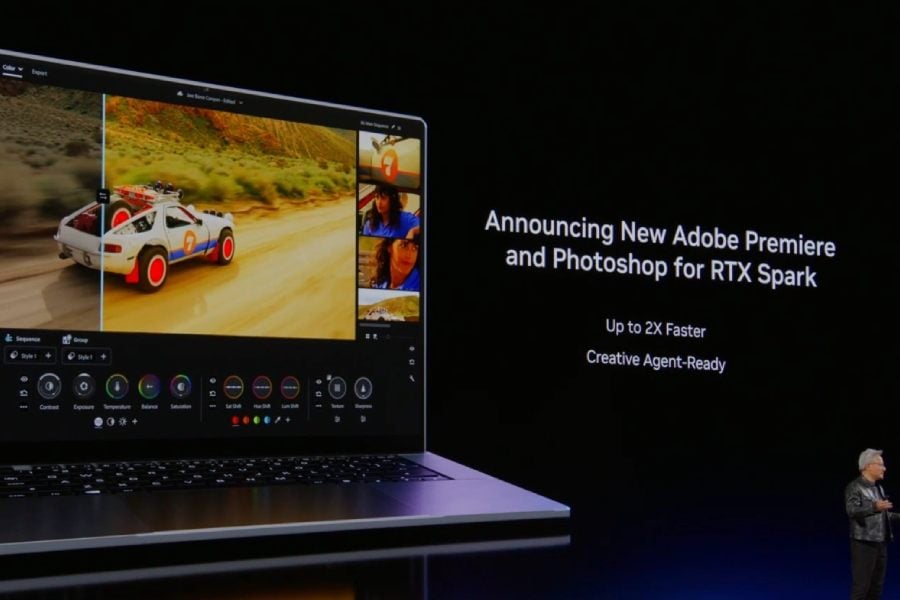
Adobe is on board too, and not in a half-hearted way. The company is doing a complete architectural overhaul of both Photoshop and Premiere to support RTX Spark, promising up to 2x improvements in AI and graphics performance. Blackmagic Design, Blender, CapCut, ComfyUI, and OTOY have also signed on.
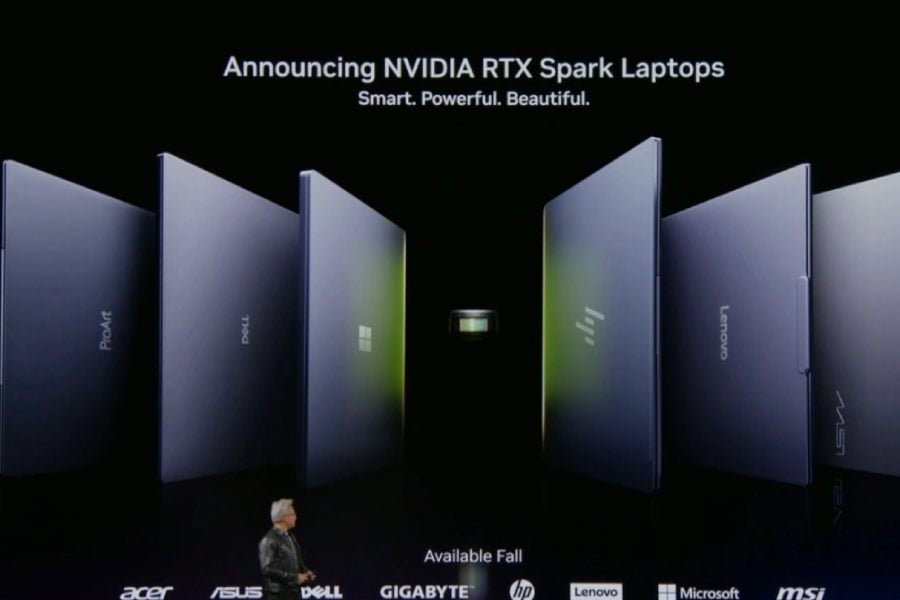
The laptops powered by the RTX Spark will be slim and trim. NVIDIA says 14mm of thickness, 3 pounds of weight, and availability in 14-inch and 16-inch sizes, with OLED displays and precision-machined aluminum chassis.
The first PCs with the new chip will launch this fall from brands like ASUS, Dell, HP, Lenovo, Microsoft Surface, and MSI.
One thing that’s missing is the actual benchmark numbers. It’s still a few months until fall, but we can expect leaks revealing some performance figures before that.
For more daily updates, please visit our News Section.
Stay ahead in tech! Join our Telegram community and sign up for our daily newsletter of top stories! 💡


Comments