Advertisement

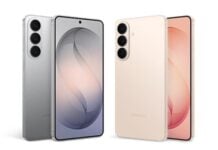
Xiaomi 17T and Samsung Galaxy S25 FE target buyers looking for a premium smartphone without stepping into ultra-flagship pricing. Xiaomi focuses on powerful hardware and camera upgrades, while Samsung brings long-term software support and ecosystem benefits. Here’s how they compare across design, performance, cameras, battery life, and overall value. 

Major Features:

FeatureXiaomi 17TSamsung Galaxy S25 FEWinner
Build QualityGorilla Glass 7i + reinforced plastic frameGorilla Glass Victus+ + aluminum frameSamsung – More premium materials
Water ResistanceIP68IP68Tie – Same protection level
Display TechnologyAMOLED, Dolby Vision, 120HzDynamic LTPO AMOLED 2X, 120HzSamsung – LTPO improves efficiency
Display Resolution1268 x 27561080 x 2340Xiaomi – Sharper panel
Peak Brightness3500 nits1900 nitsXiaomi – Much brighter outdoors
ProcessorDimensity 8500 UltraExynos 2400Samsung – Stronger flagship chipset
RAM12GB8GBXiaomi – Better multitasking
Storage TechnologyUFS 4.1UFS 4.0Xiaomi – Faster storage
Software SupportAndroid 16, HyperOS 3Android 16, 7 major updatesSamsung – Longer software support
Main Camera50MP50MPTie – Comparable primary cameras
Telephoto Camera50MP Periscope, 5x Zoom8MP Telephoto, 3x ZoomXiaomi – Superior zoom hardware
Ultrawide Camera12MP12MPTie – Similar specifications
Selfie Camera32MP12MPXiaomi – Higher resolution sensor
Video Recording4K608K30, 4K120Samsung – More advanced video capabilities
Battery Capacity6500mAh4900mAhXiaomi – Much larger battery
Wired Charging67W45WXiaomi – Faster charging
Wireless ChargingNo15W Qi2 CompatibleSamsung – Wireless charging support
Reverse Charging22.5W WiredReverse WirelessSamsung – More convenient solution
ConnectivityBluetooth 6.0, IR BlasterBluetooth 5.4Xiaomi – Newer connectivity features
Productivity FeaturesStandard Android FeaturesSamsung DeX, Wireless DeXSamsung – Better productivity tools
PriceAround ₹60,000Around ₹50,000Samsung – Better value for money
Disclaimer: Specs are based on available data. Actual performance may vary. Verify details from official sources before buying.

1. Design and Display

Build and Feel

The Xiaomi 17T and Samsung Galaxy S25 FE approach design differently despite targeting a similar premium segment. Xiaomi uses Gorilla Glass 7i protection on the front and rear with a reinforced plastic frame, while Samsung opts for a more premium combination of Gorilla Glass Victus+ and an aluminum frame. Both devices carry IP68 water and dust resistance, making them suitable for everyday durability.

Samsung’s construction feels slightly more flagship-like thanks to its metal frame and glass sandwich design. However, Xiaomi compensates with a modern Leica-branded camera setup and a design language that feels fresh and performance-oriented. Users who prioritize premium materials may lean toward Samsung, while those focused on practicality may find Xiaomi equally appealing.

Display Quality

The Xiaomi 17T features a 6.59-inch AMOLED panel with a sharper 1268 x 2756 resolution, 120Hz refresh rate, Dolby Vision support, 3840Hz PWM dimming, and an impressive 3500 nits peak brightness. Samsung counters with a larger 6.7-inch Dynamic LTPO AMOLED 2X display featuring adaptive refresh technology and HDR10+ support.

Xiaomi delivers a noticeably sharper and brighter viewing experience, especially outdoors. Samsung’s LTPO technology, however, helps improve power efficiency during daily use.

Verdict

The Samsung Galaxy S25 FE offers more premium materials, but the Xiaomi 17T wins the display battle with higher resolution, superior brightness, Dolby Vision support, and better eye-comfort features.

2. Specifications Including Battery

Performance

The Xiaomi 17T is powered by the MediaTek Dimensity 8500 Ultra paired with 12GB RAM and UFS 4.1 storage. The Samsung Galaxy S25 FE uses the Exynos 2400 chipset with 8GB RAM and UFS 4.0 storage.

Samsung’s Exynos 2400 is the more powerful processor overall, particularly in graphics-intensive workloads and sustained flagship-level performance. It also benefits from Samsung’s extensive software optimization and seven years of Android updates. Xiaomi, however, provides more RAM as standard and faster storage, which can improve multitasking and app loading speeds.

Battery and Charging

Battery life is a major strength for Xiaomi. The global model packs a 6500mAh battery supported by 67W wired charging, while Samsung relies on a 4900mAh battery with 45W wired charging and 15W wireless charging.

Samsung’s wireless charging and DeX support add convenience, but Xiaomi’s significantly larger battery and faster charging make it more practical for heavy users. The difference in endurance is likely to be noticeable in daily use.

Verdict

Samsung offers stronger flagship-grade processing power and industry-leading software support. Xiaomi counters with substantially better battery life, faster charging, more RAM, and faster storage. For most buyers, Xiaomi provides the more balanced hardware package.

3. Camera

Main and Secondary Lenses

Camera hardware strongly favors the Xiaomi 17T. It features a 50MP main sensor, a 50MP periscope telephoto camera with 5x optical zoom, and a 12MP ultrawide camera. Samsung includes a 50MP primary sensor, an 8MP telephoto camera with 3x optical zoom, and a 12MP ultrawide sensor.

The periscope telephoto camera gives Xiaomi a clear advantage for long-range photography. Leica tuning also adds character to images, producing photos that often feel more premium and cinematic. Samsung’s image processing remains one of the most consistent in the Android ecosystem, delivering dependable colors and strong video performance.

Selfie Camera

Xiaomi includes a 32MP front camera capable of 4K recording, while Samsung uses a 12MP selfie camera that also supports 4K video.

The higher-resolution Xiaomi sensor offers greater detail and flexibility, especially for social media creators and video calls. Samsung’s selfie camera remains reliable but lacks the same specification advantage.

Verdict

Samsung delivers excellent processing and impressive 8K video recording, but Xiaomi’s superior telephoto system, stronger selfie camera, Leica enhancements, and overall hardware versatility make it the more capable photography package.

4. Pricing

The Xiaomi 17T is priced around ₹60,000, while the Samsung Galaxy S25 FE is priced around ₹50,000. Despite carrying a higher price tag, Xiaomi brings several hardware upgrades, including a higher-resolution display, a larger battery, faster charging, more RAM, faster storage, and a significantly stronger telephoto camera.

Samsung’s lower pricing immediately improves its value proposition. Buyers also receive seven years of Android updates, wireless charging, Samsung DeX, and a premium aluminum-frame design. These extras can be particularly attractive for users planning to keep their phone for many years.

When evaluating pure hardware, Xiaomi appears to justify its premium through tangible upgrades that affect everyday usage. Samsung, meanwhile, focuses on ecosystem benefits and long-term software support rather than maximizing specifications.

Verdict

The Galaxy S25 FE offers stronger value at its lower price point, while the Xiaomi 17T justifies its higher cost through better hardware. Buyers seeking specifications will appreciate Xiaomi, whereas value-focused users may find Samsung the smarter purchase.

Disclaimer:
Prices are approximate and may vary based on country, region, launch timing, and applicable taxes. Always check whether the listed price is for a China unit or a global/international variant when purchasing.

5. Conclusion

The Xiaomi 17T stands out with its Leica-backed camera system, 5x periscope zoom lens, brighter and sharper display, massive battery capacity, faster charging, and 12GB RAM configuration. These upgrades target users who prioritize photography, multimedia consumption, and long battery life.

The Samsung Galaxy S25 FE distinguishes itself through seven years of Android updates, wireless charging, Samsung DeX, premium aluminum construction, and the mature Samsung ecosystem. These features make it particularly attractive for productivity-focused users and those seeking long-term software reliability.

Both devices succeed in different ways. Xiaomi focuses on delivering maximum hardware value, while Samsung emphasizes refinement, ecosystem integration, and longevity. Neither approach is wrong; the choice depends largely on buyer priorities.

Verdict

The Xiaomi 17T is the better overall smartphone for users seeking the strongest hardware, display, battery life, charging speeds, and camera versatility. The Samsung Galaxy S25 FE remains an excellent alternative thanks to its lower price, superior software commitment, wireless charging, and ecosystem advantages. For most power users, the Xiaomi 17T emerges as the more complete package.

Disclaimer: This comparison is based on the specifications provided and is intended for general informational purposes. Actual performance, camera results, battery life, and overall experience may vary depending on real-world usage, software updates, and individual preferences.

Read More:

Comments