Add GIZMOCHINA as Preferred Source on Google
As an Amazon Associate, Gizmochina earns from qualifying purchases. Links on this page may earn us a commission at no extra cost to you.
If you bought a Galaxy S23 back in 2023, you got a genuinely great phone. But three years is a long stretch in smartphone years, and you’ve probably started noticing the cracks. Maybe the battery doesn’t make it to bedtime anymore, apps take a beat longer to open, or you’ve just scrolled past one too many camera comparisons and started wondering what you’re missing out on.
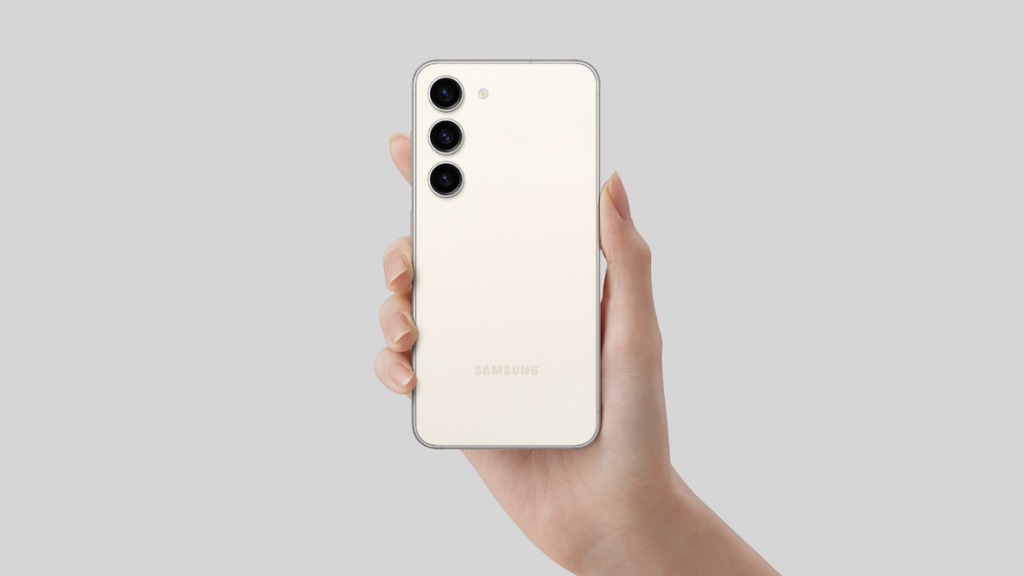
If that’s you, 2026 is genuinely the best year to make the jump. Part of that is the usual story — three years of upgrades stack up into a phone that feels like a real leap, not just a refresh. But there’s a more urgent reason.
Phones are getting more expensive each passing day. Memory prices have been climbing all year, and Qualcomm just confirmed its own chips are getting a double-digit price hike starting September 1. That cost gets passed straight down to whatever flagship you buy next, so waiting any longer isn’t going to save you money.
Fortunately, the 2026 flagship crop is the strongest in years, whether you stay loyal to Samsung, jump to Apple, go all-in on Google’s AI pitch, or chase raw power for less money. Here is the list of options if you’re upgrading from the Samsung Galaxy S23 in 2026.
For the full picture of what 2026’s strongest handsets look like, our flagship phone rankings lay out the top six.
1. Galaxy S26 Ultra
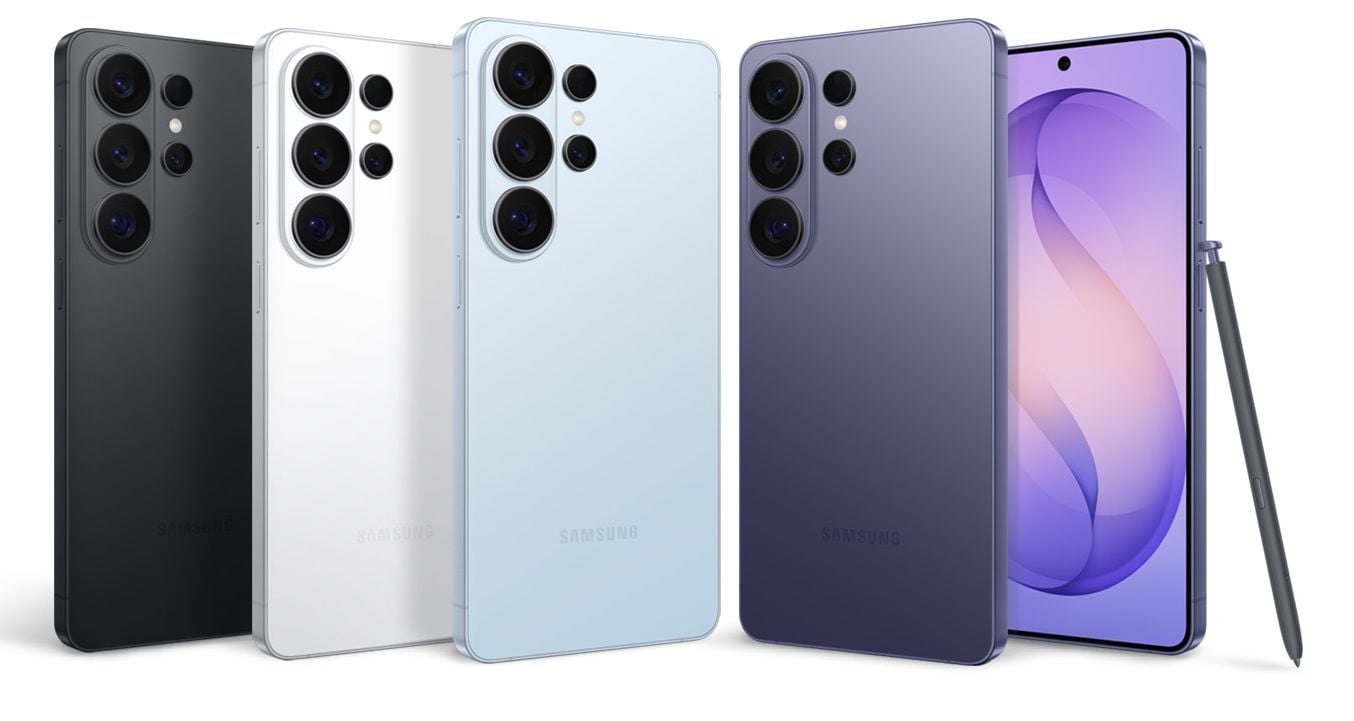
If you liked your S23 and just want more of the same, done better, the Galaxy S26 Ultra is the obvious pick. You’re getting a 6.9-inch display that’s brighter and sharper, a better Snapdragon 8 Elite Gen 5 chip, and a camera system that’s had two full generations to mature. The standard, Plus, and Ultra models split along fairly predictable lines, so if you’re deciding between them, the Ultra is the one built around the S Pen and the biggest camera array.
The headline feature this year is a built-in Privacy Display that can black out your screen from anyone sitting next to you, which sounds gimmicky until you’re the one hiding a text on a crowded train. It’s not a reason to upgrade on its own, but it’s a nice touch on top of an already polished package. Against rivals like the iQOO 15 Ultra, the Ultra trades a smaller battery for a more refined, ecosystem-friendly experience.
The pricing starts at $1,299 for 256GB, climbing to $1,799 for 1TB. If you’re coming from an S23 or S23 Ultra, this upgrade will feel substantial. If you already have an S25 Ultra, you can probably sit this one out.
2. iPhone 17 Pro Max
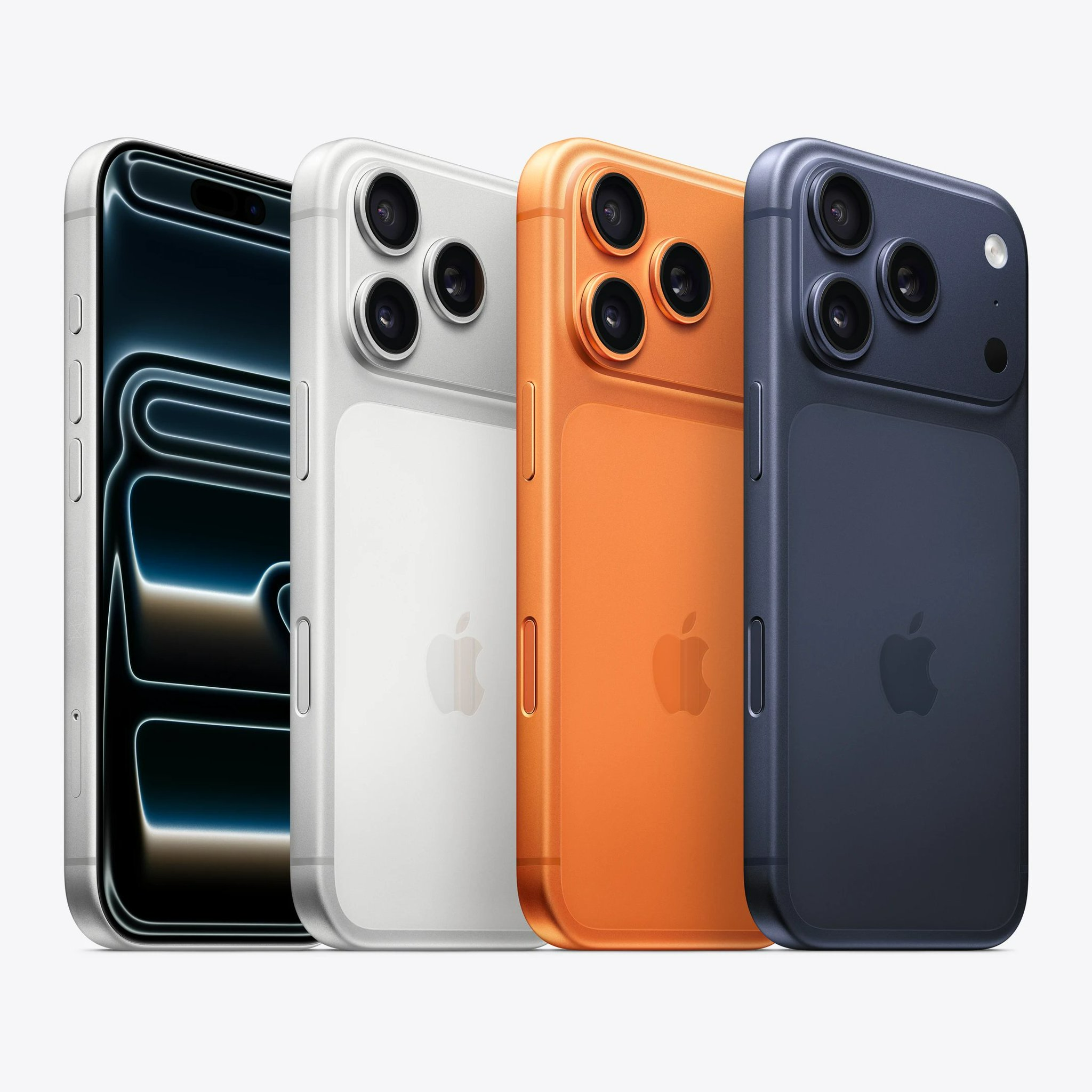
If you want to jump ship entirely, then the iPhone 17 Pro Max is one best option. You get an A19 Pro chip that benchmarks well ahead of anything Apple’s shipped before, a redesigned triple 48MP camera system, and a new vapor chamber that keeps the phone cooler under pressure than past Pro Max models. Apple also finally gave this generation a bigger battery.
Coming from an S23, the switch means relearning some habits — iOS handles things differently than One UI, and you’ll be starting your app library over if you’ve built up a Google Play history. But if camera consistency and long-term software support matter more to you than customization, that trade-off tends to pay off.
Compared to competitors like the Find X9 Ultra, Apple trades a bit of raw hardware muscle for more consistent day-to-day performance, and that consistency is what a lot of switchers may be looking for.
The iPhone 17 Pro Max starts around $1,199 for 256GB. It’s not cheap, but Apple tends to support these phones with updates for longer than most Android makers manage.
3. Pixel 10 Pro XL
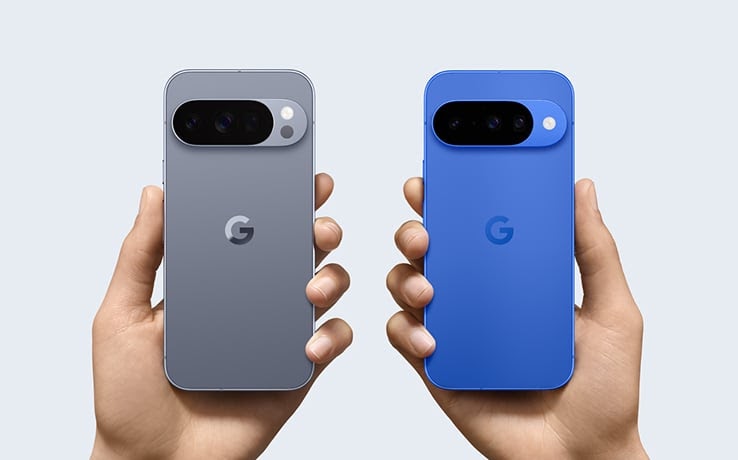
If what you actually want out of an upgrade is smarter software rather than flashier hardware, look at the Pixel 10 Pro XL. Powered by Google’s Tensor G5 chip, it won’t top benchmark charts against Snapdragon-powered rivals. However, that has never been the point of owning a Pixel. It’s AI, instead.
The Pixel 10 Pro XL arguably has the best AI tools in a phone, from call screening to editing photos with a few taps.
Its 6.8-inch display is also excellent with 3300 nits peak brightness, and the camera continues Google’s reputation for producing natural, reliable shots without you having to think about settings.
Starting at $1,199 for 256GB, it isn’t the cheapest option either. Even on Android, it’s the one that will feel different from your S23 in daily use, and mostly in good ways.
4. OnePlus 15
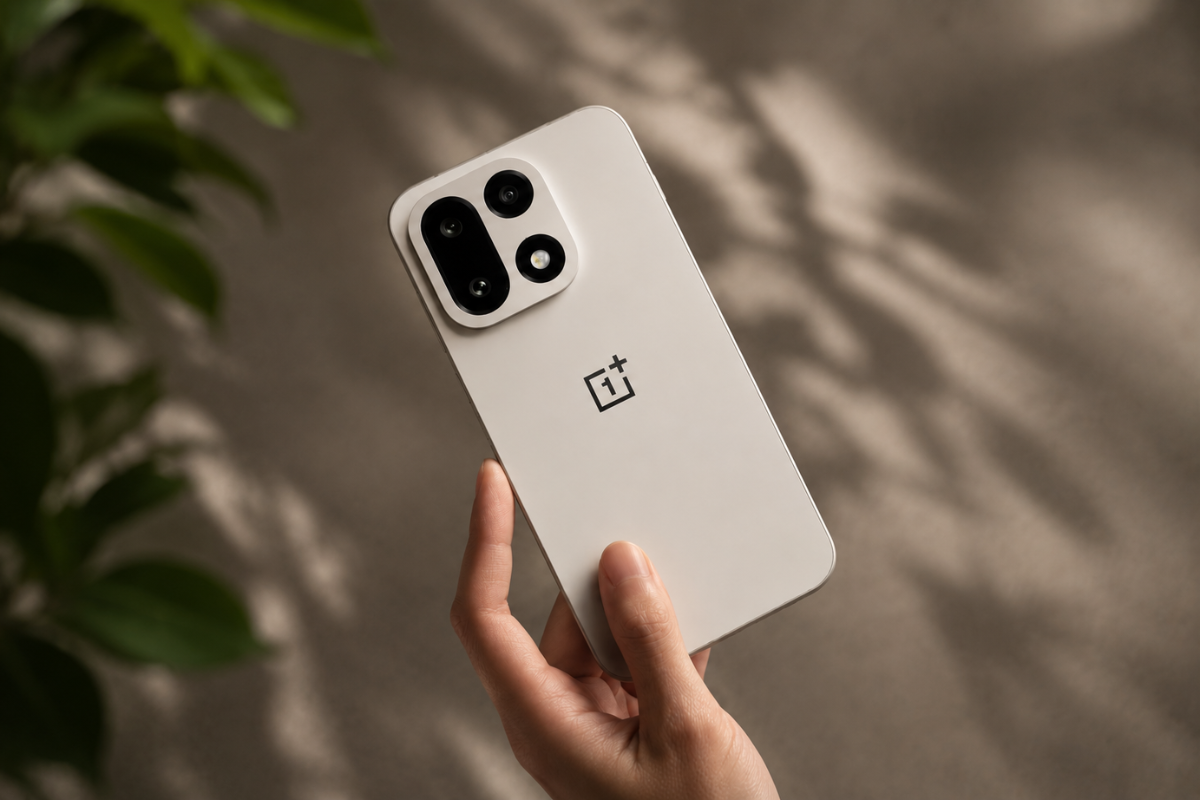
If price is your main concern, the OnePlus 15 deserves a serious look. It starts at $899 for 256GB — hundreds less than the other three phones here — and still packs a Snapdragon 8 Elite Gen 5 chip, a massive 7,300mAh battery, and 120W charging that will have you topping up in well under half an hour. The 165Hz display refresh rate is the highest on this list, which matters if you game or just like things feeling snappy.
What you give up is polish in a few corners: the camera output is not as strong as others in the list, and software support doesn’t stretch quite as far as Apple’s or Google’s promises. But for buyers coming from an S23 who just want more speed and battery for less money, that’s an easy compromise to make.
5. Bought your S23 for the compact size? Here’s where to look instead
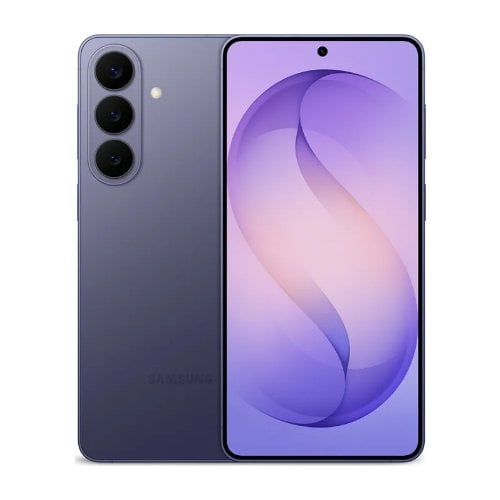
Plenty of people picked the standard Galaxy S23 over the Plus or Ultra precisely because it was one of the last true flagships that still fit comfortably in one hand. If that’s you, the good news is that “compact” hasn’t disappeared in 2026. It’s just been around the 6.3-inch mark instead of 6.1 inches, and the three biggest names all have an entry that fits.
Galaxy S26 is the closest thing to a direct successor to your S23’s footprint. It’s the lightest and thinnest of the three base-model flagships this year, built around the same Snapdragon 8 Elite Gen 5 chip that powers the Ultra, and it still gets Samsung’s full seven years of promised software updates. The trade-off is battery life, which is the weak point of the compact model even against pricier rivals.
iPhone 17 is the base-model Apple option, and it shares the same 6.3-inch display class as the Galaxy S26 and Pixel 10 this year. You get Apple’s usual polish, tight ecosystem integration, and Ceramic Shield 2 protection, without paying Pro Max prices. If you’re weighing it directly against the S26 and Pixel 10, it lands in the middle on size and weight, while leaning on iOS 26 and Apple Intelligence as its main selling points.

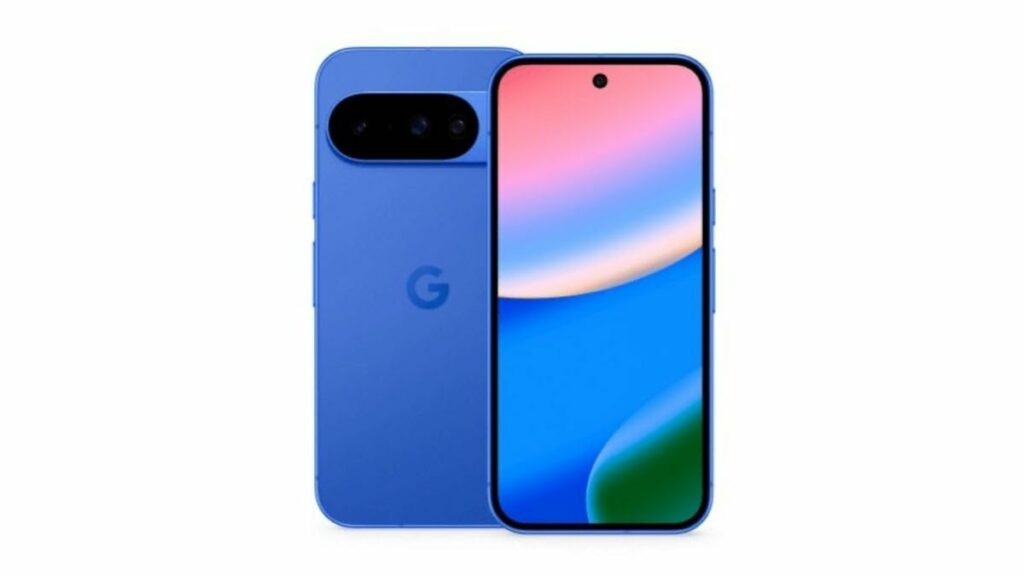
Pixel 10 rounds out the trio, and it’s the one to get if AI features and camera reliability matter more to you than shaving off every last gram. It’s the heaviest of the three compact options, so it won’t feel quite as pocketable as your old S23, but it makes up for that with Google’s Gemini-powered tools and a camera system that consistently punches above its price. Against the Galaxy S26, it trades some ecosystem polish and display refinement for a noticeably lower price and a stronger camera.
6. Which one should you actually get?
If you loved your S23 and just want a faster, shinier version of it, get the Galaxy S26 Ultra. The Pixel 10 Pro XL is the best choice if you want to stay ahead in the AI race. OnePlus 15 is the choice if your pockets aren’t deep. And if you want to switch ecosystems, the iPhone 17 Pro Max is your best bet.
However, if the size of your S23 was the whole appeal in the first place, the Galaxy S26, iPhone 17, or Pixel 10 will all keep you in one-handed territory without giving up flagship performance.
Whichever you choose, all four will offer a leap over a three-year-old flagship. But as usual, the choice depends entirely on you and your preferences.
For more daily updates, please visit our News Section.
Stay ahead in tech! Join our Telegram community and sign up for our daily newsletter of top stories!