Add GIZMOCHINA as Preferred Source on Google
As an Amazon Associate, Gizmochina earns from qualifying purchases. Links on this page may earn us a commission at no extra cost to you.
The argument about flagship phones, or which is truly the best, has always been the same every year. Which one has the best camera? Which one lasts the longest? And, perhaps most importantly, which phone actually gives you a reason to upgrade?
The questions are the same in 2026, but there’s a new problem sitting around this year. Memory prices have gone up sharply, and so have the prices of smartphones. Xiaomi flat-out said that higher component has pushed the 17 Ultra price, while Samsung has reportedly been dealing with higher RAM costs from its own chip business.
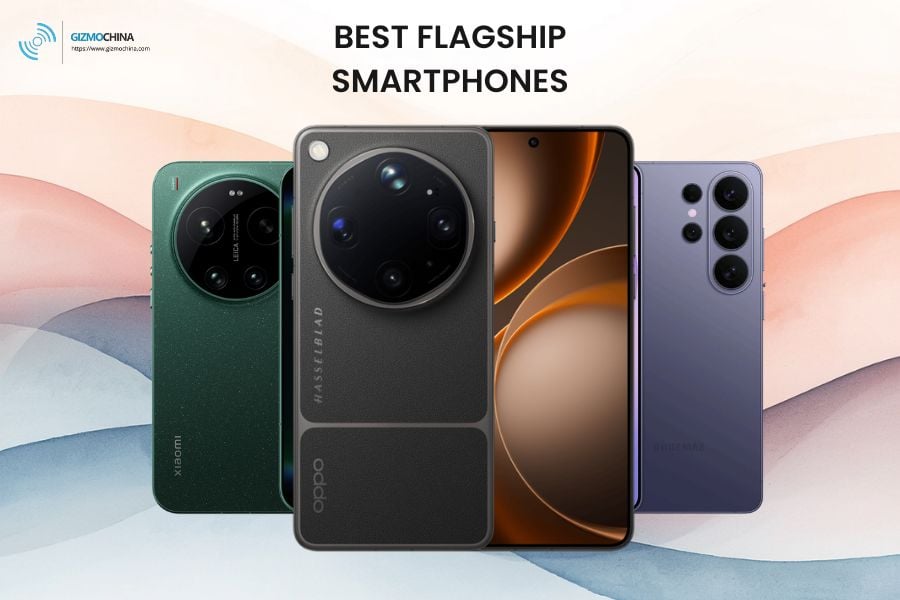
You might expect that to make phone makers play it safe. And they likely will with all the flagships coming in September and beyond. For the time being, though, the top-end hardware is still priced relatively well, while offering the best of what they can.
So, if you’re already thinking about spending flagship money today, here are the best flagship phones that you can buy right now.
1. Samsung Galaxy S26 Ultra
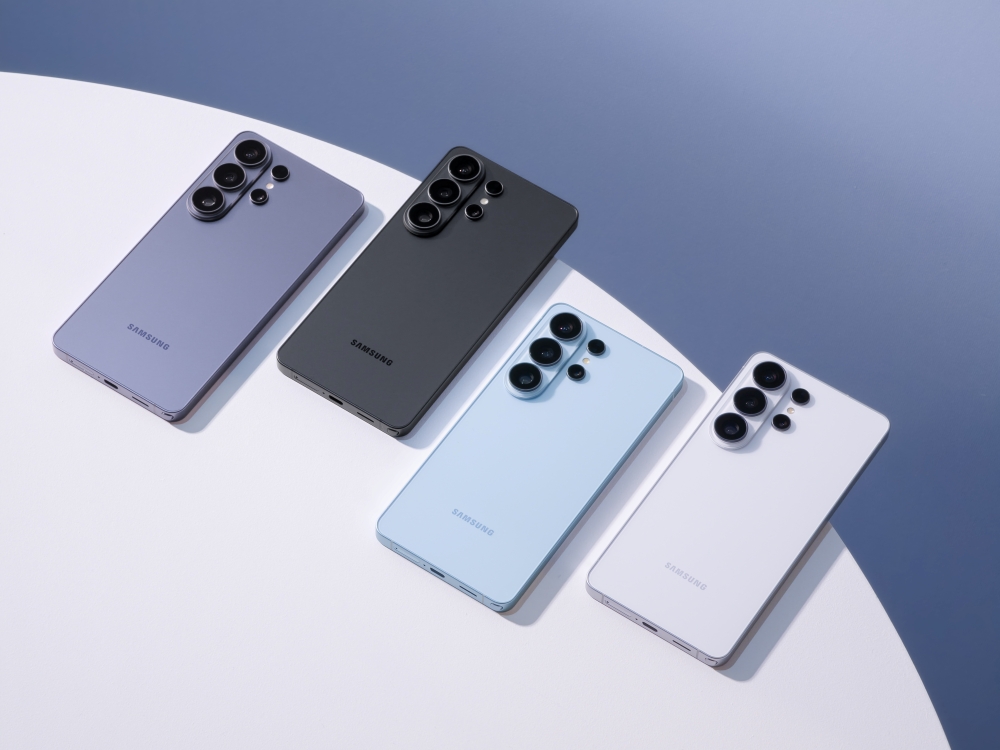
Samsung is known for playing it safe with its flagship phones, and the Galaxy S26 Ultra is no exception. It is built around the same formula we’ve seen in the previous Galaxy Ultras, but that’s not to say nothing is new here.
It starts at $1,299.99 and gives you a huge 6.9-inch Dynamic AMOLED 2X display with a 120Hz refresh rate. There’s Gorilla Armor 2 on top, but the more interesting addition this year is Samsung’s Privacy Display.
The idea around privacy on a phone’s screen isn’t new. We’ve had privacy-focused tempered glass for years, but Samsung decided to ship it on the phone itself. And that too with exclusive customizations.
Samsung’s privacy screen changes the way the pixels work so the screen becomes much harder to see from the side while staying clear when you’re looking straight at it.
It’s one of those features that sounds like a gimmick until you actually use it. What’s more impressive is that you can even hide a part of the screen, like the notification island or messages.
The S26 Ultra also gets a Snapdragon 8 Elite Gen 5 chip made specifically for Galaxy phones. Samsung finally increased wired charging to 60W as well, which is a welcome change after years of sticking with 45W.
The battery, however, is still 5,000mAh. That’s the one area where Samsung hasn’t really kept up with some of its Chinese rivals, which are now putting 6,000mAh and even larger batteries into their flagships.
Still, the S26 Ultra is difficult to fault as an overall package. You get the 200MP main camera, multiple zoom options, the S Pen, Samsung DeX, a polished version of Android, and years of software support.
It may not be the most exciting phone in every category, but that’s exactly why it’s such an easy recommendation. It does almost everything well.
2. Oppo Find X9 Ultra
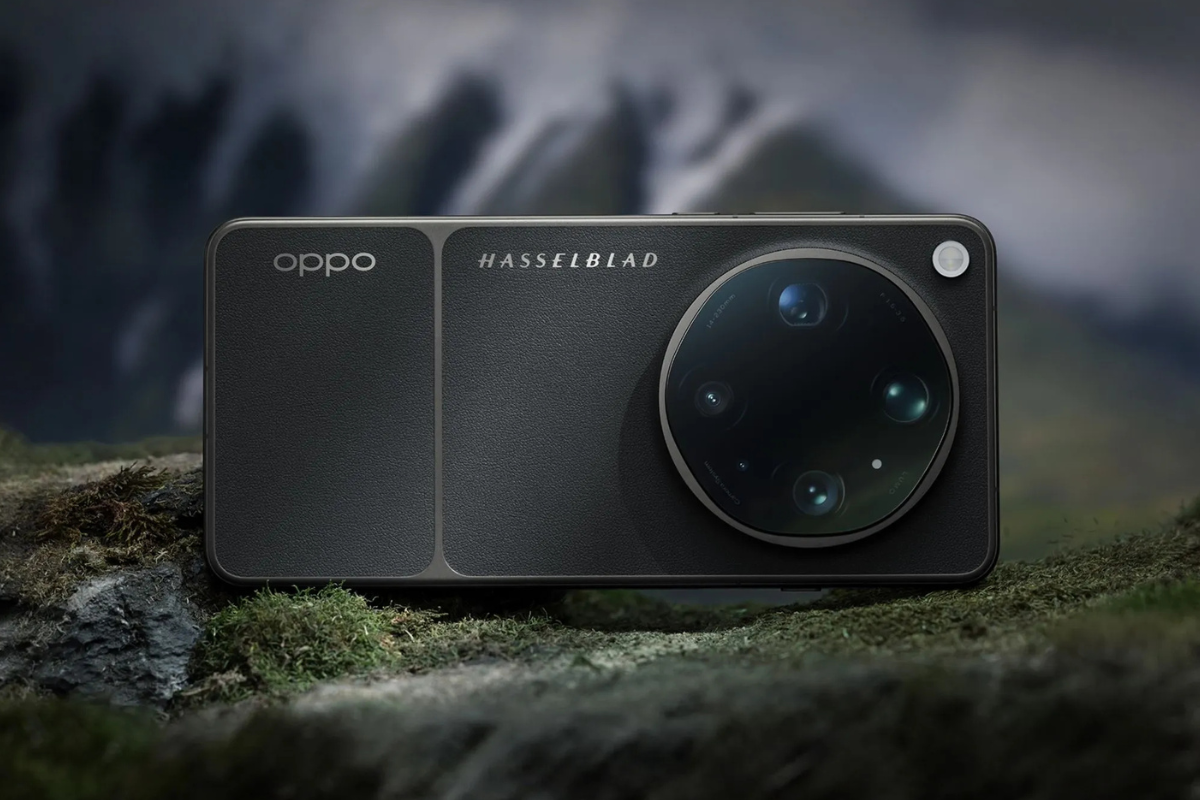
Oppo has been working with Hasselblad for a while now, but the Find X9 Ultra feels like the point where the partnership really starts to show.
This is also the first time Oppo has brought its Ultra flagship to global markets, and it has gone all-in on the cameras. There’s a 200MP main camera, a 200MP periscope telephoto, another 50MP periscope camera, and a 50MP ultrawide.
Yes, that’s a lot of megapixels. But the interesting part isn’t really the numbers. Oppo has worked the cameras into its Hasselblad Master Camera System, aiming for a more consistent look across the different lenses.
The rest of the phone doesn’t exactly feel like an afterthought either. There’s a 6.82-inch LTPO AMOLED display running at 120Hz, while a massive 7,050mAh battery handles the power requirements. And when you finally do need to charge it, 100W wired charging gets the job done quickly.
The biggest question is whether you like ColorOS. It’s perfectly capable, but it can feel a little busier than the software on a Pixel or even a Samsung phone.
Then there’s the $1,499 starting price, which is a lot of money, but we also can’t factor out what it is offering in terms of hardware.
3. Xiaomi 17 Ultra
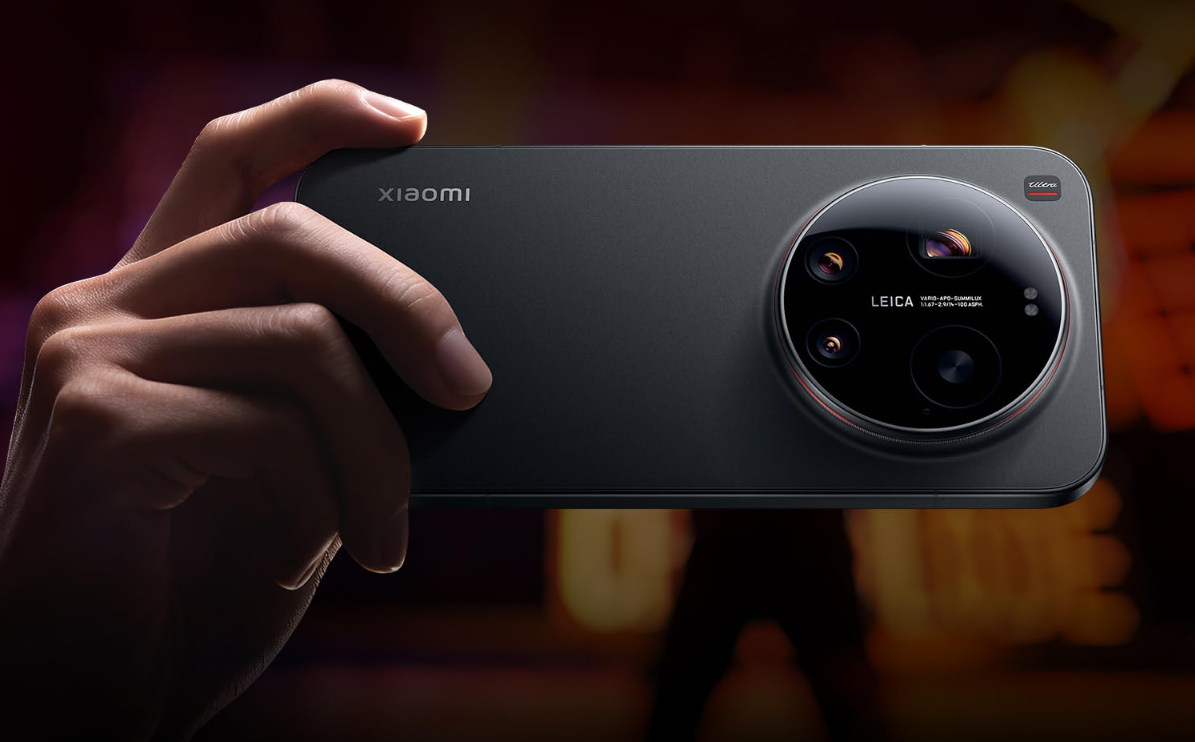
The Xiaomi 17 Ultra is another pick for camera nerds. Its main camera uses a 1-inch OmniVision sensor with LOFIC technology. It is designed to handle a wider range of brightness in difficult scenes. The 200MP periscope telephoto camera, developed with Leica as part of the companies’ deeper partnership, is another highlight here.
And this isn’t just a case of putting a Leica logo on the back. Leica has been involved in the camera’s development much earlier this time, including the design stage.
You can see where Xiaomi is going with this. The phone should be particularly good when you’re shooting after dark, zooming in on something far away, or dealing with scenes where the lighting is all over the place.
The hardware outside the cameras is flagship-grade too. There’s a Snapdragon 8 Elite Gen 5, a 6.9-inch LTPO AMOLED display with a 120Hz refresh rate, and a 6,800mAh battery. Charging is rated at 90W wired and 80W wireless. It’s available in the UK for £1,299.
So, should you buy it? If taking photos is one of the main reasons you’re upgrading, absolutely. If you’re more interested in software, gaming, or the overall ecosystem, there are better choices here.
4. Google Pixel 11 Pro XL

The Pixel 11 Pro XL is Google’s newest flagship in the market. And unlike other options in this list, it’s not big on camera megapixels or processing power. Pixel phones have mostly been known for software polish and tricks, and the 11 Pro XL is just that.
The phone starts at $1,299 for 256GB and comes with a 6.8-inch QHD+ AMOLED display that can reach 3,600 nits of peak brightness.
Inside is Google’s Tensor G6 chip, along with a Titan M3 security chip. The camera setup includes a 50MP main camera, 48MP ultrawide, and 48MP telephoto with 5x optical zoom.
As usual with a Pixel, the camera experience isn’t just about the hardware. Google’s image processing does a lot of the work, which is why Pixel phones can often produce great photos without asking you to think too much about the settings.
A novel camera feature this year is Magic Capture. It lets you record videos as you usually do, but once you’re finished, the phone presents you with candid images from those past moments. Google is using AI to refine photos, but it’s still a neat trick for everyone who struggles with poses in normal shoots.
There is one slightly strange change this year. The Pro XL now starts with 12GB of RAM, down from 16GB on last year’s model. That’s not something most people are going to notice in everyday use, but it does show just how much rising memory costs are affecting flagship phones.
What hasn’t changed is Google’s seven-year software support. The Pixel 11 Pro XL is probably the easiest phone on this list to recommend to someone who just wants Android to stay out of the way and work.
5. iPhone 17 Pro Max
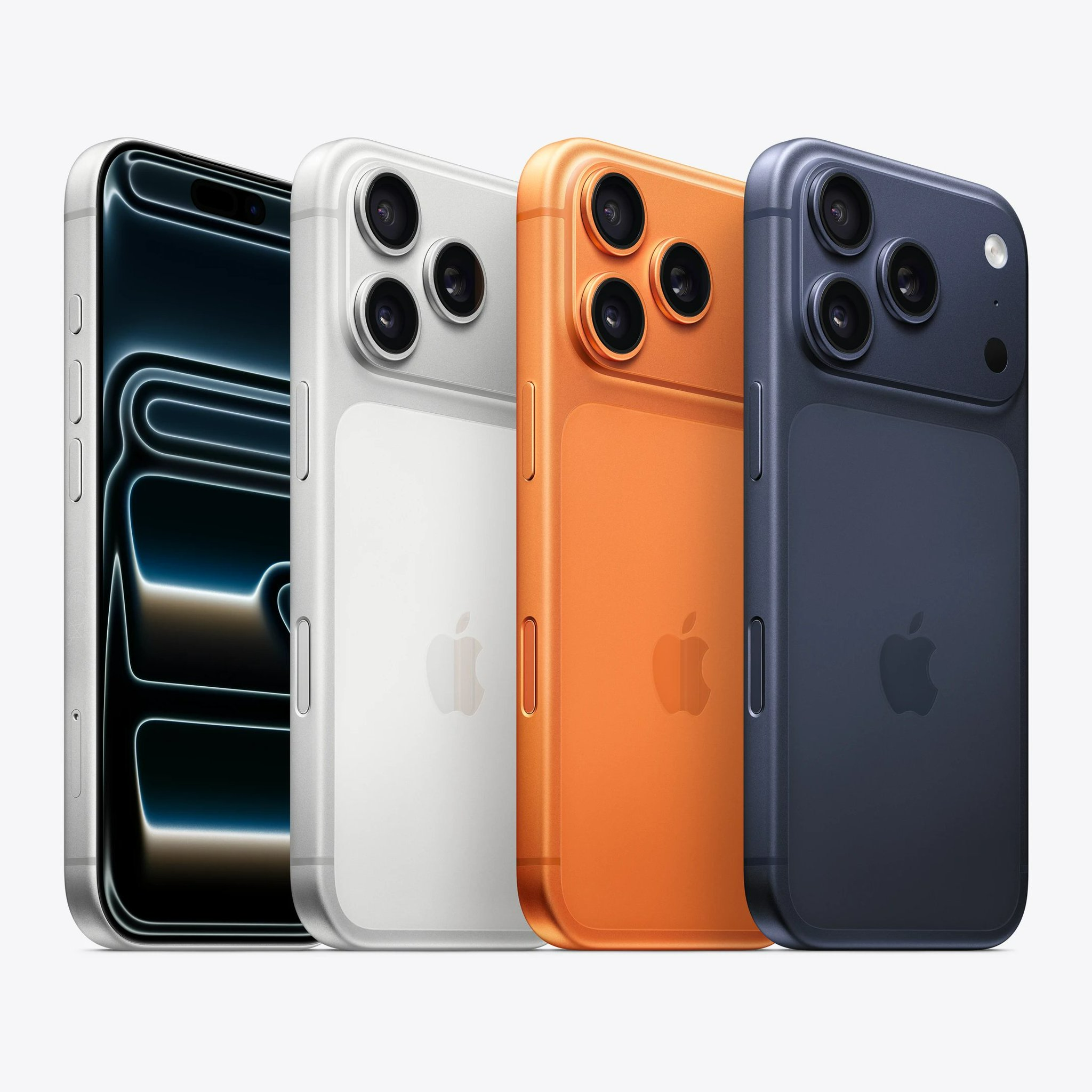
If you’re already deep into Apple’s ecosystem, you probably don’t need much convincing about the iPhone 17 Pro Max. It’s still the phone Apple wants you to buy when money isn’t the main concern.
The 17 Pro Max starts at $1,199 for 256GB and comes with a redesigned aluminum unibody, a vapor chamber for better cooling, and Apple’s A19 Pro chip.
The 6.9-inch Super Retina XDR OLED display runs at up to 120Hz with ProMotion and can reach 3,000 nits outdoors. Apple has also added Ceramic Shield 2 and its new N1 wireless chip, along with Wi-Fi 7 and Bluetooth 6.
The camera setup has three 48MP cameras covering the main, ultrawide, and telephoto ranges, with up to 8x zoom. Apple also claims up to 39 hours of video playback, which should make this one of the better options here for heavy users.
Charging has finally become a little less painful too. With Apple’s new 40W adapter, the phone can reach 50% in around 20 minutes.
Of course, the biggest reason to buy the iPhone 17 Pro Max isn’t any single specification. It’s the ecosystem. If you have a Mac, Apple Watch, AirPods, or other Apple devices, everything simply works together.
The $1,199 starting price is still a lot, but if you’re already invested in Apple, the Pro Max is the obvious choice.
6. Which One Should You Actually Buy?
Here’s the simple version. The Galaxy S26 Ultra is the one I’d recommend if you don’t have a specific weakness or preference. It’s the complete package, and features like the S Pen and DeX give it things the competition doesn’t really match.
The Oppo Find X9 Ultra is where I’d look first if the camera is the whole reason you’re upgrading. It isn’t cheap, but Oppo has clearly put a lot of work into making this a serious camera phone.
The Xiaomi 17 Ultra makes more sense if you’re particularly interested in zoom and night photography. Its camera hardware is hard to ignore, although availability could be an issue depending on where you live.
The Pixel 11 Pro XL is the easy choice for people who value clean software and long-term support. It’s also probably the least intimidating phone here if you just want something that works without a lot of tinkering.
And then there’s the iPhone 17 Pro Max. If you’re already using Apple products, there’s little reason to look elsewhere unless you specifically want Android.
Flagship phones have gotten expensive, and there’s no getting around that. In previous years, at least the price hikes came with real hardware improvements. The upcoming flagships are set to become more expensive, and AI is to blame. So if you’re thinking of getting a new flagship phone, it’s best not to wait. Rather, know your requirements and get the one that’s best for you.
Don’t miss a thing! Join our Telegram community for instant updates and grab our free daily newsletter for the best tech stories!
For more daily updates, please visit our News Section.