Add GIZMOCHINA as Preferred Source on Google
As an Amazon Associate, Gizmochina earns from qualifying purchases. Links on this page may earn us a commission at no extra cost to you.
Smartwatches have improved significantly over the years. They now do far more than count steps and display phone notifications. Modern models can track heart rate throughout the day, record detailed workout data, measure sleep quality, monitor stress, and provide GPS navigation for outdoor activities. Many also include advanced tools such as ECG readings, blood-oxygen monitoring, recovery scores, personalized training plans, and emergency safety features.
The best option depends on the type of exercise you do, the health data you want to monitor, and how often you are willing to charge the device. Some watches focus on detailed training and recovery insights, while others prioritize smartwatch features, comfort, durability, or multi-day battery life.
If you are looking for a good smartwatch to track your fitness, workouts, heart rate, and overall health, these are the best smartwatches you can buy in 2026.
1. Samsung Galaxy Watch 9
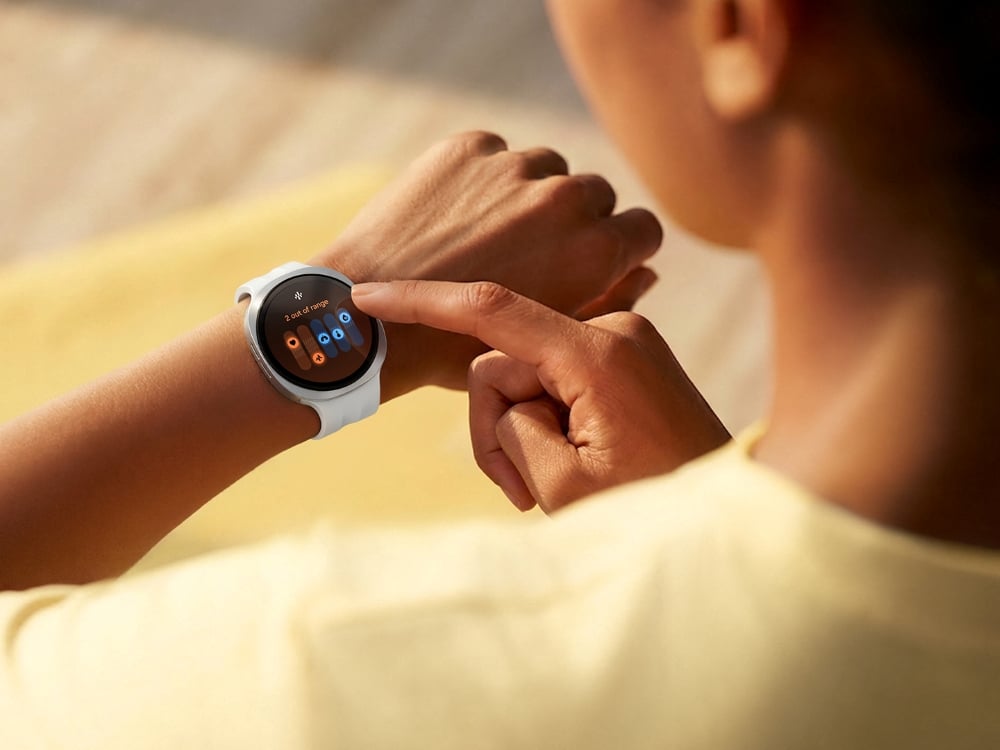
The Samsung Galaxy Watch 9 is the easy recommendation for Android users who want a conventional smartwatch without treating workouts as an afterthought. Available in 40mm and 44mm sizes, it is slim, lightweight, and far less imposing than the company’s rugged Ultra-tier watch.
Its strengths are familiar: continuous heart-rate tracking, sleep monitoring, workout recording, GPS, stress data, blood-oxygen readings, and Samsung’s BioActive sensor platform. But Samsung is leaning harder into interpretation, not just measurement. Features such as Heart Health Score, Daily Cardio Load, Fitness Index, Vitals monitoring, and sleep-based health baselines attempt to turn a sprawling dashboard of numbers into something actionable.
The Watch 9 also offers a bright Super AMOLED display that can reach 3,000 nits, dual-frequency GPS, LTE options, NFC, and up to 32GB of storage. It runs Wear OS 7 with One UI 9 Watch, so it remains useful as an actual smartwatch rather than a fitness tracker with notification spam attached.
Its biggest weakness is battery life. The 44mm model has a 445mAh battery, while the 40mm uses a 390mAh cell, fine for a day or perhaps more, but not Garmin territory. Still, for general workouts, heart-rate tracking, sleep insights, and daily Android life, it is one of the most complete options.
For a wider view of what else is worth buying this year, see our roundup of the best smartwatches of 2026.
2. Apple Watch Series 11

The Apple Watch Series 11 remains the default choice for iPhone users, and for good reason. It is not the longest-lasting watch here, nor the most rugged, but Apple’s health and safety software remains unusually polished.
This generation adds hypertension notifications, which use long-term optical heart-rate sensor data to look for consistent signs associated with chronic high blood pressure. It also introduces a Sleep Score, combining sleep duration, schedule consistency, awakenings, and sleep stages into one digestible rating. Neither feature replaces medical testing or a clinician, but both could be useful prompts to pay closer attention.
The rest of the package is classic Apple Watch: ECG, irregular-rhythm notifications, blood oxygen tools where available, cycle tracking, noise monitoring, crash detection, fall detection, depth and water-temperature sensors, and a deep catalog of workout modes.
The Series 11 is available in 42mm and 46mm cases, with aluminum and titanium finishes. The aluminum model gets tougher Ion-X glass with a ceramic coating, while the titanium version uses sapphire crystal. Apple rates the battery for up to 24 hours of normal use and up to 38 hours in Low Power Mode. Fast charging can reach up to 80% in around 30 minutes.
3. Google Pixel Watch 5
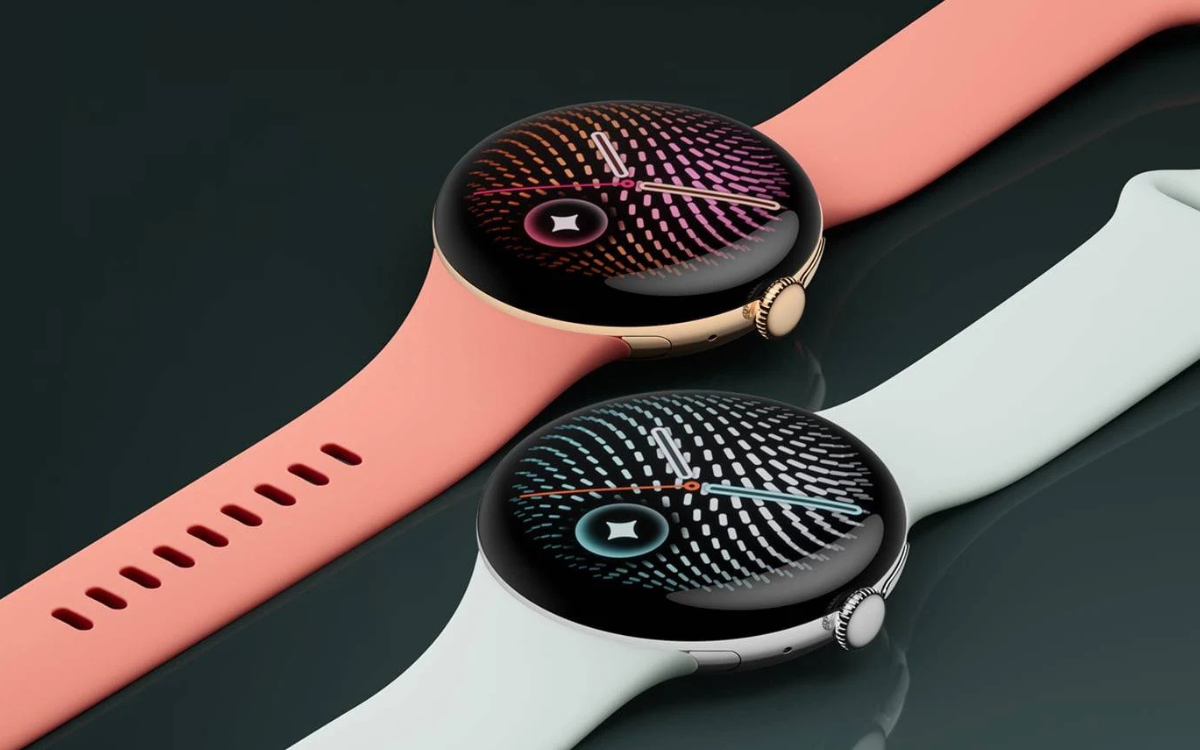
The Google Pixel Watch 5 is for Android users who want their smartwatch to be more proactive. It combines fitness tracking with Google’s expanding Gemini AI features, contextual information, and Fitbit-inspired health tools.
The watch comes in 41mm and 45mm sizes and uses a bright 3,000-nit domed AMOLED display. Its dual-frequency GPS is designed to improve route accuracy in dense cities, wooded trails, and other areas where satellite signals can struggle. For runners, cyclists, and hikers, that can matter more than another dozen sports modes.
Fitness features include recovery recommendations based on sleep and heart-rate variability, improved sleep-stage detection, Smart Wake alarms, strength-training guidance, and customized workout plans. Google is also expanding the watch’s role in safety with Breathing Emergency Detection, which uses heart-rate, movement, and barometric data to identify severe oxygen-related emergencies and potentially contact emergency services if the wearer is unresponsive.
Battery life is better than on previous Pixel Watches. The 41mm model is rated for up to 30 hours with the always-on display enabled, while the larger 45mm version can last up to 40 hours
4. Garmin Venu 4
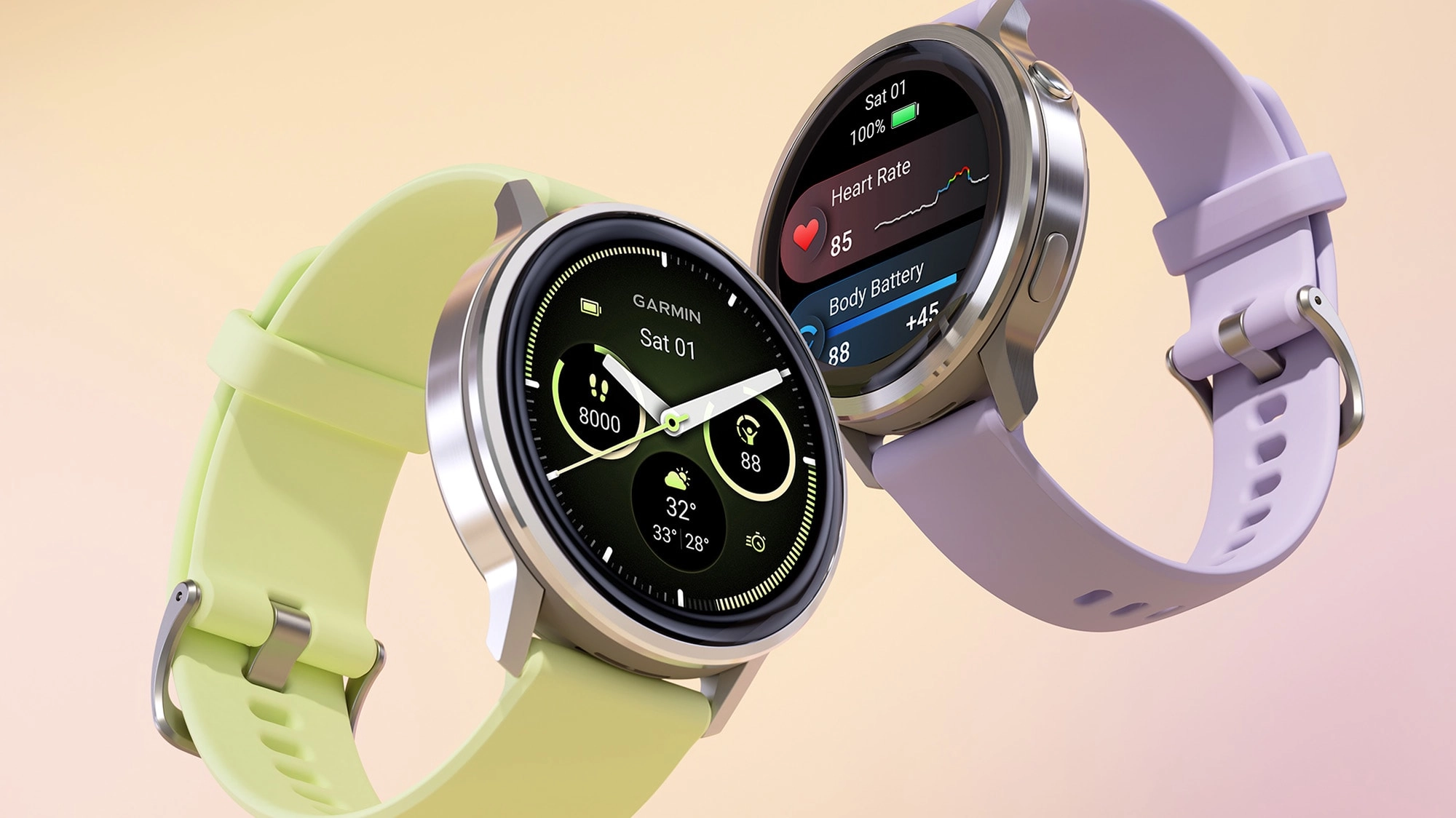
The Garmin Venu 4 is one of the best choices for people who see fitness tracking as the main event rather than a smartwatch side feature. It is available in 41mm and 45mm sizes and delivers up to 12 days of battery life in smartwatch mode, making it dramatically easier to wear continuously for sleep, recovery, and workout tracking.
Garmin’s health suite is particularly strong. The Venu 4 tracks heart rate, heart-rate variability, Pulse Ox, skin temperature, sleep stages, Body Battery, stress, women’s health metrics, and ECG. The important difference is that Garmin is good at connecting those measurements to training readiness. If sleep quality is poor or recovery is low, Garmin Fitness Coach can adapt workout recommendations rather than simply pushing you to close another activity ring.
The Venu 4 also includes GPS, onboard music, Garmin Pay, Bluetooth calling, smart notifications, a built-in flashlight, and safety-tracking functions. Its software is not as app-heavy as Apple’s or Google’s platforms, but athletes may not care. This is a watch designed for someone who wants reliable heart-rate trends, recovery data, workout plans, and battery life that does not turn every evening into a charging session.
5. Amazfit Balance 3
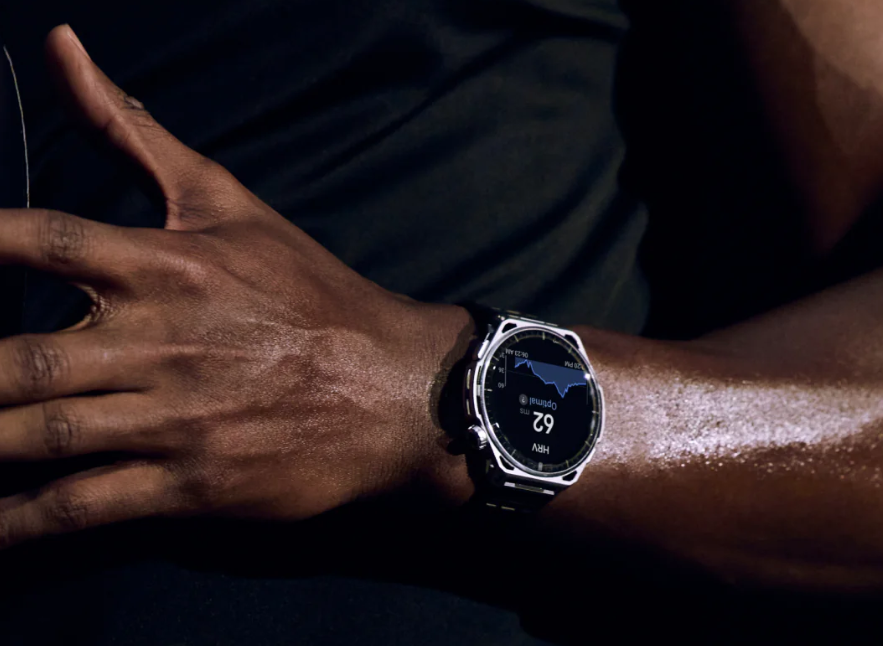
The Amazfit Balance 3 targets users who want advanced training metrics without paying flagship smartwatch prices. It features a 1.5-inch AMOLED display, sapphire glass, dual-band GPS, offline maps, Bluetooth calling, 64GB of storage, and up to 21 days of battery life on the titanium version.
Amazfit uses its Hybrid Training System to combine fitness, recovery, and lifestyle data. The system includes BioCharge, LifeLoad, and Training Load metrics. BioCharge estimates current energy and recovery levels. LifeLoad measures daily lifestyle stress. Training Load tracks workout strain.
The Zepp app uses that data to show whether a user should train hard, recover, or adjust their schedule. Weekly Focus and Training Balance tools also help users understand how their workouts are distributed across endurance, strength, and recovery.
The Balance 3 supports more than 180 sports modes. It can recognize 25 strength exercises and eight standard activity movements. It also supports external heart-rate straps, cycling sensors, and running power meters.
Amazfit has added HYROX-specific features, including workout tracking, race simulations, training plans, virtual pacing, and post-race performance analysis. The Balance 3 is a strong choice for runners, gym users, and hybrid athletes who want deeper fitness data and long battery life.
6. Xiaomi Watch 5
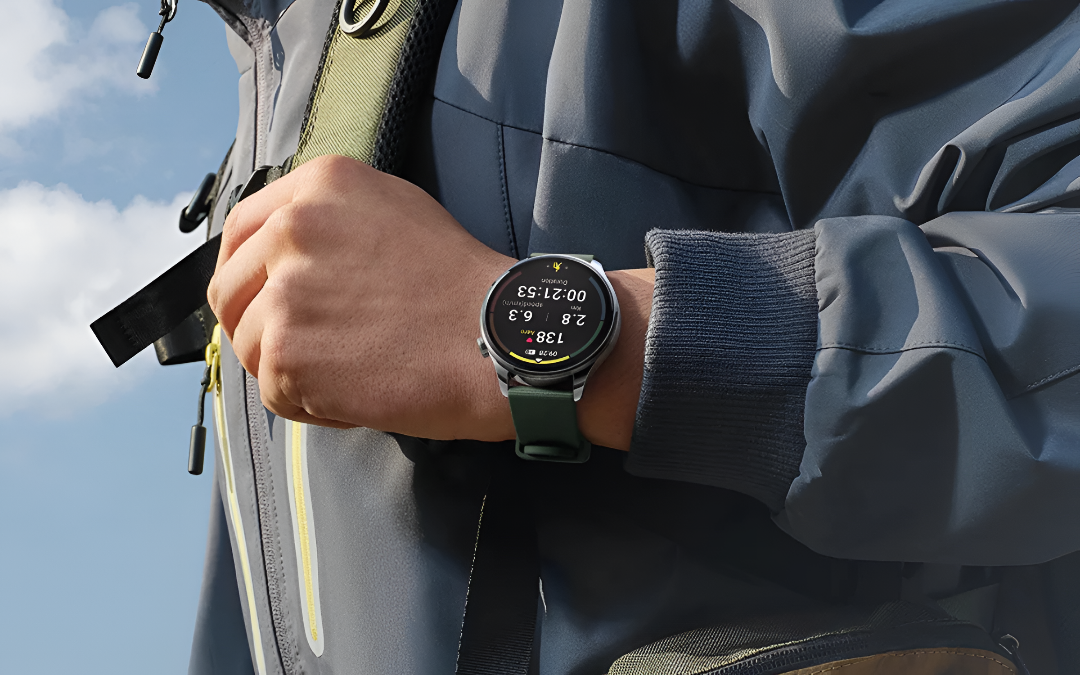
The Xiaomi Watch 5 offers a large battery, Wear OS 6, and a complete set of health and fitness tools. It uses a dual-chip design with a Snapdragon W5 Gen 1 processor and a BES2800 low-power chip. Xiaomi says the watch can last up to six days in regular smart mode and up to 18 days in power-saving mode.
The watch has a 930mAh silicon-carbon battery, a 1.54-inch AMOLED display, sapphire protection, dual-band GPS, NFC, ECG support, and continuous heart-rate and SpO2 monitoring. It also supports more than 150 sports modes and includes offline maps for outdoor training.
Google Gemini is available on the Xiaomi Watch 5, along with Google Wallet, Google Maps, Google Calendar, and the Google Play Store. The watch also supports Xiaomi HyperConnect for smart-home controls and connected-device features.
Xiaomi has also added gesture controls that use EMG, IMU, and PPG sensors. Users can pinch, rub, snap, shake, or rotate their wrist to control functions such as calls, alarms, workouts, camera controls, and media playback.
The Xiaomi Watch 5 is a good option for Android users who want Wear OS features without charging their smartwatch every day.
7. Amazfit Active 2
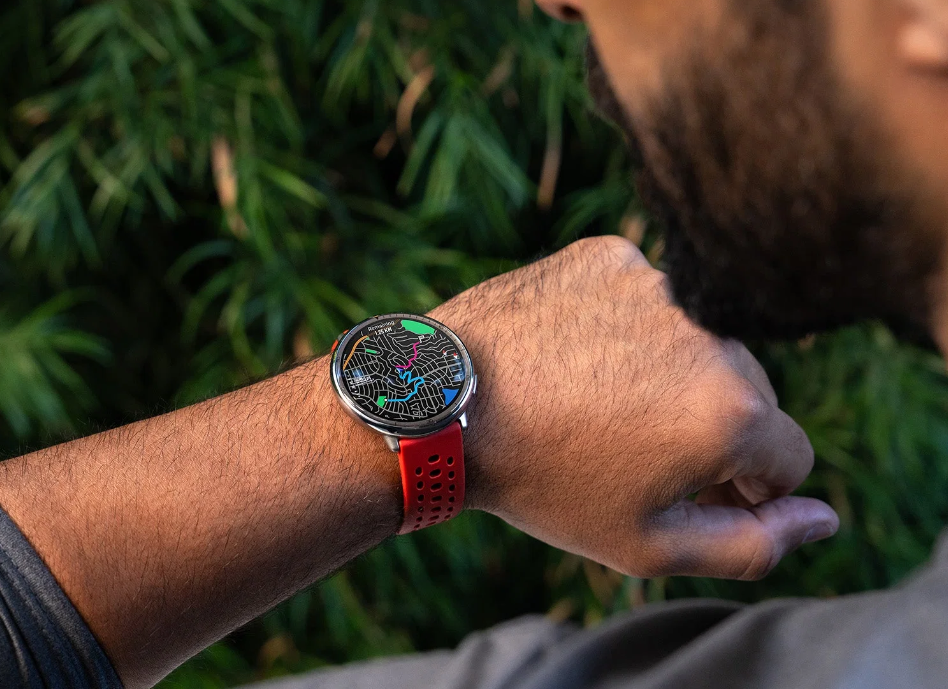
The Amazfit Active 2 delivers many key fitness features at a lower price than flagship smartwatches. It has a 1.32-inch AMOLED display, stainless-steel frame, GPS, Bluetooth calling, heart-rate monitoring, SpO2 tracking, stress tracking, temperature sensing, and more than 160 workout modes.
The watch uses the BioTracker 6.0 PPG sensor and includes Zepp Coach training guidance. It can recognize strength-training movements, track running performance, provide virtual pacing, and estimate race achievements.
The Active 2 also offers readiness scores, sleep data, smartphone notifications, music controls, camera controls, and up to 10 days of typical battery life. The premium model includes sapphire glass for added display protection.
The Amazfit Active 2 is a sensible pick for users who want workout tracking, GPS, and heart-rate data without paying for premium smartwatch features they may not use.
8. Honor Watch 6
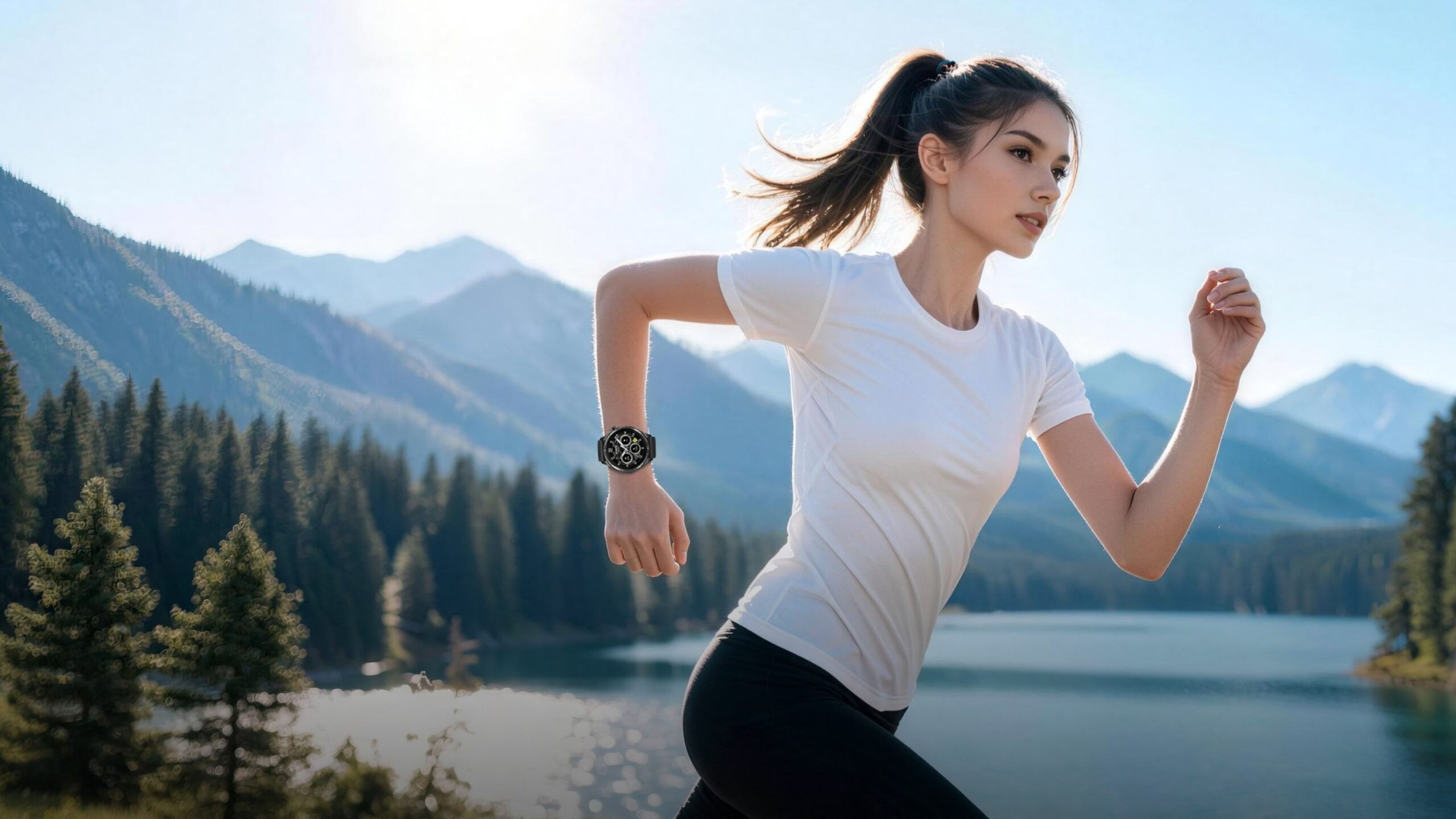
The Honor Watch 6 (full review) is built around an idea that many smartwatch owners will find refreshing: not charging every day. Its 980mAh silicon-carbon battery is rated for up to 35 days of use, making it one of the most endurance-focused watches in this group.
It includes over 120 workout modes, dual-band GPS, continuous heart-rate monitoring, SpO2 tracking, stress measurements, sleep analysis, and body-energy estimates. Trail runners get climbing and route-deviation metrics through Honor’s AccuTrack GPS system, while sports such as badminton and football receive more specific performance data.
The 1.46-inch AMOLED display reaches up to 3,000 nits, which should make it easy to read stats during outdoor training. It also has IP69 water and dust resistance, 5ATM water resistance, Bluetooth calling, NFC support in select markets, and gesture controls for managing alarms, calls, and music.
The Honor Watch 6 is less focused on third-party apps than Apple, Google, or Samsung models. But if you prioritize a bright screen, fitness fundamentals, outdoor tracking, and exceptionally long battery life, it is a compelling alternative.
9. Huawei Watch Fit 5 Pro
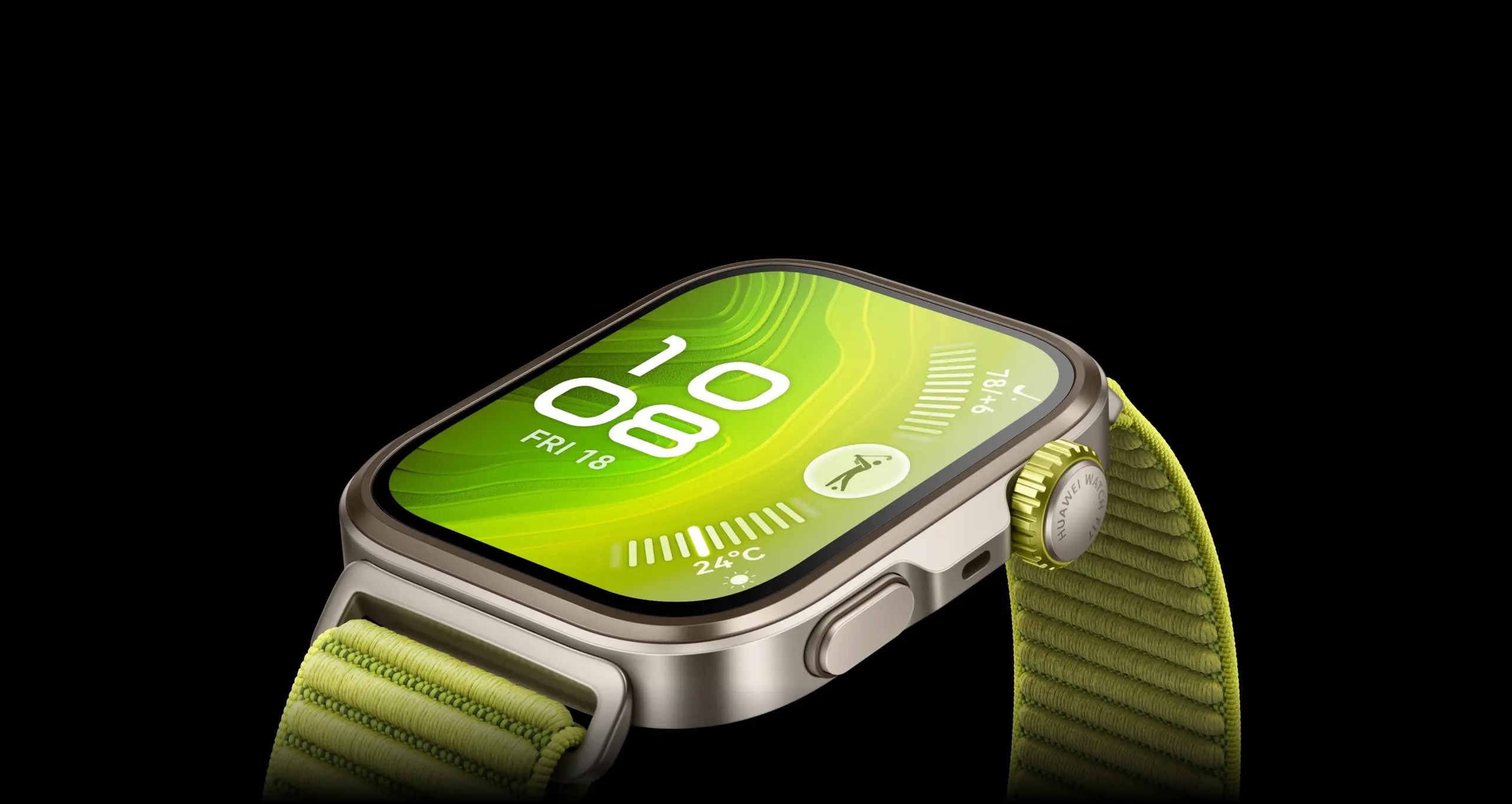
The Huawei Watch Fit 5 Pro (full review) focuses on outdoor training and health tracking in a slim, lightweight design. It has a large AMOLED display, built-in GPS, continuous heart-rate monitoring, sleep tracking, blood-oxygen measurements, wrist-temperature tracking, Bluetooth calling, and support for more than 100 workout modes.
Huawei adds several features for more serious activities. The Watch Fit 5 Pro supports trail-running navigation, golf-course maps, ECG alerts, and diving tracking to depths of 40 meters. These tools give it a broader fitness focus than a standard activity tracker, especially for users who run outdoors, play golf, or spend time in the water.
The watch also offers up to 10 days of battery life, which makes it easier to wear overnight for sleep tracking and for multi-day trips without packing a charger. The Huawei Watch Fit 5 Pro is a strong choice for users who want a lighter alternative to a traditional round smartwatch but still need GPS, health tracking, and outdoor sports features.
10. Oppo Watch X3
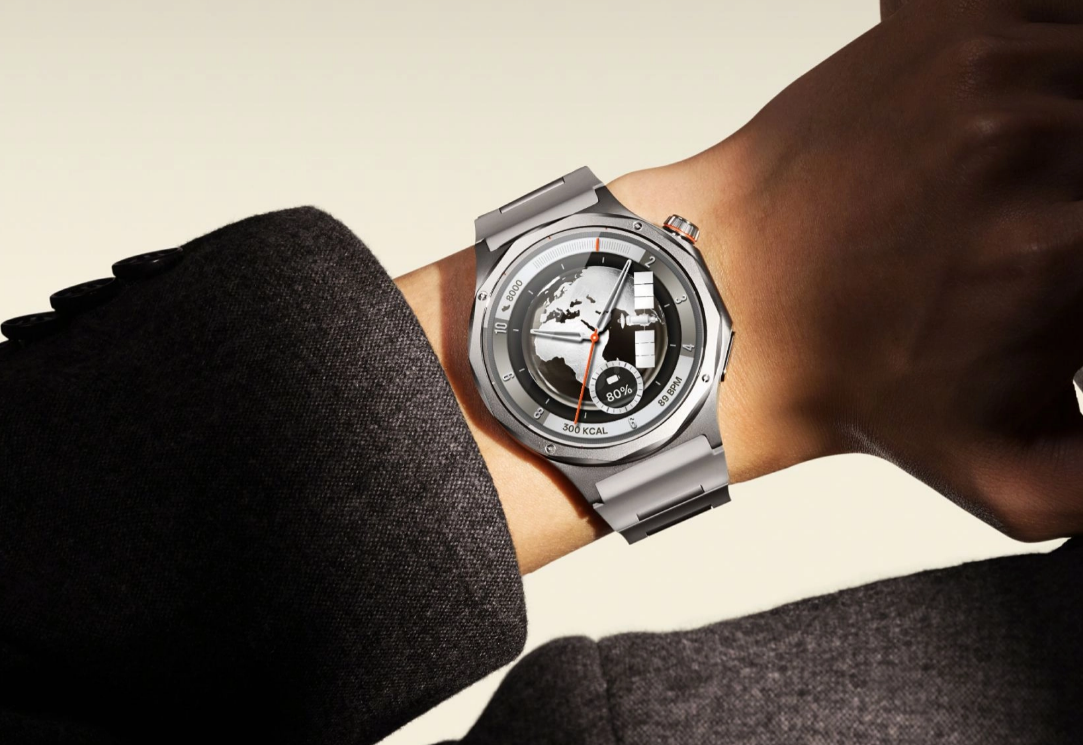
The Oppo Watch X3 combines Wear OS 6 with a dual-engine system that moves background tasks to a low-power RTOS platform. Oppo says the approach delivers up to five days of battery life in Smart Mode and up to 16 days in Power Saver Mode.
The smartwatch includes ECG support, continuous heart-rate monitoring, SpO2 tracking, HRV-based stress insights, sleep analysis, dual-band GPS, fall detection, Bluetooth calling, and more than 100 sports modes. It also supports Google apps and services through Wear OS, which gives users access to Google Wallet, Maps, notifications, and third-party apps.
Oppo uses a titanium case and sapphire display protection for a more premium design. The Watch X3 also carries IP69 protection and MIL-STD-810H durability certification. It is a strong option for Android users who want a full Wear OS smartwatch with detailed health tracking and better battery life than most mainstream rivals.
For more daily updates, please visit our News Section.
Stay ahead in tech! Join our Telegram community and sign up for our daily newsletter of top stories!