
Add GIZMOCHINA on Google:
This year’s Xiaomi 18 Pro Max is both completely expected and completely unexpected. It looks so similar to the 17 Pro Max, yet it is also different in so many ways. There are upgrades, but there are also some features that look like upgrades but feel more like gimmicks. Even if you think it’s too expensive and not worth buying, you can’t deny that it’s still a phone with a lot of character. But…at what cost?
Design & Rear Display
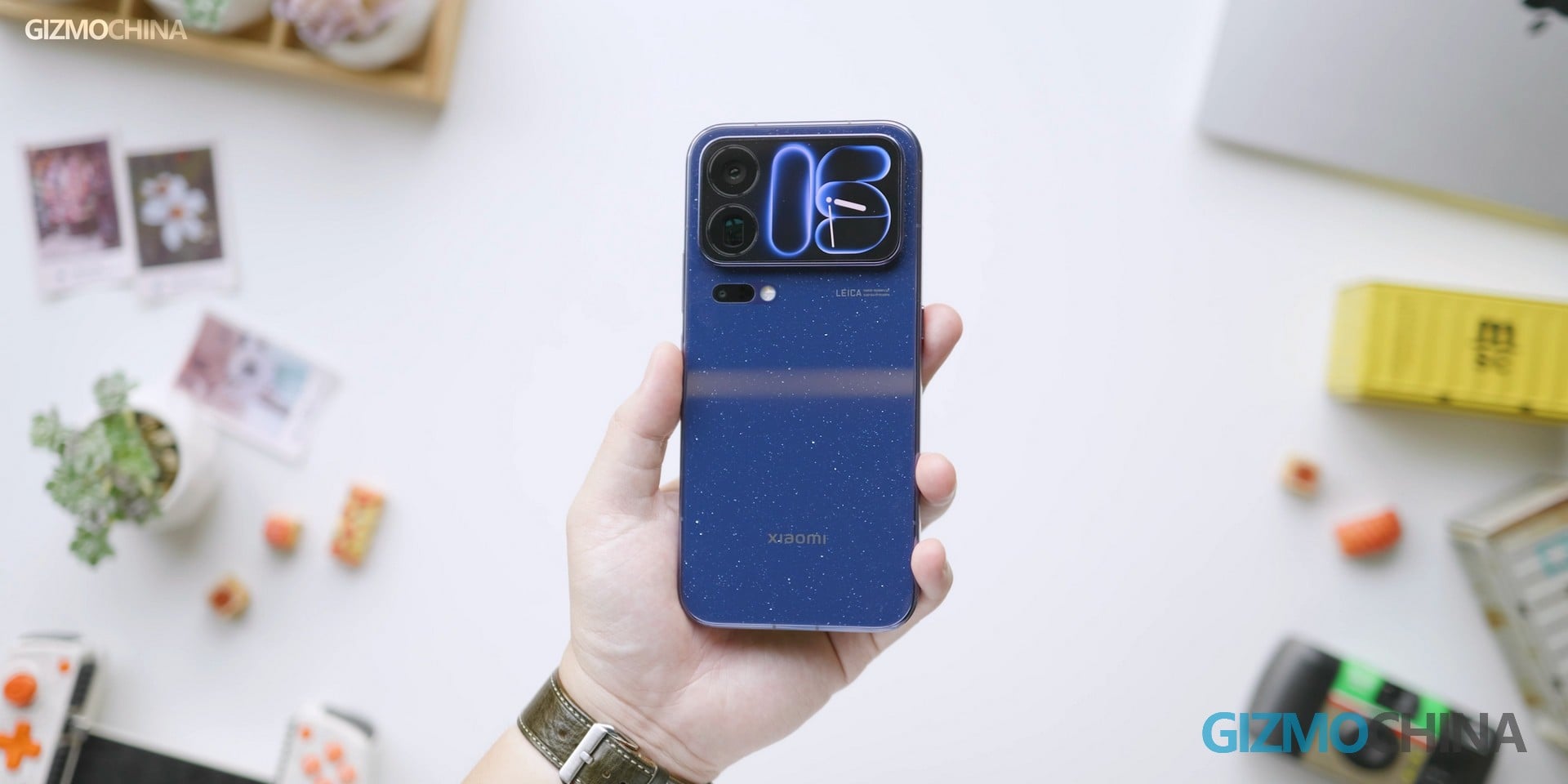
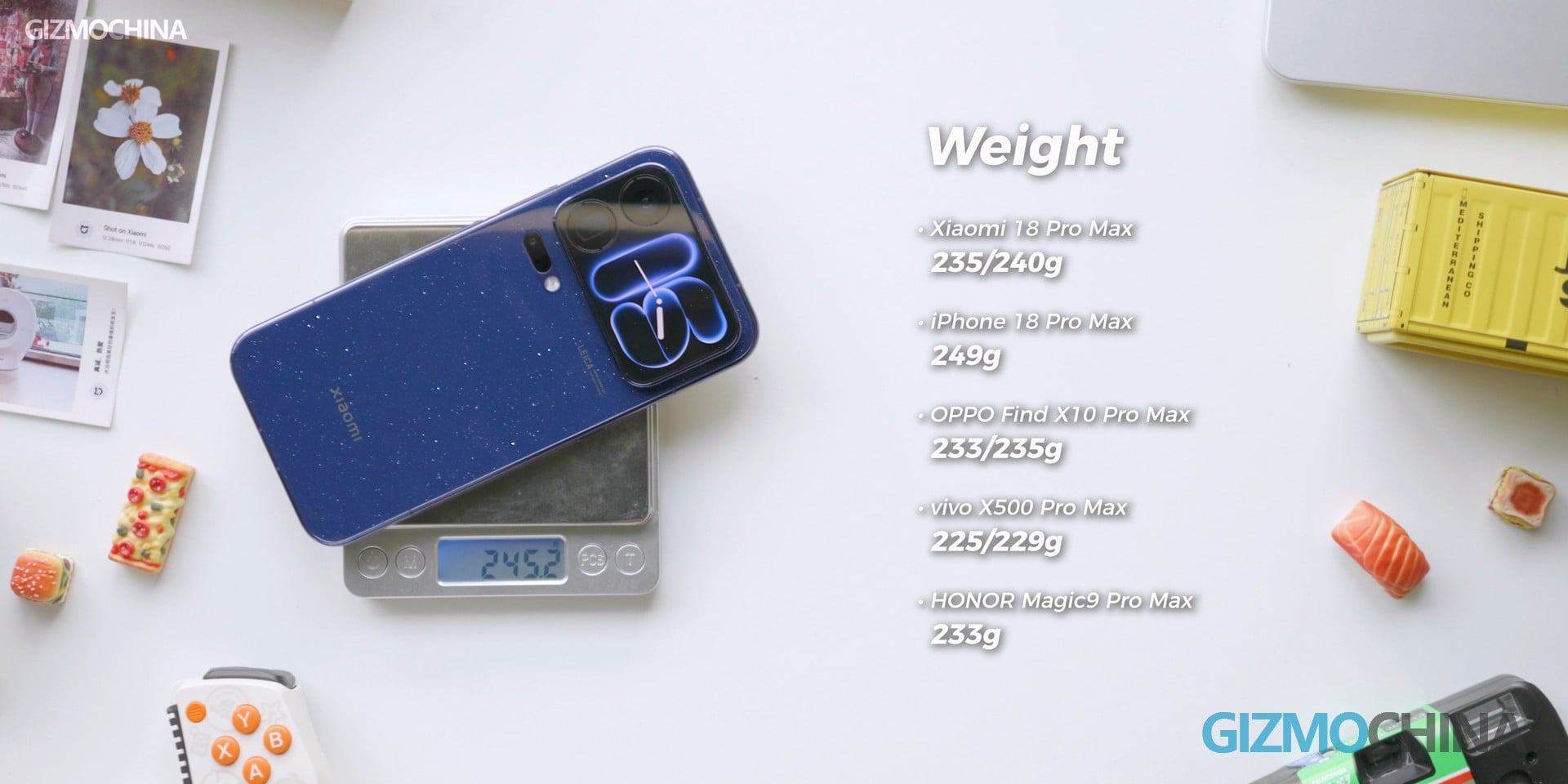
The entire rear display module has gotten even taller, but at least the camera lenses are now flush with it. The phone no longer wobbles when you put it on a table, which is definitely a good thing. But the downside is that it has one more display than other phones, and a larger battery as well. That makes the 18 Pro Max the second-heaviest phone I’ve ever used.
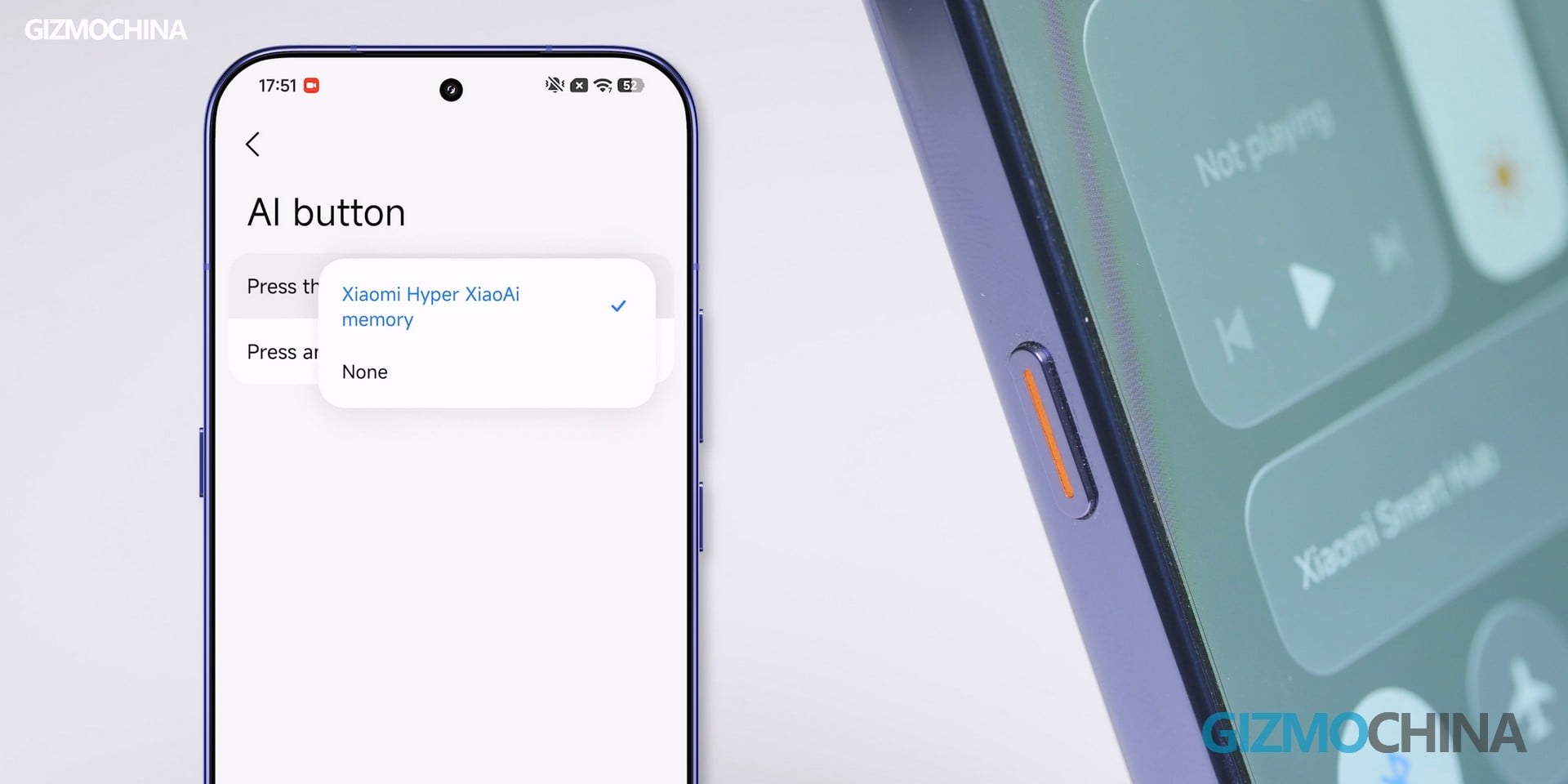
The AI button is also very “AI.” There are so few functions you can customize, it’s pretty obvious Xiaomi doesn’t want you to treat it as a customizable button. And then there’s this Hyper XiaoAi Memory. Doesn’t it look familiar? This is basically OPPO’s Mind Space. Press it once, and AI can summarize what’s on the screen and save it to your phone.
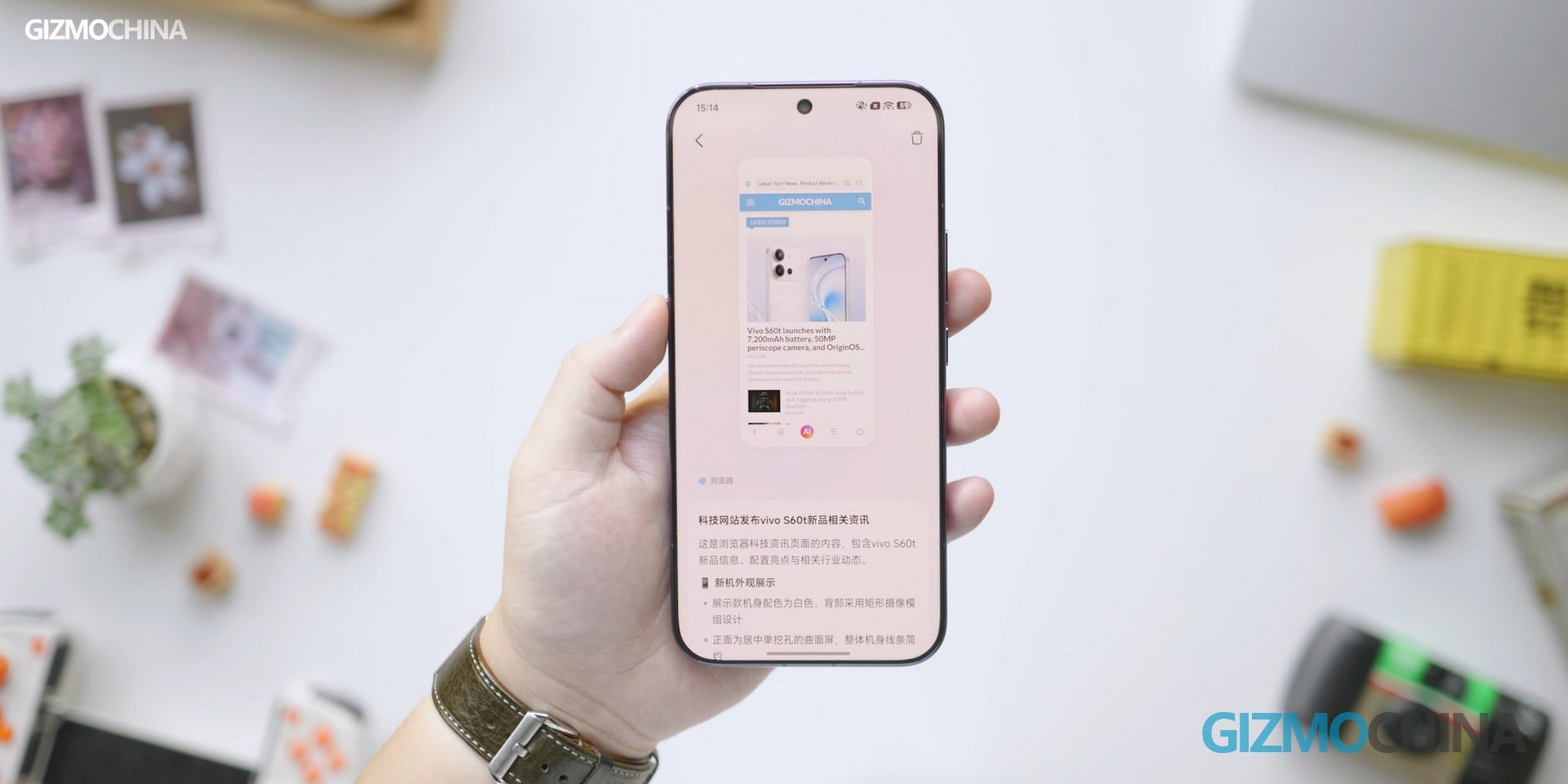
However, a lot of the content is still only available in Chinese. Until the global version comes out, this is definitely not a feature you can really use.
Last year, I thought the rear display didn’t have much practical value. But the sales of the Xiaomi 17 Pro Max proved that emotional value matters too. Xiaomi seems to think the same way. That’s why the 18 Pro series keeps the rear display and adds even more features designed to provide that emotional value.
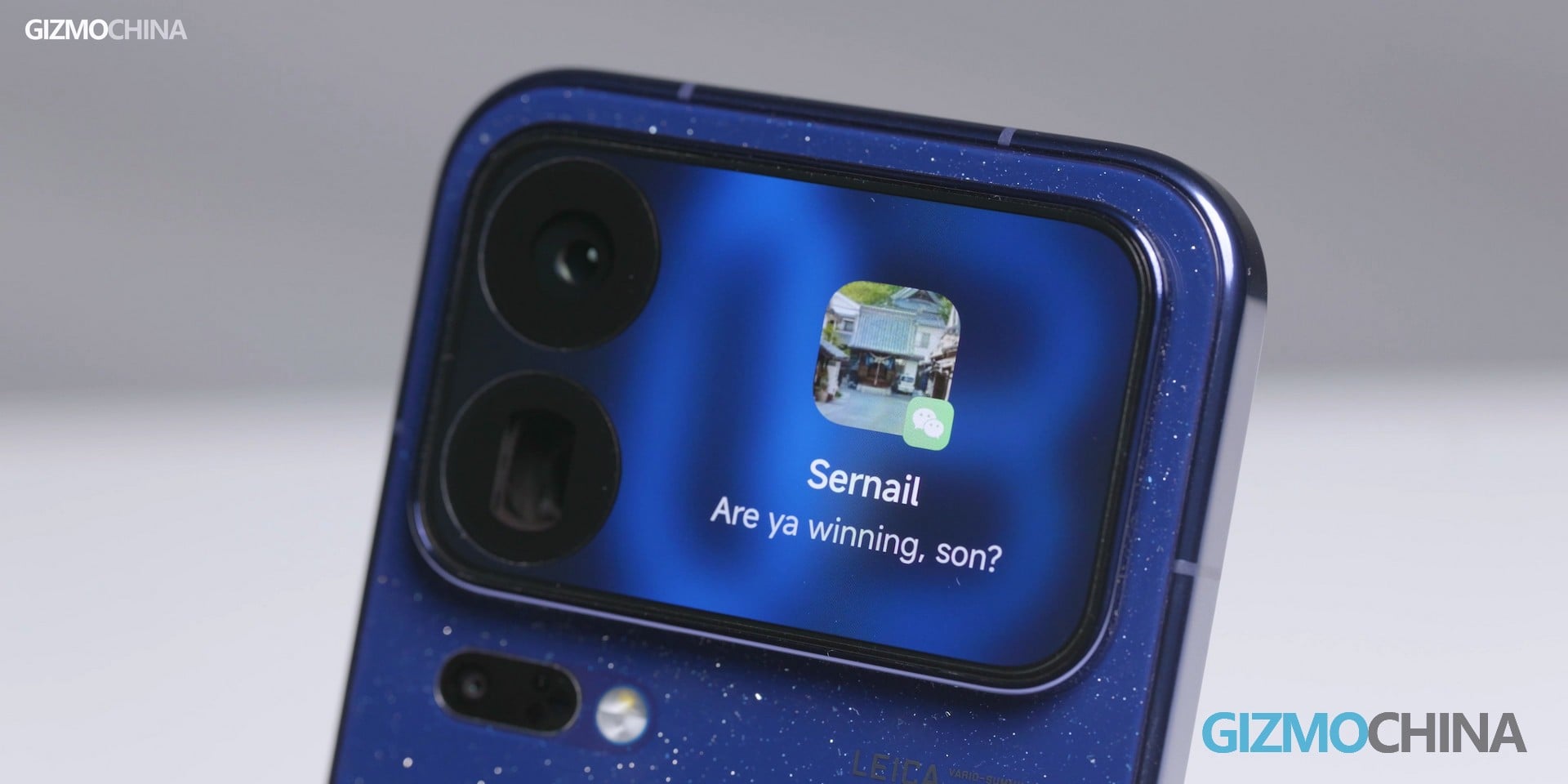
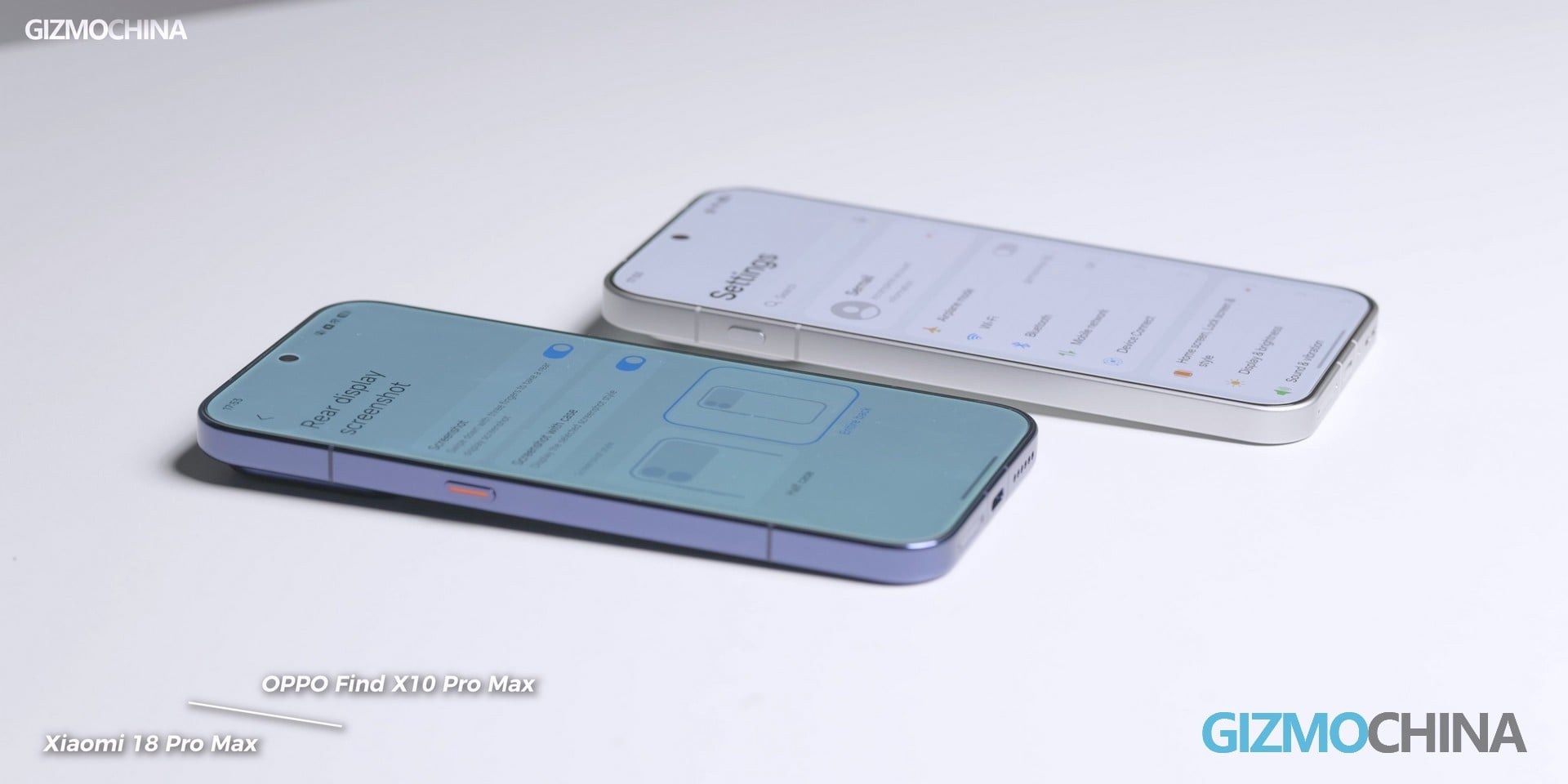
For example, you can finally see different notifications on the rear display. This screen also supports screenshots now. You can even show the screenshot together with the phone itself. This little screen has basically unlimited possibilities. But if we rely only on Xiaomi, it’s difficult to satisfy everyone’s needs. So now you can use AI to add whatever functions you want to the rear display.
Just describe roughly what you want to add. The AI will figure out what you want and summarize the function for you. Then wait 3 to 5 minutes, and you’ll have a new function ready to use on the rear display.
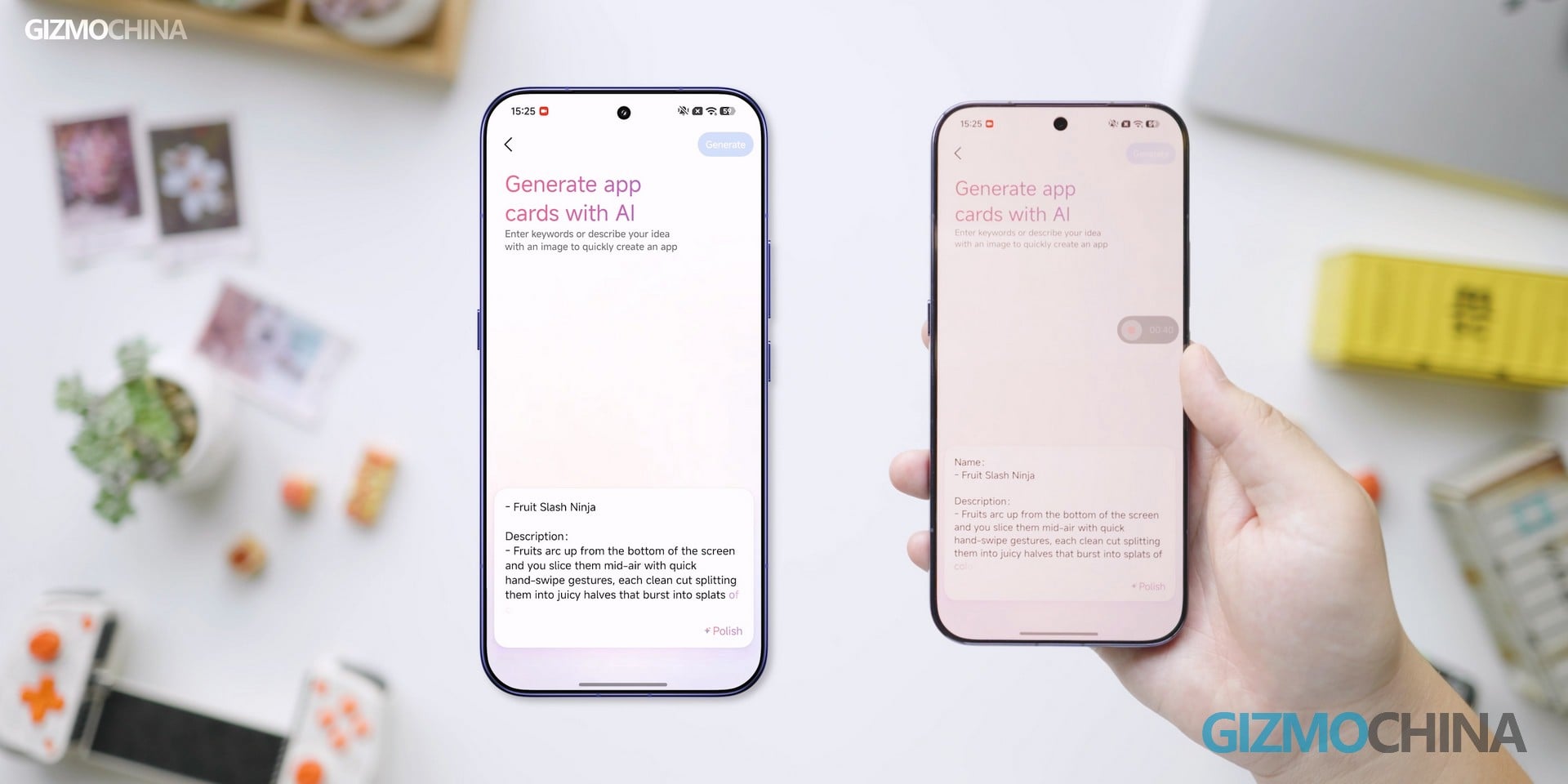
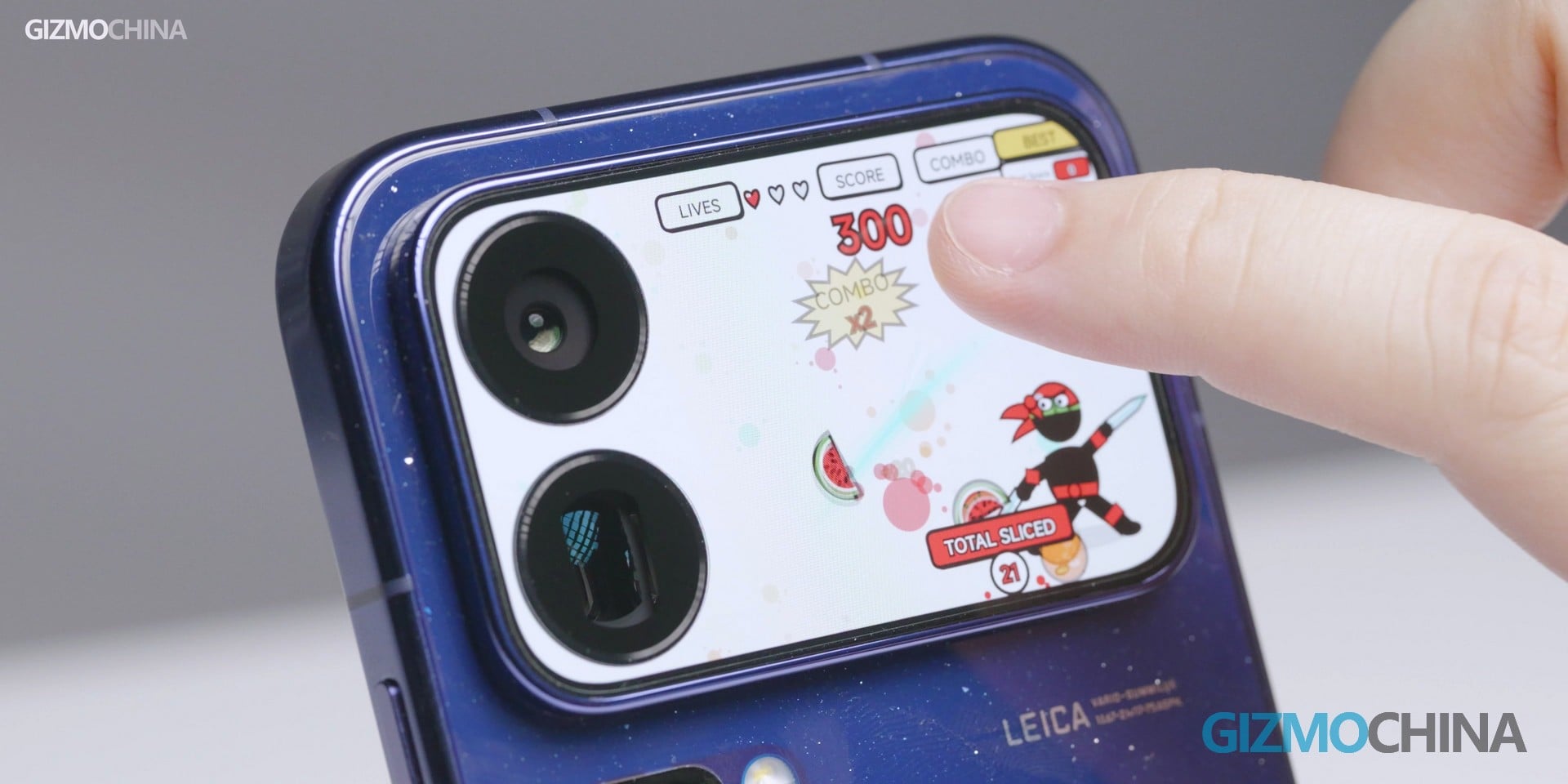
The speakers on other phones are improving too. So compared with them, the 18 Pro Max’s three-speaker setup doesn’t have a huge advantage in sound quality. I put the speaker test at the end of the video. If you’re interested, you can listen to it yourself.
Display
The display on the 18 Pro Max is probably the most controversial part of this phone. First of all, it is a good display. Other than the fact that it doesn’t reach 2K resolution, it’s really hard to find anything wrong with it.
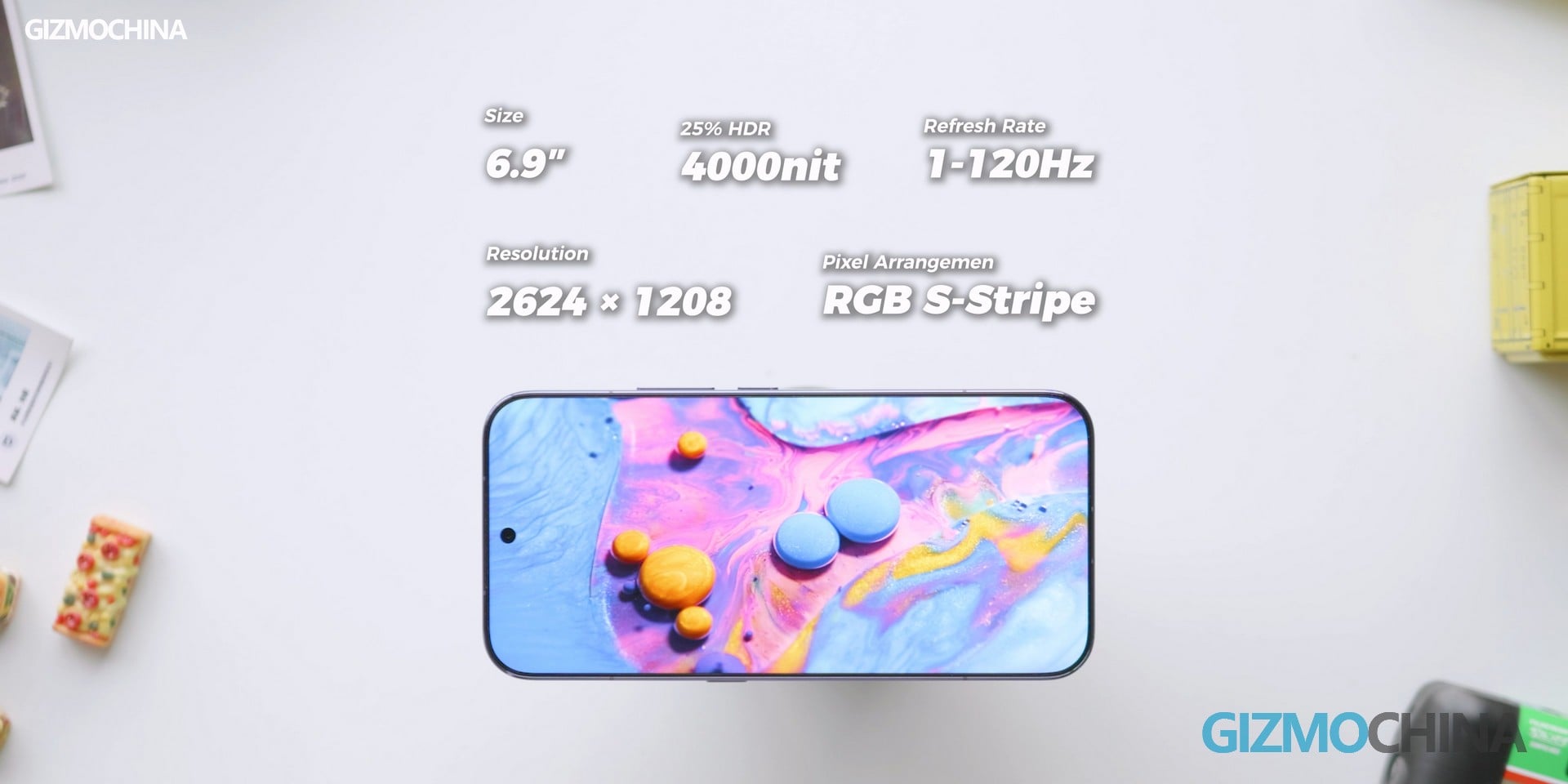
The controversial part is the new privacy display technology. Xiaomi added a grille to half of the pixels on this display. When the normal pixels are turned off, the content becomes almost impossible to see from the side.
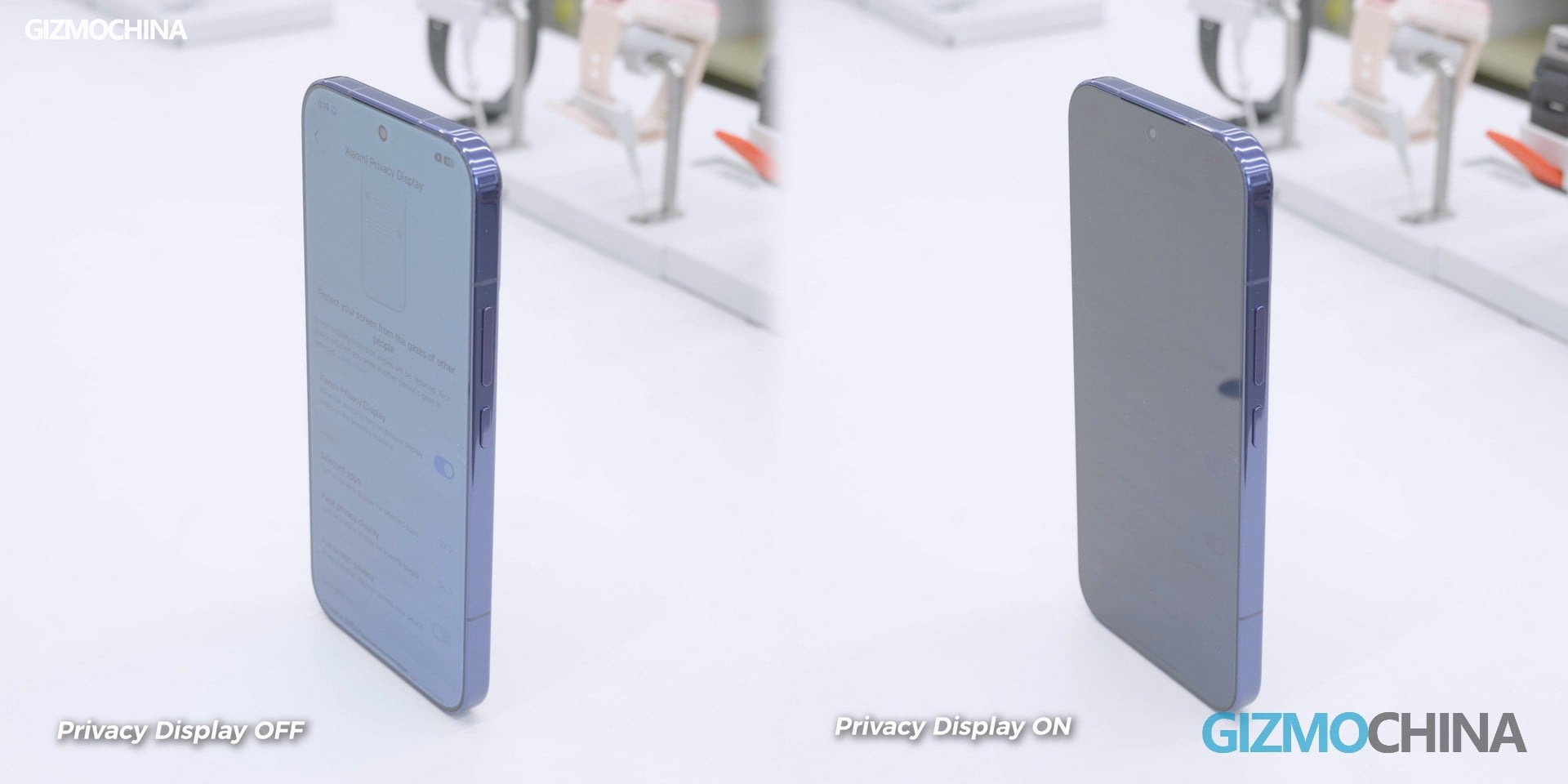
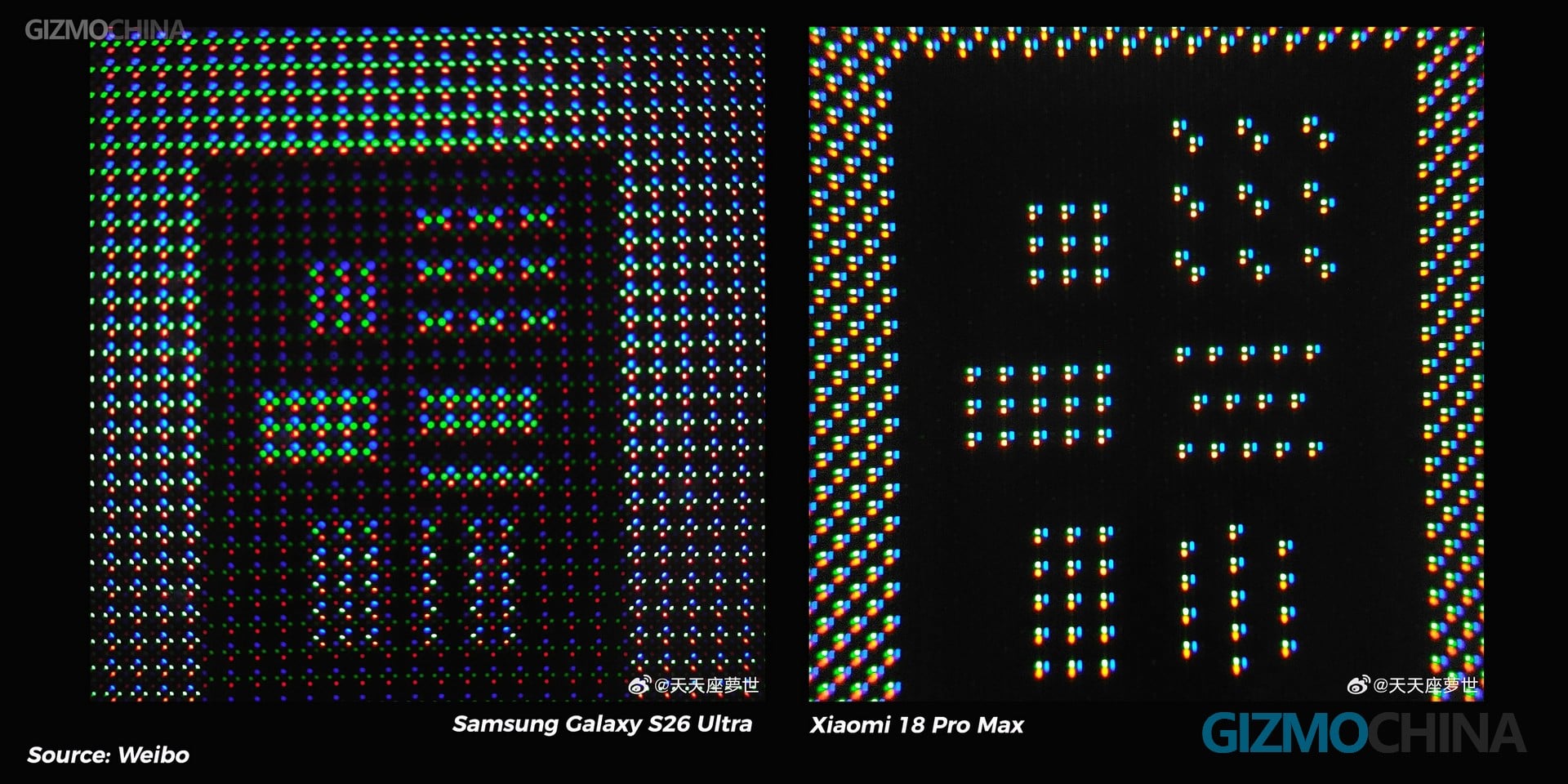
And there are 2 things it does better than Samsung. Thanks to the RGB S-Stripe design, which doesn’t share sub-pixels in 1 pixel, the display remains a little sharper with the privacy mode enabled than the S26 Ultra.
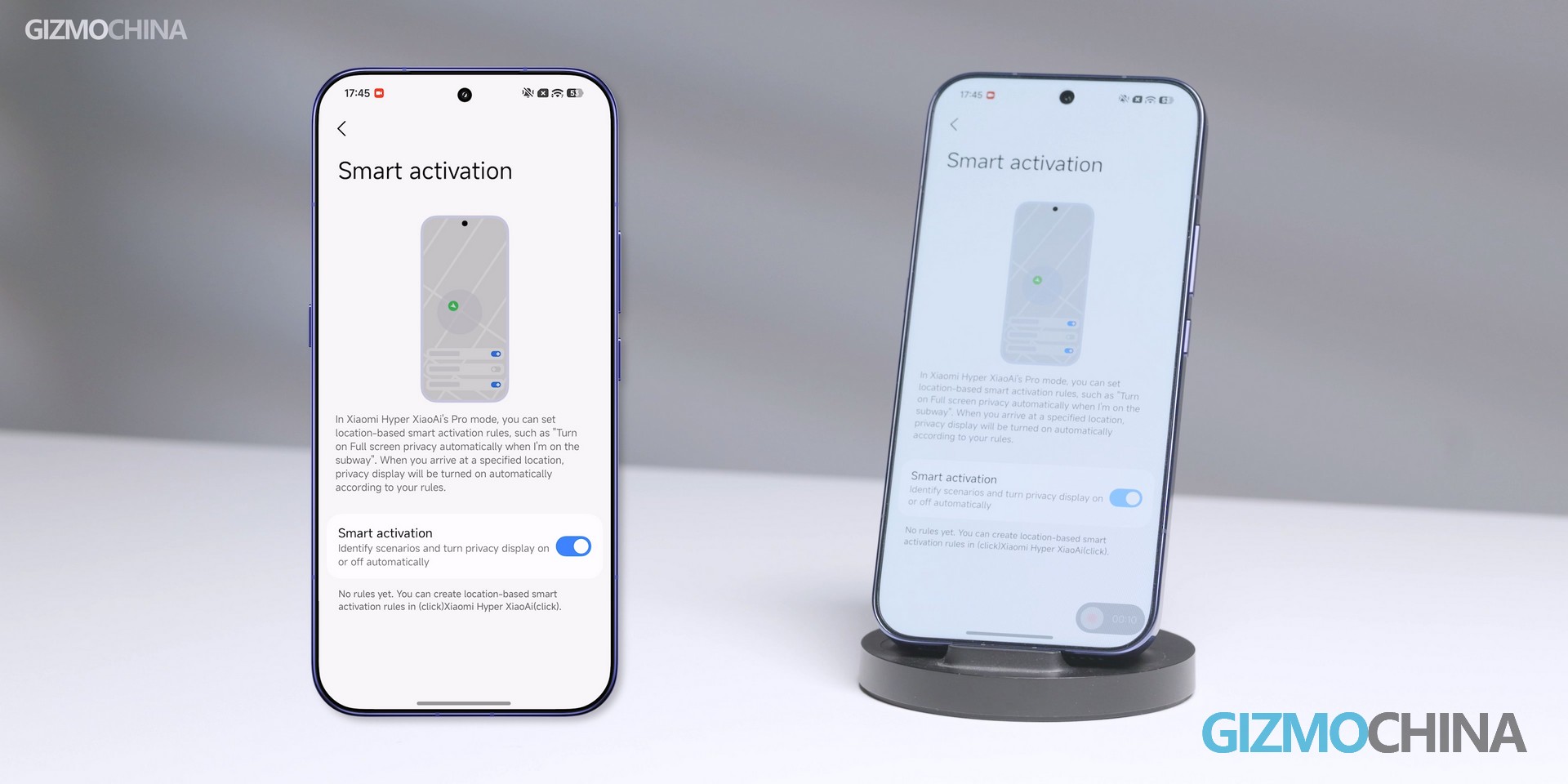
Second, the 18 Pro Max is smarter. It can apply privacy protection to specific areas. For example, it can dim only notifications and floating windows. It can even automatically turn privacy mode on or off based on your location. The Xiaomi 18 Pro Max has the best privacy display implementation I’ve seen on a phone so far.
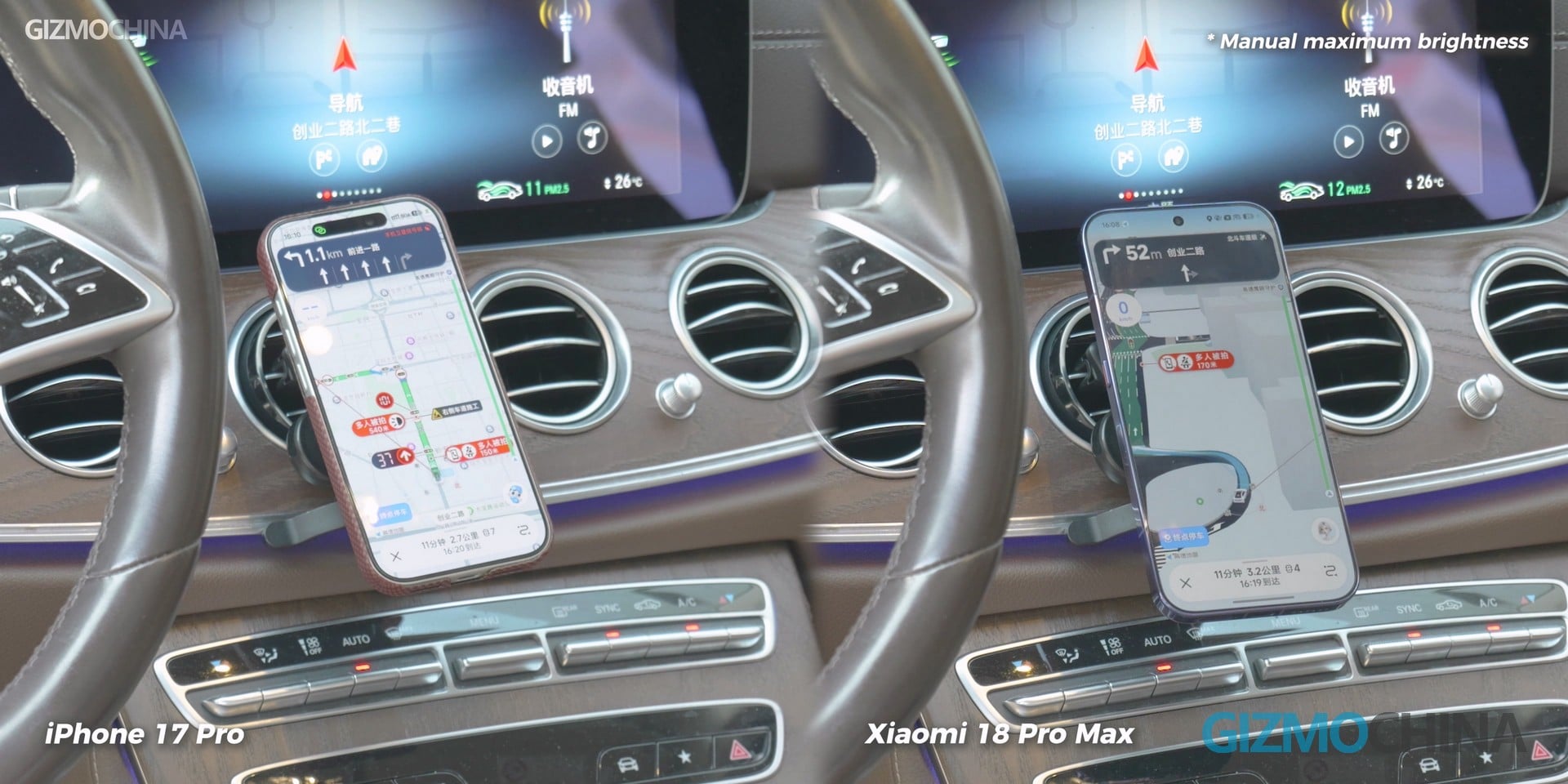
Now that we’ve talked about the benefits, what about the cost? There are 3 major trade-offs. The first is the viewing angle. It becomes significantly worse. Don’t think that because we usually look straight at our phones, a poor viewing angle won’t affect you. In reality, we often look at our phones from an angle.
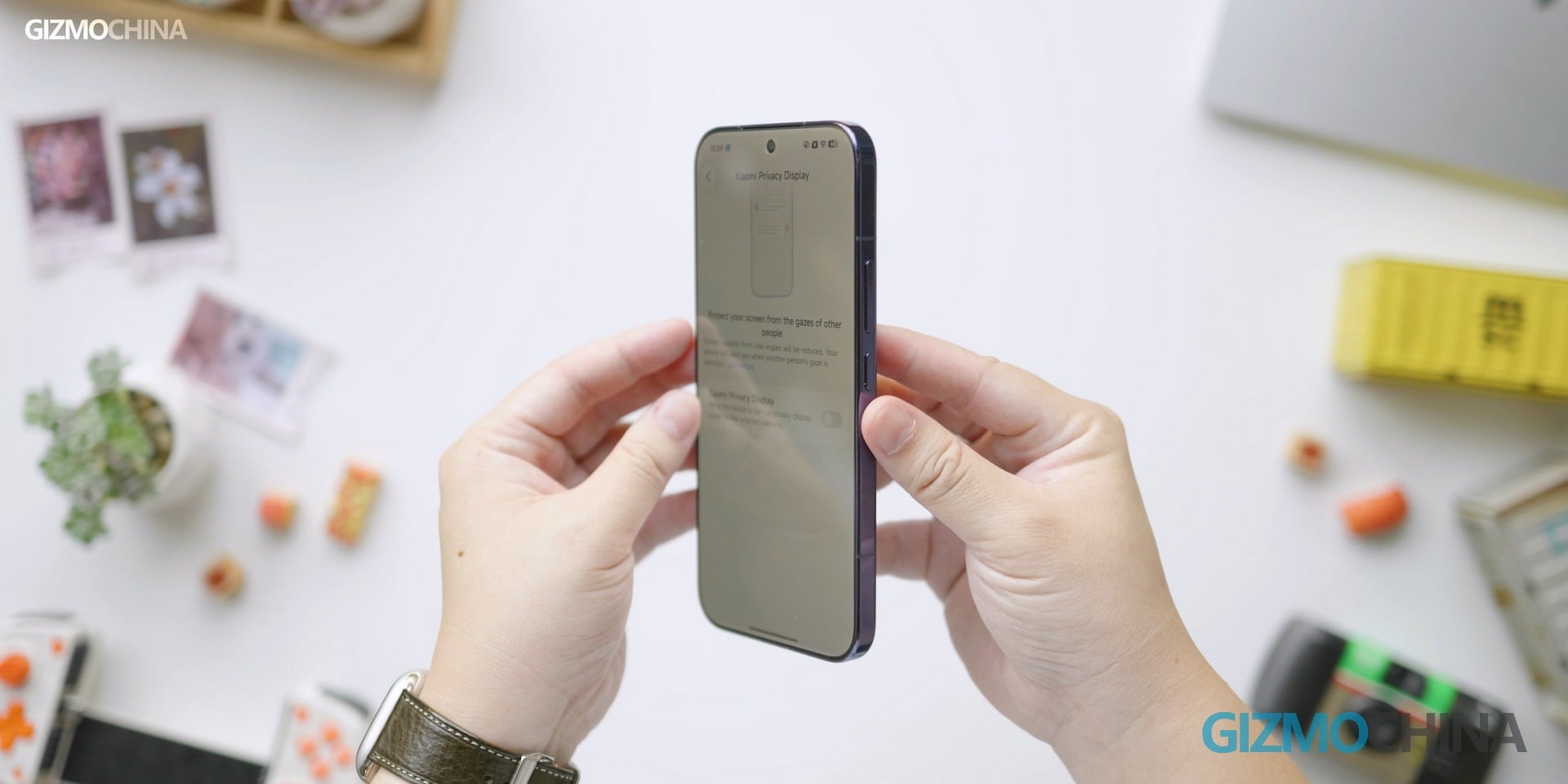
For example, when you’re driving and your phone is mounted on a holder, you may not even be able to see the navigation clearly. Or when your phone is sitting on a table and you just want to glance at a notification, you’ll find that the display looks extremely dark. Just bring the phone a little closer to your face. You’ll notice obvious color shifts at the top and bottom of the screen.
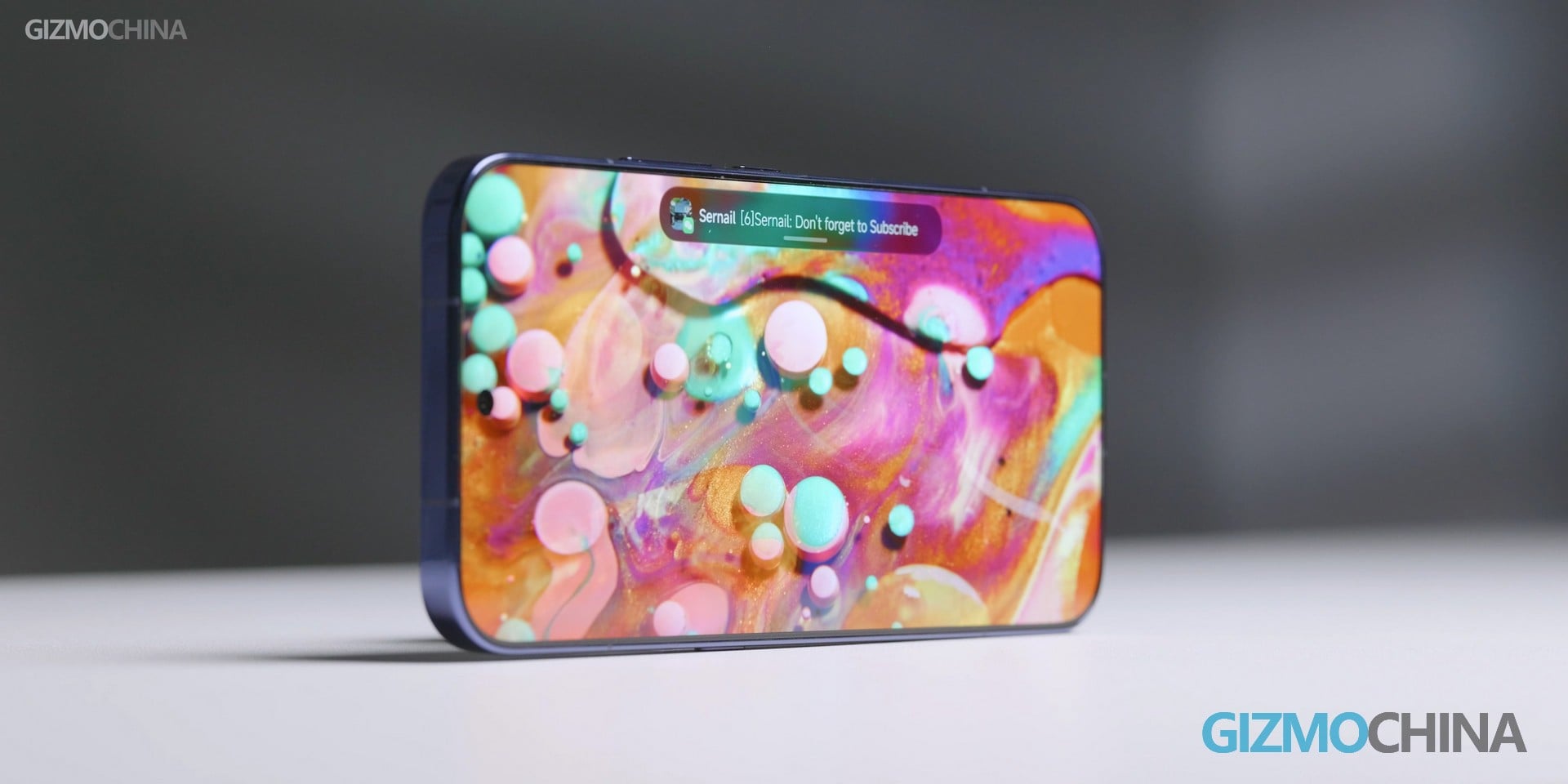
The second trade-off is, looking from above or below doesn’t trigger any privacy protection. That also means that when you’re gaming or watching videos in landscape mode, all the privacy-related features become completely useless.
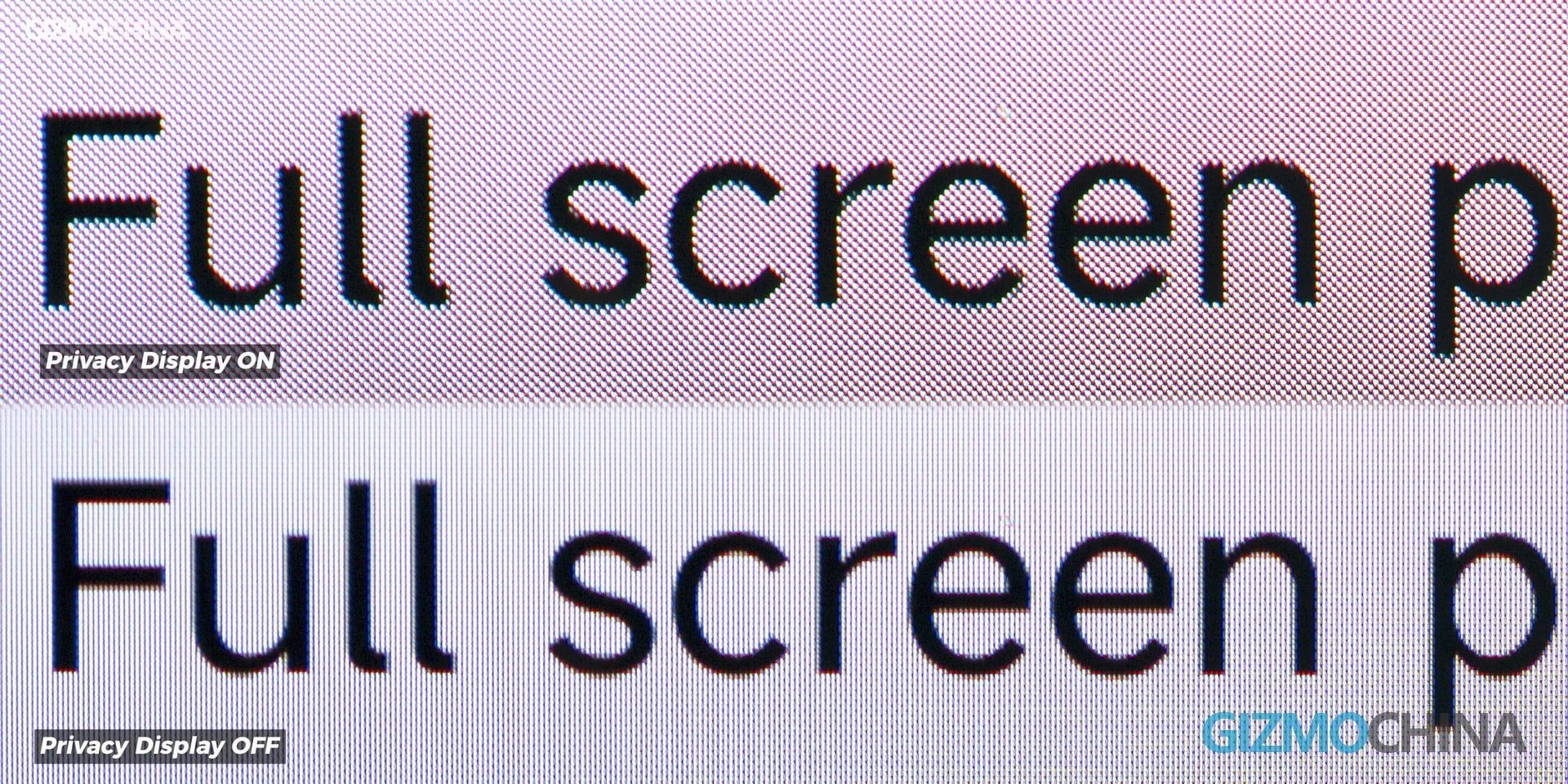
The third trade-off is the sharp drop in clarity. You don’t need a microscope to see it. Just move the phone closer to your eyes and you can already notice the loss of sharpness caused by cutting the effective pixel count in half.
If I don’t like the ultrawide camera, I can simply use it less often. If I don’t like the rear display, I can just ignore it. But I can’t exactly use the phone without turning on the display. And privacy displays are standard across every version of the 18 Pro series. So if we’re only talking about display quality, the best display in Xiaomi’s lineup this year isn’t actually on the 18 Pro series. It’s the cheaper REDMI K100 Pro series. That’s a little ironic.
Performance
Although the new Snapdragon platform isn’t as big of a leap as we expected, Xiaomi has still made a lot of optimizations to the 18 Pro Max’s performance and cooling. Last year, because of the rear display’s downside, the 17 Pro Max performed worse in games than other phones using the same platform.
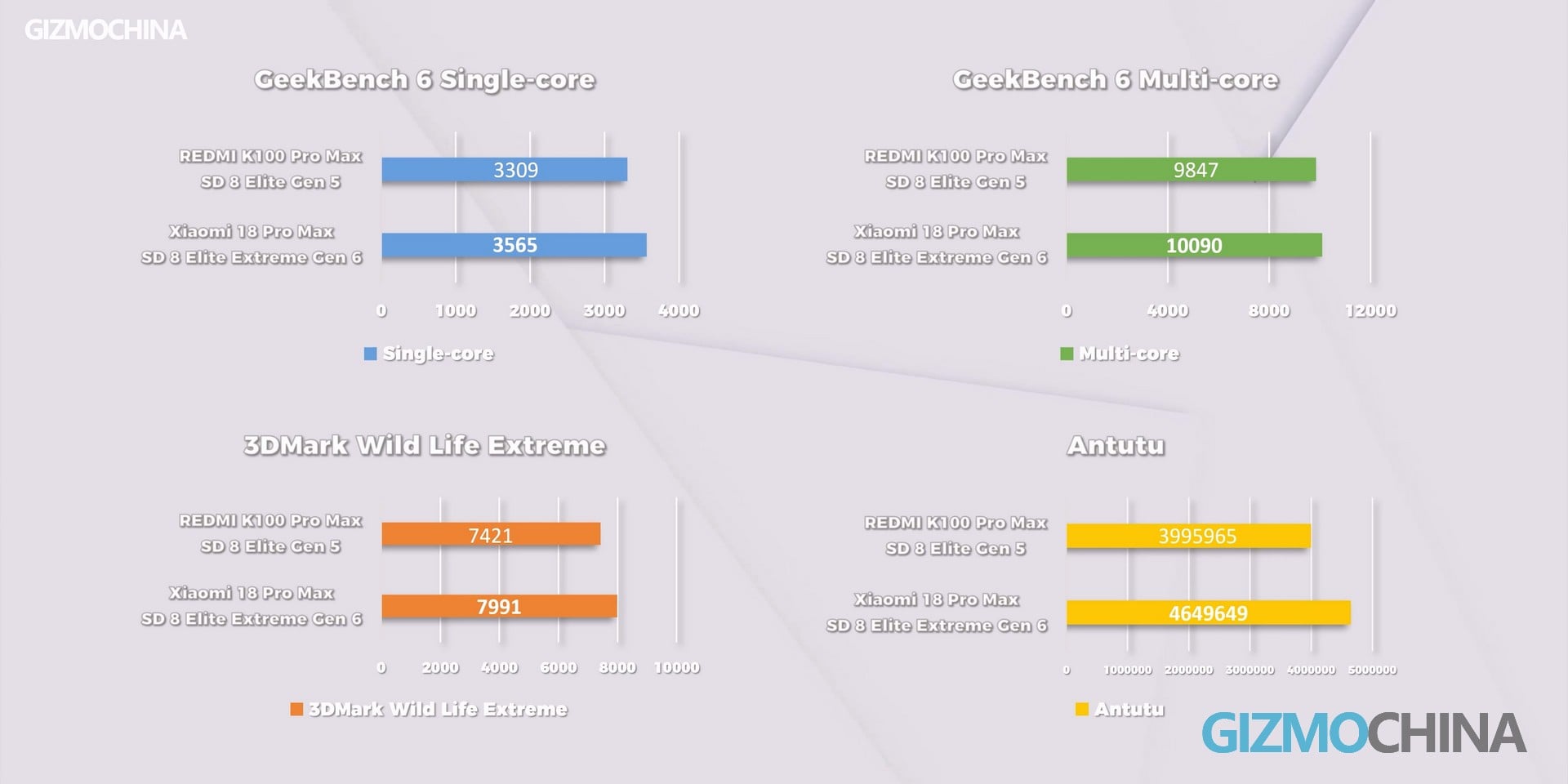
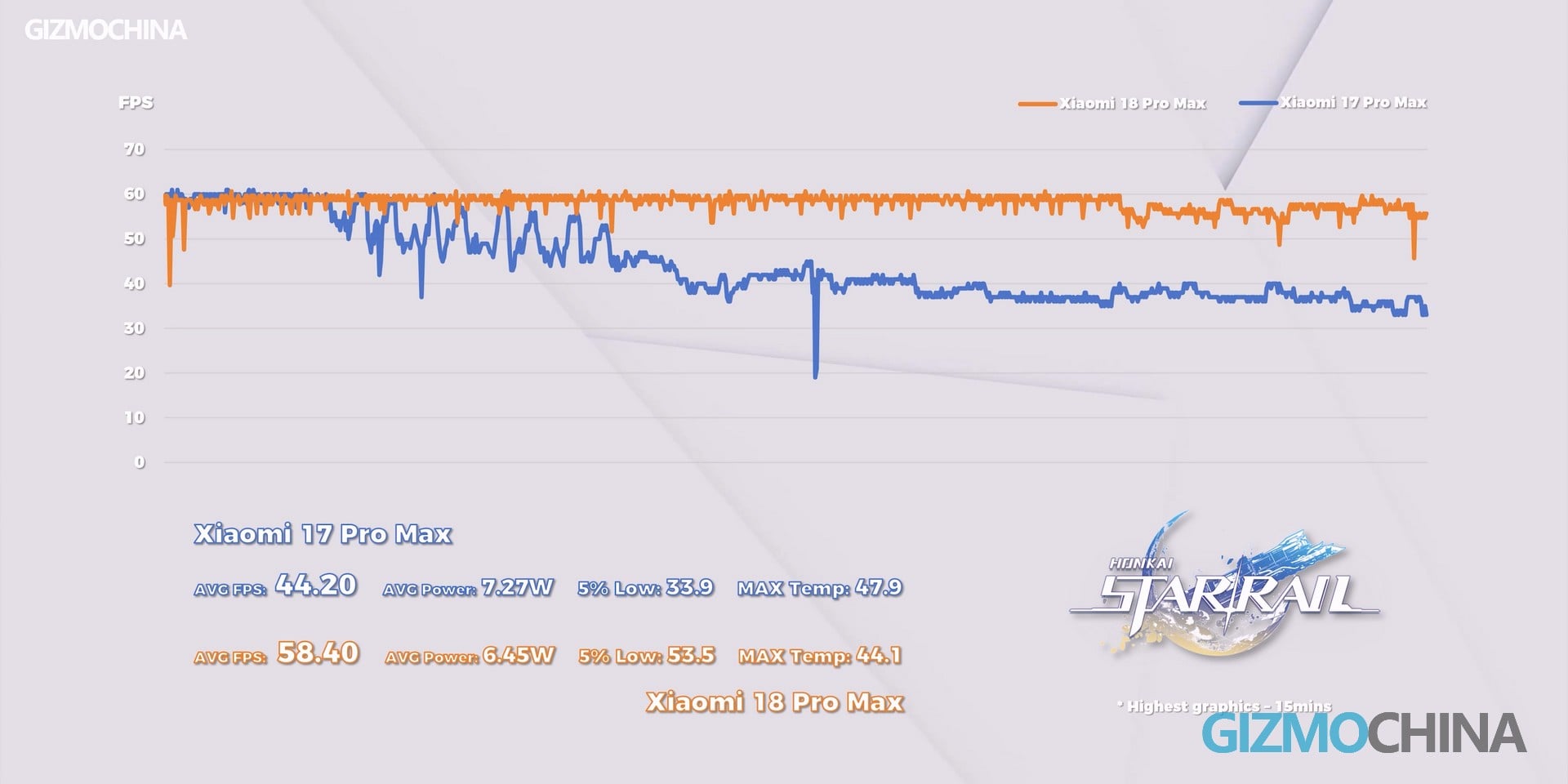
But this year is different. Even in Honkai: Star Rail, which is one of the most demanding games we’ve tested, the 18 Pro Max can maintain its peak performance for 11 minutes without throttling. Even after it starts throttling, the frame rate still stays around 55fps. That’s much better than I expected. For less demanding games, we focus more on power consumption. Even when the average frame rate is similar, lower power consumption means the 18 Pro Max uses less battery. Combine that with the even larger battery, and the first thing to run out of power might not be the phone. It might be your body.
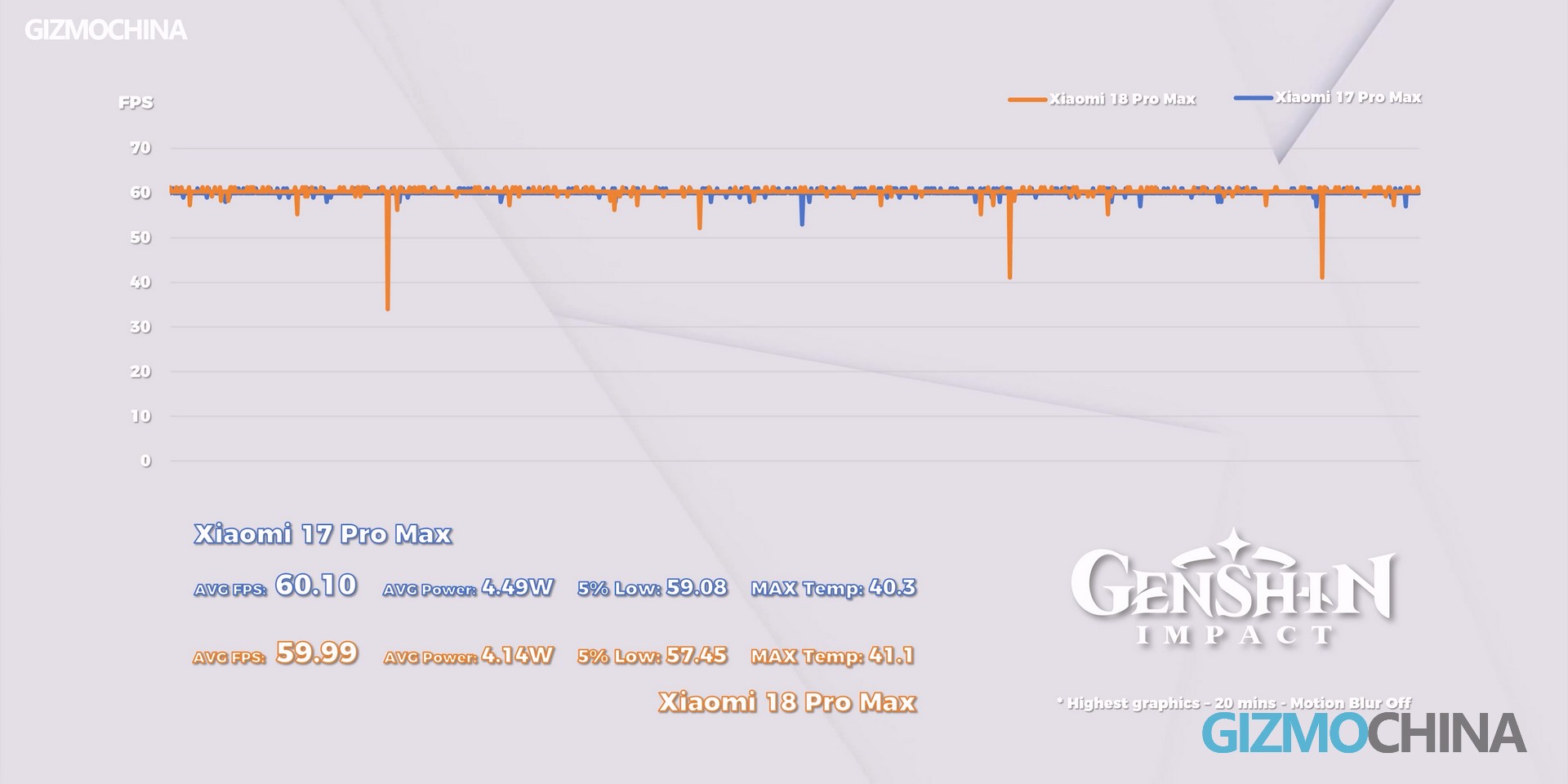
Although the cooling on the 18 Pro Max has improved, I still wouldn’t recommend it to hardcore mobile gamers. First of all, not every game supports frame interpolation and super resolution. For example, Genshin Impact supports both, while ZZZ supports neither. Secondly, although the maximum surface temperature isn’t particularly high, most of the heat is concentrated around the palm of your left hand.
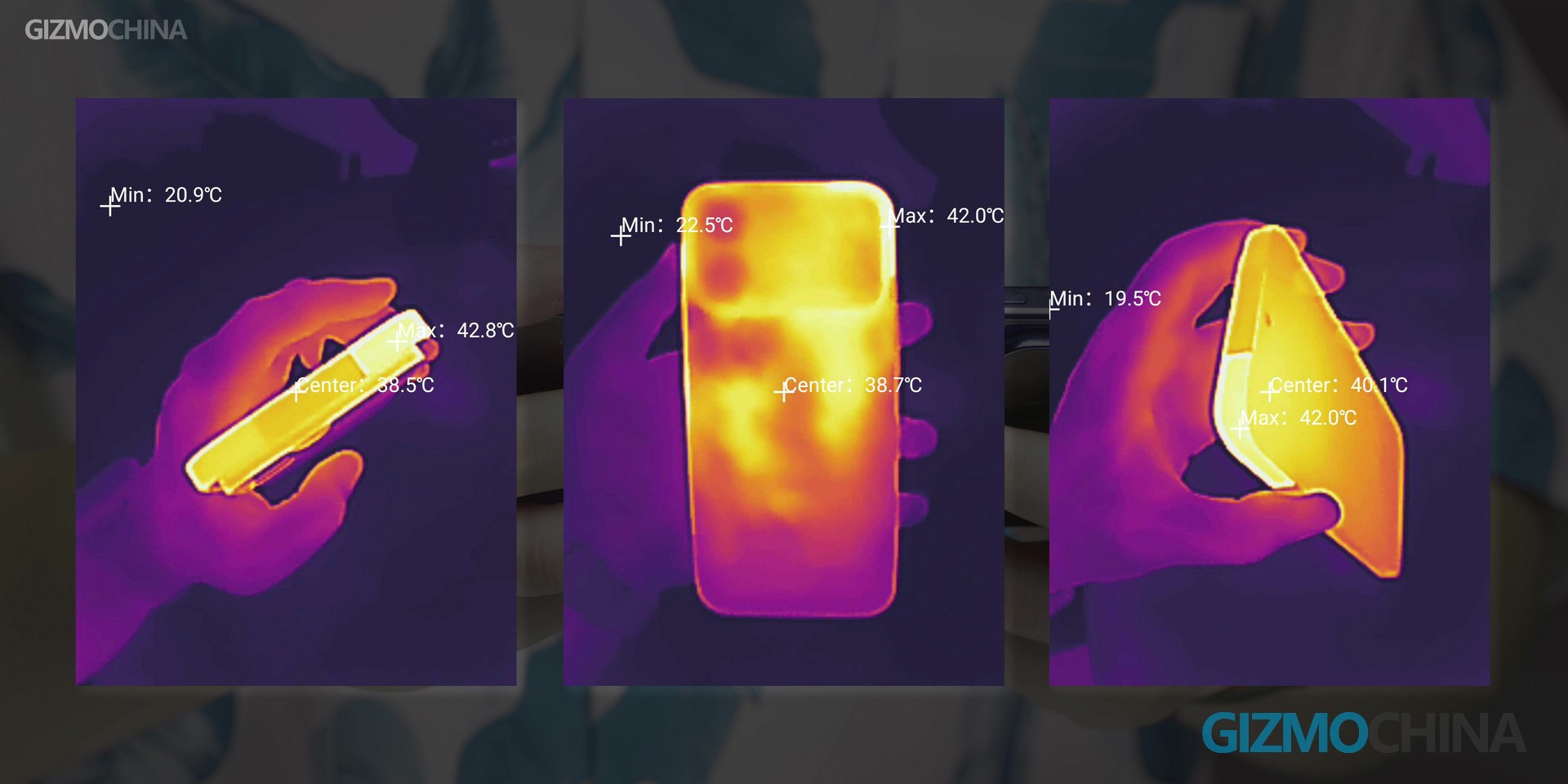
After playing for a long time, your hand can still get pretty uncomfortable. The 18 Pro Max doesn’t offer an amazing gaming experience. It only looks like a huge improvement because the 17 Pro Max was so bad.
Cameras
The biggest camera upgrades on the 18 Pro Max are still focused on the main camera and telephoto camera. The main camera still supports LOFIC, and its pixel count has increased to 200MP. Meanwhile, the telephoto camera has received a major upgrade across the board. Its focal length has also changed to a more reasonable 75mm.
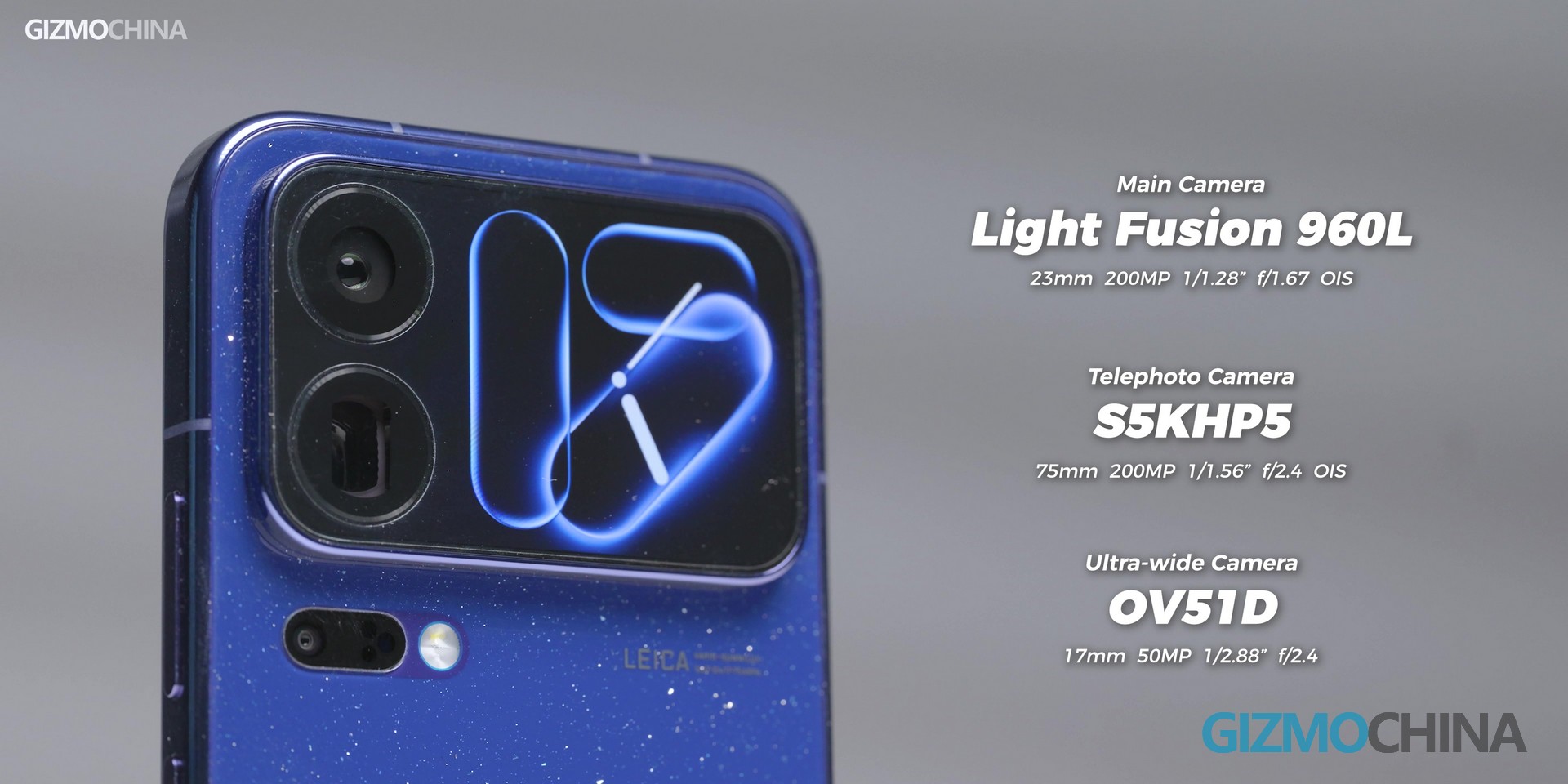
200MP is actually more of a gimmick for a smartphone. Photos are output at 12.5MP by default after 16-in-1 pixel binning. The main camera basically maintains the performance level of the previous generation. The dynamic range is excellent, and there aren’t any other obvious weaknesses.
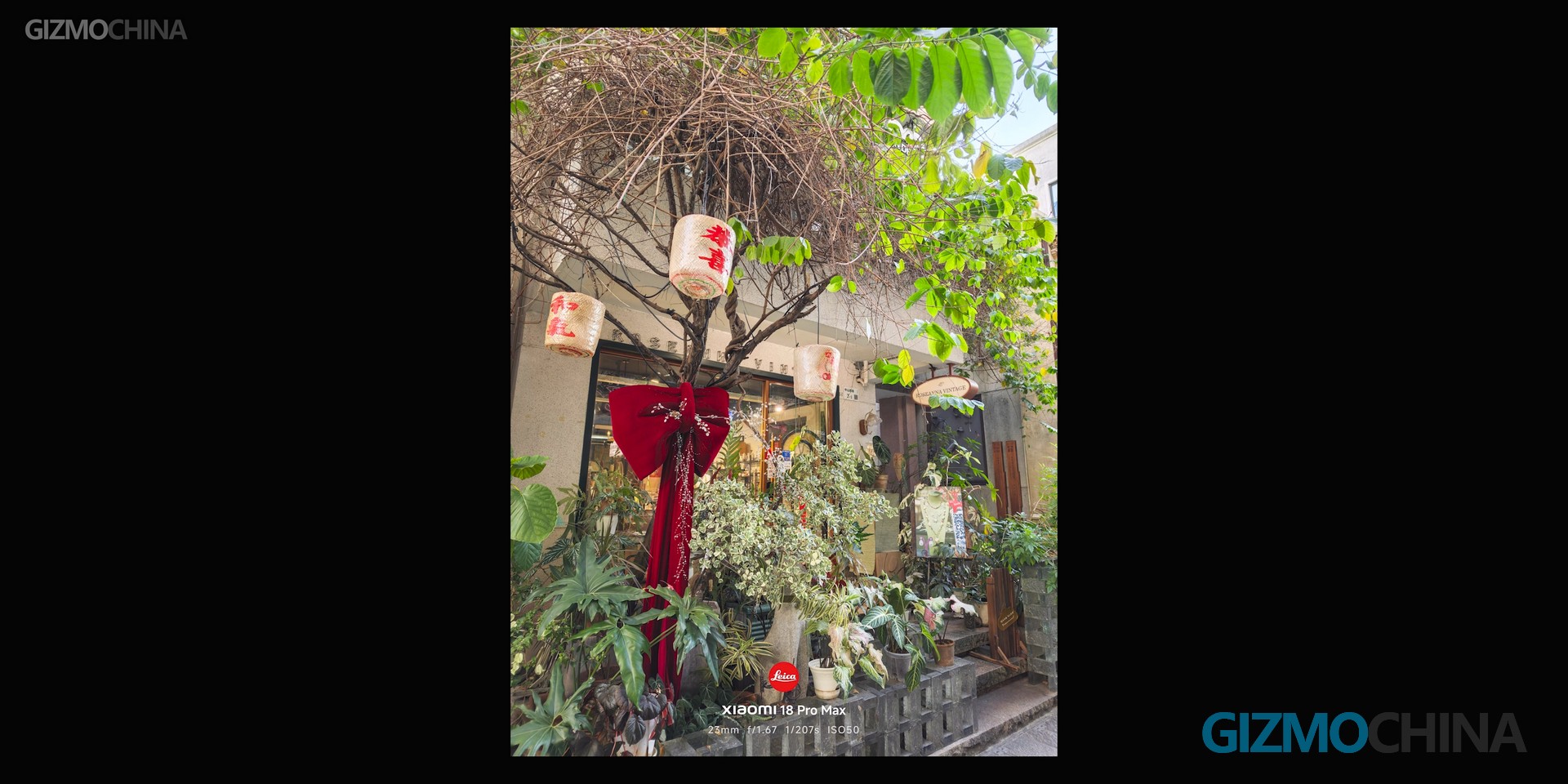
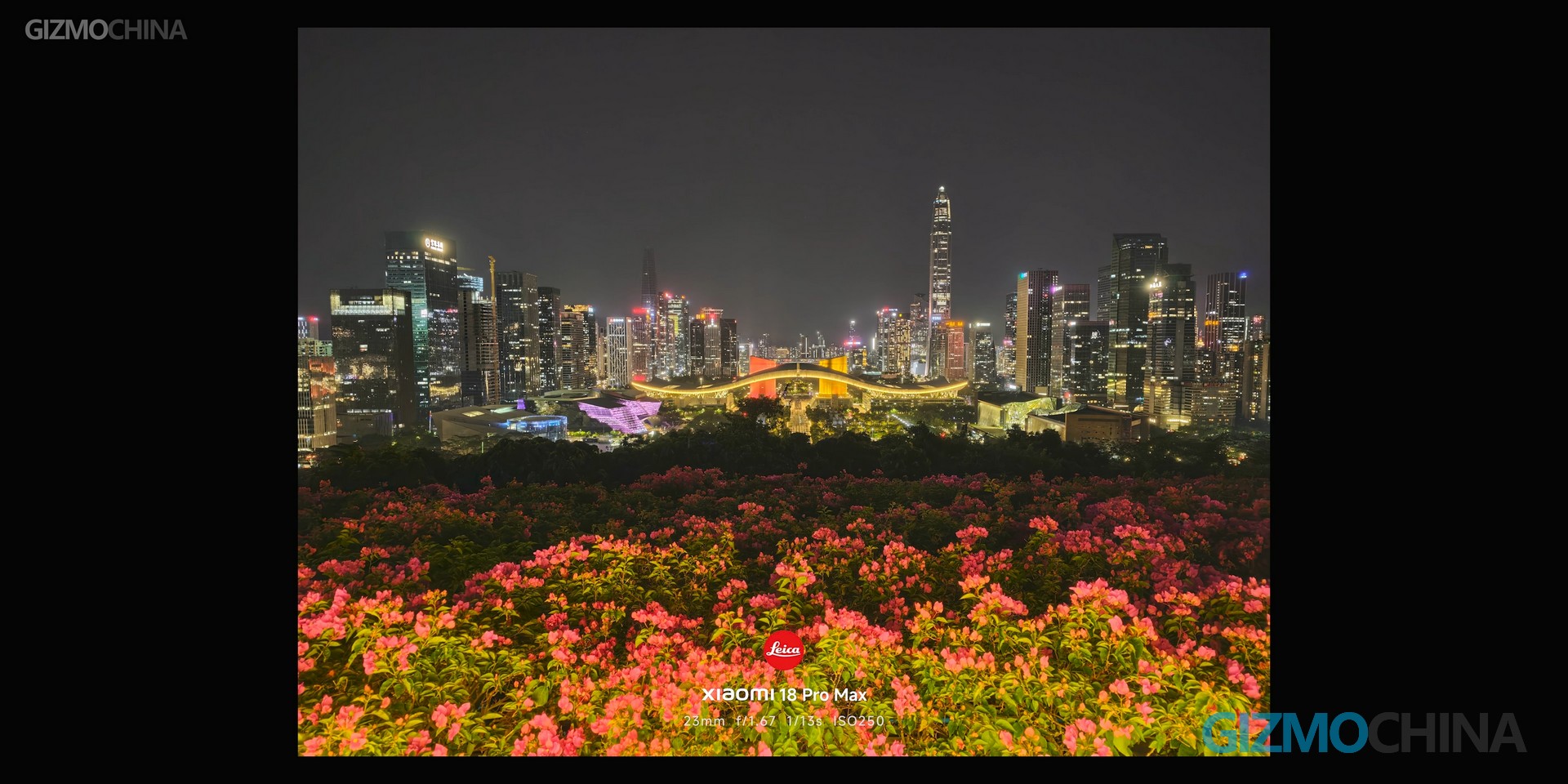
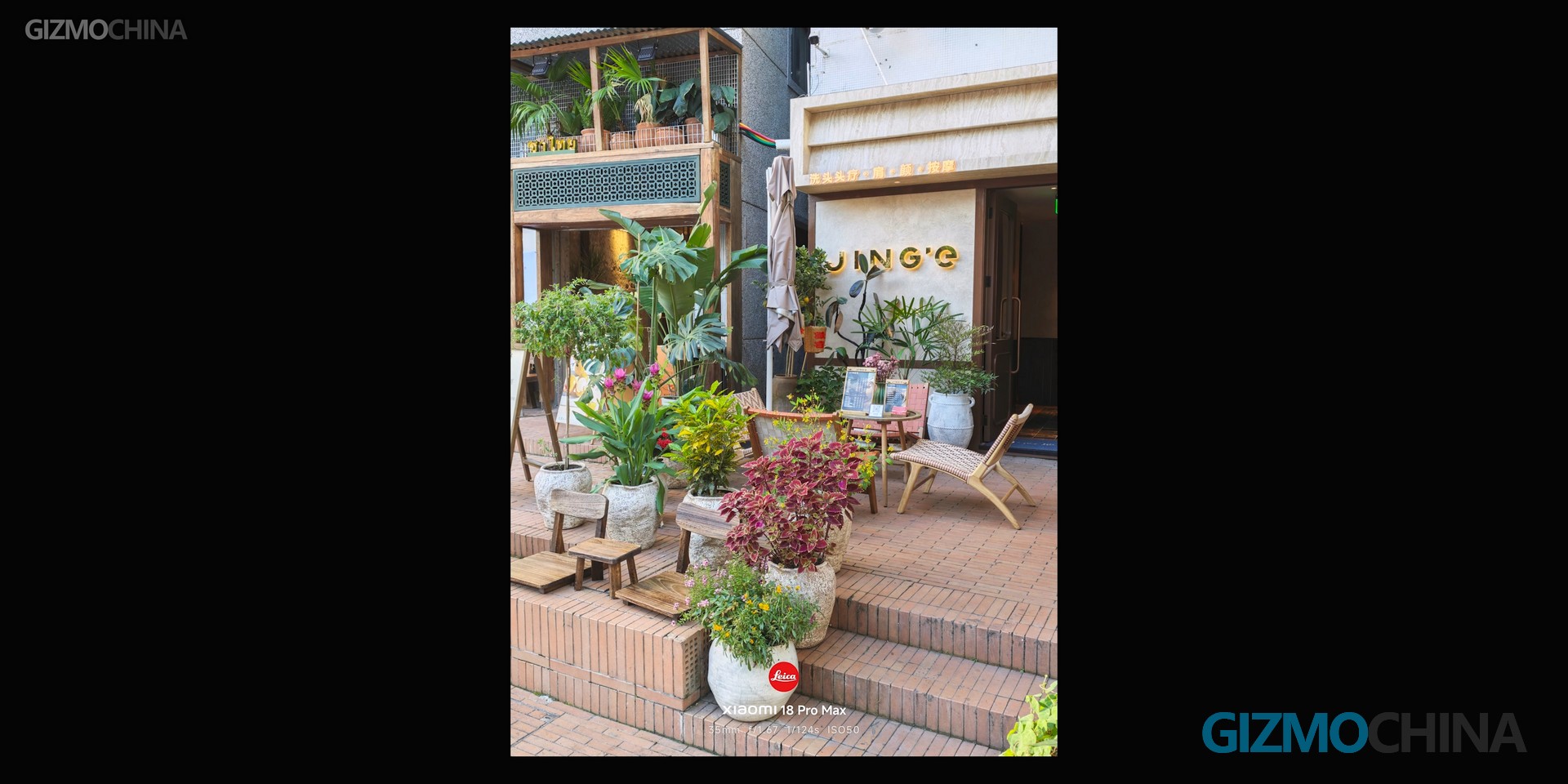
If you don’t like photos with such a wide dynamic range, you can also use the Essential Moment mode. This mode is basically a lighter version of Leica Essential. The higher contrast gives the photos a stronger cinematic look.
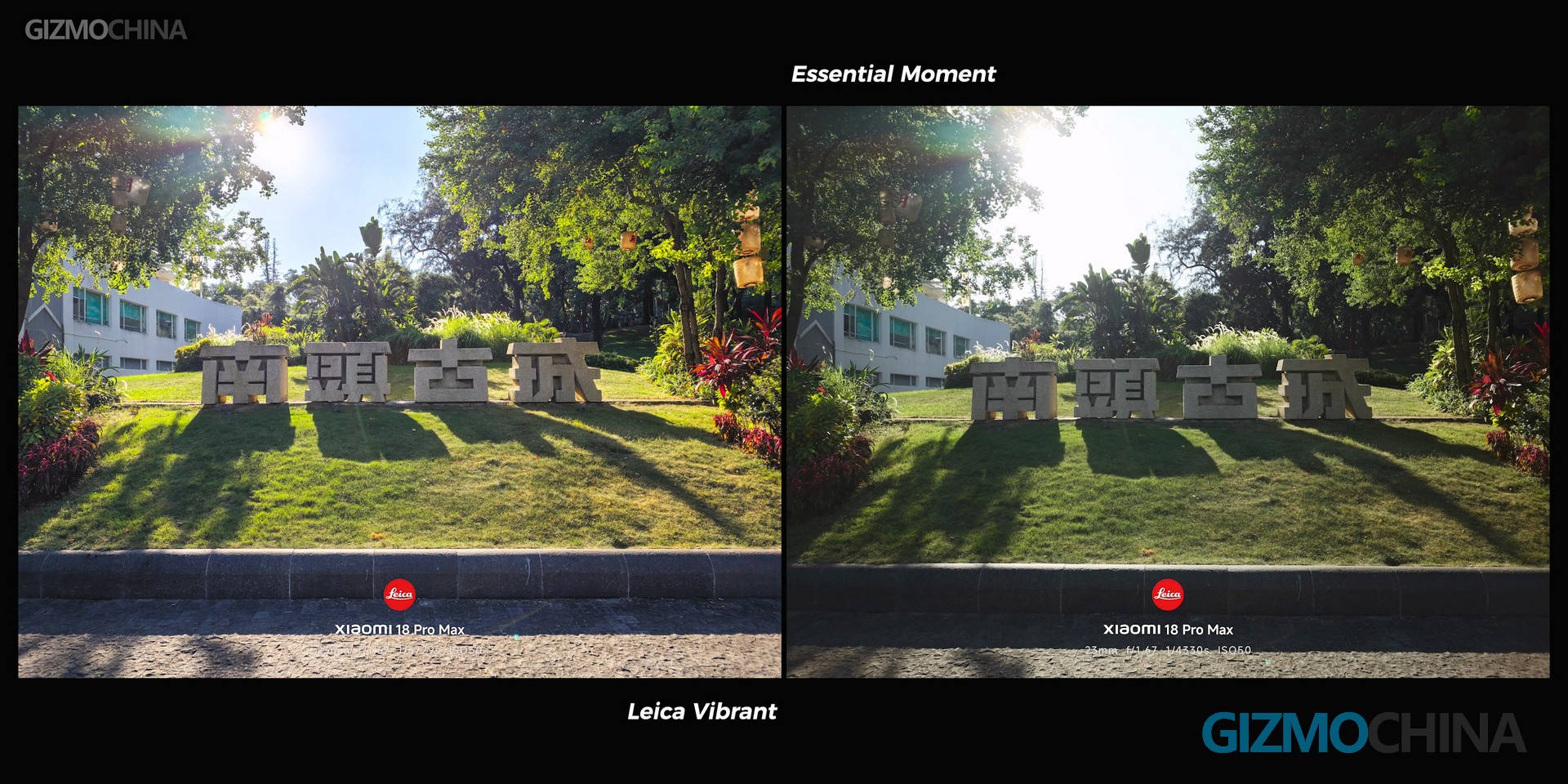
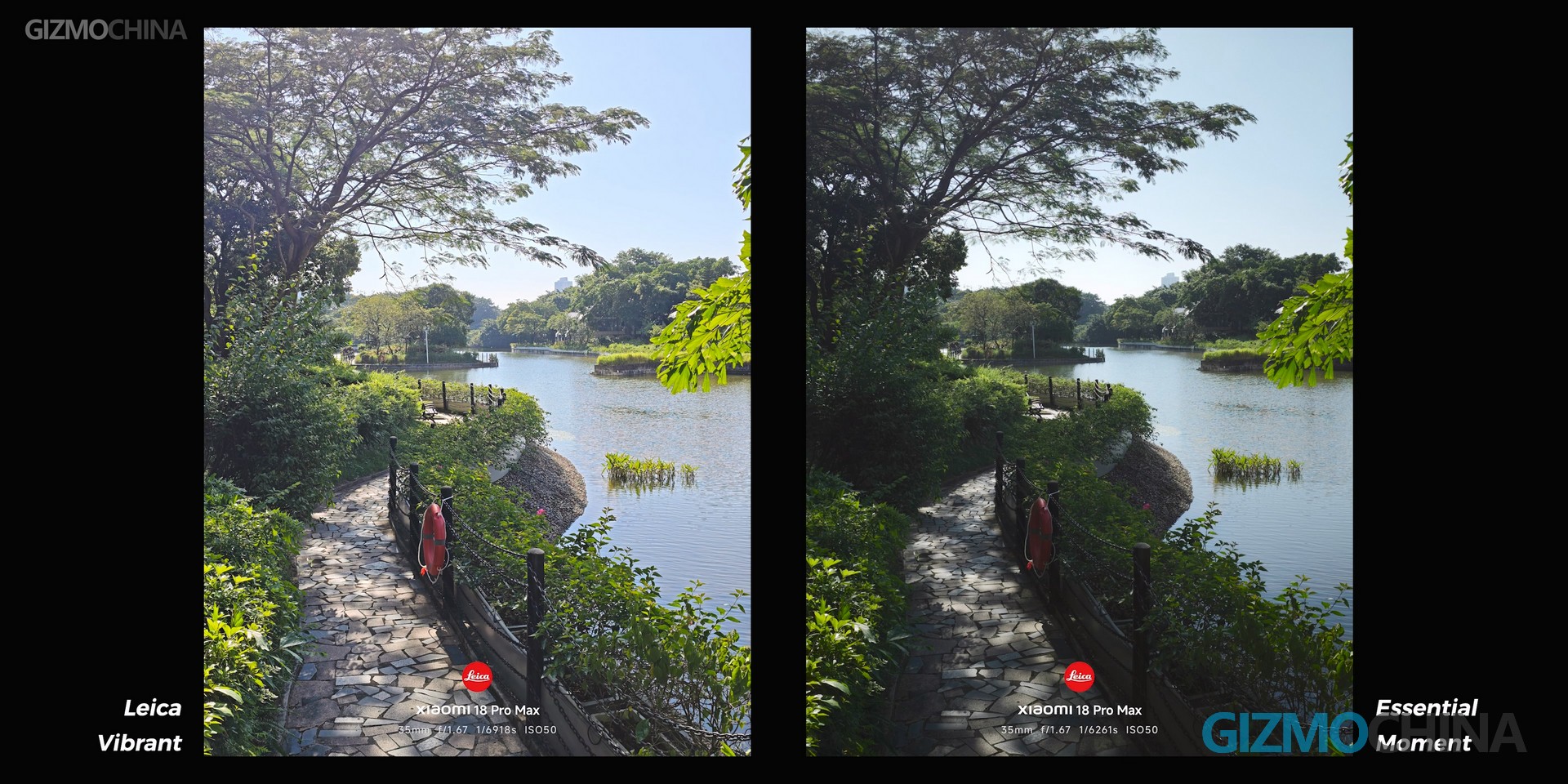
It keeps the black-and-white style and adds a popular CCD style. You get a little more grain and a higher-saturation photo in CCD style. Also, just like on the 17 Ultra, you can upload photos taken in this mode to the cloud and use AI to enhance the image quality. The colors change a little, and the sharpness improves as well.
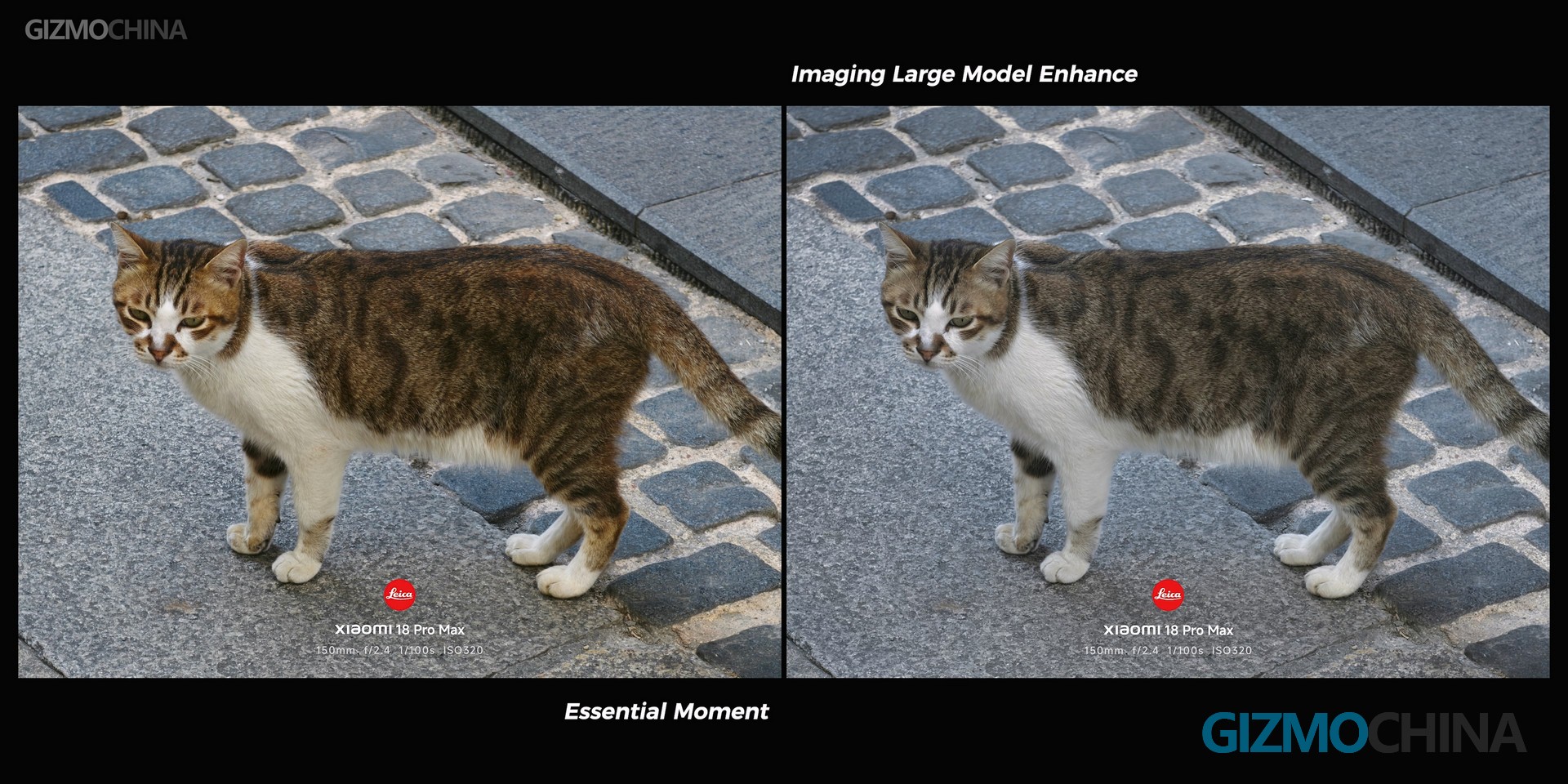
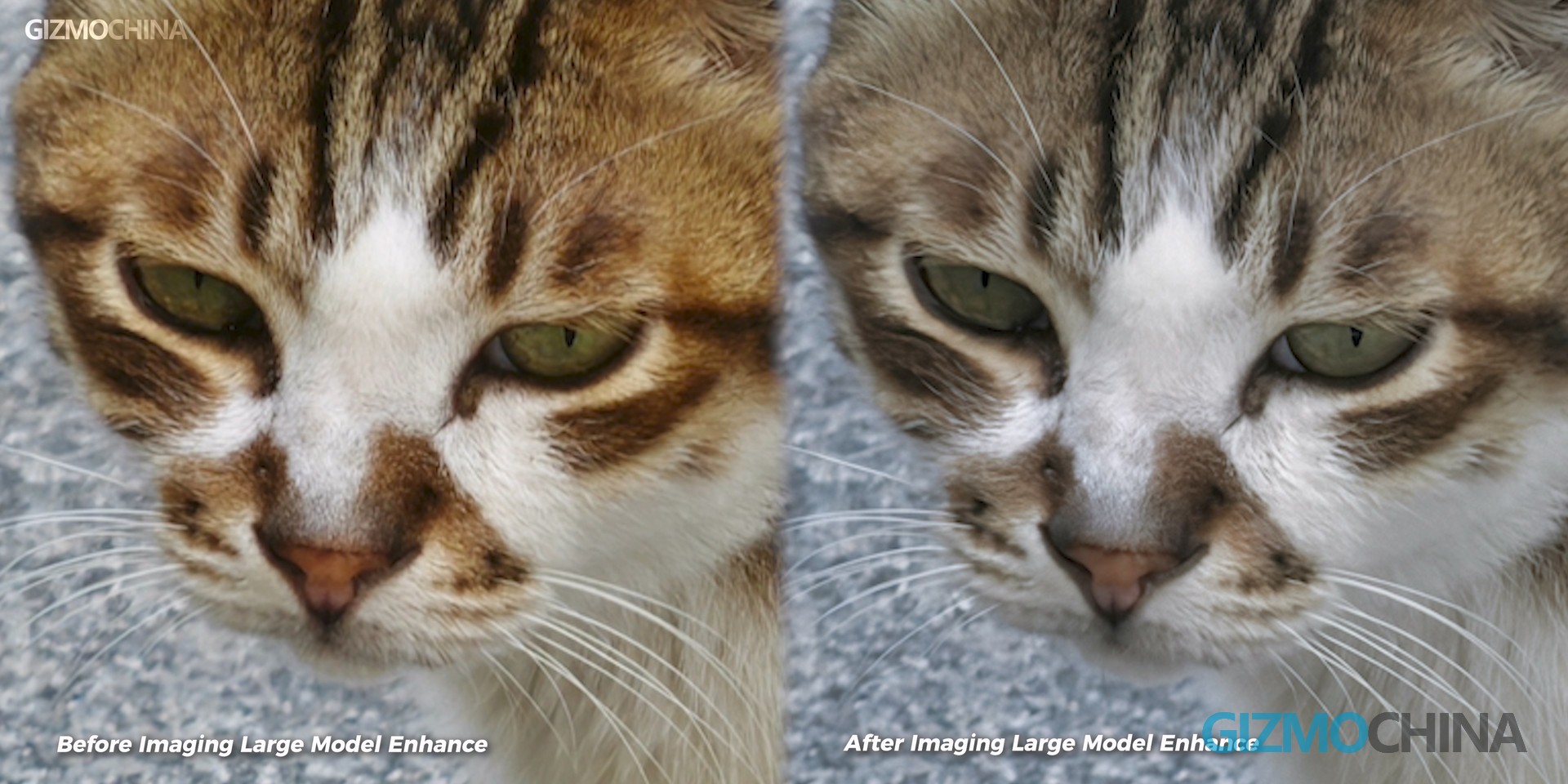
However, the 18 Pro Max only gives you 60 free uploads per month. If you want to enhance more photos, you’ll have to pay extra.
So, compared with the Leica Essential mode on the 17 Ultra, what’s different about this one on the 18 Pro Max? Quite a lot. This mode raises the exposure a little and reduces the contrast. Since the white balance is no longer fixed to daylight, color accuracy is also much better. Compared with the strong Leica M9-style look on the Xiaomi 17 Ultra, this Essential Mode is much lighter and probably more appealing to most people.
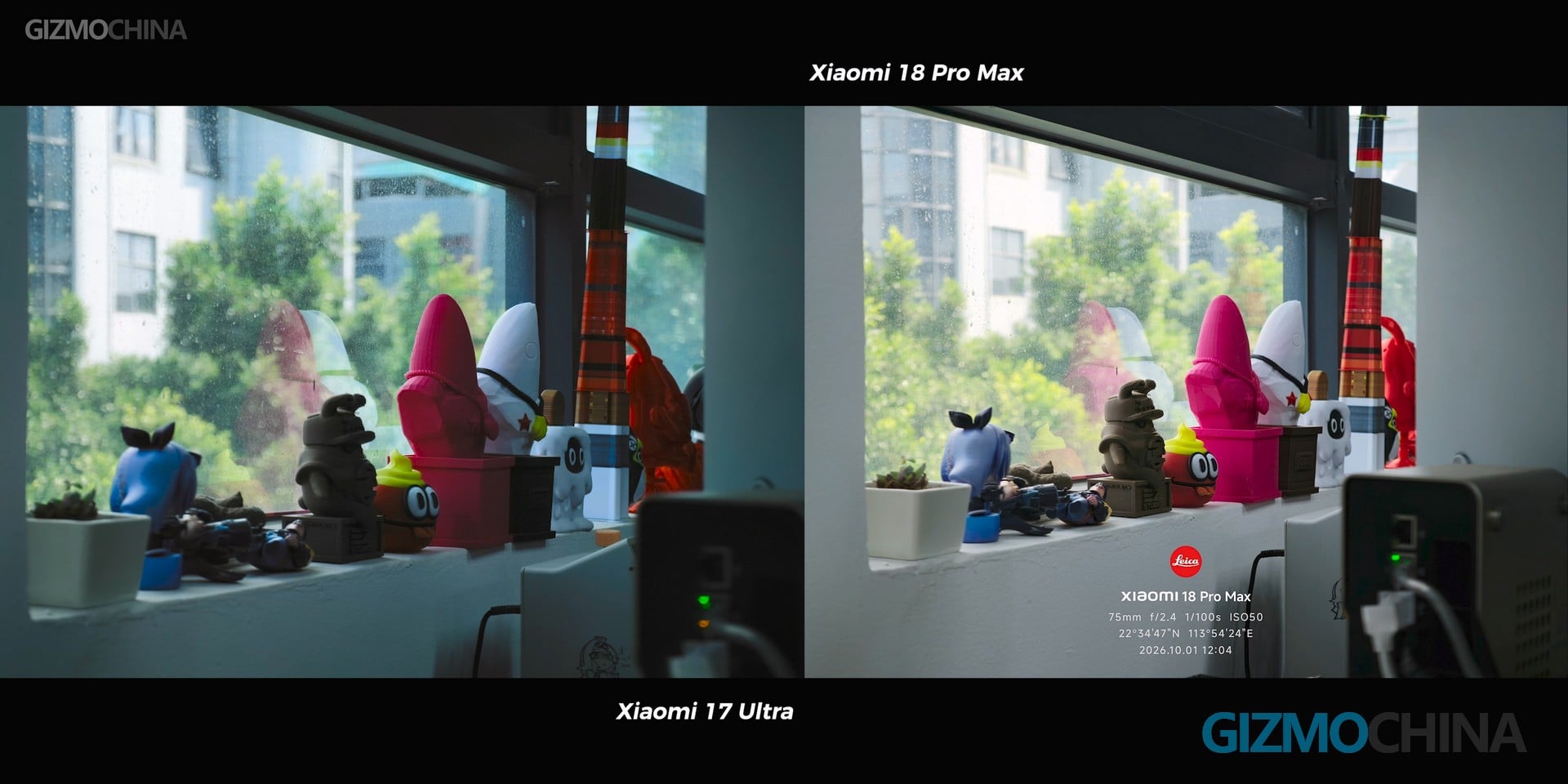
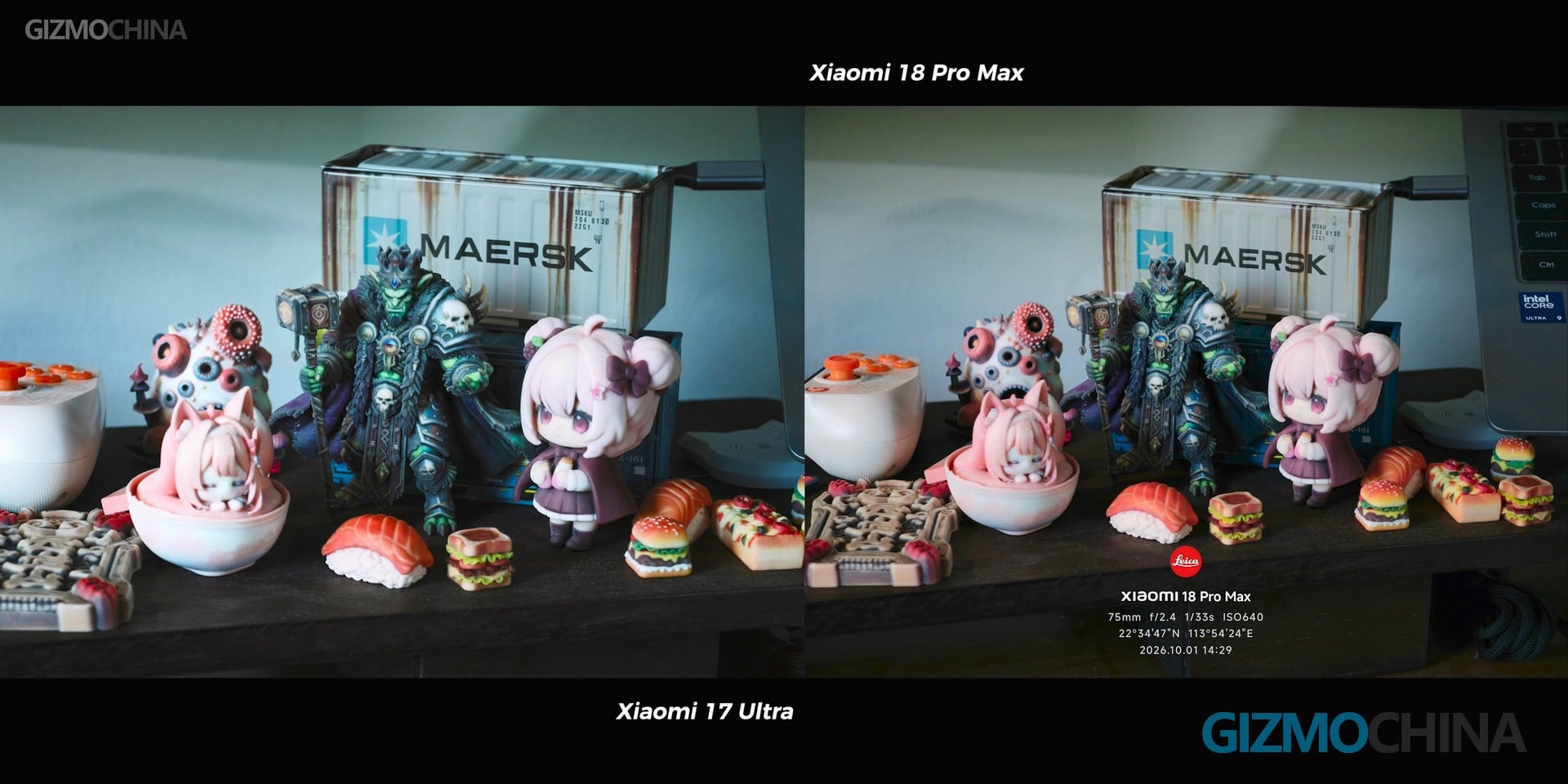
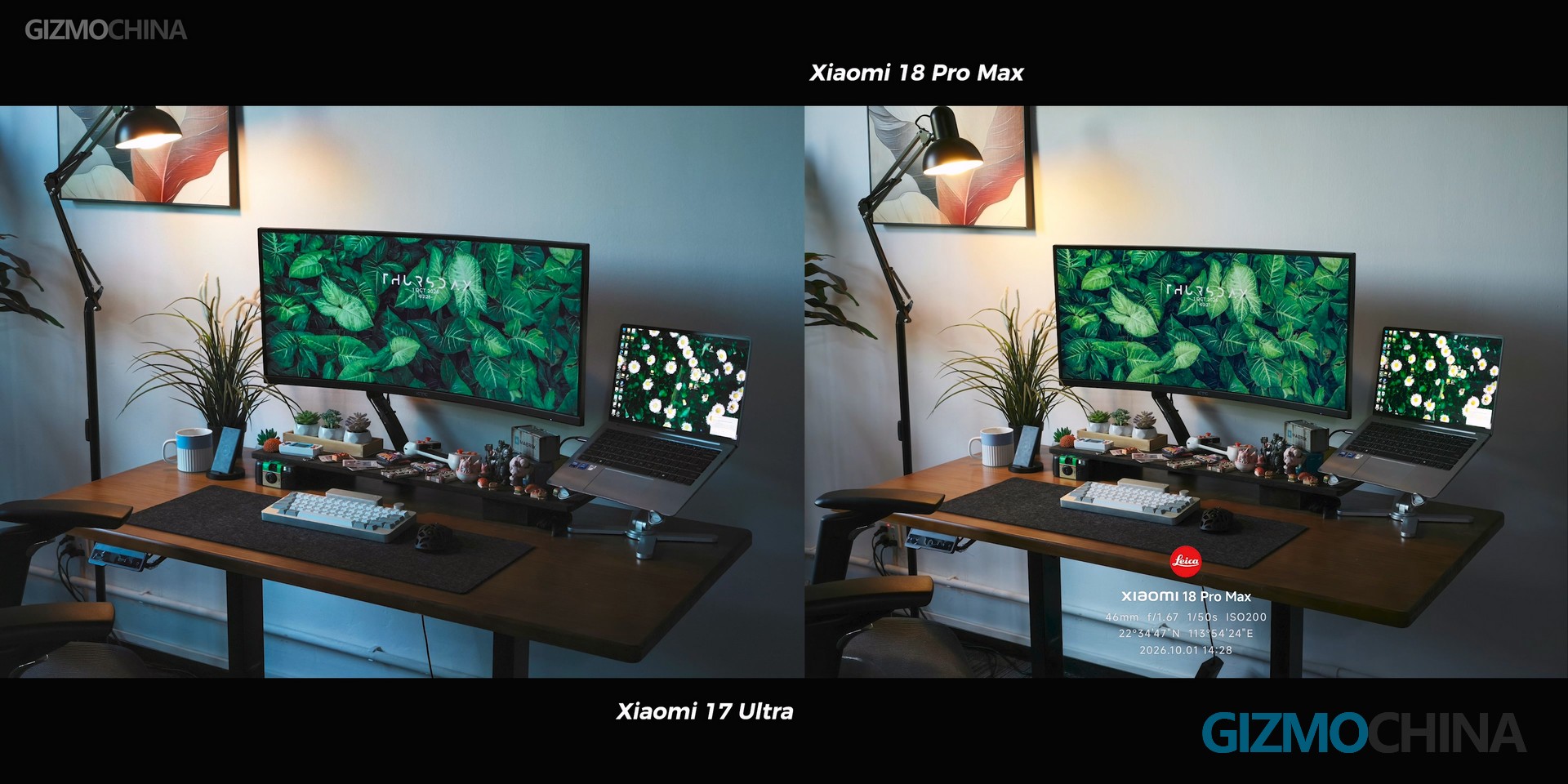
As the camera with the biggest hardware upgrade, the telephoto camera takes some seriously impressive photos. Even at 150mm, and even at 10X zoom, the image quality is much better than I expected. The minimum focusing distance is also very short. This means you can use it for macro photography as well. It looks like an excellent and reliable camera, right? But nothing is perfect.
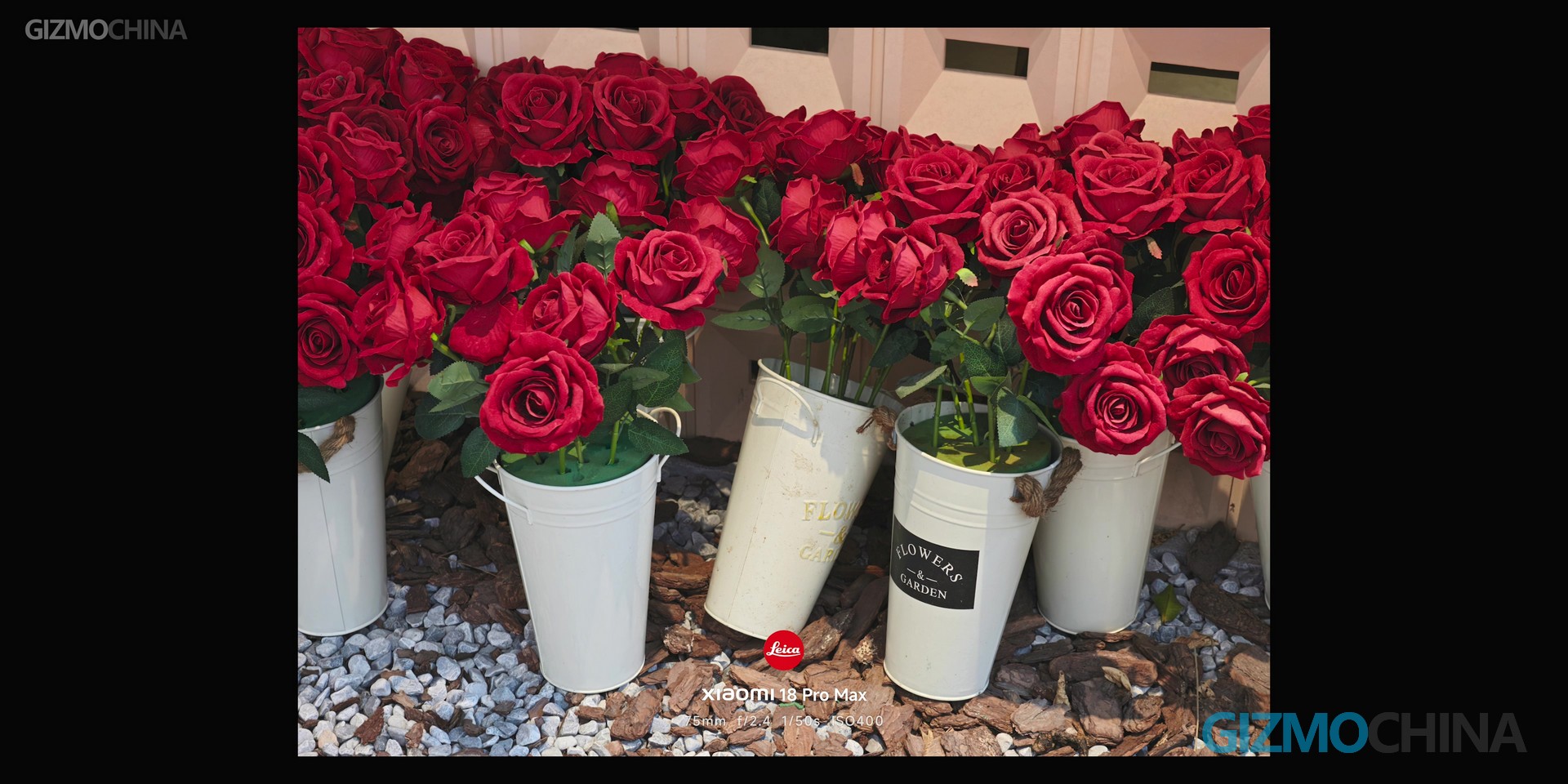


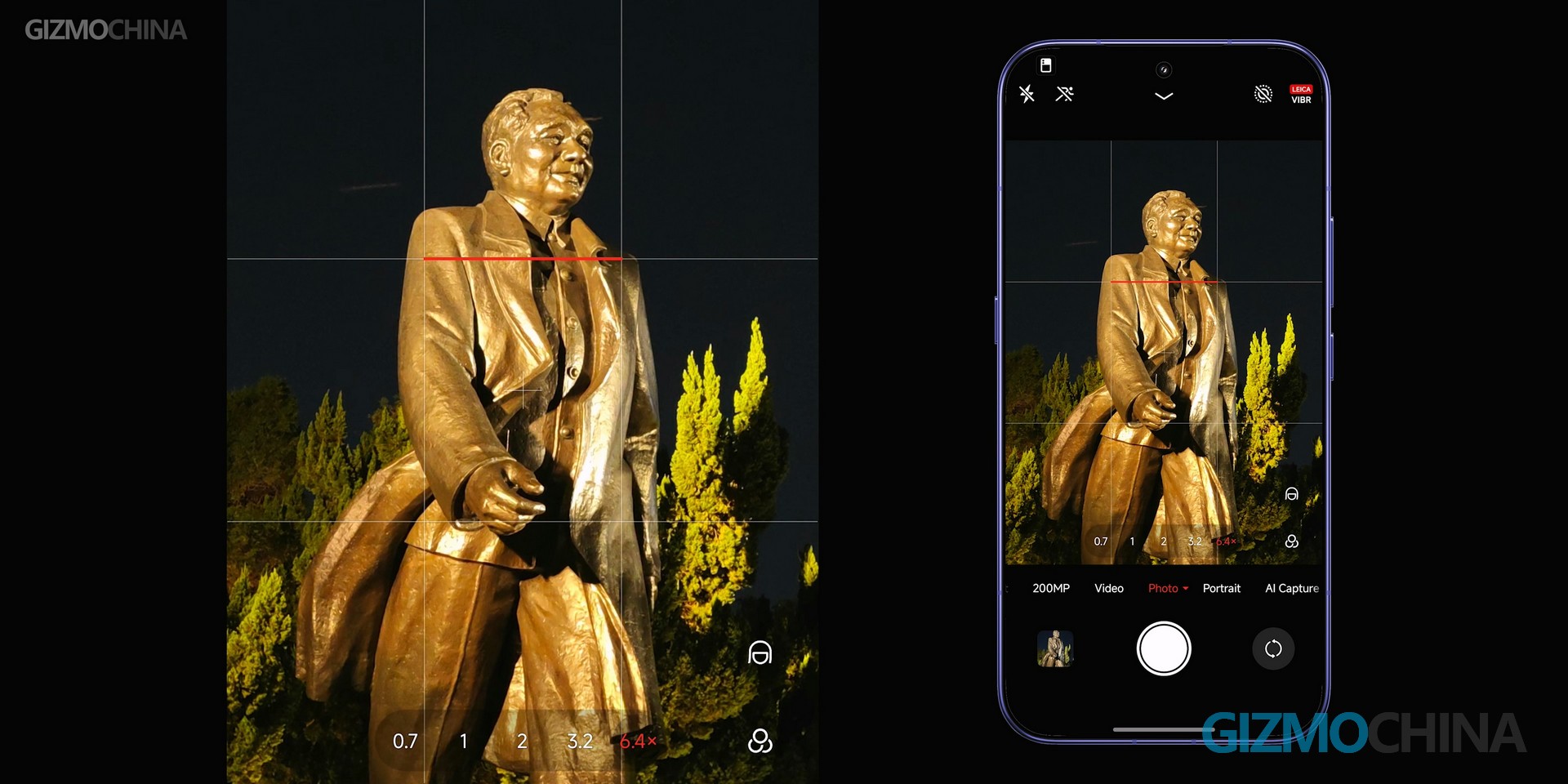
During my camera testing, I still found 2 problems. The first is the white balance. As you can see, the 18 Pro Max keeps trying to correct the color temperature of the statue, but it never seems to settle on the correct white balance. As a result, the final photos can end up with 2 completely different color temperatures.
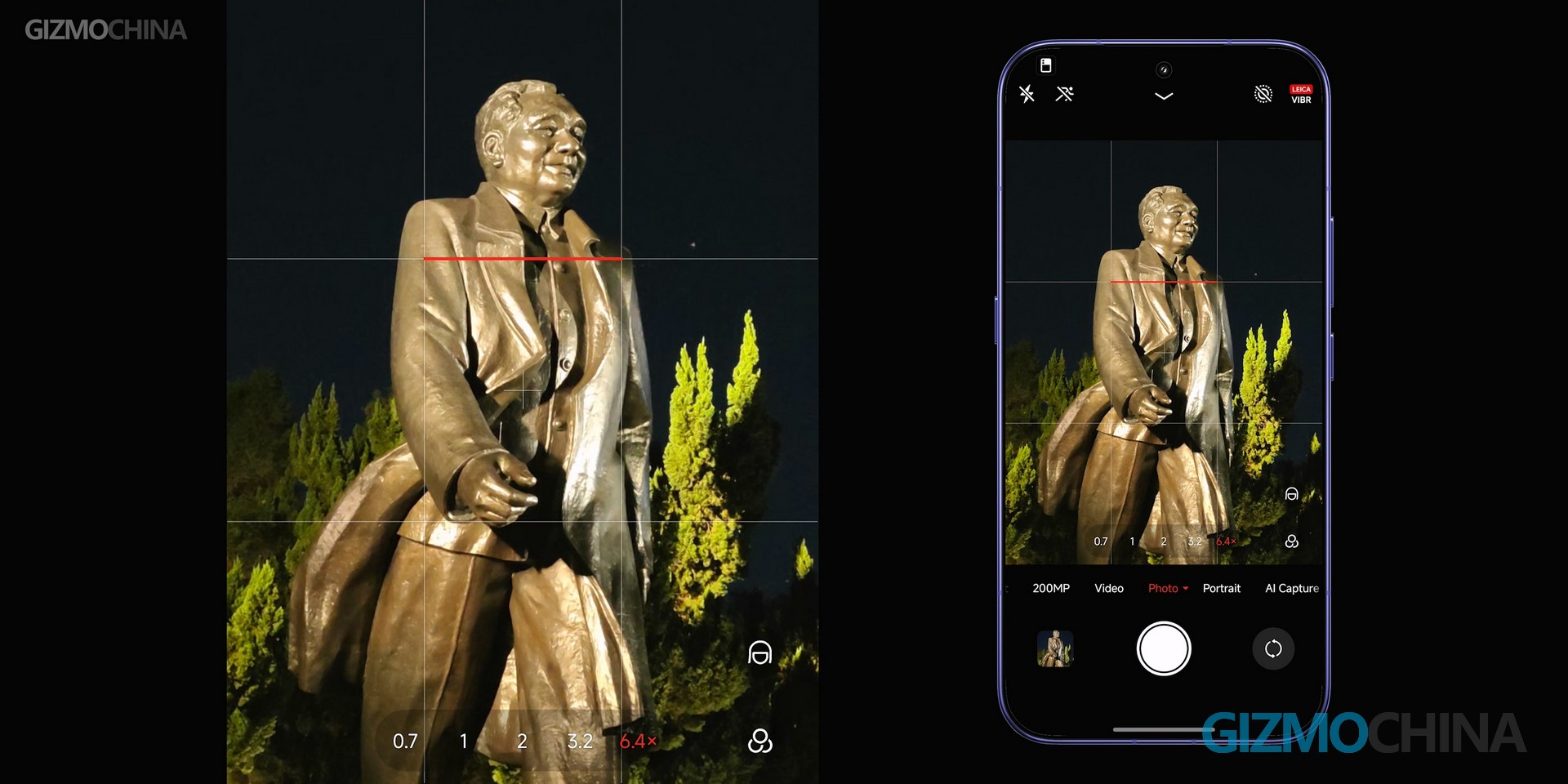
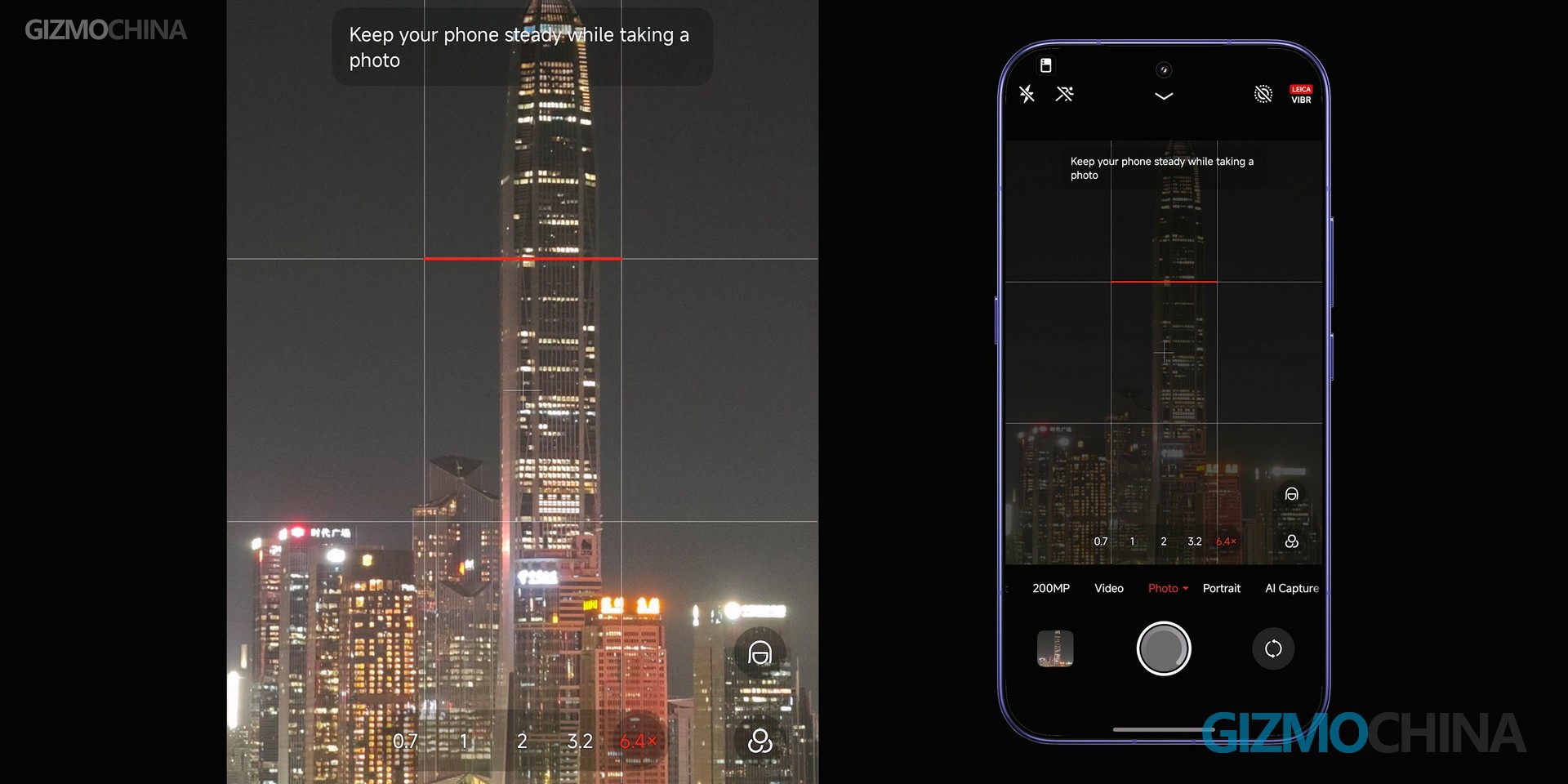
The second issue is a telephoto stabilization problem, whcih we’ve seen on Xiaomi phones before. Every time I press the shutter button, the frame automatically shifts. Because of this bug, I ended up taking countless crooked photos. I hope someone from Xiaomi sees this video and fixes this bug as soon as possible. It is really annoying.
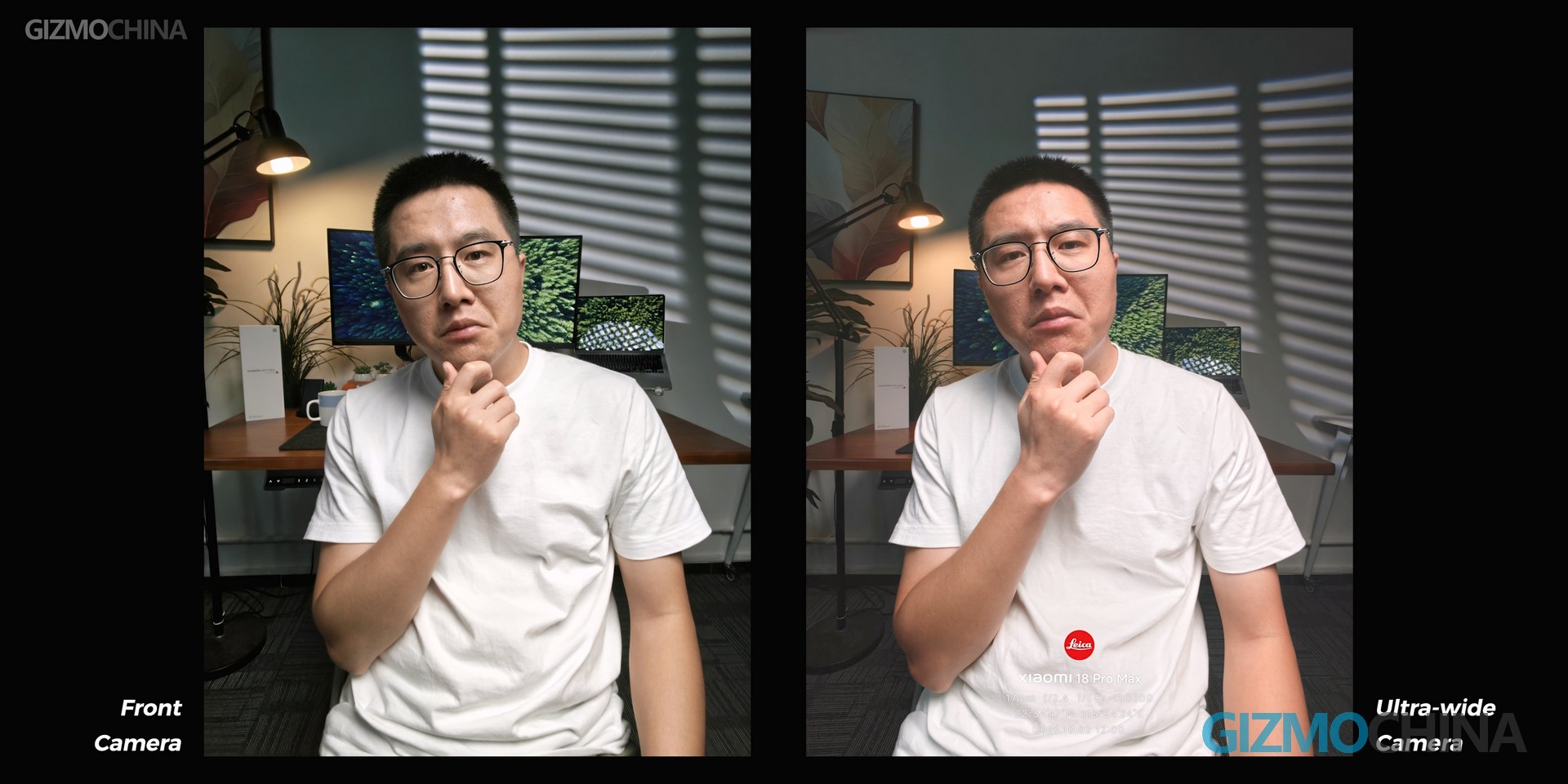
As for the ultrawide camera, you can tell Xiaomi has basically given up on it just by looking at where it sits. Fun fact: this sensor is the same model used for the front-facing camera. That means the photos taken with the ultrawide camera have almost the same image quality as your selfies.
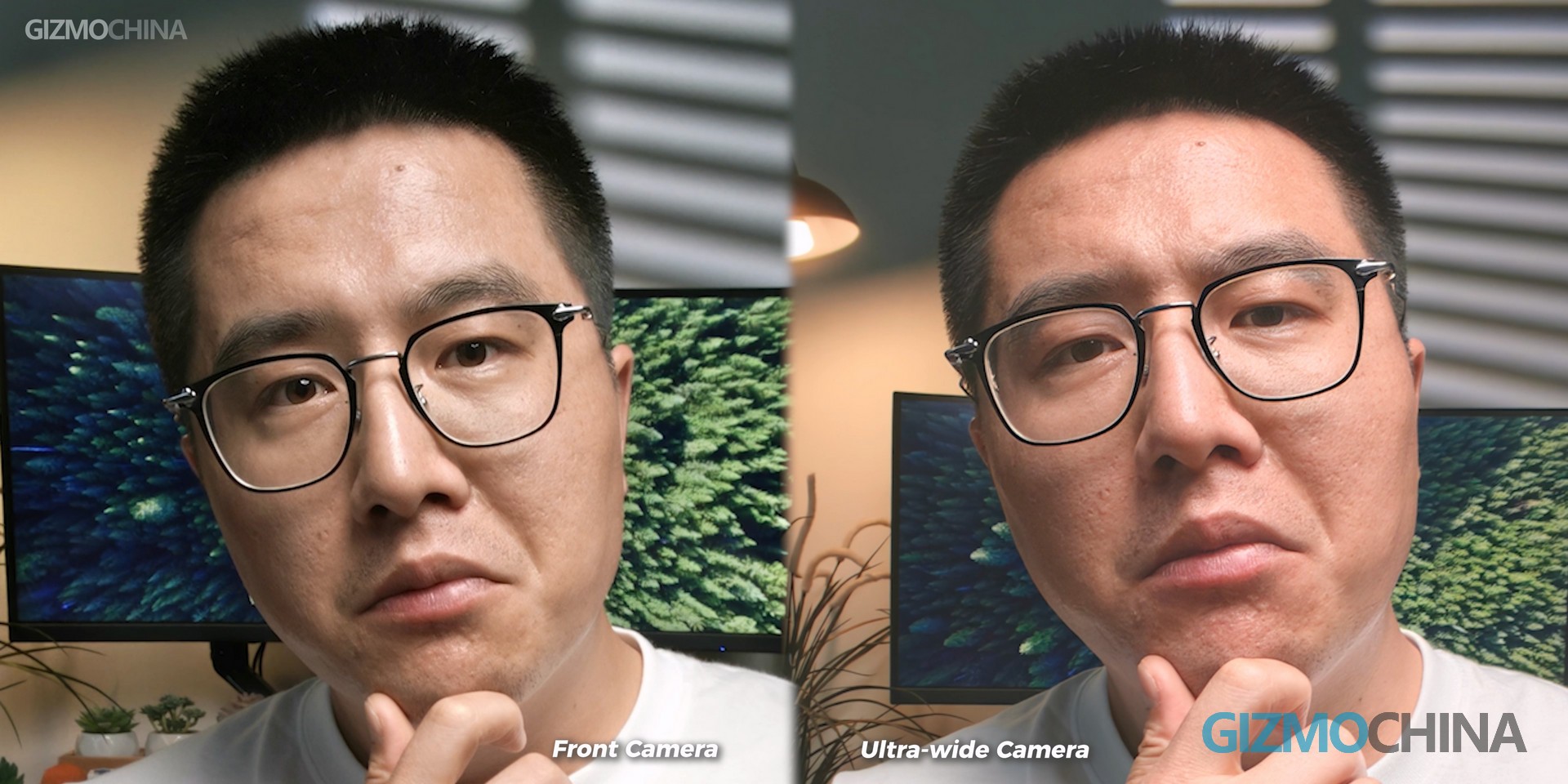
Just like on the 17 Pro Max, the daytime image quality is good enough. Other than the serious color difference, most photos are still acceptable when you don’t zoom in. But at night, its weaknesses become obvious. In low light, its performance is basically similar to what you’d get from a 400 or 500 dollars phone. The image quality is poor, the exposure time is too long, and multi-frame processing often fails.
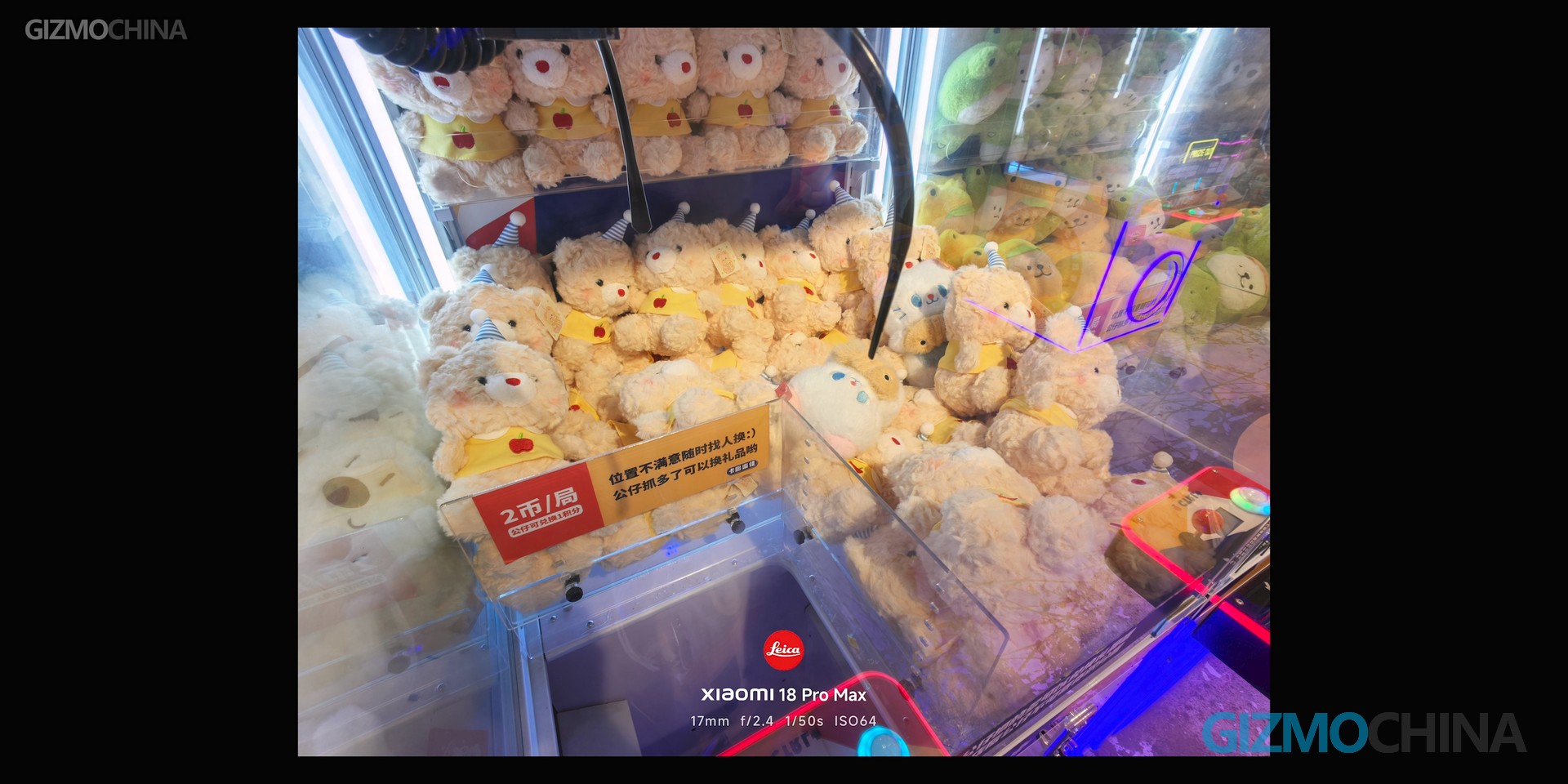
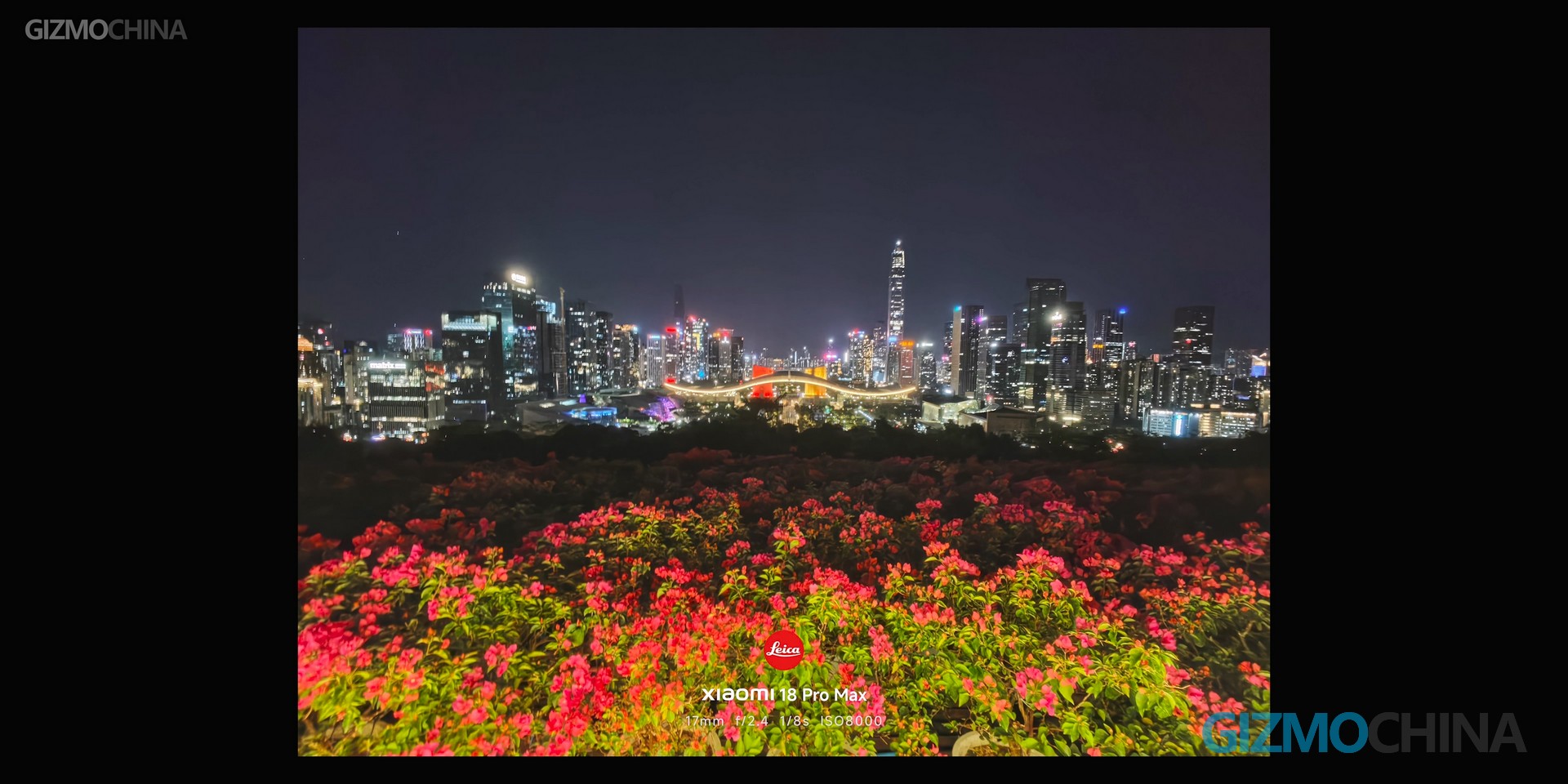
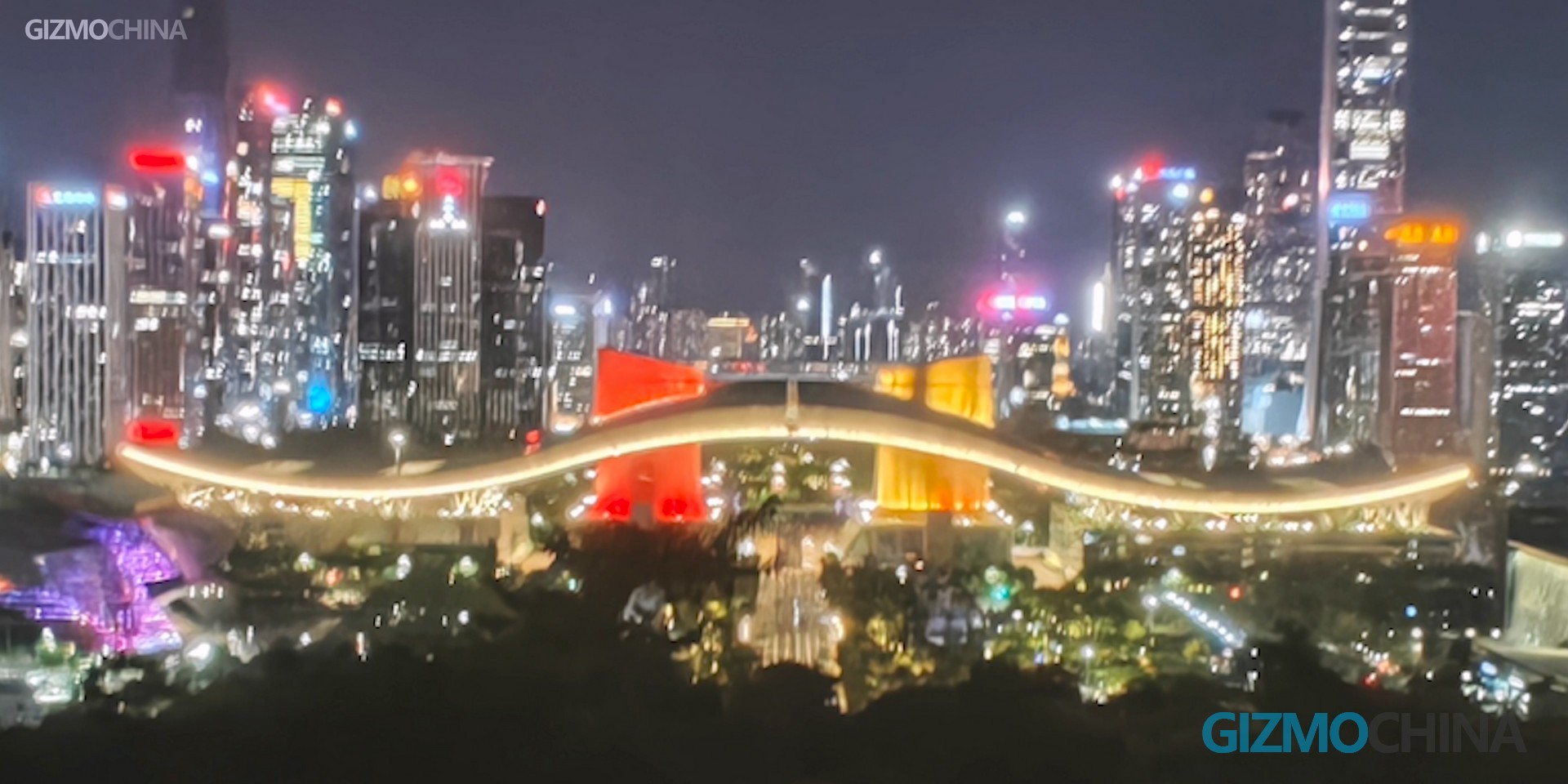
Oh, it might actually be worse than your old phone. That’s because this is a 17mm lens with a particularly narrow FOV. And this year, some Pro Max phones have a 13mm 200MP ultrawide camera. If you really like taking photos with an ultrawide camera, this can be pretty frustrating.
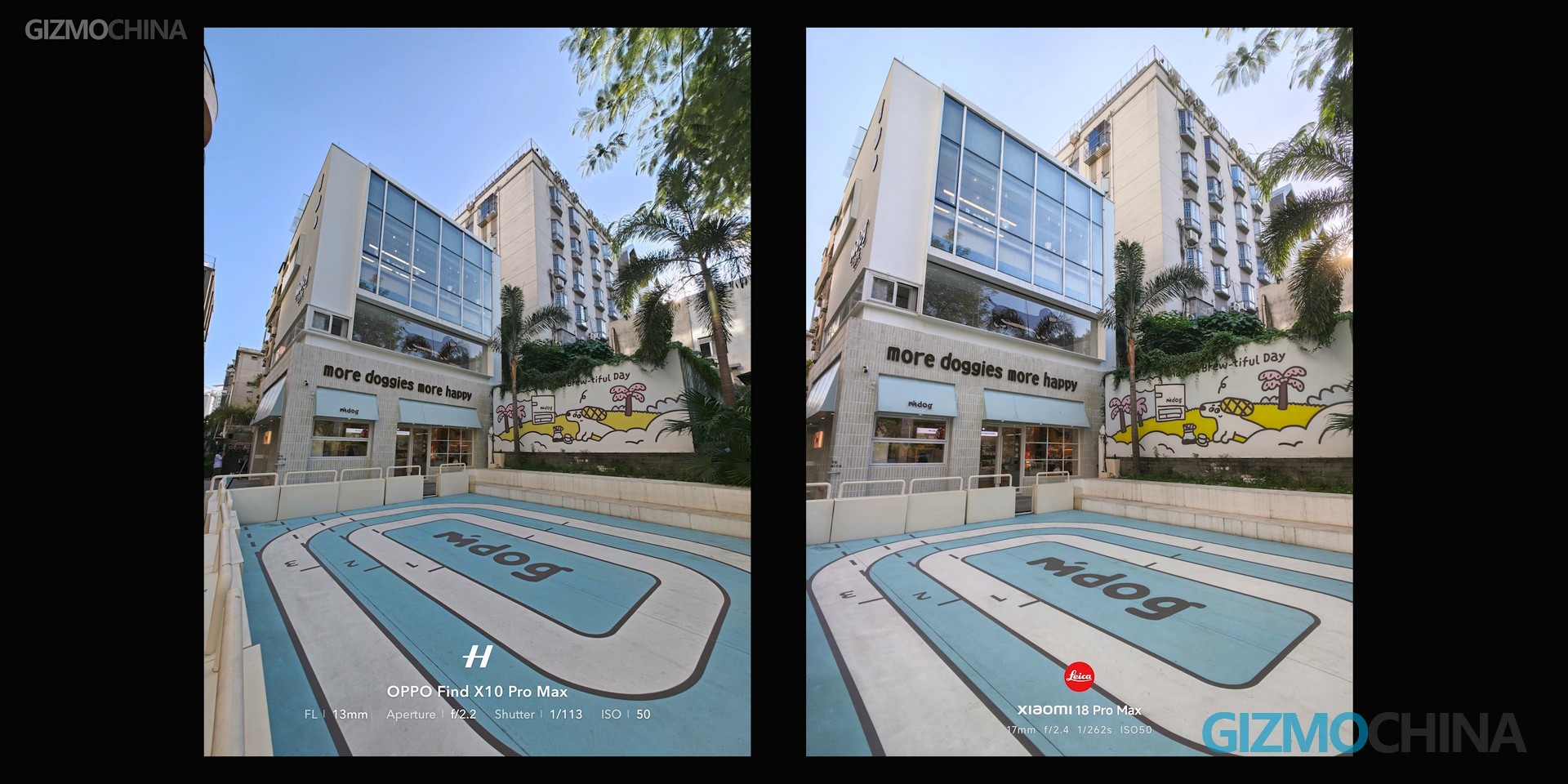
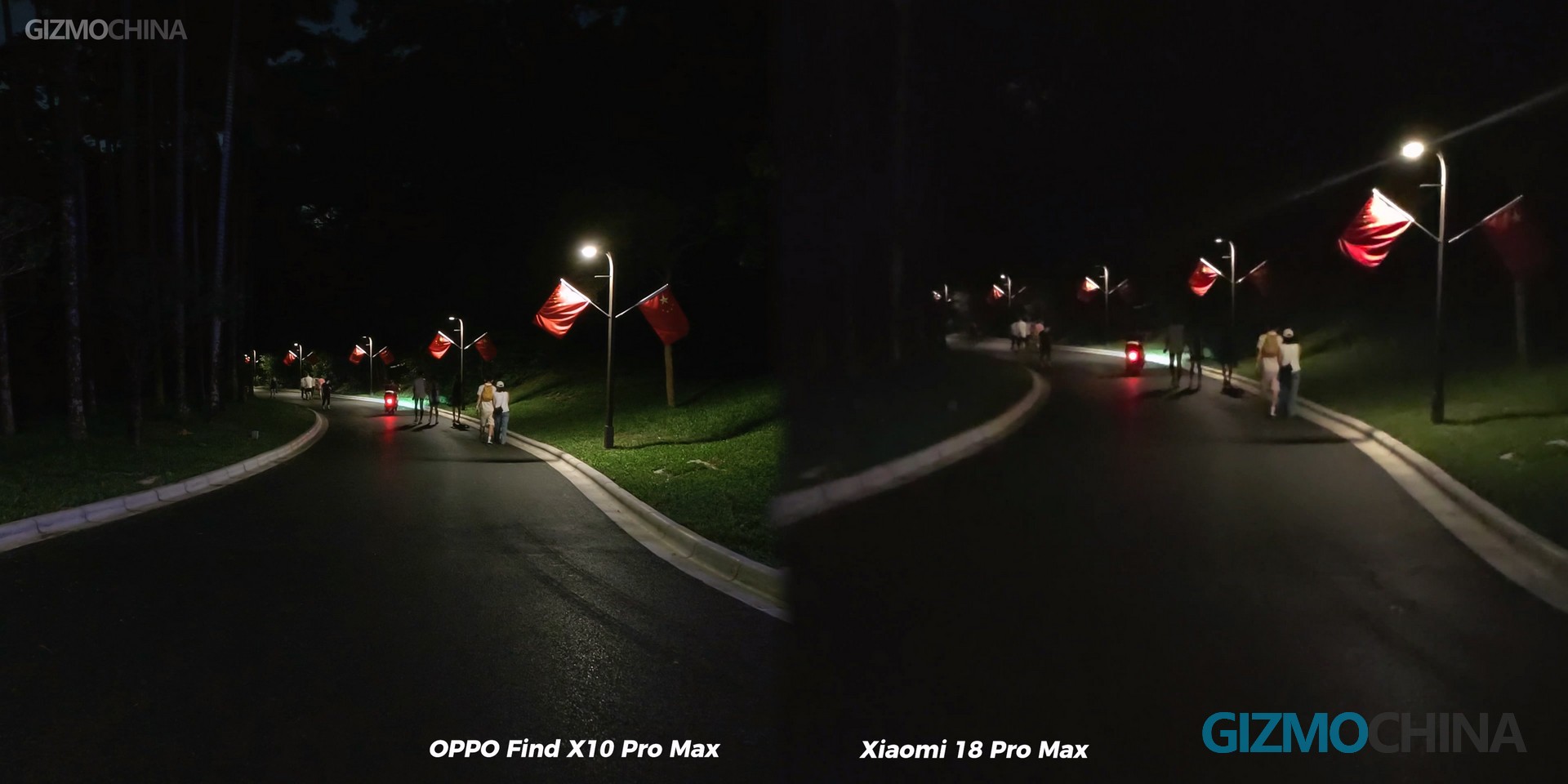
The difference isn’t quite as obvious in photos. But when you’re recording video, the gap becomes very obvious. The main camera performs pretty well. But once I switch to the ultrawide camera, I honestly can’t believe this footage was recorded by a phone in the same price range.
This camera is extremely sensitive to light. Even when the environment isn’t particularly dark, the image quality drops when switching between the main and ultrawide cameras. I think Xiaomi would be better off removing this camera and giving me a $10 discount. I’d actually be happier with that. Of course, video recording with the main camera is perfectly fine. If we ignore the ultrawide camera, this camera system is still at flagship level.
Battery Life
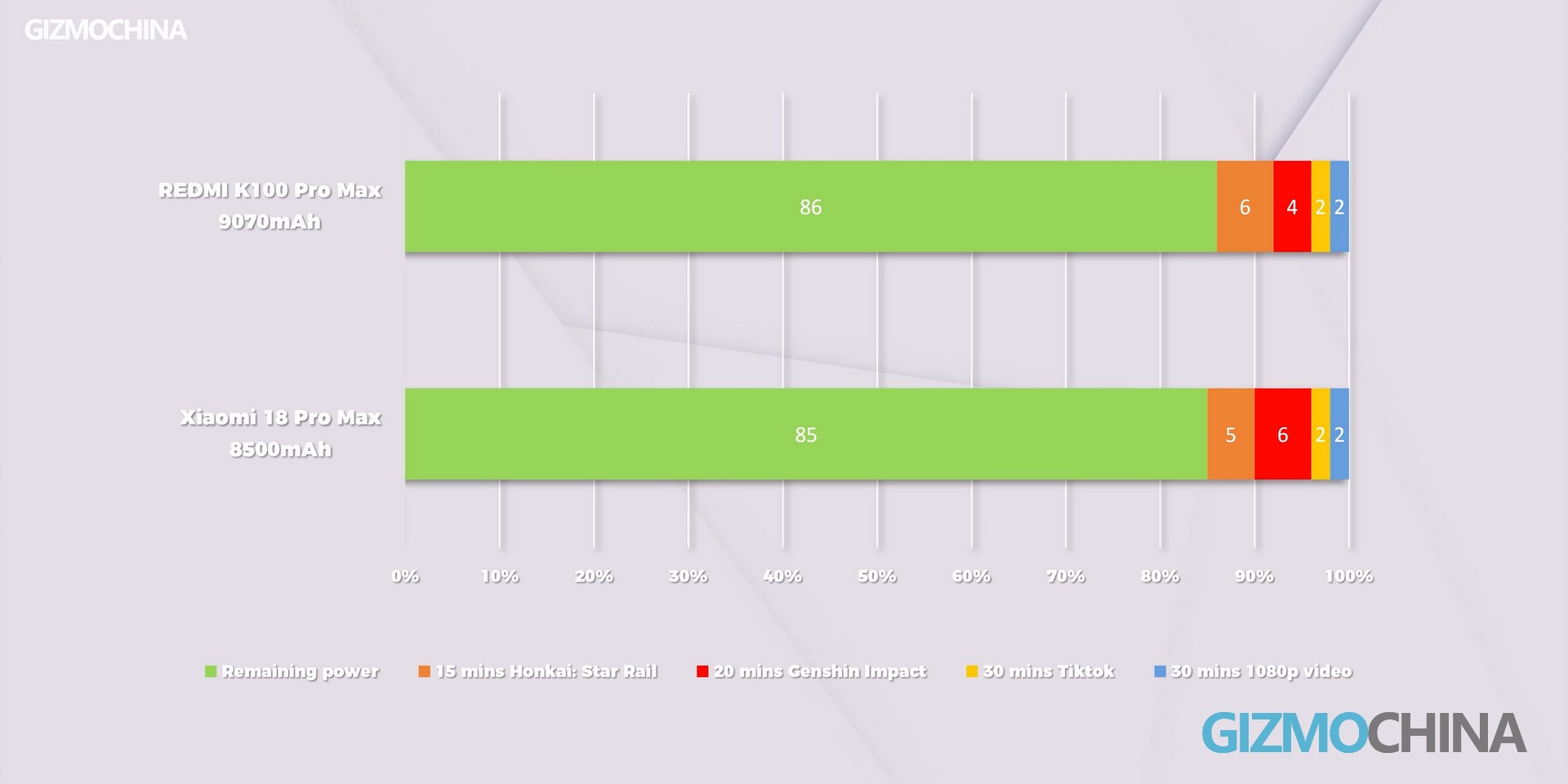
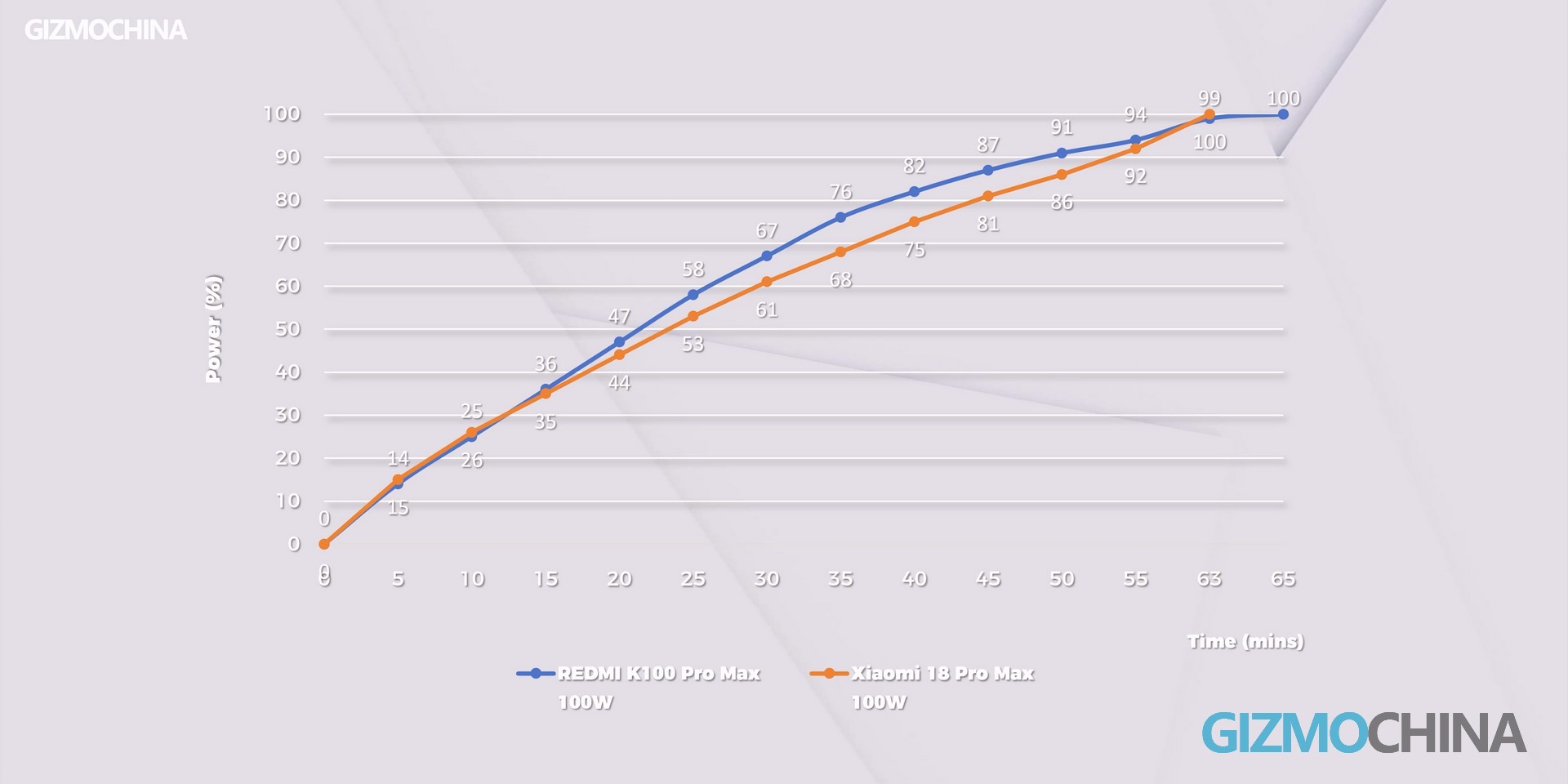
Among all the Pro Max models released recently, the Xiaomi 18 Pro Max has the second-largest battery capacity. The 1000mAh increase finally makes it a phone that can last through an entire day no matter how you use it. During our full-day camera testing, it consumed only 15% of the battery. Wired charging is still 100W, while wireless charging is 50W. In our test, a full charge took around 1 hour. That’s pretty average.
Conclusion
The rear display, the privacy display, and the new Essential mode. Whether these selling points are gimmicks or genuinely useful features, Xiaomi has thrown all of them into the 18 Pro series. Thanks to this phone, we can still find a little fun among a sea of otherwise boring smartphones.
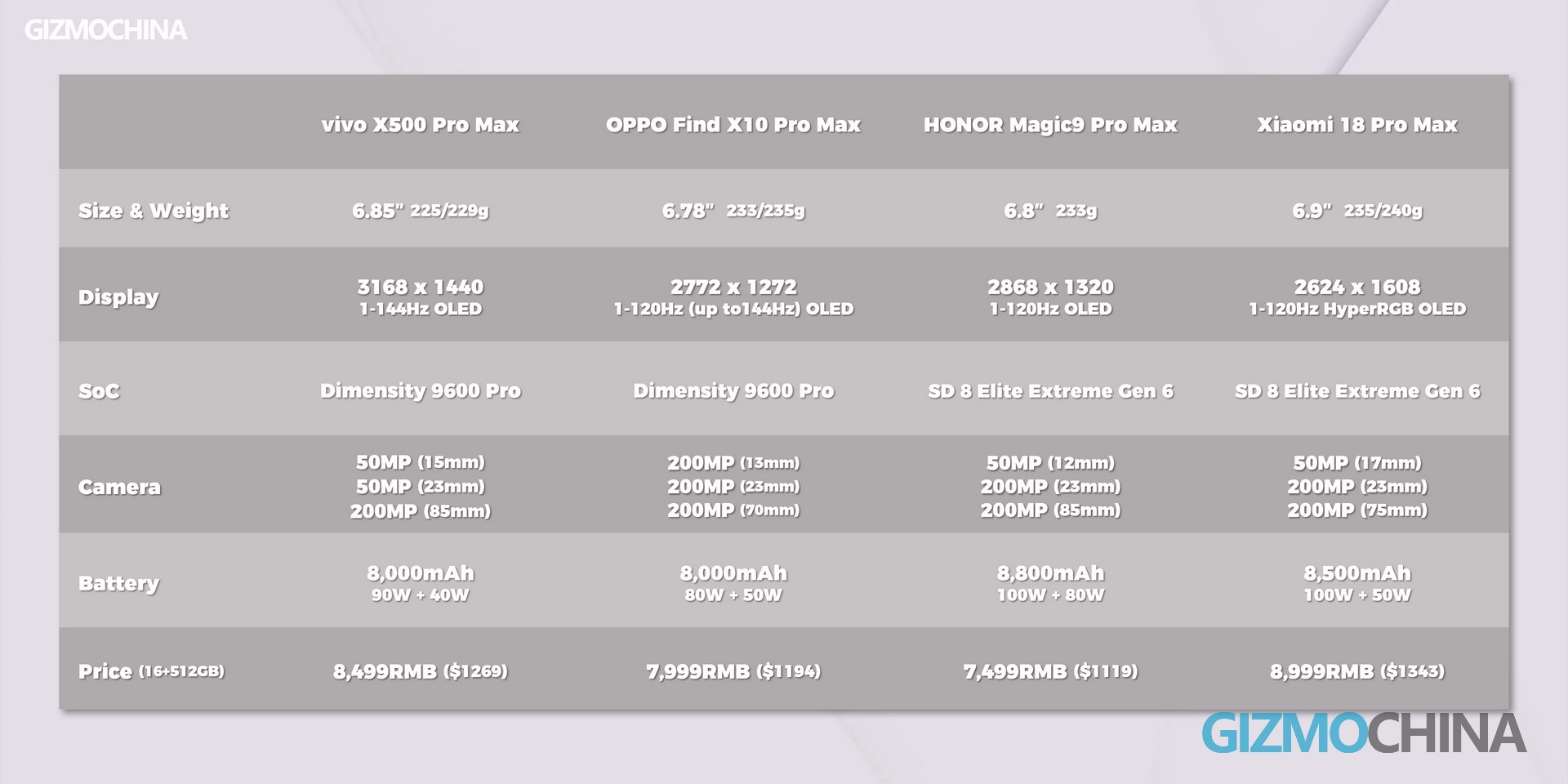
But what does it cost? Quite obviously, the answer is the expensive price tag. Is it worth spending an extra $100 or even $200 on it? After watching this video, you probably already have your answer.


Comments