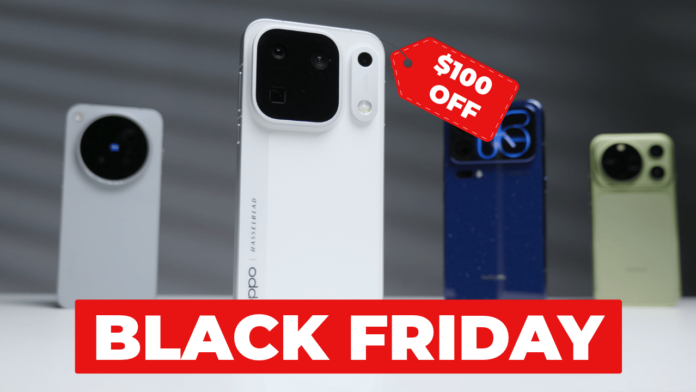
Ok, Black Friday has finally arrived. Here at Gizmochina, we review the phones and stuff, and also try to provide the best deal for you on Geekwills. The Black Friday Sales are:
– 5% off on all phones, and there are special discounts on some phones, the two discounts can not be combined.
Very clear rule right? Now let’s get into the phones we recommend the most, and there are links emebaded into the titles, those will take you right to the shopping pages.
Flagships
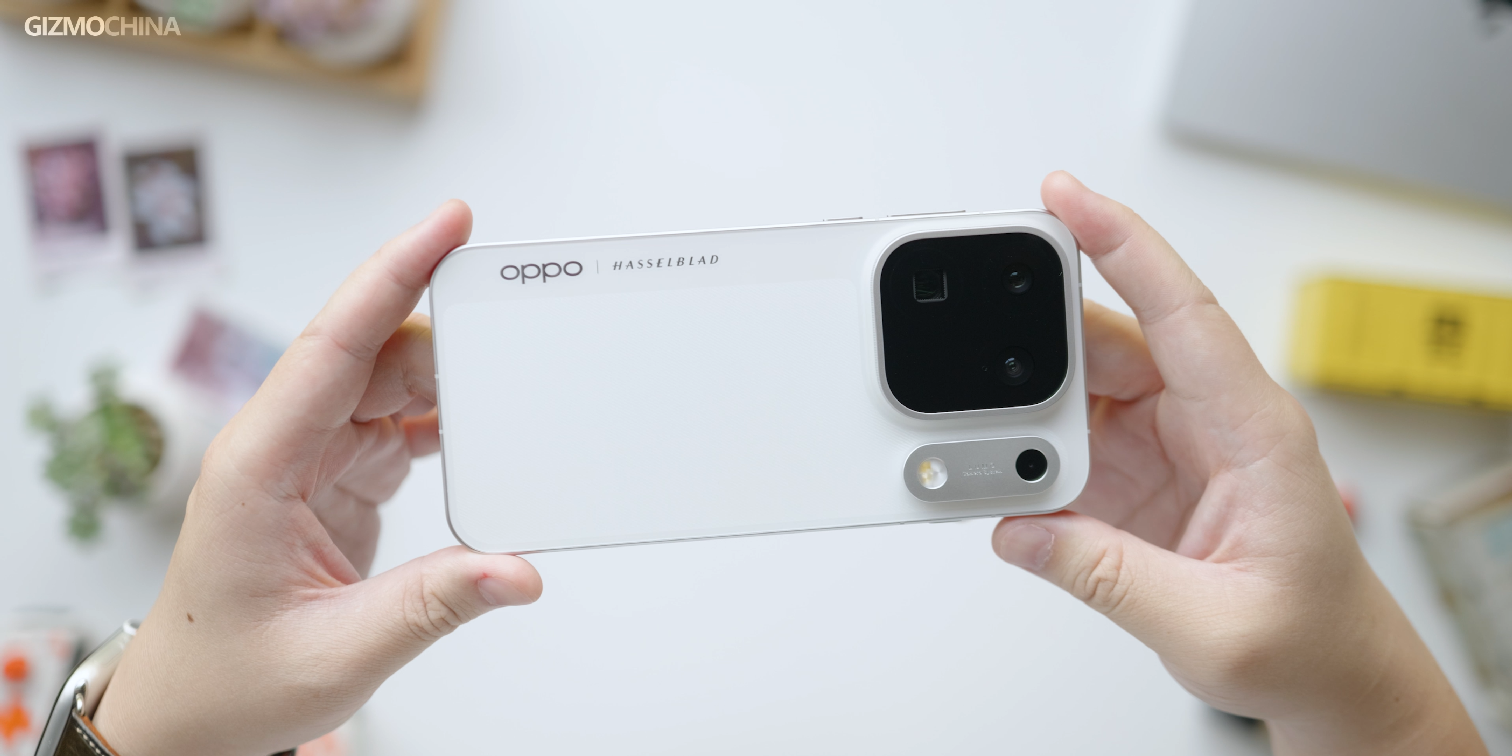
OPPO Find X10 Pro Max
Ok, flagships. First, the OPPO Find X10 Pro Max. It positions itself through balance rather than any single headline feature. Its key decision is putting large sensors behind all three 200MP cameras, including an ultra-wide that shows minimal fringing and handles video particularly well. The main camera delivers strong dynamic range, though default sharpening can be reduced via the Master Mode. The 70mm telephoto is carried over from last year but remains capable up to 140mm, with usable results beyond and macro support. The camera module is positioned to keep fingers clear, and the phone is lighter than its main rivals. The display offers 144Hz refresh rate, 95% BT.2020 coverage, and a removable AR anti-reflection film that improves outdoor visibility. The Dimensity 9600 Pro excels in light-to-moderate gaming, with lower power draw than Snapdragons, though heavy-load gaps narrow. An 8,000mAh battery can last a full day of use, but 80W charging takes over 80 minutes, a bit slower than many rivals. Overall, it is still the most balanced phone we think.
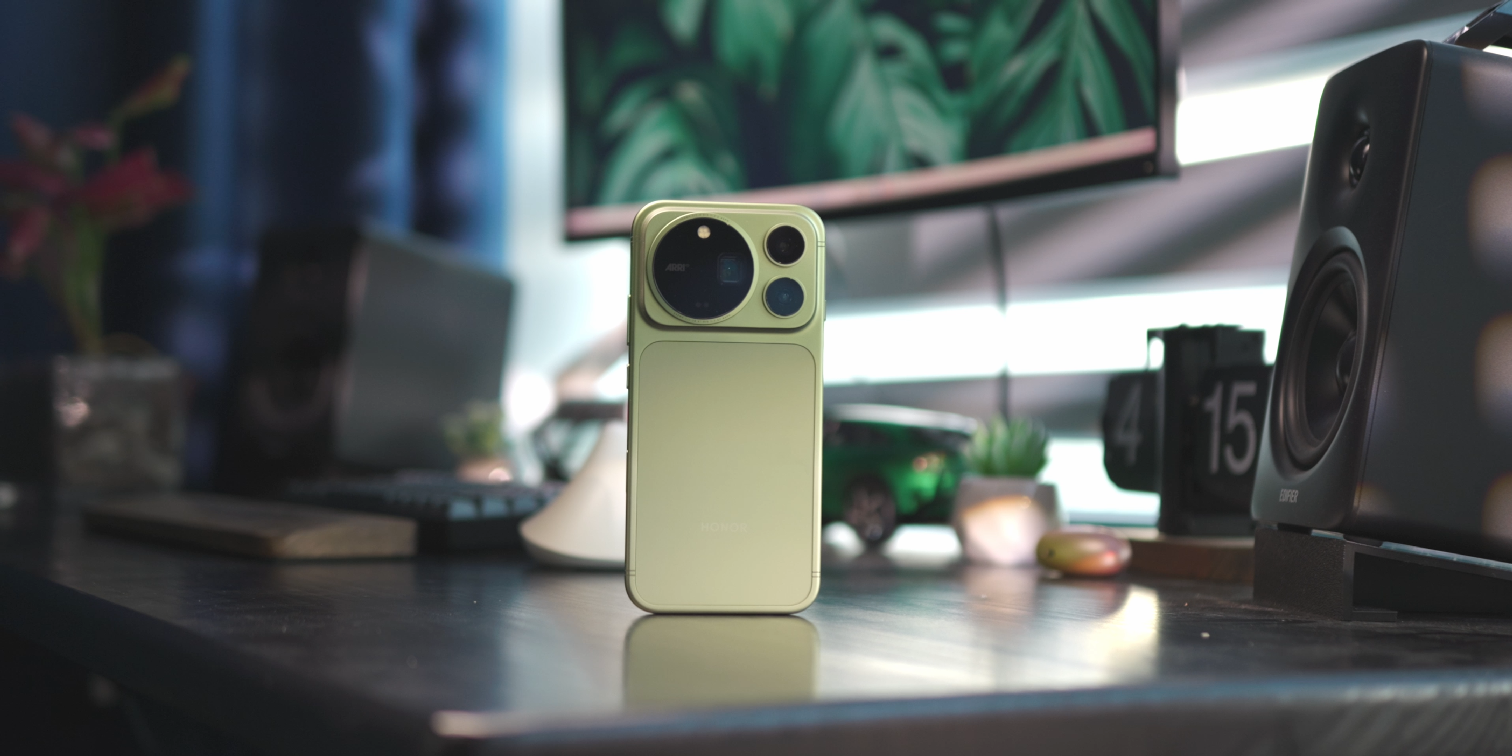
HONOR Magic 9 Pro Max
The HONOR Magic 9 Pro Max is built around mobile video creation through a partnership with ARRI. The camera module includes a 200MP main camera with f/1.57 aperture, and CIPA 8.0 stabilization, a 200MP 3.5x telephoto reaching 200x digital zoom, and a 50MP ultra-wide. A dedicated ARRI CINEMA Mode records 4K 60fps in ARRI LogC3, with 10-bit color, supported by 14 preset looks and other luts. The 6.8-inch flat LTPO display runs adaptive 120Hz with 4,320Hz PWM dimming. The Snapdragon 8EE6 scores is the most powerful chip on Android now. An 8,800mAh battery supports 100W wired and 80W wireless charging, with over seven hours of 4K recording in HONOR’s test. It offers both 3D face unlock and ultrasonic fingerprint scanning, plus IP68/69/69K ratings. It is overall a very strong phone without any shortcomings.
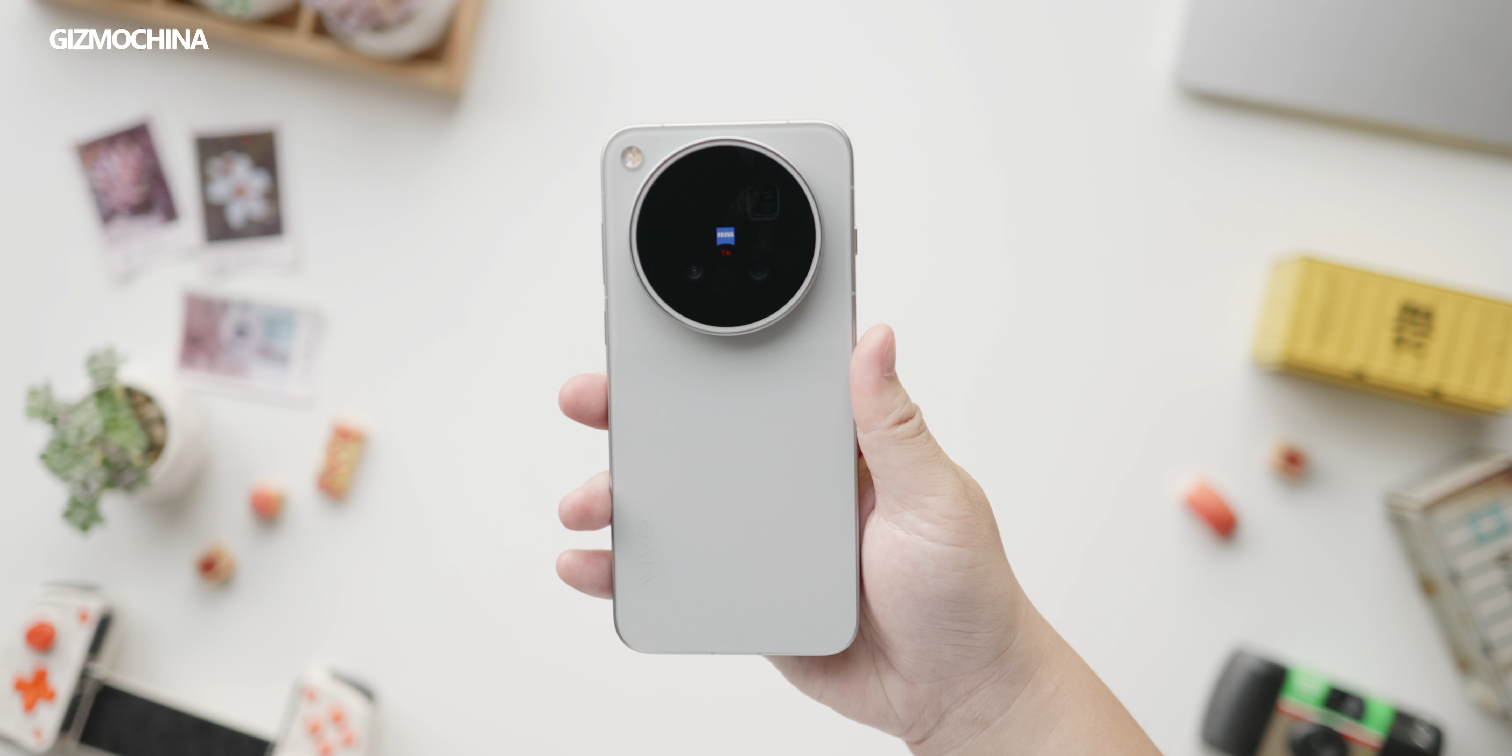
vivo X500 Pro Max
The vivo X500 Pro Max is a regular update to the X300 Pro, changing little in design or camera hardware. The main camera gains LOFIC technology for better dynamic range, with an Authentic lighting mode available. The telephoto uses the same 200MP-class sensor as recent generations, capturing usable images even at 30x or 60x zoom, with reliable night performance and macro support. The ultra-wide is the weakest camera, it performs not that perfect in low light. For video, the main camera now supports 4K 240fps slow-motion recording. The Dimensity 9600 Pro chip supports super resolution and frame interpolation across more games than most rivals, and its 8,000mAh battery fixes last year’s endurance issues. Charging is 90W wired and 40W wireless, taking about 65 minutes from empty. The thick camera bump makes grip comfort a drawback, though it remains the lightest in its class, highly recommend this one if you like photography.
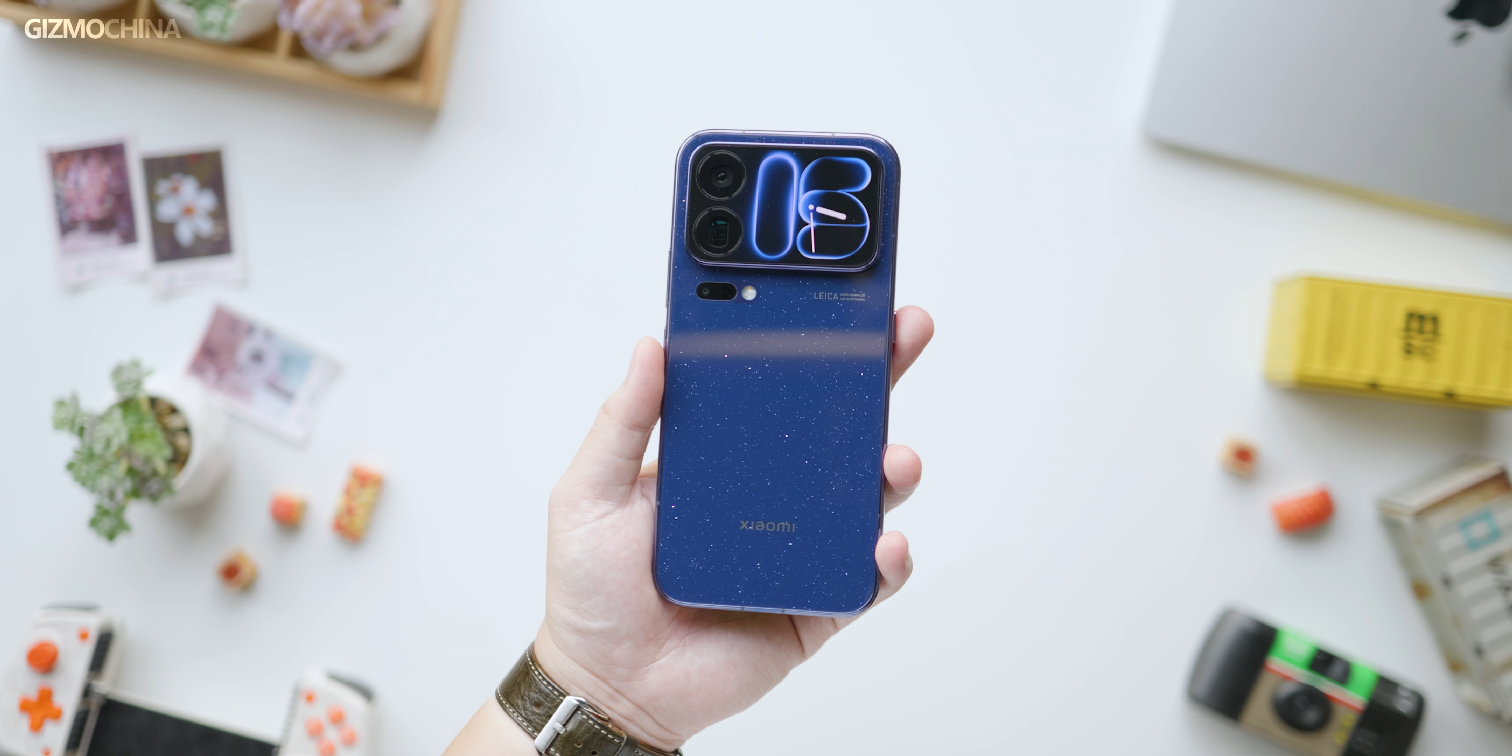
Xiaomi 18 Pro Max
The Xiaomi 18 Pro Max keeps the rear display, now with flush lenses, notification support, screenshots, and AI-generated custom functions. These additions contribute to its weight, making it the second-heaviest phone among the flagships. The most debated feature is the privacy display, which dims off-angle viewing and offers area protection, but with some costs, you can watch the full review for it. Performance is much improved over the 17 Pro Max, sustaining peak output in demanding games without early throttling. The 200MP main camera with LOFIC delivers strong dynamic range, paired with a lighter Essential mode offering higher contrast, and a CCD-style filter. The 75mm telephoto performs well at long zoom, also with macro capability, though white balance is slightly inconsistent. The 17mm ultra-wide is the same as the front camera sensor, and performance is not that good. A 100W charge fills the battery in about an hour. So if you like the back screen, this one is still worth it.
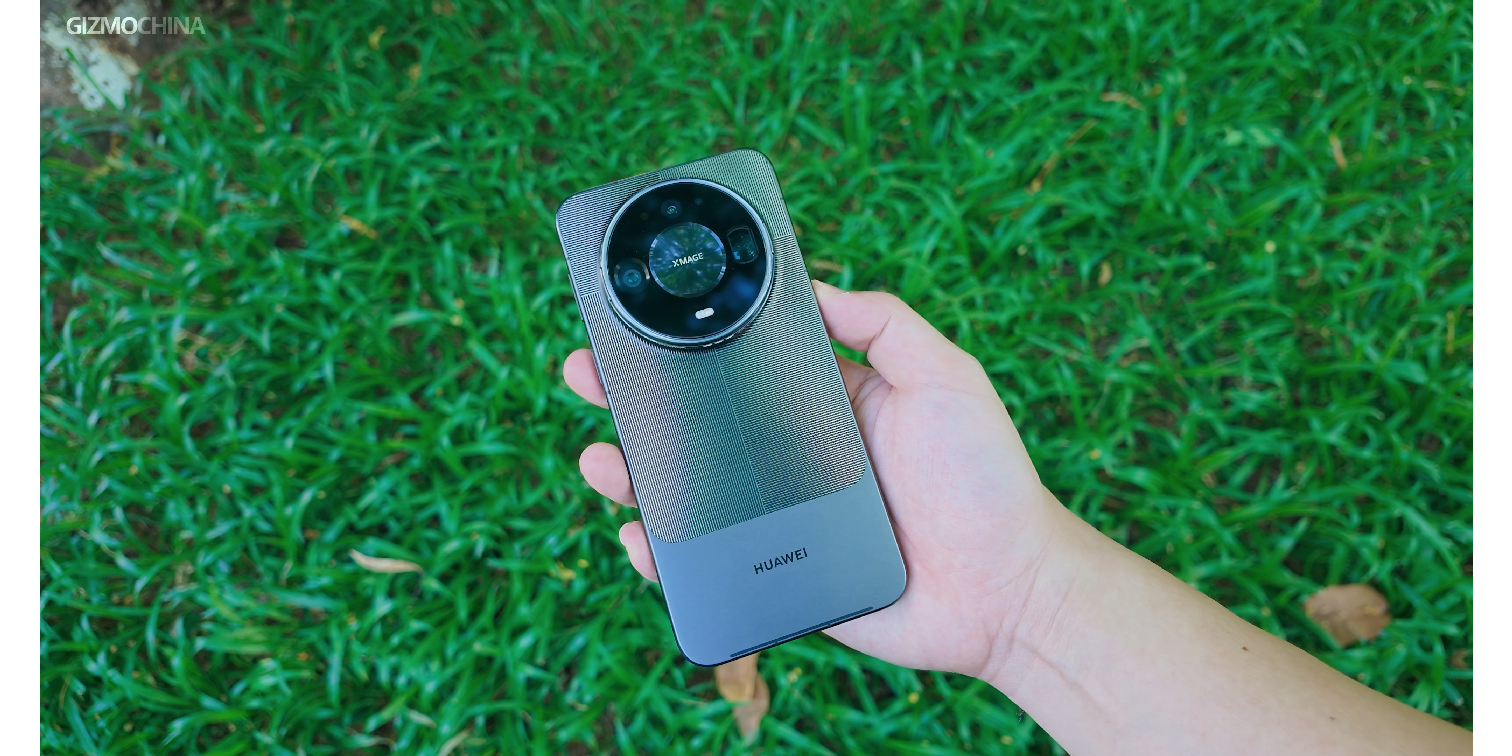
HUAWEI Mate 90 Pro Max
The HUAWEI Mate 90 Pro Max continues the Mate series’ centered circular camera design with a back panel featuring four-directional patterns, a glossy lower section flowing into the frame, and a back cover blending aluminum alloy with fiberglass. The Pro Max and Collector’s Edition run the Kirin 9050 Pro, built on Huawei’s Tau Scaling Law that theoretically doubles transistor density, paired with HarmonyOS. The main camera keeps its variable aperture and gains an anti-glare infrared coating, while the telephoto jumps to a 200MP sensor. The Ultimate and Collector’s Editions add three contact points under the camera module for a motorized external zoom lens with its own one-inch sensor, offering true 24mm–240mm optical zoom with stabilization. The updated Tandem OLED display improves slightly over the Mate 80 Pro Max, with three top cutouts housing the front camera and 3D structured light module; the body is slightly wider than typical smartphones. Battery capacity rises from 6,000mAh to 6,800mAh—still behind competitors on raw size, with Huawei relying on chip-level efficiency. A global release remains unconfirmed.
Now these are the newest flagships. We have also reviewed some of the Pro or standard versions, as well as the previous Ultra phones released more than 6 months ago, you can find them in our channel. Next let’s get to the foldables.
Pro & Standard
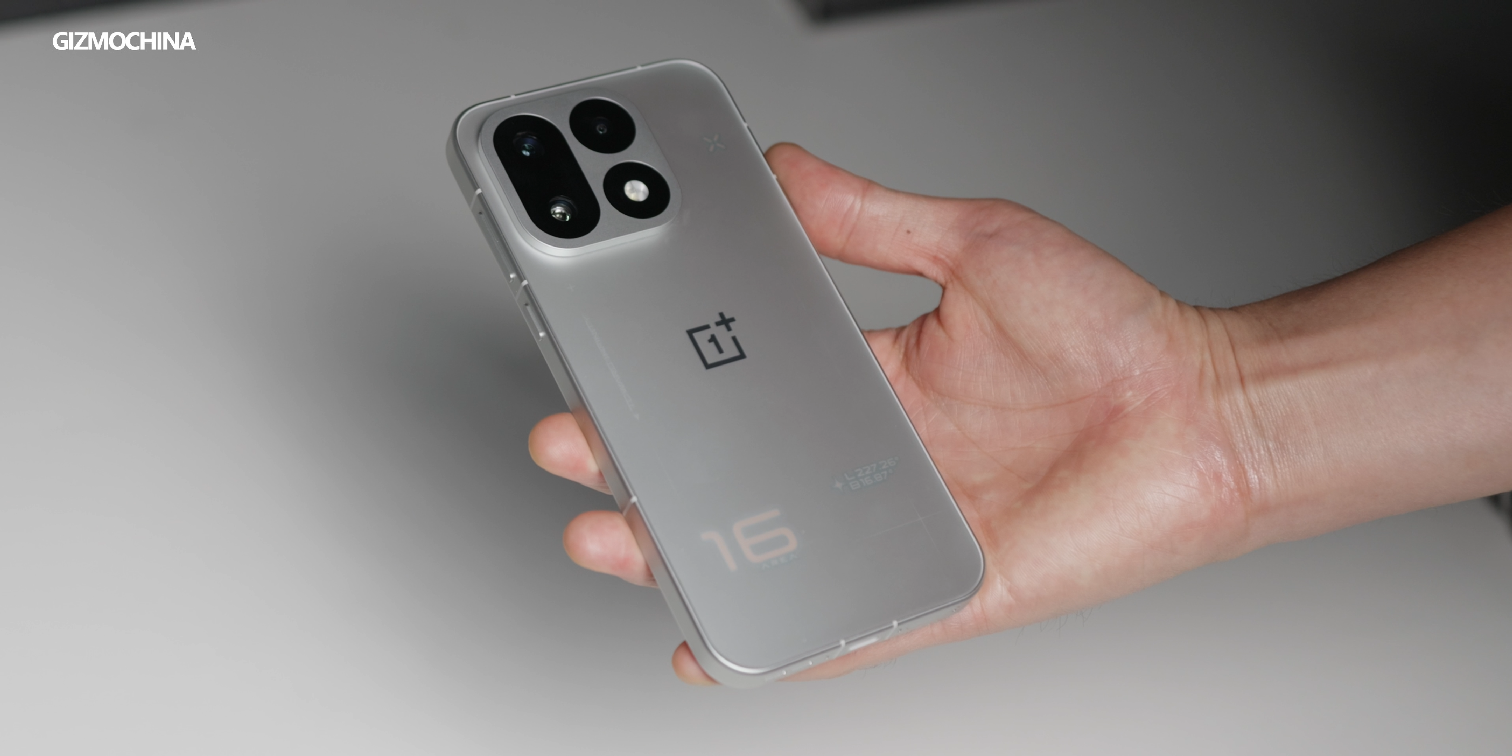
OnePlus 16
The OnePlus 16 is defined by one number: a 9,000mAh battery, up from 7,300mAh on the OnePlus 15, while most flagships sit between 5,000 and 6,000mAh. This shapes everything else—the phone is heavy and notably wide at 76.67mm, wider than the Galaxy S24 Ultra, which smaller-handed users will notice. The 6.78-inch 1.5K display now runs 165Hz system-wide, not just in supported games. The main camera gets its first proper sensor upgrade in years: 200MP on a 1/1.4-inch sensor, improving low-light capture and enabling heavy cropping, though processing takes a second. The 50MP 3.5x periscope telephoto and 50MP ultrawide carry over unchanged, while the front camera rises to 50MP with autofocus. The Snapdragon 8 Elite Extreme Gen 6 handles games at maximum settings, with a larger vapor chamber positioned away from where hands rest in landscape. Charging drops from 120W to 100W wired—a full charge takes about 50 minutes—while 50W wireless and bypass charging remain. OnePlus promises at least 80% battery capacity after five years.
Note: the phone is China-only, as OnePlus has exited North America and Europe.
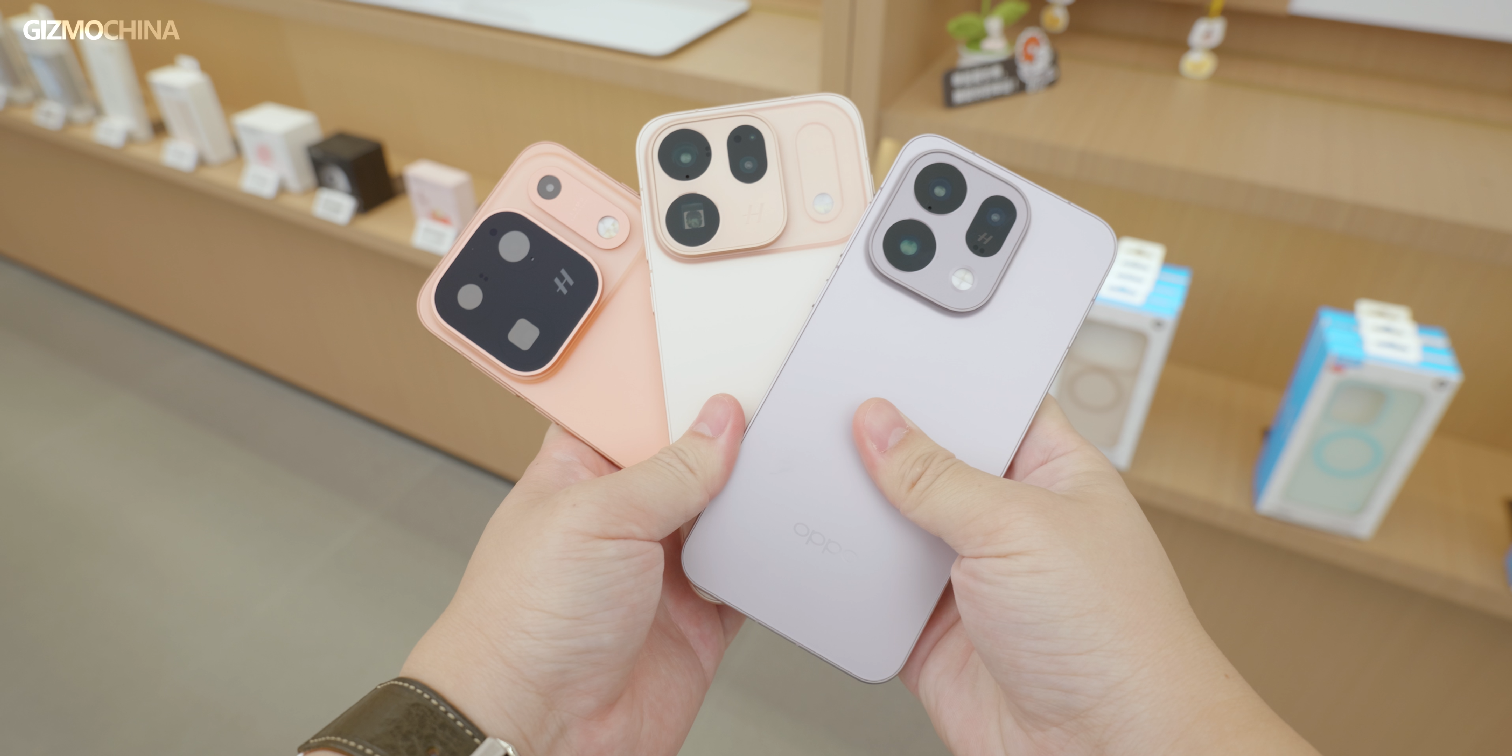
OPPO Find X10
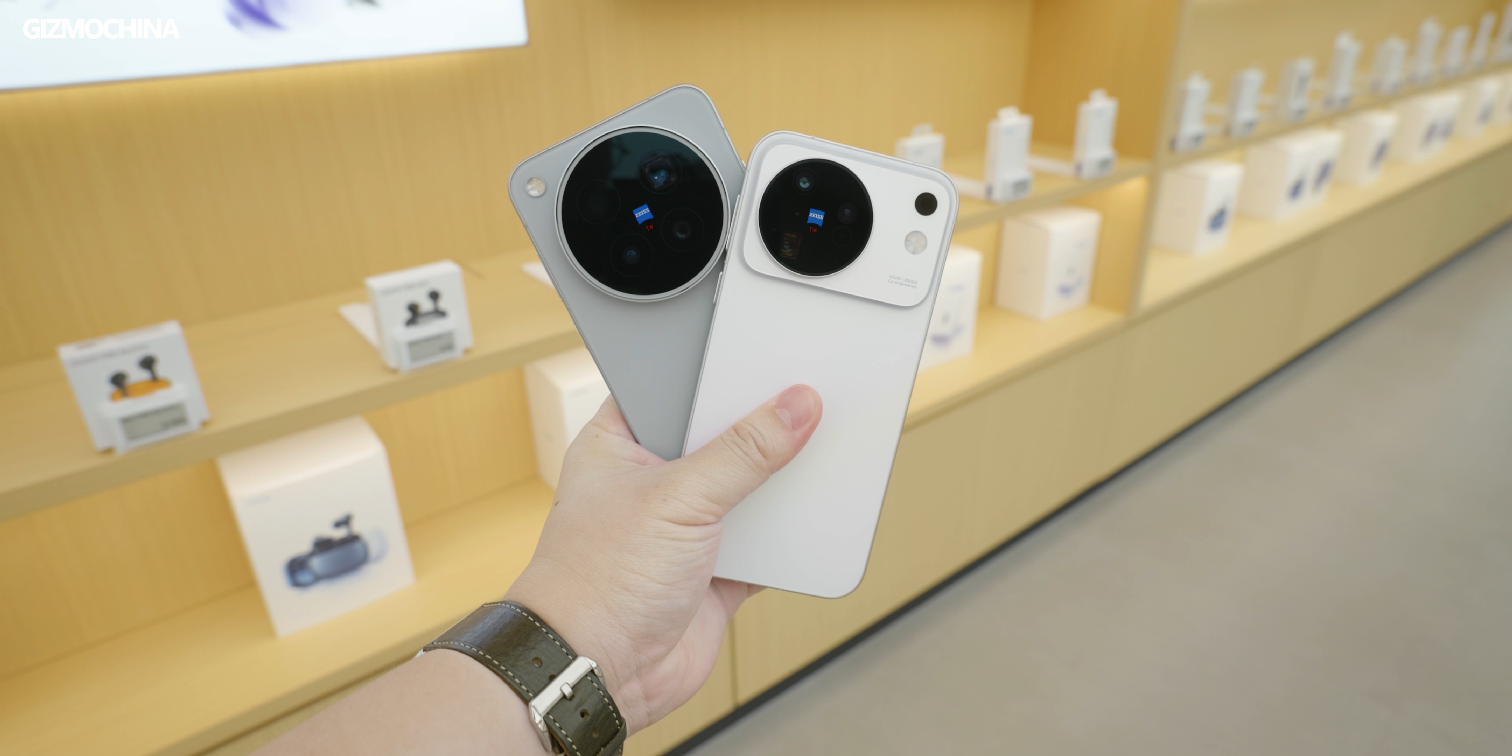
The Find X10 series reshuffles its lineup into three models: the X10 E, essentially a minor X9 refresh running the Dimensity 9500s; the standard X10; and the X10 Pro Max—effectively last year’s Pro renamed. The X10 and Pro Max share a stepped rectangular design layered over the X9’s base, with the white Pro Max skipping the step for a cleaner camera-like look; the camera shutter button is officially gone after two generations. Both use TIANMA displays with 1–144Hz adaptive refresh, BT.2020 gamut, narrower bezels, and a pre-installed AR-coated screen protector worth keeping. The standard X10 runs the Dimensity 9600M—a chip the reviewer argues deserves a “9500+” name—while the Pro Max gets the true 2nm 9600 Pro. The Pro Max debuts three 200MP cameras simultaneously, with the ultrawide finally getting a large sensor, reaching Ultra-level territory. The standard X10’s ultrawide remains its weakest camera. Both models fit 8,000mAh batteries despite the size difference, with 80W wired and 50W wireless charging. The standard model suits those wanting a smaller phone without sacrificing battery; the Pro Max targets photography and performance.
vivo X500
The vivo X500 series arrives in three sizes—large, medium, and small—with repositioned models: the standard version grows, the Pro shrinks, and the new Pro Max takes the X300 Pro’s place as vivo’s top all-around flagship. The standard X500 gets the most design change, moving its camera module to the top-left in a rectangular raised section, while the Pro and Pro Max retain the familiar centered circular module with an AI button and a sloped back transition. All three use BOE panels with 144Hz refresh, though only the standard version is LTPS and only the Pro Max reaches 2K resolution. The Dimensity 9600M powers the standard model, with the 2nm 9600 Pro in both Pro models. Cameras form the real differentiation: the Pro Max adopts the X300 Ultra’s 200MP telephoto with improved main camera dynamic range and stabilization, though its ultrawide is deliberately held back for next year’s Ultra; it also supports a 400mm teleconverter. The Pro’s telephoto shrinks in sensor and pixels, and the standard X500 drops LOFIC and shortens its telephoto to 70mm. Battery capacities rise significantly, with the Pro Max gaining roughly 1,500mAh (23%)—directly addressing X300 battery complaints.
Foldables
Xiaomi 18 Fold
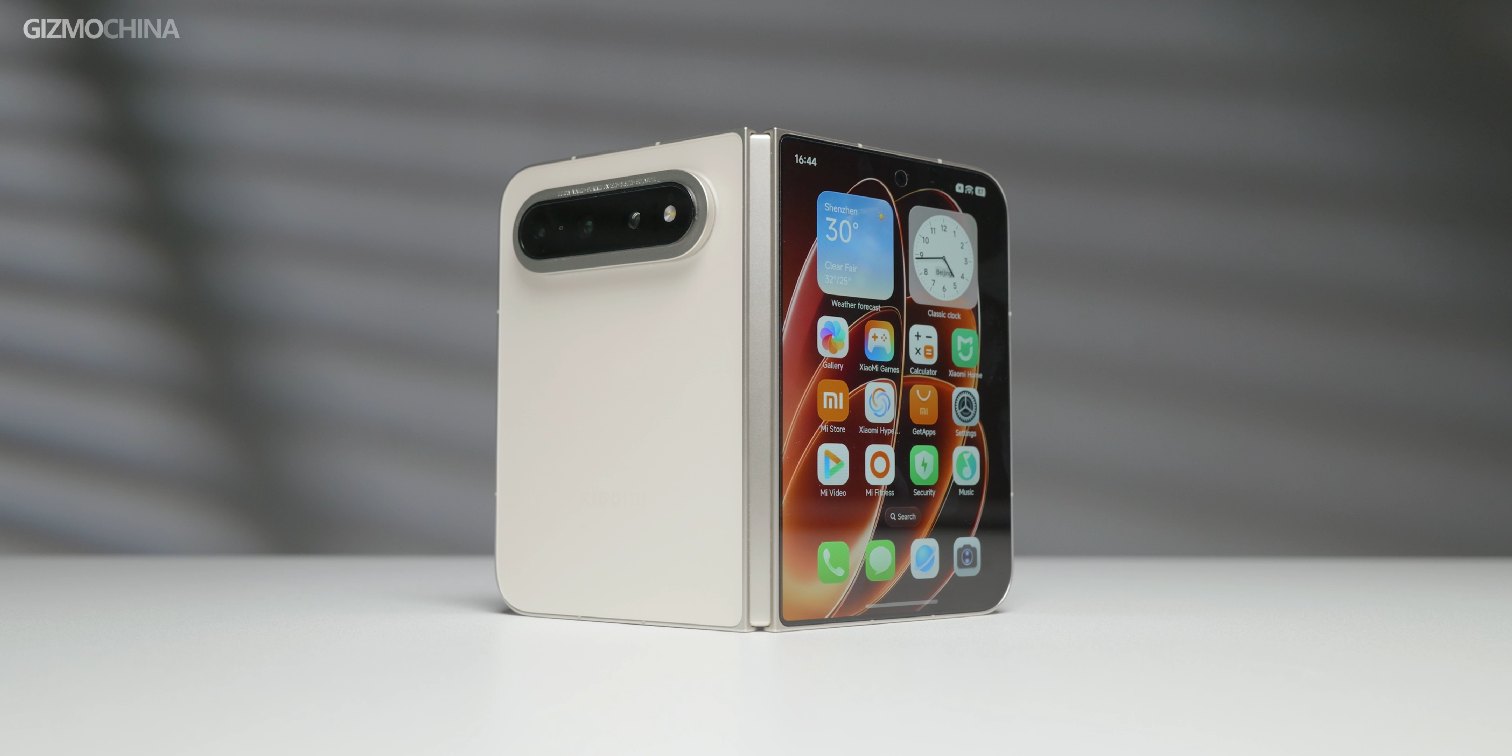
The Xiaomi 18 Fold first, it adopts the passport-style form, with all three cameras placed horizontally above the battery. Despite its compact body, it keeps an IR blaster, NFC, and UWB. At under 220g it is lighter than many regular smartphones, though eSIM is missing, and both speakers sit on the same side. Both displays use full RGB subpixels, with an AR coating on the inner screen and a shallow crease, but it doesn’t support stylus. The XRING O3 chip delivers strong peak performance on paper, yet thermals limit it quite a bit. The camera system uses the same sensors as the REDMI K100 Pro Max, with an 80mm telephoto and a narrow 17mm ultra-wide. A 6,000mAh battery offers endurance comparable to regular phones, charging fully in 50 minutes via 67W wired with 50W wireless support. Since it likely won’t receive a global release, buying from Geekwills is the best way to get it.
HUAWEI Pura X Max
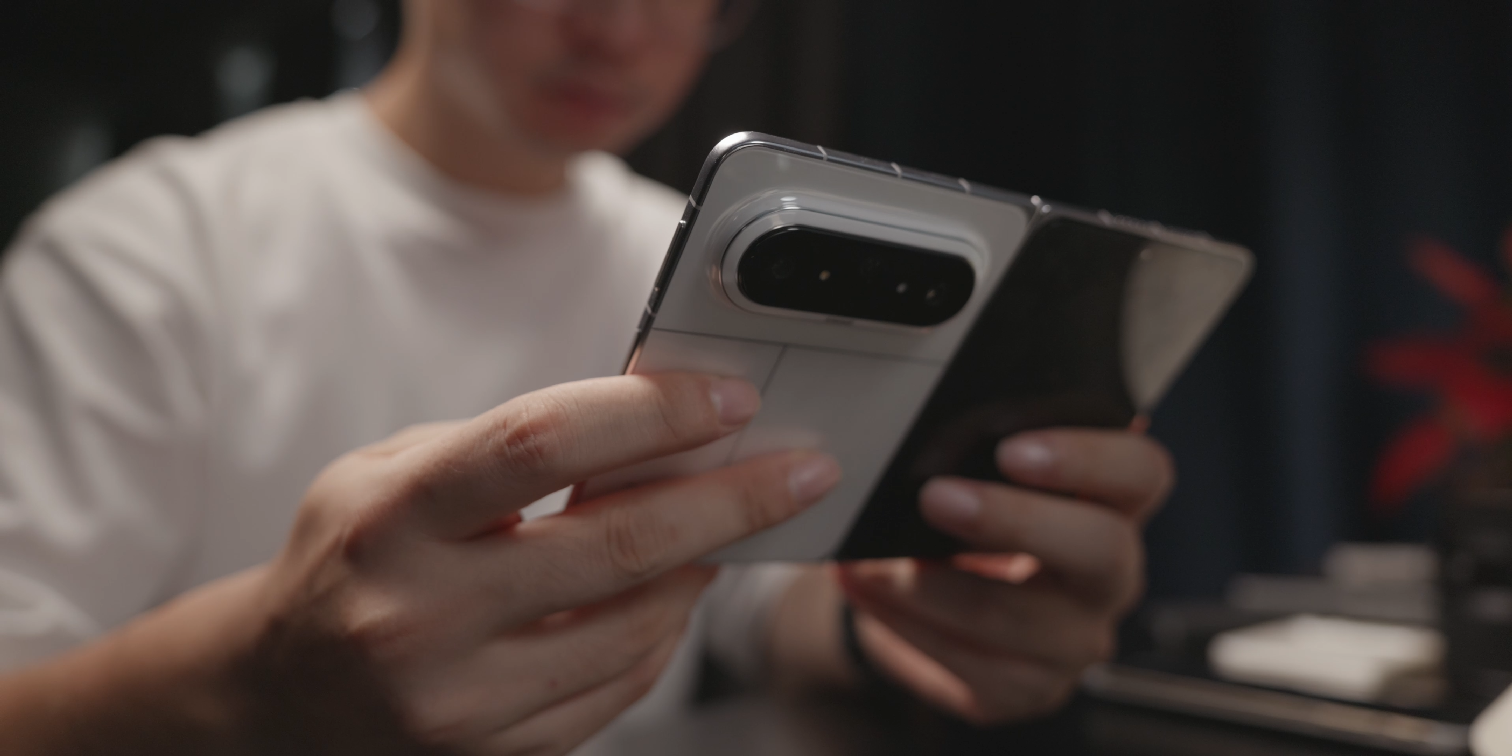
The HUAWEI Pura X Max is HUAWEI’s second foldable with a wider aspect ratio, following the original Pura X from last year. Rather than making the folded phone feel like a normal smartphone, it prioritizes the inner display experience: the wide screen minimizes wasted space when watching video, with a 5.4-inch outer display also. On the software side, HUAWEI also did some optimization, making it very user-friendly. On hardware, the Pura X Max keeps a full camera system with no compromises. The leak-based comparison suggests the crease on rivals like the Find N6 is nearly invisible, though no specific weaknesses of the Pura X Max itself are detailed here.
HUAWEI Pura X View
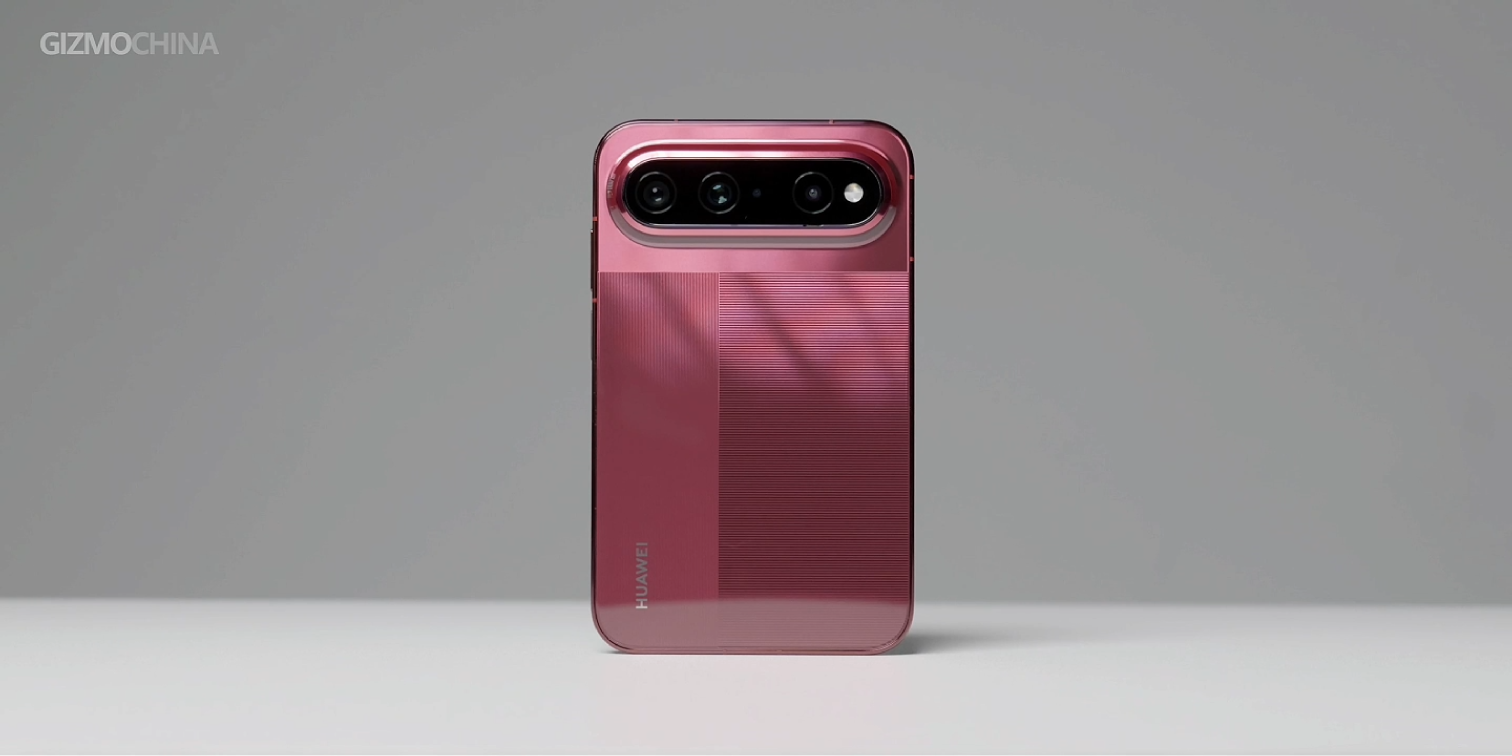
Now the HUAWEI Pura X View is not a foldable, but it has been such a hot item right now. It is like a non-folding sibling to the Pura X, sharing a similar 16:9.5 wide screen, that sits just a bit taller than standard 16:9 video. At about 201g with no heavy camera module, it is light and comfortable to hold, thin enough for a pocket, though the glossy slim frame can be slippery to pick up. The wider body fits a 7,000mAh battery. In use, the extra width benefits typing, document viewing, reading, and video. The keys are wider, naturally you will make fewer mistypes, though one-handed typing requires the one-hand mode. The screen area is like a Kindle Paperwhite for reading. And 16:9 or 2:1 video shows less wasted space than on regular phones. Gaming offers more vertical content, and a larger cooling plate keeps temperatures down. It runs a Kirin 9030S chip, with 12GB RAM and HarmonyOS 7. Cameras include a 200MP main, 50MP telephoto, 8MP ultra-wide, and a 50MP front camera with second-gen RYYB sensor. The OLED display is FHD+ with 406 PPI, protected by Kunlun glass, rated IP68, with 66W wired and 50W wireless charging, dual SIM, and eSIM. This phone is actually suitable for everyone.
More Affordable
Now again, because of the price surge this year, you may want to get the more affordable phones, here are two that we recommend.
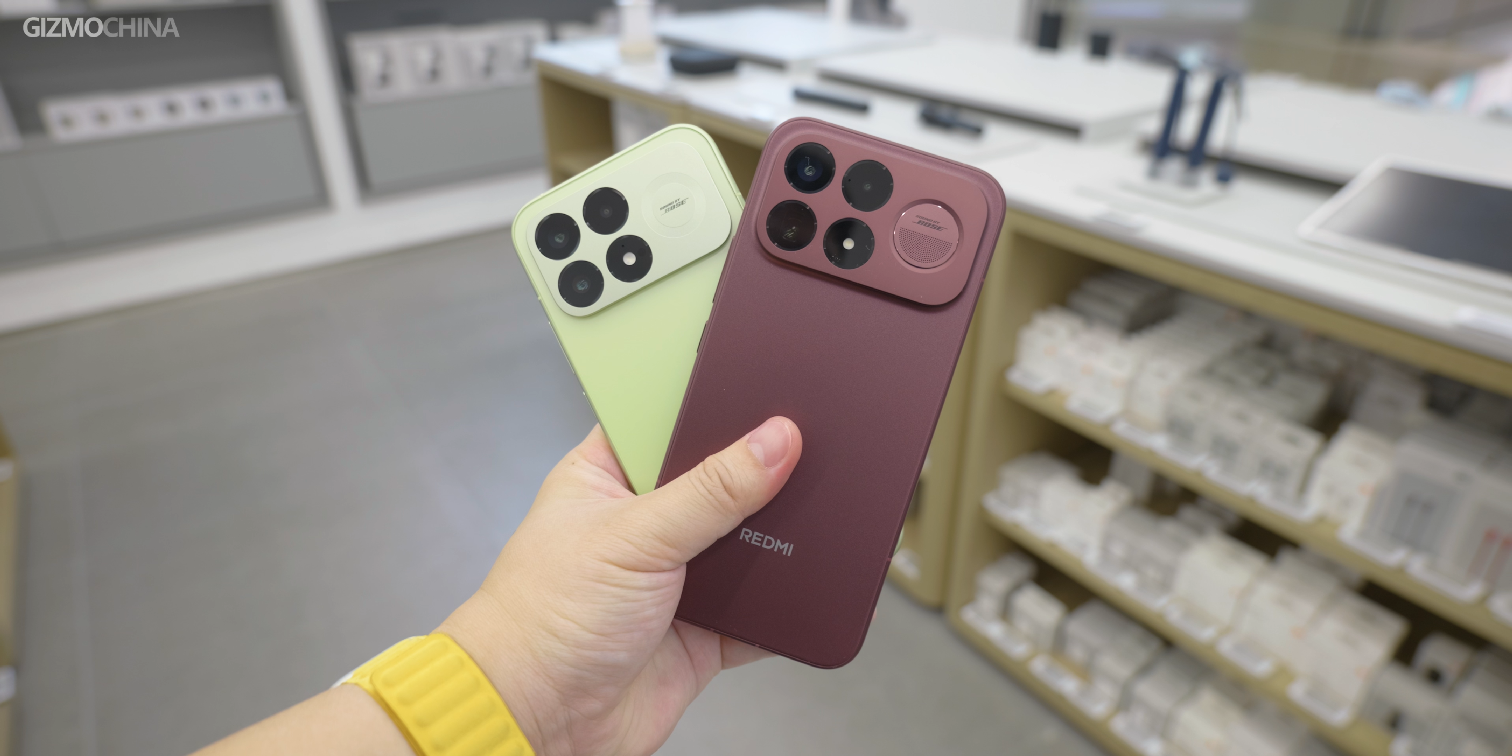
REDMI K100 Pro Max
The REDMI K100 Pro Max prioritizes price control, landing at around $700 with some spec compromises. The signature 2.1-channel speaker system with a subwoofer is still here, offering clear output even at maximum volume, though the low end has slightly regressed, due to a larger battery squeezing the acoustic chamber. The display is a major upgrade: near-2K clarity via Xiaomi’s HyperRGB pixel arrangement, a manual brightness over 900 nits, and first-ever BT.2020 gamut support. It runs the Snapdragon 8 Elite Gen 5, handling everyday and moderate gaming well, though heavy loads like custom Genshin maps push temperatures to 46°C; a D2 chip enables frame interpolation up to 165fps in all games. The 200MP main camera uses a smaller sensor than its predecessor but delivers solid results, with excellent In-Sensor Zoom bridging the gap to the 120mm telephoto, which has erratic white balance. Video performance drops noticeably in low light, rating well below its stills. Battery life is top-tier, with 100W wired charging filling it in 65 minutes and 27W reverse charging that can nearly replace a power bank. If you care about specs and price, this can be the perfect one.
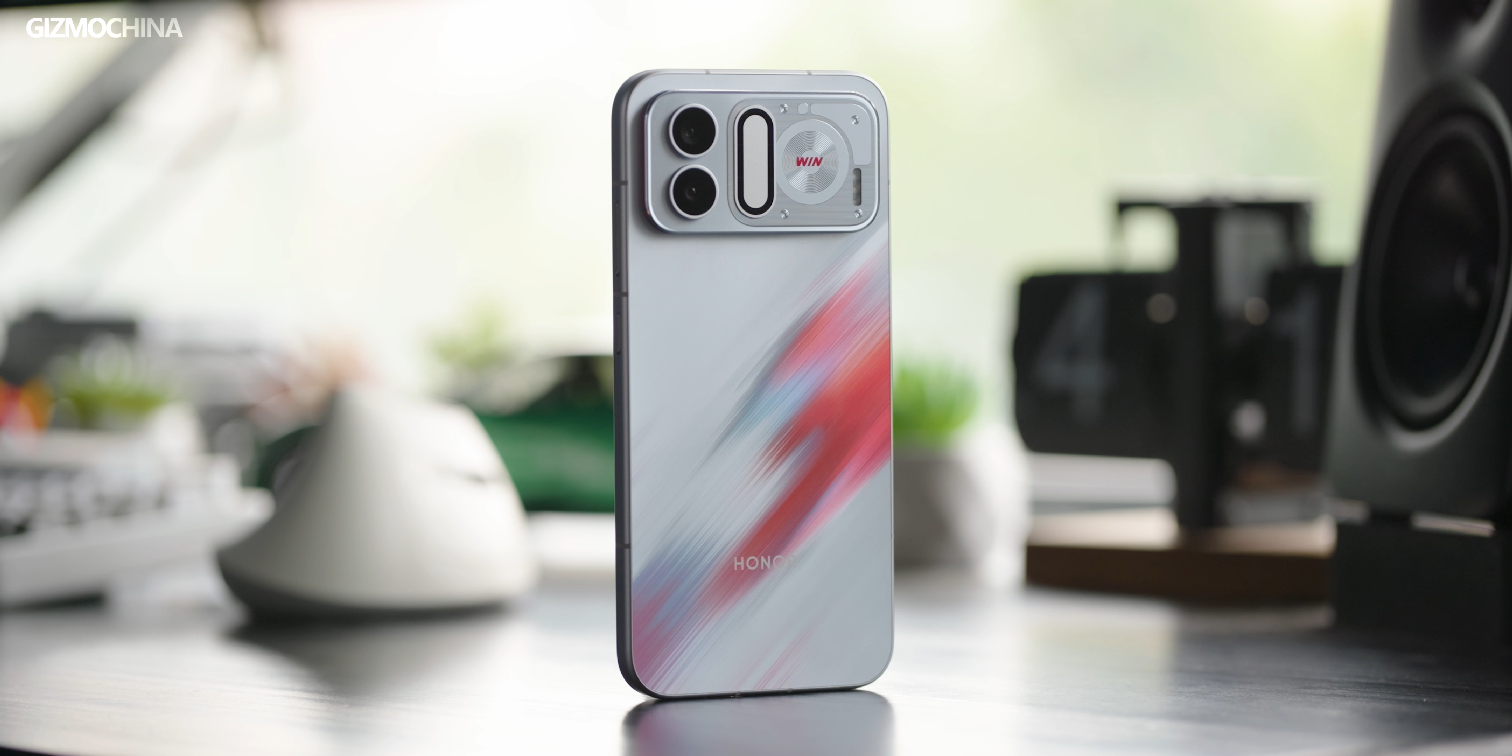
HONOR WIN RT 2
The HONOR WIN RT 2 builds on the value-focused formula, with a battery that grows from 10,000mAh to over 12,000mAh. In testing, a single charge survived a full day of intensive use and gaming with 17% remaining, so the phone can actually last over two days of normal use. The built-in single fan now includes a Rapid Cooling mode, that drops temperatures by 10°C in 100 seconds, and it can run while the microphone is active, so gaming calls no longer require headphones, though the fan is loud at maximum speed. It uses the Snapdragon 8 Elite Gen 5, a cost-driven choice. The 2K 185Hz LTPS display delivers strong sharpness and smoothness, but the top refresh rate only works in some apps, and must be enabled in Developer Options. Camera performance is basic: the 200MP main sensor produces acceptable photos through cropping, video quality resembles a $300 phone, and there is no telephoto. Gaming performance is mixed, light workloads run well, but demanding games like Honkai: Star Rail throttles and push surface temperatures past 50°C. A 90W charge takes 91 minutes to fill. If you like big battery and solid daily performance, this is the one.
Summary
Ok so these are the phones we recommend buying for the Black Friday sales on Geekwills. Here is the deal again:
– 5% off on all phones, and there are special discounts on some phones, the two discounts can not be combined.
The links will take you right to them. And of course, there are a lot of other phones on sale, you can check them out on Geekwills. Happy shopping!
FREE DAILY NEWSLETTER
Joel Explains
What matters in phones and gadgets, before it reaches you. From Gizmochina’s editor-in-chief, every morning.
Join 1,500+ readers. One email a day, unsubscribe in one click.