Advertisement

Oppo Find X7, Find X7 Ultra launch date, configurations, color options officially confirmed

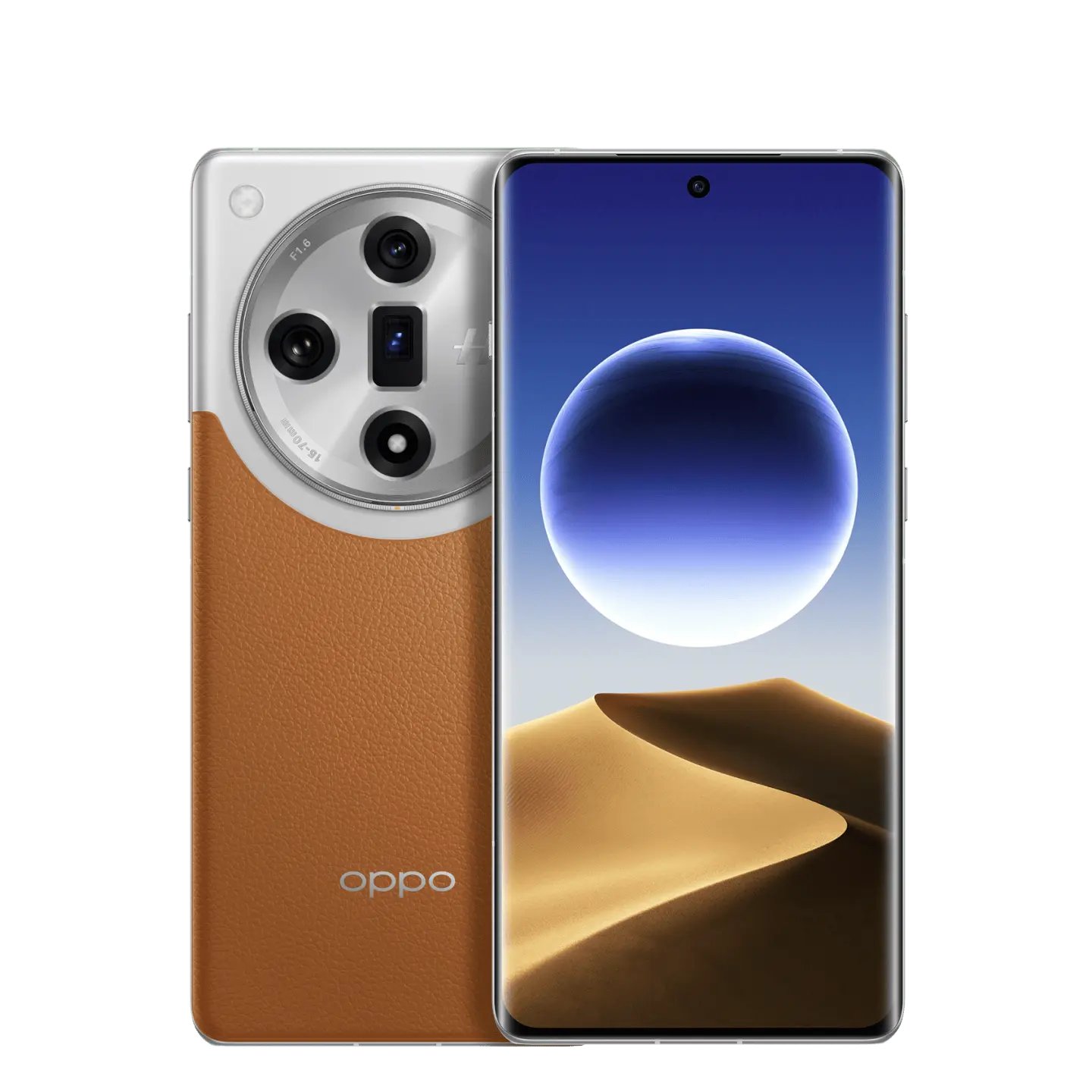
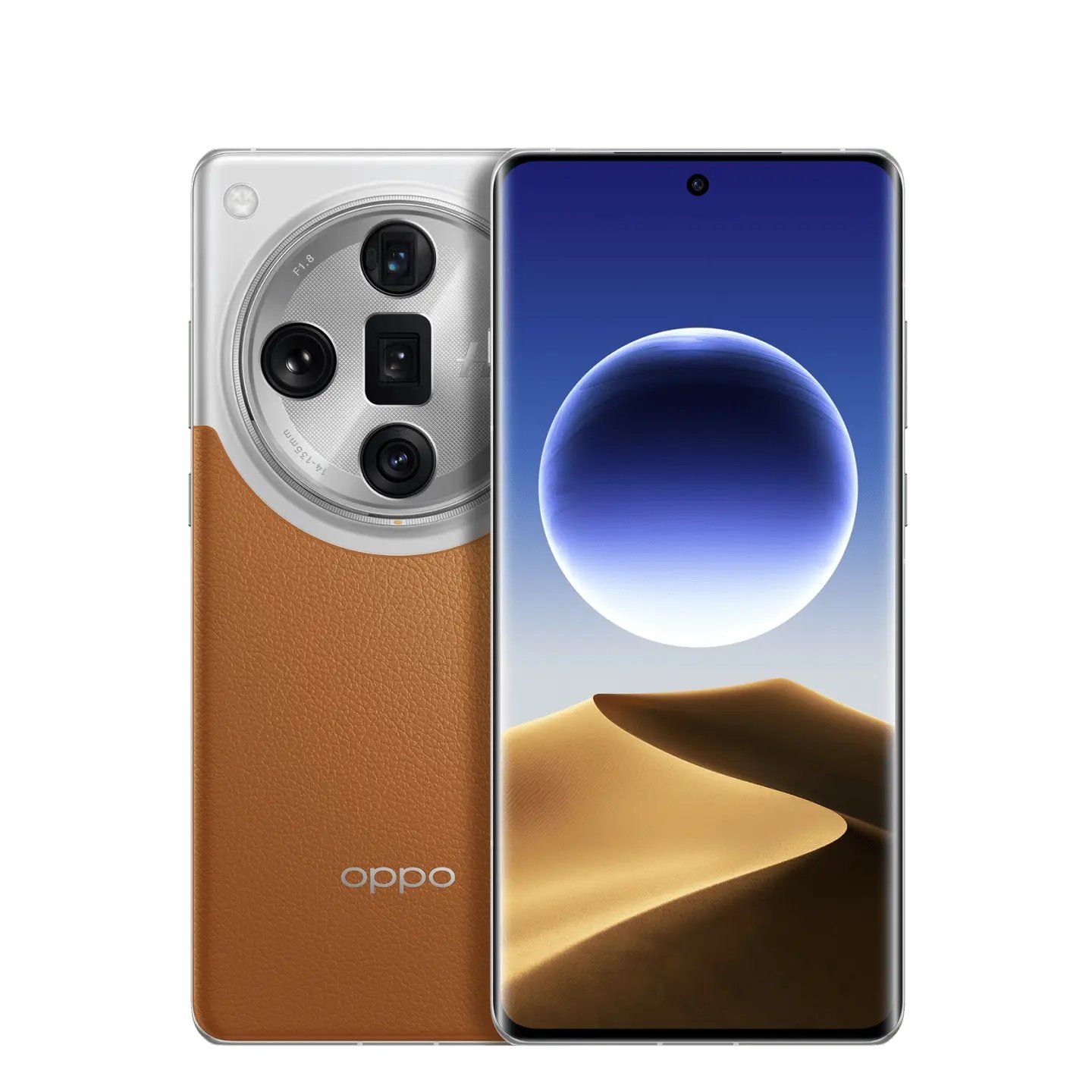
Oppo has officially confirmed that it will unveil the Find X7 series of smartphones at 2:30 pm (local time) on Jan. 8, 2024, in China. In addition, the Find X7 and Find X7 Ultra smartphones are now listed on Oppo China’s online store for reservations. The official listings have confirmed the configurations and color options of both smartphones well ahead of the official announcement.
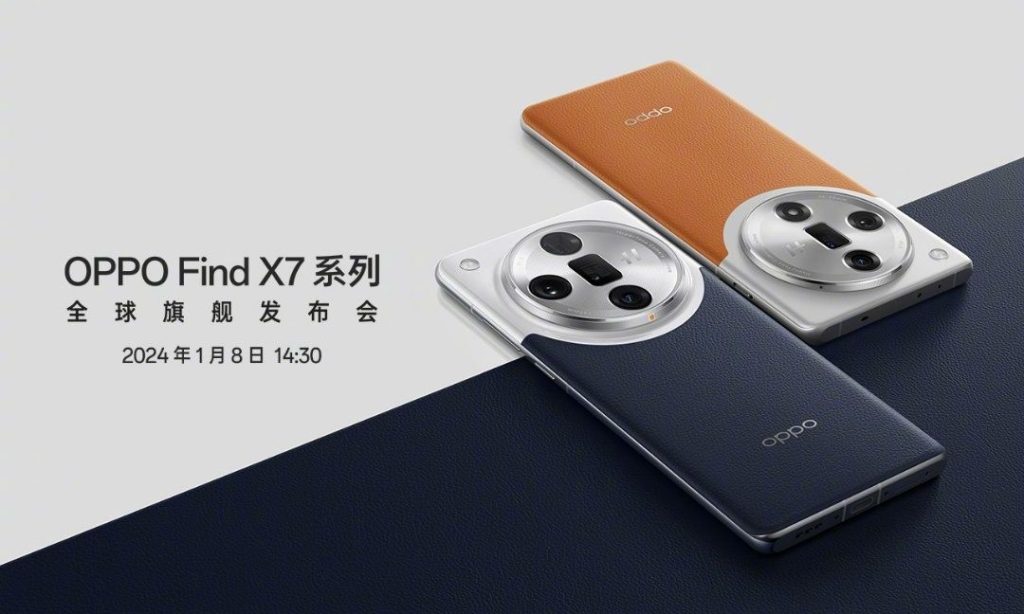
Oppo Find X7 series launch date-
Oppo Find X7 series launch date

Oppo Find X7

Reports have revealed that the Find X7 will come equipped with the Dimensity 9300 chipset. The official listing reveals that it will come in four configurations, such as 12 GB RAM + 256 GB storage, 16 GB RAM + 256 GB storage, 16 GB RAM + 512 GB storage, and 16 GB RAM + 1 TB storage.
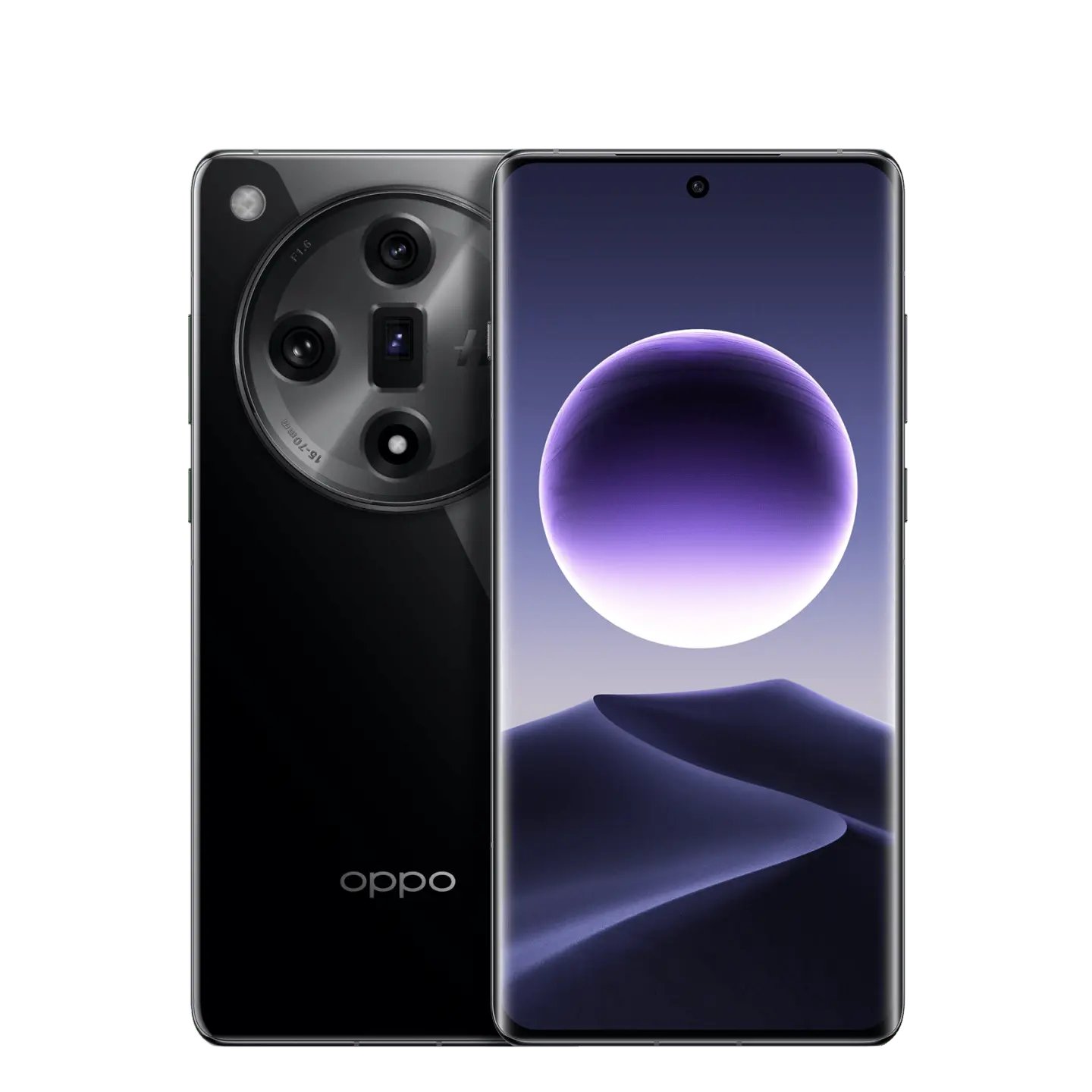
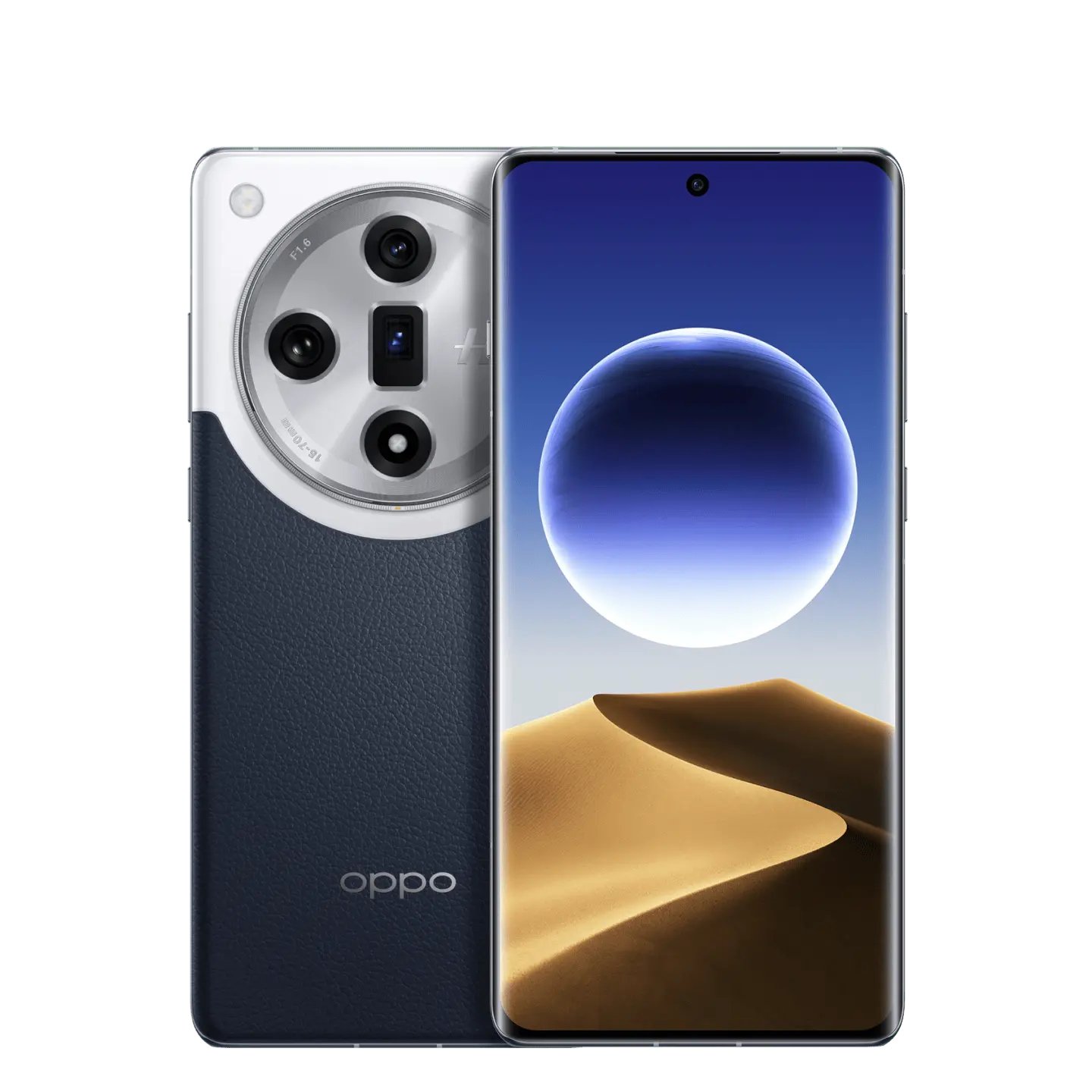
The Find X7 will be available in four shades, such as Starry Sky Black, Sea and Sky, Desert Moon Silver, and Smokey Purple.

Oppo Find X7 Ultra

The Find X7 Ultra is expected to come equipped with the Snapdragon 8 Gen 3 SoC. It will be available in three variants, such as 12 GB RAM + 256 GB storage, 16 GB RAM + 256 GB storage, and 16 GB RAM + 512 GB storage.
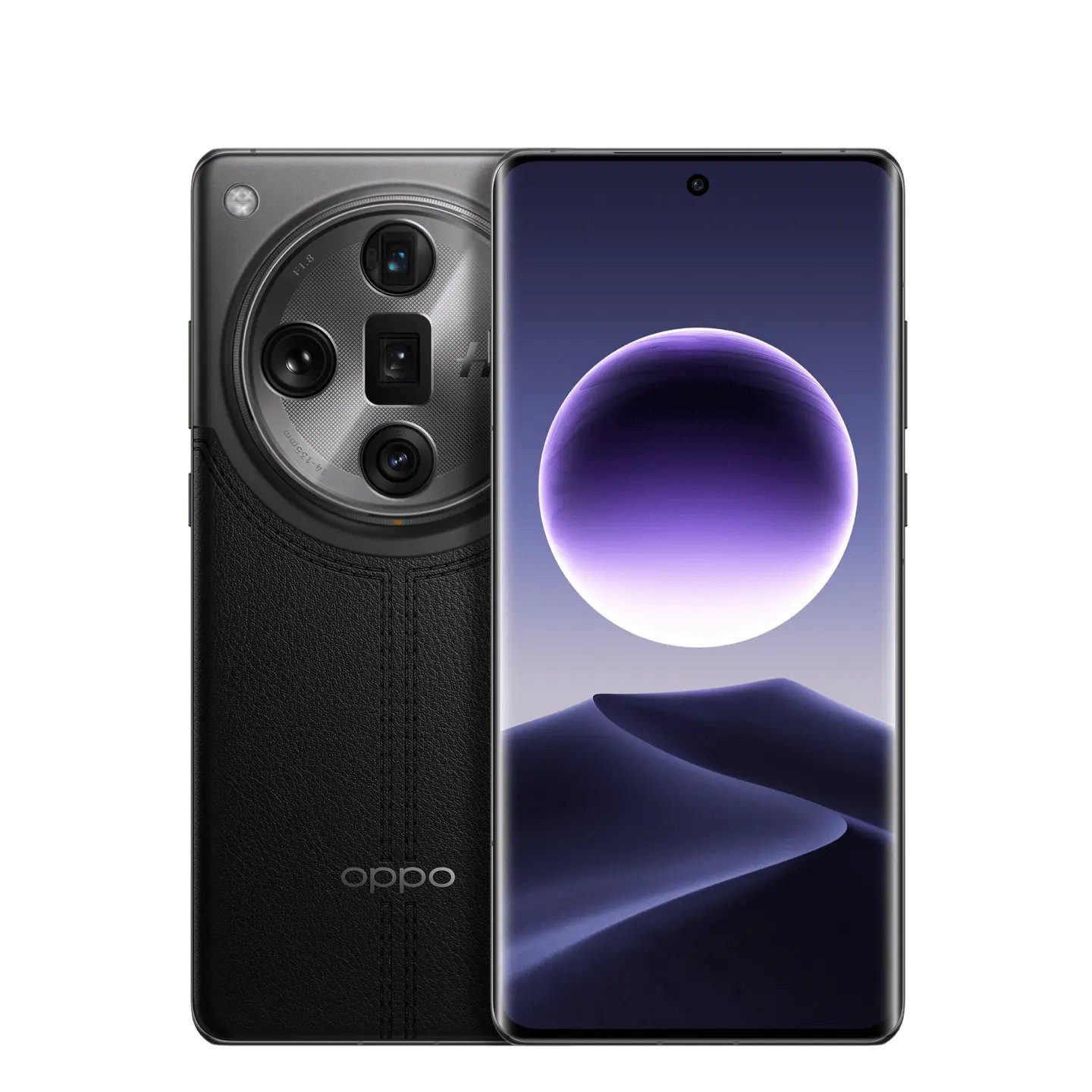
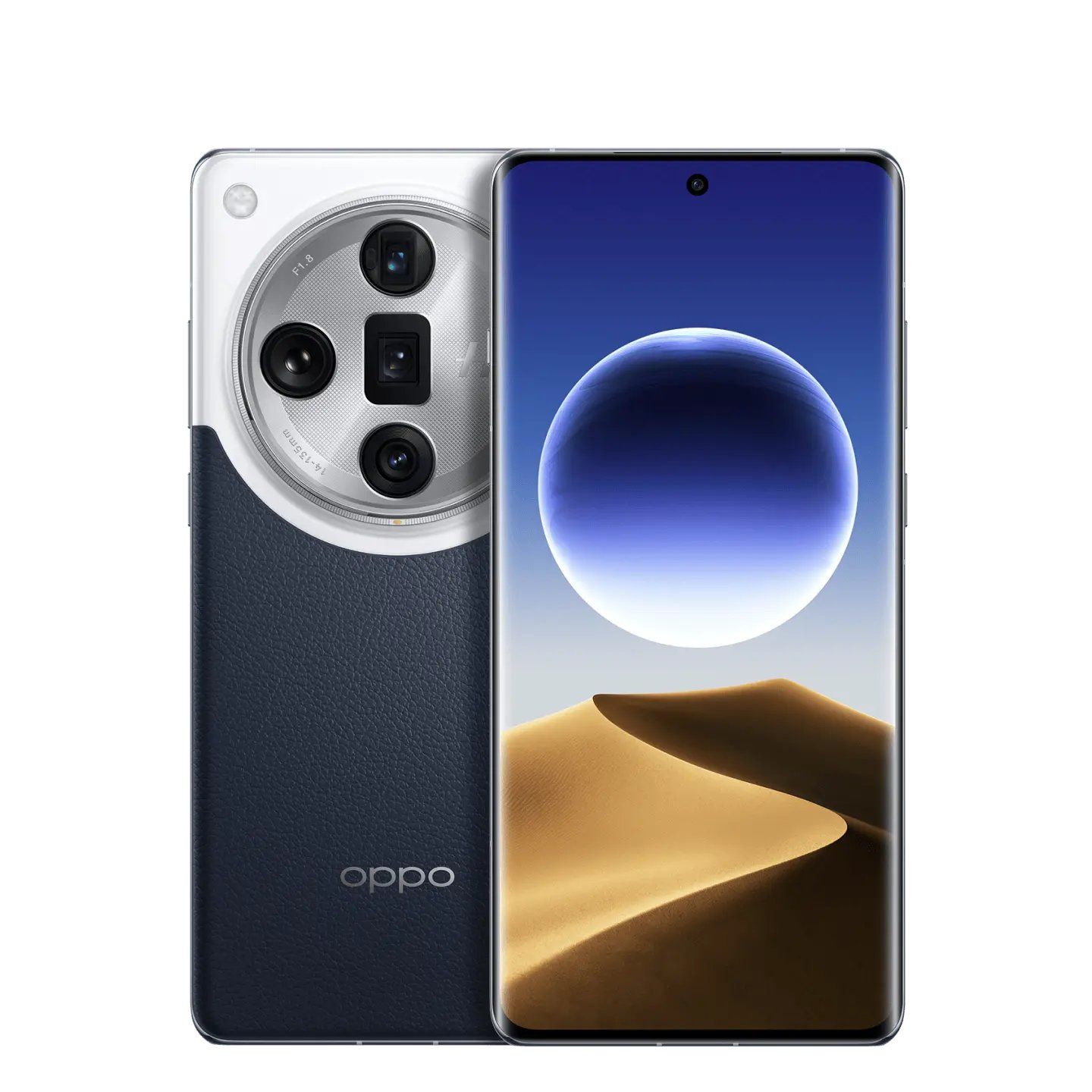
When it comes to color options, the Find X7 Ultra will come in choices such as Pine Shadow Ink, Sea and Sky, and Desert Moon Silver.

The Find X7 and Find X7 Ultra have a similar design, with the front featuring a punch-hole display with curved edges and a dual-tone back panel with a massive camera module. The Find X7 has a triple-camera unit, whereas the Find X7 Ultra has a quad-camera system. The Ultra variant will be the world’s first smartphone to feature dual periscope telephoto cameras. In addition, it will also be the first-ever phone to feature the one-inch Sony LYT-900 50-megapixel camera sensor as the primary snapper.

It is said that there will be a third device called the Oppo Find X7 Ultra Satellite Communication Version, which will come with support for two-way satellite communication. The rest of its specs will be identical to the Find X7 Ultra.

RELATED:

Vivo confirms X Fold 6 launch date, and you can now pre-order it early

After weeks of teasers, Vivo has confirmed that the X Fold 6 will launch in China on June 26 at 7:00 PM CST (4:30 PM IST). Online pre-orders for the foldable are also open across all platforms in the mainland, and those who pre-order will enter a lucky draw to win the phone for free.

We’ve been covering the X Fold 6 for a while now. Early leaks had pointed to a large circular camera module on the rear and a striking blue-green finish.  

Vivo X Fold 6 images

The brand has since confirmed the phone will come in a “Blue Hole” colorway, inspired by deep-sea blue sinkholes, along with more rounded corners and a 2.5D metal frame with vertical edges.

Vivo X Fold 6 Specifications 

Vivo is touting the Fold 6 as a “foldable mini DSLR.” It features a 200MP sensor, paired with a first for a foldable Zeiss APO super periscope telephoto lens. The phone also includes the Blueprint V3+ imaging chip, supports the Vivo Zeiss G2 teleconverter (equivalent to 200mm), and offers multiple color style options.

Here are a few camera samples from the foldable:

Both inner and outer screens use the latest generation of luminescent materials. The inner screen uses Samsung M14 luminescent material, which Vivo says offers higher peak brightness and lower power consumption. 

The X Fold 6 is powered by MediaTek Dimensity 9500 Super Edition. Vivo says the chip has been in the works for nearly two years and is specifically designed for foldable devices. The NPU performance is reportedly 111% higher than the previous generation, while power consumption is reduced by 56%. 

The device will launch with OriginOS 6 Fold and an upgraded version of Atomic Workbench, Vivo’s multi-app productivity feature for foldable displays.

Vivo will announce the pricing and full availability details at the June 26 launch event. Stay tuned to Gizmochina for coverage.

For more daily updates, please visit our News Section.

Stay ahead in tech! Join our Telegram community and sign up for our daily newsletter of top stories!

AOC launches affordable 2K 360Hz QD-Mini LED monitor with HDR1000 brightness

AOC has introduced a new 27-inch gaming monitor in China, the Q27G4SLM6/WS, which brings several higher-end display features to a lower price bracket. The monitor is currently listed on JD.com with a standard retail price of 2,099 yuan (about $310), though an introductory offer brings it down to 1,919 yuan (around $284).

AOC Q27G4SLM6-WS gaming monitor

AOC Q27G4SLM6/WS Specifications

The monitor features a Fast IPS panel equipped with a Mini LED backlight and Quantum Dot technology. It includes 1,152 independent local dimming zones that can be adjusted through a four-level dimming engine. The panel is VESA DisplayHDR 1000-certified, capable of reaching a peak HDR brightness of 1,200 nits while maintaining 700 nits typical in HDR and 450 nits in SDR.

For gaming performance, the monitor runs at a native 360Hz refresh rate with a claimed 1ms gray-to-gray (GtG) response time and AMD FreeSync support to mitigate screen tearing. The display utilizes TÜV-certified circular polarization to mimic natural light, alongside flicker-free and low-blue-light technologies.

Beyond raw speed, the color specs are robust for a gaming-focused display. The 10-bit panel (8-bit + FRC) covers 100% of sRGB, 99% of DCI-P3, and 98% of the Adobe RGB color spaces. AOC says the units are factory-calibrated to a Delta E average of less than 2 and include 12-axis color adjustment controls, making it a viable option for color-sensitive photo and video editing.

AOC Q27G4SLM6-WS gaming monitor

For connectivity, it features two HDMI 2.1 ports, a single DisplayPort 1.4 connection, and a standard 3.5mm audio jack. The HDMI 2.1 ports support the full 48Gbps FRL bandwidth, meaning the monitor can handle 4K 120Hz HDR transmission with Variable Refresh Rate (VRR) for current-generation consoles like the PlayStation 5 and Xbox Series X.

It also supports Picture-in-Picture (PIP) and Picture-by-Picture (PBP) modes for dual-device setups. The included stand offers a full range of ergonomic adjustments, including 130mm of height travel, tilt, swivel, and 90-degree pivot, alongside standard 100 x 100 mm VESA mounting compatibility.

In related news, Lenovo recently unveiled an affordable 32-inch 4K IPS monitor featuring 65W USB-C charging and a built-in KVM switch, while Asus has brought its 34-inch 360Hz Tandem QD-OLED gaming monitor to the US market.

For more daily updates, please visit our News Section.

Stay ahead in tech! Join our Telegram community and sign up for our daily newsletter of top stories!

(JD)

Casio launches vintage AQ230A-7DMQY watch with stainless steel band in the US

Casio has released the AQ230A-7DMQY in the United States. The watch, which is part of the company’s Vintage lineup, is priced at $59.95. While it is a new addition to the US market this month, this specific model has already been available for purchase in several international regions.

Casio AQ230A-7DMQY

Design Details

The AQ230A-7DMQY is an analog-digital hybrid watch. It features a rectangular resin case that is chrome-plated, measuring 38.8 millimeters long, 29.8 millimeters wide, and 8.1 millimeters thick. It weighs 47 grams. Casio categorizes the design as unisex, and the relatively small dimensions make it suitable for a variety of wrist sizes.

The watch comes with a stainless steel band equipped with a self-adjustable clasp, which allows the wearer to change the band length between 140 and 205 millimeters without needing specialized tools or a trip to a jeweler.

The watch face uses a dual-display format. The upper portion contains a traditional analog layout with two hands to indicate the hour and minute. The lower section, positioned at the six o’clock mark, features a small digital LCD panel. This digital display handles the watch’s secondary functions, most notably a dual-time feature that lets users track a second time zone alongside their local time.

Casio AQ230A-7DMQY

In addition to dual time, the digital panel provides access to a standard set of Casio features. This includes a 1/100-second stopwatch that measures elapsed time up to 59 minutes and 59.99 seconds. It also includes a daily alarm, an hourly time signal, and an auto-calendar.

For durability, the watch uses a resin glass crystal over the dial. It has a basic water resistance rating, meaning it can withstand minor splashes or rain, but it is not intended for swimming or showering. The watch is powered by a single SR920W battery, which provides an estimated three years of battery life before needing replacement.

In related news, Casio recently launched the MTG-B4000B-1A G-Shock, which pairs carbon fiber with stainless steel for a premium build, alongside three ocean-inspired timepieces with striking transparent blue designs.

For more daily updates, please visit our News Section.

Stay ahead in tech! Join our Telegram community and sign up for our daily newsletter of top stories!

(Casio)

OnePlus N6 launching on June 30 as brand’s first N series phone

OnePlus just announced it’s expanding in India with a fresh entry-level series. The first phone is the OnePlus N6, launching on June 30 in India. It’s aimed at younger buyers who want solid everyday performance without spending too much.

The phone is expected to sit in the ₹18,000 to ₹25,000 range, making it a proper budget/mid-range option. According to Ford, Vice President of OnePlus India, the N6 is specifically targeting Gen Z users. Instead of relying on big celebrity ads, they’re going for short videos and more natural social media campaigns. The idea is to connect through “sincerity and rapid storytelling” that matches how young people actually use their phones.

This N Series is a big shift for OnePlus in India. They’re now building a clear three-tier lineup:

  • N Series — Entry-level (₹18k–₹25k)
  • Nord Series — Mid-range (₹25k–₹50k)
  • Flagship series — Premium segment

The “N” stands for New, Neo, and Never Off, which hints at the phone’s focus on good battery life and staying usable throughout the day.

Design-wise, the N6 looks clean and modern with a flat back and flat frame. It’ll come in nice green and black colors. The back has a dual-camera setup in a square module, and the front features a flat display with a centered punch-hole and slightly thicker bezels (pretty normal for this price range).

Full specs are still under wraps, but the phone is expected to deliver strong battery endurance and smooth daily performance to live up to that “Never Off” promise. It will go on sale from June 30 on Amazon.in, the OnePlus India website, and offline stores.

It’ll be interesting to see how the new OnePlus N series stacks up against strong competitors like iQOO’s Z series and Samsung’s Galaxy A series in the sub-₹25,000 segment.

Don’t miss a thing! Join our Telegram community for instant updates and grab our free daily newsletter for the best tech stories!

For more daily updates, please visit our News Section.

(OnePlus)

Lenovo launches affordable 32-inch 4K IPS monitor with 65W USB-C & KVM

Lenovo has expanded its monitor lineup in China with the Lecoo M3237PL, a new 31.5-inch 4K display that prioritizes workspace connectivity and color accuracy over high refresh rates. It is now listed on JD.com for 1,799 yuan ($266).

Lenovo Lecoo M3237PL monitor

Lenovo Lecoo M3237PL Specifications

The Lecoo M3237PL features a 31.5-inch IPS panel with a 4K Ultra HD resolution (3840 x 2160). Geared strictly toward productivity rather than PC gaming, Lenovo has equipped the monitor with a standard 60Hz refresh rate. The display delivers 350 nits of brightness and includes basic HDR support to help balance contrast in mixed-lighting environments.

For color-sensitive work, the monitor features an 8-bit panel that covers 90% of the DCI-P3 color gamut. It also ships with a factory-calibrated Delta E value of less than 2. These specs make it a viable, entry-level option for photo editing, graphic design, and video production where consistent color reproduction is necessary.

The monitor’s I/O and connectivity options are what make it a capable workstation hub. It includes a USB-C port that handles data, video, and up to 65W of power delivery. This allows users to charge a compatible laptop and drive the display using a single cable. The USB-C connection also supports desktop modes from mobile devices, such as Samsung DeX, Smartisan TNT, and Huawei EMUI Desktop.

Lenovo Lecoo M3237PL monitor

Alongside the USB-C port, the monitor features DisplayPort 1.4, HDMI, a USB-B upstream port, and two USB-A 2.0 ports. These USB ports enable built-in KVM functionality, allowing you to control two different computers with a single mouse and keyboard. Lenovo also included Picture-in-Picture (PIP) and Picture-by-Picture (PBP) modes.

On the hardware side, the Lecoo M3237PL ships with a fully adjustable ergonomic stand. It supports 110mm of height adjustment, a -5 to 20-degree tilt, horizontal swivel, and a pivot function for vertical orientation. For those who prefer custom mounting, it includes a standard 100 x 100mm VESA interface.

The monitor also includes built-in dual 2W speakers that provide basic audio for system sounds or video calls, along with standard flicker-free and low blue light features to help reduce eye strain over long work sessions.

In related news, Asus has recently launched its 34-inch 360Hz Tandem QD-OLED gaming monitor in the U.S., while AOC has unveiled a new 2K 425Hz Fast IPS gaming monitor.

For more daily updates, please visit our News Section.

Stay ahead in tech! Join our Telegram community and sign up for our daily newsletter of top stories!

(JD)

Ayaneo announces Pocket Micro 2 handheld console

Ayaneo has confirmed that a new retro handheld, the Pocket Micro 2, is on its way. The company described the device as a “second-generation powerhouse” and teased it with the slogan “REMAKE classic, full evolution.”

AyaNeo Pocket Micro 2 announcement

This isn’t the first time Ayaneo has built buzz around this lineup. We previously covered the original Ayaneo Pocket Micro and the Pocket DMG, which launched globally on the same day.

Both handhelds were designed to resemble classic Nintendo consoles like the GameBoy and GameBoy Micro while packing in modern internals.

What can you expect?

Ayaneo hasn’t revealed the official design or full spec sheet for the Pocket Micro 2 yet, but the first-generation model gives a good idea of what to expect as a baseline. 

The original Pocket Micro launched in July 2024 with a MediaTek Helio G99 processor, a 3.5-inch IPS true-color display, and a compact body roughly 63mm wide. It started at 1,299 yuan (around $180).

That first model also packed a 2,600mAh battery inside a minimalist, ergonomic shell with gently rounded edges and corners. Its four shoulder buttons used touch-sensitive technology, allowing them to be triggered from almost any position. 

The L1/R1 and L2/R2 buttons were separated by a divider, with the L2/R2 pair raised slightly higher and designed to be swappable.

Given Ayaneo’s track record of quickly following up its handhelds with new variants and limited editions, it’s likely the Pocket Micro 2 will refine this formula rather than reinvent it. We could see upgraded internals, a sharper display, or a redesigned control layout. 

Ayaneo is expected to share more details, including official specs, pricing, and images, in the coming weeks.

For more daily updates, please visit our News Section.

Stay ahead in tech! Join our Telegram community and sign up for our daily newsletter of top stories!

Baseus launches Spacemate RD1 Pro docking station with 15 ports, 160W output & Qi2 wireless charging

Baseus has officially released the Spacemate RD1 Pro, a 15-in-1 docking station initially teased at CES. It is a vertical desktop hub designed to consolidate peripheral connectivity and high-wattage charging into a single unit.

Baseus Spacemate RD1 Pro

Baseus Spacemate RD1 Pro Specifications

The Spacemate RD1 Pro utilizes a vertical tower design to minimize its footprint on a desk. It features 15 distinct connection points split between the front and back. The front panel includes two USB-C ports capable of up to 100W power delivery, two 5Gbps USB-A ports, and a retractable magnetic Qi2.2 wireless charging pad. This wireless charger sits on a three-level extendable stand with an 80-degree adjustable viewing angle, outputting up to 25W for compatible phones and accessories.

The rear I/O handles the bulk of the permanent desktop connections. It includes the full-featured host USB-C port (which provides 100W of power delivery to the connected laptop), two 10Gbps USB-C ports, an SD/TF 3.0 card reader, two standard 480Mbps USB-A ports for peripherals like mice and keyboards, a Gigabit Ethernet jack, and two HDMI ports.

Baseus Spacemate RD1 Pro

To support this array, Baseus bundles the dock with an 180W GaN power adapter, allowing the unit to sustain a total output of 160W across connected devices. It also features a front-facing smart display that provides real-time readouts on port usage, charging status, and power distribution.

Below the screen is a physical button that toggles the dock between two states: a Hybrid Mode that keeps all data and display connections active, and a Charging Mode that disables data transfer and external displays to prioritize maximum charging speed for connected devices.

Baseus Spacemate RD1 Pro

For external monitors, the dock can drive a single display at 4K resolution at 120Hz or dual 4K displays at 60Hz. As is common with many USB-C docks, there is a strict limitation for macOS users: because Apple does not support Multi-Stream Transport (MST) over this protocol, Mac laptops will only support mirrored displays (ABB) when using both HDMI ports.

Windows users, however, can fully utilize dual extended displays (ABC). Baseus also says the inclusion of an enterprise-grade retimer chip to maintain signal integrity for video and high-speed data.

Pricing and Availability

The Baseus Spacemate RD1 Pro is available now in Cosmic Black. It can be purchased on Amazon in the US for $299.99 and in Germany for €259.99.

In related news, Baseus has recently launched a high-capacity 20,800mAh power bank with 145W charging alongside the Bowie MC2 clip-on earbuds, which feature LDAC, 11mm drivers, IP67 water and dust resistance, and up to 55 hours of use.

For more daily updates, please visit our News Section.

Stay ahead in tech! Join our Telegram community and sign up for our daily newsletter of top stories!

REDMI K90 Ultra tipped to pair Snapdragon 8 Elite with active cooling to compete with Snapdragon 8 Elite Gen 5 flagships

According to the reliable Chinese tipster @DigitalChatStation, the Redmi K90 Ultra (model number M332BF) will pack Qualcomm’s Snapdragon 8 Elite chipset along with a built-in air cooling fan system. The idea is to deliver sustained performance comparable to flagships with the Snapdragon 8 Elite Gen 5.

On top of that, it’s expected to come with a massive battery, rumored to be around 8,500mAh, paired with 100W wired fast charging. This is already confirmed through 3C certification.

This “Snapdragon + fan + huge battery” combo is getting really popular lately, and it makes a lot of sense for gamers who want real-world performance.

For some context, this phone sits just below the recently launched Redmi K90 Max (which came out in April 2026). The Max uses MediaTek’s latest Dimensity 9500 with its own active cooling system, AI graphics enhancement, and a similar giant battery for absolute peak performance.

The tipster made it clear there’s no overlap issue: the K90 Max is chasing the absolute top-end performance with the latest Dimensity chip, while the Ultra focuses on getting the most out of Qualcomm’s last-gen flagship silicon.

It might even be cheaper for Redmi to add the fan than to use the newest premium chipset. Either way, this approach should deliver strong, sustained performance at an attractive price — similar to what Honor did with their WIN/RT phones.

Other expected goodies include:

  • A 1.5K flat OLED display with a high refresh rate (possibly up to 165Hz for super smooth gameplay)
  • Dual stereo speakers
  • An ultrasonic in-display fingerprint scanner
  • Solid IP68/IP69 water and dust resistance

The K90 Max launched at around 3,499 yuan and sold well. The K90 Ultra is rumored to start even lower, which would make it a killer option for gamers and power users who want multi-day battery life and stable performance.

It feels like Redmi is really trying to bring active cooling, which used to be mostly limited to dedicated gaming phones, into more mainstream devices. If the leaks are accurate, the K90 Ultra could be one of those phones that just nails the balance of power, thermals, and value.

We’re still waiting on official full specs and the exact launch date (likely June or July 2026 in China).

Don’t miss a thing! Join our Telegram community for instant updates and grab our free daily newsletter for the best tech stories!

For more daily updates, please visit our News Section.

(Source: Digital Chat Station on Weibo)

DJI launches Osmo Pocket 4P as its first gimbal camera with two main cameras

DJI has officially introduced the Osmo Pocket 4P, its first pocket gimbal camera to feature two main cameras.

The launch comes just weeks after the company rolled out the standard Osmo Pocket 4 with a 1-inch sensor, 4K 240fps slow motion, and improved tracking, and builds directly on that foundation while adding a zoom upgrade.

DJI Osmo Pocket 4P Launch Specs Price

DJI Osmo Pocket 4P Specifications

As we mentioned before, the headline feature is the new dual-camera setup. The primary 1-inch wide-angle camera has a 20mm equivalent focal length and an f/2.0 aperture, and thanks to LOFIC technology, it can capture 17 stops of dynamic range. 

Alongside it sits a brand-new 60mm mid-telephoto lens with an f/1.8 aperture, offering 3x optical zoom and up to 12x total zoom for portraits and tighter framing that older Pocket models couldn’t handle well.

DJI Osmo Pocekt 4P Design

Both cameras support the new D-Log 2 color profile with 10-bit color depth. The Pocket 4P can also shoot 4K at up to 240fps for smooth cinematic slow motion and supports slow-shutter recording for light trails and motion blur effects.

Like the Osmo Pocket 4, the Pro model gets the same 3-axis mechanical gimbal treatment to keep footage steady while walking or tracking moving subjects. DJI has also upgraded its tracking software with Intelligent Follow 8.0, which adds multi-person tracking and subject-following zoom up to 12x.

For vloggers, there are real-time beauty adjustments including skin smoothing and tone warmth controls, plus six built-in film color presets. Pairing the camera with the DJI Mimo app unlocks further color grading presets and formulas.

DJI Osmo Pocekt 4P Design(1)

On the hardware side, the Pocket 4P comes with 103GB of built-in storage, so recording without a memory card is possible. It supports USB 3.1 for transfers up to 800MB/s, and the battery is rated for up to 210 minutes with fast charging support. It also doubles as a webcam and supports Wi-Fi live streaming and web conferencing.

Price and Availability

The DJI Osmo Pocket 4P price starts at 3799 yuan (~ $561) for the standard package, which includes the camera, a fill light, a 1/4-inch grip, a storage bag, and a USB-C cable. 

The Vlog Kit costs 4299 yuan (~ $634) and adds a DJI Mic Mini 2 transmitter, a viewfinder remote, and a mini tripod. Pre-orders are open now in China, with global availability expected to follow.

Don’t miss a thing! Join our Telegram community for instant updates and grab our free daily newsletter for the best tech stories!

For more daily updates, please visit our News Section.

The Best Gaming Phones You Can Buy in June 2026

Mobile gaming in 2026 has shifted its focus from peak speed to sustained survival. To combat the dimmed screens and dropped frames that plague standard smartphones during heavy sessions, manufacturers are bringing out the heavy artillery: Snapdragon 8 Elite Gen 5 chips, massive 7,000mAh batteries, and advanced thermal management. Whether you prefer a dedicated gaming powerhouse or a traditional flagship that can hold its own, here is a look at the best gaming phones available globally in June 2026.

1. Red Magic 11S Pro

Red Magic 11S Pro

The Red Magic 11S Pro is designed specifically for users who prioritize long gaming sessions and want hardware built entirely around that experience. Red Magic has focused heavily on sustained performance with this model. While it runs on the Snapdragon 8 Elite Gen 5 Leading Version processor, its ability to maintain performance relies on the AquaCore Cooling System.

This setup combines a physical 24,000 RPM internal fan with a fluorinated liquid cooling loop. Through the transparent back panel, you can see the non-conductive coolant being moved by ceramic micropumps. It is a complex solution, but it effectively prevents the phone from throttling under heavy workloads.

To support the main processor, Red Magic includes a secondary RedCore R4 chip that handles audio, haptic feedback, and visual effects, freeing up resources for the game itself. The display is a 6.85-inch 1.5K OLED panel with a 144Hz refresh rate. Because the 16-megapixel front camera is hidden beneath the display, there is no hole-punch cutout to interrupt the screen.

Powering the device is a large 7,500mAh battery that supports 80W wireless and wired charging, and the phone includes 520Hz capacitive shoulder triggers for physical inputs. On the software side, it runs Red Magic OS 11.5, which now integrates Google Gemini AI for real-time translation and image searches.

2. OnePlus 15

OnePlus 15

Not everyone wants a phone with visible cooling fans and transparent back panels. The OnePlus 15 takes a different approach, offering high-end gaming capabilities inside a standard, premium smartphone design. It uses the Snapdragon 8 Elite Gen 5 processor and pairs it with up to 16GB of RAM, but its primary gaming advantage is the display.

The 6.78-inch AMOLED screen features a native 165Hz refresh rate that is specifically supported by games like Call of Duty: Mobile and Brawl Stars. It also includes a dedicated touch response chip that pushes the touch sampling rate to 3200Hz for quicker input recognition.

Instead of a physical fan, the OnePlus 15 manages heat using a large vapor chamber and an aerospace-derived aerogel insulation layer to keep the exterior comfortable to hold. It features a 7,300mAh Silicon NanoStack battery and supports bypass charging, which allows you to power the phone directly from the wall while gaming to reduce heat and preserve battery health.

Unlike most gaming-focused phones, the OnePlus 15 also delivers a highly capable camera system, featuring a 50MP main sensor and a 50MP periscope telephoto lens. It is also built to last, carrying IP66, IP68, IP69, and IP69K ratings for water and dust resistance.

3. Red Magic 11 Pro

If you want the core Red Magic experience but don’t need the overclocked processor of the new “S” variant, the Red Magic 11 Pro remains an incredible buy. Launched late last year, it still holds its own against anything released in 2026.

It features the standard Snapdragon 8 Elite Gen 5 processor and can be configured with up to 24GB of RAM and 1TB of storage. The display remains the same 6.85-inch notchless OLED panel, providing an uninterrupted view of your games. To maintain frame rates during extended play, it also utilizes the AquaCore system, showcasing a visible, flowing liquid cooling loop through a transparent back, paired with a massive vapor chamber and a 24,000 RPM active cooling fan.

It also retains the 7,500mAh battery, the 520Hz shoulder triggers, and the dual stereo speakers found on the S-tier model. It is a highly capable device that focuses purely on the gaming experience without the extra experimental hardware.

4. Red Magic 11 Air

Red Magic 11 Air

Gaming phones are traditionally heavy and thick to accommodate larger batteries and cooling systems. The Red Magic 11 Air attempts to balance dedicated gaming features with a more manageable form factor. It is 12% thinner and 10% lighter than the standard 11 Pro, making it much easier to use as a daily driver.

Despite the smaller size, Red Magic managed to fit a physical 24,000 RPM cooling fan inside, which is a notable addition to the Air lineup. It uses the Snapdragon 8 Elite processor and features a 6.85-inch 144Hz OLED display with ultra-narrow bezels. The battery is slightly smaller at 7,000mAh, but that is still larger than most standard smartphones on the market and a significant upgrade from the previous generation.

It also retains the physical shoulder triggers, which have been updated to support vertical games, and includes charge separation technology to keep the phone cool when plugged in. For software, it includes tools like a Tactical Coach for real-time guidance in popular multiplayer games, making it a well-rounded option for those who want gaming features in a slimmer profile.

For more daily updates, please visit our News Section.

Stay ahead in tech! Join our Telegram community and sign up for our daily newsletter of top stories!

Xiaomi 17T Pro vs Nothing Phone (4a) Pro: Specs, Camera, Battery, and Price Compared

Xiaomi 17T Pro and Nothing Phone (4a) Pro target very different buyers despite sharing premium-looking designs and high-refresh-rate displays. One focuses on flagship-level performance, battery life, and camera hardware, while the other aims to deliver a unique experience at a much lower price. With nearly ₹35,000 separating them, this comparison explores whether Xiaomi’s extra power justifies the premium or if Nothing offers the better overall value. 

Major Features:

FeatureXiaomi 17T ProNothing Phone (4a) ProWinner
Build QualityGlass back, aluminum frame, IP68Aluminum unibody, IP65Xiaomi – Better water and dust resistance
DesignPremium flagship designUnique LED-based designNothing – More distinctive appearance
Display6.83-inch AMOLED, 144Hz, Dolby Vision, 3500 nits6.83-inch AMOLED, 144Hz, HDR10+, 5000 nitsNothing – Higher peak brightness
Display ExperienceHDR10+, Dolby Vision, 3840Hz PWMHDR10+, 2160Hz PWMXiaomi – Better multimedia features
ProcessorDimensity 9500 (3nm)Snapdragon 7 Gen 4 (4nm)Xiaomi – Much faster flagship chipset
GPUMali-G1 Ultra MC12Adreno 722Xiaomi – Stronger graphics performance
RAM & StorageUp to 16GB RAM, 1TB, UFS 4.1Up to 12GB RAM, 256GB, UFS 3.1Xiaomi – Faster and larger storage options
Main Camera50MP, OIS, Leica tuning50MP, OISXiaomi – Larger sensor and Leica imaging
Telephoto Camera50MP, 5x periscope50MP, 3.5x periscopeXiaomi – Longer optical zoom
Ultrawide Camera12MP8MPXiaomi – Higher-resolution ultrawide
Rear VideoUp to 8K, 4K@120fps, LogUp to 4K@30fpsXiaomi – Professional-grade video features
Selfie Camera32MP, 4K video32MP, 1080p videoXiaomi – Better selfie video recording
SpeakersStereo, Dolby AtmosStereo speakersXiaomi – Dolby Atmos support
ConnectivityWi-Fi 7, Bluetooth 6.0Wi-Fi 6, Bluetooth 5.4Xiaomi – Newer connectivity standards
Battery7000mAh5400mAh (India)Xiaomi – Significantly larger battery
Charging100W wired, 50W wireless50W wiredXiaomi – Faster charging plus wireless charging
Reverse Charging22.5W reverse wired7.5W reverse wiredXiaomi – More useful reverse charging

Software SupportAndroid 16, HyperOS 3Android 16, 3 major updatesNothing – Clear update commitment
PriceAround ₹75,000Around ₹40,000Nothing – Far better affordability
Value for MoneyPremium flagship packageStrong features at a lower priceNothing – Better overall value
Disclaimer: Specs are based on available data. Actual performance may vary. Verify details from official sources before buying.

1. Design and Display

Build and Feel

The Xiaomi 17T Pro and Nothing Phone (4a) Pro take very different approaches to design. Xiaomi focuses on a flagship-style build with Gorilla Glass 7i on both sides, an aluminum frame, and a premium IP68 rating for stronger dust and water resistance. It feels like a device built to compete with much more expensive smartphones.

The Nothing Phone (4a) Pro stands out with its aircraft-grade aluminum unibody construction and the signature Glyph-inspired mini-LED lighting system. The design is more distinctive and instantly recognizable. For users who value uniqueness and visual identity, Nothing delivers something few competitors offer in this price segment.

Display Quality

Both phones feature large 144Hz AMOLED panels with HDR support and excellent smoothness. However, the Xiaomi 17T Pro pushes higher brightness levels and includes Dolby Vision support, giving it an advantage for outdoor viewing and premium video consumption. The display also benefits from stronger HDR performance overall.

Verdict

Nothing offers the more unique design, but Xiaomi delivers the more premium build quality and display experience. The Xiaomi 17T Pro wins this section thanks to its flagship-grade durability, brighter panel, and richer multimedia credentials.

2. Specifications Including Battery

Performance

Performance is where the gap becomes substantial. The Xiaomi 17T Pro is powered by the flagship MediaTek Dimensity 9500 built on a 3nm process, paired with UFS 4.1 storage and up to 16GB RAM. It is designed for heavy gaming, advanced multitasking, and long-term performance demands.

The Nothing Phone (4a) Pro uses the Snapdragon 7 Gen 4, which is a capable upper-midrange chipset. Everyday usage remains smooth, and gaming performance is respectable, but it cannot match the raw power offered by Xiaomi’s flagship silicon. Storage is also limited to UFS 3.1, which is slower in demanding tasks.

Battery and Charging

Xiaomi packs a massive 7000mAh battery with 100W wired and 50W wireless charging. Nothing counters with a 5400mAh battery in India and 50W wired charging. The Xiaomi setup offers significantly longer endurance and far quicker top-ups.

Verdict

The Xiaomi 17T Pro comfortably wins this category. Its flagship processor, faster storage, larger battery, and dramatically superior charging system make it a much stronger performance-focused package.

3. Camera

Main and Secondary Lenses

The Xiaomi 17T Pro features a versatile Leica-tuned triple-camera system consisting of a 50MP main sensor, a 50MP periscope telephoto lens with 5x optical zoom, and a 12MP ultrawide camera. It also supports advanced features such as 8K video recording, Log recording, HDR10+, and professional-grade video tools.

The Nothing Phone (4a) Pro also offers a triple-camera setup with a 50MP main sensor and a 50MP periscope telephoto camera, but its 3.5x zoom range and smaller ultrawide sensor place it slightly behind Xiaomi in overall flexibility. Video capabilities are solid, yet they do not reach the same professional level.

Selfie Camera

Both phones feature 32MP selfie cameras. However, Xiaomi supports 4K selfie recording and HDR10+, while Nothing is limited to 1080p video. Content creators and vloggers are likely to appreciate Xiaomi’s added versatility.

Verdict

Nothing delivers a strong camera system for its class, but Xiaomi provides better zoom capability, stronger video features, and more advanced imaging tools. The Xiaomi 17T Pro takes the camera crown.

4. Pricing

Xiaomi 17T Pro is priced around ₹75,000 ($900), while the Nothing Phone (4a) Pro is priced around ₹40,000 ($500). This creates a significant price difference of roughly ₹35,000.

Xiaomi justifies its higher price through flagship-level hardware, a substantially faster chipset, superior battery technology, wireless charging, stronger camera hardware, and a more premium overall feature set. Buyers seeking maximum performance and longevity will likely find the premium worthwhile.

The Nothing Phone (4a) Pro positions itself as a value-focused option. It delivers a distinctive design, a capable camera setup, a smooth 144Hz AMOLED display, and a clean software experience at nearly half the cost. For many users, it offers far better affordability without feeling compromised in daily use.

Verdict

In terms of pure value for money, the Nothing Phone (4a) Pro wins. Xiaomi offers more, but Nothing delivers an impressive balance of features relative to its asking price.

Disclaimer:
Prices are approximate and may vary based on country, region, launch timing, and applicable taxes. Always check whether the listed price is for a China unit or a global/international variant when purchasing.

5. Conclusion

The Xiaomi 17T Pro stands out with its flagship Dimensity 9500 processor, Leica camera partnership, 7000mAh battery, 100W charging, 50W wireless charging, IP68 protection, and advanced video recording capabilities. It is clearly aimed at power users who want a premium smartphone experience without stepping into ultra-premium pricing.

The Nothing Phone (4a) Pro differentiates itself through its unique LED lighting system, minimalist software experience, distinctive industrial design, and aggressive pricing. It targets buyers who want something different from mainstream Android devices while still enjoying strong everyday performance.

Verdict

Xiaomi 17T Pro is the better smartphone overall. It wins in performance, battery life, charging, display quality, and camera versatility. However, the Nothing Phone (4a) Pro remains the smarter purchase for budget-conscious buyers because it delivers a surprisingly complete experience at nearly half the price. If the budget allows, Xiaomi is the stronger flagship. If value matters most, Nothing is difficult to ignore.

Disclaimer: This comparison is based on the specifications provided and is intended for general informational purposes. Actual performance, camera results, battery life, and overall experience may vary depending on real-world usage, software updates, and individual preferences.

Read More:

Huawei will launch HarmonyOS-powered Desktop PCs this September

Huawei is making a serious push into enterprise computing with dedicated commercial versions of its HarmonyOS-powered desktop PCs. It’s a big step for the company’s homegrown operating system, moving well beyond phones and tablets into the business world, where many companies are looking for secure, independent alternatives.

HarmonyOS 7

At the recent Huawei Developer Conference (HDC 2026), during the “HarmonyOS Office” sub-forum, Zhu Dongdong, President of Huawei’s Terminal Tablet and PC Product Line, confirmed that the commercial HarmonyOS desktops will officially launch in September. He also mentioned that testing and trial runs for businesses should begin around July or August, giving companies a chance to try them out early.

Huawei has already launched two models for this push: the HM740 and HM940. These aren’t just regular consumer PCs running HarmonyOS. They’re specially modified for business use, with stronger security features and a dedicated security chip to meet enterprise standards for data protection and compliance.

Take the HM740, for example. It measures just 14.5mm in thickness and weighs only 1.32kg. Yet, it offers a solid battery life of up to 21 hours. On the surface, it includes a 14.2-inch OLED display with a 120Hz refresh rate. Huawei also added handy enterprise touches like digital dual-space separation to keep work and personal stuff apart. These machines are a natural extension of Huawei’s growing HarmonyOS ecosystem, which now spans phones, tablets, and PCs.

This move shows how serious Huawei is about expanding in the PC space. Shipments of HarmonyOS PCs are expected to grow nicely in 2026 as the company builds a full-stack, secure computing environment that doesn’t rely on traditional Western operating systems.

For businesses in China, and potentially other markets down the line, these commercial desktops offer a maturing alternative that puts security, customization, and ecosystem smoothness front and center. Full specs for the September launch models are still under wraps, but the announcement makes one thing clear: Huawei is determined to turn HarmonyOS into a complete platform.

Don’t miss a thing! Join our Telegram community for instant updates and grab our free daily newsletter for the best tech stories!

For more daily updates, please visit our News Section.

(Source | Image)

Xiaomi 17T Pro vs Google Pixel 10: Which Flagship Should You Buy in 2026?

Choosing between the Xiaomi 17T Pro and Google Pixel 10 comes down to priorities. One focuses on flagship-grade hardware, ultra-fast charging, and a large battery, while the other emphasizes software longevity, AI features, and Google’s renowned camera processing. Both target premium smartphone buyers, but they deliver very different experiences despite being priced relatively close to each other.

Major Features:

FeatureXiaomi 17T ProGoogle Pixel 10Winner
Build QualityGorilla Glass 7i front/back, aluminum frame, IP68Gorilla Glass Victus 2 front/back, aluminum frame, IP68Google – Better glass protection.
Display6.83-inch AMOLED, 144Hz, Dolby Vision, 3500 nits peak6.3-inch OLED, 120Hz, HDR10+, 3000 nits peakXiaomi – Larger, smoother, and brighter display.
Resolution1280 × 2772 pixels1080 × 2424 pixelsXiaomi – Sharper panel.
ProcessorMediaTek Dimensity 9500 (3nm)Google Tensor G5 (3nm)Xiaomi – Higher raw performance potential.
RAM & StorageUp to 16GB RAM, 1TB UFS 4.112GB RAM, up to 256GB UFS 4.0Xiaomi – More RAM and storage options.
Main Camera50MP (1/1.31″) OIS48MP OISXiaomi – Larger sensor and stronger hardware.
Telephoto Camera50MP periscope, 5x optical zoom10.8MP telephoto, 5x optical zoomXiaomi – Much stronger zoom hardware.
Ultrawide Camera12MP13MPGoogle – Slight edge on paper.
Camera SoftwareLeica tuning, Ultra HDRBest Take, Pixel AI processingGoogle – Superior computational photography.
Video RecordingUp to 8K 30fps, 4K 120fpsUp to 4K 60fpsXiaomi – More advanced video capabilities.
Selfie Camera32MP, 4K video10.5MP with PDAF, 4K videoXiaomi – Higher-resolution sensor.
Battery7000mAh4970mAhXiaomi – Much larger battery.
Wired Charging100W30WXiaomi – Significantly faster charging.
Wireless Charging50W15W Qi2 magneticXiaomi – Faster wireless charging.
Software SupportAndroid 16, HyperOS 3Android 16, 7 major Android upgradesGoogle – Longer update commitment.
AI FeaturesStandard AI toolsCircle to Search, Pixel AI suite, Satellite SOSGoogle – More advanced AI ecosystem.
ConnectivityWi-Fi 7, Bluetooth 6.0, IR BlasterWi-Fi 6E, Bluetooth 6.0Xiaomi – Better connectivity features.
USB PortUSB-C 2.0USB-C 3.2Google – Faster data transfer speeds.
PricePriced around ₹75,000 ($900)Priced around ₹70,000 ($800)Google – Lower purchase price.
Disclaimer: Specs are based on available data. Actual performance may vary. Verify details from official sources before buying.

1. Design and Display

Build and Feel

The Xiaomi 17T Pro adopts a premium glass-and-aluminum construction with Gorilla Glass 7i protection and an IP68 rating. It feels like a true performance flagship, with features such as an infrared blaster and support for multiple SIM and eSIM configurations adding practicality. The overall design leans toward users who enjoy powerful hardware and feature-rich devices.

The Google Pixel 10 also features a glass-and-aluminum build with Gorilla Glass Victus 2 protection and IP68 certification. Google’s design language remains clean and minimalist, giving the phone a refined appearance that feels modern without being flashy. The software-first approach is reflected in the overall user experience.

Display Quality

Xiaomi takes a clear lead on paper with its 6.83-inch AMOLED panel featuring a 144Hz refresh rate, Dolby Vision support, 3840Hz PWM dimming, and a peak brightness of 3500 nits. The display feels more immersive for gaming, streaming, and multitasking.

The Pixel 10 offers a smaller OLED display with a 120Hz refresh rate and up to 3000 nits peak brightness. While less ambitious in specifications, Google’s display tuning remains excellent for everyday use and color accuracy.

Verdict

The Xiaomi 17T Pro delivers a more impressive display package and feels like a true multimedia powerhouse. The Pixel 10 counters with a cleaner, more compact experience, but Xiaomi wins this section thanks to its superior screen technology and feature set.

2. Specifications Including Battery

Performance

The Xiaomi 17T Pro is powered by the MediaTek Dimensity 9500 chipset paired with UFS 4.1 storage and up to 16GB RAM. It is designed to handle demanding gaming, multitasking, and intensive workloads with ease. The hardware specifications suggest flagship-level performance with significant headroom for future software updates.

The Pixel 10 uses Google’s Tensor G5 processor with up to 12GB RAM. While Tensor chips continue to improve, their focus remains on AI-driven tasks and software intelligence rather than outright benchmark dominance. Daily performance is expected to be smooth, but power users may notice Xiaomi’s hardware advantage.

Battery and Charging

Battery life is one of Xiaomi’s biggest strengths. The massive 7000mAh battery, combined with 100W wired and 50W wireless charging, creates a package that is difficult to match in the premium segment. Fast top-ups and extended endurance make the device particularly attractive for heavy users.

The Pixel 10 includes a 4970mAh battery with 30W wired and 15W wireless charging. The battery should comfortably last a day, but charging speeds feel conservative compared to Xiaomi’s offering.

Verdict

For raw performance and battery technology, the Xiaomi 17T Pro is clearly ahead. The Pixel 10 remains efficient and intelligent, but Xiaomi offers substantially more hardware value for demanding users.

3. Camera

Main and Secondary Lenses

The Xiaomi 17T Pro features a 50MP primary camera, a 50MP periscope telephoto camera with 5x optical zoom, and a 12MP ultrawide lens. Leica tuning, Ultra HDR support, and advanced video capabilities, including 8K recording, give it a versatile camera system. The larger primary sensor should also help in challenging lighting conditions.

The Pixel 10 combines a 48MP main camera, a 10.8MP 5x telephoto lens, and a 13MP ultrawide camera. While the hardware appears less impressive, Google’s image processing remains one of the strongest advantages of the Pixel lineup. Features like Best Take, Pixel Shift, and computational photography often produce consistently excellent results.

Selfie Camera

Xiaomi equips the device with a 32MP front camera capable of 4K recording and HDR10+ support. The higher resolution offers greater flexibility for detailed selfies and content creation.

Google’s 10.5MP ultrawide selfie camera benefits from autofocus and Google’s image processing, delivering reliable and natural-looking results.

Verdict

The Xiaomi 17T Pro offers stronger camera hardware and broader video capabilities. However, the Pixel 10 remains highly competitive thanks to Google’s software expertise. Hardware enthusiasts may prefer Xiaomi, while photography purists may still appreciate Pixel’s image processing.

4. Pricing

The Xiaomi 17T Pro is priced around ₹75,000 ($900), while the Google Pixel 10 is priced around ₹70,000 ($800). The difference is relatively small considering the substantial hardware upgrades Xiaomi provides.

At its asking price, the Xiaomi 17T Pro delivers a flagship processor, significantly larger battery, faster charging, a higher-refresh-rate display, more storage options, and stronger camera hardware. The overall package feels aggressively positioned for buyers seeking maximum specifications.

The Pixel 10, despite being priced around ₹70,000, justifies its cost through seven years of Android upgrades, Google’s AI ecosystem, camera software, and the clean Pixel experience. Long-term software support remains a major advantage that many buyers value more than raw specifications.

Verdict

The Pixel 10 offers excellent long-term value through software support, but the Xiaomi 17T Pro delivers more hardware for the money. Buyers focused on specifications and features are likely to see Xiaomi as the stronger value proposition.

Disclaimer:
Prices are approximate and may vary based on country, region, launch timing, and applicable taxes. Always check whether the listed price is for a China unit or a global/international variant when purchasing.

5. Conclusion

The Xiaomi 17T Pro stands out with its 144Hz AMOLED display, massive 7000mAh battery, 100W charging, Leica-tuned camera system, 50W wireless charging, and flagship-grade Dimensity 9500 processor. It is clearly designed for users who want cutting-edge hardware and minimal compromises.

The Google Pixel 10 differentiates itself with seven years of Android updates, advanced AI capabilities, Circle to Search, Satellite SOS, excellent computational photography, and a clean Android experience. These advantages make it appealing to users who prioritize software quality and long-term reliability.

Verdict

Xiaomi 17T Pro is the better choice for most buyers seeking maximum value in the premium segment. Its display, battery, charging speeds, performance, and camera hardware provide a more complete flagship package. The Google Pixel 10 remains an excellent option for users who prioritize software support, AI features, and Google’s photography experience, but Xiaomi offers a more compelling overall smartphone at this price point.

Disclaimer: This comparison is based on the specifications provided and is intended for general informational purposes. Actual performance, camera results, battery life, and overall experience may vary depending on real-world usage, software updates, and individual preferences.

Read More:

Xiaomi 17T Pro vs Samsung Galaxy S26 Comparison: Specs, Camera, Battery & Price

Xiaomi 17T Pro and Samsung Galaxy S26 take very different approaches to the flagship smartphone experience. Samsung focuses on refinement, software support, and premium usability, while Xiaomi counters with powerful hardware, faster charging, and a bigger battery. With both competing in the premium segment, this comparison explores which flagship offers the better overall value. 

Major Features:

FeatureXiaomi 17T ProSamsung Galaxy S26Winner
Build QualityGorilla Glass 7i, Aluminum Frame, IP68Gorilla Glass Victus 2, Armor Aluminum 2, IP68Samsung – More premium materials
Display Size6.83-inch AMOLED6.3-inch Dynamic LTPO AMOLED 2XXiaomi – Larger and more immersive
Refresh Rate144Hz120Hz LTPOXiaomi – Higher refresh rate
Peak Brightness3500 nits2600 nitsXiaomi – Brighter panel
Display FeaturesDolby Vision, HDR10+, 3840Hz PWMHDR10+, LTPOXiaomi – More display technologies
ProcessorMediaTek Dimensity 9500Snapdragon 8 Elite Gen 5 / Exynos 2600Samsung – Slight edge in flagship performance and efficiency
Storage OptionsUp to 1TBUp to 512GBXiaomi – More storage choices
RAM OptionsUp to 16GBUp to 12GBXiaomi – Higher maximum RAM
Software SupportAndroid 16, HyperOS 3Android 16, 7 Major UpdatesSamsung – Industry-leading support
Main Camera50MP, 1/1.31″, OIS50MP, 1/1.56″, OISXiaomi – Larger sensor
Telephoto Camera50MP Periscope, 5x Zoom10MP Telephoto, 3x ZoomXiaomi – Better zoom hardware
Ultra-Wide Camera12MP12MPTie – Similar capabilities
Selfie Camera32MP12MP AFXiaomi – Higher resolution
Rear Video Recording8K, 4K@120fps8K, 4K@60fpsXiaomi – More advanced video options
Stereo SpeakersDolby Atmos StereoStereo SpeakersXiaomi – Richer audio experience
BluetoothBluetooth 6.0Bluetooth 5.4Xiaomi – Newer standard
USB PortUSB-C 2.0USB-C 3.2 + DisplayPortSamsung – Faster data transfer and DeX support
Desktop ModeNoSamsung DeX & Wireless DeXSamsung – Productivity advantage
Battery Capacity7000mAh4300mAhXiaomi – Massive advantage
Wired Charging100W25WXiaomi – Much faster charging
Wireless Charging50W15WXiaomi – Faster wireless charging
Reverse Charging22.5W Reverse Wired4.5W Reverse WirelessXiaomi – More powerful reverse charging
Starting PricePriced around ₹75,000Priced around ₹88,000Xiaomi – Better value
Disclaimer: Specs are based on available data. Actual performance may vary. Verify details from official sources before buying.

1. Design and Display

Build and Feel

The Xiaomi 17T Pro and Samsung Galaxy S26 target different types of flagship buyers. Xiaomi focuses on a premium, feature-packed approach with an aluminum frame, Gorilla Glass protection, IP68 certification, and a larger overall presence. It feels like a device built around multimedia consumption, gaming, and long-term endurance.

Samsung takes a more refined route with its Armor Aluminum 2 frame, Gorilla Glass Victus 2 protection, and compact flagship philosophy. The Galaxy S26 is easier to handle throughout the day and delivers the polished fit and finish that Samsung’s flagship series is known for. Buyers who prefer one-handed usability may naturally lean toward Samsung, while those wanting a more immersive device may appreciate Xiaomi’s approach.

Display Quality

The Xiaomi 17T Pro gains a significant advantage on paper with its large AMOLED panel, 144Hz refresh rate, Dolby Vision support, 3840Hz PWM dimming, and an impressive 3500-nit peak brightness rating. The display feels designed for gaming, video streaming, and HDR content.

Samsung’s Dynamic LTPO AMOLED 2X panel remains excellent, offering adaptive refresh technology, strong color calibration, and flagship-grade outdoor visibility. However, Xiaomi delivers a more ambitious display package overall.

Verdict

Samsung offers a more compact and refined flagship experience, but Xiaomi delivers the stronger display specifications. For entertainment and visual impact, the Xiaomi 17T Pro takes the win.

2. Specifications Including Battery

Performance

The Xiaomi 17T Pro is powered by the new MediaTek Dimensity 9500 chipset paired with UFS 4.1 storage and configurations reaching up to 1TB. The hardware is clearly designed for heavy multitasking, gaming, and demanding workloads. The 144Hz display further complements its performance-focused nature.

Samsung counters with either the Snapdragon 8 Elite Gen 5 or Exynos 2600, depending on region. Both are flagship-grade processors capable of exceptional performance while benefiting from Samsung’s software optimization and seven years of Android upgrades. Samsung’s long-term software commitment adds meaningful value for users planning to keep their phone for several years.

Battery and Charging

Battery life is where Xiaomi creates a major separation. Its massive 7000mAh battery, 100W wired charging, and 50W wireless charging are flagship-level highlights. Heavy users can comfortably expect significantly longer endurance.

Samsung’s 4300mAh battery, 25W wired charging, and 15W wireless charging remain practical but look conservative beside Xiaomi’s offering.

Verdict

Samsung offers better long-term software support, but Xiaomi dominates in battery capacity, charging technology, and overall hardware value. The Xiaomi 17T Pro wins this section comfortably.

3. Camera

Main and Secondary Lenses

Both phones feature versatile triple-camera systems, but their strengths differ. The Xiaomi 17T Pro combines a 50MP primary sensor with Leica tuning, a dedicated 50MP periscope telephoto camera offering 5x optical zoom, and an ultrawide lens. The inclusion of a true periscope lens gives Xiaomi a meaningful advantage for long-range photography.

Samsung relies on a proven combination of a 50MP main camera, 10MP 3x telephoto lens, and a 12MP ultrawide camera. Samsung’s image processing is traditionally among the best in the Android segment, producing reliable colors, excellent HDR performance, and highly consistent results.

Video capabilities are excellent on both devices, although Xiaomi’s 4K 120fps recording support provides extra flexibility for enthusiasts.

Selfie Camera

Xiaomi includes a 32MP front camera capable of 4K recording and HDR10+ support. Samsung’s 12MP dual-pixel selfie camera focuses more on consistency, autofocus accuracy, and natural skin tones.

Verdict

Samsung may appeal to users who prefer dependable point-and-shoot results, but Xiaomi offers stronger camera hardware, superior zoom capability, and more versatile video features. The Xiaomi 17T Pro holds the edge overall.

4. Pricing

The Xiaomi 17T Pro is priced around ₹75,000, while the Samsung Galaxy S26 is priced around ₹88,000. Despite carrying a lower price tag, Xiaomi delivers a larger battery, faster charging, a higher-refresh-rate display, more aggressive camera hardware, and larger storage options.

Samsung’s higher price is partly justified by its premium brand positioning, polished software experience, compact flagship design, DeX desktop functionality, and industry-leading software support policy. Buyers looking for longevity and ecosystem integration may find the additional investment worthwhile.

From a pure specifications standpoint, however, Xiaomi offers substantially more hardware for less money. It is the type of pricing strategy that attracts power users who compare features line by line before making a purchase.

Verdict

Samsung justifies its premium through software, ecosystem features, and long-term support. However, Xiaomi delivers noticeably stronger value for money and offers more flagship hardware per rupee spent.

Disclaimer:
Prices are approximate and may vary based on country, region, launch timing, and applicable taxes. Always check whether the listed price is for a China unit or a global/international variant when purchasing.

5. Conclusion

The Xiaomi 17T Pro stands out with its 7000mAh battery, 100W charging, Leica-branded camera system, 5x periscope zoom camera, 144Hz AMOLED display, and 50W wireless charging. It is clearly designed for users who prioritize performance, battery life, and multimedia capabilities.

The Samsung Galaxy S26 distinguishes itself through seven years of Android upgrades, Samsung DeX support, compact flagship ergonomics, strong software optimization, and the mature One UI experience. These advantages may matter more than raw specifications for some buyers.

Both devices represent different interpretations of a modern flagship. Samsung focuses on refinement and longevity, while Xiaomi emphasizes cutting-edge hardware and aggressive value.

Verdict

For most buyers comparing specifications, battery life, charging speed, display quality, and camera hardware, the Xiaomi 17T Pro emerges as the stronger overall package. The Samsung Galaxy S26 remains an excellent choice for users who prioritize software support, ecosystem features, and a compact premium flagship experience, but Xiaomi delivers more value at its asking price.

Disclaimer: This comparison is based on the specifications provided and is intended for general informational purposes. Actual performance, camera results, battery life, and overall experience may vary depending on real-world usage, software updates, and individual preferences.

Read More:

HMD C2 series leaked with FHD+ AMOLED display, Snapdragon 4 Gen 4 chip, 6000mAh battery

HMD Global is gearing up to refresh its mid-range lineup with the new C2 series. Leaks shared by @smashx_60 on X point to two models: the standard HMD C2 and a slightly upgraded C2P. Both come with big AMOLED screens, 5G support, and a clean UI experience.

The base C2 features a 6.78-inch FHD+ 90Hz AMOLED display with a punch-hole cutout and up to 1000 nits peak brightness. It’s powered by Qualcomm’s Snapdragon 4 Gen 4 processor, along with 6GB of RAM and either 128GB or 256GB of storage.

On the camera side, you get a 50MP main sensor with EIS, plus a couple of auxiliary lenses (2MP and 0.3MP), and a 50MP selfie camera up front. A 6000mAh battery with 33W charging keeps it going, and extras like dual speakers, IP54 rating, a 3.5mm headphone jack, and a side-mounted fingerprint sensor round things out.

The C2P keeps the same Snapdragon 4 Gen 4 and the 6.78-inch FHD+ AMOLED panel, but upgrades to a smoother 120Hz refresh rate and hits 1500 nits for better outdoor visibility. You also get a stronger rear camera setup: 64MP main with OIS, an 8MP ultrawide, and the same 0.3MP helper. The front camera stays at 50MP, and the battery remains a hefty 6000mAh with 33W charging. It also adds better dust and water resistance (IP65) and NFC support.

Both phones are expected to ship with a version of Android 16 (listed in the leak as A16_Baklava OS). Pricing looks pretty tempting: the C2 should land around €149–169 depending on storage, while the C2P is expected to hover near €200. Available colors include Light Mint, Midnight Blue, and Lavender for the regular model, and Coral, Royal Blue, plus Jade Green for the Pro version.

With the Nokia licensing deal wrapping up, HMD Global is clearly focusing on delivering good value. For example, last year’s iQOO Z10 Lite offered a similar starting price but came with an HD+ IPS LCD screen, the same 6000mAh battery, and the Dimensity 6300 chipset, and started with only 4GB of RAM. Another good comparison is the recently launched Honor Play 80 Plus. It has an HD+ LCD display and the same Snapdragon 4 Gen 4 chipset as the HMD C2, plus a bigger 7500mAh battery, though it goes with a simpler 13MP + 5MP camera setup.

The Snapdragon 4 Gen 4 should handle everyday tasks, social media, light gaming, and basic productivity just fine.

(Sources: 1, 2)

Asus launches a-bean 100W GaN charger for just $25

Asus has quietly launched a new a-bean 100W GaN charger in China. Now available for about 179 yuan ($25), it features a compact design and can charge multiple devices at once. 

The new charger uses a 3C+1A port layout offering three USB-C ports and one USB-A port. Asus says the charger is built around GaN (gallium nitride) technology, which allows it to deliver high power output while keeping the overall size relatively small.

Asus a-bean 100W GaN Charger launch specs

According to the official specifications, the a-bean 100W charger measures 75 x 61 x 29mm and weighs around 211 grams. It also features foldable wall prongs, making it easier to carry in a backpack or travel bag. The product is available in multiple color combinations, including Cloud White + Graphite Gray, Cool Black + Fluorescent Green, and Cool Black + Space Gray.

Up to 100W charging from two USB-C ports

The charger’s two main USB-C ports, labeled USB-C1 and USB-C2, can each provide up to 100W of power when used individually. The third USB-C port supports up to 20W, while the USB-A port can output up to 22.5W using the SCP protocol or 18W through Qualcomm Quick Charge.

Asus has also included support for a wide range of fast-charging standards, including USB Power Delivery (PD), PPS, QC, SCP, FCP, QFC, and PE.

Asus a-bean 100W GaN charger design

Like most modern multi-port chargers, the maximum output changes depending on how many ports are in use. When both high-speed USB-C ports are connected, the charger splits the power between 60W and 30W. Pairing USB-C1 with USB-C3 delivers 60W + 20W, while using USB-C1 and the USB-A port gives 60W + 22.5W.

For users charging three devices at once, Asus offers several power allocation modes. For example, using USB-C1, USB-C2, and USB-C3 together provides 45W + 30W + 20W, while connecting USB-C1, USB-C2, and USB-A results in 45W + 30W + 22.5W output.

When all four ports are active, the charger distributes power at 45W through USB-C1, 30W through USB-C2, and a shared 20W for USB-C3 and the USB-A port. This setup should be enough to fast-charge a laptop while also topping up a phone, wireless earbuds, and another accessory.

For more daily updates, please visit our News Section.

Stay ahead in tech! Join our Telegram community and sign up for our daily newsletter of top stories!

(Via)

ColorOS 16’s June update brings football cards, live updates, smart reminders, ecosystem features

Oppo has announced a new round of enhancements for ColorOS 16 as part of its June experience update. The latest release focuses on AI-powered features, smarter information cards and ecosystem improvements, bringing a mix of productivity, entertainment and personalisation upgrades to supported devices.

ColorOS 16 June update adds new AI and smart features

ColorOS 16 June update

One of the key additions is an upgraded AI Fluid Cloud experience. Oppo has added support for Kugou Music on the lock screen island, allowing users to access playback information more conveniently. The Fluid Cloud system is also gaining integration with class schedules and calendar-based course reminders, making it easier for students and professionals to keep track of upcoming activities without opening multiple apps.

The company is also strengthening its AI assistant capabilities. Football fans will receive new match-focused features through Xiaobu Suggestions, including dedicated match cards that provide quick access to scores and match information. Oppo is additionally introducing a football viewing assistant within the Xiaobu Assistant ecosystem, designed to offer a more interactive experience while following live games.

Another notable addition is AI Memory, which can help users organise and revisit information more efficiently. Oppo has also enhanced Xiaobu Memory with support for importing content from various sources, allowing information to be gathered and managed in a more streamlined way. These changes continue Oppo’s broader push toward integrating AI into everyday smartphone interactions.

Beyond AI features, the June update introduces several quality-of-life improvements. Users can now connect to Feiniu private cloud storage with a more seamless setup process. Oppo has also added new personalisation options, including Bubble-themed interactive photography features and fresh seasonal watermark styles for photos.

The update further includes improvements related to digital vehicle credentials and cross-device experiences. Oppo’s software team appears to be focusing on making ColorOS more interconnected across different devices and services while keeping frequently used tools readily accessible through intelligent suggestions and contextual cards.

June ColorOS 16 update rollout plan

The June ColorOS 16 experience update is currently limited to the Chinese market. Oppo has confirmed that it will be available for a wide range of Oppo and OnePlus smartphones and tablets, including the Find X8 series, Find X7 series, Find N5, Find N3 lineup, Reno 14 series, Reno 13 series, Reno 12 series, Reno 11 series, Reno 10 series, Reno 9 series, K13 series, K12 series, K11 series, A5 series, A3 series, A2 series, OnePlus 13 series, OnePlus 12 series, OnePlus Ace 5 series, OnePlus Ace 3 series, OnePlus Nord 5, OnePlus Pad 2, OnePlus Pad Pro, and other eligible devices. The rollout will be carried out in phases, with availability varying by device model and region.

Global Oppo users are also expected to receive these new features in the coming days. 2

For more daily updates, please visit our News Section.

Stay ahead in tech! Join our Telegram community and sign up for our daily newsletter of top stories!

Honor X70 Pro Max goes officially silently with Snapdragon 6 Gen 4 Enhanced Edition, 8,650mAh battery

Honor is all set to unveil the Honor X80 Pro Max on June 22 in China. Surprisingly, ahead of its official announcement, the brand has now silently unveiled the Honor X70 Pro Max. Here’s a look at what’s packed inside this new offering.

Honor X70 Pro Max specifications and price

Honor X70 Pro Max
Honor X70 Pro Max

The Honor X70 Pro Max features a 6.79-inch AMOLED display that delivers a 2640 x 1200 resolution, DCI-P3 color gamut coverage, and up to 6,000 nits peak brightness. The panel also supports 3840Hz PWM dimming and several eye-comfort technologies. Powering the device is the Snapdragon 6 Gen 4 Enhanced Edition chipset, paired with 8GB of RAM and up to 512GB of storage. The phone runs MagicOS 10.0 based on Android 16.

For photography, the device includes a 50-megapixel rear camera with an f/1.8 aperture and support for electronic image stabilization. On the front, it houses an 8-megapixel selfie camera. The handset packs an 8,560mAh battery and supports 90W wired fast charging along with wired reverse charging.

Additional features include stereo speakers, NFC, an infrared blaster, Wi-Fi 6, Bluetooth 5.2, dual-SIM 5G support, and an in-screen fingerprint scanner. The phone also carries IP66, IP68, IP69, and IP69K ratings for dust and water resistance.

Honor has introduced the X70 Pro Max in Phantom Purple, Sunburst Gold, Bamboo Green, and Phantom Night Black color options. Pricing starts at 1,999 Yuan (~$300) for the 8GB+256GB version, while the 8GB+512GB edition costs 2,399 Yuan (~$355). At present, the device appears to be limited to China, and there is no confirmation regarding a global rollout.

What upgrades does it offer over the Honor X70?

Honor X70 Pro Max colors

Compared to the Honor X70, the Pro Max model brings a newer Snapdragon 6 Gen 4 Enhanced Edition chipset, MagicOS 10.0 based on Android 16, a larger 8,560mAh battery, and faster 90W charging. It also gains IP69K certification and arrives in a fresh set of color options. For those who are unaware, the X70 lineup does not include a Pro variant.

The Honor X70 offered a 50-megapixel camera with optical image stabilization and optional 80W wireless charging on the top variant, whereas the X70 Pro Max switches to electronic image stabilization and does not list wireless charging support. Storage configurations have also been streamlined, with only 8GB RAM variants available.

For more daily updates, please visit our News Section.

Stay ahead in tech! Join our Telegram community and sign up for our daily newsletter of top stories!

Nothing CEO reveals RAM is now the Most Expensive component in a smartphone, not the chipset

Smartphone buyers hoping for those big, juicy discounts during the next sales season might be in for a letdown. Rising component costs are shaking things up, and memory chips have quietly become the most expensive part of building a phone these days.

Nothing’s co-founder and CEO, Carl Pei, called this out in a post on X on June 12. He explained that RAM and storage together can now make up more than half of a phone’s total bill of materials. For Nothing’s own Phone (4a), the memory costs literally doubled between the time they decided to build it and when it actually launched. And since it hit the market, those prices have doubled again. That kind of jump forces tough decisions and is pushing prices up across the board.

Suppliers are stretched thin, so phone makers aren’t just ordering whatever they need anymore; they’re stuck with limited quotas and have to pay premium prices for what they can get.

Pei pointed out that since February, a lot of new phones have launched about $100 more expensive than their predecessors. With costs still climbing, those big promotional discounts we’ve gotten used to are becoming much rarer.

Industry watchers back this up. DRAM prices have shot up sharply in 2026 because of the AI boom, adding 10-30% or more to the cost of building phones depending on the model. Budget and mid-range devices are feeling it the hardest, though even some premium ones have seen adjustments. Nothing itself had to increase the prices of both the Phone (4a) and Phone (4a) Pro across all variants shortly after their March launch.

Pei’s straightforward advice to anyone thinking about upgrading? The best time was yesterday. The second-best time is right now. Waiting longer could mean paying more and missing out on the kind of deals we used to see.

Whether you’re looking at entry-level devices or flagships, brands like Samsung, Xiaomi, Google, and Nothing are all navigating the same challenges. And it’s not just smartphones; the ripple effects are showing up elsewhere too. I just spotted the Lenovo ThinkBook 16 with the AMD Ryzen 5 7535HS on Amazon, priced nearly double compared to January 2026.

(Carl Pei on X)

Oppo Find X10 Pro leak hints at twin 200-megapixel cameras and a huge battery

Oppo’s next-generation flagship smartphone may have taken an early step into the spotlight. A new leak from well-known tipster Digital Chat Station has revealed the specifications of a high-end smartphone believed to be the Oppo Find X10 Pro, offering an early look at what the company could be preparing for its premium lineup.

Oppo Find X10 Pro leak points to major hardware upgrades

According to the tipster, the alleged Oppo Find X10 Pro could feature a 6.78-inch flat OLED LTPO display with a 1.5K resolution. The panel is said to adopt extremely slim bezels on all four sides along with large, rounded corners. The engineering prototype is reportedly using a new-generation Tianma display substrate, suggesting improvements in display quality and efficiency.

Performance could be handled by MediaTek’s upcoming 2nm Dimensity 9600 chipset. The phone is also tipped to include an ultrasonic fingerprint scanner and carry both IP68 and IP69 ratings for dust and water resistance.

The Find X10 Pro’s camera setup appears to be one of the most ambitious aspects of the device. The leak claims the phone will feature a 200-megapixel Samsung HPC primary camera with a sensor size of around 1/1.3 inches. It may be accompanied by a second 200-megapixel large-sensor telephoto camera, potentially delivering high-resolution zoom photography. A 3-megapixel multispectral sensor is also mentioned, which could assist with colour accuracy and image processing.

Battery capacity is another area where the alleged Find X10 Pro could see a substantial jump. The device is tipped to target an 8,000mAh-class battery, which would represent a significant increase over the 7,500mAh battery found on the Find X9 Pro. Wireless charging support is also expected to remain part of the package, adding convenience alongside the larger battery.

For more daily updates, please visit our News Section.

Stay ahead in tech! Join our Telegram community and sign up for our daily newsletter of top stories!