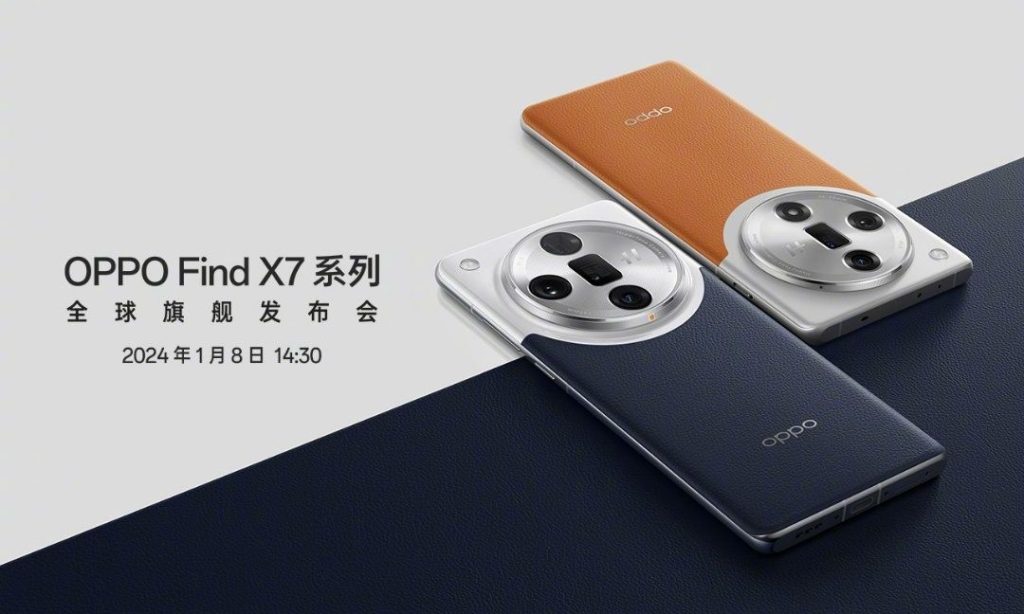
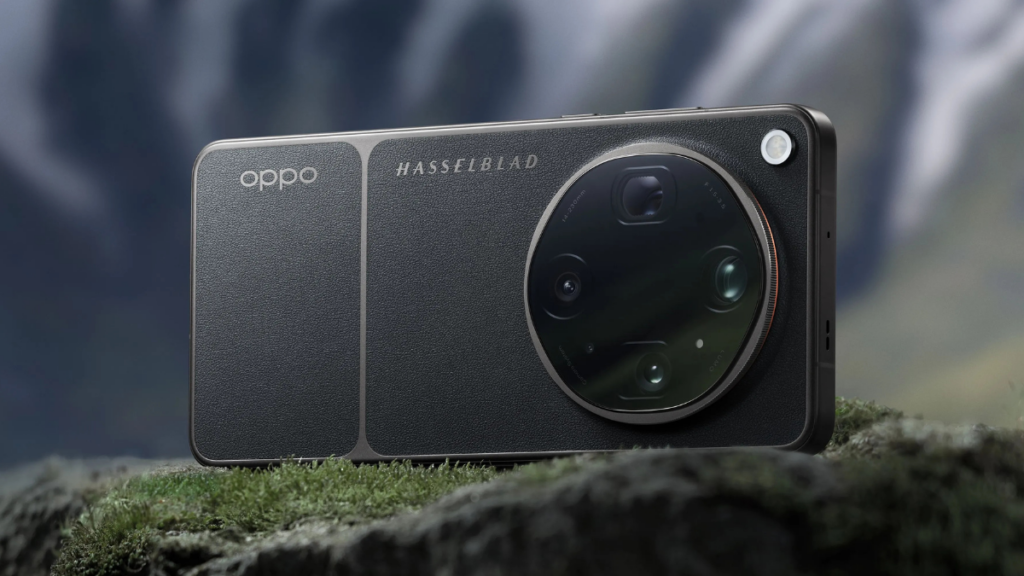
Oppo has officially confirmed that it will unveil the Find X7 series of smartphones at 2:30 pm (local time) on Jan. 8, 2024, in China. In addition, the Find X7 and Find X7 Ultra smartphones are now listed on Oppo China’s online store for reservations. The official listings have confirmed the configurations and color options of both smartphones well ahead of the official announcement.
Oppo Find X7 series launch date
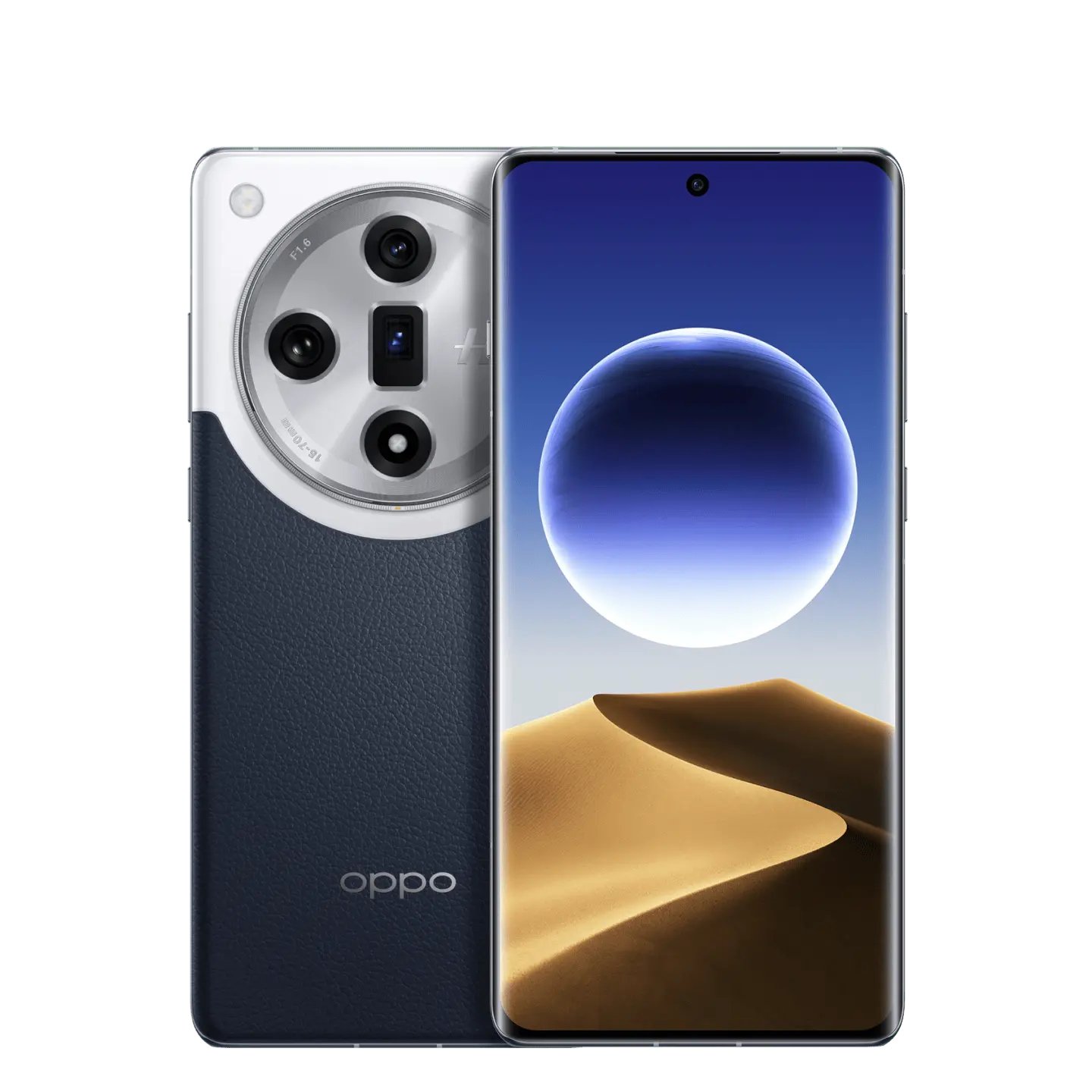
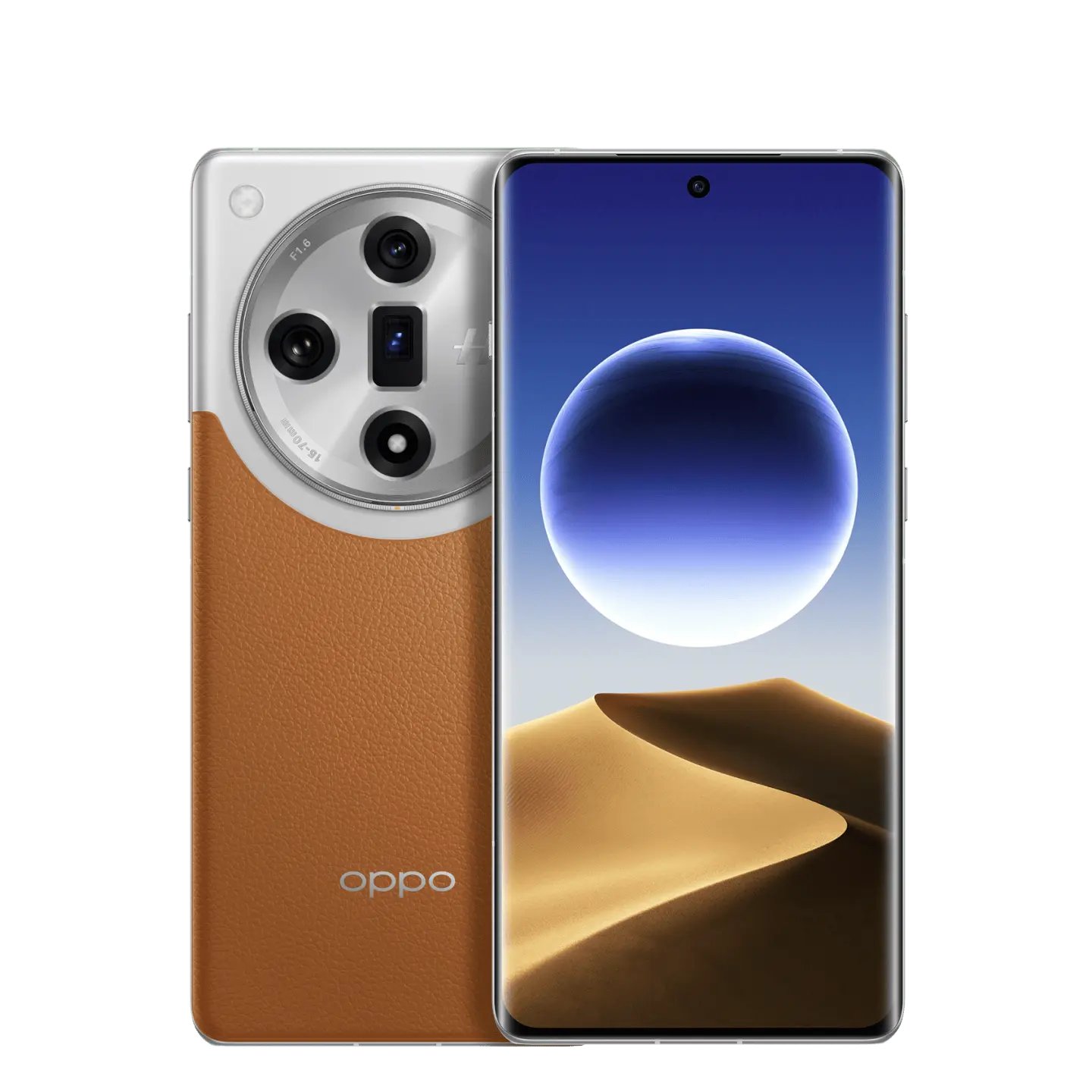
Oppo Find X7
Reports have revealed that the Find X7 will come equipped with the Dimensity 9300 chipset. The official listing reveals that it will come in four configurations, such as 12 GB RAM + 256 GB storage, 16 GB RAM + 256 GB storage, 16 GB RAM + 512 GB storage, and 16 GB RAM + 1 TB storage.
The Find X7 will be available in four shades, such as Starry Sky Black, Sea and Sky, Desert Moon Silver, and Smokey Purple.
Oppo Find X7 Ultra
The Find X7 Ultra is expected to come equipped with the Snapdragon 8 Gen 3 SoC. It will be available in three variants, such as 12 GB RAM + 256 GB storage, 16 GB RAM + 256 GB storage, and 16 GB RAM + 512 GB storage.
Find X7 Ultra: Pine Shadow InkFind X7 Ultra: Sea and SkyFind X7 Ultra: Desert Moon Silver.
When it comes to color options, the Find X7 Ultra will come in choices such as Pine Shadow Ink, Sea and Sky, and Desert Moon Silver.
The Find X7 and Find X7 Ultra have a similar design, with the front featuring a punch-hole display with curved edges and a dual-tone back panel with a massive camera module. The Find X7 has a triple-camera unit, whereas the Find X7 Ultra has a quad-camera system. The Ultra variant will be the world’s first smartphone to feature dual periscope telephoto cameras. In addition, it will also be the first-ever phone to feature the one-inch Sony LYT-900 50-megapixel camera sensor as the primary snapper.
It is said that there will be a third device called the Oppo Find X7 Ultra Satellite Communication Version, which will come with support for two-way satellite communication. The rest of its specs will be identical to the Find X7 Ultra.
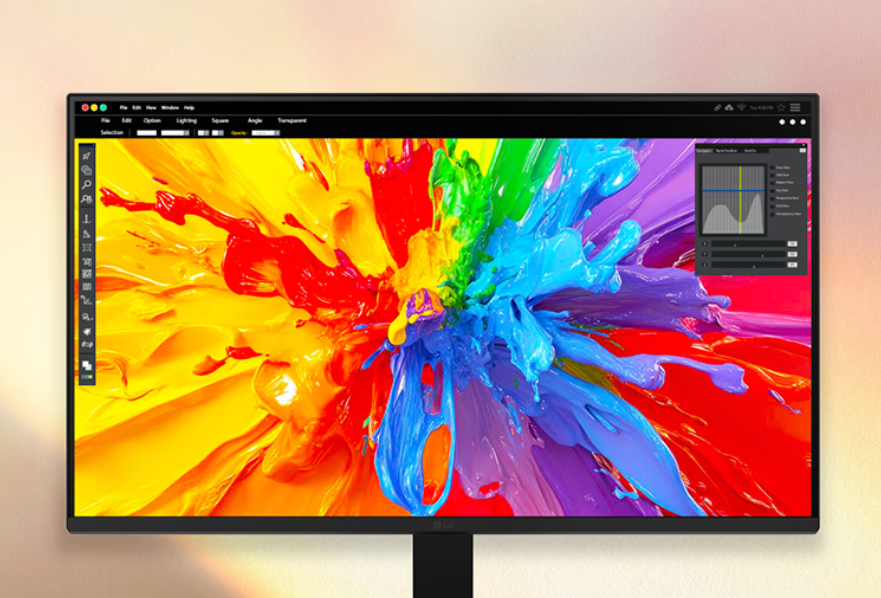
LG has rolled out a new budget-friendly monitor in China, offering a practical option for anyone looking to upgrade a basic desk setup without spending much. The newly launched LG 24U411B is priced at 649 yuan (roughly $96), and despite the entry-level price tag, it manages to check several important boxes for both casual gamers and remote workers.
LG 24U411B Specifications
The monitor uses an IPS panel with a 1920 x 1080 resolution. At 23.8 inches, 1080p provides a standard pixel density that keeps text readable without requiring operating system scaling. While the resolution is typical for this size, the 144Hz refresh rate is the primary hardware feature. Compared to standard 60Hz or 75Hz office monitors, a 144Hz panel simply provides smoother cursor movements, window dragging, and web page scrolling.
For gaming, LG included a 1ms Motion Blur Reduction (MBR) setting to reduce ghosting in fast-moving images. It also supports AMD FreeSync Premium, which matches the monitor’s refresh rate to the graphics card to prevent screen tearing and reduce input lag during gameplay.
On the color front, LG says the panel covers 99% of the sRGB color space. This is adequate for general web browsing, watching videos, and basic photo editing. The monitor also accepts an HDR10 signal. Given the price point, the hardware lacks the local dimming and high brightness levels required for actual HDR performance, but the wide sRGB coverage ensures standard colors are displayed accurately.
The physical design is minimal. The 24U411B has thin bezels on the top and sides, which is useful if you plan to place two of these monitors side by side. It uses a basic, slim stand that does not take up much room on a desk. For software, it works with the LG Switch app, allowing users to adjust settings and split their screen layout using their mouse rather than the physical monitor buttons. It also includes standard Flicker Safe and Reader Mode settings to reduce blue light and screen flicker.
Connectivity is limited strictly to the basics. The back of the monitor has one HDMI 2.2 port, a 3.5mm headphone jack for audio passthrough, and a DC power input. There is no DisplayPort, USB-C video input, or built-in USB hub for peripherals.
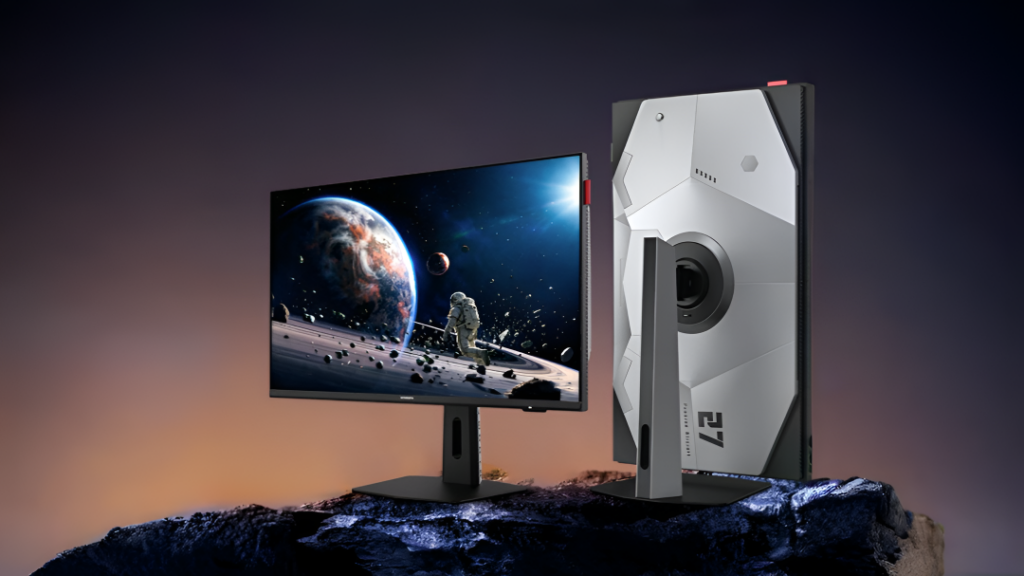
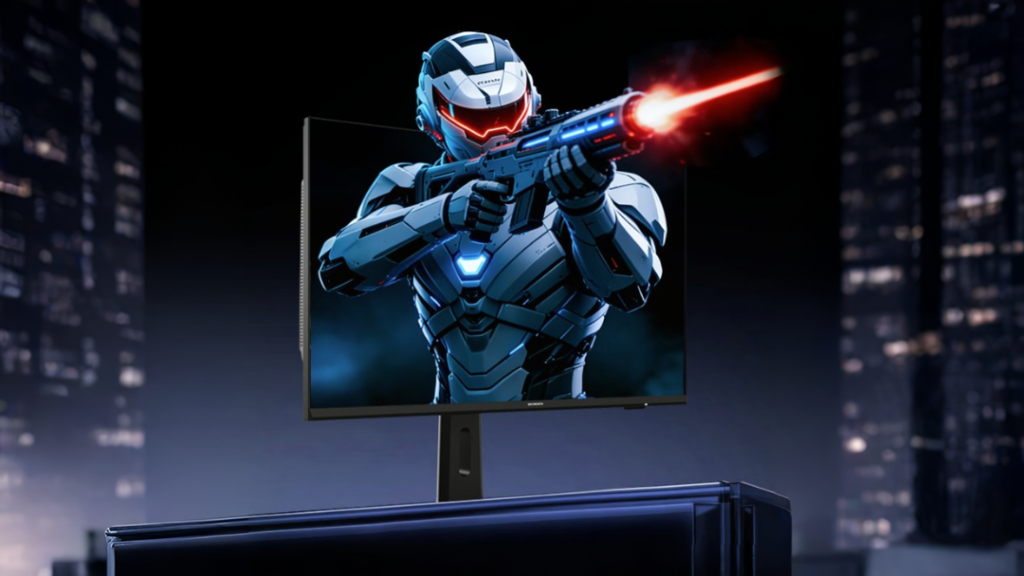
Skyworth has introduced a new gaming monitor in China, the G27Q Pro. It features a 27-inch 1440p display and a high refresh rate, and it will be available for an introductory price of 1,099 yuan (roughly $162) when pre-sales begin on June 8.
Skyworth G27Q Pro Specifications
The monitor uses a 2K (2560×1440) Fast IPS panel with a native refresh rate of 260Hz, which can be overclocked to 275Hz. It has a standard 1ms gray-to-gray response time and 178-degree viewing angles. To manage screen tearing, it supports Adaptive-Sync and is compatible with both AMD FreeSync and Nvidia G-Sync.
Skyworth also included its Motion Clarity Engine Pro, a backlight control feature intended to reduce motion blur, alongside a 10-level adjustable overdrive setting so users can manually tweak the response time to match their frame rates.
For color, the G27Q Pro covers 97% of the DCI-P3 gamut, 100% of sRGB, and 94% of Adobe RGB. Skyworth says that each monitor is factory-calibrated to a Delta E of less than 1, which should result in accurate out-of-the-box colors.
The monitor includes several specific color profiles, such as Rec.709 and BT.2020, making it usable for basic photo and video editing alongside gaming. It has a peak brightness of 570 nits, a 1400:1 static contrast ratio, and an HDR400 certification.
There are several built-in software features for gaming, including genre-specific presets for FPS, RPG, and MOBA titles, as well as crosshairs, shadow boosting, and sniper zoom modes. It also has a setting that simulates a smaller 24.5-inch screen for players who prefer a tighter field of view.
For daily use, it includes an ambient light sensor that automatically adjusts brightness and color temperature, hardware-level low blue light reduction, an anti-glare matte coating, and DC dimming to prevent screen flicker.
Port selection includes two DisplayPort 1.4 connections, two HDMI 2.0 ports, and a 3.5mm headphone jack. To hit the maximum 1440p at 275Hz, you will need to use the DisplayPort connections, as the HDMI 2.0 bandwidth will cap out lower.
The included stand is fully adjustable, allowing for 130mm of height adjustment, tilt, swivel, and a 90-degree pivot for portrait orientation. The monitor weighs 4.9kg with the stand and supports 75x75mm VESA mounting.
Last year, OnePlus claimed that combining a 2K display with a 165Hz refresh rate was simply not possible. OnePlus China President Li Jie explained that no display manufacturer had yet managed to produce a 2K OLED screen capable of sustaining 165Hz, and that 1.5K was the only feasible option.
The OnePlus 15 launched with that compromise. It has a 1.5K panel at 165Hz, and the company called it the industry’s best available solution at the time.
But iQOO might change that narrative entirely.
iQOO Neo 12 could be world’s first to debut 2K 165Hz screen
Reliable Chinese tech leaker Digital Chat Station now claims that the upcoming Neo 12 is confirmed to feature a 2K display running at 165Hz. Even more, the device could pair 2K resolution with an 185Hz refresh rate.
To understand why this is such a big deal, a little context helps. Right now, the best mass-produced 2K screens on the market max out at 144Hz. Anything higher comes at the cost of resolution, which is exactly the trade-off OnePlus made.
OnePlus stated that “due to limitations in luminescent materials and circuit technology, the industry is currently unable to achieve the 165Hz + 2K specifications simultaneously.”
However, iQOO seems to have the engineering to back it up now.
According to the leak, the Neo 12’s R&D team is not just targeting 165Hz. They’re reportedly experimenting with an even more extreme 185Hz tuning mode. Not that it would be the first 185Hz phone. Asus’ 2024 ROG Phone 9 Pro has an 185Hz refresh rate, but it only has a 1080p resolution.
iQOO Neo 11
iQOO pairing 185Hz and 2K will be the screen benchmark, at least for gaming phones, of 2026. In fast-paced titles like tactical shooters, a higher refresh rate means smoother aiming, cleaner enemy tracking, and a tear-free screen even during rapid movement.
On the hardware side, the Neo 12 is expected to come powered by Qualcomm’s Snapdragon 8 Elite Gen 5 chipset. An official launch is expected in the second half of 2025.
For more daily updates, please visit our News Section.
The Snapdragon 8s Gen 4 is a flagship-grade mobile processor with a high-end CPU configuration and a powerful Adreno GPU with ray tracing support and excellent gaming capabilities. What makes it more appealing is that phones with the 8s Gen 4 chip are available at a much more affordable price. However, there’s strong competition from MediaTek in the same segment.
The Dimensity 8500 Ultra, announced in early 2026, is one of the closest rivals to the Snapdragon 8s Gen 4. The chipset features an all-big-core CPU design with higher peak speed, competing GPU performance, and faster download speeds.
Let’s find out how these two processors stack up against each other and which one delivers better performance and value for the money.
Snapdragon 8s Gen 4
Dimensity 8500 Ultra
Announced
April 2025
Jan 2026
Process node
4nm (TSMC)
4nm (TSMC)
CPU cores
8-core
8-core
CPU cores
1 x 3.2GHz — Cortex-X4 3 x 3.0GHz — Cortex-A720 2 x 2.8GHz — Cortex-A720 2 x 2.02GHz — Cortex-A720
1 x 3.4 GHz — Cortex-A725 3 x 3.2 GHz — Cortex-A725 4 x 2.2 GHz — Cortex-A725
GPU
Adreno 825 ray tracing support Snapdragon Elite Gaming features
Mali-G720 MP8 ray tracing support MediaTek HyperEngine Gaming Technology
NPU
Qualcomm Hexagon NPU
MediaTek NPU 880
Memory
LPDDR5X up to 4.8GHz speed
LPDDR5X up to 4.8GHz speed
Storage
UFS 4.0
UFS 4 + MCQ
Camera
Qualcomm Spectra ISP (Triple AI-ISPs, 18-bit) up to 320MP single camera up to 108MP single camera with zero shutter lag up to 36MP triple cameras with zero shutter lag real-time semantic segmentation (up to 250 layers) 4K/60fps video recording
MediaTek Imagiq 1080 ISP up to 320MP single camera up to 32MP triple cameras with zero shutter lag 4K/60fps video recording
Connectivity
Snapdragon X75 5G modem up to 4.2Gbps download speed Wi-Fi 7 (peak speed: 5.8Gbps) Bluetooth 6.0
MediaTek 5G modem up to 5.17Gbps download speed Wi-Fi 6E Bluetooth 5.4
Snapdragon 8s Gen 4 vs Dimensity 8500 Ultra: Benchmark score
Note: The benchmark tests were performed on the POCO F7 (powered by the Snapdragon 8s Gen 4) and the POCO X8 Pro (powered by the Dimensity 8500 Ultra).
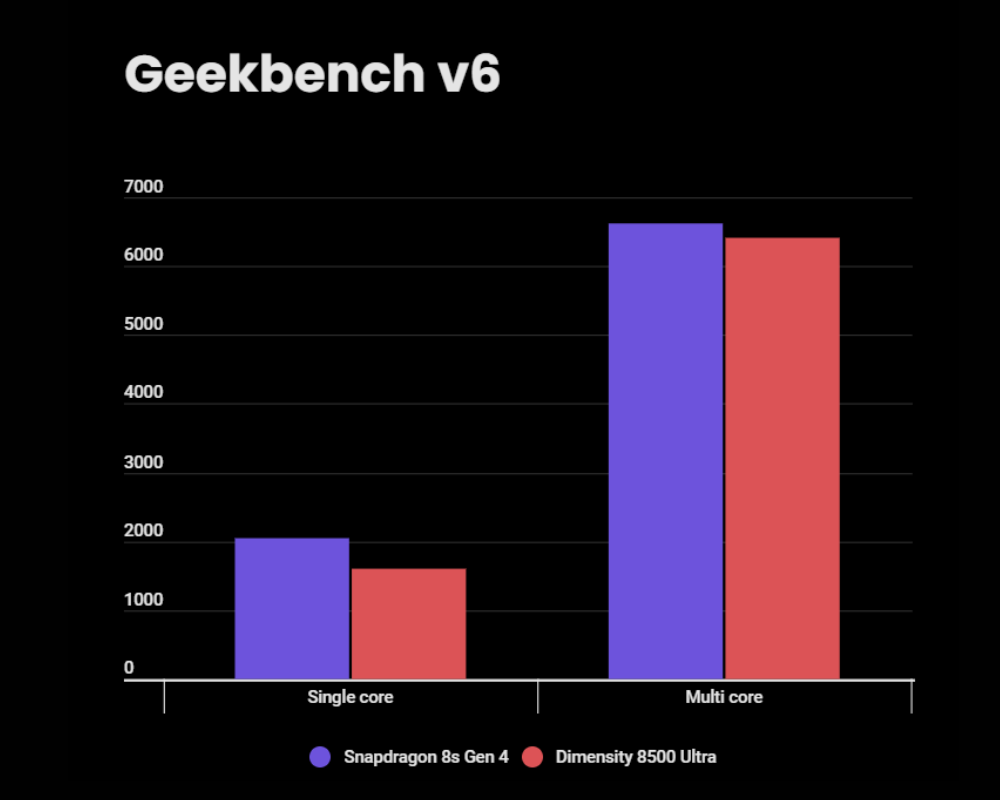
Geekbench performance
The Snapdragon 8s Gen 4 delivers 27% higher single-core performance despite a lower peak clock speed. That’s because the prime Cortex-X4 core in the 8s Gen 4 is more powerful than the Cortex-A725 in the Dimensity 8500 Ultra.
The difference in multi-core scores isn’t big, though. The Snapdragon chip still has the upper hand, but the score is only 3% higher than the Dimensity 8500 Ultra’s.
Snapdragon 8s Gen 4
Dimensity 8500 Ultra
Single core
2,047
1,603
Multi core
6,620
6,411
AnTuTu performance
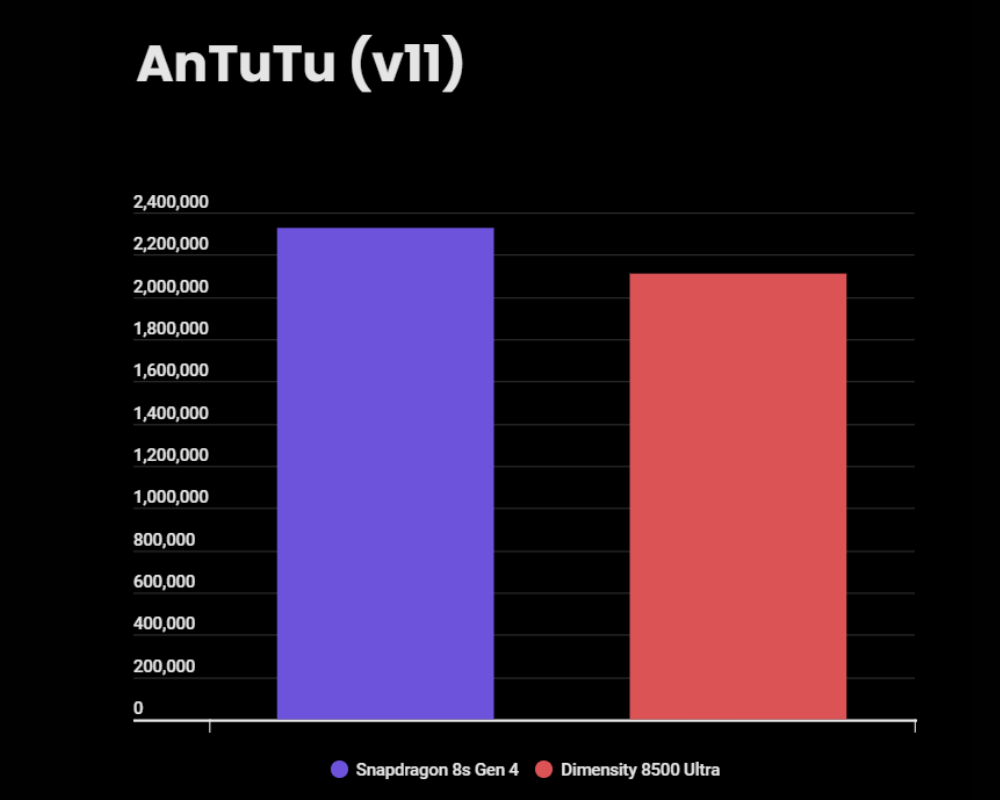
On the AnTuTu v11 benchmark, the Snapdragon 8s Gen 4 pulls off 2.32 million AnTuTu points, while the Dimensity 8500 Ultra remains behind with 2.11 million points. This number suggests better overall performance for the Snapdragon chip, but the picture becomes clear when you look at the individual scores for each test.
The Snapdragon 8s Gen 4 leads the CPU performance with a 13% higher score, while the GPU difference is even bigger. The Snapdragon chip also performs better in the GPU test with a whopping 23% higher score.
Snapdragon 8s Gen 4
Dimensity 8500 Ultra
AnTuTu score
2,326,902
2,110,684
CPU
682,606
601,843
GPU
811,300
655,088
Memory
374,937
370,749
UX
458,059
483,004
3DMark performance
Wild Life Extreme Stress Test
This test specifically measures the gaming performance of a device under heavy workload, where the Snapdragon 8s Gen 4 maintains an edge over the Dimensity 8500 Ultra. The high score is up 7%, and the low score is up 15%. The Snapdragon chip also has better gaming stability.
Snapdragon 8s Gen 4
Dimensity 8500 Ultra
High score
4,470
4162
Low score
3,542
3056
Stability
79.24%
73.43%
All benchmark tests we looked at so far tell the same thing: the Snapdragon 8s Gen 4 offers superior performance and gaming stability compared to the Dimensity 8500 Ultra. But that should not be the only factor to consider when deciding on a chip upgrade.
You should also look at the other important aspects, such as the camera and connectivity, detailed below.
Snapdragon 8s Gen 4 vs Dimensity 8500 Ultra: Key differences that matter
Performance
CPU
While both chips have octa-core CPUs with the same ARMv9.2-A instruction set, their core structures vary. The Snapdragon 8s Gen 4 has a ‘1+3+2+2’ layout, featuring one Cortex-X4 core. The remaining seven are Cortex-A720 cores with varying clock speeds.
In contrast, the Dimensity 8500 Ultra uses a ‘1+3+4’ layout. All of them are Cortex-A725 cores, but their peak speeds vary to ensure a good balance between performance and efficiency.
The Dimensity chip benefits from a higher peak clock speed (3.4GHz vs 3.21GHz), but the inclusion of a more powerful Cortex-X4 prime core in the Snapdragon chip makes an even greater impact.
GPU
The Snapdragon 8s Gen 4 has the Adreno 825 GPU, which offers better performance and stability than the Dimensity 8500 Ultra’s Mali-G720 GPU.
In addition to the advanced Adreno GPU, the Snapdragon chip utilizes Qualcomm’s sliced GPU architecture and Snapdragon Elite Gaming features, including Qualcomm Adaptive Performance Engine and Adreno Frame Motion Engine 2.0 to deliver smooth, high-performance gaming sessions while significantly enhancing power efficiency.
The Dimensity 8500 Ultra features MediaTek HyperEngine technology, promising smooth gaming at 120 FPS and smart power efficiency.
While both chips deliver solid gaming performance, the Snapdragon 8s Gen 4 has an edge in gaming stability and smoother performance during longer gaming sessions.
NPU
The Snapdragon 8s Gen 4 has a hexagon NPU with 2x larger shared memory and 44% faster AI performance than its predecessor. It supports a variety of Large Language Models (LLMs) and Large Vision Models (LVMs), offering greater privacy with on-device processing.
The Dimensity chip also has a powerful MediaTek NPU 880 AI system with diffusion transformer support and NeuroPilot compression technology. It can also run various LLMs and LVMs on-device.
Camera
While the camera output on a device mostly depends on OEM’s implementation, like the sensors being used and software tuning before the final output, the chipset’s ISP capabilities also play a crucial role. The ISP is the hardware that converts raw light data from the sensor into a digital image in real time and determines if a phone can shoot in 4K, 8K, or slow motion.
The Snapdragon 8s Gen 4 features an 18-bit Triple AI ISP with support for real-time semantic segmentation (up to 250 layers), real-time skin and sky tone correction, and low-light capture. The chip supports up to 4K video recording at 60FPS and various HDR formats (HDR10, HDR10+, Dolby Vision).
The Dimensity 8500 Ultra is equipped with an Imagiq 1080 ISP with AI-powered Zero Shutter Lag (ZSL) photos, 4K HDR video recording, and semantic segmentation.
Connectivity
The Snapdragon 8s Gen 4 has an integrated X75 5G modem with a peak download speed of 4.2Gbps. The Dimensity 8500 Ultra extends this to 5.17Gbps. Still, the 8s Gen 4 is the superior choice, as it supports advanced features like Wi-Fi 7 and Bluetooth 6.0, whereas the Dimensity 8500 Ultra supports Wi-Fi 6E and Bluetooth 5.4.
Snapdragon 8s Gen 4 vs Dimensity 8500 Ultra: Which is a better choice?
The Snapdragon 8s Gen 4 is the clear winner here. It outperforms the Dimensity 8500 Ultra across every benchmark we tested. The chip did particularly well in the single-core test on Geekbench. Furthermore, 3DMark stress testing highlights that the Snapdragon’s Adreno 825 GPU delivers better stability and sustained frame rates during extended gaming sessions.
While both chipsets offer robust on-device AI and advanced ISPs, the Snapdragon offers future-proof Wi-Fi 7 and Bluetooth 6.0 connectivity, making it a superior choice overall compared to the Dimensity 8500 Ultra.
Cuktech has released a new high-capacity portable charger in China, the CP25 Power Bank (Dual USB-C Cables Edition), which is currently available on JD.com for 199 yuan ($29).
Cuktech CP25 Power Bank Specifications
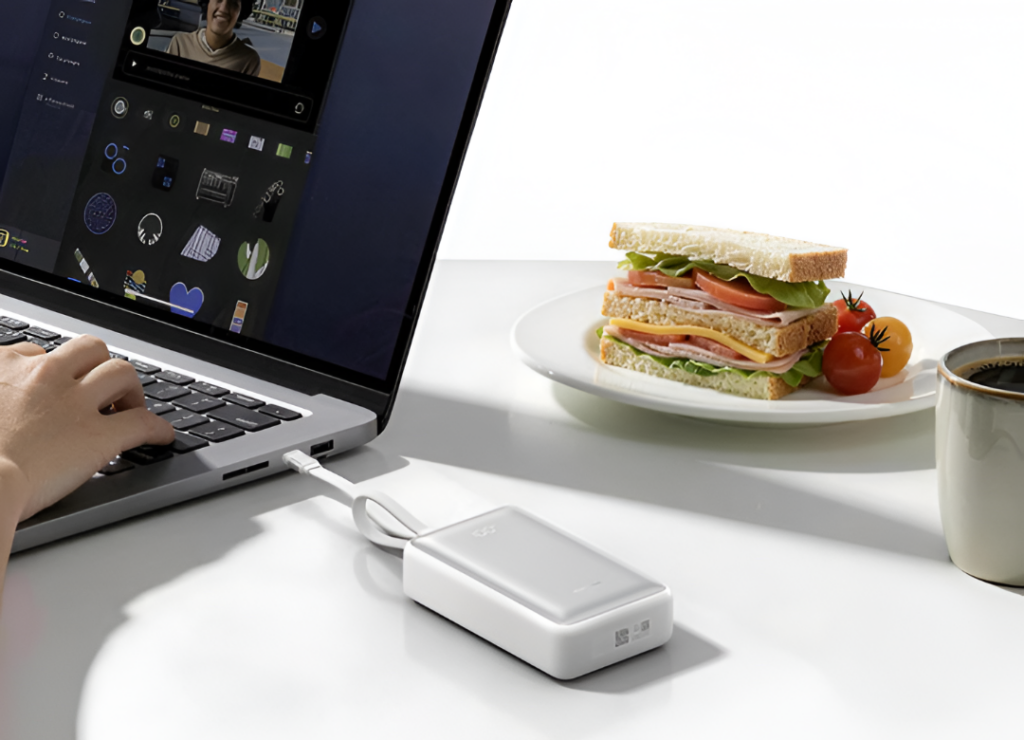
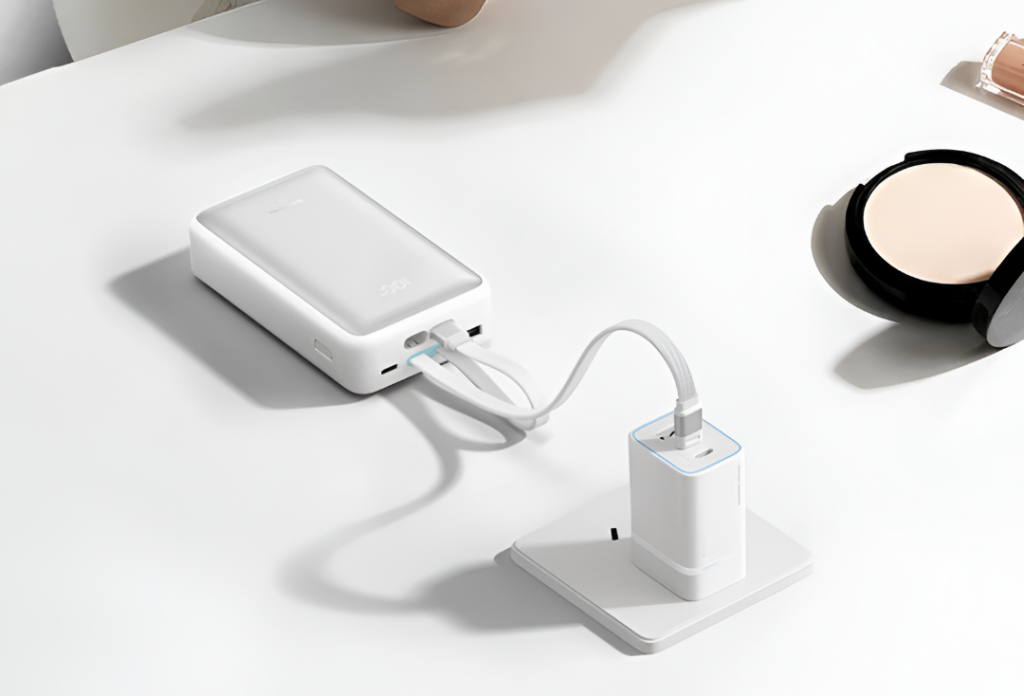
The power bank features 3C + 1A configuration. In standard terms, it includes one regular USB-C port, one USB-A port, and the two integrated USB-C cables attached to the top of the casing. These built-in cables are roughly 13 centimeters long and use a braided design. Both cables support two-way charging, meaning you can use them to charge your phone or plug them directly into a wall adapter to recharge the power bank itself.
Inside, the CP25 houses a 20,000mAh battery. It has a rated output capacity of 12,000mAh at 5V/3A. Because the battery is rated at 74Wh, it stays under the 100Wh limit required for airplane carry-on luggage. When charging devices, the USB-C ports and the built-in cables max out at 55W.
The USB-A port provides up to 33W. If you need to charge multiple items, the power bank can output power to four devices simultaneously. For recharging the battery pack, it accepts up to a 45W input.
The device supports standard fast-charging protocols, including PD, PPS, MiPPS, UFCS, and SCP, as well as ADC adaptive fast charging. This covers most current hardware from Apple, Samsung, Xiaomi, Huawei, and other major phone manufacturers. You can also activate a low-current mode specifically designed for charging smaller accessories like smartwatches and wireless earbuds.
Physically, the CP25 measures 126.8 by 73.7 by 34 millimeters and weighs 385 grams. The front side features an LED display that shows the exact battery percentage remaining and the current charging speed in watts.
The plastic casing has textured sides to help with grip. For safety, the power bank includes nine layers of electrical protection, covering issues like short circuits, overcharging, and overvoltage, along with a temperature monitoring system to manage heat levels during use.
In related news, Cuktech recently introduced a 10,000mAh magnetic power bank in the US, featuring 30W fast charging and an integrated kickstand.
For more daily updates, please visit our News Section.
Minisforum has announced two new mini PCs, the M2 Pro and the MS-03, both built around Intel’s new Panther Lake architecture. Instead of just bumping up the processor speeds, the company has focused on practical hardware updates, including built-in power supplies and faster networking options, making these small computers a more viable alternative to standard desktop towers.
Minisforum M2 Pro Specifications
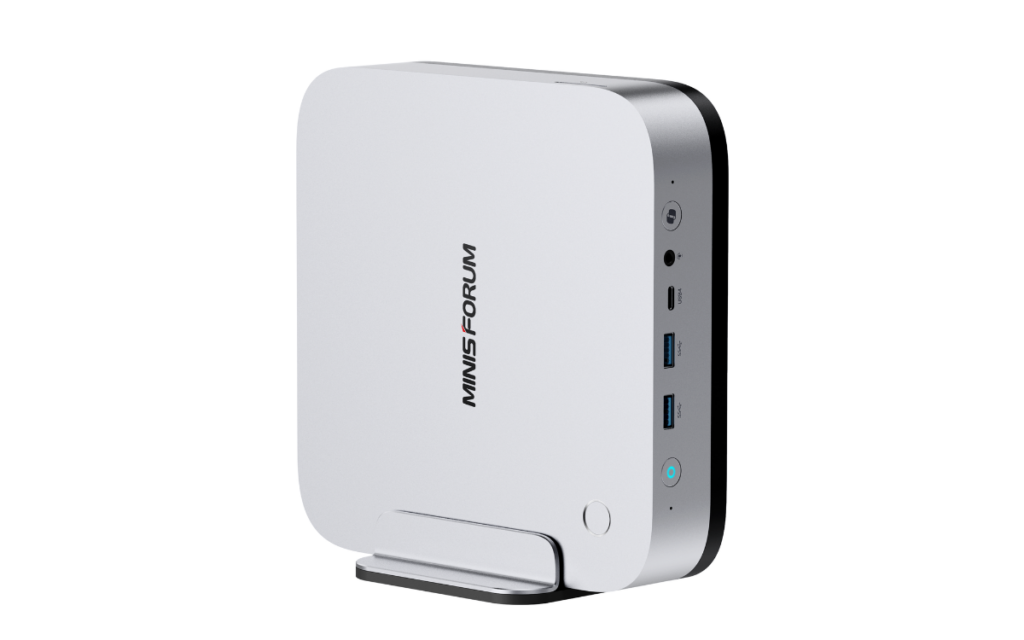
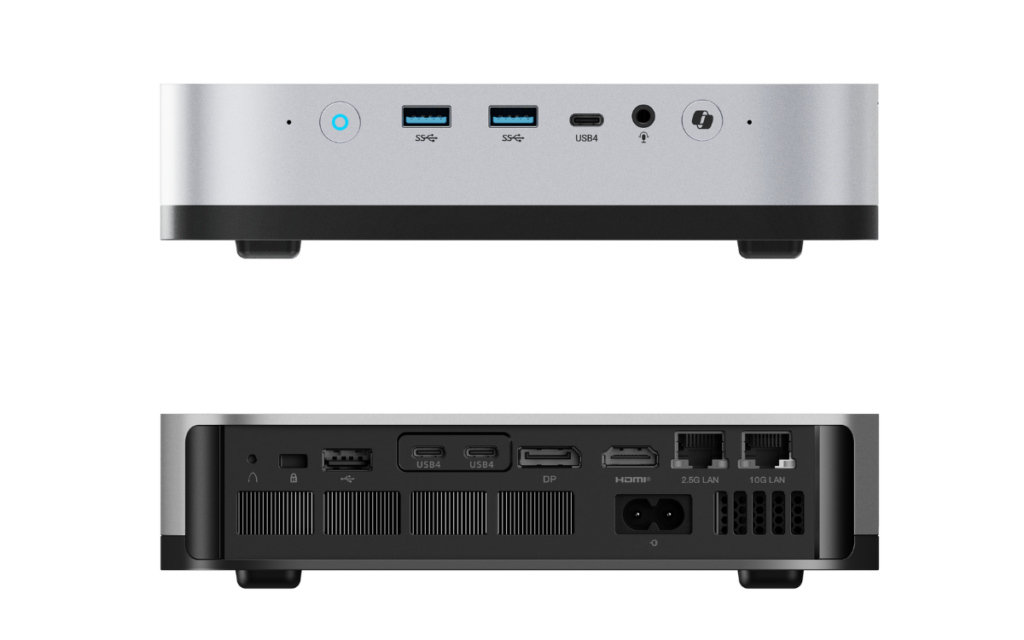
The M2 Pro is the more mainstream option of the two. It features a metal chassis and, notably, an internal power supply, which means you won’t have to hide an external power adapter under your desk. Inside, it uses Intel’s Panther Lake-H processor with integrated Xe3 graphics. Minisforum says a 50% graphics performance improvement over the previous Lunar Lake generation. If you need more graphical power, the system also includes an OCuLink port for connecting an external GPU.
Like most hardware released recently, the M2 Pro includes components specifically for AI tasks. Between the CPU, the updated NPU5, and the GPU, the system offers up to 180 TOPS of total compute. If you run local AI models, such as DeepSeek-R1, the system is equipped to handle them offline without relying on cloud servers. Minisforum also added a physical button for Microsoft Copilot and a built-in microphone array for voice commands. For memory and storage, it supports up to 128GB of LPDDR5X RAM and has three M.2 PCIe 4.0 slots.
In terms of connectivity, it includes three USB-A ports and three USB4 ports. For networking, it features both a 10G and a 2.5G LAN jack. Display outputs include one HDMI and one DisplayPort, and the system is rounded out with an SD card slot, a 3.5 mm headphone jack, and a security cable slot. Additionally, if you want to keep your desk completely clear, the metal chassis can be VESA mounted directly to the back of a monitor.
Minisforum MS-03 Specifications
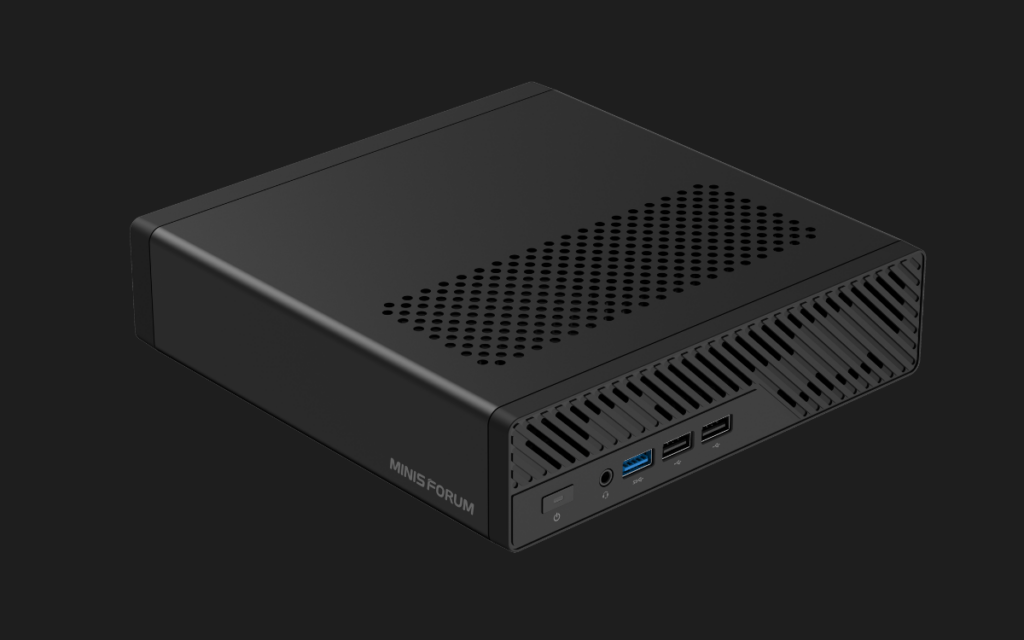
For the more workstation-minded crowd, Minisforum is also launching the MS-03 at the end of June. Acting as a direct successor to the popular MS-01, the MS-03 bumps the TDP up to 70W and brings some heavy I/O upgrades. You get dual PCIe 5.0 SSD slots, DDR5 support up to 7200MHz, WiFi 7.
The port layout includes one 10G LAN jack and one 2.5G LAN jack, alongside two SFP+ ports for high-speed enterprise networking. For peripherals and displays, the system is equipped with five USB-A ports, two USB-C ports, an HDMI 2.1 port with FRL support, and a standard 3.5 mm headphone jack.
There is one minor downgrade on the MS-03 to be aware of: the PCIe expansion slot has been reduced from x8 to x4. Minisforum says this is a limitation of the Panther Lake-H CPU PCIe lanes. While an x4 slot is still plenty for most network or capture cards, you might see a slight performance hit if you plan on squeezing a low-profile graphics card into that slot.
In related news, Asus recently unveiled the ROG NUC 16 Edition 20, a compact gaming PC featuring Nvidia’s GeForce RTX 5090 graphics and a distinctive semi-transparent chassis design.
For more daily updates, please visit ourNews Section.
For the past two years, Qualcomm has been the only real player to offer an ARM-based chip for Windows PCs. It started with the Snapdragon X Elite in 2024 which Qualcomm followed with the more powerful Snapdragon X2 series in late 2025.
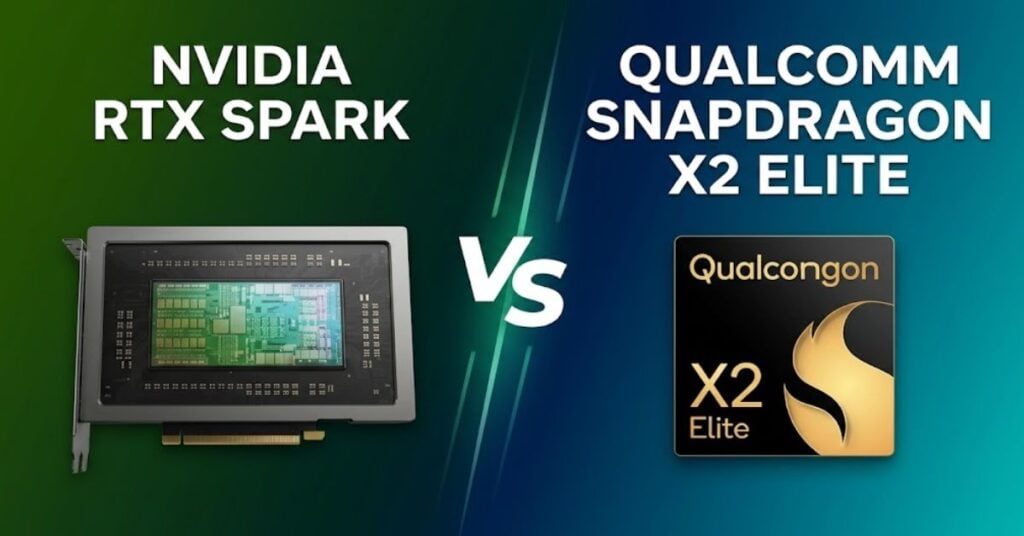
Qualcomm’s sole reign on the Windows-on-ARM (WoA) market is now officially over, all thanks to Nvidia. The company announced its new ARM-based RTX Spark PC chips at Computex 2026, and it wants to be the Apple Silicon moment for Windows.
The news sent Qualcomm’s stock tumbling more than 10% in premarket trading, wiping out over $10 billion in market value overnight. That reaction tells you a lot about how big a deal this really is.
So what exactly are these two chips, how do they compare, and who should you care about? Let’s break it down.
RTX Spark is Nvidia’s answer to the growing wave of ARM-based, all-in-one chips, similar to what Apple’s been doing brilliantly with its M-series and Qualcomm has been working hard with the Snapdragon X lineup.
At its core, RTX Spark is based on the same GB10 Grace Blackwell Superchip that powers Nvidia’s DGX Spark developer workstation. The company just repackaged it for everyday Windows laptops. It combines a custom ARM-based CPU (developed with MediaTek), a Blackwell RTX GPU, and an AI accelerator all on one chip, built on TSMC’s 3nm process with 70 billion transistors.
And the headline numbers are impressive. RTX Spark can pack up to 20 CPU cores, a 6,144-core Blackwell GPU, and up to 128 GB of unified memory. Nvidia claims it delivers over 1 petaflop of FP4 AI compute, which in simple terms is enough to run massive AI and Large Language Model (LLM) models locally.
The CPU and GPU are connected together via Nvidia’s NVLink-C2C interconnect, which enables up to 600 GB/s of bandwidth between the two.
According to team green, devices powered by RTX Spark are set to arrive in autumn 2026 from major brands including ASUS, Dell, HP, Lenovo, and Microsoft Surface.
2. What Is the Snapdragon X2 Elite?
Qualcomm launched the Snapdragon X2 series at its annual Snapdragon Summit in September 2025. It is the direct follow-up to the original Snapdragon X Elite from 2024, and it brings a meaningful generational step forward, especially in CPU performance.
The X2 family consists of three chips: the X2 Elite, the X2 Elite, and the top-of-the-line X2 Elite Extreme. All three are built on TSMC’s 3nm process and feature Qualcomm’s third-generation Oryon CPU cores, but the Extreme version is the one that gets the major attention.
3. The X2 Elite Extreme: Qualcomm’s Best Shot
The Snapdragon X2 Elite Extreme (model number X2E-96-100) is Qualcomm’s most powerful laptop chip ever made. It packs 18 Oryon cores versus 12 cores in the first-generation Snapdragon X Elite.
Those 18 cores are split into two groups: 12 fast “Prime” cores that can boost up to 5 GHz on two cores (and run at 4.4 GHz across all cores), and 6 “Performance” cores running at up to 3.6 GHz. Together, they share 53 MB of cache.
On the AI side, the X2 Elite Extreme includes an 80 TOPS NPU (Neural Processing Unit), which is Qualcomm’s dedicated AI engine. All three X2 Elite chips share this same NPU rating.
Benchmark numbers from Qualcomm’s own Snapdragon Summit testing were genuinely strong on the CPU side. In Cinebench 2024 and Geekbench 6.3 multi-core tests, the X2 Elite Extreme was able to match or beat Apple’s M4 Pro, scoring 1,964 and 23,693 points respectively.
Compared to the original Snapdragon X Elite, the X2 Elite Extreme offers roughly a 39% improvement in single-core performance and a 50% boost in multi-core performance. In gaming benchmarks, Qualcomm claims a 2.3x improvement over the previous generation.
The chip also supports up to 48 GB of LPDDR5x memory on a 192-bit bus (in the Extreme version), offers PCIe 5.0 storage, and handles up to three USB 4.0 ports. Laptops running the X2 Elite Extreme began arriving in the first half of 2026, including the ASUS Zenbook A16 which features the chip prominently.
4. GPU and Gaming: Qualcomm’s Weak Spot
Here is where things get complicated for Qualcomm. While the X2 Elite Extreme impresses on CPU tasks, the GPU side tells a different story.
In the demanding 3DMark Steel Nomad benchmark, the X2 Elite Extreme managed just 1,306 points at 13 frames per second. Apple M4 Pro, in comparison, manages around 1620 points in the same test.
The Solar Bay and Steel Nomad Light scores were more respectable, but the GPU improvement is not nearly as dramatic as the CPU gains. One reviewer from Tom’s Hardware found that professional tools like AutoCAD were unsupported, and some games crashed or showed graphical errors when running under emulation on Windows ARM.
5. RTX Spark vs Snapdragon X2: Head to Head
This is where Nvidia has a structural advantage that Qualcomm simply cannot match right now.
AI Performance: RTX Spark delivers over 100 TOPS of on-device AI computing power. The Snapdragon X2 Elite’s NPU sits at 80 TOPS.
GPU Power: The RTX Spark’s Blackwell GPU supports DLSS 4.5, Nvidia’s AI-powered graphics upscaling technology that makes games look better and run faster. No Snapdragon chip has anything comparable. For gaming and creative work like video editing or 3D rendering, RTX Spark is in a completely different league.
Memory: RTX Spark supports up to 128 GB of unified memory. The X2 Elite Extreme tops out at 48 GB. For heavy AI workloads and large language models running locally, this is a massive difference.
CPU: This is more even. The X2 Elite Extreme is a very strong CPU performer, matching Apple’s M4 Pro in many tests. RTX Spark’s 20-core CPU will be tested properly when devices launch in autumn 2026, but based on Nvidia’s track record, expectations are high.
Software Ecosystem: This may be the most important difference of all. Nvidia brings CUDA — its developer software platform — to RTX Spark. For 15-plus years, virtually every major AI model, AI framework, and GPU-accelerated app has been built on CUDA. Meanwhile, Qualcomm has no equivalent. Snapdragon X laptops have also faced ongoing issues with app compatibility, where x86 apps running through Microsoft’s Prism emulation layer sometimes behave poorly.
6. Why Qualcomm Is Still Relevant
Despite all of this, Qualcomm is not out of the race. The Snapdragon X2 series chips are available right now, while RTX Spark laptops won’t arrive until autumn 2026. For buyers who need a capable ARM-based Windows laptop today, the X2 Elite Extreme is genuinely impressive, especially for CPU-heavy work, everyday productivity, and battery life.
Moreover, Qualcomm is targeting a broader market just like its smartphone chips. In fact, the company recently unveiled a Snapdragon C platform for affordable AI powered laptops.
Meanwhile, RTX Spark is likely more aimed at creators, AI developers, and serious gamers willing to pay a premium. In fact, the starting price of the laptop could be around $1800.
7. The Bottom Line
Nvidia’s RTX Spark is a serious statement of intent. It takes the company’s unmatched software ecosystem, combines it with genuinely next-generation hardware, and packages it into a laptop chip that can go head-to-head with Snapdragon X2 platform and even Apple M5 chips.
Qualcomm’s X2 series is also not a bad chip. On CPU performance, it holds its own against the best in the business. But the GPU weakness, the software compatibility headaches, and the relatively modest NPU performance all become harder to defend once RTX Spark laptops start hitting store shelves.
For buyers looking at Windows laptops today, the Snapdragon X2 Elite Extreme is a strong choice, particularly in machines like the ASUS Zenbook A16. But if you can wait until late 2026, RTX Spark could be worth holding out for.
For more daily updates, please visit our News Section.
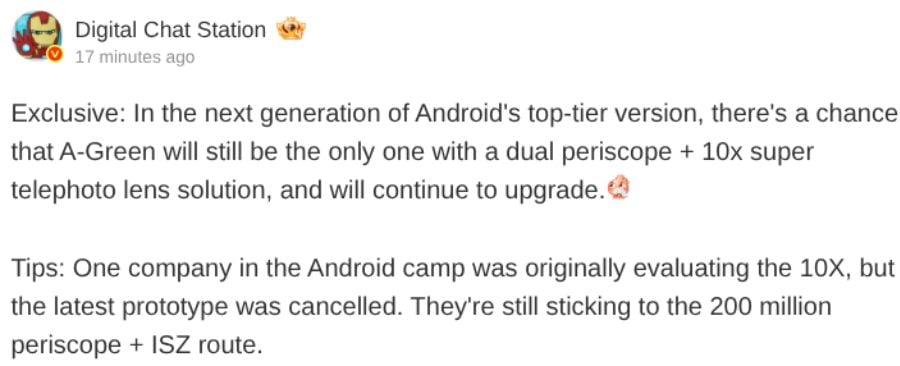
Reliable tipster Digital Chat Station (DCS) has shared an interesting exclusive today claiming that the Oppo Find X10 Ultra could again be the only Android flagship in 2027 with dual periscope camera and a 10x super telephoto lens.
According to DCS, when it comes to “top-tier” Android flagships next year, the Find X10 Ultra looks set to be the only device offering this combination. The tipster hints that this setup will also see further upgrades over its predecessor, though specifics haven’t been shared yet.
This lines up well with what we already know about the phone. The Find X10 Ultra is expected to sport a 6.89-inch 2K LTPO OLED display, a 7,000mAh+ battery, and a next-generation 200MP Samsung HPA LOFIC primary camera sensor. The Ultra model is expected to launch in the first half of 2027, following the rest of the X10 lineup.
Vivo quietly backs from 10x telephoto for X500 Ultra
The more intriguing part of DCS’ claim is that, allegedly, a rival has quietly backed away from the 10x zoom race. The tipster reveals that one Android brand was evaluating a 10x telephoto solution, but its latest prototype has now been cancelled.
The brand is now said to be sticking with its existing formula of a 200MP periscope camera paired with ISZ (In-Sensor Zoom) technology instead.
Oppo Find X9 Ultra
All signs point to this being the Vivo X500 Ultra. Just days ago, a leak surfaced suggesting Vivo was testing a 10x telephoto camera for the X500 Ultra, which would have been a major upgrade from the X300 Ultra’s single 200MP periscope offering around 3.7x optical zoom. It now appears those plans have been scrapped before they got off the ground.
So while Vivo falls back on its tried-and-tested periscope + ISZ approach, Oppo looks set to double down on its dual-periscope strategy.
For more daily updates, please visit our News Section.
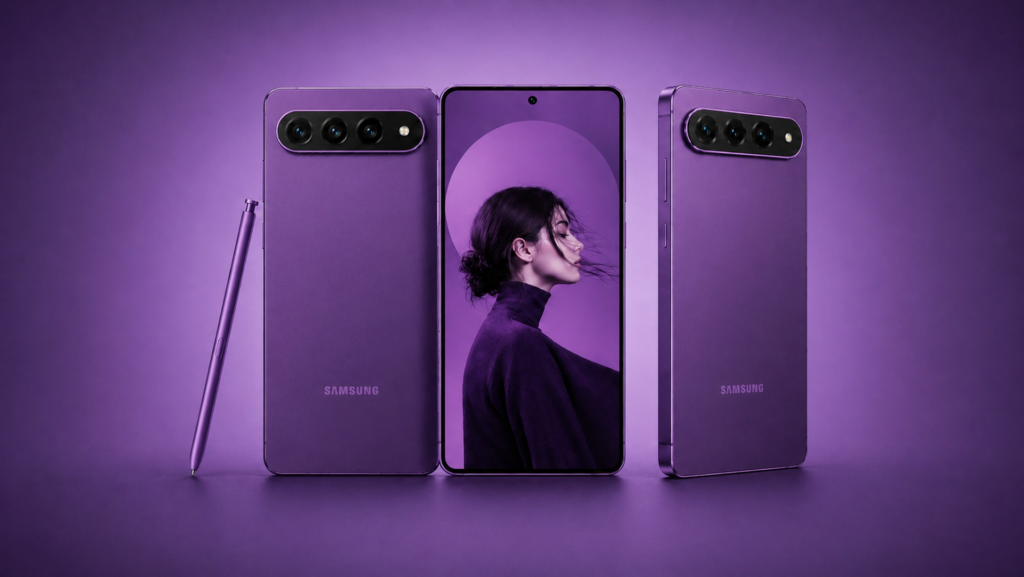
Samsung‘s rumored Galaxy S27 Pro may still be months away, but it’s already looking like one of the company’s most interesting smartphone releases in quite some time.
A new leak suggests the device could pack a 5,000mAh battery, which doesn’t sound particularly surprising until you look at the rest of the rumored specifications. The Galaxy S27 Pro is said to feature a 6.47-inch display, although the latest leak rounds that up to 6.5 inches. Either way, it would make the device noticeably smaller than the Galaxy S27 Ultra.
To be fair, the Ultra model was previously reported to feature a slightly bigger cell in the 5,200mAh to 5,500mAh range. But battery life isn’t determined by capacity alone.
The Pro’s smaller display should consume less power in day-to-day use, and Samsung may also opt for a slightly more conservative performance profile to better manage heat in the smaller chassis. If that happens, the gap in real-world battery life could end up being much smaller than the battery capacities suggest. In fact, the S27 Pro could potentially match, or even exceed, the Ultra’s endurance in certain usage scenarios.
For those wondering, the S27 Pro is also rumored to use the same Snapdragon 8 Elite Gen 6 Pro chipset as the Galaxy S27 Ultra. That means the two devices should benefit from similar efficiency gains at the silicon level.
The camera situation could be just as interesting.
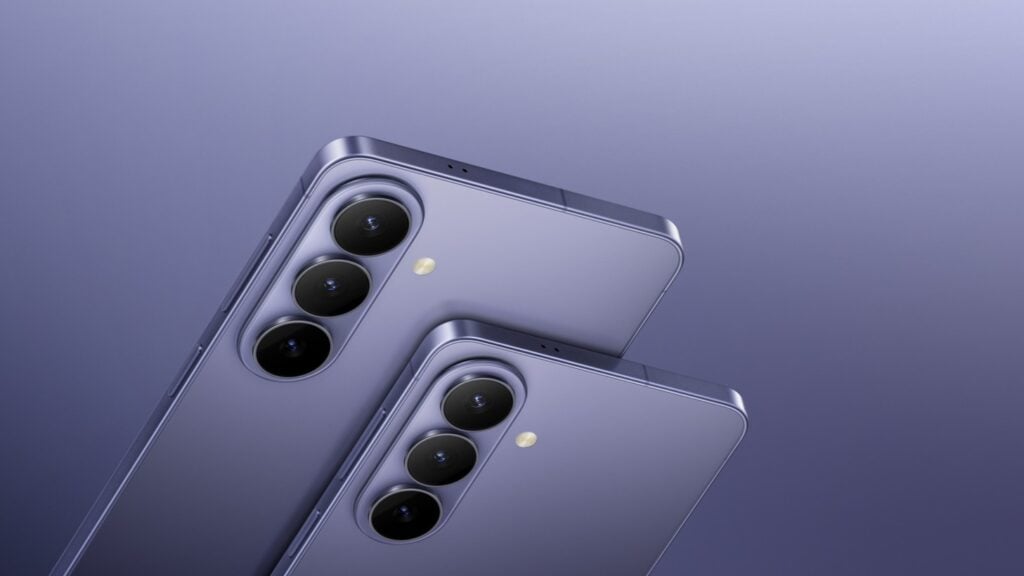
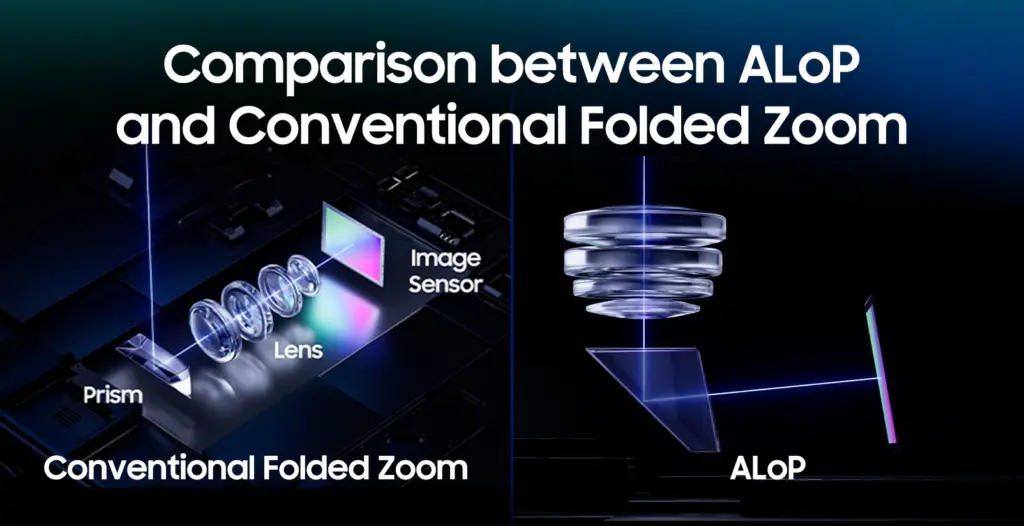
Leaks suggest Samsung may bring the same main and ultra-wide sensors set to be used in the Ultra to the Pro model, while also adding a 50MP 3.5x ALoP telephoto camera.
The Ultra, on the other hand, is rumored to retire its 3x 10MP telephoto lens and rely on sensor cropping from the main 200MP camera up to 5x zoom. If that’s the case, the S27 Pro’s dedicated 3.5x telephoto camera could prove more useful for day-to-day photography.
Samsung will likely position the Ultra as the ultimate camera flagship in the lineup. But based on the leaks so far, the Pro model may actually end up being the more practical and more interesting option for most users.
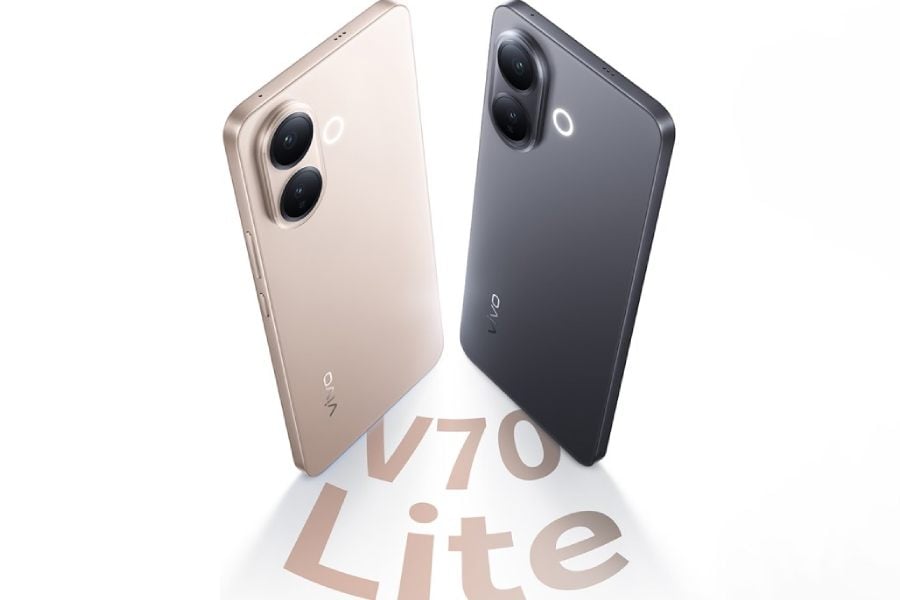
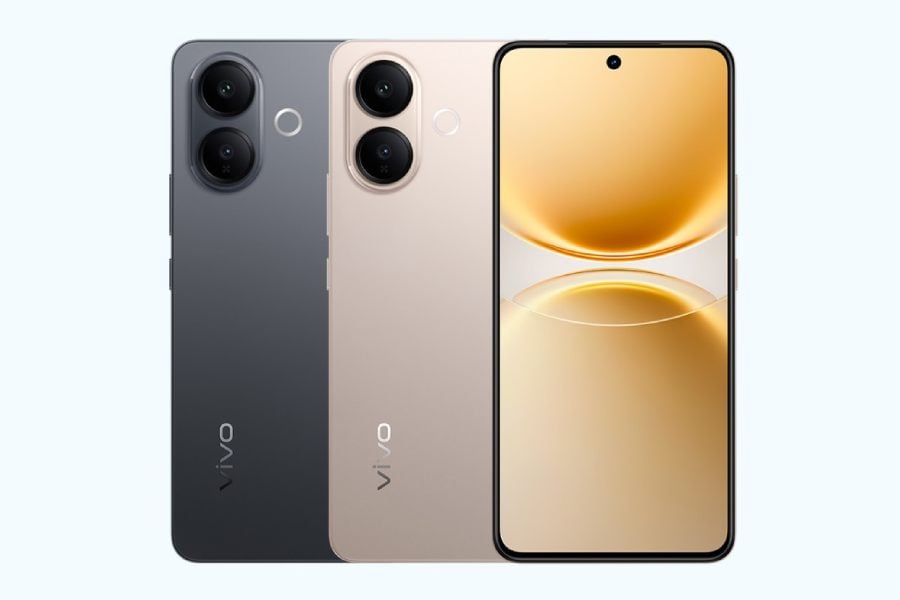
Vivo has quietly launched the Vivo V70 Lite in the UAE. It’s the fourth member in Vivo’s expanding V70 roster. However, there was no big announcement or launch event. The phone simply showed up for sale instead.
Vivo V60 Lite Specifications
The handset sports a 6.77-inch FHD+ AMOLED screen with a 120Hz refresh rate and a peak brightness of 3,000 nits. Tucked inside the punch-hole cutout is a 32MP front camera, while an optical under-display fingerprint scanner takes care of security.
Flip it over, and you get a dual camera setup. The main is a 50MP Sony IMX882 shooter with an f/1.8 aperture paired with an 8MP ultrawide lens. Keeping the lights on is a 6,500mAh battery with 90W wired charging, which is actually one of the stronger selling points here. The phone runs OriginOS 6 on top of Android 16 out of the box.
Under the hood sits the MediaTek Dimensity 7400 Turbo, a modest step up from the Dimensity 7360 in the V60 Lite. The performance cores now tick at 2.6GHz instead of 2.5GHz. That’s a small improvement, but you are unlikely to notice any difference.
Memory option includes 8GB LPDDR4X RAM, with storage options of 128GB or 256GB, both UFS 3.1.
Within the V70 family, the Lite is clearly the entry-level pick. Its higher-end siblings, the V70 and V70 Elite, bring sharper 1.5K OLED panels, Snapdragon silicon, faster LPDDR5X RAM, UFS 4.1 storage, IP68/69 ratings, and periscope telephoto cameras.
The V70 FE is the most premium of all with a 200MP main camera and a larger 7,000mAh battery.
Pricing and Availability
The Vivo V60 Lite starts at AED 1,099 (~$299) for the 8/128GB model and goes up to AED 1,299 (~$354) for the 8/256GB variant. Color choices are black and gold.
For more daily updates, please visit our News Section.
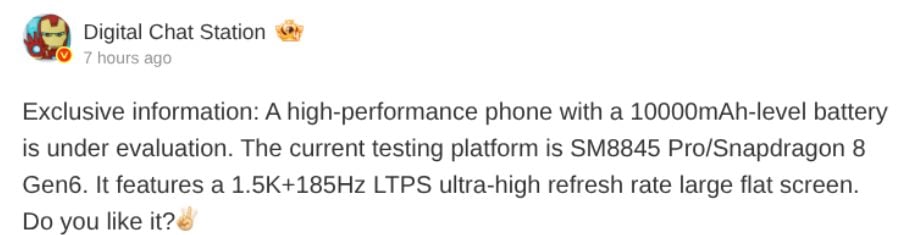
The OnePlus Ace 7 has surfaced in the rumor mill once again, courtesy of prolific Weibo tipster Digital Chat Station (DCS), who has shared fresh details about the device.
According to DCS, a “high-performance” OnePlus device currently under evaluation is being tested with the SM8845 Pro, currently known as the Snapdragon 8 Gen 6 in the rumor world.
While the tipster did not explicitly name the device, it is likely to be the OnePlus Ace 7 based on the clues provided. What’s different in the latest leak is that DCS had previously claimed the Ace 7 would feature the Snapdragon 8 Elite Gen 5.
OnePlus Ace 7 will have better specs than expected
Moreover, the leak also mentions a 10,000mAh-level battery, contrary to previous reports. Earlier rumors suggested that the engineering prototype housed a 9,000mAh battery with support for 100W fast charging.
OnePlus Ace 6
One aspect that remains consistent is the display. The tipster continues to point to a 1.5K LTPS flat panel with an ultra-high 185Hz refresh rate, corroborating earlier information. The screen is said to be a 6.78-inch flat OLED panel with a 1.5K resolution, while the refresh rate could potentially reach as high as 240Hz, although 185Hz appears to be the minimum target.
The testing unit is also said to include an active cooling fan, though it remains unclear whether this feature will make it to the final retail version.
Camera details remain absent from the latest leak. However, given the Ace 6’s dual-camera setup consisting of a 50MP primary sensor and an 8MP secondary sensor, along with a 16MP front-facing camera, a similar configuration for the successor seems plausible.
OnePlus is expected to launch the Ace 7 alongside the OnePlus 16 in China, following the same dual-launch strategy it employed last year. As always, prototype specifications are subject to change before any official announcement.
For more daily updates, please visit our News Section.
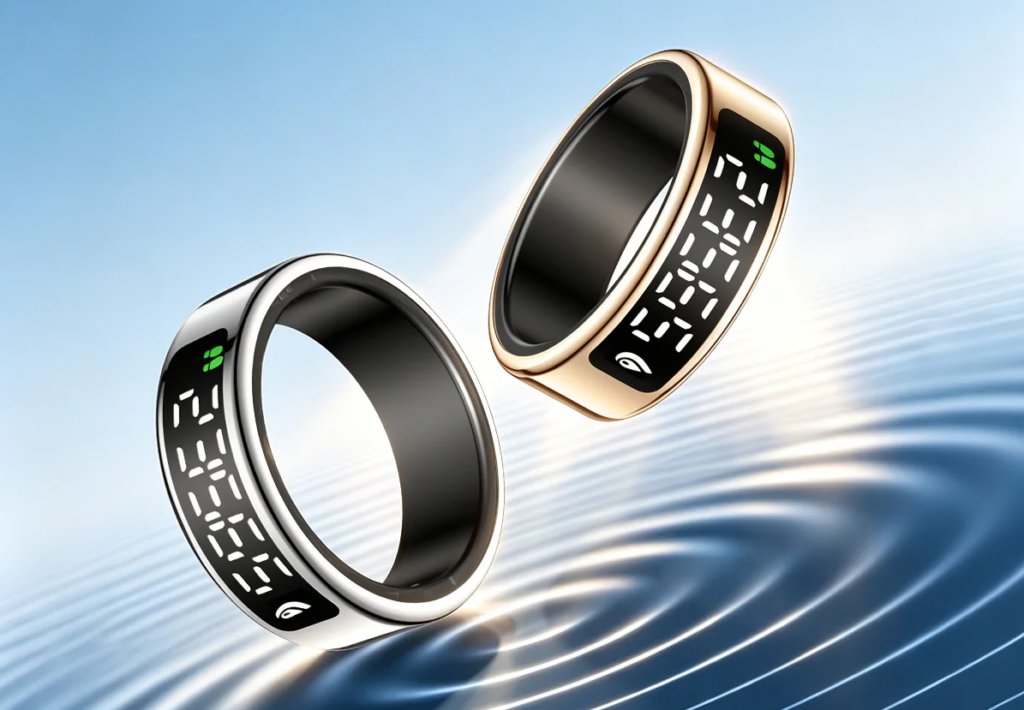
Most smart rings on the market right now share the same basic design: a plain metal band that quietly collects health data in the background. Rogbid is trying a different approach with its new SR15 Ultra. Instead of relying entirely on a phone app to show you your daily stats, the SR15 Ultra includes a small built-in display and a vibration motor for notifications.
Rogbid SR15 Ultra Specifications
The addition of a screen is the most obvious departure from the standard smart ring formula. By tapping the digital display on the outer edge of the ring, you can check the time, your daily step count, real-time heart rate, blood oxygen levels, sleep data, and the remaining battery life. It’s a practical addition for people who just want to check their basic metrics quickly without having to pull out their smartphone and open an app.
Despite the screen, the ring maintains a standard wearable form factor. It is constructed from a titanium alloy to keep the weight down and comes in Black, Silver, and Gold finishes. Sizing ranges from US 8 to 14.
Alongside the display, Rogbid has managed to fit a haptic motor inside the chassis. You can set the ring to vibrate for incoming phone calls, text messages, social media alerts, and silent alarms. Additionally, the device supports basic gesture controls. You can use specific hand movements to interact with connected smartphone apps, which allows for things like scrolling through short-form video feeds hands-free.
For health tracking, the SR15 Ultra covers the usual metrics you would expect from a modern wearable. It monitors heart rate and blood oxygen (SpO2) continuously, tracks heart rate variability (HRV), and logs light and deep sleep stages overnight. All of this data syncs to a companion app over Bluetooth 5.2, which works with iOS 10.0 and newer or Android 9.0 and newer. Rogbid also does not charge a monthly subscription fee to view your historical health data or fitness reports.
The ring is rated IP68 and 5ATM for water resistance, meaning it is perfectly fine to wear in the shower, while washing hands, or during a swim. Battery life is fairly standard for this category, lasting up to five days on a single charge. However, it ships with a magnetic wireless charging case that holds about seven extra charges, pushing the total time away from a wall plug to around a month.
Pricing and Availability
The Rogbid SR15 Ultra is available now through the company’s online store. It is currently priced at $99.99.
In related news, Rogbid recently introduced the GeoX2 smartwatch, featuring dual-band GPS, military-grade durability, and up to 15 days of battery life.
For more daily updates, please visit our News Section.
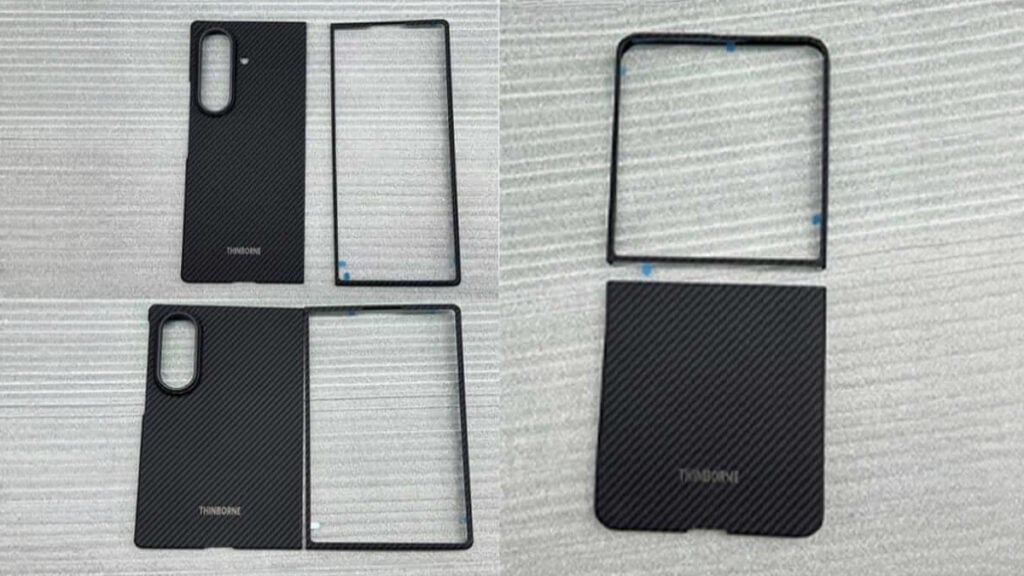
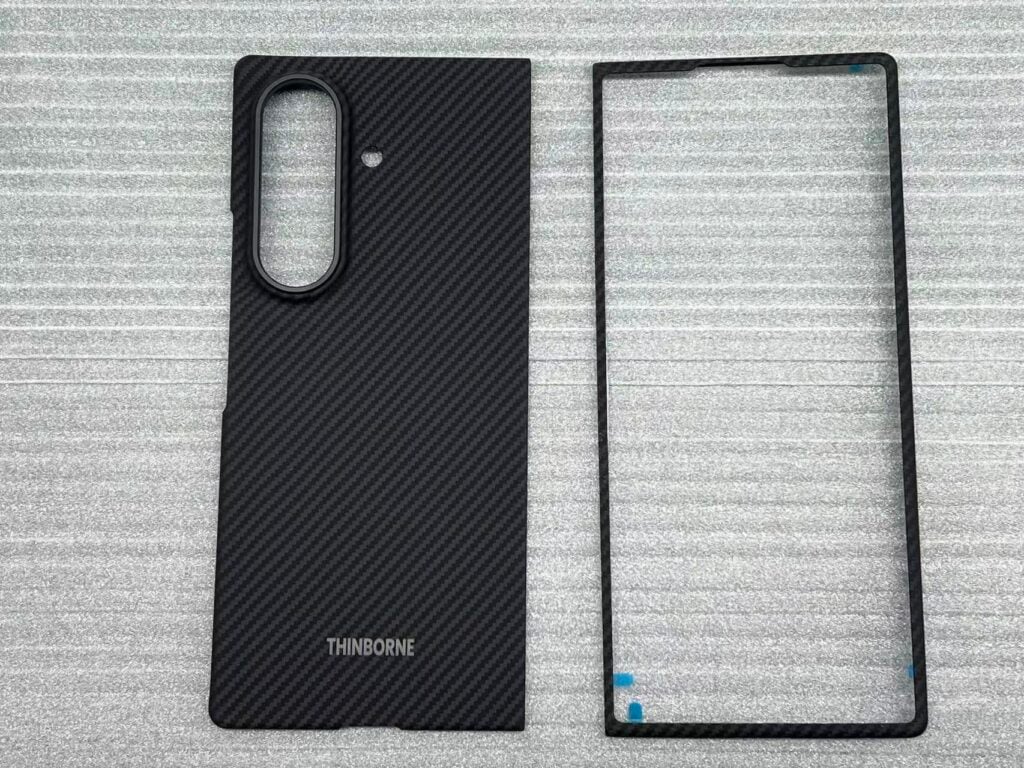
A fresh round of accessory leaks from case maker Thinborne may have given us an early look at Samsung‘s next foldables, including the Galaxy Z Flip 8, Galaxy Z Fold 8, and the Galaxy Z Fold 8 Ultra.
The case for the Galaxy Z Flip 8 looks fairly unsurprising. Based on the leaked renders, Samsung doesn’t appear to be making any major changes to the overall design.
The Fold lineup is where things start to get more interesting.
We have been seeing renders and dummy units of the wider Fold model for some time now, but the leaked cases add another piece of evidence pointing in the same direction.
The fact that accessory makers are already producing cases based on these dimensions also lends some credibility to the rumors. Case manufacturers typically work from supply chain information and early device measurements, which suggests the wider aspect ratio and revised camera layout we’ve been seeing in leaks may be reasonably close to the final product.
Samsung’s tall and narrow Fold design has its fans, but several competing foldables have already moved toward wider displays, and the response has generally been positive.
The wider form factor may also give Samsung more room to differentiate an “Ultra” model without completely reworking the formula.
According to current rumors, the Galaxy Z Fold 8 Ultra could be slightly slimmer than the Fold 7 while packing a larger 5,000mAh battery, a notable jump from the 4,400mAh capacity Samsung has used for several generations.
The Fold 8 Ultra case image doesn’t reveal much on its own, but it does support the idea that Samsung is focusing on refinement rather than a dramatic redesign.
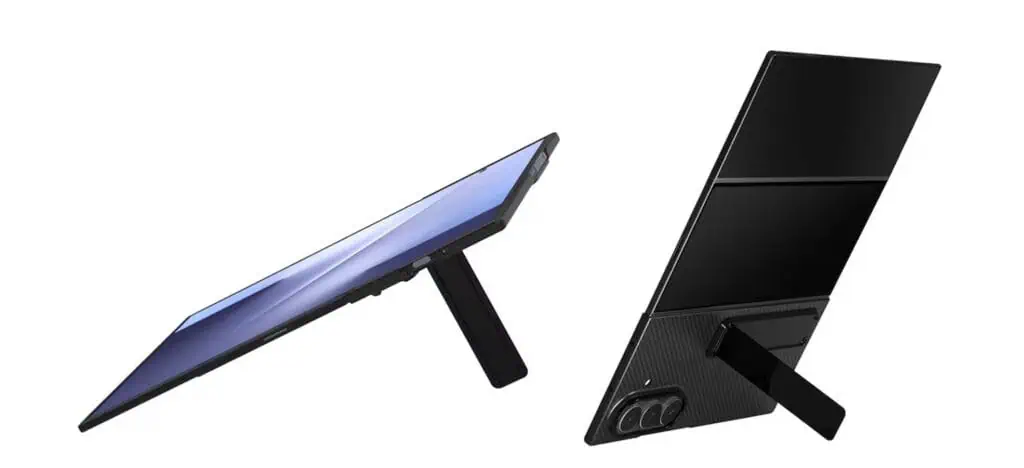
One detail that stood out, however, is the mention of Samsung’s Carbon Standing Case. It has a built-in stand makes a lot of sense on a large foldable, particularly for watching videos, video calls, or using the device at a desk.
Taken together, the leaks suggest Samsung is continuing to expand its foldable strategy rather than simply releasing yearly upgrades.
Samsung is expected to unveil the new foldables during its next Galaxy Unpacked event next month.
Boat has introduced a new product lineup called the Slazer series, marking its entry into the personal grooming segment. The launch follows the brand’s recent moves into categories such as dashcams and projectors, signalling its interest in building a broader lifestyle-focused ecosystem. The new range includes three models, namely the Slazer S100, Slazer K100+ and Slazer K100 Pro, catering to different grooming requirements and budgets.
Boat enters personal grooming with Slazer series
Boat Slazer trimmer series
The Slazer S100 is positioned as an everyday grooming solution for users looking for a straightforward trimmer. It offers up to 300 minutes of runtime on a full charge and supports fast charging. According to the company, a five-minute charge is enough for a single trim, while a 20-minute charge can provide up to a month of usage. The trimmer comes with stainless steel blades, adjustable combs, washable attachments and USB Type-C charging support. Boat is also offering a 24-month warranty with the device.
For users seeking greater flexibility, the Slazer K100+ arrives as a 6-in-1 grooming kit. It supports beard, hair, nose and body grooming through interchangeable attachments. The device features ceramic blades, a premium aluminium body and an IPX6-rated waterproof design that can be used in wet conditions. It also includes a magnetic attachment system, battery display, travel lock and up to 200 minutes of runtime on a single charge.
At the top of the lineup sits the Slazer K100 Pro, a 15-in-1 grooming kit designed for users who prefer a more comprehensive setup. It retains features such as ceramic blades, aluminium construction, IPX6 water resistance, magnetic attachments and Type-C charging. Depending on the variant, buyers can also get a stand or a travel kit for added convenience.
Pricing and availability
The Boat Slazer S100 is priced at Rs 799 (~$9), while the Slazer K100+ costs Rs 1,799 (~$19). The Slazer K100 Pro starts at Rs 2,999, with the travel kit variant priced at Rs 3,299 (~$35). What do you find most exciting about Boat’s new Slazer grooming range? Share your thoughts in the comments.
For more daily updates, please visit our News Section.
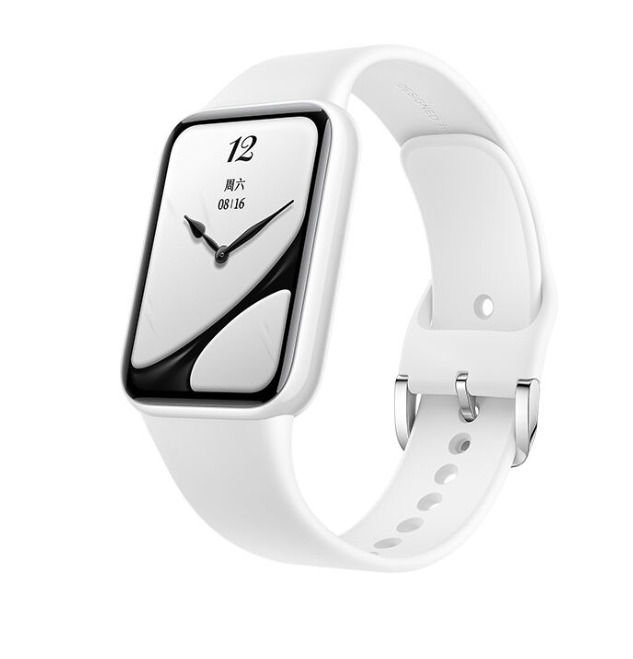
Xiaomi Band 10 Pro is now available at Giztop for $89.99. The latest smart band combines a large AMOLED display, comprehensive health monitoring tools, long battery life, and support for more than 150 sports modes. It is available in multiple color options, including Black, Silver, Pink, Orange, White, and Ceramic White.
Large AMOLED Display
The Xiaomi Band 10 Pro features a 1.74-inch AMOLED color touchscreen with a 2.5D curved design. The display offers a resolution of 336 × 480 pixels and supports 100% P3 color gamut for vibrant visuals. With brightness reaching up to 2000 nits, the screen remains easy to read even under direct sunlight. The large display also improves navigation and makes notifications easier to view.
Health and Wellness Tracking
Designed for everyday health monitoring, the Xiaomi Band 10 Pro includes heart-rate tracking, blood oxygen (SpO2) monitoring, sleep analysis, and stress tracking. Women can also use the built-in menstrual cycle monitor. These features help users keep track of their daily wellness and fitness goals throughout the day.
150+ Sports Modes
Fitness enthusiasts will find plenty of activity options thanks to support for over 150 sports modes. The band also includes smart running mode and guided running lessons, making it suitable for both beginners and experienced runners looking to improve their performance.
Smart Features and Home Control
The Xiaomi Band 10 Pro offers a range of smart functions beyond fitness tracking. Users can remotely control music playback, locate their phone, manage notifications, set alarms, check weather forecasts, and even control compatible smart home devices. It supports Mijia smart home products, including air conditioners, robot vacuums, air purifiers, and more.
Long Battery Life and Water Resistance
Powering the wearable is a 350mAh battery that can deliver up to 21 days of typical use on a single charge. With Always-On Display enabled, battery life is rated for up to 8 days. The device supports 5ATM water resistance, making it suitable for swimming, showering, and daily wear.
Compatibility and Box Contents
The Xiaomi Band 10 Pro connects via Bluetooth 5.4 and supports devices running Android 8.0 or later and iOS 14.0 or later. Inside the box, users will find the smart band, a charging base, and a quick start guide.
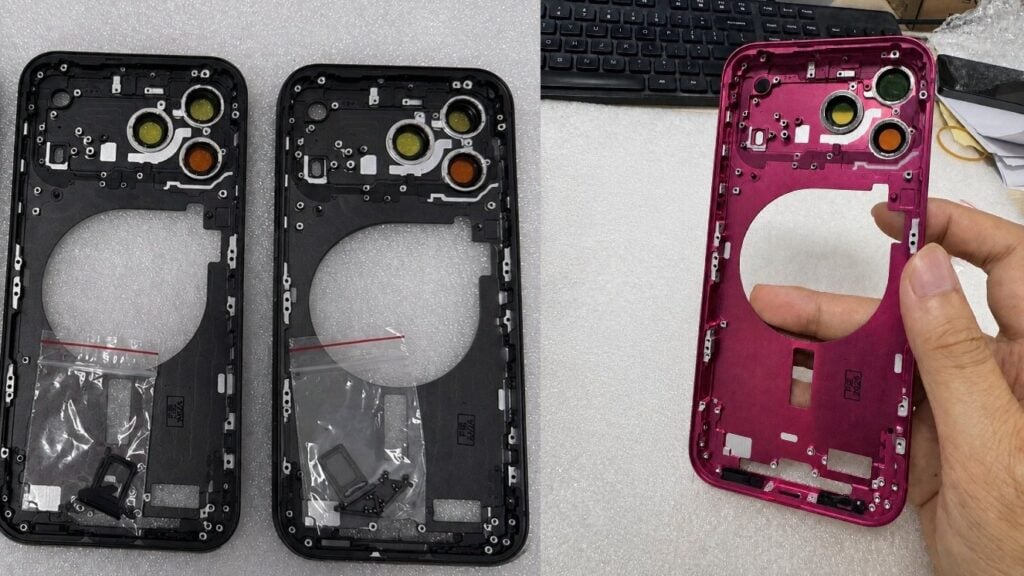
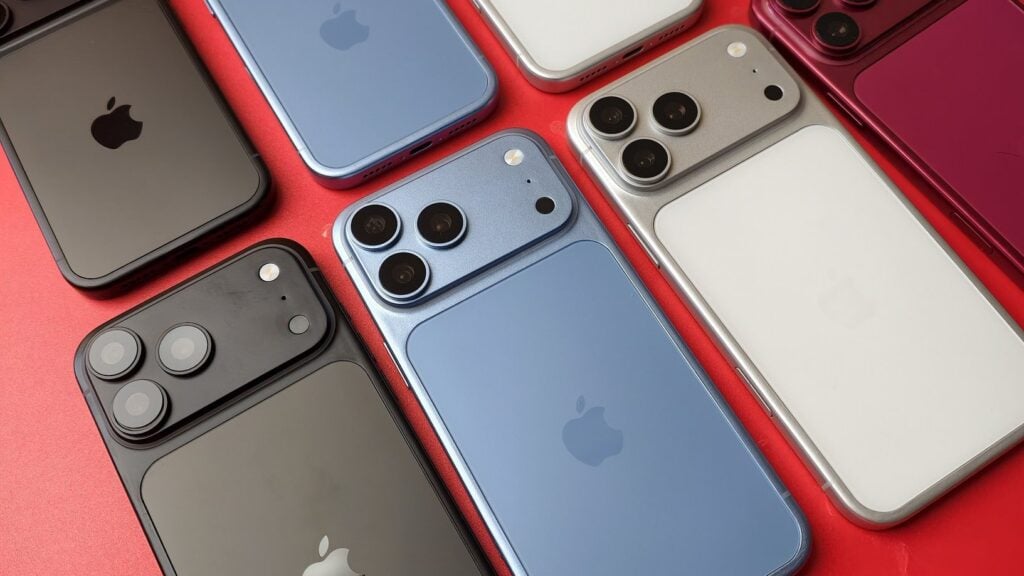
Fresh leaks are giving us what may be our best look yet at Apple‘s iPhone 18 Pro lineup. Images shared online show alleged iPhone 18 Pro and Pro Max dummy units in four finishes: Dark Cherry, Light Blue, Black, and Silver.
If the leaks are accurate, Apple could be moving away from the conservative color palette that has defined the Pro lineup for years. That’s not entirely surprising after the positive reaction to last year’s Cosmic Orange finish.
Beyond the new colors, there doesn’t seem to be much happening on the outside. The dummy units closely resemble the iPhone 17 Pro, with the same overall shape and familiar camera layout. At least based on what’s leaked so far, Apple appears to be sticking with a design that already works rather than reinventing it.
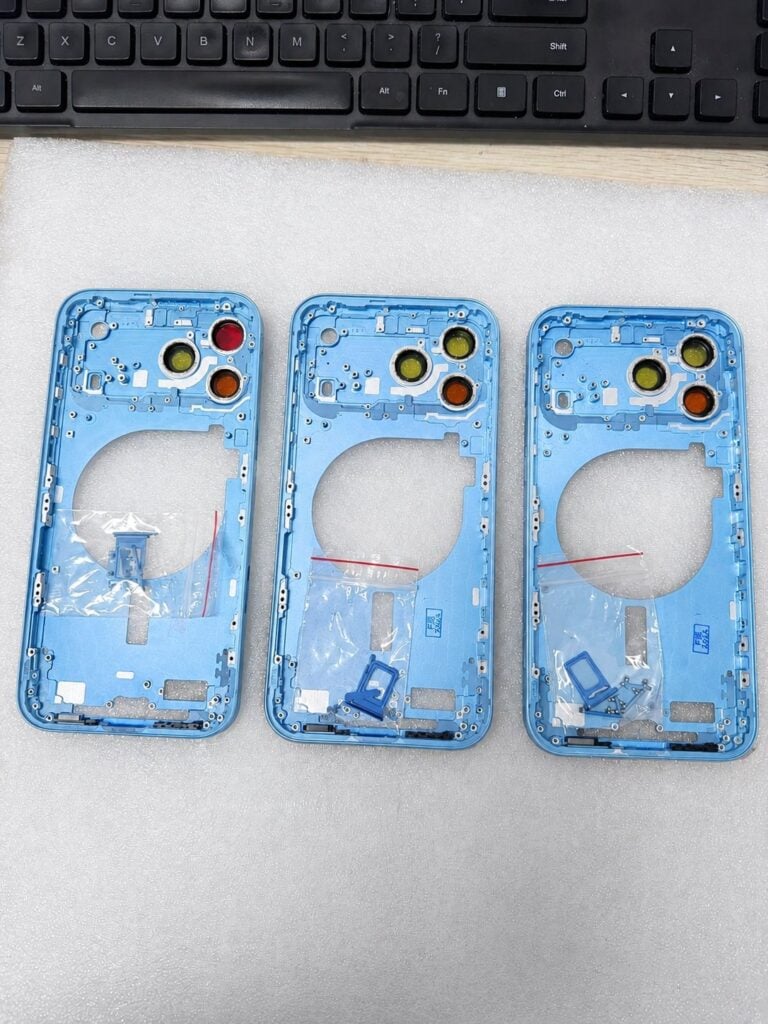
The latest batch of images also includes what look like rear chassis components, complete with SIM trays and internal hardware. As always with supply-chain leaks, there’s room for skepticism. These could be early test units or even accessory-related mockups. Still, the fact that the colors line up across multiple leaked parts has made some observers take the reports more seriously.
Most of the big changes are expected to happen under the hood. Rumors continue to point to an A20 Pro chip built on a 2nm process, camera upgrades, and possible tweaks to the Dynamic Island. None of that has been confirmed, but it’s broadly in line with what analysts and supply-chain sources have been suggesting for months.
There’s also growing expectation that Apple will introduce its long-rumored foldable iPhone alongside the iPhone 18 family in September 2026. Whether it ends up being called the iPhone Fold, iPhone Ultra, or something else entirely remains an open question.
For now, the color options are generating most of the conversation. Apple’s Pro models have traditionally played it safe, so a darker red finish and a brighter blue could help the lineup feel a little more distinctive. If these leaks hold up, the iPhone 18 Pro may end up feeling familiar in design but noticeably different in personality—and for many users, that might be enough.
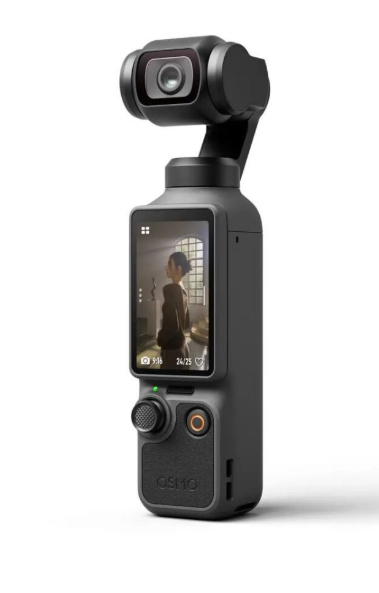
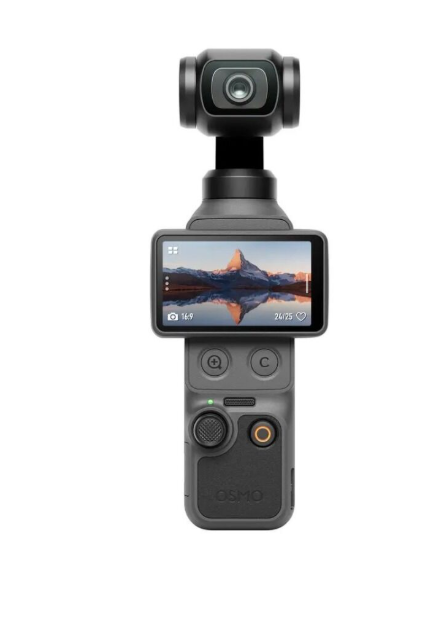
The DJI Osmo Pocket 4 is now available through Giztop, with the standard version priced at $639. Buyers looking for additional accessories and creator-focused tools can also opt for the Creator Combo, which is available at an additional cost. Designed for vloggers, travelers, and content creators, the Osmo Pocket 4 combines a large 1-inch sensor, advanced stabilization, intelligent autofocus, and built-in storage in a compact pocket-friendly body. Despite its small size, DJI has packed the device with several professional-grade features aimed at delivering high-quality photos and videos with minimal effort.
Large 1-Inch Sensor for Better Image Quality
One of the biggest highlights of the DJI Osmo Pocket 4 is its 1-inch CMOS sensor paired with an f/2.0 aperture. This setup helps capture more light, resulting in clearer photos and videos, especially in low-light environments.
The larger sensor also improves portrait shots by producing more natural-looking backgrounds and better subject separation. Whether shooting indoors, at sunset, or during nighttime events, users can expect improved detail and balanced exposure.
4K 240fps Slow-Motion Recording
For users who enjoy cinematic slow-motion videos, the Osmo Pocket 4 supports recording at up to 4K resolution and 240 frames per second. This allows creators to slow down fast-moving moments while maintaining sharp image quality.
From sports and travel clips to everyday family moments, the high-frame-rate mode helps capture details that would otherwise be missed.
Professional Color and Dynamic Range
DJI has equipped the camera with support for 14 stops of dynamic range and 10-bit D-Log recording. This combination helps preserve more details in bright and dark areas of a scene.
The enhanced color depth provides richer tones and smoother color transitions, making the footage more flexible for editing and color grading.
Improved Tracking and Autofocus
The Osmo Pocket 4 features DJI’s updated ActiveTrack technology, which can track subjects even when using up to 4x zoom. The next-generation Intelligent Autofocus system keeps subjects sharp while moving.
Users can take advantage of Subject Lock Tracking to automatically follow a selected person or object. The Registered Subject Priority feature can also prioritize pre-selected subjects, making content creation easier and more reliable.
Smooth Footage With 3-Axis Stabilization
DJI continues to use its proven 3-axis mechanical gimbal stabilization system to reduce shakes and vibrations during recording.
Whether walking, running, or filming moving subjects, the stabilization system helps deliver smooth and steady footage. Multiple gimbal modes are also available to suit different shooting styles.
107GB Built-In Storage
Unlike many compact cameras that require a memory card, the Osmo Pocket 4 comes with 107GB of built-in storage.
DJI says the storage system supports transfer speeds of up to 800MB/s, allowing users to quickly move files to other devices. The built-in storage also simplifies shooting by eliminating the need to manage memory cards.
OsmoAudio 4-Channel Recording
The camera supports direct connection with DJI Mic transmitters through OsmoAudio technology. It can record up to four audio channels simultaneously, capturing both voice and environmental sound.
This setup provides greater flexibility during editing, as supported video editing software can process each audio channel separately.
Quick Zoom Control
The Osmo Pocket 4 supports 2x lossless zoom, allowing users to get closer to subjects without a noticeable loss in image quality. A single tap lets users switch between 1x and 2x views for faster framing adjustments.
DJI Osmo Pocket 4 Key Specs:
Feature
Specification
Sensor
1-inch CMOS
Aperture
f/2.0
Video Recording
Up to 4K 240fps
Dynamic Range
14 Stops
Color Profile
10-bit D-Log
Stabilization
3-Axis Mechanical Gimbal
Autofocus
Intelligent AF
Subject Tracking
ActiveTrack with 4x Zoom Support
Zoom
2x Lossless Zoom
Storage
107GB Built-In
Transfer Speed
Up to 800MB/s
Audio
OsmoAudio 4-Channel Output
Display
Rotatable Touchscreen
The DJI Osmo Pocket 4 combines a large 1-inch sensor, advanced stabilization, intelligent subject tracking, professional-grade color capabilities, and generous built-in storage in a highly portable form factor. With features such as 4K/240fps recording, 107GB storage, and 4-channel audio support, it is positioned as a powerful tool for content creators who want high-quality results from a compact device.
Hisense has started teasing a new E-Ink smartphone, signalling its return to a niche category that has seen little activity in recent years. The company recently shared promotional material for the upcoming Hisense A10, suggesting that the device may finally be nearing its official debut after a lengthy development cycle.
Hisense begins teasing the A10
A teaser shared through the company’s E Ink-focused social media channel describes the upcoming device as the result of three years of work. The promotional image also highlights a slim design, with Hisense claiming the phone is thinner than many might expect. However, the teaser stops short of revealing key hardware details, leaving questions about the device’s final design and display configuration unanswered.
The A10 is expected to succeed the Hisense A9, which was introduced in 2022. That model featured a 6.1-inch E Ink display with a pixel density of 300ppi and was positioned as a reading-focused smartphone. Since then, Hisense has remained largely absent from the E Ink smartphone market, making the A10 one of the company’s most anticipated niche products.
Hisens A9 E-ink phone
Hisense had previously indicated that the A10 could arrive around the middle of 2026. While the company has now started teasing the device, it has yet to confirm a launch date or reveal detailed specifications. The latest teaser also does not clarify whether the phone will feature a single E-Ink screen or adopt a dual-display approach similar to some earlier concepts.
Separate reports circulating online claim the Hisense A10 could feature a 7-inch Carta 1300 E Ink display with 300ppi resolution, a Snapdragon processor, 6GB RAM, 128GB storage and a 4,500mAh battery. However, these specifications remain unofficial and should be treated with caution until confirmed by the company.
For more daily updates, please visit our News Section.
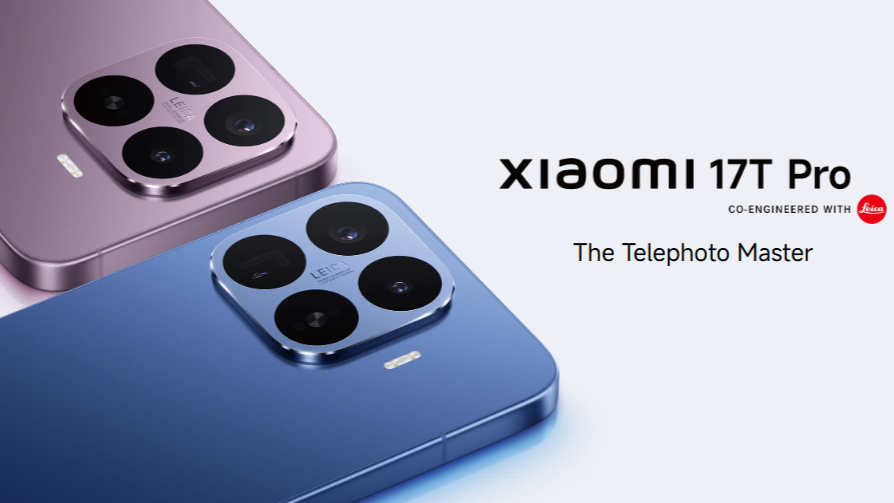
Xiaomi’s upcoming 17T series is being positioned as one of its most ambitious mid-range pushes yet, with a focus on battery life and camera upgrades ahead of its China launch.
Both the 17T and 17T Pro were already launched globally on May 28 and are currently rolling out across select markets outside China.
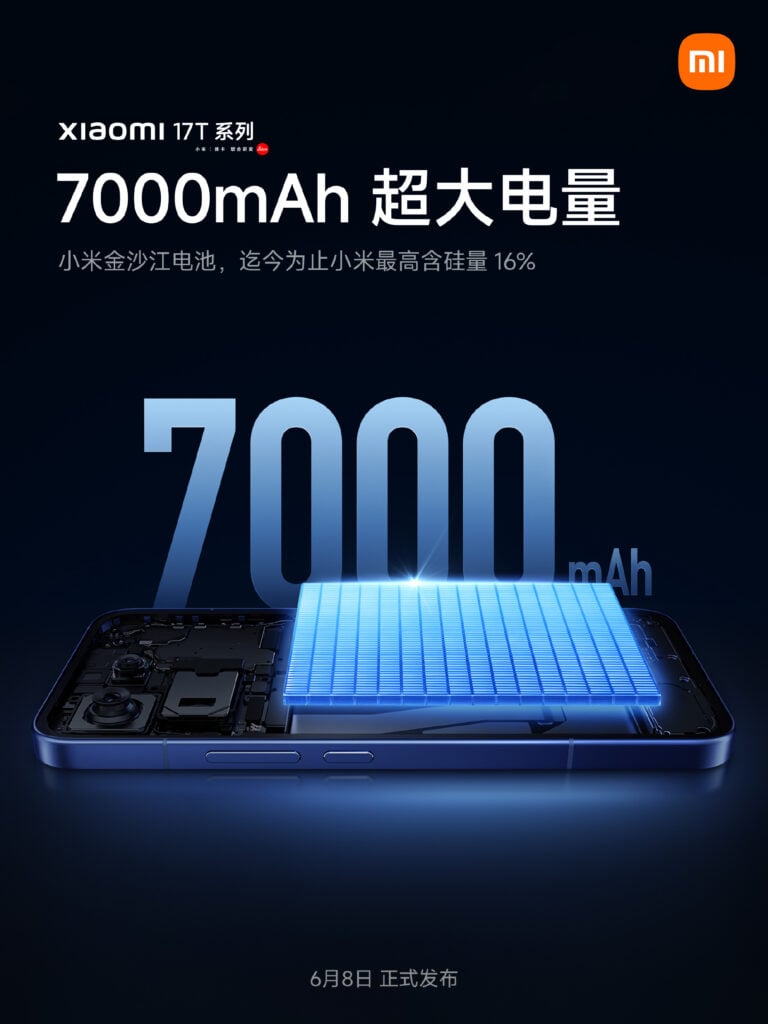
Xiaomi has also started teasing the 17T series for China, highlighting its silicon-carbon battery design and claiming a 16% silicon content, the highest the company has used so far.
Globally, the standard model comes with a 6,500mAh battery, while the Pro variant steps up to 7,000mAh. Xiaomi’s teasers for China also reiterate the 7,000mAh figure for the series. The company claims up to 1.88 days of typical use, along with 100W wired charging and 50W wireless charging on the Pro. It also rates the battery to retain 80% capacity after 1,600 charge cycles.
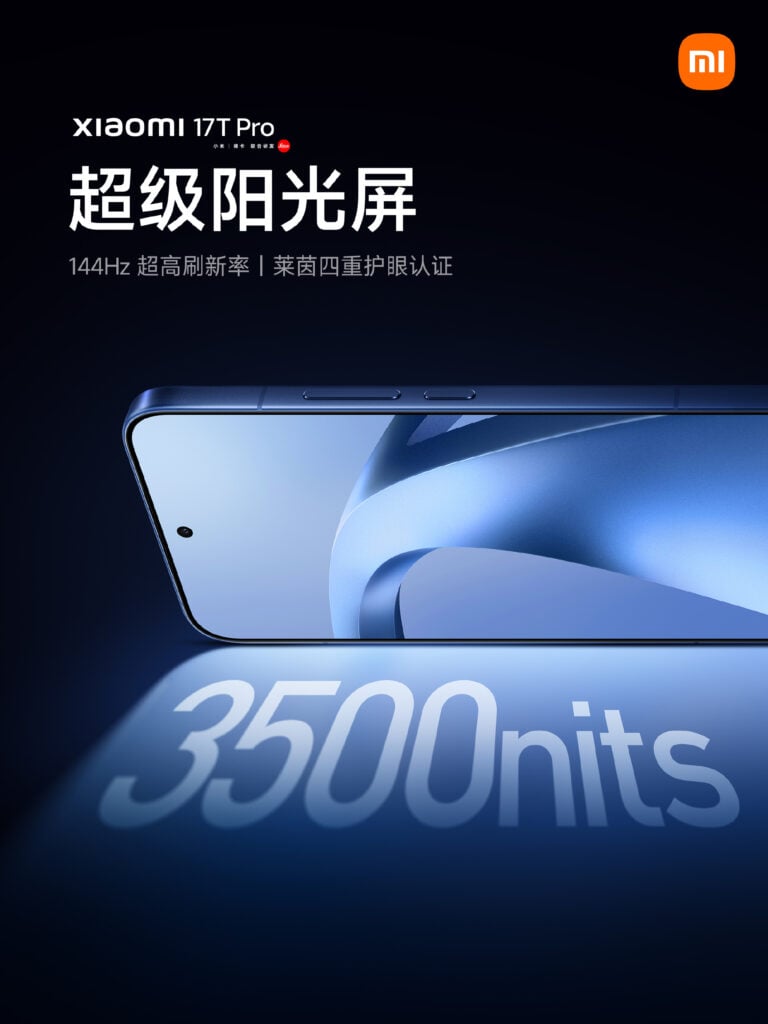
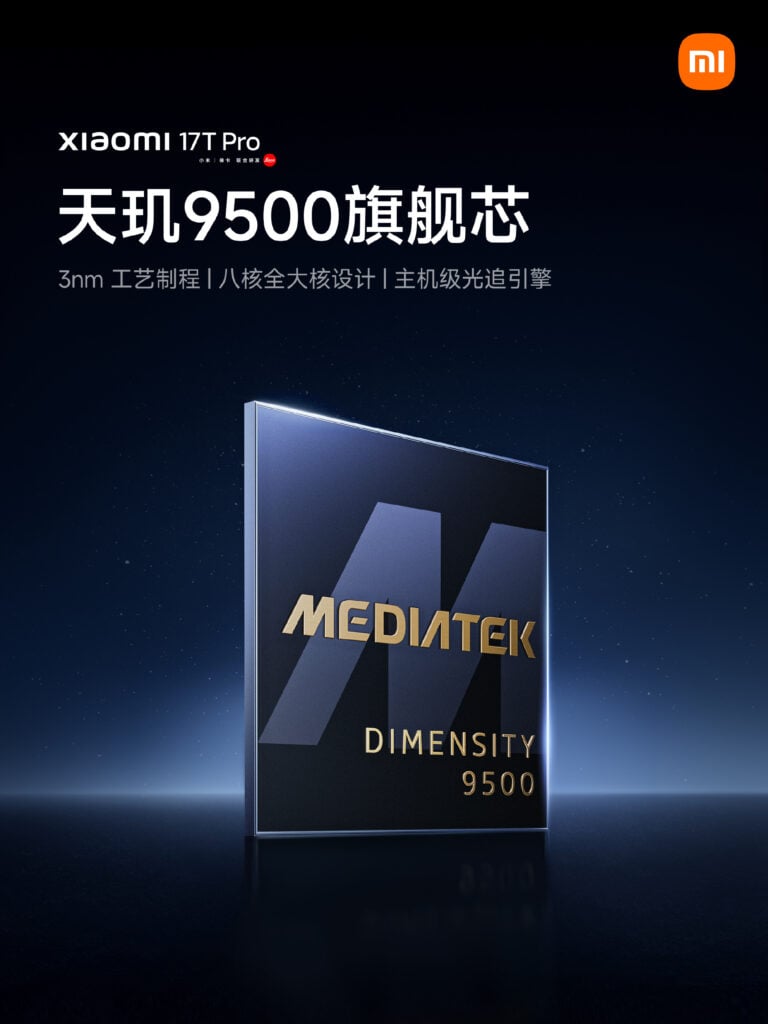
Design-wise, the phones lean into a cleaner flagship-style look with a curved frame, slim bezels, and a flat display. The 17T Pro runs on MediaTek’s Dimensity 9500 chip, built on a 3nm process, with gains in GPU performance and efficiency over the previous generation.
Camera hardware is again co-developed with Leica. The Pro model is said to include a triple setup led by a 50MP main sensor, a 5x periscope telephoto lens, and an ultra-wide shooter. Zoom support goes up to 120x digitally, with Leica color tuning and multiple shooting modes carried over from earlier collaborations.
The series is scheduled to debut in China on June 8. Xiaomi is positioning the 17T line closer to its flagship tier, mainly on the strength of battery life and imaging upgrades.
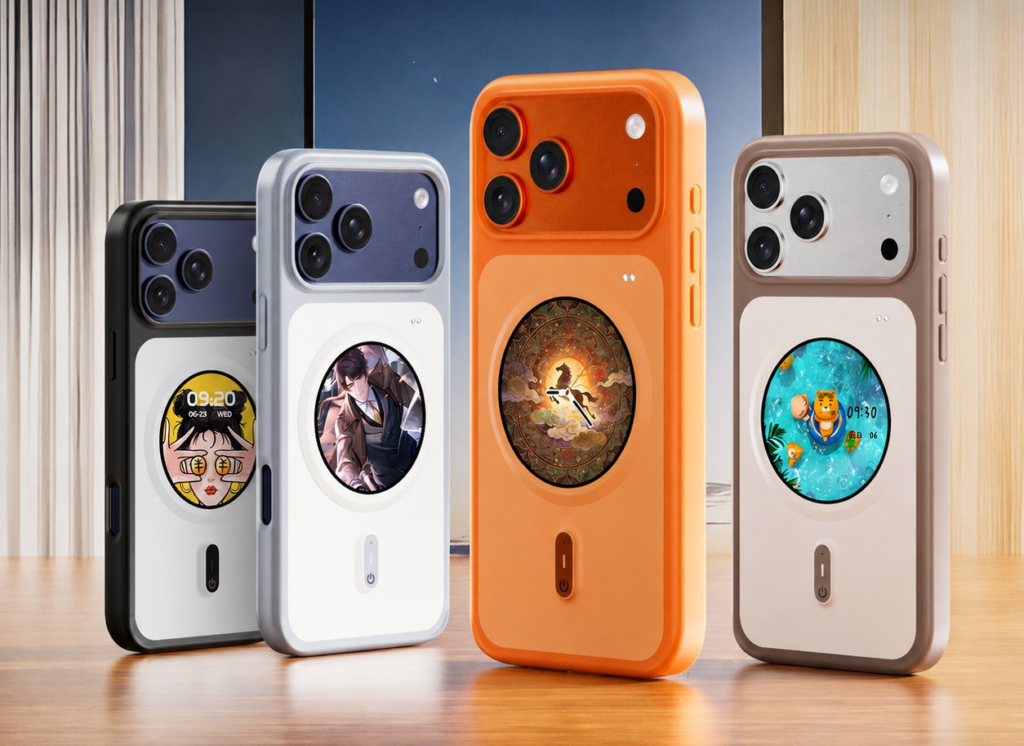
Rollme has been primarily launching outdoor and fashion wearables, and now it has unveiled its smartphone case. Dubbed as VisionCase, this new accessory combines a protective case with a built-in display and a range of smart features typically associated with wearable devices.
An iPhone 17 Pro Max case with its own display
Rollme VisionCase for iPhone 17 Pro Max
Designed for the iPhone 17 Pro Max, the Rollme VisionCase features a 1.85-inch HD display with 360 x 360 pixels resolution. The screen is designed to show notifications, caller information, and other content without requiring users to unlock their phones.
Messages from supported apps, SMS alerts and incoming call details can be viewed directly on the case, allowing users to stay updated at a glance. The accessory also includes a voice recording function that can be activated with a single tap. Another notable addition is reverse charging support, which allows the case to draw power from a connected smartphone through a cable.
Rollme VisionCase for iPhone 17 Pro Max
Rollme has also included a customizable scrolling text mode, giving users the option to display messages with different colors and movement effects.
The VisionCase goes beyond notifications by offering several interactive functions. Users can access a live camera preview feature that works with the phone’s rear camera, helping with framing and capturing photos. There is also an automatic color-changing mode that cycles through multiple shades on the display for a more eye-catching appearance.
Rollme VisionCase for iPhone 17 Pro Max
For entertainment, the case includes built-in retro-style mini games, effectively turning it into a compact gaming device. Other features include a flashlight, digital business card support and an always-on display mode. Powering these functions is a 400mAh battery, which Rollme claims can deliver up to seven days of usage on a single charge.
The Rollme VisionCase for the iPhone 17 Pro Max is available in black, orange, grey and coffee color options. The accessory is currently on sale through the company’s official store at a promotional price of $49.99. It should also be noted that the case comes with one year warranty.
For more daily updates, please visit our News Section.
We use cookies on our website to give you the most relevant experience by remembering your preferences and repeat visits. By clicking “Accept”, you consent to the use of ALL the cookies.
This website uses cookies to improve your experience while you navigate through the website. Out of these, the cookies that are categorized as necessary are stored on your browser as they are essential for the working of basic functionalities of the website. We also use third-party cookies that help us analyze and understand how you use this website. These cookies will be stored in your browser only with your consent. You also have the option to opt-out of these cookies. But opting out of some of these cookies may affect your browsing experience.
Necessary cookies are absolutely essential for the website to function properly. This category only includes cookies that ensures basic functionalities and security features of the website. These cookies do not store any personal information.
Any cookies that may not be particularly necessary for the website to function and is used specifically to collect user personal data via analytics, ads, other embedded contents are termed as non-necessary cookies. It is mandatory to procure user consent prior to running these cookies on your website.