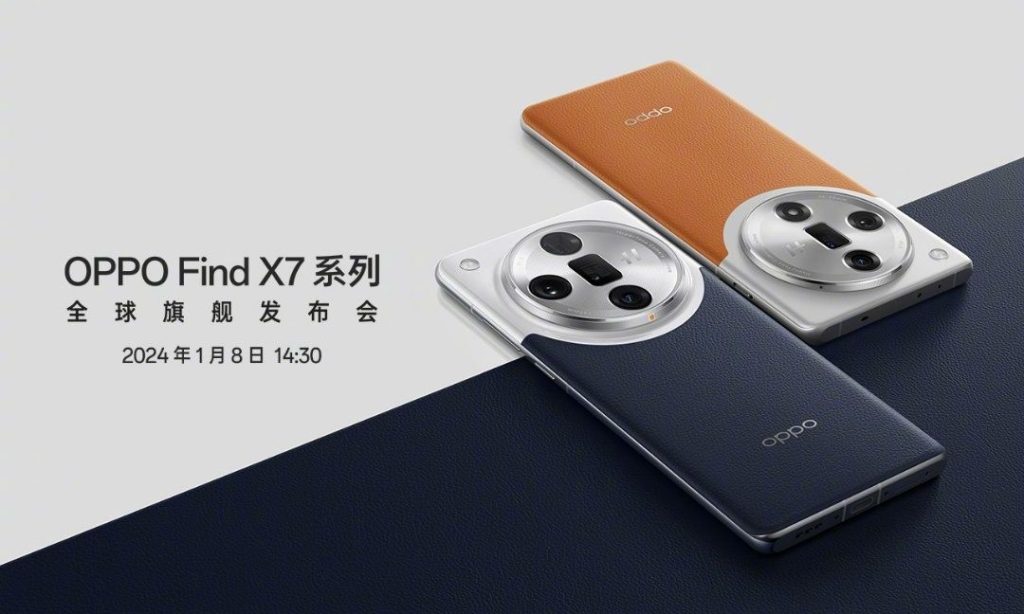
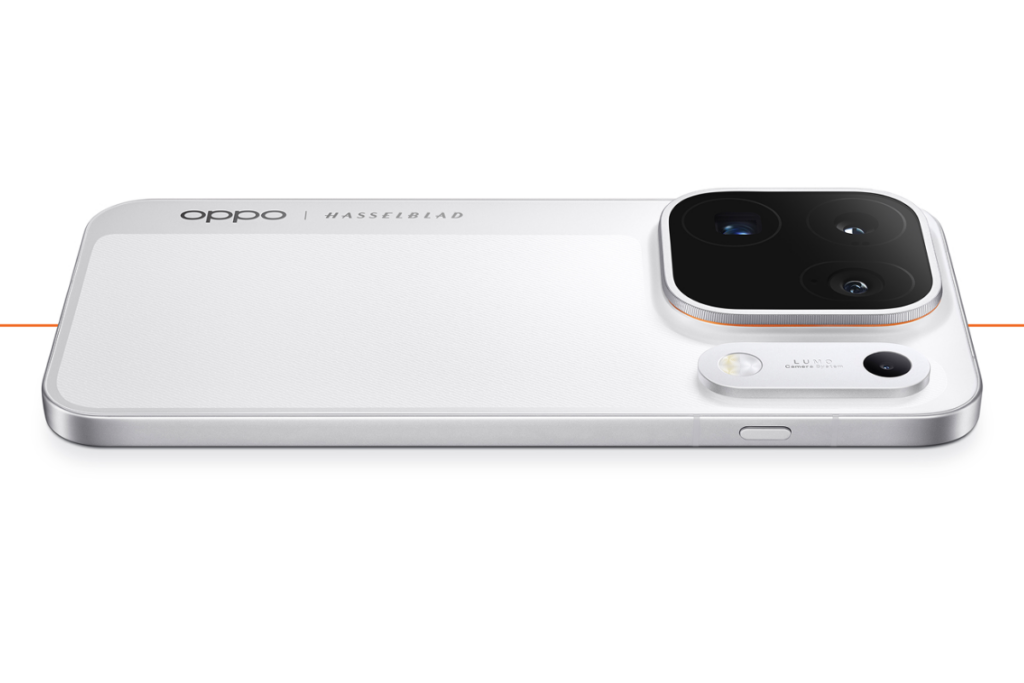
Oppo has officially confirmed that it will unveil the Find X7 series of smartphones at 2:30 pm (local time) on Jan. 8, 2024, in China. In addition, the Find X7 and Find X7 Ultra smartphones are now listed on Oppo China’s online store for reservations. The official listings have confirmed the configurations and color options of both smartphones well ahead of the official announcement.
Oppo Find X7 series launch date
Oppo Find X7
Reports have revealed that the Find X7 will come equipped with the Dimensity 9300 chipset. The official listing reveals that it will come in four configurations, such as 12 GB RAM + 256 GB storage, 16 GB RAM + 256 GB storage, 16 GB RAM + 512 GB storage, and 16 GB RAM + 1 TB storage.
The Find X7 will be available in four shades, such as Starry Sky Black, Sea and Sky, Desert Moon Silver, and Smokey Purple.
Oppo Find X7 Ultra
The Find X7 Ultra is expected to come equipped with the Snapdragon 8 Gen 3 SoC. It will be available in three variants, such as 12 GB RAM + 256 GB storage, 16 GB RAM + 256 GB storage, and 16 GB RAM + 512 GB storage.
Find X7 Ultra: Pine Shadow InkFind X7 Ultra: Sea and SkyFind X7 Ultra: Desert Moon Silver.
When it comes to color options, the Find X7 Ultra will come in choices such as Pine Shadow Ink, Sea and Sky, and Desert Moon Silver.
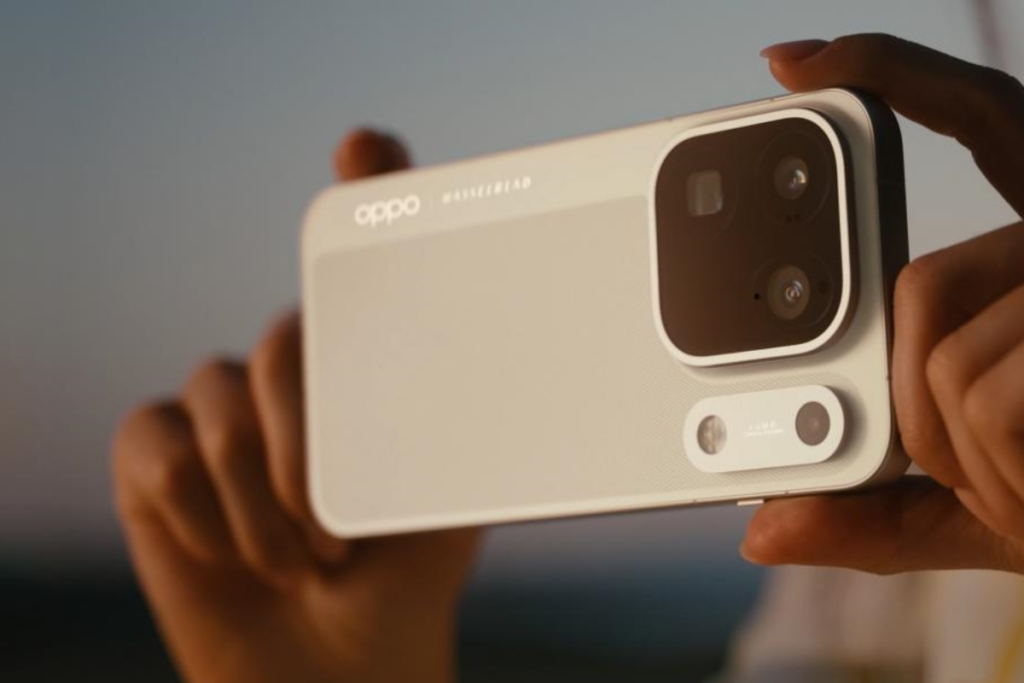
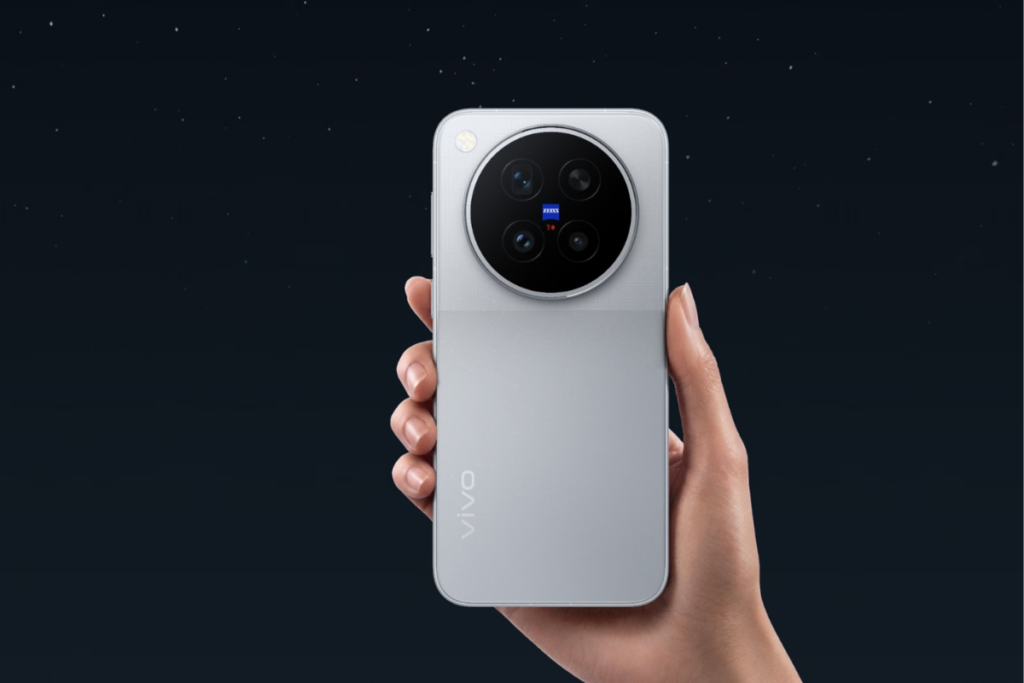
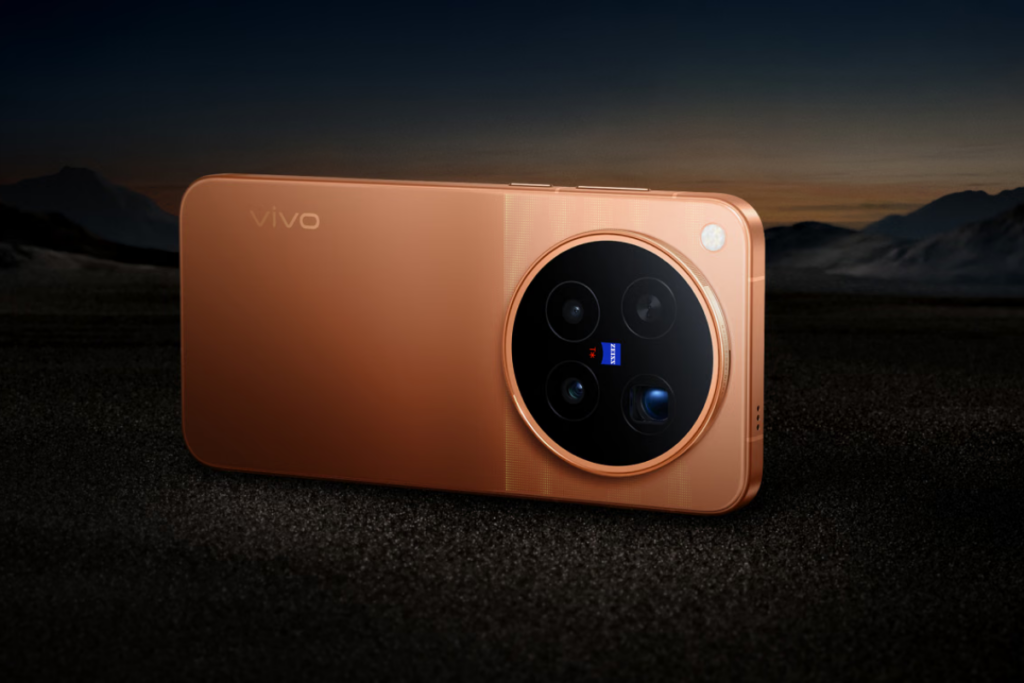
The Find X7 and Find X7 Ultra have a similar design, with the front featuring a punch-hole display with curved edges and a dual-tone back panel with a massive camera module. The Find X7 has a triple-camera unit, whereas the Find X7 Ultra has a quad-camera system. The Ultra variant will be the world’s first smartphone to feature dual periscope telephoto cameras. In addition, it will also be the first-ever phone to feature the one-inch Sony LYT-900 50-megapixel camera sensor as the primary snapper.
It is said that there will be a third device called the Oppo Find X7 Ultra Satellite Communication Version, which will come with support for two-way satellite communication. The rest of its specs will be identical to the Find X7 Ultra.
TECNO has teamed up with internationally acclaimed visual artist Angélica Dass for a new two-year portrait project called “100 Portraits of Becoming.” The project was launched in Hong Kong on September 28, 2026, and will bring together 100 people from Kenya, the Philippines, Saudi Arabia, Türkiye, and Brazil. It will feature 100 portraits and personal stories, with each portrait focusing on an individual rather than treating them as a representative of a country, culture, generation, or social group.
Exploring Identity Beyond Labels
“100 Portraits of Becoming” looks at how people define themselves through their choices, experiences, changes, and personal growth. The project explores identity beyond social labels, cultural expectations, stereotypes, and fixed categories. It also looks at the growing role of technology and AI in photography, facial recognition, representation, and categorization.
The project builds on TECNO’s work in inclusive imaging, including its Universal Tone technology, which is designed to represent different skin tones more naturally. With this project, TECNO is extending that idea beyond skin-tone representation to focus on the individual stories behind the images.
Angélica Dass taking portrait photos with TECNO CAMON 50 Ultra 5G
Dass photographed the participants using TECNO smartphones. Her approach focuses on listening to people, building trust, and understanding their experiences before creating their portraits. She says meaningful portraits begin with human connection, while the camera acts as a tool for sharing those encounters.
Kenya Opens the Global Project
The first chapter takes place in Kenya, featuring 20 people and their personal stories. The stories explore success, career choices, opportunity, community, belonging, and personal growth.
One participant, Alex Mutua Muli, saw farmers in his community struggle to find reliable markets for their produce. Instead of leaving for a larger city, he chose to stay and co-founded Goshen Farm Exporters to connect local farmers with larger markets.
Alex, Alexander & Jelimo’s Portraits
Alexander Odhiambo and his friends built a software company from a small apartment in Nairobi. The company later expanded into African markets and created opportunities for local talent. His story focuses on creating opportunities rather than waiting for them.
Meanwhile, Jelimo Cheboi started skateboarding in 2022 and co-founded GirlSkate Nairobi after finding limited space for women in the scene. What began as a WhatsApp group developed into a community where girls and women can skate, connect, and express themselves.
Angélica Dass taking portrait photos with TECNO CAMON Slim 5G
Philippines Chapter to Explore “Beyond Many Labels”
The Philippines will be the second chapter, featuring another 20 individuals, including working solo mothers and people whose lives are connected to solo parenthood. The chapter will look beyond labels such as “single mother,” “breadwinner,” and “strong woman.”
It will explore self-growth, relationships, ambitions, family, work, everyday choices, and the Filipino concept of “diskarte”, the ability to adapt, make practical choices, and find ways forward through everyday challenges.
Following Kenya and the Philippines, the project will move to Saudi Arabia later in 2026, followed by Türkiye and Brazil in 2027. Across two years, TECNO and Dass aim to create a collection of 100 portraits that presents 100 different individuals and 100 different stories.
The Kenya chapter was photographed using the TECNO CAMON 50 Ultra 5G, while the upcoming Philippines chapter is connected with the TECNO CAMON Slim 5G.
Samsung has quietly raised prices on a couple of its popular mid-range phones in India, and the timing feels a bit awkward with the festive shopping season right around the corner. The Galaxy A36 and Galaxy A56 from last year’s lineup are now costing noticeably more.
The Galaxy A36 has gone up by as much as Rs 3,000. The 8GB + 128GB version now starts at Rs 36,999 (it was Rs 33,999 before). The 8GB + 256GB model is Rs 40,999, and the 12GB + 256GB variant sits at Rs 46,499.
The Galaxy A56 also got a bump. The base 8GB + 128GB model now starts at Rs 44,999 (up from Rs 42,999). The 8GB + 256GB version is Rs 48,999, and the 12GB + 256GB one is Rs 54,499.
Where to buySamsung Galaxy A56Latest price on AmazonCheck price →
That said, there’s a bit of good news. While the prices on Samsung’s official website have already gone up, some of these models can still be found at the older prices on Amazon and Flipkart. If you’re interested, it’s worth checking those listings soon before the stock at the lower prices disappears.
These back-to-back increases are making Samsung phones feel more expensive for Indian buyers. Analysts say the memory supply crunch isn’t going away anytime soon, so we probably shouldn’t expect prices to drop in the near future.
If you’re trying to stick to a budget, the upcoming Flipkart Big Billion Days 2026 sale might also be worth waiting for. Early teasers suggest the Galaxy S25 FE could fall below Rs 50,000 and the regular Galaxy S25 under Rs 60,000 after discounts and bank offers. Those older flagship and Fan Edition models still offer solid premium features and could be smarter buys than the newly pricier A-series phones.
The fact that Samsung raised prices on the A36 and A56 just before the big festive sales window has raised a few eyebrows. The phones themselves are still competitive in the Samsung mid-range space with good displays and long software support. But the higher price tags show how global supply-chain problems are making smartphones less affordable in one of the world’s biggest mobile markets.
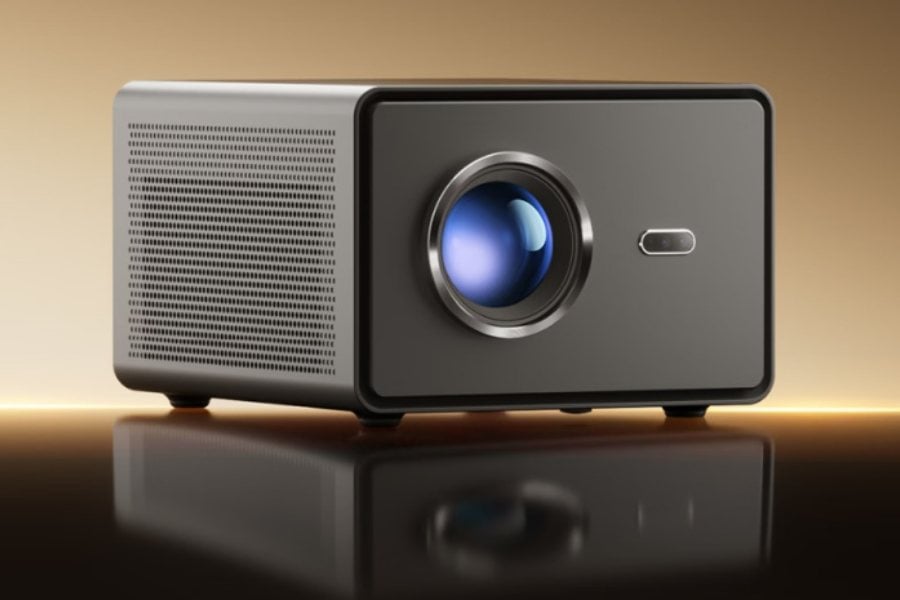
Honor today launched a new projector in China called the Honor Life AI Projector Ultra. The new model went on sale today for 2,599 yuan (around $365). That makes it considerably more expensive than Honor’s existing models.
The Choice AI Projector Pro launched at 1,410.5 yuan, while the Choice Firefly AI Projector Air started at just 599 yuan. The Ultra sits above both of them with a much brighter optical system and more hardware for smart features.
1,700-lumen brightness with a sealed optical engine
Brightness is the biggest difference. The Choice AI Projector Ultra is rated at 1,700 CVIA lumens, compared with 280 CVIA lumens on the Firefly AI Projector Air. CVIA is a Chinese industry standard, so the number isn’t directly comparable to ANSI lumens. Honor says the projector still gives you a clear picture with the curtains open during the day, and with the lights on at night.
The projector uses Honor’s fully enclosed Optical Engine 2.0 to achieve this. The sealed design helps keep dust away from the optical components while improving heat management and reducing light loss. The system also includes a double-glass heat insulation structure, a polarizer-free screen, a high-density light source, and five glass lenses.
As for cooling, the projector has a dynamic fan, which Honor claims has noise levels as low as 30dB.
Native 1080p and AI image processing
The Choice AI Projector Ultra has a native 1920 x 1080 resolution and a 3,000:1 contrast ratio. It can decode 4K content and supports both HDR10 and HDR Vivid.
Honor’s Honghu Image Engine processes images frame by frame using an AI-based PQ algorithm. The company says this helps remove visual noise and improve the final picture. MEMC motion compensation is also included to reduce ghosting, judder, and stuttering when there is a lot of movement on screen.
The projector runs on a V670 octa-core chip with 2GB of RAM and 64GB of storage. The extra storage can be used for third-party apps, while Wi-Fi 6 provides the wireless connection. For wired connections, there are HDMI, GPMI, RJ45 Ethernet, two USB ports, and a 3.5mm headphone jack.
Honor hasn’t overlooked the audio system. The Ultra has a 24W speaker housed in a 400cc sound cavity, with tuning from Danish audio company Vifa. Meanwhile, its Honghu Sound Effect 2.0 system adds AI voice enhancement and virtual surround sound. The projector also supports GPMI one-cable reverse control, allowing a single cable to carry the signal while letting the projector control connected devices.
Automatic setup and air-gesture controls
The projector handles much of the setup automatically. Its AI image calibration system includes autofocus, automatic keystone correction, obstacle avoidance, and automatic screen alignment.
One useful feature is that the projector can adjust its image while being moved. Honor says users can reposition it without stopping playback, with the picture automatically recalibrating to match the new position.
Control is handled partly through an AI-powered air-gesture remote. It has a touchpad that works similarly to a laptop trackpad, allowing users to tap, swipe, drag, and move a cursor around the interface.
The built-in AI assistant can also respond to voice commands. You can use it to search for movies, check the weather, change the volume, or have a general conversation.
The Ultra also supports AI touch projection. When paired with a stylus, the projected image can be used as an interactive whiteboard for writing, drawing, meeting notes, and annotations. This isn’t entirely new to Honor’s projector lineup, as the same stylus-based functionality was also offered with the Firefly AI Projector Air. The Ultra combines it with the newer projector hardware and brighter display system. It comes in Titanium Gray and has a Level 1 energy-efficiency rating.
For now, Honor has only announced the Choice AI Projector Ultra for China. There is no word yet on whether it will be sold in other markets.
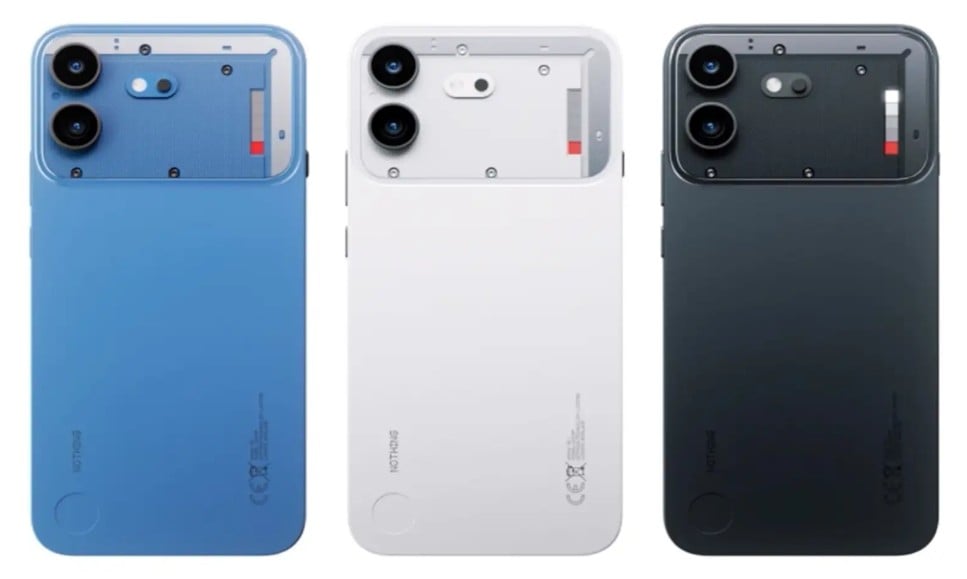
Nothing has added new 6GB+128GB variants to the Phone (4a) and Phone (4b) in India, giving buyers a lower-priced entry point into both models. The move comes after the company increased the prices of the existing configurations. However, the new variants also bring less RAM than the original base configurations.
Nothing Phone (4a) and Phone (4b) new variants
Nothing Phone (4a)
The Nothing Phone (4a) 6GB+128GB variant is now priced at Rs 39,999 in India, while the Phone (4b) with the same memory and storage configuration costs Rs 35,999. Both models are currently available through Flipkart. The Phone (4a) is also offered in 8GB+128GB, 8GB+256GB and 12GB+256GB configurations, while the Phone (4b) comes in 8GB+128GB and 8GB+256GB versions.
Notably, these new variants arrive at considerably higher prices than the original 8GB+128GB configurations at launch. The Phone (4a)’s original base model was introduced at Rs 31,999 and now costs Rs 44,999, while the Phone (4b) launched at Rs 34,999 and is currently priced at Rs 39,999. This means the new 6GB models do not simply restore the original entry-level pricing despite offering less RAM.
Nothing Phone (4a) and Phone (4b) specifications
Nothing Phone (4b)
The hardware remains unchanged on both smartphones. The Phone (4a) features a 6.78-inch flexible AMOLED display with a 120Hz refresh rate, 4,500 nits peak brightness and a Snapdragon 7s Gen 4 chipset. It packs a 5,400mAh battery and is available with up to 12GB of RAM and 256GB of storage.
Meanwhile, the Phone (4b) features a 6.77-inch Full HD+ Samsung Super AMOLED display with a 120Hz refresh rate and is powered by the Snapdragon 6 Gen 4 chipset. It carries a larger 6,000mAh battery and retains the Glyph Bar interface. Both phones run Nothing OS 4.1 based on Android 16 and support dual-SIM connectivity.
Where to buyNothing phonesBrowse the range on AmazonShop now →
The Phone (4a) is available in Black, Blue and White across the new base variant, while the higher-end models also get a Pink option. The Phone (4b) comes in Black, Blue and White.
Xiaomi has announced the Mijia Smart Waist and Back Massager in China. The device is listed for crowdfunding on Xiaomi Youpin, with the campaign set to start on October 12 at 509 yuan (around $72). It comes in black and light sand colors.
Xiaomi’s previous waist-focused model was the Mijia Smart Waist Massager, which launched in 2024 with 20 massage balls designed to work on the lower back. The new model uses a different design, with a guide rail that allows the massage heads to move further up the back.
The massager comes with a 450mm flexible dual guide rail, with the massage heads automatically moving up and down on both sides of the spine. They cover the area from the shoulder blades down to the lumbosacral region. The rail has an R550mm curvature, which Xiaomi says follows national standards and matches the natural curve of the lower back.
There are four massage heads in total, including two large and two small heads. They are made from high-tenacity material and arranged in an undulating pattern designed to imitate acupressure. There are seven preset massage modes, while the Mi Home app allows users to create three custom modes.
Controls and heat
The massager can be connected to the Mi Home app, allowing you to control its settings from your phone. One of the available options is zone massage, which moves the heads back and forth within a smaller area to apply pressure to a specific spot and help relieve muscle fatigue.
You can also use the massager without the app. A physical button on the side lets you turn it on and start using it directly. For heat, the device has a built-in graphene heating element covering 10,000 mm². The heating function can be used on its own or together with the massage modes.
The Mijia Smart Waist and Back Massager weighs 2.2kg and is less than 75mm thick. Its body follows the curve of the lower back, so it can also be used as lumbar support when the massage function is turned off. Placing it under your legs lets the massage heads work on the calf muscles as well.
When the massager is in standby mode, the massage heads retract into the body. This keeps them from pressing against your back when you’re simply leaning on the device. It has a 3150mAh battery and comes with a 1.5-meter USB Type-C charging cable.
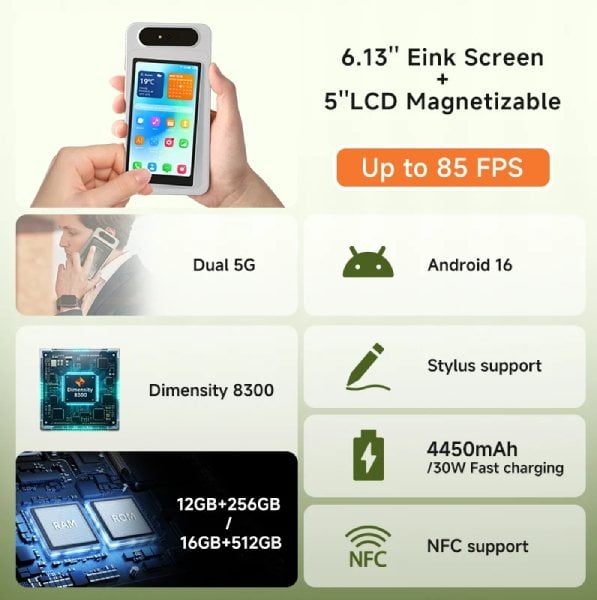
Bigme has finally revealed the price and full specifications of the HiBreak Dual 3. The company first teased the magnetic dual-screen e-ink phone at the end of August, and pre-orders now start at $629. Bigme says the Dual 3 is the world’s first 85FPS magnetic dual-screen e-ink phone.
The price is also lower than the previous model. The HiBreak Dual 2 launched on Kickstarter in June with an early-bird price of $699, which means the new model is $70 cheaper.
Two screens, with one you can remove
The front of the HiBreak Dual 3 has a 6.13-inch color e-ink display that switches between black-and-white and color modes. In black-and-white mode, the panel runs at 300 PPI, and color mode drops to 150 PPI.
The second display is a 5-inch LCD with a 720 x 1280 resolution. It attaches to the back of the phone magnetically and can be used for video, social media, and regular Android apps. When you only need the e-ink display for reading or writing, you can simply remove the LCD screen. The stylus works with the e-ink display only.
Bigme has also added several ways to unlock the two screens. You can register different fingerprints for each display, while the front and rear cameras can also be used as separate unlock options. The LCD screen additionally supports face recognition.
The phone is powered by the MediaTek Dimensity 8300 processor and runs Android 16. There are two memory configurations: 12GB of RAM with 256GB of storage, and 16GB of RAM with 512GB of storage. A TF card slot is also available, allowing you to expand storage by up to 2TB.
Connectivity includes 5G, dual SIM with dual standby, dual-band Wi-Fi, Bluetooth 5.3, and NFC. The stylus supports 4,096 levels of pressure, which should be useful for handwriting, sketching, and other pen-based tasks.
The HiBreak Dual 3 packs a 4,450mAh battery with support for up to 30W charging. On the camera side, there is a 5MP front camera and a 50MP rear camera. Other features include stereo speakers, two microphones, and audio output through the USB-C port. The phone measures 159.7 x 79.8 x 9.5mm.
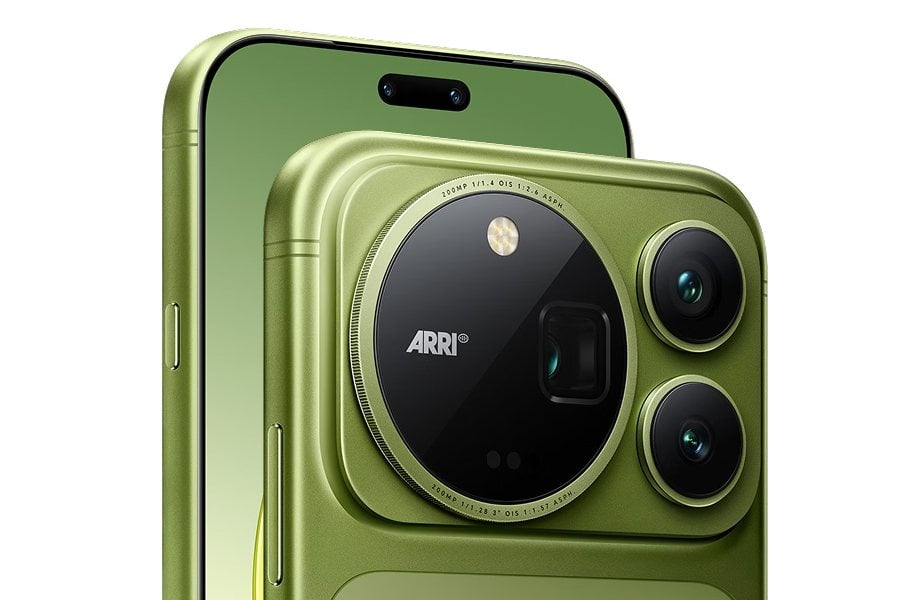
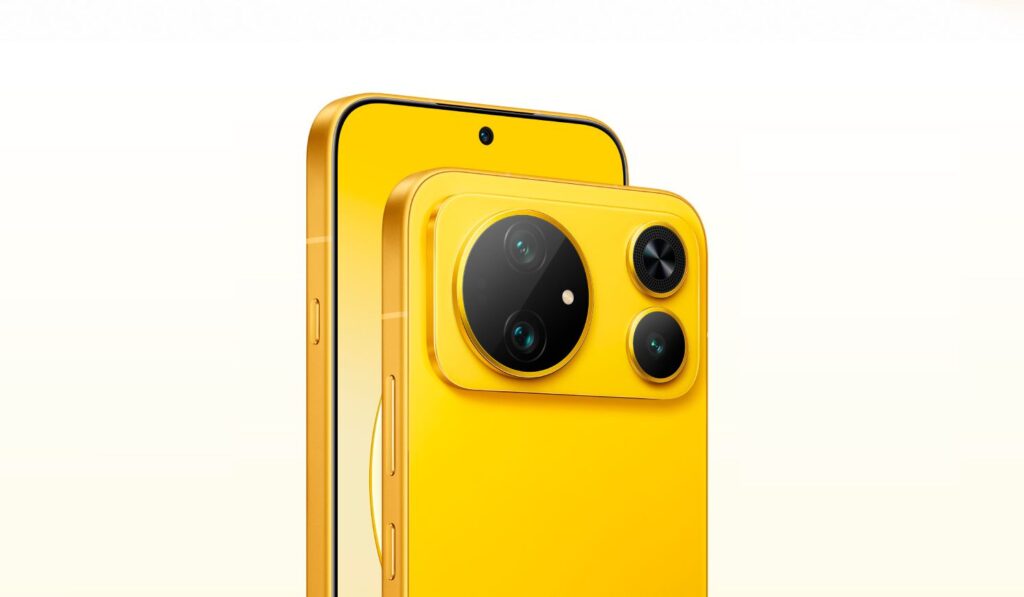
Honor has officially launched the Magic 9 in China with a compact 6.37-inch display, dual 200MP ARRI cameras, an 8,000mAh battery, and the new MagicOS 11 software. The phone starts at 4,999 yuan (~ $745) and is available in four colors: Popcorn Yellow, Opening White, Curtain Black, and Olive Green.
The Magic9 is a small-screen flagship in the series, but Honor has not cut back on its camera hardware. The phone has a 200MP ARRI main camera alongside a 200MP ARRI telephoto camera, much like the Magic9 Pro Max. It also supports Honor’s external teleconverter kit.
Honor Magic9 display and design
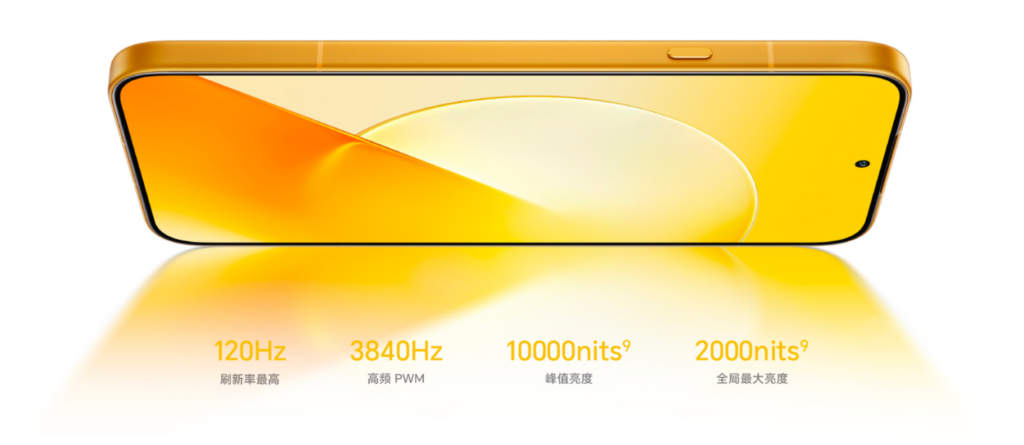
The Magic9 has a 6.37-inch flat OLED display with a 1.5K resolution and a 120Hz refresh rate. The panel uses LTPS technology and has bezels as narrow as 0.95mm. Honor rates its peak brightness at up to 10,000 nits, while global brightness can reach 2,000 nits. The screen can also drop to 1 nit for use in darker environments.
Honor is also equipping the phone with its Oasis eye-care features. The display supports up to 3,840Hz PWM dimming, hardware-level low blue light, AI defocusing, a natural light-like display mode, and an AI sleep-aid display. Honor says the Magic9 is the first smartphone to receive TÜV Rheinland Global Eye Care 6.0 certification.
The phone has a 3D unibody cold-carved glass design with a camera module inspired by classic cinema cameras. Its four color options are Popcorn Yellow, Opening White, Curtain Black, and Olive Green. The Magic9 measures 8.49mm thick and weighs 209 grams.
Dual 200MP ARRI camera system
The camera setup is the biggest part of the Magic9. Honor has worked with ARRI to bring the company’s color science and cinematic tools to the phone, while the hardware includes two 200MP cameras on the rear.
The main camera uses a 200MP sensor measuring 1/1.4 inches, paired with an f/1.9 aperture and CIPA 7.5 image stabilization. It is designed to capture detailed photos in both daylight and low-light conditions.
The second camera is a 200MP telephoto sensor with a 1/1.56-inch size, f/2.6 aperture, and a 3.5x optical-equivalent focal length of 85mm. It also carries a CIPA 7.5 stabilization rating and supports up to 120x digital zoom.
The rear camera system is joined by a 50MP ultrawide camera with an f/2.0 aperture. On the front, there is a 55MP camera with an f/2.0 aperture and a 1/2.74-inch sensor. The front camera uses a square sensor layout, allowing users to switch between 1:1, 16:9, and 9:16 framing without the same restrictions as a conventional rectangular selfie camera.
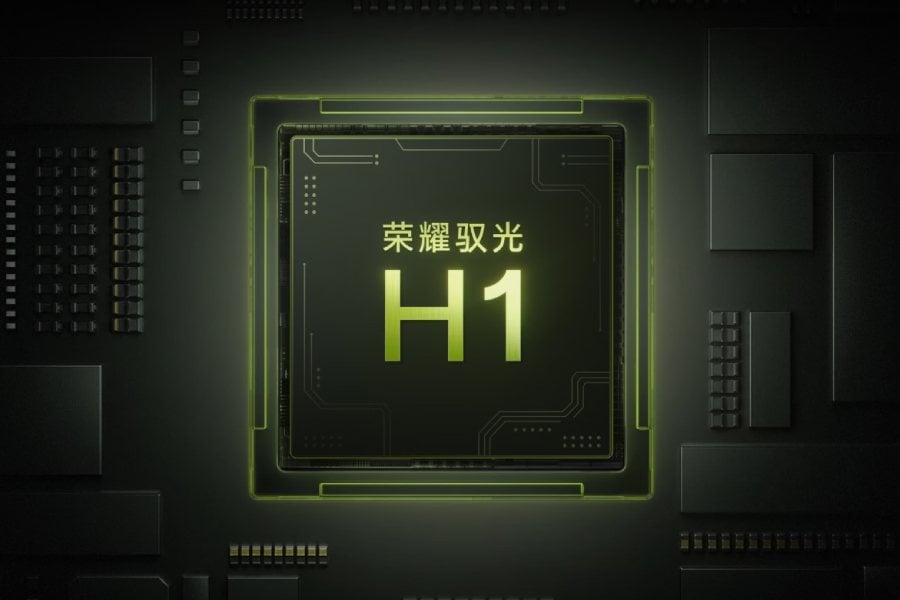
Honor is also using the H1 chip to lift some imaging load from the main SoC. The chip is built on a 6nm process and supports RAW-domain lossless video noise reduction. Honor says the chip can improve the signal-to-noise ratio by 8dB, helping retain more image detail in difficult lighting conditions.
The Magic9’s ARRI partnership goes beyond color filters. The phone supports an ARRI LogC3 video pipeline, giving users more flexibility when grading footage later. It also includes 87 official ARRI Looks, allowing different cinematic color treatments to be applied directly to footage.
Another major feature is ARRI Movie Live. The mode uses a 2.39:1 cinematic widescreen format and can keep recording for three seconds after the shutter is pressed. This lets users capture short moving clips rather than a single still frame. The phone can also record in 4K while using the cinematic format.
The Magic9 also supports 200MP zoom-flash portraits, which combine the high-resolution telephoto camera with flash effects to create portraits with more controlled lighting. Honor is positioning the feature for both daytime and nighttime portrait photography.
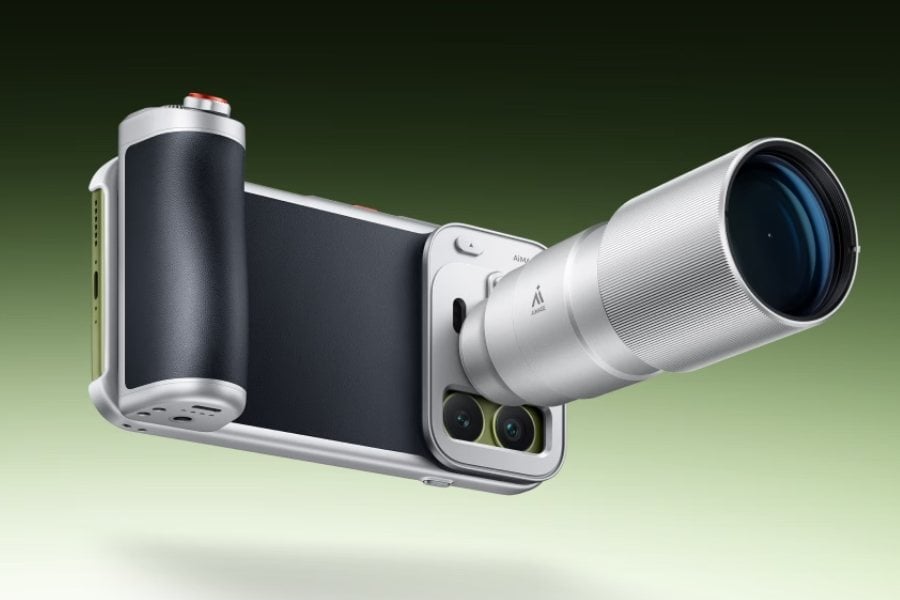
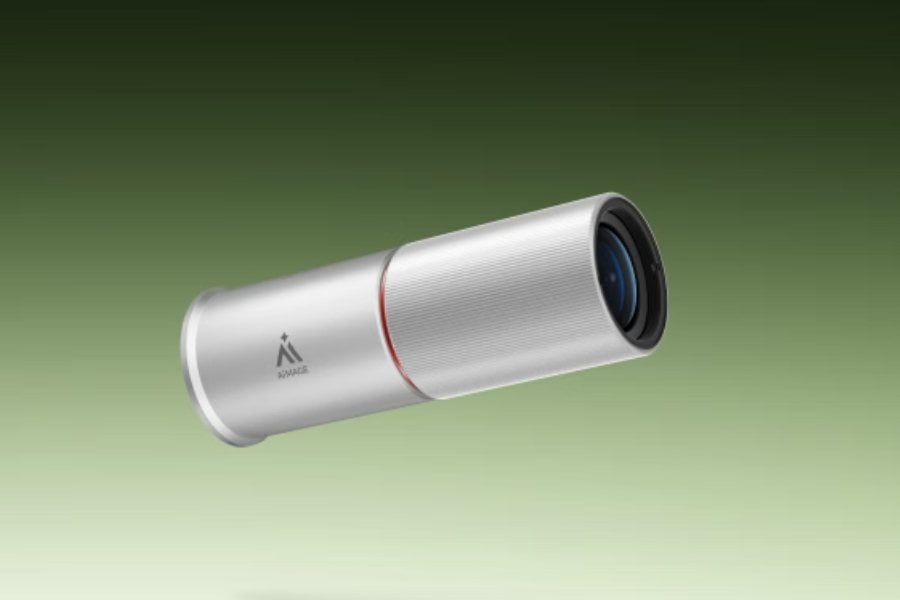
For users who want more reach, the Honor G200 teleconverter is available separately. It weighs 88 grams and measures 81mm in length. When used with the phone’s 85mm telephoto camera, Honor says the setup can produce a 200mm equivalent focal length.
Snapdragon chip and 8,000mAh battery
The Magic9 is powered by the Snapdragon 8 Elite Gen 5 platform, yes not the latest Gen 6. It’s still a flagship chip that can handle most workloads you throw at it. The phone comes with LPDDR5X RAM and UFS 4.1 storage. Honor also claims a smoother experience with no latency, crashes, frame drops, connection drops, or stuttering under its stated test conditions.
Power comes from an 8,000mAh Qinghai Lake battery. The battery uses a high-silicon material with 25% silicon content and supports up to 80W wired charging and 50W wireless charging. Honor also says its wireless charging system can work with more than 300 compatible car models when paired with the required charging hardware.
MagicOS 11 and new AI features
The Honor Magic9 series is the first to run MagicOS 11, which adds a range of new AI features built around Honor’s YOYO assistant. One of the main additions is the dedicated AI button, which can record video highlights in a single press, while other actions can be assigned to different press patterns. YOYO can also handle tasks such as subtitle collages, video trimming, and converting videos into Live content.
The phone also includes YOYO Task and YOYO Proactive Service. These features can handle scheduled tasks and provide reminders for things such as food pickup and package collection codes. The system can also organize daily schedules and surface relevant information when needed.
Other AI tools include AI Call Assistant, AI Calendar, AI Recorder, AI Notes, and AI File Management. Honor is also introducing cross-device features that allow the Magic9 to work with Apple devices through the Honor Connect app, including synchronized call notifications and cloud photo syncing.
Connectivity and durability
The Magic9 comes with Honor’s third-generation C3 RF enhancement chip, which works with a seven-core RF architecture and AI-based network selection. Honor says the system can intelligently switch between 356 frequency-band combinations and optimize connectivity across 38 scenarios.
The phone also supports Wi-Fi 7, Bluetooth 6.0, NFC, and an IR blaster. Other hardware features include a 3D ultrasonic fingerprint sensor, a dedicated camera button, dual speakers, three microphones, and a USB 2.0 port.
For durability, the Magic9 carries IP68, IP69, and IP69K ratings under controlled laboratory conditions. Honor notes that these ratings do not mean the phone is permanently waterproof, and liquid damage is not covered under warranty.
Pricing and colors
The Honor Magic9 comes in four configurations:
12GB + 256GB: 4,999 yuan (about $745)
12GB + 512GB: 5,499 yuan (about $819)
16GB + 512GB: 5,999 yuan (about $894)
16GB + 1TB: 6,999 yuan (about $1,043)
You can choose from Popcorn Yellow, Opening White, Curtain Black, and Olive Green.
The Dimensity 9600 Pro is a powerful 2nm processor from MediaTek that delivers elite performance, a major boost in power efficiency, and neural graphics rendering architecture. It’s the first smartphone chip to support LPDDR6 memory and UFS 5.0 storage, alongside major upgrades to on-device AI capabilities.
With so many useful major upgrades packed into the Dimensity 9600 Pro, it’s surely going to be among the top choices for premium flagship devices in 2027. The Vivo X500 Pro and X500 Pro Max are already out with this chip, quickly followed by Oppo with its Find X10 Pro Max. We’ve prepared a list of devices that are powered by the Dimensity 9600 Pro chipset.
All the phones featuring the MediaTek’s Dimensity 9600 Pro SoC
Besides a powerful chipset, the phone offers a powerful set of cameras, built in collaboration with Zeiss. The triple rear camera setup gets a 50MP primary camera, a 64MP periscope telephoto lens with 3.5x optical zoom, and a 50MP ultrawide lens. The selfie camera also gets a 50MP sensor.
The Vivo X500 Pro packs a 6510mAh battery and supports 90W wired charging and 40W reverse wireless charging. Other specs include a 144Hz 6.36-inch LTPO AMOLED screen, Wi-Fi 7, Bluetooth v6.0, and 5 major OS updates.
The Vivo X500 Pro was launched alongside the X500 Pro as the more powerful sibling with slightly higher pricing. It’s also scheduled to debut globally on October 28.
As for the specs, the X500 Pro Max features a larger 6.85-inch LTPO AMOLED screen with a 144Hz refresh rate. The triple-camera setup on the back includes the same 50MP primary camera and 50MP ultrawide camera as the X500 Pro, but replaces the 64MP periscope telephoto lens with a 200MP one, which should offer more detail in zoom shots. There’s a 50MP selfie camera.
The Vivo X500 Pro Max packs a larger 8000mAh battery with support for 90W wired and 40W wireless charging. The rest of the spec sheet is pretty much the same.
A day after the Vivo X500 series launch, Oppo unveiled the Find X10 Pro in China, powered by the same Dimensity 9600 Pro chipset. The company has teased its global release, although a specific launch date has yet to be announced.
The Oppo Find X10 Pro Max has a powerful rear camera setup, featuring three cameras, each with a massive 200MP resolution. It includes a primary camera, a periscope telephoto lens with a 3x optical zoom, and an ultrawide unit. The selfie camera is a 50MP snapper.
The Chinese variant packs a 7150mAh battery, while the international model is confirmed to have an 8000mAh capacity. The smartphone supports 80W wired, 50W wireless, and 10W reverse wireless charging. Other specs include a 144Hz 6.78-inch LTPO AMOLED screen, Wi-Fi 7, Bluetooth 6.2, USB Type-C 3.2, and an ultrasonic fingerprint reader.
It’s been hardly a few days since the Dimensity 9600 Pro’s announcement, and three phones are already out powered by this chip. I’m sure there will be a few more launches before the year wraps up, with 2027 gearing up to bring a flurry of devices rocking MediaTek’s most capable mobile chipset. We’ll update the page regularly as more devices launch with the Dimensity 9600 Pro.
As scheduled, Honor officially took the wraps off the Magic9 Pro Max in China today. The phone starts at 6,499 yuan, or about $970, and brings two 200MP cameras tuned with ARRI, a 2nm Snapdragon 8 Elite Extreme Gen 6 chip, and an 8,800mAh battery with 100W wired charging.
Honor announced the phone at its Magic Grand Ceremony in Beijing alongside the Magic9 and Magic9 Super Edition.
Cameras built with ARRI
The Honor Magic9 Pro Max has a dual 200MP camera system developed with ARRI, with the main and telephoto cameras both using 200MP sensors. Honor pairs the camera hardware with its self-developed Honor Drive H1 imaging chip, which uses a 6nm process and delivers 18.8 TOPS/W energy efficiency. The chip also handles RAW-domain lossless noise reduction to retain more image detail during processing.
The main camera is a 200MP ARRI gimbal-level camera with a large 1/1.28-inch sensor, an f/1.57 aperture, and CIPA 8.0 image stabilization. It supports up to 3 degrees of gimbal-level stabilization to keep shots steady when the phone moves. Honor says the setup suits both people and landscape photography.
The second 200MP camera is an ARRI Ultra Night Telephoto lens with a 1/1.4-inch sensor and f/2.6 aperture. It also supports CIPA 8.0 stabilization and uses Honor’s AiMAGE sharpness engine. Along with its long-range shooting capabilities, the telephoto camera is designed to handle closer subjects as well.
The phone also has a 50MP f/2.0 ultrawide camera and a 3D depth-sensing camera. The front camera is Android’s first square 55MP sensor that showed up in the hands-on video from earlier this month. You can shoot 1:1, 16:9, or 9:16 without rotating the phone.
ARRI video features
The ARRI partnership extends beyond the camera hardware. The Magic9 Pro Max supports an ARRI LogC3 video pipeline, giving users more flexibility when color-grading footage after recording. Honor says the system is tuned with ARRI to reproduce the softer highlights, shadows, and color transitions associated with film.
The phone also includes 87 official ARRI Looks, which can be applied to footage for different cinematic color treatments. There is also an ARRI Master Mode with presets such as Venice and Southern Fujian.
Another feature is ARRI Movie Live, which records video in a 2.39:1 cinematic aspect ratio. The phone continues recording for three seconds after the shutter is pressed, allowing users to capture a short sequence rather than a single frame.
Honor G500Honor G200Studio Kit
Like most Chinese flagships these days, you also get external teleconverters support, and not one but two. The G500 works with the phone’s 85mm lens to provide a claimed 500mm equivalent focal length for long-distance photography. The G200 is a smaller option, weighing 88 grams with an 81mm focal length, which combines with the phone’s 85mm lens to produce a claimed 200mm equivalent.
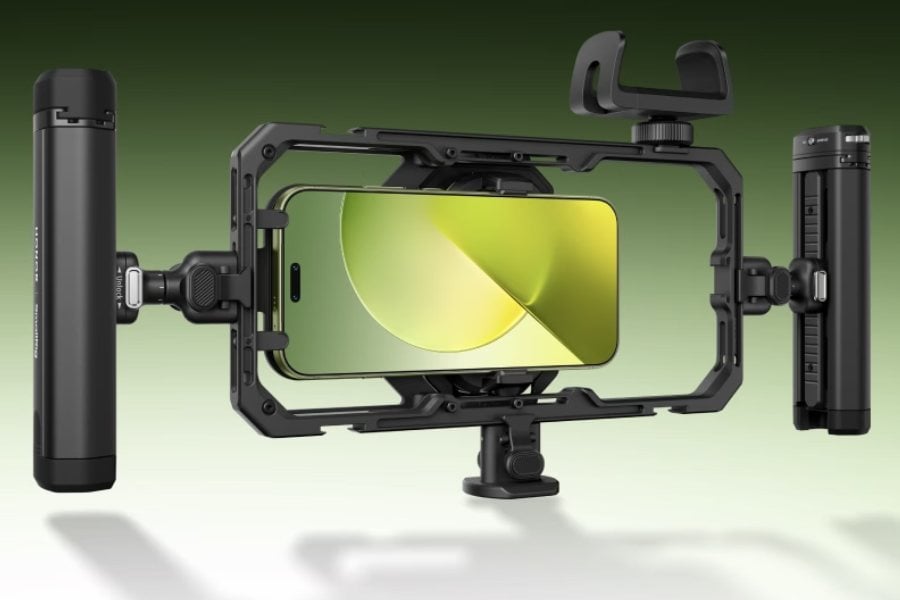
Both accessories are sold separately. Honor is also offering a SmallRig professional video expansion kit designed for the Magic9 Pro Max, adding mounting and expansion interfaces for a more conventional video setup.
For video recording, Honor has added a directional microphone system that it describes as a cinematic-grade gun microphone. It combines a highly directional microphone with an omnidirectional microphone and can pick up sound from greater distances. Honor says its laboratory testing showed a 462% improvement in device-level noise reduction and a 158% increase in radio sensitivity compared with its reference microphone setup.
Display and build
The screen is a 6.8-inch OLED that Honor calls its Black Diamond display. It peaks at 10,000 nits, runs from 1Hz to 120Hz, and has 4320Hz PWM dimming. The panel also uses a 5,600-layer silicon nitride coating, which Honor says makes it 15 times more scratch-resistant and 25 times more drop-resistant than the glass used as its comparison baseline.
The body is all metal and carries IP68, IP69, and IP69K ratings. For unlocking, you get both 3D face recognition and a 3D ultrasonic fingerprint sensor. MagicOS adds a dedicated AI button, and Honor’s YOYO assistant can record video highlights with a single press.
The Honor Magic9 Pro Max runs on the Snapdragon 8 Elite Extreme Gen 6, a 2nm chip with a CPU clock speed of up to 5GHz. This lines up with the AnTuTu listing that appeared just before launch, where the phone scored over 5.5 million points.
Keeping everything running is an 8,600mAh battery. Honor says the cell has 40% silicon content and an energy density of 1000Wh/L. Charging runs at 100W wired and 80W wireless, and 50W wireless car charging works with compatible vehicles.
Pricing and configurations
The Honor Magic9 Pro Max comes in four storage options, matching what Honor listed when pre-orders opened:
You can pick from Moss Green, Silver, and Shadow Black. The Honor Telephoto Converters G500 and G200, along with the SmallRig video expansion kit, are sold separately.
Honor has finally unveiled the much-anticipated Magic 9 series in China. Alongside the standard Magic 9 and Magic 9 Pro Max models, the lineup also includes the Magic 9 Super Edition, a super-powered version of the standard model that packs the largest battery ever seen on a Magic-series phone. Continue reading to learn everything about the Magic 9 Super Edition.
Honor Magic 9 Super Edition specifications and features
Honor Magic 9 Super Edition-
The Honor Magic 9 Super Edition features a massive 6.81-inch OLED display with a flat design, offering a 2788 x 1280 resolution, 120Hz refresh rate, and support for 1.07 billion colors with DCI-P3 coverage. It reaches 2,000 nits of global peak brightness and up to 10,000 nits locally, while the 3840Hz high-frequency PWM dimming and 1-nit minimum brightness are designed to reduce eye strain. The screen has a 95.5% screen-to-body ratio and 1.03mm narrow bezels.
Honor Magic 9 Super Edition
The Magic 9 Super Edition houses a behemoth 11,000mAh battery with support for 80W wired and 50W wireless charging. This makes it the largest-battery phone in the Magic series. The device is powered by last year’s Snapdragon 8 Elite Gen 5, paired with LPDDR5X RAM and UFS 4.1 storage.
On the back, the Magic 9 Super Edition carries a 200-megapixel Samsung S5KHP5 main camera with a 1/1.55-inch sensor, f/1.9 aperture and OIS. It is joined by a 50-megapixel Sony LYTIA 500 telephoto camera with 3x optical zoom and OIS, plus a 12-megapixel ultrawide camera with autofocus support. The front houses a 50-megapixel camera, while video recording reaches 4K at up to 120fps.
Honor Magic 9 Super Edition
The Magic 9 Super Edition runs MagicOS 11 based on Android 17 and supports Wi-Fi 7, Bluetooth 6.0, NFC, infrared remote control, and dual-SIM connectivity. Honor also equips the phone with its C3 RF enhancement chip, Phantom Engine 3.0 and a cooling system combining a wind-tunnel fan with a board-level cooling system.
It also features an optical fingerprint sensor, stereo speakers, and IP68, IP69 and IP69K protection, while the new AI key provides quick access to smart functions. The device measures 161.78 x 76.72 x 8.1mm and weighs around 227 grams
Honor Magic 9 Super Edition price and availability
Honor Magic 9 Super Edition
Honor offers the phone in 12GB+256GB, 12GB+512GB, and 16GB+512GB configurations priced at 4,499 Yuan (~$600), 4,999 Yuan (~$670), and 5,499 Yuan (~$740), respectively. There is no 1TB version, while color options include Popcorn Yellow, Curtain Black, Opening Statement and Olive Green.
What do you think of the Magic 9 Super Edition, particularly its 11,000mAh battery?
The laptop market in 2026 is less about dramatic redesigns and more about specialization. Apple is pushing local AI performance and battery life with its M5 generation. Dell is bringing the XPS name back with thinner Intel-powered systems. Gaming laptops are getting faster graphics, brighter OLED screens, and increasingly serious creator credentials.
This list covers seven of the best laptops of 2026, each aimed at a different kind of buyer. These are based on announced specifications and manufacturer claims rather than independent testing, so real-world performance and battery life will still depend on configuration and workload.
The MacBook Pro models received a significant internal update this year with the M5 Pro and M5 Max chips. If your work involves heavy AI or multithreaded workloads, you’ll benefit from the new Fusion Architecture, which combines two dies into a single SoC for better efficiency.
For professionals running large language models locally or editing 8K video, the specs are very practical. The M5 Max configuration gives you an 18-core CPU, up to a 40-core GPU, and supports up to 128GB of unified memory.
Apple also upgraded the storage speeds, reaching up to 14.5GB/s, which noticeably reduces the time it takes you to load complex datasets or scrub through high-resolution video timelines. Importantly, your base model now starts at 1TB of storage for the M5 Pro and 2TB for the M5 Max, which is a welcome adjustment for the price.
Where to buyMacBook Pro M5Latest price on AmazonCheck price →
Beyond the processors, your day-to-day experience is improved by the new N1 wireless chip supporting Wi-Fi 7, up to 24 hours of battery life, and the inclusion of three Thunderbolt 5 ports. Starting at $2,499 for the 14-inch Pro and scaling up to $4,099 or more for the 16-inch Max, it remains an expensive investment, but it provides a very reliable, high-performance experience if you need it.
2. Apple MacBook Air
If you don’t need the heavy processing power of the MacBook Pro, the new 13-inch and 15-inch MacBook Air models are likely your most sensible choice. The biggest news here isn’t necessarily the M5 chip, but the fact that you finally get 512GB as the starting storage capacity, officially retiring the 256GB base models.
You’ll find the same fanless, slim aluminum chassis we’ve seen in recent years. Inside, the M5 chip features a 10-core CPU and up to a 10-core GPU, with dedicated Neural Accelerators in each GPU core. This translates to faster on-device processing for your everyday AI tasks, like video enhancement or image processing in apps like Affinity.
You still get two Thunderbolt 4 ports, a MagSafe charging port, and a battery that reliably lasts you up to 18 hours for general web browsing and video streaming.
Where to buyMacBook Air M5Latest price on AmazonCheck price →
Priced at $1,299 for the 13-inch and $1,499 for the 15-inch, the M5 MacBook Air is a straightforward, well-rounded laptop that handles your daily multitasking, writing, and schoolwork without any fuss.
3. Dell XPS 14 (2026)
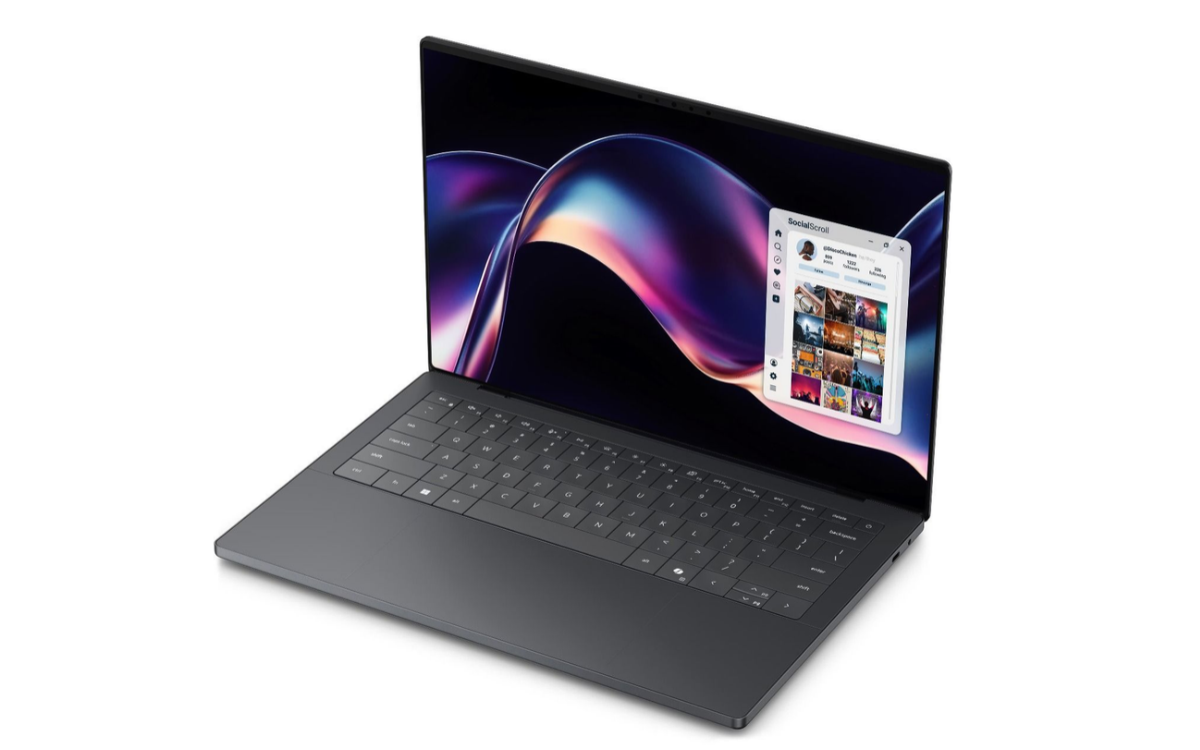
Dell officially returned to the classic XPS naming convention this year, and if you appreciate build quality, the new XPS 14 (DA14260) is a very well-built machine. It weighs just 1.36kg (about 3 lbs) and features a clean, CNC-milled aluminum body with Gorilla Glass 3 accents.
It is powered by Intel’s Core Ultra Series 3 processors, scaling up to the 16-core Ultra X9 388H. Dell relies entirely on Intel Arc integrated graphics for this model, which Intel says is up to 50% faster than the previous generation. While it won’t replace a dedicated gaming laptop for you, it is more than capable of handling your light creative work and casual 1080p gaming.
In terms of display, you can choose a 2.8K Tandem OLED touchscreen that offers excellent contrast, 100% DCI-P3 color coverage, and Dolby Vision support.
Where to buyDell XPS 14Latest price on AmazonCheck price →
Paired with a 70Wh battery that Dell claims can manage over 20 hours of local video playback, the XPS 14, starting at $2,049, is a premium, highly portable option if you prioritize build quality and screen fidelity in a Windows machine.
4. HP OmniBook Ultra 14
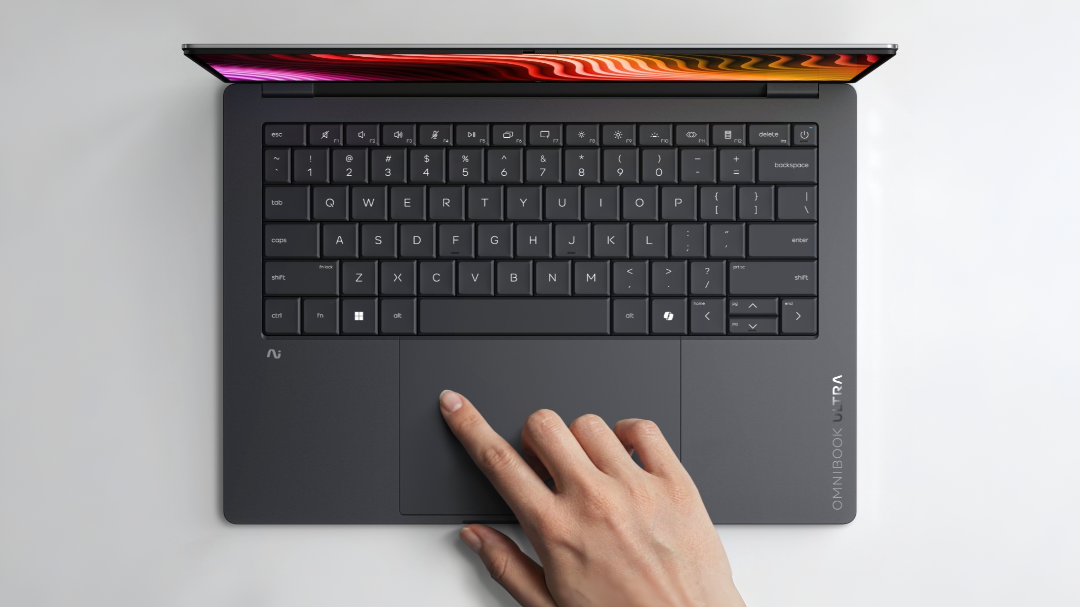
If you travel frequently and want to leave your charger at home, the HP OmniBook Ultra 14 is designed primarily for you. Available with either Intel Core Ultra (up to Ultra X9 388H) or Qualcomm Snapdragon X2 processors (up to Snapdragon X2 Elite), this 14-inch laptop prioritizes efficiency.
HP estimates you can get up to 20 hours of general usage from its 70Wh battery, and it comes with a compact 65W GaN charger that can top your battery up to 50% in about 45 minutes.
The screen gives you a 14-inch 3K OLED edge-to-edge display with a 120Hz variable refresh rate, providing smooth scrolling and vibrant colors. HP has also included a good selection of ports, featuring three Thunderbolt 4 connections and a 5MP IR camera with hardware-level temporal noise reduction for clearer video calls.
Where to buyHP OmniBook Ultra 14Latest price on AmazonCheck price →
Starting at $1,799, the OmniBook Ultra 14 is a very practical, premium work laptop with excellent battery endurance and a comfortable, responsive haptic touchpad.
5. Lenovo Yoga Pro 9i Gen 11 Aura Edition
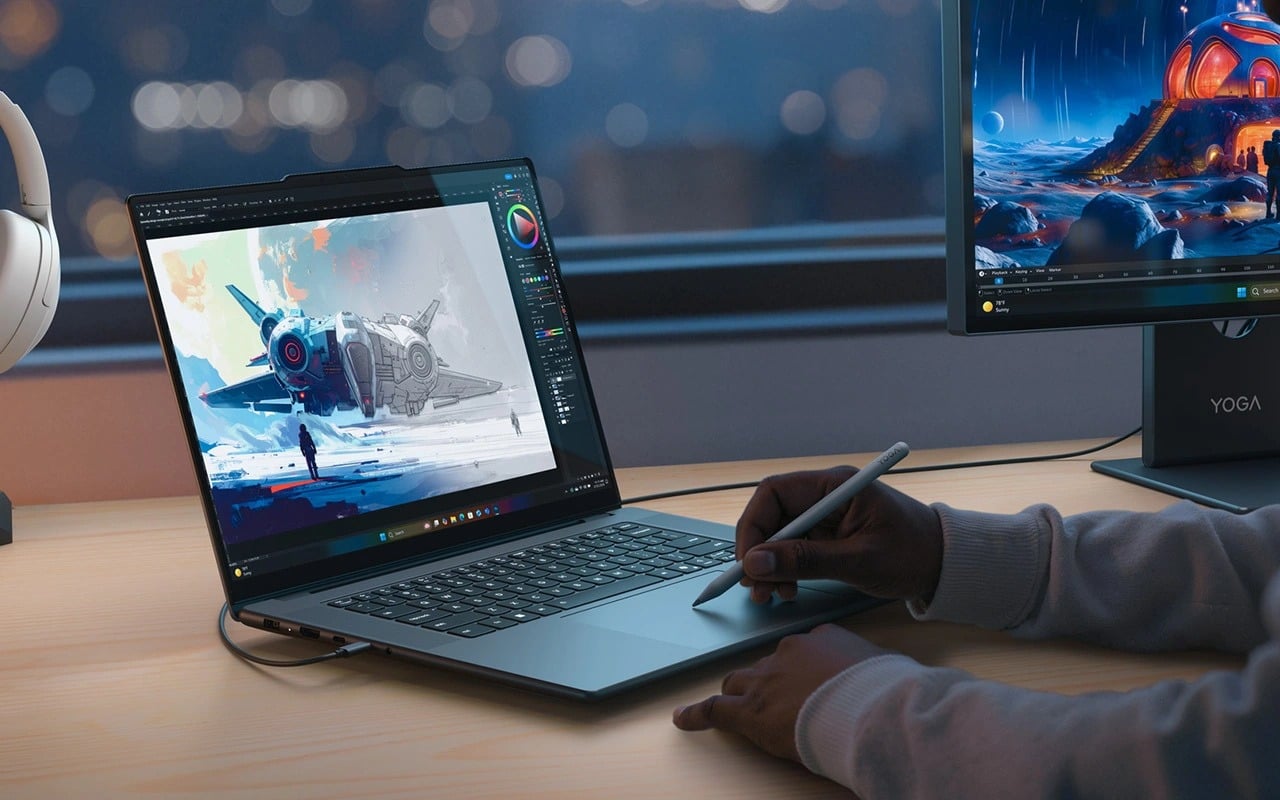
The Lenovo Yoga Pro 9i Gen 11 is a creator-focused laptop. It combines Intel Core Ultra processors with Nvidia GeForce RTX 5050, RTX 5060, or RTX 5070 Laptop GPUs.
The 16-inch display comes in 2.8K OLED and 3.2K Tandem OLED versions. The top display reaches up to 1,600 nits of peak brightness and supports 100% coverage of the DCI-P3 and Adobe RGB color spaces. That makes the laptop suitable for photography, video editing, design, and other color-sensitive work.
The Yoga Pro 9i includes two Thunderbolt 4 ports, two USB-A ports, HDMI 2.1, and an SD card reader. It also has a 92.5Wh battery and a six-speaker system with Dolby Atmos support.
The laptop weighs about 1.9kg before you add the charger. That weight is reasonable for a 16-inch creator laptop, but you will notice it if you travel every day.
Where to buyLenovo Yoga Pro 9iLatest price on AmazonCheck price →
Prices start at roughly $2,669 and can exceed $4,500 with the fastest processor, an RTX 5070 GPU, more memory, and the premium Tandem OLED display.
6. Asus ROG Zephyrus G16 (2026)
The Asus ROG Zephyrus G16 (GU606) continues the trend of putting powerful gaming hardware into a chassis that won’t look out of place if you take it to the office. At roughly 14.9mm thick and 4.3 lbs, it’s surprisingly portable for a 16-inch gaming laptop.
Despite its thin profile, you can configure it with up to an Nvidia GeForce RTX 5090 Laptop GPU and an Intel Core Ultra 9 386H processor. To manage the heat, the laptop uses a vapor chamber and a three-fan cooling system. The display is a 16-inch 2.5K ROG Nebula HDR OLED panel with a 240Hz refresh rate, providing you with deep blacks and very smooth motion for fast-paced games.
Where to buyAsus ROG Zephyrus G16Latest price on AmazonCheck price →
With a starting price of $3,699 for the RTX 5070 Ti model, scaling up to nearly $5,000 for the RTX 5090 version, it is undeniably expensive. But if you want top-tier gaming performance without the bulk of a traditional gaming laptop, the Zephyrus G16 strikes a very good balance for you.
7. MSI Raider 16 Max HX
The MSI Raider 16 Max HX is the most powerful and least portable laptop in this group. It targets users who want desktop-level gaming and workstation performance.
The system can include Intel’s Core Ultra 9 290HX Plus processor and an RTX 5090 Laptop GPU with 24GB of GDDR7 memory. It supports up to 128GB of RAM and includes one PCIe Gen 5 SSD slot and one PCIe Gen 4 slot.
The 16-inch QHD+ OLED display runs at 240Hz and supports DisplayHDR True Black 1000. MSI uses three fans, six heat pipes, and a high-power cooling system to manage the hardware.
The Raider also has two Thunderbolt 4 ports, three USB-A ports, HDMI 2.1, an SD Express card reader, 2.5Gb Ethernet, and Wi-Fi 7. Prices start at around $2,299 for an RTX 5070 Ti model and rise to approximately $3,299 for an RTX 5090 configuration.
The tradeoff is size, noise, and battery life. You will need the large power adapter for demanding games and professional workloads.
For more daily updates, please visit our News Section.
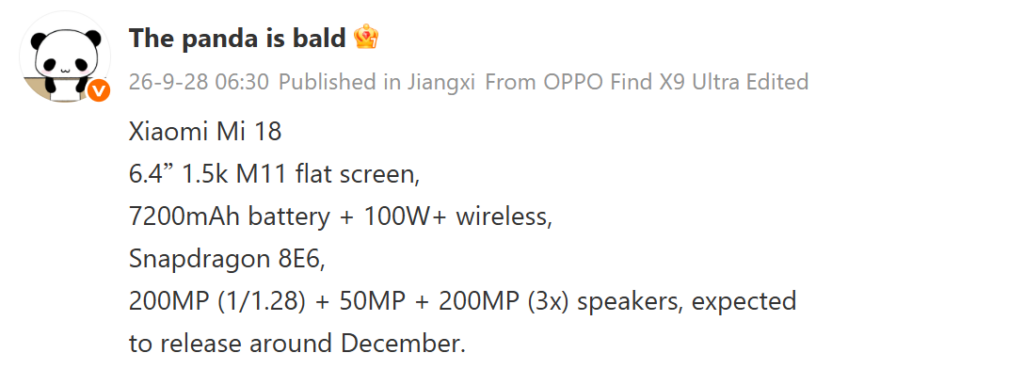
Last week, Xiaomi unveiled the Xiaomi 18 Pro and 18 Pro Max in China, but the standard model was missing from the lineup. A recent certification has since suggested that the Xiaomi 18 is still in development. Now, tipster Bald Panda has shared several key specifications of the upcoming phone.
Xiaomi 18 specifications (rumored)
According to the tipster, the Xiaomi 18 will feature a 6.4-inch flat display with a 1.5K resolution. The screen is said to use Xiaomi’s M11 panel, which also features on the recently launched Pro models. This would keep the standard model relatively compact while offering a flat-screen design.
Under the hood, the Xiaomi 18 will feature the Snapdragon 8 Elite Gen 6 chipset. The phone is also tipped to pack a 7,200mAh battery with support for 100W wired charging and wireless charging. The combination would give the standard model a larger battery than the Xiaomi 18 Pro, which packs a 7,000mAh cell.
Camera details are particularly interesting, with the leak pointing to a triple-camera setup comprising a 200-megapixel 1/1.28-inch main sensor, a 50-megapixel ultra-wide camera, and a 200-megapixel telephoto camera with 3x zoom. The Xiaomi 18 is also expected to run HyperOS 4 based on Android 17, matching the software generation used by the recently launched Xiaomi 18 Pro models.
Xiaomi 18 launch timeframe (rumored)
As for the launch, Bald Panda expects the Xiaomi 18 to arrive around December. This would follow the Xiaomi 17 lineup’s staggered release strategy, with Xiaomi having unveiled the Xiaomi 17 Ultra in China in December 2025.
While a December launch for the Xiaomi 18 is now expected, vague reports have also raised questions over whether Xiaomi will include a Xiaomi 18 Ultra in this generation.
High-end Android phones already have a ton of power, but there’s still one big thing holding them back from feeling like proper handhelds for PC games. New reports suggest Qualcomm is working on a fix that could make running demanding Windows titles a lot more realistic on Snapdragon-powered flagships.
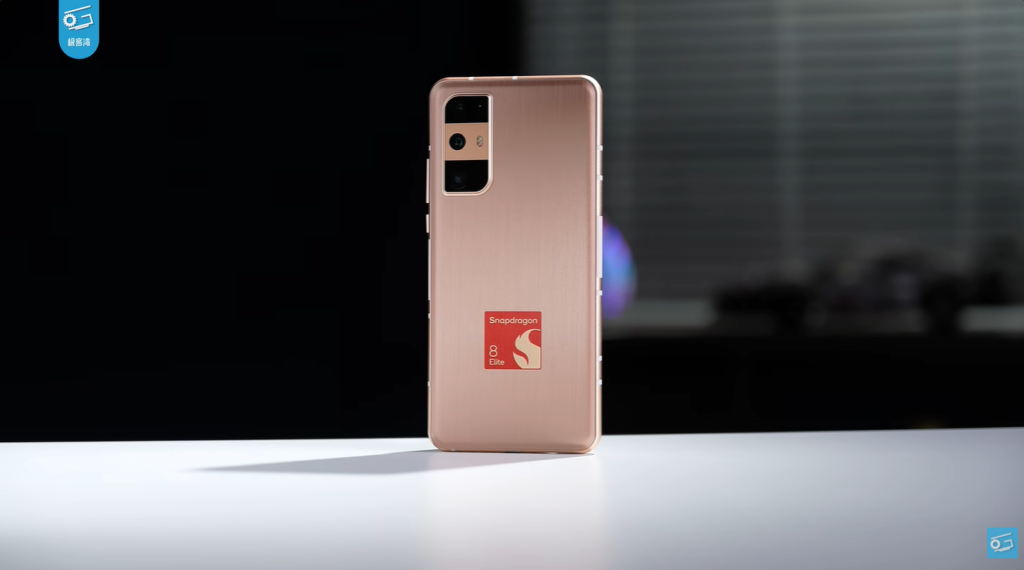
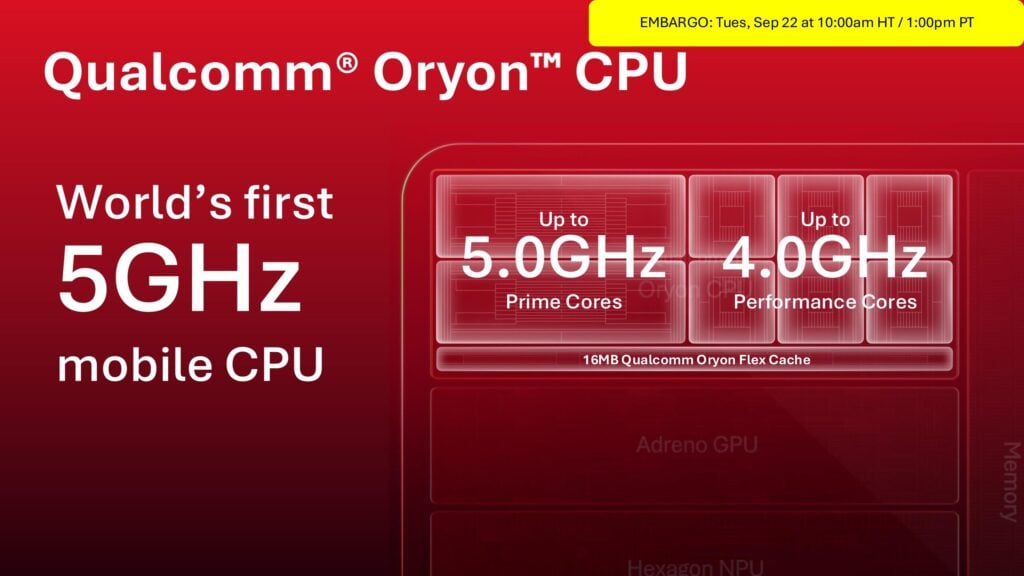
At Snapdragon Summit 2026, the company showed off its newest flagship chips: the Snapdragon 8 Elite Gen 6 and the even stronger 8 Elite Extreme Gen 6. Both use a 2+6 Oryon CPU setup, with two Prime cores hitting up to 5GHz and six Performance cores going up to 4GHz.
The Extreme version also adds dedicated Adreno Matrix cores that handle AI tricks like super resolution and frame generation. They’ve already shown it working in games like Diablo Immortal, War Thunder Mobile, and Farming Simulator 26.
Even with all that muscle, these chips still struggle with a lot of modern PC games that depend on Microsoft’s DirectX 12. Right now, people get around it with tools like Winlator and GameHub, plus community graphics drivers such as Turnip. Those let some Windows/x86 games run on Android through Wine and translation layers, but the results are hit-or-miss.
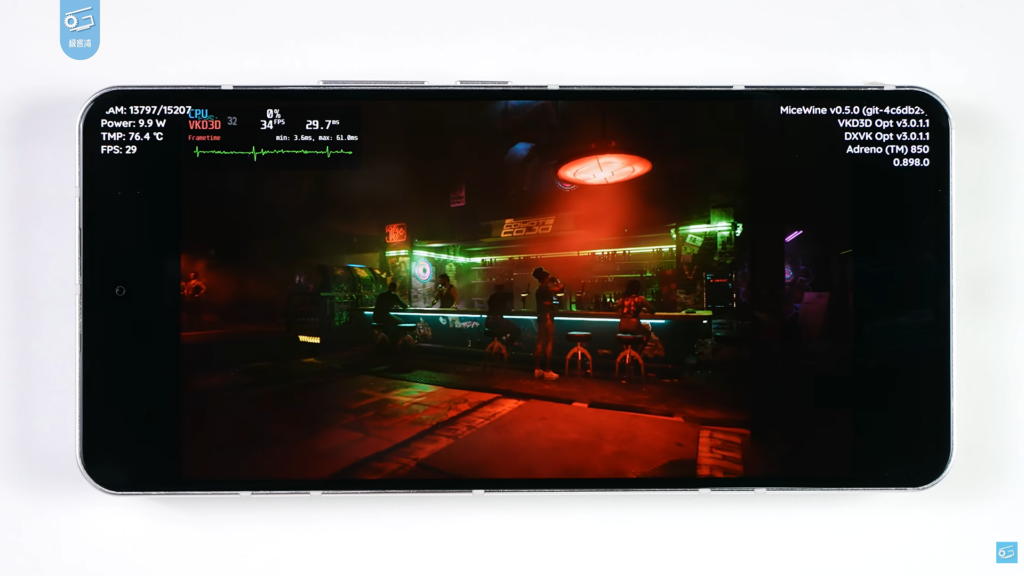
That might be about to change. Chinese tech channel Geekerwan says Qualcomm is working on better official GPU drivers specifically for PC game translation, and is even looking at more direct DirectX 12 support on Android.
In hands-on tests on a Qualcomm reference device with the Snapdragon 8 Elite Extreme Gen 6, they managed to get Cyberpunk 2077 and Black Myth: Wukong running in DirectX 12 mode through a translation layer. Both demanding games averaged just over 30 frames per second.
Qualcomm hasn’t officially confirmed native DirectX 12 support for the new Snapdragon 8 Elite Gen 6 series chips or anything coming after. When the topic came up in media sessions at the summit, the company only gave vague, indirect answers. Still, the fact that these engineering tests are already working suggests they’re actively exploring it.
If Qualcomm actually ships official drivers, or eventually adds proper native DirectX 12 support, it could make a real difference. Games should run more reliably, translation overhead should drop, and performance should feel a lot more consistent.
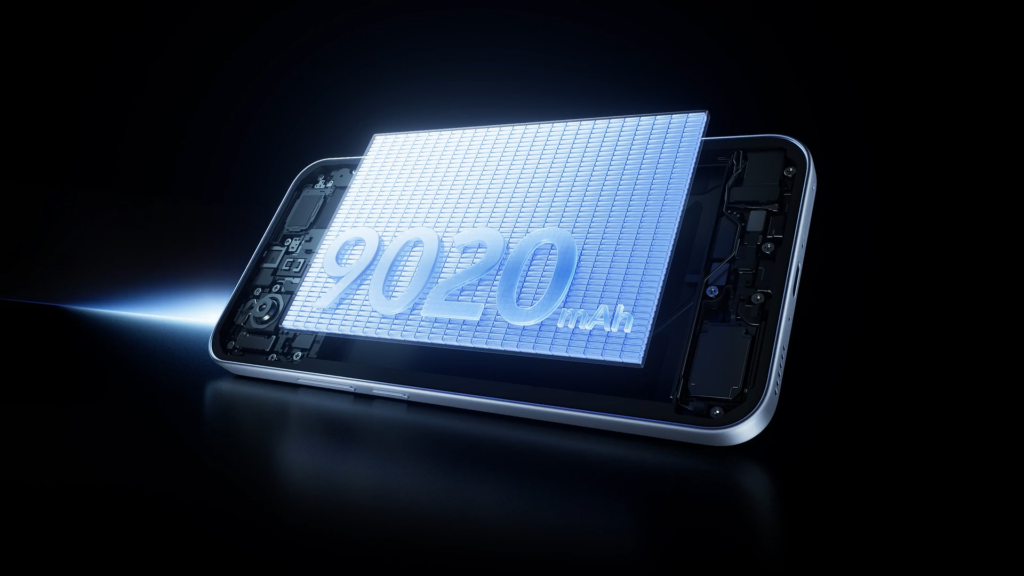
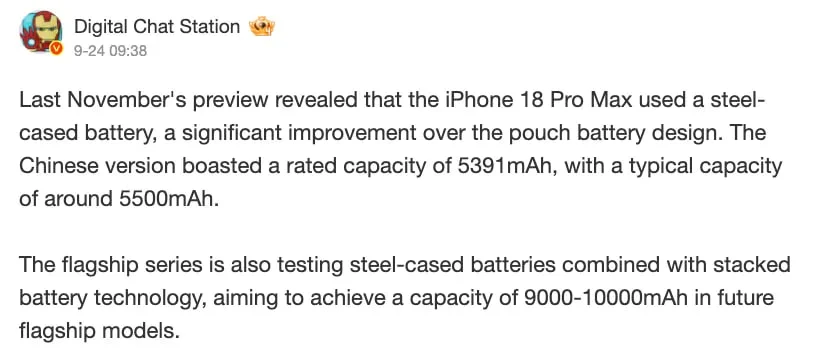
Something quiet but pretty interesting is happening in the smartphone world. A design approach Apple started using recently might help Android makers shove way bigger batteries into their flagships.
According to well-known Chinese leaker Digital Chat Station, a major Chinese smartphone brand is already testing steel-cased batteries paired with stacked-cell construction. The idea basically takes what Apple has been doing and pushes it further.
Apple first put an aluminum shell around the battery in the iPhone 16 Pro. The rigid metal case gives the battery more structural strength. Apple’s kept refining it, and the iPhone 18 Pro Max (at least the versions with a physical SIM tray) is expected to hit 5,391mAh, about a 12% bump over the last generation.
Chinese companies look ready to go bigger. They’re swapping aluminum for steel and combining it with stacked cells instead of the usual wound “jelly-roll” design. Stacked cells use the internal space more efficiently and can pack in higher energy density. Throw in the silicon-carbon anode tech that’s already pushed a lot of Chinese flagships past 7,000mAh, and suddenly 9,000–10,000mAh starts looking a lot easier to achieve.
Chinese brands already offer solid battery life thanks to dense silicon-carbon chemistry, but cracking five digits in a proper flagship body would set a new bar. Of course, they’d still have to figure out how to fit all the advanced cameras alongside that much battery.
Samsung isn’t sitting still either. Leaks suggest the Galaxy S27 Pro could land around 5,200mAh, while the Ultra might reach about 5,700mAh. That would be the first real capacity bump for Samsung’s Ultra line in years, and it’s expected to use silicon-carbon tech the company is already putting in its foldables.
For now, it looks like metal-encased cells and smarter internal layouts are giving manufacturers new ways to squeeze more capacity out of the same limited space.
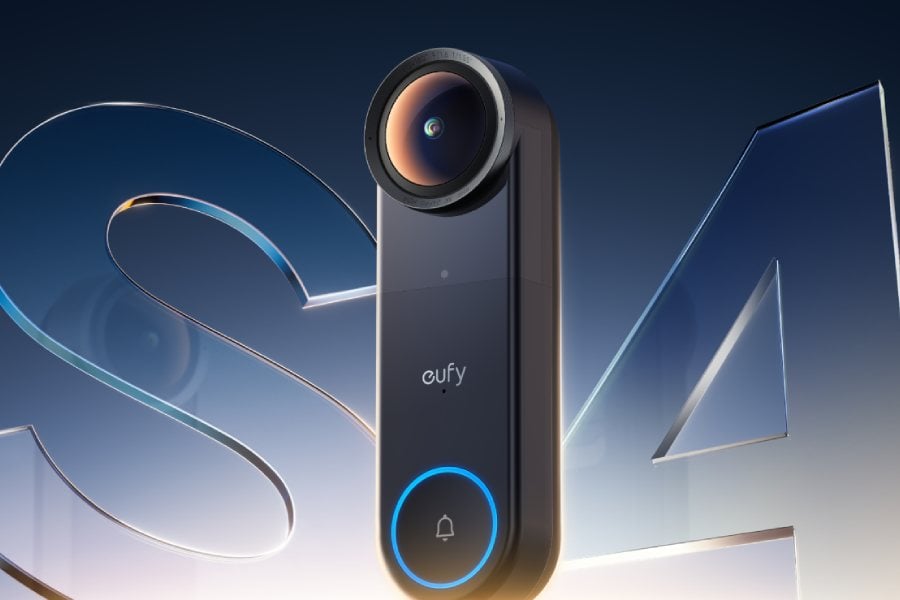
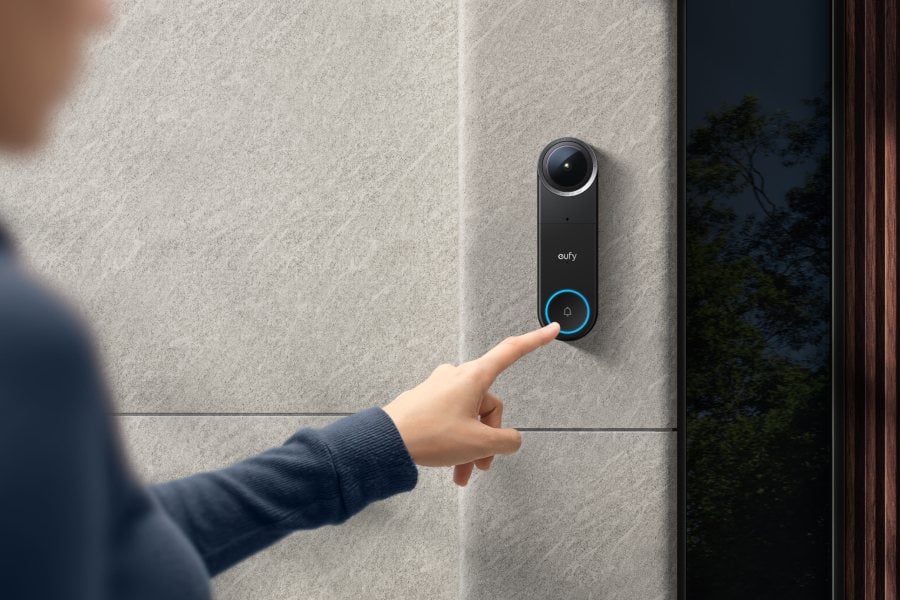
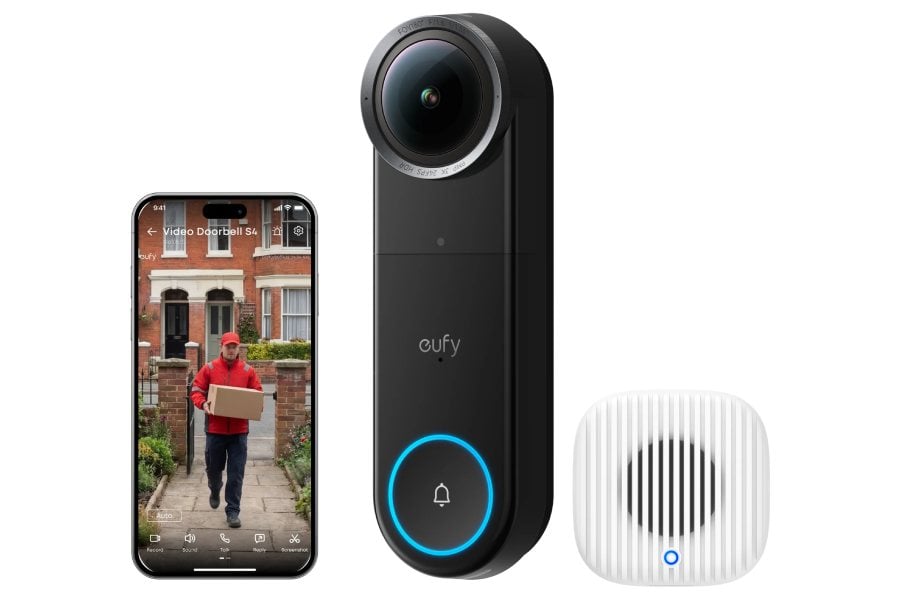
Eufy, Anker’s smart home brand, has launched the Eufy Video Doorbell S4 for $299.99. The company calls it the world’s first smart doorbell with VR viewing. Instead of looking through a small, fixed video window, you get a panoramic view of your doorstep that you can look around in.
The camera has a 180-degree field of view both horizontally and vertically, and it uses AI to keep visitors in the frame.
How the VR mode works
When someone presses the doorbell, your phone shows a notification that looks like an incoming call. Answer it, and you enter a full-screen VR view of the panoramic camera feed.
You can move your phone around to look in different directions, or use a VR headset if you have one. Two-way voice also works in this mode, so you can talk to the visitor while checking what is happening around them.
Specifications
Here is what the Eufy Video Doorbell S4 offers:
Resolution: 3072×3072, roughly 9 megapixels
Video: 3K HDR at up to 24 FPS
Field of view: 180 degrees horizontally and vertically
Zoom: up to 8x
Night vision: Color night vision with dual spotlights
AI tracking: Eufy OmniTrack
Motion detection: Radar and dual PIR infrared sensors, with detection up to 8 meters
Detection types: People, movement, packages, and faces
Smart home support: Amazon Alexa, Google Home, and Apple HomeKit
Camera and tracking
The 3072×3072 image sensor and wide-angle lens are designed to keep a visitor’s entire body in view, while also showing anything left on the doorstep. The wide field of view means you can see more of the entrance without needing multiple cameras.
Eufy’s OmniTrack AI system then takes care of people tracking. When it detects someone, it follows them within the panoramic view and automatically crops the image to keep them centered. That gives you a closer view of the visitor without losing the wider view around them.
Motion detection and lighting
For motion detection, the Eufy Video Doorbell S4 combines radar with two PIR infrared sensors. The radar can detect movement from up to 8 meters away, while the PIR sensors cover the area closer to the entrance.
Where to buyEufy Video Doorbell S4Latest price on AmazonCheck price →
The doorbell can detect people, general movement, packages, and faces. There is also a welcome light that turns on with a warm glow when someone approaches the door.
The Video Doorbell S4 works with Amazon Alexa, Google Home, and Apple HomeKit. However, HomeKit support requires the separate HomeBase S380 gateway, so Apple Home users will need to factor that into the total cost.
The VR viewing and OmniTrack features also require the official eufy app. In other words, connecting the doorbell to Alexa, Google Home, or Apple HomeKit won’t give you access to those two features on their own.
Eufy has taken simpler approaches with some of its earlier doorbells. The Video Doorbell E340, for example, later received a wireless chime add-on that lets users get an audible alert when the doorbell detects motion, without having to open the app.
The Eufy Video Doorbell S4 costs $299.99. At that price, the panoramic camera and VR viewing are its main differentiators from more conventional video doorbells.
Oppo is preparing to launch its next F-series smartphones in India. The upcoming lineup will mark a decade of the F-series in the country, continuing its long-running focus on smartphone photography. The company is also introducing a new imaging direction centred on group selfies.
Oppo F35 series launch and selfie camera
The Oppo F35 series will launch in India on October 5, 2026. The announcement comes as the F-series reaches its 10-year milestone in the market, following the debut of the Oppo F1 in 2016. Oppo says the portfolio has now grown to more than 30 million users, with successive generations introducing upgrades across imaging, design, performance, and durability.
The F35 Series will continue that imaging focus with a 50MP ultra-wide selfie camera offering a 100-degree field of view. It will also feature NaturalTone 2.0, which is designed to produce more natural-looking skin tones. The wider field of view should allow users to fit more people into a single selfie without needing to move farther away from the phone.
The company is positioning the new lineup around the “Group Selfie Expert” concept, representing a shift from the F Series’ original emphasis on individual selfies. The F-series began with the F1’s 16-megapixel front camera and later introduced features such as dual front cameras on the F3 and an AI-powered 25-megapixel selfie camera on the F7.
The upcoming F35 Series will also expand its video capabilities. The F35 Pro model will support 4K video recording from both the front and rear cameras, giving users greater flexibility when recording high-resolution content.
Oppo F35 series color options
As per our exclusive post from ealier this month, the F35 Pro will be available in brown, orange, and light blue, while the standard F35 will come in pink, silver, and purple.
Oppo has yet to reveal other specifications and pricing, which are expected to be announced closer to the October 5 launch.
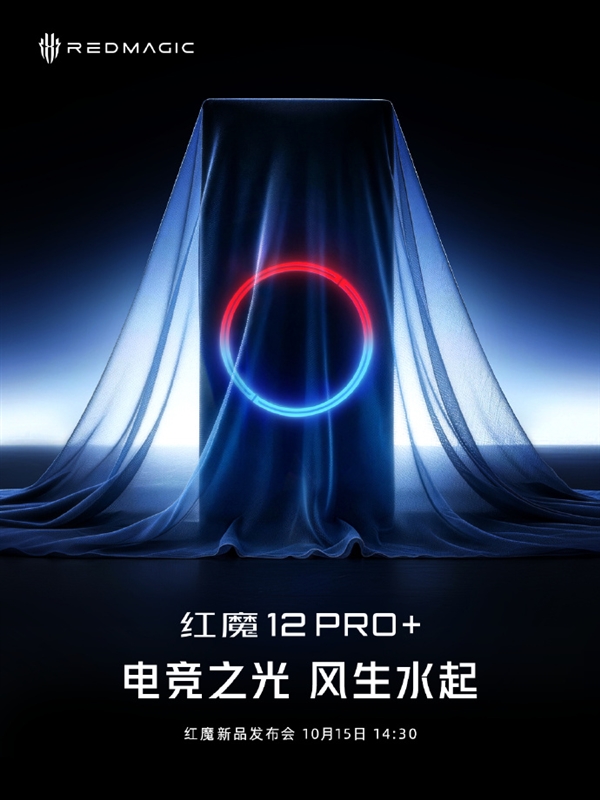
RedMagic has confirmed the launch date of its next flagship gaming smartphone. The RedMagic 12 Pro+ is expected to continue the brand’s focus on gaming performance while refining its design. It will also bring several changes to the display and overall in-hand experience.
RedMagic 12 Pro+ launch date and design
RedMagic will hold the launch event for the 12 Pro+ on October 15 at 2:30 PM (local time) in China. The phone will be among the first devices to feature the Snapdragon 8 Elite Extreme 6, which was recently unveiled.
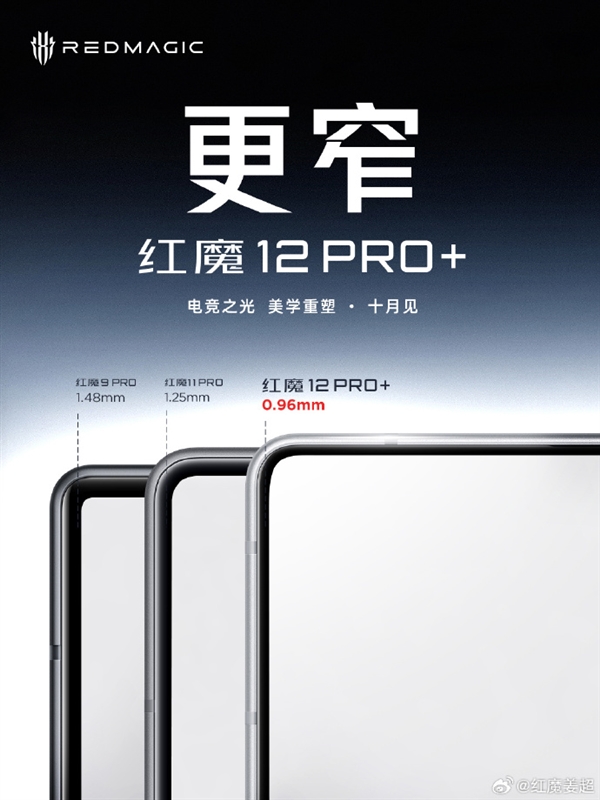
RedMagic is positioning the 12 Pro+ as its most comfortable flagship yet, with a design focused on being lighter, thinner, narrower and more rounded than its predecessor. Promotional images show that the company has also reduced the display bezels, with the black border shrinking from 1.25mm on the previous model to 0.96mm. The phone will retain a hole-free under-display front camera design for a cleaner viewing area.
The new gaming phone is expected to place a strong emphasis on sustained performance and thermal management. RedMagic product general manager Jiang Chao said the device is designed to maintain performance during demanding gaming sessions while improving ergonomics and retaining a distinctive gaming-focused design.
The company has also teased several new cooling technologies for the phone, although their technical details have not yet been revealed. Alongside the hardware upgrades, RedMagic is preparing improvements to the system UI, overall smoothness and AI features, suggesting that the 12 Pro+ will target everyday usability as well as gaming.
Honor is set to unveil the Magic 9 series in China today, September 28. Ahead of the event, the company has already revealed the price of the standard Honor Magic 9. The announcement also gives us an early look at its key hardware and how its pricing compares with recently launched rivals.
Honor Magic 9 specifications and features
Honor Magic 9 price revealed
The Honor Magic 9 will be available in a 16GB+512GB configuration priced at 5,999 Yuan (~$900) in China. After the applicable government subsidy, the effective price drops to 5,499 Yuan (~$820). The phone will be offered in four colors: Explosive Rice White, Curtain Black, Opening White and Olive Green, according to the promotional material.
A 6.37-inch display is listed for the phone, while the imaging setup includes a 200-megapixel primary camera, a 200-megapixel telephoto camera and a 50-megapixel ultrawide camera. The Magic 9 will also pack an 8,000mAh battery with support for 80W wired and 50W wireless charging. The device is expected to feature Qualcomm’s Snapdragon 8 Elite Gen 5 processor.
Honor Magic 9 price and availability
The Magic 9’s pricing is particularly notable when compared with recent Chinese launches. The Find X10 starts at 5,499 yuan for the 12GB+256GB variant, while the Vivo X500 also starts at 5,499 Yuan (~$820) for its 12GB+256GB configuration. Both phones debuted earlier this month, making the Magic 9’s 5,999-Yuan starting price 500 Yuan higher than these models before the subsidy is applied.
With the subsidy, the Magic 9 offers more RAM and twice the storage compared with the base variants of the Find X10 and Vivo X500, while effectively matching their 5,499-yuan price. Honor is also highlighting the pricing as a major value proposition, with promotional material claiming that its pre-subsidy price is 500 Yuan below the 6,499-Yuan price of the lowest-priced newly released phone in the same segment.
Honor is set to launch the Honor Magic 9 series on September 28 (today) in China. Ahead of the launch, the topmost model in the lineup, the Honor Magic 9 Pro Max, has surfaced in a benchmark listing, revealing its AnTuTu score. Here’s a look at the benchmark results and what they reveal about the upcoming flagship.
Honor Magic 9 Pro Max AnTuTu listing
Honor Magic 9 Pro Max AnTuTu listing
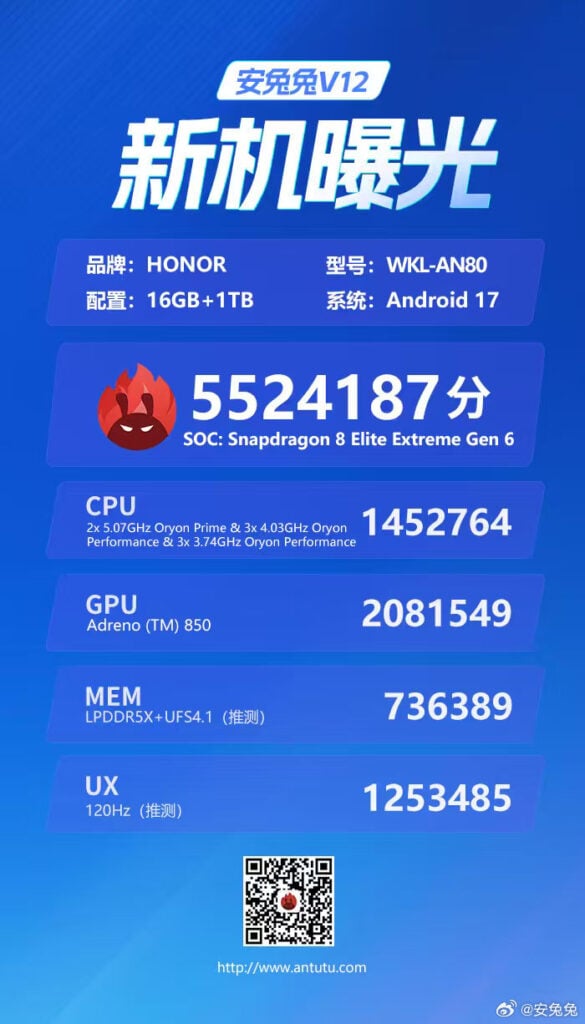
An AnTuTu V12 listing identifies the phone as the Honor Magic 9 Pro Max with model number WKL-AN80. The tested configuration features 16GB of LPDDR5X RAM and 1TB of UFS 4.1 storage, while the software is listed as Android 17. The benchmark also identifies Qualcomm’s Snapdragon 8 Elite Extreme Gen 6, with two Oryon Prime cores reaching 5.07GHz, three performance cores at 4.03GHz and three additional performance cores at 3.74GHz.
The phone recorded an overall AnTuTu V12 score of 5,524,187 points. Its CPU score was 1,452,764, while the GPU contributed 2,081,549 points. The memory and UX tests returned 736,389 and 1,253,485 points, respectively. This puts the Magic 9 Pro Max ahead of the OnePlus 16, which previously scored 5,384,433 points on AnTuTu V12 in a 16GB+1TB configuration.
Honor Magic 9 Pro Max specifications
According to reports ahead of the launch, the Magic 9 Pro Max could feature a 6.8-inch 1.5K LTPO OLED display with a 120Hz refresh rate. Its imaging setup includes a 200-megapixel main camera with a 1/1.28-inch sensor, a 50-megapixel ultrawide camera and a 200-megapixel periscope telephoto camera with 3.5x optical zoom. For selfies, it will feature a 55-megapixel square front-facing camera.
Powering the phone could be an 8,800mAh battery with support for 100W wired and 80W wireless charging. Other reported features include ARRI imaging technology, 3D face recognition, a 3D ultrasonic fingerprint sensor and IP68, IP69 and IP69K protection.
Oppo has launched the Reno 16t in China, pairing a fashion-focused design with a large battery and a triple-camera setup. The phone also packs a MediaTek Dimensity 8-series chip and a compact 6.32-inch AMOLED display. Here’s more in detail about the Reno 16t.
Where to buyOppo Reno 16Browse the range on AmazonShop now →
Oppo Reno 16t specifications and features
Oppo Reno 16t
The Oppo Reno 16t features a 6.32-inch flexible AMOLED display with a 2640×1216 resolution, 120Hz refresh rate, 460 PPI density and support for 1.07 billion colors. The official specifications list 1800 nits global peak brightness, while promotional material highlights a 3600-nit figure. The display also supports up to 240Hz touch sampling.
The Reno 16t is powered by the Dimensity 8550 Super chipset. The phone comes with 12GB of LPDDR5X/LPDDR5 RAM and up to 512GB of UFS 3.1 storage. A 6700mAh battery powers the device, while 80W SuperVOOC and 80W UFCS fast charging handle recharging.
Oppo Reno 16t
On the rear, Oppo has fitted a 200-megapixel main camera with OIS, joined by a 50-megapixel ultrawide camera with a 116-degree field of view and a 50-megapixel telephoto camera with OIS. The setup supports up to 3.5x optical zoom and 120x digital zoom. A 50-megapixel autofocus selfie camera handles front-facing photography and supports 4K video recording. It also supports dual-view video, HDR recording and 4K video at 60fps.
Connectivity features include Wi-Fi 6, Bluetooth, NFC, an in-display optical fingerprint sensor, USB Type-C and dual nano-SIM support. The handset also features an AI Plus key on the left edge for accessing Mind Space. The phone is 8.36mm thick, with the exact thickness varying by color. It weighs up to 191g. In terms of durability, the phone offers IP68 / IP69K-level water and dust resistance.
The Oppo Reno 16t starts at 3,699 Yuan (~$550) in China for the 12GB+256GB model. Its color variants include Heartbeat, Galaxy Purple and Moonlight Black, and it also comes in a higher 16GB+612GB version.
To sum up, the Reno 16t is not different from the already available Reno 16 in the Chinese market. While the Reno 16 is widely available, the Reno 16t costs 200 yuan more and is primarily aimed at the offline market.
We use cookies on our website to give you the most relevant experience by remembering your preferences and repeat visits. By clicking “Accept”, you consent to the use of ALL the cookies.
This website uses cookies to improve your experience while you navigate through the website. Out of these, the cookies that are categorized as necessary are stored on your browser as they are essential for the working of basic functionalities of the website. We also use third-party cookies that help us analyze and understand how you use this website. These cookies will be stored in your browser only with your consent. You also have the option to opt-out of these cookies. But opting out of some of these cookies may affect your browsing experience.
Necessary cookies are absolutely essential for the website to function properly. This category only includes cookies that ensures basic functionalities and security features of the website. These cookies do not store any personal information.
Any cookies that may not be particularly necessary for the website to function and is used specifically to collect user personal data via analytics, ads, other embedded contents are termed as non-necessary cookies. It is mandatory to procure user consent prior to running these cookies on your website.