Add GIZMOCHINA as Preferred Source on Google
As an Amazon Associate, Gizmochina earns from qualifying purchases. Links on this page may earn us a commission at no extra cost to you.
If you are still using the OnePlus 11 in 2026, it has aged well. The phone is now over 3 years old and likely still handles everyday tasks without much friction. Apps open quickly, scrolling feels smooth, and the charging speed is what you can rely on. In a lot of ways, the OnePlus 11 might not feel like a 2023 smartphone or outdated per se.
However, now is the right time to upgrade from it since it’s more about what happens next.
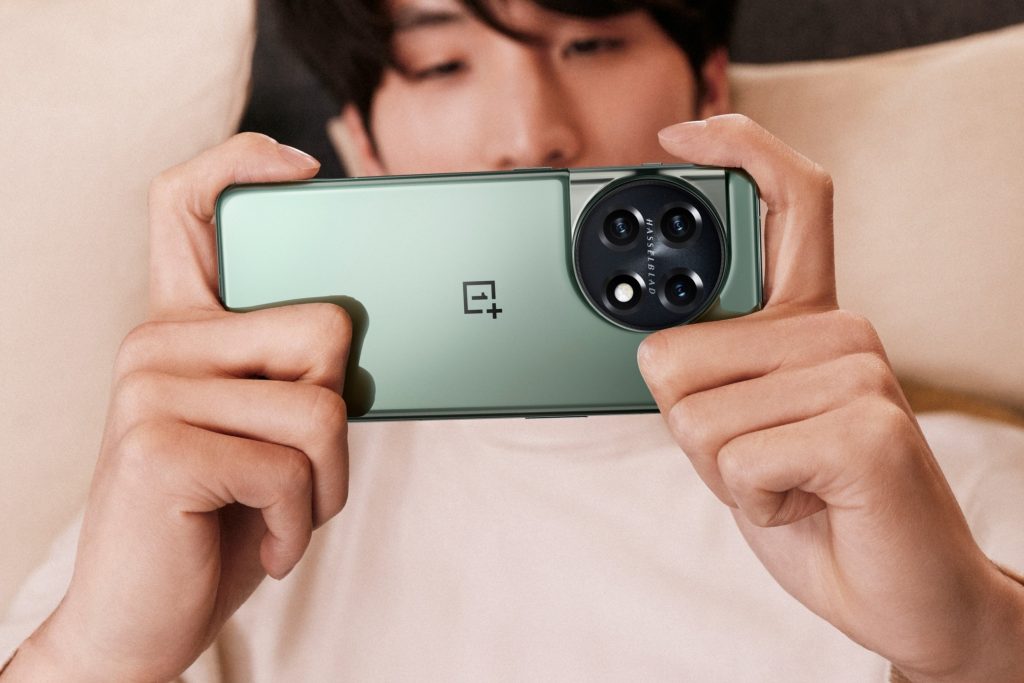
The upcoming OxygenOS 17 is expected to be the last major update for the OnePlus 11. That means it will no longer be moving forward with future Android versions.
At the same time, the Snapdragon 8 Gen 2 inside the OnePlus 11 is now a few generations behind. You might not feel the difference immediately, but it will start to appear in small ways, if it hasn’t. And it could be anything from slightly longer load times, less efficient battery use, or fewer performance gains in newer apps and games.
None of this makes the OnePlus 11 unusable. It just makes it easier to justify moving on.
1. What to look for if you’re coming from a OnePlus 11
If you’ve used a OnePlus phone for a while, your expectations are pretty clear, even if you don’t think about them directly.
You expect fast charging that actually changes how you use the phone. Plug in for a few minutes, and you’re good again. You expect performance that doesn’t need explaining. No stutters. No weird slowdowns. And you expect software that doesn’t constantly get in your way.
You might get that combination in the OnePlus ecosystem itself. Or if you want to move, we have those options too.
2. The List: OnePlus 15R
The OnePlus 15R could be an easy upgrade because you are sticking to the known OnePlus ecosystem. It runs on Snapdragon 8 Gen 5, which is a noticeable jump from the 8 Gen 2. Not just in peak performance, but in how stable everything feels. Its thermal management is also better if you are into gaming.
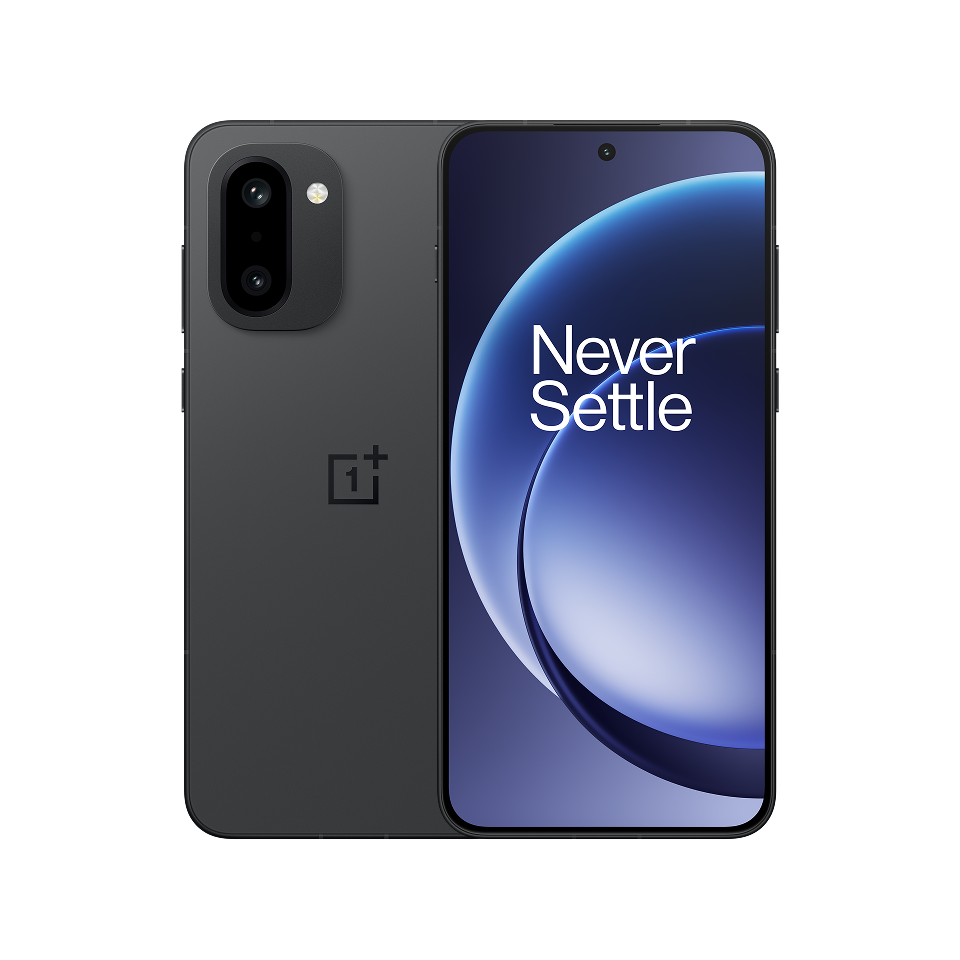
More importantly, you get a 48% bigger battery at 7,400mAh. Charging is quick too at 80W wired, which refills that big cell comfortably in under an hour.
Moving on, the 15R also has a 165Hz AMOLED panel. In comparison, the OnePlus 11 has a 120Hz panel. While the difference may not be noticeable immediately since few apps support a 165Hz refresh rate, games like Call of Duty Mobile, Clash of Clans, Brawl Stars, and Real Racing 3 are optimized to make use of it.
Key Specs:
- Snapdragon 8 Gen 5
- 7,400mAh battery
- 165Hz AMOLED display
- 80W fast charging
- OxygenOS 16
Why OnePlus 11 users will like it:
It feels familiar in the ways that matter. Fast, smooth, predictable. You don’t need to relearn anything.
Why they won’t:
The cameras are fine. Not bad. But this isn’t the phone you buy if you’re obsessed with photography.
Check the best price: Amazon India | Amazon US
3. iQOO 15R
The iQOO 15R is the performance-focused alternative. Internally, it’s nearly identical to the OnePlus. Same chipset, same general performance ceiling. Even the camera setup mirrors the OnePlus. It has a 50MP main, 8MP ultrawide, and again, no telephoto. This seems to be a consistent trade-off across this segment.
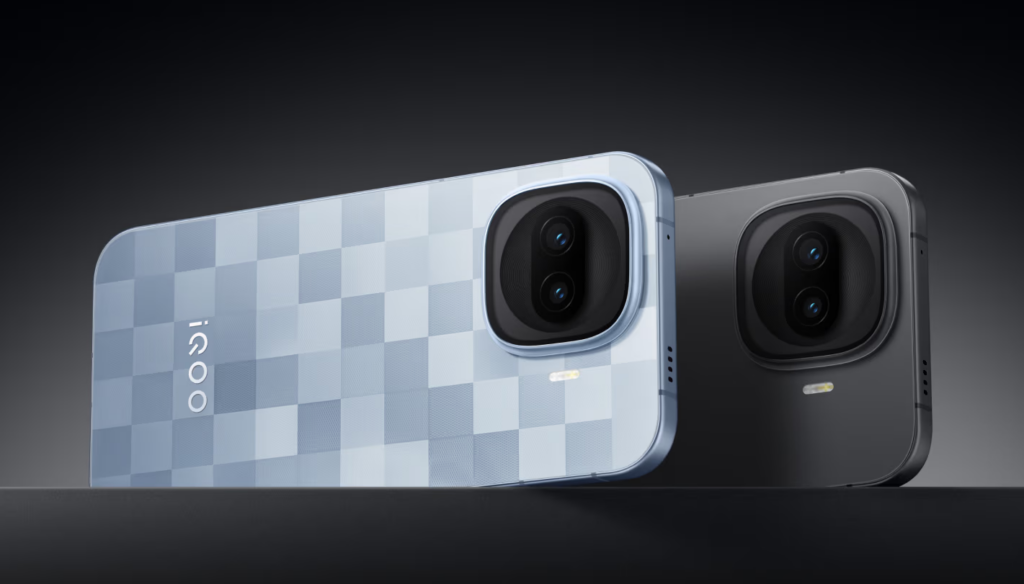
The battery size is even bigger here at 7,600mAh, and charging goes up to 100W. iQOO quotes a 50% charge in about 33 minutes, so short top-ups go a long way.
The difference here is the display, which is a 144Hz AMOLED panel. Slightly lower refresh rate than the OnePlus options, but not something most people will notice.
Key Specs:
- Snapdragon 8 Gen 5
- 7,600mAh battery
- 144Hz AMOLED display
- 100W fast charging
- Long software support window
Why OnePlus 11 users will like it:
It delivers the same “fast and practical” experience, but with even bigger numbers.
Why they won’t:
Software experience feels different, and the cameras are average.
Check the best price: Amazon India | Amazon US
4. Motorola Signature
The Motorola Signature is the outlier here. It’s thinner, lighter, and more design-focused than most phones in this category.
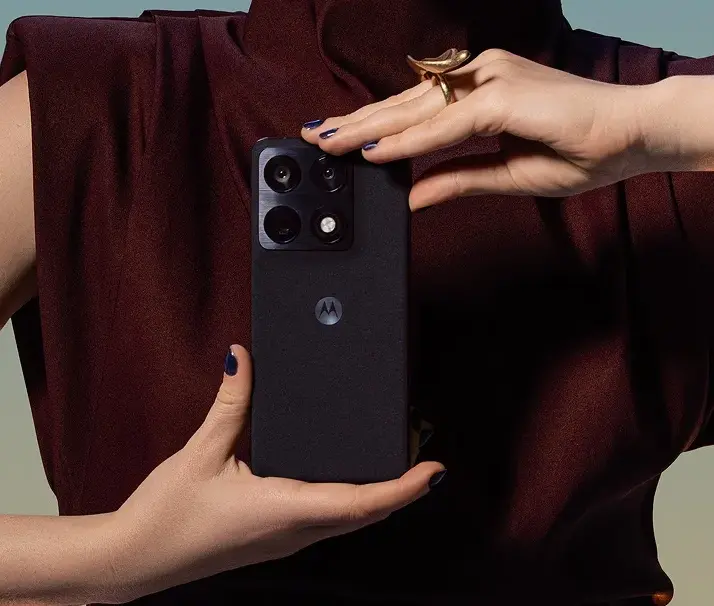
It still runs a Snapdragon 8 Gen 5 with 16GB RAM and 512GB storage as standard. What stands out is the design. It’s thinner than most phones in this category, lighter, and still manages to include a high-brightness display and strong durability ratings.
Key Specs:
- Snapdragon 8 Gen 5
- 16GB RAM, 512GB storage
- 165Hz display
- IP68/IP69 rating
- Premium lightweight design
Why OnePlus 11 users will like it:
It keeps a relatively clean Android experience, and it feels different in a good way.
Why they won’t:
It’s expensive. And it doesn’t lean into fast charging the way OnePlus does.
Check the best price: Amazon India | Amazon US
5. Motorola Edge 70 Max
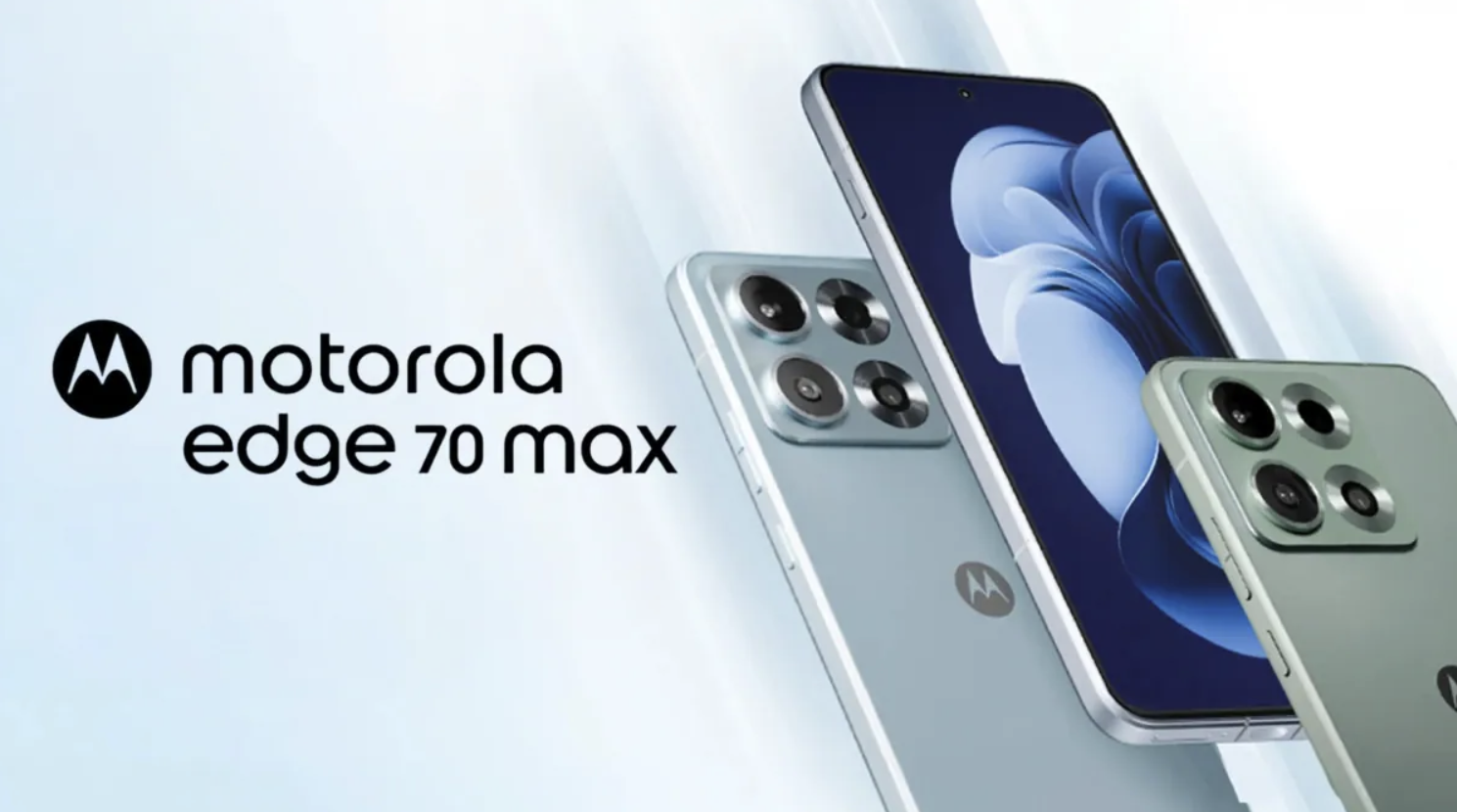
The Motorola Edge 70 Max is the newest phone on this list, launched in India in mid July, and it goes straight for the two things OnePlus 11 owners care about most: battery and charging. You get a 7,100mAh silicon carbon battery with 90W wired charging, plus 25W magnetic wireless charging that works with MagSafe accessories.
Performance comes from the same Snapdragon 8 Gen 5 as the rest of this list, with up to 12GB of RAM and UFS 4.1 storage. The display is the other headline. It reaches up to 7,000 nits of peak brightness, so it stays readable in direct sunlight in a way the OnePlus 11 never did.
Yes, it is the second Motorola here, but it earns the spot for a different reason than the Signature. The Signature is the design pick. The Edge 70 Max is the endurance pick, and for most people it is the more sensible of the two.
Key Specs:
- Snapdragon 8 Gen 5
- 7,100mAh silicon carbon battery
- 90W wired, 25W magnetic wireless charging
- Up to 7,000 nits peak brightness
- Gorilla Glass 7i
Why OnePlus 11 users will like it:
It fixes the OnePlus 11’s two weakest points in 2026, battery life and screen brightness, and Moto’s software stays close to stock Android.
Why they won’t:
The cameras are competent rather than exciting, and Motorola is slower with updates than OnePlus.
Check the best price: Amazon India | Amazon US
6. Best overall pick for a OnePlus 11 user
For most people, the answer is the OnePlus 15R.
Not because it’s the most powerful. It isn’t. Not because it has the best camera. It doesn’t.
It’s the best because it feels like a continuation. You get a much newer chip, a significantly larger battery, and the same general experience you’re already used to. There’s no adjustment period. No trade-offs that feel surprising.
For more daily updates, please visit our News Section.
Stay ahead in tech! Join our Telegram community and sign up for our daily newsletter of top stories! 💡