Add GIZMOCHINA as Preferred Source on Google
As an Amazon Associate, Gizmochina earns from qualifying purchases. Links on this page may earn us a commission at no extra cost to you.
If you look at the back of a modern flagship smartphone, you’ll notice that camera modules have grown significantly. We have moved past the simple megapixel race; today, manufacturers are focusing on larger sensors, better glass, and practical software that actually helps you take better photos.
The line between a dedicated point-and-shoot camera and a smartphone is thinner than ever, making it an excellent time to upgrade if photography is your priority.
Whether you prefer the tactile feel of physical lenses, the reliability of a simple point-and-shoot, or the flexibility of advanced editing software, the current market has something tailored to your workflow. Here is a look at the seven best camera phones available in July 2026.
1. Vivo X300 Ultra
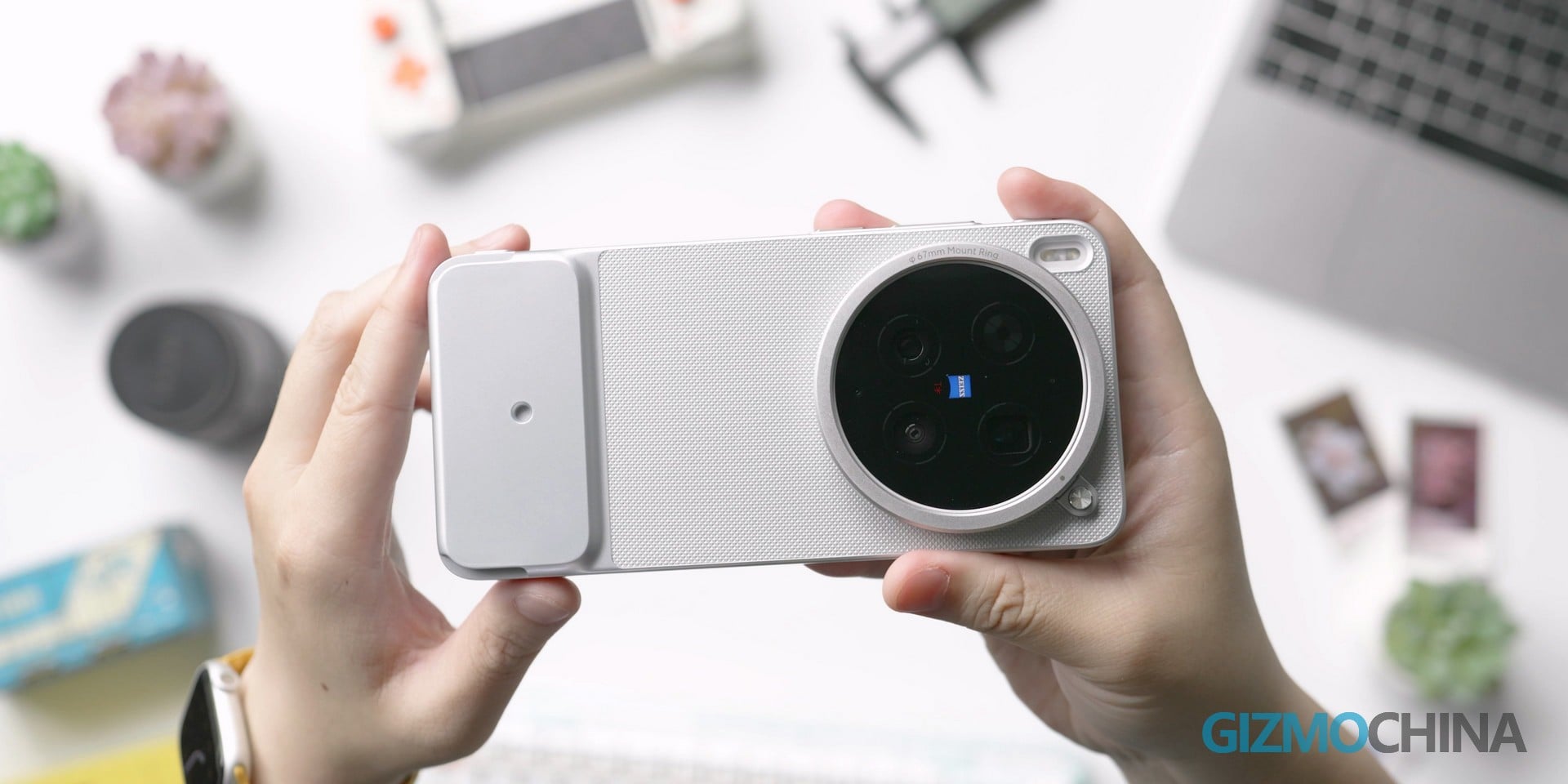
Vivo has positioned the X300 Ultra as a pocket camera, and the hardware reflects that approach. The phone features three Zeiss-branded cameras on the back, built around a 200MP 35mm main camera using a Sony LYTIA 901 sensor. It also includes a 200MP 85mm gimbal-stabilized periscope telephoto lens for long-range shots and a 50MP 14mm ultra-wide camera.
What makes the X300 Ultra unique is its modular ecosystem. Vivo offers a Professional Imaging Kit that includes a camera grip and two physical Zeiss teleconverter modules: a 200mm lens that provides 8.7x optical zoom at a 200mm equivalent focal length, and a 400mm lens.
It also features Vivo’s Blueprint Original Color Camera technology and a dedicated 5MP spectral sensor for more accurate color reproduction, helping deliver a tactile, traditional photography experience.
2. Oppo Find X9 Ultra
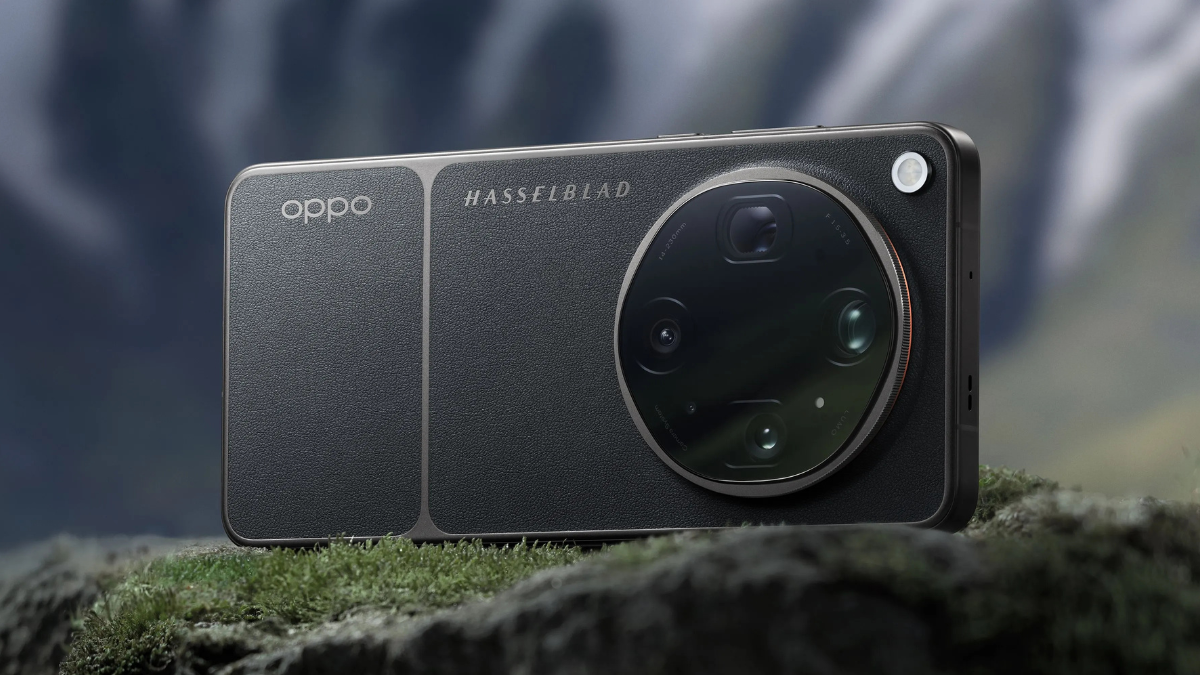
The Oppo Find X9 Ultra leans heavily into its partnership with Hasselblad. The device features an eco-leather back and a comprehensive six-lens array. The primary setup includes a 200MP main sensor, a 200MP telephoto, and a dedicated 10x optical zoom Hasselblad lens that maintains optical quality up to 20x.
Oppo is using its new LUMO internal optical zoom technology, which helps retain detail by quadrupling the pixel count at the 2x and 6x zoom ranges. The software includes Hasselblad Master Mode, which allows for 8K photo output and includes Original Film profiles designed to replicate classic analog film stocks.
For those who want more physical control, Oppo’s Hasselblad Earth Explorer Kit adds a professional teleconverter, a camera grip, and a 67mm filter adapter ring.
3. Apple iPhone 17 Pro

Apple updated its camera hardware last year, giving the iPhone 17 Pro a triple 48MP rear array. This includes a 48MP Fusion camera, a 48MP ultra-wide, and a redesigned 48MP Telephoto lens with a significantly larger sensor. The optical zoom reaches 4x at 100mm and 8x at 200mm, offering more versatility for framing subjects.
The A19 Pro chip handles the image processing, bringing updates to Apple’s Photonic Engine. The physical Camera Controls on the device make it easy to adjust exposure, depth, and photographic styles on the fly.
Apple also updated the front-facing camera with an 18MP square sensor for a wider field of view, while maintaining its strong video capabilities with 4K Dolby Vision at 120fps and spatial audio capture.
4. Samsung Galaxy S26 Ultra
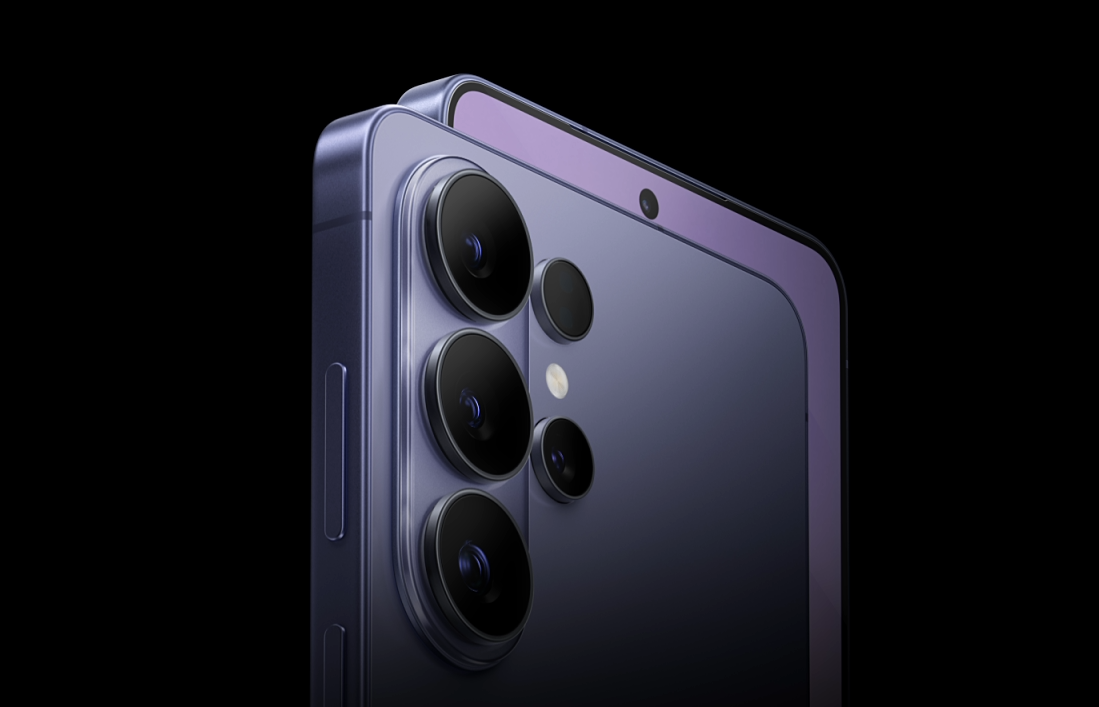
The Samsung Galaxy S26 Ultra earns its spot by focusing heavily on low-light performance and practical video upgrades. Samsung has widened the apertures across its camera array, giving the 200MP main sensor an f/1.4 lens and the upgraded 50MP ultrawide an f/1.9 lens.
In practical terms, this allows the hardware to capture much more light naturally, resulting in cleaner photos and improved Nightography video in dim environments without over-relying on software processing. The zoom setup remains highly versatile, featuring a 10MP 3x telephoto and a 50MP 5x periscope lens.
For video shooters, the S26 Ultra is the first Galaxy device to support the Advanced Professional Video (APV) standard, which efficiently compresses high-quality video files so they don’t eat up your storage as quickly.
Combined with upgraded Super Steady stabilization, updated native AI editing tools, and a front-facing camera equipped with a new AI Image Signal Processor for more accurate skin tones in mixed lighting, it is a thoroughly well-rounded tool for mobile photography and filmmaking.
5. Xiaomi 17 Ultra
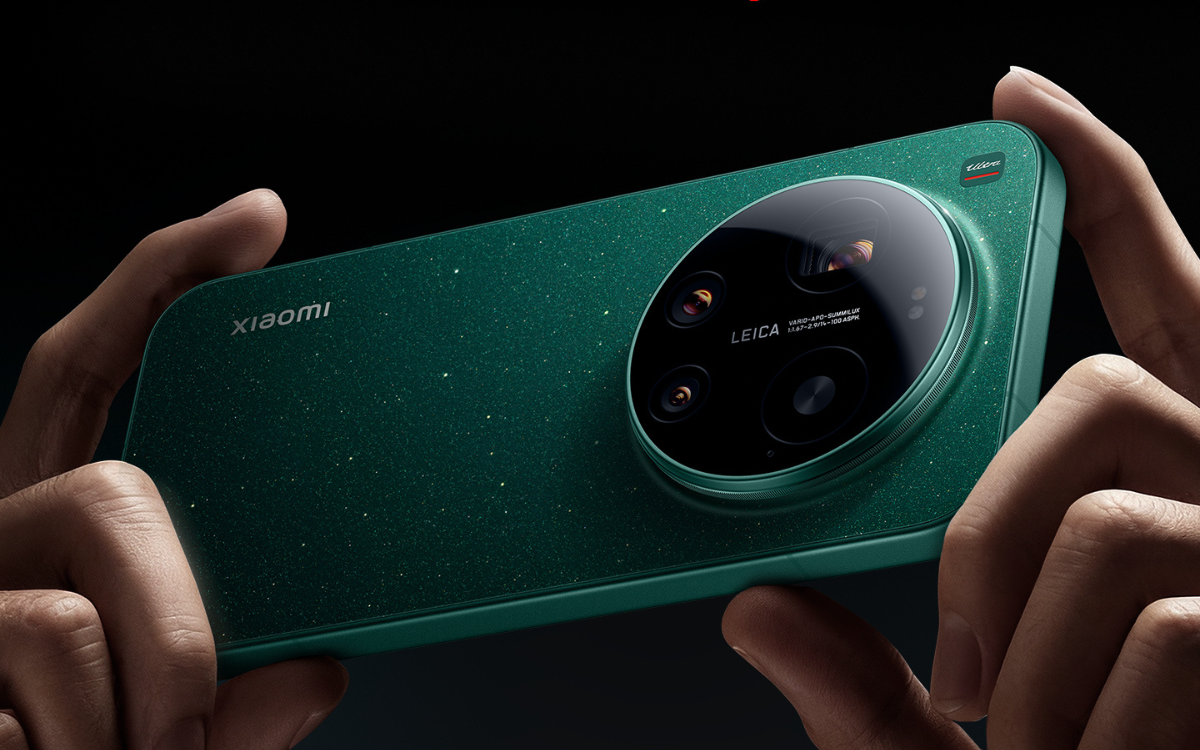
Xiaomi’s ongoing collaboration with Leica continues with the 17 Ultra. The phone retains its distinct circular camera module, housing a quad-camera array. The main camera uses a 1-inch type sensor with a variable aperture, supported by three 50MP lenses for ultra-wide, 3x telephoto, and 5x periscope duties.
The image processing is handled by Xiaomi’s custom Surge chip, which is tuned to deliver Leica’s signature color science and contrast-heavy look with minimal shutter lag. Xiaomi also offers a Photography Kit for this model, which adds a case with a two-stage shutter button, a zoom lever, and a 67mm filter thread, making it feel much more like a traditional point-and-shoot.
6. Google Pixel 10 Pro XL
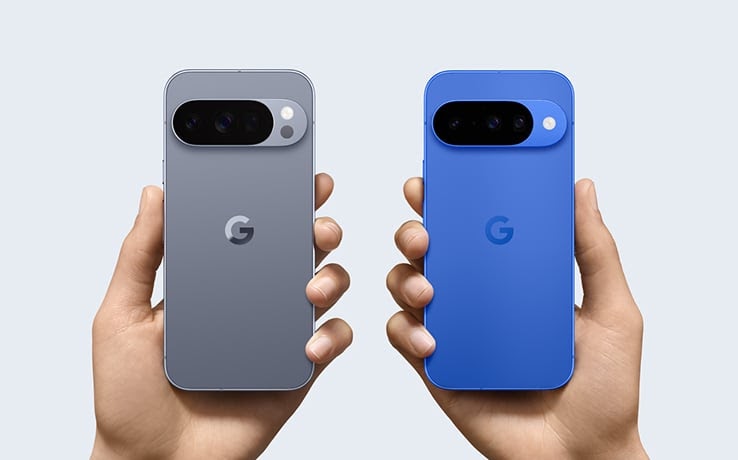
While other brands focus heavily on physical attachments, the Pixel 10 Pro XL remains a showcase for Google‘s computational photography. The hardware is solid, featuring a 50MP main sensor, a 48MP ultra-wide, and a 48MP 5x telephoto lens.
The real differentiator is the Tensor G5 chip and its custom Imaging Signal Processor. This enables new software tools like Camera Coach, which uses on-device AI to suggest framing and lighting adjustments in real-time. Features like Auto Best Take and Magic Cue help refine group shots and action photos. It also supports 100x Pro Res Zoom and 8K video recording through Google’s Video Boost processing.
7. Vivo X300 Pro
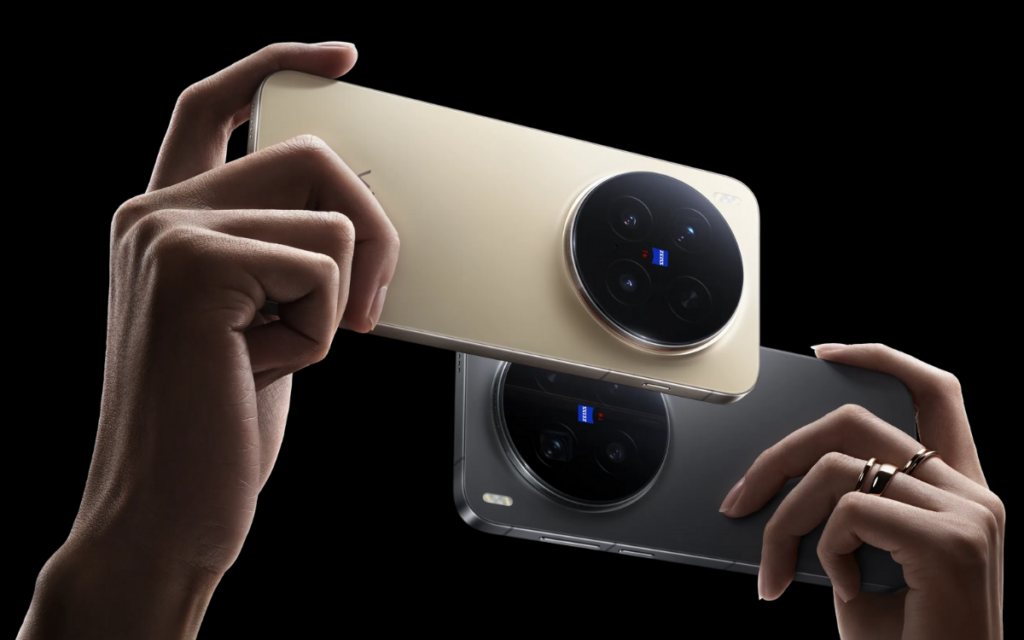
The Vivo X300 Pro is a strong alternative if you don’t want to step all the way up to the Ultra model. It is the first phone to use the 50MP Sony LYT828 main sensor, and it pairs that with a 50MP ultra-wide and the same 200MP periscope telephoto lens found on the X300 Ultra.
It relies on Vivo’s custom V3+ and VS1 dual imaging chips, which are particularly effective for shooting 4K HDR cinematic portrait videos. The X300 Pro is also compatible with the Zeiss 2.35x telephoto extender kit, allowing users to experiment with physical lens attachments on a slightly more accessible device.
For more daily updates, please visit our News Section.
Stay ahead in tech! Join our Telegram community and sign up for our daily newsletter of top stories!