
Add GIZMOCHINA as Preferred Source on Google
As an Amazon Associate, Gizmochina earns from qualifying purchases. Links on this page may earn us a commission at no extra cost to you.
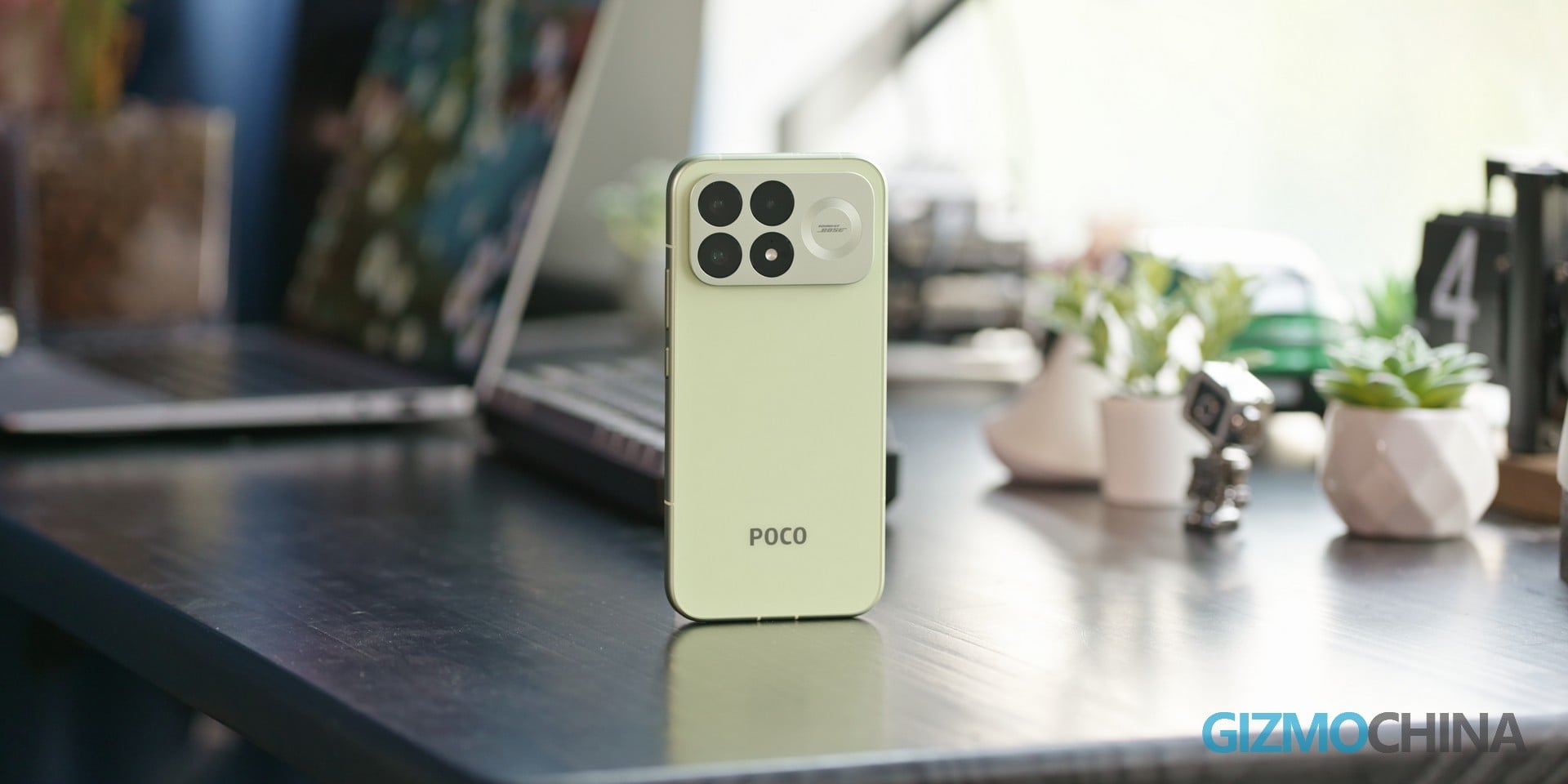
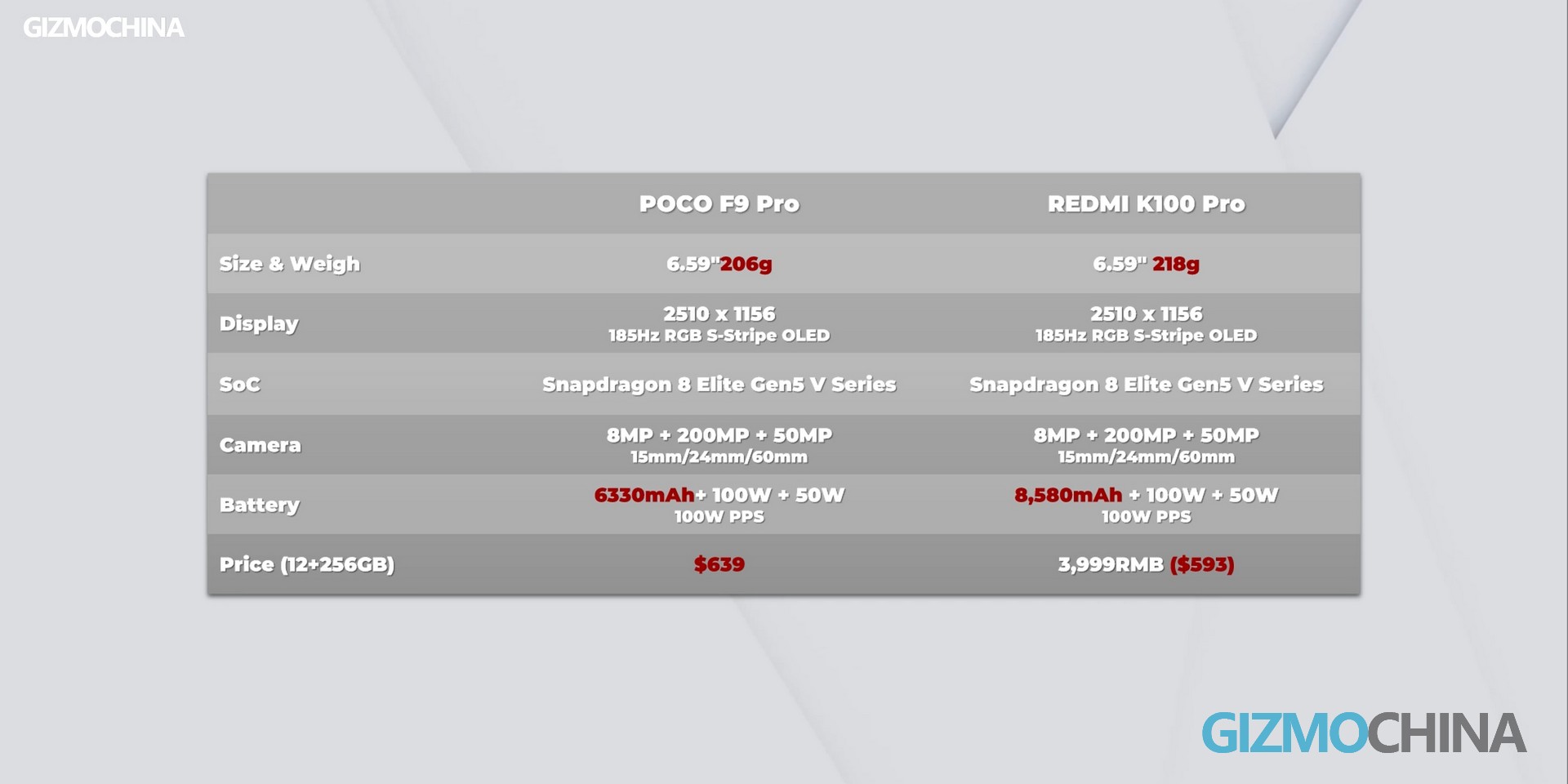
The POCO F9 Pro and F9 Ultra have finally made their global debut, bringing flagship-level hardware to international markets. At their core, these two phones are essentially the global counterparts of the Redmi K100 Pro and K100 Pro Max, sharing the same core chipset, display technology, and camera hardware. There are, however, some differences for global users.
The most noticeable one is the smaller battery capacity. So while the performance remains very much in flagship territory, battery life can vary depending on the market and usage conditions. After spending some time with the POCO F9 Pro, here’s what stands out.
Design
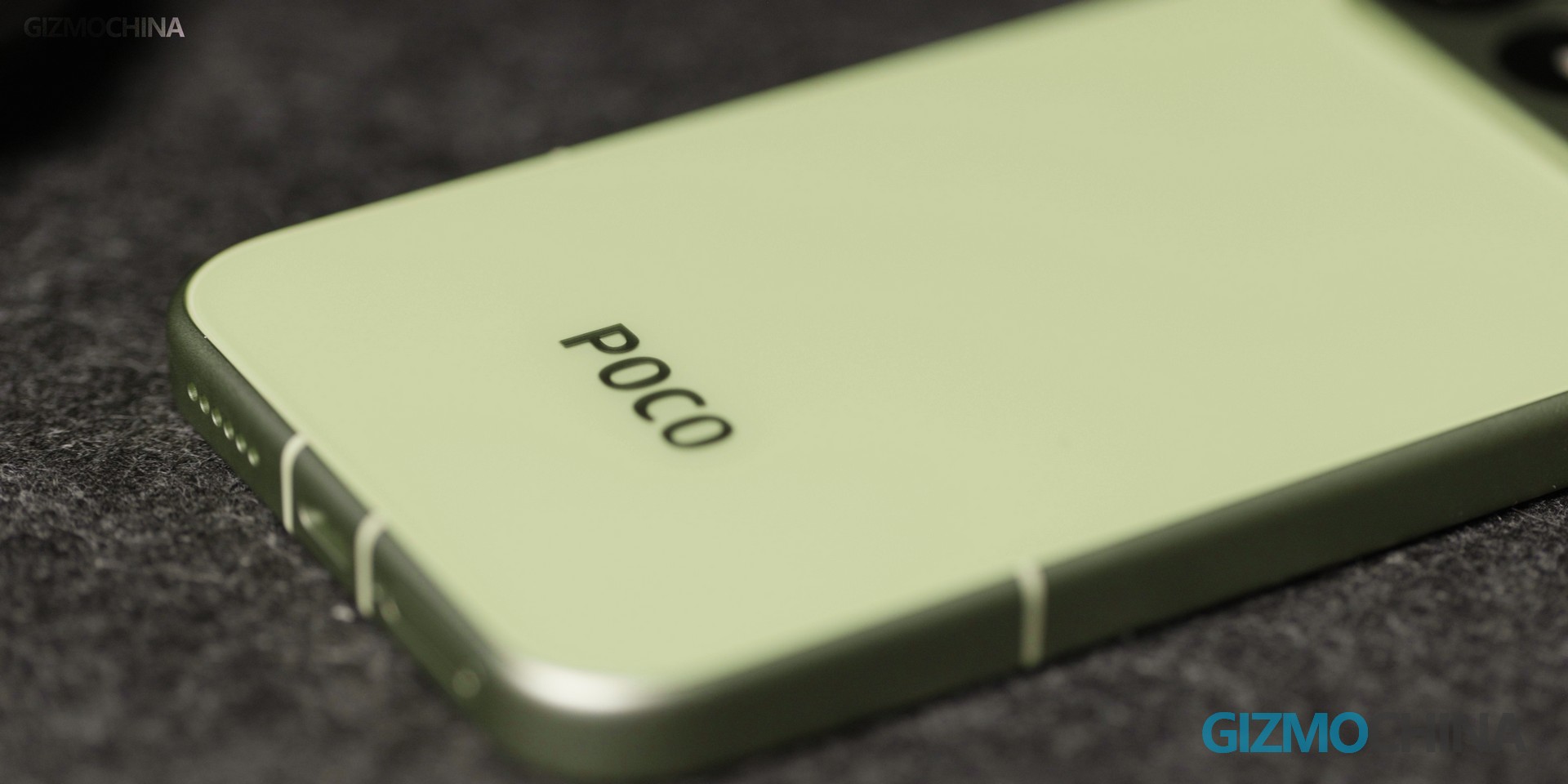
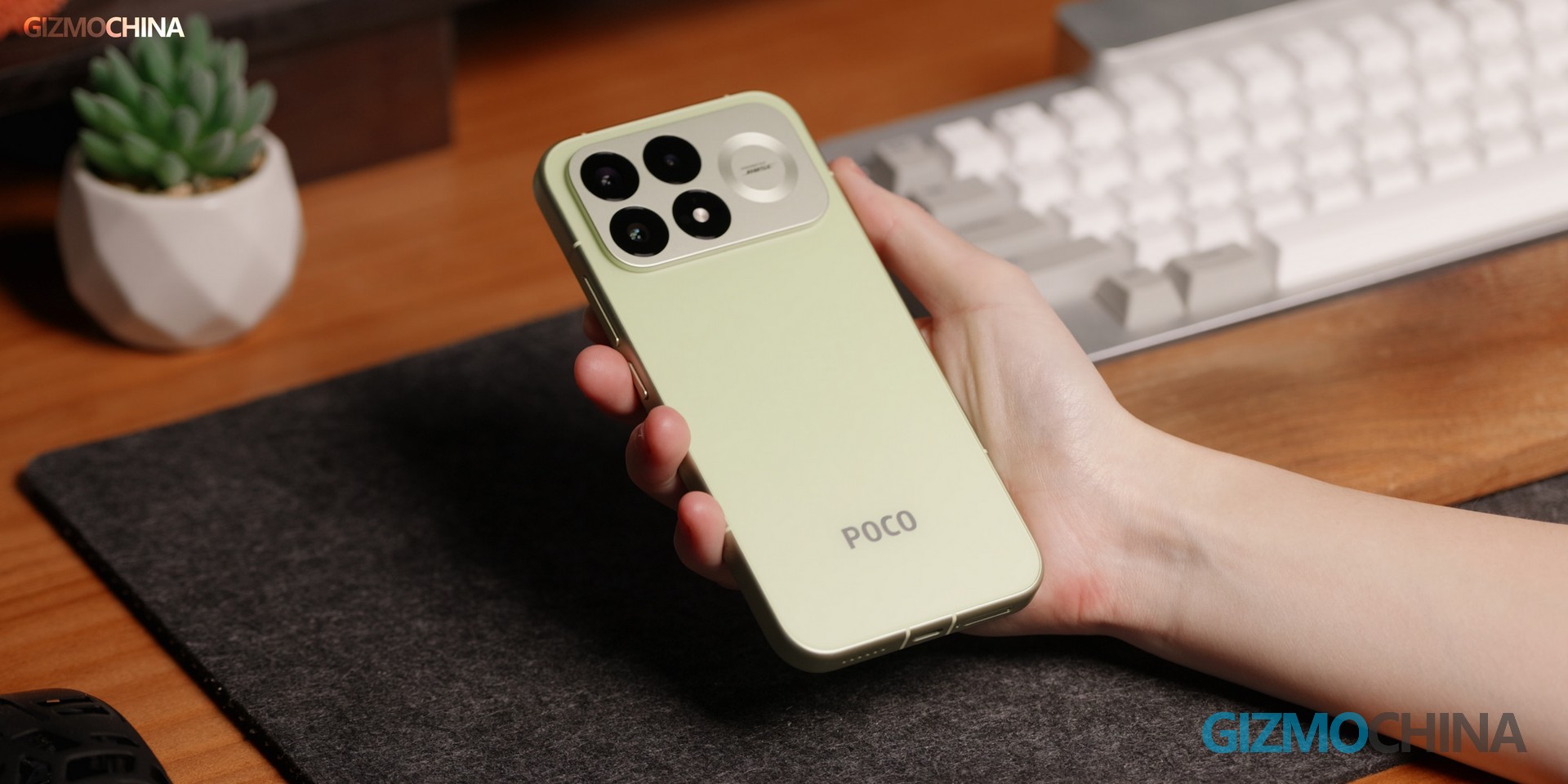
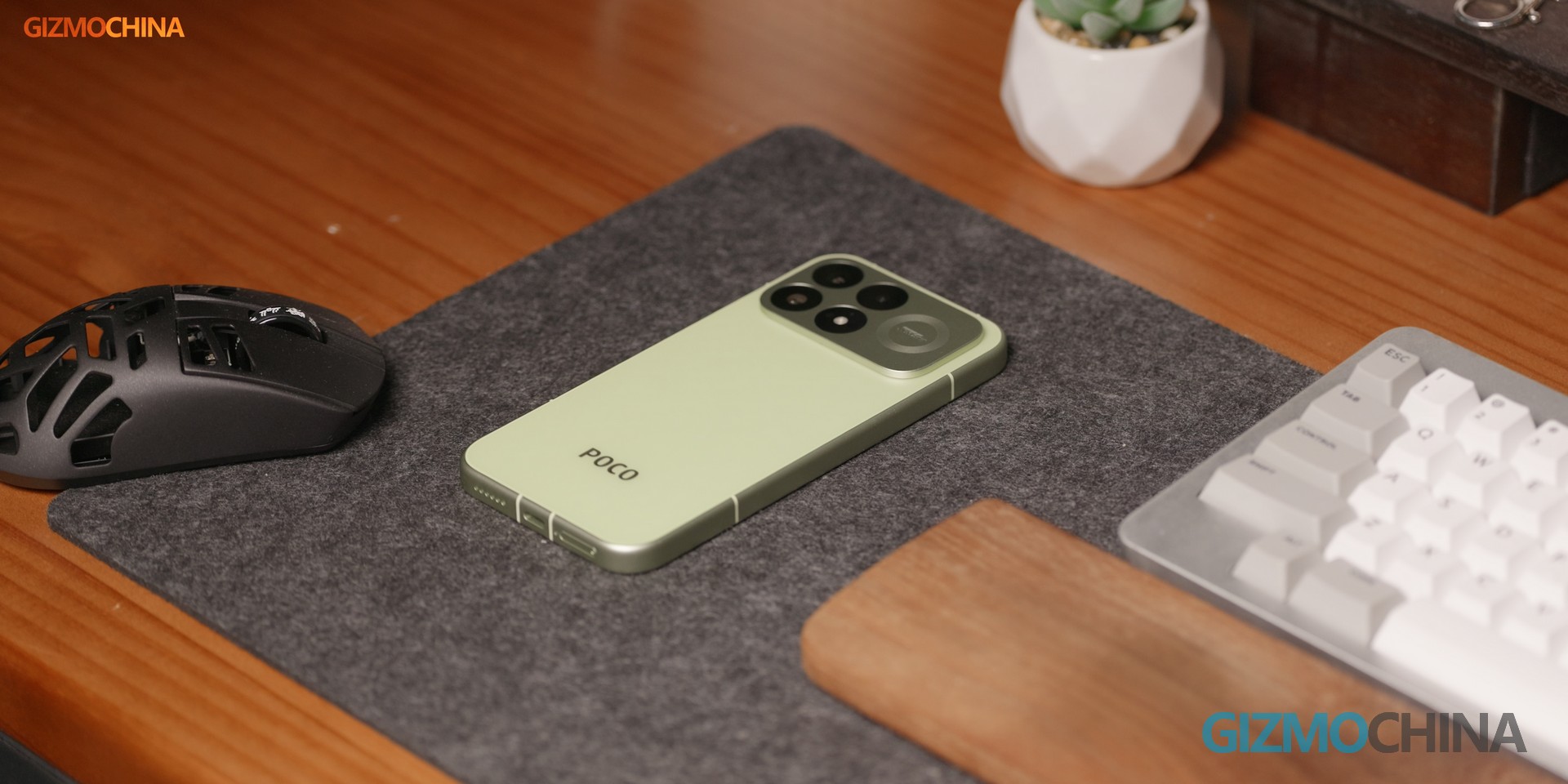
The POCO F9 Pro comes in three colors: Black, White, and Aurora Green. The Aurora Green version is easily the most distinctive of the three, thanks to a fluorescent treatment on the rear panel that glows in the dark. It’s not an especially bright glow, and that’s probably a good thing. Instead, it creates a subtle effect that’s just noticeable when the lights go out. It’s a small detail, but it gives the phone some personality without making the design feel gimmicky.
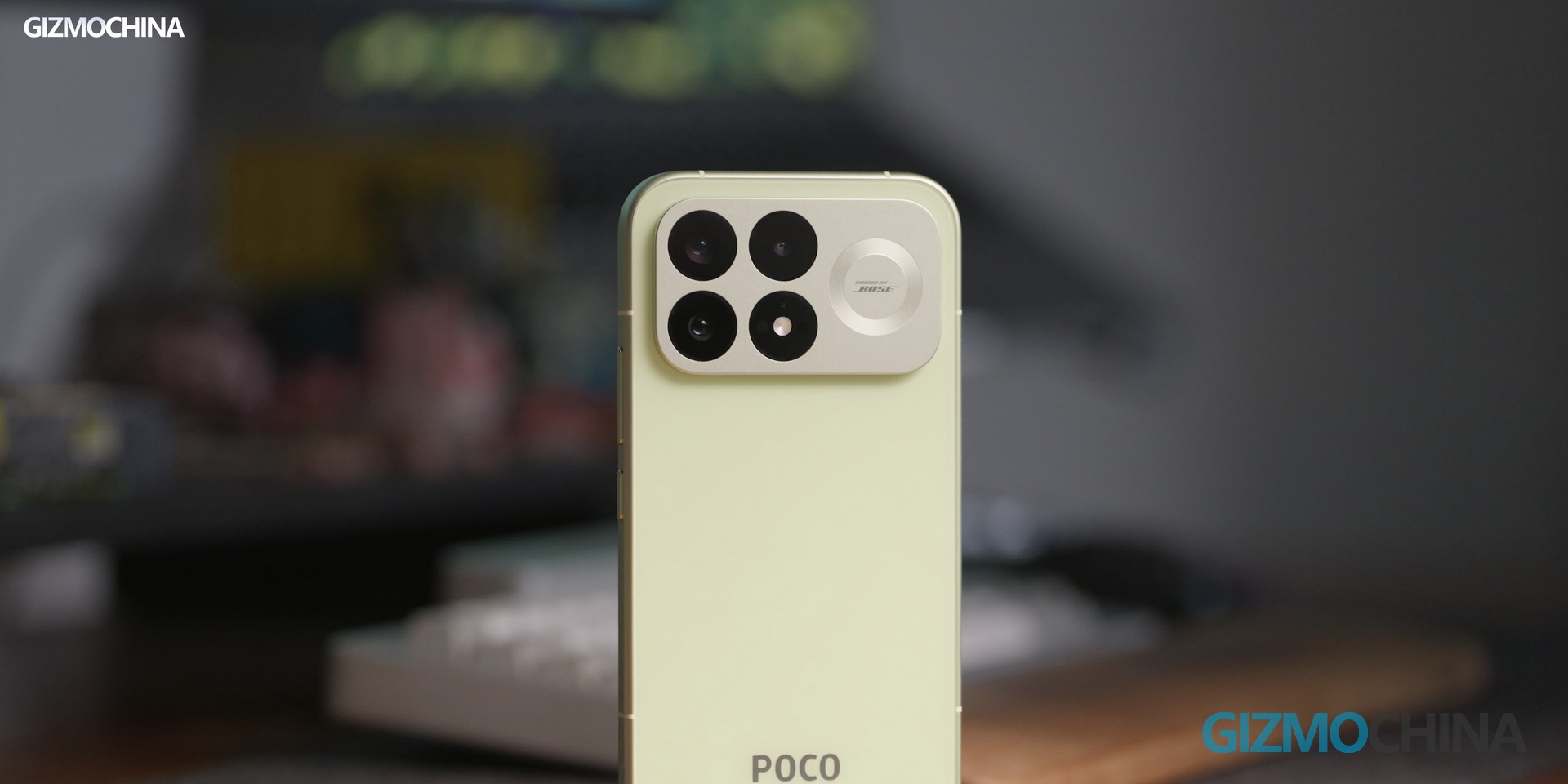
The camera module sits in the upper-left corner, following a fairly familiar layout. Right beside it, you’ll find the iconic BOSE logo, adding another visual detail to the otherwise clean rear panel. In the hand, the F9 Pro feels solid and comfortable. It’s definitely an eye-catching phone, but it doesn’t go too far with the styling.
Display
The F9 Pro features a large, high-quality display that’s particularly impressive when it comes to smoothness. Scrolling through social media, browsing the web, and navigating menus all feel incredibly fluid. Colors are vibrant without looking excessively saturated, so images and videos still retain a relatively natural appearance. What I particularly appreciate is how comfortable the display is during extended use. After spending several hours reading and watching videos, I didn’t experience the kind of eye strain that can sometimes come with prolonged screen time.
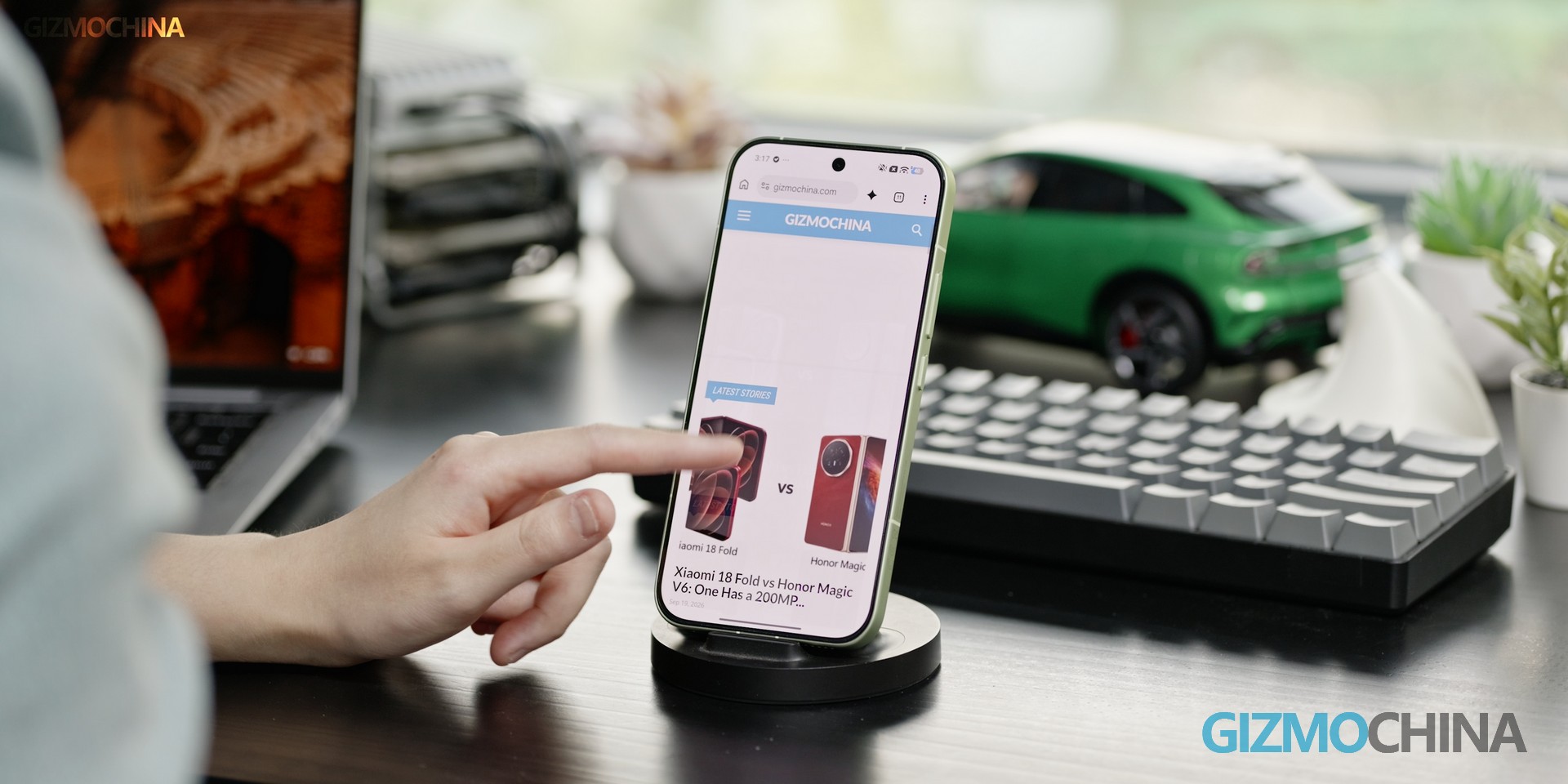
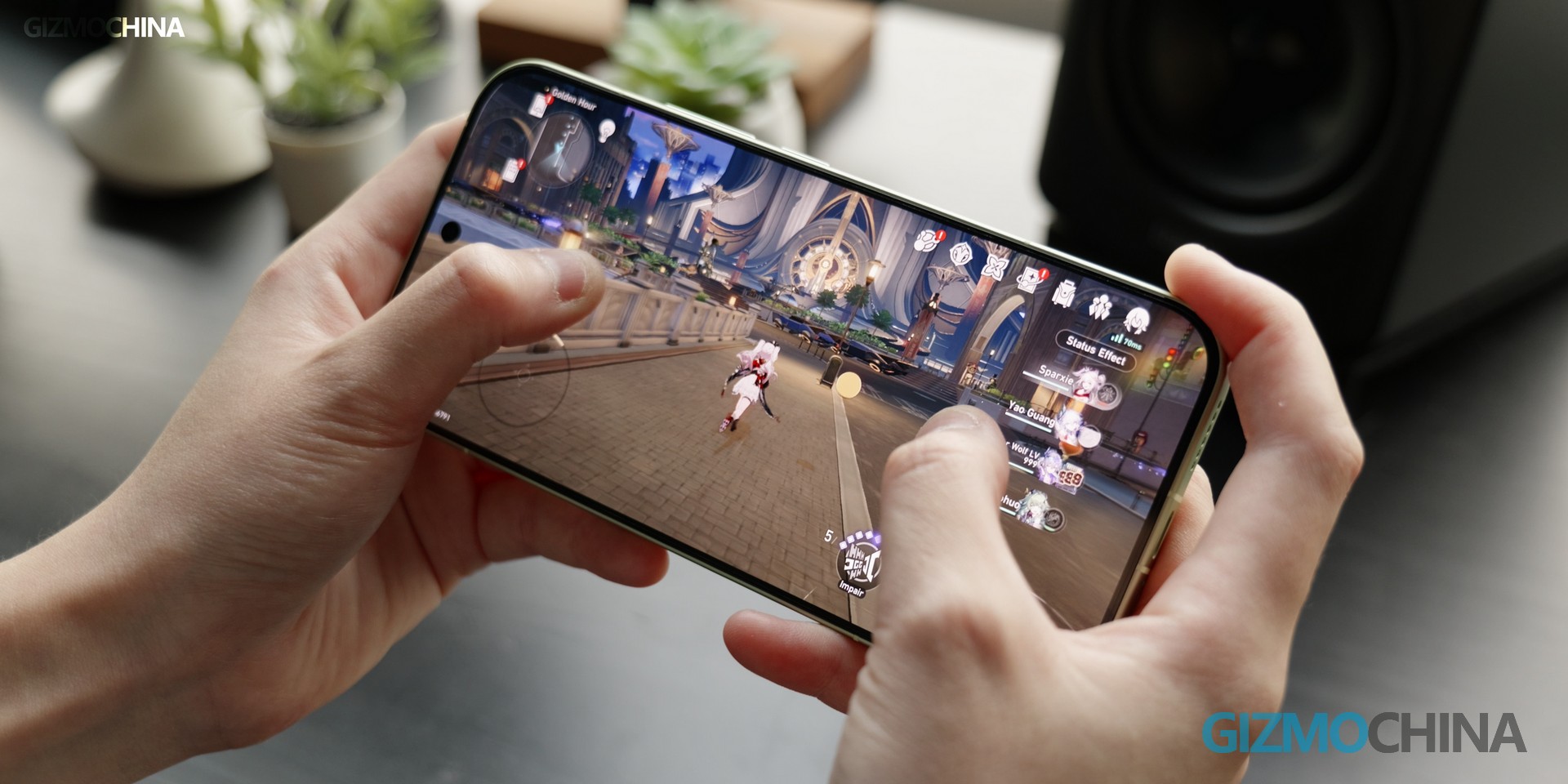
Gaming is where the display really shines. Everything feels responsive and fluid, and once you’ve spent enough time with a high-refresh-rate panel like this, going back to a standard display can feel noticeably less enjoyable. It isn’t the brightest smartphone display I’ve ever tested, but outdoor visibility is still good enough for everyday use. The slim bezels and punch-hole camera also keep distractions to a minimum, allowing the screen to remain the main focus.
Performance
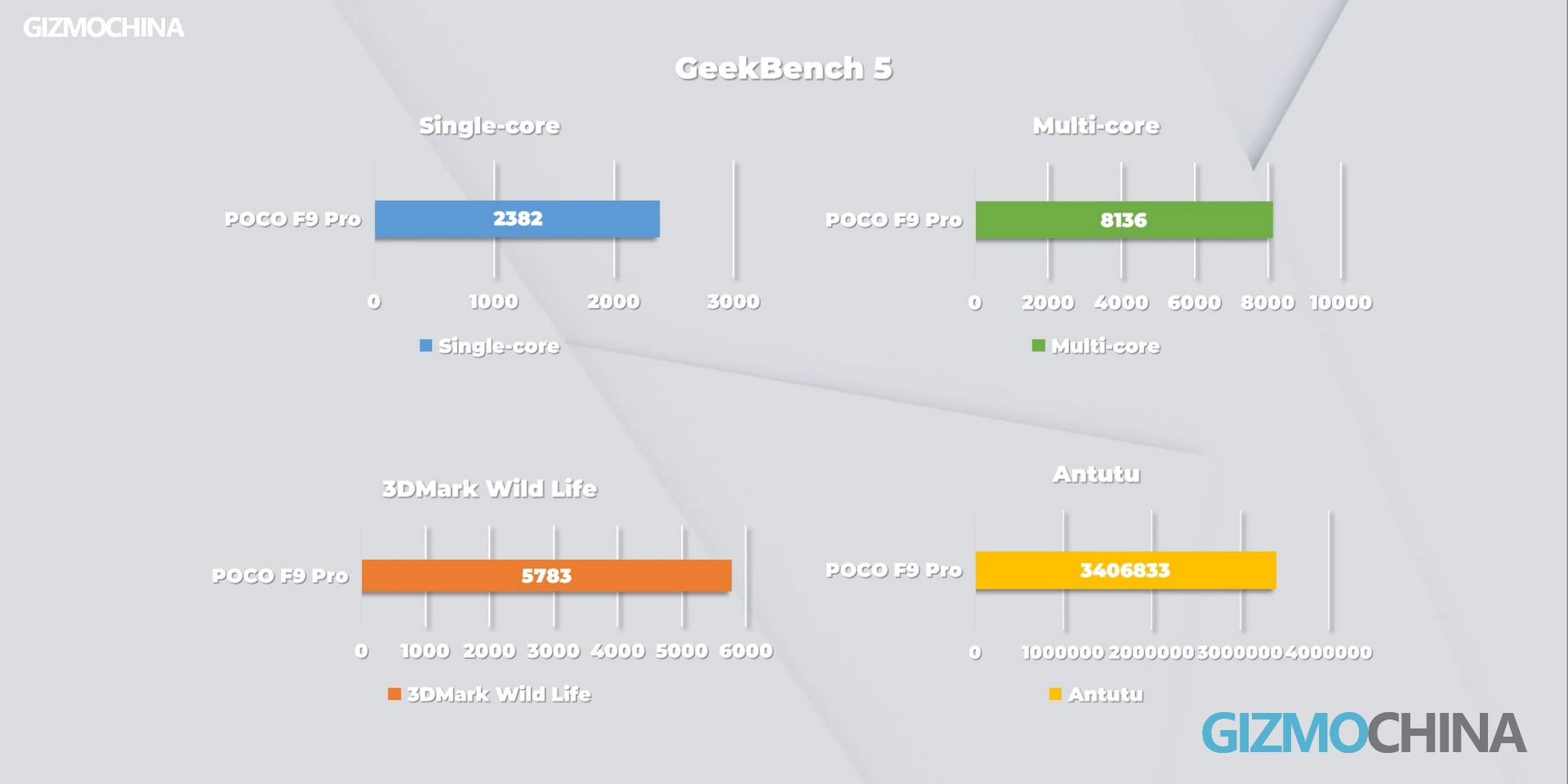
On paper, the F9 Pro delivers flagship-level performance, and the benchmark results reflect that. Single-core performance is excellent, which helps explain why everyday tasks feel so responsive. Multi-core performance is also strong, making multitasking and demanding applications easy to handle. The 3DMark score is impressive, although it isn’t the highest we’ve seen from a flagship smartphone. AnTuTu performance is similarly competitive, placing the F9 Pro firmly among the more powerful phones of its generation. But benchmarks only tell part of the story. Real-world performance is what matters most.
Genshin Impact
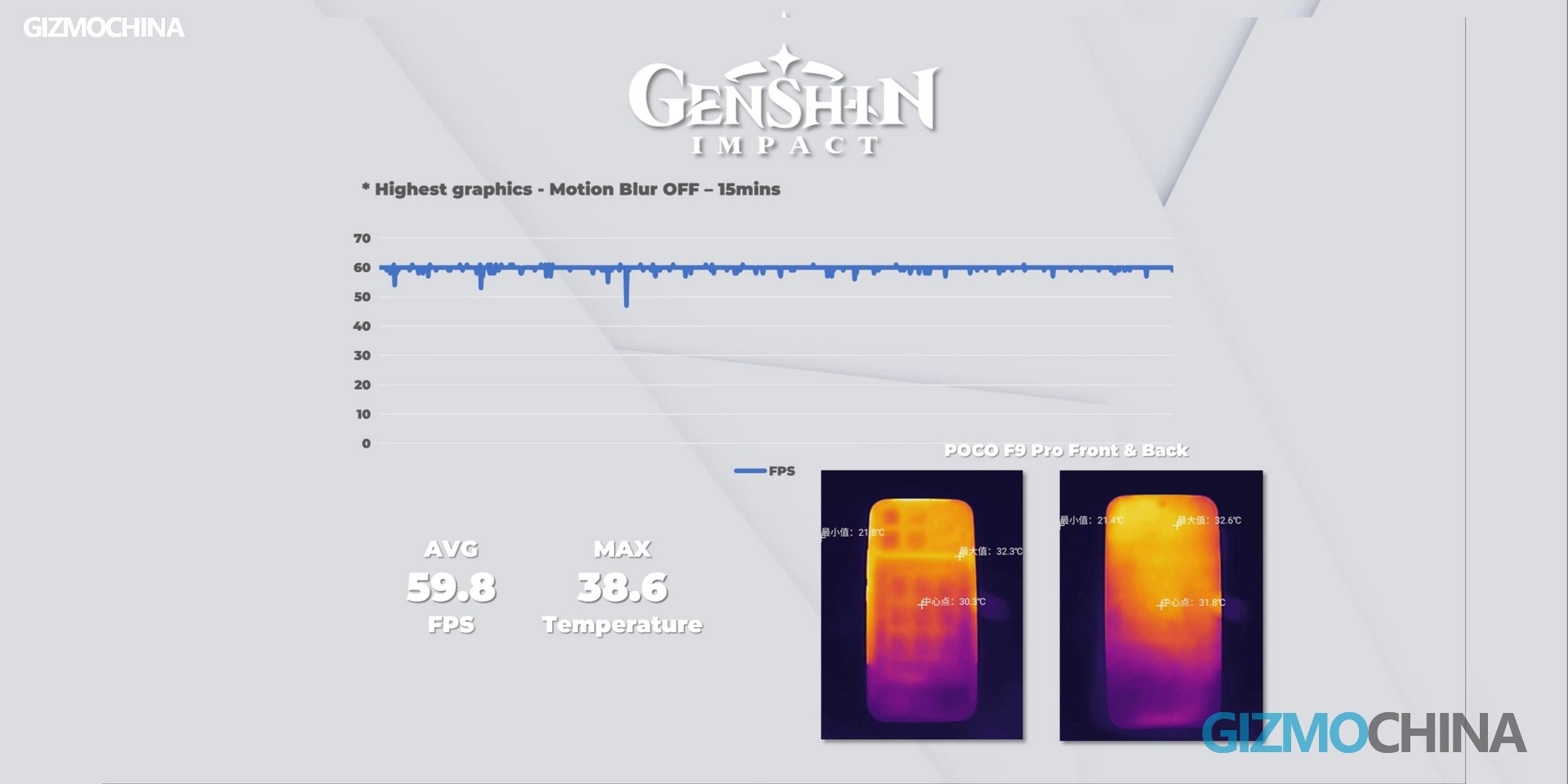
We ran Genshin Impact at maximum settings for 15 minutes. Throughout the test, the frame rate stayed very close to 60fps, with only a few minor dips that were barely noticeable during gameplay. Heat was also handled reasonably well. Instead of creating obvious hot spots, the temperature was distributed across the front and rear of the phone, keeping the device relatively comfortable to hold. Overall, the F9 Pro delivered stable and consistent performance throughout the test.
Honkai: Star Rail
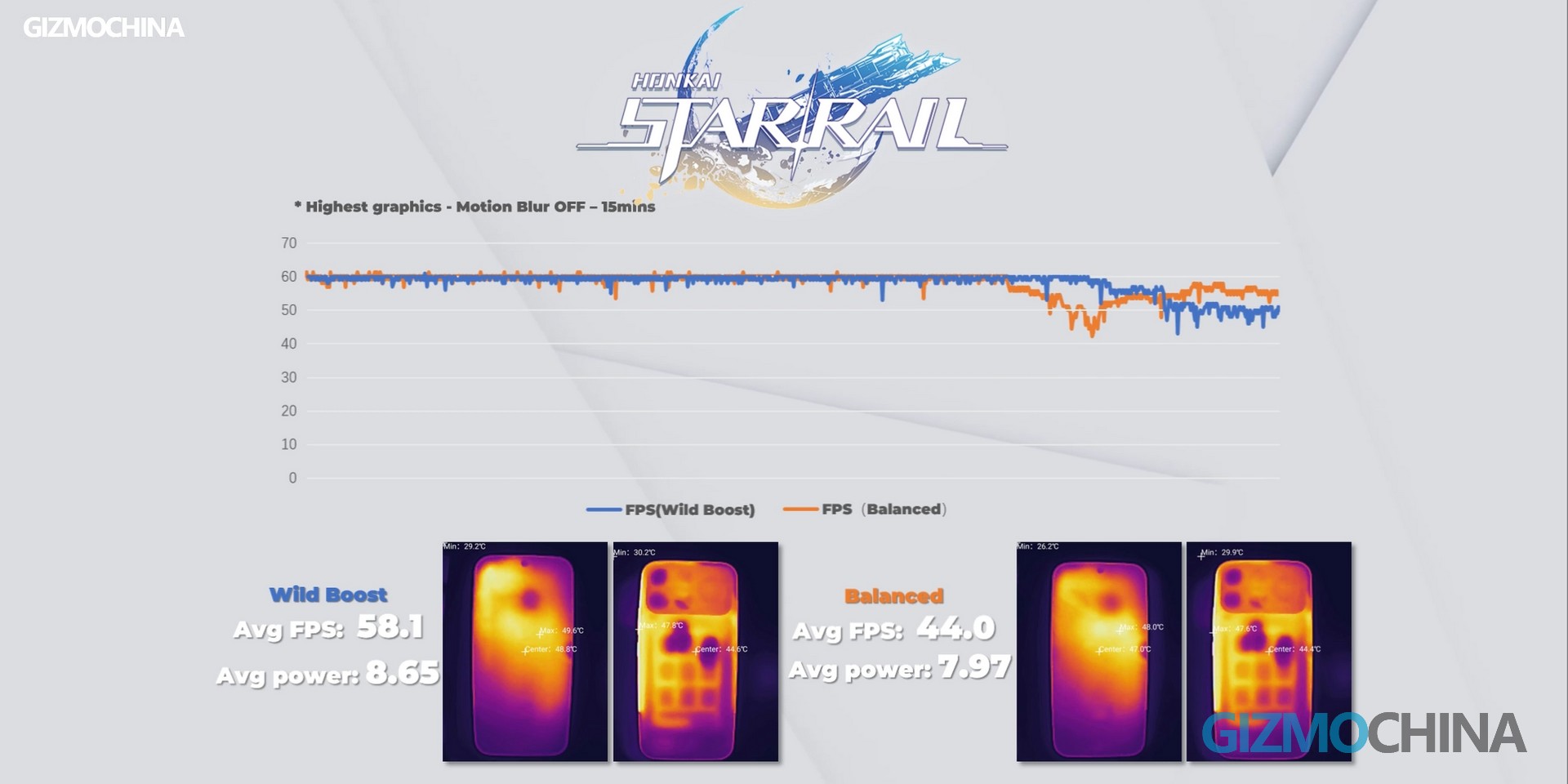
Honkai: Star Rail tells a slightly different story. In Wild Boost mode, performance remains high, and gameplay is smooth, but the phone also consumes more power and generates more heat. Switching to Balanced mode reduces performance noticeably, but interestingly, the temperature doesn’t improve by much. Essentially, you’re giving up some gaming performance for a small improvement in battery efficiency rather than a significantly cooler phone. If your priority is smooth gameplay, Wild Boost mode is the more suitable option. Just expect the phone to become noticeably warm during longer sessions.
Cameras
Around the back, the F9 Pro features a triple-camera system consisting of a main camera, an ultra-wide camera, and a telephoto camera.
In good lighting conditions, the main camera produces sharp and detailed images with relatively natural-looking colors. Photos generally have plenty of detail without pushing saturation too aggressively.
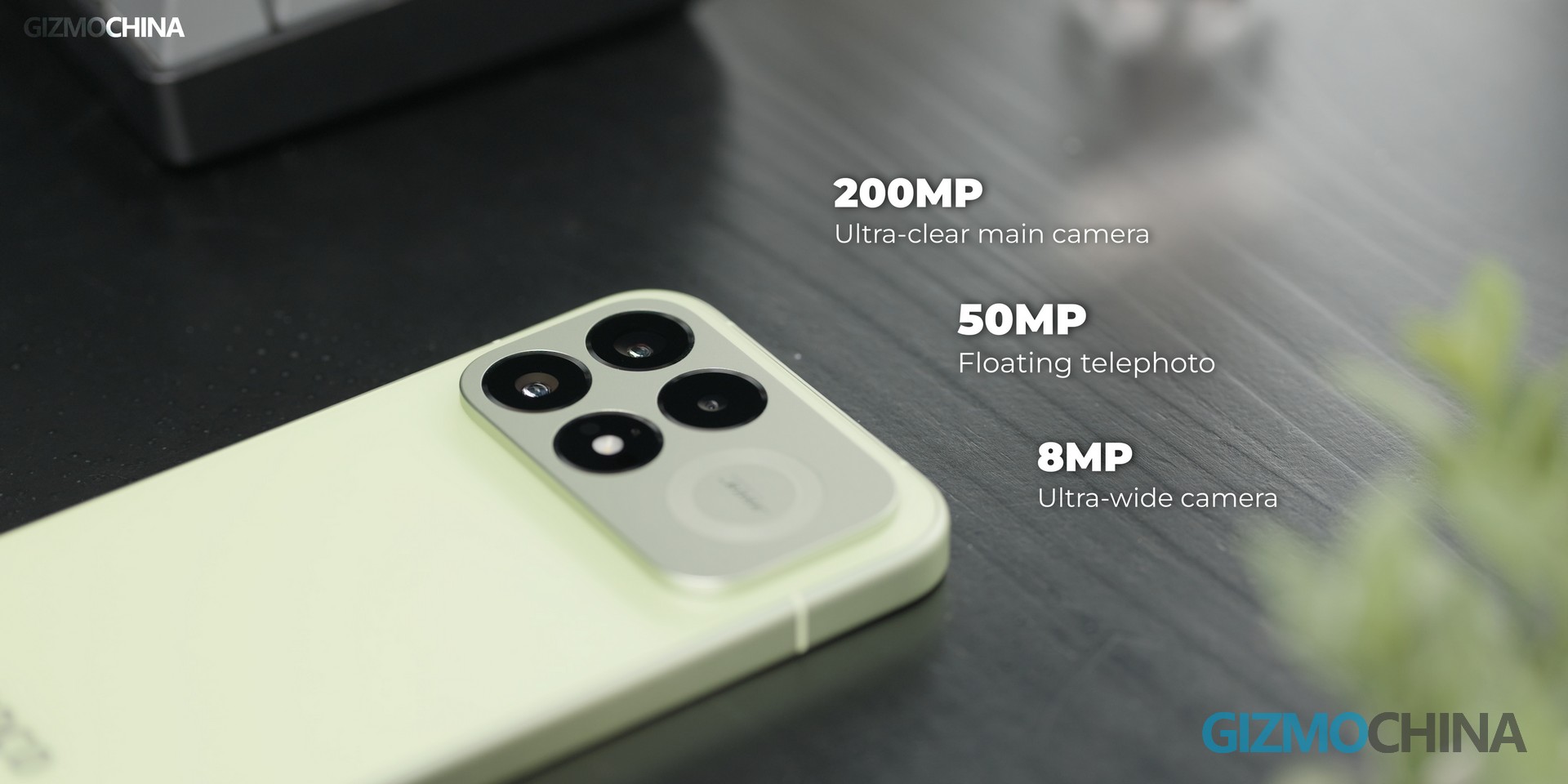
The ultra-wide camera is useful when you need to capture a larger scene, although there’s some noticeable loss of detail toward the edges of the frame. Low-light performance is decent. It isn’t class-leading, but it remains perfectly usable for everyday photography. There’s also a macro camera for close-up shots. It’s fun to experiment with, but after the first few attempts, I found myself rarely using it.
For most people, the main and ultra-wide cameras will probably handle the majority of everyday photography needs.

Battery
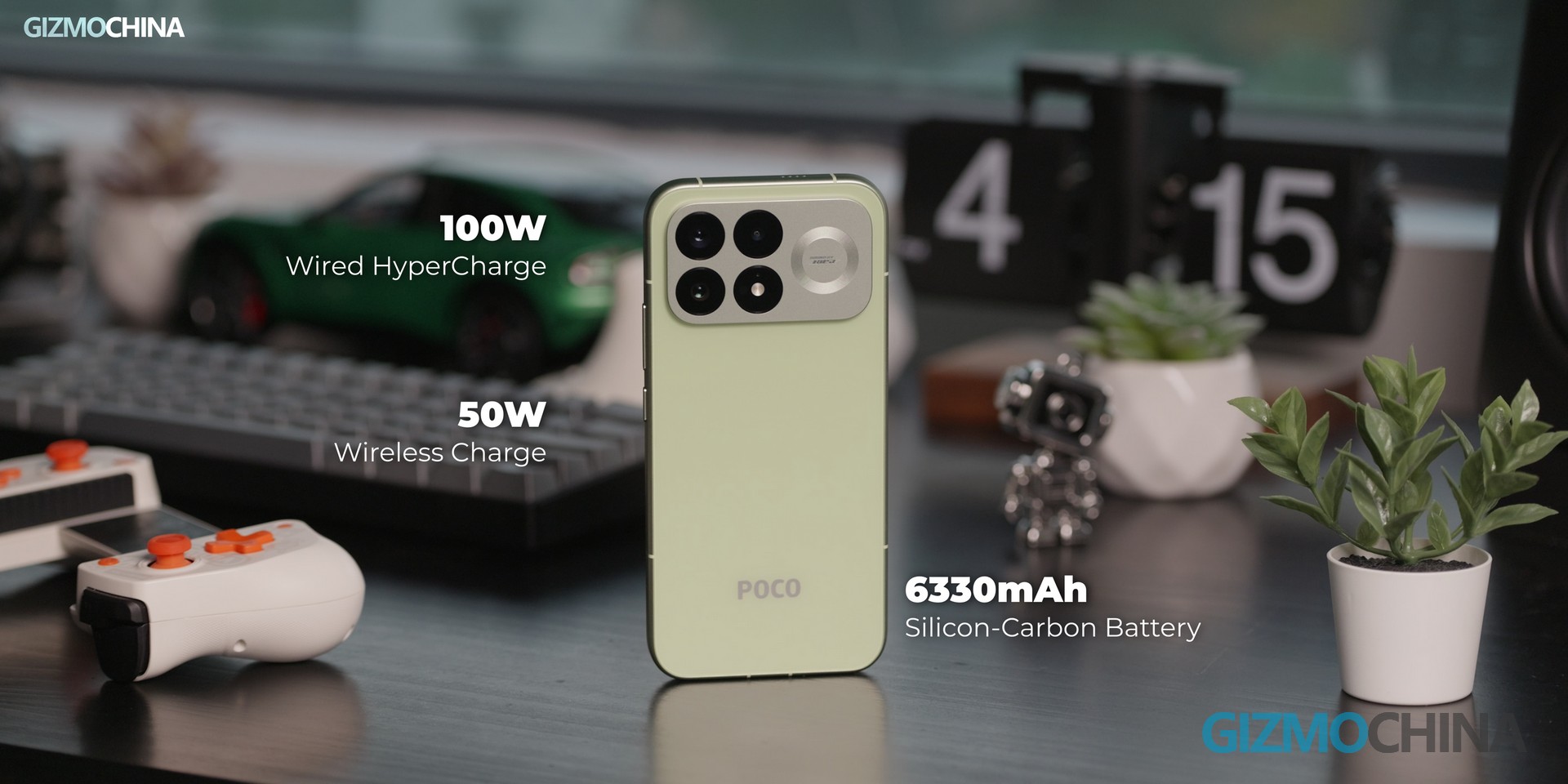
Battery life has been solid during my time with the F9 Pro. With a mixture of gaming, video streaming, browsing, and everyday tasks, the phone can comfortably get through a full day without constantly making you think about where the next charger is coming from. Charging is another strong point. When the battery does run low, the charging speed makes it easy to top up quickly. Plug it in, grab a coffee, and by the time you’re back, there’s already a substantial amount of power available. Of course, battery performance will vary depending on how heavily you use the phone, particularly when gaming at maximum settings.
Conclusion
After spending some time with the POCO F9 Pro, the biggest takeaway is how well-rounded the overall package feels. The display is smooth and comfortable for long periods of use. Performance is firmly in flagship territory; gaming is generally stable; the cameras are capable enough for everyday photography, and battery life is reliable enough to get through a full day. Then there are the little details. The glow-in-the-dark Aurora Green back gives the phone some character, while the BOSE branding adds a distinctive touch to the design.
The F9 Pro isn’t trying to completely reinvent the smartphone. Instead, it focuses on getting the fundamentals right—and for the most part, it succeeds. If you’re upgrading from a phone that’s two or three years old, the difference should be immediately noticeable, particularly in display smoothness and overall performance. For someone already using a recent flagship, however, the upgrade may feel less dramatic. The F9 Pro is more about delivering a strong, dependable overall experience than introducing something radically new. All things considered, the POCO F9 Pro is a well-rounded smartphone that combines flagship-class performance, a smooth display, capable cameras, solid battery life, and a distinctive design into a compelling package.



Comments