Xiaomi is not just a smartphone manufacturer; they can produce almost any technological device you can think of. While a vacuum flask, which mainly keeps liquids hot or cold, may not be considered a high-tech gadget. And yet, Xiaomi has just released a 1L vacuum flask in China.
Xiaomi’s new vacuum flask comes in “Cream White” and “Mint Green.” The pre-sale for the new flask with a straw included will start in China on June 19. The initial sale price is 99 CNY, which is about $15 USD.
Xiaomi states that the new flask is made from 316L stainless steel. It has a capacity of 1L and can keep water cold at 10 degrees Celsius for up to 6 hours. Additionally, it can maintain a temperature of 55 degrees Celsius for hot beverages for up to 6 hours.
The flask has a removable lid, allowing you to drink without using the straw. For cold drinks, you can enjoy your drink with the straw provided by Xiaomi. The flask weighs 480 grams and measures 97x132x240mm. The product model for this newly introduced thermos is “MJXGB01RM.”
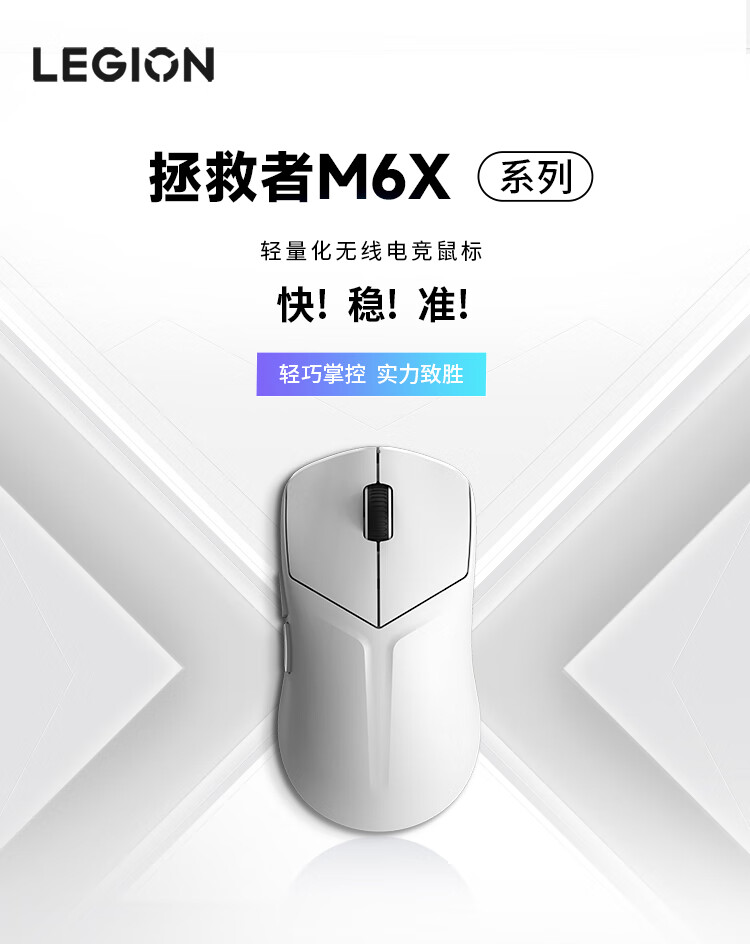
Lenovo recently unveiled the Legion M6X series mice in the Chinese market. The Lenovo Legion M6X Pro mouse is now available for sale on JD.com. The mouse boasts a feature set that caters to budget-conscious gamers seeking a balance between performance and affordability. Let’s check out its key specs.
Lenovo Legion M6X Pro Specifications:
The M6X Pro boasts a high-performance PixArt PAW3395 sensor, known for its accuracy and responsiveness. It comes with a DPI range of 100-26000 and boasts a tracking speed of 650 IPS and an acceleration of 50g.
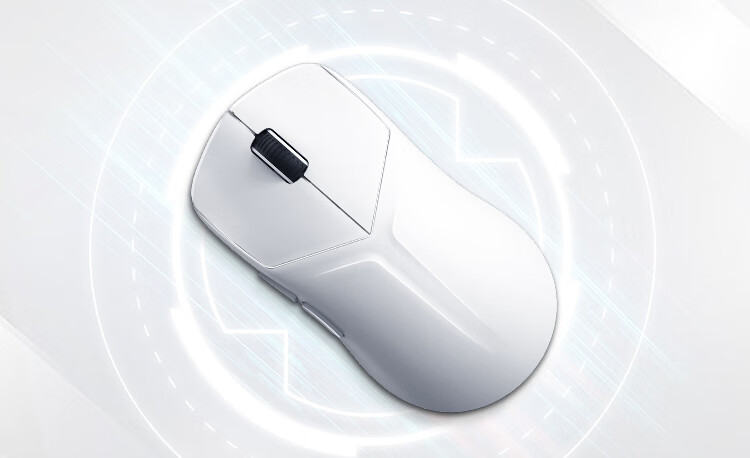
The M6X Pro adopts a “small waist” ergonomic design, optimized for claw and fingertip grip styles commonly used by gamers with medium to small hands. According to the company, this design enhances stability by aligning the thumb and ring fingers closer to the center of gravity, ensuring a secure grip during intense gameplay sessions.
The gaming mouse offers versatility with triple-mode connectivity – wired (Type-C), 2.4GHz wireless, and Bluetooth. This allows users to seamlessly switch between their gaming PC, laptop, or other devices.
It packs a 450mAh battery and built-in Legion AI Power wireless technology that promises a stable connection with a range of approximately 10 meters and intelligent power management for extended use.
The mouse comes equipped with Omron micro switches rated for 80 million clicks, ensuring durability and responsiveness. The hollowed-out scroll wheel reduces weight further, while rounded PTFE feet promise smooth, low-friction gliding across surfaces. The mouse also features five-level DPI adjustment without requiring additional software installation.
Pricing and Availability
The Legion M6X Pro comes in two color options: Phantom Black and Frost White. It is currently listed on JD.com for 149 Yuan ($21) in China and will go on sale today at 8 PM CST.
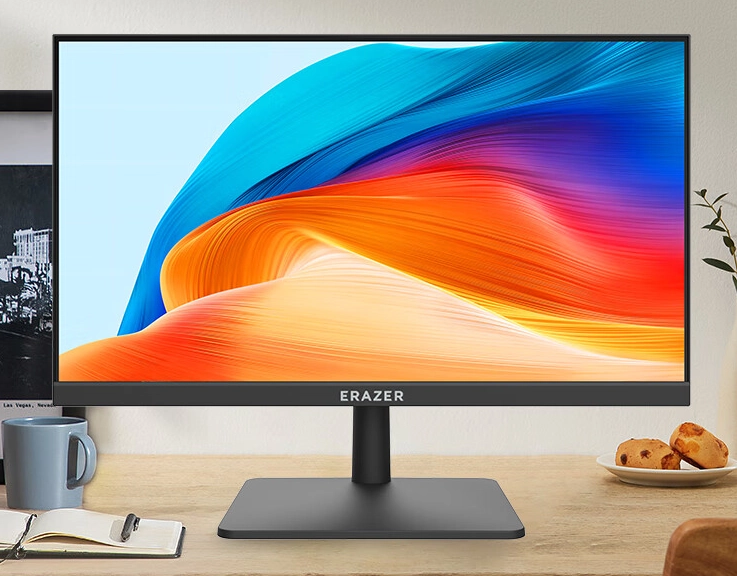
Lenovo has unveiled a new budget-friendly monitor, the 23.8-inch U2410HA-S, priced at 549 yuan (approximately $82 USD). This monitor is expected to go on sale tonight, June 17th.
The monitor has a built in Blue Light Filtering Software to reduce eye strain
The U2410HA-S features a 23.8-inch IPS display with a 16:9 aspect ratio and Full HD (1920 x 1080) resolution. The IPS panel technology promises vivid colors and wide viewing angles, while a 75Hz refresh rate offers slightly smoother visuals compared to standard 60Hz monitors. To help reduce eye strain during extended viewing sessions, the monitor boasts built-in blue light filtering software.
The U2410HA-S adopts a three-sided narrow bezel design, minimizing bezels for a more modern and immersive viewing experience. The monitor also supports 100 x 100mm VESA standard four-hole wall mounting, providing users with the flexibility to mount the display on a wall, freeing up desk space.
For connecting to PCs and other devices, the U2410HA-S comes equipped with dual interfaces: HDMI and VGA. This selection of ports ensures compatibility with a variety of devices.
ILOVBEE has unveiled a new customizable mechanical keyboard, the B87, featuring the company’s co-developed Zhisu Axis switches. The Zhisu Axis boasts a POM shaft core for a lightweight feel and rapid triggering, ideal for e-sports enthusiasts. This mechanical switch boasts a short 1.2mm trigger stroke with a total key travel of 3.6mm. It utilizes a 42gf ± 8gf acrylic trigger and a long 21mm spring for a quick rebound effect.
The keyboard has 2.4G wireless, Bluetooth and Wired connection options
The ILOVBEE B87 keyboard offers a versatile three-mode connection option: 2.4G wireless, Bluetooth, and wired. It features a classic 87-key layout and caters to user preference with hot-swappable switches for easy customization. The B87 prioritizes a quiet typing experience with its five-layer noise dampening construction.
A built-in 6300mAh battery ensures extended wireless use, while an independent “F13” key and full-color RGB backlight enhance functionality and aesthetics. The B87 comes in two color options, Bee Flame and Bee Love, and boasts a unique feature: a replaceable metal knob on the upper right corner.
The keyboard utilizes a combination of a POM shaft core, a high-transparency PC cover, and a POM base for a smooth and low-friction typing experience.
The ILOVBEE B87 keyboard starts at 299 yuan (approximately $44 USD), making it an attractive option for gamers and keyboard enthusiasts seeking a customizable and feature-rich option.
HKC has launched its new GS49UK monitor on JD.com, boasting a massive 49-inch display built for immersive gaming and multitasking. The GS49UK features a sprawling display with a 5120 x 1440 resolution, essentially offering two 2K panels side-by-side. This equates to a massive amount of screen real estate, ideal for gamers, creative professionals, or anyone who needs a lot of workspace. Gamers will especially appreciate the monitor’s 240Hz refresh rate, ensuring smooth and fluid visuals in fast-paced games.
The total resolution clocks in at 5120 x 1440, which is saying something
The GS49UK utilizes a QD-OLED panel, known for delivering exceptional color accuracy and contrast. The monitor supports 10-bit color, covers 99% of the DCI-P3 color gamut, and boasts a peak brightness of 250 nits. These specifications suggest the monitor can produce a vibrant and immersive viewing experience, well-suited for creative work like photo editing or video production.
The GS49UK is built with a sleek design and a sturdy stand that allows for lifting, tilting, and swiveling the monitor to find the perfect viewing position. The monitor also supports 100 x 100mm VESA wall mounting for additional flexibility in setup.
In terms of connectivity, the GS49UK offers a variety of ports, including two HDMI 2.1 interfaces, one DP1.4 interface, two USB-A 3.1 ports, a USB-C PD 90W port for charging laptops or other devices, and a 3.5mm audio jack. The HKC GS49UK is now available for purchase on JD.com for 6,499 yuan (approximately $973 USD).
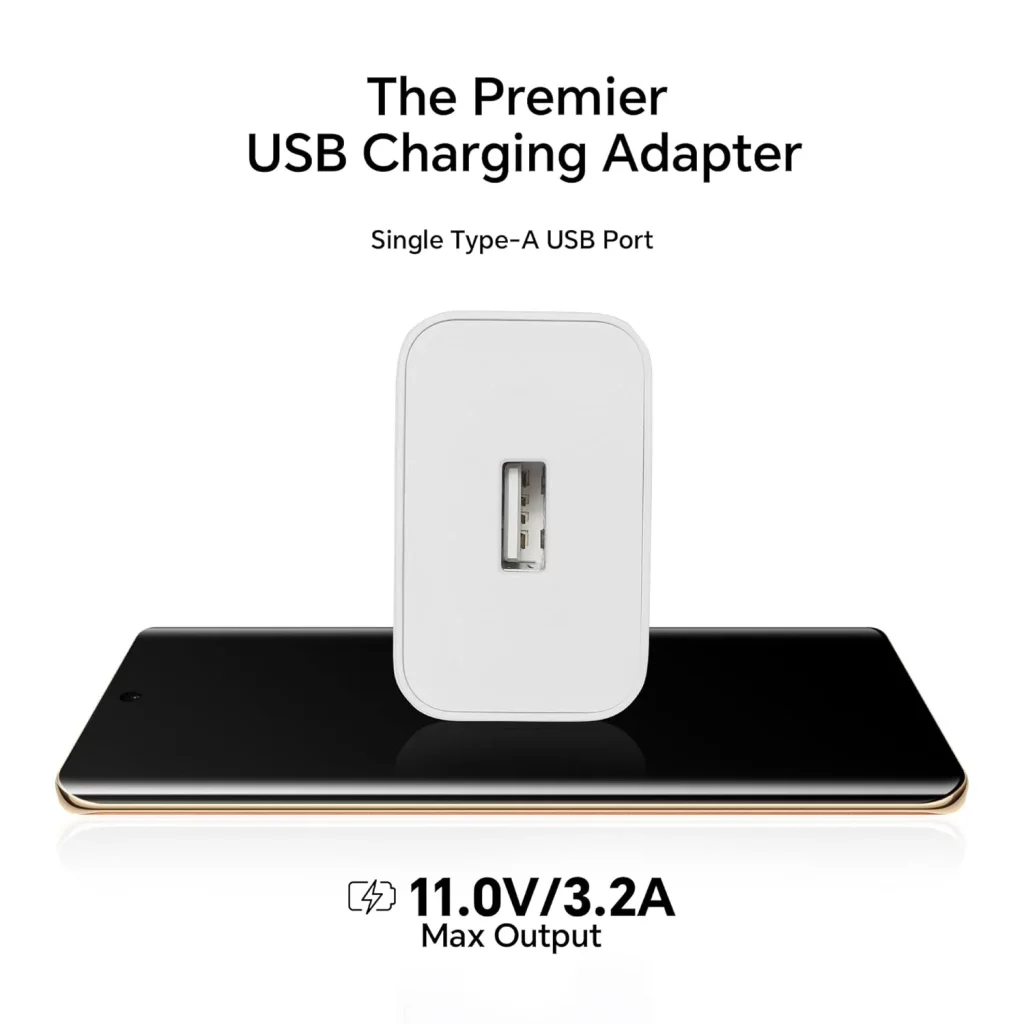
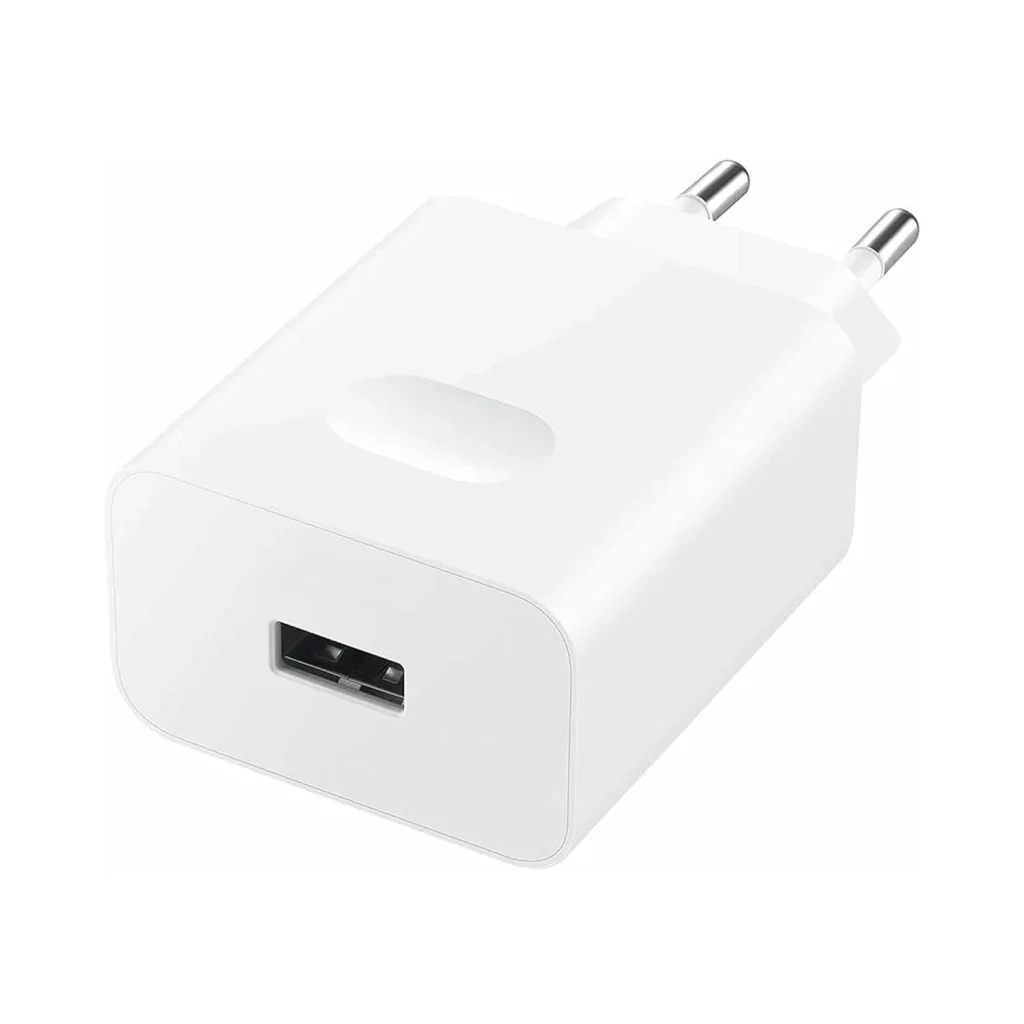
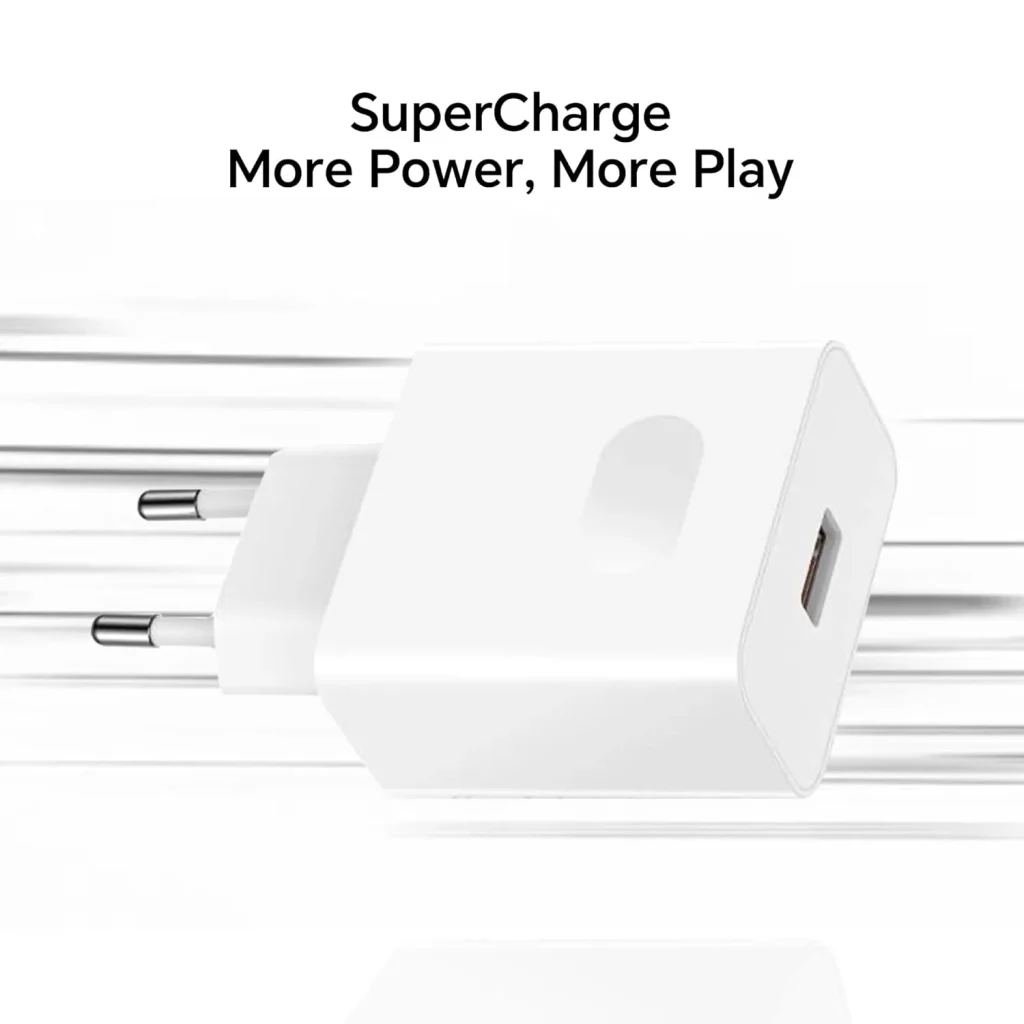
Honor’s new SuperCharge 35W adapter is now available in India. Fast charging protocols vary between phone manufacturers, so things might be a little tricky to find a compatible adapter for your device. Honor has introduced the “Honor SuperCharge 35W” charging adapter under its own brand. It’s officially available in Honor’s own website.
The new 35W charger is listed on Honor India’s official website. Unfortunately, the charging adapter’s box does not include a charging cable, meaning you need to purchase separately. The charger features a single USB-A port.
To check if this adapter supports fast charging for your phone, compare your device’s specs with the values on Honor’s website. The adapter delivers a max output of 35W power with 11V/3.2A. If your phone supports these values, you can enjoy 35W fast charging. Visit Honor’s official website to purchase the adapter, currently priced at Rs. 1,299 (approximately $15).
HMD Global is reportedly working on a new smartphone called the HMD Skyline, inspired by the Nokia Lumia 920. The company hopes to appeal to nostalgic customers in the competitive smartphone market. A recent leak also suggests that HMD Global plans to launch a tablet with Lumia aesthetics, named the HMD Slate Tab 5G.
As per the leak, the HMD Slate Tab 5G will feature a flat-back design with attractive and eye-catching colors like the Lumia smartphones. It will come with a large 10.6-inch IPS display with a 2,000 x 1,200 pixel resolution and a 90Hz refresh rate. For optics, it will feature an 8-megapixel selfie camera that sits within the bezel, while the rear will house a 13-megapixel camera.
Under the hood, the device is expected to be powered by the Snapdragon 7s Gen 2 processor, which is also available in other recently launched tablets like the Redmi Pad Pro and the Poco Pad. The processor will be paired up with 8GB RAM and 128GB UFS 2.2 storage with a microSD card slot.
The tablet will reportedly be powered by a 9,250mAh battery with 30W fast charging. Additional features will include a 3.5mm headphone jack, Bluetooth 5.2, and an integrated 5G modem to offer cellular connectivity. The tablet also supports stylus input and can connect to a keyboard cover.
While there are no details on the release date of this tablet yet, the HDM Skyline smartphone is expected to debut sometime in July.
In related news, HMD is also working on another smartphone called the HMD Ridge Pro. It is said to feature a Snapdragon 4 Gen 2 SoC, paired with a 6.64-inch Full HD+ 120Hz refresh rate panel. Pricing and availability details of this device are still under wraps, however, we can expect it to launch sometime next month as a lower-mid-range offering.
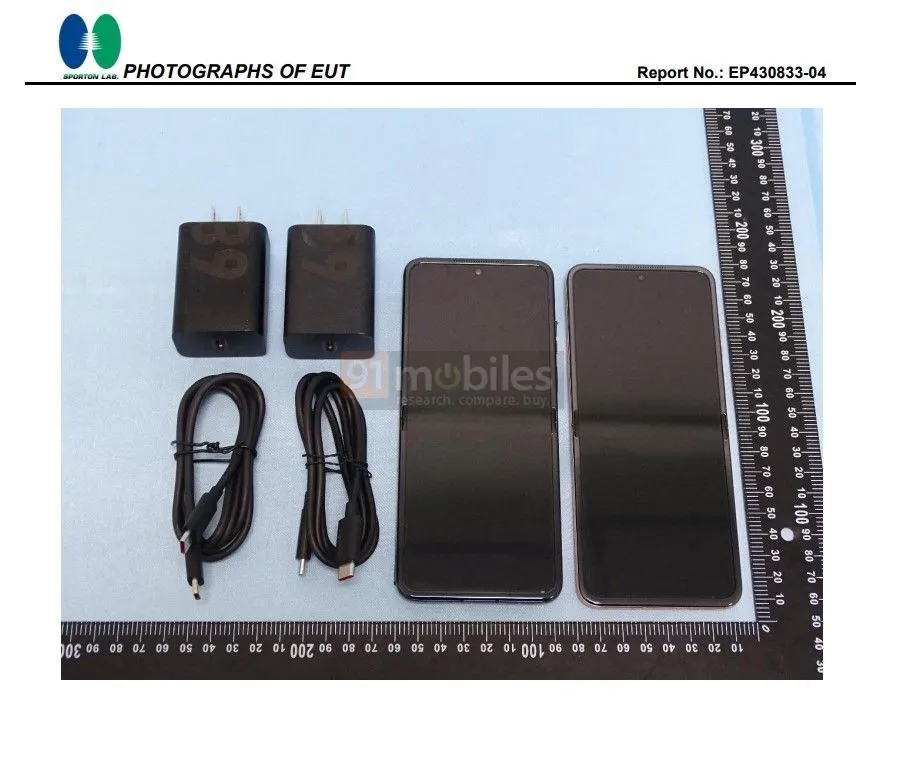
Motorola is gearing up to unveil the Razr 50 series foldable phones on June 25 in China. The standard and ultra models will arrive as the successor to last year’s Razr 40 duo. Now, ahead of the launch event next week, the Razr 50 Ultra has been spotted on Geekbench on Taiwan’s NCC. Both listings reveal key hardware details with the certification site also revealing the upcoming foldable’s design from all angles.
Motorola Razr 50 Ultra Geekbench and NCC listings
Beginning with Taiwan’s NCC certification, the Motorola Razr 50 Ultra is listed with the model number XT2451-3. The images of the device reveal a centre-aligned punch-hole cutout display and horizontally placed dual camera sensors along with an LED flash. There is a USB-C port, speaker grille, and microphone at the bottom. The report adds that the Razr 50 Ultra will be available in Peach, Dark Blue, and a rumored Green color.
The certification listing also reveals the model number of the Razr 50 Ultra’s battery, charger, and USB-C cable. The device is expected to be backed by a 4,000mAh battery (1,050 + 2,950mAh cells). It will ship with a 68W fast charger but may support only 45W speed. This is an upgrade compared to the Razr 40 Ultra’s 3,800mAh cell and 30W charging.
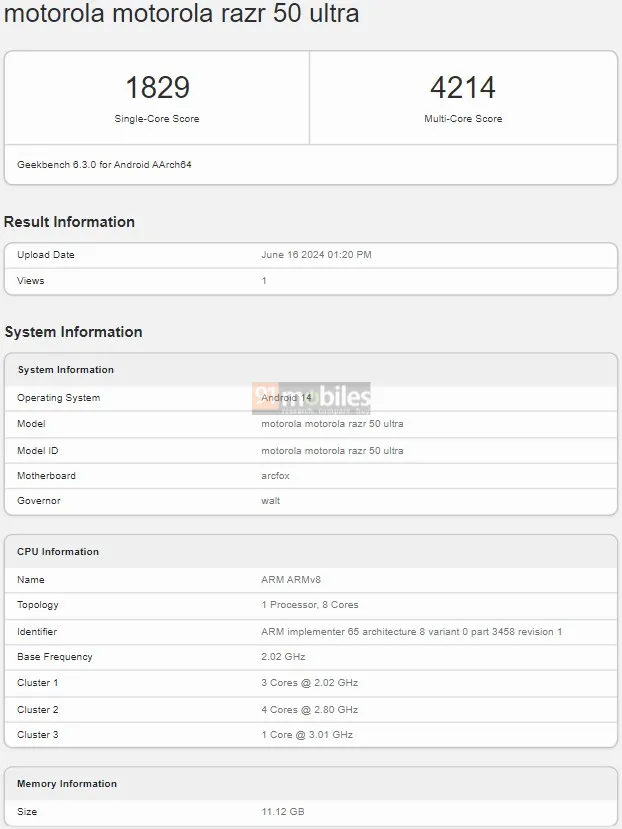
Coming to the Geekbench database, the Razr 40 Ultra’s processor configuration includes three cores ticking at 2.02GHz, four cores at 2.8GHz, and a primary core at 3.01GHz. This indicates that the foldable phone will be equipped with a Snapdragon 8s Gen 3 processor. It will be the first clamshell foldable to be powered by the chipset. The Razr 50 Ultra is listed with 12GB RAM onboard. The device will run on Android 14 OS out of the box.
The Motorola Razr 40 Ultra scores 1,829 and 4,214 points in Geekbench’s single-core and multi-core tests respectively.
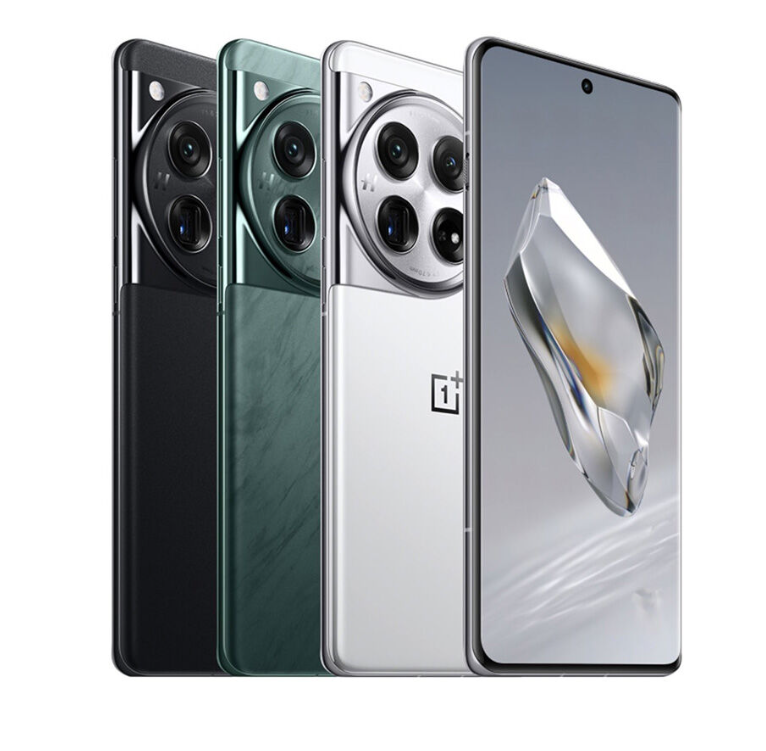
India is one of the largest markets for smartphones in the world, and in this region, OnePlus is a popular brand. But with such a large market, there are gray markets and unofficial channels that are selling these devices. So here’s why you should always stick to official channels alone.
Before getting into the ways to avoid unofficial channels, here are the proper routes to buy OnePlus phones and other OnePlus branded products. The Chinese company first started with an online-only model, but has since expanded its presence in offline markets as well. OnePlus sells its gadgets from its official website in India (OnePlus.in), along with major e-retailer Amazon.
But you can also get it from the company’s own brick and mortar stores, which it calls the OnePlus Experience Stores. Furthermore, popular chain retailers like Croma and Vijay Sales also sell their smartphones. Apart from this, there are also authorized offline retail outlets. As of May 2024, OnePlus devices will be available across 63,000+ JioMart Digital retail stores in India. Their products are available on Reliance Digital stores as well. You can head to OnePlus.in to see the list of all authorized stores/Experience Stores/Mini Stores in the country.
2. Avoiding the gray market
In a recent report, it was revealed that 80 percent of online exclusive smartphone sales in India end up in the gray market. This is basically when a group or an individual buys the devices in bulk and resells them at marked up prices. They act as wholesalers and create artificial stock shortages to sell these devices at an inflated price to retailers. The practice contributes to tax evasion, which is expected to be evaluated in the hundreds of millions of dollars. A number of smartphone makers are affected by this issue. This includes popular Chinese companies like POCO, OnePlus, iQOO, and Realme.
3. How does this affect you, the consumers?
Customers are vulnerable to a bunch of issues due to this gray market. Purchase from unauthorized sellers online and offline carries the risk of receiving counterfeit products, or devices that have been tampered with. This leads to them facing issues with warranty claims later down the road. So getting these devices serviced becomes a major issue. Meanwhile, the official listings bring exclusive deals and offers that are only available via authorized retailers. So make sure to stick with the aforementioned official channels.
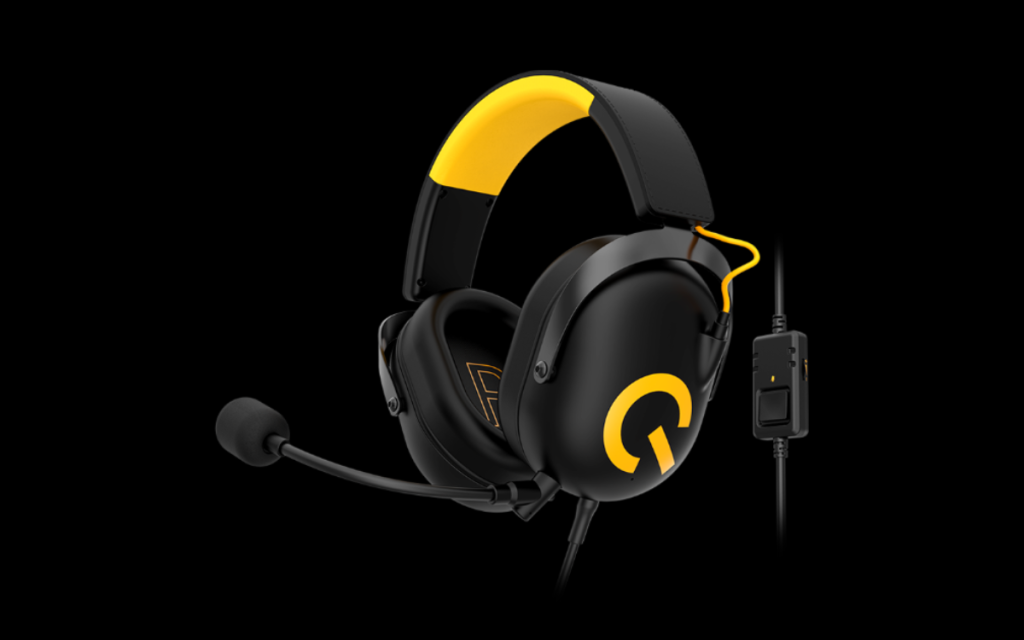
iQOO, the sub-brand of Vivo, has unveiled its first over-ear gaming headphones in the Chinese market. The headphones are priced at 349 yuan (roughly $48) and are now available for purchase through Vivo’s official store. Let’s delve into its key specs.
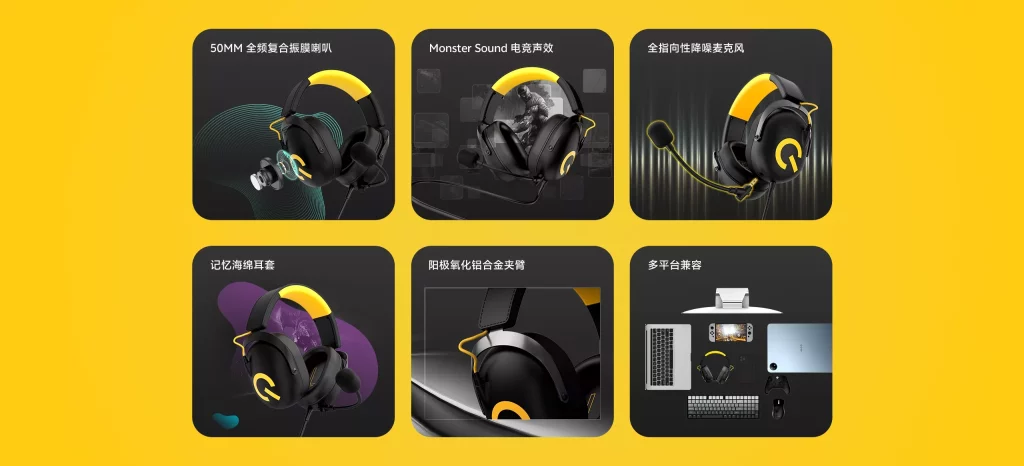
The headphones feature large 50mm full-range composite diaphragm speakers, promising clear and detailed sound reproduction. iQOO has also partnered with Monster Sound to deliver custom gaming audio effects, designed to recreate the soundscape of a competitive arena and enhance the gaming experience.
The headphones come equipped with a detachable, fully directional noise-canceling microphone for seamless communication with teammates. This design ensures your voice is picked up clearly while minimizing background noise.
The iQOO headphones utilize memory foam ear cushions that conform to the user’s facial contours, providing a snug fit and better noise isolation. Additionally, it comes with a lightweight design (330 grams), ergonomic curvature, and temperature-matched leather that contribute to long-lasting comfort.
The headphones sport iQOO’s signature yellow and black color scheme, exuding a stylish gamer aesthetic. The anodized aluminum alloy clip arm adds a touch of premium feel and allows for adjustments to fit different head shapes.
The headphones ditch the traditional 3.5mm jack in favor of a more versatile Type-C connection. This ensures compatibility with a wide range of devices, including smartphones, tablets, and PCs, making them a great all-around choice for gamers.
The headphones come with a 2-meter cable and have convenient inline controls, allowing gamers to easily adjust volume and mute the microphone without interrupting gameplay.
We are a few months away from Google’s annual October event which sees the arrival of the flagship next-generation Pixel series phones and Pixel Watch. Earlier today, the Pixel 9 surfaced on Geekbench. Now, its elder sibling i.e. the Pixel 9 Pro XL has also been spotted on the benchmarking platform. The database listings also confirms the moniker of the device. It also solidifies past report that the XL variant last found on the Pixel 4 is indeed making a return this year.
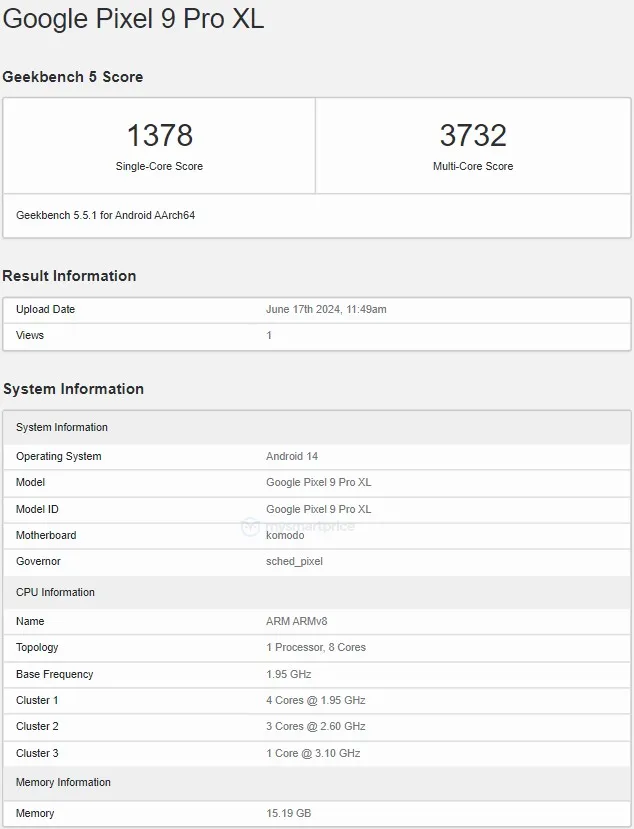
Pixel 9 Pro XL appears on Geekbench
As per Geekbench, the Pixel 9 Pro XL is listed with a motherboard codenamed ‘komodo’. The setup comprises of four cores ticking at 1.95GHz, three cores clocked at 2.60GHz, and a primary core running at 3.10GHz. This suggests that the phone will be powered by Tensor G4 chipset. There is Mali-G715 GPU onboard. The database listing also reveals that the Pixel 9 Pro XL will pack 16GB RAM. We can expect more variants at launch. Software-wise, it will ship with Android 14 OS out of the box.
The Google Pixel 9 Pro XL scores 1,378 and 3,732 points in Geekbench’s single-core and multi-core test results. This is everything that the benchmarking platform reveals about the Pixel 9 Pro XL. We can expect more details to surface in the coming months. The phone scored 1,176,410 points on AnTuTu.
CAD-based leaked renders of the Pixel 9 Pro XL have revealed that Google will adopt a boxy design. It retains the protruding horizontal camera bridge that does not extend to the corners. The renders revealed two sensors along with a periscope lens. Other leaks suggest that the upcoming offering will have a 6.74-inch 120Hz display, 128GB storage, and UWB support. The Pixel 9 series is also rumoured to come with a satellite connectivity feature.
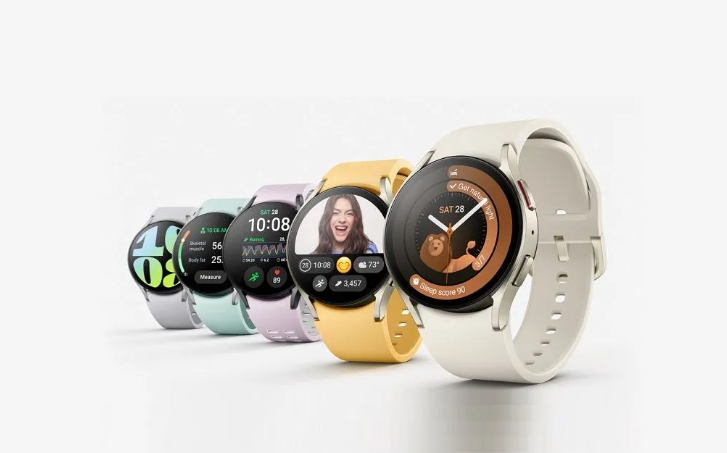
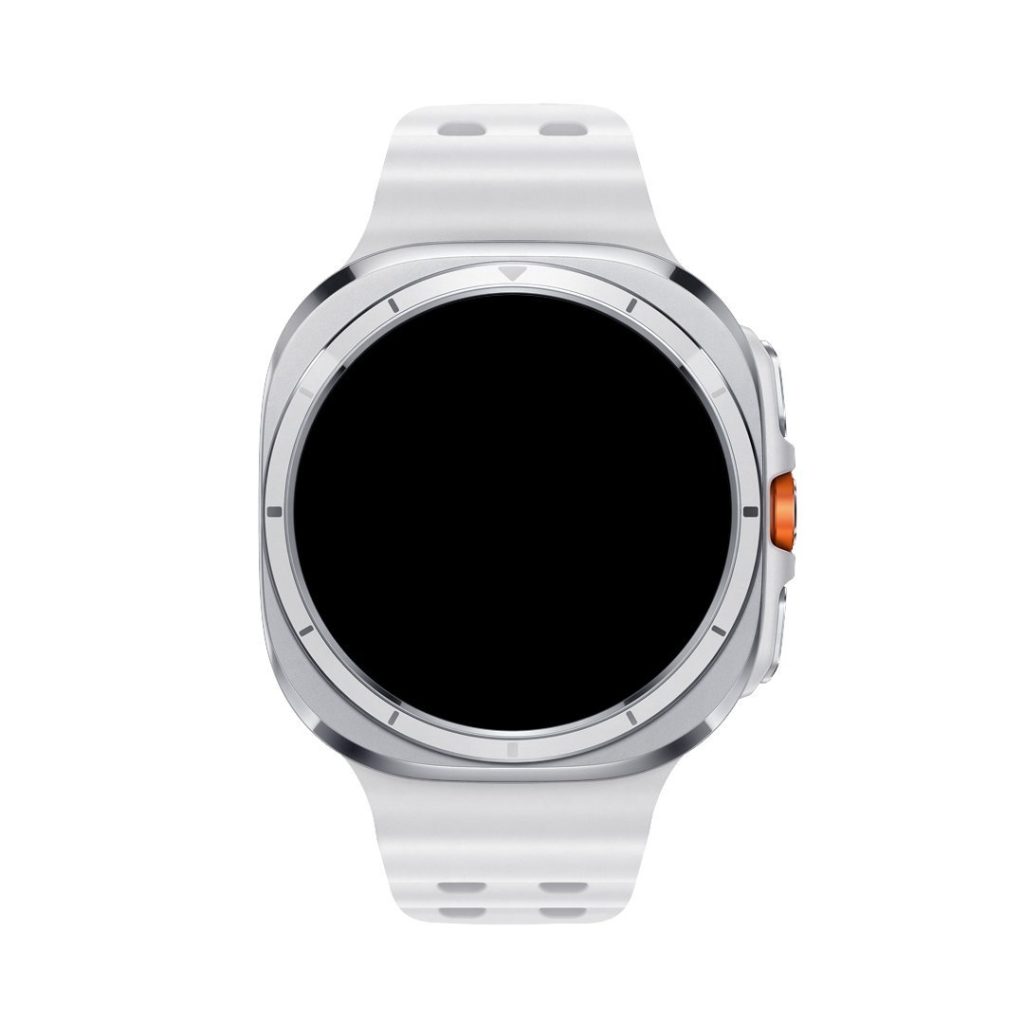
Samsung‘s new Galaxy Watch 7 series has recently appeared in India’s BIS certification platform confirming its launch in India. The Galaxy Watch 7 series will consist of an additional Ultra model this time, which will likely be called the Galaxy Watch Ultra. Leaked renders of the Galaxy Watch Ultra have already surfaced on the web.
In the latest news, Passionategeekz has revealed the US pricing and color options of the new watches from Samsung. So, let’s take a look.
The Galaxy Watch 7 40mm model will cost between $299 to $310 (around Rs 25,000). Notably, this is the same as the Galaxy Watch 6 Classic. The Galaxy Watch 7 will be available in three different colors – ’Marbal Gray’, Cream white, and Forest Green. The Watch 6 offered only two color options – Gold and Graphite for the 40mm model.
Speaking of the Galaxy Watch Ultra, it is projected to rival the Apple Watch Ultra 2 with its premium features. It will reportedly come in a Titanium Gray color.
According to 91Mobiles, the 47mm version of the Galaxy Watch Ultra could be priced between $699 to $710, which is around Rs 60,000. For context, Apple offers the Watch Ultra 2 for $799 in the US and Rs 89,900 in India.
According to the FCC listing of the Galaxy Watch 7, the device will support 15W wireless charging, which is a significant improvement as compared to the 10W of the Galaxy Watch 6 series.
Alongside the new watches, Samsung will also unveil its sixth generation foldable, the highly anticipated Galaxy Ring, a redesigned Galaxy Buds 3 series, and possibly new laptops in the upcoming Galaxy Unpacked event, which is expected to be held in the first half of July.
Google has already released early versions of Android 15, which reveal that the new OS is a lot more exciting than the last two iterations. For example, there’s Private Space to hide your private apps/files, app pairing for better multitasking, Theft Detection Lock, new Health Connect features, and more.
Android 15 is definitely going to be an exciting upgrade, but it won’t come to most Google Pixel phones. Go through the list below to find out if you’ll need to upgrade to a new model to enjoy the latest features and enhancements.
These Google Pixel Phones Aren’t Eligible for Android 15
Pixel 5
Pixel 5a 5G
Pixel 4
Pixel 4 XL
Pixel 4a
Pixel 4a 5G
Pixel 3
Pixel 3XL
Pixel 3a
Pixel 3a XL
And older Pixels
These devices are unlikely to get the Android 15 update. We’ve prepared the above list after reviewing the software update policy for every Google Pixel device.
Google Pixel’s Software Update Policy: The Good and the Bad
Google Pixels have had one of the best software update policies, and recent changes made it more difficult for users to consider other smartphones over Pixels.
Up until the Google Pixel 7 series, the brand offered 3 years of Android updates. Then, the Pixel 8 arrived with 7 years of OS updates. This announcement shocked the smartphone industry, as no one was expecting it.
It’s great for Pixel 8 owners, but older Pixel users are equally disappointed as Google didn’t announce an extended OS upgrade for them (not even one extra OS upgrade). This means Android 16 could be the final OS update for the Pixel 7, but the Pixel 8 will receive OS updates until 2021.
Google was the first to announce 7 years of OS updates, but Samsung quickly followed this up by offering the same software support for the Galaxy S24 series.
Android 15 Release Timeline
Google follows a three-step strategy for the Android OS release that also applies to Android 15. First is the developer preview phase, during which the brand releases a couple of early builds for developers.
The first developer preview build for the Android 15 arrived in February, and then the second one in March. In April, we entered the second phase when we had the first beta release. It was more of a public beta release, allowing anyone to download and test the new OS ahead of the public release.
Google has already released multiple beta builds of Android 15, the latest being Beta 2.2. We will likely see a few more beta releases before the OS reaches the platform stability phase for the final touches to prepare for the stable release.
According to the official timeline, platform stability should begin around July-August. The timeline doesn’t reveal the stable release month. However, it’s clear that Google is following last year’s pattern for OS release. Hence, we can expect Android 15 to be publicly available in October.
Top Features in Android 15
1. Private Space: It protects your sensitive files and apps with an additional layer of security. This is similar to the Secure Folder on Samsung phones. This new feature creates a separate space hidden from the regular space.
2. App Archiving: It lets you unarchive apps to save storage while keeping the user data around. So far, this feature has been limited to apps installed from the Play Store, but Android 15 integrates this feature at the OS level, allowing archiving/restoring of any apps, even those installed outside of the Play Store.
3. Theft Detection Lock: It’s one of the most useful additions to Android 15. Whenever someone steals your phone and tries to run away, the phone senses that motion and immediately locks the screen. The phone will lock itself automatically even if it detects suspicious activities like multiple failed log-in attempts or constant attempts to disconnect the phone.
What’s more interesting is that this new feature prevents the device from setting it up again using a different Google account. So, unless they don’t have your Google account credentials, the phone is useless.
4. App Pairs: Android 15 will allow users to save their favourite split-screen combination for quicker access. A shortcut will be created on the home screen to instantly open both apps in the split-screen mode.
5. Improved Health Connect: The new OS includes new data types across fitness, nutrition, and more. Beta 2 brings skin temperature and training plans as additional data types.
6. Partial Screen Sharing: Another useful feature in Android 15 is the ability to share or record a single app rather than the entire screen.
7. Notification Cooldown: This new feature prevents users from getting overwhelmed by successive notifications from the same app by lowering the volume.
Which Google Pixel do you have? And what are the Android 15 features you’re excited about the most? Please share your thoughts in the comments below.
TCL has launched two new televisions in the Indian market. It is the TCL C69B that includes two models in different screen sizes. They are Google TVs and both pack almost the same specifications apart from a few differences and pricing. Read on to know what the TCL C69B televisions offer out of the box.
TCL C69B specifications and features
The TCL C69B is offered in 43 and 55-inch screen sizes. Both models have a 4K QLED resolution, 93 percent DCI-P3 colour gamut, 600 nits peak brightness, and support for HDR10+, HLG, and Dolby Vision. The televisions feature QLED Pro and T-Screen Pro technologies for boosting contrasts, and bright colors and reducing ambient light interference.
The TCL C69B 43-inch variant has a 60Hz refresh rate whereas the 55-inch model features a 120Hz refresh rate for smooth visuals. There is also a MEMC algorithm for a blur and tear-free viewing experience. The AiPQ processor ensures real-life details. On the audio front, the TCL C69B is equipped with a 2.1-inch ONKYO subwoofer with Dolby Atmos and DTS Virtual: X. The 43 and 55-inch models are said to offer sound output of 30W and 35W respectively.
Internally, the TCL C69B packs 2GB RAM and 32GB onboard storage. The televisions run on Google TV with Google Assistant built-in and hands-free voice control. There is also Miracast and access to popular apps including OTT services. The TVs come with auto-low latency mode for gaming purposes. Connectivity options include Bluetooth 5.0, WiFi, three HDMI ports, and a USB port. The bundled TV remote comes with dedicated hotkeys for popular apps like Netflix, Prime Video, YouTube, and more.
The TCL C69B is priced at Rs 32,990 for 43-inch variant whereas the 55-inch model costs Rs 45,990. It can be purchased from Flipkart.
Apple may be shifting its focus back to thinness for its devices, according to a report by Mark Gurman in his PowerOn newsletter. Gurman suggests that the iPhone 17 lineup, along with the MacBook and Apple Watch, could see significant reductions in thickness.
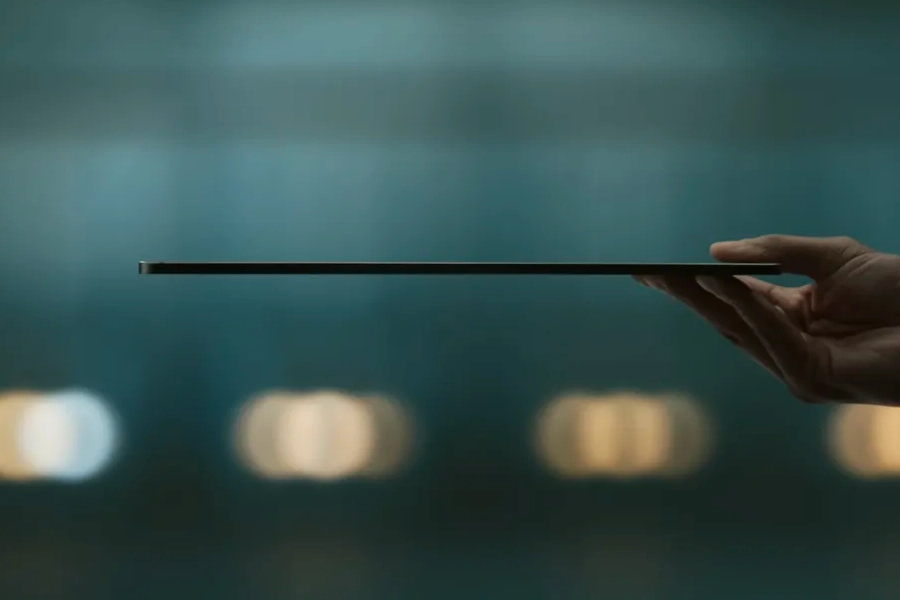
The news comes on the heels of Apple’s recently released iPad Pro, which prioritized a slimmer design without compromising much on performance or battery life—a feat likely made possible by Apple’s own M-seried chips powering the iPad and MacBook lines.
iPad Pro 2024
However, Gurman’s report does not provide specifics on how thin these devices will be or the challenges that might arise. Making a device thinner often means the manufacturer would need to cut some corners in terms of hardware or introduce innovative technology to compensate for it.
Given the compact form factor of phones in general, which require larger batteries and camera sensors, achieving a thinner design without compromising user experience would be a significant milestone for the brand.
For some context, previous MacBooks with a slimmer design, while aesthetically pleasing to look at, faced issues like thermal throttling, keyboard problems, and limited CPU/GPU options. Although Apple Silicon has addressed many of these concerns, a thinner design across iPhones, MacBooks, and Watches could still result in smaller batteries. Efficiency gains from future chips might mitigate this to some extent, but a decrease in overall battery life could be a major concern for heavy users.
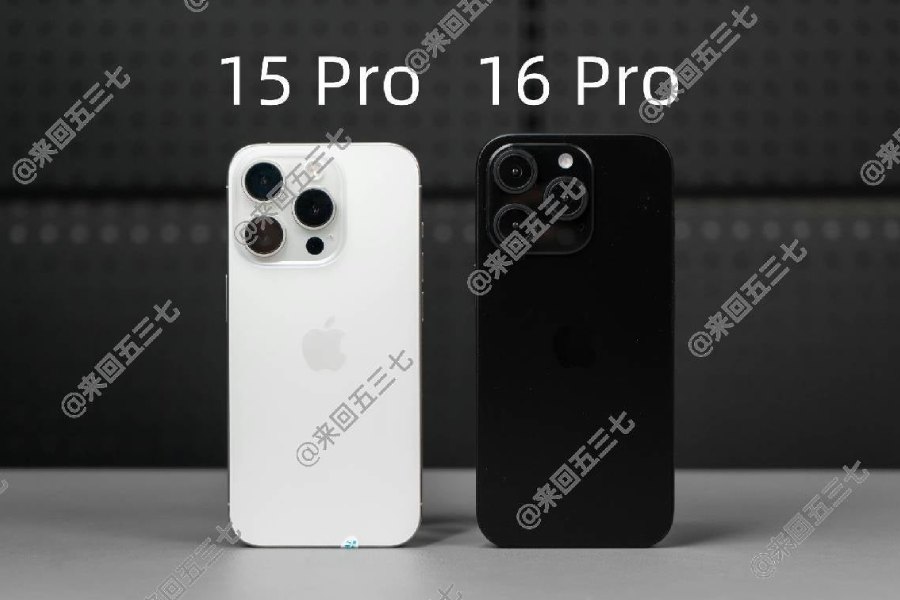
iPhone 16 Pro render
Given Gurman’s established track record, Apple’s focus on slimmer devices seems plausible. However, with the iPhone 17 and MacBook/Watch redesigns still over a year away, it remains to be seen on how Apple plans to make this switch without compromising performance and battery life.
What we know for sure is that Apple is currently focusing on the iPhone 16 series, which is expected to debut sometime in September.
OnePlus has announced a collaboration with the world’s largest battery maker, CATL (Contemporary Amperex Technology Co. Limited), on a new battery technology called the “OnePlus Glacier Battery.”
According to OnePlus, the Glacier Battery is “a high-performance battery designed for high-performance mobile phones, a breakthrough in battery life experience, and the beginning of a new era.” However, what this precisely means remains to be seen.
For that, OnePlus is holding a “OnePlus Glacier Battery Communication Meeting” on June 20th, where they will reveal more about the new battery technology.
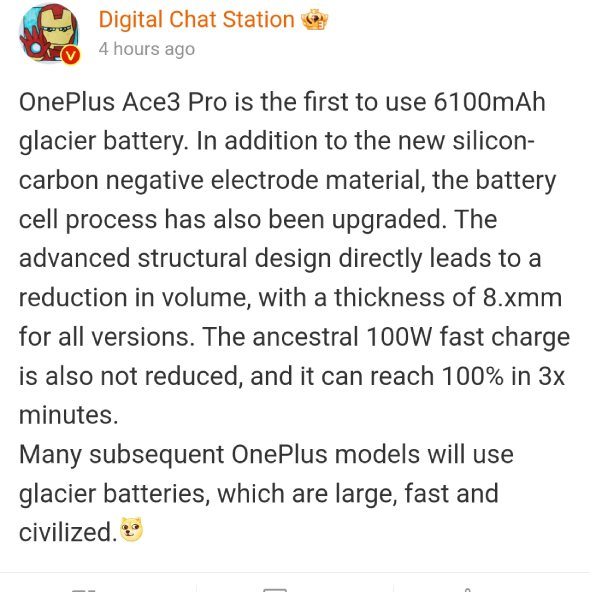
While the company hasn’t confirmed which device will first feature the new battery, it is likely the upcoming OnePlus Ace 3 Pro, which previous reports suggest will have a large 6100mAh battery. The prolific tipster Digital Chat Station corroborated this in a Weibo post earlier today.
Reportedly, the phone will have a dual-cell design with two 2970mAh batteries. This, combined with the Glacier Battery technology, suggests a significant improvement in battery life for the OnePlus Ace 3 Pro.
Despite having such a large battery, the tipster says the Ace 3 Pro will be less than 9mm thick. The phone will also support 100W charging and is expected to charge to 100% in about 30 minutes. Additionally, the tipster revealed that many upcoming OnePlus phones will use the new Glacier Battery, which offers big capacity and fast charging speeds.
Whether the Glacier Battery involves new battery chemistry, improved cell design, or software optimizations remains to be seen. We’ll have to wait for the official announcement on June 20th for more detailed information.
OnePlus Ace 3 Pro’s design has also been leaked in a poster earlier today. Details about its display and processor has been revealed too, which suggests a DisplayMate A+ rating for the panel and a Snapdragon 8 Gen 3 SoC, respectively.
Vivo has just teased the launch of a new budget phone in India. The device in question is the Vivo Y58 5G, which is set to launch later this week. This model appears to have a familiar design and some of its specs were recently leaked as well. So here’s everything you need to know.
Vivo Y58 India Launch
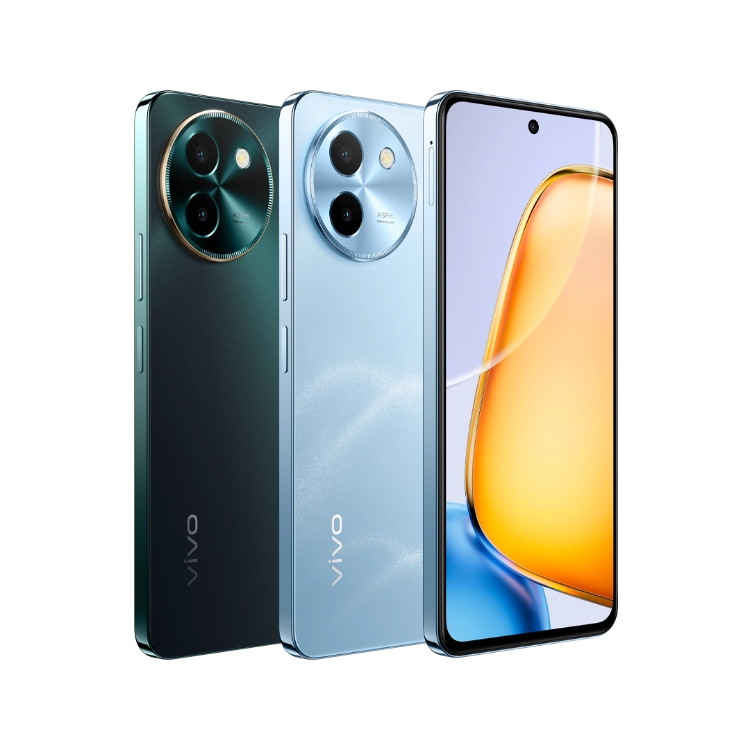
As per the official teaser, the Chinese brand will unveil the Y58 model in India on 20th June 2024. The device features a circular camera module on the back and can be seen in two color options in the teaser poster. This include Green and Blue variants. The company didn’t reveal any other finer details regarding this device like its specs, features, and pricing. However, the design seems identical to the Vivo Y200t, which launched in China back in May.
Vivo Y200t
But while the Chinese variant arrived with a Snapdragon 6 Gen 1 SoC, a fresh leak suggests otherwise. In a tweet, the marketing material for the Indian Vivo Y58 model was revealed by a tipster. This shows that the device will be packed with the Snapdragon 4 Gen 2, instead of the Snapdragon 6 Gen 1. This chipset is paired with 8GB of RAM and 128GB of internal storage. You can apparently extend it by another 8GB via virtual RAM expansion and bump up the storage to 1TB via a microSD card slot.
On the front, it is expected to sport a tall 6.72-inch LCD panel with a 120Hz refresh rate and a 1024 nits of peak brightness. Similar to the Chinese Y58, the Indian variant will also be powered by a massive 6,000mAh battery pack that supports 44W wired fast charging. For optics, you get a 50-megapixel primary camera with a 2-megapixel secondary shooter on the rear. Meanwhile, the front houses an 8-megapixel selfie camera. Other notable features include dual speakers, IP64 water and dust resistance, side-mounted fingerprint scanner, and a 7.99mm body that weighs 199 grams.
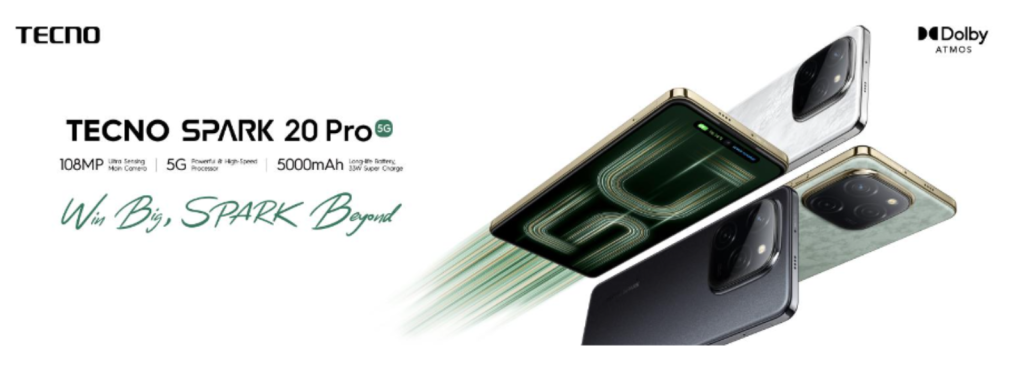
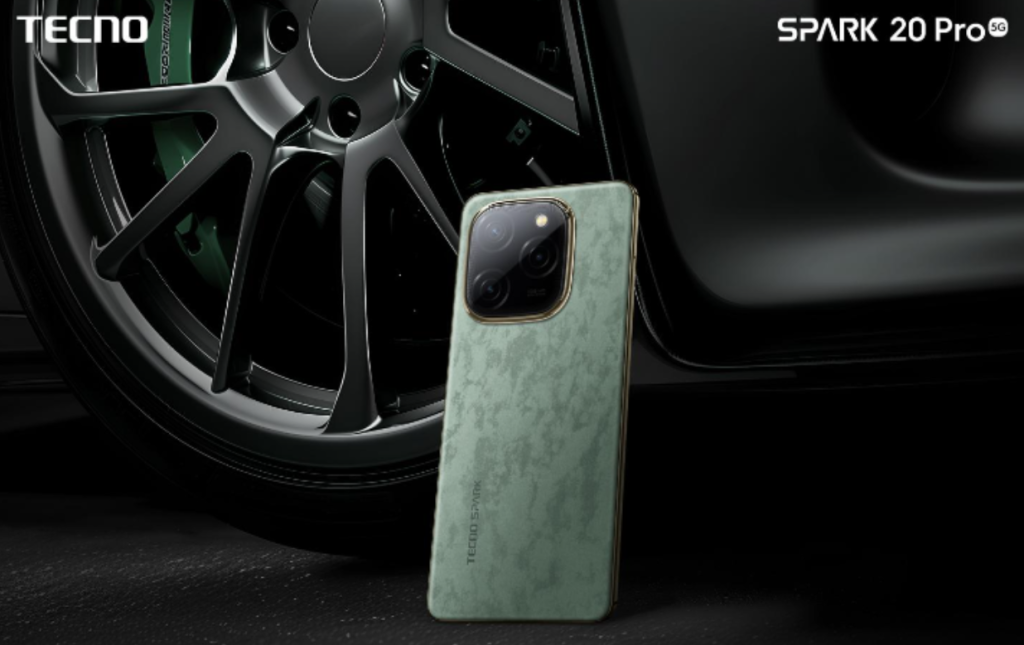
TECNO has announced the launch of its latest smartphone, the SPARK 20 Pro 5G. Designed to redefine the mid-range smartphone segment, this innovative device will be available starting June 20, 2024, in Saudi Arabia, with subsequent rollouts in markets across the Middle East, Africa, Southeast Asia, and Latin America.
Key Features and Upgrades
Performance and Connectivity
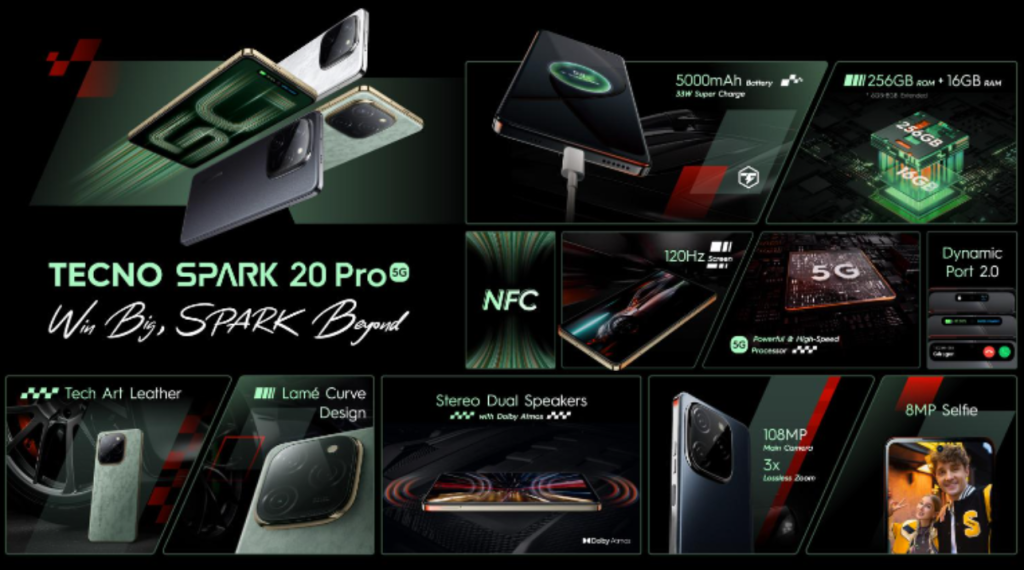
At the heart of the SPARK 20 Pro 5G is the powerful MediaTek Dimensity 6080 5G processor. Boasting an impressive AnTuTu benchmark score of approximately 430,000, this chipset ensures seamless performance and efficient multitasking. The integration of Smart 5G functions allows the device to intelligently switch between 4G and 5G networks, optimizing speed and power efficiency.
Enhancing connectivity further, the UPS Ultra Power Signal technology provides robust signal strength and stability, significantly improving data rates. Meanwhile, Linkbooming 1.0 reduces latency by up to 25%, ensuring a smoother, faster online experience. The Super Wi-Fi feature also offers quicker speeds and lower battery consumption, perfect for those constantly on the move.
Immersive Entertainment
The SPARK 20 Pro 5G delivers an unmatched audio-visual experience. Equipped with Hi-Res certified stereo dual speakers and Dolby Atmos support, users can enjoy immersive, high-quality sound. The 400% Big Volume feature amplifies the device’s audio capabilities, offering enhanced sound output that stands out.
Visuals are equally impressive with the 120Hz FHD Hole Screen. This display not only provides stunning clarity and vibrant colors but also includes a Smart Refresh Algorithm that adapts the screen’s refresh rate based on usage, ensuring a smoother experience and improved battery life.
Stunning Design
Aesthetics meet functionality in the SPARK 20 Pro 5G’s design. The Lamé Curve Camera Island Design offers a modern, sleek look. Available in Startrail Black, Glossy White, and Neon Green, the phone’s appearance is stylish and versatile. The wristwatch-grade nano-etched texture and skin-friendly Tech Art Leather material are inspired by high-end car interiors, adding a touch of luxury to the device.
Advanced Camera System
Photography enthusiasts will appreciate the phone’s 108MP Ultra Sensing Main Camera. This high-resolution camera ensures crystal-clear photos, while the 3x lossless in-sensor zoom and 10x digital zoom allow for detailed shots even from a distance. The 9-in-1 Adaptive Pixel technology and Super Night Mode enhance image quality in various lighting conditions, making every shot perfect.
Battery and Storage
The SPARK 20 Pro 5G is powered by a robust 5000mAh battery, designed to last longer with its 1600 cycle long-life feature. The 33W Super Charge capability ensures that the device charges quickly, minimizing downtime. With 256GB of internal storage and 16GB of RAM (8GB + 8GB extended), users have ample space for all their apps, media, and files, along with smooth performance for multitasking.
Operating System
Running on HiOS 14 based on Android 14, the SPARK 20 Pro 5G offers a user-friendly interface with a host of new features and enhancements. This latest operating system ensures security, efficiency, and a seamless user experience.
The TECNO SPARK 20 Pro 5G is set to make waves in the mid-range smartphone market. Combining advanced technologies, a high-end design, and powerful performance, it promises to deliver an exceptional 5G experience.
ASUS officially announced the Zenfone 11 Ultra earlier this year. The company recently teased the device in a refreshing new color option. Now, the Zenfone 11 Ultra has finally launched in a Vendure Green color. So let’s have a look.
ASUS Zenfone 11 Ultra Vendure Green
To recall, the Taiwanese brand first announced the Zenfone 11 Ultra in four color options, namely Eternal Black, Misty Gray, Skyline Blue, and Dessert Sand. So there are official five color options with the Vendure Green variant. Apart from the green hue, the device features the same specs and features as the other color options. As of right now, the Vendure Green Zenfone 11 Ultra is listed for purchase from the company’s official website. For those unaware, the device is basically a rebranded ROG Phone 8 with some minor changes.
It sports a tall 6.78-inch LTPO AMOLED display with a Full HD+ resolution, a 144Hz refresh rate, HDR10, Dolby Vision, and 2,500 nits pof peak brightness. Under the hood, the high-end smartphone is equipped with the flagship Snapdragon 8 Gen 3 SoC, which is paired with up to 16GB of RAM and 1TB of internal storage. These beefy hardware are cooled via a dedicated thermal dissipation system. A large 5,500mAh battery pack powers this device, which supports 67W wired fast charging and 15W wireless fast charging.
You get a 32-megapixel selfie shooter on the front. Meanwhile, the rear packs a 50-megapixel primary sensor, along with a 13-megapixel ultra wide angle lens, and a 32-megapixel telephoto camera with 3x optical zoom. For audio, it features stereo speakers tuned by Dirac and supports Hi-Res audio and Qualcomm aptX lossless audio. The device runs on the Android 14 OS out of the box. Other notable features include IP587 water and dust resistance, WiFi-7, Bluetooth 5.3, and a 3.5mm audio jack.
Qualcomm announced the Snapdragon 4 Gen 2, a budget smartphone chipset, in June 2023. A month later, MediaTek released the Dimensity 6100+ SoC to cater to the same segment. We already have phones from major brands such as Xiaomi, Vivo, Samsung, and Realme powered by these two chips.
Although both are octa-core chipsets, they share a lot of differentiation. In this post, we’ll see how the Snapdragon 4 Gen 2 stacks up against Dimensity 6100+ to help you pick the right one.
5G / 4G / 3G / 2G Wi-Fi 5 (a/b/g/n/ac) NFC Bluetooth 5.2 QZSS, Galileo, Beidou, GLONASS, NavIC, GP
SD 4 Gen 2 vs Dimensity 6100+: Benchmarks
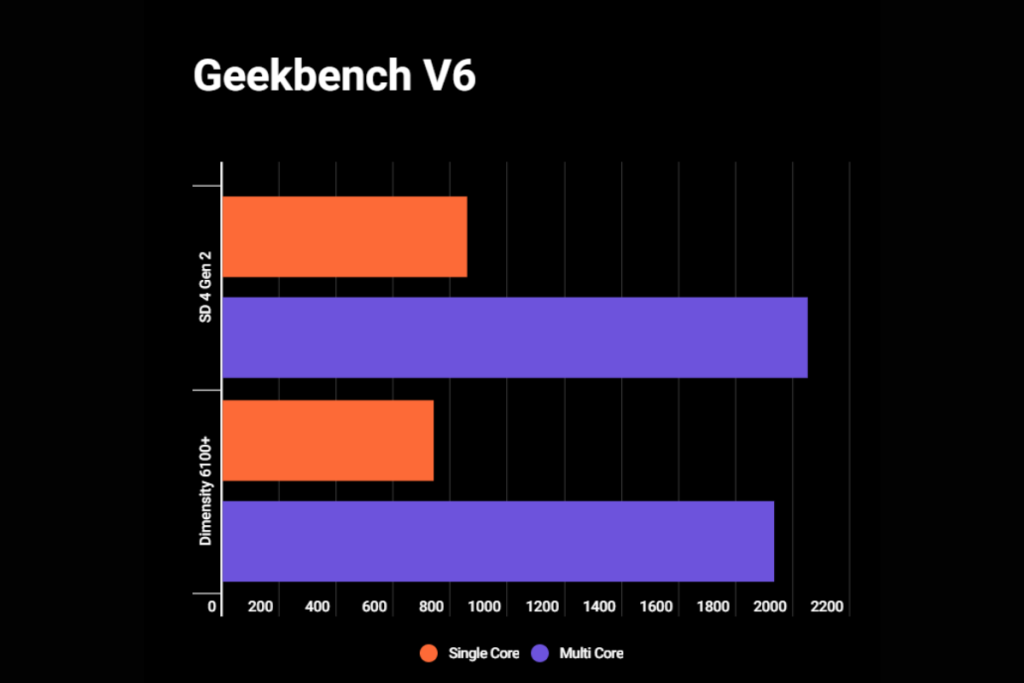
[Geekbench 6]
Snapdragon 4 Gen 2:
Single core: 856
Multi core: 2053
Dimensity 6100+:
Single core: 738
Multi core: 1935
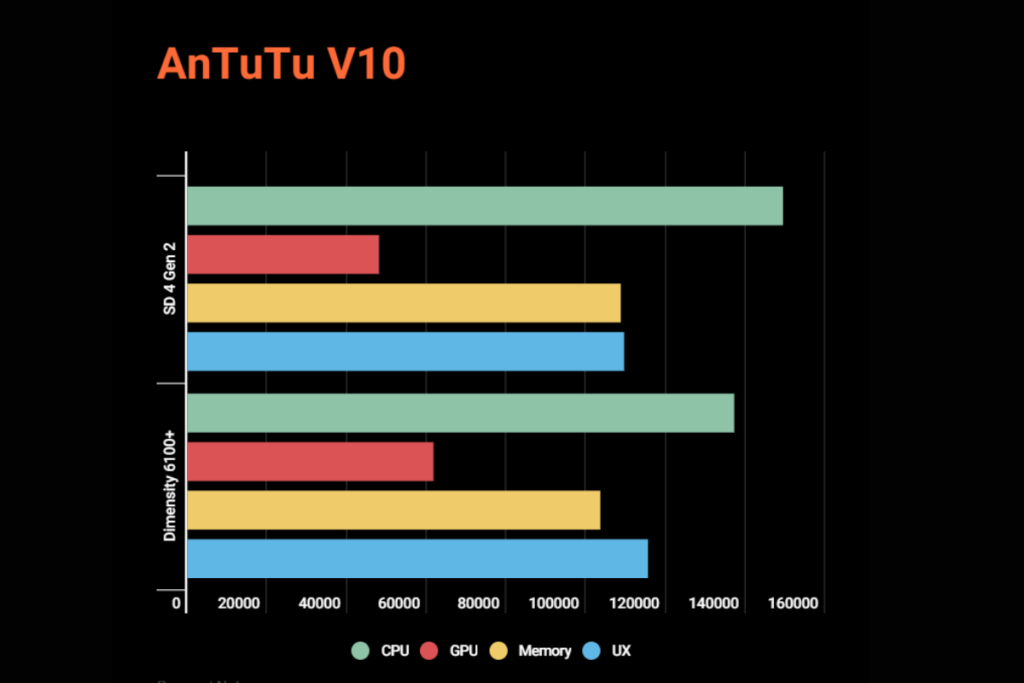
[AnTuTu]
Snapdragon 4 Gen 2:
CPU: 149471
GPU: 48241
Memory: 108765
UX: 109695
Total score: 416172
Dimensity 6100+:
CPU: 137283
GPU: 61739
Memory: 103560
UX: 115593
Total score: 418175
SD 4 Gen 2 vs Dimensity 6100+: CPU
The Snapdragon 4 Gen 2 has two Cortex-A78 cores running at 2.2 GHz, while the Dimensity 6100+ has a slightly less powerful Cortex-A76 cores with the same clock speed.
Cortex-A78 is a successor to Cortex-A76, bringing improvements to performance and power efficiency. The remaining 6 cores in both chips are Cortex-A55 power-efficient cores.
So, the Snapdragon 4 Gen 2 has better performance and power efficiency than the Dimensity 6100+. Geekbench also favours the Snapdragon chip over the Dimensity one, and the CPU score in the AnTuTu test tells the same story.
SD 4 Gen 2 vs Dimensity 6100+: GPU
The graphics tasks in Snapdragon 4 Gen 1 are handled by the Adreno 613 GPU, while the Dimensity 6100+ has a Mali-G57 MC2 GPU. Both are mid-range GPUs that should easily handle basic games. But do not expect them to smoothly handle graphics-intensive games such as Genshin Impact and Fortnite.
On benchmarks, the Mali-G57 MC2 (in Dimensity 6100+) performs better than the Areno 613 (in Snapdragon 4 Gen 2). However, the difference is not significant.
SD 4 Gen 2 vs Dimensity 6100+: Memory
Both Snapdragon 4 Gen 2 and Dimensity 6100+ support LPDDR4X memory, but the former also supports LPDDR5 RAM, which is faster and more power efficient than LPDDR4X.
Not just the memory, but the Snapdragon chip has fast storage, too: UFS 3.1 (vs. UFS 2.2 in Dimensity 6100+).
Fast memory and storage results in smoother performance, faster app loading, improved multitasking, and a better gaming experience.
SD 4 Gen 2 vs Dimensity 6100+: Camera
Both Snapdragon and MediaTek chipsets support up to a 108-megapixel single-camera sensor. They also support 16-megapixel + 16-megapixel sensors with noise reduction support. The Snapdragon chip also supports a single 32-megapixel camera sensor with multi-frame noise reduction (MFNR) and zero-shutter lag (ZSL).
The Snapdragon 4 Gen 2 can take 1080p videos at 60 frames per second (fps), while the Dimensity 6100+ supports up to 2K videos at 30 fps. The former can also take 720p slow-motion videos at 120 frames per second.
SD 4 Gen 2 vs Dimensity 6100+: Display
The maximum display resolution supported by the Snapdragon 4 Gen 2 is Full HD+ (2520 x 1200 pixels) with a 120Hz refresh rate. MediaTek Dimensity 6100+, on the other hand, supports a maximum display resolution of 2520 x 1080 pixels with a 120Hz refresh rate.
So, both chips support decent screen resolution and a higher refresh rate for smooth scrolling.
SD 4 Gen 2 vs Dimensity 6100+: Connectivity
Both chips feature 3GPP Release 15 5G technology, ensuring better power efficiency, download/upload speeds, and reliable connectivity. They support connectivity features such as 2G / 3G / 4G / 5G, NFC, Wi-Fi 5 (a/b/g/n/ac), and necessary positioning systems (GPS, QZSS, Galileo, Beidou, GLONASS, NavIC).
However, the Dimensity 6100+ is ahead of the Snapdragon 4 Gen 2 in Bluetooth technology. The former chip supports Bluetooth 5.2, while the latter uses a slightly older Bluetooth 5.1 technology. Also, the Dimensity chip has a peak download speed of 3.3 Gbps, which is 2.5 Gbps on the Snapdragon chip.
SD 4 Gen 2 vs Dimensity 6100+: Which is Better?
The Snapdragon 4 Gen 2 chip is built using a 4nm process node, which is more power-efficient than the 6nm process node used for Dimensity 6100+. It also has powerful CPU cores, combined with faster RAM and storage, leads to better performance.
However, the Dimensity 6100+ has a slight GPU advantage over the Snapdragon 4 Gen 2, although the difference is not great. On the connectivity front, it supports newer Bluetooth technology and offers a higher peak download speed than the Snapdragon chip.
If performance is your primary concern, Snapdragon 4 Gen 2 should be a good choice. However, for a better connectivity experience, I would recommend the Dimensity chip over the Snapdragon 4 Gen 2. Make a list of your priorities and choose accordingly.
If you need any help or have queries, do let me know in the comments below.
We use cookies on our website to give you the most relevant experience by remembering your preferences and repeat visits. By clicking “Accept”, you consent to the use of ALL the cookies.
This website uses cookies to improve your experience while you navigate through the website. Out of these, the cookies that are categorized as necessary are stored on your browser as they are essential for the working of basic functionalities of the website. We also use third-party cookies that help us analyze and understand how you use this website. These cookies will be stored in your browser only with your consent. You also have the option to opt-out of these cookies. But opting out of some of these cookies may affect your browsing experience.
Necessary cookies are absolutely essential for the website to function properly. This category only includes cookies that ensures basic functionalities and security features of the website. These cookies do not store any personal information.
Any cookies that may not be particularly necessary for the website to function and is used specifically to collect user personal data via analytics, ads, other embedded contents are termed as non-necessary cookies. It is mandatory to procure user consent prior to running these cookies on your website.