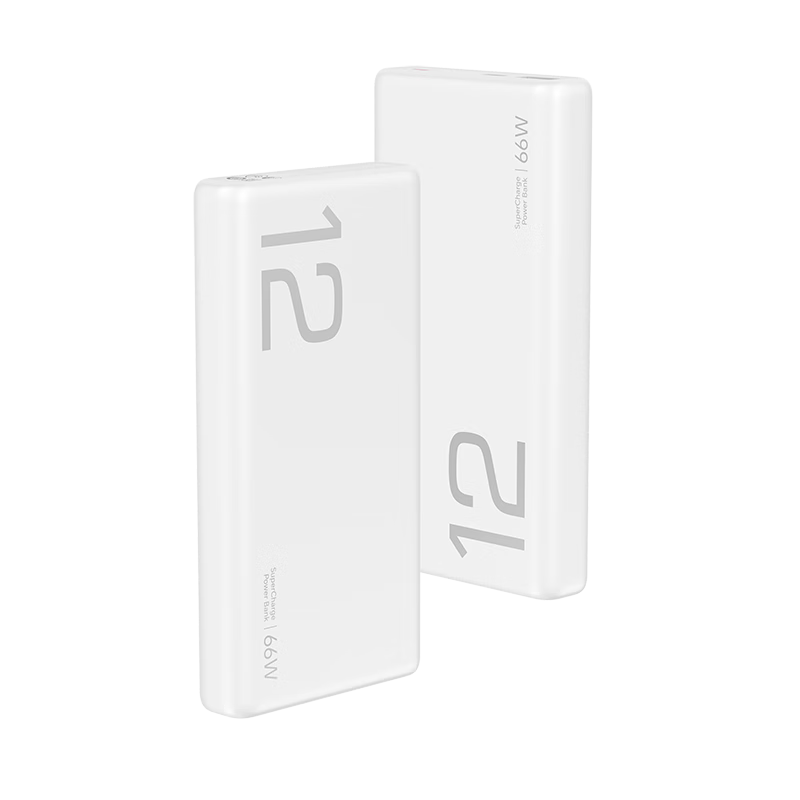
Honor has announced a new fast-charging mobile power bank called “Joway 66W” under its Honor Choice lineup today. The power bank is priced at 179 yuan (around $25) and is now available on JD.com.
Joway 66W Power Bank Specifications:
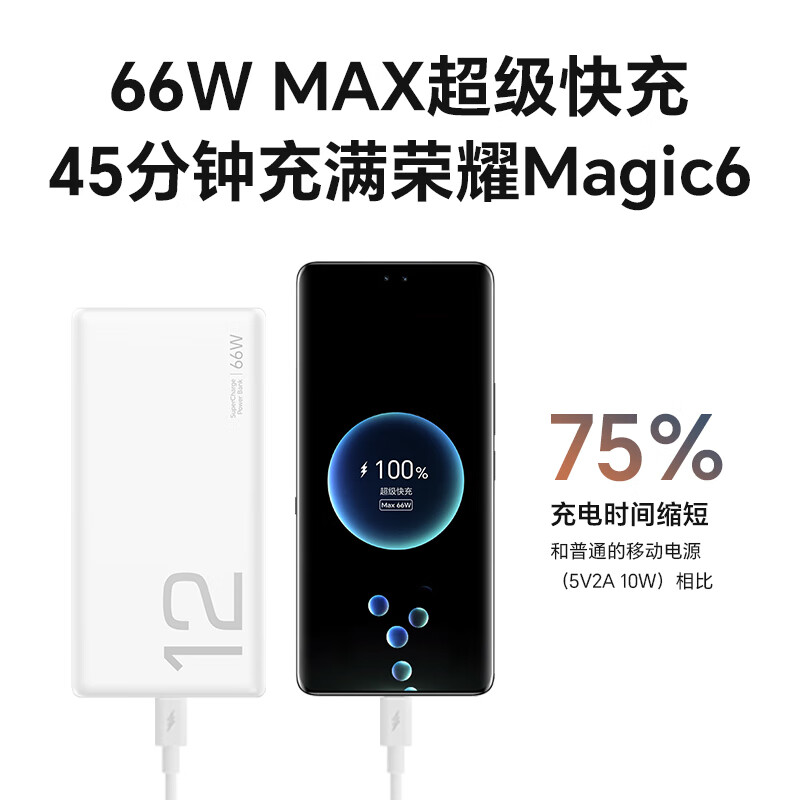
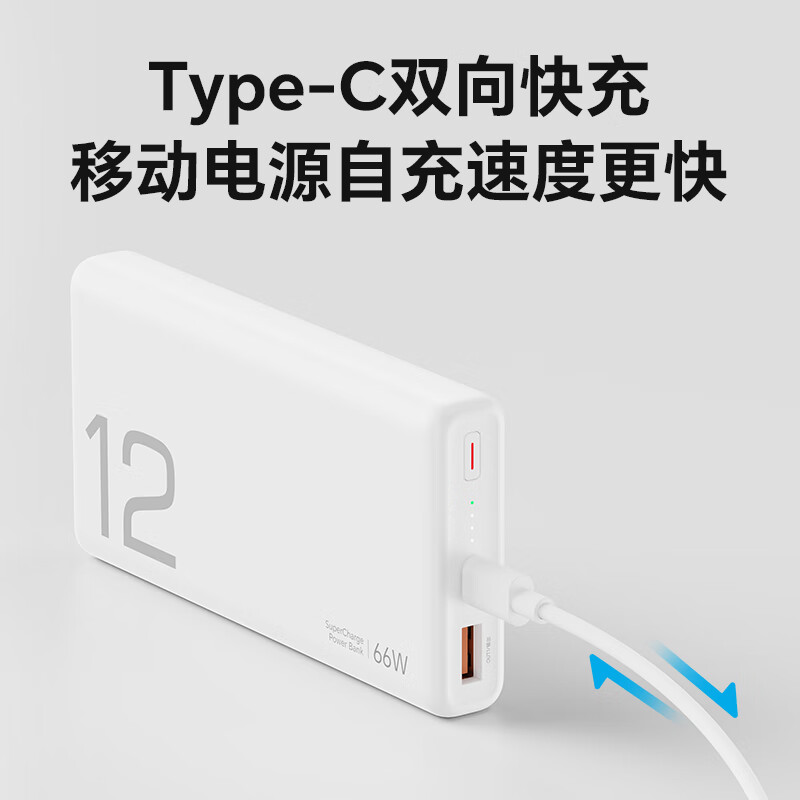
The power bank boasts a 12000mAh capacity and features Type-C bi-directional fast charging, allowing for speedy charging and recharging. In SCP (SuperCharge) mode, it can deliver up to a whopping 66W of power, significantly reducing charging times. Honor claims it can charge the Honor Magic 6 from 0 to 100% in just 45 minutes, while a full recharge of the power bank itself takes only 103 minutes.
The Joway 66W power bank supports various mainstream charging protocols like SCP/PD3.0/FCP/QC3.0, ensuring compatibility with a wide range of smartphones, laptops, and devices from Huawei, Xiaomi, Apple, and other brands.
This power bank features dual-port output with both Type-C and Type-A ports. It even caters to low-power devices like Honor smartwatches, smart bands, and Bluetooth headphones with a dedicated low-current charging mode activated by a simple double-click of the button.
The power bank comes with comprehensive safety features which include battery core overcharge protection, input overvoltage protection, temperature protection, overdischarge protection, undervoltage protection, input overcurrent protection, output overcurrent protection, and output overvoltage protection. The shell is also made from PC+ABS for durability.
It is also compliant with aviation carry-on standards, so you can take it with you on your travels without any worries. The weight of the power bank is approximately 251g and its dimensions are 137.06 x 8.8 x 19.5mm. The power bank comes in White color.
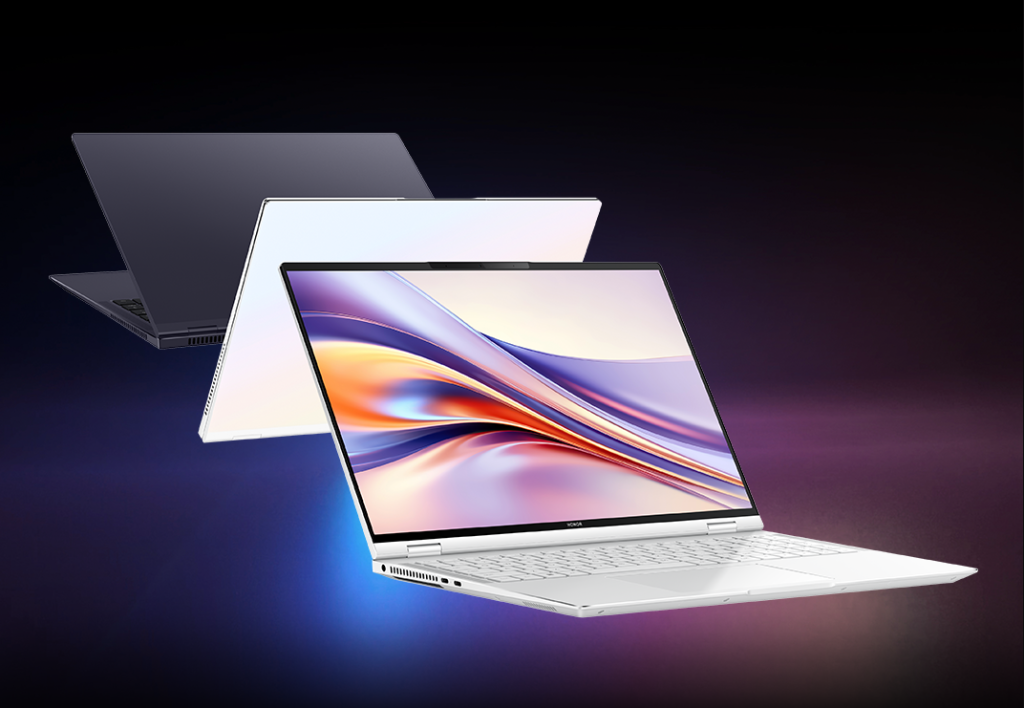
Alongside the launch of the Honor 200 Series smartphones globally, the brand also introduced a new laptop. It is the Honor MagicBook Pro 16 that first debuted at MWC this year in February and then released in China the next month. The machine packs a premium design along with powerful specifications. Read on to know what it offers out of the box.
Honor MagicBook Pro 16 specifications and features
The Honor MagicBook Pro 16 sports a full-metal design with innovative 3D colouring spray technology. It weighs just 1.79 kg and measures 19.9mm thick.
In terms of display, the MagicBook Pro 16 features a 16-inch screen bearing a resolution of 3,072 x 1,920 pixels and a 165Hz refresh rate. The display has slim bezels measuring just 2.36mm and it offers a 93 percent screen-to-body ratio. It also packs 100 percent DCI-P3 colour gamut, HDR 400, 500 nits peak brightness, and dynamic dimming technology. On the audio front, the device is equipped with six speakers including four subwoofers and two tweeters. It is touted to be the first Windows-based laptop with Spatial audio.
Under the hood, the Honor MagicBook Pro 16 houses the Intel Core Ultra 5 processor. There is an integrated Intel Arc GPU onboard. The device features a heat dissipation system. The laptop offers two modes – a 65W high-powered mode maximising the processor’s power and a 50W smart mode for a balanced performance. The machine is backed by a 75Whr battery unit that is claimed to last up to 12 hours on a full charge.
The Honor MagicBook Pro 16 runs on Windows OS with MagicRing which enables easy transfer and synchronization of tasks and notifications across devices. There are also some AI-powered features onboard.
The Honor MagicBook Pro 16 starts at EUR 1,299.99 in France. It is offered in White and Purple colours. The laptop will be available in select markets with prices varying depending on the region.
Honor 200 Series has been unveiled in the global markets. The lineup comprises of the standard, pro, and lite variants. The former two arrive as the successors to the last year’s Honor 100 duo. They also debuted in China last month and the global variants come with the same specifications. Read on to know all the details about the three Honor 200 series phones below.
Honor 200 series debuts globally
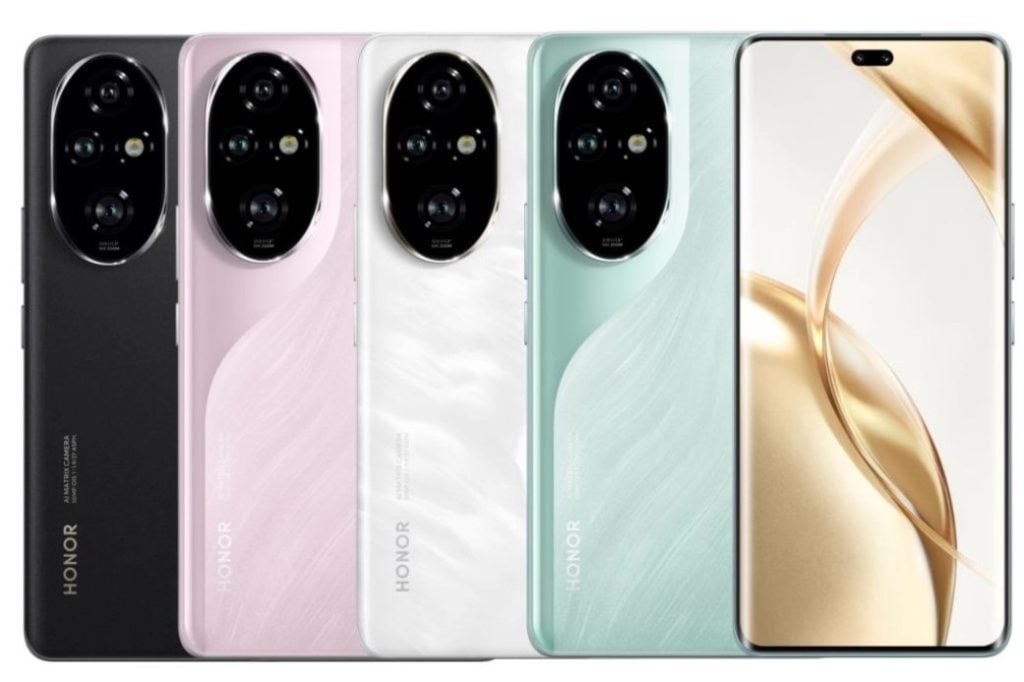
The Honor 200 and 200 Pro come with 6.78-inch OLED display with curved edges, a 120Hz refresh rate, and 4,000 nits peak brightness. The former has a resolution of 2,664 x 1,200 pixels whereas the latter bears 2,700 x 1,224 pixels. There are display features like AI Circadian night display, low blue light, and TUV flicker-free certification. Both phones have the same design with a pill-shaped camera island and a textured pattern on the back panel.
On the optics front, the Honor 200 and 200 Pro sport triple rear cameras with the same setup. However, there are slight differences in the sensors on the two devices. The standard model has a 50MP 1/1.56-inch main camera with OIS, a 50MP OIS+EIS telephoto lens, and a 12MP ultra-wide angle unit. Meanwhile, the Pro variant features a 50MP 1/1.3-inch H9000 main sensor and a 50MP telephoto unit with OIS and EIS support and a 12MP ultra-wide angle snapper.
Up front, the Honor 200 duo have a 50MP selfie camera. Both smartphones come with AI-related camera features. The brand has collaborated with Studio Harcourt which is a Paris-based portrait photography house. Along with the studio’s artistry and Honor’s platform-level AI capabilities, the Honor 200 Pro lets users manipulate light and shadow for studio-level portrait photographs. Honor has also partnered with famous portrait photographer Rankin who has captured iconic celebrities.
Under the hood, the Honor 200 is powered by a Snapdragon 7 Gen 3 processor coupled with up to 12GB RAM and 512GB storage. On the other hand, the Honor 200 Pro is equipped with a Snapdragon 8s Gen 3 SoC. It is only available in 12GB + 512GB configuration. Both phones are backed by a 5,200mAh Silicon-carbon battery with support for 100W wired charging. The pro variant also features 66W wireless and reverse wireless charging. Software-wise, the Honor 200 duo run on MagicOS 8.0-based on Android 14 with AI features like Magic Portal, Magic Capsule, Magic Lock Screen etc.
Coming to the Honor 200 Lite, it is an affordable version of the standard and pro models. It features a 6.7-inch AMOLED display with 2,000 nits peak brightness. The camera setup comprises of a 108MP main sensor coupled with 5MP depth and 2MP macro lenses. The device packs 8GB RAM and 256GB storage.
The Honor 200 series is offered in Ocean Cyan (Pro), Emerald Green (standard), Moonlight White, and Black colors. The Honor 200 Pro starts at €799 / £699.99 and buyers will be eligible for a free Harman Kardon Onyx Studio 8 speakers. The Honor 200 carries a starting price tag of €599 / £499.99 bundled with a free JBL Charge 5 WiFi. Both phones will be available via general sale from June 26. The Honor 200 Lite is priced at €329 / £279.99.
Blackmagic Design has introduced the Blackmagic URSA Cine Immersive camera, designed specifically for capturing spatial video content for Apple’s Vision Pro headset. This camera pushes the boundaries of cinematic capture for virtual reality experiences.
The camera can capture a 180-degree FOV with spatial audio support
The URSA Cine Immersive boasts a custom stereoscopic 3D lens system with dual 8K sensors. This powerful setup allows for capturing a 180-degree field of view with spatial audio support, fully immersing viewers in the scene. Each eye experiences a resolution of 8,160 x 7,200, ensuring exceptional detail and clarity. 16 stops of dynamic range guarantee accurate color reproduction in every frame, even in challenging lighting conditions. To further enhance the immersive experience, the camera can shoot stereoscopic 3D content at a smooth 90 frames per second.
The URSA Cine Immersive is constructed from a robust magnesium alloy chassis and a lightweight yet durable carbon fiber polycarbonate composite skin. Dual 5-inch HDR touchscreens provide intuitive camera controls and monitoring, while an external color status LCD screen displays essential shooting information. Connectivity options are comprehensive, including 12G-SDI out for video output, 10G Ethernet for high-speed networking, USB-C for external storage, and XLR audio ports for professional audio recording. An 8-pin Lemo connector provides reliable power delivery.
A built-in 8TB Blackmagic Media Module offers ample storage for capturing roughly two hours of 8K stereoscopic video in Blackmagic RAW format. Additionally, the camera supports Cloud Store, allowing for seamless media upload and synchronization via the 10G Ethernet connection, perfect for collaborative workflows.
To complement the URSA Cine Immersive camera, Blackmagic Design is releasing an update to DaVinci Resolve editing software. This update introduces a new immersive video viewer, enabling editors to adjust pan, tilt, and roll of clips for optimal viewing on both 2D monitors and the Apple Vision Pro headset itself.
Blackmagic Design has yet to announce the official pricing for the URSA Cine Immersive camera. Considering the Blackmagic URSA Cine 12K camera retails for $14,995 (body only), the new immersive camera is expected to be similarly priced, with the added cost of the specialized dual-lens system. This camera is a huge step forward in capturing content for virtual reality experiences, and its integration with Apple’s Vision Pro headset is an icing on the cake.
Xiaomi unveiled the Xiaomi 14 Civi smartphone today in India. Alongside the brand also launched a kitchen appliance. It is the company’s second air purifier called the Xiaomi Air Fryer 6L. The latest offering comes with significant upgrades over its predecessor which was released way back in 2022. Let’s find out what the appliance offers out of the box.
Xiaomi Air Fryer 6L specifications
Right off the bat, the Xiaomi Air Fryer 6L has a sleek and premium design. It features a large touch control panel with an LED display. There is a heat-resistant handle, rear cooling vents, and non-slip rubber feet. The removable drip tray ensures multi-purpose frying for draining oil and adjusting capacity. The dual-layer non-stick coating makes it easier to clean the appliance.
The Xiaomi Air Fryer 6L has a power capacity of 1500W for quick heating. It is equipped with a 9-blade fan and 360-degree hot air circulation ensuring even cooking. The appliance features a precise heat control between 40 to 200 degrees Celsius for various purposes including low-temperature defrosting and high-temperature baking. There are six pre-set quick recipes.
As the name suggests, the air fryer has a 6-liter cooking capacity. The height-adjustable tray supports easy switching from 6L to 3L. Users can cook a host of recipes including an 8-inch pizza and more. The Xiaomi Air Fryer 6L is compatible with glass, stainless steel, ceramic, and aluminium container utensils. There is also a built-in microswitch that pauses cooking when the basket is pulled out and resumes the program when it is put back in.
The Xiaomi Air Fryer 6L carries a price tag of Rs 6,999. It can be purchased from June 21 from Amazon, Flipkart, Xiaomi’s website and retail stores. ICICI Bank cardholders can avail Rs 1,000 instant discount on the purchase.
HMD is reportedly working on multiple smartphones. These include the Atlas and Skyline which recently surfaced in a leak revealing its design and key specifications. Now, a third device called the HMD Ridge has leaked by the same X user i.e. HMD_MEME’s who shared details about the other two devices. The latest device is tipped to be a budget offering. Read on to know everything.
HMD Ridge leaks
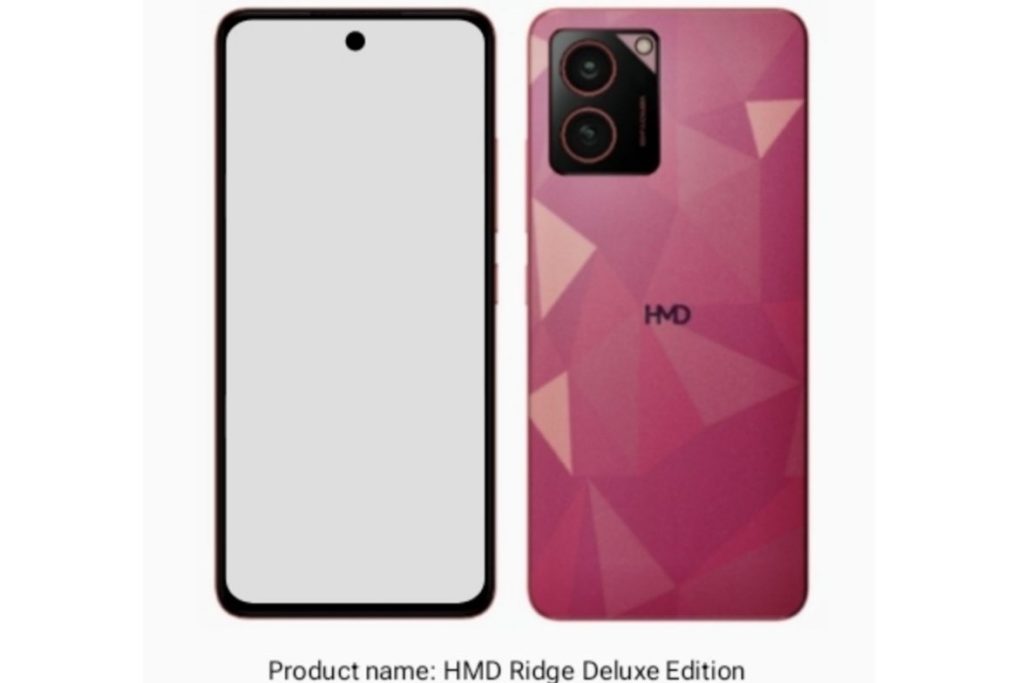
The HMD Ridge has a similar design as the HMD Atlas with a rectangular camera island housing two sensors and an LED flash unit. On the front, the Ridge has thicker bezels compared to Atlas. There is a center-aligned punch-hole cutout. The back panel of the smartphone has a geometrical shape design and it is seen in the Pink colour option.
As for the core specifications, the HMD Ridge is said to come with a 6.4-inch display bearing an FHD+ resolution and a 90Hz refresh rate. It will shielded with Gorilla Glass 3. The device is tipped to feature a 50MP main sensor and an 8MP selfie snapper.
Internally, the HMD Ridge will reportedly be powered by a Snapdragon 480+ processor with support for 5G connectivity. It will be available in 4GB, 6GB, and 8GB RAM variants. The device will pack 128GB and 256GB storage options. The smartphone is expected to be backed by a 5,000mAh battery unit.
It seems that the HMD Ridge will be a toned-down version of the Atlas. The Finnish brand has two more devices in the pipeline called the Waylay and Xenon along with the Skyline, Atlas, and Ridge. The HMD Skyline is said to be a mid-range 5G whereas the Atlas will be a US-exclusive device.
Google unveiled Android 15, but it’s not yet ready for a stable release yet. The new mobile operating system by Google boasts many new features, including built-in satellite connectivity support, which some Chinese phone manufacturers have already offered on their devices. Additionally, several Chinese smartphone manufacturers have released the Android 15 Beta for select models.
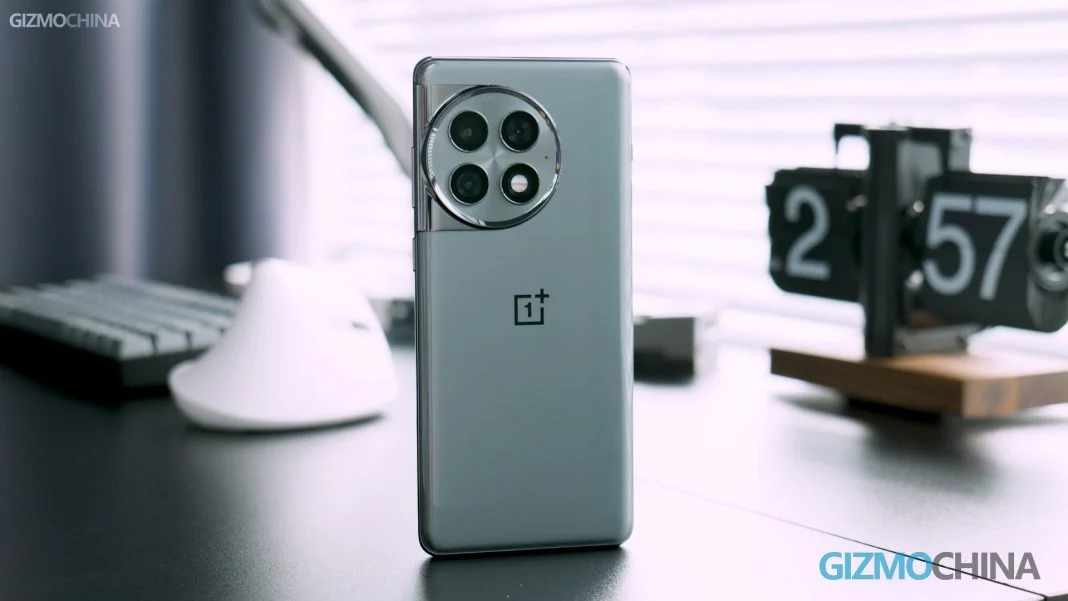
While OnePlus 12, Nothing Phone (2a), and realme 12 Pro+ are among the first devices to receive the Android 15 update, it’s important to note that this early version is quite buggy and not ideal for daily use. To ensure a smoother user experience, Chinese tech giants ask app developers to adapt their apps to Android 15 as soon soon as possible.
Android 15 development timeline
Besides new features, Android 15 also includes changes to the Android APIs. Google introduced the first version of Android 15 in February 2024, and the stable release is expected to come out after July. Chinese smartphone manufacturers expect app developers to make the necessary changes by August 31. Xiaomi, OPPO, and vivo have shared the necessary guides for developers on their websites.
Xiaomi, OPPO and vivo
This is actually not the first partnership by these companies. Previously, Xiaomi, OPPO, and vivo announced a cross-device wireless file transfer standard. Now, they have made a joint statement aimed at developers. You can read Xiaomi’s statement about Android 15, as well as OPPO‘s and vivo‘s statements on the given links.
Xiaomi has recently launched two phones in the Indian market – the Xiaomi 14 and the Xiaomi 14 Civi. While both phones share the Xiaomi 14 name, they target different user segments with distinct features and price points.
To be precise, the Xiaomi 14 Civi is the more affordable alternative to the Xiaomi 14. Let’s delve into its specifications to understand how the Xiaomi 14 Civi competes with the Xiaomi 14 and why it is priced lower than the flagship model.
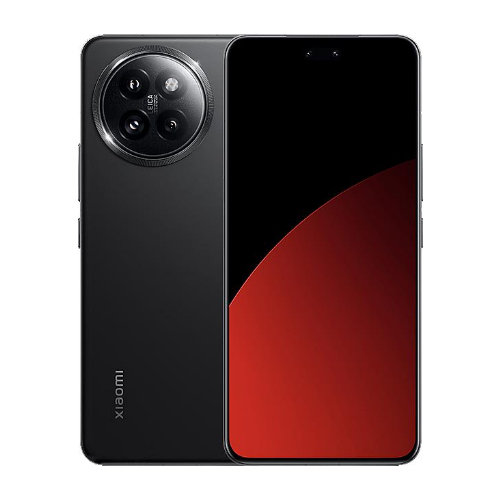
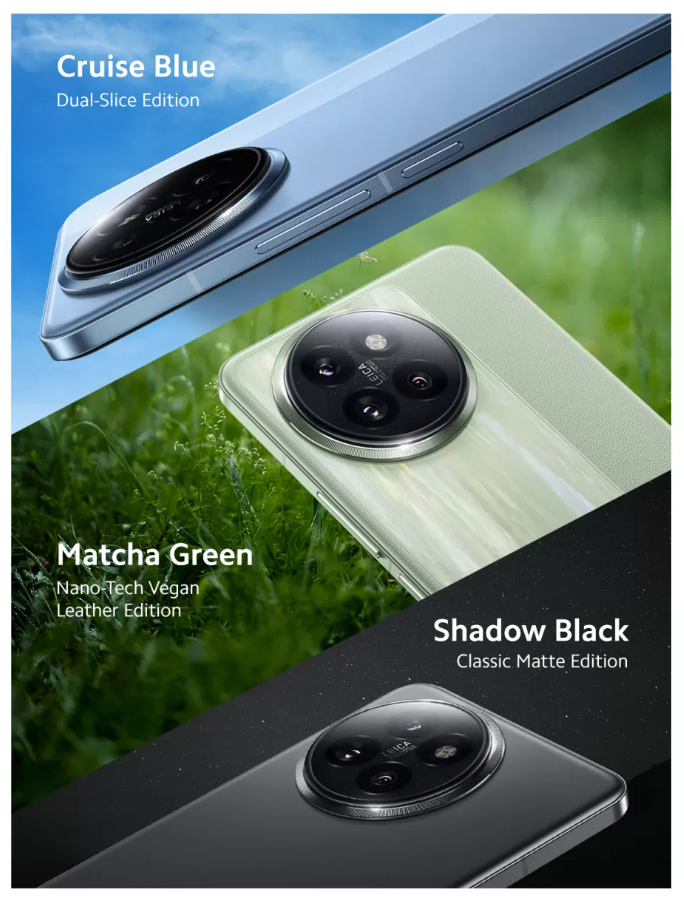
The Xiaomi 14 Civi stands out with its elegant four-side micro-curved design on both the front and rear, giving it a sleek and premium feel. It measures a slim 7.45mm in thickness and comes in three stylish editions: Cruise Blue Dual-Slice, Matcha Green Nano-Tech Vegan Leather (7.75mm thickness), and Shadow Black Classic Matte.
On the other hand, the Xiaomi 14 features a flat-edge design with rounded corners and a frosted glass back, making it comfortable to hold and visually appealing. It’s slightly thicker at 8.20mm but boasts an ultra-narrow 71.5mm body, making it perfect for one-handed use. The Xiaomi 14 comes in Jade Green, Matte Black, and Classic White color options.
Both phones sport impressive displays, but the Xiaomi 14 Civi takes the lead with its larger 6.55-inch 1.5K micro-curved AMOLED panel. It boasts a peak brightness of 3000 nits and a 120Hz refresh rate for smooth visuals. The Xiaomi 14, while slightly smaller at 6.36 inches, also features a 1.5K OLED flat TCL C8 LTPO panel with the same peak brightness and a variable refresh rate of 1-120Hz for optimized power consumption. Both displays support Dolby Vision and HDR10+ for vibrant and lifelike content.
2. Performance and Software
Under the hood, both phones pack a punch with the latest Snapdragon 8s Gen 3 SoC for the Xiaomi 14 Civi and Snapdragon 8 Gen 3 for the Xiaomi 14. These powerful processors ensure smooth multitasking, fast app launches, and seamless gaming experiences. The Xiaomi 14 Civi offers up to 12GB of LPDDR5X RAM, while the Xiaomi 14 comes with 12GB of RAM as standard. Both phones offer ample storage options, with the Xiaomi 14 Civi providing up to 512GB UFS 4.0 storage and the Xiaomi 14 offering 512GB UFS 4.0.
In terms of software, both phones run on Android 14-based Xiaomi HyperOS, offering a fluid and feature-rich user interface. Xiaomi has committed to providing three years of Android OS updates and four years of regular security updates for the Xiaomi 14 Civi. Meanwhile, the Xiaomi 14 will receive four generations of Android OS upgrades and five years of security patches.
3. Cameras
The Xiaomi 14 Civi and Xiaomi 14 both excel in the camera department, featuring triple rear camera setups. The Xiaomi 14 Civi boasts a 50MP primary sensor with a Leica Summilux lens, a 12MP ultra-wide camera, and a 50MP 2X telephoto camera. This combination enables versatile photography, capturing stunning photos in various lighting conditions and offering excellent zoom capabilities.
The Xiaomi 14 also sports a 50MP primary sensor with Leica optics, a 50MP ultra-wide camera, and a 50MP 3.2X telephoto camera. Its camera system is better than the Civi, delivering exceptional image quality and detail.
For selfies and video calls, the Xiaomi 14 Civi has a dual 32MP front camera setup, including an ultra-wide camera with a 100° field of view, while the Xiaomi 14 features a 32MP front-facing camera capable of 4K 60fps video recording.
4. Battery and Charging
The Xiaomi 14 Civi packs a 4700mAh battery with 67W wired fast charging, promising a full charge in just 40 minutes. While it lacks wireless charging, its fast wired charging ensures minimal downtime.
In contrast, the Xiaomi 14 boasts a slightly smaller 4610mAh battery but offers faster 90W wired charging, achieving a full charge in an even shorter 31 minutes. Additionally, it supports 50W wireless charging and 10W reverse wireless charging, adding convenience for users who prefer wireless options.
5. Price and Availability
The Xiaomi 14 Civi starts at Rs. 42,999 for the 8GB + 256GB variant, while the 12GB + 512GB model is priced at Rs. 47,999. Pre-orders began on June 12th, with availability in stores and online platforms starting June 20th.
The Xiaomi 14 is available in a single 12GB + 512GB configuration and is priced slightly higher at Rs. 69,999. It has been available since March 11th through various channels, including Mi.com, Flipkart, Amazon.in, and Xiaomi retail stores.
6. Why Xiaomi 14 Civi is cheaper than Xiaomi 14?
While both phones offer excellent performance and features, the Xiaomi 14 Civi makes certain compromises to achieve its lower price point. Notably, the 14 Civi features a slightly slower Snapdragon 8s Gen 3 chip compared to the Snapdragon 8 Gen 3 found in the Xiaomi 14.
Additionally, the Xiaomi 14 Civi’s camera setup, while impressive, is considered a downgrade compared to the Xiaomi 14’s Leica-backed triple camera system, which includes a better ultra-wide camera and more optical zoom. However, the 14 Civi stands out with its dual front-facing cameras. The 14 Civi also lacks features such as wireless charging, water resistance (IP68), and the extended software support promised for the Xiaomi 14, further contributing to its more affordable price compared to the higher-end model.
Samsung is expected to launch its 6th generation Galaxy foldable alongside the much anticipated Galaxy Ring and a redesigned Galaxy Buds 3 series in the upcoming Galaxy Unpacked event, which is scheduled to be held on July 10 this year.
Galaxy Z Flip 6 and Z Fold 6
We have come across many details about the upcoming foldables, thanks to numerous leaks and rumors. The latest of which (vis Smartprix) is about the US pricing and variants of the Galaxy Z Fold 6.
The upcoming book-style foldable from Samsung will reportedly be a bit more expensive than the Galaxy Z Fold 5. According to the report, the Galaxy Z Fold 6 will be available in three different storage variants – 256GB, 512GB, and 1TB. While the report does not mention the memory size, the phone has already been spotted on GeekBench with 10.84GB memory, which means the phone will ship with 12GB RAM.
Galaxy Z Fold 6 US pricing:
The US pricing of the 128GB, 256GB, and 512GB storage variants are $1900, $2020, and $2260 respectively. It’s important to note that the equivalent pricing in different regions could be a bit higher or lower than this.
According to a previous rumor, the phone will reportedly be available in three different colors – Navy, Silver Shadow, and Pink.
The phone weighs 239g, which is significantly lighter than the 253 g Galaxy Z Fold 5. However, it is still heavier than many of its competitors. For instance, the Honor Magic V2, released before the Galaxy Z Fold 5, weighs 231g, and the recently launched vivo X Fold 3 weighs only 219g. This makes it even lighter than some mainstream flagship phones.
Coming back to the Galaxy Z Fold 6, it will reportedly boast a 7.6-inch inner display, which is the same as the predecessor. However, the Z Fold 6 is relatively wider and we have seen this in real-life images.
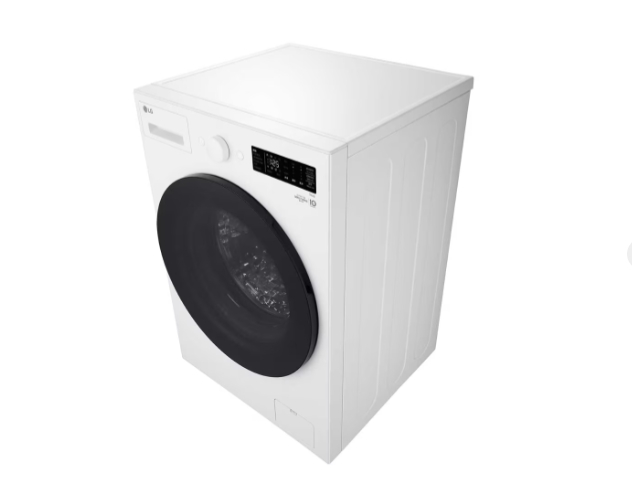
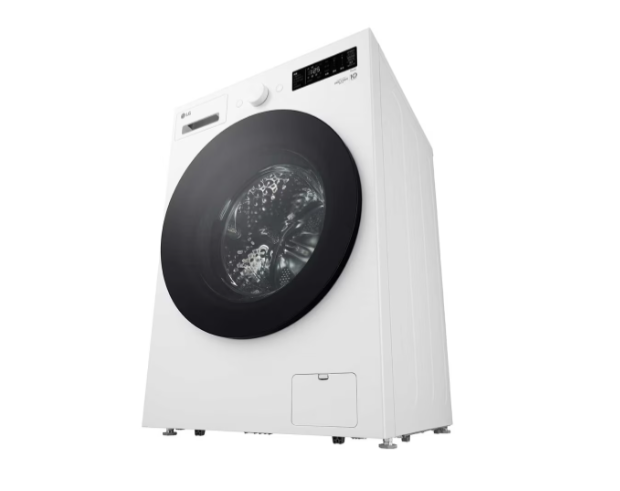
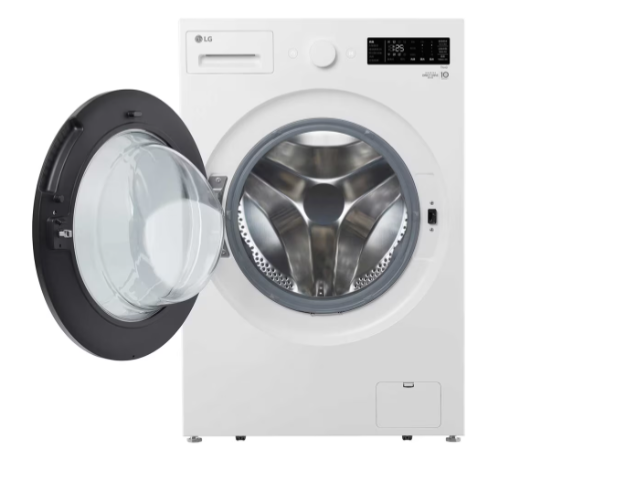
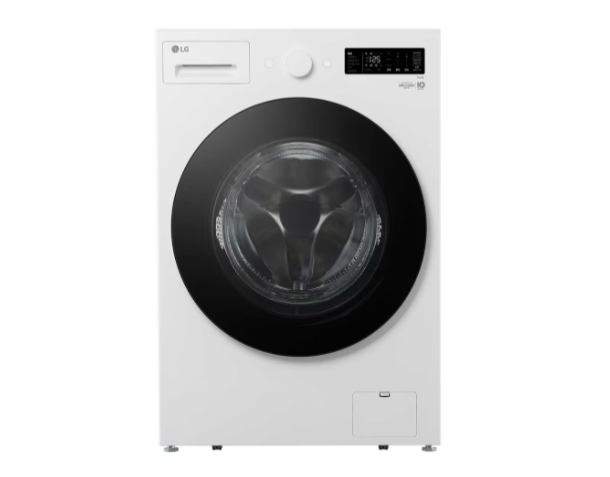
LG Electronics just launched a new Mijing washing machine with an upgraded 14kg capacity (originally 10.5kg). It comes with a 555mm large barrel diameter and an ultra-thin flush-mounted design with a body of only 585mm. The barrel is made of stainless steel, which also makes it more safe for your clothes with delicate fabric.
Wash your clothes in just 39 minutes
The Mijing washing machine comes in a white color and a steel drill glass door and supports multiple application scenarios. According to the company, their new product also reduces clothing damage by 30% and is also 25% power efficient.
This washing machine utilizes 5th generation “AI direct-drive frequency conversion” technology, which helps it sense the softness or type of the fabric and adjust the frequency accordingly. It also comes with a 360-degree fast clean spray, 39-minute fast clean, 90°C high-temperature steam washing, steam sterilization, and mite removal. The 360° quick-clean spray has 4 variable-frequency multi-dimensional three-dimensional water outlets for circulating spraying, which automatically adjusts the water flow intensity according to the distribution of clothes in the drum
In addition, the Mijing washing machine uses a new generation of steel-drill glass doors, which not only look beautiful and transparent but will also remain shiny over a longer period of usage. There is also a full stainless steel lifter to stretch clothes and prevent entanglement, which is durable and hygienic.
The Mijing washing machine runs is powered by a variable frequency motor, a BLDC variable frequency spray water pump, and a BLDC variable frequency drainage pump. It generates less vibration and noise, and is also energy efficient as it uses BLDC equipment. You get six different washing modes with this machine.
Pricing and availability:
The product is listed on JD.com with a price tag of 7,999 Yuan (~$1125). You can also check the availability of this washing machine in your region from the company’s official website.
Motorola is bringing the Edge 50 Ultra to India soon. The high-end device has already been released in the global market a while back. So now, here’s everything that we know about this device like its expected specs, features, and more.
1. Motorola Edge 50 Ultra: Premium Phone built with wood?
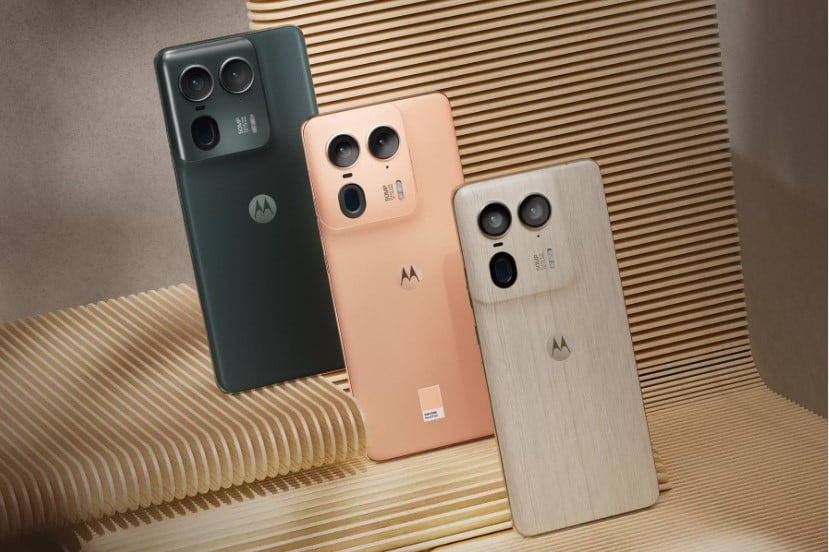
In the premium segment, the glass panel has widely been expected as the standard. Even vegan leather has become increasingly popular in recent launches. But now, the Motorola Edge 50 Ultra is expected to bring a refreshing new wood back option as well. From its initial launch, we know that the upcoming smartphone could arrive in three color options that use two different materials at the back. This includes a Forest Grey and Peach Fuzz for the vegan leather variant and Nordic Wood that uses actual wood. All three variants come with a sandblasted aluminum frame.
2. Tall & Bright Display
The Edge 50 Ultra sports a tall 6.7-inch LTPS pOLED display that offers a 2,712 x 1,220 pixel resolution and a 144Hz refresh rate. The panel has a 20:9 aspect ratio, HDR10+ support, and a high 93.8 percent screen to body ratio. It features a 100 percent DCI-P3 color gamut and a peak brightness of 2,500 nits. The display has received Pantone validation and houses an in-display fingerprint scanner. Notably, the device has a Corning Gorilla Glass Victus panel for protection with anti-fingerprint coating.
3. Flagship Chip
Under the hood, the upcoming is equipped with the Qualcomm Snapdragon 8s Gen 3 SoC that is paired with up to 16GB of LPDDR5X RAM and 1TB of UFS 4.0 storage. This is a high-end chipset that is a slightly cutdown version of the Snapdragon 8 Gen 3. A 4,500mAh battery pack powers this device, which supports 125W wired fast charging, 50W wireless fast charging, and 10W wireless reverse charging.
For audio, the device houses a dual stereo speaker setup that is tuned by Dolby Atmos. It comes with a Snapdragon Sound support, which enables lossless audio for wireless headphones and earbuds. You also get X-axis motors for haptics. Connectivity options include dual SIM support, Bluetooth 5.4, Wi-Fi 7, and NFC. The Edge 50 Ultra runs on the Android 14 OS out of the box. Motorola is also offering an IP68 rating for water and dust resistance.
4. Versatile Triple Camera
The brand’s Edge 50 Ultra is a premium smartphone that arrives with top notch specs and features. This is reflected in the photography department. It features a 50-megapixel primary sensor with laser autofocus and OIS (Optical Image Stabilization), which is paired with a 64-megapixel periscope telephoto shooter with OIS support and 3x optical zoom.
The last sensor is a 50-megapixel ultra wide angle lens, while the front houses a 50-megapixel camera for selfies and video calls. Even the camera system has been Pantone certified to accurately reproduce colors, including skin tones. So you get access to a variety of shooting modes like portrait, macro, timelapse, panorama, pro mode, super high resolution mode, and more.
5. Launch Date & Pricing
Motorola is gearing up to unveil the Edge 50 Ultra in India on 18th June 2024 at 12 PM local time. While pricing has yet to be revealed, the flagship device has a starting price tag of 999 Euros. So we can expect its Indian pricing to be around or over the 70,000 INR price range. This is all the information we have at the moment, so stick around for more updates.
Poco F6 debuted last month as India’s first-ever smartphone featuring the Snapdragon 8s Gen 3 chip. With the inclusion of this powerful chip, it sends a clear message that the Poco F6 is a performance-driven phone aimed towards gamers and power users who demand high-speed processing. Here is our review to know what to expect from the latest F-series phone from Poco.
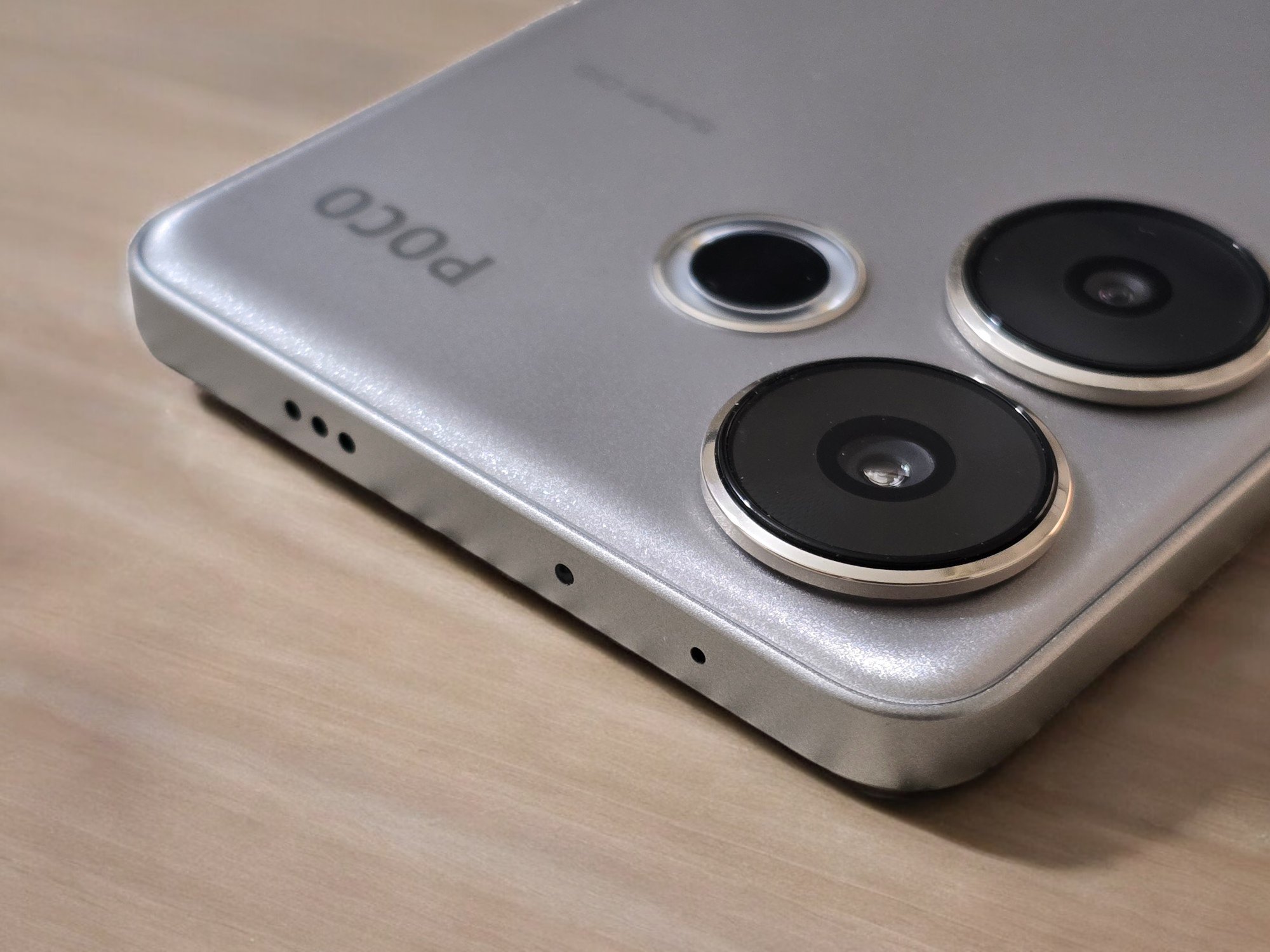
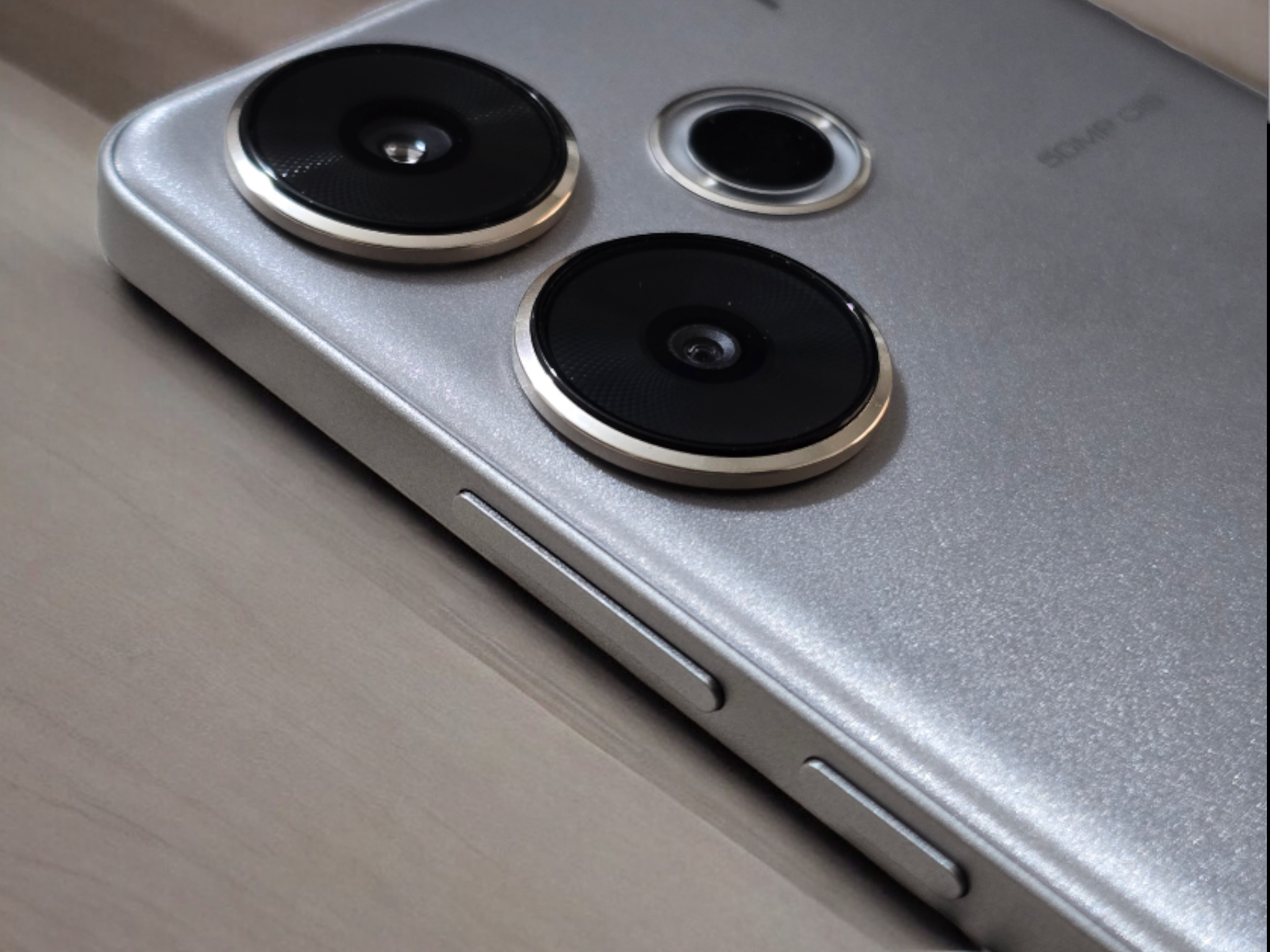
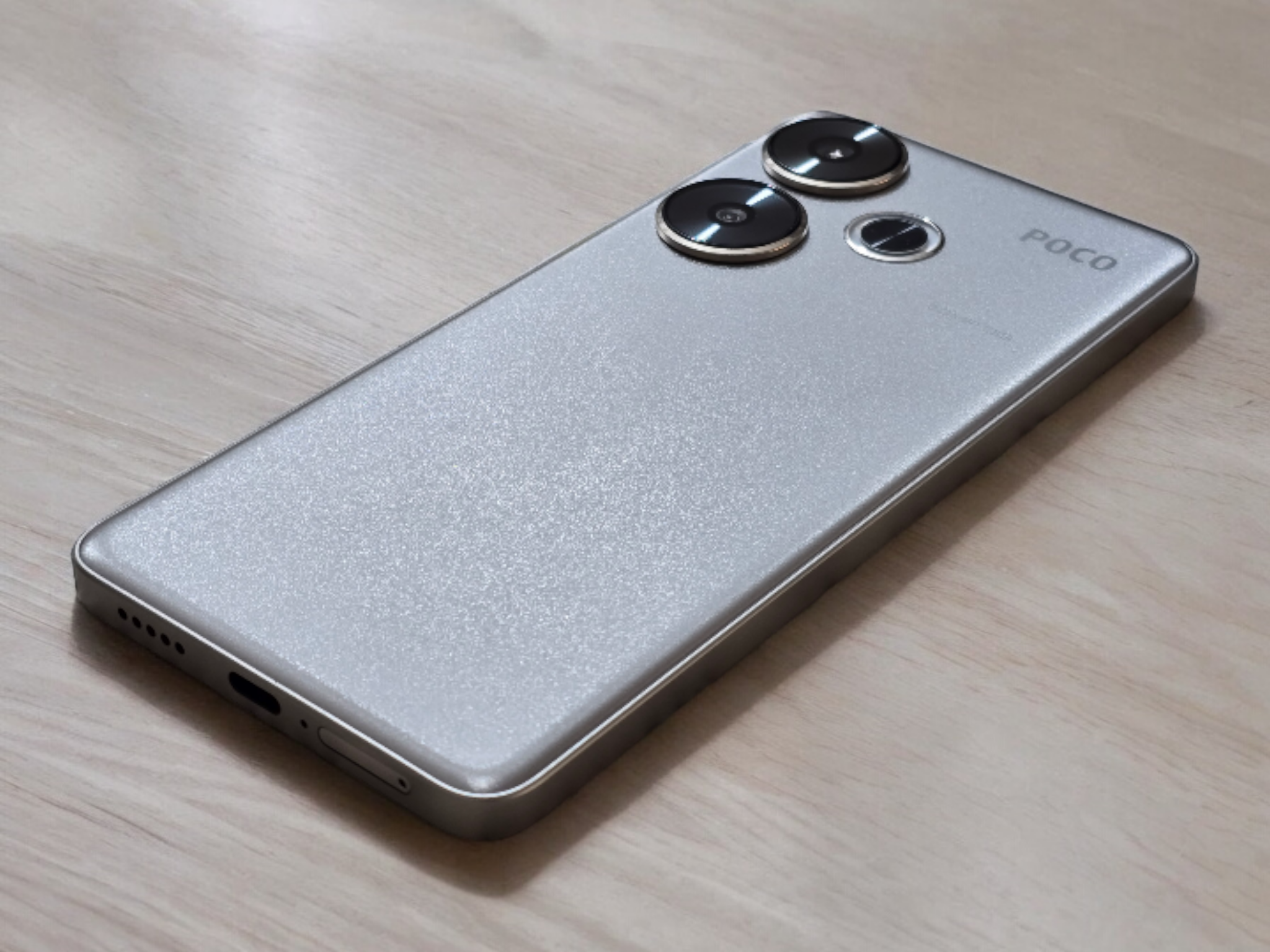
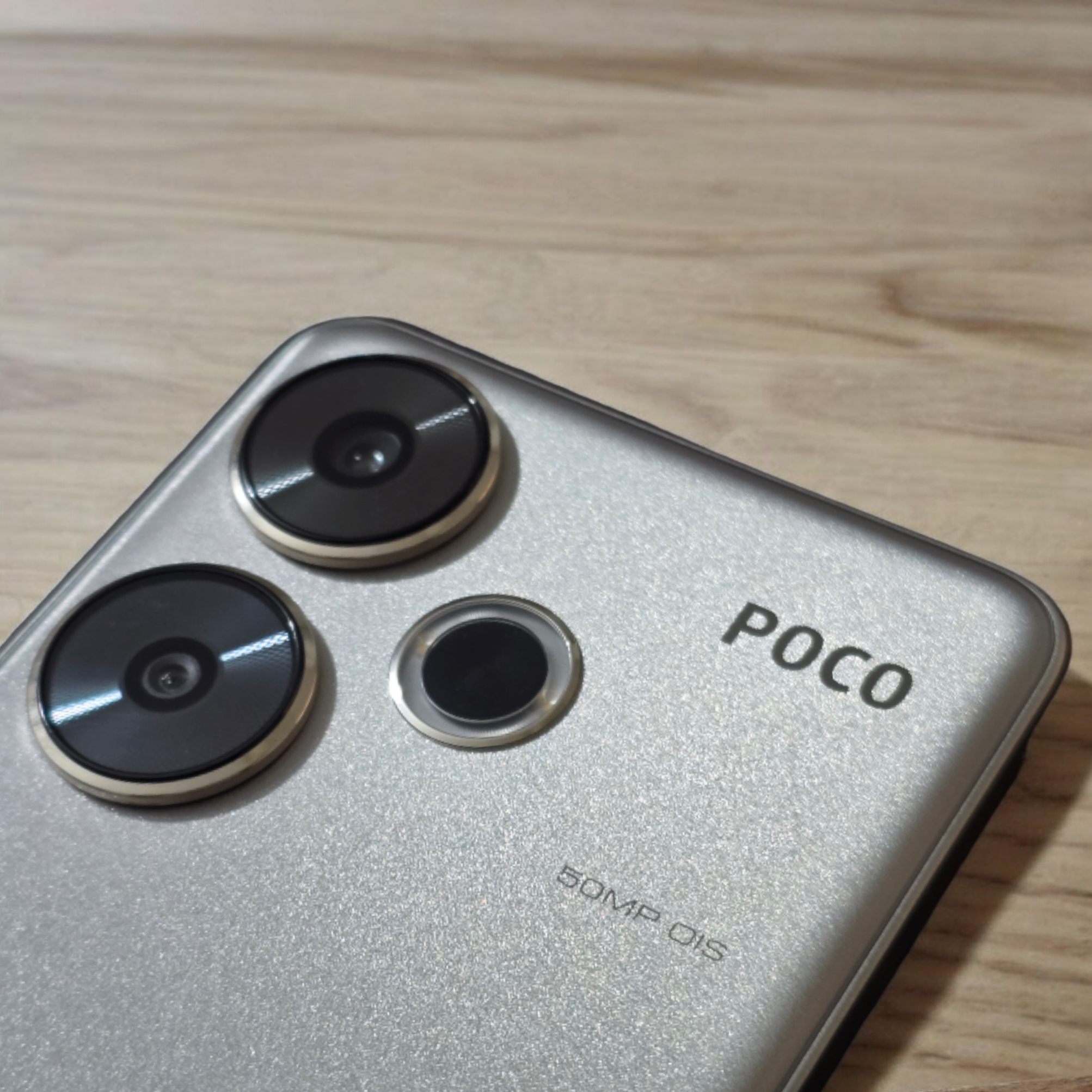
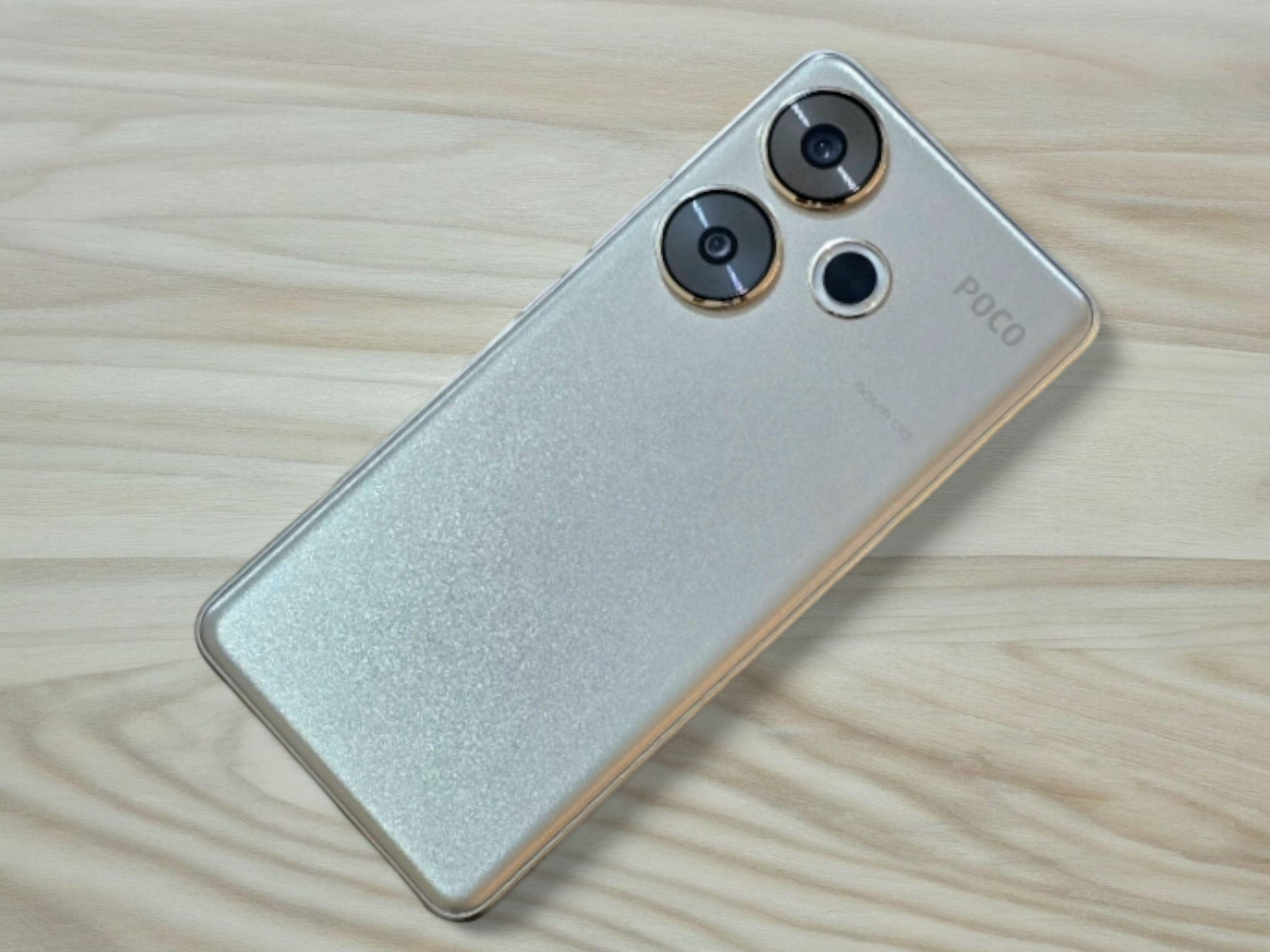
The Poco F6 flaunts a minimalist industrial design and comes in Titanium and Black color options. Its polycarbonate rear panel features a matte finish that resists fingerprints, with a dual-camera setup housed in large, circular modules arranged in a balanced triangle with the ring flash. While the F6 does not look bad at all, last year’s I really loved the shimmery pattern on last year’s Poco F5’s white variant.
Weighing just 179 grams and only 7.8 mm thick, the Poco F6 is lightweight and comfortable to hold, thanks to the subtle curvature of its back panel. The hybrid frame of polycarbonate and metal adds durability without extra weight. Buttons are slightly softer than ideal but function well, while the in-display fingerprint sensor is fast and accurate.
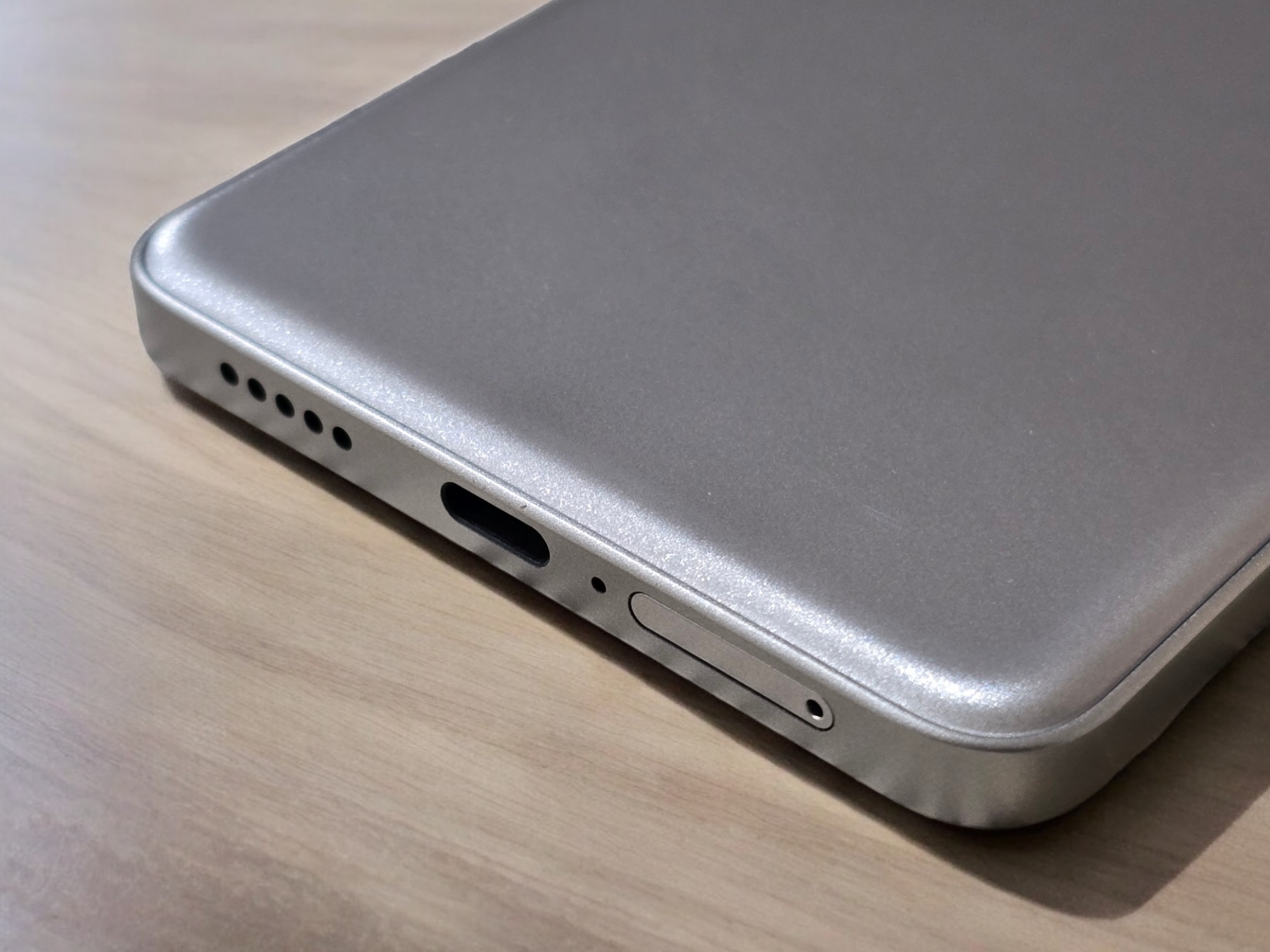
The front features a flat-screen protected by Gorilla Glass Victus, and the stereo speakers (available at top and bottom) with Dolby Atmos support provide decent sound quality. The phone includes an IR blaster, and a USB Type-C charging port but lacks a 3.5mm headphone jack. With an IP64 rating, the Poco F6 is protected against environmental elements and light splashes.
The retail package of the Poco F6 contains the following items: a Poco F6 handset, a 120W charger, a USB-C to USB-C cable, a SIM eject tool, a protective case, a user guide, and a warranty card.
2. Display
6.67-inch AMOLED display
68 billion colors
1080 x 2400 pixels (FHD+)
1920Hz PWM dimming
20:9 aspect ratio
2160Hz Instantaneous touch sampling rate
120Hz refresh rate
100 percent DCI-P3 color gamut
480Hz touch sampling rate
Widevine L1 / Dolby Vision / HDR10+
Up to 2,400 nits of brightness
Gorilla Glass Victus
For those who don’t know, the Poco F6 features the same display that’s available on the Poco X6 Pro, which debuted earlier this year. However, it is an upgrade compared to the Poco F5’s screen. The 6.67-inch AMOLED display of the Poco F6 offers a 1.5K resolution of 2712 x 1220 pixels, a 20:9 aspect ratio, up to a 120Hz refresh rate, 68 billion colors, and a pixel density of approximately 445 PPI. This is a significant upgrade over the F5’s FHD+ screen. The phone features a 120Hz refresh rate and a 480Hz touch sampling rate, ensuring a smooth and responsive user experience, especially beneficial for gaming and scrolling through the UI.
The Poco F6’s display offers a peak brightness of up to 2400 nits, making it exceptionally bright for outdoor use and HDR content. The display supports HDR 10+ for YouTube and Amazon Prime Video and Dolby Vision for Netflix, enhancing the viewing experience. It includes 1920Hz high-frequency dimming technology that adjusts in dark environments to maintain color accuracy and provide a comfortable viewing experience.
The Poco F6 offers three color saturation modes available: Original Color Pro, Vivid, and Saturated. The first one can reproduce realistic colours through color calibration, the second one adjusts colors based on the content display, and the third one enhances the colors. These modes let you adjust the color temperature across the interface. In the advanced settings, you can choose between P3 and sRGB color gamuts and fine-tune the RGB color space, HSV (Hue, Saturation, Value) color space, and adjust contrast and gamma.
The flat panel design is particularly advantageous for gamers, as it avoids the ghost touch issues often associated with curved displays. For those who enjoy binge-watching on their smartphones, the Poco F6 delivers a superb performance. The stereo speakers are notably loud and clear, further enhancing the media consumption experience. Overall, the Poco F6’s advanced display and audio features make it an excellent choice for both gamers and media enthusiasts.
3. Performance and Software
Poco F6
Qualcomm Snapdragon 8s Gen 3
5,000mAh battery
8GB / 12GB LPDDR5x RAM
90W charging
256GB / 512 GB UFS 4.0storage
Android 14 OS, HyperOS
8GB virtual RAM
4800mm2 VC cooling unit
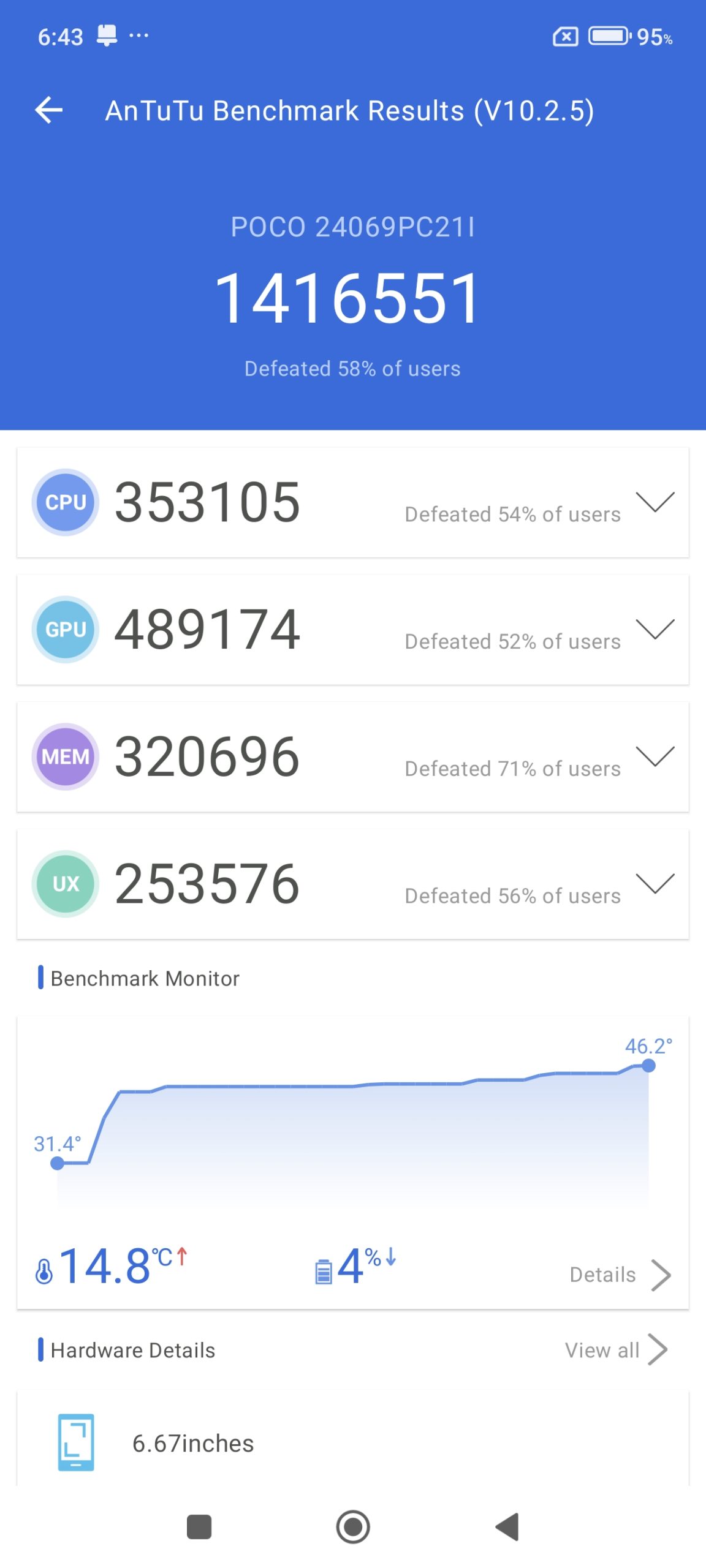
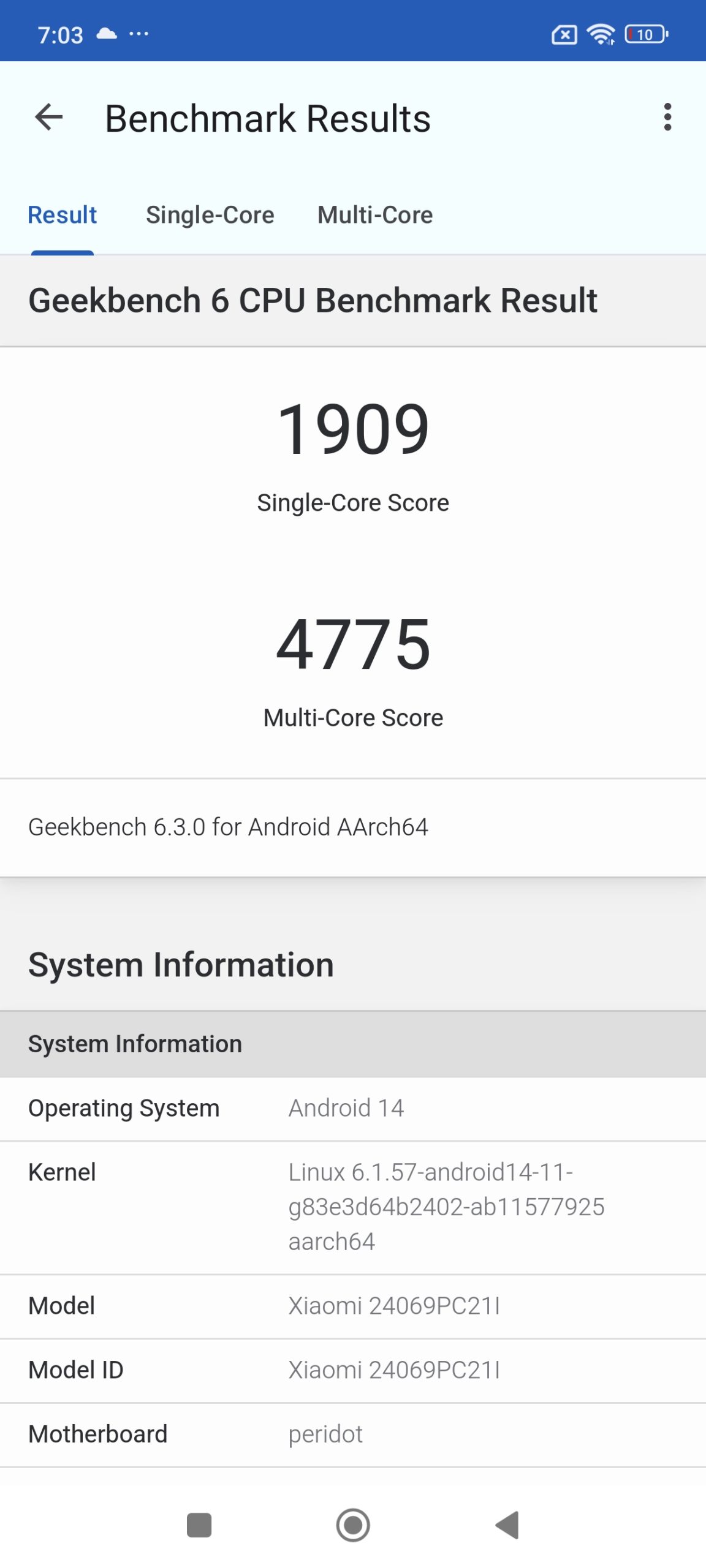
The Poco F6 is an affordable flagship phone powered by the Snapdragon 8s Gen 3 chipset. At present, it is the only phone in the market to feature the said. However, the Indian market has two other Snapdragon 8s Gen 3 phones, such as the Realme GT 6 and the upcoming Motorola Edge 50 Ultra.
The performance of the new chip is complemented by LPDDR5x RAM and UFS 4.0 storage. It houses a 5,000mAh battery, which can easily last for an entire day. While it ships with a 120W fast charger, the F6 supports up to 90W charging. In my tests, it could achieve a full charge in around 45 minutes. The 120W charger supports USB-PD protocols, which means it can be used to power up other phones and laptops.
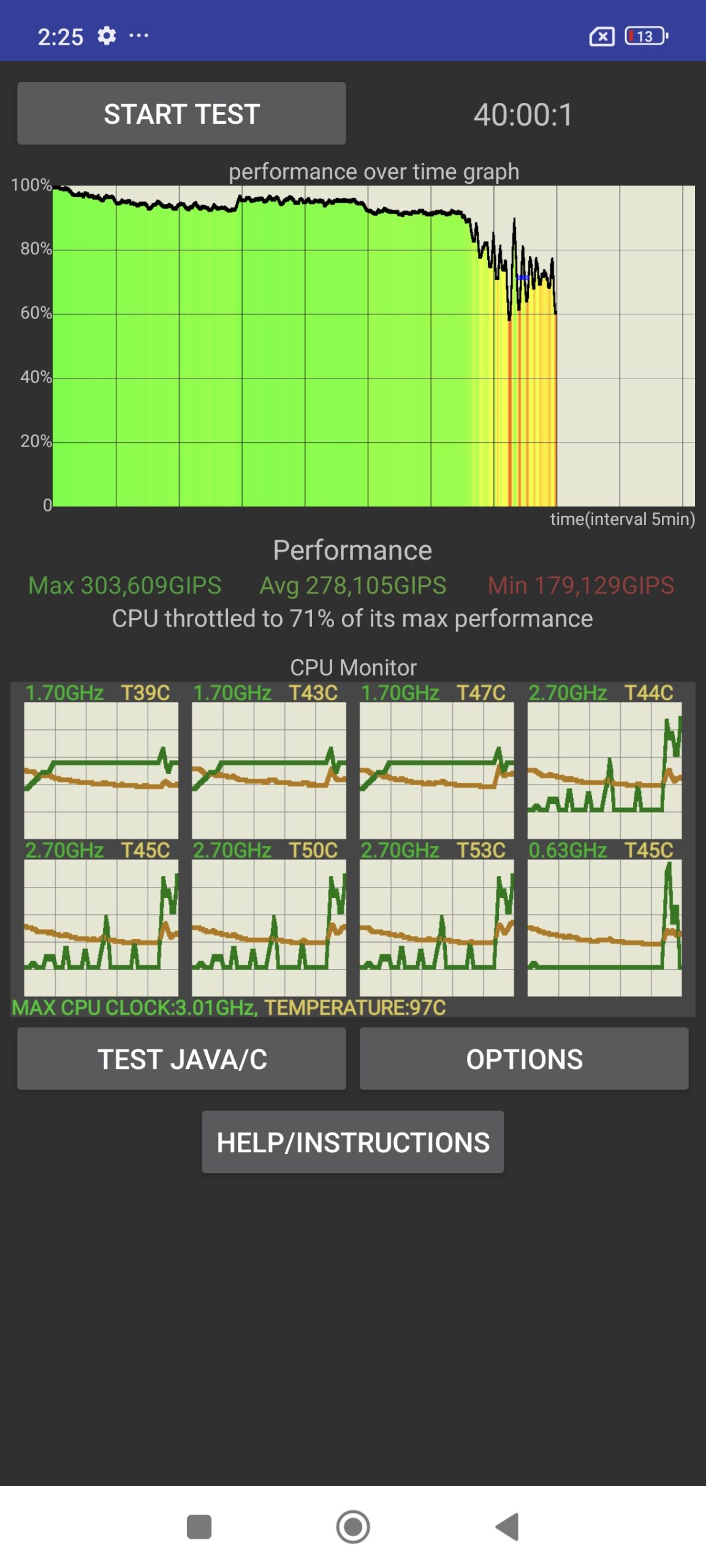
Here’s how the device performs on benchmarking platforms.
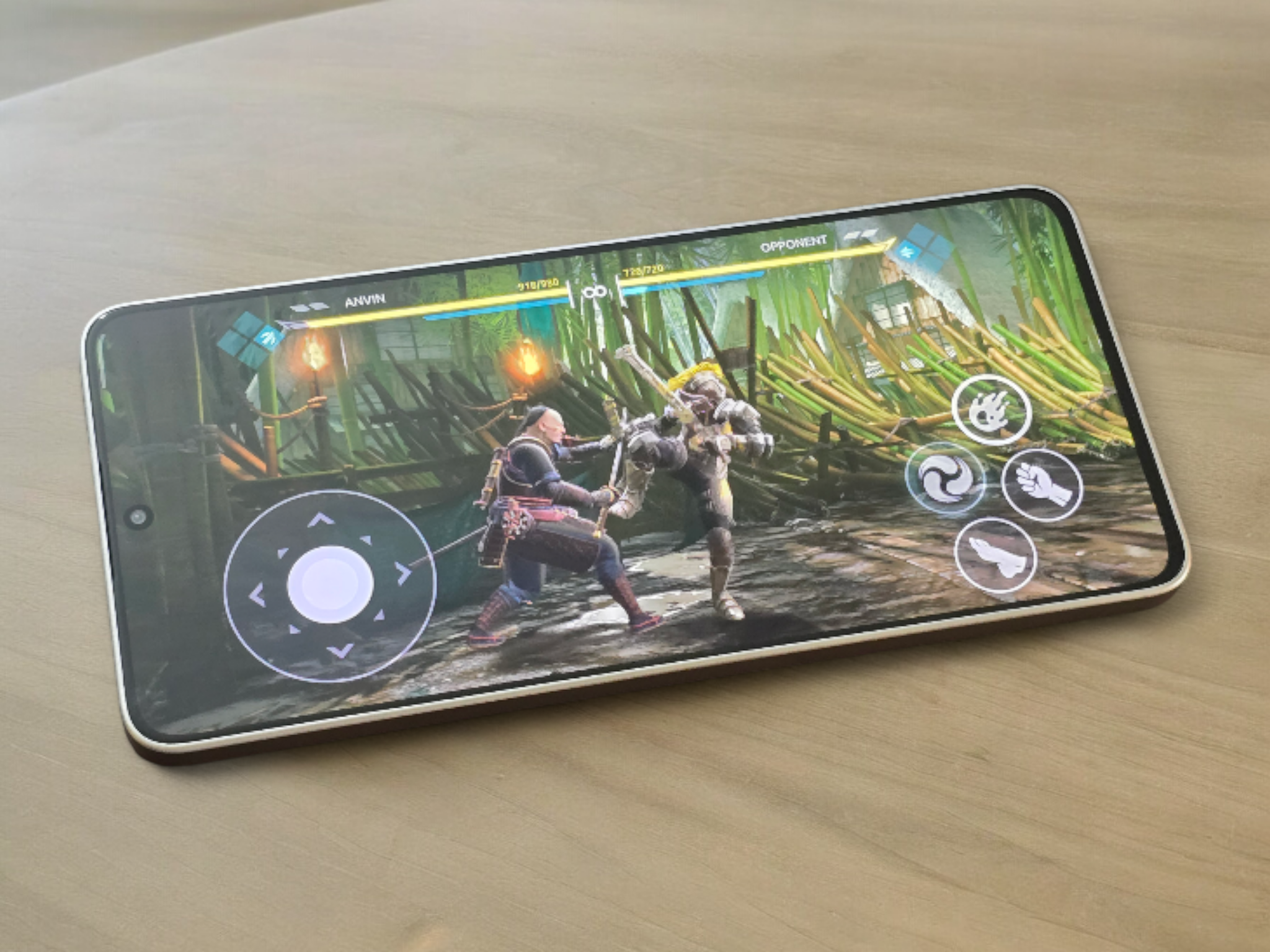
In terms of general usage, the device is quite smooth, snappy, and capable of running heavy games. I tried playing games like Genshin Impact, Shadow Fight 4, and Real Racing 3 on the F6. Those who prefer playing BGMI should know that the device supports “Ultra HDR” graphics preset and “Ultra” framerate in the game. The device gets a bit warm while gaming but does not appear to be alarming. While gaming, I did not notice any significant lag or frame drop. There’s LiquidCool Technology 4.0 for heat dissipation while gaming and performing demanding tasks. The haptic feedback is good but feels a bit mild even at the highest setting.
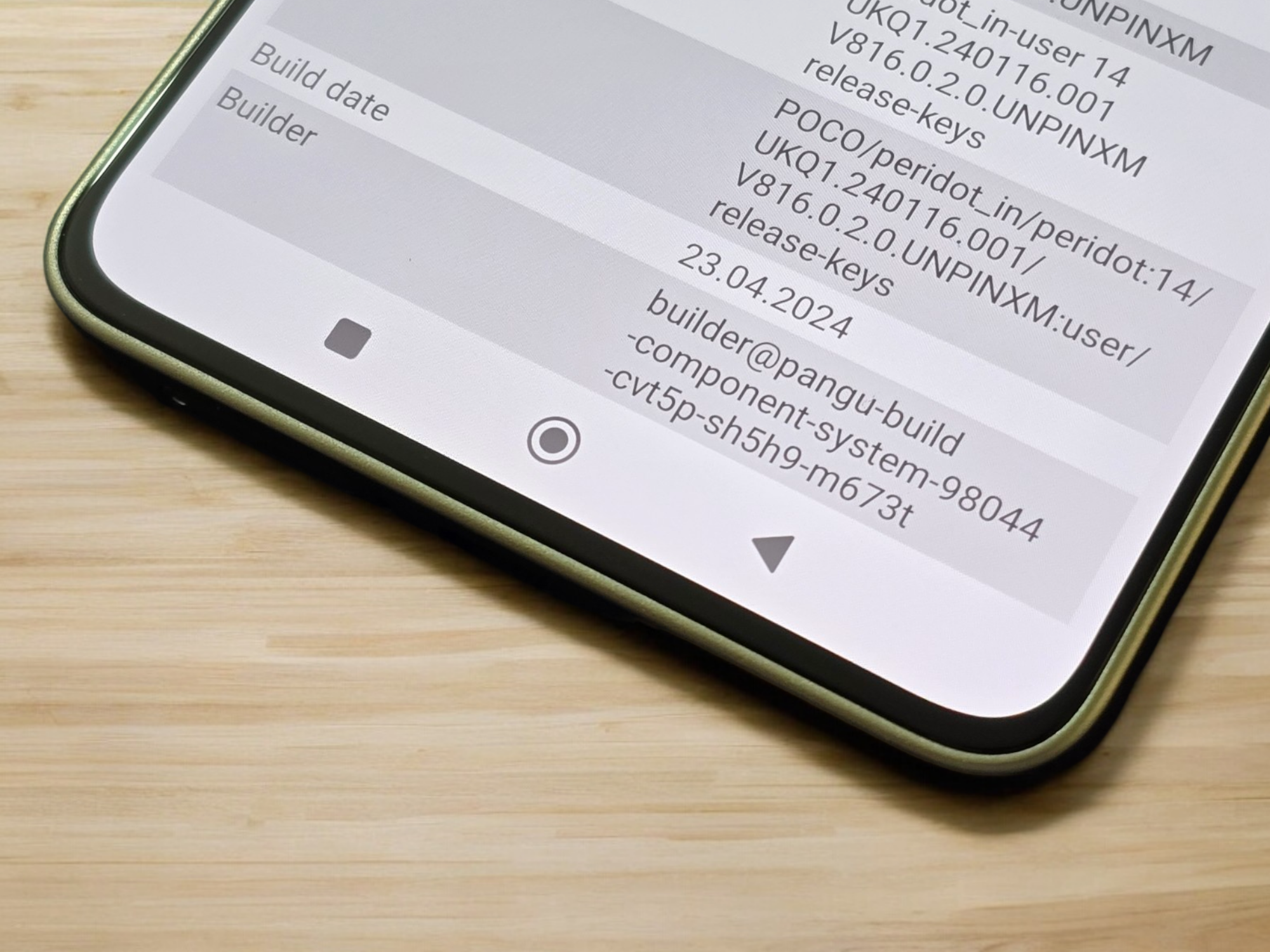
The HyperOS offers a smooth experience, but there are several unnecessary apps and games onboard. The phone runs on Android 14 and is promised to receive three Android OS upgrades and four years of security updates. The Poco F6 offers a handful of AI-driven features, such as Wildboost 3.0 for enhancing gaming sessions by reducing lags and optimizing graphics. It has AI network and connectivity enhancements that optimize network performance by reducing latency, speeding up downloads, and ensuring quick recovery from network disruptions. For clearer calls, recordings, and media playback, there is AI noise cancellation onboard.
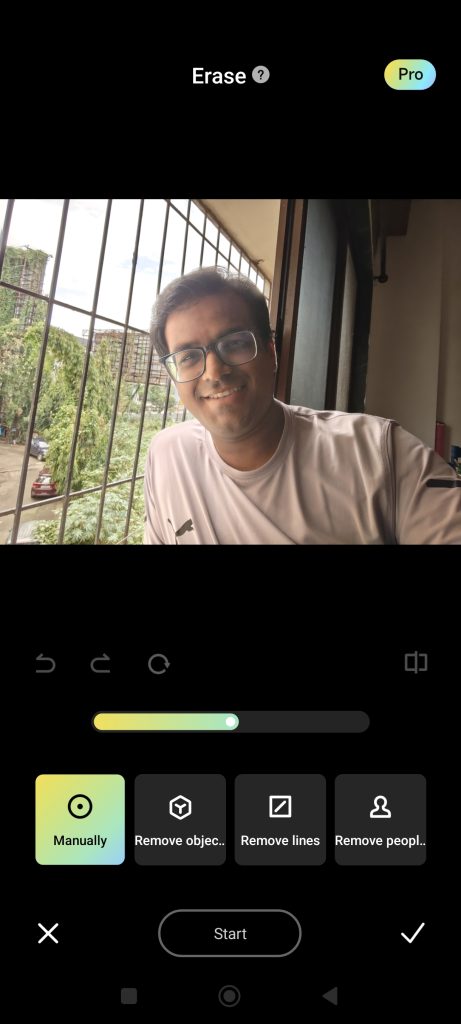
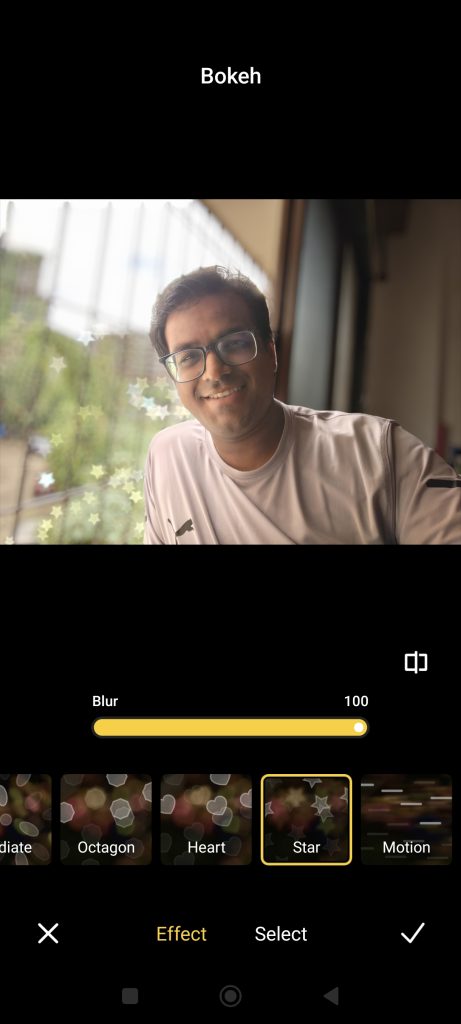
Poco also offers some AI features, such as AI Eraser Pro for detecting and erasing unwanted elements from images, filling in gaps with matching background details, and AI Bokeh, which adds a professional touch to portrait photography, creating a pleasing background blur that highlights the subject.
AI Eraser ProAI BokehSky mode
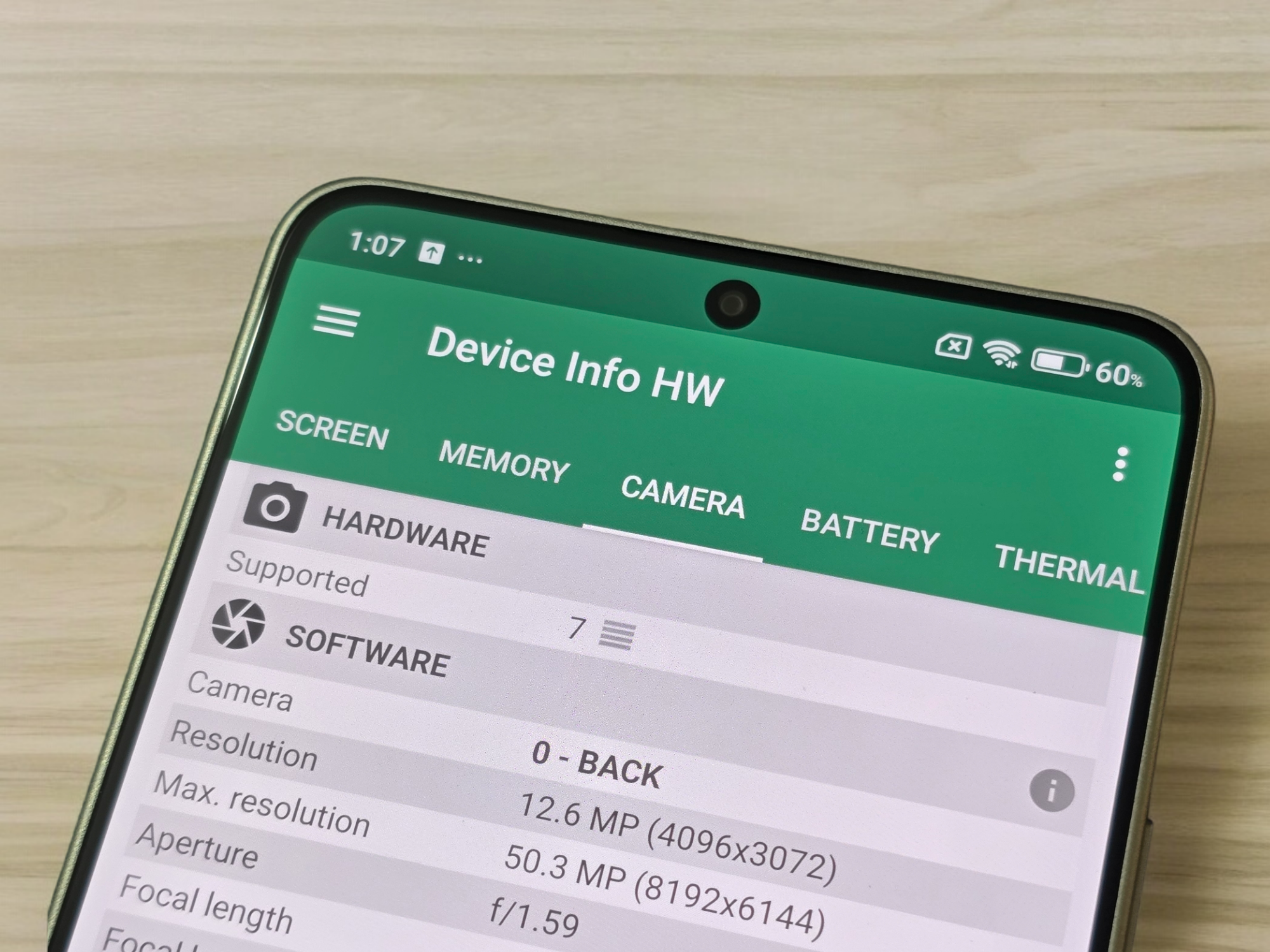
The Poco comes equipped with a 50-megapixel Sony IMX882 primary camera and an 8-megapixel ultra-wide lens on the back. A good thing is that the brand has ditched the pointless 2-megapixel macro camera.
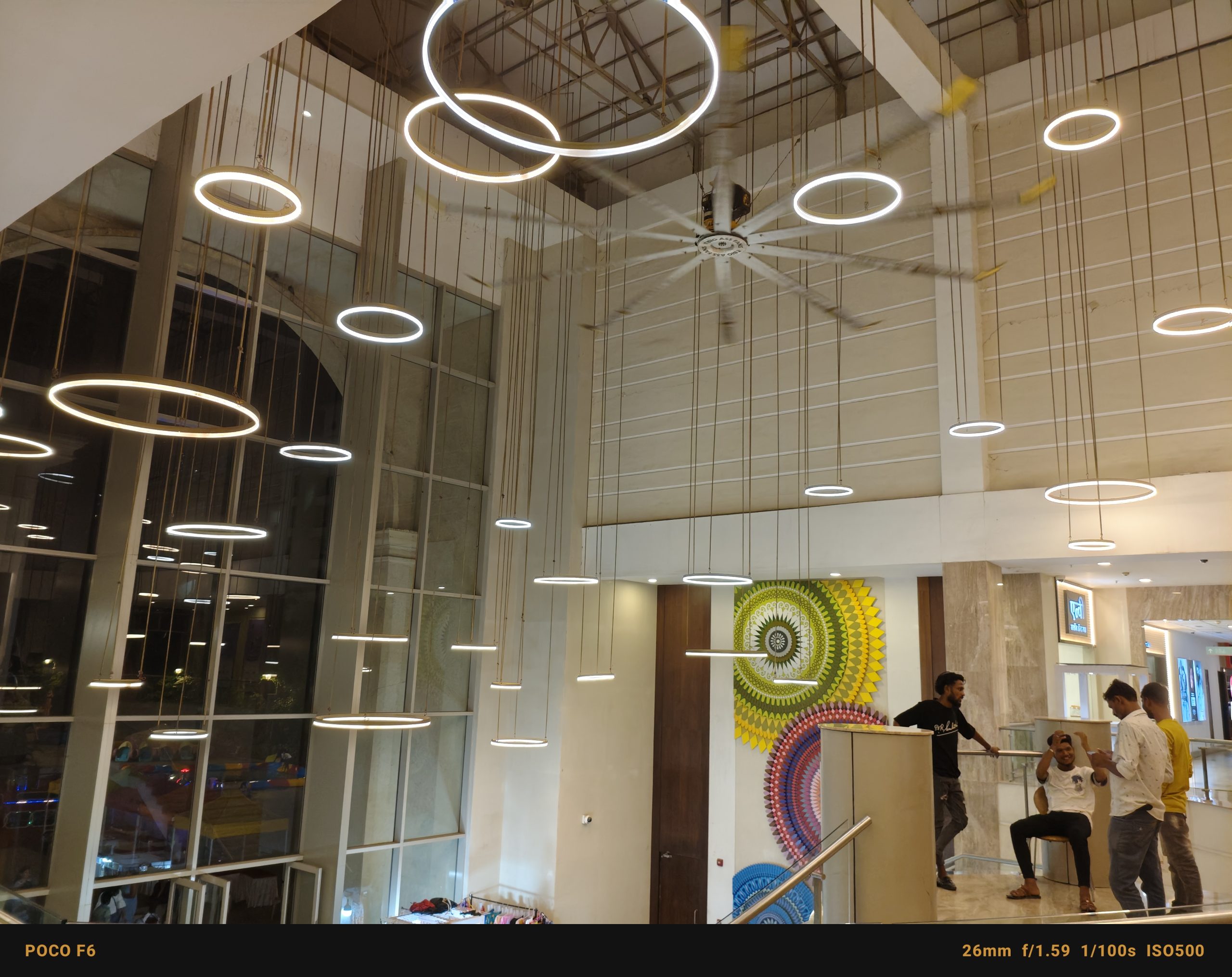
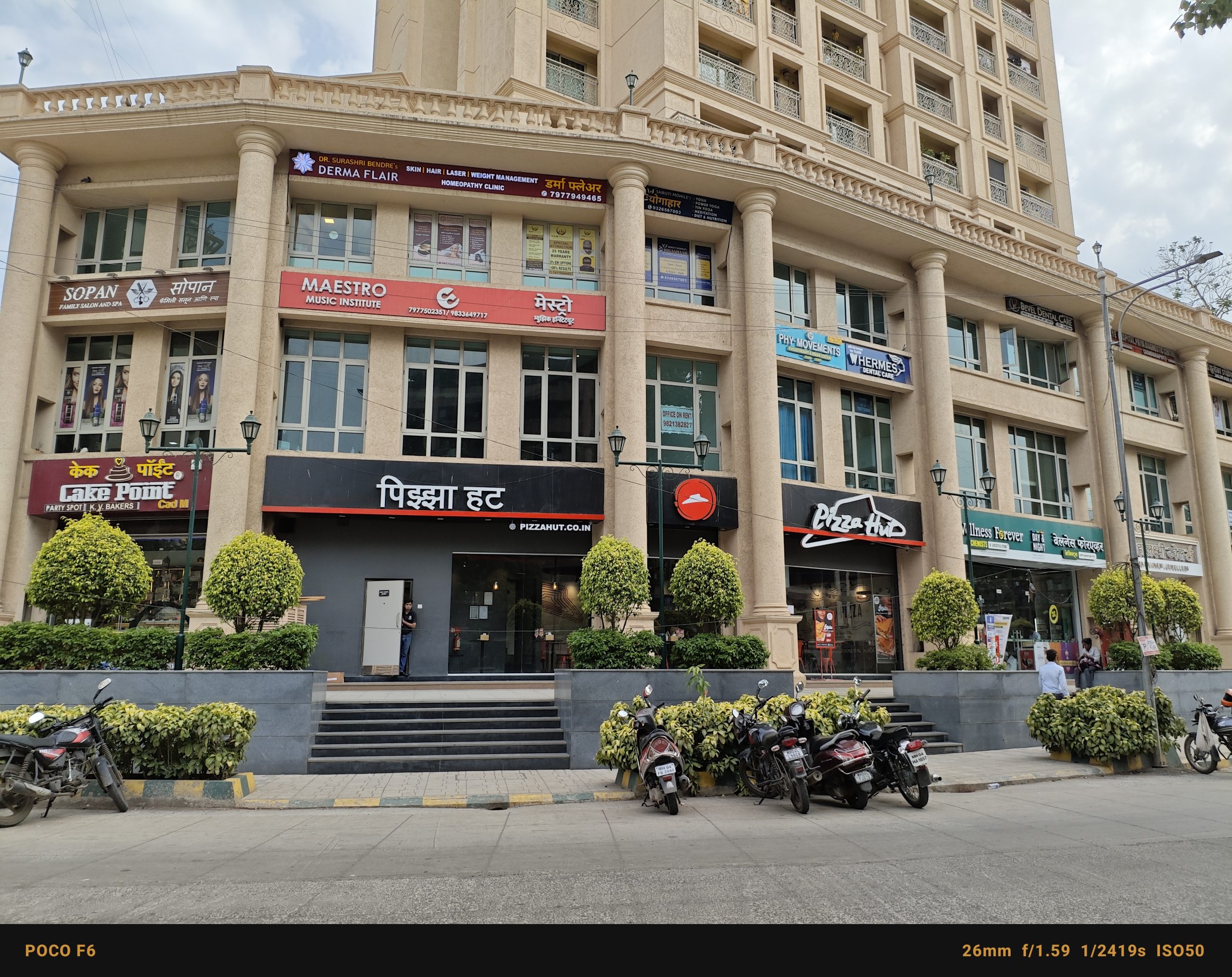
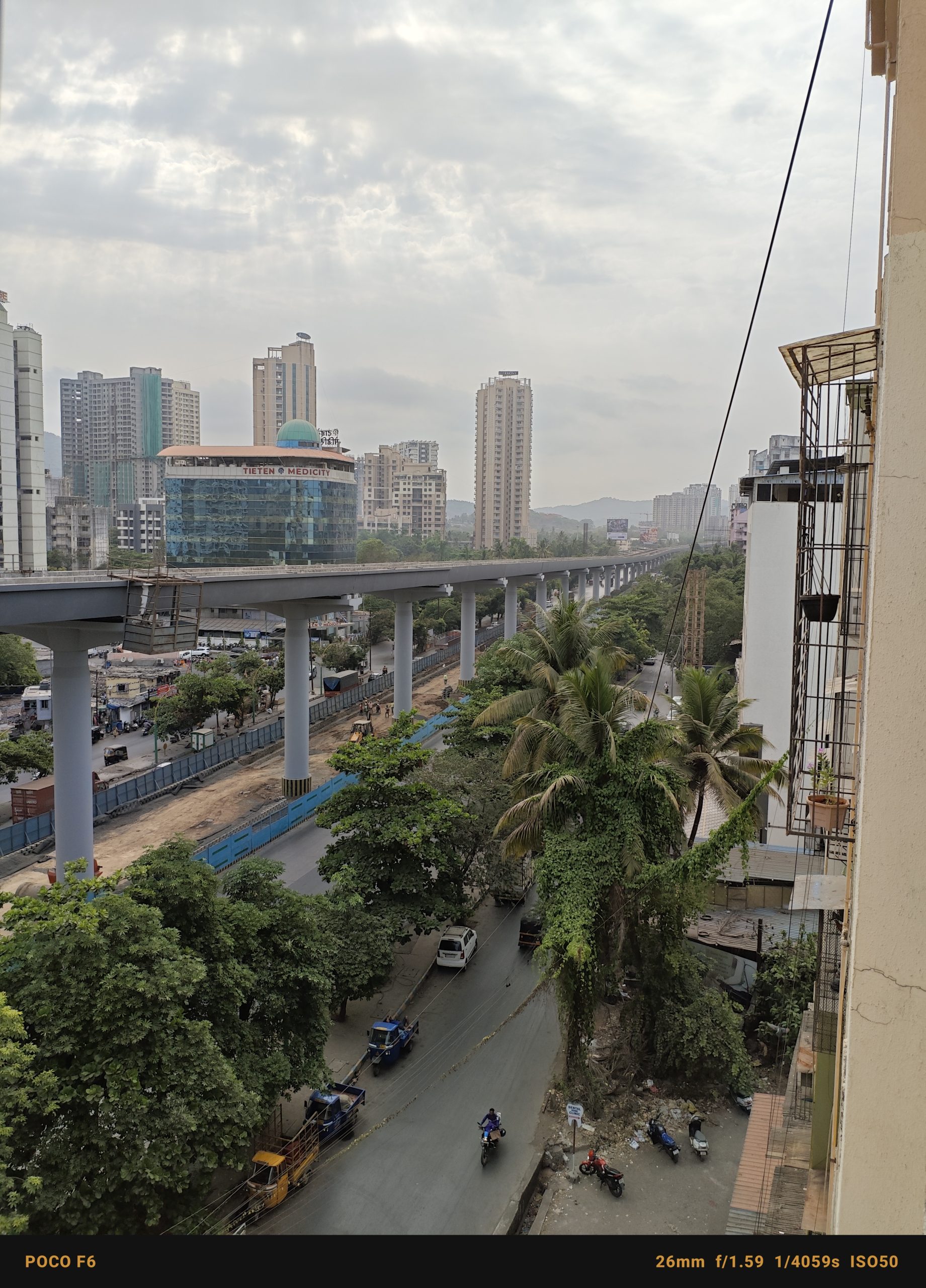
The default camera app offers photography modes, such as Pro, Night, 50MP, Short Video, Panorama, VLOG, Slow motion, Time-lapse, Dual video, AI watermark, Long exposure, and Pro. By default, the main camera captures 12-megapixel photos, which come out good as long as there is sufficient lighting. The dynamic range is impressive, and there is almost natural color reproduction. The primary camera supports up to 2x in-sensor zoom, but one gripe is that there is no zoom option in portrait mode. The low-light photos are also good, but I couldn’t notice a major difference between the regular and night mode shots in many scenarios. However, the latter does help in reducing light bleeding and adding a dash of clarity in darker areas.
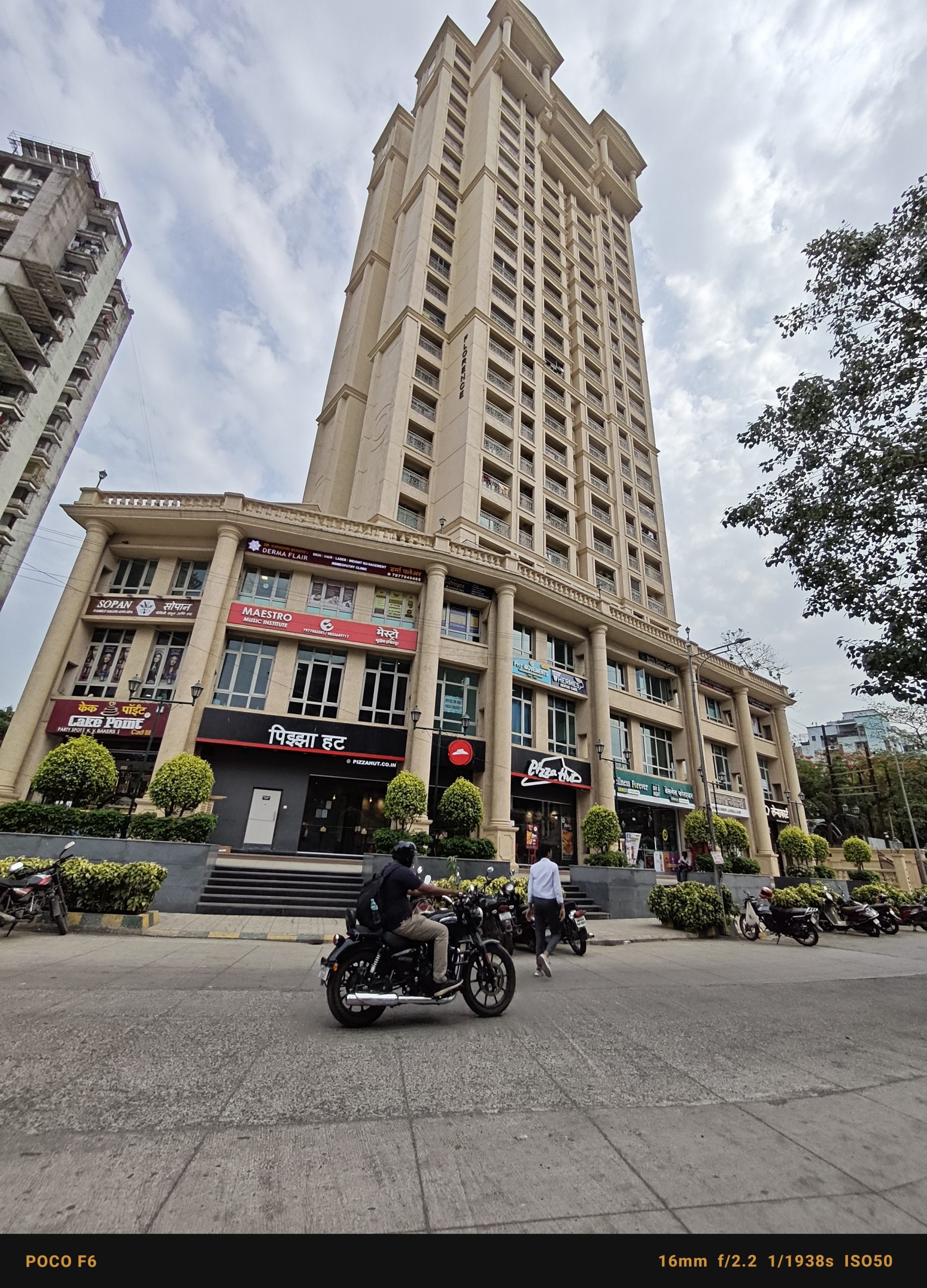
The ultrawide shots are good with sufficient detail, but the colors appear a bit muted. The 20-megapixel front camera offers decent performance in good lighting with reasonable skin tones. The portrait mode also works fine. However, the quality becomes mediocre in low-light scenarios.
When it comes to video shooting, the Poco F6’s primary camera can capture up to 4K videos at 60fps. However, OIS support is only for up to 30fps FHD+ videos. Overall, the camera performance of the device is good, but nothing extraordinary, as the device is primarily built for gaming.
The Poco F6 also offers some handy features, such as NFC and an IR blaster. The fingerprint sensor works as expected.
5. Poco F6 5G price in India, availability
Poco F6
The Poco F6 5G is available in the following options in India:
8GB+256GB: Rs 29,999 (~$360)
12GB+256GB: Rs 31,999 (~$380)
12GB+512GB: Rs 33,999 (~$405)
Colors: Titanium and Black
Poco F6 5G review: Verdict
At a starting price of Rs 29,999, the Poco F6 presents itself as an enticing option in the affordable flagship smartphone market, particularly with its robust performance and vibrant display. Despite minor drawbacks in camera performance, the Poco F6 is a compelling choice for gamers and power users seeking a high-speed, immersive experience without breaking the bank.
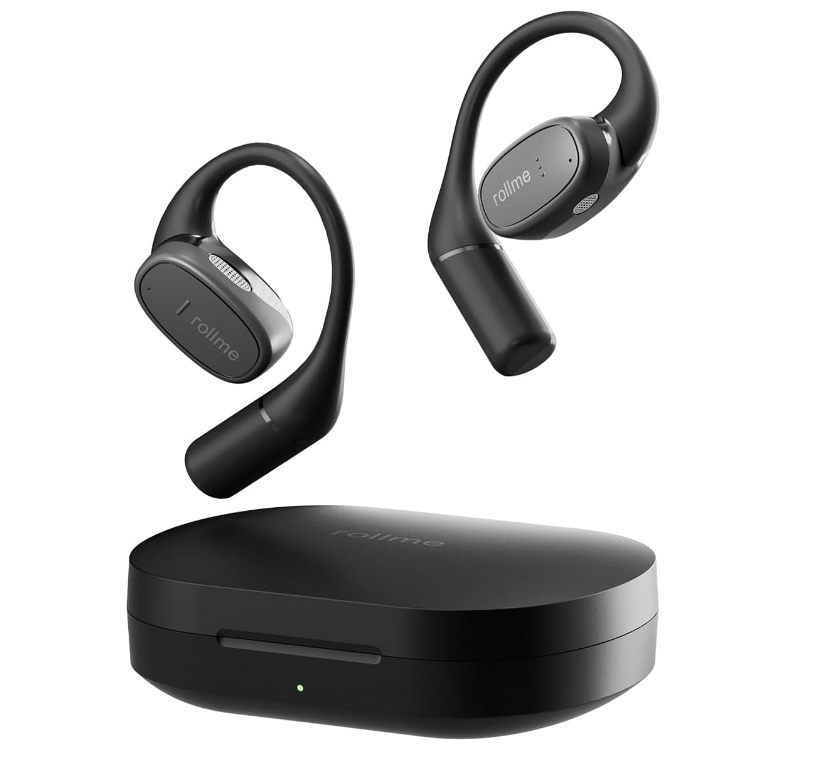
Rollme Liberty One Open-Ear Headphone brings a revolutionary blend of cutting-edge technology and ergonomic design aimed at enhancing your auditory experience without compromising awareness of your surroundings.
Exclusive Offer: Get 10% Off on Rollme Liberty One Open-Ear Headphones on Amazon with Coupon Code 1029NUFH. Experience the perfect blend of innovation and comfort with Rollme Liberty One Open-Ear Headphones, now available at an unbeatable price on Amazon. Use coupon code 1029NUFH at checkout to enjoy a 10% discount on your purchase.
Innovative Open-Ear Technology: The Rollme Liberty One earphones employ state-of-the-art air conduction technology, offering a unique listening experience that allows you to enjoy your favorite tunes while remaining fully attuned to your environment. Unlike traditional headphones that block the ear canal, these earbuds deliver rich, immersive sound without sacrificing situational awareness, perfect for outdoor activities, commuting, or simply staying alert while enjoying your music.
Ergonomics and Lightweight Design: Crafted with utmost attention to comfort, the Liberty One earphones feature ultra-soft silicone and 0.7mm thick titanium memory wire ear hooks. These materials adapt seamlessly to various ear shapes, providing a snug, stress-free fit for extended wear. Weighing just 7.5 grams per earbud, the lightweight design ensures that they stay securely in place, even during vigorous workouts, ensuring uninterrupted listening pleasure.
Superior Sound Quality and Rich Bass: Equipped with an impressive 18mm×11mm dynamic driver unit, the Liberty One earphones deliver unparalleled sound quality with deep, punchy bass and crystal-clear highs. Thanks to lightweight polymer materials and a double-layered, ultra-aligned carbon fiber composite, every note is rendered with precision, offering an immersive audio experience that enhances your favorite tracks, podcasts, or calls.
Water and Sweat Resistance for Active Use: With an IPX5 water resistance rating and nano-coating, the Rollme Liberty One earphones are built to withstand the rigors of active lifestyles. Whether you’re hitting the gym, braving the elements outdoors, or simply breaking a sweat during a workout, these earbuds offer comprehensive protection against moisture, ensuring durability and reliability in any environment.
Rapid Charging and Extended Battery Life: Say goodbye to battery anxiety with the Rollme Liberty One earphones. Each full charge provides an impressive 8 hours of continuous playtime, while the included charging case extends the total listening time to a remarkable 30 hours. Moreover, the rapid charging feature ensures that just a 5-minute charge grants you an additional hour of playback, keeping you powered up throughout the day, no matter where your adventures take you.
Rollme Liberty One Open-Ear Headphones represent the pinnacle of audio innovation, combining advanced technology with ergonomic design to offer a truly immersive and versatile listening experience. Whether you’re a fitness enthusiast, a commuter, or simply someone who values both audio quality and situational awareness, these earphones are sure to elevate your auditory journey to new heights.
Xiaomi is getting ready to introduce a new tablet and here’s the name: Redmi Pad SE 8.7 4G. The Chinese brand will be re-releasing the Redmi Pad SE model that was introduced last year but with some new changes. The first one is that the device now supports 4G connectivity.
By inserting a SIM card into this tablet, you will be able to call the contacts you want and connect to the internet as you wish. And another change, Xiaomi’s previous Redmi Pad SE was 11 inches in size. The new Redmi Pad SE 8.7 4G will be 8.7 inches. Compared to the previous Redmi Pad SE model, it is expected to be a smaller device.
Redmi Pad SE 8.7 4G is coming
Xiaomi’s decision to launch a new Redmi Pad SE is very interesting. Maybe they may have wanted to utilize the components of the previous generation Pad SE models. If it is offered for sale at an affordable price, the new Redmi Pad SE 8.7 4G can attract a lot of attention.
Because compared to the previous Pad SE model, the Pad SE 8.7 will now be able to support 4G connections and you will be able to carry it with its small size easily. The Gizmochina team has spotted the Redmi Pad SE 8.7 4G in the IMEI database. The new tablet is expected to be officially sold in international markets.
24076RP19G24076RP19I
The Redmi Pad SE 8.7 4G has 2 different model numbers: “24076RP19G” and “24076RP19I“. When we analyze these model numbers, we learn in which regions the device will be sold: G stands for “Global” and I stands for “India“. We haven’t found a Chinese version of the Redmi Pad SE 8.7 4G yet, so we don’t know if the tablet will be sold in China. Redmi Pad SE 8.7 4G’s specs should be basically the same as the previous Redmi Pad SE. However, I want to point out that I’m not completely sure about this, the only certainty is the existence of the Redmi Pad SE 8.7 4G. Probably this tablet will be launched in July. We are looking forward to Xiaomi’s new tablet.
Nu Republic, an Indian brand known for wearable gadgets, has just launched an interesting new audio product with an eye-catching design. The brand had previously teased the Cyberstud Spin, which is a TWS earbuds that doubles as a fidget spinner. Now, this hearables has been officially launched in India.
Nu Republic Cyberstud Spin: Dual Purpose TWS x Fidget Spinner
The truly wireless earbuds has a 2-in-1 body that employs bright colors. The Indian company built the device as a part of its “wear tech” products. The distinctive aspect of the design is the charging case, which offers a metallic finish and one of a kind body to let you use it as a fidget spinner. Meanwhile, the earbuds themselves have a semi transparent design. It arrives with a Nu Republic’s proprietary X-Bass technology from its 13mm Neodymium audio drivers that promises to offer clear vocals and deep bass.
The Cyberstud Spin pairs with Bluetooth 5.3 and comes with a dedicated gaming mode that lowers the latency to just 40ms. It has a connectivity range of up to 15 meters. On a single full charge, the brand claims it can last for up to 70 hours that supports fast charging. It comes with ENC (Environment Noise Cancellation) for an improved calling experience. These earbuds come with IPX5 rating for splash and sweat resistance, making them reliable and durable during intense workouts. Other notable features include touch controls for convenience, standby hours of 310 hours, and Dual Mode (Game/Music).
Pricing and Availability
Nu Republic was announced in the Indian market earlier today (12th June 2024). It has a starting price tag of 2,499 INR (roughly 30 US Dollars). These earbuds from the brand’s official website. So if you want to check out these audio product, you can click here and head to the official listing.
The highly anticipated Xiaomi 14 Civi has finally been unveiled in India. This model arrives as the brand’s latest affordable flagship model and features some top notch specs and features at a relatively affordable price tag. So here’s everything you need to know about its hardware, pricing, and more.
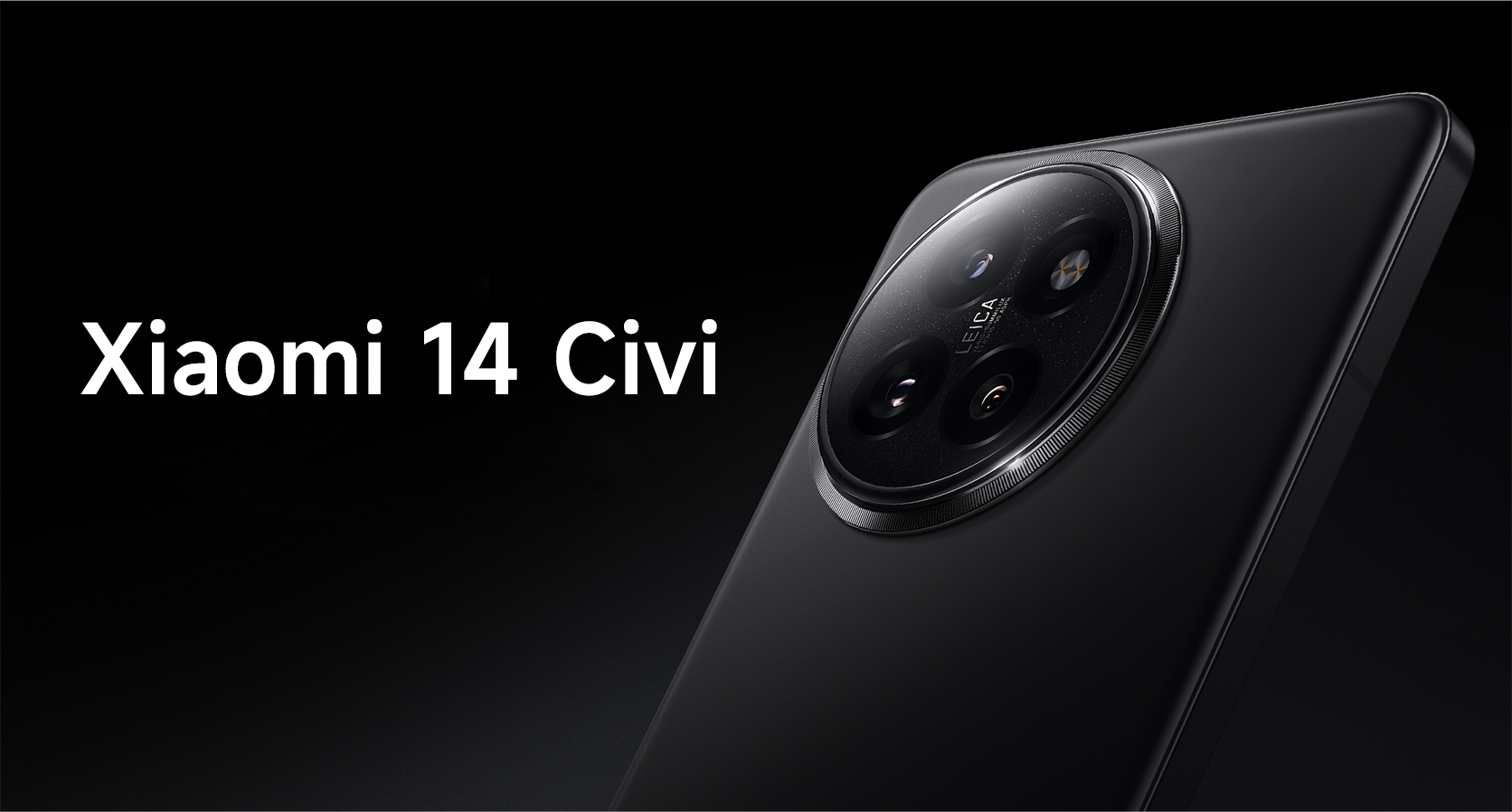
To recall, the Xiaomi 14 Civi is basically a rebranded version of the Civi 4 Pro, which launched in China back in March 2024. So it also comes with a premium glass panel at the back. There is also an eco leather variant as well. The rear also houses a circular camera module for the image sensors and LED flash. It has a flat frame on the sides that is built with aluminum. The Xiaomi 14 Civi measures just 7.45mm in thickness and weighs 179 grams.
On the front, the new device sports a 6.55-inch AMOLED display that offers 1.5K resolution, a 120Hz refresh rate, HDR10+, 100 percent DCI-P3 color gamut, 3,000 nits of peak brightness, and Dolby Vision. This panel has a 20:9 aspect ratio and comes with Corning’s Gorilla Glass Victus 2 panel for protection. The company also refers to the screen as a ‘floating quad-curve’ display. This panel supports Wet Touch tech that helps avoid ghost touches when your screen is wet. There is also a pill shaped cutout that houses the dual selfie camera setup.
2. Specifications
Under the hood, the Xiaomi 14 Civi is equipped with the Qualcomm Snapdragon 8s Gen 3 SoC. This is a high-end processor that is paired with up to 12GB of LPDDR5X RAM and 512GB of UFS 4.0 storage. A 4,700mAh battery pack powers this device, which supports 67W wired fast charging. This means it should charge up to full in just around 40 minutes. These beefy specs are cooled using what the brand refers to as Xiaomi Iceloop technology.
The latest smartphone runs on the Android 14 OS based HyperOS out of the box. Other notable features include dual band Wi-Fi 6, 5G connectivity, Bluetooth 5.4, AAC/LDAC/LHDC support, NFC, and an infrared sensor. For audio, there is a stereo speaker setup.
3. Camera
On the rear, the camera system features a triple camera setup. This consists of a 50-megapixel f/1.63 OmniVision Light Fusion 800 primary sensor behind a Leica Summilux lens that offers OIS (Optical Image Stabilization). The main camera is paired with a 50-megapixel Samsung JN1 portrait + telephoto shooter with a f/1.98 aperture and autofocus that offers 2x optical zoom. The last sensor is a 12-megapixel ultra wide angle lens with a 120° field of view and an f/2.2 aperture.
Meanwhile, the front houses a dual-camera setup, featuring a 32MP main sensor with 78° FOV, f/2.0 aperture, 2X portrait close-up, and autofocus. The second selfie shooter is a 32MP ultra wide sensor with a 100° ultra wide viewing angle, 4K ultra-clear image quality, AI distortion correction algorithm, f/2.4 aperture, and EIS video anti-shake.
4. Pricing and Availability
The Xiaomi 14 Civi has just been announced in three color options, namely Crusie Blue, Matcha Green, and Shadow Black. It has a starting price tag of 39,999 INR for the 8GB + 256GB variant, while the 12GB + 512GB version costs 44,999 INR. There is also a 3,000 INR discount for ICICI Bank Debit and Credit Card holders and a 3,000 INR exchange bonus as well. The first sale is set to kick off on noon of 20th June 2024. You can buy the Xiaomi 14 Civi from the brand’s official website, Xiaomi retail, and Flipkart.
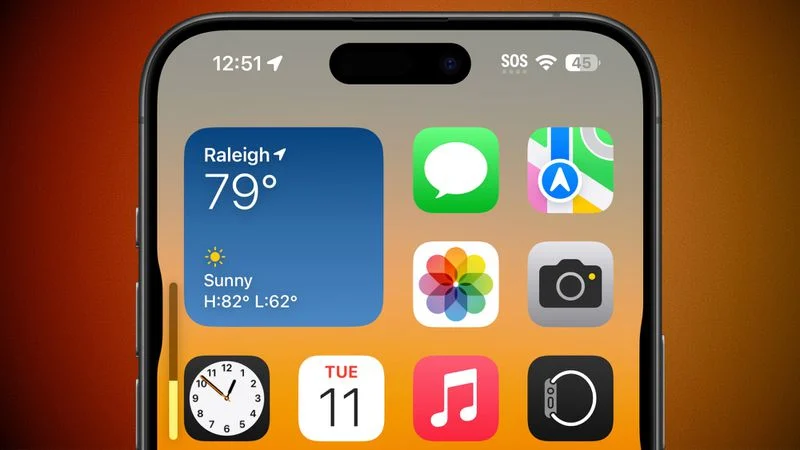
Apple just announced iOS 18 in WWDC24, which finally has some AI features and a couple of other improvements. One of them is the improved visual effects. In the first developer preview of iOS 18, you will notice improved animation when you click the power button or the volume rocker. Using the buttons shows a “squeeze effect” on the screen, which suggests the use of solid-state buttons in the future, possibly in iPhone 16. The effect on the screen is also adjusted according to the frequency of clicking the buttons.
Image: MacRumors
iOS 18 animations seemingly pave the way for solid-state buttons
In addition to the new animation, iOS 18 also adds an option to power off the phone from the control center without using the power button. It also suggests that there is a change coming to the buttons.
The iPhone 15 lineup was previously rumored to bring solid-state buttons. However, because of some technical issues related to mass production, Apple decided to cancel its plan and use normal clickable buttons last year with the iPhone 15 Pro models. But the changes in the operating system suggest that Apple hasn’t canceled its plan entirely.
Apple appears to have addressed the obstacles to mass-producing iPhones with the new technology, which may explain the implementation of revamped visual effects in the latest OS version.
Some relatively recent rumors also claim that the iPhone 16 lineup could finally come with a buttonless design (with solid-state buttons). A report from Economic Daily News claimed that Apple is working with ASE Group (Advanced Semiconductor Engineering, a global provider of semiconductor assembly and test services) to manufacture the capacitive button packaging module for the iPhone 16 lineup. So we could indeed see capacitive buttons on the iPhone 16 lineup.
According to some reports, the solid-state buttons could remain exclusive to the iPhone 16 Pro models.
Apple could launch the new series towards the end of Q3 or early Q4 this year, so we’re only a couple of months away at this point. Stay tuned and we’ll keep you updated with more information as it comes out.
In today’s tech news roundup, we talk about Nubia’s new Redmagic Mechanical Keyboard 1S, packed with features like a 1.47″ display and RGB lighting, making it perfect for gamers. The OnePlus Ace 3 Pro is rumored to sport a luxurious Bugatti Veyron-inspired ceramic back and metal frame. Nokia licensee HMD launches the HMD 105 and HMD 110 feature phones in India, boasting built-in UPI integration and extended battery life.
The Nubia Redmagic Mechanical Keyboard 1S is a gamer’s dream with a 1.47″ display, gasket mount for noise reduction, RGB lighting, and triple-mode connectivity. Priced at $89, it offers customizable features, hot-swappable switches, and a unique Mora Customized Edition for esports fans.
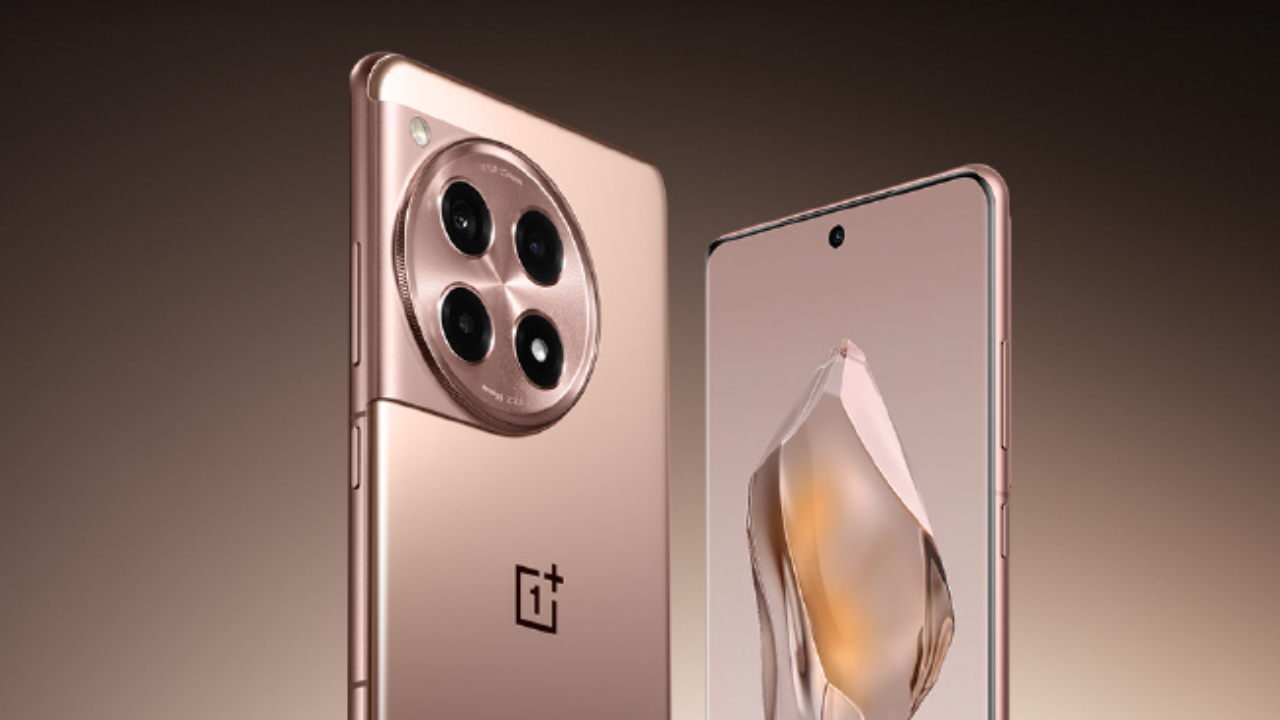
Get ready for the OnePlus Ace 3 Pro with a Bugatti Veyron-inspired ceramic back and metal frame! Rumored to feature a ceramic back plate crafted using a hot forging process, this flagship device could be the first to combine a metal middle frame with ceramic.
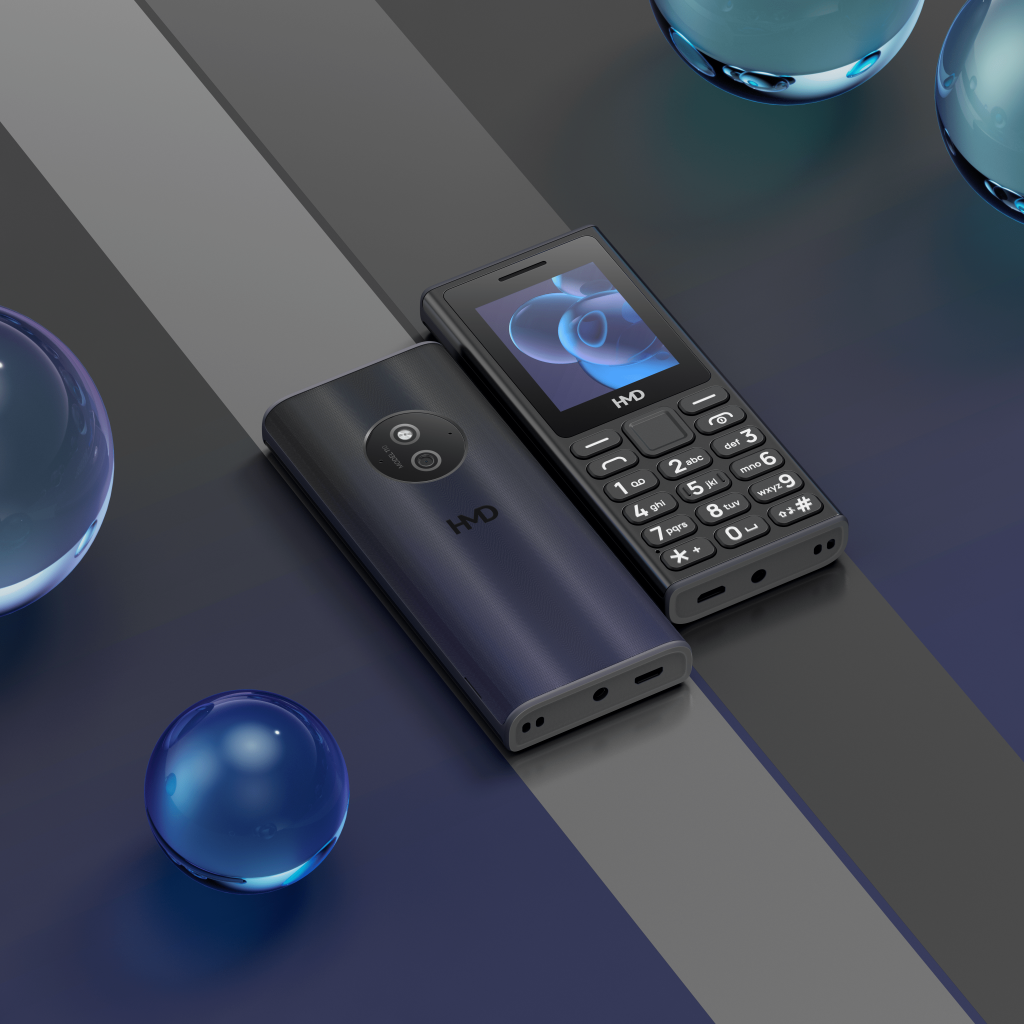
The new HMD 105 and HMD 110 feature phones by Nokia licensee HMD Global have been launched in India! These sleek phones offer built-in UPI integration for secure transactions without internet access, premium design for comfort, advanced multimedia features, voice assistants, and large displays.
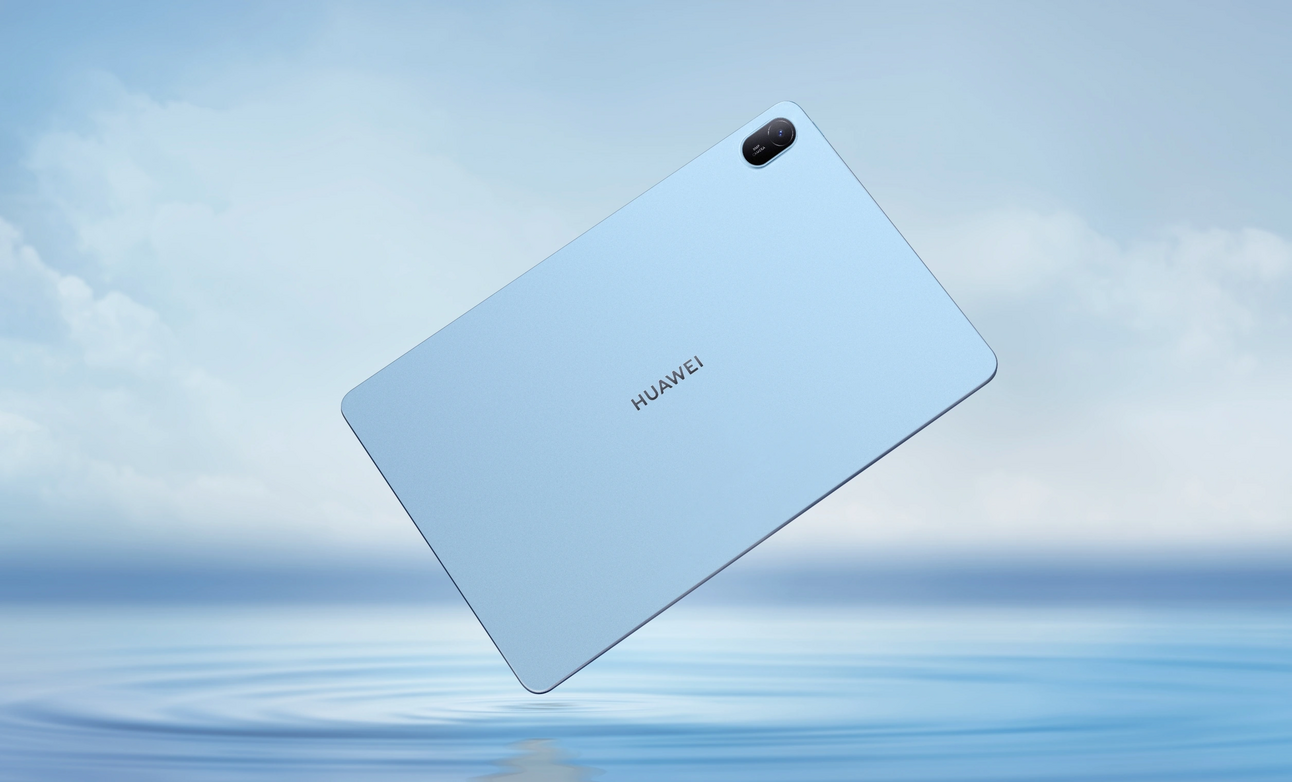
The MatePad SE 11 offers a smooth HarmonyOS experience, premium design, and M-Pen Lite stylus support, while Redmi Pad SE excels with a 90Hz refresh rate and HyperOS alongside Google services. Despite the MatePad SE 11’s rumored Kirin 710A/Snapdragon 680 chipset and the Redmi Pad SE’s Snapdragon 680, both are solid choices for budget tablet buyers. We help you decide which one to get.
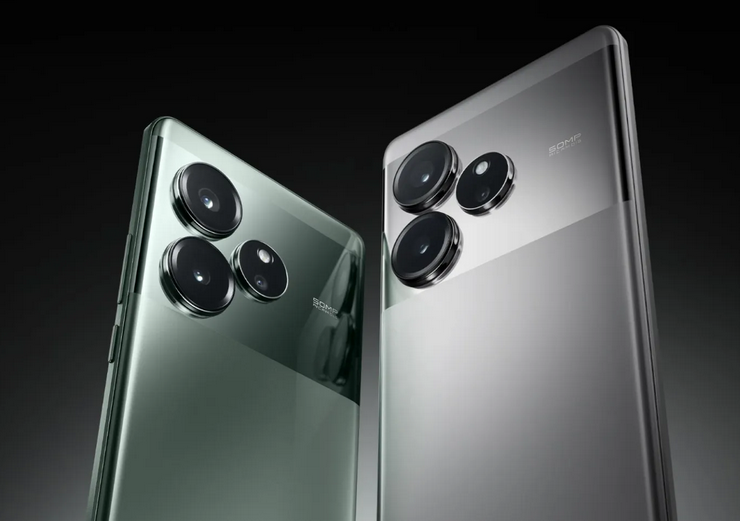
Featuring a premium design with a dual-tone color scheme and a 6.78″ LTPO OLED display, the Realme GT 6 packs a Snapdragon 8 Gen 3 SoC, 16GB RAM, and up to 1TB storage for high performance. With a massive 5,500mAh battery supporting 120W fast charging and AI-enhanced features in imaging, efficiency, and personalization, this device promises to be a game-changer in the smartphone market.
OnePlus is expected to announce the OnePlus Ace 3 Pro with the Snapdragon 8 Gen 3 chip in China next month (July). After it goes official, the company may unveil the next-generation flagship phone, the OnePlus 13, in October of this year. In a recent Weibo post, tipster Digital Chat Station claimed that the device will have three 50-megapixel cameras. Now, a new Weibo from the same source has revealed the camera sensors that will be available on the device.
OnePlus has initiated the rollout of the OxygenOS 14.0.0.800 update for its OnePlus 11 model exclusively in India, closely following the recent update provided to the OnePlus 11R. This rollout aims to deliver improved system stability and incorporate the latest security patches.
The update is identified by the firmware version IN: CPH2447_14.0.0.800(EX01) and is being distributed in phases. This staggered deployment means that some users will receive the update immediately, while others may wait up to two weeks.
Update Highlights:
Enhanced System Stability: The update aims to provide a more stable and efficient user experience.
May 2024 Android Security Patch: Included in the update to protect against the most recent security threats.
Audio Improvements: Fixes have been made to increase the volume when connected to Bluetooth speakers or earphones.
Home Screen Bug Fix: An issue causing app icons to shift slightly on the home screen after closing apps has been resolved.
If you haven’t received the OTA update notification on your device, you can manually check for it by going to Settings > About Device > OxygenOS and tapping on Check for Update.
OnePlus is encouraging users who receive the update to report any bugs by dialing *#800# and following the prompts to submit bug details.
In related news, OnePlus 13’s camera specifications have leaked out. While the device is expected to debut in late Q4 of 2024, followed by the launch of the upcoming Snapdragon 8 Gen 4 chip, its details have already started emerging via leaks. The latest one claims that the rear camera setup on the OnePlus 13 will comprise a Sony LYT-808 primary camera, a Sony IMX882 camera for the ultrawide camera, and another IMX882 sensor for the telephoto camera.
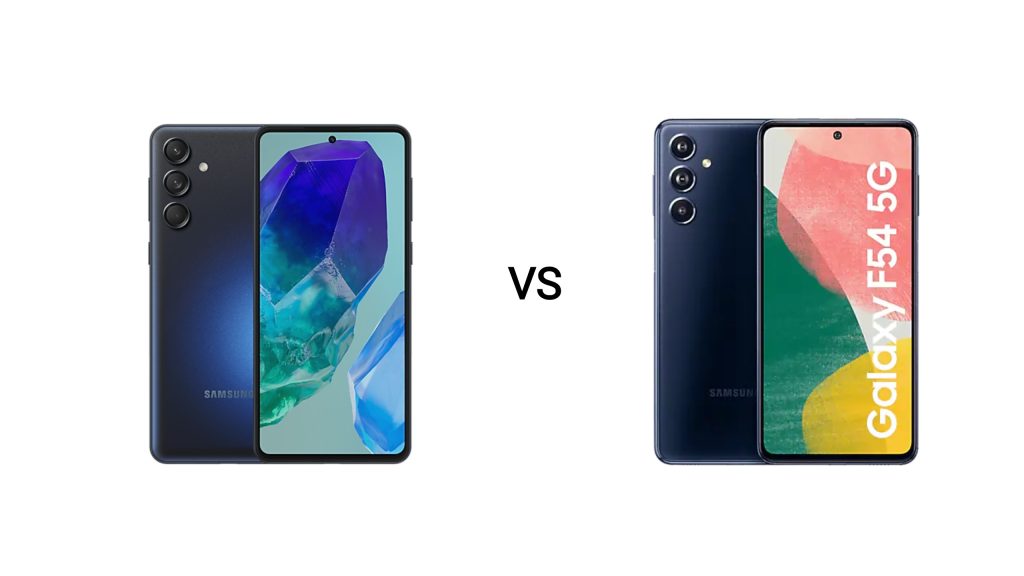
Between the Samsung Galaxy M55 and the F54, which do you think is a better buy? In this article, we’ll have a close look at what these devices offer. Through this consideration, we’ll be able to determine which of these devices is a better choice for your needs. Regardless of the fact that these devices are from Samsung, they are built to serve different user needs. So let’s now delve into the specifications that these devices bring to the drawing board.
Please Note: When you buy something using the links in our articles, we may earn a small commission at no cost to you.
Galaxy M55 vs Galaxy F54: Design and colours
Galaxy M55:
The Galaxy M55 is a good-looking device and a great choice for those that aren’t fans of the new flat edges that Samsung is using on the A-seires. This device features a flat screen, triple rear cameras, a centre-mounted selfie camera cutout at the top of the screen. Its power and volume rocker keys sit on the right-hand side of the frame, while the SIM tray sits to the left of the frame. Under the device is the USB-C port, speaker cutout, and microphone, but at the top sits an upwards firing speaker. Available colours on this device are Dark Blue and Light Green.
Galaxy F54:
Just like with the Galaxy M55, the more affordable Galaxy F54 brings a simplistic design to the market. It features the same camera setup style that we see on the Galaxy M55, housing three rear cameras and a centre-mounted front-facing camera. The power button and volume rocker keys on this device sit on the right-hand side of the device’s frame, while on the left-hand side, we get the SIM tray. At the base of the frame you’ll find the USB–C charging port, speakers, and a microphone. Buyers of this device will have to settle for either Meteor Blue or Stardust Silver, as these are the only colour options this device comes with.
Major differences:
Slightly more curvy edges on the Samsung Galaxy F54.
Galaxy M55 vs Galaxy F54: Display
Galaxy M55 and Galaxy F54:
Both devices feature the same screen size and panels but the Galaxy F54 brings a slightly larger screen-to-body ratio.
Major differences:
Slightly larger screen to body ratio on the Samsung Galaxy F54.
Galaxy M55 vs Galaxy F54: Cameras
Galaxy M55 and Galaxy F54:
While both feature a triple rear camera setup both devices in this comparison bring different main camera lenses. The main camera on the Galaxy M55 is a 50MP sensor while that in the Galaxy F54 is a 108MP sensor. Asides from this change both devices bring an 8MP ultrawide and a 2MP macro sensor. Up front the Galaxy M55 brings a 50MP selfie shooter while the Galaxy F54 brings a 32MP selfie shooter. Both devices support 4K video recording on both fronts and rear cameras but the Galaxy F54 lacks OIS on its rear cameras.
Major differences:
Different main and selfie cameras on both devices.
Galaxy F54 lacks OIS.
Galaxy M55 vs Galaxy F54: Performance
Galaxy M55 and Galaxy F54:
For most smartphone buyers today, performance is a telling factor when choosing a new device to purchase. When it comes to this telling factor the Samsung Galaxy M55 outperforms the Galaxy F54 as it comes with a more powerful Snapdragon 7 Gen 1 processor. The more affordable Galaxy F54 entry comes with Samsung’s Exynos 1380 processor and only 8GB and 256GB storage offering. The Galaxy M55 however comes with 8GB and 12GB RAM options with up to 256GB storage offering.
Major upgrades & differences:
A more powerful processor on the Galaxy M55.
12GB RAM offering on the Galaxy M55.
Galaxy M55 vs Galaxy F54: Software
Galaxy M55 and Galaxy F54:
Both devices in this comparison run on Android 14 (the Galaxy F54 launched with Android 13 out of the box but is upgradable to Android 14) and OneUI 6.1 software and they both support up to three years of OS update.
Major differences:
Nil.
Galaxy M55 vs Galaxy F54: Battery life and charging
Galaxy M55 and Galaxy F54:
Samsung equips the Galaxy M55 with a 5000mAh battery capacity and fast charging reaching 45W but the Galaxy F54 brings a massive 6000mAh battery capacity with specified charging speeds.
Major differences:
Faster charging on the Galaxy M55.
Larger battery on the Galaxy F54.
Galaxy M55 vs Galaxy F54: Final Verdict
Clearly, the Galaxy M55 is the better choice when out to purchase a new device. However, if you’re shopping on a tight budget and need a larger battery capacity, the Galaxy F54 serves you better. Both devices come with a similar design but differ from one another in their specifications and the features that they offer.
We use cookies on our website to give you the most relevant experience by remembering your preferences and repeat visits. By clicking “Accept”, you consent to the use of ALL the cookies.
This website uses cookies to improve your experience while you navigate through the website. Out of these, the cookies that are categorized as necessary are stored on your browser as they are essential for the working of basic functionalities of the website. We also use third-party cookies that help us analyze and understand how you use this website. These cookies will be stored in your browser only with your consent. You also have the option to opt-out of these cookies. But opting out of some of these cookies may affect your browsing experience.
Necessary cookies are absolutely essential for the website to function properly. This category only includes cookies that ensures basic functionalities and security features of the website. These cookies do not store any personal information.
Any cookies that may not be particularly necessary for the website to function and is used specifically to collect user personal data via analytics, ads, other embedded contents are termed as non-necessary cookies. It is mandatory to procure user consent prior to running these cookies on your website.