Advertisement

This is when much-awaited Motorola Razr Fold may hit the market

Motorola announced the Razr Fold at CES 2026 in January this year. The device is expected to rival other foldables like the Honor Magic V6, Oppo Find N6, Vivo X Fold 6, and Samsung Galaxy Fold 8 this year, but there has been no official word on its market release. Now, tipster Smart Pikachu has revealed when the device could hit the market.

Motorola Razr Fold release timeframe

Motorola Razr Fold relase timeframe tipped

According to Smart Pikachu, the Motorola Razr Fold is tentatively scheduled to launch in the second quarter of 2026. While this gives a clearer idea of the timeline, the company has not confirmed an exact launch date. Pricing details also remain unknown at this stage, and it is unclear which regions will receive the device first.

Motorola Razr Fold specifications

Motorola Razr Fold-
Motorola Razr Fold-

The Razr Fold features a 6.6-inch OLED cover display designed for quick interactions without unfolding the device. For selfies, the outer screen has a 32-megapixel front-facing camera. Once unfolded, the phone reveals an 8.09-inch LTPO OLED inner display with a 2K resolution. On the inside, there is a 20-megapixel camera catering to video calls and selfies in different orientations.

On the rear, the Razr Fold houses a triple-camera setup consisting of a 50-megapixel Sony Lytia primary sensor, a 50-megapixel ultra-wide lens with macro support, and a 50-megapixel periscope telephoto camera offering 3x optical zoom. The device runs on Hello UX based on Android 16.

The Razr Fold was recently spotted on Geekbench, revealing the Snapdragon 8 Gen 5 chipset paired with 16GB of RAM. Battery capacity and charging details have not been disclosed yet. Additional features include Motorola Pen support and a side-mounted fingerprint sensor. The phone will be available in Blackened Blue and Lilly White color options.

For more daily updates, please visit our News Section.

Stay ahead in tech! Join our Telegram community and sign up for our daily newsletter of top stories

OnePlus 15T officially confirmed to pack larger battery, periscope camera

OnePlus has begun teasing its upcoming compact flagship, the OnePlus 15T, in China. In a new Weibo post, OnePlus China President Li Jie confirmed that the device will see comprehensive upgrades, including its imaging system. Here’s a look at what the OnePlus executive shared.

OnePlus 15T: OnePlus exec confirms key upgrades incoming

Li Jie revealed that the OnePlus 15T will feature a new LUMO periscope telephoto lens, promising notable improvements in both hardware and image processing. The company claims meaningful gains in clarity for distant subjects while also delivering better portrait depth and atmosphere.

Reports suggest the handset may include a 50-megapixel periscope camera with an 85mm focal length equivalent to 3.5x optical zoom, an F2.8 aperture, and OIS support. Camera samples have also surfaced to reveal the capabilities of the phone’s periscope camera.

He added that while battery capacity, cooling and the periscope system have all been significantly enhanced, the device’s thickness and camera bump remain well controlled. The phone still feels slim and lightweight in the hand.

Reports have revealed that the OnePlus 15T will pack a massive battery of around 7,000 to 7,500mAh capacity. It is said to measure 8.5mm in thickness and weigh around 194 grams.

OnePlus 15T specifications (rumored)

OnePlus 15T render
OnePlus 15T AI-generated render

According to reports, the OnePlus 15T will house a 6.32-inch 1.5K 165Hz OLED screen equipped with an ultrasonic in-screen fingerprint sensor. The device will support 100W wired charging and 50W wireless charging.

Under the hood, the device will feature the Snapdragon 8 Elite Gen 5 chipset paired with up to 16GB of LPDDR5x RAM and up to 1TB of UFS 4.1 storage. It may also integrate a dedicated P3 display chip and an advanced gaming engine for sustained performance.

Its rear camera setup may feature either a 50-megapixel Sony IMX906 or a 200-megapixel Samsung HP5 primary camera, accompanied by a 50-megapixel Samsung JN5 periscope telephoto lens, but no ultra-wide sensor. A 32-megapixel front camera is also expected. The device will also have other features, such as a Plus Key, ColorOS 16-based Android 16, and an IP68/69 rating for dust and water resistance. It is expected to arrive in three shades: Relaxing Matcha, Healing White Chocolate, and Pure Cocoa.

For more daily updates, please visit our News Section.

Stay ahead in tech! Join our Telegram community and sign up for our daily newsletter of top stories.
AGIBOT Unveils Full Humanoid Robot Lineup and Rental Service at MWC 2026

BARCELONA, March 2, 2026 – AGIBOT, a global player in embodied intelligence, showcased its full range of humanoid robots and application solutions at MWC 2026, underscoring its strategic push into the European market. Following recent exhibitions in Milan and Munich, the company presented integrated robotics systems designed for retail, manufacturing, logistics, and service sectors, both at its own booth and alongside ecosystem partners across the venue.

The company’s portfolio includes several robot platforms tailored for specific use cases: the A2 Series full-sized humanoids for reception and guidance; the X2 Series compact robots for entertainment, education, and research; and the G2 wheeled humanoids for industrial tasks such as precision assembly. AGIBOT also displayed the D1 quadruped robots for logistics and patrol, the C5 autonomous cleaning solution, and OmniHand, a high‑dexterity manipulator for service and industrial applications.

During the event, AGIBOT officially launched its global online store at store.agibot.com, offering direct purchase and leasing options for its A, X, and D Series robots. The company also introduced its Robot‑as‑a‑Service (RaaS) platform, enabling short‑term rentals with a minimum duration of one day and pricing starting at €899. The rental service is currently available in 17 countries and regions, including Spain, Germany, France, Italy, the UK, and parts of North America and Asia.

In parallel, AGIBOT demonstrated collaborative integrations with industry partners. At the China Telecom pavilion, the D1 quadruped robot showcased advanced 6G‑based sensing and connectivity. The company also signed a Memorandum of Understanding with Singtel Enterprise to jointly develop robotics applications leveraging Singapore’s 5G infrastructure.

“Europe is a vital innovation hub, and we are committed to building strong local partnerships,” said William Shi, President of Europe at AGIBOT. “Through open collaboration, we aim to co‑develop an embodied AI ecosystem that addresses the specific needs of this region.”

AGIBOT’s presence at MWC 2026 reflects its broader strategy to deploy general‑purpose embodied robots across real‑world environments while expanding access through flexible ownership models.

For more information, visit www.agibot.com.

Lenovo Legion Y700 (2026) scores 4.53M on AnTuTu, features Snapdragon 8 Elite Gen 5

Lenovo has confirmed that its upcoming Legion Y700 5th-generation tablet will launch in March. Ahead of the official unveiling, the company has disclosed major hardware details, highlighting significant performance gains over its predecessor. Here’s a look at what to expect from the Y700 in terms of performance.

Lenovo Y700 (2026): Snapdragon 8 Elite Gen 5 drives record-breaking score

The Legion Y700 (2026) will run on Qualcomm’s Snapdragon 8 Elite Gen 5 chipset, currently positioned as the most powerful chip in the Android camp. With this, the Y700 becomes the first compact tablet to feature the new flagship silicon. Lenovo has paired the chipset with LPDDR5T RAM rated at 10667Mbps and UFS 4.1 Pro storage, ensuring high-speed memory and faster data transfers. A previous report revealed that the device will arrive with up to 24GB+1TB configuration.

In AnTuTu testing, the tablet achieved a score of 4,532,189. This places it ahead of recent contenders such as the iQOO 15 Ultra, which scored 4,518,403, and the Honor Windows device at 4,409,382. Based on these numbers, Lenovo is pitching the Y700 as the most powerful Android small tablet at present.

The upcoming Lenovo Y700 continues with the 8.8-inch display size, offering a resolution of 3040 x 1904 pixels. It supports a 165Hz refresh rate, 408PPI pixel density, 2640Hz instantaneous touch sampling and 480Hz multi-touch sampling rate. The screen delivers up to 800nits global brightness, covers the DCI-P3 colour gamut and supports 12bit colour depth. It also carries TÜV Rheinland certifications for low blue light and flicker-free viewing.

Lenovo has introduced an AI-based network acceleration feature aimed at gamers. In challenging network conditions, the company claims gaming latency can reduce by 54.8 percent, while stutter instances may drop by 42.7 percent compared to rival devices. It will be available in black and white shades.

For more daily updates, please visit our News Section.

Stay ahead in tech! Join our Telegram community and sign up for our daily newsletter of top stories.
Xgimi launches affordable Z6X projector with 550 CVIA lumens, MEMC & Dolby Audio

Xgimi has launched the Z6X 5th Generation Projector in China, targeting budget-conscious buyers. The projector is priced at 1,700 yuan (~$240) and is available for purchase on JD.com. This release comes nearly a year after the company introduced the Z6X Pro model in the same market.

Xgimi Z6X Projector

Xgimi Z6X Specifications

The Z6X 5th Generation projector utilizes DLP technology with a 0.23-inch DMD display chip, offering a native Full HD 1920 x 1080 resolution and compatibility with 2K and 4K inputs. It features a high-transmittance coated lens for improved clarity and consistent brightness, certified at 550 CVIA lumens. The projector supports 124% Rec.709 color gamut, which delivers richer and more vibrant colors than many entry-level LCD projectors.

Xgimi Z6X Projector

The Xgimi Z6X is designed for ease of use, featuring a 150-degree adjustable gimbal stand for versatile projection onto walls, ceilings, or angled surfaces. It offers automatic keystone correction, autofocus, and a 1.2:1 throw ratio for sharp, aligned images in medium-sized rooms. Xgimi has also added MEMC motion compensation technology to reduce motion blur and judder in fast-moving scenes

The projector runs on the GMUI 6.0 operating system, which provides a simplified interface and supports smart features like AI voice control and fast booting. It includes a MediaTek MT9270 chipset, a Mali-G52 GPU, 1.5GB of RAM, and 32GB of internal storage. The projector also supports wireless casting via AirPlay, DLNA, or the Xgimi app.

The Z6X includes dual 3W Dolby Audio-certified speakers for immersive sound and features low blue light technology with diffuse reflection imaging to minimize eye strain during long viewing sessions.

Xgimi Z6X Projector

The projector offers HDMI 2.1 with eARC support, a USB 2.0 port, dual-band Wi-Fi, and Bluetooth 5.1. It operates quietly at under 28dB in standard mode and consumes less than 65W of power. The compact device weighs 1.09kg and measures 235 x 228 x 64 mm, making it highly portable.

In related news, BenQ has recently introduced new short-throw and ultra-short-throw projectors featuring flexible aspect ratio support, while the XElectron iProjector 3 Plus has debuted in India with Google TV and 2000 ANSI lumens brightness.

For more daily updates, please visit our News Section.

Stay ahead in tech! Join our Telegram community and sign up for our daily newsletter of top stories! 💡

(JD)

Xiaomi unveils Vision Gran Turismo hypercar concept at MWC 2026

Xiaomi has officially unveiled its Vision Gran Turismo (GT) concept hypercar, making its debut in the Vision Gran Turismo project. This initiative, created by Gran Turismo producer Kazunori Yamauchi, invites automakers to design futuristic concept cars for the popular PlayStation racing game Gran Turismo 7. Xiaomi is the first technology brand to join this elite group, which includes companies like Ferrari, Porsche, and Mercedes-Benz.

Xiaomi Vision Gran Turismo

The Xiaomi Vision GT adopts a futuristic, aerodynamics-focused design with a sleek teardrop-shaped cockpit and a body shaped by air ducts and cutouts for a lightweight, dynamic look. It features a light blue finish with matching accented wheels, a halo-style taillight that also functions as an air outlet, and bold styling elements such as scissor doors, a shark-fin roof, T-shaped headlights, and a large rear diffuser.

The car achieves a drag coefficient of 0.29 and generates a downforce of -1.2. Xiaomi introduced innovations like the Active Wake Control System and Accretion Rims to optimize airflow and improve aerodynamic efficiency.

The hypercar is powered by Xiaomi’s 900V Silicon Carbide platform, which supports nearly 1,900 horsepower. It uses advanced components such as carbon-ceramic brakes and center-lock wheels to handle the immense power.

Xiaomi designed the Vision GT’s interior around comfort and technology, featuring a cocoon-like Sofa Racer cabin where the dashboard, seats, and doors blend seamlessly. It includes a butterfly-shaped steering wheel with an integrated display, a panoramic screen, and the Xiaomi Pulse system that uses light and sound for interaction.

The car also connects to Xiaomi’s Human x Car x Home ecosystem, enabling adaptive and personalized experiences based on the driver’s mood and behavior. The concept is on display at MWC 2026 in Barcelona and will soon be available for players in Gran Turismo 7.

At MWC, Xiaomi also announced the Xiaomi 17, Xiaomi 17 Ultra, Pad 8, and Pad 8 Pro.

For more daily updates, please visit our News Section.

Stay ahead in tech! Join our Telegram community and sign up for our daily newsletter of top stories! 💡

OnePlus 15T leaked poster showcase white variant with refreshed design

Rumors suggest that OnePlus could introduce the OnePlus 15T in China later this month. Ahead of any formal announcement, an official-looking poster has surfaced on Chinese social media, offering a clear glimpse at the handset’s exterior. While the company has not confirmed the device yet, the leak gives enthusiasts an early look at what may be in store.

OnePlus 15T design revealed through leaked poster

OnePlus 15T leaked poster

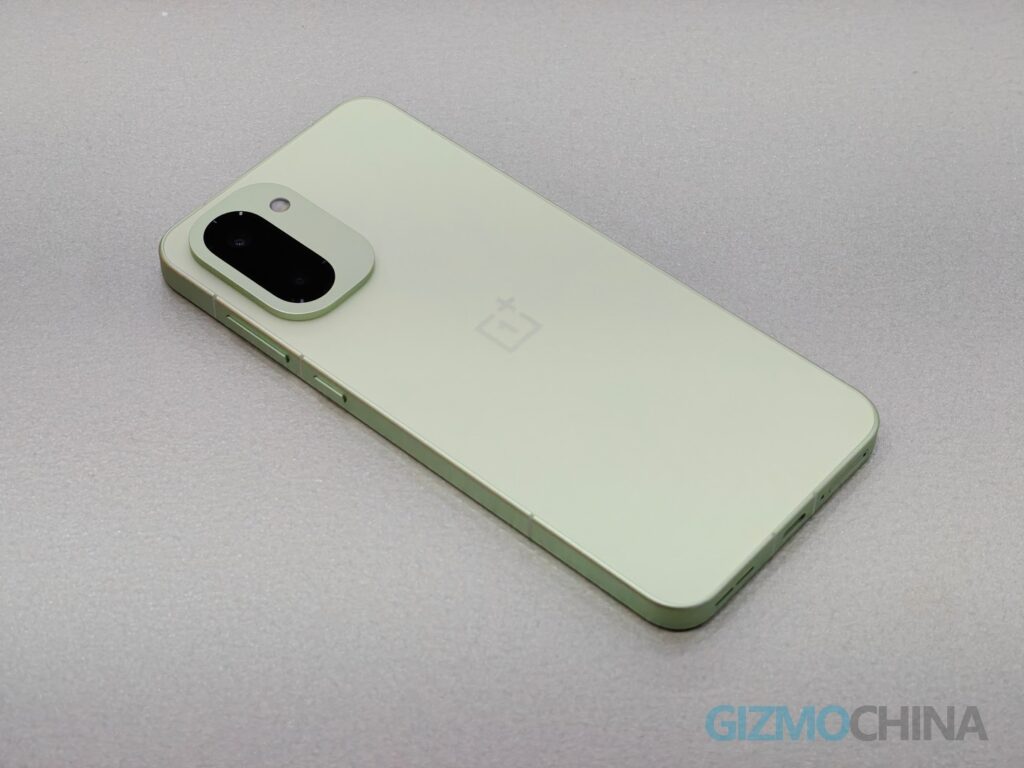
The leaked image indicates that the OnePlus 15T will feature a minimalist rear design with a raised rectangular camera island placed at the top corner. Within this module sits a vertically arranged dual-camera system, with an LED flash positioned on the left side.

Compared to the OnePlus 13T from last year, the leaked poster of the OnePlus 15T points to a subtle refinement in the rear design rather than a complete overhaul. As always, since this information is based on early leaks, it is advisable to wait for official renders from the company for final confirmation.

According to rumors, its frame is said to be made of metal, and the handset reportedly measures around 8.5mm in thickness while weighing approximately 194 grams. The device is also tipped to come with IP68 and IP69 ratings for dust and water resistance. Color options are expected to include Relaxing Matcha, Healing White Chocolate and Pure Cocoa.

OnePlus 15T specifications (rumored)

As per recent reports, the OnePlus 15T may sport a 6.31-inch BOE X3 OLED LTPO display with 1.5K resolution, a 165Hz refresh rate, and an ultrasonic in-screen fingerprint sensor. It is likely to be powered by the Snapdragon 8 Elite Gen 5 chipset, paired with LPDDR5x RAM and UFS 4.1 storage. In China, variants could range from 12GB+256GB to 16GB+1TB.

The device is tipped to pack a 7,000mAh battery with 100W wired charging support, without wireless charging. For photography, it may feature either a 50-megapixel Sony IMX906 or a 200-megapixel Samsung HP5 primary camera, accompanied by a 50-megapixel Samsung JN5 periscope telephoto lens, but no ultra-wide sensor. A 32-megapixel front camera is also expected. The phone could run Android 16 with ColorOS 16 and include the Plus Key for additional functionality.

For more daily updates, please visit our News Section.

Stay ahead in tech! Join our Telegram community and sign up for our daily newsletter of top stories.

Motorola Edge 70 Fusion chipset revealed, up to Android 19 OS upgrades promised

Motorola is all set to announce the Edge 70 Fusion on March 6 in India. While the initial Flipkart teaser page kept specifications under wraps, the updated listing has now disclosed important hardware and software details, offering a clearer idea of what to expect from the upcoming smartphone.

Snapdragon 7s Gen 4 and long-term software commitment confirmed

The refreshed Flipkart page confirms that the Motorola Edge 70 Fusion will be powered by the Snapdragon 7s Gen 4 chipset. The device will ship with Android 16 layered with Hello UX. Motorola has also committed to three major Android OS upgrades and five years of security updates, which effectively means support up to Android 19.

The handset will come with IP68 and IP69 ratings for dust and water resistance, along with Gorilla Glass 7i protection for the display and MIL-STD-810H certification for durability. Other confirmed features include NFC and Bluetooth 6.0 support. With these additions, the Edge 70 Fusion appears to be positioned as a well-rounded mid-premium offering rather than just a performance-focused device.

Motorola has already confirmed several hardware highlights of the Edge 70 Fusion. It is said to be the world’s first smartphone to feature an OIS-enabled Sony LYT-710 50-megapixel primary camera. The brand claims improved low-light photography and better highlight control in videos. A 32-megapixel front camera will handle selfies, and all cameras are confirmed to support 4K video recording.

On the front, the device will feature a quad-curved AMOLED display with 1.5K resolution and a 144Hz refresh rate. It is rated for up to 5200 nits peak brightness and offers 96.2 percent screen-to-body ratio, along with HDR10+, SGS eye protection and Smart Water Touch 3.0 support.

The Edge 70 Fusion will pack a 7,000mAh silicon-carbon battery with 68W fast charging, while maintaining a slim 7.99mm profile. It will be offered in Country Air, Blue Surf and Silhouette colour options.

For more daily updates, please visit our News Section.

Stay ahead in tech! Join our Telegram community and sign up for our daily newsletter of top stories.
Why Honor Magic V6 is the most durable foldable phone ever

The Honor Magic V6 has just made its global debut at MWC 2026, and it isn’t just another incremental update. While the foldable market has often been criticized for fragility, Honor has pivoted its engineering to focus on “indestructibility” without sacrificing its signature slim profile.

Here is why the Honor Magic V6 is being hailed as the most durable foldable phone ever made

Honor Magic V6
Honor Magic V6

4Real-World “Extreme” Testing

To prove these weren’t just “lab numbers,” Honor showcased the V6 in a series of dramatic stunts leading up to MWC. In one demonstration in Riyadh, the Magic V6 served as the core supporting mechanism for a zipline, successfully holding the weight of a person crossing a lake. This test was designed to highlight the structural integrity of the frame and hinge under massive tension—something most foldables would literally snap under.

Powered by the Snapdragon 8 Elite Gen 5 and a massive 6,660mAh silicon-carbon battery, the Magic V6 isn’t just a rugged tank; it’s a flagship powerhouse. By combining aerospace-grade materials with the first-ever IP69 rating in the category, Honor has addressed the number one consumer fear: that foldables are too fragile for daily life. Visit this post to know when it will be available for purchase.

For more daily updates, please visit our News Section.

Stay ahead in tech! Join our Telegram community and sign up for our daily newsletter of top stories.

Next

Honor MagicBook Pro 14 2026 debuts with a massive 92Wh battery, Core Ultra Series 3 chips, and 1.37kg build

Honor has refreshed its premium ultraportable lineup at MWC 2026, introducing the MagicBook Pro 14 2026 with a familiar design but significantly upgraded internals. It weighs 1.37kg — not a dramatic drop from 1.39kg, but enough to keep it firmly in ultraportable territory.

The display remains one of the headline features. Honor is sticking with a 14.6-inch OLED touchscreen in a productivity-friendly 3:2 aspect ratio. Resolution sits at 3120 × 2080 (roughly 258 PPI), paired with a 120Hz refresh rate. On paper, the panel offers 100% DCI-P3 coverage, 10-bit color, and a peak brightness up to 700 nits for HDR content.

The display is clearly aimed at creators who care about color fidelity. TÜV Rheinland Low Blue Light and Flicker Free certifications are also present, and Honor is adding an “E-Book mode” to reduce eye strain during longer reading sessions.

The bigger story, though, is inside. The MagicBook Pro 14 2026 is among the first laptops to ship with Intel’s new Core Ultra Series 3 processors, codenamed Panther Lake. Buyers can configure the laptop with Core Ultra 5 variants or step up to the flagship Core Ultra X9 388H for heavier creative workloads, and even some light gaming.

Memory options include 24GB or 32GB of LPDDR5X RAM, paired with 1TB of SSD storage. Notably, Honor includes dual M.2 2280 slots, giving users some room to expand storage later.

Connectivity is fairly comprehensive. You get Thunderbolt 4, a full-function USB-C 3.2 Gen 2 port, two USB-A ports, HDMI 2.1, and a 3.5mm headphone jack. There’s Wi-Fi 6 and Bluetooth 5.1 onboard, a 1080p wefbcam, and a triple-mic setup. The keyboard features 1.5mm key travel, and Honor is offering either a traditional or pressure-sensitive touchpad depending on configuration.

Battery capacity sits at 92Wh, which is generous for any laptop. Honor claims up to 15 hours of use, though real-world results will depend heavily on workload and screen brightness. Charging is handled by a 100W adapter, with a full charge taking just 68 minutes. It even supports up to 80W reverse charging for other devices — effectively turning it into a smart power bank.

On the software side, it ships with Windows 11 Home and includes Honor’s ecosystem features like Honor Share.

It will be available in Starry Gray, Green, and White. Pricing and detailed availability haven’t been announced yet.

Don’t miss a thing! Join our Telegram community for instant updates and grab our free daily newsletter for the best tech stories!

For more daily updates, please visit our News Section.

Motorola Razr Fold’s chipset finally revealed via Geekbench listing, packs latest Snapdragon 8-series

Motorola’s first book-style foldable, the Motorola Razr Fold, has surfaced on Geekbench, shedding light on the chipset powering the device. While the company had unveiled the phone at CES 2026 without confirming the processor, the latest benchmark listing gives a clearer picture of its performance credentials. The development adds fresh detail to what is shaping up to be a premium foldable offering.

Motorola Razr Fold Geekbench listing

The Geekbench entry reveals that the Motorola Razr Fold is powered by Qualcomm’s Snapdragon 8 Gen 5 chipset. The listing shows a single-core score of 2,681 and a multi-core score of 9,056, suggesting flagship-grade performance. The processor configuration points to a high-performance setup with cores clocked up to 3.80GHz, paired with the Adreno 829 GPU. The tested unit carries 16GB of RAM and runs Android 16, likely layered with Motorola’s Hello UX interface.

Interestingly, Motorola has not opted for the more powerful Snapdragon 8 Elite Gen 5 variant. This could be a strategic move to keep overall costs in check, especially considering the expensive nature of book-style foldable hardware. The benchmark also confirms Android 16 and 16GB RAM, positioning the device firmly in the premium segment.

Motorola Razr Fold specifications

Motorola Razr Fold-
Motorola Razr Fold-

The Razr Fold features an 8.09-inch LTPO OLED internal display with 2K resolution, complemented by a 6.6-inch OLED cover screen. On the camera front, it houses a 20-megapixel internal selfie camera and a 32-megapixel external front camera. The rear setup includes a 50-megapixel Sony Lytia primary sensor, a 50-megapixel ultra-wide lens with macro support, and a 50-megapixel 3x periscope telephoto camera.

The phone runs Android 16 with Hello UX, includes a side-mounted fingerprint sensor, and supports the Motorola Pen Ultra. It will be offered in Pantone-certified shades such as Blackened Blue and Lilly White. Additional details are expected to emerge closer to its wider market rollout.

For more daily updates, please visit our News Section.

Stay ahead in tech! Join our Telegram community and sign up for our daily newsletter of top stories.

(via)

Nintendo Launches Mini Game Boy Music Player Featuring Pokémon Soundtracks

Nintendo has released a mini Game Boy-styled music player that plays soundtracks from the original Pokémon games. The device, called the Pokémon Red & Pokémon Blue Game Music Collection: Game Boy Jukebox, features a nostalgic design and comes with 45 cartridges that each unlock specific tracks. The music player is priced at $69.99 in the U.S., £59.99 in the UK, and 489 yuan in mainland China.

Pokémon Red & Pokémon Blue Game Music Collection

Nintendo crafted the mini jukebox with a design inspired by the iconic Game Boy, recreating its familiar look and layout. The screen and buttons mimic the original console but do not function as controls. Music playback works through mini cartridges, each linked to a specific track from Pokémon Red and Blue, with artwork designed to match the corresponding audio.

The music player includes 45 tracks from the games, such as the Lavender Town theme, Hall of Fame melody, and the battle themes for Gym Leaders and wild Pokémon. Nintendo has confirmed that the device does not play video games and serves only as a music player. The device also does not have a headphone jack, so the music must be played out loud. The jukebox runs on three LR44 button cell batteries, which are included.

The package includes the Game Boy Jukebox, 45 cartridges, and a storage case for the cartridges. Nintendo is selling the device through PokémonCenter.com in North America with a limit of one per customer. Fans in mainland China can register for a lottery-based purchase starting March 6. The product has already sold out in the UK.

Nintendo released the jukebox as part of Pokémon’s 30th-anniversary celebrations. The device allows fans to relive memories of their adventures in the Kanto region through its iconic music.

In related news, Nintendo could increase the price of the Switch 2 as an AI-driven RAM shortage continues to put pressure on supply.

For more daily updates, please visit our News Section.

Stay ahead in tech! Join our Telegram community and sign up for our daily newsletter of top stories! 💡

(Source)

Honor Magic V6 availability details hinted, and it’s disappointing

Honor has officially taken the wraps off its newest foldable, the Magic V6, and on paper, it’s one of the most ambitious devices in the category right now. There’s just one catch: most of the world won’t be able to buy it for months.

Honor Magic V6
Honor Magic V6

The announcement happened on March 1 during Honor’s pre-MWC 2026 showcase in Barcelona. The headline feature? It’s the first smartphone to run on Qualcomm’s latest Snapdragon 8 Elite Gen 5 chip. That alone gives Honor early bragging rights, especially in the foldable segment where performance and thermal efficiency matter a lot.

Interestingly, Honor chose to unveil the Magic V6 on a global stage before launching it in China. That’s a bit unusual. Typically, Chinese brands debut major devices domestically first. In this case, the move feels strategic: a way to plant a flag ahead of upcoming foldables like the Samsung Galaxy Z Fold8, Google Pixel 11 Pro Fold, and even Apple’s long-rumored iPhone Fold.

Chinese buyers won’t have to wait long. Sales are expected to begin later this month. That timing gives Honor a meaningful head start in its home market.

International customers, however, are facing a different timeline. Honor has hinted that the Magic V6 won’t arrive outside China until the second half of 2026. That likely means July or later, depending on region. Pricing hasn’t been announced either, which adds another layer of uncertainty.

It’s an odd situation: the phone has been shown, demonstrated, and positioned as a global flagship — yet availability remains months away for Europe, the UK, and other markets. For enthusiasts who followed the Barcelona reveal hoping for near-term access, that delay is going to sting a little.

There are practical reasons for staggered launches, of course. Scaling production, meeting certification requirements, and managing supply chains across multiple regions takes time. Still, in a competitive foldable landscape, long gaps between announcement and release can dilute momentum.

Until that second-half global launch happens, the Magic V6 remains a bit of a tease — impressive on stage, available at home, and just out of reach for much of the world.

Don’t miss a thing! Join our Telegram community for instant updates and grab our free daily newsletter for the best tech stories!

For more daily updates, please visit our News Section.

(Source | Via)

MWC 2026: Honor Robot phone purchase timeframe officially confirmed, flaunts 200MP motorized camera arm

Honor has used the MWC 2026 stage in Barcelona to underline its ambitions beyond conventional smartphones. Alongside the new Magic V6 foldable, the company demonstrated its much-talked-about Robot Phone and confirmed that the device will go on sale later this year. The showcase highlights Honor’s attempt to differentiate itself in an increasingly crowded premium market.

Honor Robot Phone features and launch timeline

Honor Robot phone

The Robot Phone is essentially a high-end smartphone fitted with a motorised camera arm that folds out from the rear panel. The module houses a 200-megapixel main sensor built into what Honor describes as the smallest 4DoF gimbal system in the industry. The arm can mechanically extend, rotate and stabilise footage, offering subject tracking for videos and hands-free shooting. During demonstrations, the camera locked onto moving subjects and followed them smoothly, indicating a focus on creators and vloggers.

Honor has also integrated AI-driven interactions. Users can speak to the assistant, and the camera module can respond with physical gestures such as nodding or shaking, adding a playful robotic element. When not in use, the camera neatly retracts back into the body. While full specifications remain undisclosed, the company has confirmed that the Robot Phone will be commercially available in China in the second half of 2026.

At the same event, Honor teased a compact humanoid robot that performed simple actions on stage, though technical details were limited. The broader message was clear: the brand wants to stand out in a market where many flagship devices look similar, especially as rising memory chip costs are expected to push smartphone prices higher in 2026.

Honor Robot Phone price and availability

Honor has not revealed pricing for the Robot Phone and has indicated that the initial rollout will be limited to China, and will be available in the second half of the year. Given the complex gimbal mechanism and premium positioning, the device is expected to target the higher end of the market.

For more daily updates, please visit our News Section.

Stay ahead in tech! Join our Telegram community and sign up for our daily newsletter of top stories.

Samsung plans transition to “AI-driven factories” with humanoid robots and agentic AI by 2030

On March 1, 2026, Samsung announced its plans to turn all of its global production facilities into what it calls “AI-driven factories” by 2030. It’s a bold target, and it goes well beyond the traditional automation that already defines modern electronics manufacturing. This time, Samsung is talking about systems that can make decisions on their own.

Rainbow Robotics RB-Y1

A key part of that vision is agentic AI, which, unlike standard AI tools, can independently plan and execute tasks in order to meet specific goals. Samsung first introduced the term on the consumer side with the Galaxy S26 series. Now it wants to bring similar decision-making capabilities into its factories to increase efficiency and reduce operational costs over time.

Samsung says it will gradually expand its use of industrial robots, including humanoid models. The company describes three categories: operating robots for managing production lines and facilities, logistics robots for transporting materials, and assembly robots for precise manufacturing tasks.

Humanoid robots are expected to handle more complex or flexible operations, the kind that still benefit from human-like dexterity. Samsung has been building up its robotics capabilities in recent years, including increasing its stake in Rainbow Robotics, which is now part of the group. One of the systems likely to appear on production floors is the RB-Y1, a wheeled humanoid robot equipped with dual arms.

Samsung isn’t alone in exploring this direction. Other manufacturers are experimenting with humanoid robots and AI-powered automation as labor costs rise and supply chains grow more complex. Still, making these systems reliable and economically viable across dozens of global plants is no small task.

For now, Samsung is outlining a roadmap rather than showing a finished product. Whether its factories look radically different by 2030 will depend on how smoothly these technologies integrate into real-world production environments. The ambition is clear. The execution, as always, will be the harder part.

Don’t miss a thing! Join our Telegram community for instant updates and grab our free daily newsletter for the best tech stories!

For more daily updates, please visit our News Section.

(Source: Samsung)

Honor Magic V6 launched with Snapdragon 8 Elite Gen 5, 6,660mAh battery, IP68/69 rating

Honor has kicked off MWC 2026 with the announcement of the Honor Magic V6, its latest book-style foldable smartphone. The new model brings notable durability upgrades and hardware refinements, signalling a strong push towards making foldables more mainstream. With improved protection, a larger battery and flagship internals, the Magic V6 sets the tone for the brand’s 2026 portfolio.

Honor Magic V6 specifications and features

Honor Magic V6
Honor Magic V6

The Honor Magic V6 becomes the first foldable smartphone to receive IP68 and IP69 ingress protection, offering resistance against dust and high-pressure water. It is powered by the Snapdragon 8 Elite Gen 5 processor, paired with 16GB LPDDR5X RAM and 512GB UFS 4.1 storage. Honor has engineered a new Super Steel Hinge, tested for up to 500,000 folds, while keeping the device slim at 8.75mm when folded and just 4mm when opened. The white variant weighs 219 grams.

The inner display measures 7.95 inches and uses an LTPO 2.0 AMOLED panel with 2,172 x 2,352 pixels resolution and adaptive refresh rate from 1Hz to 120Hz. Peak local brightness reaches 5,000 nits. Honor claims a significantly reduced crease depth and adds an anti-reflective layer for better visibility. The 6.52-inch cover screen also supports a 1Hz to 120Hz refresh rate, FHD+ resolution and up to 6,000 nits brightness. Both screens support stylus input and include 20-megapixel selfie cameras.

Honor Magic V6
Honor Magic V6

On the rear, the phone carries a triple camera system comprising a 50-megapixel main sensor with OIS, a 64-megapixel periscope telephoto lens offering 3x optical zoom, and a 50-megapixel ultra-wide camera. It runs MagicOS 10 based on Android 16, with a commitment of seven major Android upgrades. The 6,660mAh silicon-carbon battery supports 80W wired charging, 66W wireless charging and reverse wireless charging. Honor has also expanded cross-platform connectivity, enabling two-way notification syncing with iPhone, iPad and Apple Watch devices, along with file sharing and second-screen support for Mac users.

Honor Magic V6 price and availability

Honor Magic V6
Honor Magic V6

Honor has confirmed that the Magic V6 will be offered in Red, Gold, White and Black colour options. The company has not yet announced official pricing or market availability details. Global rollout timelines are expected to be revealed in the coming weeks.

For more daily updates, please visit our News Section.

Stay ahead in tech! Join our Telegram community and sign up for our daily newsletter of top stories.

Galaxy S26 Ultra vs Xiaomi 17 Ultra: Which Ultra is the Better Pick?

The flagship space in 2026 has reached a new high with the launch of the Xiaomi 17 Ultra and the Samsung Galaxy S26 Ultra, two of the most feature-packed smartphones to hit the market.

Both brands aim to redefine the Ultra experience, but they take very different approaches to design, imaging systems, performance, and software. Let’s break it down to see which one might deserve your hard-earned money.

Xiaomi 17 Ultra Starry Green

1. Design and Build

Xiaomi introduced a flat display for the first time in its Ultra lineup with the 17 Ultra. The phone features a 6.9-inch display with ultra-thin bezels and a clean, linear design. Xiaomi reduced the size of the camera module and placed it higher to improve balance. At 8.29mm thick, it is the thinnest Ultra model Xiaomi has ever created.

Samsung made the Galaxy S26 Ultra slimmer than its predecessors, with a thickness of just 7.9mm. The phone features a 6.9-inch flat screen and a Privacy Display. This hardware-software integration restricts viewing angles, improving privacy in public spaces.

Both phones feel premium and relatively light for their class, but Samsung gains a slight edge thanks to its slimmer profile and the added practicality of the built-in Privacy Display.

2. Display

Xiaomi used its 12-bit M10 OLED LTPO screen for the 17 Ultra. The display delivers up to 3500 nits of peak brightness, making it the brightest among flagships. Xiaomi integrated HyperRGB technology, which combines 2K clarity with lower power consumption compared to standard 1.5K displays. The screen also supports HDR10+ and Dolby Vision, and is protected by Xiaomi Shield Glass 3.0.

Samsung equipped the S26 Ultra with its 10-bit Dynamic AMOLED display. The screen supports 1-120Hz adaptive refresh rates, HDR10+, and Gorilla Armor 2 protection. While the display delivers excellent visuals, it falls short of Xiaomi’s brightness and efficiency.

Xiaomi has the edge in display performance with its brighter and more power-efficient screen.

3. Performance

Xiaomi and Samsung both use the Snapdragon 8 Elite Gen 5 chipset, but Samsung integrates the Snapdragon 8 Elite Gen 5 for Galaxy, a customized version optimized specifically for Galaxy devices. This custom chip enhances gaming, AI performance, and power efficiency, making it a standout feature for the Galaxy S26 Ultra.

Samsung pairs the chipset with 12GB or 16GB of LPDDR5x RAM and storage options of 256GB, 512GB, or 1TB UFS 4.1. It introduces its largest Vapor Chamber ever, which dissipates heat faster and more efficiently, ensuring consistent performance during intensive tasks. Samsung combines this with a tailored thermal interface material (TIM), resulting in 21% greater thermal performance compared to previous models.

Xiaomi equips the 17 Ultra with 16GB of LPDDR5x RAM and options for 512GB or 1TB of UFS 4.1 storage. It features the Xiaomi 3D Dual-Channel IceLoop cooling system, which brings a new capillary structure and improves thermal conductivity by 50% over the previous generation. This advanced cooling system ensures sustained performance during heavy gaming and multitasking.

Performance is top-tier on both devices, so day-to-day use feels equally smooth and responsive regardless of which one you choose.

4. Software

Xiaomi ships the 17 Ultra with HyperOS 3.0 based on Android 16. The software delivers a clean user experience but lacks major AI-driven features. Xiaomi does not match Samsung’s promise of long-term software support.

Samsung made software a priority with the Galaxy S26 Ultra. The phone runs Android 15 with One UI 8.5 and will receive seven generations of Android updates and seven years of security patches. Samsung also introduced advanced AI features like Now Nudge for contextual suggestions and Now Brief for real-time summaries. These features make the phone smarter and more intuitive.

Samsung leads in software innovation and long-term support, making it the better choice for users who prioritize longevity.

5. Cameras

Xiaomi developed the 17 Ultra’s camera system in collaboration with Leica, focusing on professional-grade photography. The phone features a 50MP Leica 1-inch Ultra Dynamic Camera powered by the Light Fusion 1050L sensor, which improves dynamic range and detail in challenging lighting conditions. The 200MP Leica telephoto camera uses a 1/1.4-inch HPE sensor with true optical zoom between 75mm and 100mm, maintaining full resolution without relying on digital cropping. The setup also includes a 50MP ultra-wide camera with a 115° field of view and macro support, while Leica APO certification helps reduce chromatic aberration for sharper, more color-accurate images.

Xiaomi also offers optional Photography Kits designed for camera enthusiasts. The standard kit includes a grip with physical buttons and magnetic charging, while the Pro kit adds a larger battery, trigger buttons, and a zoom lever.

Samsung equipped the Galaxy S26 Ultra with a quad-camera system that prioritizes versatility. The 200MP main sensor features a wider aperture for improved low-light performance. The phone includes a 50MP ultra-wide sensor and two telephoto lenses: a 10MP 3x optical zoom lens and a 50MP periscope telephoto lens with 5x optical zoom, supporting up to 100x Space Zoom. Samsung enhanced its Nightography Video for clearer low-light videos and improved Super Steady stabilization for smoother handheld recording.

Xiaomi offers superior still photography with its Leica-powered hardware. Samsung delivers better video performance and excels in low-light scenes.

6. Battery

Xiaomi equips the 17 Ultra with a 6000mAh battery, supporting 90W wired charging, 50W wireless charging, and PPS (Programmable Power Supply) for optimized and efficient charging speeds.

Samsung uses a smaller 5000mAh battery and features Super Fast Charging 3.0, which charges the phone to 75% in just 30 minutes with its 60W charger. It also supports 25W Qi2 wireless charging and reverse wireless charging.

Xiaomi takes the lead in this category, offering both higher capacity and faster charging options.

7. Which Ultra Should You Choose?

The Xiaomi 17 Ultra stands out for its brighter display, larger battery, and Leica-powered photography system. It is the ideal choice for users who prioritize cutting-edge camera technology and hardware performance.

The Samsung Galaxy S26 Ultra excels in AI features, long-term software support, and low-light video performance. It is better suited for users who want a phone that stays relevant for years and integrates advanced AI into daily use.

Both phones are excellent in their own right, but the choice ultimately depends on whether you value photography (Xiaomi) or software and AI (Samsung).

For more daily updates, please visit our News Section.

Stay ahead in tech! Join our Telegram community and sign up for our daily newsletter of top stories! 💡

DJI Osmo Pocket 4 user guide shows updated physical controls ahead of launch

A leaked Quick Start Guide for the Osmo Pocket 4 has surfaced online, offering what might be the clearest look yet at the upcoming device. The document appears to be for the Creator Combo version and carries the usual DJI branding and layout. If genuine, it suggests the launch isn’t far off.

From the images, the Osmo Pocket 4 keeps the signature rotatable touchscreen, but it also appears to expand on dedicated hardware buttons. There’s a 5D joystick for gimbal control, a zoom button, a shutter button that doubles as power, a customizable “C” button, and status LEDs. On paper, that may not sound dramatic, but for anyone who used the Osmo Pocket 3, it addresses one of the common complaints: too much reliance on touchscreen navigation during shooting.

The guide specifically mentions the Creator Combo bundle. That likely means DJI will once again offer multiple configurations, similar to the Pocket 3’s Standard and Creator kits.

There’s also growing chatter that early units may already be circulating in certain regions, possibly in Asia. That would explain how a full Quick Start Guide ended up online. If that’s the case, more substantial leaks could appear soon.

As for timing, previous rumors point to a March 26 announcement in China, with a broader global rollout potentially following in April. Some reports also suggest DJI may introduce a higher-end Osmo Pocket 4 Pro later this year.

DJI doesn’t seem to be reinventing the Pocket formula. Instead, the Osmo Pocket 4 appears to refine it, keeping the compact, three-axis stabilized design intact while improving usability through better physical controls and bundle flexibility.

If the leaked guide is legitimate, the official reveal may be right around the corner.

Don’t miss a thing! Join our Telegram community for instant updates and grab our free daily newsletter for the best tech stories!

For more daily updates, please visit our News Section.

(Source)

Honor Robot Phone gets a competitor with a detachable “magnetic action camera”

As MWC 2026 approaches, smartphone makers are once again using the event to showcase their unconventional designs. While much of the attention has been on Honor’s upcoming Robot Phone concept, Ulefone is preparing something different: a rugged handset with a detachable camera module.

The device is called the RugOne Xsnap 7 Pro, and its defining feature is a small “magnetic action camera” built into the back of the phone. The module can be removed and used independently, turning it into a compact wearable camera. Ulefone says it’s designed for hands-free recording, whether attached to a helmet, backpack strap, or other gear.

The idea isn’t entirely new: detachable or modular cameras have appeared in various forms over the years. But integrating one directly into a smartphone is unusual. Ulefone describes it as the first “wearable action camera rugged phone,” though real-world performance will depend on how stable the connection is and how well the software handles syncing and control.

As for the phone itself, the hardware is fairly robust. It features a 6.67-inch 1.5K AMOLED display with a 120Hz refresh rate. Power comes from a MediaTek Dimensity 8400 5G chipset, paired with a substantial 9,000mAh battery aimed at extended outdoor use.

The rear camera system includes a 50MP main sensor with OIS and a 64MP night vision camera for low-light and infrared scenarios. What’s still unclear is whether the detachable unit utilizes the main sensor or operates as a separate camera. Ulefone has mentioned magnetic docking for charging and viewing through what it calls “Action Pod Docking.” Unfortunately, full integration details haven’t been shared yet.

The timing is notable. Honor is expected to showcase its ROBOT PHONE concept at MWC as well, featuring a robotic camera mechanism designed to move and adjust framing automatically. While the two approaches are very different — one focused on robotics, the other on modular camera and durability — both reflect a broader push toward more flexible mobile photography setups.

Ulefone plans to demonstrate the RugOne Xsnap 7 Pro prototype at Booth 7E46 during MWC 2026, with a commercial launch targeted for mid-year.

Whether the idea gains traction will likely depend on how seamless that camera module feels in everyday use — and whether users see it as a genuine tool rather than just an interesting add-on.

(Source)

Lenovo ThinkBook Modular AI PC concept leaks ahead of MWC 2026

Lenovo appears to be preparing another experimental device for MWC 2026. Following recent leaks around its foldable gaming handheld, new images now point to something different: a modular ThinkBook concept that rethinks the traditional laptop layout.

The visuals come from Evan Blass, who shared renders labeled as the “ThinkBook Modular AI PC concept.” On the surface, it looks like a standard clamshell laptop. But the lower half is where things get interesting.

One image shows a conventional keyboard and trackpad. Another replaces that entire area with a secondary display. In yet another configuration, the main display appears detached and positioned to the side, suggesting the base may support interchangeable or removable modules.

The idea seems fairly straightforward: give users the option to swap between a physical keyboard and a secondary screen, depending on the task. A second panel could serve as an extended workspace, a drawing surface, or a dedicated control area. Then, when needed, the system reverts to a more traditional laptop setup.

Lenovo has experimented with modular and unconventional designs before, especially at MWC. Past concepts have included rollable displays, magnetic add-ons, and transparent panels. Not all of them reached commercial production, but several ideas eventually influenced real products. So even if this remains a prototype, it could hint at longer-term direction.

There are still plenty of unanswered questions. It’s unclear how the modules connect — magnets, pogo pins, internal rails? There’s also no confirmation on stylus support, panel resolution, or how AI features factor into the concept.

As with most concept devices shown at MWC, this may be more about exploring possibilities than announcing a near-term product. Lenovo often uses the event to showcase forward-looking ideas and gauge reactions before committing to mass production.

MWC 2026 officially begins in Barcelona on March 2, so we likely won’t have to wait long for more concrete details. Whether this modular ThinkBook becomes a shipping product or simply a design experiment, it adds another entry to Lenovo’s growing list of unconventional PC concepts.

Don’t miss a thing! Join our Telegram community for instant updates and grab our free daily newsletter for the best tech stories!

For more daily updates, please visit our News Section.

(Source)