
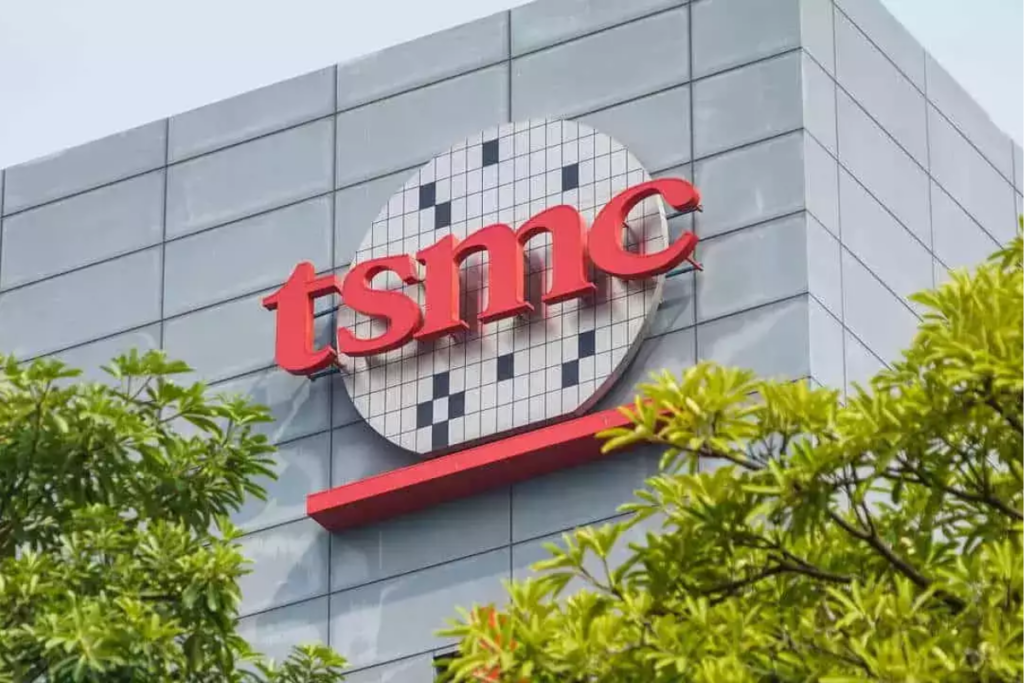
The 2nm process node is the most advanced, cutting-edge node in the industry, and it’s none other than TSMC leading the next-generation wave of advanced chips. The Taiwanese chip giant has managed to achieve yields favorable for mass-producing 2nm wafers, but unfortunately, that is not enough to meet demand for AI chips and mobile SoCs, forcing smartphone brands to opt for silicon downgrades later this year.
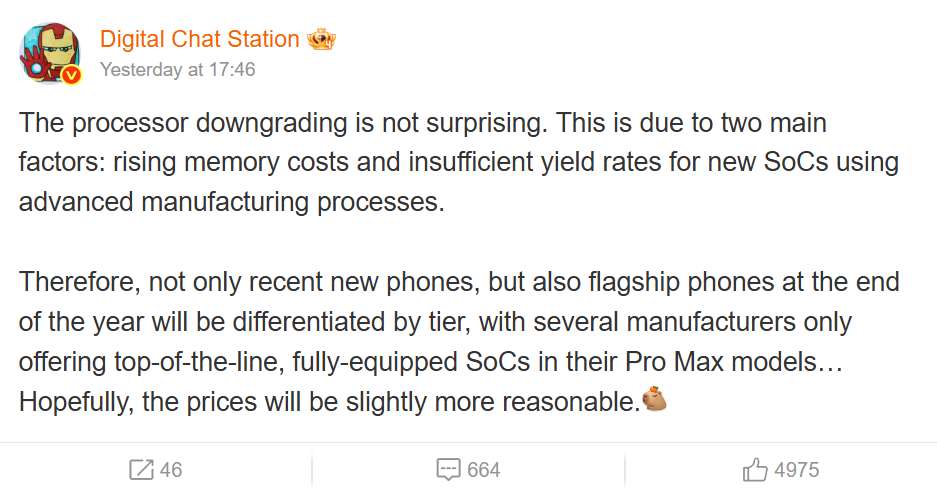
According to a reliable Chinese tipster, Digital Chat Station, multiple smartphone brands will offer fully equipped SoCs only in their top-of-the-line “Ultra” or “Pro Max” models because of rising memory costs and the chip crisis. While the tipster doesn’t explicitly mention “TSMC,” it doesn’t take long to realize where the fingers are pointing to.
While the complexities of mass-producing advanced wafers at a larger scale pose a major challenge for the Taiwanese chip giant, AI and mobile are competing for the same advanced nodes, only worsening the supply crunch. According to industry reports, much of N2 capacity through 2026 is already effectively sold out, with Apple, Qualcomm, Nvidia, and AMD locking in large allocations. Apple alone is reported to have more than half of the initial N2 capacity.
Also read: TSMC hits 5GHz speeds on smartphone processors, leaving Huawei generations behind
Samsung is the most prominent alternative to TSMC, but it is struggling even worse in bringing up its 2nm GAA yields. That leaves smartphone brands with limited supply, so it wouldn’t be surprising to see high-end chips being reserved for top-end models. This explains why Qualcomm is rumored to launch Snapdragon 8 Elite Gen 6 and Snapdragon 8 Elite Gen 6 Pro as part of its dual-chip launch strategy. Apple is also said to follow a similar approach with its A20 and A20 Pro.
Even MediaTek is reportedly adopting the same strategy, offering the Dimensity 9600 and Dimensity 9600 Pro. The more affordable SoC will be offered to less premium phones, and the more expensive silicon will be reserved for top-end phones. We can also expect smartphone prices to rise, with the DRAM crisis among the main culprits.
For more daily updates, please visit our News Section. Also, join our Telegram community and sign up for our daily newsletter to stay on top of latest happenings in tech.
source – Digital Chat Station | via: wccftech





Comments