Advertisement

Asus TUF Gaming T700 Mini desktop, F16, Made in India A15 arrive with military-grade durability

Asus has been steadily broadening its gaming hardware portfolio in 2026 across both TUF Gaming laptops and gaming desktops. Following its previous ROG and TUF Gaming India refresh, the company has now expanded its TUF Gaming lineup in India with three new devices aimed at students, multitaskers, and desktop gamers.

Asus TUF Gaming F16 and TUF Gaming A15

ASUS TUF Gaming F16 and Gaming A15

Designed for users balancing coursework and gaming, the TUF Gaming F16 pairs MIL-STD-810H durability with Intel Core 5 205H and Core 7 230H processor options. Its standout advantage over typical mid-range rivals is expandability, supporting up to 64GB RAM and 4TB SSD storage alongside dual-fan cooling with thin blades. Connectivity includes a LAN port, HDMI 2.1, and USB-C with Power Delivery for flexible desk setups.

The TUF Gaming F16 starts at Rs 1,39,990 (~$1,498) for the FX607VJG-TU406WS and Rs 1,54,990 (~$1,659) for the FX607VJG-TU407WS, with EMI options from Rs 7,777 (~$83). It will be available from November 18 via Asus Exclusive Stores, Reliance Digital, Croma, Vijay Sales, Flipkart, Amazon, and the Asus Eshop.

Expanding local production, the Made in India TUF Gaming A15 (FA506NCG) combines an AMD Ryzen 7 155 processor with Nvidia GeForce RTX 3050 graphics. While the RTX 3050 targets entry-level 1080p gaming rather than flagship ray tracing, the laptop keeps MIL-STD-810H toughness, dual-fan cooling with large rear exhausts, dual USB Type-C ports, HDMI 2.1, and upgrade support for up to 64GB RAM and a 2TB SSD.

The TUF Gaming A15 starts at Rs 1,32,990 (~$1,423) and will be available from December 1 via Asus Exclusive Stores, Reliance Digital, Croma, Vijay Sales, Flipkart, Amazon, and the Asus Eshop.

Asus TUF Gaming T700 Mini

Asus TUF Gaming T700 Mini

For compact desktop gaming, the TUF Gaming T700 Mini brings an anime-inspired chassis with tool-less access for straightforward upgrades up to 64GB DDR5 RAM and a 2TB SSD. It pairs Intel Core Ultra 5 processor options with up to Nvidia GeForce RTX 5060 8GB graphics, an enterprise-grade Asus motherboard with solid capacitors, an 80 PLUS Platinum power supply, nine USB ports, USB-C, multi-display support, and MIL-STD-810H durability.

The TUF desktop is priced at Rs 1,84,990 (~$1,980) and Rs 2,09,990 (~$2,247). Starting December 1, it will be availabe via Asus Exclusive Stores, Flipkart, Amazon, and the Asus Eshop.

For daily updates, please visit our News Section.

Huawei Mate X8 crease nearly invisible in leaked video, launch on November 24

Huawei has set a November 24 launch date for the Mate X8, and its official renders have already revealed five colors and four memory configurations. Digital Chat Station had also claimed ultra-flat crease technology for the foldable. Now, a new leaked video gives a closer look at its inner display.

Huawei Mate X8 crease shows up in new video

Huawei Mate X8
Huawei Mate X8

The 18-second clip, shared by a Weibo user, shows a light purple Mate X8 unfolded outdoors and tilted at different angles under daylight. The inner screen has a glossy finish that picks up reflections, yet the fold area shows almost no visible dip, even at steep angles where creases usually stand out.

Huawei Mate X8 crease video

That lines up with Huawei’s own marketing. Its offline posters in China are built around three words, “Large, Bright and Flat,” and tipster FixedFocus previously claimed the phone uses a new magnetic hinge with an improved inner panel.

If it holds up, the Mate X8 would put pressure on its Western rivals. The Galaxy Z Fold 8 looked nearly creaseless at launch, but its crease became noticeably more visible after a week of use. The iPhone Duo hides its crease well at rest, but hands-on videos showed a dip you can feel and an unusually soft surface over the hinge. The leaked video shows a fresh unit, so long-term durability remains the real test.

Huawei Mate X8 specifications (rumored)

The Mate X8 is tipped to feature a 6.5-inch cover screen and an 8.15-inch inner display with ultra-thin glass, up from 6.49 and 8 inches on the Mate X7. It could run the Kirin 9050 Pro and pack a battery of more than 6,000mAh. The rear camera system reportedly pairs a 50-megapixel main sensor with a variable aperture and a 50-megapixel RYYB periscope telephoto.

Huawei’s store lists 12GB+256GB and 12GB+512GB versions, plus 16GB+512GB and 16GB+1TB Collector’s Editions. The phone debuts in China on November 24, and Huawei hasn’t announced global availability yet. The Mate X7 reached international markets a few weeks after its China launch, so a similar rollout is possible.

For daily updates, please visit our News Section.

iPad Mini 8 vs RedMagic Astra 2: Which Compact Tablet Is the Better Buy?

iPad Mini 8 and RedMagic Astra 2 bring flagship-level hardware to the compact tablet segment, but they cater to different priorities. Apple’s tablet focuses on portability, productivity and its premium ecosystem, while RedMagic puts gaming performance, a high-refresh-rate display and battery capacity first. Both cost around $700 internationally, but their pricing in India makes this comparison particularly interesting.

iPad Mini 8 vs RedMagic Astra 2

1. Major Features:

CategoryiPad Mini 8RedMagic Astra 2Winner
Dimensions195.3 x 132.6 x 5.4 mm207.1 x 134.2 x 6.9 mmApple – More compact and slimmer
Weight255g (Wi-Fi) / 263g (Cellular)363gApple – Significantly lighter
BuildGlass front, aluminium back and frameGlass front, aluminium back and frameRedMagic – Aviation-grade aluminium frame
Water ResistanceIP67IP54Apple – Better dust and water protection
Display TypeSuper Retina XDR OLEDOLED, 1B colours, HDRApple – Premium display technology
Display Size8.5 inches9.06 inchesRedMagic – Larger viewing area
Resolution1512 x 2316 pixels1504 x 2400 pixelsApple – Higher pixel density
Refresh Rate120Hz185HzRedMagic – Higher refresh rate
Peak Brightness1200 nits (HBM)1600 nitsRedMagic – Higher peak brightness
Display ProtectionAnti-reflective coatingCorning Gorilla Glass 3Apple – Anti-reflective treatment
Operating SystemiPadOS 27.2Android 16, RedMagic OS 11.5Apple – More established tablet ecosystem
ChipsetApple A20 Pro (2nm)Snapdragon 8 Elite Gen 5 (3nm)Tie – Both flagship-class processors
CPUPenta-core / Hexa-core (512GB)Octa-coreRedMagic – More CPU cores
GPUApple GPU (7-core)Adreno 840Tie – Powerful flagship graphics
RAM12GB12GB / 16GBRedMagic – Higher maximum RAM
Storage128GB / 256GB / 512GB256GB / 512GB / 1TBRedMagic – Higher maximum storage
Storage TechnologyNot specifiedUFS 4.1 ProRedMagic – Specified high-speed storage
Rear Camera12MP, f/1.8, AF13MP, f/2.2, PDAFApple – Wider aperture
Rear Camera Video4K@24/25/30/60fps4K@30fpsApple – More recording options
Front Camera12MP, ultrawide, 122˚9MPApple – Higher resolution and wider field of view
Front Camera Video1080p@25/30/60fps1080p@30fpsApple – More frame-rate options
LoudspeakerStereo audio using Acoustic DisplayStereo speakersRedMagic – Dedicated stereo speakers
Audio TechnologyAcoustic DisplaySnapdragon SoundRedMagic – Snapdragon Sound support
Wi-FiWi-Fi 7Wi-Fi 7Tie – Same Wi-Fi generation
Bluetooth6.06.0Tie – Same Bluetooth version
USBUSB Type-C 3.1 Gen 2, DisplayPortDual USB Type-C 3.2 Gen 2 and USB Type-C 2.0, DisplayPortRedMagic – Dual USB-C connectivity
GPSYes (Cellular model only)NoApple – GPS support
Fingerprint SensorTop-mountedSide-mountedTie – Both offer fingerprint recognition
Battery4900mAh8300mAhRedMagic – Larger battery capacity
Charging50% in 30 minutes75W wiredRedMagic – Faster charging support
Bypass Charging–YesRedMagic – Dedicated bypass charging
Stylus SupportYesNot specifiedApple – Stylus support
RGB Lighting–YesRedMagic – Customisable gaming aesthetic
PriceApprox. $700 / ₹83,000Approx. $700 / ₹1,00,000+ (imported in India)Apple – More affordable in India
Disclaimer: Specs are based on available data. Actual performance may vary. Verify details from official sources before buying.

2. Design and Display

Build Quality

The iPad Mini 8 is considerably easier to carry, measuring 195.3 x 132.6 x 5.4mm and weighing just 255g for the Wi-Fi model. Its glass front, aluminium back and aluminium frame give it a premium finish, while IP67 protection provides resistance against dust and water immersion up to 1 metre for 30 minutes. The RedMagic Astra 2, measuring 207.1 x 134.2 x 6.9mm and weighing 363g, is noticeably heavier. However, its aluminium construction, aviation-grade frame and RGB lighting give it a distinctive gaming aesthetic. Its IP54 rating provides basic dust and splash protection.

Display & Multimedia

The RedMagic Astra 2 features a larger 9.06-inch OLED display with a 185Hz refresh rate, HDR support and up to 1600 nits peak brightness. It is particularly appealing for gaming, where the higher refresh rate can deliver smoother visuals. The iPad Mini 8 features an 8.5-inch Super Retina XDR OLED panel with a 120Hz refresh rate and up to 1200 nits HBM brightness. Its anti-reflective coating and 3:2 aspect ratio make it well-suited to reading, browsing and productivity.

Verdict

The Astra 2 offers a more gaming-oriented display with a higher refresh rate and larger viewing area. However, the iPad Mini 8 is the better everyday companion thanks to its lighter construction, slimmer body and superior IP rating.

3. Performance and Software

Processor & UI Smoothness

The iPad Mini 8 runs on Apple’s A20 Pro chipset, built on a 2nm process. It features a penta-core CPU on the 128GB and 256GB variants, while the 512GB model gets a hexa-core configuration. Its Apple GPU with seven graphics cores provides the hardware foundation for demanding applications and games. On the other hand, the RedMagic Astra 2 is powered by Qualcomm’s Snapdragon 8 Elite Gen 5, manufactured on a 3nm process. Its octa-core CPU and Adreno 840 GPU are designed to handle demanding gaming workloads. Both tablets offer flagship-class hardware, although their real-world performance will depend on application optimisation and workload.

Productivity & Multitasking

The RedMagic Astra 2 comes with 12GB RAM in its 256GB variant and 16GB RAM in its 512GB and 1TB configurations. The iPad Mini 8 offers 12GB RAM across all storage variants. RedMagic uses Android 16 with RedMagic OS 11.5, while Apple runs iPadOS 27.2. The Astra 2 also benefits from UFS 4.1 Pro storage, whereas the iPad Mini 8 offers a more established tablet application ecosystem. Both lack microSD card expansion.

Verdict

The Astra 2 is the more specialised option for gaming enthusiasts, particularly with its Adreno 840 GPU, higher RAM configurations and gaming-focused software. However, the iPad Mini 8 offers a more mature tablet experience for productivity, creative applications and everyday multitasking.

4. Battery and Accessories

Battery Life

The RedMagic Astra 2 has a significant advantage in battery capacity, featuring an 8300mAh battery compared with the iPad Mini 8’s 4900mAh unit. This gives RedMagic more battery capacity to work with during extended gaming and entertainment sessions. It also supports 75W wired charging, considerably faster than Apple’s charging arrangement, which can reach 50% in 30 minutes. Another useful addition is bypass charging, allowing users to power the tablet directly during extended gaming sessions without relying entirely on the battery. Actual battery life will still depend on usage, especially considering the Astra 2’s 185Hz display.

Stylus, Keyboard & Ecosystem

The iPad Mini 8 supports stylus input, making it a more practical choice for handwritten notes, drawing and annotations. Apple’s accessory ecosystem also gives it an advantage for users already invested in its products. The RedMagic Astra 2 takes a different approach, offering magnetic connector pins and bypass charging that suit gaming setups. However, its available specifications do not establish comparable dedicated stylus and keyboard support.

Verdict

The RedMagic Astra 2 wins comfortably in battery capacity, charging speed and gaming-oriented power management. The iPad Mini 8, however, is better suited to users who want stylus-based productivity and a more established accessory ecosystem.

5. Camera & Media

Rear and Front Camera

The iPad Mini 8 features a 12MP rear camera with an f/1.8 aperture and autofocus. It supports HDR, panorama and 4K video recording at up to 60fps. Its front camera is another 12MP sensor with an f/2.0 aperture and a 122-degree ultrawide field of view, making it particularly useful for video calls and group conversations.

The RedMagic Astra 2 features a 13MP rear camera with an f/2.2 aperture and PDAF, accompanied by an LED flash. It supports 4K video recording at 30fps. On the front, it has a 9MP camera with 1080p video recording. Although the Astra 2 has a higher-resolution rear camera, the iPad Mini 8 offers a more versatile camera configuration, particularly for front-facing use.

Video & Audio Quality

Apple’s tablet has an advantage in video recording flexibility, supporting 4K at 60fps and 1080p recording at up to 240fps. The Astra 2 supports 4K at 30fps. For audio, the RedMagic tablet features stereo speakers and Snapdragon Sound, while the iPad Mini 8 uses stereo audio through Acoustic Display technology.

Verdict

The iPad Mini 8 is the better choice for video calls, front-camera use and recording flexibility. The Astra 2 remains capable of handling everyday photography and entertainment, but Apple’s more versatile camera hardware gives it the advantage.

6. Pricing

Both tablets have an approximate international price of $700, making them direct competitors in terms of their global positioning. However, the situation is quite different in India. The iPad Mini 8 costs approximately ₹83,000, offering buyers a more straightforward purchasing option through Apple’s retail channels.

The RedMagic Astra 2 is not officially available in India. Buyers looking to import it through third-party sellers may have to spend ₹1,00,000 or more after accounting for import duties, GST and other applicable taxes. This creates a substantial price difference between the two tablets, despite their similar international pricing.

At around ₹83,000, the iPad Mini 8 is already a premium purchase, but the Astra 2’s imported pricing makes it considerably harder to justify. Its gaming hardware is impressive, although paying over ₹1 lakh for a tablet without official Indian availability may not appeal to most buyers.

Verdict: The iPad Mini 8 is the more sensible purchase in India. The Astra 2 offers attractive hardware at its international price, but its import costs significantly reduce its value.

Disclaimer:
Prices are approximate and may vary based on country, region, launch timing, and applicable taxes. Always check whether the listed price is for a China unit or a global/international variant when purchasing.

7. Conclusion

The iPad Mini 8 and RedMagic Astra 2 each have distinct advantages that make them appealing to different audiences. Apple’s tablet combines a 2nm A20 Pro chipset, Super Retina XDR OLED display, IP67 protection, stylus support and a lightweight design. It is a well-rounded compact tablet for entertainment, productivity and creative work.

The RedMagic Astra 2, meanwhile, is built around gaming. Its Snapdragon 8 Elite Gen 5 processor, Adreno 840 GPU, 185Hz OLED display, up to 16GB RAM and 8300mAh battery give it a more specialised hardware package. RGB lighting and bypass charging further strengthen its appeal to gaming enthusiasts.

Verdict

The iPad Mini 8 is the better all-round compact tablet, particularly for Indian buyers. Its portability, display quality, software ecosystem and more accessible pricing make it easier to recommend for everyday use. The RedMagic Astra 2 is the more exciting choice for dedicated gamers who want a larger high-refresh-rate display, powerful Android hardware and a bigger battery.

However, its unofficial availability and ₹1 lakh-plus imported price are significant drawbacks. Unless gaming is the primary reason for buying a tablet, the iPad Mini 8 offers the more balanced overall package.

Disclaimer: Prices, specifications, and availability may vary by region and retailer. Recommendations in this article are based on editorial opinion, feature-based value, and market positioning at the time of writing. Readers are advised to do their own research before making a purchase.

Read More:

Samsung’s bezel-less phone display could arrive before Apple’s 20th anniversary iPhone

Samsung could be preparing a major design change for its future Galaxy smartphones as the industry looks towards an almost bezel-free display. Apple is also reportedly exploring a new screen for its 20th anniversary iPhone, expected in 2027. Neither company has confirmed its plans, but recent supply chain reports suggest the race to eliminate bezels is heating up.

Samsung reportedly developing a bezel-less Galaxy display

Samsung Galaxy S26 Ultra

According to a South Korean Naver post, Samsung is considering an “extremely bezel-less” display for some upcoming Galaxy flagships. Tipster Lanzuk, citing a Samsung supplier, says the display would be almost on par with the one a “certain company” is preparing. That company is not named, but it is widely believed to be Apple, which relies on Samsung Display as a main OLED panel supplier.

The report does not say whether Samsung would use quad-curved glass similar to what is rumored for the anniversary iPhone, or a flat panel with extremely thin borders. For context, the Galaxy S27 Ultra was recently tipped to have 1.28mm bezels.

The report says development of the display itself is progressing without major issues, with remaining problems limited to “other technical parts.” It carries an accuracy rating of around 50 percent, so it should be treated as a rumor.

Samsung could beat Apple to the bezel-less design

Apple iPhone 17 Pro
Apple iPhone 17 Pro

Earlier reports suggested Apple’s 20th anniversary iPhone could adopt a four-sided curved display, and a recent leak showed a quad-curved front glass sample with extremely thin borders.

If Samsung brings the new display to a Galaxy flagship before the anniversary iPhone arrives, it could take an early lead. The Galaxy S27 series, expected in early 2027, is one possible candidate, with the S27 Ultra and S27 Pro the likeliest options, although the report names no specific phone or timeline.

A near-bezel-free design could look more immersive, but accidental touches, screen protection and durability remain concerns.

For daily updates, please visit our News Section.

Motorola Signature 27 loses 1,500mAh in Germany, Motorola explains

Motorola recently launched the Signature 27 as its latest premium smartphone, alongside the Moto Buds Ultra 27 and Watch Fit 27. One of its biggest highlights is a 7,000mAh battery, which gives it an advantage over several competing flagship phones. However, an earlier regulatory filing raised questions about whether all markets would receive the same battery configuration. Motorola has now confirmed the regional difference and explained the reason behind it.

Motorola Signature 27 battery downgrade confirmed

Comparison
Side by side comparison of the Motorola Signature 27 and iPhone 18 Pro Max.
The iPhone 18 Pro Max is $100 cheaper than the Motorola Signature 27 at 512GB.
Here is what Motorola gives you for the extra money →
Motorola Signature 27

Motorola has confirmed that the Signature 27 sold in Germany will feature a different battery configuration, packing a 5,500mAh unit instead of the 7,000mAh battery available in other markets. The company attributed the difference to local regulatory requirements concerning lithium batteries, particularly their transportation and logistics.

The change represents a 1,500mAh reduction, meaning German buyers will miss out on approximately 21.4 percent of the battery capacity offered by the standard variant. That’s despite paying the full €1,899 price for the phone’s only German configuration, which pairs 12GB of RAM with 512GB of storage.

The confirmation follows the discovery of two Signature 27 variants in the European Product Registry for Energy Labelling (EPREL) database. The XT2701-1 model has a rated battery capacity of 6,790mAh, corresponding to 7,000mAh typical capacity. Meanwhile, the XT2701-5 variant has a rated capacity of 5,350mAh, translating to 5,500mAh typical capacity.

Motorola Signature 27 battery life and regional availability

Motorola Signature 27

The difference also shows up in the EU energy label’s endurance ratings. The 7,000mAh version is rated for 77 hours and 45 minutes per charge, while the 5,500mAh configuration is rated for 61 hours and 29 minutes. That’s a gap of more than 16 hours in standardized testing. On the bright side, both variants support the same 90W wired charging, so the smaller cell should fill up faster.

Adding to the confusion, Motorola updated its German product page last week to list a 7,000mAh battery, and the page still shows that figure. Its UK page previously mentioned the 5,500mAh capacity before being updated to show 7,000mAh as well. Since the statement only identifies Germany, other markets should get the larger battery, though Motorola hasn’t explicitly ruled it out.

The development is an unusual compromise for a premium smartphone, particularly when battery endurance is one of the Signature 27’s major selling points against rivals like the Galaxy S26 Ultra. While 5,500mAh is still larger than the original Signature’s 5,200mAh cell, buyers expecting the advertised 7,000mAh battery should check the specifications of their regional variant before purchasing.

For daily updates, please visit our News Section.

OnePlus Turbo 7 Pro certified with 100W charging ahead of launch

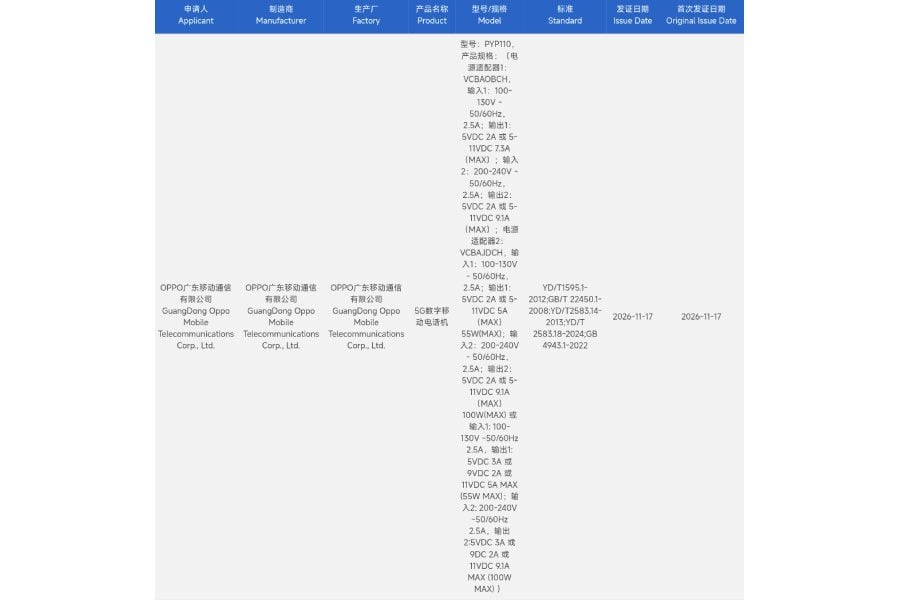
The upcoming OnePlus Turbo 7 Pro has passed China’s 3C certification with the model number PYP110, and it all but confirms 100W wired charging.

The certification follows an earlier specification leak which claims the phone would pack a battery of at least 9,000mAh. Reportedly, the engineering sample even has a 10,000mAh cell.

Official 3C certification document showing technical specifications for the OnePlus Turbo 7 Pro.

Moreover, the handset is tipped to feature a 6.78-inch flat display with a 1.5K resolution and a 185Hz refresh rate. Under the hood, it’s been reported to use Qualcomm’s 3nm SM8845 Pro. The chipset has been linked to the unconfirmed or leaked Snapdragon 8 Gen 5 Pro. Its rear camera setup could include a 200MP primary sensor with a large sensor format.

Comparison
Side-by-side comparison of the OnePlus Turbo 6V and OnePlus Turbo 6 smartphones.
The OnePlus Turbo 6V and Turbo 6 have the same size, a massive battery and a similar camera setup. The chip and the screen differ.
Here is whether the Turbo 6 is worth the extra money →

The OnePlus Turbo 6 launched in January with 80W charging and a 9,000mAh battery. Moving to 100W would be a clear upgrade. It would also bring the phone in line with the OnePlus Ace 7 series, which comes with 9,000mAh batteries and 100W SuperVOOC charging.

Paired with a battery close to 9,000mAh, 100W charging could help reduce charging times. However, the listing does not reveal the battery capacity of the OnePlus Turbo 7 Pro.

OnePlus has not confirmed the name, specifications, price, or launch date of the Turbo 7 Pro. The earlier report described it as a phone aimed at gamers and people who want long battery life. It is expected to join the Turbo lineup in China. Phones often appear on 3C ahead of their launch, so more details could surface soon.

Vivo reportedly undecided between Snapdragon 8 Elite Gen 6 and Dimensity 9600 Pro for its next foldable

Vivo X Fold 6 is the company’s current best foldable, launched in China this June, and followed by a global release in September. We won’t see its successor until next year, but initial industry leaks about the Vivo X Fold 7 may have started surfacing online.

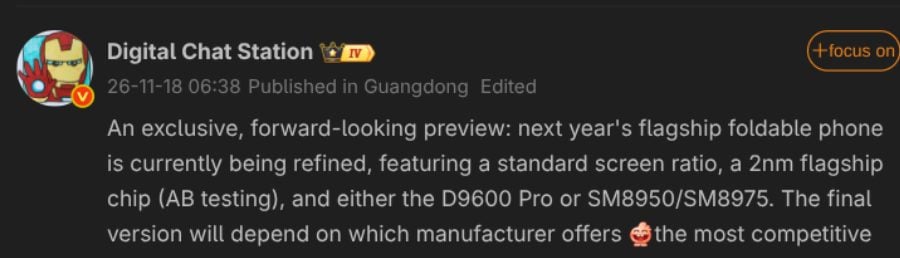
Tipster Digital Chat Station from Weibo shared today that Vivo’s next-year flagship foldable is currently in development with a standard aspect ratio of 20:9. Vivo doesn’t seem to be intending to change the form factor of its main foldable lineup to a wider design like Samsung’s Z Fold 8 or Apple’s iPhone Duo.

Comparison
Comparison graphic showing the Snapdragon 8 Elite Gen 6 versus the MediaTek Dimensity 9600.
MediaTek launched the Dimensity 9600 Pro and the 9600M, but not the regular Dimensity 9600.
Here is how the chip compares with the Snapdragon 8 Elite Gen 6 →

What Vivo apparently hasn’t decided yet is the chipset. The company is said to be considering a 2nm Android flagship chip, but is torn between MediaTek’s Dimensity 9600 Pro and Qualcomm’s Snapdragon 8 Elite Gen 6 series. DCS says the decision will depend on which chip makers offer a more competitive price.

Dimensity 9600 Pro is apparently more expensive

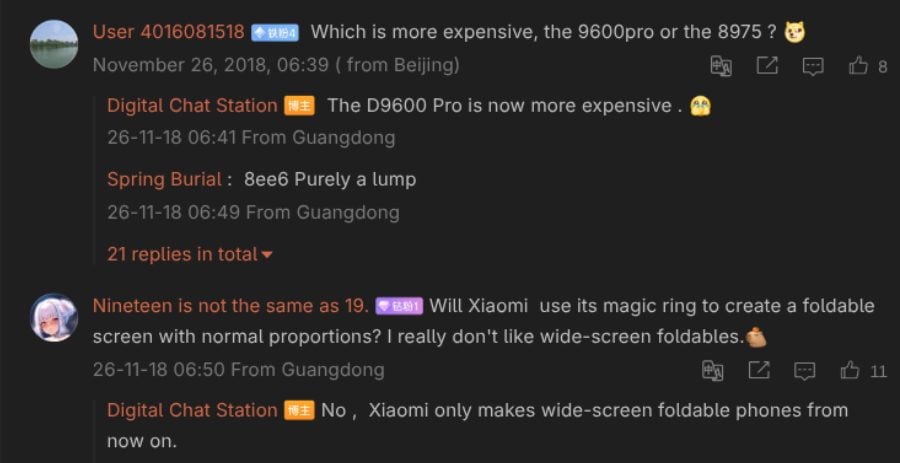
There are a few extra details the tipster shared in the comments section of the post. One of them is the claim that the Dimensity 9600 Pro is more expensive than the Snapdragon 8 Elite Extreme Gen 6.

Our September report, citing Taiwanese outlet Tai Pao, revealed that the Dimensity 9600 Pro is priced at $220, a new high for MediaTek’s top-tier SoC. Qualcomm’s competing Snapdragon 8 Elite Extreme Gen 6 is said to cost even more, at around $300 per chip. If that report is to be trusted, the Dimensity 9600 Pro might now cost more than $300.

Another claim is that Xiaomi will only be making wide-screen foldables going forward. The current Xiaomi 18 Fold is already a wide foldable, so there are no surprises there. More recently, a wide-screen phone from Xiaomi came to light with a 6.3- to 6.4-inch display, suggesting Xiaomi is actively working in this category.

Xiaomi launches Watch S5 41mm globally with 3,000-nit AMOLED display and 14-day battery life

Xiaomi is rolling out the 41mm version of its Watch S5 to international markets following its initial launch in China this past September. The smartwatch is now available in Europe for €229.90 and in the UK for £169.99, offering a standard set of fitness tracking features and a brighter screen.

Xiaomi Watch S5 41mm

Xiaomi Watch S5 41mm Specifications

The Watch S5 41mm is a relatively compact device, measuring 41.4mm across and 9.9mm thick, with a weight of 36 grams without the strap. The casing is made of stainless steel and uses a floating lug design that the company says is meant to improve how the watch sits on the wrist.

Xiaomi Watch S5 41mm

It comes in three variants: standard Black and Light Blue options that include fluororubber bands, and a Ceramic White version that adds a ceramic bezel and a leather strap.

Comparison
A person wears a Xiaomi Watch S5 on their wrist while carrying a backpack.
The Xiaomi Watch 5 runs Wear OS 6 with Google Gemini.
Here is how it compares with the Apple Watch Series 11 and the Galaxy Watch 8 →

The display is a 1.32-inch AMOLED screen with a 466 x 466 resolution and a 60Hz refresh rate. The main hardware update here is the brightness. While the standard high-brightness mode tops out at 1,500 nits, the screen can reach a peak brightness of 3,000 nits, which should help with visibility in direct sunlight.

Xiaomi Watch S5 41mm

Inside, Xiaomi has updated its sensor array. The watch uses a new three-sensor system for tracking heart rate, blood oxygen levels, and stress. It also includes a temperature sensor with a stated margin of error of ±0.1°C. Xiaomi is using this temperature data for menstrual cycle tracking, and the watch comes with three months of advanced cycle predictions powered by a partnership with the Clue app.

Xiaomi Watch S5 41mm

For fitness tracking, the Watch S5 supports over 150 sports modes and comes with a 5ATM water resistance rating. It also features built-in GNSS with support for five satellite systems and offline map navigation. Additionally, the watch supports Bluetooth heart rate broadcasting, allowing cyclists to share real-time heart rate data with compatible cycling computers and third-party fitness apps.

The watch runs on Xiaomi’s HyperOS 4, which includes standard smartwatch features like notification mirroring, a built-in microphone and speaker for calls, and global NFC support for contactless payments via Google Pay and Xiaomi Pay.

Xiaomi Watch S5 41mm

It is powered by a 590mAh battery. Xiaomi estimates up to 14 days of battery life under light usage, eight days with normal use, and about five days if you leave the always-on display enabled.

In related news, Xiaomi has also launched the Smart Band 11 globally with a 1.72-inch AMOLED display and heart rate tracking, alongside its first clip-on earbuds featuring 11mm drivers and up to 38 hours of battery life.

Xiaomi Smart Band 11 debuts globally with 1.72-inch AMOLED display & heart rate tracking

Xiaomi has announced the global rollout of the Smart Band 11, bringing the fitness tracker to international markets following its initial release in China this past September. The wearable is priced at €59.90 in Europe and £49.99 in the UK, keeping it in the typical price bracket for the company’s line of budget-focused fitness bands.

Xiaomi Smart Band 11

Xiaomi Smart Band 11 Specifications

The hardware centers around a 1.72-inch AMOLED touchscreen. Xiaomi has reduced the bezel width to 2.0mm and included a 60Hz refresh rate, which brings the display in line with standard smartphone screens for standard scrolling and navigation. The screen is capable of reaching a peak brightness of 2000 nits, which is designed to keep the interface readable outdoors in direct sunlight.

Xiaomi Smart Band 11

In terms of physical footprint, the standard Smart Band 11 is 9.99mm thick and weighs 15.58 grams without the strap attached. It features an aluminum alloy frame and comes in four colors: Midnight Black, Glacier Silver, Mystic Rose, and Moon Gold. Xiaomi is also offering two alternative builds this year: a Unibody Edition made from a seamless piece of aluminum, and a Ceramic Edition that uses a white ceramic frame and weighs slightly more at 21.45 grams.

For health and fitness tracking, the device uses an updated dual-LED, dual-photodiode sensor module. It handles standard daily metrics like continuous heart rate, blood oxygen (SpO2), and stress monitoring, alongside sleep tracking and menstrual cycle logging.

Xiaomi Smart Band 11

The band supports over 150 sports modes and comes with a 5ATM water resistance rating. It also introduces Bluetooth heart rate broadcasting, which allows users to share heart rate data with third-party apps and cycling computers. Swimmers also get a dedicated underwater heart rate tracking feature.

Xiaomi Smart Band 11

The band connects to phones via Bluetooth 5.4 and integrates with both Android and iOS devices through the Mi Fitness app. It includes basic smartwatch functions like notification syncing, a remote camera shutter, and a remote control feature for navigating presentations or short-form video feeds.

Xiaomi Smart Band 11

For power, the band packs a 233mAh battery that offers up to 21 days of battery life under ideal conditions. However, Xiaomi claims around 10 days of battery life with typical daily use, while enabling the always-on display reduces that figure to six days. The device supports magnetic charging and takes approximately 90 minutes to fully recharge using the included cable.

In related news, Xiaomi has also launched its first clip-on earbuds globally, featuring 11mm drivers and up to 38 hours of battery life.

Galaxy A38 firmware spotted on Samsung’s test servers in Europe and the US

Samsung’s next mid-range Galaxy A phone seems to be moving along. A fresh firmware leak points to the Galaxy A38 getting closer to launch in a few key markets.

Galaxy A37 5G

Tipster Mohammed Khatri spotted the build A386BXXU0AZK3 on Samsung’s servers, and it’s listed for both Europe and the United States. That usually means the company is testing regional versions and getting the software ready. It also lines up with the model numbers that popped up earlier in the GSMA IMEI database: SM-A386B/DS for the global variant and SM-A386U for the US one.

Screenshot showing Galaxy A38 firmware build details on a server testing interface.

The A38 first appeared in certification databases back in October, so this isn’t coming completely out of nowhere. Leaks since then have given us a pretty clear picture of the camera setup: a 50MP main sensor with optical image stabilization, an 8MP ultrawide, a 5MP macro lens, and a 12MP selfie camera. That’s the same combination the Galaxy A37 used.

The more interesting part is the battery. A recent leak points to a rated capacity of around 5,882mAh, which Samsung will almost certainly market as 6,000mAh. That’s a solid jump, roughly 20% bigger than the A37’s 5,000mAh cell.

Everything else is still up in the air. We don’t have confirmed details on the processor, display, RAM and storage options, or charging speeds yet. Samsung hasn’t said a word about the phone officially, and there’s no solid launch window. Looking at how the A-series usually rolls out, a March or April 2027 debut feels realistic, possibly alongside the Galaxy A58.

Firmware showing up doesn’t mean the phone is about to drop tomorrow, but it is a clear sign that development is progressing. More hardware details and pricing should start leaking as testing continues and additional certifications surface in the next few weeks.

(Source: Mohammed Khatri)

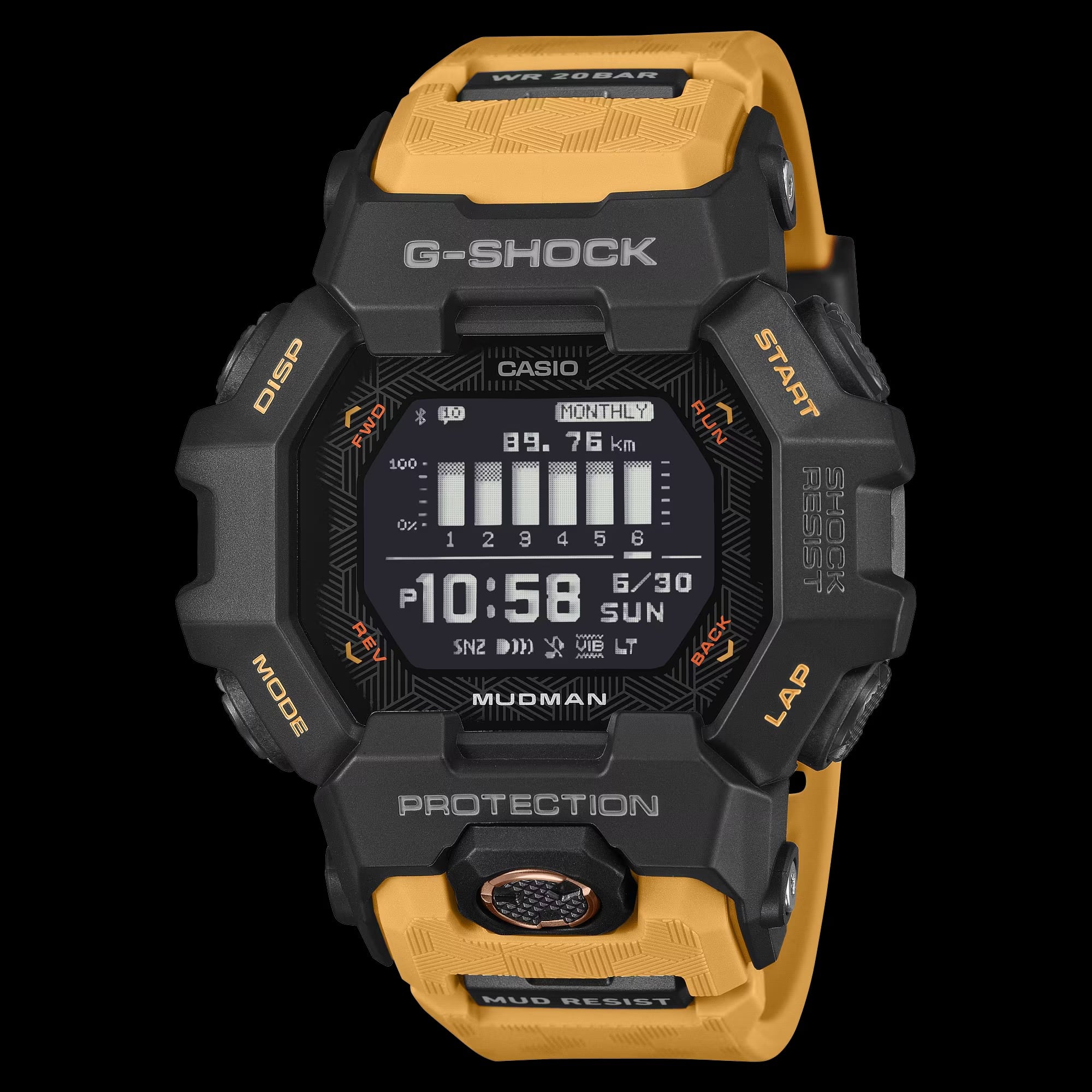
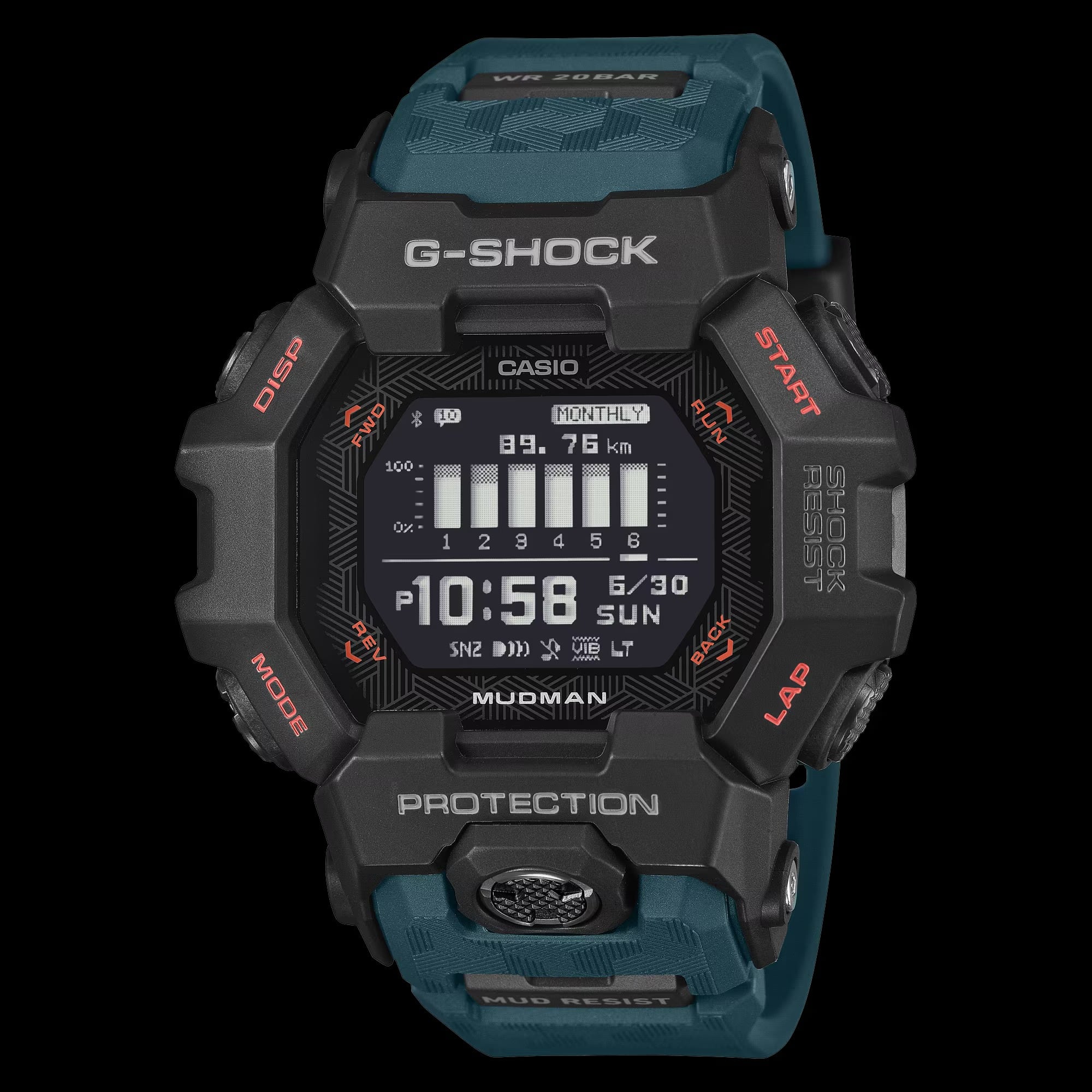
Casio brings its Bluetooth-equipped Mudman GDG-B100 watches to the US

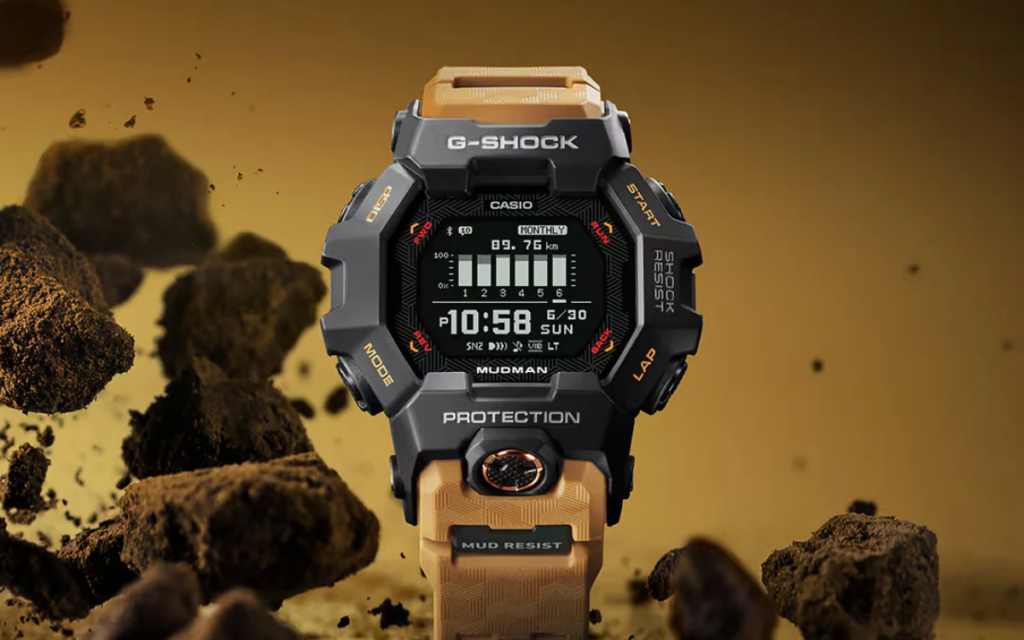
Casio is bringing its latest batch of G-Shock Mudman watches to the US. The GDG-B100 series, which initially launched in Japan last month, has been listed on the Casio US website for $250 and is slated to go on sale later this month.

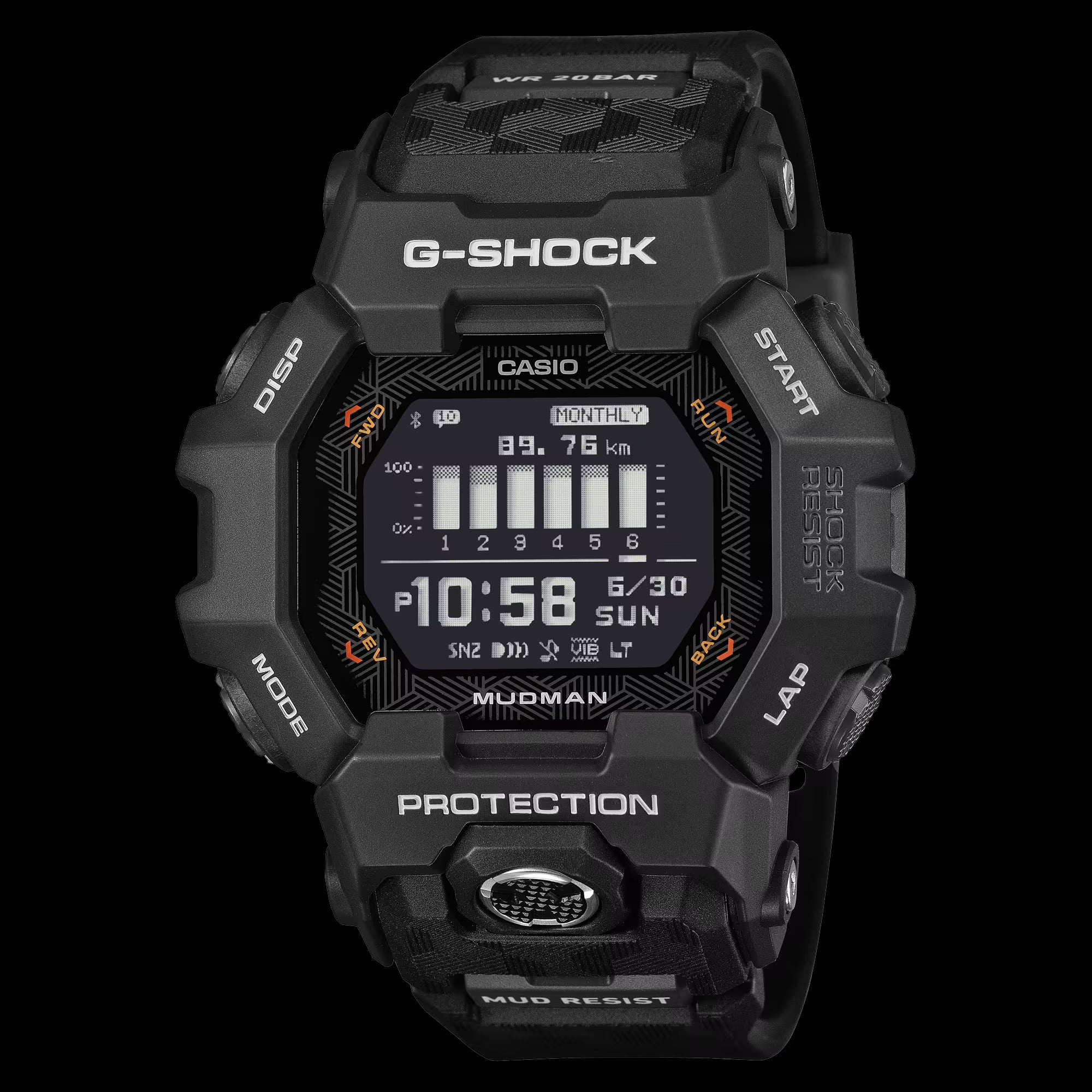
The release includes three models: the standard black GDG-B100-1, the GDG-B100-1A3, and the GDG-B100-1A5, which are identical in terms of hardware and just offer different color options.

Casio Mudman GDG-B100 watches

Design Details

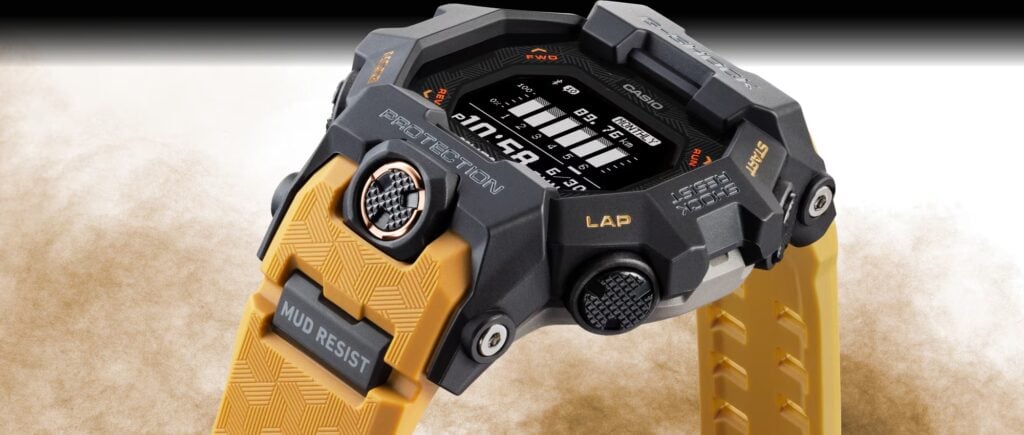
As the Mudman name suggests, the main focus here is physical durability, specifically against dirt and debris. The watch uses a bumper guard design that places the main case between a front bezel and a back bumper to take the brunt of any impacts.

The internal case is made from carbon fiber-reinforced resin to keep it stiff, and Casio put gaskets around the button shafts to stop mud and dust from getting inside. The outer parts, like the bezel and strap, are made from bio-based resin. It is a very large watch, coming in at 63.6 x 49.6 x 16.2 mm, but because it is mostly resin, it only weighs 66 grams.

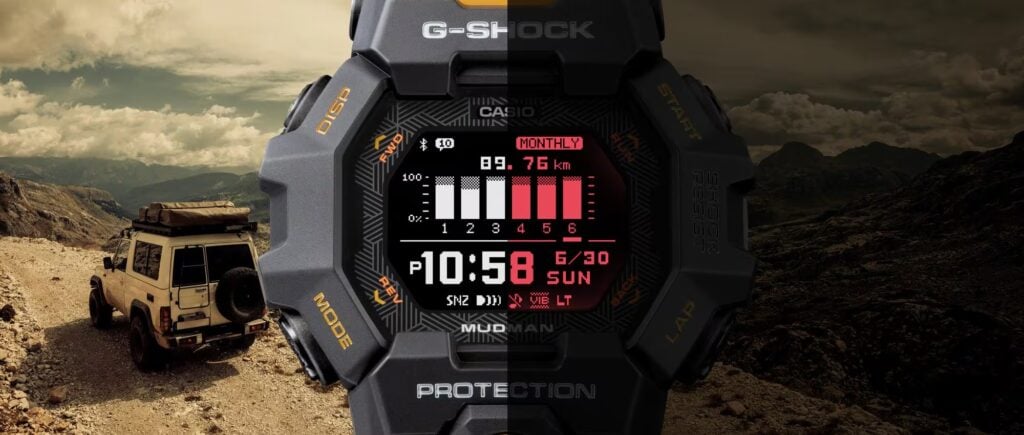
For the screen, Casio is using a Memory-in-Pixel (MIP) LCD. If you have used older digital watches, you will probably notice that MIP panels have much better contrast and are easier to read when you are outside in the sun. For checking the time in the dark, there is a red LED backlight.

Casio Mudman GDG-B100 watches

When it comes to tech features, the GDG-B100 sits somewhere between a regular digital watch and a basic fitness band. It does not have a touchscreen, a heart rate monitor, or its own GPS. Instead, it has a built-in accelerometer to count your steps and uses Bluetooth to connect to the Casio Watches app on your phone.

If you bring your phone on a run, the watch can use the phone’s GPS to track your distance, speed, and pace. After doing this a few times, the watch gets better at estimating your distance when you leave your phone at home.

Casio Mudman GDG-B100 watches

The Bluetooth connection also lets the watch vibrate when you get calls, emails, or app notifications on your phone, and it keeps the time synced automatically.

Because it skips the heavy operating system and power-hungry sensors of a full smartwatch, it runs on a standard CR2032 coin battery. You do not have to plug it in every night; Casio says the battery should last around two years, depending on how often it vibrates for notifications.

In related news, Casio has recently launched a stunning translucent purple G-Shock watch inspired by Louisiana oyster shells.

(Casio 1,2,3)

Casio launches stunning translucent purple G-Shock inspired by Louisiana oyster shells

Casio has announced the DW6900SP26-6, a new G-Shock watch created in collaboration with the US streetwear and sneaker retailer Sneaker Politics. Priced at $180, the watch is currently listed on Casio’s US website and is expected to be available for purchase later this month.

Casio G-Shock DW6900SP26-6

Casio DW6900SP26-6 Specifications

Buying guide
Infographic comparing various G-Shock watch models categorized by style and intended use.
G-Shock sells dozens of models.
Here is how to pick the right one for your use →

Rather than a standard color swap, the design of the DW6900SP26-6 is specifically themed around the Gulf Coast oyster industry. The company says that the watch is a tribute to both the regional culinary staple and the ecological practice of using recycled oyster shells as a natural building material to combat coastal erosion in Louisiana.

Casio G-Shock DW6900SP26-6

Visually, this translates to a semi-transparent purple resin case and band. The dial features iridescent blue and purple detailing designed to mimic the interior of an oyster shell, along with Sneaker Politics branding on the watch face. The classic 6900-series dial layout remains unchanged, but pressing the front-mounted G button activates a deep purple LED backlight to match the exterior hardware.

Internally, the DW6900SP26-6 retains the standard technical specifications of the G-Shock 6900 line. The watch measures 53.2 x 50 x 18.7 mm and weighs 67 grams. It features Casio’s standard shock-resistant construction, 200 meters of water resistance, and a mineral glass display.

The watch is powered by a CR2016 battery, which Casio estimates will provide roughly five years of battery life. Standard digital functions are all present, including a 1/100-second stopwatch, a 24-hour countdown timer, a multi-function alarm, a full auto-calendar, and a flash alert system that triggers the backlight for alarms and hourly time signals.

The collaboration also includes a few physical extras. The stainless steel case back features a custom engraving marking the 20th anniversary of Sneaker Politics, a boutique that started in Lafayette, Louisiana, in 2006 and has since expanded to seven locations across Louisiana, Texas, and Colorado.

Casio G-Shock DW6900SP26-6

The packaging leans heavily into the nautical theme: the watch ships inside a custom oyster net box and rests on a pearl-shaped inner pillow.

In related news, check out our roundup of the best budget Casio watches you can buy in 2026 for under $100.

(Casio)

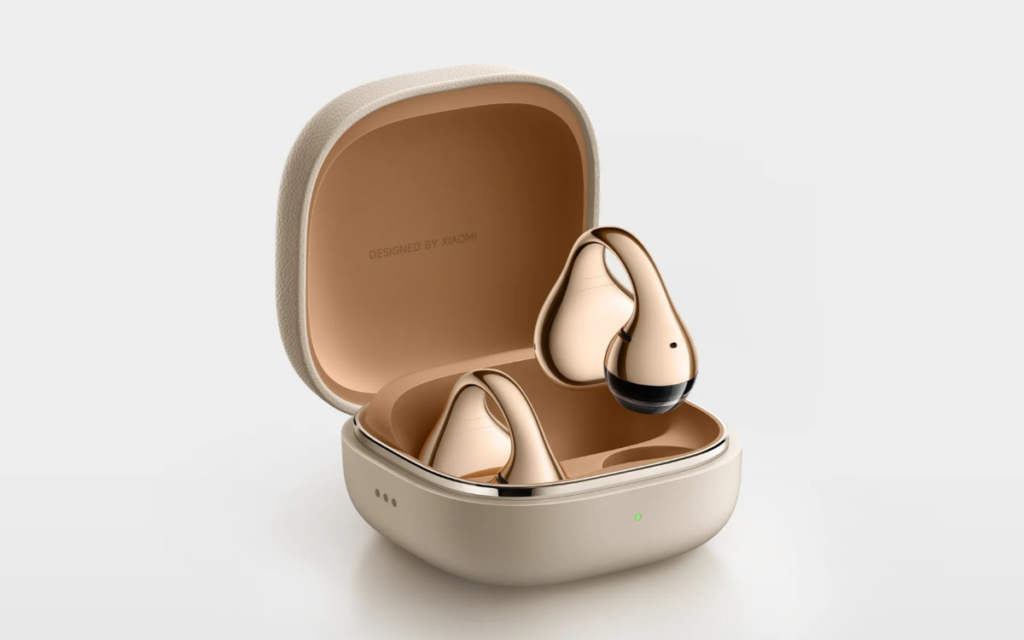
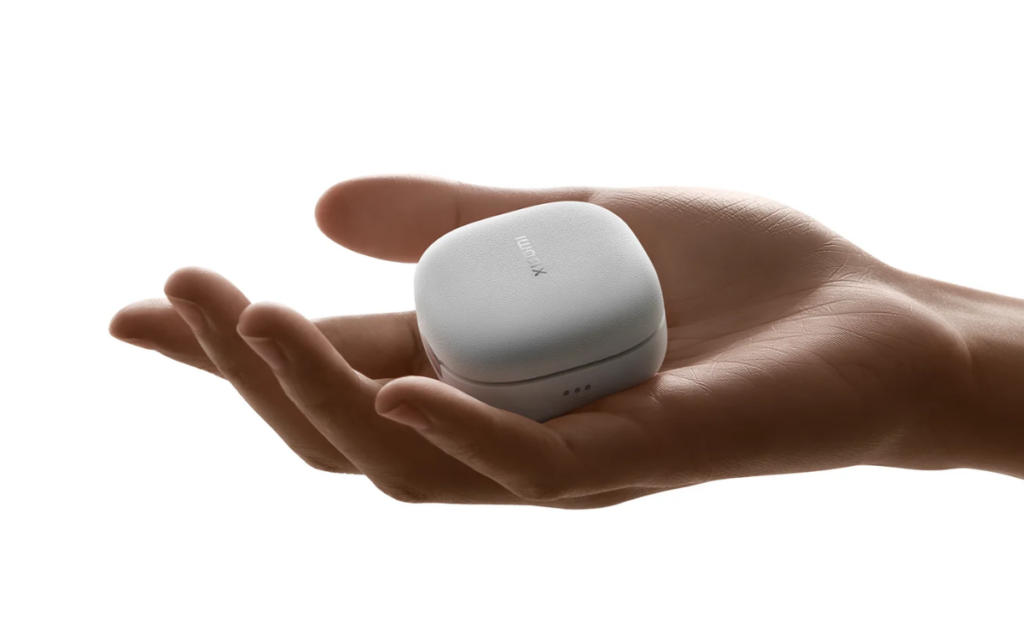
Xiaomi launches its first clip-on earbuds globally with 11mm drivers & 38h battery

Xiaomi is expanding its audio lineup with the global release of the Xiaomi Clip, a pair of open-ear, clip-on wireless earbuds. First introduced in China earlier this year, the earbuds are now available in Europe for €149.90 and the UK for £109.99. They enter a growing market of open-ear audio devices designed for people who want to maintain situational awareness while listening to music or taking calls.

Xiaomi Clip Earbuds

Xiaomi Clip Specifications

Instead of sitting inside the ear canal or using silicone tips, the Xiaomi Clip attaches to the outer ear. Each earbud weighs 5.5 grams and uses a memory titanium wire bridge to clamp onto the ear. The asymmetrical design is meant to distribute pressure evenly so the earbuds remain comfortable during long periods of wear. The charging case has a vegan leather exterior, and the earbuds feature a partially transparent housing that shows off the internal components.

Xiaomi Clip Earbuds

For audio, the Clip uses an 11mm dynamic driver. It supports the LHDC 5.0 codec, which allows for higher-resolution audio playback if you are connected to a compatible device. Because open-ear earbuds typically struggle with sound leakage, Xiaomi is using a directional sound system. The 4mm sound outlet is angled directly toward the ear canal, and the driver produces antiphase sound waves to cancel out audio that escapes, which helps keep your listening private.

Xiaomi Clip Earbuds

For voice calls, the earbuds rely on a four-microphone setup. This includes a bone-conduction Voice Pickup Unit (VPU) designed to separate the user’s voice from background noise and wind.

Battery life is rated at up to nine hours on a single charge when using the standard AAC codec, with the charging case bringing the total to 38 hours. If you switch to the higher-quality LHDC 5.0 codec, battery life drops to six hours for the earbuds and 25 hours total. The case charges via USB-C, and a 10-minute charge provides roughly 3.5 hours of playback.

Xiaomi Clip Earbuds

The earbuds come with IP57 dust and water resistance, Bluetooth 5.4, multipoint connectivity for pairing with two devices, and Apple Find My support for easy tracking. They also feature built-in audio and call recording, which you can activate by tapping the earbuds or charging case.

The Xiaomi Clip is available in four colors: Graphite Black, Frost Purple, Pearl White, and Sand Gold.

In related news, the Xiaomi 18 Pro and 18 Pro Max have also launched globally with Vibe-Code rear-screen apps.

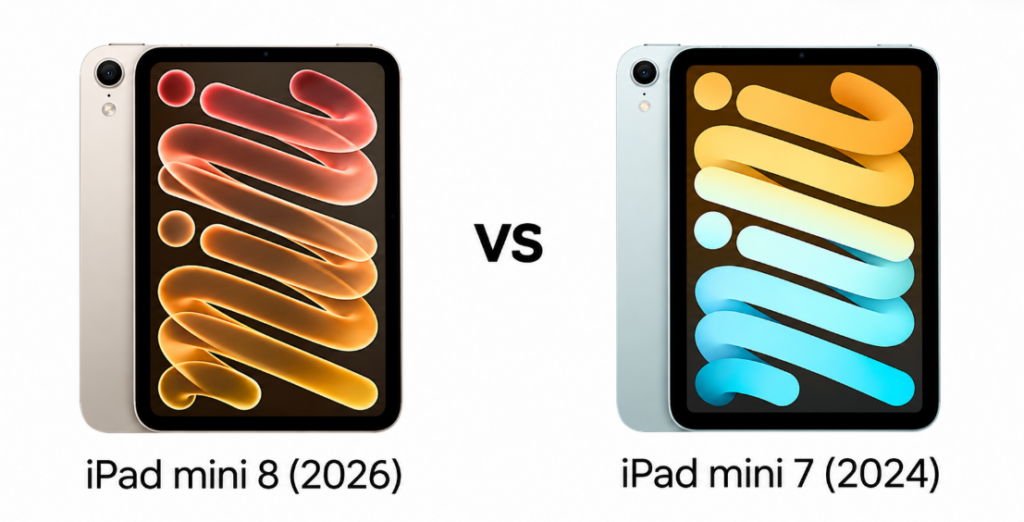
iPad mini 8 (2026) vs iPad mini 7 (2024): Is the Upgrade Worth It?

Apple’s iPad mini lineup is designed for users who want a powerful tablet without carrying a full-sized device. The iPad mini 8 (2026) takes that formula further with an OLED display, a faster A20 Pro chipset, more RAM, and a thinner design. However, these upgrades also bring a considerably higher price than the iPad mini 7 (2024). While the older model remains a capable compact tablet, the newer generation aims to deliver a more premium experience. Here’s how the two compare.

iPad mini 8 vs iPad mini 7

1. Major Upgrades:

CategoryiPad mini 8 (2026)iPad mini 7 (2024)Upgrades
Dimensions195.3 x 132.6 x 5.4 mm195.4 x 134.8 x 6.3 mmThinner and slightly narrower
Weight (Wi-Fi)255g293g38g lighter
BuildGlass front, aluminum back and frameGlass front, aluminum back and frame–
Water ResistanceIP67Not specifiedIP67 protection
Stylus SupportYesYes–
Display TypeSuper Retina XDR OLEDLiquid Retina IPS LCDOLED upgrade
Display Size8.5 inches8.3 inches0.2-inch larger
Refresh Rate120HzNot specified120Hz display
Brightness600 nits typical, 1200 nits HBM500 nits typicalHigher brightness
Resolution1512 x 2316 pixels1488 x 2266 pixelsHigher resolution
Pixel Density~325 ppi~327 ppi–
Anti-reflective CoatingYesNot specifiedAnti-reflective coating
Operating SystemiPadOS 27.2iPadOS 27.2–
ChipsetApple A20 Pro (2nm)Apple A17 Pro (3nm)Newer 2nm chipset
CPUPenta-core / Hexa-core (depending on storage)Hexa-core–
GPUApple GPU (7-core)Apple GPU (5-core)2 additional GPU cores
RAM12GB8GB4GB more RAM
Storage128GB, 256GB, 512GB128GB, 256GB, 512GB–
Rear Camera12MP, f/1.8, AF12MP, f/1.8, AF–
Rear FlashMulti-focus LED flashQuad-LED dual-tone flashMulti-focus LED flash
Rear Video4K@24/25/30/60fps4K@24/25/30/60fps–
Front Camera12MP, f/2.0, 122˚ ultrawide12MP, f/2.4, 122˚ ultrawideWider aperture
Front Video1080p@25/30/60fps1080p@25/30/60fps–
LoudspeakerStereo audio using Acoustic DisplayStereo speakersAcoustic Display technology
3.5mm JackNoNo–
Wi-FiWi-Fi 7Wi-Fi 6EWi-Fi 7
Bluetooth6.05.3Bluetooth 6.0
PositioningGPS, GLONASS (cellular only)GPS, GLONASS (cellular only)–
USBUSB Type-C 3.1 Gen 2, DisplayPortUSB Type-C 3.1 Gen 2, DisplayPort–
SensorsFingerprint, accelerometer, gyro, compass, barometerFingerprint, accelerometer, gyro, compass, barometer–
Battery4900mAh5078mAh–
Charging50% in 30 minutesNot specified50% in 30 minutes
Special FeaturesOptional nano-texture glass (512GB)–Nano-texture display option
PriceApprox. $700 / ₹83,000Approx. $600 / ₹50,000–
Disclaimer: Specs are based on available data. Actual performance may vary. Verify details from official sources before buying.

2. Design and Display

Build Quality

The iPad mini 8 brings a more refined design, measuring 195.3 x 132.6 x 5.4 mm and weighing 255g for the Wi-Fi variant. In comparison, the iPad mini 7 measures 195.4 x 134.8 x 6.3 mm and weighs 293g. This makes the newer tablet noticeably thinner and lighter, improving portability and comfort during extended use. Both feature glass fronts, aluminum backs, and aluminum frames, but the mini 8 adds IP67 dust and water resistance, offering better protection against accidental spills and immersion.

Display & Multimedia

The display is arguably the biggest upgrade. The mini 8 features an 8.5-inch Super Retina XDR OLED panel with a 120Hz refresh rate and brightness reaching 1200 nits in HBM mode. The mini 7, meanwhile, uses an 8.3-inch Liquid Retina IPS LCD with 500 nits of typical brightness. The OLED panel delivers deeper blacks, stronger contrast, and more vibrant visuals, while the higher refresh rate makes scrolling and animations smoother. Both offer similar pixel densities for sharp text and images.

Verdict

The iPad mini 8 wins comfortably with its OLED technology, smoother refresh rate, higher brightness, slimmer body, and IP67 protection. It offers a more premium experience overall.

3. Performance and Software

Processor & UI Smoothness

The iPad mini 8 upgrades to Apple’s A20 Pro chipset built on a 2nm process, replacing the A17 Pro inside the mini 7. The newer processor is expected to deliver stronger performance and improved efficiency, particularly in demanding applications. Graphics also receive an upgrade, with a seven-core Apple GPU compared with the five-core GPU in the previous generation. Memory increases from 8GB to 12GB, giving the mini 8 more headroom for demanding workloads and background applications.

Productivity & Multitasking

Both tablets run iPadOS 27.2, providing access to the same current software experience. However, the mini 8’s newer chipset and additional RAM give it an advantage when handling creative applications, editing tasks, and multitasking. Users who frequently switch between applications or work with larger files should benefit from the upgraded hardware. The mini 7 is still more than capable of everyday activities such as browsing, document editing, streaming, and digital note-taking.

Verdict

The iPad mini 8 is the stronger performer, thanks to its A20 Pro chipset, upgraded GPU, and additional 4GB of RAM. The mini 7 remains capable, but the newer model offers more performance headroom and better long-term potential.

4. Battery and Accessories

Battery Life

Interestingly, the iPad mini 8 comes with a 4900mAh battery, slightly smaller than the 5078mAh unit inside the mini 7. However, battery capacity alone does not determine endurance. The newer A20 Pro chipset’s 2nm manufacturing process could improve power efficiency, although its brighter 120Hz OLED display may also consume additional power depending on usage. The mini 8 supports wired charging and can reach 50% in 30 minutes. Actual battery endurance will depend on screen brightness, applications, and connectivity.

Stylus, Keyboard & Ecosystem

Both tablets support stylus input, making them useful for handwritten notes, sketches, annotations, and creative work. Their compact form factors also make them convenient companions to other Apple devices. The mini 8 introduces an optional nano-texture display glass configuration, available with the 512GB model. This should appeal to users who work under bright lighting or prefer reduced screen reflections. Both tablets use USB-C connectivity and lack a traditional 3.5mm headphone jack.

Verdict

Neither tablet delivers a clear battery advantage on paper. The mini 7 has a larger battery, while the mini 8 brings newer hardware and a faster charging specification. The nano-texture option gives the newer model an additional advantage for certain users.

5. Camera & Media

Rear and Front Camera

Both tablets feature a 12MP f/1.8 rear camera with autofocus, making them suitable for document scanning, casual photography, and everyday video recording. They also support HDR, panorama, and 4K recording at up to 60fps. The flash systems differ slightly, with the mini 8 featuring a multi-focus LED flash and the mini 7 using a quad-LED dual-tone flash.

The front camera also retains a 12MP ultrawide sensor with a 122-degree field of view. However, the mini 8 uses an f/2.0 aperture, compared with f/2.4 on the mini 7. This gives the newer tablet a potential advantage in low-light selfies and video calls.

Video & Audio Quality

Both support 1080p front-camera recording at up to 60fps with gyro-EIS stabilization. Audio is where the two take different approaches. The mini 7 features conventional stereo speakers, whereas the mini 8 uses stereo audio through Acoustic Display technology. This makes the newer tablet’s multimedia setup more distinctive.

Verdict

The camera upgrades are relatively modest, but the mini 8 benefits from a wider front-camera aperture and a different audio system. Neither tablet is designed to replace a dedicated camera, but both offer capable multimedia features.

6. Pricing

The iPad mini 8 carries an approximate price of $700 (₹83,000), compared with around $600 (₹50,000) for the iPad mini 7. The difference is particularly significant in India, where the newer model costs approximately ₹33,000 more.

The higher price brings several meaningful upgrades, including an OLED display, 120Hz refresh rate, A20 Pro chipset, 12GB RAM, IP67 protection, Wi-Fi 7, and Bluetooth 6.0. These improvements make the mini 8 a more advanced tablet, especially for users who want premium display quality and stronger hardware.

However, the mini 7 remains a sensible option for everyday use. Its A17 Pro processor, sharp LCD display, stylus support, and compact design are still sufficient for browsing, reading, streaming, and productivity tasks.

Verdict

The iPad mini 7 offers considerably better value for money, particularly at its approximate Indian price. The mini 8 justifies its premium through substantial hardware improvements, but those upgrades may not be necessary for every buyer.

7. Conclusion

The iPad mini 8 stands out with its 8.5-inch OLED display, 120Hz refresh rate, A20 Pro chipset, 12GB RAM, IP67 protection, and optional nano-texture glass. Its thinner and lighter construction also makes it more comfortable to carry around. These improvements collectively make it a more premium compact tablet.

The iPad mini 7, on the other hand, retains its appeal through its lower price, capable A17 Pro chipset, and larger battery capacity. It continues to deliver the essential features expected from a compact iPad without demanding a substantial investment.

Verdict

The iPad mini 8 is clearly the better tablet, but should iPad mini 7 owners upgrade? Not necessarily. The OLED display, 120Hz refresh rate, and A20 Pro chipset are major improvements, but the mini 7 remains capable for everyday use. Unless these upgrades are essential, existing owners are better off holding on to their tablets. For new buyers, however, the mini 8 is the better choice.

Disclaimer: Prices, specifications, and availability may vary by region and retailer. Recommendations in this article are based on editorial opinion, feature-based value, and market positioning at the time of writing. Readers are advised to do their own research before making a purchase.

Read More:

AOC launches new 27-inch 1440p monitor with 120Hz refresh rate and 96W USB-C charging

AOC has launched its new Q27P4C 27-inch monitor in China, designed for everyday productivity and casual gaming. The monitor is now available on JD.com for 1,499 yuan (approximately $224).

AOC Q27P4C monitor

AOC Q27P4C Specifications

The monitor features a 27-inch IPS panel with a 2560 × 1440 resolution, a 16:9 aspect ratio, and a 120Hz refresh rate. It also offers 350 nits of peak brightness, a 1500:1 static contrast ratio, and 8-bit color depth.

AOC Q27P4C Monitor

It covers 99% of the sRGB and 90% of the DCI-P3 color gamuts. AOC also included a few gaming-specific settings, like a 1ms MPRT response time and a dynamic crosshair, though the hardware is clearly built with productivity in mind.

For connectivity, the AOC Q27P4C features a USB-C port with DisplayPort Alt Mode, data transfer, and 96W power delivery for single-cable laptop connectivity. It also includes a secondary USB-C upstream port, a 15W USB-C downstream port, three USB-A 3.2 Gen 1 ports, DisplayPort 1.4, and HDMI 2.1 TMDS.

AOC Q27P4C Monitor

The monitor features a built-in KVM switch for controlling two computers with a single keyboard and mouse. It also supports Picture-by-Picture (PBP) and Picture-in-Picture (PIP) modes, along with an orientation sensor that automatically rotates screen content using AOC’s i-Menu software on Windows.

AOC Q27P4C Monitor

Physically, the monitor features an adjustable stand with 150mm height adjustment, tilt, pivot, and swivel support. It also comes with an integrated phone holder, cable management, and dual 2W speakers. For eye comfort, it includes DC dimming and TÜV Rheinland-certified low blue light technology.

In related news, AOC has recently launched the Q16T36 portable monitor featuring a 2.5K 120Hz display and 45W reverse charging, alongside a budget-friendly 1440p gaming monitor with a 275Hz refresh rate and Fast IPS panel.

(JD)

Huawei Enjoy 100 Pro Max vs Honor X60 Pro: Is the $70 Price Difference Worth It?

Huawei Enjoy 100 Pro Max and Honor X60 Pro take different approaches to the affordable smartphone market. One prioritizes a massive battery, a newer platform, and premium display features, while the other focuses on camera resolution, faster charging, and a more familiar Android experience. Here’s how they compare across the features that matter most.

Huawei Enjoy 100 Pro Max vs Honor X60 Pro

1. Major Features:

CategoryHuawei Enjoy 100 Pro MaxHonor X60 ProWinner
BuildGlass front, plastic frame, aluminum backGlass front, plastic backHuawei – More premium rear construction
Water ResistanceIP65WaterproofHuawei – Defined IP65 rating
Drop ResistanceUp to 1.8mUp to 2mHonor – Better drop protection
Display TypeOLED, 1B colorsAMOLED, 1B colorsTie – Both offer AMOLED-based displays
Display Size6.84 inches6.78 inchesHuawei – Slightly larger display
Resolution1272 × 2756 pixels1224 × 2700 pixelsHuawei – Higher resolution
Refresh Rate120Hz120HzTie – Same refresh rate
Peak Brightness8,000 nits3,000 nitsHuawei – Higher claimed peak brightness
Display ProtectionAluminosilicate glassTempered glassHuawei – Better display protection material
Operating SystemHarmonyOS 7.0Android 14, MagicOS 8Tie – Different software ecosystems
ChipsetKirin 8020A / Kirin 8020Snapdragon 6 Gen 1Tie – Performance requires benchmark comparison
RAM8GB8GB / 12GBHonor – Offers more RAM options
Storage128GB / 256GB / 512GB128GB / 256GB / 512GBTie – Same maximum storage
Rear Camera50MP, f/1.8, PDAF108MP, f/1.8, PDAFHonor – Higher-resolution main sensor
Rear Video4K, 1080p, gyro-EIS4K@30fps, 1080p@30fpsHuawei – Gyro-EIS support
Front Camera8MP, f/2.08MP, f/2.0Tie – Same camera resolution
Front Video4K, 1080p, gyro-EIS1080p@30fpsHuawei – Supports 4K selfie recording
SpeakersStereo speakersStereo speakersTie – Both offer stereo sound
Wi-FiWi-Fi 7Wi-Fi 5Huawei – Newer Wi-Fi standard
Bluetooth6.05.1Huawei – Newer Bluetooth version
NFCYesNoHuawei – NFC support
Infrared PortYesNoHuawei – Offers IR blaster
PositioningGPS, BDS, Galileo, QZSS, GLONASS, NavICGPS, GLONASS, Galileo, BDSHuawei – Wider satellite navigation support
Fingerprint SensorSide-mountedUnder-display opticalTie – Different fingerprint placements
Satellite FeaturesBDS satellite messaging (China only)Satellite connectivity supportTie – Both offer satellite-related features
Battery8,800mAh6,600mAhHuawei – Larger battery capacity
Wired Charging40W66WHonor – Faster charging
Reverse Charging5W wired5W wiredTie – Same reverse charging
PricePriced around $280 / ₹28,000Priced around $210 / ₹17,700Honor – More affordable
Disclaimer: Specs are based on available data. Actual performance may vary. Verify details from official sources before buying.

2. Design and Display

Build and Feel

The Huawei Enjoy 100 Pro Max features a glass front, plastic frame, and aluminum back, giving it a more premium material combination. It also carries an IP65 rating for dust and water resistance and can survive drops from up to 1.8m. The Honor X60 Pro uses a glass front and plastic back, with waterproof protection and drop resistance up to 2m. Honor’s construction offers better drop protection, while Huawei’s aluminum back feels like a more premium choice.

Display Quality

Both smartphones feature AMOLED-based displays with 120Hz refresh rates and support 1 billion colors. However, Huawei takes the lead with an OLED panel capable of reaching 8,000 nits peak brightness under specific video playback conditions. The Honor X60 Pro offers up to 3,000 nits peak brightness. Huawei also provides aluminosilicate glass protection, while Honor relies on tempered glass. Overall, Huawei delivers the more impressive display experience, particularly for outdoor visibility.

Verdict

The Huawei Enjoy 100 Pro Max wins this round with its brighter OLED panel, premium rear construction, and IP65 protection. Honor counters with better drop resistance.

3. Specifications Including Battery

Performance

The Huawei Enjoy 100 Pro Max runs HarmonyOS 7.0 and uses either the Kirin 8020A or Kirin 8020 chipset. The Honor X60 Pro relies on the Snapdragon 6 Gen 1 with Android 14 and MagicOS 8. Huawei benefits from a newer software platform and more recent connectivity standards, although its chipset’s real-world performance requires further testing. Honor offers a familiar Android-based experience, which may appeal to users who prefer Google’s ecosystem and established app compatibility.

Battery and Charging

Battery capacity is a major advantage for Huawei. Its 8,800mAh silicon-carbon battery comfortably exceeds the Honor X60 Pro’s 6,600mAh unit, potentially offering considerably longer endurance between charges. However, Honor compensates with 66W wired charging, compared with Huawei’s 40W support. Both phones also support 5W reverse wired charging. Huawei is the more appealing option for heavy users who prioritize battery life, while Honor makes more sense for those who want shorter charging sessions.

Verdict

The Huawei Enjoy 100 Pro Max wins through its substantially larger battery and newer connectivity. However, Honor’s Snapdragon platform and faster charging remain practical advantages.

4. Camera

Main and Secondary Lenses

The Honor X60 Pro features a 108MP main camera with an f/1.8 aperture, PDAF, and a relatively large sensor. Huawei takes a simpler approach with a 50MP main camera, also featuring an f/1.8 aperture and PDAF. Both phones use single rear cameras, so neither offers dedicated ultrawide or telephoto versatility. Honor has the advantage on paper with its higher-resolution sensor, making it the more interesting option for users who prioritize detailed photography. However, megapixel count alone does not determine image quality.

Selfie Camera

Both smartphones feature an 8MP front-facing camera with an f/2.0 aperture. However, Huawei offers a notable advantage in video recording, supporting 4K recording alongside gyro-EIS. The Honor X60 Pro is limited to 1080p selfie videos at 30fps. This makes Huawei a more capable choice for users who frequently record front-camera videos or create social media content. Despite identical camera resolutions, Huawei provides greater recording flexibility.

Verdict

The Honor X60 Pro takes the rear-camera advantage with its 108MP sensor, but Huawei wins overall camera versatility through 4K selfie recording and gyro-EIS support.

5. Pricing

The Huawei Enjoy 100 Pro Max is priced around $280 / ₹28,000, positioning it above the Honor X60 Pro, which is priced around $210 / ₹17,700. The difference is considerable, especially for budget-conscious buyers. Huawei commands a premium for its larger battery, upgraded display capabilities, newer connectivity, and premium rear construction. Honor, meanwhile, offers a more affordable package with a higher-resolution main camera and faster wired charging.

Verdict

The Honor X60 Pro wins on affordability and overall value. Huawei justifies its higher price with better display technology, battery capacity, and connectivity.

Disclaimer:
Prices are approximate and may vary based on country, region, launch timing, and applicable taxes. Always check whether the listed price is for a China unit or a global/international variant when purchasing.

6. Conclusion

Both smartphones bring something distinctive to the table. The Huawei Enjoy 100 Pro Max stands out with its massive silicon-carbon battery, 8,000-nit peak brightness claim, Wi-Fi 7, Bluetooth 6.0, NFC, infrared port, and BDS satellite messaging support in China. It also offers 4K selfie video recording and IP65 protection. 
The Honor X60 Pro counters with a 108MP main camera, 66W fast charging, Snapdragon 6 Gen 1 chipset, and a more affordable price. Its satellite connectivity support is another notable addition. Huawei feels like the more ambitious device, while Honor focuses on delivering practical features at a lower cost.

Verdict

Huawei Enjoy 100 Pro Max is the overall winner for its superior display, significantly larger battery, modern connectivity, and additional features. However, the Honor X60 Pro remains the better value-for-money choice for budget-conscious buyers.

Disclaimer: Prices, specifications, and availability may vary by region and retailer. Recommendations in this article are based on editorial opinion, feature-based value, and market positioning at the time of writing. Readers are advised to do their own research before making a purchase.

Read More:

Edifier launches Halo PixelBar AI desktop soundbar with a pixel display & dual 52mm drivers

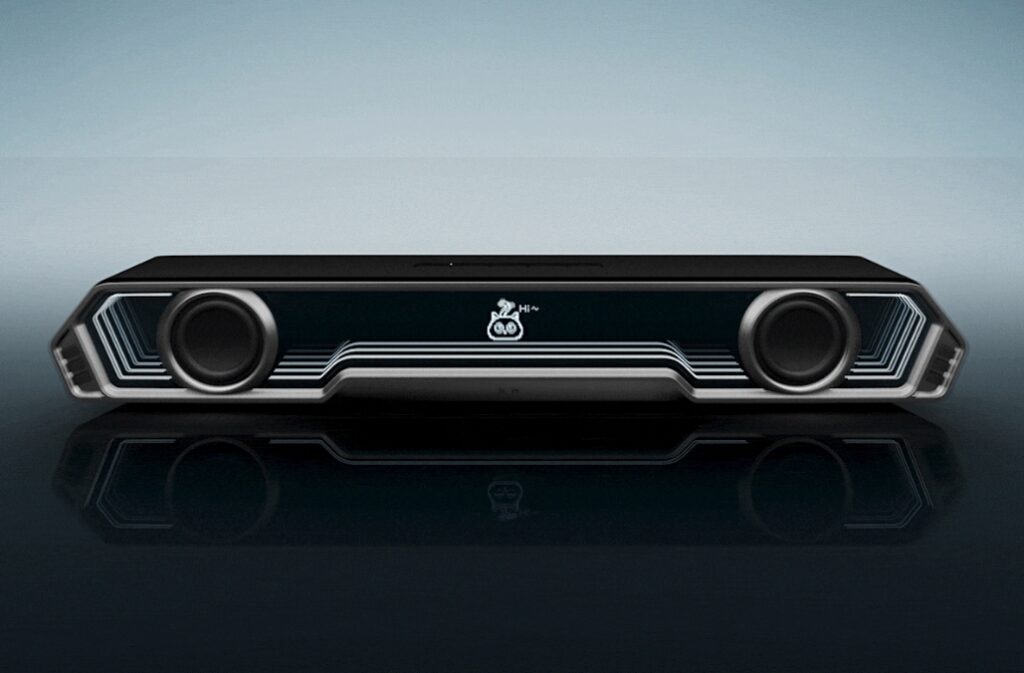
Edifier has recently launched a new desktop speaker in China called the Huazai Halo PixelBar AI. It costs 699 yuan ($104) and is currently available on JD.com. Rather than just being a standard audio device, it is designed to sit under a computer monitor and combine a few different desk accessories into a single unit, including a customizable screen and smart speaker capabilities.

Edifier Huazai Halo PixelBar AI

Edifier Huazai Halo PixelBar AI Specs

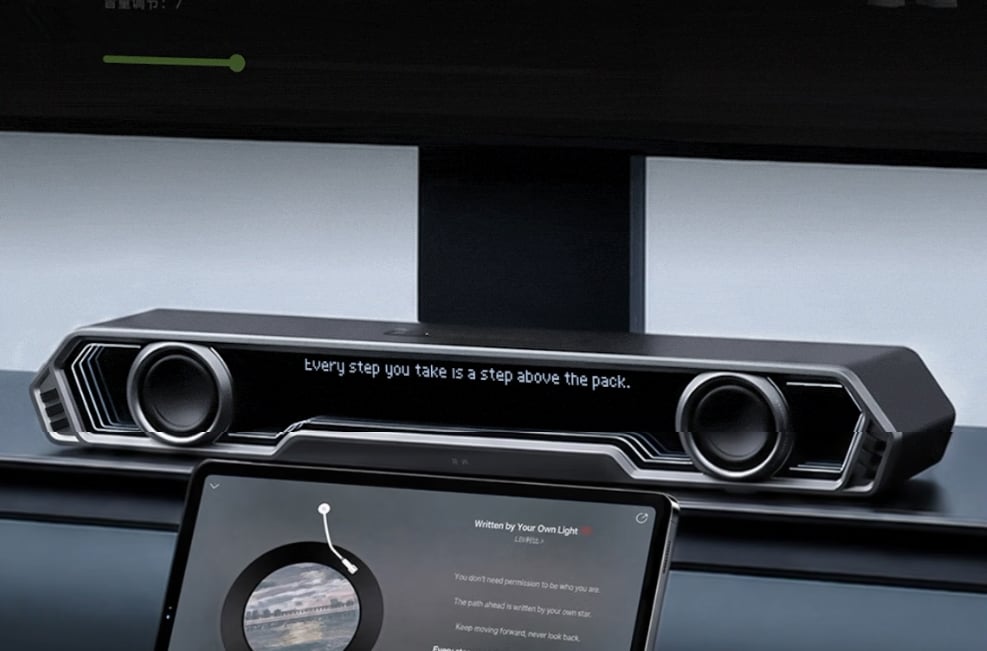
The soundbar measures about 493mm wide and comes in either black or white. The front face is split into three sections: speaker grilles on the left and right, and a pixel screen positioned right in the middle. This screen is the most noticeable feature of the device.

Edifier Huazai Halo PixelBar AI

You can use it to show real-time lyrics while playing music, display a digital clock, or run a Pomodoro timer while you work. It can also pass through PC notifications, weather updates, and custom pixel art. There is also some RGB lighting built into the chassis, which supports the usual 16.8 million colors and can be adjusted using Edifier’s PC software or mobile app.

On the audio side, the speaker houses two 52mm full-range drivers and a pair of bass reflex ports. It runs on a Class D amplifier, putting out 15W of continuous power with a 30W peak, which is fairly standard for a desktop speaker of this size.

Edifier Huazai Halo PixelBar AI

The AI part of the product name comes from a built-in voice assistant powered by the Doubao large language model. It works like most smart speakers, allowing you to ask for the weather, set reminders, or control your music. It connects directly to QQ Music over Wi-Fi, so you can ask it to play specific songs or artists.

The device uses dual microphones with echo cancellation to pick up your voice, and it supports offline commands for basic functions like changing the volume or turning the device off. There is also a voice-changing feature if you want to alter how you sound on voice calls.

Edifier Huazai Halo PixelBar AI

For connectivity, the speaker supports Bluetooth 6.0, USB audio, and 2.4GHz Wi-Fi. If you prefer not to use the voice controls or the companion app, there are physical buttons on the top of the speaker to handle volume, playback, lighting, and muting the microphone.

In related news, Apple has recently launched the HomePod Mini 2 with Siri AI, a glowing display, and smarter home controls, while Portronics has introduced the AuraTrio modular Bluetooth speaker with two detachable satellite speakers and Auracast support.

(JD)

Xiaomi 18 Pro and 18 Pro Max go global, Vibe-Code Rear Screen Apps

Xiaomi‘s latest flagship phones are finally heading outside China. The Xiaomi 18 Pro and Xiaomi 18 Pro Max made their global debut today with a secondary display on the rear camera module and 200MP cameras. 

The rear screen does more than show notifications or serve as a selfie viewfinder. Xiaomi is also letting users create small apps using AI prompts, opening up some interesting possibilities for this otherwise unusual feature.

Xiaomi 18 Pro Max Global Launch and Price

Xiaomi first introduced a rear display on its phone with the Mi 11 Ultra in 2021, before shelving the idea until the Xiaomi 17 Pro series brought it back last year. However, those phones never made it outside China. The new lineup is the first time in five years that Xiaomi is bringing its rear-screen flagships to international markets.

The small color touchscreen sits alongside the rear cameras and can show the clock, notifications, and supported applications. It also doubles as a viewfinder, letting users frame selfies with the main camera instead of relying on the front-facing shooter. 

Speaking of which, both have a Leica-developed triple-camera system with a 200MP main camera, a 200MP periscope telephoto camera, and a 50MP ultra-wide camera.

Xiaomi 18 Pro Max Design

The telephoto camera has a 75mm equivalent focal length and supports 3.2x optical zoom. It can also deliver up to 12.8x lossless zoom and take macro photos from as close as 12cm. The Xiaomi 18 Pro Max gets an additional camera upgrade through LOFIC technology on its main sensor, which helps capture a wider dynamic range in challenging lighting conditions.

The rear screen does even more 

There’s more to the rear screen this time, though. Users can create personalized apps by entering simple text prompts, thanks to AI. The examples Xiaomi showed are a card that generates compliments with a tap, or a small fruit-slicing game. The idea is to let users turn their own ideas into interactive tools for the secondary display without having to build an app from scratch.

And not to forget, the 18 Pro Max has a 2.9″ display while the standard Pro has a slightly smaller 2.7″ screen. Both are LTPO AMOLED panels with a 1-120Hz refresh rate and Corning Gorilla Glass Victus 2 protection.

The front display also has a nifty feature of its own. Both phones have hardware-level Privacy Display technology that blocks the screen view from an angle other than direct eyesight. 

Xiaomi 18 Pro and Pro Max Display

Fortunately, you can enable or disable the feature, per your needs. The front camera can also detect someone looking over their shoulder and send an alert through vibration or Xiaomi’s HyperIsland interface.

The Xiaomi 18 Pro is built around a 6.4-inch display and runs on Qualcomm’s Snapdragon 8 Elite Gen 6, while the larger 18 Pro Max gets a 6.9-inch screen and the more powerful Snapdragon 8 Elite Extreme Gen 6. Both use Xiaomi’s M11 display panels, support refresh rates of up to 120Hz and reach a claimed peak brightness of 4,000 nits.

Global models get smaller batteries

The devices differ from Chinese counterparts in terms of battery. The Xiaomi 18 Pro launched in China with a 7,000mAh battery, while the Pro Max packs an 8,500mAh unit. Both Chinese models support 100W wired and 50W wireless charging.

The international versions have smaller batteries. Xiaomi says the 18 Pro has a 6,000mAh battery while the Pro Max features 7,050mAh. Likewise, the Pro supports 90W wired charging and the Pro Max gets 100W. Both support 50W wireless charging.

Xiaomi 18 Pro series color options

The phones come in four colors: White, Black, Cosmic Blue, and Velvet Red, at a hefty price tag. The Xiaomi 18 Pro starts at EUR 1399, while the Pro Max has a starting price of EUR 1599. 

Galaxy Z Fold 8/ Ultra get early Black Friday discounts, starting at $1,550

Samsung’s latest book-style foldable is sitting at one of its best prices yet as early Black Friday deals heat up. If you’ve been eyeing a high-end foldable, the Galaxy Z Fold 8 just got a lot more approachable.

Galaxy Z Fold 8

Right now the unlocked 256GB model is going for about $1,550 on Amazon (and matching or close at Best Buy). That’s $350 off the usual $1,900-ish list price, and it’s one of the lowest straight cash prices we’ve seen for it so far. The deal covers the main colors like Graphite and Lavender. Step up to the 512GB version and you’re looking at around $1,750. These are the clean no-trade-in prices, so what you see is what you pay.

Samsung and the big retailers are spreading the discounts around. The Fold 8 Ultra is available in the $1,750 range at some places for the base config, while the more compact Galaxy Z Flip 8 is sitting at $999.

Quick look at the two Fold 8 models

The regular Galaxy Z Fold 8 is the new wider, shorter design. It has a 5.5-inch cover screen that’s actually useful for everyday stuff. Open it up and you get a 7.6-inch inner display with a more square 4:3 aspect ratio, which is great for reading and multitasking. It weighs just 201g, runs on the “Snapdragon 8 Elite Gen 5 for Galaxy”, has a 4,800mAh battery, and a dual 50MP camera setup (wide + ultrawide, with 2x in-sensor zoom). No dedicated telephoto lens.

The Z Fold 8 Ultra is the more traditional tall-and-narrow Fold with a 6.5-inch cover screen and an 8-inch inner screen. It’s a bit heavier at 215g, but it packs a stronger camera system: 200MP main sensor, 50MP ultrawide, and a proper 10MP 3x telephoto. Battery is also larger at 5,000mAh. Same processor and software as the regular Fold 8.

Because these are limited-time holiday offers, prices and availability can change fast. Check the current listings on Amazon and Samsung’s store (and keep an eye on any trade-in bonuses) if you’re ready to jump on one.

(Source: Amazon | Samsung US store)

Giztop Black Friday Sale Brings Discounts of Up to 33% on Popular Gadgets

Black Friday is a good opportunity to pick up new tech at lower prices, and Giztop has several offers worth a look this year. Its ongoing sale covers smartphones, tablets, earbuds and other electronics from brands such as Xiaomi, OnePlus, OPPO and more. Selected products are discounted by up to 33%, and shoppers can also use a promotional code for additional savings.

Giztop Black Friday Sale

5 Best Deals to Check Out

ProductSale PriceOriginal PriceDiscountProduct Link
OPPO Find N5 Global$1,199$1,79933%Buy
Redmi Turbo 4$309$43930%Buy
iQOO Neo 10 Pro$389$54929%Buy
Xiaomi Pad 7 Pro$359$49928%Buy
Xiaomi Pad 7$309$39923%Buy

The OPPO Find N5 Global leads this selection with a $600 reduction. Those looking for a more affordable smartphone can consider the Redmi Turbo 4 or iQOO Neo 10 Pro, while the Xiaomi Pad 7 Pro makes an interesting option for tablet buyers.

Giztop promotional banner advertising a Black Friday coupon code for electronics discounts.

Black Friday Coupon and Flash Sale Offers

Giztop is adding another layer of savings with two promotional codes:

  • BF2026: Offers up to $100 off and is valid until November 30, 2026.
  • H2026: Offers up to $100 off under a separate Flash Sale promotion, with validity until December 31, 2026.

The coupon discount depends on the applicable promotion and should be checked at checkout before completing an order.

Where to Shop and What to Know Before Ordering

All the offers are available through the Giztop Clearance Sale. The section includes brand-new products alongside almost-new and used devices, so check the deals mentioned on each prouct before purchasing.

Giztop also offers international shipping, with express delivery available at an additional cost. This makes it easier to surprise loved ones in different parts of the world with a tech gift this holiday season.