Exciting new details continue to surface about the iPhone 16 series. In addition to the previously leaked design and battery upgrades, Apple seems ready to make a splash with artificial intelligence enhancements. Rumors suggest iOS 18 will debut a suite of AI powered features for the iPhone 16 lineup. If this is true, performance should be blistering, thanks to the cutting-edge Neural Engine reportedly included in these new devices. Here are the details…
iPhone 16 to offer ultra-fast AI performance thanks to new Neural Engine
Apple’s A and M series processors consistently deliver powerful performance. Recent claims suggest the upcoming A18 and M3 will raise the bar even higher, with significant advances in AI capabilities. This means faster existing AI features, new functionality across Apple devices, and an overall smoother user experience.
Apple’s Neural Engine, the core of their custom AI processing, will see significant advancements. These enhancements will power even more demanding AI applications on the iPhone 16 and other Apple devices. Expect smoother performance in facial recognition, Siri, augmented reality, and AI driven camera features.
Artificial intelligence is rapidly becoming a key feature in the smartphone market. Samsung, for example, based its entire sales strategy for the S24 series on Galaxy AI, highlighting its capabilities beyond those of a standard phone. Chinese manufacturers are following suit, putting pressure on Apple to innovate in this area.
In our introduction, we noted that Apple seems to be making significant changes this year. A departure from the company’s usual approach. Typically, Apple avoids radical shifts and hesitates to introduce cutting-edge features like artificial intelligence so early. With this in mind, and since we only have unconfirmed claims, it’s possible that the upcoming iPhone won’t be so different after all. However, if the rumors prove true, this could represent the most dramatic change in iPhone history.
Samsung recently rolled out a new update for its Galaxy S24 series smartphones, which were launched last month. The update includes many new features, bug fixes, and improvements. Samsung mentions that this update is based on feedback from users, aiming to make the device’s display, camera, and AI translation features better through improved hardware and software integration.
Adjustable Display Settings
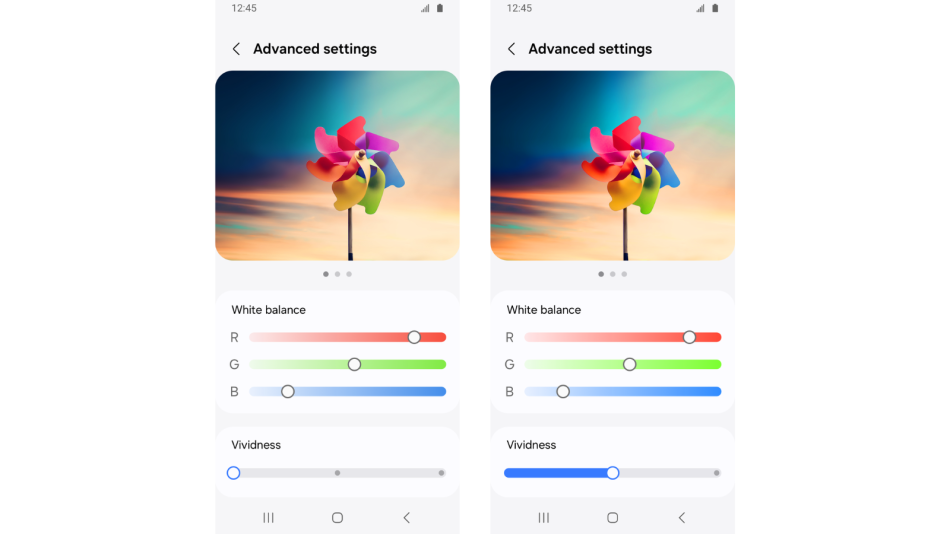
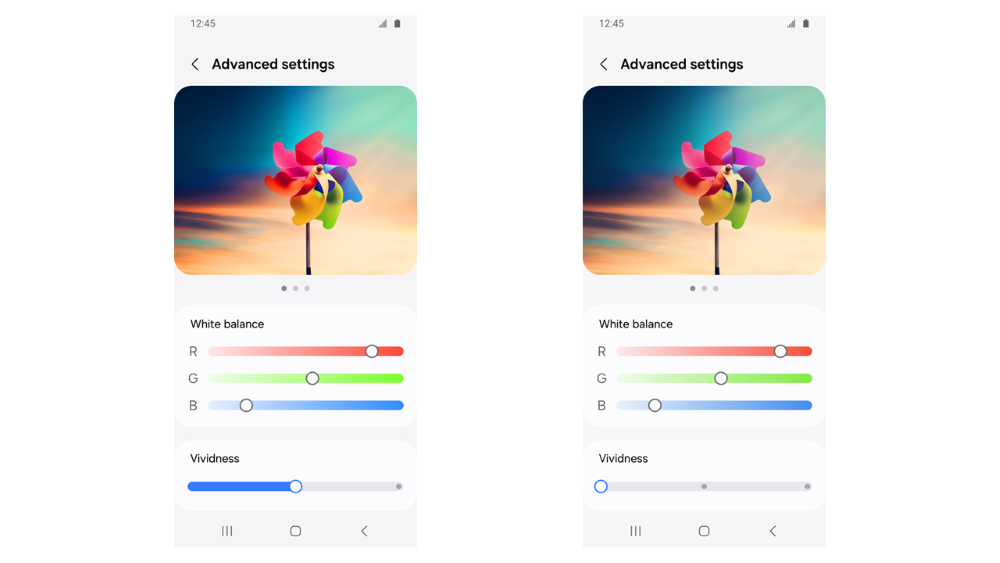
The Galaxy S24 series now lets you tweak the screen’s ‘Advanced settings’ with a new “Vividness” option. This allows you to customize the color and brightness levels of your screen, so it looks just the way you like it.
Better Camera Features
Samsung has made the camera on the Galaxy S24 series even better. They focused on improving zoom, Portrait Mode, Night mode, and video shooting with the back camera. These upgrades are meant to make taking pictures and videos in different situations more enjoyable.
Improved Communication
This update also works on making language less of a problem, fitting with Samsung’s goal of making communication smooth for everyone. What it means is that the AI onboard the Galaxy S24 series has been optimized to better understand users in various situations. Samsung states that the rollout of these updates will begin in February.
The launch of the OnePlus 12R was met with excitement. The phone promised a powerful processor, a sleek design, and, crucially, UFS 4.0 storage, the latest standard offering faster read and write speeds for apps, games, and data transfer. This was a significant upgrade from the UFS 3.1 found in most flagships at the time. However, what unfolded next was a story of confusion, controversy, and ultimately, disappointment for many users.
Launch Hype, Misleading Information &Controversy
On January 23, 2024, OnePlus unveiled the 12R, boasting its features, including the UFS 4.0 storage in all variants. This information was prominently displayed on the official website, product listings, and even press releases. This detail resonated with tech-savvy customers who prioritize performance and value cutting-edge technology.
Shortly after the launch, questions arose regarding the actual UFS version used. Benchmark tests revealed speeds significantly lower than expected for UFS 4.0. Users and tech reviewers expressed concerns, suspecting a discrepancy between the advertised and actual specifications. This sparked outrage, with accusations of misleading marketing and false advertising flying towards OnePlus.
Why UFS Version Matters:
For the end user, the UFS version impacts performance in several key areas. UFS 4.0 boasts significant improvements in read and write speeds compared to UFS 3.1. This translates to faster app launches, smoother multitasking, quicker file transfers, and reduced loading times in games. For power users and tech enthusiasts, these improvements are tangible and contribute to a more responsive and overall superior user experience.
OnePlus Clarifies, But Questions Remain:
On Feb 12, 2024, after weeks of speculation and mounting pressure, OnePlus finally acknowledged the error. In a community forum post, Kinder Liu, President and COO, admitted that due to an “error,” some variants were incorrectly listed as having UFS 4.0 storage. He clarified that all 12R models actually use UFS 3.1, enhanced by their proprietary “Trinity Engine” software.
Does it Matter? The User Response
While OnePlus maintained that UFS 3.1 with Trinity Engine delivers similar performance, many users felt misled. The difference in speed, even if marginal, was crucial to their purchase decision. They argued that the advertised specifications were a key factor in their choice and that the error had a significant impact. Some users demanded compensation or even returns, while others expressed disappointment and a loss of trust in the brand.
Beyond the Hype: A Missed Opportunity
The UFS issue has cast a shadow over the 12R launch. While the phone offered decent performance, the controversy left a sour taste for many potential buyers. It highlighted the importance of transparency and accuracy in marketing, especially for tech-savvy customers who rely on advertised specifications to make informed decisions.
Additionally:
The issue was further complicated by the fact that the China variant (review here) of the 12R (OnePlus Ace 3) did actually use UFS 4.0 storage, further fueling confusion and frustration among global customers.
Some users reported experiencing slower performance and app loading times compared to other UFS 3.1 devices, raising questions about the effectiveness of the “Trinity Engine” software.
The controversy also raised concerns about OnePlus’s quality control and internal communication processes.
Conclusion
The OnePlus UFS saga serves as a cautionary tale for manufacturers. While hype and cutting-edge technology can attract customers, inaccurate information and misleading marketing can damage trust and reputation. The 12R could have been a success story, but the UFS issue left a lasting negative mark on the launch and continues to impact the brand’s image.
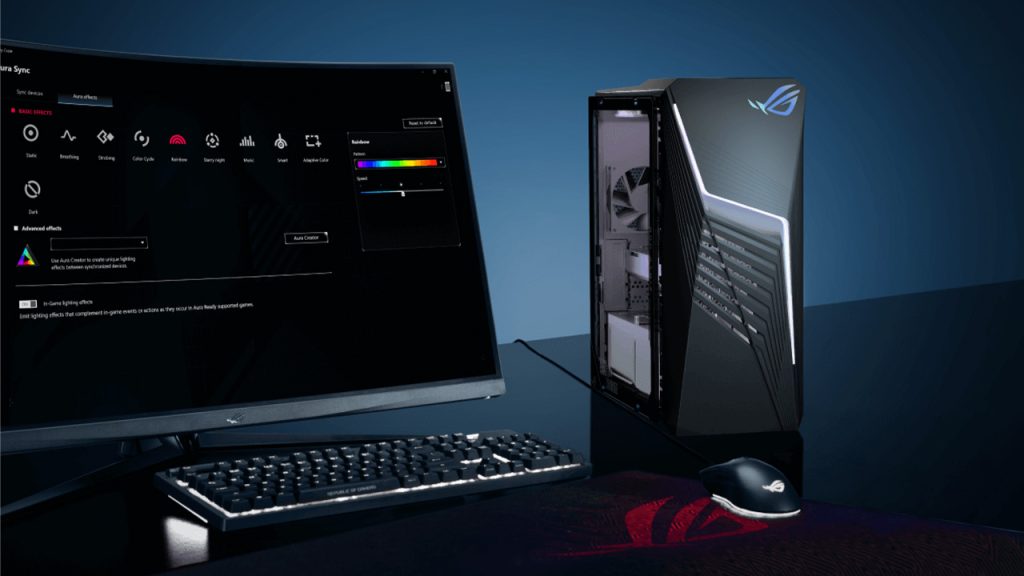
Asus further expands its presence in India with new investments and product launches. Following the recent ROG All-Women Valorant e-sports tournament announcement, the company now introduces three powerful desktop computers. The Asus Desktop S501ME, ROG Gaming G13, and ROG Gaming G22 launched in India. Here are the details…
Asus Expands India Product Line-up with Three New Desktops
India, with its rapidly expanding technology sector and vast consumer base, is a highly attractive market for global tech companies. Recognizing this potential, Asus today launched its latest products in India. The prices of the new offerings are as follows:
Asus Desktop S501ME
Processor: Up to 13th Gen Intel Core i7 Processors RAM: Up to 64GB DDR5 Storage: Up to 1TB SSD + Up to 2TB HDD (potential for more via additional M.2 slot) Graphics: Depends on specific configuration, likely integrated Intel graphics or a lower-end dedicated card Operating System: Windows 11 Home or Windows 11 Pro Connectivity: Wi-Fi 6E, Bluetooth, various USB ports, HDMI, etc. Design: Compact and stylish tower
Asus ROG Gaming G13
Processor: Up to 13th Gen Intel Core i7 Processors RAM: Up to 64GB DDR5 Storage: Up to 2TB PCIe 4.0 SSD Graphics: Up to NVIDIA GeForce RTX 30 Series Operating System: Windows 11 Home or Windows 11 Pro Connectivity: Wi-Fi 6, Bluetooth, Thunderbolt 4.0, USB-C, and a wide array of ports Design: Unique, compact, water-cooled chassis
Asus ROG Gaming G22
Processor: Up to Intel Core i7-14700F RAM: Up to 32GB DDR5 Storage: Up to 1TB PCIe 4.0 SSD + potential for an additional HDD. Graphics: Up to NVIDIA GeForce RTX 4070 Operating System: Windows 11 Home or Windows 11 Pro Connectivity: Wi-Fi 6E, Bluetooth, USB-C and the usual assortment of ports Design: Mid-tower with RGB lighting elements
Price & Availability
The products are available for sale on the Asus India website and authorized resellers.
Nvidia is undoubtedly a leader in artificial intelligence (AI) computing chips, and the company has just reached another new milestone. It became the third-largest company in the United States by market capitalization – just days before the company is set to report its fourth-quarter earnings, which are expected to be impressive thanks to soaring demand for its AI technology.
Nvidia’s stock price has shot up by 231% in the past year alone, thanks to AI
Fueled by strong demand for their AI chips, Nvidia’s stock price has skyrocketed 231% in the past year, pushing its market value to a staggering $1.812 trillion. This surpasses Alphabet, the parent company of Google, whose market capitalization currently sits at $1.814 trillion.
The company’s impressive performance has also landed it a spot among the “Magnificent Seven” stocks, which represent the top performers on the S&P 500 this year. Nvidia achieved this by outperforming retail giant Amazon, solidifying its position as a major player in the tech industry.
Analysts are predicting a stellar performance from Nvidia in its upcoming earnings report, with expectations of an eye-popping 400% increase in profit compared to last year. Revenue is also expected to experience a significant jump, rising by over 300% to a staggering $20.37 billion.
Despite this optimistic outlook, some experts caution that the stock might already be reflecting its future potential. Currently, Nvidia trades at a higher price-to-earnings ratio compared to the industry average, suggesting that its future growth may be priced in. However, with the AI market still in its early stages, Nvidia undoubtedly holds a strong position for continued success. The company also unveiled its own AI Chatbot and a New GPU in the past few days.
While Alphabet remains a formidable competitor, Nvidia’s dominance in the AI chip market demonstrates the potential of this rapidly evolving field. Whether Nvidia maintains its third-place position remains to be seen, but its success serves as a reminder of the transformative power of artificial intelligence.
Remember your childhood teddy bear? The one that patiently listened to all your secrets and dreams? Well, there’s an upgrade in the market, because there’s a new generation of companions in town, and they’re not just soft and cuddly – they’re downright chatty. Meet the latest trend in smart toys: AI-powered robots that can hold real conversations with kids. Forget pre-programmed phrases and robotic voices; these little guys use clever technology to chat like a real friend, keeping youngsters entertained and engaged for hours.
The bunnies use large language models to make toys more interactive
One company leading the charge is FoloToy, a Shanghai-based start-up that uses something called large language models (LLMs) – the same tech behind chatbots like ChatGPT – to breathe life into ordinary toys. Imagine your bunny pal suddenly asking about your day or sharing funny stories. Pretty cool, right?
But FoloToy isn’t just for kids. They’ve teamed up with Yomiplanet to create Frank Murphy, a limited-edition “live” figure that chats in six languages! So, whether you’re practicing your Japanese or reminiscing about Steve Jobs with a digital pal, Frank’s got you covered.
This explosion of AI toys isn’t just about fun and games, though. It’s part of a bigger trend in China, where tech companies are racing to develop the next generation of AI-powered devices. Think voice assistants that learn your habits or screenless gadgets controlled by your thoughts. The future is here, and it’s interactive!
Of course, with all this new tech comes the question: how do we make money from it? Experts warn that commercializing AI can be tricky, but companies like FoloToy are betting on the power of fun and connection. After all, who wouldn’t want a chatty companion who’s always up for a conversation? So, the next time you’re feeling lonely, ditch the phone and (maybe) cuddle up with an AI buddy. You might be surprised at how much fun you can have with a robot who talks back.
Imagine peering into the depths of space, not just to see, but to truly understand. That’s the mission of the Jiaotong University Spectroscopic Telescope (JUST), a powerful new tool set to become China‘s leading eye on the cosmos, opening its gaze in 2026. Nestled atop Saishiteng Mountain, JUST isn’t your average stargazer. With a gaping maw of 4.4 meters, it can quickly switch between targets. This agility allows it to capture fleeting moments in the universe, like the birth of newborn stars.
This telescope can provide more information about Exoplanets orbiting distant stars
But JUST isn’t just about sight; it’s about understanding. Equipped with a super-sensitive spectrometer, it can break down light from distant objects, revealing their secrets. Think of it like reading celestial fingerprints, each line telling a story about the object’s composition and history.
Image Credits: China Media Group
This ability makes JUST a champion exoplanet hunter. These elusive worlds, orbiting distant stars, often hide in the glare of their suns. But JUST can sniff them out by analyzing their starlight, searching for tiny chemical clues that betray their presence.
While telescopes like JUST come with a hefty price tag, the potential payoff could be astronomical. Research like this pushes the boundaries of human knowledge, unveiling the secrets of our universe and our place within it. Every discovery fuels further exploration, potentially leading to groundbreaking advancements in fields like medicine, materials science, and even space travel. Moreover, understanding our cosmic neighborhood helps us prepare for potential threats like asteroids and solar storms. Ultimately, research like this isn’t just about satisfying our curiosity; it’s an investment in the future, paving the way for a deeper understanding of ourselves and the universe we inhabit.
In 2026, keep your eyes peeled (metaphorically, of course). With JUST and JWST (James Webb Space Telescope) scanning the heavens, we might just be on the cusp of unlocking some of the universe’s greatest mysteries.
Samsung unveiled the Galaxy S24 series last month. There have been plenty of complaints from S24 users over display and photo quality issues. Now, the South Korean brand has officially announced that an update is incoming to fix the issues. It will be rolled out to all models – the S24, S24 Plus, and S24 Ultra later this month.
Samsung announces incoming update for the Galaxy S24 series
Samsung says that it is committed to listening to its users and the upcoming update is based on their feedback. The company aims to provide an enhanced options and experience across the device display and camera. This will be enabled by hardware and software integration efforts.
Samsung also revealed that it set the default screen setting to a more natural experience. There is a ‘Vividness’ option within the Advanced Settings of the display. However, the current software version lacks a specific slider attributed to this feature. The brand is introducing this in the forthcoming update. The slider seems to have a three step option. Thus users who want a vibrant visual experience can crank up the vividness slider to their liking on the Galaxy S24 devices.
Alongside fixing the display issue, Samsung is also resolving camera issues reported by users. Without revealing explicitly, the company is enhancing and optimizing key camera functions. These include upgrades to the zoom functions, portrait mode, nightography, rear camera video shooting capabilities, and more.
As per Samsung, the update will be rolling out later this month. Hence, if you own any of the Galaxy S24 series device, keep an eye out.
Though the Galaxy S24 series arrives with some notable hardware upgrades, the primary highlight of these smartphones is Galaxy AI. Samsung has introduced a range of useful software features utilizing artificial intelligence.
One of these features is ‘Instant Slow-mo’. It can convert any regular video into a slow-motion video.
This feature has been now confirmed for a handful of older phones and tablets.
In an official community post, Samsung has revealed that the Instant Slow-mo feature will be available for the following older devices.
Additionally, the company has disclosed that the feature will be compatible with more video types. Currently, it is limited to 8-bit videos ranging from 720p to 8K resolution. Also, only the .mp4 file format is supported for now.
But shortly, it will be not only compatible with 10-bit videos but also with 480p resolution and .mov extension.
Samsung says that the feature works only on devices featuring at least a Qualcomm Snapdragon 8 Gen 2 SoC or a newer flagship chip. Therefore, don’t expect it to arrive on even older smartphones and tablets.
The Instant Slow-mo feature is expected to roll out for the aforementioned devices with the One UI 6.1 update. Previously, the company had revealed that the latest One UI will be pushed to eligible devices by the end of H1 2024.
Xiaomi has a new tablet gearing up to launch in China. The device, which is tentatively called the Xiaomi Pad 6S Pro, is expected to launch along with the Xiaomi 14 Ultra on Feb. 22 in China. The said device was spotted with model number 24018RPACC in the database of China’s 3C certification platform last month. It appears that the tablet may receive a global launch as its international version bearing the 24018RPACG was approved by the HDR Vivid certification, Singapore’s IMDA, and Europe’s EEC in the recent weeks. Now, the same tablet has also been certified by Indonesia’s SDPPI certification platform. It further suggests that the tablet will receive a global launch.
Xiaomi Pad 6S Pro global launch draws near
Xiaomi Pad 6S Pro certified by Indonesia’s SDPPI certification
None of the recent certifications of the Pad 6S Pro’s global edition have revealed its specifications. However, the Chinese version of the device was spotted with a 120W charger at 3C certification. Now that the global variant of the device has received multiple certifications, it appears that the Pad 6S Pro will be launching soon in the coming weeks.
Xiaomi Pad 6S Pro specifications (rumored)
Xiaomi Pad 6S Pro
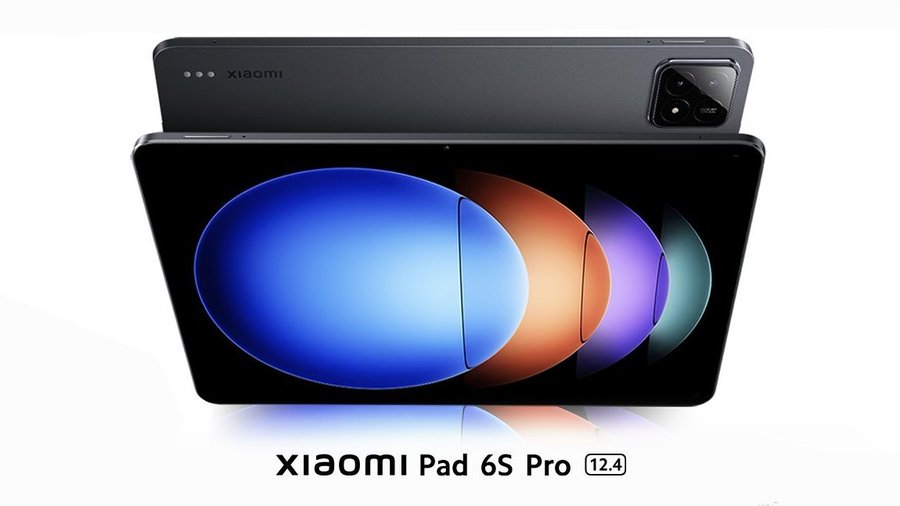
Shown above is a leaked render of the Xiaomi Pad 6S Pro, which was spotted recently. The image reveals that its design language will be almost identical to other Pad 6 series of tablets. According to reports, the Xiaomi Pad 6S Pro will arrive with a 12.4-inch LCD screen that produces a 144Hz refresh rate. It is said to be equipped with the Snapdragon 8 Gen 2 chipset. The other details of the tablet are yet to be revealed.
There is a possibility that it may borrow other specs from the Pad 6 Pro. Hence, it may come equipped with a 50-megapixel dual-camera system, a quad-speaker setup, and a 10,000mAh battery.
The Samsung Galaxy A35 5G has bagged multiple certifications in the recent times. This hints at the imminent arrival of the smartphone. Last month, the device surfaced on the Geekbench benchmarking platform. Now, once again the phone has been spotted on the database but, this time it is another configuration. Let’s learn more details about the listing.
Samsung Galaxy A35 5G new variant listed on Geekbench
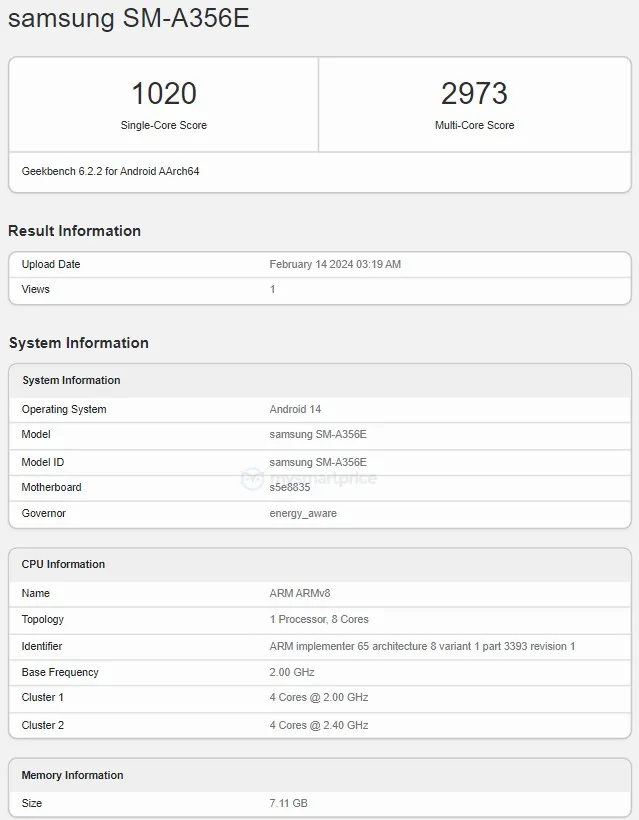
The Samsung Galaxy A35 5G is listed with model number A356E on the Geekbench database. The only difference between the latest and previous listing is that the former mentions 8GB RAM onboard. It registers higher scores in the benchmarking platform’s single-core and multi-core test results. These are 1,020 and 2,973 points respectively.
The rest of the details including the processor and software is the same as the previous Geekbench spotting. The Galaxy A35 5G has four cores at 2GHz and another four cores at 2.40GHz suggesting the presence of the Exynos 1380 chipset. It will ship with pre-installed Android 14 OS out of the box.
As per the previous and the latest Geekbench listings, the Samsung Galaxy A35 5G could come in 6GB and 8GB RAM variants. An FCC certification of the device revealed support for 25W fast charging. The smartphone also surfaced in official-looking renders last week revealing a design similar to leaked renders and three color options i.e. Awesome Iceblue, Awesome Lilac, and Awesome Navy
Rumor has it that Samsung may announce the Galaxy A35 5G along with the A55 5G in the second quarter of the year.
Last week, Samsung started offering storage upgrade promotions for the Galaxy Tab A9 Plus in the US. Up until then, this offer was limited to the Galaxy S series smartphones.
Just a few days later, the same offer is now available for the high-end Galaxy Tab S9 family as well. Buyers can avail of benefits on all three models.
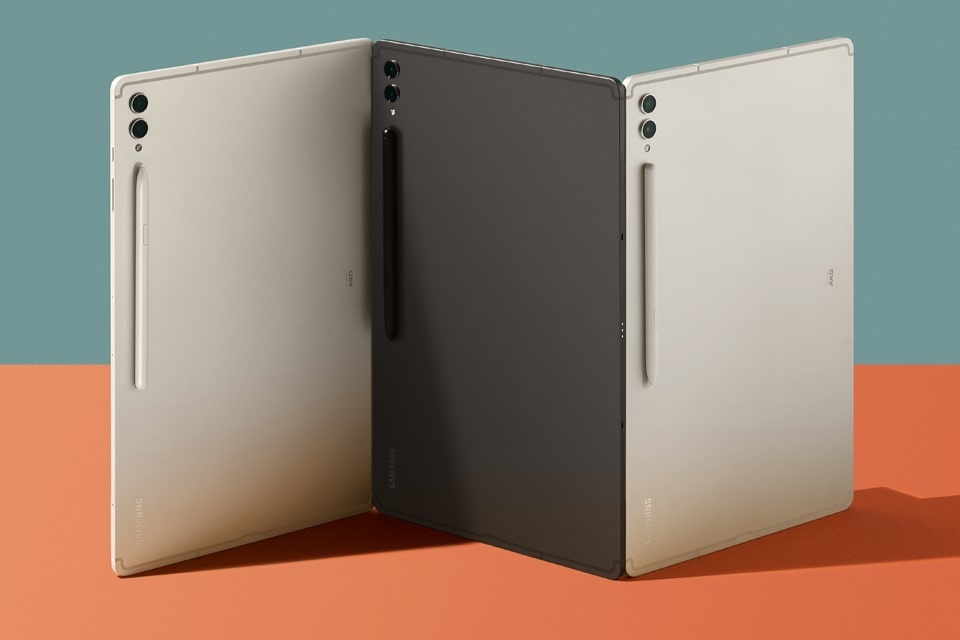
Samsung Galaxy Tab S9 Ultra
Samsung has extended the storage upgrade offer to the WiFi variants of the Galaxy Tab S9 series in the US. Thus, consumers can now get the higher storage model for the price of the base model from Samsung.com
This means the 12GB + 256B version of the Galaxy Tab S9 now costs the same as the 8GB + 128GB variant ($799.99) instead of $919.99. The base variant cannot be ordered, at least for the time being.
It is clever of Samsung to upsell the higher variant by discounting it, rather than bringing down the starting price by offering a discount on the base model.
Similarly, the 12GB + 512GB memory configurations of Galaxy Tab S9 Plus and Galaxy Tab S9 Ultra are available for $999.99 and $1199.99, respectively. They would normally cost $1199.99 and $1319.99, respectively.
The only variant that’s not on discount is the top-end 16GB + 1TB version of Galaxy Tab S9 Ultra. This one is still listed at its launch price of $1619.99.
On top of the storage upgrade offer, buyers can avail trade-in bonus to further lower the price of these tablets.
That being said, we are not sure how long this offer will be valid. Also, we have no info on if and when this promotion will be made available in other regions.
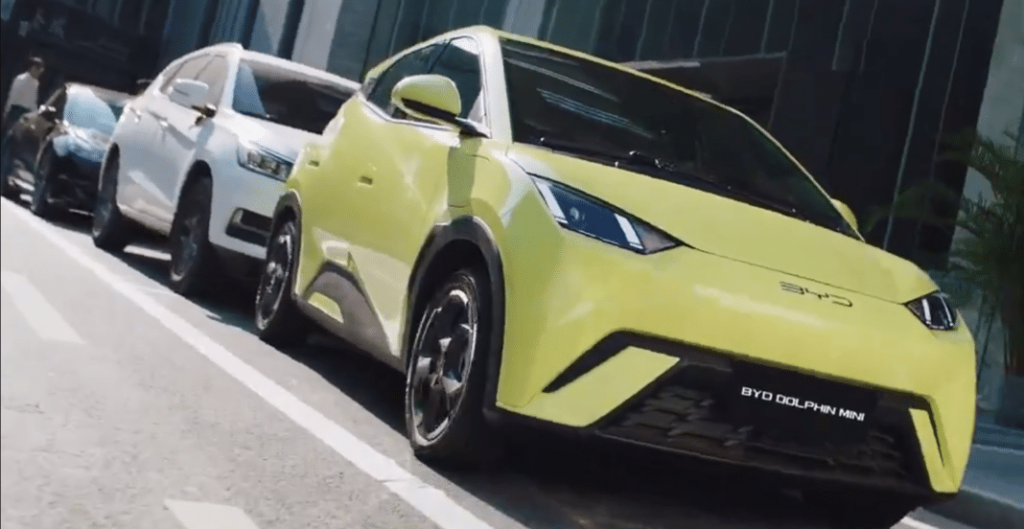
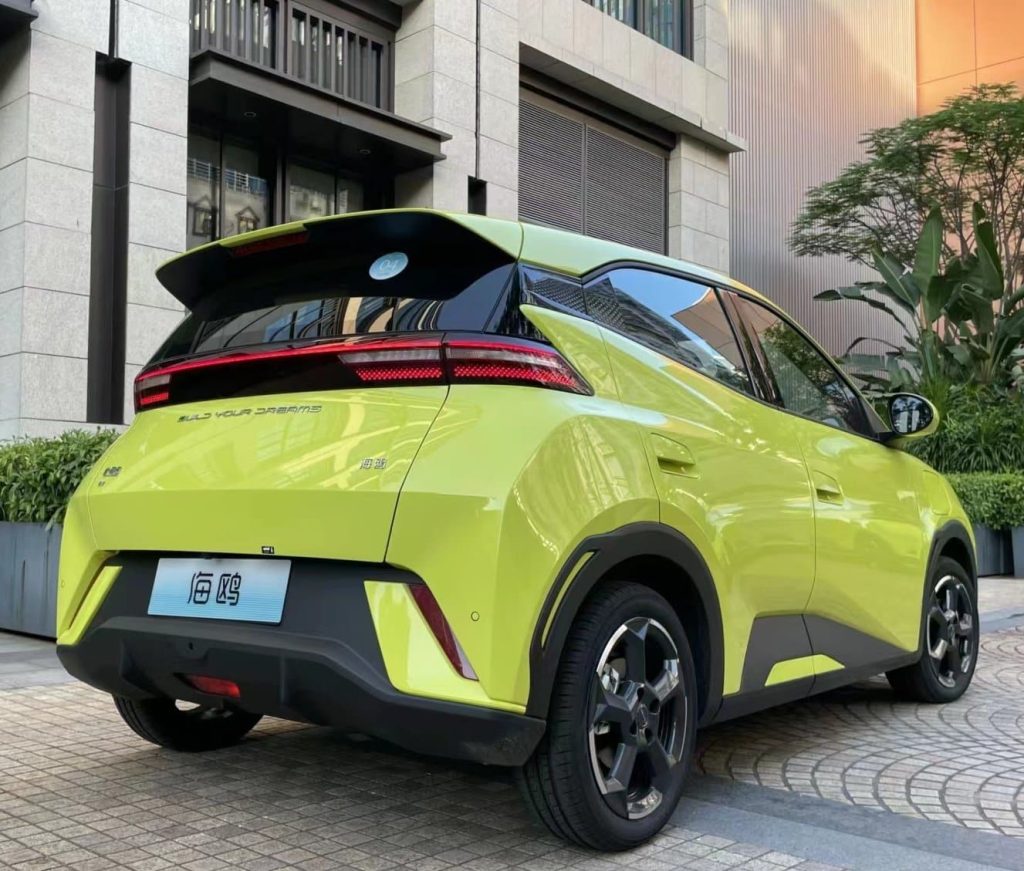
The BYD Seagull has entered the South American electric vehicle market. The cheapest BYD EV is coming with a different name but retains the specs of the Seagull. The South American version of the Seagull is called the Dolphin Mini and will retail for the equivalent of $20,000. The BYD Seagull was launched in China back in April 2023 with a price tag in the region of $10,200 to $12,500.
Features
The BYD Dolphin Mini is the international version of the Seagull and it has already berthed in several South American markets. According to the reports, deliveries of the Dolphin Mini in Uruguay have kicked off while sales will begin in Brazil by the end of February. The Seagull was a very successful model in China, grossing over 280,000 units in sales in China last year. It is an all-electric 5-door hatchback with the base model featuring a 30.08kWh battery with a CLTC range of 305km. The top model comes with a 38.88kWh LFP battery that delivers a CLTC range of 405km.
Both variants of the BYD Seagull feature a 55kW motor with a peak torque of 135Nm. The top speed of the Seagull is 135km/h and it can go from 0 to 50km/h in 4.9 seconds. The Seagull has dimensions of 3780 x 1715 x1540mm and a wheelbase of 2500mm. The car can accommodate four persons and its wheel size is 165/65 R15.
The BYD Dolphin Mini has arrived in Uruguay in two battery versions of 30kWh and 38kWh respectively. The Dolphin Mini EV300 offers a 300km NEDC range while the Dolphin Mini EV400 offers a 380km NEDC range.
Pricing & Availability
The EV300 retails for $21,990 while the Dolphin Mini EV400 is priced at $23,990. In Brazil, the testing cars of the Dolphin Mini have arrived at dealerships and reviews are already available for the model. In Brazil, the Dolphin Mini will have an equivalent starting price of $20,100, with the bigger battery model retailing for $23,200. The Dolphin Mini is expected to also enter other markets in the coming months including Europe.
Noise has announced a new truly wireless earbuds model for the Indian market. The latest addition to the brand’s hearables portfolio is the Noise Buds N1. The pricing and specs were officially revealed ahead of its first sale, so here are all the details.
Noise Buds N1 Specs
Noise Buds N1 was unveiled with an in-ear design and a shiny finish. It features ENC thanks to its quad microphone setup. The earbuds supports Bluetooth 5.3 connectivity and offers a low latency mode of 40ms, which is essential for mobile gamers. The body of the earbuds also features the touch control functionality as well.
On a single full charge, the Noise Buds N1 TWS can last for up to 40 hours when paired with its charging case. Just 10 minutes of charging can deliver up to 2 hours of audio playback thanks to what the brand calls Instacharge technology. The wireless earphones come with a 1 year warranty from the company. Other notable features include a dual pairing function and a sweatproof design for physically active users.
Noise Buds N1 Pricing and Availability
As of right now, the Noise Buds N1 is already listed on Amazon India for a price tag of 999 INR (roughly 12 US Dollars). It is available in multiple color options, namely Forest Green, Ice Blue, and Carbon Black. The earbuds aren’t listed for purchase yet, but the first sale kicks off on 20th February 2024. The Noise Buds N1 arrives after the Buds Xero was released in India earlier this month.
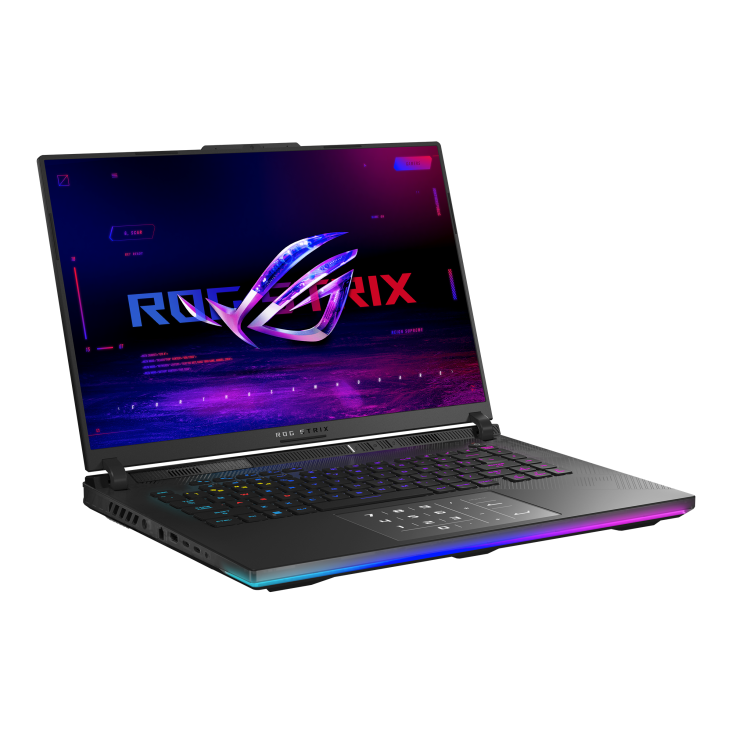
ASUS has launched a host of new laptops in India today. These include the Zephyrus G16, ROG Gaming desktop, and more. The Taiwanese brand has also refreshed the ROG Strix Scar models in the country. All the newly announced devices were unveiled at CES last month. They are equipped with the latest hardware for a powerful performance and designs appeal to the gaming audience. In this post, let’s take a look at the ROG Strix Scar.
ASUS ROG Strix Scar 16 and 18 specifications and features
The ASUS ROG Strix Scar 16 and Scar 18 have 16 and 18-inch ROG Nebula HDR displays respectively bearing a WQXGA resolution. Both offer a 240Hz refresh rate, 3ms response time, G-sync, Pantone Validation, and Dolby Vision HDR. On the audio front, the machines are equipped with a 4-speaker system along with Dolby Atmos, AI noise-canceling technology, Hi-Res certification, and more.
The ASUS ROG Strix Scar 16 and 18 have a sharp chassis design. There is an aura sync light bar, aura sync logo, and an aura sync rear glow. The laptops feature a backlit chiclet keyboard. The touchpad also doubles up as a number pad. There is a 720p HD webcam.
Under the hood, the ASUS ROG Strix Scar 16 and 18 are equipped with a 14th-generation Intel Core i9 processor. Both machines are offered in Nvidia GeForce RTX 4080 and 4090 GPU options with 175W TGP. They pack up to 64GB RAM and 4TB SSD storage. There is a dedicated MUX switch with support for Nvidia Advanced Optimus for unlocking the true power of GPU. The machines feature ROG TriFan technology for heat dissipation and staying cool during intensive gaming sessions.
The ASUS ROG Strix Scar 16 and 18 are backed by a 4-cell 90WHrs battery unit. Both laptops pack a host of connectivity options including WiFi-6E, Bluetooth 5.3, and more. Software-wise, the machines run on Windows 11 Pro out of the box.
The ASUS ROG Strix Scar 16 carries a starting price tag of Rs 2,89,990. On the other hand, the ROG Strix Scar 18 starts at Rs 3,39,990. Both laptops are available for purchase from leading online and offline channels across the country.
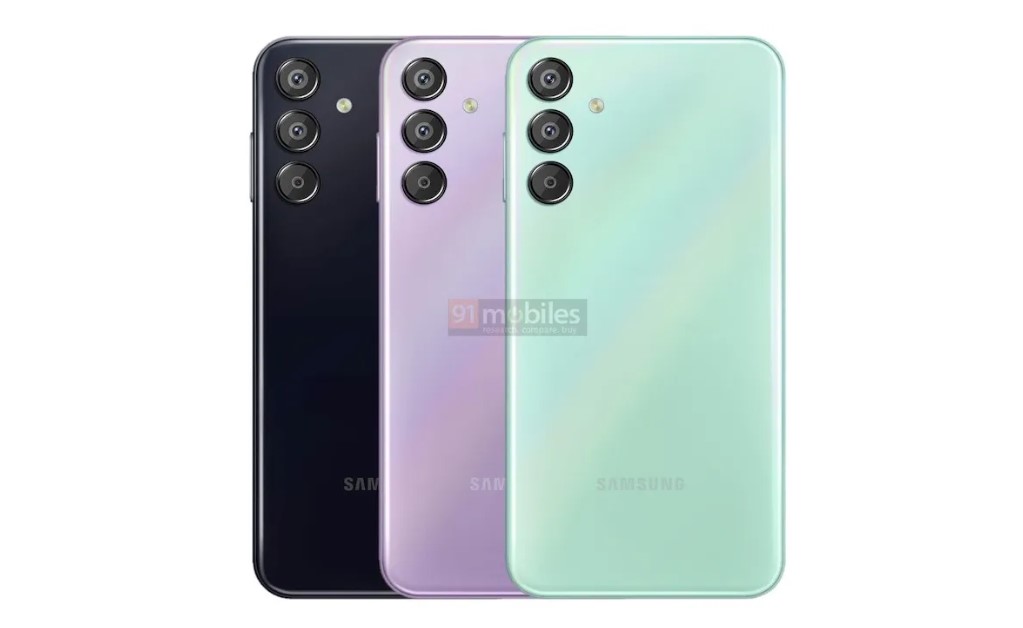
Yesterday, the Samsung Galaxy F15 5G was spotted on the brand’s official India support page. Now, the device has surfaced in leaked renders revealing its design and color options. The upcoming offering is expected to arrive as the successor to the last year’s Galaxy F14 5G. Read on to know what the latest development reveals.
Samsung Galaxy F15 5G leaked renders
As per the leaked renders, the Samsung Galaxy F15 5G will retain the same design as its predecessor. It will have a slim profile and a volume rocker button on the right side. A notable change is the presence of an additional camera sensor on the back panel. The triple camera setup is vertically stacked along with an LED flash unit. To recall, the Galaxy F14 5G has dual rear cameras.
The Samsung Galaxy F15 5G is seen in Black, Purple, and Mint Green color options. The upcoming offering is expected to feature a waterdrop notch display. The report also adds that the Galaxy F15 5G will pack segment-first features. It will be backed by a 6,000mAh battery unit. The smartphone will also have an upgraded display although the details remain unknown.
The Samsung Galaxy F15 5G has already bagged BIS certification last month with model number SM-E156B/DS. Hence, it could launch in the near future. Last year, the Galaxy F14 5G debuted in March. It also packs the same 6,000mAh battery that is expected to be present on the F15 5G. To jog your memory, the F14 5G features a 90Hz FHD+ display, Exynos 1330, and a 50MP primary camera.
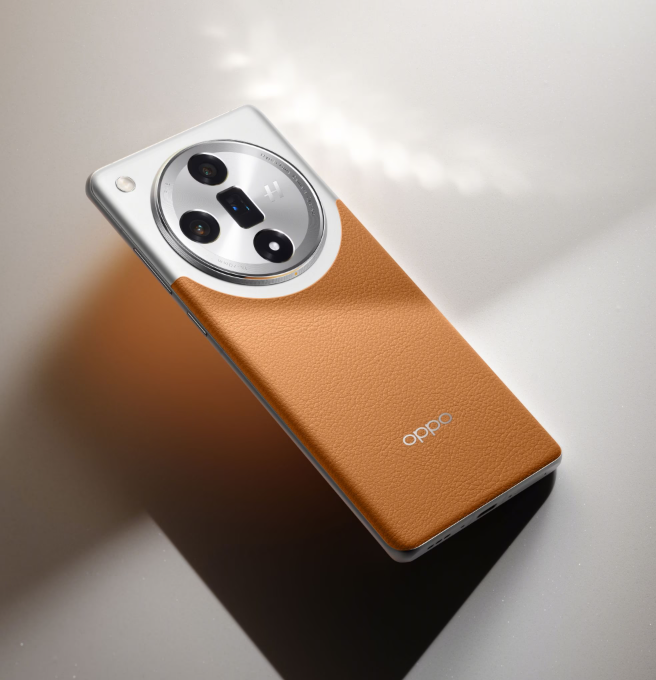
Just last month, Oppo unveiled the Find X7 series of flagship smartphones. The Find X7 and the Find X7 Ultra now sit as the top-end devices from the company, but news regarding their predecessors has already started surfacing. A tipster has revealed the chip details regarding the Find X8 series. So let’s have a look.
Oppo Find X8 Series Specs
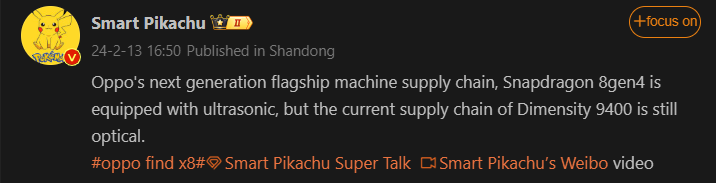
The news arrives from tipster Smart Pikachu who shared the details on Weibo (a Chinese microblogging website). While the Find X8 series is still a long away from releasing, Smart Pikachu claimed that the next-gen flagship will feature top-end chips from Qualcomm and MediaTek.
The tipster stated that the Oppo flagship smartphone that will launch next year will be equipped with the Snapdragon 8 Gen 4 SoC and the Dimensity 8400 chipset. The former is likely for the higher-end Find X8 Ultra and the latter is for the base Find X8 model. It was further claimed that the Find X8 Ultra would offer an ultrasonic in-display fingerprint sensor, while the Find X8 may offer an optical in-display fingerprint scanner for security.
In related news, the Find X7 with the Dimensity 9300 SoC recently topped the AnTuTu list for January 2024. The Find X7 Ultra is also expected to soon launch in a new variant that brings support for satellite communication. So stick around for more as we will be providing updates when additional information is available regarding this matter.
ASUS has just unveiled a high end gaming laptop in the Indian market. The model in question is the ROG Zephyrus G16, which features some top of the line hardware. So here’s everything you need to know regarding its specs & pricing.
ASUS ROG Zephyrus G16 Specs
The company’s ROG Zephyrus G16 was announced in Europe earlier this month and is finally making its way to India. It features beefy hardware under the hood. Buyers can get the ROG Zephyrus G16 with up to an Intel Core Ultra 9 processor, which arrives with AI features. This CPU is paired with the up to Nvidia GeForce RTX 4090 graphics card. Thanks to a MUX Switch and Advanced Optimus support, gamers can expect to get the best performance from this hardware.
2024 Asus ROG Zephyrus G14
Another notable aspect of the gaming laptop is the inclusion of a 16-inch OLED display that supports a 240Hz refresh rate, an ultra low latency of 0.2ms, and a 2.5K resolution screen. Owing to such powerful specs, ASUS has outfitted with ROG Zephyrus G16 with its 2nd Gen Arc Flow Fans for improved cooling. The new notebook weighs just 1.85 kilograms and is powered by a 90Wh battery pack that supports fast charging. You can go from 0 to 50 percent in just 30 minutes. The top lid features the Slash Lighting array as well, for added personalization.
ASUS ROG Zephyrus G16 Pricing & Availability
The ASUS ROG Zephyrus G16 was just announced in India for a starting price tag of 189,990 INR (roughly 2,287 US Dollars). It will be available for purchase via the brand’s official website, Flipkart, and Amazon as well as offline retailers like Reliance Digital, ROG Stores, Croma, Vijay Sales, and all ASUS authorized dealers.
Because of its ultra-thin and light body, the HONOR Magic V2 is a lot of people’s favorite in 2023. After all, people just hate phones that are too heavy and too thick. HONOR saw that people liked the V2 so much that they announced the Magic V2 RSR. Although it’s not the Magic V3, this PORSCHE DESIGN version here is a bit different compared to the regular one. So first let me introduce you guys to some of the upgrades.
Unboxing
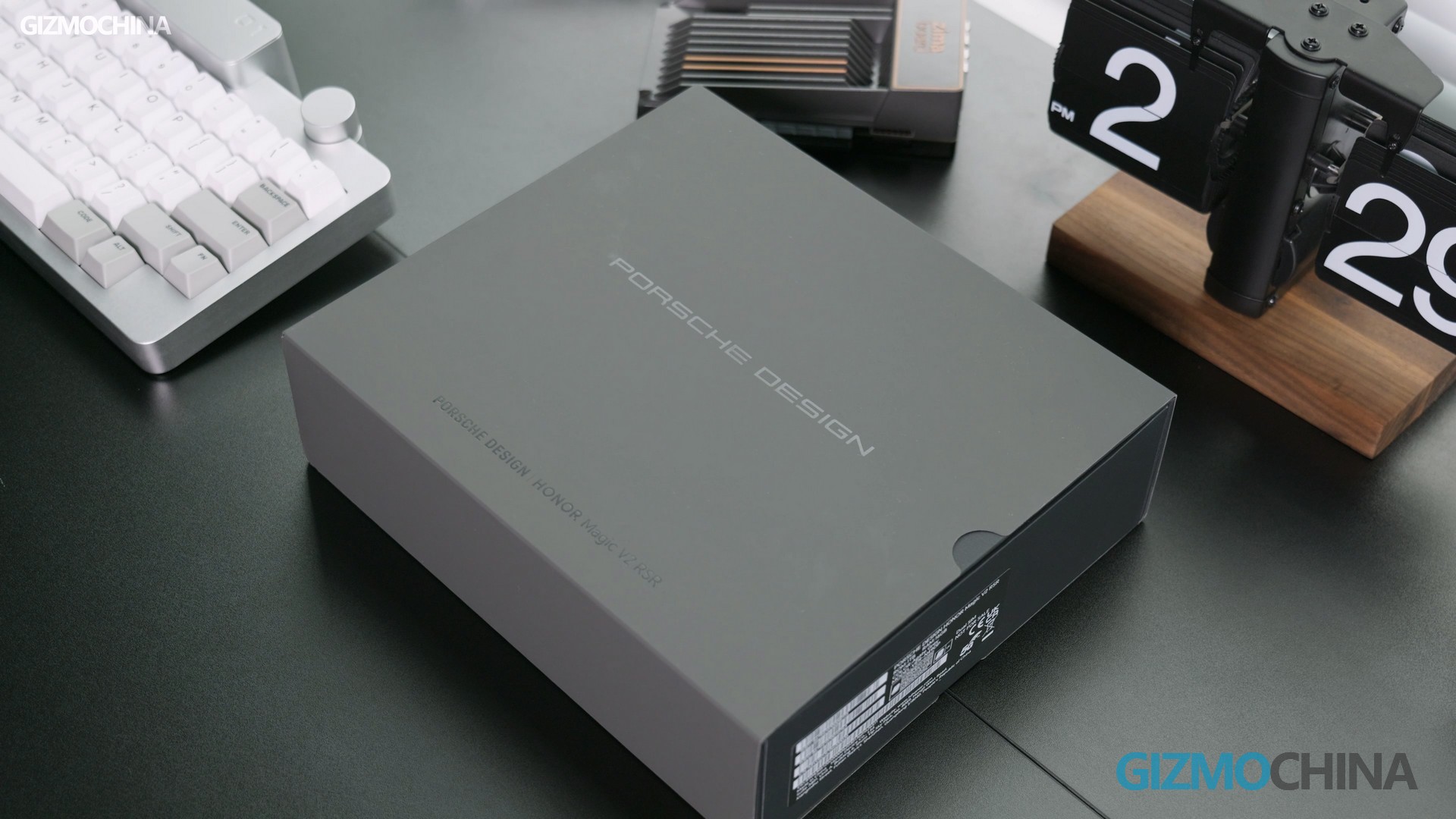
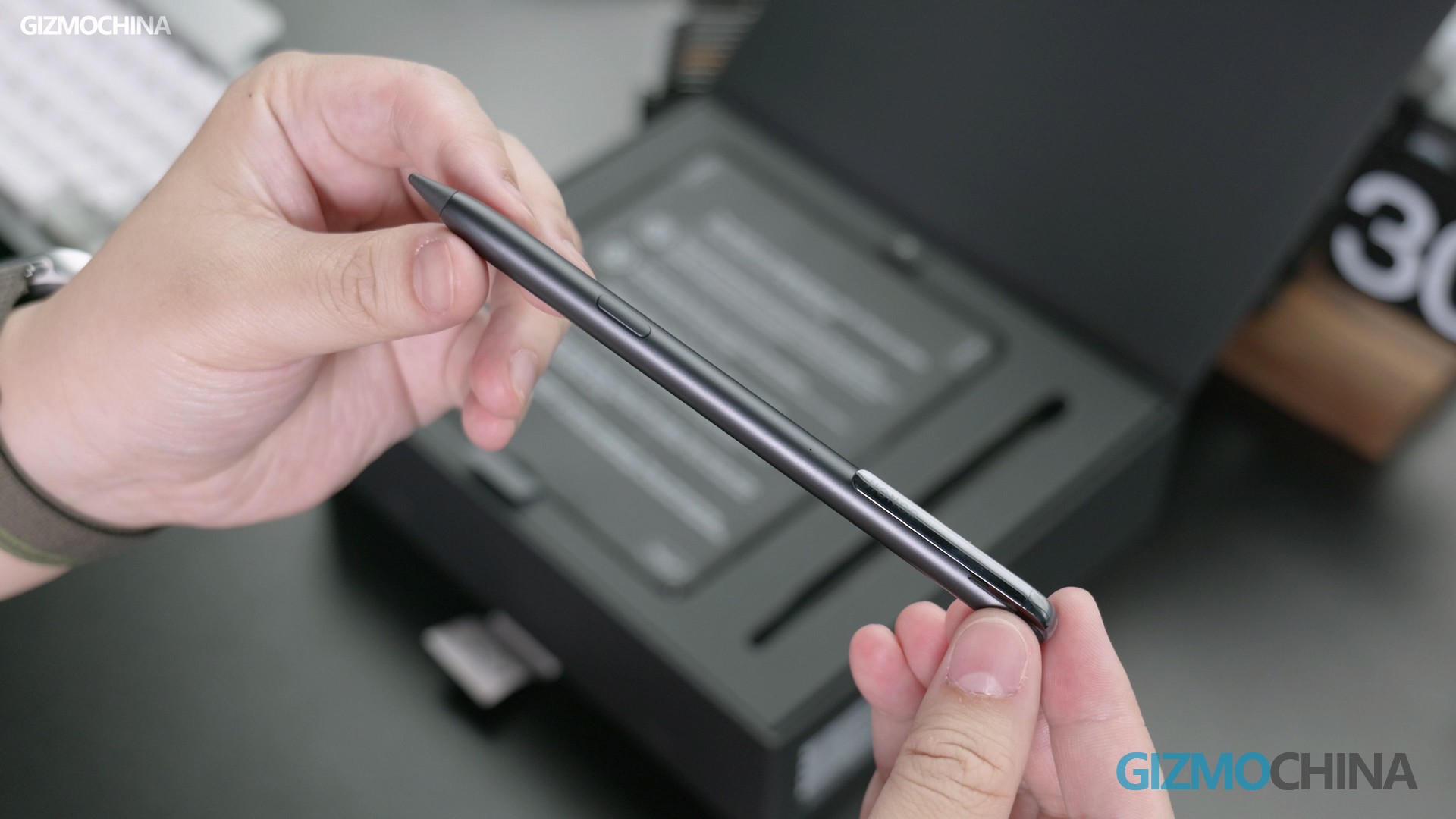
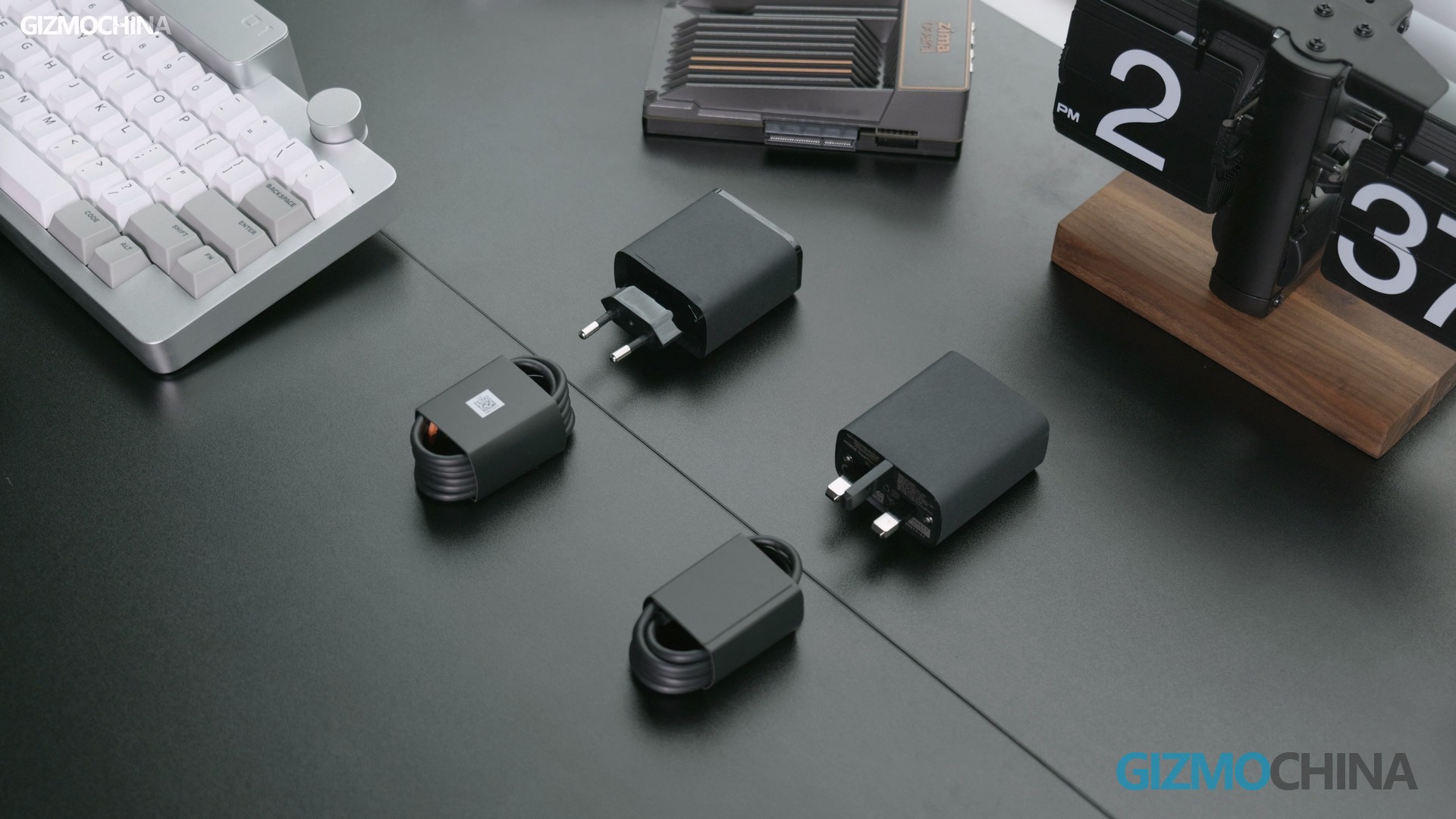
One of the big upgrades is the accessories. Look at the box, it’s so big, which means there must be a lot of accessories. When you open the lid, in addition to the phone, there’s a stylus next to it. With that kind of price tag, it makes sense to give away a stylus I think. Underneath them are three boxes and a card pin.
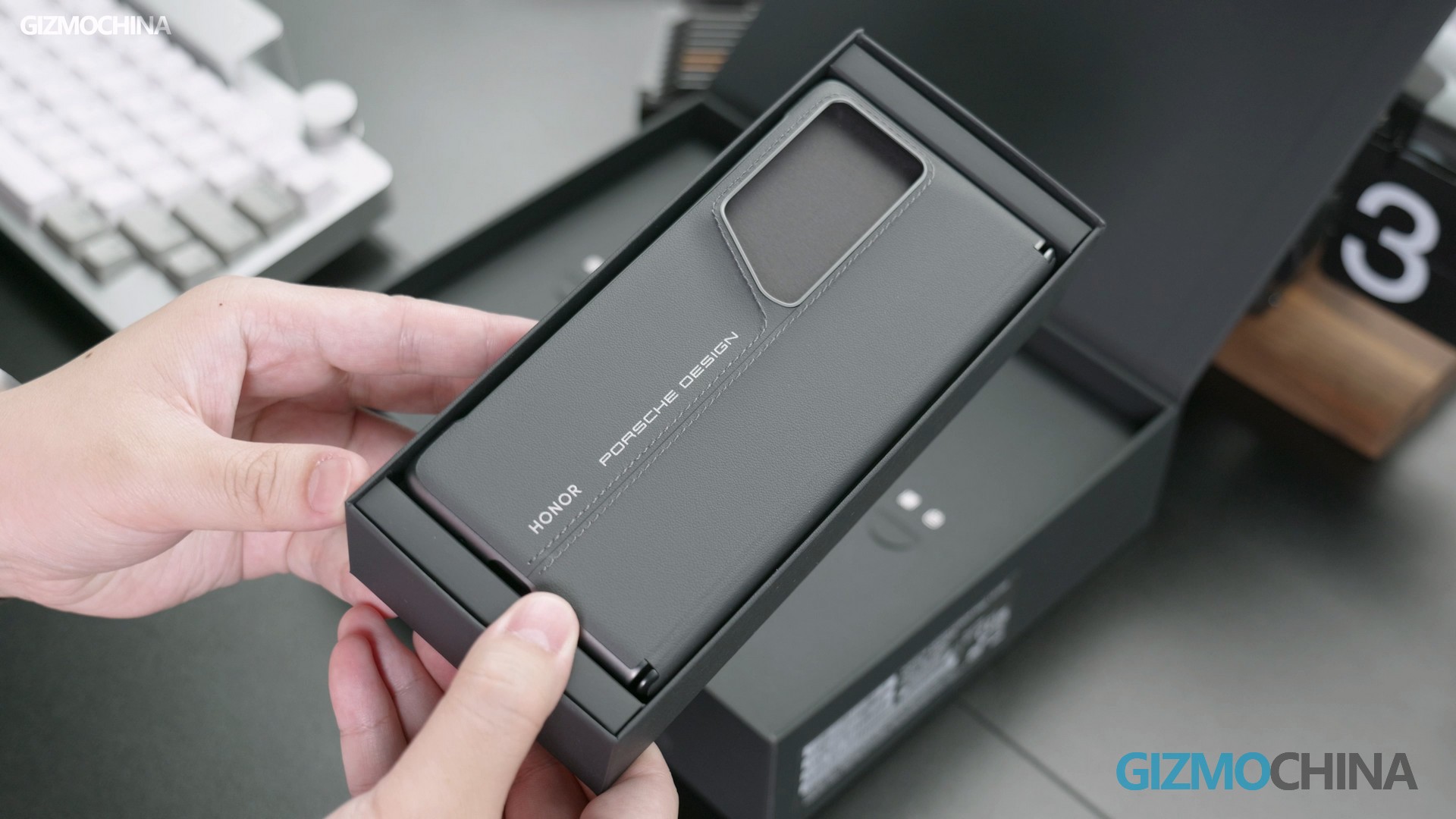
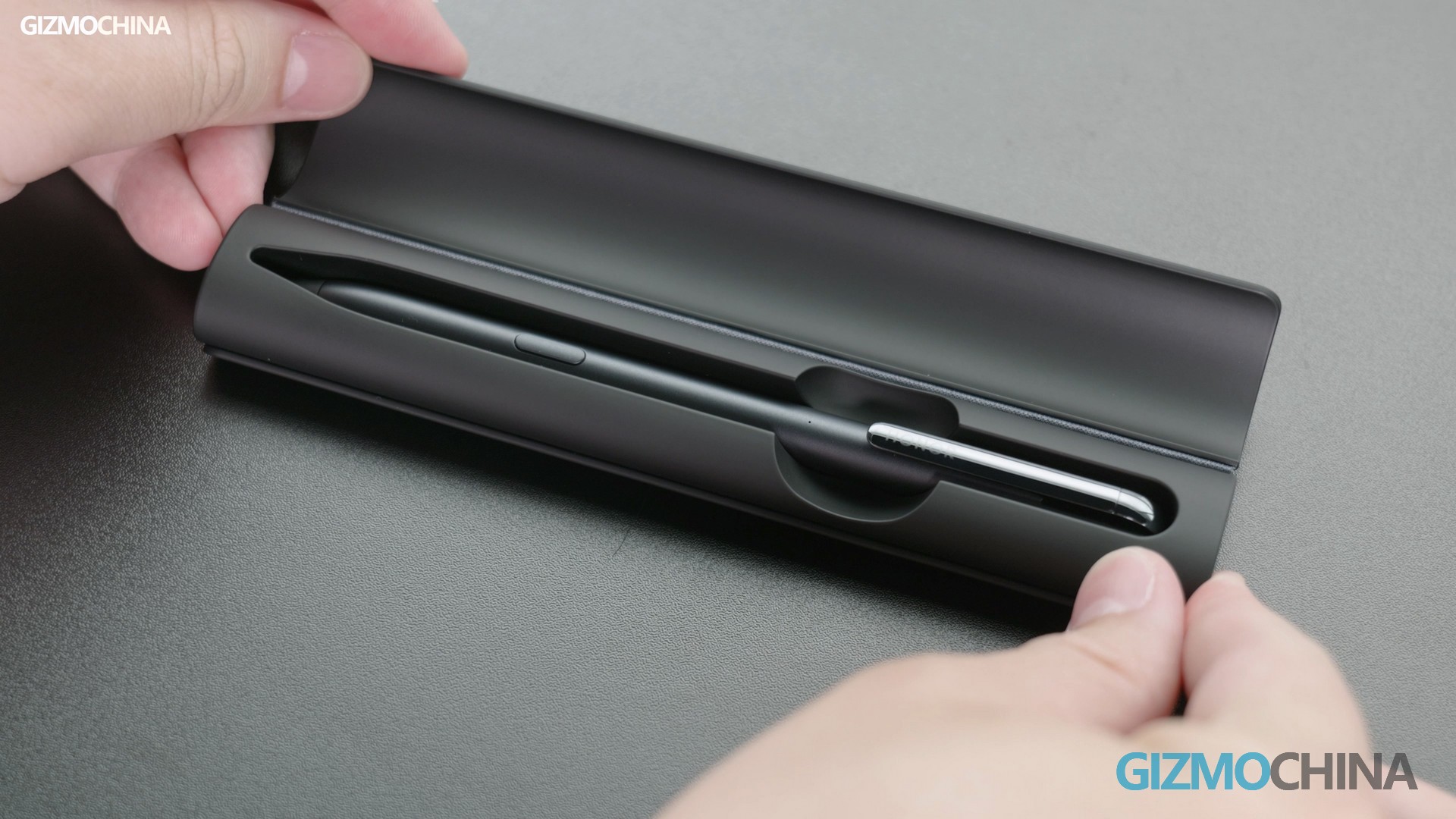
Let’s start with the box in the center. Inside there is a very delicate case that is similar in design to the back cover of the phone. There is also a long case inside that is designed for the stylus. It’s also textured with vegan leather and the lid is magnetic, which really makes the stylus look like a fancy fountain pen.
The remaining two large boxes look as if they are identical, and in fact they are. Both are 66w chargers with USB A to C cables, the only difference is the type of plug they come with. Because this is the global version of the phone, they don’t know which type of socket is used in your region.
Some brands will give you two chargers even if you just buy one phone, while there are some brands that won’t give you even one charger. I think we all know which phone will be more favorable.
Design
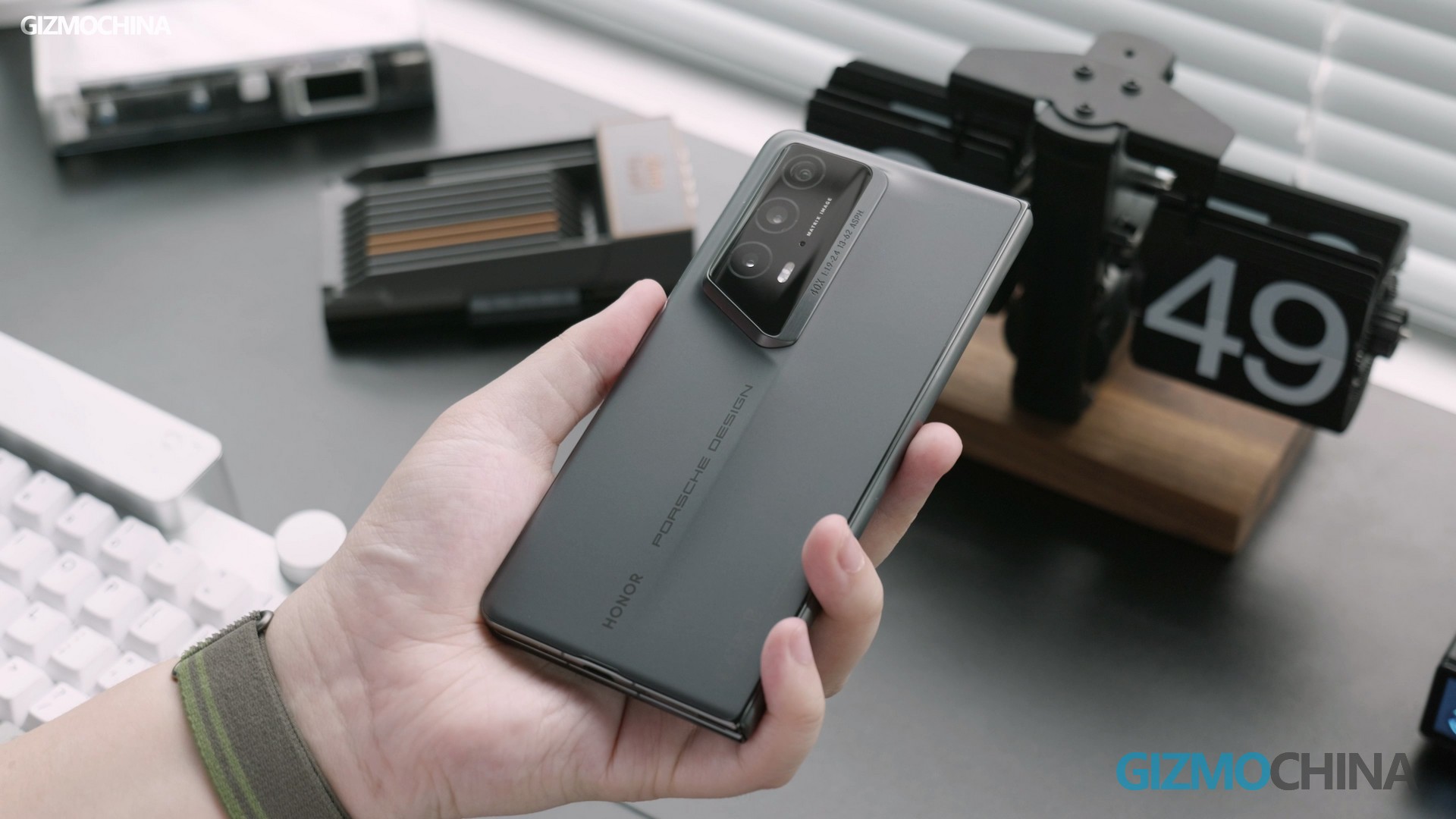
Of course, the biggest change in the phone is the back cover design, which is made by the collaboration with PORSCHE. What do you think of this design? HONOR says its back cover is inspired by the sleek exteriors and durability of the Porsche 911. The camera module is also inspired by the precision and performance of Porsche cars. I do feel that this is better looking and more business-like than the regular version.
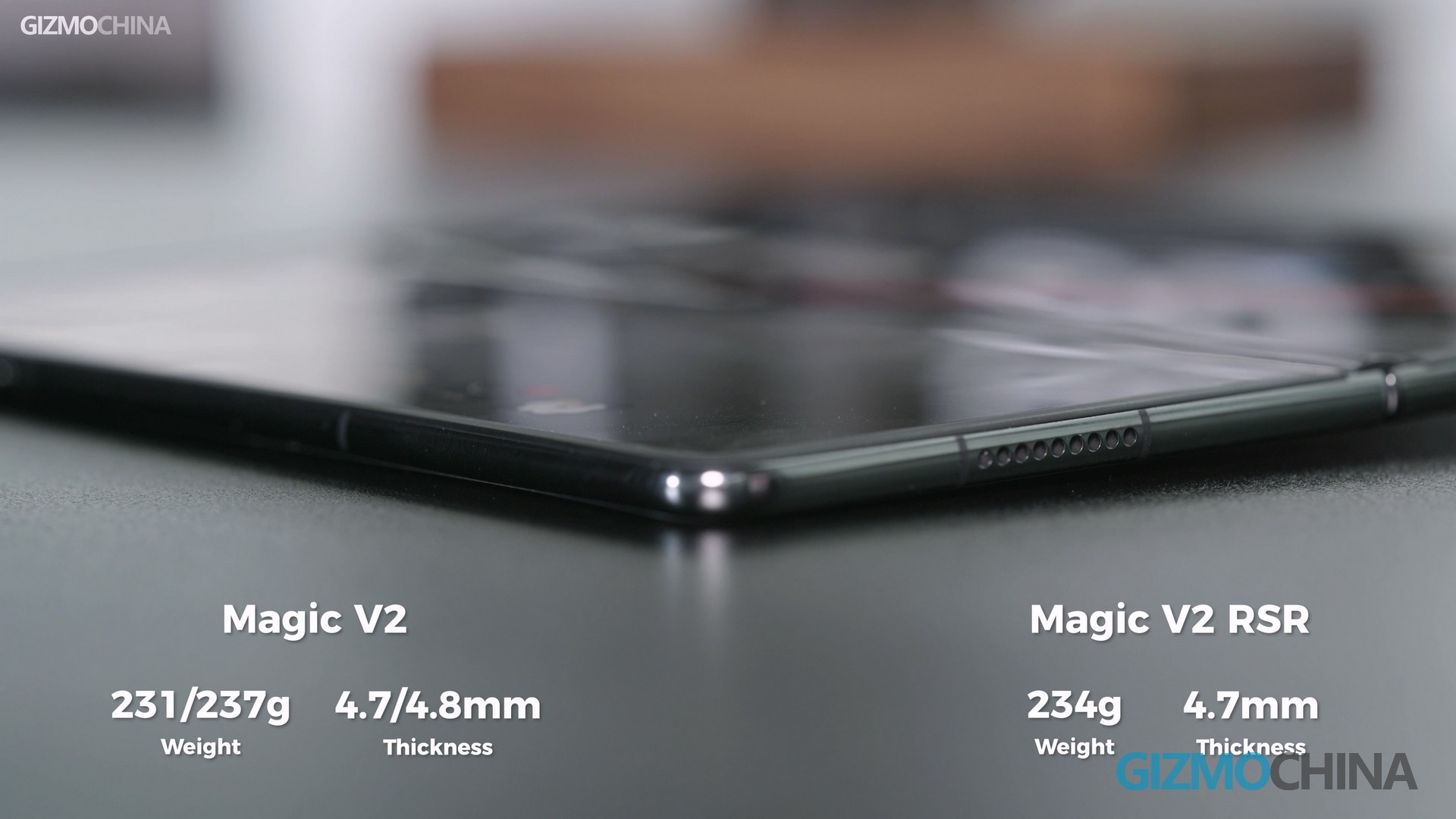
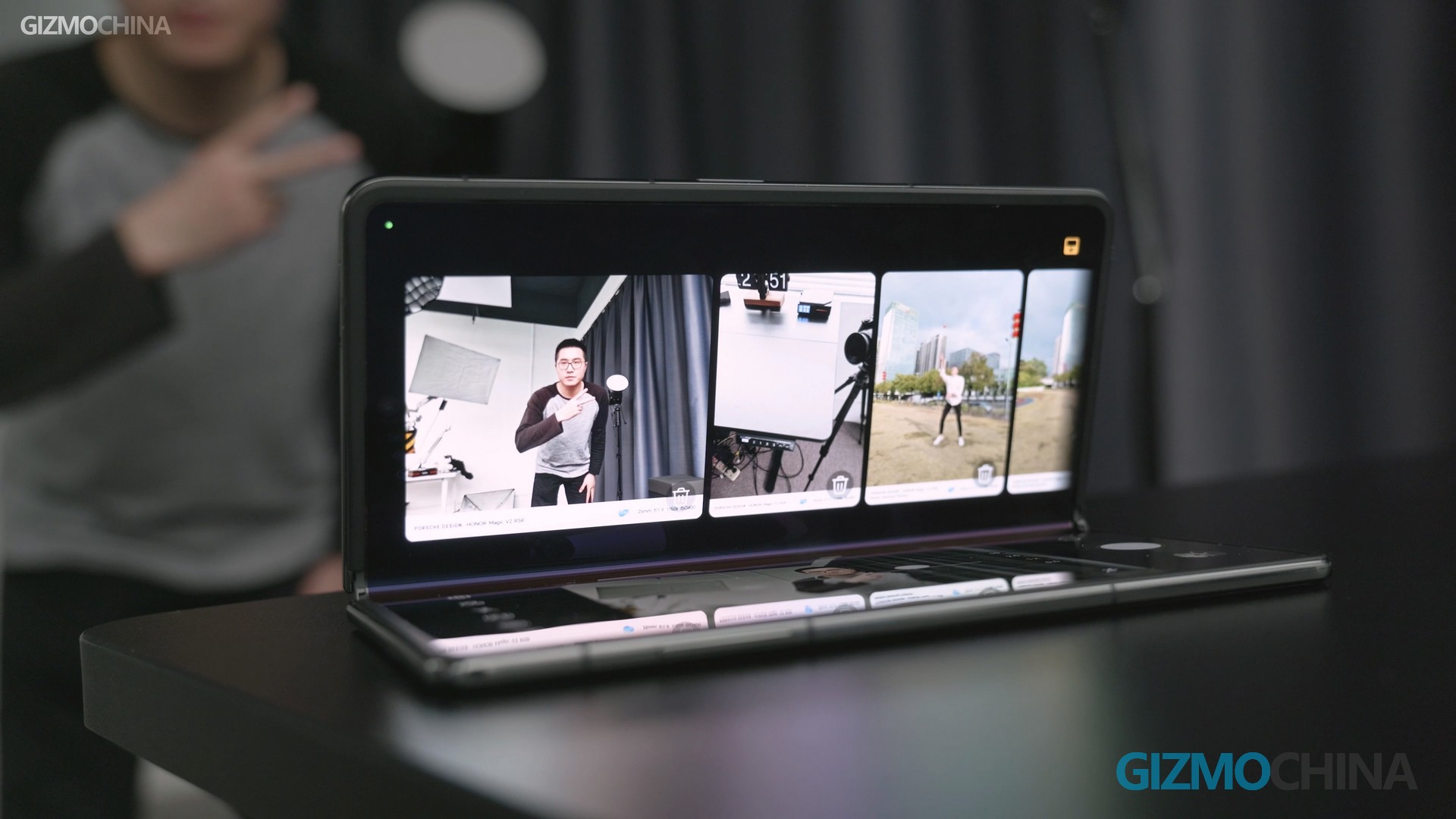
Whenever I mention the Magic V2, I have to bring up the incredible thickness and weight. Of course, the RSR version keeps that up, only 4g heavier than the regular version, but still lighter than the iPhone 14 Pro Max.
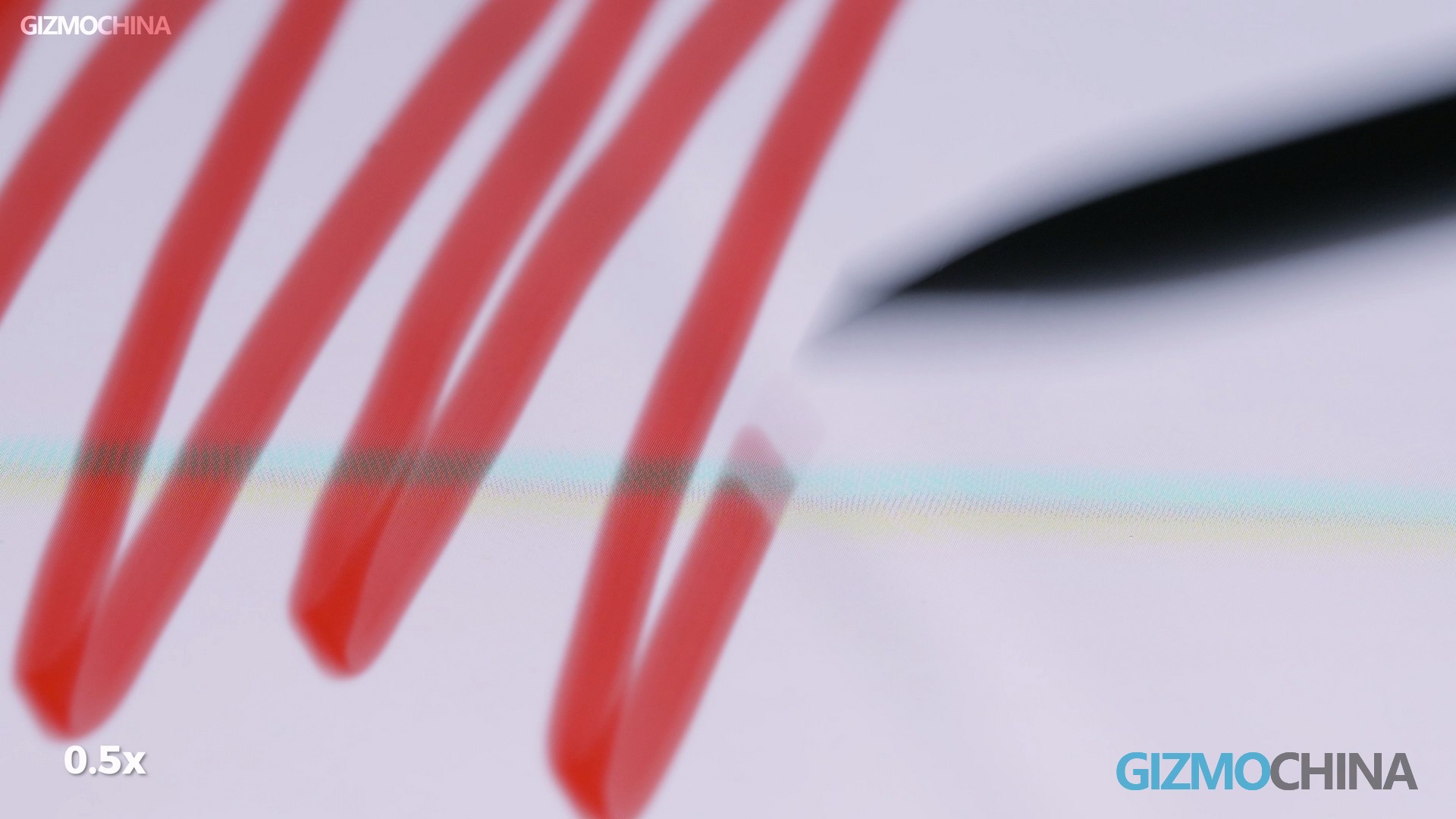
About that stylus in the box, to be honest, it’s the first time I’ve used a stylus on a HONOR foldable phone. I was shocked by its super low writing latency. If I didn’t take the shot in slow motion, I couldn’t even feel the latency. Previously, such a writing experience was only available on the iPad, and I’m glad that HONOR has done the same.
Anyway, for a foldable phone, the Magic V2 RSR made a great first impression. I have nothing to complain about.
Display
The Magic V2 RSR version has the same screen as the regular version, both the internal and external screens. However, if you purchase the RSR version, you will get an upgrade to the external screen protection glass.
This NanoCrystal Shield glass is ten times more drop and scratch-resistant than the regular Nanocrystal glass. Plus it can hovered so you can do what I do: shoot without a tripod, even with the screen underneath, without fear of getting scratched.
Camera
Speaking of the camera, HONOR has also put a lot of effort into the Magic V2. Let’s start with a feature unique to the RSR version: the watermark. How do you let people know you’ve got a new phone? Aside from putting the phone right in their faces, the other most direct way is to post a photo with a watermark on IG or Twitter. That way the world knows you bought a new foldable phone designed by Porsche.
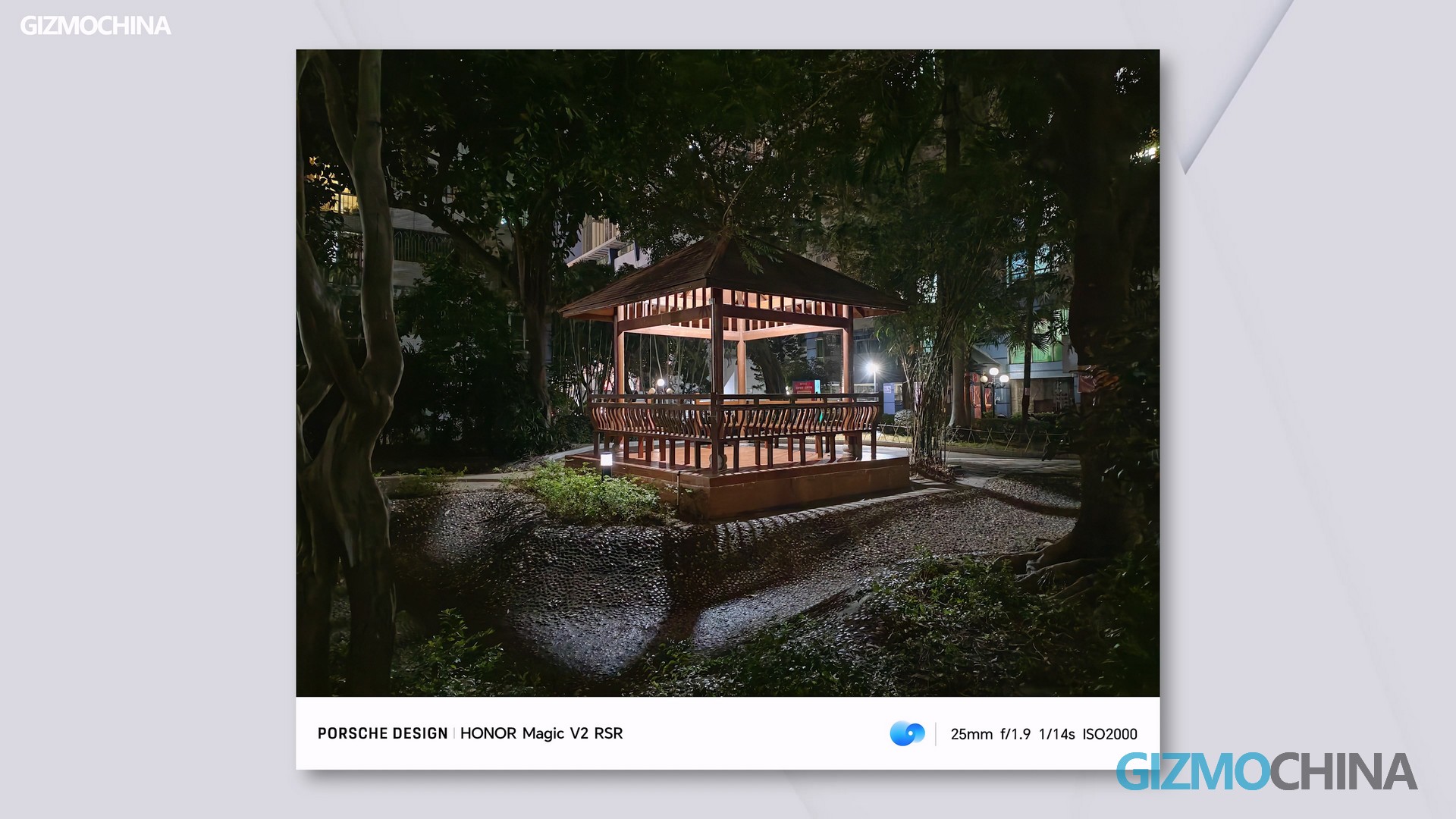
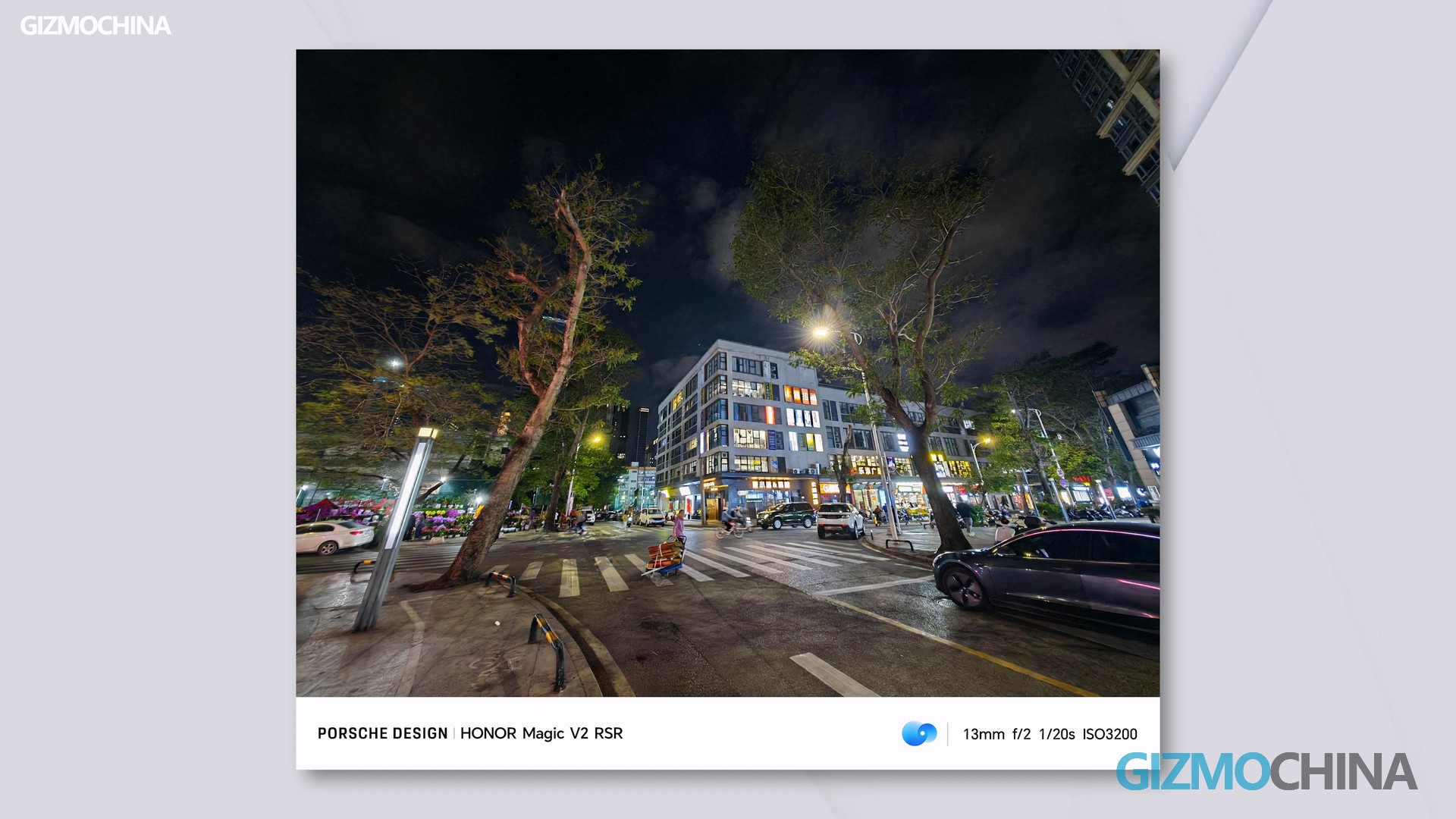
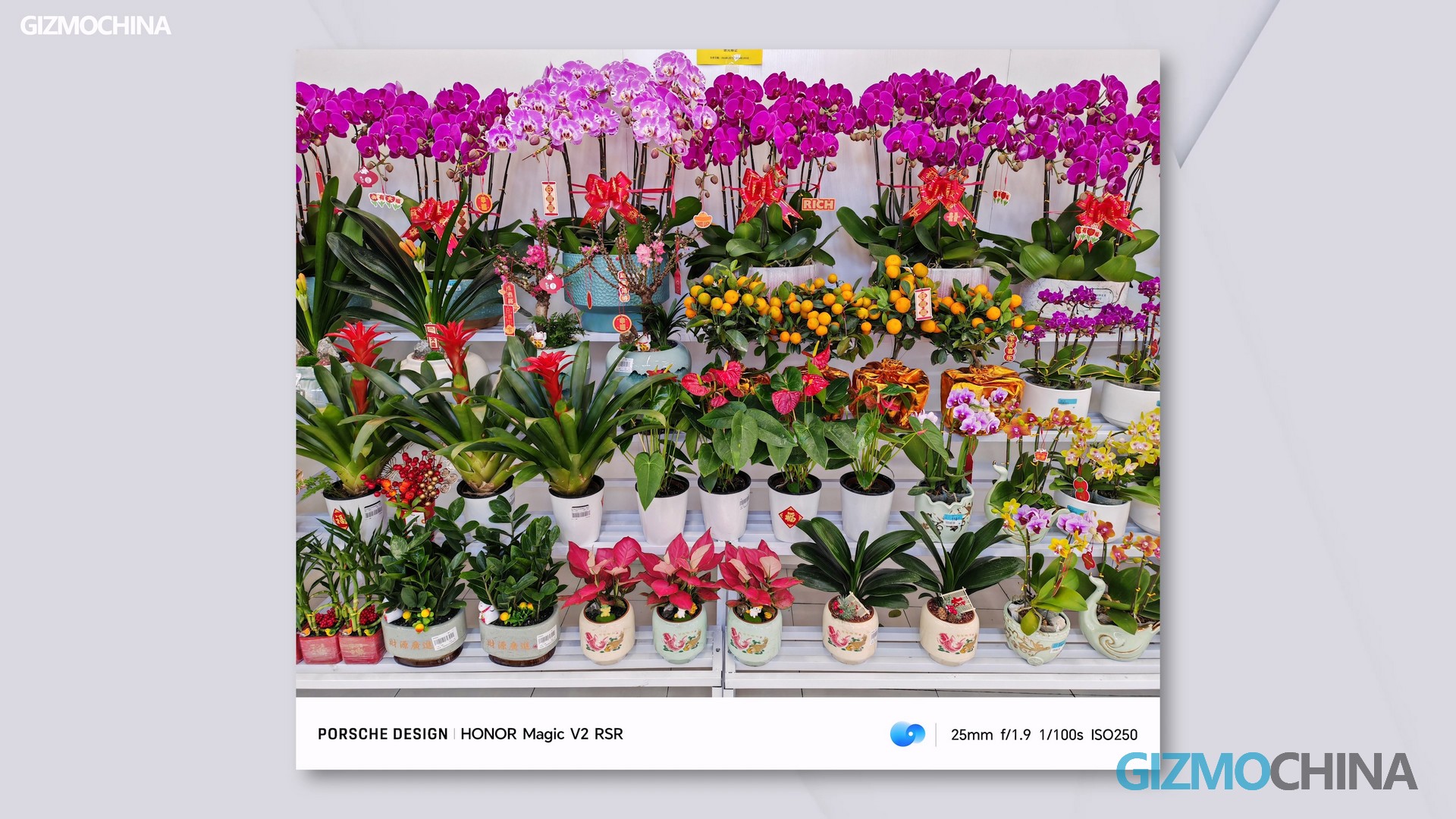
Other than that feature, the hardware and software are just like the regular version. All three cameras perform well with vibrant colors and good dynamic range. Even at night, it retains superb detail. Is it because it has a strong sharpening algorithm? No. It doesn’t sharpen much and the hairs all look natural.
By the way, the macro feature of its ultra-wide camera is better than expected. I’m happy to use the macro mode to take such photos. For a foldable phone, the Magic V2 RSR is as good as many flagship phones. I’m still very pleased with the camera system.
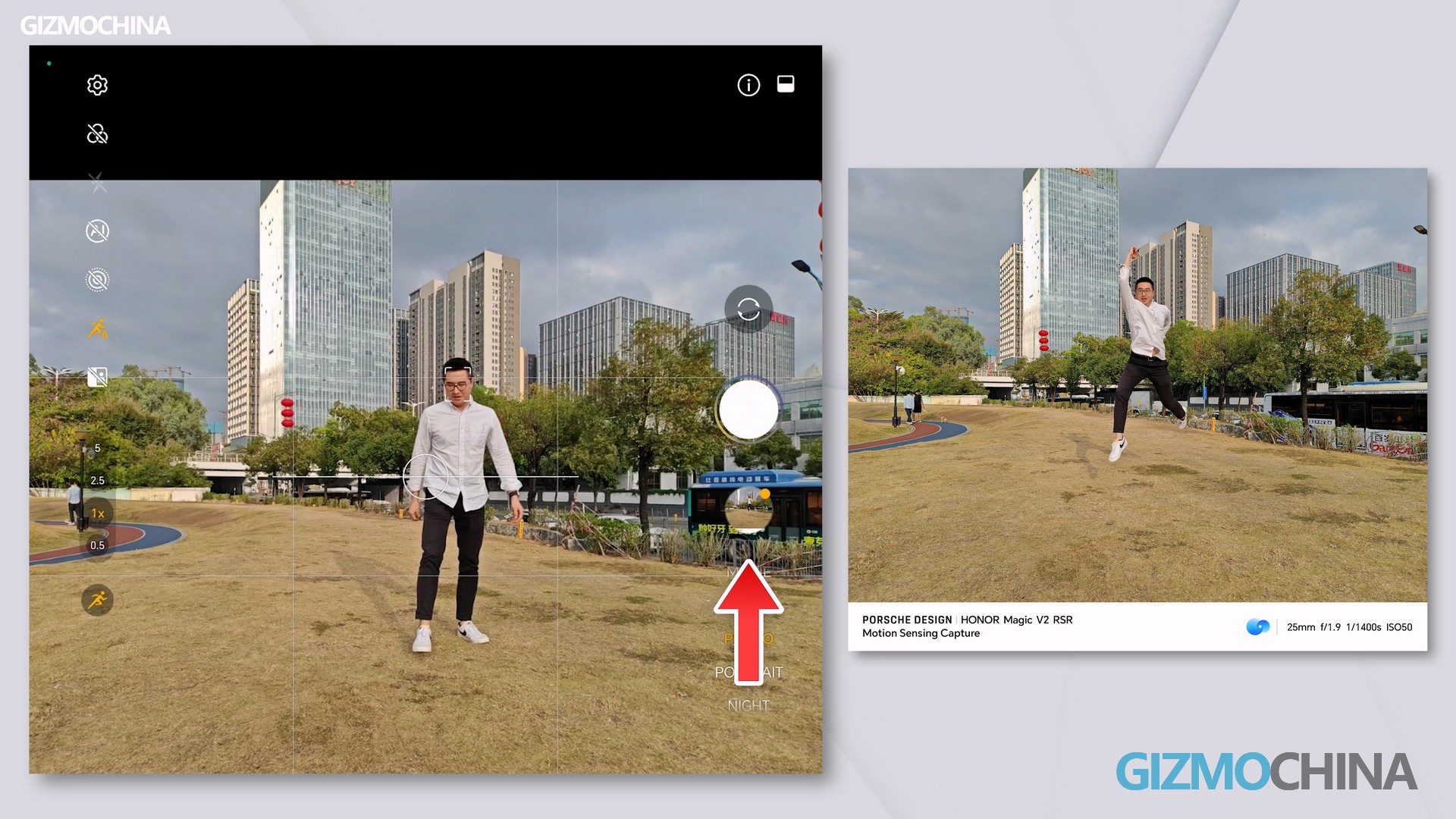
The AI Motion Sensing Capture feature should also be one of the highlights of Magic V2. With AI, it can automatically help you capture some great moments when you forgot to press the shutter. I think this feature is very helpful for people who have pets or kids. You know, they are always not very cooperative with you when taking photos.
It doesn’t always capture the image you want, but it’s always good to have this feature as insurance. Compared to Live Photos, I prefer this solution for taking pictures of moving objects.
Foldable ecosystem
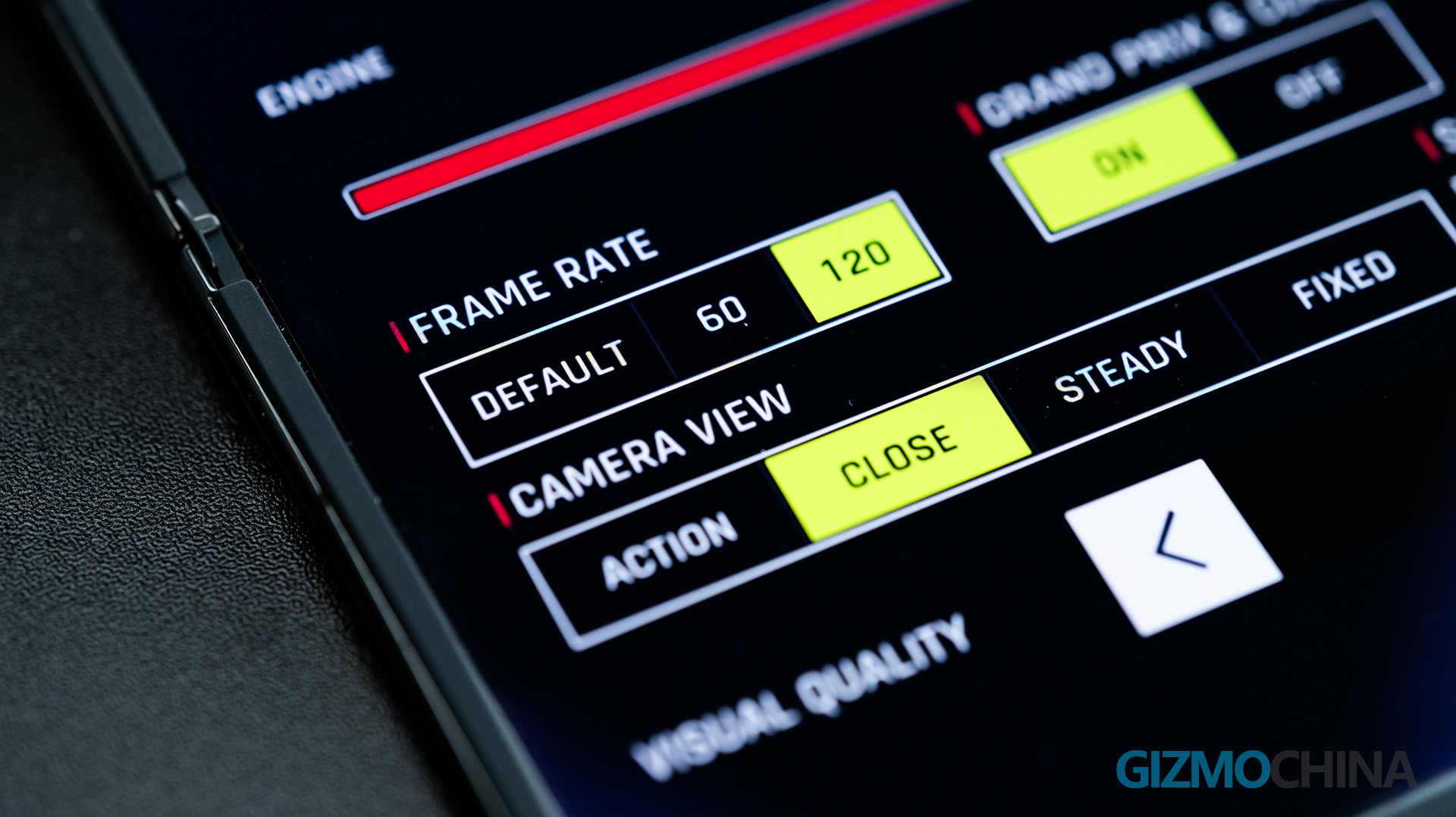
HONOR collaborated with Gameloft together to exclusively make the Asphalt 9: Legends compatible with the whole Magic V2 Series, including the special edition with PORSCHE DESIGN, which marks a significant milestone in the mobile gaming industry. HONOR Magic V2 Serie is the world’s first foldable phone to run this game at 120 FPS with a remastered gaming image quality. It’s another step that HONOR with its partner has made to build an open collaborative and innovative foldable ecosystem.
Conclusion
Obviously, the Magic V2 RSR version is designed for those who feel that the regular version isn’t special enough. It has a more premium design, more scratch-resistant protective glass, more personalized watermarks, and more accessories, such as two chargers and a stylus. I think the V2 RSR should be HONOR’s new Best Buy foldable phone until the Magic V3 comes.
The Xiaomi 14 Ultra is the brand’s upcoming flagship smartphone model that is expected to feature top notch specs and features. But ahead of its official release, a fresh report has offered us a look at the full design of this device via high resolution renders.
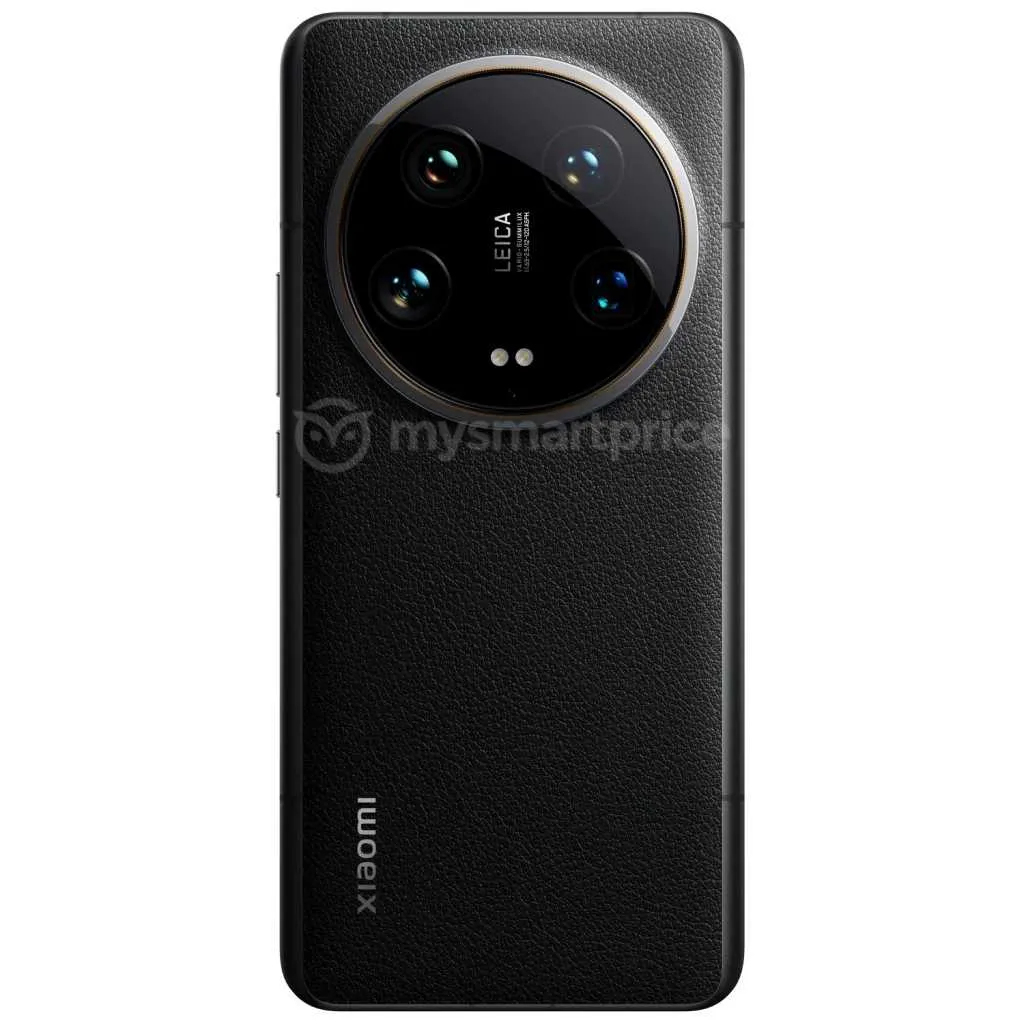
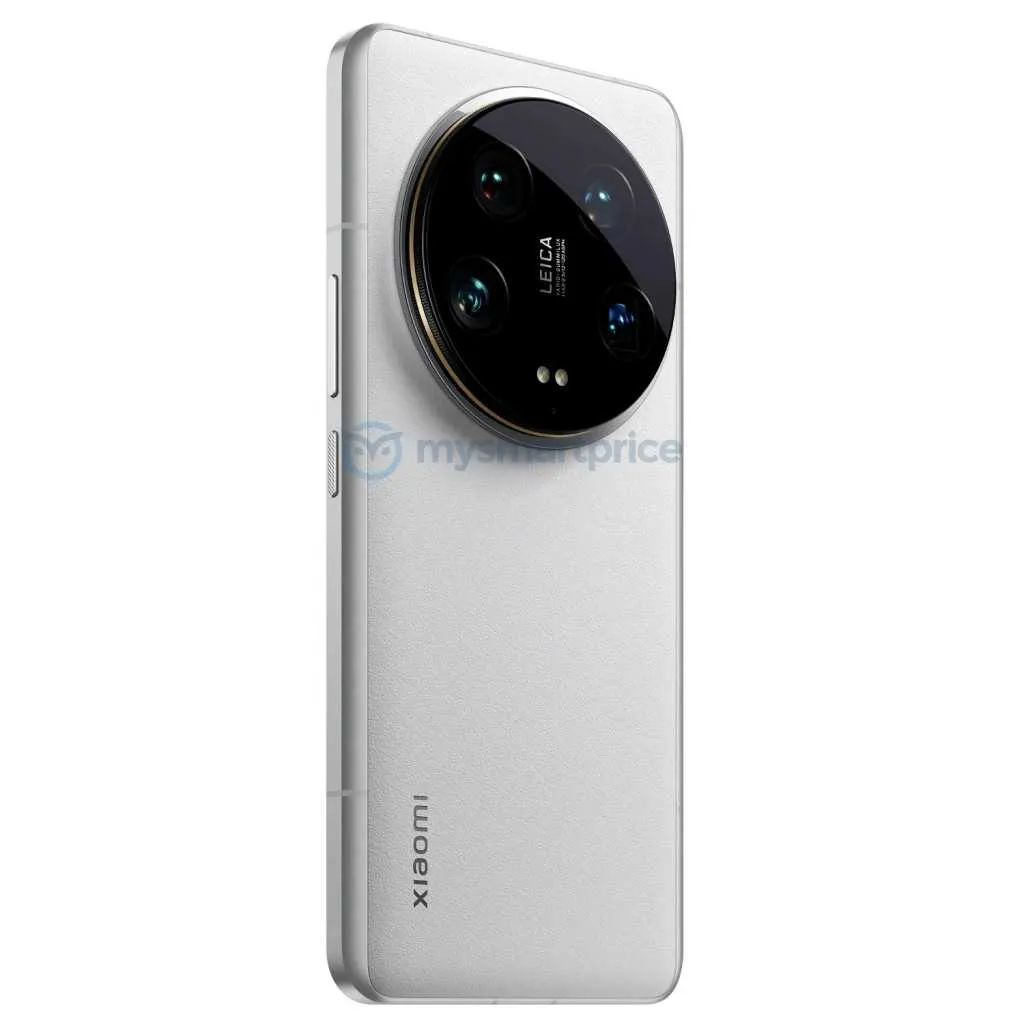
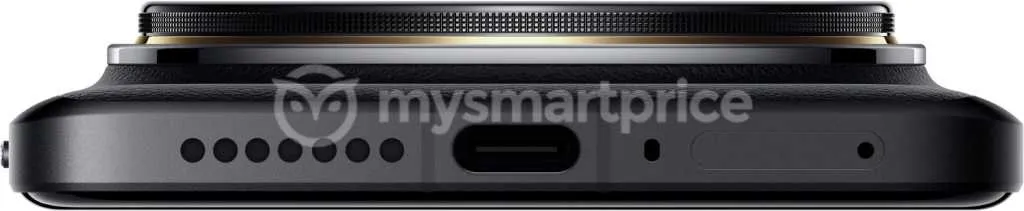
Xiaomi 14 Ultra Renders: Leather Back & Leica Branded Camera
The renders of the Xiaomi 14 Ultra were shared by MySmartPrice. We can see multiple images of the smartphone in two color options, namely Black and White. Both variants appear to feature a faux leather panel on the rear. The back also features a large circular camera island that houses the quad camera setup, LED flash, and the Leica branding for the lenses.
This module also appears to have a noticeable bump and is surrounded by a silver bezel on the Black variant and a Gold bezel on the White version. The volume rockers and power button (features a textured finish) are situated on the right side of the device. On the bottom, you can find the speaker grille, USB Type C port, and a primary microphone, while the top houses the secondary microphone.
It is unclear if the IR blaster will be featured on this device as of right now. Based on what we know so far, the Xiaomi 14 Ultra is tipped to launch in glass, leather, and titanium options. So this report is also in line with our previous coverage. So stick around for more as we will be covering its launch, which is expected in the upcoming MWC 2024 event.
We use cookies on our website to give you the most relevant experience by remembering your preferences and repeat visits. By clicking “Accept”, you consent to the use of ALL the cookies.
This website uses cookies to improve your experience while you navigate through the website. Out of these, the cookies that are categorized as necessary are stored on your browser as they are essential for the working of basic functionalities of the website. We also use third-party cookies that help us analyze and understand how you use this website. These cookies will be stored in your browser only with your consent. You also have the option to opt-out of these cookies. But opting out of some of these cookies may affect your browsing experience.
Necessary cookies are absolutely essential for the website to function properly. This category only includes cookies that ensures basic functionalities and security features of the website. These cookies do not store any personal information.
Any cookies that may not be particularly necessary for the website to function and is used specifically to collect user personal data via analytics, ads, other embedded contents are termed as non-necessary cookies. It is mandatory to procure user consent prior to running these cookies on your website.