Advertisement

Xiaomi 14 Ultra rear design with leather back & Leica branding revealed via fresh Renders

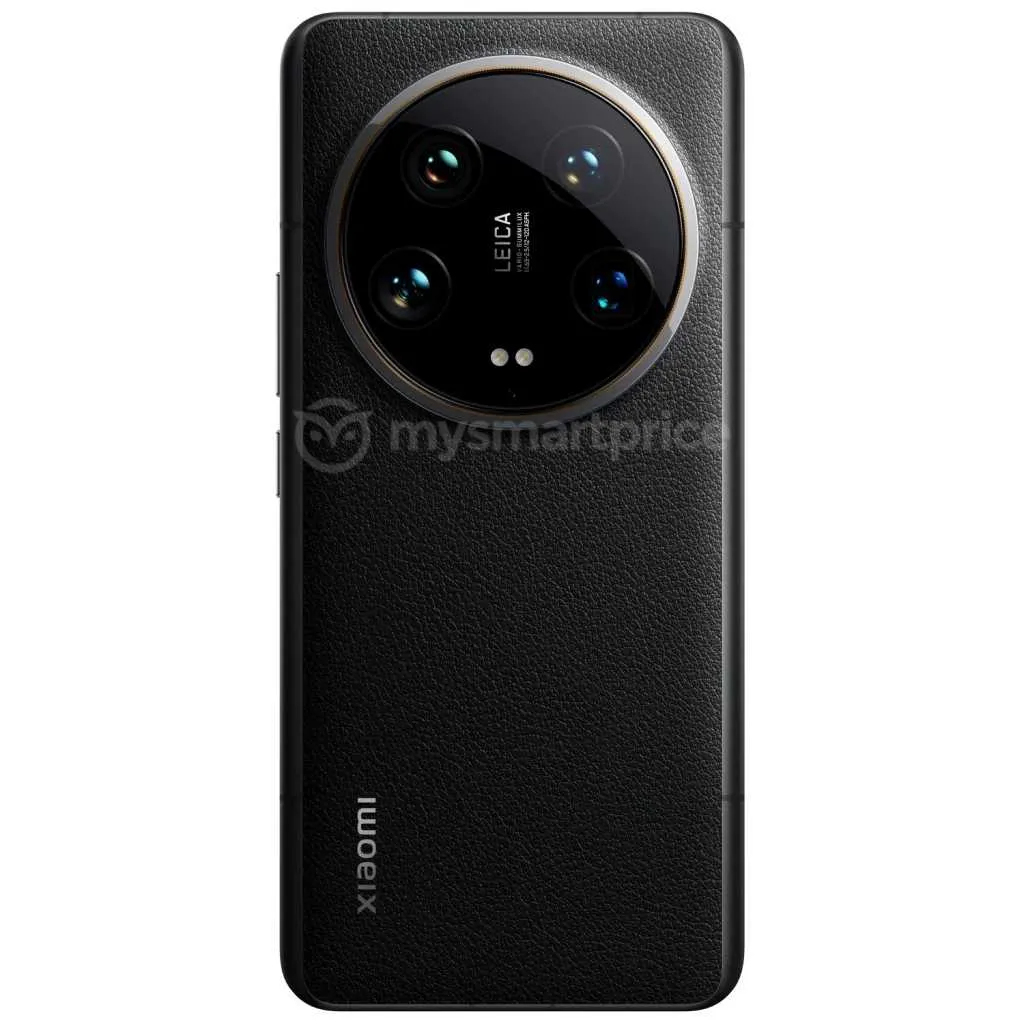
The Xiaomi 14 Ultra is the brand’s upcoming flagship smartphone model that is expected to feature top notch specs and features. But ahead of its official release, a fresh report has offered us a look at the full design of this device via high resolution renders.
Xiaomi 14 Ultra

Xiaomi 14 Ultra Renders: Leather Back & Leica Branded Camera

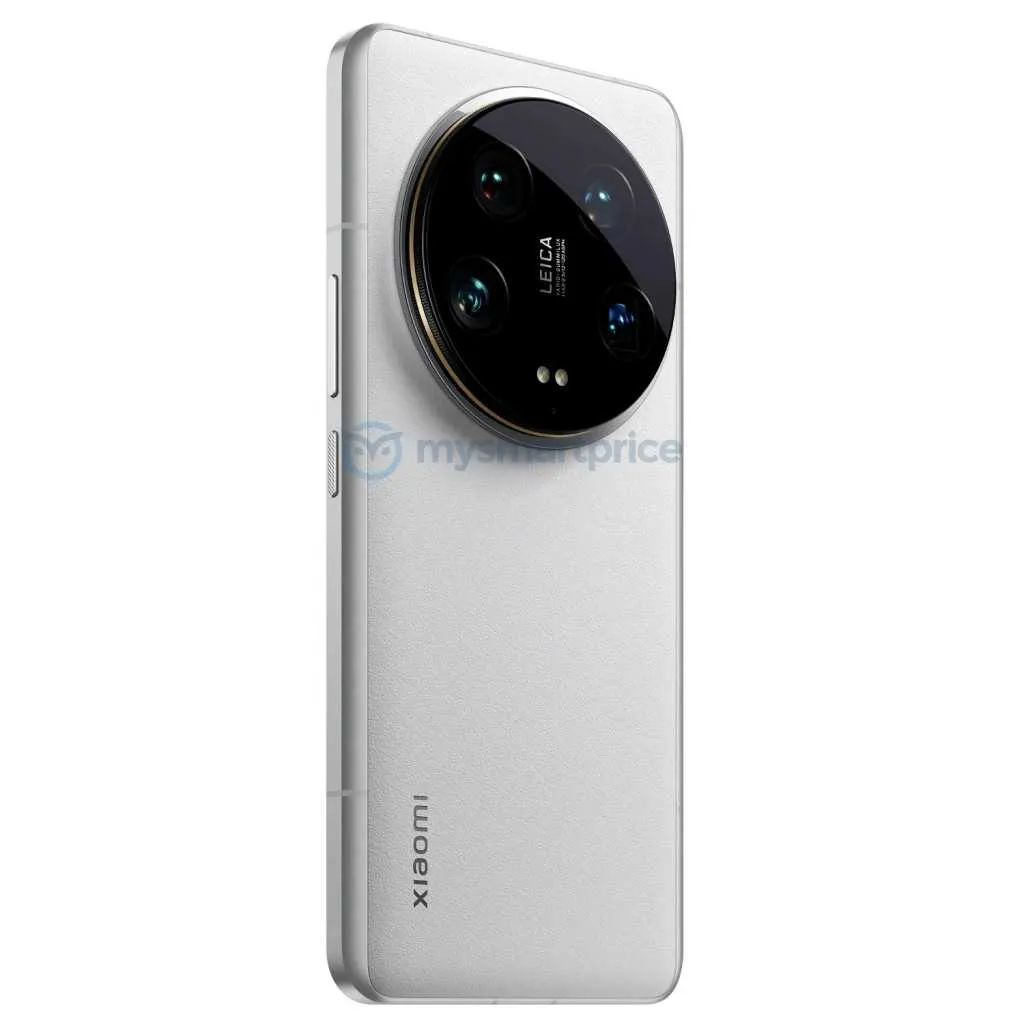
The renders of the Xiaomi 14 Ultra were shared by MySmartPrice. We can see multiple images of the smartphone in two color options, namely Black and White. Both variants appear to feature a faux leather panel on the rear. The back also features a large circular camera island that houses the quad camera setup, LED flash, and the Leica branding for the lenses.
Xiaomi 14 Ultra

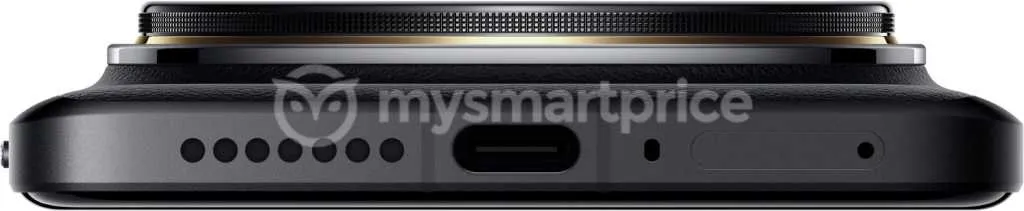
This module also appears to have a noticeable bump and is surrounded by a silver bezel on the Black variant and a Gold bezel on the White version. The volume rockers and power button (features a textured finish) are situated on the right side of the device. On the bottom, you can find the speaker grille, USB Type C port, and a primary microphone, while the top houses the secondary microphone.
Xiaomi 14 Ultra

It is unclear if the IR blaster will be featured on this device as of right now. Based on what we know so far, the Xiaomi 14 Ultra is tipped to launch in glass, leather, and titanium options. So this report is also in line with our previous coverage. So stick around for more as we will be covering its launch, which is expected in the upcoming MWC 2024 event.

RELATED:

iQOO Neo 9 Pro to feature 6043mm2 heat dissipation unit

iQOO Neo 9 Pro 5G is scheduled to be officially unveiled in India on Feb. 22. While the company has revealed many details about the device prior to its launch, there are still some aspects awaiting confirmation. Recently, iQOO India CEO Nipun Marya made a post confirming that the Neo 9 Pro will boast the largest heat dissipation unit ever seen on a Neo-branded phone from the company.

iQOO Neo 9 Pro heat dissipation

The above X post confirms that the vapor chamber cooling unit in the iQOO Neo 9 Pro will have a surface area of 6043mm². This promises significantly improved heat dissipation compared to last year’s iQOO Neo 7 Pro, which featured a 4013mm² vapor chamber unit. Notably, this year’s model surpasses the previous one by 167 percent, which itself was larger than the one found in the Neo 6 Pro.

It is speculated that the Neo 9 Pro will be priced at Rs 37,999 (~$457) in India. This price could be for the base model of the device, which will offer 8 GB of RAM and 256 GB of storage. The higher variant of the device will feature 12 GB of RAM and 256 GB of storage. The Snapdragon 8 Gen 2-powered device will offer LPDDR5x RAM and UFS 4.0 storage. It will run on FunTouch OS 14-based Android 14.

The Neo 9 Pro will arrive with a 6.78-inch AMOLED display that offers a 1.5K resolution and a 144Hz refresh rate. On the front, it will feature a 16-megapixel camera for selfies and video calls.

The back panel of the device will have a 50-megapixel Sony IMX920 main camera with OIS support, an 8-megapixel ultra-wide lens, and an LED flash. It will also have other features, such as an under-display fingerprint scanner, a Q1 supercomputing chip, and an IR blaster. It will arrive in Fiery Red and Conqueror Black color options.

RELATED:

Redmi A3 launched in India with Helio G36 chip, 90Hz display, glass back, and more

Xiaomi has launched the Redmi A3 in India as scheduled. As the name suggests, it is the third-gen model in the Redmi A series of entry-level smartphones.

The handset succeeds the Redmi A2 and Redmi A1 from 2023 and 2022, respectively. India is the first country to get this product.

Let’s check out what this phone has to offer along with its pricing and availability details.

Redmi A3

Redmi A3 Specifications

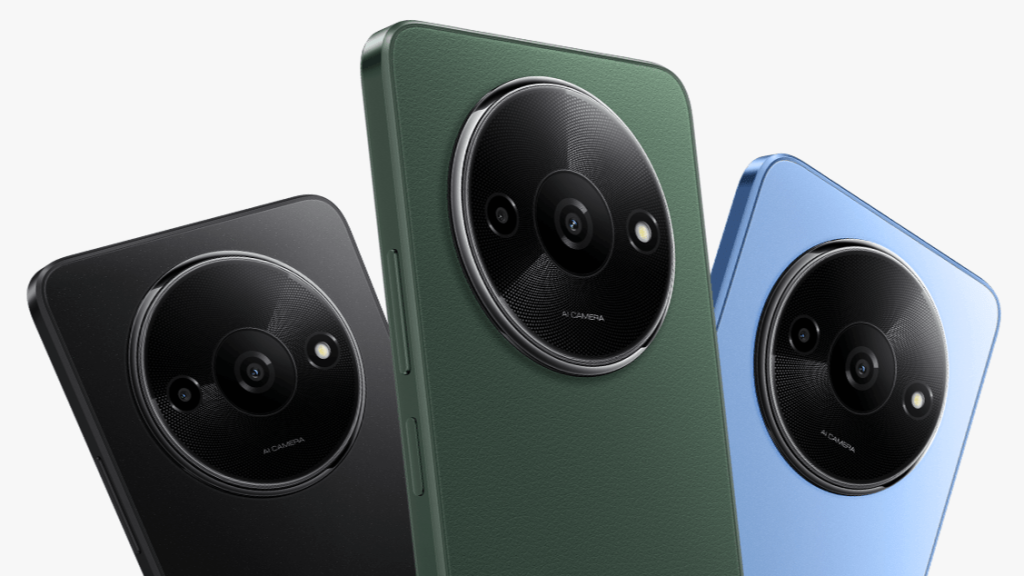
The Redmi A3 resembles a premium smartphone with a giant circular camera module despite being an entry-level model. It features a flat frame and arrives in glass as well as leather finishes on the back.

The device sports a 6.7-inch display with a dewdrop notch. The LCD panel offers a resolution of 1650 x 720 pixels (HD+) and a 90Hz refresh rate.

The handset is powered by a MediaTek Helio G36 chipset paired with LPDDR4x RAM and eMMC 5.1 storage. On the software front, it boots Android 13 based on MIUI 14.

The phone houses an 8MP camera on the rear paired with a 0.08MP secondary sensor. On the front, it has a 5MP selfie camera.

Like any budget smartphone, this one too comes with a 3.5mm headphone jack and a dedicated MicroSD card slot. There’s also a side-mounted fingerprint sensor and a USB Type-C port.

The connectivity options on it include dual SIM, 4G, dual-band WiFi, Bluetooth 5.3, and GNSS. Last but not least, it draws energy from a 5,000mAh battery and supports 10W charging.

Redmi A3 Price in India

The Redmi A3 carries the following price tags in India.

  • 3GB + 64GB – ₹7,299 (~$90)
  • 4GB + 128GB – ₹8,299 (~$100)
  • 6GB + 128GB – ₹9,299 (~$110)

The device can be availed in either Lake Blue, Midnight Black, or Oilive Green color options. The first two variants have a glass back, while the last one features a leather-like finish.

The phone will be available for purchase starting February 23 via Mi.com, Flipkart, and offline retail stores across the country.

RELATED:

POCO M6 5G & POCO C65 released in new Pastel Green & Polaris Green colors in India

POCO has just released the POCO C65 and POCO M6 5G in new color variants in India. The devices arrive in a fresh Green hue and are set to go on sale in the region soon. So here are all the details.

POCO C65 & POCO M6 5G New Colors

POCO M6 5G

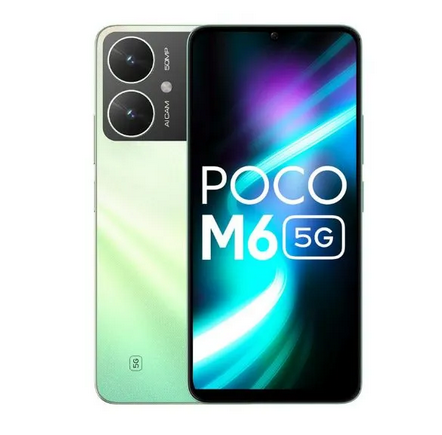
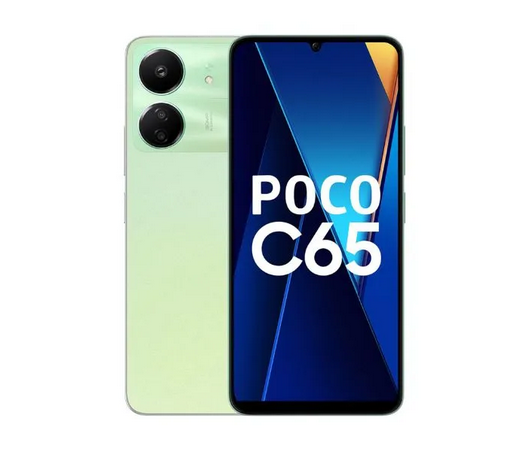
The Chinese smartphone maker has launched the C65 model in the new Pastel Green option, while the M6 5G now arrives in a Polaris Green variant. As the name suggests, the former has a matte finish and the latter has a glossy back. Both smartphones with their new colors will be exclusively available for purchase via Flipkart, a popular Indian e-retailer.

The new POCO C65 Pastel Green and POCO M6 5G Polari Green editions will go on sale in India on 16th February 2024. Apart from just the design, the two devices don’t feature any new specs and features. To recall, the C65 is equipped with the MediaTek Heli G85 SoC and the M6 5G houses a Dimensity 6100+ chipset. Under the hood, both handsets are powered by a large 5,000mAh battery pack that supports 18W wired fast charging.

POCO M6 5G

These devices run on the Android 14 OS based MIUI 13 custom skin out of the box and offer a side mounted fingerprint scanner for security. The new Pastel Green POCO C65 starts from 7,499 INR, while the Polaris Green POCO M6 5G is listed for 9,499 INR. This deal likely includes bank offers as well.

RELATED:

GM Cruise taps former Apple executive Steve Kenner to improve its autonomous driving safety

General Motors (GM) has made a significant move in bolstering its autonomous vehicle division by appointing Steve Kenner as the safety director. Kenner, a former executive at Apple and Uber, brings decades of automotive industry experience to his new role, with a focus on enhancing safety measures in autonomous driving technology.

Kenner oversaw safety and regulatory activities for Apple’s secretive “Titan” car project

Kenner’s tenure at Apple, where he played a pivotal role in overseeing safety and regulatory activities for the secretive “Titan” car project, underscores his expertise in navigating the complexities of developing cutting-edge automotive technologies. Before his time at Apple, Kenner held prominent positions at major American automakers, including Ford and Chrysler, accumulating nearly 40 years of invaluable experience in the field.

Having begun his automotive career at General Motors in 1978, Kenner’s extensive engineering background and leadership roles at Chrysler and Ford further solidify his credentials as a seasoned industry veteran. His diverse skill set encompasses not only technical expertise but also strategic management, honed through various managerial positions throughout his career trajectory.

Kenner’s stint at Apple saw him advocating for updated policies to facilitate the testing of self-driving cars on public roads, highlighting his proactive approach to regulatory engagement and industry collaboration. His subsequent role at Uber’s Advanced Technologies Group further enriched his understanding of the evolving landscape of autonomous vehicle development and deployment.

In his new capacity at GM Cruise, Kenner is poised to leverage his wealth of experience to advance safety initiatives and regulatory compliance within the autonomous driving realm. His statement regarding the importance of partnership with regulators underscores GM’s commitment to prioritizing passenger safety and fostering trust within the broader ecosystem.

Related:

Zuckerberg touts Meta Quest 3 as a better MR headset than the Apple Vision Pro

Mark Zuckerberg, CEO of Meta, has ignited a debate in the mixed reality space by asserting the superiority of Meta’s Quest 3 headset over Apple’s Vision Pro in a recent Instagram video. Zuckerberg’s comparison highlights several key advantages of the Quest 3, including its affordability, comfort, and immersive capabilities. His remarks underscore Meta’s ambition to dominate the mixed reality market and challenge Apple’s stronghold in the realm of cutting-edge technology.

Zuckerberg explains how the Meta Quest 3 is a better product than the Apple Vision Pro

In the video, Zuckerberg emphasizes the Quest 3’s affordability, being priced nearly one-seventh of Apple’s Vision Pro. Despite the stark price difference, the Meta Quest 3 manages to deliver high-quality passthrough on large screens, he says, rivaling the capabilities of its Apple counterpart. Moreover, Zuckerberg praises the Quest 3’s lightweight design, shedding 120 grams compared to the Vision Pro, and its wireless functionality, providing users with unrestricted movement.

A key point of distinction highlighted by Zuckerberg is the Quest 3’s superior visual clarity and wider field of view, contrasting with the motion blur experienced with the Vision Pro. Additionally, the Quest 3 boasts precision controllers and hand tracking, with Zuckerberg noting the enhanced precision of the Quest’s hand tracking feature. The extensive library of immersive content available on the Quest platform further solidifies its appeal, offering users a diverse range of experiences, from gaming to multimedia consumption.

Zuckerberg’s critique extends beyond the technical specifications, delving into philosophical considerations of product design and market dynamics. He appreciates Apple’s decision to put a higher resolution display but disagrees with the ones that take away users’ comfort. He also advocates for Meta’s open model approach to the Mixed Reality space and assures that he will go to his absolute limits to let Meta Quest’s open model approach dominate the MR space. Drawing parallels with past industry trends, Zuckerberg suggests that while Apple may excel in certain product categories, the future of mixed reality may favor Meta’s open model, akin to Microsoft’s dominance during the PC era.

Related:

AMD’s Instinct MI300 series AI chips aim to redefine AI computing for Microsoft

In a bid to revolutionize the AI computing landscape, AMD is set to introduce its latest innovation, the Instinct MI300 series accelerator. Reports from Windows Report suggest that AMD is poised to supply this cutting-edge technology to Microsoft at a reduced price, signaling a renewed collaboration between the two tech giants. This move comes at a time when Microsoft primarily relies on NVIDIA’s H100 Tensor Core GPU for artificial intelligence based tasks, underlining AMD’s ambitious push into the AI hardware market.

AMD Instinct MI300 series is an affordable alternative to NVIDIA’s H100

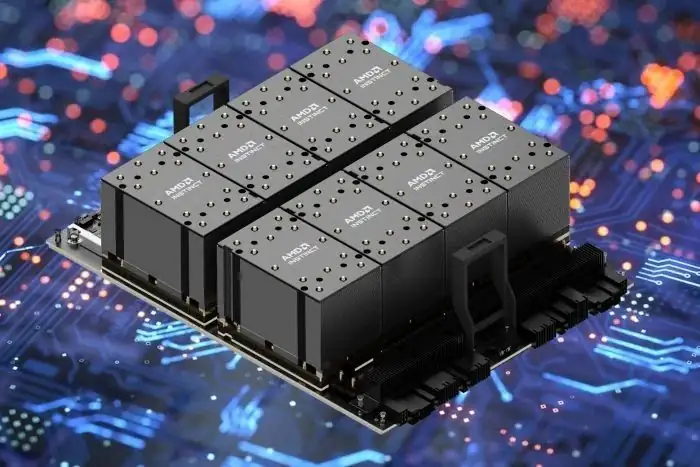
The AMD Instinct MI300X is positioned as an affordable alternative to NVIDIA‘s offerings, boasting a slew of groundbreaking features. Foremost among these is its innovative architecture, promising a significant leap in performance. Central to its capabilities is the incorporation of 192GB of high-performance HBM3 memory, facilitating faster data transmission and accommodating larger AI models. This is a critical aspect given the increasing complexity of AI applications, where speed and efficiency are paramount.

A notable aspect of the Instinct MI300X is its Chiplet design, housing 13 small chips based on 3D stacking. Among these are 24 Zen4 CPU cores, alongside integration of CDNA 3 and 8 HBM3 memory stacks. Leveraging 5nm and 6nm IP, this accelerator combines a total of 128GB HBM3 memory and a staggering 146 billion transistors. AMD’s strategic allocation of chiplets, with a majority based on 3D stacking, underscores its commitment to optimizing performance and efficiency.

AMD’s CEO, Su Zifeng, has emphasized the transformative potential of the MI300X, particularly in comparison to NVIDIA’s H100 GPU. Zifeng highlights the tangible benefits in user experience, citing the accelerator’s ability to deliver faster and more nuanced responses in AI-driven interactions. With AI applications becoming increasingly pervasive across industries, the demand for enhanced performance is paramount, a need that AMD aims to address with its latest offering. The Instinct MI300 series AI chips signify a significant milestone in AMD’s quest to establish itself as a key player in the AI hardware arena.

Related:

Xiaomi 14 Ultra color variants tipped, coming in glass, leather, titanium options

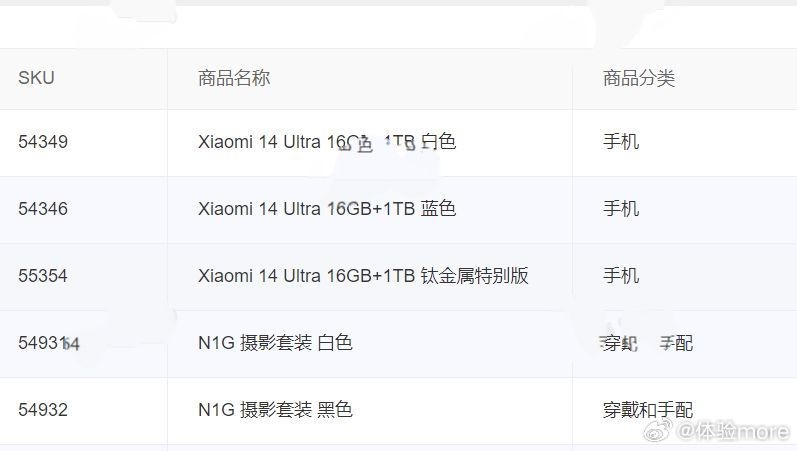
Rumors are rife that Xiaomi may hold a launch event on Feb. 22 to unveil the Xiaomi 14 Ultra exclusively for the Chinese market. A recent leak revealed the RAM and storage editions of the 14 Ultra for the home market. The same leaker has now shared the color variants of the 14 Ultra.

Xiaomi 14 Ultra color options

Xiaomi 14 Ultra color options

The above image shared by the tipster reveals that the Xiaomi 14 Ultra will arrive in color options, such as leather, glass, and titanium. The leak only pertains to the 16GB+1TB variant of the 14 Ultra. To be specific, the white variant of the said variant will have a leather back, whereas the blue variant will feature a glass back.

As per the previous leak, the Xiaomi 14 Ultra will also arrive in lower variants, such as 12 GB RAM + 256 GB storage and 16 GB RAM + 256 GB storage. While there is no word on the price of these variants, it is speculated that the 16GB+1TB variant will be priced at 7299 Yuan (~$1,015), and its titanium version may cost 7,779 Yuan (~$1,085).

Xiaomi 14 Ultra specifications (rumored)

As per leaks, the Xiaomi 14 Ultra will have a 6.73-inch OLED 2K 120Hz display with an ultrasonic in-screen fingerprint sensor. The Snapdragon 8 Gen 3-powered device will be equipped with LPDDR5x RAM, UFS 4.0 storage, and a 5,300mAh battery. The device is likely to support 90W wired charging and 50W wireless charging. It is expected to come preloaded with Android 14 and HyperOS.

On the front, it may feature a 32-megapixel selfie camera. The rear camera setup may feature an OIS-enabled LYT-900 50-megapixel primary camera with an f/1.63 to f/4.0 variable aperture. An IMX858 50-megapixel ultra-wide lens, an IMX858 50-megapixel telephoto camera with 3.2x optical zoom and OIS support, and an IMX858 50-megapixel periscope telephoto camera with 5x optical zoom and OIS support will all be joining it.

RELATED:

(source)

Honor X9b to arrive with 16MP front camera, Magic OS 7.2-based Android 13

Htech has been gradually revealing the key specifications of the Honor X9b before its official announcement, which is set to take place tomorrow (Feb. 15) in India. A recent X post released by Htech CEO Madhav Sheth has confirmed the front camera configuration of the X9b. In addition, the brand has confirmed that the Android version that will be available on the device.

Honor X9b has 16MP front-facing camera

The above X post confirms that the Honor X9b will be equipped with a 16-megapixel front-facing camera. In addition, the device will ship with Android 13, which will have a layer of Magic OS 7.2 on top. The handset will receive two years of Android upgrades and three years of security updates.

Coming to the other specs, the Honor X9b is confirmed to feature a 108-megapixel main camera, which will carry support for lossless zoom. Like its global version, the variant heading to India is expected to feature a 5-megapixel ultra-wide lens and a 2-megapixel macro camera.

On the front, the Honor X9b will have a 6.78-inch AMOLED panel with curved edges. It will offer a 1.5K resolution, a 120Hz refresh rate, and an in-screen fingerprint sensor. Under the hood, the device will feature the Snapdragon 6 Gen 1 chipset, 8 GB of RAM, 8 GB of virtual RAM, 256 GB of storage, and a massive 5,800mAh battery. At present, there is no information available about the fast charging capabilities of the device.

The Honor X9b will arrive in shades, such as Sunshine Orange and Midnight Black. At present, there is no information available about the price of the X9b. However, the company has confirmed that the buyers of the X9b will receive a complimentary mobile protection plan valued at Rs 2,999, providing a one-time screen replacement within six months of purchase. The device also includes an 18-month warranty and door-to-door assistance.

RELATED:

Galaxy F15 5G support page goes live on Samsung India website

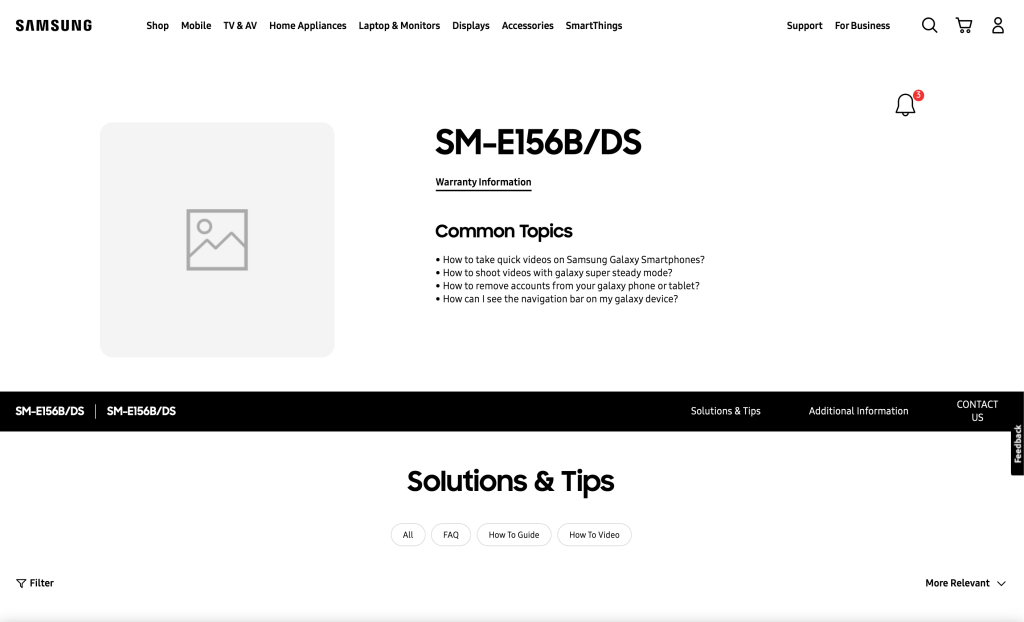
Recent reports have been gradually leaking information about the Galaxy F15 5G. A new development suggests that its launch is imminent, as a support page has gone live on Samsung India’s website. In addition, the support page for the phone has also appeared on the company’s regional site for Bangladesh.

Samsung Galaxy F15 5G support page goes live

The above screenshots of the support page for an upcoming Samsung phone with the SM-E156B/DS model number have appeared on Samsung’s regional sites for India and Bangladesh and are now live. As per previous reports, this device is likely to be called the Galaxy F15 5G when it debuts on the market. In the recent past, the said device was also approved by the BIS authority in India.

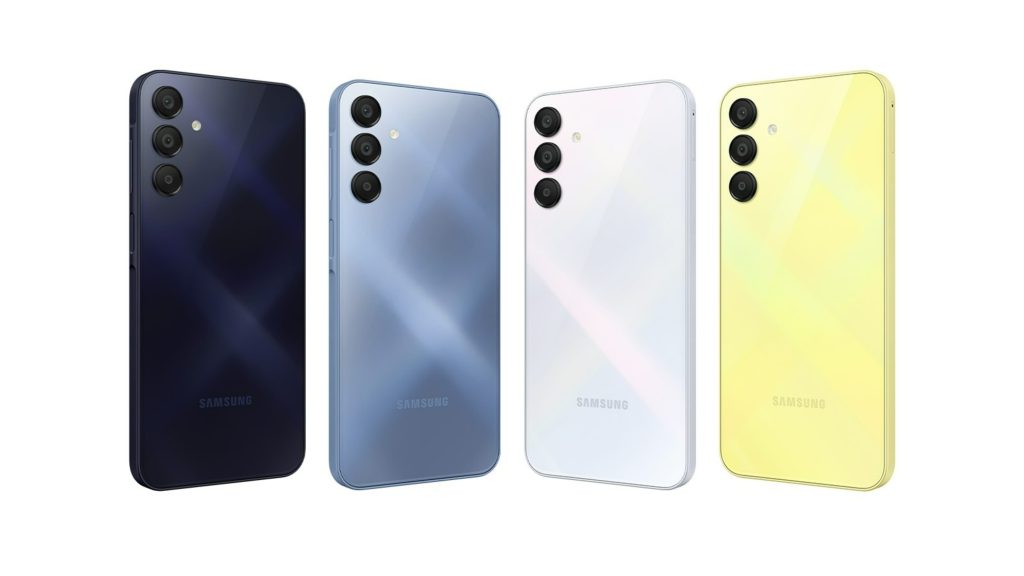
The support page has no information about the specifications of the Galaxy F15 5G. It can be said based on recent reports that the device will be based on the Galaxy A15 5G, which debuted in December 2023 in India with a starting price of Rs 19,499. Being an F-series phone, the F15 5G is likely to be sold exclusively through Flipkart in the online market.

Samsung Galaxy A15 5G specifications

The Galaxy A15 5G has a 6.5-inch S-AMOLED display with a teardrop notch. It offers an FHD+ resolution, a 19:9 aspect ratio, and a 90Hz refresh rate. It has a 13-megapixel camera on the front, and its back panel has a 50-megapixel main camera and a pair of 2-megapixel cameras for depth and macro shots.

The Galaxy A15 5G features the Dimensity 6100 Plus chipset, 6 GB / 8 GB of RAM, 128 GB / 256 GB of built-in storage, and a 5,000mAh battery with 25W wired charging. For security, it has a side-facing fingerprint sensor, and it runs on the One UI-based Android 14.

 RELATED:

(via)

ChatGPT will Now Remember Things You Talked About

OpenAI is making changes to ChatGPT that might just make your chats a lot smoother. They’re adding a memory feature, which means ChatGPT will be able to remember things about you and your past conversations. And yes, the memory could include everything you’ve divulged to the chatbot in the past.

This will help make the chatbot interactions sound more personal

You won’t have to repeat yourself every time you chat. ChatGPT can either remember details you directly tell it to keep in mind, or it can learn about you gradually as you use it more. This is aimed at making your interactions with the bot feel more personal and less like you’re starting from scratch each time.

ChatGPT

This memory isn’t just a blanket feature; it’s specific to each version of GPT you use. So, if you’re using a movie recommendation bot, it’ll remember what movies you’ve watched and what genres you like, or what directors you prefer. This could make a lot of other tools more useful, too, like helping you plan your studies or keeping track of your fitness progress.

However, the idea of a chatbot remembering details about users has its downsides. There’s a fine line between helpful and intrusive, and OpenAI knows this. They’ve made it so you can check what the bot remembers about you, ask it to forget certain things, or adjust settings in the Manage Memory section. There’s also a Temporary Chat option for those times you want to chat without leaving a memory trace.

By default, this memory feature will be on, and OpenAI plans to use these memories to improve how ChatGPT works in the future. But for now, it’s just being tested with a small group of users.

It’s exciting to think about how this memory feature will make our interactions with ChatGPT more personalized. The idea is to get a chatbot that feels more like an assistant who knows you, rather than a tool you need to remind every time.

RELATED:

(Via)

Mozilla Lays Off 60 Employees – After Naming a New CEO

Mozilla, a name many of us know for the Firefox browser, is changing things up. They’re saying goodbye to 60 people on their team, which is about 5% of their staff. This change mostly affects those who work on making their products. The company is looking to put more energy and resources into certain projects, like making Firefox work better on mobile phones and exploring the world of artificial intelligence (AI).

This is one of the many tech layoffs that have affected the global jobs scenario

In a world where tech companies often have to adjust their sails to keep moving forward, Mozilla’s decision to let some of its team go reflects a bigger plan. They’re choosing to invest more in the areas they believe will help them grow and make a bigger impact in the tech scene.

AI is getting a lot of attention these days, and Mozilla doesn’t want to be left behind. They see a big opportunity to make Firefox smarter with AI, especially after buying a company called Fakespot. This move shows Mozilla is serious about making the internet a better place, where it’s easier to find what you’re looking for without running into fake stuff.

Mozilla is also tidying up its range of projects. While some, like their VPN and a privacy tool, are getting less attention, others are being shut down completely. This lets Mozilla focus more on Firefox Mobile and AI—areas they’re really excited about.

The company is also welcoming a new CEO, Laura Chambers, who used to work at Airbnb, PayPal, and eBay. With her at the helm, Mozilla hopes to bring out products that not only do well in the market but also stick to their mission of making the internet a better place for everyone.

RELATED:

(Via)

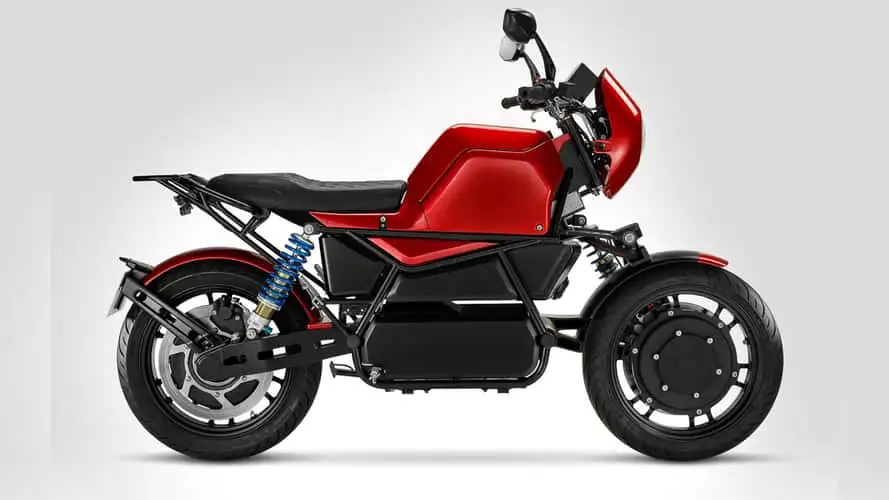
French Manufacturer Motowatt Unveils the W1X Electric Motorcycle with a Steep Price Tag

City travel is getting a makeover thanks to some fresh ideas in electric transportation. Leading the charge is Motowatt, a company started by the Rabatel brothers from France. They’ve put their heads together to come up with the W1X, an electric motorcycle that’s all about making city rides smoother and greener.

The bike has a range of 130 kilometers before needing a charge

The journey to create the W1X took four years, but the outcome is pretty cool. This bike is different from what you usually see. It’s built tough with a steel frame and has a unique suspension at the front, making for a smooth ride. Plus, it’s got two motors, meaning it can handle just about any city street with ease.

Motowatt Electric

The W1X isn’t just about getting you around town. It’s built to be friendly to the environment too. The bike can go up to 130 kilometers before it needs a charge, perfect for daily commutes. And because it’s electric, it’s quiet and clean for the city air.

Motowatt made sure this bike fits what every rider needs. You can add on different accessories, like extra storage, and even adjust the shocks for a better ride. They’re also doing their part for the planet, keeping things eco-friendly in how they make the W1X.

Now, the W1X does have a price tag of about $16,152, which might seem steep. But it’s not just a bike; it’s part of moving towards more sustainable ways to get around. Motowatt is starting to deliver these bikes in January 2025, and they’re excited to see how it changes the way we think about city travel.

RELATED:

(Via)

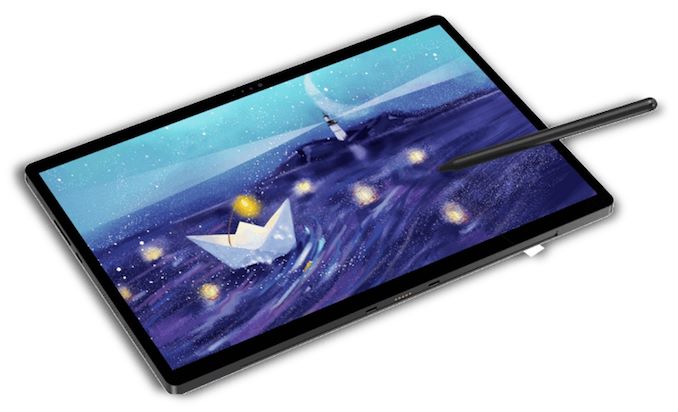
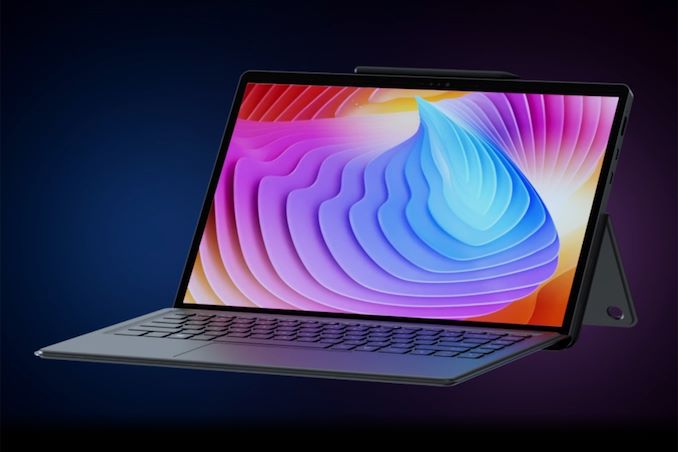
Minisforum V3 2-in-1 tablet with Ryzen 7 8840U processor and Windows 11 Pro unveiled

Minisforum has launched the V3 tablet powered by the Ryzen 7 8840U SoC. The 2-in-1 tablet runs Windows 11 Pro out of the box. The tablet is made of die-cast magnesium alloy and comes with a decent complement of sensors and components expected for a tablet.

Minisforum V3

Features

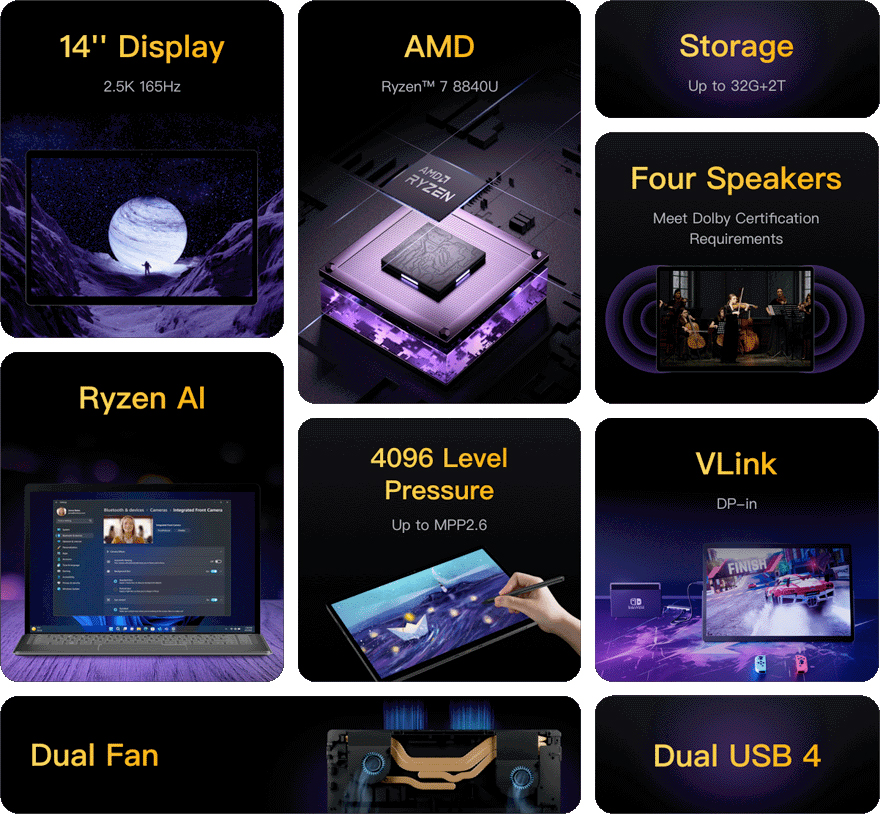
The Minisforum V3 is one of the industry’s first AMD Ryzen 7 8840U-based hybrid PC. It can serve as a laptop, tablet, or an external display. The model is therefore being promoted as a 3-in-1 gadget. The tablet has an 8-core CPU and could square up with some mid-range laptops due to its performance specs. It has two USB4 ports and an SD card reader, underlining its versatility.

Minisforum V3

The Minisforum V3 has a 14-inch detachable multi-touch display with a resolution of 2560 x 1600 pixels. It has a display refresh rate of 165Hz and a maximum brightness of 500 nits. The tablet can therefore be easily used as a gaming device, thanks to its refresh rate and decent brightness. The tablet can be used with a stylus and weighs 946g without the keyboard. The dimensions of the Minisforum V3 versatile tablet are 323.26 x 219 x 9.8mm. The Minisforum V3 has a 5MP rear camera and a 2MP front camera. It also has a gyroscope and a fingerprint reader.

Minisforum V3

The Minisforum V3 is equipped with the AMD Ryzen 7 8840U processor and is paired with the Radeon 780M graphics card. It has up to 32GB of LPDDR5-6400 memory and up to 2TB of internal storage. Akin to a laptop, the Minisforum V3 has a decent cooling system consisting of four copper tubes and two fans. The gadget has three power profiles but the full battery life of the device was not stated. Minisforum is expected to release the pricing details for the V3 by March 2024.

RELATED:

Polestar Phone specs leak

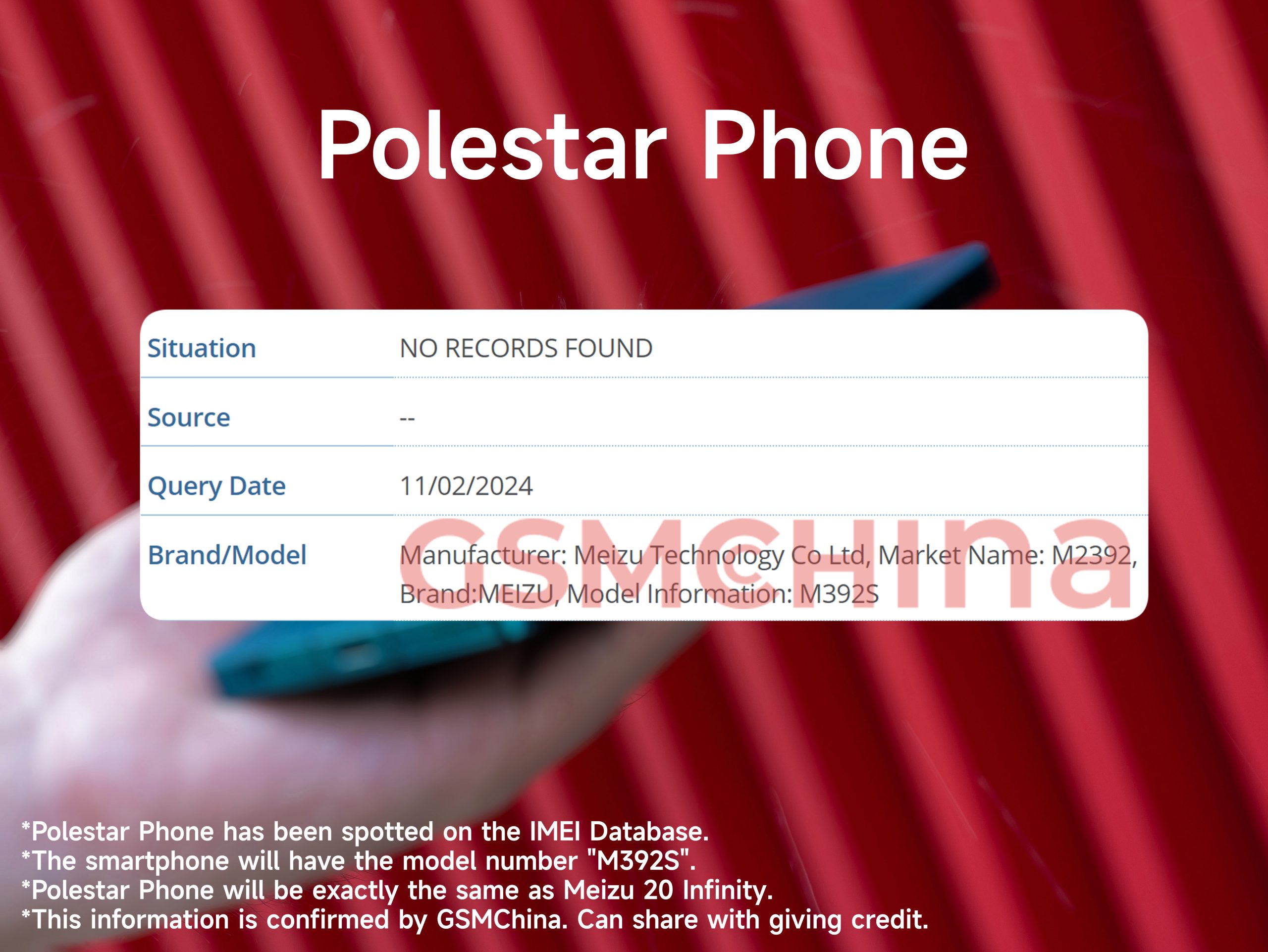
Under Geely’s umbrella, innovative electric vehicle company Polestar has taken an unexpected step into the world of smartphones. According to recent reports, Polestar is preparing to launch its own smartphone in a major collaboration with Meizu, another subsidiary of Geely. This strategic move is in line with Geely’s vision to seamlessly integrate technology into various fields.

Polestar Phone leaked

The GSMChina team has revealed interesting details about the upcoming Polestar Phone via an analysis of the IMEI database. Surprisingly, the Polestar Phone carries the model number “M392S” and it has been revealed that it shares almost the same specifications as the Meizu 20 Infinity. The smartphones are powered by the powerful Snapdragon 8 Gen 2 processor and promise premium functions, replicating the success of the Meizu 20 Infinity.

This collaboration between Polestar and Meizu, both Geely subsidiaries, goes beyond the confines of conventional smartphone development. Geely appears to be strategically positioning itself to create a comprehensive ecosystem, much like the Xiaomi HyperOS. In a move that transcends the automotive industry, Geely is not merely focused on manufacturing electric vehicles but is actively venturing into the technology sector.

The Polestar Phone, set to be an existing model rebranded under the Polestar name, represents a pivotal step towards Geely’s future-oriented vision. The model’s association with Meizu hints at a deliberate effort to synchronize the strengths of both subsidiaries. With the smartphone adopting the Meizu 20 Infinity’s outstanding features, it becomes a testament to Geely’s commitment to offering cutting-edge technology across its diverse product range.

Related:

Asus ROG Ranger Gaming Backpack 16 unveiled; features water-proof high-density polyester build & comfortable straps

Asus has unveiled the ROG Ranger Gaming Backpack 16, designed specifically for gamers who are constantly on the move. It is built to accommodate a 16″ laptop, along with its power supply, tablet, and other accessories.

Asus ROG Ranger Gaming Backpack 16

Crafted from durable 1260D high-density polyester and featuring water-repellent zippers, the backpack offers robust protection against scratches and water damage. Its multiple organizers and pockets ensure easy organization of gadgets and peripherals, eliminating the hassle of searching through cluttered bags.

Recognizing the discomfort caused by heavy backpacks, Asus has addressed this issue by incorporating side-mounted collars to minimize side-to-side motion. Additionally, the extensive mesh on the backrest and straps improve breathability.

The backpack is designed in a way that allows it to be easily mounted on top of standard rolling luggage for easy transportation. Plus, its water-repellent PU leather provides added protection for devices, making it suitable for use in any weather condition.

Asus has not yet disclosed the price and availability of the ROG Ranger Gaming Backpack 16, however, it is expected to hit store shelves soon.

RELATED:

Samsung Galaxy A15 6GB + 128GB variant hits Indian offline market

Samsung‘s Galaxy A15 5G lineup just got a boost with the introduction of a new variant hitting the offline market. The new variant offers 6GB of RAM and 128GB of storage. Previously, the brand launched the Galaxy A15 5G in India in 8GB + 128GB and 8GB + 256GB variants.

Samsung Galaxy A15 5G

Priced at Rs 17,999, it’s a competitive option for those seeking a balance between affordability and functionality. While it’s currently available offline as of February 13th, TheTechOutlook has reported that plans are in place to extend its availability to online platforms soon.

Samsung Galaxy A15 5G specs:

Under the hood, the Galaxy A15 5G variant is powered by the MediaTek Dimensity 6100 Plus processor and runs on Android 13 with One UI 6.0, ensuring a smooth and responsive user experience. Its 6.5-inch FHD+ display with a 90Hz refresh rate delivers vibrant visuals and seamless navigation.

For photography, it includes a 50MP main camera, a 5MP ultrawide camera, and a 2MP additional camera, along with a 13MP front-facing camera for selfies and video calls. Under the hood, it has a large 5000mAh battery with support for 25W wired fast charging.

RELATED:

(via)

iQOO Z9 spotted on Bureau of Indian Standards ahead of launch

Reports have emerged revealing that iQOO is working on a new smartphone called the iQOO Z9. The name and model number of the device was confirmed via a Bluetooth SIG listing, and since then, more details about its specs and features have also surfaced.

iQOO Z8
iQOO Z8

Now, the device has been spotted on the Bureau of Indian Standards (BIS) database, hinting at the fact that the device could launch in India soon. While details about its name and specifications remain undisclosed, it has the same I2302 model number revealed earlier through the Bluetooth SIG listing. The Bluetooth SIG listing confirmed that the phone will be launching with Bluetooth 5.3 as well as 5G connectivity.

Other than that, a leak by tipster Digital Chat Station states that the phone could feature an OLED panel with a 1.5K resolution, a significant upgrade from the previous Z8 series, which had an FHD+ resolution and a 120Hz refresh rate. The phone is said to be powered by the SM7550 Snapdragon chip, confirming the use of the Snapdragon 7 Gen 3 chipset. However, there are conflicting reports about the chipset, with a previous claim suggesting testing with the Density 8300 chipset.

The leak also suggests a 6,000mAh battery for the iQOO Z9, although there is no information about its fast-charging capabilities.

RELATED:

(via)

Panasonic Unveils Cutting-Edge 2024 Air Conditioner Lineup with Matter Technology

Panasonic Life Solutions India has recently unveiled its range of air conditioners for the year 2024 offering customers a selection of 60 new models, with innovative features. The exciting news is the introduction of Room Air Conditioners (RACs) enabled with Matter technology, powered by Miraie.

With more than 65 years of expertise in air conditioning development, Panasonic prioritizes Cooling, Quality, and Connectivity. Their new lineup guarantees cooling performance through features, like Jetstream, Converti7, Aerowings, and 4 Way Inflow that ensure improved airflow for an indoor environment. Additionally, nanoeX and nanoeG technologies effectively eliminate pollutants to maintain air quality.

Inverter technology, ECOTOUGH construction, ShieldBlu+, ECONAVI, AG Clean+, and Crystal Clean are some of the features that ensure durability and energy efficiency. With Matter and True AI integration, controlling your AC and adjusting settings becomes seamless.

Manufactured in their Technopark plant in Haryana as part of the ‘Make in India’ initiative, these ACs are not only high-quality but also support local production. The star of the show is the Panasonic 7-in-1 Convertible AC, featuring Matter-enabled technology, Crystal Clean, Smart Cooling with AI Mode, Wi-Fi connectivity, and more.

Available in 1.0, 1.5, and 2.0-ton models, these Panasonic Air Conditioners are ready to hit the market. You can find them at leading outlets, online platforms like Amazon.in and Flipkart, as well as the Panasonic store. And if you’re on the lookout for inverter ACs, there are 60 new models to choose from, starting from just Rs. 33,990.

RELATED:

(via)

Apple Doesn’t Have to Open iMessage to Rivals After All, New EU Ruling States

A recent decision by the European Union (EU) has sparked conversations around the regulations of messaging apps, particularly focusing on Apple’s iMessage. The EU, after careful examination, concluded that iMessage doesn’t hold the “gatekeeper” status within Europe’s digital communication sphere. This term applies to platforms that control significant market power and, thus, have specific obligations for interoperability with third-party services. What’s more interesting is that users were nearly convinced that Apple would likely open up iMessage to its rival operating systems, but it seems like that isn’t happening anytime soon. More details here.

EU’s investigation sided with Apple in the end and is now closed.

Apple initially identified iMessage as falling under this category but later revised its stance, suggesting that the app’s usage in Europe didn’t meet the criteria for such a classification. The EU’s investigation into the matter, which also included Microsoft‘s Bing among others, has now been closed, agreeing with Apple’s argument. This means iMessage won’t be compelled to enable cross-platform communication with other messaging services.

apple

Interestingly, this decision arrives amidst Apple’s announcement to support Rich Communication Services (RCS) in iMessage by later 2024. RCS is touted as the next evolution in messaging technology, promising enhanced features over traditional SMS and MMS. Google has been a strong advocate for RCS, urging Apple to adopt this standard to facilitate smoother messaging experiences across Android and iOS devices.

While the EU’s ruling exempts iMessage from being labeled a gatekeeper, it doesn’t negate Apple’s influence in the digital marketplace, nor does it impact the ongoing oversight of Apple and Microsoft’s broader platform services. The EU maintains its vigilance, ready to reassess should market dynamics shift significantly.

RELATED:

(Via)