Advertisement

Vivo V30 Pro announcement set for February 28

The Vivo V30 Pro is set to launch later this month. The company has officially confirmed the launch date for the upcoming smartphone, which will be unveiled near the end of February. So here are all the details.

Vivo V30 Pro Launch Date

To recall, the Chinese tech giant recently launched the Vivo V30 earlier this month. Now, it was officially confirmed that the Vivo V30 Pro model will launch alongside the V30 in Thailand on 28th February 2024. Vivo will host a launch event where it will unveil the V30 series. For those unaware, this is the first time that the brand is featuring Zeiss lenses on a V series smartphone.
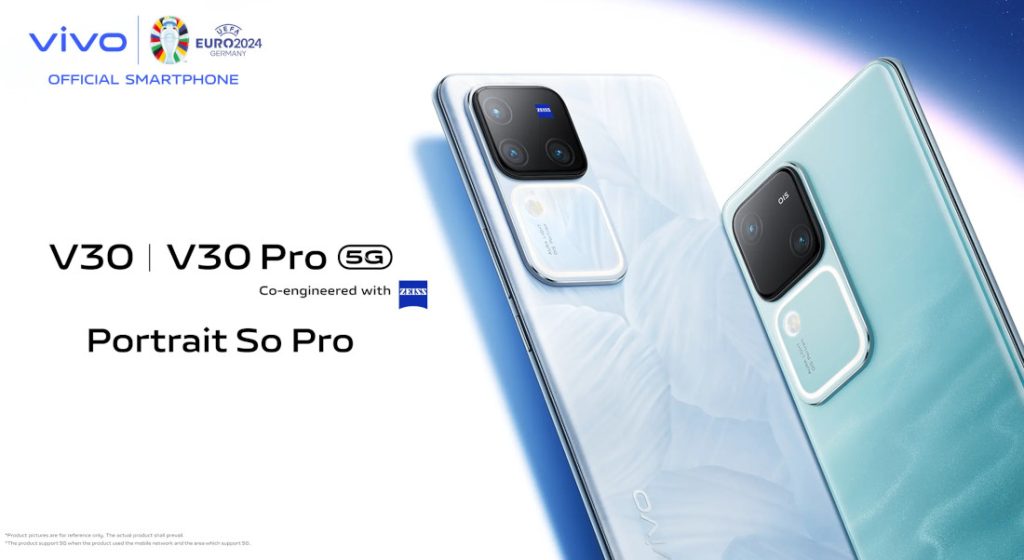
Vivo V30 Pro

Typically, the Zeiss lenses are reserved for its more premium devices and not the mid range handsets. In other words, we can expect a focus on the photography experience of the upcoming V30 Pro. Based on what we know so far, the smartphone also features an Aura Portrait light to provide softer and brighter light for the 50-megapixel primary camera on the back.

Meanwhile, the front is expected to sport a tall 6.78-inch AMOLED display with a 120Hz refresh rate, FHD+ resolution, and up to 2800 nits of peak brightnes. Under the hood, the Vivo V30 Pro may feature a MediaTek Dimensity 8200 SoC that is paired with up to 12GB of RAM and 512GB of internal storage. It also runs on the Android 14 OS based FuntouchOS 14 out of the box. A broader release in markets like India should follow soon, so stay tuned for more updates.

RELATED:

Xiaomi 14 Ultra gets MIIT certification ahead of launch

Xiaomi‘s upcoming flagship, the Xiaomi 14 Ultra, is edging closer to release. While rumors hints at a potential earlier launch in China, the global release date is set for February 25th.  

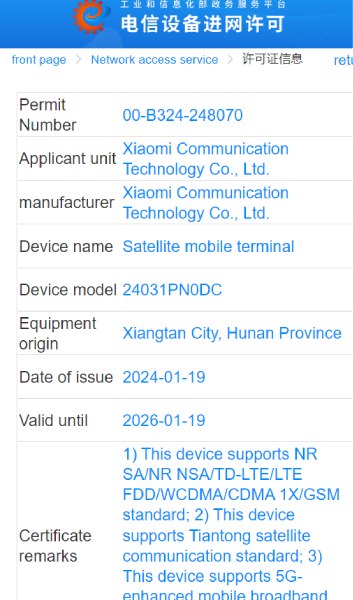
Ahead of the launch, the device has attained MIIT certification in China under the model number 24031PN0DC. Though the certification doesn’t explicitly confirm the device name,  reliable tipster Digital Chat Station, in his latest Weibo post, confirmed the device is Xiaomi 14 Ultra.

The MIIT certification itself offers limited device details.  However, it does reveal the inclusion of satellite connectivity. It’s currently unclear if this feature will enable two-way calling or be restricted to messaging functionality.

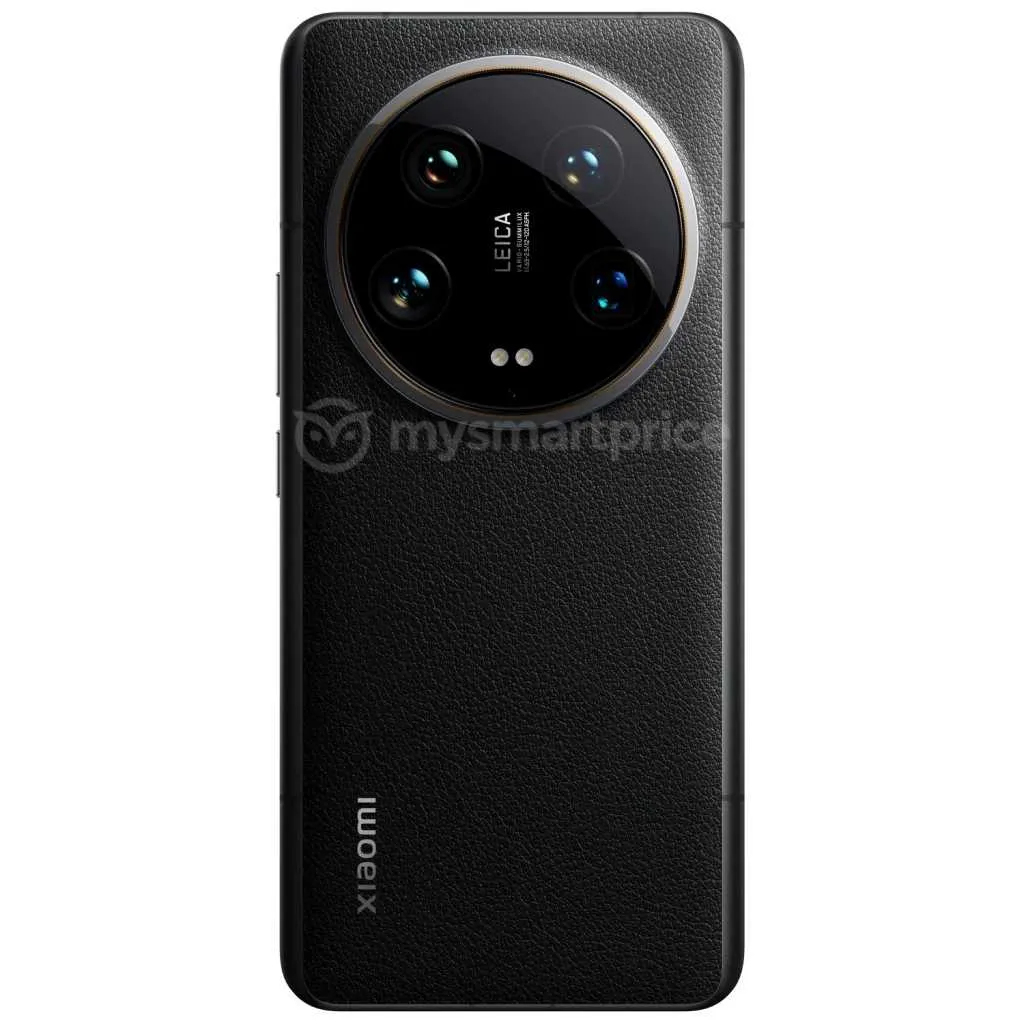
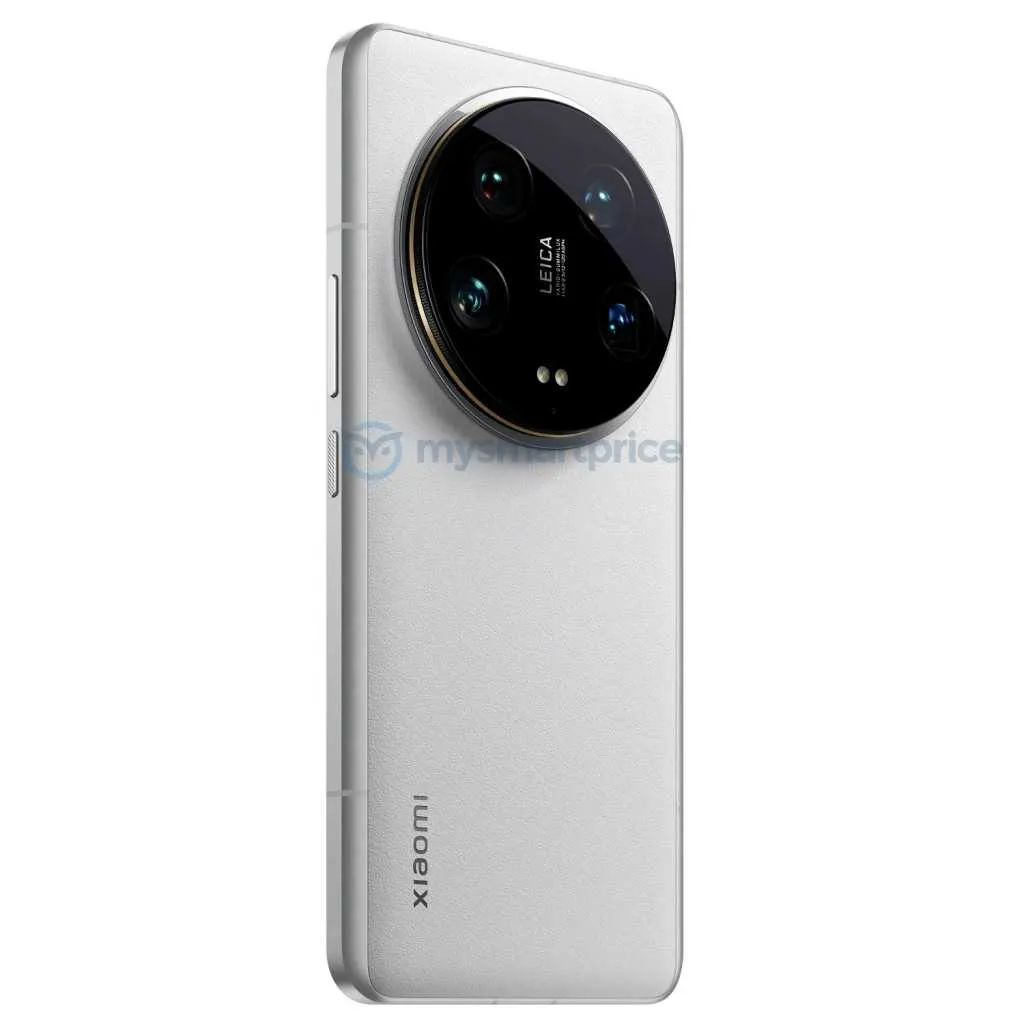
The 14 Ultra has been a hot topic for speculation lately. Its high-quality renders emerged earlier this week showing a design aesthetic similar to the Xiaomi 13 Ultra.

Regarding rumored specifications, the Xiaomi 14 Ultra is expected to sport a 6.73-inch OLED 2K display with a 120Hz refresh rate. Around the back, the device is expected to boast a triple camera setup headline by a 50-megapixel primary sensor (with variable aperture).

Xiaomi 14 Ultra

It will be joined by a 50-megapixel ultra-wide lens, and two 50-megapixel telephoto cameras offering 3.2x and 5x optical zoom. All rear cameras are likely to feature Optical Image Stabilization (OIS). As for the selfies, rumors hint at a 32-megapixel camera in the teardrop notch. 

It’s likely to be powered by the Snapdragon 8 Gen 3 processor and complemented by LPDDR5x RAM and UFS 4.0 storage. Likewise, the device will have a 5,300mAh with support for 90W wired and 50W wireless charging. The operating system is likely Android 14 with Xiaomi’s HyperOS interface. 

Related:

Moto G04 launched with 90Hz display, 8GB RAM, 128GB storage

Motorola has announced the Moto G04, an entry-level smartphone in India. So far, the G04 is the third Motorola phone to release this year, after the Moto G34 5G and Moto G24 Power. Some of the key highlights of the Moto G04 include a 90Hz display, ample amounts of RAM and storage, a large battery, and it runs on the latest Android version. Here is a look at the specifications, features, and price of the device.

Moto G04 specifications and features

Moto G04

The Moto G04, which features a water-repellent body, measures 163.49 x 74.53 x 7.99mm and weighs 178.8 grams. It features a 6.5-inch LCD panel that offers an HD+ resolution of 1612 x 720 pixels and a 90Hz refresh rate. For security, it offers features like a side-facing fingerprint scanner and face unlock.

Under the hood, the Moto G04 has the Unisoc T606 chipset. It comes with 4 GB / 8 GB of RAM, up to 8 GB of virtual RAM, up to 128 GB of internal storage, and a 5,000mAh battery that supports 15W charging via a USB-C port. For selfies, the G04 has a 5-megapixel front camera, and its back panel has a 16-megapixel main camera with LED flash.

The Moto G034 runs on the My UX-based Android 14. While it is not going to receive any Android upgrade, the device is confirmed to get two years of security patch updates. The device also offers other features, such as dual SIM slot, 4G VoLTE, Wi-Fi 802.11ac, Bluetooth 5.0, GPS, a single speaker with Dolby Atmos support, a 3.5mm audio jack, and a side-facing fingerprint scanner.

Moto G04 price in India, availability

The Moto G04 has arrived in 4GB + 64GB and 8GB + 128GB variants in India. These models are priced at Rs 6,999 and Rs 7,999. It can be purchased via Flipkart starting February 22 in four shades, such as Concord Black, Sea Green, Satin Blue, and Sunrise Orange.  

RELATED:

Honor Magic 6 RSR gets closer to launch with the MIIT certification

Last month, Honor unveiled the Magic 6 series in mainland China. While many were expecting the release of a Magic 6 RSR model following their collaboration with Porsche Design, Honor surprised us with the launch of the Magic V2 RSR foldable phone instead.

However, this doesn’t mean the Honor Magic 6 RSR isn’t in the works. Recent developments suggest that it might be on its way. 

Honor Magic 6 RSR MIIT certification

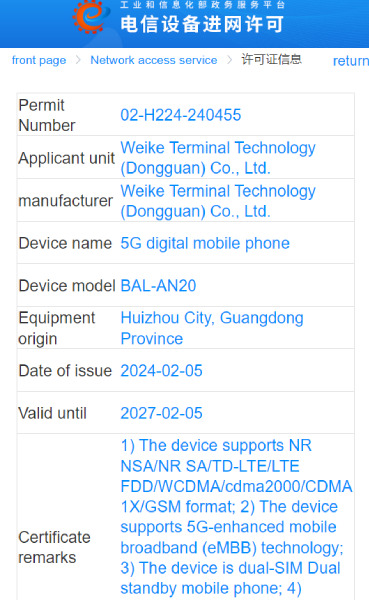
A new Honor device, likely the Honor Magic 6 RSR, has received certification from the MIIT authority in China under the model number BAL-AN20. 

Although the certification listing doesn’t explicitly mention the device’s name, reliable tipster Digital Chat Station confirmed its identity as the Honor Magic 6 RSR.

Honor Magic 6 RSR MITT certification

While MIIT certification doesn’t provide detailed specifications, it does confirm that the phone will have satellite and 5G connectivity.

Previous reports indicate that the Honor Magic 6 RSR Porsche Design could be the first smartphone to feature the one-inch OmniVision OV50K 50-megapixel camera sensor. The OV50K sensor is expected to directly rival Sony’s latest flagship LYT-900 sensor. 

The Magic 6 RSR Porsche Design looks to be a top-tier competitor against the Find X7 Ultra, and Xiaomi’s upcoming 14 Ultra. It’s expected to share most of the features with the Magic 6 Pro. 

So, we’re likely to see a Snapdragon 8 Gen 3 processor in the phone. The device may also keep the 6.8-inch curved OLED display from the Magic 6 Pro, featuring LTPO refresh rate technology. Additionally, it might have the same sizable 5600mAh battery with support for 80W charging.

We will keep you updated on any new developments about the Honor Magic 6 RSR when it becomes available.

Related:

Xiaomi 14 Ultra Europe price leaks ahead of launch

Xiaomi is getting ready to launch its Xiaomi 14 series in Europe after its successful debut in China. The lineup for Europe is expected to include the Xiaomi 14 and the premium Xiaomi 14 Ultra, with rumors suggesting a special titanium version for the Ultra model.

While details about the European models are not abundant, leaks indicate that the Xiaomi 14 might be priced at 1099 euros for a version with 12 GB of RAM and 512 GB of storage. On the other hand, the Xiaomi 14 Ultra is anticipated to offer more advanced features with 16 GB of RAM and 512 GB of storage, available in Black and White.

Both the Xiaomi 14 and Xiaomi 14 Ultra are set to be revealed on February 25 at MWC 2024 in Barcelona. As per a Dealabs report Xiaomi 14 Ultra’s price is expected to be around 1499 euros, which is the same as the debut price of the Xiaomi 13 Ultra. This report contradicts a previous leak that claimed that the Xiaomi 14 Ultra will come with a price tag of 1699 euros.

Xiaomi 14 Ultra specs (expected)

The Xiaomi 14 Ultra is expected to include a 6.73-inch OLED 2K 120Hz display, powered by the Snapdragon 8 Gen 3 chipset. It will also likely feature LPDDR5x RAM, UFS 4.0 storage, a 5,300mAh battery supporting 90W wired and 50W wireless charging, and will run on Android 14 with HyperOS. The camera setup is expected to include a 32-megapixel front camera. On the back, it is expected to have a 50-megapixel primary sensor with a variable aperture, a 50-megapixel ultra-wide lens, and two 50-megapixel telephoto cameras with 3.2x and 5x optical zoom, all equipped with Optical Image Stabilization (OIS).

RELATED:

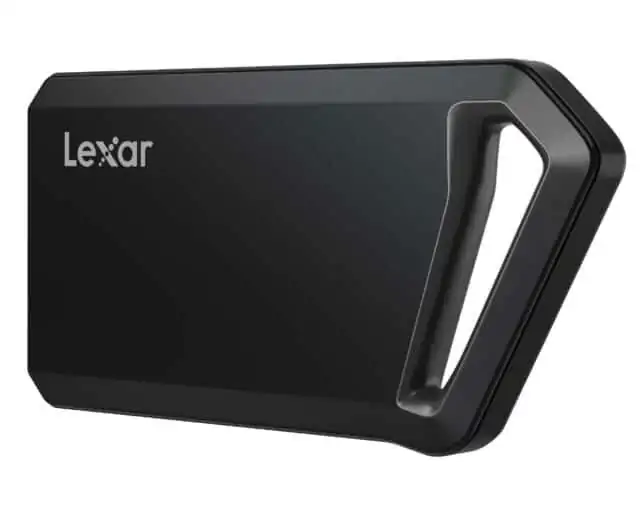
Lexar launches Professional SL600 Portable SSD: the 1TB variant costs $90 (~645 Yuan)

Lexar has launched the Professional SL600 Portable SSD, which aims to cater to photographers, videographers, content creators, and business professionals. Boasting USB 3.2 Gen 2×2 technology, this SSD delivers blazing-fast read and write speeds of up to 2000 MB/s, ensuring swift data transfers for users on the go. This portable SSD works across a diverse range of devices supporting Mac® OSX 10.6+, Windows®11/10/7/8, and Android 4.4+.

The SL600 comes with three different storage options: 512GB, 1TB, 2TB

Not just about speed, the Lexar Professional SL600 mobile SSD is built to withstand the rigors of travel and fieldwork. Its robust aluminum casing provides protection against bumps and drops, while its shock and vibration resistance safeguards stored files, offering peace of mind to users in demanding environments.

Security is a top priority with the inclusion of Lexar DataShield, offering 256-bit AES encryption software to protect sensitive files from unauthorized access. This additional layer of security ensures that users’ data remains safe and confidential at all times.

Versatility is another standout feature of the Professional SL600 SSD. With both USB Type-C and USB Type-A cables included, the drive is compatible with a wide range of devices, making it a convenient storage solution for various workflows. Moreover, the lanyard loop allows for easy portability, allowing users to securely hang the SSD on their bags for quick access on the move.

Available in three capacities, the Lexar Professional SL600 Portable SSD offers options to suit different storage needs. The 1TB version is priced competitively at US$89.99, providing affordable high-speed storage for users with moderate storage requirements. For those requiring more storage space, the 2TB version is available at US$139.99, offering ample room for larger files and projects. Additionally, a 4TB model is slated for release by the end of the second quarter, catering to users with even greater storage demands, although pricing details for this variant are yet to be revealed.

Related:

(Source)

Honor Magic 6 Pro picks up IMDA certification ahead of global launch

The Honor Magic 6 Pro, after its successful launch in China last month, is all set for a global unveiling at the Mobile World Congress (MWC) on February 25, 2024. After a recent leak that revealed its pricing in the European market, it has now secured IMDA certification in Singapore, hinting at a broader international rollout.

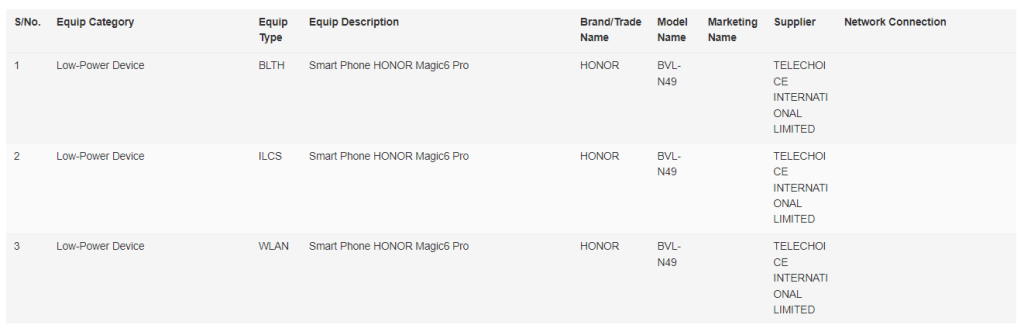
Honor Magic 6 Pro IMDA

The IMDA listing identifies the smartphone by the model number “BVL-N49.” The listing does not reveal any specification details, however, since the device is already available in China, we already know all about that.

The Magic 6 Pro is Honor’s latest flagship, packing a 6.8-inch FHD+ curved OLED LTPO display that supports a dynamic 120Hz refresh rate for smooth visuals. Under the hood, it’s powered by the Snapdragon 8 Gen 3 SoC, ensuring top-notch performance across applications and gaming. Honor’s MagicOS 8.0, enriched with AI capabilities for smarter interactions, runs the device, promising an intuitive user experience.

Honor-Magic-6-Pro

Camera technology is a significant highlight of the Magic 6 Pro. It sports a triple camera setup on the rear, featuring a 50MP main sensor that boasts rapid focusing and a variable aperture for superior low-light shots. Along with that, it has an ultra-wide 50MP camera and a groundbreaking 180MP periscope ultra-telephoto lens, capable of 2.5x optical and 100x digital zoom. The front houses a dual 50MP+TOF camera setup, ideal for selfies and depth sensing.

In addition to its impressive camera specs, the Magic 6 Pro offers a substantial 5600mAh battery supported by 80W fast charging.

RELATED:

Sycom RTX 4080 Super graphics card launched with hybrid cooling solution for 462k yen ($3074)

Japanese manufacturer Sycom has launched the RTX 4080 Super graphics card as part of its G-Master Hydro series. This cutting-edge graphics card features an additional proprietary liquid cooling technology, which helps reduce both the temperature and fan noise during high loads.

The RTX 4080 Super stands out with its integrated water-cooling solution

The water cooling system utilized here is developed in partnership with industry leader Asetek. This innovative cooling system, paired with two Noctua NF-A12x25 ULN cooling fans, ensures optimal temperature management even under heavy loads. Sycom claims that compared to traditional air-cooled graphics cards, the hybrid cooling solution can reduce temperatures by 10-15°C while maintaining quieter operation in higher loads.

Visually, the RTX 4080 Super bears a striking resemblance to Renaissance’s Gallardo series, with a distinctive level on the side that allows users to determine the tilt of the graphics card. This attention to design detail adds both functionality and aesthetic appeal to the card, enhancing its overall appeal to gamers and enthusiasts alike.

Sycom’s partnership with Asetek further solidifies its position as a leading player in the gaming hardware industry. As one of Asetek’s complete machine partners, Sycom leverages the company’s integrated water cooling solutions in its G-Master Hydro series machines. This collaboration underscores Sycom’s commitment to delivering high-performance, reliable gaming systems tailored to the needs of enthusiasts.

Pricing
When equipped with the G-Master Hydro series machine, the graphics card is priced at 462k yen ($3074) which is nearly 28k yen ($188) more compared to the standard RTX 4080 version.

Related:

Oppo, Vivo may exit foldable market; Huawei, Samsung consider tri-foldable, rollable display phones

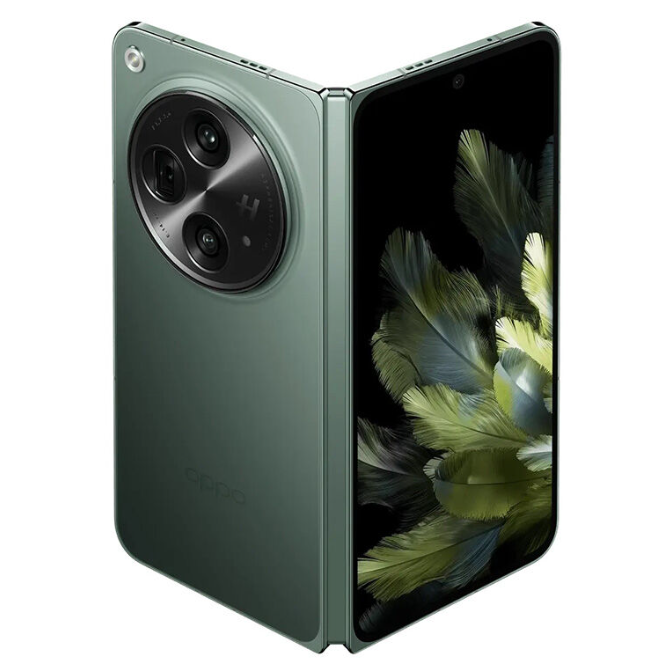
Oppo entered the foldable phone market in 2021, while Vivo launched its foldable smartphone in 2022. While Vivo’s foldable phones are confined to the Chinese market, both brands have been steadily launching new foldable phones. However, a new report from a South Korean publication suggests that both brands have decided to withdraw from the foldable market. If this news is accurate, it is possible that even OnePlus may not release a new foldable phone. Meanwhile, Huawei is reportedly working on its tri-foldable phone, while Samsung is developing a rollable display phone.

Oppo, Vivo foldable market share could be dwindling

Oppo Find N3

As of now, there is no official statement from Oppo and Vivo, regarding their potential exit from the foldable phone market. Therefore, it is advisable to await further reports to understand how the situation unfolds. The report indicates that Oppo and Vivo’s decision to exit the foldable market may be due to a significant decline in their market share in this segment last year.

Huawei, one of the early pioneers in the foldable phone market, is reportedly developing a Z-shaped tri-foldable device aimed at the tablet PC market. This device may offer a screen space of up to 10 inches when unfolded, and Huawei aims to sell over 130 million units annually.

With a 40 percent market share, Apple’s iPad currently dominates the tablet PC market, while Samsung’s Galaxy Tab is in second place with a 19 percent market share. In response to Huawei’s developments, both Apple and Samsung are reportedly advancing their foldable products.

Samsung, which leads the foldable phone segment with a 66 percent market share in 2023, is said to be working on a rollable display phone and possibly a tri-foldable phone similar to Huawei’s. Meanwhile, Apple is rumored to be developing its first horizontally foldable phone, with expected production slated for 2026.

RELATED:

(source)

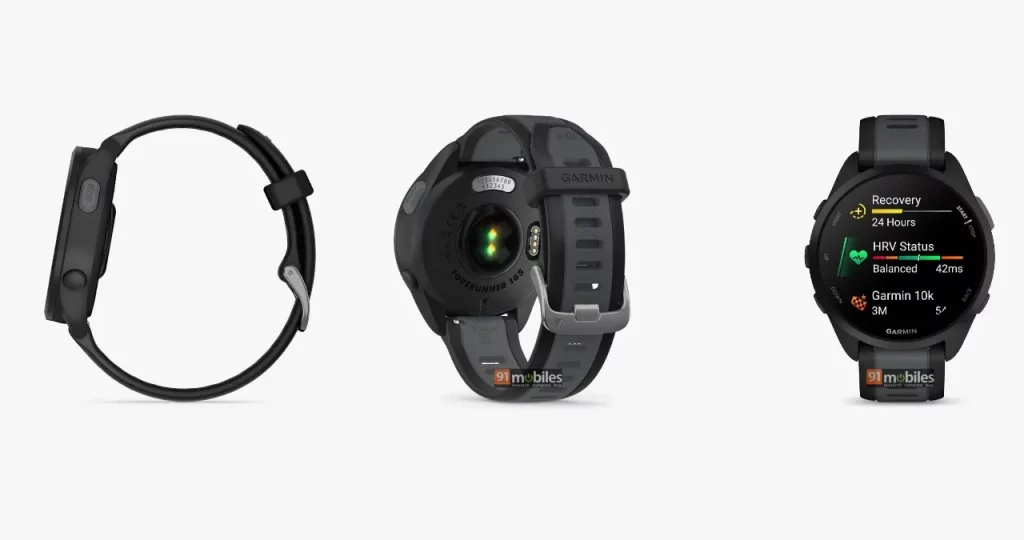
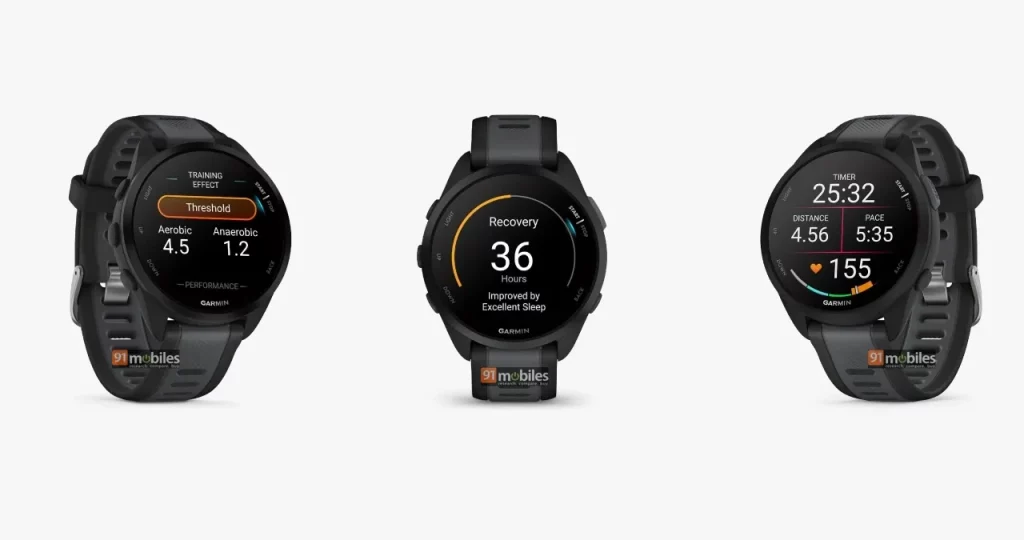
Garmin Forerunner 165 design renders leaked ahead of launch

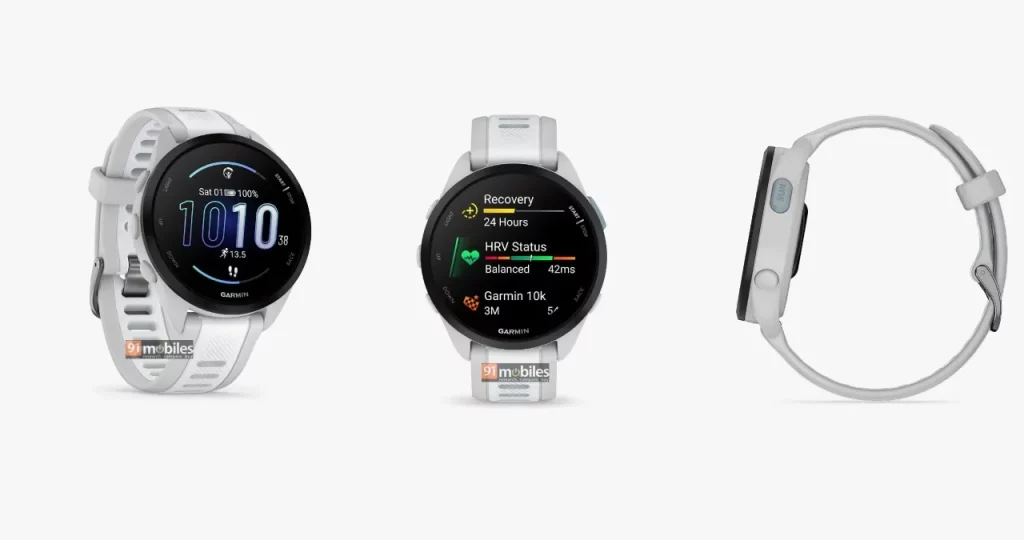
Garmin is set to launch the Forerunner 165, a new entry-level smartwatch designed to replace the Forerunner 55. This upcoming model has been leaked (via 91mobiles) ahead of its European release.

Garmin Forerunner 165

As per the report, the Forerunner 165 will be available in Black, White, and Turquoise, featuring a larger display and an updated design. Compared to its predecessor, the Forerunner 165 appears to feature slightly slimmer bezels and an overall less bulky design. The redesigned “Run” button is now more accessible, reflecting Garmin’s focus on user-friendly features. The watch is priced at €279 for the standard version, with a Music variant costing €329, offering built-in storage for media.

Garmin Forerunner 165

Key specifications of the Forerunner 165 include a 1.2-inch AMOLED display with a resolution of 390×390 pixels. It also features a barometric altimeter for accurate elevation data and Garmin’s “Elevate V4” PPG sensor for precise heart rate monitoring. However, it is noted that this model may have a shorter battery life of 11 days compared to its predecessor.

Garmin Forerunner 165

The smartwatch supports 20 mm quick-release bands, fitting between the sizes of the Forerunner 265 and 265S. This makes it a versatile option for different wrist sizes. Despite its entry-level positioning, the Forerunner 165 Music version comes with 4GB of storage.

In related news, Garmin has showcased the HRM-Fit Heart Rate Monitor for Sports Bras at the CES 2024. Unlike traditional heart rate monitors, the HRM-Fit attaches to the bottom band of a sports bra and is compatible with sports bras from renowned brands like Adidas and Under Armour.

RELATED:

(Source)

PlayStation Plus gets NFS Unbound, Assassin’s Creed Valhalla & The Outer Worlds: Spacer’s Choice Edition in mid-Feb catalogue update

Starting February 20, PlayStation Plus subscribers are in for a treat with a lineup that includes a mix of racing, sci-fi adventures, and RPG classics. This month’s offerings cater to a wide range of gaming preferences, ensuring players have plenty of new worlds to explore and challenges to conquer.

Need for Speed Unbound

Need for Speed Unbound for PS5 delivers high-energy racing with both single and multiplayer modes. Players can expect intense street races, strategic escapes from the police, and a rich selection of custom cars. The game is set in the vibrant city of Lakeshore and features a soundtrack that captures the essence of street racing culture.

The Outer Worlds: Spacer’s Choice Edition

The Outer Worlds: Spacer’s Choice Edition, also for PS5, is a narrative-driven sci-fi RPG where players wake up on a ship far from Earth and find themselves in the middle of a galaxy-wide conspiracy. Developed by the creators of Pillars of Eternity and Fallout: New Vegas, this game offers deep exploration and impactful choices.

Tales of Arise

Tales of Arise, available on both PS4 and PS5, is the latest entry in the acclaimed ‘Tales’ series. It tells the story of two characters from different worlds who are determined to change their fate. The game is praised for its engaging story, dynamic combat system, and stunning visuals.

Assassin’s Creed Valhalla

Assassin’s Creed Valhalla brings Viking lore to life on PS4 and PS5. Players will lead raids, build their settlements, and navigate political alliances to secure their place in Valhalla. The game’s RPG mechanics allow for deep customization and impactful choices throughout the journey.

For creative minds, LEGO Worlds on PS4 offers an expansive universe of procedurally-generated worlds made entirely of LEGO bricks. It provides tools for building and customization, making it a limitless playground for imagination.

LEGO Jurassic World

LEGO Jurassic World recreates the iconic Jurassic Park movies in LEGO form, offering a fun and humorous adventure across Isla Nublar and Isla Sorna. Players can collect amber, create new dinosaurs, and relive the films’ most memorable moments.

Roguebook

Card game and roguelike enthusiasts will enjoy Roguebook and Rogue Lords on PS4 and PS5. Roguebook combines deckbuilding with strategic combat, while Rogue Lords lets players assume the role of the Devil seeking vengeance against Demon Hunters.

Tales of Zestiria

Lastly, Tales of Zestiria on PS4 immerses players in a medieval fantasy world where they must battle darkness and unite humans and Seraphim.

RELATED:

(Source)

China’s New Satellite May Have the Answer to Solving Urban Light Pollution

We have been battling against urban light pollution, because let’s be honest, we all miss the stars that have been blocked out by the bright city lights. However, the answer comes in the form of SDGSAT-1, a satellite developed by Chinese scientists. This earth science marvel is making extremely fast progress in analyzing the effects of modern lighting on cities. The team behind this innovative approach, hailing from the Aerospace Information Research Institute of the Chinese Academy of Sciences, has showcased a method that could change the way we light up our urban nights.

While LEDs cut down on carbon emissions, it increases the blue light pollution levels

The transition to energy-efficient lighting, mainly through LEDs, has been a double-edged sword. While cutting down on carbon emissions, it’s introduced a new challenge: blue light pollution. In turn, this not only affects human health but also disrupts wildlife and wastes energy. The need for a solution has never been more pressing.

China
Image Credits: Sean Lim

Enter SDGSAT-1, a satellite equipped with the capability to discern various light sources with incredible accuracy. By focusing on Beijing, the scientists have demonstrated a 92 to 95 percent success rate in identifying different types of artificial light at night (ALAN) and streetlights. This high-resolution, multispectral analysis is a game-changer, offering a clear picture of how light pollution varies across different parts of the city.

This study doesn’t just highlight problems; it opens the door to smarter urban planning. With detailed insights into the spatial distribution of light pollution, city planners can now make informed decisions on reducing its impact. The data points to significant differences in lighting based on road types and streetlight technologies, underscoring the role of thoughtful infrastructure development in mitigating pollution.

Launched with the aim of supporting the U.N. 2030 Agenda for Sustainable Development, this satellite provides invaluable data for monitoring how we interact with our environment. Last year’s release of the world’s first urban nighttime light atlas, covering 147 cities across 105 countries, is just the beginning.

RELATED:

(Via)

Terrorists Sneak onto X (Formerly Twitter) with Purchased Blue Checks

The question of how social media platforms manage user verification has always been a hot topic, but rarely taken very seriously. However, a recent investigation by the Tech Transparency Project (TTP) might just change that. It has brought to light a concerning issue: the sale of premium subscriptions on X (formerly Twitter) to individuals and organizations that are under US sanctions, including members of the terrorist organization Hezbollah.

X, formerly known as Twitter let 28 sanctioned accounts buy blue checkmarks

The TTP report uncovered that under Elon Musk‘s paid verification scheme, 28 accounts associated with sanctioned entities received checkmarks, effectively bypassing the restrictions meant to bar them from such privileges. Among those verified were high-profile figures and organizations, highlighting a significant oversight in X’s vetting process. The platform, which has been a cornerstone for global communication, finds itself at the center of a debate on the responsibility social media companies bear in policing their services against misuse by sanctioned or potentially harmful entities.

Elon Musk Twitter

This issue isn’t just about a failure to filter out ineligible users; it’s a question of the role of social platforms in the broader context of national security and public safety. The Supreme Court’s ruling last year, which absolved Twitter of responsibility for a terrorist attack’s abetment, underscores the complexity of attributing liability to social networks. However, the case of selling verification to sanctioned parties is a different matter, raising concerns over the direct financial transactions with entities that are legally barred from such dealings in the US.

X’s response to the TTP’s findings was to remove most of the verifications after the fact, indicating a reactive rather than proactive approach to compliance with sanctions laws. This situation sheds light on the broader challenges social media platforms face in balancing open access with the need to prevent their tools from being exploited by actors with potentially harmful intentions.

The incident calls for a clear reassessment of verification processes and more rigorous enforcement of policies that prevent sanctioned entities from benefiting from social media services. As the digital landscape becomes more diverse, so does the responsibility of platforms to ensure they are not facilitating risky activities in any form.

RELATED:

(Via)

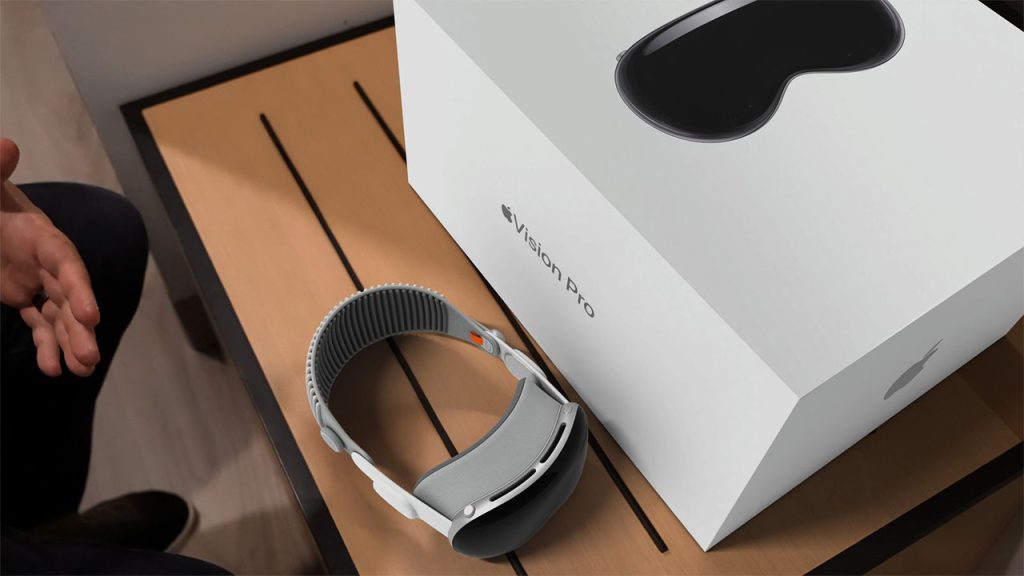
Here’s Why Some Buyers are Returning their Apple Vision Pro Headsets

Just weeks after its launch, the Apple Vision Pro is seeing some buyers change their minds. With a return policy of 14 days, it’s not surprising that a number of users are sending back their $3,500 headsets. The reasons range from comfort issues to doubts about its usefulness in everyday life.

People are also second-guessing whether they need the Vision Pro or not

Many have complained that the headset is uncomfortable to wear, causing headaches and even motion sickness for some. The design, which puts most of its weight at the front, has also been called out. These kinds of issues are not exactly new in the world of wearable tech, but they’re especially noticeable given the high price of the Vision Pro.

But it’s not just about how it feels to wear it. People are also talking about whether the Vision Pro is really useful. Some users have found that it doesn’t help much with work tasks and doesn’t offer enough fun or games to be worth keeping. This has led to a lot of second-guessing, especially when you consider the hefty price tag. It’s definitely far from affordable.

These early experiences are a wake-up call about the challenges facing wearable technology. They show that making these devices comfortable and genuinely useful is key. And while the Vision Pro might not have hit the mark for everyone right out of the gate, the feedback from these early adopters could help shape better versions in the future.

The Vision Pro’s story is just beginning, and it’s clear that there’s a lot to learn about what people really want from their wearable tech. With some adjustments and more attention to user feedback, the next version from Apple could win over those who were hesitant the first time around.

RELATED:

(Via)

Zenfone 11 Ultra emerges on Geekbench with Snapdragon 8 Gen 3, launch imminent

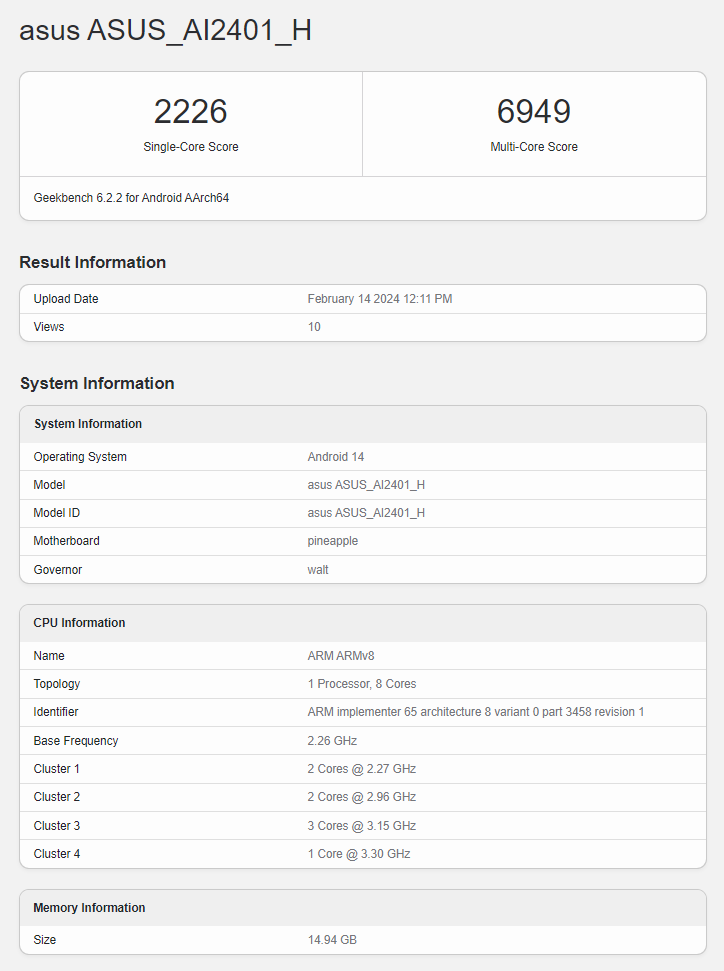
Asus is reportedly working on the launch of the Zenfone 11 Ultra. Recent leaks have revealed its key specifications and renders, indicating that it will bear similarities with the ROG Phone 8 Pro. Now, the device has appeared on Geekbench, hinting the company could be internally testing it before the official announcement. Here is a look at the details that have emerged through the Geekbench listing of the Zenfone 11 Ultra.

Asus Zenfone 11 Ultra Geekbench listing

Asus Zenfone 11 Ultra Geekbench
Asus Zenfone 11 Ultra Geekbench listing

The Asus device labelled ASUS_AI2401_H that has appeared in Geekbench is nothing but the upcoming Zenfone 11 Ultra. The CPU and GPU details that are mentioned in the reveal that the device is powered by the Snapdragon 8 Gen 3 chipset and 16 GB of RAM.

On the software front, the Zenfone 11 Ultra will offer Android 14, as per the Geekbench listing. In the single-core and multi-core tests, the device scored 2226 and 6949 points, respectively.

As per recent reports, the Zenfone 11 Ultra will arrive with a 6.78-inch AMOLED LTPO panel that offers an FHD+ resolution and a 144Hz refresh rate. It will have a 32-megapixel camera on the front, and a 50-megapixel (Sony IMX890 with gimbal OIS) + 13-megapixel (ultra-wide) + 32-megapixel (3x telephoto) triple camera unit on the back.

The Zenfone 11 Ultra is expected to ship with the SD8G3 chip, 16 GB of LPDDR5x RAM, and up to 1 TB of UFS 4.0 storage. It is likely to house a 5,500mAh battery with 65W wired and 50W wireless charging support. It is expected to arrive in five shades, such as Eternal Black, Skyline Blue, Misty Gray, Verdure Green, and Desert Sienna. 

RELATED:

Honor Magic 6 Pro EU & UK prices leak out ahead of MWC launch

Last month, Honor debuted the Magic 6 Pro smartphone in the Chinese market with a massive reception. The same of the device, along with the vanilla Magic 6 model exceeded $100 million in under 3 minutes. Now, the brand is planning to unveil the device to global customers at the Mobile World Congress 2024 event which kicks off on February 25.

Honor-Magic-6-Pro

Ahead of the global unveiling, Dealabs has leaked the pricing of the Magic 6 Pro for Europe and the UK. As per the report, the Magic 6 Pro will cost 1299.90 euros in EU regions like France and Italy. On the other hand, the device will cost 1099.99 pounds sterling in the UK. The smartphone will launch in a single 12GB RAM + 512GB storage variant in these markets and will come in only two color options: Green and Black.

Honor Magic 6 Pro Specs:

The Honor Magic 6 Pro boasts a 6.8-inch FHD+ curved OLED LTPO display, with a resolution of 2800×1280 pixels and a dynamic 120Hz refresh rate. Performance-wise, Honor Magic 6 Pro is powered by the Snapdragon 8 Gen 3 SoC. It runs on the new Honor MagicOS 8.0, which features AI-driven intent recognition for seamless human-machine interaction.

In terms of imaging, Honor Magic 6 Pro boasts a triple camera setup, including a 50MP ultra-dynamic main camera with rapid and precise focusing, an intelligent variable aperture (f/1.4-f/2.0) for excellent low-light performance, and optical image stabilization (OIS). It also features a 50MP ultra-wide-angle camera for capturing wide scenes effectively. The standout feature is its groundbreaking 180MP periscope ultra-telephoto lens with 2.5x optical zoom, an astonishing 100x digital zoom, and OIS. The pill-shaped front camera setup includes a 50MP+TOF sensor for high-quality selfies and depth-sensing capabilities. The phone features a large 5600mAh and 80W fast charging.

RELATED:

Samsung Galaxy F15 5G Geekbench listing appears to reveal Dimensity chipset

Samsung is likely to announce the Galaxy F15 5G in India and Bangladesh, as its support page has gone live on its regional websites for these countries. A recent report revealed the design and color options of the phone through leaked renders. Now, the device has appeared on the Geekbench benchmarking platform, revealing key information about its chipset, RAM, and OS version.

Samsung Galaxy F15 5G Geekbench listing

Samsung Galaxy F15 5G Geekbench
Samsung Galaxy F15 5G Geekbench listing

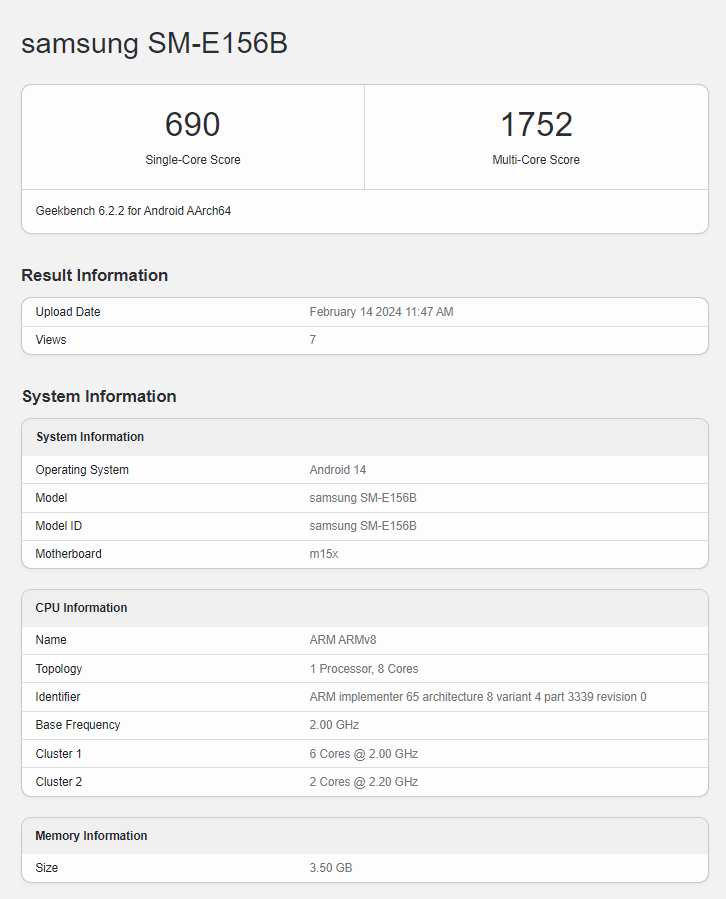
On Geekbench, the Galaxy F15 5G has been spotted with its SM-E156B model number. The listing states that it features a MediaTek chip that has six cores running at 2.0GHz and the remaining two cores working at 2.20GHz. The source code of the listing reveals that it is equipped with the Mali G57 GPU. These details imply that the Dimensity 6100 Plus chipset might power the device.

The listing further reveals that the device has 4 GB of RAM and runs on Android 14, which is likely to have a layer of One UI on top. In the single-core and multi-core tests, the device scored 690 and 1752 points, respectively.

The leaked renders of the F15 have revealed that it will arrive in shades, such as black, purple, and mint green. It is speculated that it could be equipped with a massive 6,000mAh battery. There is a possibility that the rest of its specs could be similar to those of the Galaxy A15 5G.

The Galaxy A15 has a 6.5-inch AMOLED FHD+ 90Hz display, a 13-megapixel front camera, and a 50-megapixel triple camera unit. The Dimensity 6100+ powered device ships with up to 8 GB of RAM, up to 256 GB of storage, and a 5,000mAh battery with 25W fast charging. For security, it has a side-facing fingerprint scanner.

RELATED:

(via)

Nothing Phone (2a) price, configurations, color options tipped before launch in France

Nothing recently confirmed that its next smartphone, the Nothing Phone (2a) will be announced on March 5. The device is also expected to be showcased at the Mobile World Congress (MWC) 2024, scheduled between Feb. 26 and 29 in Barcelona, Spain. A new leak, sourced from Dealabs, has revealed the configurations, price, and color options of the Phone (2a) specifically for France. This information comes from developer Dylan Roussel, who previously leaked key details about the chipset, glyph interface, and model number of the device back in December 2023.

Nothing Phone (2a) price in France (rumored)

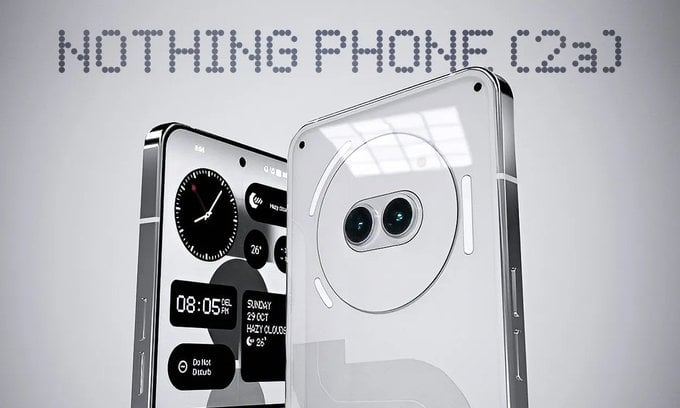
Alleged Nothing Phone (2a)

The report states that the base model of the Nothing Phone (2a) will have 8 GB of RAM and 128 GB of storage. It will be priced at 349 euros and will be available in white and black shades.

The higher version of the device will offer 12 GB of RAM and 256 GB of storage. The leak claims that it will be priced at 399 euros, and it will also come in the same color options.

Nothing Phone (2a) specifications (rumored)

Rumors surrounding the Nothing Phone (2a) have claimed that it will have a 6.7-inch AMOLED panel that offers an FHD+ resolution and a 120Hz refresh rate. For photography, the device will feature a 32-megapixel front camera and a dual 50-megapixel camera system on the back. Speaking of the rear shell, it is expected to feature a new three-part glyph interface.

Under the hood, the Phone (2a) will have the Dimensity 7200 chipset. It is expected to feature a 4,920mAh battery with 45W fast charging support. It is expected to run on Nothing OS 2.5-based Android 14 and feature an in-screen fingerprint scanner for security.

RELATED:

(source)

Dead Island Riptide – Definitive Edition is Free to Claim on Steam

Exciting news for zombie game enthusiasts and Steam users alike: Dead Island 2 is finally making its way to Steam on April 22, ending its exclusivity with the Epic Games Store. This highly anticipated sequel allows players to navigate a quarantined Los Angeles teeming with the undead. The game offers a rich narrative with an interesting cast of characters and the option to team up with three friends for a zombie-slaying adventure.

In celebration of Dead Island 2’s Steam release, Dambuster Studios is giving away Dead Island Riptide – Definitive Edition for free till 11:00 AM ET on February 15. This offer is a treat for gamers and a smart move to get players excited about the sequel. Dead Island: Riptide picks up from where the first game left off, delivering players to a new zombie-infested island with improved HD graphics, game models, and a photorealistic lighting system.

On a similar note, the popular game engine RPG Maker XP is also currently free to claim on Steam. RPG Maker XP, also known as RMXP, is a software program or game engine that allows users to create their own role-playing video games (RPGs) without needing to know how to code. It was released in 2005 and is part of the long-running RPG Maker series, which dates back to the 1990s. RPG Maker XP was a popular choice for aspiring game developers in the mid-2000s, and many successful indie RPGs were created using the program. If you are a hobbyist or an aspiring game developer, this might be the perfect tool for you to get started on making games.

RELATED:

Redmi AX5400 Gaming Router with mesh support now available globally

In February 2022, Xiaomi’s sub-brand Redmi launched the Router AX5400, a gaming WiFi router with mesh support in China. This high-performance router is now accessible to a global audience, albeit through unofficial channels. Interested buyers can snag this tech marvel on platforms like Banggood or AliExpress, with prices ranging between 80 and 100 euros or between $82 to $103.

Redmi

The Redmi AX5400 stands out with its support for WiFi 802.11ax, operating seamlessly across 2.4 and 5 GHz bands. On paper, it boasts impressive maximum data rates—574 MBit/s on 2.4 GHz and a whopping 4,808 MBit/s on 5 GHz.

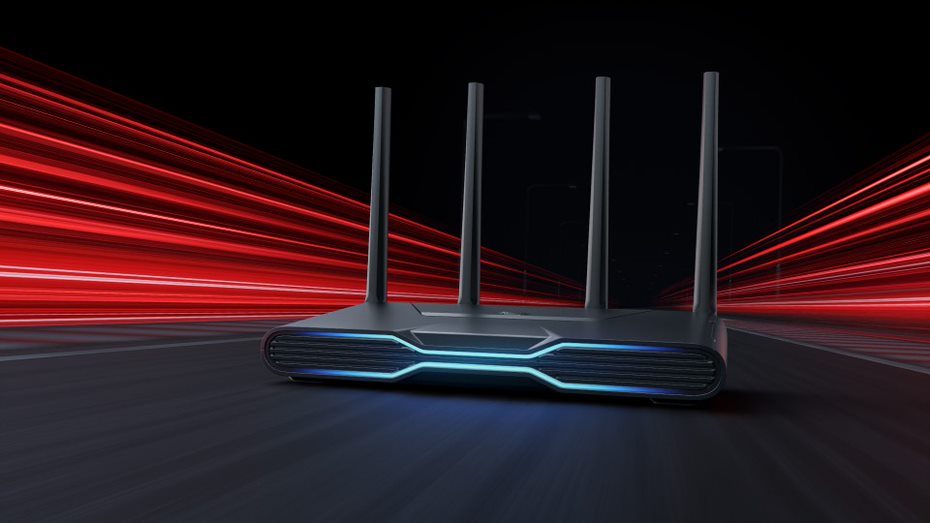
It has four external antennas designed to ensure robust data transfer and connection stability. The router also features RGB lights that offer 16 million colors. The router is powered by a Qualcomm IPQ5018 SoC and equipped with 512 megabytes of RAM, capable of supporting up to 248 devices simultaneously.

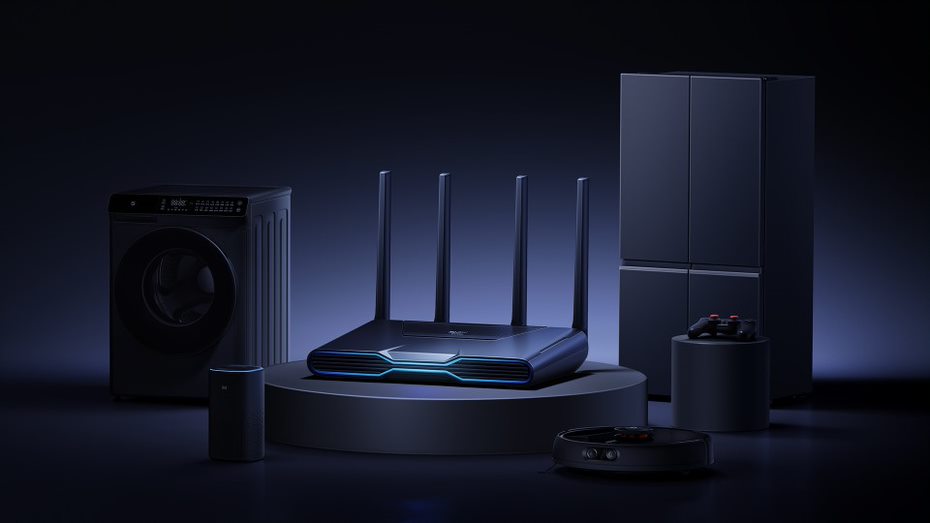
Redmi

For those needing speed, the router features an Ethernet port that supports up to 2.5 GBit/s data transfer rates, along with several Gigabit connections. The router features six independent high-performance Front-End Modules (FEMs), serving as signal amplifiers. Notably, it possesses the ability to automatically identify Xiaomi and Redmi smartphones that are compatible, leading to a potential reduction in delay by up to 20 percent.

In related news, Xiaomi has recently listed the AX1500 WiFi router on its official global website. The region-wise prices are expected to be revealed in the coming days. Currently, it can also be bought through AliExpress for around $25.

RELATED: