Advertisement

Honor Choice Watch key specifications confirmed before February 15 launch

Honor is introducing its latest addition to the AIoT devices segment with the launch of the Honor Choice Watch, set to debut alongside the Honor Choice X5 Earbuds and Honor X9b smartphone in India on Feb 15. Ahead of the launch, the brand has confirmed the key specifications and features of the upcoming smartwatch. Here is a look at what to expect from the device.

Honor Choice Watch key specifications and features

The Honor Choice Watch comes equipped with an ultra-thin AMOLED panel that measures 1.95 inches. It offers a 75 precent screen-to-body ratio, a 60Hz refresh rate, a resolution of 410 x 502 pixels, and a 332 ppi pixel density. The screen comes with support for 21 dynamic and 8 pre-installed AOD watches.

With 5ATM water resistance, the Choice Watch is suitable for water-related activities, such as swimming and surfing. For accurate positioning, the device offers support for global satellite positioning systems, such as GPS, GLONASS, Galileo, BDS, and QZSS.

When it comes to health tracking, the Choice Watch is equipped with features like heart rate monitoring, stress level tracking, and SpO2 monitoring. The Honor Health app not only allows users to view their health data on a paired device but also offers customized workout modules.

The Choice Watch has a 300mAh battery that can last for up to 12 days on typical usage, including 7 hours of sleep monitoring daily. The smartwatch supports Bluetooth 5.3 connectivity, which enables features such as voice calling and SOS functionality.

At present, there is no information about the price of the Hono Choice Watch.

RELATED:

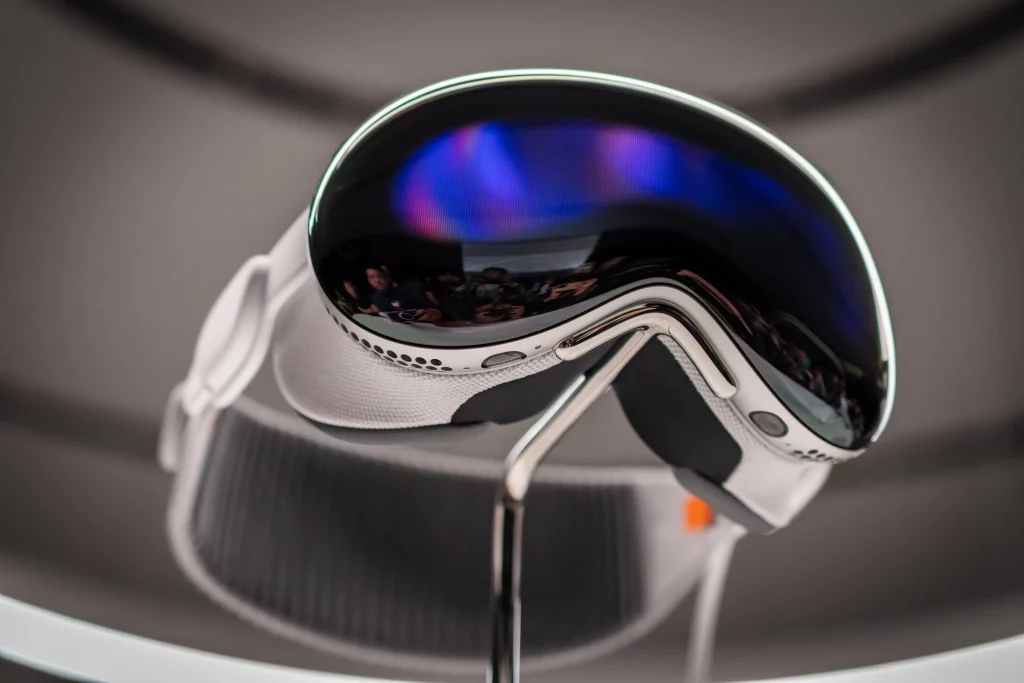
Apple’s Vision Pro headset garners mixed reactions despite high sales

When Apple unveiled its Vision Pro headset, reactions from users were varied. Initial rumors suggested that the product might struggle to meet sales expectations, but the reality turned out differently.

The spatial computing headset, blending very close to augmented reality, has enjoyed considerable success since its launch, despite its hefty price tag of $3,499. During the pre-sale period alone, approximately 200,000 units were sold. However, along with its popularity, some users have engaged in risky behavior, such as wearing the headset while driving, prompting concerns about safety.

Omar Shahine shares his experience with the Apple Vision Pro

Head of Microsoft Word shares his experience using Apple’s VR headset on flight

Omar Shahine, the head of Microsoft Word, recently shared his firsthand experience using Apple’s VR headset during a lengthy flight from Seattle to Dubai. He lauded its versatility, noting how it transformed the entire cabin into a personalized entertainment hub. Omar expressed his preference for the Vision Pro over traditional in-flight entertainment systems, citing its superior interface and immersive experience.

Despite its acclaim, Omar highlighted some drawbacks of the Vision Pro, including its weightiness and tendency to cause eye fatigue over extended use. He opted to enhance his audio experience with AirPods Pro during flights, finding them more comfortable than AirPods Max when paired with the already bulky headset.

However, Omar underscored the cost-effectiveness of the Vision Pro compared to a high-end home entertainment setup. He emphasized its superior performance and entertainment value, despite acknowledging the need for gradual adjustment to its physical discomfort.

In conclusion, Apple’s Vision Pro headset has made a significant impact in the tech industry, boasting impressive sales figures and garnering praise for its innovative features. However, user experiences have been mixed, with some embracing its immersive capabilities while others grapple with its physical discomfort.

Related:

Infinix Hot 40i lndia launch date confirmed, key specifications appear on Flipkart

Infinix Hot 40i launch date has been confirmed. A microsite of the phone, which is now available on Flipkart, confirms that it will be unveiled at 12 pm (local time) on Feb. 16. Here is a look at the Hot 40i specifications that have been officially confirmed so far.

Infinix Hot 40i specifications

The Flipkart page reveals that the Infinix Hot 40i has 256 GB of built-in UFS 2.2 storage space. By this, it will offer the biggest memory under the Rs 10,000 category. The device will come with 8 GB of RAM, 8 GB of virtual memory, and a microSD card slot for additional storage. The brand will confirm more details about the Hot 40i tomorrow (Feb. 14).

A previous report revealed that the Infinix Hot 40i will arrive with a 6.6-inch LCD punch-hole display that offers an HD+ resolution and a 90Hz refresh rate. On the front, the device will feature a 32-megapixel camera with an LED flash.

On the back, the Hot 40i will have a 50-megapixel primary camera and a quad-LED flash. For security, the device has a side-facing fingerprint scanner.

There is no information available about the chipset or battery of the Hot 40i. Hopefully, some of the missing details will be confirmed tomorrow. Shown above are the live shots of the phone that surfaced recently.

In related news, Infinix is said to be working on the Note 40 series, which reportedly includes the Note 40 and Note 40 Pro. A recent report revealed that these devices will support 45W and 70W charging, respectively. The series is expected to offer an FHD+ 120Hz display, a Helio G99 chip, up to 12 GB of RAM, up to 256 GB of storage, and a 5,000mAh battery.

RELATED:

[Updated] Vivo V30 Pro key specifications leaked, reveal three 50MP cameras, 120Hz OLED display, 512GB storage, and more

According to recent rumors, Vivo is expected to unveil the Vivo V30 Pro either later this month or in March. Speculations suggest that this upcoming device will share similarities with the Vivo S18 Pro, which was launched in China in December 2023. Recently, a device believed to be the V30 Pro, identified as V2319, was spotted on the Geekbench benchmarking platform. Contrary to expectations, the listing indicated that it would feature the Dimensity 8200 chipset instead of the Dimensity 9200+. Furthermore, a new leak from tipster Sudhanshu Ambhore has disclosed additional specifications of the V30 Pro, highlighting differences between it and the S18 Pro.

Vivo V30 Pro specifications (rumored)

Vivo V30 Pro image
Vivo V30 Pro image

As per the tipster, the Vivo V30 Pro has a 6.78-inch curved-edge AMOLED panel that offers a resolution of 1260 x 2800 pixels and a 120Hz refresh rate. It will come preloaded with FunTouch OS 14-based Android 14.

Under the hood, the Vivo V30 Pro will feature the Dimensity 8200 chipset. It will arrive in a single configuration that offers 12 GB of RAM and 512 GB of built-in storage. It has a 5,000mAh battery with 80W charging support.

The leak further claims that the V30 Pro has a 50-megapixel camera on the front. While it is not mentioned in the leak, it may likely have support for autofocus. On the back, the device will feature a ZEISS co-branded camera setup featuring a 50-megapixel main camera, a 50-megapixel ultra-wide lens, and a 50-megapixel telephoto camera.

In comparison, the Vivo S18 Pro’s camera has a 12-megapixel telephoto camera. So, apart from using a different chipset and a different telephoto camera, the rest of the specs could be identical on both phones.

Update: 91mobiles has published a report to reveal the Vivo V30 Pro’s leaked renders and specifications. The leaked images reveal that it will arrive in black and green shades. It will have an IP54-rated chassis measuring 164.4 x 75.1 x 7.5mm and weighing 188 grams. The report further mentions that the device has LPDDR5x RAM, UFS 3.1 storage, and NFC support.

RELATED:

(source)

Nvidia Launches the RTX 2000 Ada GPU, and It’s Not Your Typical Graphics Card

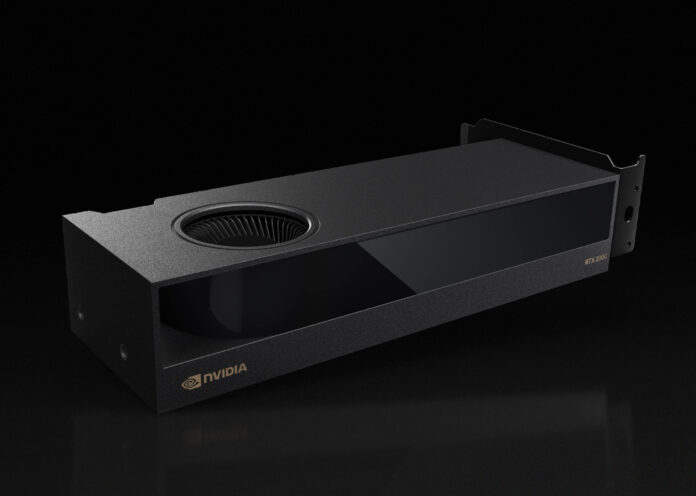
NVIDIA‘s latest entry into the GPU market, the RTX 2000 Ada, is a pleasant surprise for sure. The card seems like a great combination of compact design and robust performance. However, it is noteworthy that the card is aimed at small form factor workstations. Carrying a price tag of $625, it is a pretty good option for those looking to level up their compact setups without compromising on power.

The card, however compact, has solid performance with over 2800 CUDA cores

The RTX 2000 Ada brings significant upgrades over its predecessors, notably with a substantial 16GB of GDDR6 memory, equipped with ECC for added reliability. Despite its smaller size, the GPU does not skimp on performance, boasting 2816 CUDA cores, 88 Tensor cores, and 22 RT cores. NVIDIA claims impressive compute performance, including 12.0 TFLOPS of single-precision performance, making it a formidable tool for a variety of tasks.

NVIDIA RTX

Physical attributes also get a notable mention; the GPU supports four mDP 1.4a display outputs, catering to multi-monitor setups in space-constrained environments. Its efficient 70W power draw and utilization of a PCIe Gen4 x8 connection underscore its suitability for systems where power and expansion slots are at a premium.

Particularly noteworthy is the inclusion of AV1 encode and decode capabilities, a feature that’s becoming increasingly demanded in modern GPUs for its efficiency in video processing.

However, it’s essential to note that the RTX 2000 Ada might not be the go-to for those engaged in high-end design work or AI research. Instead, its strengths lie in bringing AI inference and advanced graphics capabilities to settings where larger, more power-hungry GPUs can’t fit. From multi-display workstations to AI-enhanced workflows, it is expected that the RTX 2000 Ada will make its mark as a versatile and energy-efficient option for professionals and enthusiasts alike.

RELATED:

(Via)

MIT is Unlocking New Doors with Hydrogen-Powered Motorcycles

MIT is taking a fresh look at how motorcycles are powered, focusing on hydrogen as a potential game-changer. Their Electric Vehicle Team, known for their innovative work, is now diving into the world of hydrogen-powered electric motorcycles. The project is led by Aditya Mehrotra, a grad student who loves motorcycles and is keen on finding cleaner energy solutions, alongside Professor Alex Slocum. They’re not just building a bike; they’re exploring how to make riding more sustainable.

The bike runs on a mix of a battery and a hydrogen fuel cell

Their motorcycle runs on a mix of a battery and a hydrogen fuel cell. This setup could solve one of the biggest headaches for electric vehicles: long charging times. With hydrogen, refueling could be as quick as filling up a gas tank, making it a convenient option for riders.

Hydrogen Bike

What’s cool about their work is that they’re sharing it with the world. They’ve made their design open-source, which means anyone can access their findings and possibly improve upon them. This openness could help speed up innovation in using hydrogen for vehicles.

The team’s efforts are about more than just creating a new type of motorcycle. They’re part of a bigger conversation on how we can use different energy sources to power our vehicles. By bringing their prototype to big events and sharing their progress, they hope to get more people interested in hydrogen power.

This approach by MIT could lead to more discussions and developments around using hydrogen, not just in motorcycles but in other vehicles too. It’s definitely a crucial step towards finding more sustainable ways to get around, showing that the future of transportation might just be powered by hydrogen.

RELATED:

(Via)

New VAM2 SL e-MTB is as Light as a Non-Electric Mountain Bike, Thanks to Carbon Fiber

When it comes to mountain biking, the addition of an electric motor often means a heavier bike, which can change how it rides. Focus, a German bike maker known for its high-quality bicycles, has introduced a solution: the VAM2 SL e-MTB. This bike aims to keep things light while providing enough electric boost to make rides enjoyable, without feeling like you’re steering a mini motorcycle.

The bike has multiple riding modes that can be switched on-the-fly

The VAM2 SL is pretty close in weight to regular mountain bikes without electric motors, thanks to its carbon frame and the smart design of its stem and handlebar. It’s a bit heavier than non-electric bikes but not by much. This design choice keeps the bike nimble and easy to handle on trails.

e-MTB

Powering the bike is the Fazua Ride 60 motor, known for being small yet effective. It helps riders with a natural-feeling boost, especially helpful on climbs, without making the bike feel too mechanical. The battery life is solid, offering plenty of distance on a single charge, and there’s an option to add more battery capacity for those who want to go even further.

The VAM2 SL doesn’t just stop at great battery life and motor power. It also offers different riding modes that riders can tweak to their liking, making sure the bike performs just right, whether they’re looking for a gentle assist or a significant push during tough climbs.

Even with its high-end features, the VAM2 SL comes in different models to suit various budgets. The top-end model boasts the best components for those who can afford it, but there are also more budget-friendly options that still offer a great ride.

RELATED:

(Via)

ASUS ROG Zephyrus G16, Strix Scar 16/18 & ROG G22CH workstation launching this month in India

ASUS is all set to roll out its latest lineup of ROG-branded laptops and PC devices in India this February. Scheduled for release on February 14th at 12 PM, the lineup includes highly anticipated models such as the ROG Zephyrus G16, ROG Strix Scar 16, and ROG Strix Scar 18 laptops, along with workstations like the ROG G22CH, ROG Strix G13CH, and ASUS S501ME.

ASUS ROG gaming devices India

These devices promise powerful performance, boasting processors ranging from Intel Core Ultra to Intel Core i9 14900HX, paired with top-tier GPUs like the NVIDIA GeForce RTX 4090.

One notable addition is the compact yet powerful ROG G22CH workstation, featuring custom liquid cooling and the Intel Core i7 14700F processor.

For early adopters, ASUS is offering an exciting deal: Indian customers purchasing select laptop models during the launch period can snag the ASUS TUF Gaming H3 gaming headset for just Rs. 1. To avail of this offer, customers need to register their device on the My ASUS application and redeem the headphones on Asuspromo.in within three days of purchase. However, this offer is limited to the first 50 customers and valid from February 14th to February 20th, 2024.

ASUS is making these gaming devices available not only on Amazon but also through other leading platforms like ASUS eSHOP, Flipkart, Reliance Digital, and more, ensuring accessibility to all eager gamers.

RELATED:

Huawei Pocket S2 leaks reveal stunning renders in different color options

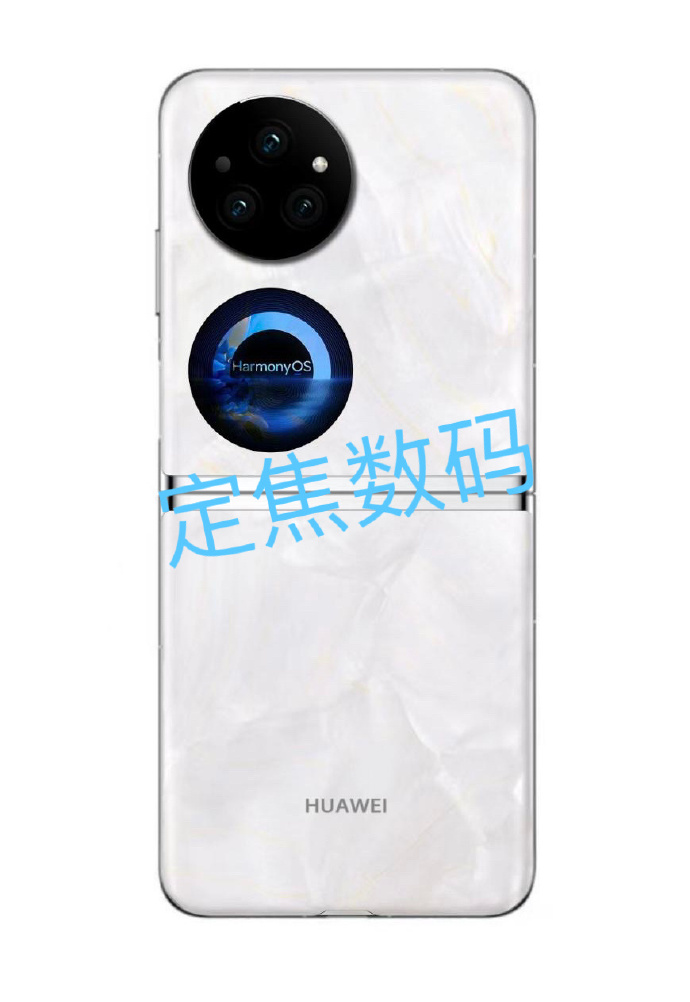
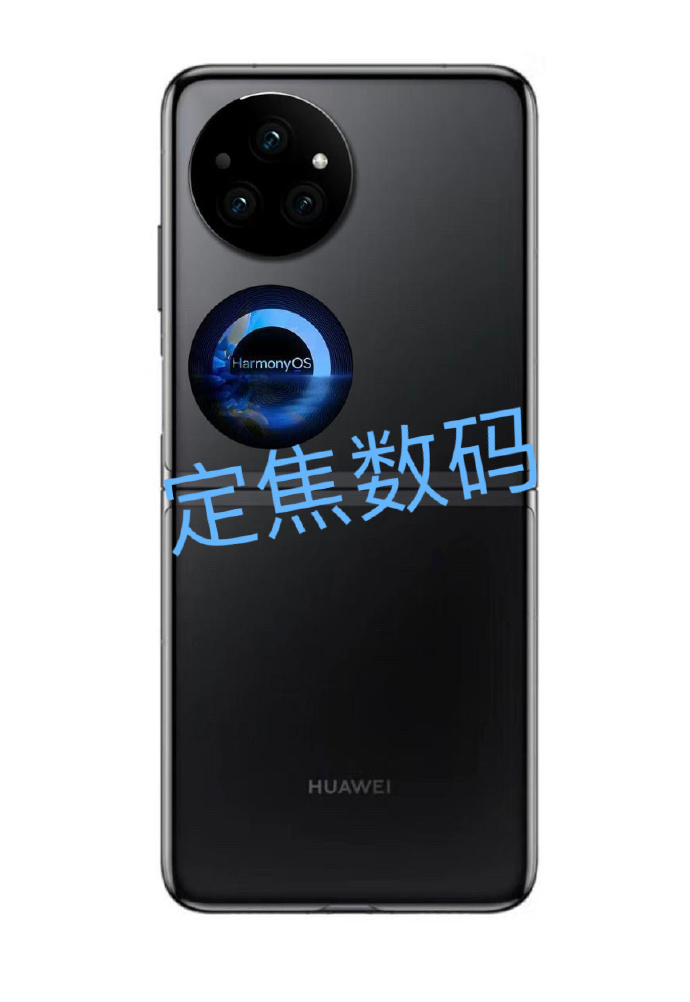
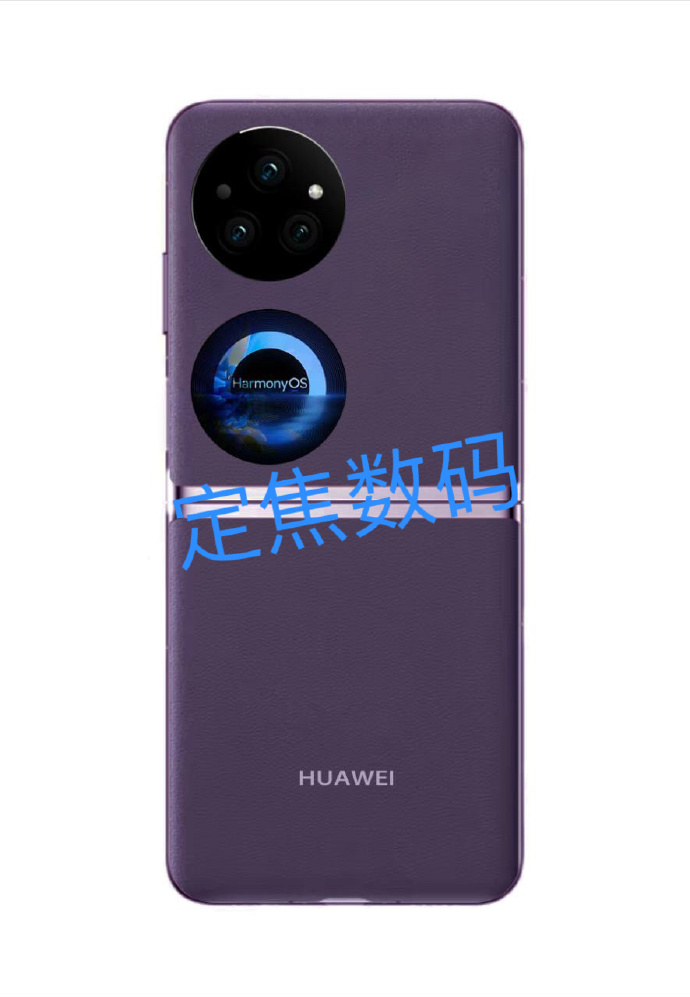
Huawei is preparing to expand its clamshell foldable smartphone lineup with the anticipated launch of the Pocket S2. Recent render leaks have given a glimpse into the new color options that will be available.

Huawei Pocket S2 Renders

The leaks, shared by tipster Fixed Focus on Weibo, reveal three distinct shades for the upcoming device: Dark Purple, Rococo White, and Black. Each color option offers a unique appeal, with Rococo White standing out due to its detailed, classic pattern that differs from the plain textures of the Dark Purple and Black variants.

The design of the Pocket S2 retains the familiar dual circular modules on the back, one housing a triple-lens camera setup with an LED flash, and the other serving as an external screen. This design element maintains continuity with its predecessor, the Pocket S while introducing subtle changes in aesthetics, particularly with the Rococo White variant. The aesthetics of the White variant look very similar to the P60 series.

We can anticipate additional color options as DCS previously disclosed, including Grey with a glass back and a Purple variant with a leather back.

Speaking of launch, leaks suggest February 27th as the potential date. While Huawei hasn’t officially confirmed this, the timing aligns with the company’s usual release cycle.

What about the internals? Leaks point towards a powerful Kirin 9000 5G chipset, an upgraded main camera, and a larger cover screen compared to the Pocket S. Additionally, exciting accessories like a large-letter phone case are rumored to be in the works.

It’s important to remember that these are just leaks, and official specifications might differ. However, they paint a picture of a foldable phone that’s both stylish and packed with performance.

RELATED:

(Source)

This Samsung Update Changes How You Use Wi-Fi Calls

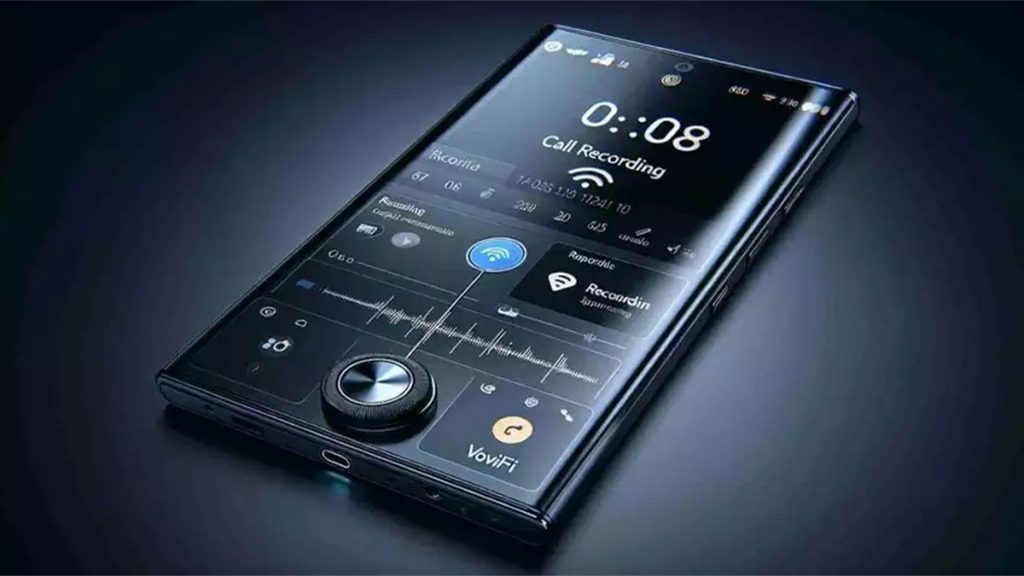
Samsung continues to expand its smartphone family, not neglecting to add new features to its existing products. Recently, the company introduced artificial intelligence features called Galaxy AI, alongside the S24 series. Now, Samsung has enhanced the call recording functionality on its Galaxy smartphones, allowing users to record calls in VoWiFi (Voice over WiFi) mode. Here are the details…

Samsung Galaxy Phones Get a Boost as VoWiFi Call Recording is Here

Samsung has introduced the VoWiFi call recording feature on the Galaxy S24 series and some other Galaxy phones running OneUI 6.1 or later software. This feature allows you to record voice calls made over Wi-Fi. In case you’re not familiar, VoWiFi stands for “Voice over WiFi,” enabling you to make and receive voice calls using your Wi-Fi network, which can be handy when your cellular signal is weak or when you have better access to a Wi-Fi network.

Certainly, this can be particularly useful for recording long and important conversations. However, it’s still important to be cautious. Recording someone’s voice, especially without their consent, isn’t a good practice. It can be a legal issue with consequences in many countries. Therefore, it’s advisable to think twice before using such a feature.

How to Use VoWiFi Call Recording:

  • Open the Settings app on your phone.
  • Navigate to the Calls option.
  • Touch the option for Other call settings.
  • Find and enable the VoWiFi call recording option.

Also, if you can’t find the VoWiFi call recording option, make sure your phone is running on OneUI 6.1 or later software.

RELATED:

(source)

Xiaomi 14 Ultra arrives at a shocking price that no one expected

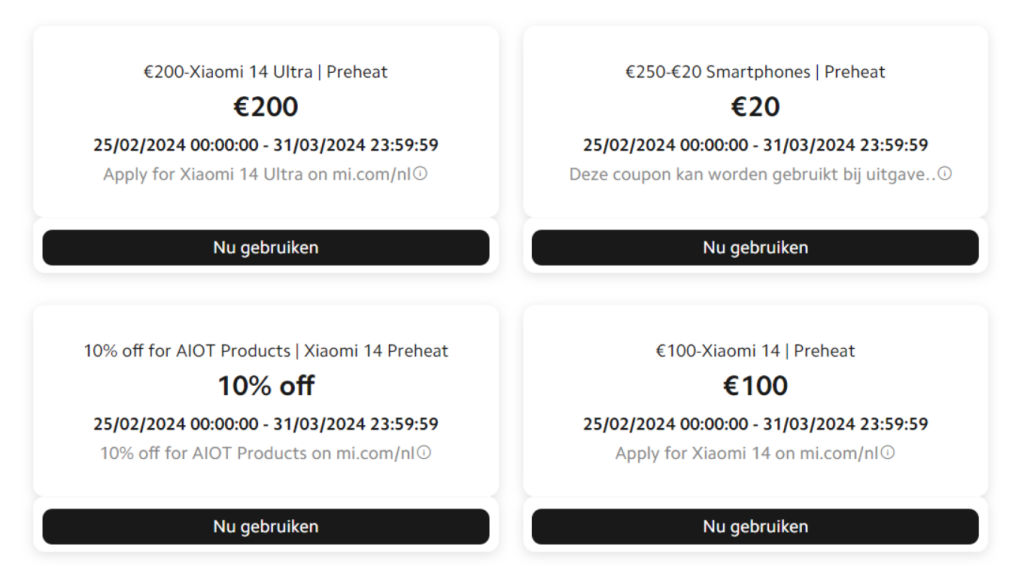
The long-awaited Xiaomi 14 Ultra is set to make its global debut. Xiaomi has already revealed that the phone will be introduced on February 25 at the MWC event in Barcelona. And now the discount coupons of Xiaomi 14 Ultra have been revealed by Xiaomi Netherlands, providing some details about the company’s upcoming flagship device, even the possible Xiaomi 14 Ultra launch date in Europe.

Xiaomi 14 Ultra pricing

There are two separate coupons on Xiaomi’s website, €100 and €200, these are most likely for Xiaomi 14 and Xiaomi 14 Ultra. According to the information on Xiaomi Netherlands’s website, you have to join the live stream of Xiaomi 14 series launch event on mi.com to get the €200 discount coupon.

Xiaomi’s website indicates that the coupons are valid until March 31, 2024 and this suggests that the official launch date of Xiaomi 14 Ultra in Europe could be in early March. Although Xiaomi 14 Ultra is set to be unveiled in Barcelona on February 25, it won’t be available for sale immediately, and the launch date may vary depending on regions. While the coupons do not reveal the exact launch date, it is reasonable to predict that March 2024 will mark the European introduction of Xiaomi 14 Ultra.

Xiaomi 13 Ultra was introduced in Europe with a price tag of €1499 a year ago, and rumors circulating on the internet suggest that Xiaomi 14 Ultra’s price could be €1699. However, if you manage to get the €200 discount coupon revealed on Xiaomi’s website, you can actually buy the 14 Ultra at the same price as the 13 Ultra’s launch price. Of course, the €1699 price for Xiaomi 14 Ultra has not been confirmed yet, but rumors on the web point in that direction.

Xiaomi 14 Ultra is an exceptionally powerful smartphone, as it comes with significant refreshments in the camera department. Xiaomi will offer a wide aperture in all the cameras, potentially making Xiaomi 14 Ultra the smartphone with the widest aperture main and telephoto camera to date. Additionally, Xiaomi 14 Ultra is expected to have satellite connection and an under-display camera, factors that contribute to its higher price.

Related:

Urban Vibe Open-ear wireless earphones launched in India with an attractive price tag

Urban has unveiled its latest product in India, the Urban Vibe open-ear neckband earphones, designed specifically for those with an active lifestyle. These earphones combine comfort, durability, and top-notch performance to meet the needs of active users.

URBAN Vibe

Featuring a lightweight design with an ultradurable memory wireframe, the Urban Vibe ensures a comfortable fit even during extended wear, ensuring uninterrupted workouts or gaming sessions.

What sets the Urban Vibe apart is its advanced technology. With air conduction technology and a Qualcomm chipset, these earphones deliver HD sound output and advanced noise cancellation, ensuring a premium audio experience every time.

But there’s more – the Urban Vibe comes loaded with features for added convenience and functionality. From touch controls and Bluetooth support to seamless integration with voice assistants, managing your music or accessing your virtual assistant is a breeze.

And when it comes to durability, the Urban Vibe doesn’t disappoint. With an IPX6 water and dust resistance rating, these earphones are built to withstand even the toughest conditions, making them the perfect companion for your active lifestyle.

Pricing & availability

Available in a sleek black color, the Urban Vibe is priced at Rs. 3,999. But act fast – for a limited time, you can grab these earphones at a special launch price of just Rs. 1,249.

RELATED:

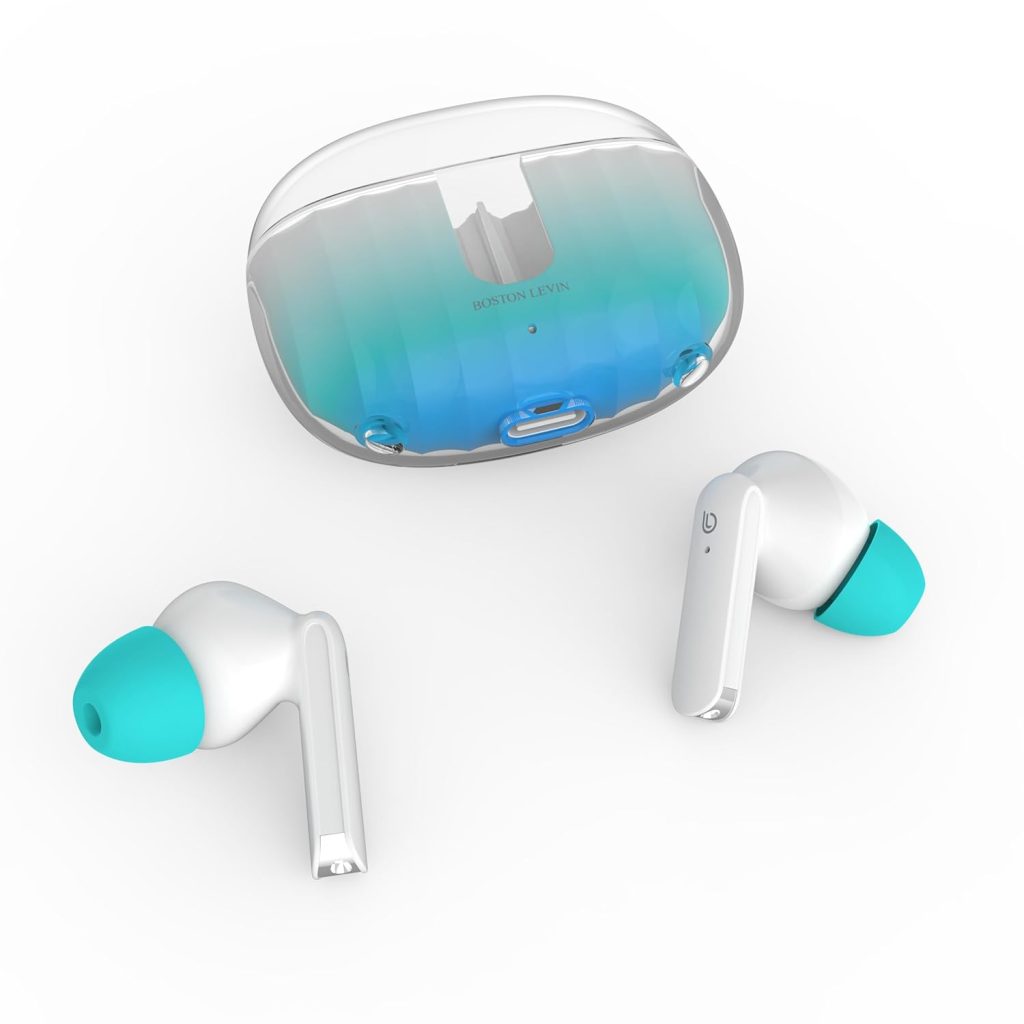
Boston Levin AirMax TWS earbuds with 13mm drivers, AAC/SBC codec & 30 hours battery life launched

Boston Levin has just dropped its latest product in the Indian TWS earbuds arena: the AirMax. These earbuds come with an interesting design, along with large audio drivers that promise to deliver an immersive listening experience.

BOSTON LEVIN Airmax

Boston Levin AirMax earbuds specs:

Designed for both style and function, the AirMax features a transparent case that not only adds flair to your look but also ensures comfort during extended wear.

Equipped with 13mm drivers and supporting AAC/SBC codec, the AirMax delivers a dynamic audio experience with deep bass, clear trebles, and sharp vocals. Whether you’re listening to music, watching movies, or gaming, you can expect immersive sound without compromise.

BOSTON LEVIN Airmax

Thanks to its Bluetooth v5.3 chip, you’ll experience seamless connectivity with minimal latency, perfect for lag-free gaming. Plus, the earbuds come with touch controls, voice assistant integration, and dual-ear calling, making them even more attractive.

The AirMax boasts an impressive battery life of up to 30 hours and IPX5 water and sweat resistance, making them ideal for on-the-go use, and workout sessions.

Pricing & availability

Available in striking blue and black colors, these earbuds come with a special launch price of just Rs. 1,199 and a one-year warranty.

RELATED:

Indian Government Issues Urgent Security Warning for Google Chrome Users

Google Chrome, undoubtedly the world’s most popular web browser with a 66% market share. Many of us use this browser for various activities, from daily tasks to work. However, this popularity comes with its share of problems. A security vulnerability in a platform with millions or even billions of users jeopardizes not only individuals or companies but even the security of nations. For this reason, the Indian government has issued a high severity warning to Google Chrome users, advising them to promptly update their browsers due to multiple high-risk vulnerabilities. Here are the details…

Indian Government Alerts Chrome Users: Update Immediately to Close Vulnerabilities

CERT-In, the Indian government’s cybersecurity agency, has issued a “high severity” warning concerning various vulnerabilities found in Google Chrome. These security flaws, if exploited, may allow remote attackers to execute malicious code on a user’s computer. In other words, hackers could take control of systems or steal sensitive data.

Google Chrome

The security advisory issued by CERT-In notes that remote attackers can exploit these vulnerabilities by persuading unsuspecting victims to visit specially crafted web pages. After visiting these pages, the security flaws will be triggered, allowing attackers to launch unnoticed attacks on unaware users.

This security vulnerability allows attackers to exploit memory errors in the Side Panel Search feature, potentially leading to arbitrary code execution or bypassing security measures. Users should be cautious when browsing the internet, especially when visiting unfamiliar or suspicious websites. Avoid clicking on links from untrusted sources and refrain from interacting with unwanted emails or messages.

RELATED:

Huawei P70 series to see different chipset frequencies, may feature satellite communication in all models

Huawei is already gearing up for its next flagship launch – the P70 series. New information suggests that the upcoming smartphones might offer varied chipset frequencies across models, along with other exciting upgrades.

Huawei P60 Series

Huawei P70 Series Will Also Feature Curved Displays

According to Weibo tipster Smart Pikachu, the standard and high-end P70 models could utilize a robust Kirin chipset, potentially the Kirin 9000s seen in the Mate 60 series. However, there’s a twist: the high-end models like the P70 Pro, P70 Art, and the rumored P70 Pro+ might sport an overclocked version of this chipset, aiming for a 20% performance boost. While the core architecture remains under wraps, different clock speeds could be the key to achieving this improvement. According to reports, China’s largest chipmaker SMIC, is gearing up for the production of these 5nm chips.

The tipster also sheds light on the display, suggesting all four P70 models might flaunt a curved 1.5K resolution screen for enhanced visuals. Interestingly, Huawei is reportedly testing various screen sizes and experimenting with a blend of four China-made display panels, hinting at significant display upgrades compared to previous generations.

But the excitement doesn’t stop there. The P70 series could mark a major shift in Huawei’s approach to satellite communication technology. Tipsters claim all models might integrate satellite features, potentially offering an improved and more widespread experience. Previously, satellite connectivity was mostly limited to high-end models, with the base variants missing out.

Huawei pioneered smartphone satellite connectivity with the Mate 50 Pro in 2022, enabling one-way satellite SMS functionality. The P60 Pro and P60 Art took it a step further with two-way satellite SMS, while the Mate 60 series introduced two-way satellite calling for the Pro and Pro+ models. The P70 series could see satellite features democratized across all models, or follow the Mate 60 strategy with higher-end variants offering calling capabilities and the base model retaining two-way SMS.

The Huawei P70 series is expected to launch in the Chinese market by the end of March or early April. Additionally, the company is also actively developing HarmonyOS NEXT, a next-generation operating system built on its proprietary kernel. This operating system will entirely eliminate support for Android apps.

RELATED:

Apple Introduces Virtual Card Numbers for Apple Pay Users

Apple‘s latest iOS 17.4 beta introduces a pretty substantial upgrade for Apple Cash users, enabling the generation of a virtual card number. First highlighted by 9to5Mac and discussed by users on Reddit, the new feature addresses a significant constraint by facilitating payments in locations where Apple Pay is not accepted.

Users can generate Virtual Card Numbers to pay where Apple Pay isn’t accepted

This feature appears in the beta version, though it might not be available to all testers yet. To find out if you’re among the eligible users, you can simply visit the Wallet app, select your Apple Cash card, and look for an option to create a virtual card number. The process is straightforward, involving just a couple of steps.

Apple Cash

Once set up, users can access their virtual card details, including the card number, expiration date, and security code, by navigating through the app’s menus. It’s worth noting that Apple Cash will maintain a distinct card number for Apple Pay transactions, which is accessible through an additional step in the app.

An update such as this greatly enhances the utility of Apple Cash. Think about it – despite the widespread adoption of Apple Pay, there are a lot of outlets where it’s not an option. Now, with the ability to use a virtual card number, Apple Cash has become more versatile, allowing users to bypass the inconvenience and fees associated with transferring funds to a bank account for non-Apple Pay purchases.

RELATED:

(VIA)

Massive Ransomware Attack Hits 18 Hospitals Across Romania

A recent ransomware attack has caused significant disruption to 18 hospitals across Romania, putting a halt to their operations. The attack targeted the Hipocrate Information System (HIS), which is essential for managing patient care and medical records. As a result, the system is currently down, leaving hospitals struggling to maintain their usual level of care.

The patient care and medical records are currently unavailable

The attack occurred overnight between February 11 and 12, 2024, leading to encrypted databases and files. The Romanian Ministry of Health has acknowledged the severity of the situation and is actively working on a solution. Efforts to recover the affected systems are in progress, with IT and cybersecurity experts from the National Cyber Security Directorate (DNSC) leading the charge.

Hospital
Image credits: Camilo Jimenez

The impact of the ransomware attack is widespread, affecting a variety of medical facilities including regional hospitals and cancer treatment centers. To prevent further damage, the Ministry of Health has enhanced security measures for other hospitals that were not affected by the attack.

Currently, the details about the ransomware group behind the attack or the specifics of the data compromised are not clear. The provider of the HIS system, RSC, has not yet made a public statement regarding the incident.

Incidents such as these expose the vulnerability of healthcare systems to cyberattacks and further boost the importance of robust cybersecurity measures to protect sensitive patient data and ensure the continuous operation of critical healthcare services. This is one sector that can’t afford serious downtime like these, and for obvious reasons too!

RELATED:

(VIA)

Google’s New Features Aim to Make Android Seamless Across Devices

Google is on a mission to enhance how Android devices connect and work with each other, very evidently, taking a leaf out of Apple‘s book. The tech company is known for its innovation, and now it’s focusing on making Android devices more user-friendly and interconnected. Recent updates to Google Play services reveal exciting developments that promise to improve the way Android and ChromeOS devices communicate.

The updated ‘cross-device service’ is now called ‘Devices and Sharing’.

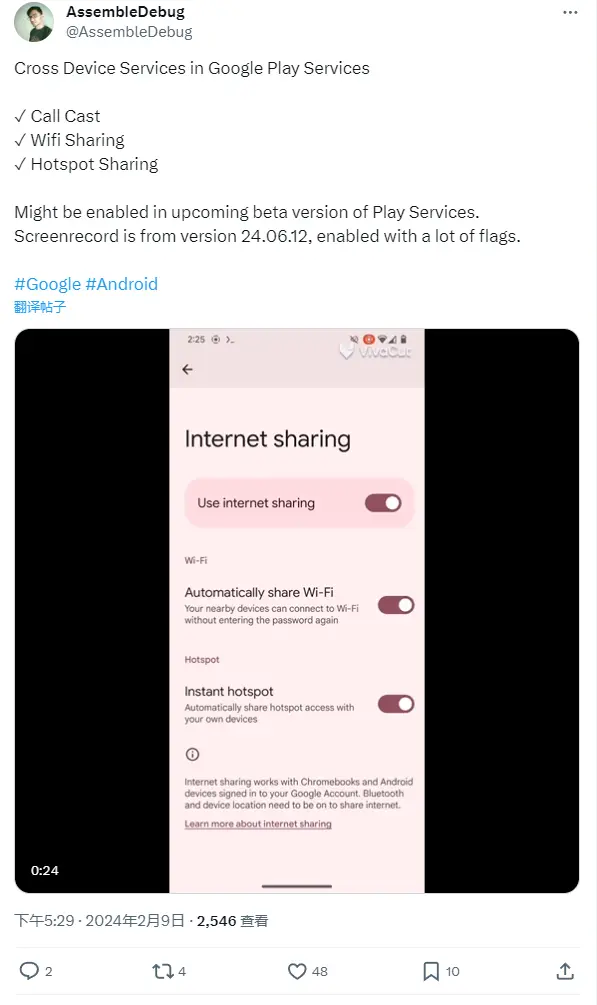
The latest version, 24.06.12, introduces an updated “cross-device service,” now called “Devices and Sharing.” Exactly as the name suggests, it brings with it three practical features that could change how we use our devices: call transfer, hotspot sharing, and Wi-Fi sharing.

Google Devices and Sharing

The call transfer feature lets you move a call from one device to another without dropping it, as long as both devices are linked to the same Google account. Hotspot sharing is all about ease, allowing one device to control another’s Wi-Fi hotspot connection. Then there’s Wi-Fi sharing, which makes it easier to share Wi-Fi passwords between devices (apart from QR code sharing), so staying connected is simpler than ever.

But Google isn’t stopping there. They’re also working on something called “Device Groups.” This upcoming feature will let users group multiple devices under one Google account, enabling new levels of interaction between them. With these updates, the California-based organization is clearly working hard to create a more seamless and integrated experience for Android users, challenging Apple’s dominance in the ‘ecosystem’ arena. These improvements are expected to make life with Android devices more cohesive, user-friendly, and connected.

RELATED:

(Via)

U.S. government invests $11 Billion in semiconductor research and development

The U.S. government has revealed a significant investment plan of $11 billion in semiconductor-related research and development (R&D). This initiative, a part of the Chips and Science Act passed by Congress in August 2022, is an important step towards securing the semiconductor innovation and manufacturing lead for the country.

The Chips and Science Act is a comprehensive legislation with a total allocation of $52.7 billion for semiconductor initiatives. This huge investment in the semiconductor industry highlights the importance of domestic semiconductor production for national security and economic stability. Out of this amount, $11 billion has been earmarked specifically for R&D endeavors to drive advancements in semiconductor technology. 

The government is all set to launch the National Semiconductor Technology Center:

Central to the R&D program is establishing the National Semiconductor Technology Center (NSTC), a groundbreaking $5 billion initiative. The NSTC, operating as a public-private partnership, will head the research and prototyping activities in advanced semiconductor technologies. This collaborative effort will bring together stakeholders from government, industry, academia, and investors, fostering innovation and knowledge exchange.

Energy Secretary Jennifer Granholm emphasized the strategic significance of R&D in enhancing national competitiveness and resilience. The NSTC’s multifaceted approach includes the creation of an investment fund to support emerging semiconductor companies, nurturing their growth and facilitating technology commercialization.

US government has a solid strategy for developing domestic semiconductor production:

The government strategy surrounding semiconductor development in the US aims to safeguard American jobs, prevent offshoring, and fortify the nation’s manufacturing capabilities. The semiconductor manufacturing program aims to provide subsidies for chip production and investments in the supply chain. These awards will assist in constructing factories and boosting production capacity. 

Key goals of the program include accelerating the production of cutting-edge semiconductor technology within the U.S., streamlining the pathway from design to commercialization, and cultivating a skilled workforce spanning from technicians to engineers. Stakeholder collaboration lies at the heart of this initiative, with diverse participants ranging from chip designers to labor unions working towards a common goal.

After the supply chain disruptions during the pandemic and concerns over foreign dependency, particularly on Taiwan, the government responded with the Chips and Science Act, to fortify America’s semiconductor industry. With these bold investments and collaborative efforts, the U.S. is poised to reclaim its position at the forefront of semiconductor innovation.

Related:

(via)

Apple Vision Pro could take four generations to become an iPad Killer

Apple‘s recently launched mixed-reality headset, Vision Pro, has generated buzz for its potential to revolutionize interaction and entertainment. However, according to Bloomberg’s Mark Gurman, its journey to becoming a true game-changer might be longer than some anticipate.

Apple Vision Pro
Credit: The Verge

Apple Vision Pro is not a polished product yet

Gurman’s sources within Apple’s Vision Products Group reportedly believe the device is far from its “ideal form” and could require four generations of refinement before truly exceeding customer expectations for everyday use. While the exact definition of this “ideal form” remains unclear, concerns from early adopters offer some clues.

Headset weight, battery life, app scarcity, and software bugs plague the current iteration. Users find extended wear uncomfortable, and the limited app ecosystem hinders its versatility. Gurman draws parallels to Apple’s historical approach, suggesting four generations of improvement similar to the iPhone, iPad, and Apple Watch could propel Vision Pro to eventually replace the iPad.

The views also align with Elon Musk’s perspective, which he shared last week on X (Formerly Twitter) regarding Vision Pro. According to him, Vision Pro is not great yet, much like the first iPhone. However, in his opinion, the iPhone 3 solved all the issues and became a great device. He believes the case will be very similar to Vision Pro as well.

Apple’s efforts to make the iPad a Mac replacement haven’t yielded the desired results, Gurman argues. Features haven’t fully bridged the productivity gap, leaving the iPad in a somewhat ambiguous position within the Apple portfolio. He views Vision Pro, at its current $3,500 price tag, as more of a “prototype” funded by early adopters than a polished consumer product.

Despite its limitations, Vision Pro exhibits potential. Its capabilities in video streaming, light work, and entertainment are promising, offering an alternative for traditional iPad users seeking a more immersive experience. However, the weight, battery life, and app availability limitations hold it back.

Gurman urges potential buyers to exercise caution, highlighting the potential pitfalls of investing in an unfinished product. He stresses the importance of waiting for substantial software improvements and hardware refinements before considering Vision Pro a viable consumer option.

RELATED:

(Source)