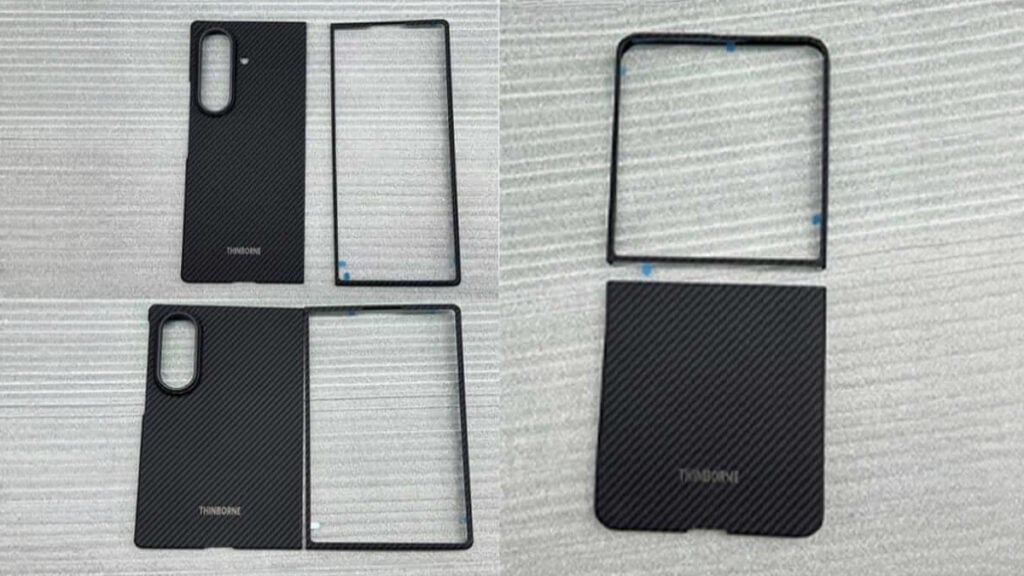
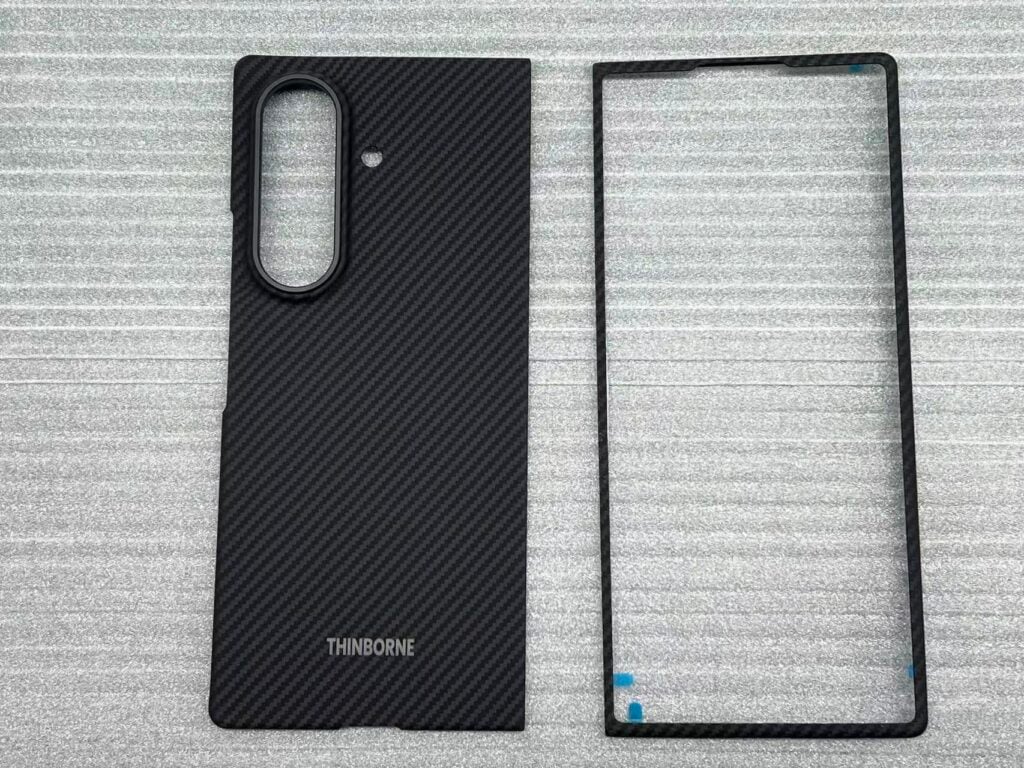
A fresh round of accessory leaks from case maker Thinborne may have given us an early look at Samsung‘s next foldables, including the Galaxy Z Flip 8, Galaxy Z Fold 8, and the Galaxy Z Fold 8 Ultra.
The case for the Galaxy Z Flip 8 looks fairly unsurprising. Based on the leaked renders, Samsung doesn’t appear to be making any major changes to the overall design.
The Fold lineup is where things start to get more interesting.
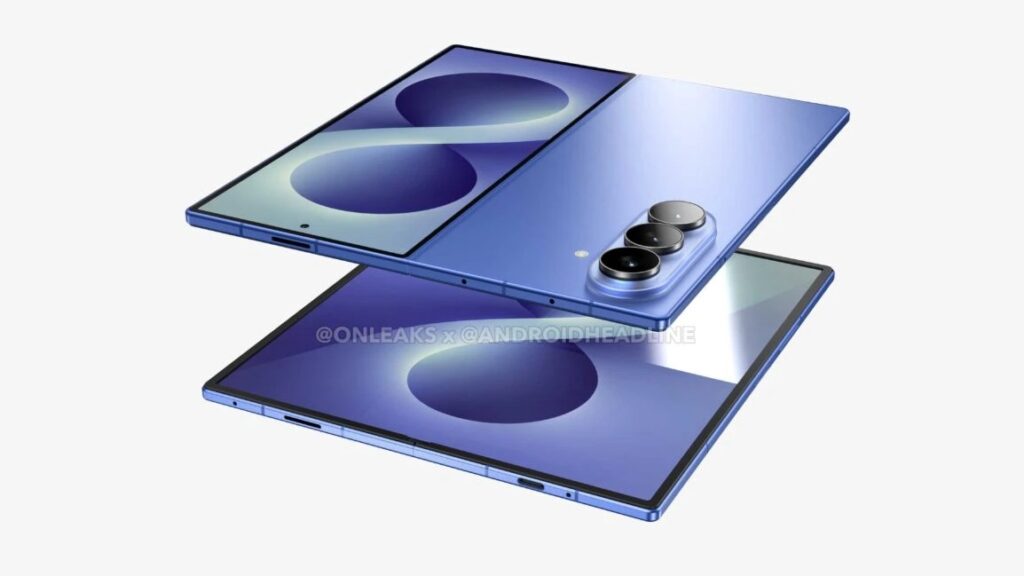
We have been seeing renders and dummy units of the wider Fold model for some time now, but the leaked cases add another piece of evidence pointing in the same direction.
The fact that accessory makers are already producing cases based on these dimensions also lends some credibility to the rumors. Case manufacturers typically work from supply chain information and early device measurements, which suggests the wider aspect ratio and revised camera layout we’ve been seeing in leaks may be reasonably close to the final product.
Samsung’s tall and narrow Fold design has its fans, but several competing foldables have already moved toward wider displays, and the response has generally been positive.
The wider form factor may also give Samsung more room to differentiate an “Ultra” model without completely reworking the formula.
According to current rumors, the Galaxy Z Fold 8 Ultra could be slightly slimmer than the Fold 7 while packing a larger 5,000mAh battery, a notable jump from the 4,400mAh capacity Samsung has used for several generations.
The Fold 8 Ultra case image doesn’t reveal much on its own, but it does support the idea that Samsung is focusing on refinement rather than a dramatic redesign.
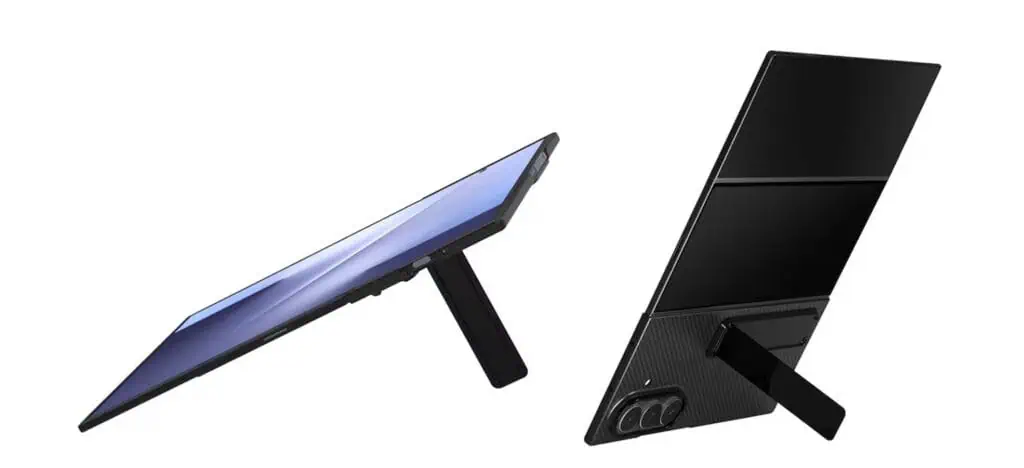
One detail that stood out, however, is the mention of Samsung’s Carbon Standing Case. It has a built-in stand makes a lot of sense on a large foldable, particularly for watching videos, video calls, or using the device at a desk.
Taken together, the leaks suggest Samsung is continuing to expand its foldable strategy rather than simply releasing yearly upgrades.
Samsung is expected to unveil the new foldables during its next Galaxy Unpacked event next month.
Boat has introduced a new product lineup called the Slazer series, marking its entry into the personal grooming segment. The launch follows the brand’s recent moves into categories such as dashcams and projectors, signalling its interest in building a broader lifestyle-focused ecosystem. The new range includes three models, namely the Slazer S100, Slazer K100+ and Slazer K100 Pro, catering to different grooming requirements and budgets.
Boat enters personal grooming with Slazer series
Boat Slazer trimmer series
The Slazer S100 is positioned as an everyday grooming solution for users looking for a straightforward trimmer. It offers up to 300 minutes of runtime on a full charge and supports fast charging. According to the company, a five-minute charge is enough for a single trim, while a 20-minute charge can provide up to a month of usage. The trimmer comes with stainless steel blades, adjustable combs, washable attachments and USB Type-C charging support. Boat is also offering a 24-month warranty with the device.
For users seeking greater flexibility, the Slazer K100+ arrives as a 6-in-1 grooming kit. It supports beard, hair, nose and body grooming through interchangeable attachments. The device features ceramic blades, a premium aluminium body and an IPX6-rated waterproof design that can be used in wet conditions. It also includes a magnetic attachment system, battery display, travel lock and up to 200 minutes of runtime on a single charge.
At the top of the lineup sits the Slazer K100 Pro, a 15-in-1 grooming kit designed for users who prefer a more comprehensive setup. It retains features such as ceramic blades, aluminium construction, IPX6 water resistance, magnetic attachments and Type-C charging. Depending on the variant, buyers can also get a stand or a travel kit for added convenience.
Pricing and availability
The Boat Slazer S100 is priced at Rs 799 (~$9), while the Slazer K100+ costs Rs 1,799 (~$19). The Slazer K100 Pro starts at Rs 2,999, with the travel kit variant priced at Rs 3,299 (~$35). What do you find most exciting about Boat’s new Slazer grooming range? Share your thoughts in the comments.
For more daily updates, please visit our News Section.
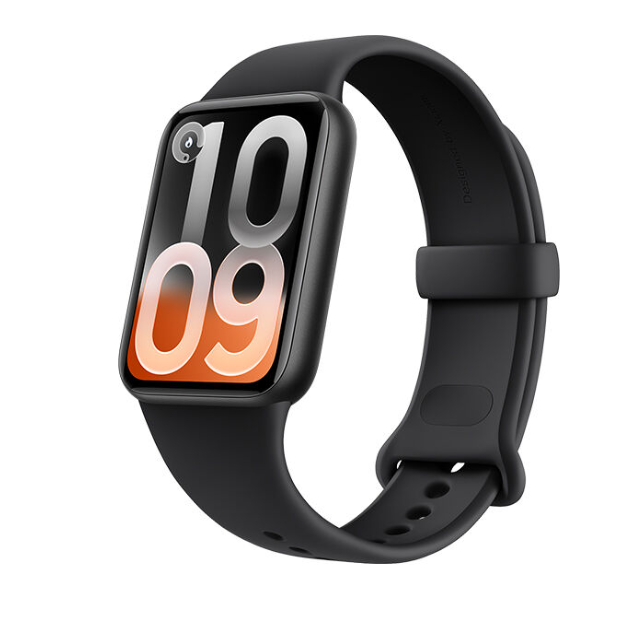
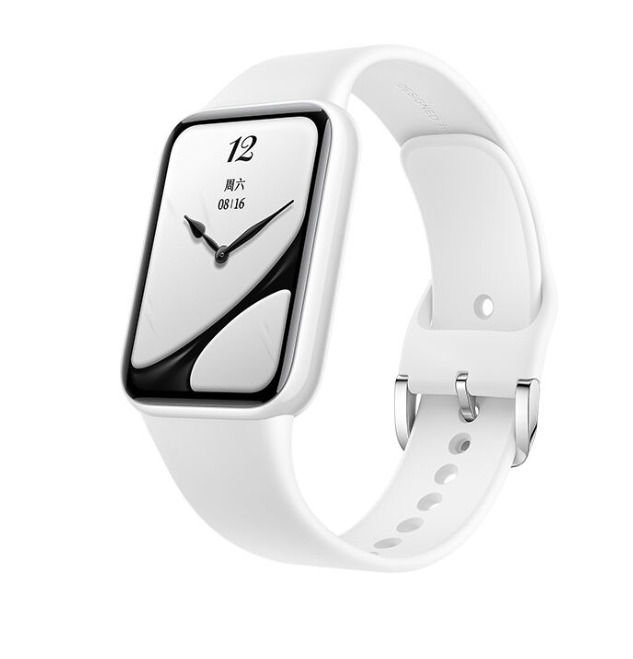
Xiaomi Band 10 Pro is now available at Giztop for $89.99. The latest smart band combines a large AMOLED display, comprehensive health monitoring tools, long battery life, and support for more than 150 sports modes. It is available in multiple color options, including Black, Silver, Pink, Orange, White, and Ceramic White.
Large AMOLED Display
The Xiaomi Band 10 Pro features a 1.74-inch AMOLED color touchscreen with a 2.5D curved design. The display offers a resolution of 336 × 480 pixels and supports 100% P3 color gamut for vibrant visuals. With brightness reaching up to 2000 nits, the screen remains easy to read even under direct sunlight. The large display also improves navigation and makes notifications easier to view.
Health and Wellness Tracking
Designed for everyday health monitoring, the Xiaomi Band 10 Pro includes heart-rate tracking, blood oxygen (SpO2) monitoring, sleep analysis, and stress tracking. Women can also use the built-in menstrual cycle monitor. These features help users keep track of their daily wellness and fitness goals throughout the day.
150+ Sports Modes
Fitness enthusiasts will find plenty of activity options thanks to support for over 150 sports modes. The band also includes smart running mode and guided running lessons, making it suitable for both beginners and experienced runners looking to improve their performance.
Smart Features and Home Control
The Xiaomi Band 10 Pro offers a range of smart functions beyond fitness tracking. Users can remotely control music playback, locate their phone, manage notifications, set alarms, check weather forecasts, and even control compatible smart home devices. It supports Mijia smart home products, including air conditioners, robot vacuums, air purifiers, and more.
Long Battery Life and Water Resistance
Powering the wearable is a 350mAh battery that can deliver up to 21 days of typical use on a single charge. With Always-On Display enabled, battery life is rated for up to 8 days. The device supports 5ATM water resistance, making it suitable for swimming, showering, and daily wear.
Compatibility and Box Contents
The Xiaomi Band 10 Pro connects via Bluetooth 5.4 and supports devices running Android 8.0 or later and iOS 14.0 or later. Inside the box, users will find the smart band, a charging base, and a quick start guide.
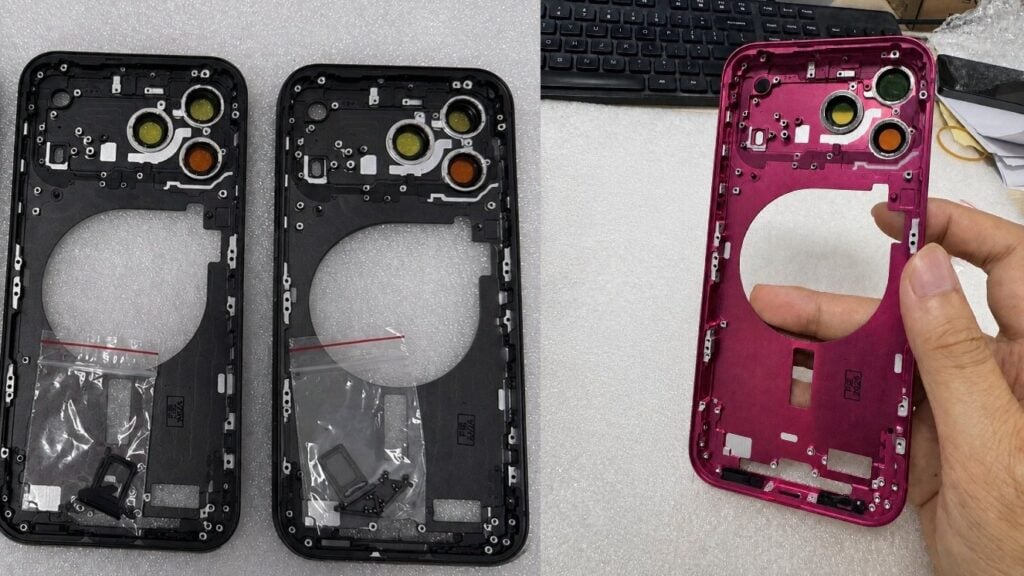
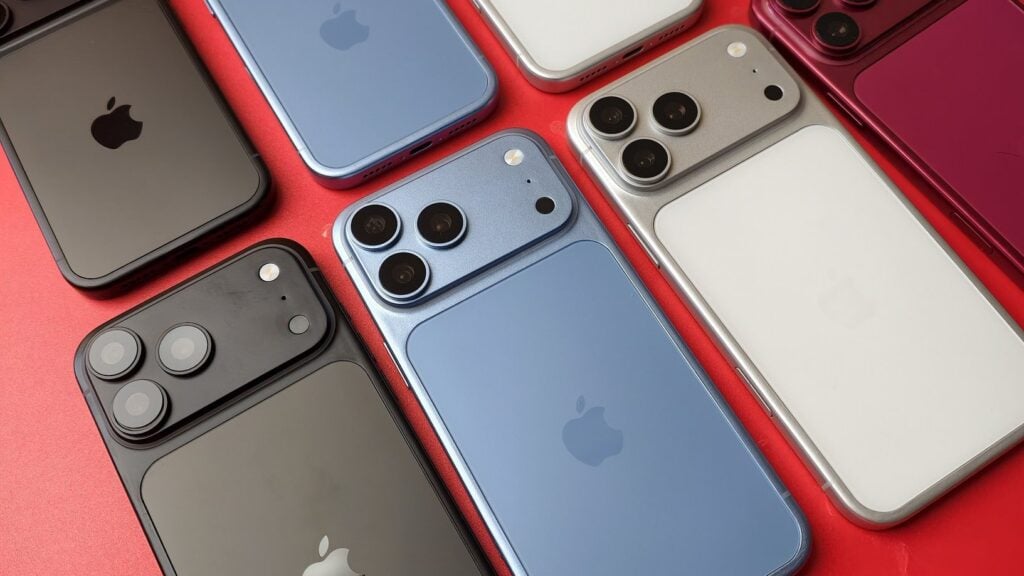
Fresh leaks are giving us what may be our best look yet at Apple‘s iPhone 18 Pro lineup. Images shared online show alleged iPhone 18 Pro and Pro Max dummy units in four finishes: Dark Cherry, Light Blue, Black, and Silver.
If the leaks are accurate, Apple could be moving away from the conservative color palette that has defined the Pro lineup for years. That’s not entirely surprising after the positive reaction to last year’s Cosmic Orange finish.
Beyond the new colors, there doesn’t seem to be much happening on the outside. The dummy units closely resemble the iPhone 17 Pro, with the same overall shape and familiar camera layout. At least based on what’s leaked so far, Apple appears to be sticking with a design that already works rather than reinventing it.
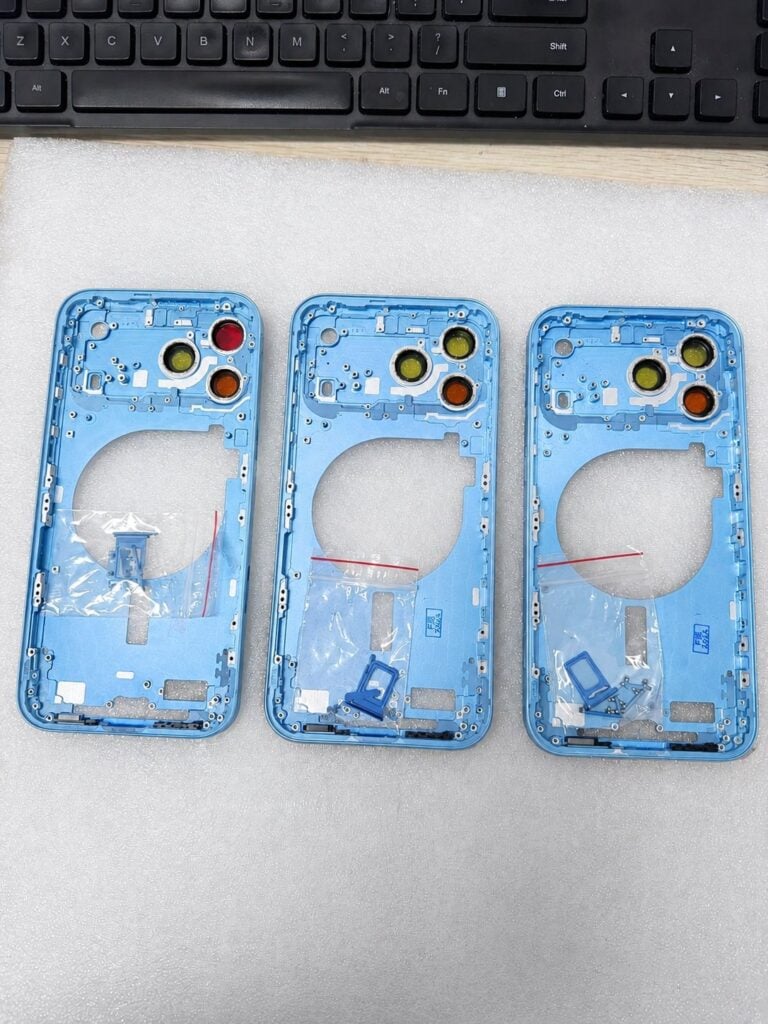
The latest batch of images also includes what look like rear chassis components, complete with SIM trays and internal hardware. As always with supply-chain leaks, there’s room for skepticism. These could be early test units or even accessory-related mockups. Still, the fact that the colors line up across multiple leaked parts has made some observers take the reports more seriously.
Most of the big changes are expected to happen under the hood. Rumors continue to point to an A20 Pro chip built on a 2nm process, camera upgrades, and possible tweaks to the Dynamic Island. None of that has been confirmed, but it’s broadly in line with what analysts and supply-chain sources have been suggesting for months.
There’s also growing expectation that Apple will introduce its long-rumored foldable iPhone alongside the iPhone 18 family in September 2026. Whether it ends up being called the iPhone Fold, iPhone Ultra, or something else entirely remains an open question.
For now, the color options are generating most of the conversation. Apple’s Pro models have traditionally played it safe, so a darker red finish and a brighter blue could help the lineup feel a little more distinctive. If these leaks hold up, the iPhone 18 Pro may end up feeling familiar in design but noticeably different in personality—and for many users, that might be enough.
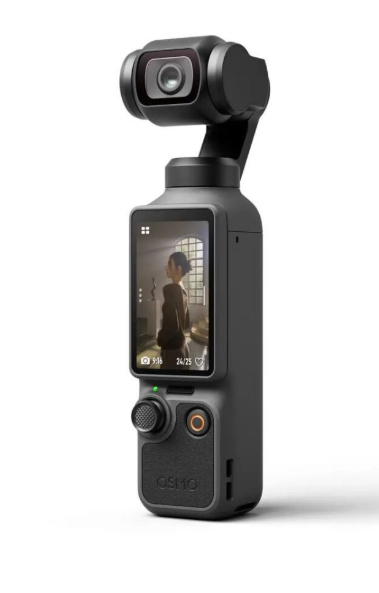
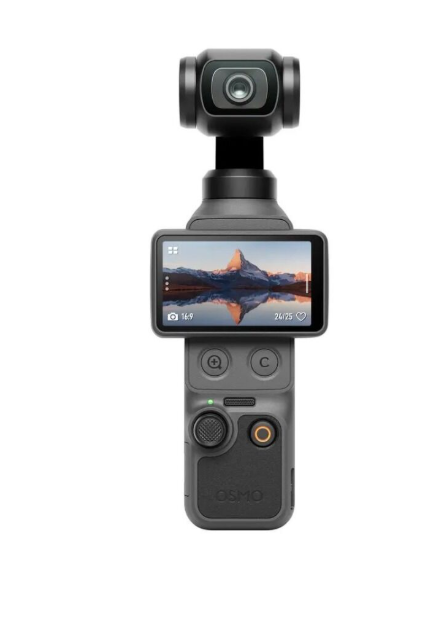
The DJI Osmo Pocket 4 is now available through Giztop, with the standard version priced at $639. Buyers looking for additional accessories and creator-focused tools can also opt for the Creator Combo, which is available at an additional cost. Designed for vloggers, travelers, and content creators, the Osmo Pocket 4 combines a large 1-inch sensor, advanced stabilization, intelligent autofocus, and built-in storage in a compact pocket-friendly body. Despite its small size, DJI has packed the device with several professional-grade features aimed at delivering high-quality photos and videos with minimal effort.
Large 1-Inch Sensor for Better Image Quality
One of the biggest highlights of the DJI Osmo Pocket 4 is its 1-inch CMOS sensor paired with an f/2.0 aperture. This setup helps capture more light, resulting in clearer photos and videos, especially in low-light environments.
The larger sensor also improves portrait shots by producing more natural-looking backgrounds and better subject separation. Whether shooting indoors, at sunset, or during nighttime events, users can expect improved detail and balanced exposure.
4K 240fps Slow-Motion Recording
For users who enjoy cinematic slow-motion videos, the Osmo Pocket 4 supports recording at up to 4K resolution and 240 frames per second. This allows creators to slow down fast-moving moments while maintaining sharp image quality.
From sports and travel clips to everyday family moments, the high-frame-rate mode helps capture details that would otherwise be missed.
Professional Color and Dynamic Range
DJI has equipped the camera with support for 14 stops of dynamic range and 10-bit D-Log recording. This combination helps preserve more details in bright and dark areas of a scene.
The enhanced color depth provides richer tones and smoother color transitions, making the footage more flexible for editing and color grading.
Improved Tracking and Autofocus
The Osmo Pocket 4 features DJI’s updated ActiveTrack technology, which can track subjects even when using up to 4x zoom. The next-generation Intelligent Autofocus system keeps subjects sharp while moving.
Users can take advantage of Subject Lock Tracking to automatically follow a selected person or object. The Registered Subject Priority feature can also prioritize pre-selected subjects, making content creation easier and more reliable.
Smooth Footage With 3-Axis Stabilization
DJI continues to use its proven 3-axis mechanical gimbal stabilization system to reduce shakes and vibrations during recording.
Whether walking, running, or filming moving subjects, the stabilization system helps deliver smooth and steady footage. Multiple gimbal modes are also available to suit different shooting styles.
107GB Built-In Storage
Unlike many compact cameras that require a memory card, the Osmo Pocket 4 comes with 107GB of built-in storage.
DJI says the storage system supports transfer speeds of up to 800MB/s, allowing users to quickly move files to other devices. The built-in storage also simplifies shooting by eliminating the need to manage memory cards.
OsmoAudio 4-Channel Recording
The camera supports direct connection with DJI Mic transmitters through OsmoAudio technology. It can record up to four audio channels simultaneously, capturing both voice and environmental sound.
This setup provides greater flexibility during editing, as supported video editing software can process each audio channel separately.
Quick Zoom Control
The Osmo Pocket 4 supports 2x lossless zoom, allowing users to get closer to subjects without a noticeable loss in image quality. A single tap lets users switch between 1x and 2x views for faster framing adjustments.
DJI Osmo Pocket 4 Key Specs:
Feature
Specification
Sensor
1-inch CMOS
Aperture
f/2.0
Video Recording
Up to 4K 240fps
Dynamic Range
14 Stops
Color Profile
10-bit D-Log
Stabilization
3-Axis Mechanical Gimbal
Autofocus
Intelligent AF
Subject Tracking
ActiveTrack with 4x Zoom Support
Zoom
2x Lossless Zoom
Storage
107GB Built-In
Transfer Speed
Up to 800MB/s
Audio
OsmoAudio 4-Channel Output
Display
Rotatable Touchscreen
The DJI Osmo Pocket 4 combines a large 1-inch sensor, advanced stabilization, intelligent subject tracking, professional-grade color capabilities, and generous built-in storage in a highly portable form factor. With features such as 4K/240fps recording, 107GB storage, and 4-channel audio support, it is positioned as a powerful tool for content creators who want high-quality results from a compact device.
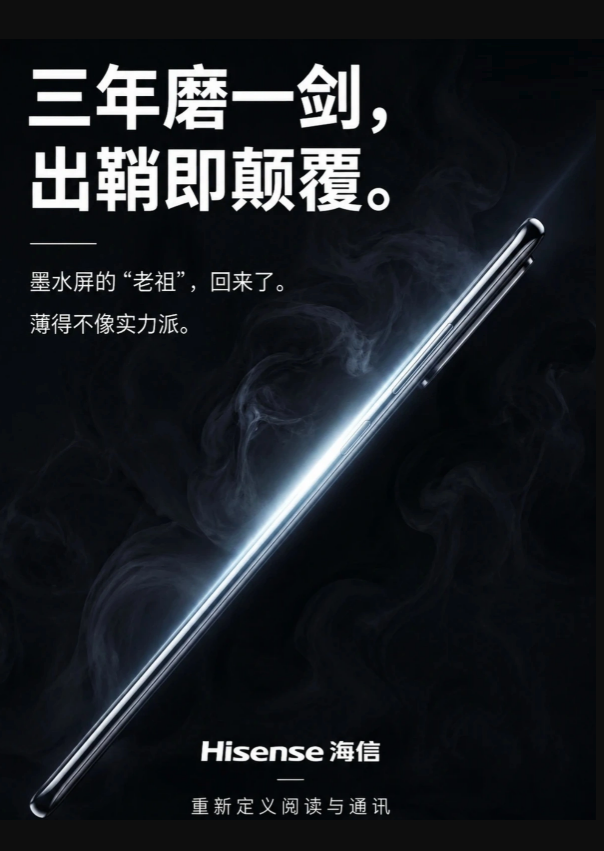
Hisense has started teasing a new E-Ink smartphone, signalling its return to a niche category that has seen little activity in recent years. The company recently shared promotional material for the upcoming Hisense A10, suggesting that the device may finally be nearing its official debut after a lengthy development cycle.
Hisense begins teasing the A10
A teaser shared through the company’s E Ink-focused social media channel describes the upcoming device as the result of three years of work. The promotional image also highlights a slim design, with Hisense claiming the phone is thinner than many might expect. However, the teaser stops short of revealing key hardware details, leaving questions about the device’s final design and display configuration unanswered.
The A10 is expected to succeed the Hisense A9, which was introduced in 2022. That model featured a 6.1-inch E Ink display with a pixel density of 300ppi and was positioned as a reading-focused smartphone. Since then, Hisense has remained largely absent from the E Ink smartphone market, making the A10 one of the company’s most anticipated niche products.
Hisens A9 E-ink phone
Hisense had previously indicated that the A10 could arrive around the middle of 2026. While the company has now started teasing the device, it has yet to confirm a launch date or reveal detailed specifications. The latest teaser also does not clarify whether the phone will feature a single E-Ink screen or adopt a dual-display approach similar to some earlier concepts.
Separate reports circulating online claim the Hisense A10 could feature a 7-inch Carta 1300 E Ink display with 300ppi resolution, a Snapdragon processor, 6GB RAM, 128GB storage and a 4,500mAh battery. However, these specifications remain unofficial and should be treated with caution until confirmed by the company.
For more daily updates, please visit our News Section.
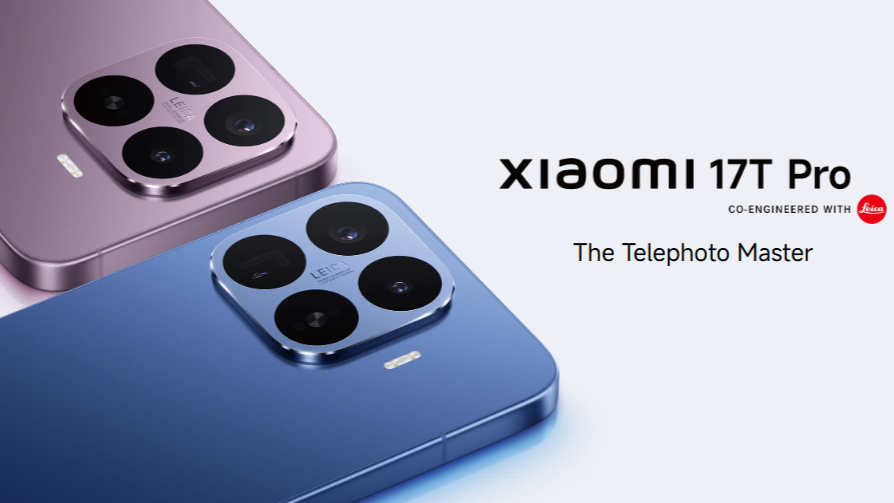
Xiaomi’s upcoming 17T series is being positioned as one of its most ambitious mid-range pushes yet, with a focus on battery life and camera upgrades ahead of its China launch.
Both the 17T and 17T Pro were already launched globally on May 28 and are currently rolling out across select markets outside China.
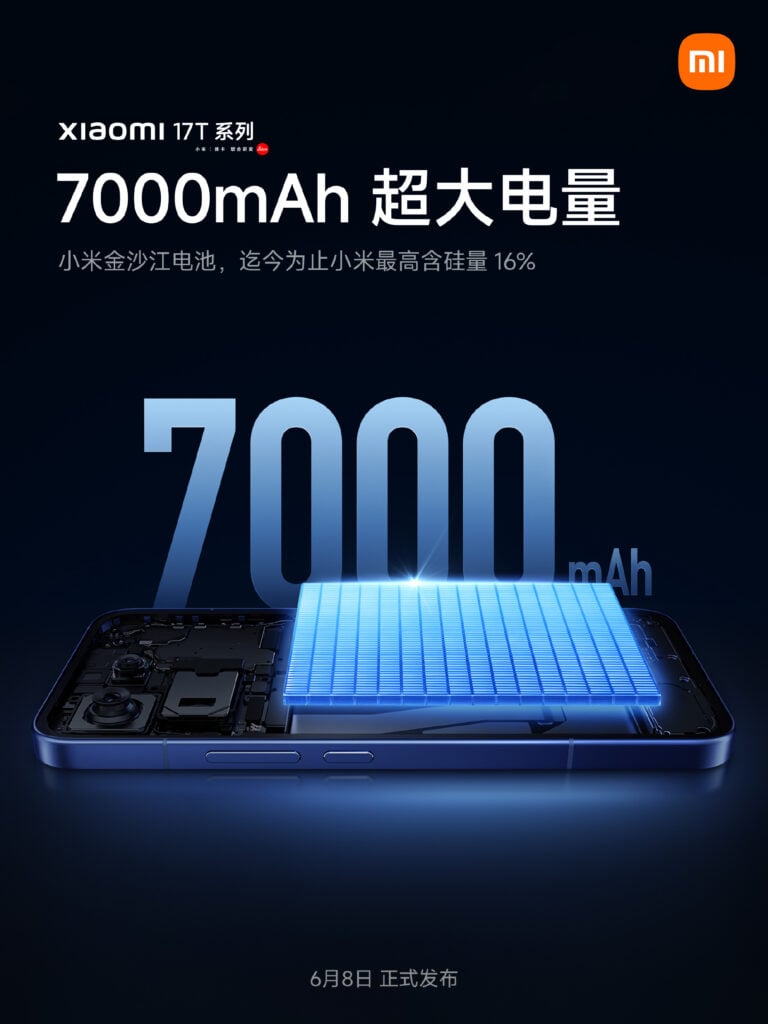
Xiaomi has also started teasing the 17T series for China, highlighting its silicon-carbon battery design and claiming a 16% silicon content, the highest the company has used so far.
Globally, the standard model comes with a 6,500mAh battery, while the Pro variant steps up to 7,000mAh. Xiaomi’s teasers for China also reiterate the 7,000mAh figure for the series. The company claims up to 1.88 days of typical use, along with 100W wired charging and 50W wireless charging on the Pro. It also rates the battery to retain 80% capacity after 1,600 charge cycles.
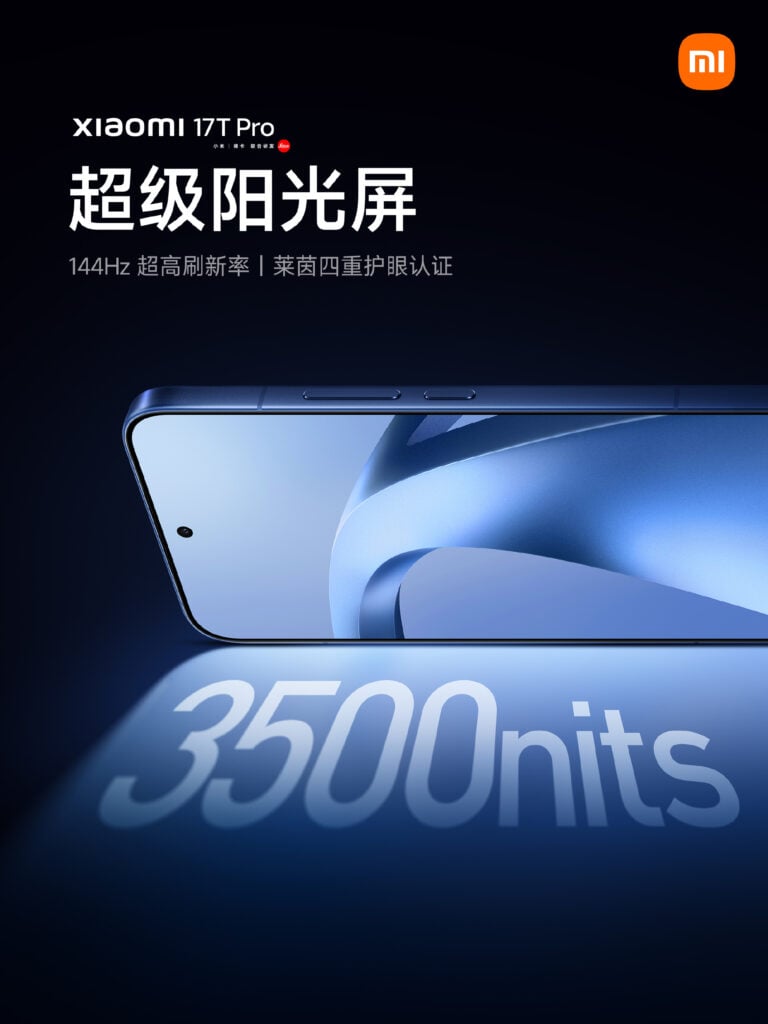
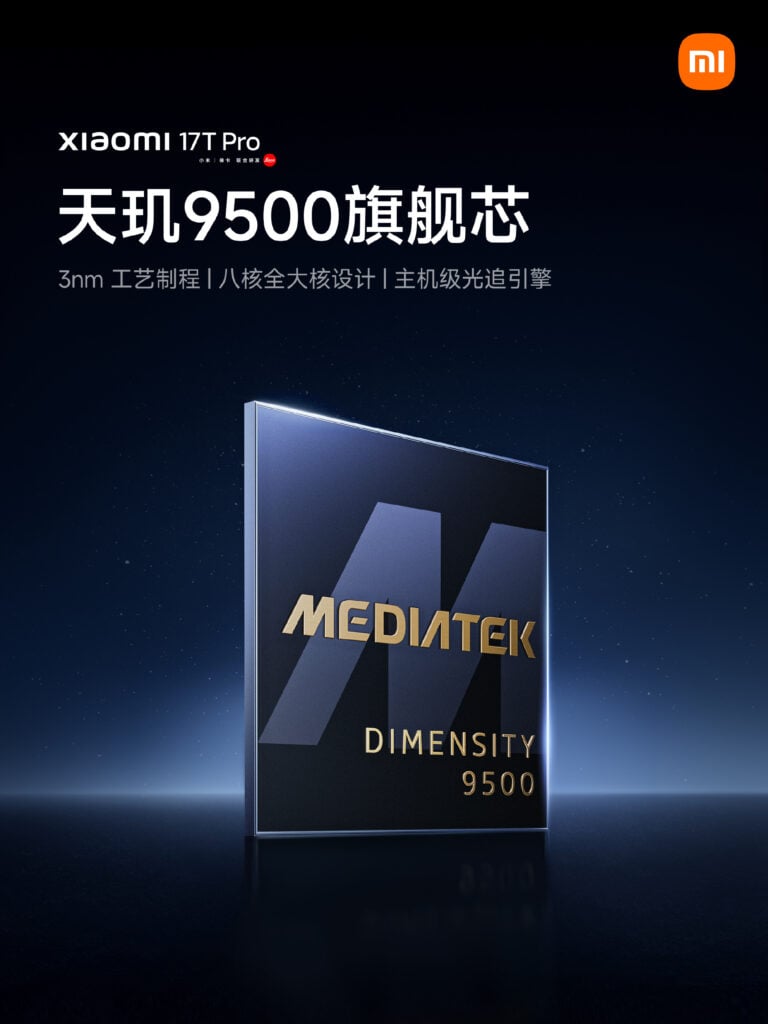
Design-wise, the phones lean into a cleaner flagship-style look with a curved frame, slim bezels, and a flat display. The 17T Pro runs on MediaTek’s Dimensity 9500 chip, built on a 3nm process, with gains in GPU performance and efficiency over the previous generation.
Camera hardware is again co-developed with Leica. The Pro model is said to include a triple setup led by a 50MP main sensor, a 5x periscope telephoto lens, and an ultra-wide shooter. Zoom support goes up to 120x digitally, with Leica color tuning and multiple shooting modes carried over from earlier collaborations.
The series is scheduled to debut in China on June 8. Xiaomi is positioning the 17T line closer to its flagship tier, mainly on the strength of battery life and imaging upgrades.
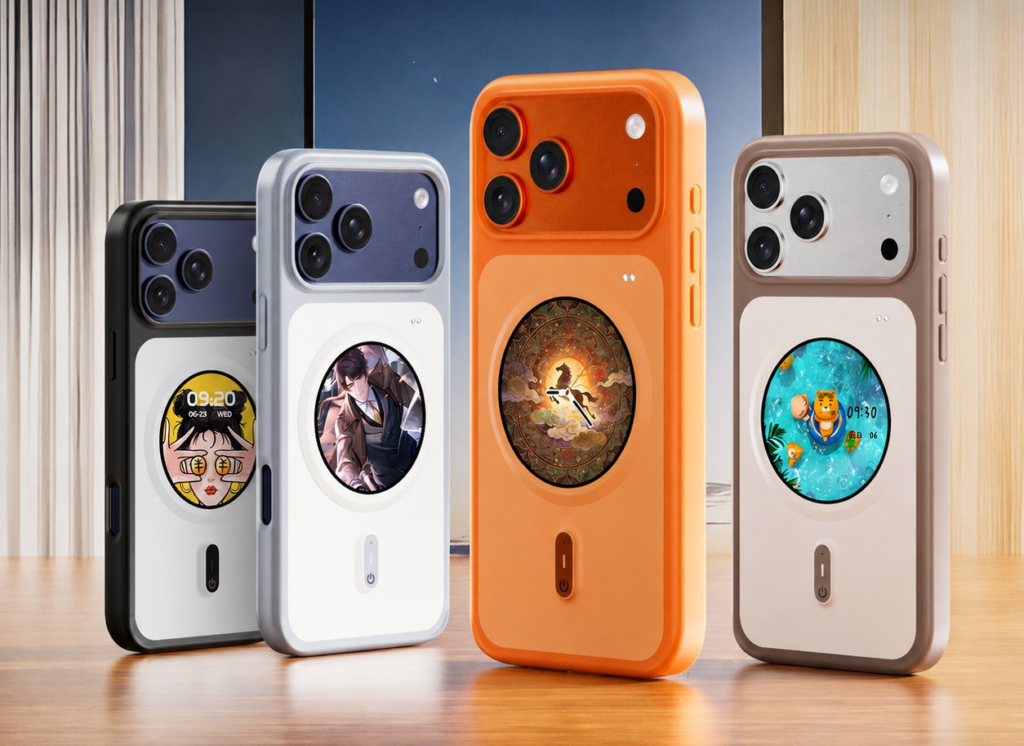
Rollme has been primarily launching outdoor and fashion wearables, and now it has unveiled its smartphone case. Dubbed as VisionCase, this new accessory combines a protective case with a built-in display and a range of smart features typically associated with wearable devices.
An iPhone 17 Pro Max case with its own display
Rollme VisionCase for iPhone 17 Pro Max
Designed for the iPhone 17 Pro Max, the Rollme VisionCase features a 1.85-inch HD display with 360 x 360 pixels resolution. The screen is designed to show notifications, caller information, and other content without requiring users to unlock their phones.
Messages from supported apps, SMS alerts and incoming call details can be viewed directly on the case, allowing users to stay updated at a glance. The accessory also includes a voice recording function that can be activated with a single tap. Another notable addition is reverse charging support, which allows the case to draw power from a connected smartphone through a cable.
Rollme VisionCase for iPhone 17 Pro Max
Rollme has also included a customizable scrolling text mode, giving users the option to display messages with different colors and movement effects.
The VisionCase goes beyond notifications by offering several interactive functions. Users can access a live camera preview feature that works with the phone’s rear camera, helping with framing and capturing photos. There is also an automatic color-changing mode that cycles through multiple shades on the display for a more eye-catching appearance.
Rollme VisionCase for iPhone 17 Pro Max
For entertainment, the case includes built-in retro-style mini games, effectively turning it into a compact gaming device. Other features include a flashlight, digital business card support and an always-on display mode. Powering these functions is a 400mAh battery, which Rollme claims can deliver up to seven days of usage on a single charge.
The Rollme VisionCase for the iPhone 17 Pro Max is available in black, orange, grey and coffee color options. The accessory is currently on sale through the company’s official store at a promotional price of $49.99. It should also be noted that the case comes with one year warranty.
For more daily updates, please visit our News Section.
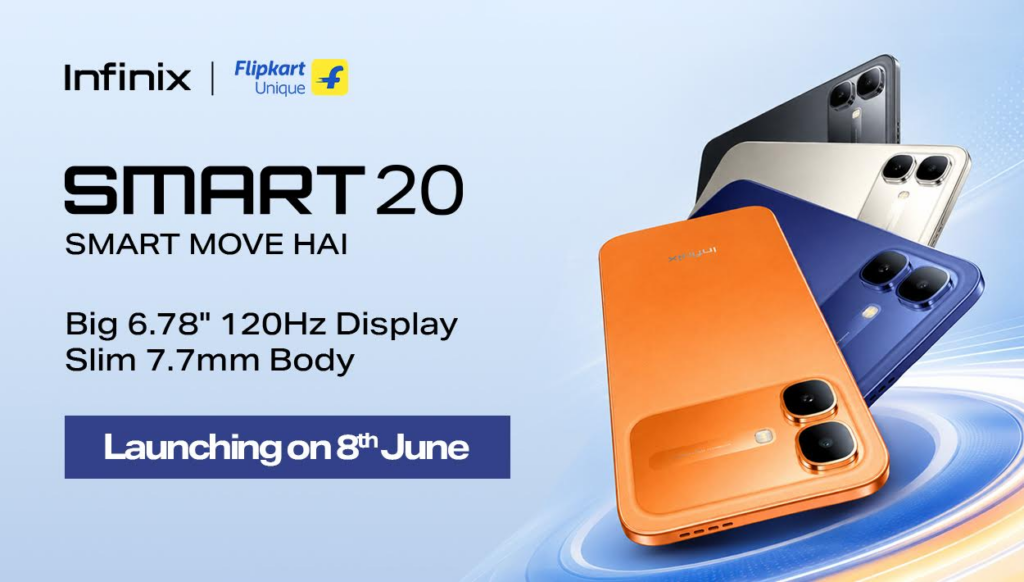
Infinix has confirmed the arrival of a new smartphone in its Smart series. Called the Infinix Smart 20, the device is set to launch in India on June 8 and is expected to focus on design, display quality and durability while offering a feature-rich experience for everyday users.
Infinix Smart 20’s key features confirmed
Infinix Smart 20 launch date
The Infinix Smart 20 features a slim 7.7mm profile paired with a textured rear panel designed to offer a comfortable grip and reduce fingerprint smudges. The smartphone also packs a large 6.78-inch punch-hole display with a 120Hz refresh rate, making it one of the notable highlights of the device. The screen can reach up to 700 nits of brightness in High Brightness Mode and is supported by a self-adaptive refresh rate system that adjusts according to on-screen activity.
For performance, the handset is powered by the MediaTek Helio G81 Ultimate processor. Infinix says the device has received a 48-month fluency certification, indicating that it is designed to maintain smooth day-to-day performance over an extended period. The phone will be available in 4GB+64GB and 4GB+128GB storage variants, with Memory Fusion technology allowing the RAM to be expanded up to 8GB.
For photography, the Smart 20 includes 8-megapixel front and rear cameras. According to the brand, the Smart 20 is built to handle everyday wear and tear. It comes with an IP64 rating for dust and water resistance and supports touch operation even when fingers are affected by oil or grease. According to the company, the device has undergone more than 25,000 drop tests, including tests from heights of up to 1.5 metres.
Running on XOS 16, the smartphone includes a range of AI-powered tools through Folax AI. Features such as document scanning, song recognition, speaker cleaning and quick queries are integrated into the software experience. The phone also introduces Ultra Link, which enables offline communication over distances of up to one kilometre without requiring network connectivity.
For more daily updates, please visit our News Section.
Infinix India appears to be navigating a challenging phase, with reports suggesting significant leadership changes alongside slowing smartphone shipments. According to a report by Digit, the brand is dealing with internal restructuring, a reduced launch schedule and increasing pressure in India’s highly competitive smartphone market.
Leadership uncertainty at Infinix India
Anish Kapoor, CEO of Infinix India
The report claims that Anish Kapoor, who headed Infinix India’s operations, is on his way out of the company. Citing multiple industry sources, Digit stated that Kapoor may have resigned earlier this year and is no longer associated with the brand.
While neither Infinix nor parent company Transsion Holdings has officially confirmed the development, sources suggest differences in strategy between the India team and the company’s Chinese leadership may have contributed to the separation.
The reported uncertainty has also coincided with employee movement across departments, with some members of the product and marketing teams said to be joining competing smartphone brands.
Although day-to-day operations reportedly continue as normal, the situation appears to have affected the company’s product roadmap. Between January and May 2026, Infinix launched only a limited number of smartphones compared to the same period last year.
Market share and shipment pressure continue
Industry analysts believe the slower launch pace reflects a combination of portfolio adjustments, financial pressures and rising component costs. The challenge is particularly significant in the budget smartphone segment, where margins remain thin and competition from established rivals continues to intensify.
Market data cited in the report indicates that Infinix shipped around 2.9 million smartphones in India during 2025. However, shipments reportedly dropped to approximately 500,000 units between January and April 2026. The brand’s market share has also trended downward in recent months, reflecting the broader challenges facing Transsion’s smartphone business in India.
Despite maintaining a strong presence in several international markets, especially across parts of Africa, Transsion’s outlook in India remains uncertain. Analysts expect the company to face continued pressure throughout 2026, making leadership stability and product strategy critical factors in determining Infinix’s next phase of growth.
For more daily updates, please visit our News Section.
Vivo is expected to announce the Vivo X Fold 6 foldable phone this month in China. Given that the 618 (June 18) shopping event is fast approaching, the company may unveil it after the festival, suggesting it could break cover by the end of this month. Ahead of the launch, the rumor mill has been actively revealing its key details. The latest leak, courtesy of tipster Experience More, reveals its battery capacity.
Vivo X Fold 6 battery size revealed
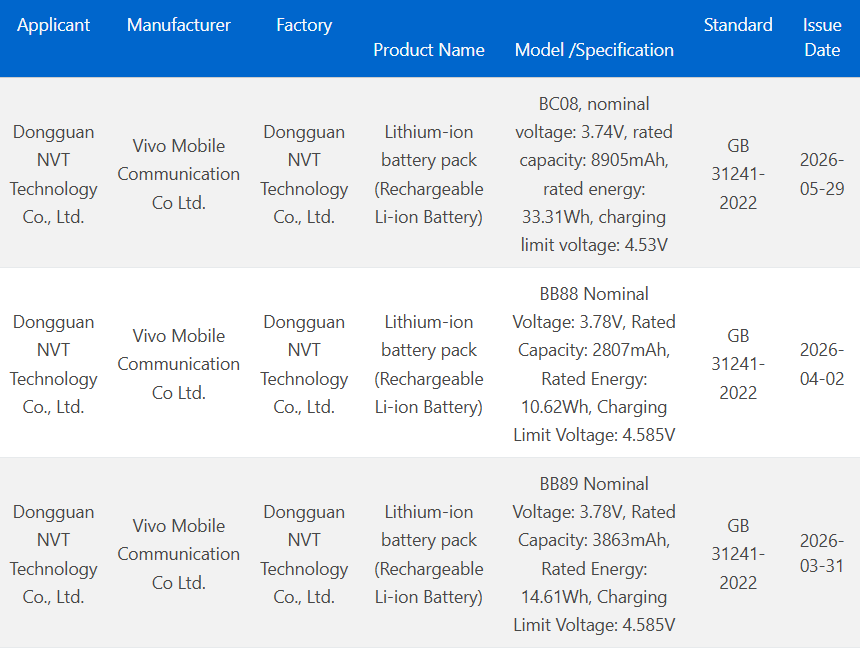
Several reports have claimed that the Vivo X Fold 6 will house a massive 7,000mAh battery. Now, the tipster has shared the above image to reveal that the device’s dual-cell battery was approved earlier this year by China’s 3C authority.
The certification reveals that the Vivo X Fold 6 will feature a dual-cell battery (2,807mAh + 3,863mAh), offering a combined rated value of 6,670mAh. Therefore, it is likely that its typical capacity could be 6,900mAh.
The above screenshot also shows an 8,905mAh battery (rated value) that was approved by China’s 3C authority in May. This battery, which is expected to have a typical capacity of 9,100mAh, may power an upcoming Vivo or iQOO smartphone.
Coming back to the Vivo X Fold 6, it has two major competitors in the Chinese market, namely the Oppo Find N6 and Honor Magic V6. The Find N6 houses a 6,000mAh battery, whereas the Magic V6 has a 6,850mAh battery. However, the 1TB variant of the V6 features a larger 7,150mAh battery. The Find N6’s global version has the same battery as its Chinese edition, but the Magic V6’s global version packs a smaller 6,660mAh battery.
In terms of other specifications, the Vivo X Fold 6 is said to be equipped with the Dimensity 9500, which is currently MediaTek’s most powerful chipset. On the back, it will feature a round camera module comprising a 200-megapixel main camera, a 50-megapixel ultra-wide lens, and a 50-megapixel periscope telephoto camera.
For security, the X Fold 6 will have a side-mounted fingerprint sensor and is also said to offer a high level of water resistance. To recall, last year’s Vivo X Fold 5 packed a Snapdragon 8 Gen 3 chip, a 6,000mAh battery, triple 50-megapixel cameras, and IP58/IP59-rated dust and water resistance.
For more daily updates, please visit our News Section.
Xiaomi has officially launched the Mijia Smart Fragrance Diffuser Plant Extract Series in China. The new smart home product is now available for purchase with a suggested retail price of 299 yuan (~ $45), while early buyers can get it at a special launch price of 229 yuan (~ $33).
Xiaomi Mijia Smart Fragrance Diffuser Plant Extract Series Specifications
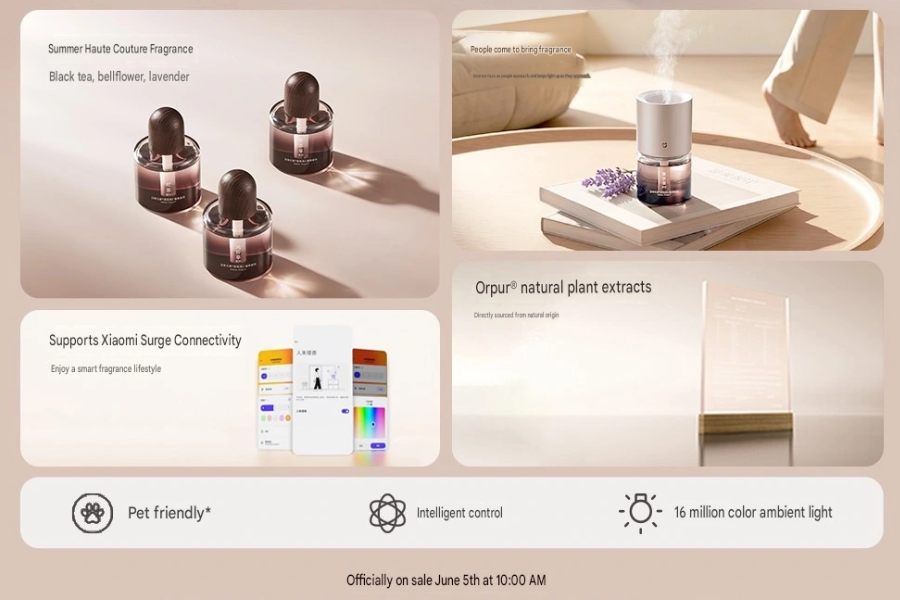
The latest fragrance diffuser is designed to bring both scent and ambient lighting to living spaces. Xiaomi says the product uses carefully selected premium essential oils from Givaudan’s Orpur brand, a name known for producing high-quality fragrance ingredients. The diffuser contains natural plant extracts and is available in several fragrance options, including bellflower, black tea, and lavender.
In terms of design, Xiaomi has given the diffuser a compact and modern look. It features a light gold-colored body paired with a gradient-style bottle, allowing it to blend into different home environments. The company positions it as both a functional fragrance device and a decorative home accessory.
The Mijia Smart Fragrance Diffuser also features smart connectivity. It supports Xiaomi’s Surge Smart Connect platform, enabling it to integrate with the company’s smart home ecosystem. This enables users to integrate the diffuser with other compatible Xiaomi devices for a more connected home experience.
Another notable feature is its built-in ambient lighting system. The diffuser is equipped with a 16-million-color ambient light that automatically activates when it detects people nearby. The lighting effect is designed to complement the fragrance experience while adding a warm atmosphere to a room.
Xiaomi is also highlighting safety and environmental considerations. According to the company, the diffuser is free from benzene and formaldehyde, two substances that are often concerns in indoor air-quality discussions. The product is also described as pet-friendly, making it suitable for households with animals.
For more daily updates, please visit our News Section.
Amazon is already rolling out some aggressive Samsung deals ahead of Prime Day, with notable discounts on the Galaxy Z Fold 7 and Galaxy Watch 7.
The biggest savings are on the Galaxy Z Fold 7. The 512GB model, which normally sells for around $2,120, has dropped to as low as $1,705 on Amazon depending on the color option, while some listings are hovering closer to $1,770. The 256GB version is also seeing steep cuts, falling to roughly $1,536–$1,600.
Samsung is offering similar discounts through its own store. The company currently lists the 256GB model for $1,599 and the 512GB version for $1,799. The 1TB variant is available for $2,099, down from its usual $2,499 price tag.
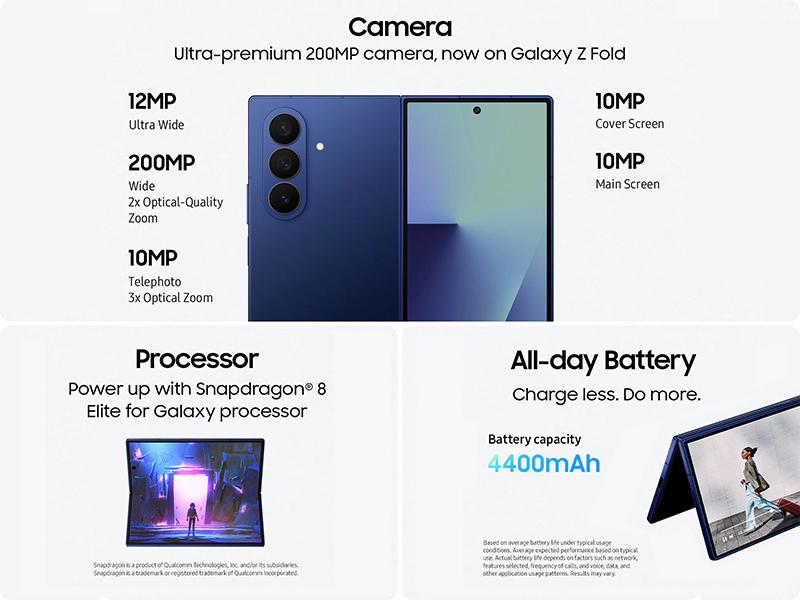
The Fold 7 is Samsung’s latest book-style foldable, pairing a standard phone-sized outer screen with a large 8-inch display that unfolds into a tablet-like experience. It runs on the Snapdragon 8 Elite “for Galaxy” chip and features a 200MP main camera, making it one of Samsung’s most feature-packed smartphones.
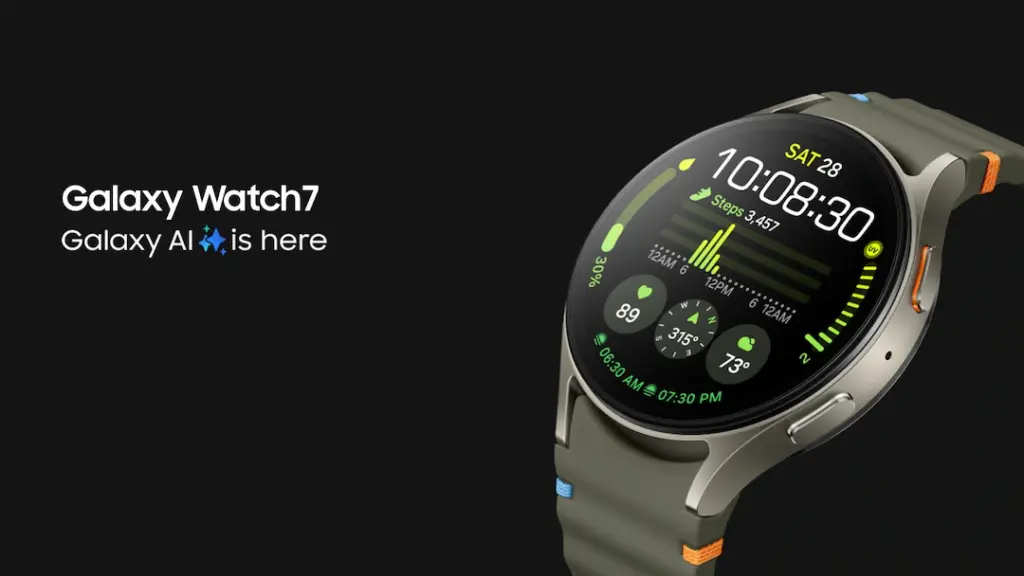
There’s also a deal on the Galaxy Watch 7. The 44mm model is currently available for around $200, down from its typical $280–$330 range depending on the retailer. That’s one of the lowest prices we’ve seen on Samsung’s latest smartwatch since launch.
The Watch 7 offers a 1.5-inch AMOLED display, health tracking features including sleep monitoring and heart-rate tracking, and Samsung’s latest Exynos W1000 processor. It’s also rated IP68 for dust and water resistance.
Shoppers weighing whether the Watch 7 is worth it can compare it against newer options in our list of top-rated smartwatches for 2026.
With Prime Day approaching, more Samsung discounts are expected to appear over the coming days. For now, though, the Fold 7 and Watch 7 are among the more notable deals already live.
OnePlus is all set to announce the Turbo 6X and Turbo 6X Pro, which are expected to debut on June 18 in China. Ahead of the launch, Louis Li Jie, President of OnePlus China, has shared several details about both smartphones. Additionally, these devices are now available for pre-order through the Oppo Shop, which reveals their color options and memory configurations. For those unaware, these devices were recently spotted on the TENAA certification platform with their key specifications. Here’s a look at the latest details about both smartphones.
OnePlus Turbo 6X series key details confirmed
OnePlus Turbo 6X series
Louis Li Jie has officially confirmed that the OnePlus Turbo 6X series will be unveiled next week in China. The executive described the lineup as a strong contender in the RMB 1,500 price segment, focusing on long battery life, smooth performance, eye-care displays, and durability.
According to Li, the OnePlus Turbo 6X Pro will feature an 8,000mAh battery, a 1.5K Samsung eye-care display, and IP66, IP68, IP69, and IP69K water and dust resistance ratings. He added that the device will also offer a smoother software experience than competing products in its class.
The standard OnePlus Turbo 6X is positioned as a battery-focused smartphone with a 7,000mAh battery, a new 6.72-inch LCD eye-care display, and military-grade durability. Li said the Turbo 6X series is aimed at users looking for a long-lasting smartphone that combines endurance, display comfort, and reliability, making it suitable for both personal use and as a gift for family members.
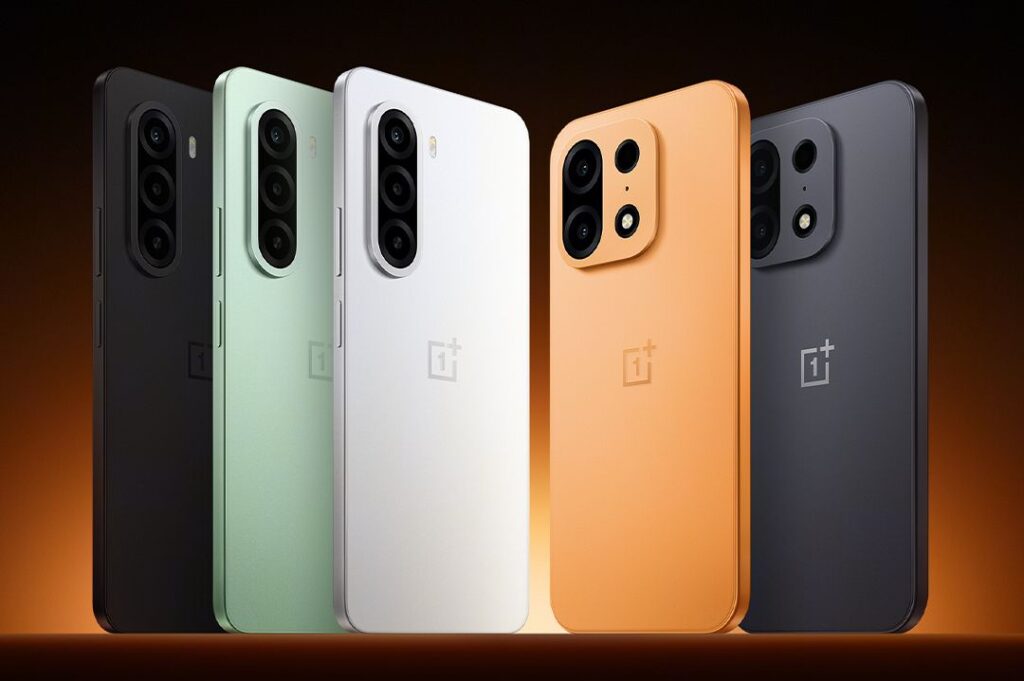
The official posters confirm that the OnePlus Turbo 6X and Turbo 6X Pro will be powered by the Dimensity 7360 Super and Dimensity 7400 Super chipsets, respectively. The standard model comes in three shades: black, white, and green. Its memory variants include 8GB+128GB, 8GB+256GB, and 12GB+256GB.
On the other hand, the OnePlus Turbo 6X Pro features a 6.78-inch Samsung AMOLED display with a 1.5K resolution. It comes in black and orange color options and will be sold in the same memory configurations as the standard model.
These devices will come preloaded with Android 16-based ColorOS 16. According to the TENAA listing, the Turbo 6X will feature an 8-megapixel front-facing camera and a 50-megapixel + 2-megapixel dual-camera setup on the back. Meanwhile, the Pro edition will offer a 16-megapixel front camera and a 50-megapixel + 8-megapixel dual-camera system.
For more daily updates, please visit our News Section.
TSMC CEO C.C. Wei took a subtle jab at Samsung this week, suggesting the company’s long-running goal of catching up to the foundry leader remains just that: a goal.
Speaking during a shareholder-related Q&A session, Wei expressed confidence that Taiwan’s dominance in contract chip manufacturing isn’t going anywhere. Without mentioning Samsung directly, he mocked a familiar pattern from a rival that has spent years promising to close the gap.
“Twenty years ago, our competitor said they would catch up with TSMC in 10 years,” Wei said. “Ten years ago, they said they would catch up in another 10 years; and recently, they said yet again that they would catch up in 10 years.”
The comment landed as demand for AI hardware continues to push the semiconductor industry into overdrive. While both TSMC and Samsung are investing heavily in advanced nodes, including 2nm production, the reality is that the two companies remain far apart in the foundry business.
TSMC controls roughly 70% of the global pure-play foundry market, according to recent industry estimates. Samsung sits closer to 7%, and despite years of investment, it has struggled to consistently challenge TSMC’s lead in advanced manufacturing and production scale.
A major reason is AI. Companies building accelerators for AI workloads increasingly rely on TSMC not only for leading-edge process technology but also for advanced packaging solutions such as CoWoS. Those capabilities have become just as important as transistor density, especially for customers like NVIDIA racing to deploy increasingly powerful AI hardware.
That’s not to say Samsung lacks strengths. The company remains a major force in memory and is widely viewed as a leader in High Bandwidth Memory (HBM), one of the most critical components inside modern AI systems. Wei himself acknowledged Samsung’s position in that segment.
Still, when it comes to foundry services, TSMC continues to benefit from something that’s difficult to replicate: execution. Consistent yields, deep customer relationships, and a manufacturing ecosystem built over decades have helped the company maintain a lead that rivals have yet to seriously threaten.
For now, Wei appears unconcerned. His message was simple: competitors can keep setting deadlines, but catching up is much harder than predicting it.
Huawei’s latest Nova 16 smartphone lineup is officially going on sale today in China. The company has opened first sales for the Huawei Nova 16, Nova 16 Pro, and Nova 16 Ultra at 10:08 AM local time, with prices starting at 2,999 yuan (~ $442).
All three phones are powered by Huawei’s Kirin 9010S processor and runs HarmonyOS 6.1 out of the box.
Huawei Nova 16 / Pro / Ultra Price
The standard Huawei Nova 16 starts at 2,999 yuan ($442) for the 12GB RAM + 256GB storage variant, while the 512GB version costs 3,499 yuan (about $516).
Huawei Nova 16
The Huawei Nova 16 Pro starts at 3,899 yuan (about $575) and is available in 256GB, 512GB, and 1TB storage options. The top-end 1TB version is priced at 4,999 yuan (about $737).
For buyers looking for the most capable model in the lineup, the Huawei Nova 16 Ultra starts at 4,699 yuan (about $693) and reaches 5,799 yuan (about $855) for the 12GB + 1TB configuration.
Specifications
One of the headline features across the lineup is battery capacity. Huawei has equipped the Nova 16, Nova 16 Pro, and Nova 16 Ultra with large 7,000mAh batteries. All three devices support up to 100W wired SuperCharge fast charging. The Ultra further adds support for 50W wireless charging and 7.5W wireless reverse charging.
Huawei Nova 16 Pro
As for cameras, the standard Nova 16 features a 50MP main camera paired with a 50MP RYYB periscope telephoto lens. Meanwhile, both the Pro and Ultra models step up to a 200MP RYYB image-stabilized primary camera. They also include 50MP telephoto and ultra-wide cameras, along with Huawei’s Red Maple color imaging sensor.
On the front, the base Nova 16 uses a 120Hz display protected by aluminosilicate glass, while the Pro and Ultra models feature LTPO panels with adaptive refresh rates ranging from 1Hz to 120Hz.
Huawei Nova 16 Ultra
Huawei is also continuing to expand satellite communication features across its smartphones. The Nova 16, Nova 16 Pro, and Nova 16 Ultra support Beidou satellite messaging services, while the Ultra model adds Tiantong satellite communication support for broader connectivity in areas without traditional network coverage.
For more daily updates, please visit our News Section.
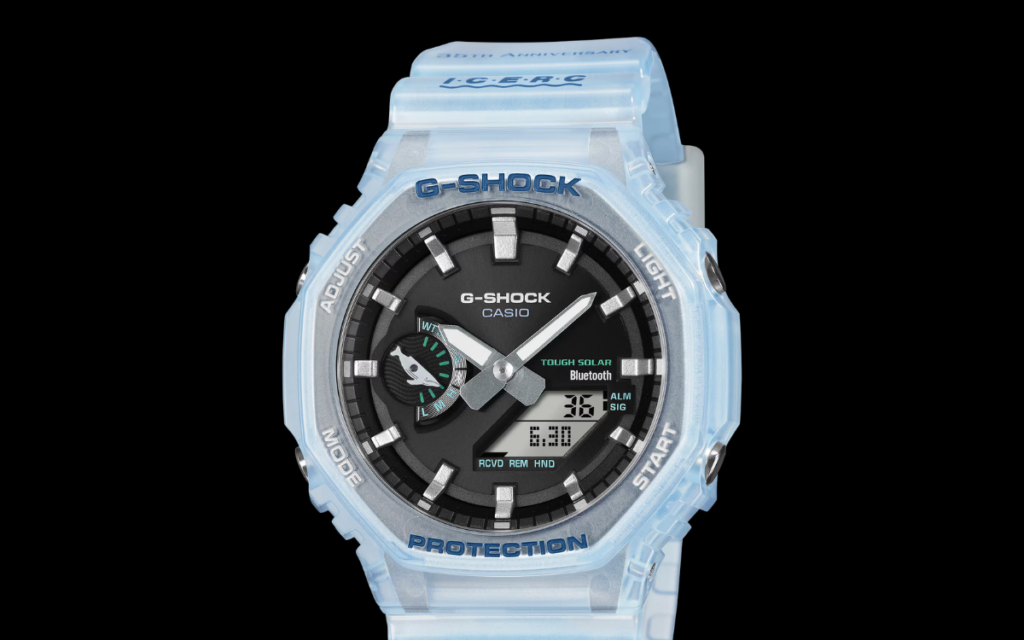
Casio has released a new trio of skeleton blue watches in the Japanese market. The lineup, which includes a G-Shock Frogman, a CasiOak, and a Baby-G, is part of the company’s ongoing partnership with the environmental group ICERC Japan. This specific release coincides with the organization’s 35th anniversary in 2026.
The main hardware update across all three models is the shift in materials. Casio has been steadily integrating biomass plastics into its manufacturing process, and these new watches use renewable organic resources for the major resin components in their bezels and bands. Aesthetically, the watches share a translucent, blue gradient finish meant to resemble seawater, and they all ship in packaging made from recycled materials.
Here is a look at the specific models and their hardware features.
G-Shock GA-B2100KB-2A
Based on the familiar octagonal 2100 series, this is the most connected watch of the group. It features Bluetooth for syncing with the Casio Watches smartphone app, which handles automatic time adjustments, world time settings, and a phone finder tool. It runs on Casio’s Tough Solar charging system, which provides about seven months of battery life on a single charge under standard use. A small whale-shaped indicator hand sits on the 9 o’clock subdial. It is priced at ¥29,150 ($182).
G-Shock Frogman GW-8202K-2
The Frogman is Casio’s purpose-built diving watch, and it is priced accordingly at ¥85,800 ($536). It features a titanium screw-back case and ISO-certified 200-meter water resistance. On the software side, it includes a dedicated dive mode that tracks dive times up to 24 hours and surface intervals, while storing up to 10 dive logs. It also displays moon phase and tide graph data. It lacks Bluetooth, relying instead on standard quartz accuracy and Tough Solar power. Activating the LED backlight reveals a whale silhouette on the LCD.
Baby-G BGD-5650K-2
The smallest and most affordable model is the Baby-G at ¥24,200 ($151). Based on the standard square 5600-series design, it includes Multi Band 6 radio-controlled timekeeping. This feature automatically adjusts the time by receiving standard radio waves from six global transmitters. Like the other models, it is solar-powered. When the backlight is turned on, a swimming dolphin silhouette appears on the screen.
All three ICERC Japan collaboration models are available in Japan starting this June.
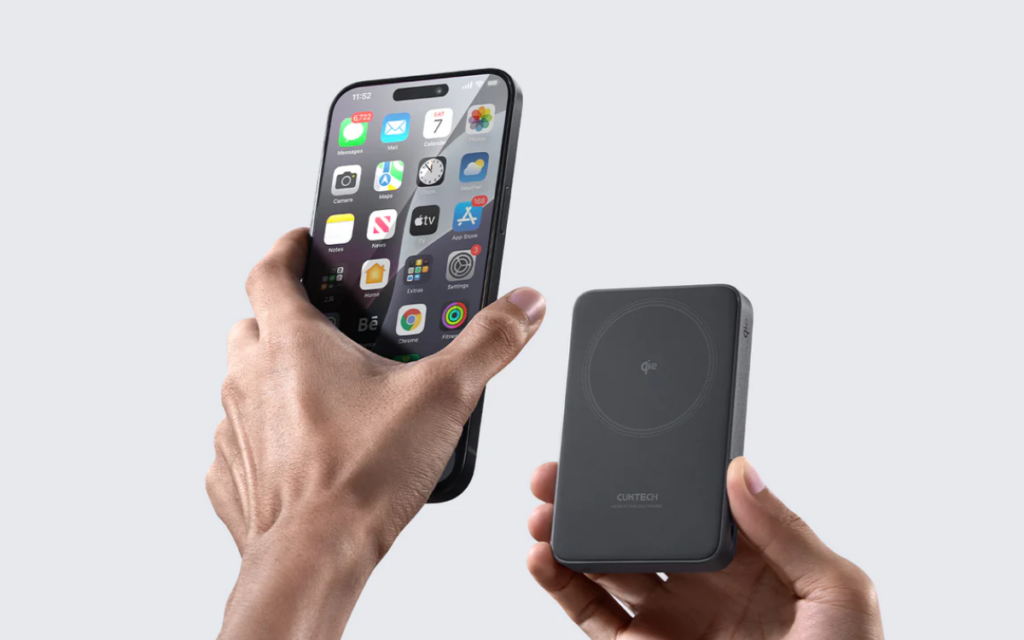
Cuktech just released a new power bank called the CP13. It is a 10,000mAh battery pack that supports the Qi2 wireless charging standard. It costs $49.99 and is available now on Amazon and the company’s website in the US.
Cuktech CP13 Power Bank Specifications
Since it features Qi2 certification, it can wirelessly charge compatible phones at 15W. Before Qi2 became more common, third-party magnetic chargers were mostly limited to 7.5W for iPhones. This standard allows third-party chargers to operate at the same 15W rate as Apple’s own MagSafe chargers. The power bank snaps onto the back of the phone using magnets and works with the iPhone 15, 16, and 17 series, as well as Android phones that support Qi2.
The battery itself has a 10,000mAh capacity. In practical terms, Cuktech says this will charge a standard iPhone 17 about 1.7 times, an iPhone 17 Pro 1.4 times, or a Samsung Galaxy S25 around 1.45 times. If you need to charge your phone faster than the wireless pad allows, there is a USB-C port on the bottom. This port supports 30W wired charging, which can get an iPhone to 50% in roughly half an hour. You also use this same port to recharge the power bank itself at 30W.
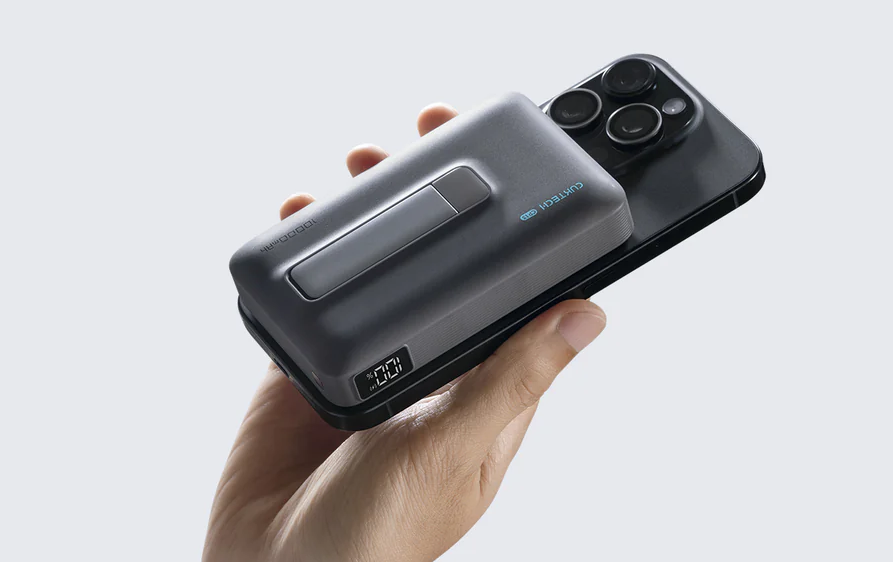
On the outside, the power bank is covered in a liquid silicone material. This gives it a softer texture that is meant to prevent it from scratching the back of your phone when they are attached. It also has a built-in metal stand that folds out, so you can prop your phone up on a desk to watch a video or take a call while it charges.
To check how much battery is left, there is a small digital display on the side that shows the exact percentage, which is generally more useful than the standard four LED dots found on many older batteries.
The CP13 weighs about 220 grams, which is slightly lighter than an iPhone 17 Pro Max. Because magnetic wireless charging naturally produces heat, the power bank includes temperature sensors that monitor the device to keep it from getting too warm during use.
Casio is bringing its latest high-end G-Shock, the Mudmaster GWGB1000MG19, to the US market. Following its initial release in Japan last month, the rugged, sensor-heavy watch is now available stateside for $900. It is a premium addition to the Master of G line, combining Casio’s standard durability metrics with a specific Magma Gold colorway and a reliance on bio-based materials.
Design Details
The design of the GWGB1000MG19 leans into its volcanic inspiration while retaining the Mudmaster’s famously chunky, utilitarian silhouette. The watch features a high-precision forged metal bezel treated with multi-shade gold ion-plating, which contrasts with the red and orange accents on the hands and indexes. For the band, Casio is using garal color molding, a process that mixes different colored resins to create a marbled, layered pattern.
Structurally, the watch utilizes Casio’s Carbon Core Guard and bio-based resin for the case. This keeps the overall weight down to 114 grams while maintaining the lineup’s required shock, vibration, and mud resistance, alongside a 200-meter water resistance rating. The analog-digital display is protected by a sapphire crystal treated with an anti-reflective coating.
On the hardware side, this Mudmaster is equipped with Casio’s Triple Sensor technology, which includes a digital compass, a barometer/altimeter, and a thermometer. The device is powered by Casio’s Tough Solar system and keeps time accurately via Multi-Band 6 radio control, automatically calibrating the time using radio signals from six global transmitters.
It also functions as a connected device. The watch links to iOS and Android smartphones via Bluetooth using the Casio Watches app. This enables automatic time adjustment, mission logging, and a dedicated Location Indicator feature. By inputting a specific location into the app, the watch’s indicator hand at the 3 o’clock position will physically point toward that destination, serving as a physical navigation tool in environments where visibility might be compromised.
Battery life is standard for Casio’s solar-powered models. The rechargeable battery is rated for about six months of normal use without any light exposure, or up to 24 months if left in total darkness with the power-saving mode engaged.
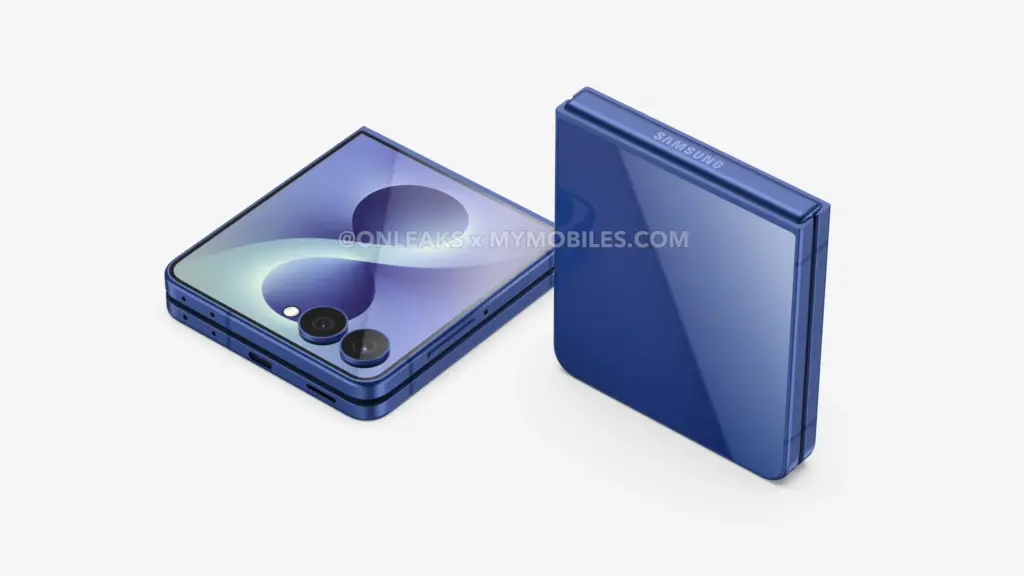
Samsung may be gearing up for an interesting shift with the Galaxy Z Flip 8, if recent leaks are anything to go by. Instead of powering the phone exclusively with Exynos, the company could go with a dual-processor setup.
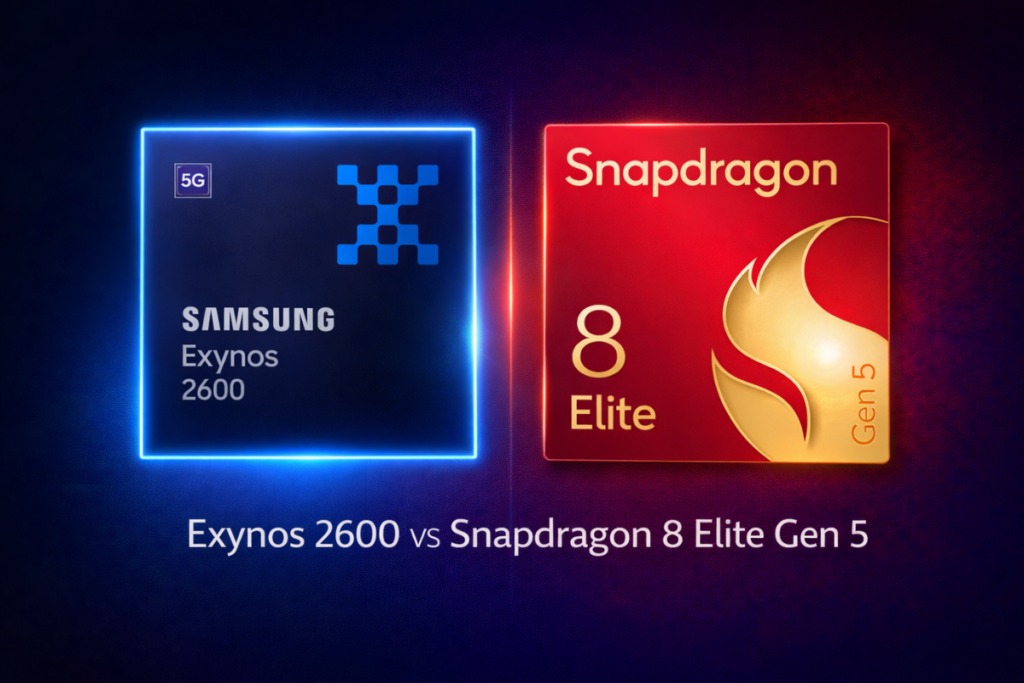
Reports suggest some versions of the Galaxy Z Flip 8 may run on Samsung’s Exynos 2600, while others could ship with Qualcomm’s Snapdragon 8 Elite Gen 5 (likely a “for Galaxy” variant). If that happens, it would mark a return to Snapdragon in select markets after Samsung leaned more heavily on Exynos with the Z Flip 7.
The split reportedly won’t be random. Markets like the US, Canada, China, and Japan could get Snapdragon-powered units, while India, Europe, and South Korea may see the Exynos version.
Samsung traditionally powered its foldables (including flip models) exclusively by Qualcomm Snapdragon chips until it flipped the script last year. However, some skepticism remains around the efficiency and thermal performance of Samsung’s in-house silicon. Opting for Snapdragon in key markets like the US and Canada could help position the Flip 8 as a more consistent performer, while Exynos variants keep overall costs in check. It may also reflect limited production capacity for Samsung’s first 2nm chip.
Benchmark results are mixed: some tests show the Exynos 2600 closing the gap with the Snapdragon 8 Elite Gen 5 in multi-core performance and power efficiency, while others favor Snapdragon. Nevertheless, Snapdragon-powered flagships are still widely regarded as offering a more consistent user experience across apps and regional variants.
If true, this wouldn’t be Samsung’s first time mixing chipsets across regions, but it would be one of its more noticeable splits in the foldable lineup. The Z Flip 8 is expected to launch alongside the Z Fold 8 around July 22, 2026, though Samsung hasn’t confirmed anything yet.
For now, it’s still firmly in rumor territory. But it does point to Samsung continuing its dual-track strategy: pushing Exynos forward while still relying on Qualcomm where it matters most.
We use cookies on our website to give you the most relevant experience by remembering your preferences and repeat visits. By clicking “Accept”, you consent to the use of ALL the cookies.
This website uses cookies to improve your experience while you navigate through the website. Out of these, the cookies that are categorized as necessary are stored on your browser as they are essential for the working of basic functionalities of the website. We also use third-party cookies that help us analyze and understand how you use this website. These cookies will be stored in your browser only with your consent. You also have the option to opt-out of these cookies. But opting out of some of these cookies may affect your browsing experience.
Necessary cookies are absolutely essential for the website to function properly. This category only includes cookies that ensures basic functionalities and security features of the website. These cookies do not store any personal information.
Any cookies that may not be particularly necessary for the website to function and is used specifically to collect user personal data via analytics, ads, other embedded contents are termed as non-necessary cookies. It is mandatory to procure user consent prior to running these cookies on your website.