Advertisement

Oppo Find N6 launch date reportedly revealed, here’s what to expect

New foldable phones are expected to launch in the next few weeks across the world. While Honor is expected to announce the Honor Magic V6 equipped with the Snapdragon 8 Elite Gen 5 at the upcoming MWC 2026 event in early March, the Oppo Find N6 is also expected to debut around the same time. In a new development, tipster Yogesh Brar has revealed the Find N6’s launch date for the global market.

Oppo Find N6 launch date (rumored)
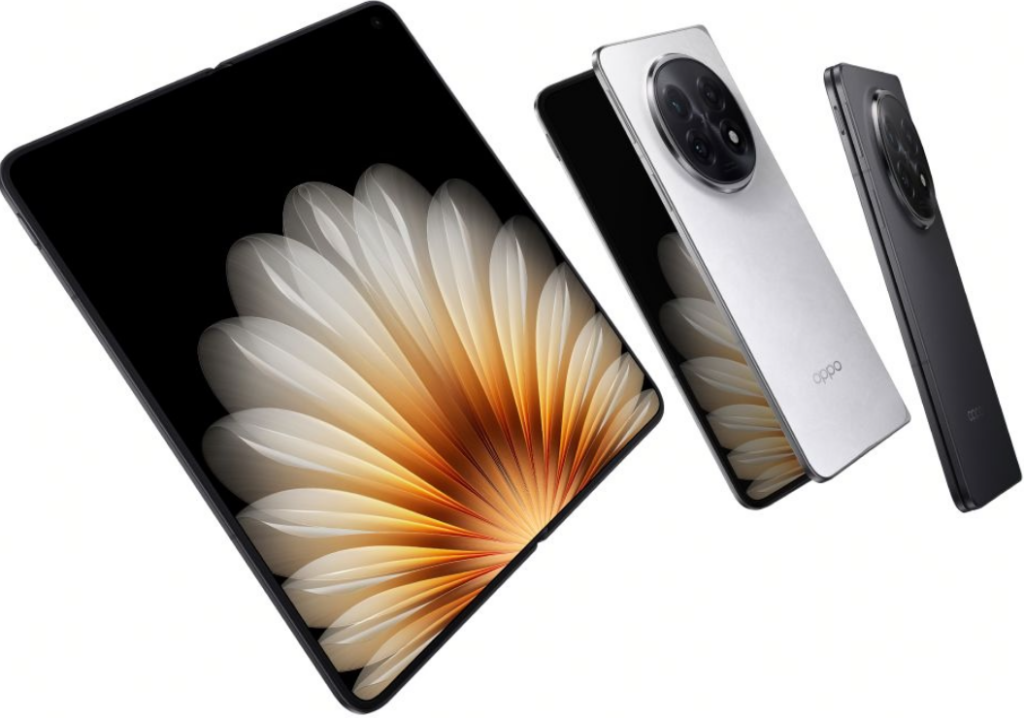
OPPO Find N5
OPPO Find N5

According to Brar, the Oppo Find N6 will launch on March 17 in China as well as select global markets, including Southeast Asian markets and Europe. He has specifically mentioned that the device will not be released in India. He added that the device will be available in Titanium and Orange color options.

Oppo Find N6 specifications (rumored)

According to reports, the Oppo Find N6 will arrive with an 8.12-inch foldable LTPO OLED screen on the inside, with support for 2K resolution and a 120Hz refresh rate. On the outside, it will have a 6.62-inch cover display, and both screens will have 20-megapixel front-facing cameras.

Under the hood, the Find N6 will feature the Snapdragon 8 Elite Gen 5 and a roughly 6,000mAh battery with 80W wired and wireless charging support. Its rear camera setup will comprise a 200-megapixel camera accompanied by a pair of 50-megapixel sensors.

The Find N6 is also expected to arrive with up to 16GB of RAM, up to 1TB of storage, an AI-powered stylus, and satellite connectivity (only in China). The N6 is said to be thinner and lighter than its previous generation, but the exact measurements are not known yet. It is likely that the Chinese market may also receive an additional black edition of the device. At present, there is no information about its price.

For more daily updates, please visit our News Section.

Stay ahead in tech! Join our Telegram community and sign up for our daily newsletter of top stories.

These Samsung devices won’t receive One UI 8.5 update

Samsung One UI 8.5 update not eligible devices

Samsung is expected to release One UI 8.5 with the upcoming Galaxy S26 series later this month. It has been available to Galaxy S25 owners as a beta release for quite some time, and the stable release is now around the corner. There are dozens of Galaxy devices in line to receive the One UI 8.5 update, but many devices will miss out on this exciting upgrade that’s packed with many useful features and plenty of upgrades.

We’ve carefully curated a list of Samsung devices that are not eligible for the One UI 8.5 update. To keep the list short and relevant, we’ve only included Galaxy devices that received the Android 15 (One UI 7) update.

List of Galaxy devices that won’t receive the One UI 8.5 update

Galaxy S series

  • Galaxy S21
  • Galaxy S21+
  • Galaxy S21 Ultra
  • Older Galaxy S models

Galaxy Z series

  • Galaxy Z Fold 3
  • Galaxy Z Flip 3
  • Older Galaxy Z models

Galaxy A series

  • Galaxy A23
  • Galaxy A14
  • Galaxy A05
  • Galaxy A05s
  • Older Galaxy A models

Galaxy M series

  • Galaxy M14
  • Galaxy M05
  • Older Galaxy M models

Galaxy F series

  • Galaxy F14
  • Galaxy F05
  • Older Galaxy F models

Galaxy Tab series

  • Galaxy Tab Active 4 Pro
  • Older Galaxy Tab models

Galaxy XCover series

  • Galaxy XCover 6 Pro
  • Older Galaxy XCover models

If your Samsung device is on the list above, it is unlikely to receive the One UI 8.5 update. In that case, you may want to upgrade to a newer model to ensure your device has the latest features and upgrades. Check out the list of Samsung devices that are eligible for seven Android OS updates, six Android OS updates, or four Android OS updates to find an upgrade that will stay relevant for years to come.

Related: When will your Samsung Galaxy receive One UI 8.5 update

Is One UI 8.5 a big upgrade for Samsung devices?

Samsung has already released the One UI 8.5 beta for the Galaxy S25 series, which shows it’s a useful upgrade rather than just an incremental one with minor changes. While both are based on Android 16, the One UI 8.5 uses a newer QPR2 development build, allowing Samsung to include deeper system-level features.

The Quick Settings panel in One UI 8.5 is deeply customizable, allowing users to adjust the layout of every toggle and slider. The app icons (at least Samsung’s apps) have been updated to feature a subtle 3D effect. Some first-party apps also show a similar effect. The lock screen is now smarter and more personalized. It automatically adjusts the clock and date so they don’t cover the main subject of your wallpaper. Plus, the lock screen can show weather visuals and features new fonts.

One UI 8.5 adds a partial-screen recording mode that captures a specific area of your phone rather than the entire screen. The Settings app features a few new options, including a failed authentication lock that automatically locks the device when it detects suspicious behavior, and an intelligent blocking feature that blocks apps that send too many ad notifications.

The new software also improves the Photo Assist feature to allow interrupted image generation without needing to save each iteration. There are a host of other improvements to One UI 8.5, making it a well-rounded package rather than just an incremental upgrade. So, One UI 8.5 is indeed a big upgrade, which will start rolling out to older Galaxy devices a few weeks after its initial release on the Galaxy S26 series later this month.

We’ll continue to update you with the latest developments around One UI 8.5 in the Samsung section on this website. Remember to visit that regularly. Also, join our Telegram channel to get instant notifications about the breaking news and software rollouts.

Samsung Launches Galaxy F70e with a Leather Back & 120Hz Display

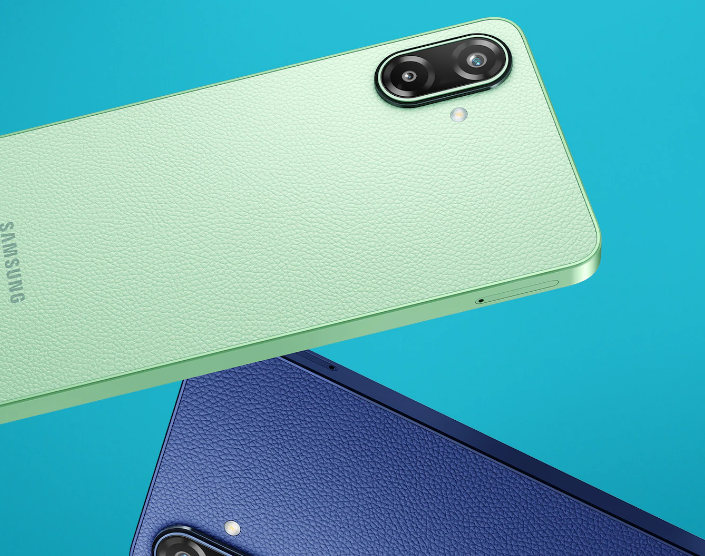
Samsung has officially introduced the Galaxy F70e 5G in India, adding a new entry in its budget-friendly lineup with some genuinely solid specs for its price bracket. This device also brings a stylish design and a long battery life, so here are all the details.

Samsung Galaxy F70e Specifications

On the front, the Galaxy F70e sports a tall 6.7-inch LCD panel with an HD+ resolution, a 120Hz refresh rate, and 800 nits of peak brightness. Meanwhile, the rear gets a vegan leather finish for a more premium feel. Under the hood, the new budget phone is equipped with MediaTek’s Dimensity 6300 chipset, which is coupled with up to 6GB of RAM and 128GB of internal storage. Out of the box, this device runs on the Android 16 OS based One UI 8 custom skin and a promise of six major OS upgrades.

Samsung Galaxy F70e Launch
Samsung Galaxy F70e

A large 6,000mAh battery pack powers the Galaxy F70e, which supports 25W wired fast charging. For optics, the rear hasa 50MP main camera along with a 2MP depth sensor, while the front houses an 8MP selfie shooter. Other notable features include dual band WiFi, Bluetooth 5.4, dual SIM support, a fingerprint scanner, Knox Vault, a 3.5mm audio jack, and an IP54 rating for water and dust resistance.

The South Korean tech giant has announced the Galaxy F70e 5G in the Indian market for a starting price tag of Rs 12,499 for the 4GB + 128GB model, while the 6GB + 128GB variant costs Rs 13,999. The new affordable phone is listed for purchase in two color options, namely Spotlight Blue and Limelight Green, from Flipkart and the brand’s official website starting on 17th February 2026. This release also arrives just days after Samsung announced another budget phone, the Galaxy A07.

For more daily updates, please visit our News Section.

Don’t miss a thing! Join our Telegram community for instant updates and grab our free daily newsletter for the best tech stories!

Vivo X Fold 6 with a 200MP sensor could have the best camera setup ever on a foldable phone

Honor Magic V6 and Oppo Find N6 are among the first foldable phones expected to hit the Chinese market. Both devices are anticipated to break cover in March. While there is still no clarity about Xiaomi’s foldable plans this year after it skipped the Xiaomi Mix Fold 5, Vivo is expected to announce the Vivo X Fold 6 in a couple of months. A new leak suggests that it could be equipped with the best set of cameras ever seen on a foldable phone.

Vivo X Fold 6 may arrive with a 200MP camera

Vivo X Fold 6 to feature 200MP camera

In the above leak, tipster Smart Pikachu claims that the Vivo X Fold 6 is being developed as the most imaging-focused foldable phone yet. He added that the device is reportedly being tested with a 200-megapixel camera and a multispectral sensor.

To recall, the Vivo X Fold 5 from last year featured a Sony IMX921 primary camera with OIS support in its rear camera setup. It was accompanied by a 50-megapixel ultra-wide sensor and a 50-megapixel periscope telephoto camera. The camera setup did not feature a multispectral sensor.

The multispectral sensor, which is expected to be available on the Vivo X Fold 6, will be responsible for color accuracy. At present, there is no clarity on whether the X Fold 6’s 200-megapixel camera will use a Samsung or an OmniVision sensor. It is also not known whether it will be used for the primary or periscope telephoto camera.

Vivo X Fold5
Vivo X Fold 5

To recall, the Vivo X Fold 5 was powered by the Snapdragon 8 Gen 3; the Vivo X Fold 6 will likely be equipped with the Snapdragon 8 Gen 5. Unfortunately, there is no information available about its other specifications. As far as launch is concerned, it may debut in July this year, similar to the previous generation.

For more daily updates, please visit our News Section.

Stay ahead in tech! Join our Telegram community and sign up for our daily newsletter of top stories.
Poco X8 Pro receives Korea RRA certification ahead of expected global launch

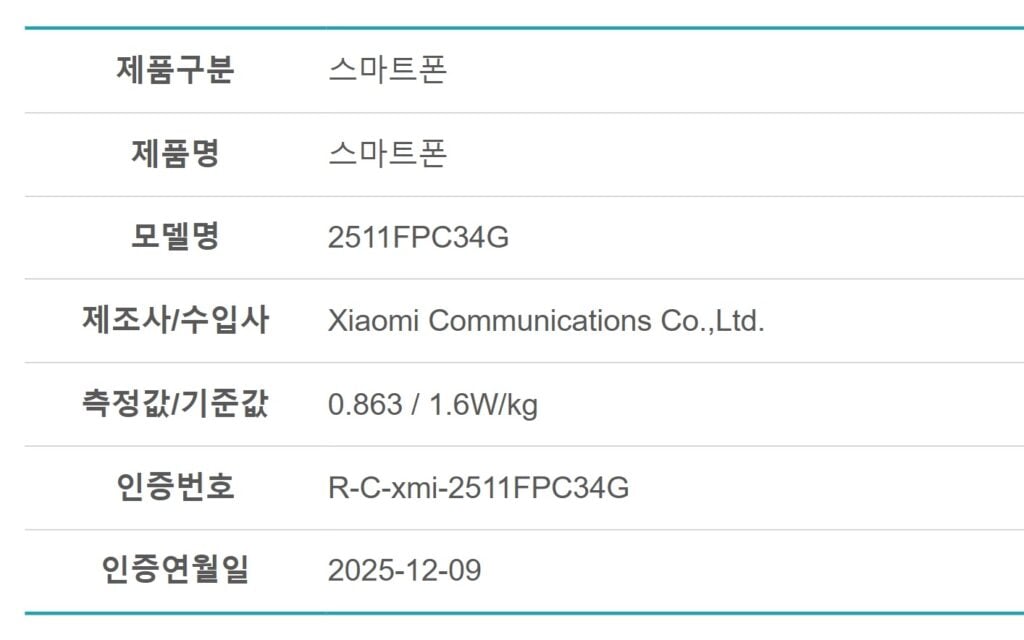
Poco may unveil the Poco X8 series globally in March, according to recent reports. This time, the lineup is said to skip a standard Poco X8 variant and instead include the Poco X8 Pro and Poco X8 Pro Max models. Ahead of the expected launch, the Poco X8 Pro appears to be actively securing regulatory approvals, suggesting that the announcement could be close.

Poco X8 Pro RRA certified in South Korea

Poco X8 Pro - South Korean certification
Poco X8 Pro bags South Korean RRA certification

The latest development confirms that the Poco X8 Pro, which bears the model number 2511FPC34G, was approved by South Korea’s RRA platform back in December 2025. The listing identifies the device as a smartphone manufactured by Xiaomi Communications Co., Ltd., and also mentions its SAR value of 0.863 / 1.6 W/kg. While the certification does not disclose hardware specifications, such approvals typically indicate that the device is nearing commercial availability.

The Poco X8 Pro has previously surfaced in other regulatory databases as well. The device was earlier spotted on Thailand’s NBTC certification platform and the EEC database in Europe. Notably, the Thailand certification revealed the existence of a Poco X8 Pro Iron Man Edition, suggesting that Poco may introduce both a standard and a special edition variant at launch. Both versions are expected to share the same model number, indicating similar hardware configurations with possible cosmetic or software differences.

Poco X8 Pro specifications (rumored)

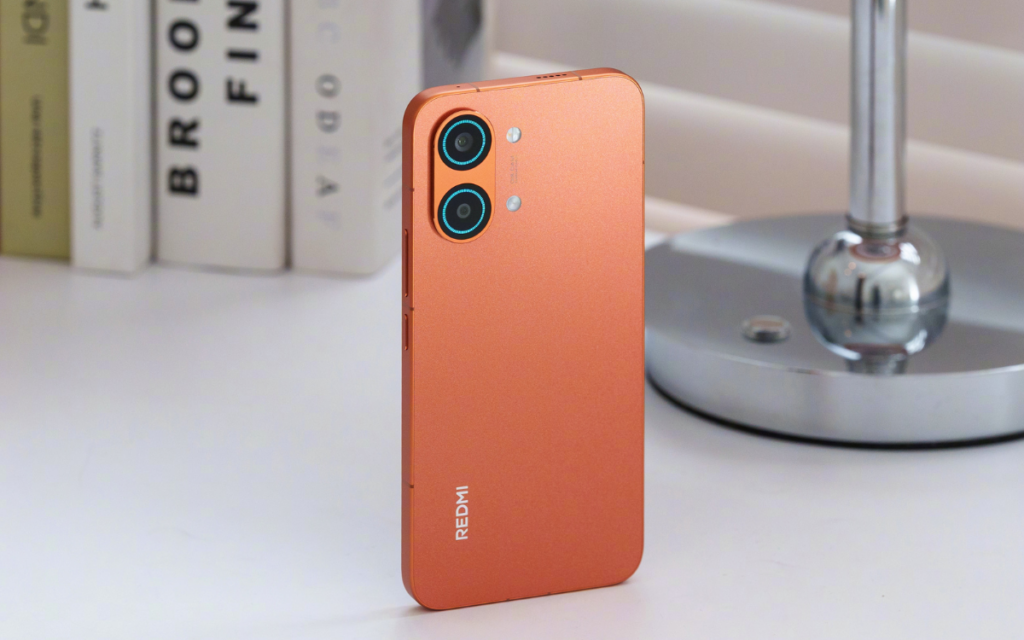
Redmi Turbo 5
Redmi Turbo 5

The Poco X8 Pro is expected to feature a 6.59-inch OLED display with 1.5K resolution and a 120Hz refresh rate, offering a balance between performance and visual clarity. Under the hood, the device is rumoured to be powered by the Dimensity 8500 chipset, paired with LPDDR5x RAM and UFS 4.1 storage for improved performance and faster data handling. The phone may arrive with up to 12GB of RAM and up to 512GB of internal storage.

In terms of cameras, leaks suggest a 20-megapixel front-facing camera along with a dual rear camera setup consisting of a 50-megapixel main sensor with OIS and an 8-megapixel ultra-wide lens. Fast charging support of up to 90W is also expected, allowing quick top-ups for heavy users.

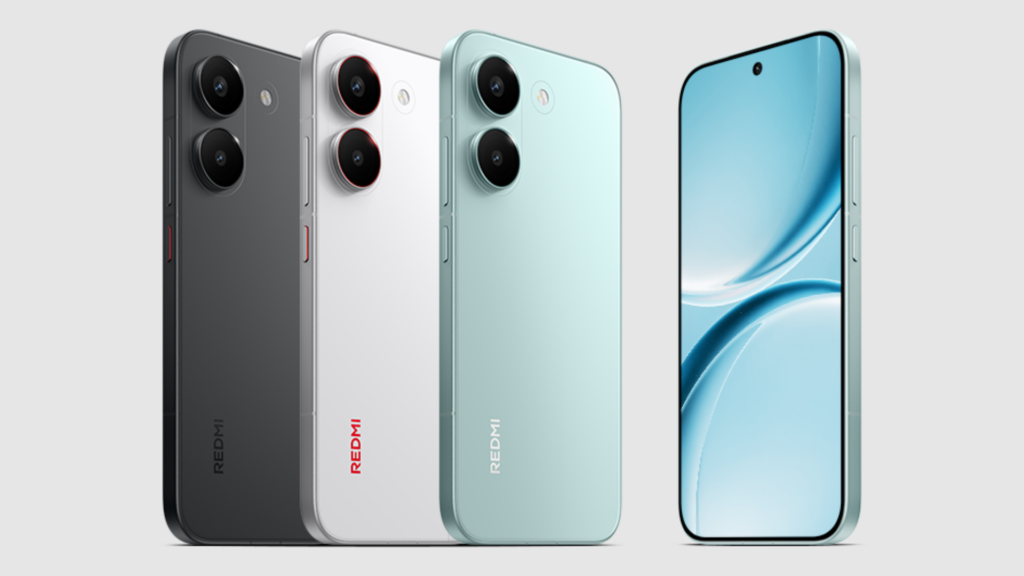
The device is widely believed to be a rebranded version of the Redmi Turbo 5. However, while the Redmi Turbo 5 includes a 7,560mAh battery, the Poco X8 Pro is likely to pack a smaller battery with around 6,500mAh capacity.

For more daily updates, please visit our News Section.

Stay ahead in tech! Join our Telegram community and sign up for our daily newsletter of top stories.

(via)

Xiaomi’s Self-Install Smart Lock Goes Global: No Drilling, More Convenience

Smart door locks are not exactly new, but Xiaomi’s latest takes a refreshingly practical approach. The Xiaomi Self-Install Smart Lock is rolling out in more regions across the globe, bringing easy installation and modern smart features to more homes. So here are all the details.

Xiaomi Self-Install Smart Lock Specifications

The Chinese tech giant previously announced this smart home security product in select markets like Japan and the UAE. And now, it is finally being released in the European market. As the name suggests, the Xiaomi Self-Install Smart Lock offers a DIY installation process without the fuss of drilling or professional help. Unlike traditional smart locks that often mean changing your door hardware, Xiaomi’s new version simply fits over your existing key or knob setup. SO there are no permanent modifications.

Xiaomi Self-Install Smart Lock

The Self-Install Smart Lock supports a range of convenient unlocking methods, which include:

  • Fingerprint scanning for quick access
  • Permanent and temporary passwords
  • Bluetooth or Wi-Fi connected app control
  • Voice commands through smart assistants
  • The lock also leaves room for a physical key backup

The smart lock works with the Matter smart home standard, meaning it should integrate with a variety of ecosystems rather than locking you into one brand. That’s a big plus for anyone building out a multi-device smart home. In Europe, the device is already listed on retailers like Galaxus in regions such as France and Germany, for around 145 to 153 Euros. Meanwhile, a secondary kit with an external keypad sells for 179-189 Euros.

For more daily updates, please visit our News Section.

Tech enthusiast? Get the latest news first! Follow our Telegram channel and subscribe to our free newsletter for your daily tech fix! ⚡

Redmi K100 Pro Max / Poco F9 Ultra may feature 200MP camera

Various smartphones across different brands launching this year are expected to feature 200-megapixel cameras. Earlier today, it was reported that the Xiaomi 18 Pro series may feature dual 200-megapixel cameras. Now, a new leak reveals that the Redmi K100 series may also include a 200-megapixel camera.

Redmi K100 Pro Max may receive a major camera boost

Redmi K100 series to feature 200MP camera

The above leak by tipster Smart Pikachu reveals that another sub-brand lineup is aiming higher and may adopt 200-megapixel and periscope cameras. The hashtag used in the leak suggests that it pertains to the Redmi K100 series.

The Redmi K100 series is initially expected to include two models, the Redmi K100 Pro and K100 Pro Max, as successors to last year’s Redmi K90 Pro and Redmi K90 Pro Max. To recall, the Pro edition features a 50-megapixel (main) + 8-megapixel (ultra-wide) + 50-megapixel (telephoto) triple camera unit, whereas the Pro Max has a 50-megapixel (main) + 50-megapixel (ultra-wide) + 50-megapixel (periscope telephoto) triple camera setup.

If a 200-megapixel camera is to arrive on the Redmi K100 series, the Pro Max model is likely to be the ideal candidate to receive it. It is still unclear whether the Pro Max edition will feature a 200-megapixel primary camera or a periscope telephoto camera.

Poco F8 Ultra rebranding

Just as the Redmi K90 Pro Max was rebranded as the Poco F8 Ultra globally, the Poco F9 Ultra may launch in the global market as a renamed version of the K100 Pro Max. Therefore, it is likely that the F9 Ultra could be the first Poco phone to feature a 200-megapixel camera. The Poco F9 series is likley to debut in the first quarter of 2027.

For more daily updates, please visit our News Section.

Stay ahead in tech! Join our Telegram community and sign up for our daily newsletter of top stories.

Xiaomi 18 Pro, 18 Pro Max may offer major upgrades with dual 200MP cameras

Xiaomi is reportedly preparing its next-generation flagship lineup, with early leaks hinting at significant hardware changes for the Xiaomi 18 series. A new leak suggests that imaging capabilities could receive a notable upgrade, particularly for the Pro variants. At present, a 200-megapixel camera is only limited to the Ultra variant, but the new leak reveals that even Pro models will come equipped with it.

Xiaomi 18 Pro series could feature 200-megapixel cameras

According to well-known tipster Digital Chat Station, an upcoming Xiaomi flagship phone equipped with a 6.3-inch display and dual 200-megapixel cameras is in the works. While it appears to be a Xiaomi leak, he has not specified the name of the device.

Based on Xiaomi’s current lineup strategy, both the standard Xiaomi 18 and the Xiaomi 18 Pro are expected to retain a compact form factor like the Xiaomi 17 and 17 Pro. However, major camera enhancements are likely to be reserved for the Pro model. Hence, it can be assumed that the Xiaomi 18 Pro may feature dual 200-megapixel cameras, as per the new leak.

There’s a possibility that Xiaomi may continue mirroring hardware between Pro and Pro Max variants. Similar to how the Xiaomi 17 Pro and 17 Pro Max share siimlar camera systems, the Xiaomi 18 Pro Max may offer the same dual 200-megapixel setup while differentiating itself with different camera sensors, a larger display, and higher battery capacity. A 50-megapixel ultra-wide lens is also expected to complement the main sensors. Both the Xiaomi 18 Pro and 18 Pro Max feature a more versatile secondary display on the back.

DCS has previously claimed that the standard Xiaomi 18 could finally introduce a periscope telephoto camera, replacing the existing telephoto unit with improved optical zoom capabilities.

Across the lineup, the Snapdragon 8 Elite Gen 6 chipset is rumored to power Xiaomi 18, 18 Pro, and 18 Pro Max, while the Xiaomi 18 Ultra may adopt a higher-tier Snapdragon 8 Elite Gen 6 Pro variant. The Xiaomi 18 series is expected to debut in China around September, with the Ultra model potentially arriving later in the year.

Xiaomi is currently gearing up to launch the Xiaomi 17 and 17 Ultra globally. Reports have claimed that the Xiaomi 17 Pro and 17 Pro Max will remain exclusive to the Chinese market. Therefore, there is no clarity on whether Xiaomi 18 Pro and 18 Pro Max will be released globally.

For more daily updates, please visit our News Section.

Stay ahead in tech! Join our Telegram community and sign up for our daily newsletter of top stories.
Philips TAB4230 Soundbar, TAS4400 Speaker, SHP9500 Headphones Launched in India: All Details

TPV Technology India has introduced five Philips Audio products targeting home entertainment, portable listening, and wired audio segments. The lineup includes the TAB4230 soundbar, TAS4400 Bluetooth speaker, TAB4120 mini soundbar, TAA1009 in-ear headphones, and SHP9500 over-ear headphones, now available through online and offline retailers nationwide.

TAB4230 Soundbar

Philips TAB4230 Soundbar

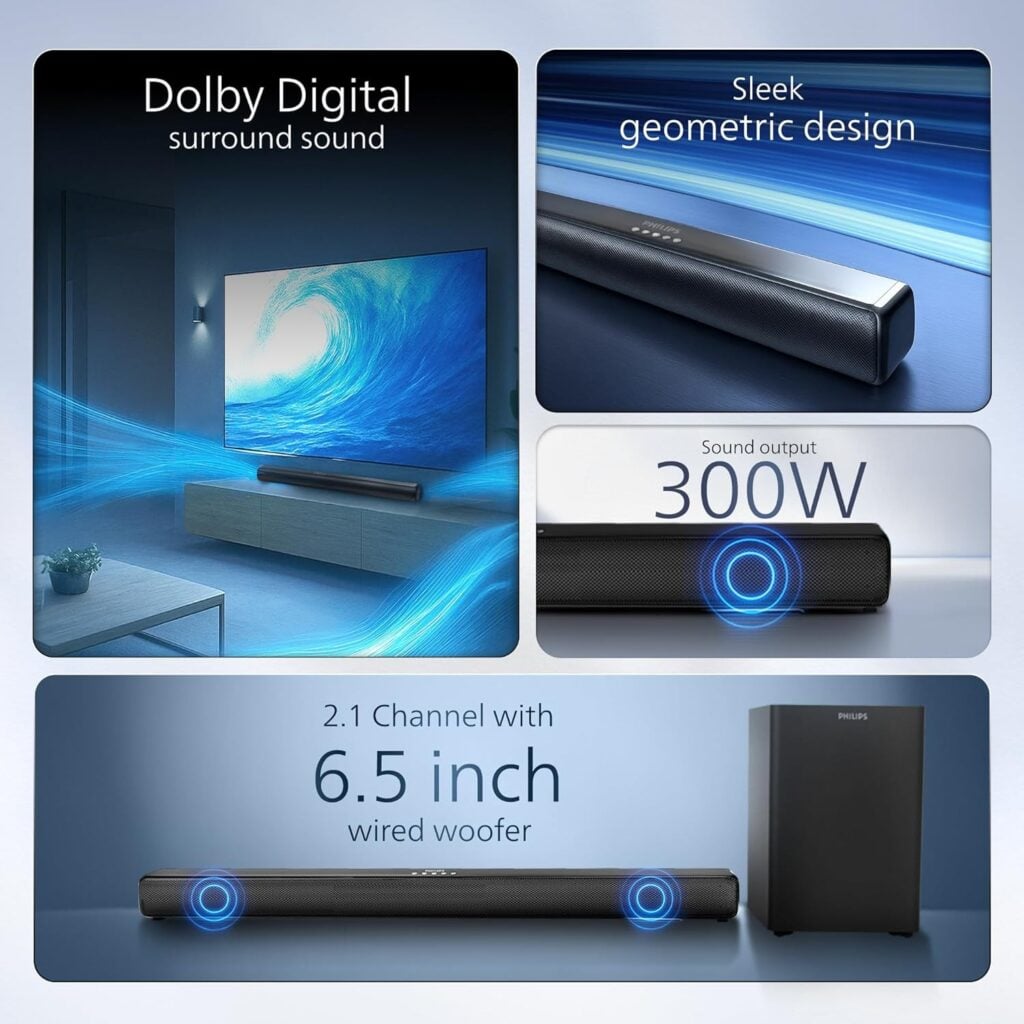
The TAB4230 delivers 300W maximum output through a 2.1-channel configuration with a 6.5-inch wired subwoofer. Dolby Digital surround sound support enhances dialogue clarity and bass response. HDMI ARC enables TV remote control integration, while connectivity includes Bluetooth, USB audio playback, AUX, and optical inputs. The soundbar features a geometric design with metal grille finish.

TAS4400 Bluetooth Speaker

Philips TAS4400 Bluetooth Speaker

The TAS4400 uses magnetic attachment for modular operation, allowing its two 20W speakers to function independently or together for 40W combined output. Battery life reaches 8 hours per charge. Connectivity covers Bluetooth, AUX, and TF card, with USB Type-C charging. A built-in microphone supports hands-free calling.

TAB4120 Mini Soundbar

Philips TAB4120BL/94

Designed for compact spaces, the TAB4120 provides 20W output and comes in black and blue variants. RGB lighting offers multiple display modes. True Wireless Stereo pairing connects two units for expanded sound coverage. The soundbar includes Bluetooth, AUX, USB, and TF card support, plus USB Type-C charging. Built-in microphone enables calling functionality, with 8 hours playback time.

TAA1009 In-Ear Headphones

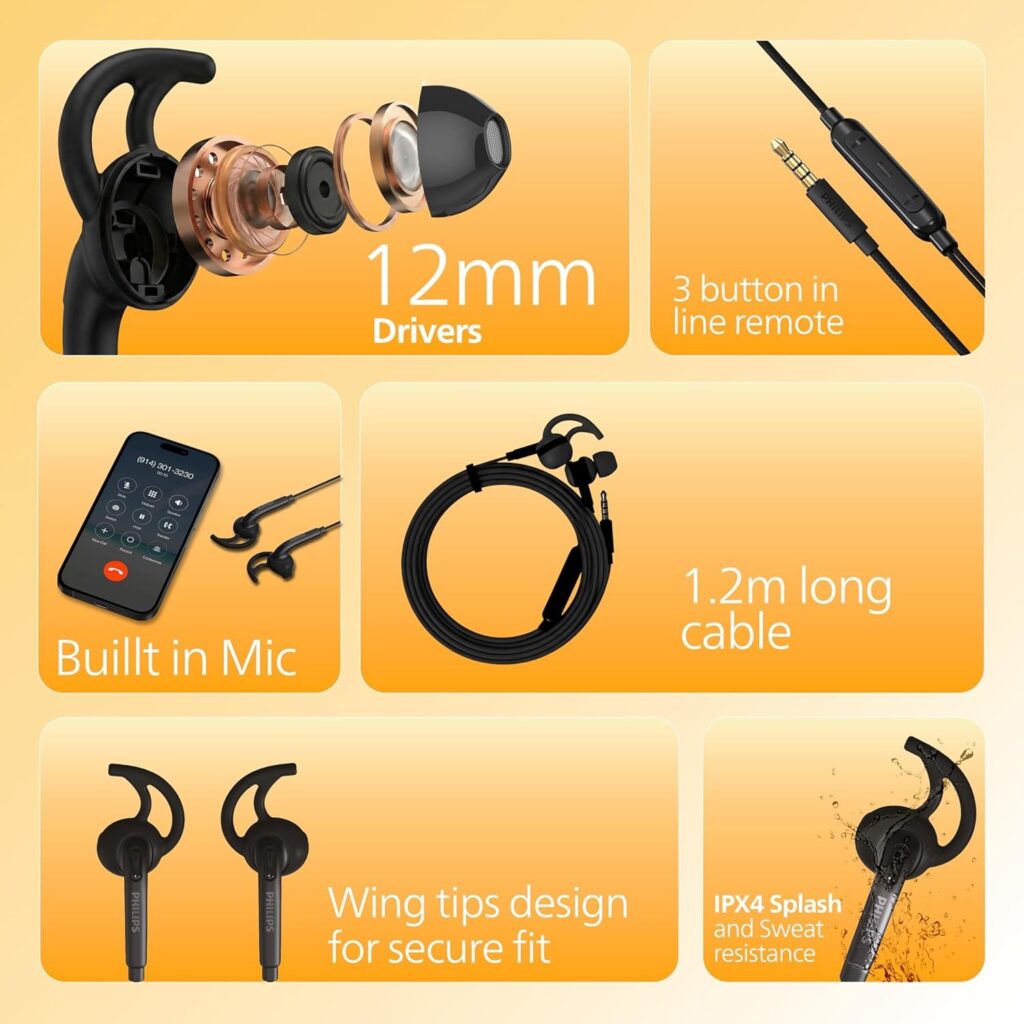
The TAA1009 targets active users with 12mm neodymium drivers featuring bass vents. Flexible wing tips secure fit during physical activity. IPX4 rating provides splash and sweat protection. The 1.2-meter cable includes a three-button remote and microphone for call and playback control. Available in red and black.

SHP9500 Over-Ear Headphones

Philips SHP9500 Over-Ear Headphones

The SHP9500 employs an open-back design with 50mm neodymium drivers for Hi-Fi stereo output. Breathable ear cushions, a double-layered headband, and steel frame construction prioritize extended wear comfort. The detachable 1.5-meter cable terminates in a gold-plated 3.5mm jack, with a 3.5mm to 6.3mm adapter included for professional equipment compatibility. Built-in microphone supports communication.

Pricing and Availability

All five products are available through Amazon India, Flipkart, and offline stores across India. The TAB4230 soundbar is priced at Rs. 19,999 and available on Flipkart. The TAS4400 Bluetooth speaker costs Rs. 5,999, while the TAB4120 mini soundbar is priced at Rs. 3,999. The TAA1009 in-ear headphones retail at Rs. 899, and the SHP9500 over-ear headphones are priced at Rs. 12,999.

For more daily updates, please visit our News Section.

Stay ahead in tech! Join our Telegram community and sign up for our daily newsletter of top stories.
Stuffcool Zeno 65W GaN Charger Supports Laptops, Phones With Single 65W Output

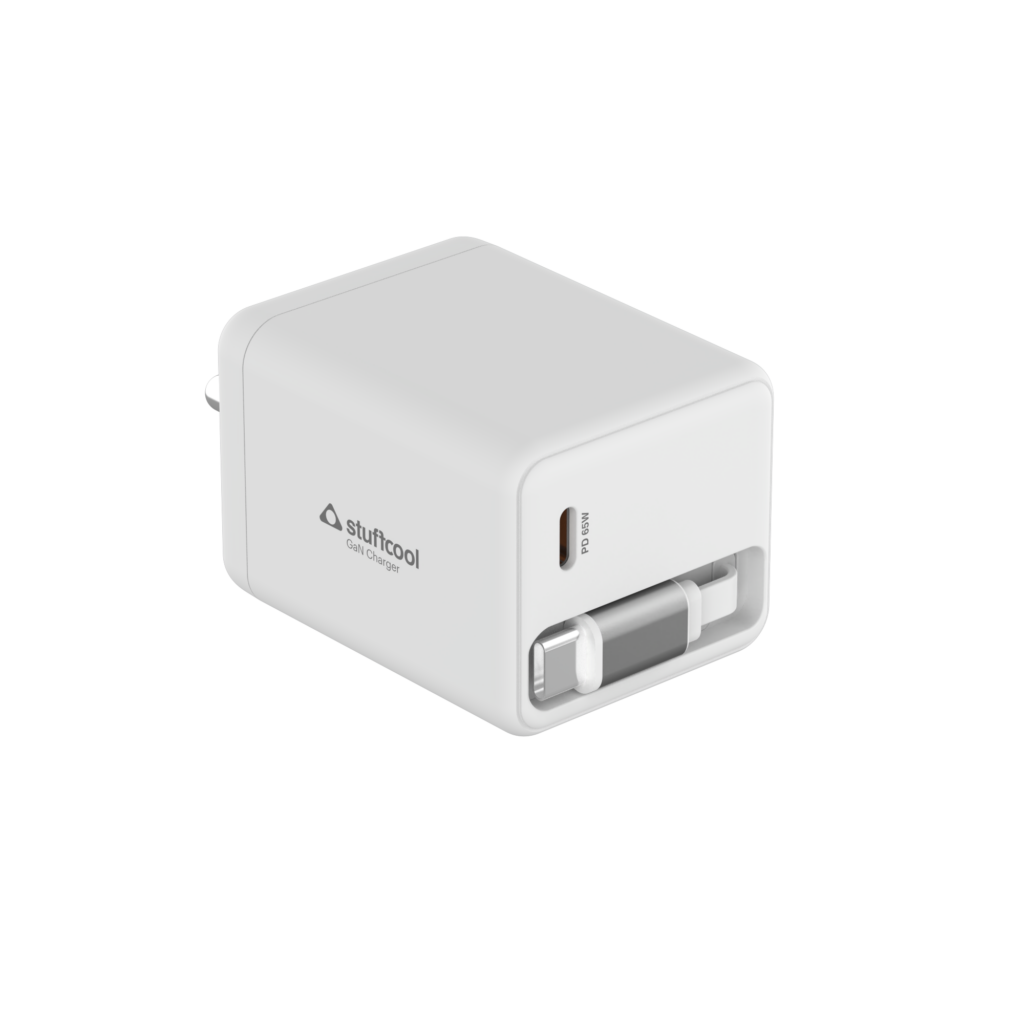
Stuffcool has introduced the Zeno 65, a 65W GaN wall charger targeting smartphones, tablets, and USB-C laptops. The BIS-certified device, manufactured in India, integrates a retractable USB-C cable to minimize cable clutter during travel.

Stuffcool Zeno 65

The charger delivers 65W through USB Power Delivery and PPS standards, supporting MacBook Air, Samsung Super Fast Charging 2.0, and compatible iPhone and Google Pixel devices. Stuffcool claims these phones can reach 50 percent charge in approximately 30 minutes with supported fast-charging profiles.

Stuffcool Zeno 65

The built-in USB-C cable extends to 68 cm and retracts completely into the charger body. Users must handle the mechanism carefully, as Stuffcool excludes damage from excessive pulling under its replacement policy. The charger also includes a separate USB-C port. When both outputs operate simultaneously, power splits to 45W and 20W. Either output alone delivers the full 65W.

GaN technology enables higher efficiency and improved thermal management within a compact design. The charger accepts AC 100–240V input at 50/60Hz and provides output profiles up to 20V at 3.25A, with PPS ranging from 5V to 11V at 4.5A.

Weighing 130 g (±10 g) and measuring 6.25 × 4.58 × 4.1 cm, the Zeno 65 fits easily into backpacks and laptop bags. Its single-port design alongside the integrated cable offers flexibility for charging multiple device types without carrying additional cables.

The Zeno 65 is priced at Rs. 2,999 and available through Stuffcool’s official website and Amazon India.

For more daily updates, please visit our News Section.

Stay ahead in tech! Join our Telegram community and sign up for our daily newsletter of top stories.

Casio launches two new Valentine’s-themed Baby-G watches in the US

Casio has introduced two new watches in its Baby-G series: BGD10KH-1 in matte black and BGD10KH-7 in off-white. These models follow the original BGD-10 series lineup that launched in November 2025 and arrive ahead of Valentine’s Day with themed colors and matching accessories. Both are priced at $89 and are now available for pre-order in the US.

Casio Baby-G BGD10KH-7 and BGD10KH-1

Design Details

The BGD10KH-1 features a classic square digital display housed in a soft matte black resin case. Casio has added subtle pink accents for contrast. It comes with a heart-shaped off-white silicone holder that can convert the watch into a wearable charm.

The BGD10KH-7 uses a cream-colored off-white resin case and strap. It targets a more expressive and playful look with more prominent pink accents. The white model comes with a red heart-shaped holder and a pink strap, reinforcing the Valentine’s Day theme.

Casio designed both models as two-way convertible watches. The central case can be removed from the strap and inserted into the included silicone heart-shaped holder, allowing users to wear the watch as a charm.

Both models retain the Baby-G line’s shock-resistant construction and 100-meter water resistance. Each watch offers world time support for 29 time zones, a 1/100-second stopwatch, a countdown timer, five daily alarms, an hourly time signal, and a full auto-calendar valid through 2099. The LED backlight uses a white LED and includes a two-second illumination duration with afterglow.

Each model weighs 33 grams and uses a 42.8 x 39 x 14.7 mm resin case with mineral glass. Casio estimates a battery life of approximately three years using a CR1616 battery. The band fits wrist sizes ranging from 125 mm to 180 mm.

In related news, Casio has recently introduced the all-black G-Shock Fire Package 2026 collection in Japan, alongside the launch of the all-black G-Shock GX-56UBB model across European markets.

For more daily updates, please visit our News Section.

Stay ahead in tech! Join our Telegram community and sign up for our daily newsletter of top stories! 💡

(Casio 1,2)

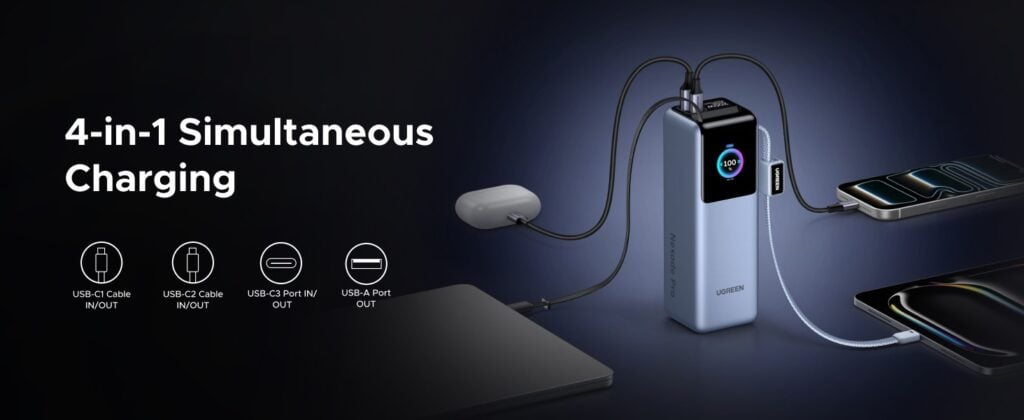
Ugreen Nexode Pro 25,000mAh Power Bank Offers 200W Charging and Built-In USB-C Cables

Ugreen has released the Nexode Pro 25,000mAh laptop power bank in Europe. The device is now available in the UK, Germany, France, and other regions, and is intended for users who need portable charging for laptops, tablets, and phones.

Ugreen Nexode Pro 25,000mAh laptop power bank

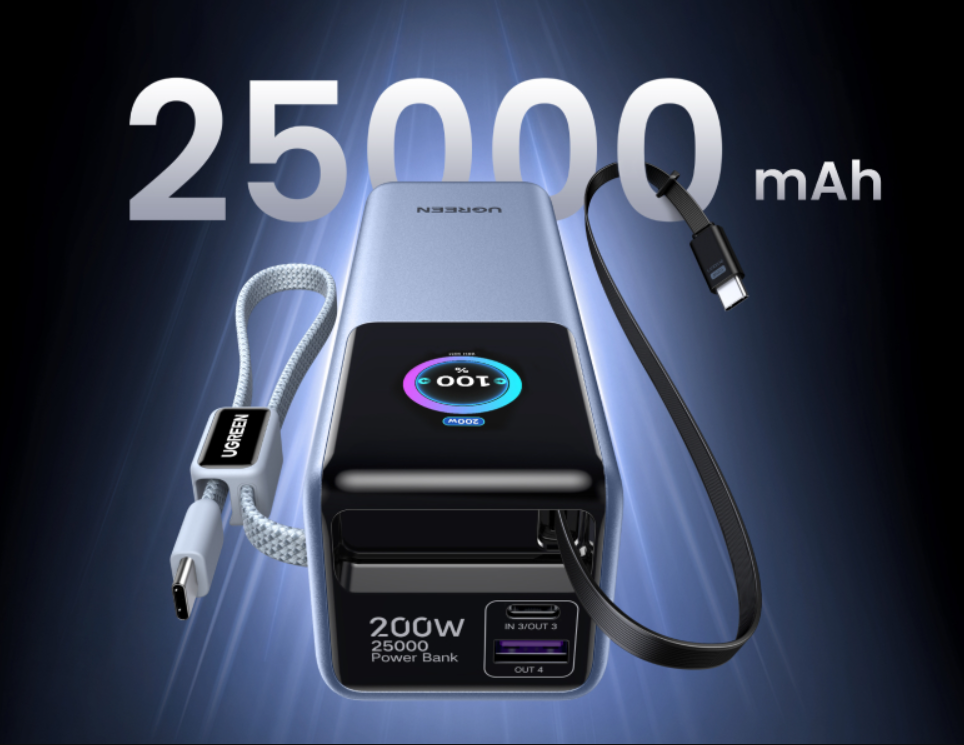
The Nexode Pro features two integrated USB-C cables: a 68 cm retractable cable rated for 25,000 pull cycles and a 35 cm cable doubling as a carrying strap. Combined with one USB-C port and one USB-A port, the unit can charge four devices simultaneously without additional cables.

Each USB-C output supplies up to 100W individually, sufficient to charge a 16-inch MacBook Pro to 43 percent in 30 minutes. Total output reaches 200W, exceeding Anker’s 165W limit. When charging four devices, one USB-C cable maintains full 100W delivery while the remaining 100W distributes across other ports, enabling full-speed laptop charging alongside phones or tablets. The power bank also supports Xiaomi’s 90W charging protocol.

Capacity performance includes approximately 1.3 full charges for a 13-inch MacBook Air, 4.7 charges for an iPhone 17 Pro, 3.4 charges for a Galaxy S25 Ultra, and 1.8 charges for an 11-inch iPad Pro. The power bank recharges completely in 2.2 hours using a 100W USB-C charger.

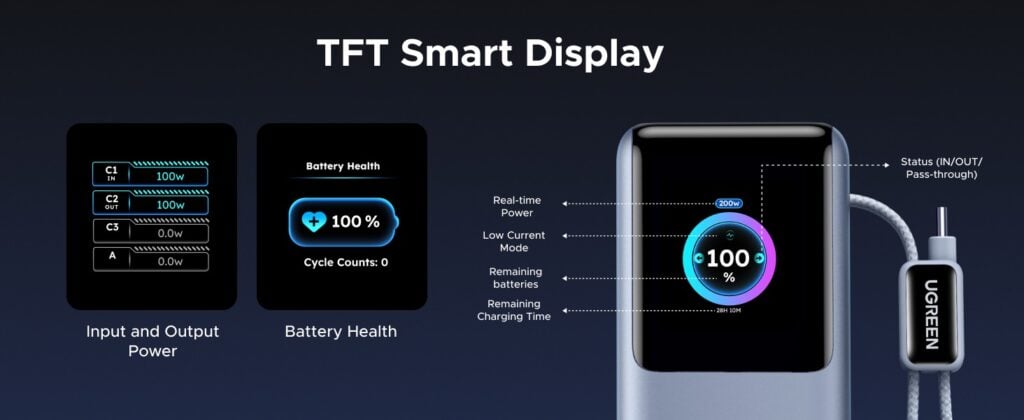
A TFT display provides real-time data on input/output power, remaining charge, charging duration, battery health, and cycle count. Safety features include flame-retardant casing and protection against overcurrent, overheating, over-discharge, overload, surge, and short circuits.

The device measures 158 × 54 × 50 mm and weighs 631 g. Pricing is £89.99 in the UK and €99.99 in Germany and France.

For more daily updates, please visit our News Section.

Stay ahead in tech! Join our Telegram community and sign up for our daily newsletter of top stories.

Redmi Turbo 5 Max Repair Pricing Announced: Screen, Battery and Motherboard Costs Detailed

Xiaomi has published the official spare part prices for the Redmi Turbo 5 Max smartphone in China following its launch on January 29. The company detailed the component pricing, providing a clear breakdown of potential repair costs for one of its most performance-focused devices under the Redmi brand.

Redmi Turbo 5 Max

According to Xiaomi Mall, the 6.83-inch OLED display costs 560 yuan ($80.69) to replace. The battery is priced at 199 yuan ($28.68). The speaker is listed at just 15 yuan ($2.16), while the sub-board is priced at 30 yuan ($4.32). The rear wide-angle camera module is available at 85 yuan ($12.25), the ultra-wide camera at 20 yuan ($2.88), and the front-facing camera at 40 yuan ($5.76). The back cover is also listed at 85 yuan ($12.25).

As usual, motherboard replacement prices depend on memory configuration. The 12GB + 256GB variant is priced at 2,040 yuan ($294.53). The 16GB + 256GB and 12GB + 512GB options cost 2,140 yuan ($308.65) each, while the 16GB + 512GB motherboard is the most expensive at 2,350 yuan ($338.04).

The Redmi Turbo 5 Max debuted as the flagship model of the Turbo series and is the first smartphone to feature MediaTek’s Dimensity 9500s processor. The chipset uses a 3nm process and an all-large-core architecture designed for high-performance workloads, including 2.5K gaming. Xiaomi has also equipped the device with a 3D ice-cooling pump and its proprietary Rampage Engine to ensure consistent performance under stress.

Redmi Turbo 5 Max

The phone features a 9000mAh battery using Xiaomi’s Jinshajiang cell technology. It supports 100W wired charging, 100W PPS fast charging, and 27W reverse charging.

The display uses new M10 OLED material with a 1.5K resolution and supports a peak brightness of 3500 nits. It also includes 3840Hz PWM dimming and DC dimming for better eye comfort.

The phone features a CNC-machined metal frame paired with a fiberglass back panel and a turbine-inspired dual-ring light strip. It comes in Shadow Black, Ocean Blue, Auspicious Cloud White, and Sunshine Orange color options. The device carries an IP66-IP69K rating for dust and water resistance and includes an ultrasonic fingerprint sensor and stereo speakers.

The camera setup includes a 50MP Light Fusion 600 main sensor with both OIS and EIS, an 8MP ultra-wide sensor, and a 20MP selfie camera. The device ships with Android 16-based HyperOS 3 and supports up to 16GB LPDDR5X RAM, UFS 4.1 storage, Wi-Fi 6, Bluetooth 5.4, and NFC.

For more daily updates, please visit our News Section.

Stay ahead in tech! Join our Telegram community and sign up for our daily newsletter of top stories! 💡

(Via)

Researchers turn waste heat into computing power thanks to breakthrough silicon technology

Researchers at MIT have found an unexpected way to make use of something electronics usually try hard to get rid of: heat. Instead of treating excess heat as a problem, the team showed that it can be used to carry out certain mathematical operations on its own, without any additional electrical power.

The work focuses on silicon structures that are only about the size of a dust particle. These structures don’t contain transistors or moving parts. Instead, they rely entirely on how heat naturally flows through solid material. According to the researchers, that flow can be shaped carefully enough to perform matrix-vector multiplication, a core operation used in many machine-learning models.

The study was led by MIT undergraduate Caio Silva, working with research scientist Giuseppe Romano. In simulations, the heat-based structures were able to carry out the calculations with accuracy above 99 percent

Here’s how it works

The key idea is that temperature differences act as inputs, and the resulting heat diffusion produces the output automatically.

To make this work, the researchers used a design approach known as inverse design. Rather than sketching the structures manually, they defined the mathematical operation they wanted and let software generate complex silicon geometries that would guide heat in just the right way. Many of these designs end up looking irregular and porous, but every feature plays a role in controlling how heat spreads. Because heat can only flow from hot regions to cooler ones, the team also had to split calculations into positive and negative parts and process them separately.

This isn’t meant to replace conventional processors. Heat moves much more slowly than electrical signals, and the structures can only perform fixed operations. But the idea could be useful in very specific situations, such as passive thermal sensing, on-chip temperature mapping, or simple signal processing that doesn’t justify extra power consumption.

As Silva noted, most electronic systems see heat as wasted energy. This work takes the opposite view and asks whether that heat can be made to do something useful before it disappears.

It’s still early research, but it offers a different way of thinking about computation, one where heat isn’t just a side effect, but part of the process itself.

Don’t miss a thing! Join our Telegram community for instant updates and grab our free daily newsletter for the best tech stories!

For more daily updates, please visit our News Section.

(Sources: 1, 2 | Image)

Casio Introduces All-Black G-Shock Fire Package 2026 Watches in Japan

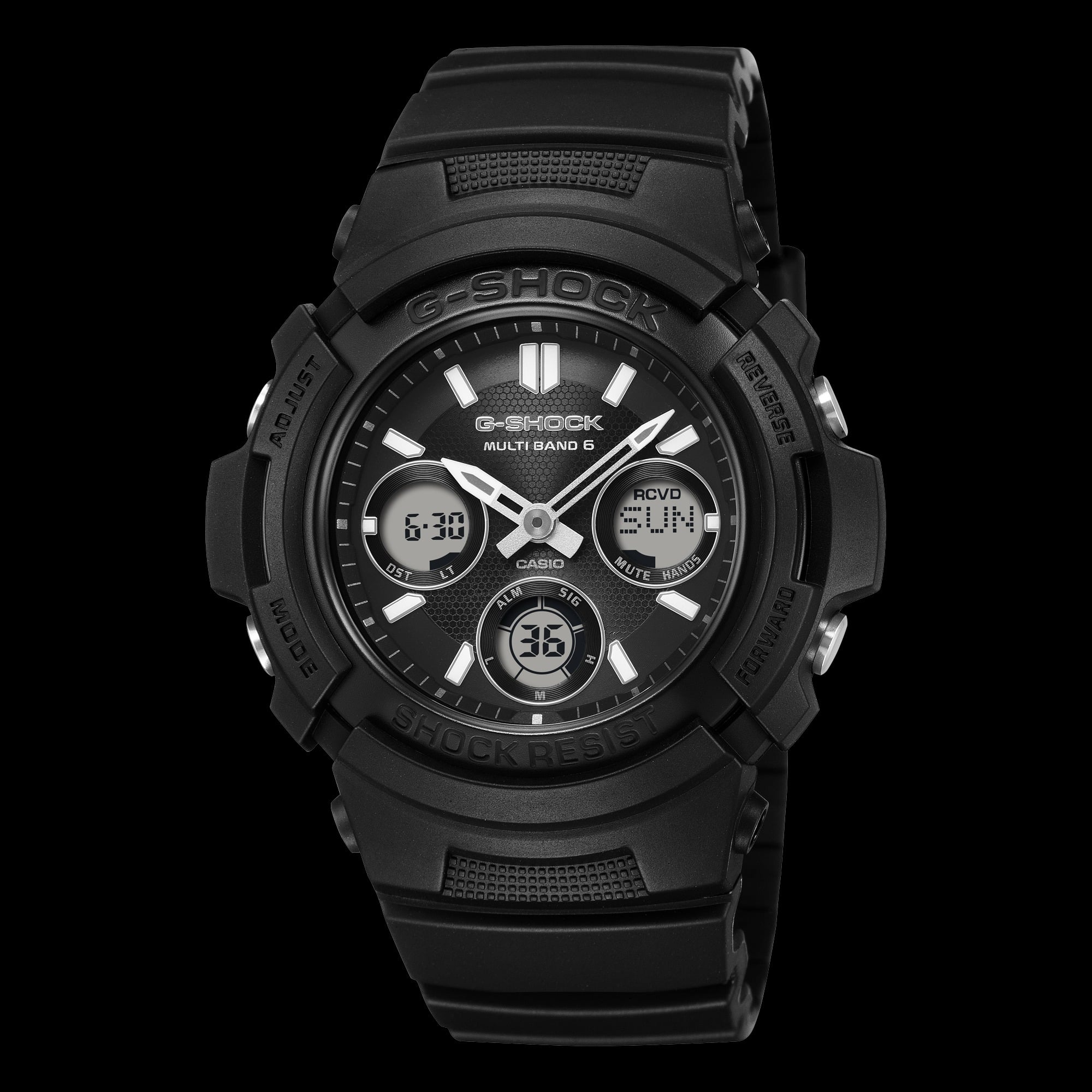
Casio has officially unveiled its G-Shock Fire Package lineup for 2026, introducing the AWG-M100FP-1A1 and GW-2320FP-1A1. The Fire Package series has been a recurring annual release since 2004 and is positioned as a symbolic watch for people starting new chapters, whether entering new careers or life stages.

G-SHOCK-AWG-M100FP-1A1, GW-2320-1A1

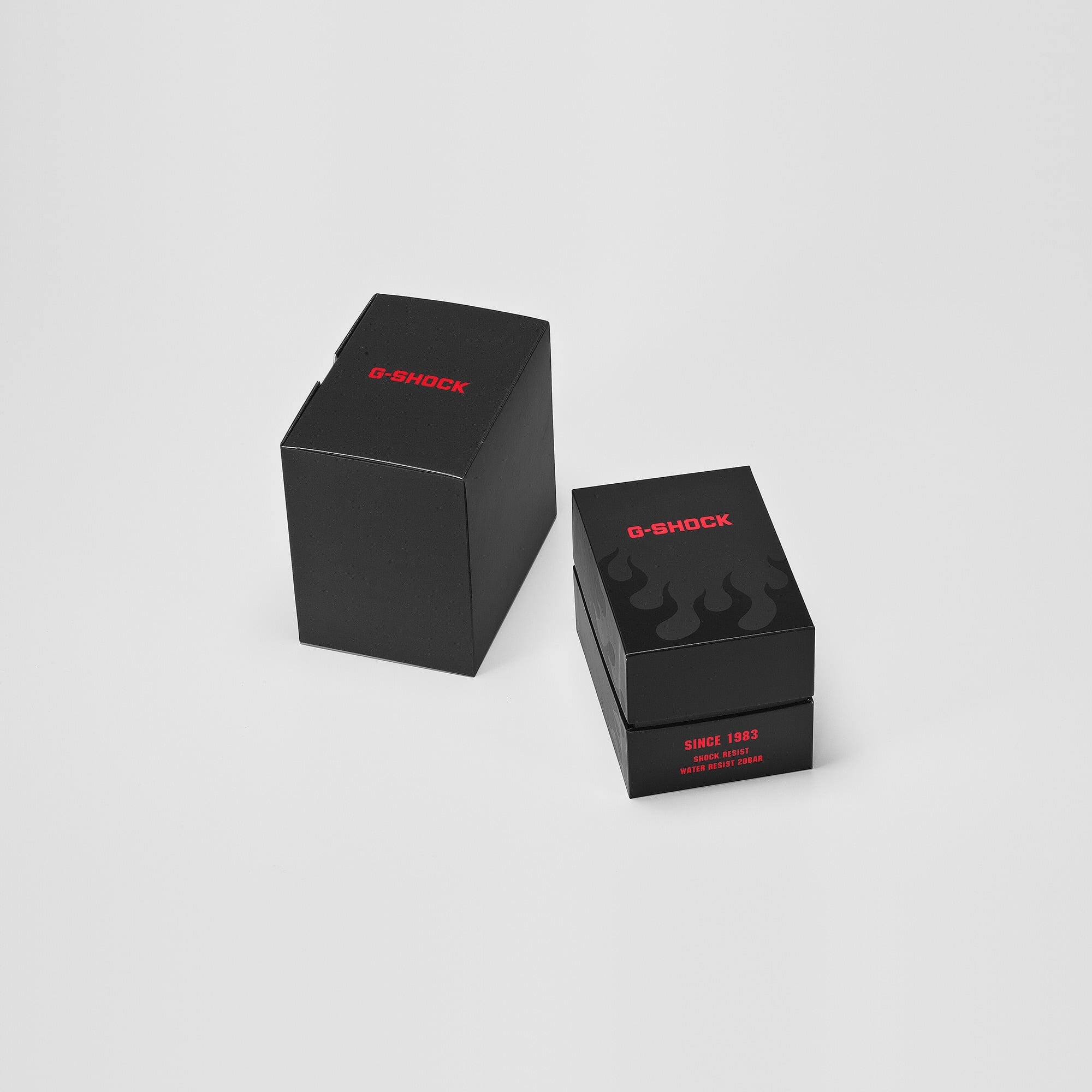
The AWG-M100FP-1A1 and GW-2320FP-1A1 both feature all-black finishes with special edition packaging designed for gifting. Each model uses resin and aluminum construction with 20-bar water resistance and standard G-Shock shock protection.

The AWG-M100FP-1A1 combines analog and digital displays, showing time via two hands alongside three digital windows for date, day, and world time. At 52 × 46.4 × 14.9 mm and 56 grams, it uses inorganic glass and Neo Bright luminous coating. An amber LED with auto-illumination aids low-light visibility. Tough Solar charging powers the watch for six months without light exposure, extending to 18 months in power-saving mode.

The GW-2320FP-1A1 offers a fully digital interface across three displays with a white LED Super Illuminator backlight. Measuring 15.6 mm thick and weighing 64 grams, it provides extended battery life: 11 months without solar charging or 26 months with power saving activated.

Both models include Multiband 6 radio-controlled timekeeping, syncing across Japan, North America, Europe, and China. Additional features cover world time for 48 cities, five alarms, a stopwatch, a countdown timer, and an automatic calendar. When radio sync is unavailable, accuracy remains within ±15 seconds monthly.

Japan pricing sets the AWG-M100FP-1A1 at ¥31,900 and the GW-2320FP-1A1 at ¥24,200. International release details remain unannounced.

In other news, Casio has also rolled out the all-black G-Shock GX-56UBB-1 in parts of Europe at €159, matching the older GX-56BB-1’s price. While the rugged exterior remains unchanged, the update brings a new module, an LED backlight for better efficiency, and Tough Solar power with extended battery life.

For more daily updates, please visit our News Section.

Stay ahead in tech! Join our Telegram community and sign up for our daily newsletter of top stories.

(via: Notebookcheck)

Ayaneo confirms Pocket Play features 165Hz refresh rate screen, X-axis motor, USB-C 3.2 Gen 2 port

Ayaneo has been revealing bits and pieces about its handheld smartphone over the past few months. The company has now finally announced some concrete details of the Pocket Play, including its design, display, and other specifications.

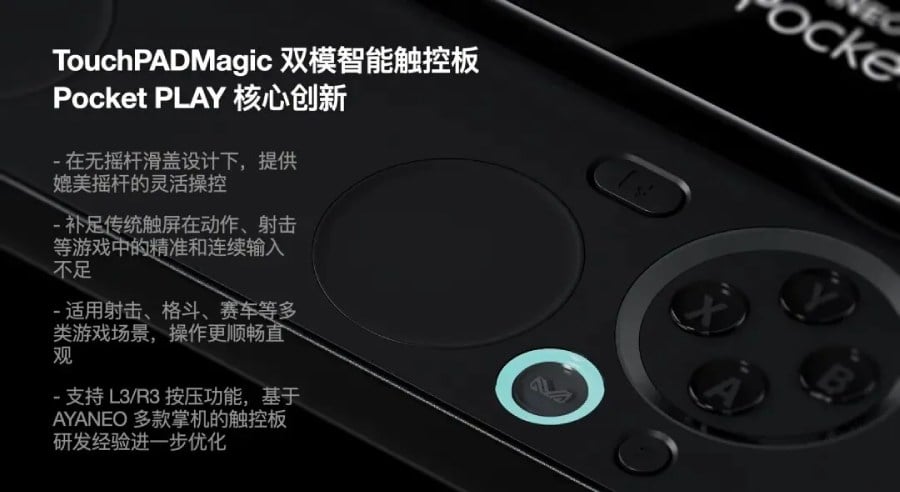
As you might know, the Pocket Play doesn’t look like a typical slab phone. It uses a classic side-sliding design, and hidden inside is a full-function built-in game controller. Slide it open, and the device instantly shifts into game mode. 

Ayaneo Pocket Play Specifications

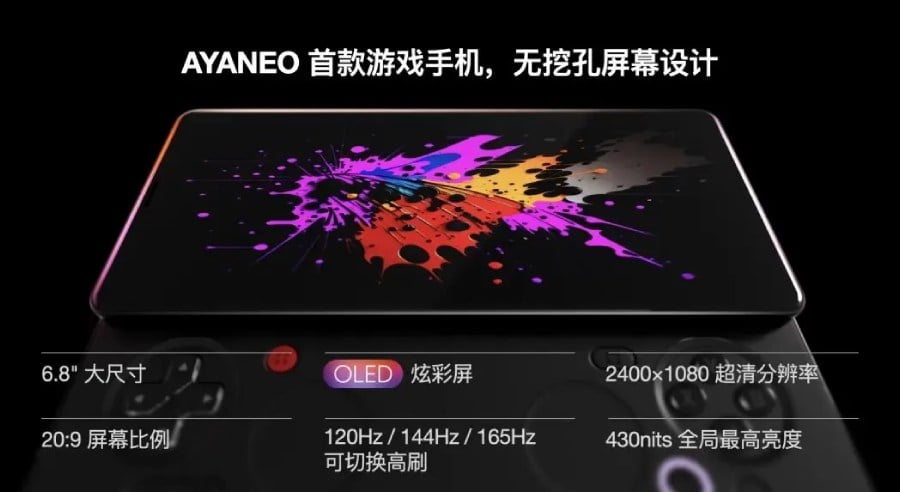
The front of the device is dominated by a 6.8-inch OLED display. It has no punch hole or notch to break immersion. It runs at a 2400 × 1080 resolution with 20:9 aspect ratio and supports 120Hz, 144Hz, and even 165Hz refresh rates. 

Inside, the Pocket Play is powered by MediaTek’s Dimensity 9300, built on TSMC’s third-generation 4nm process. The chip uses an octa-core CPU design paired with Arm’s Immortalis-G720 GPU. Ayaneo has also added an active air-cooling system to help keep performance stable during long gaming sessions.

Haptics and audio haven’t been ignored either. The phone includes an 0815 X-axis linear motor with four vibration modes for more nuanced feedback, along with stereo dual speakers aimed at making games and media feel more immersive.

Despite its gaming focus, the Pocket Play doesn’t give up everyday phone features. It supports full communication functions, includes a USB-C 3.2 Gen 2 port with DisplayPort 1.4 video output, a fingerprint reader built into the power button, and a combined SIM and microSD card slot.

Ayaneo hasn’t shared pricing or availability yet again. Know that the Pocket Play is a console-first handheld smartphone you will be able to buy soon. 

Don’t miss a thing! Join our Telegram community for instant updates and grab our free daily newsletter for the best tech stories!

For more daily updates, please visit our News Section.

All-Black Casio G-Shock GX-56UBB Watch Launches Across European Markets

Casio has released the G-Shock GX-56UBB-1 across Europe following its Japanese launch. The watch is now available through official online stores in the Netherlands, Spain, France, and Germany for €159, matching the original price of the 2016 GX-56BB-1.

Casio G-Shock GX-56BB-1
Casio G-Shock GX-56UBB-1

The GX-56UBB-1 maintains the exterior design of the classic GX-56BB-1, retaining the large all-black case and rugged construction. Changes focus entirely on internal components. Casio upgraded the module from 3221 to 3545 and replaced the electroluminescent backlight with an LED system that offers improved power efficiency and low-light visibility.

Casio G-Shock GX-56BB-1

The watch measures 55.5 × 53.6 × 17.5 mm and weighs 88 g. The case, bezel, and band are made of resin. It features shock-resistant construction and is water-resistant up to 20 bar. The display is protected by mineral glass. The resin band fits wrist sizes from 150 to 220 mm.

The GX-56UBB-1 runs on Casio’s Tough Solar system. It includes a battery-level indicator and a power-saving mode that turns off the display when the watch is left in the dark. Battery life is rated at up to 13 months under normal use without light exposure after charging, or up to 27 months when stored in complete darkness with power saving enabled.

Features include world time for 31 time zones, covering 48 cities, plus Coordinated Universal Time, with daylight saving time control. The stopwatch offers 1/100 second precision with a maximum measurement of 23 hours, 59 minutes, and 59.99 seconds. The countdown timer supports up to 24 hours. The watch also includes five daily alarms, an hourly signal, and a fully automatic calendar that runs through 2099.

Timekeeping accuracy is rated at ±15 seconds per month. Casio has not confirmed if or when this model will launch in the US or other regions outside Europe.

For more daily updates, please visit our News Section.

Stay ahead in tech! Join our Telegram community and sign up for our daily newsletter of top stories.
(via: Notebookcheck)

Red Magic 11 Pro+ Wuthering Waves Edition Launched in China with Energy Red Design

Red Magic has just unveiled a limited edition model of its latest flagship, the Red Magic 11 Pro+. Collaborating with Kuro Games, the brand has launched the Red Magic 11 Pro+ Wuthering Waves Edition, which brings a new eye-catching Energy Red theme inspired design.

Red Magic 11 Pro+ Wuthering Waves Edition Launch

The Chinese brand’s latest device offers the same high end specs and features as the regular Red Magic 11 Pro+. However, the big difference is that the limited edition variant dresses the flagship features an Energy Red theme, which brings a dark red finish on the rear. So this model stands out with unique looks and bundled extras for fans and collectors alike.

The Wuthering Waves Edition swaps in a bold Energy Red visual theme across several elements of the Red Magic 11 Pro+, giving the device a striking new personality. This includes various aspects like:

  • A crimson-accented liquid-cooling engine motif on the hardware
  • Red-accented gaming trigger buttons for that extra pop during play
  • Custom RGB lighting effects that match the theme’s mood
  • A matte metal frame that pairs well with the vibrant colours
Red Magic 11 Pro+ Wuthering Waves Edition

This edition also comes with a fully customised ‘Wuthering Waves’ UI theme, complete with icons, wallpapers, charging animations, and fingerprint unlocking animations inspired by the popular mobile gacha game. So you get a completely tailored experience. Apart from the phone, buyers of the limited edition bundle get several themed extras not present in the standard model:

  • Mingchao-themed Kevlar magnetic protective case
  • Custom-designed SIM ejector pin
  • Themed badges and collectable touches
  • 120W Magic Flash fast charger in a matching design

The Red Magic 11 Pro+ Mingchao (Wuthering Waves) Limited Edition is priced at 6999 Yuan (~$970) in China and is scheduled to go on sale on 10th February 2026.

For more daily updates, please visit our News Section.

Tech enthusiast? Get the latest news first! Follow our Telegram channel and subscribe to our free newsletter for your daily tech fix! ⚡

World’s first sodium-ion passenger EV holds 90% charge at -40°C, delivers over 400 km range

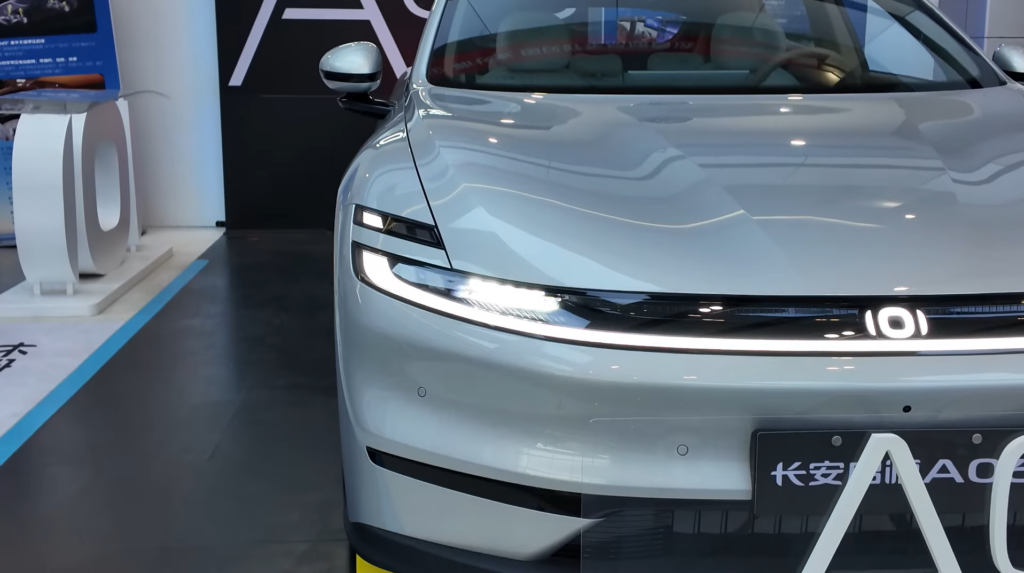
The EV industry has reached a quiet but important milestone. For the first time, a mass-produced passenger EV is set to use a sodium-ion battery, a technology long discussed but never deployed at this scale. The car in question is the Changan Nevo A06, developed by Changan Automobile and powered by batteries from CATL.

The announcement follows extensive winter testing in Inner Mongolia, where temperatures regularly drop well below what most EVs are designed to handle. According to the companies involved, the Nevo A06 was able to charge normally at around -30°C and continued operating at temperatures as low as -50°C. At -40°C, the battery reportedly retained more than 90% of its original capacity, a level of performance that is difficult to achieve with conventional lithium iron phosphate (LFP) batteries.

The vehicle uses CATL’s Naxtra sodium-ion battery pack, which the company says is the first of its kind certified for use in passenger cars. The initial version has a capacity of 45 kWh and delivers a claimed range of just over 400 km on China’s CLTC test cycle.

On paper, that puts it close to entry-level LFP-based EVs, but with far better cold-weather behavior. CATL says the pack can deliver several times more power than comparable LFP batteries at sub-zero temperatures, helping maintain acceleration and cabin heating without heavy range loss.

Sodium-ion batteries have drawn attention partly because they avoid lithium altogether. Sodium is cheaper, more abundant, and less vulnerable to supply-chain disruptions. Safety is another factor: CATL says the Naxtra cells are far more resistant to thermal runaway and have passed extreme abuse tests without catching fire.

CATL describes this as the beginning of a “dual-chemistry” phase for EVs, where sodium-ion and lithium-ion batteries coexist depending on climate, cost, and use case. The Nevo A06 is expected to launch in China around mid-2026, with sodium-ion packs eventually spreading across Changan’s wider lineup.

For now, this remains a China-focused rollout. Still, it’s a clear signal that sodium-ion batteries are no longer just a lab experiment. In cold regions especially, they may soon offer a practical alternative to lithium-based EVs, without the usual compromises.

Don’t miss a thing! Join our Telegram community for instant updates and grab our free daily newsletter for the best tech stories!

For more daily updates, please visit our News Section.

(Source)

boAt Launches HIVE Dashcam E1, M1, and F1 in India With 4K Recording and ADAS

boAt has launched three dashboard cameras in India under its HIVE series, targeting different driver needs. All models include loop recording, G-sensor crash detection, smartphone connectivity through the HiveCam app, and optional parking surveillance via hardwiring kits.

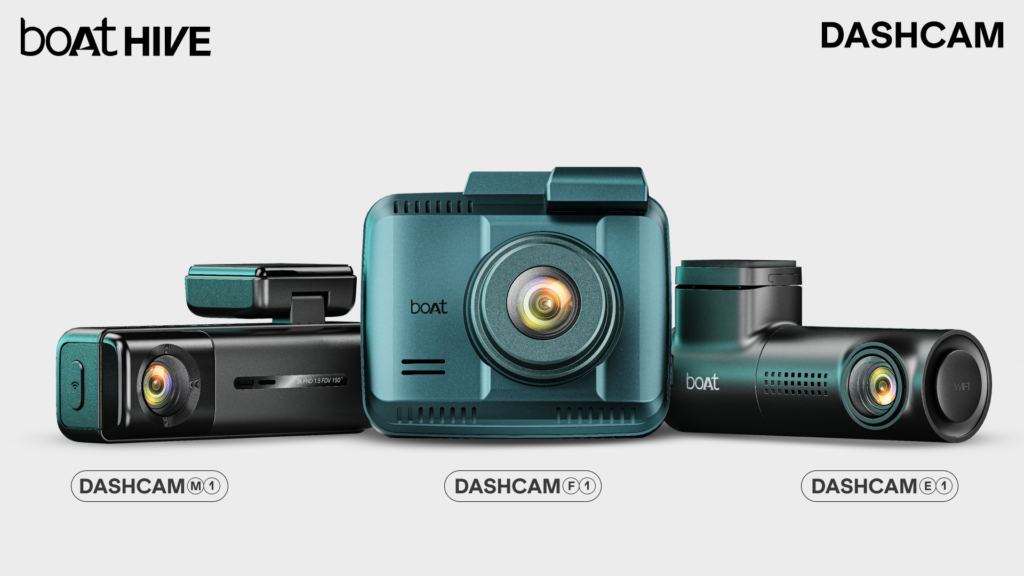
boAt HIVE Dashcam

The entry-level HIVE Dashcam E1 records at 1296p Full HD with a 126° viewing angle. It features low-light optimization, adjustable impact detection, built-in Wi-Fi, and supports up to 256GB microSD cards. The camera operates in temperatures from -20°C to 70°C and includes a microphone and speaker for audio capture.

The HIVE Dashcam M1 upgrades to 2K Quad HD resolution (2560×1440) using a 4MP sensor and widens the field of view to 140°. Built-in GPS logs speed, location, and route data directly into video files. A 0.96-inch screen displays connection and storage status, while voice commands enable hands-free operation. The 3-axis G-sensor automatically protects emergency clips, and a super capacitor improves heat resistance. Storage expands to 512GB.

The flagship HIVE Dashcam F1 adds a dual-camera system with AI-powered Advanced Driver Assistance System (ADAS) features. These include lane departure warnings, forward collision alerts, and front vehicle movement detection. The front camera records 4K video via a 5MP sensor, while the rear captures Full HD. A Sony STARVIS IMX335 sensor enhances low-light performance. The F1 includes a 2.4-inch display, Wi-Fi 6, GPS tracking, 150° field of view, and 512GB storage support. Voice control and 24-hour parking monitoring complete the feature set.

Pricing & availability

The HIVE Dashcam E1 is priced at Rs. 2,499, the M1 at Rs. 4,499, and the F1 at Rs. 9,990. All three models are available through Amazon.in and boAt’s official website.

Don’t miss a thing! Join our Telegram community for instant updates and grab our free daily newsletter for the best tech stories!

For more daily updates, please visit our News Section.