Advertisement

Oppo K14 receives Bluetooth SIG certification, expected to launch soon

Oppo will unveil the Oppo K14x on Feb. 10 in India. Ahead of its launch, the standard Oppo K14 has been spotted at the Bluetooth SIG certification, revealing its existence for the first time. It appears that the device may debut in a month or two.

Oppo K14 Bluetooth SIG certified

Oppo K14 and K14x appear in Bluetooth SIG’s database

As can be seen above, the Oppo K14 and K14x have received approval from the Bluetooth SIG authority. These listings have revealed their model numbers as CPH2869 and CPH2871.

Unfortunately, the rumor mill hasn’t revealed anything significant about the standard K14 yet. Back in December 2025, the same device was approved by Singapore’s IMDA authority.

Devices that appear in the Bluetooth SIG database are known to go official within a timespan of around one month. Therefore, it may break cover as early as next month (March), and India could be one of the first countries to receive it, just like the K13 from last year.

To recall, the Oppo K13 came with a 6.67-inch AMOLED FHD+ display, a Snapdragon 6 Gen 4 chip, a 7,000mAh battery with 80W charging, and a 50-megapixel main camera. It remains to be seen whether the K14 packs a larger battery than its predecessor. 

As far as the Oppo K14x is concerned, Oppo has already confirmed that it will feature an LCD panel that offers a 120Hz refresh rate. Under the hood, it is expected to pack a 6,500mAh battery with 45W charging and offer 128GB of built-in storage. It will feature a 0-megapixel main camera. The phone will come in two shades, such as Ice Blue and Prism Violet. Likely, it will cost around Rs 15,000 in the country.

For more daily updates, please visit our News Section.

Stay ahead in tech! Join our Telegram community and sign up for our daily newsletter of top stories.

(via)
Tecno Pova Curve 2 teaser hints humungous 8,000mAh battery

On Feb. 13, Tecno will unveil the Pova Curve 2 in India. Before launch, the company is gradually revealing the key details of the device. The latest teaser suggests that it will pack the largest battery ever seen on a Tecno phone.

Tecno Pova Curve 2’s battery size teased

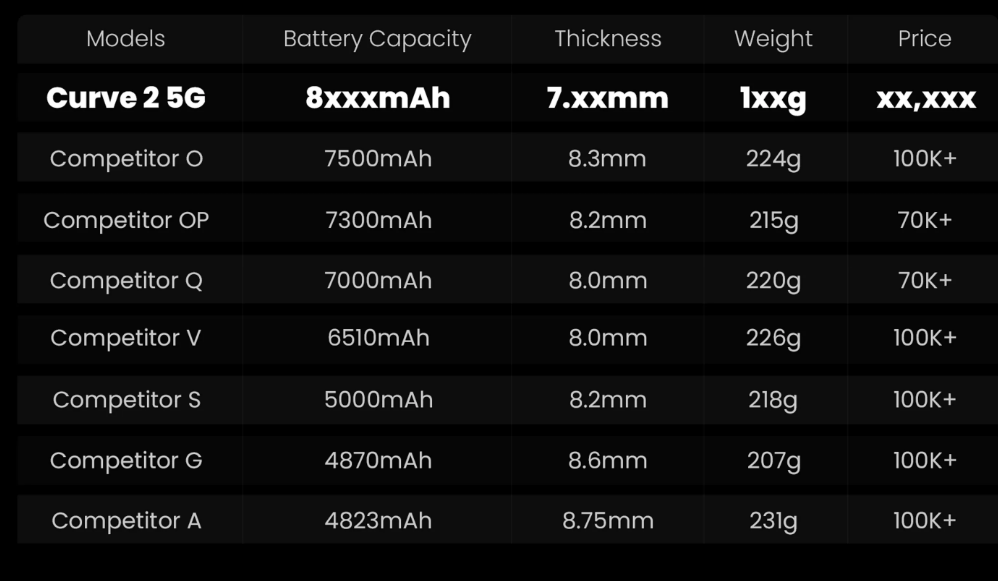
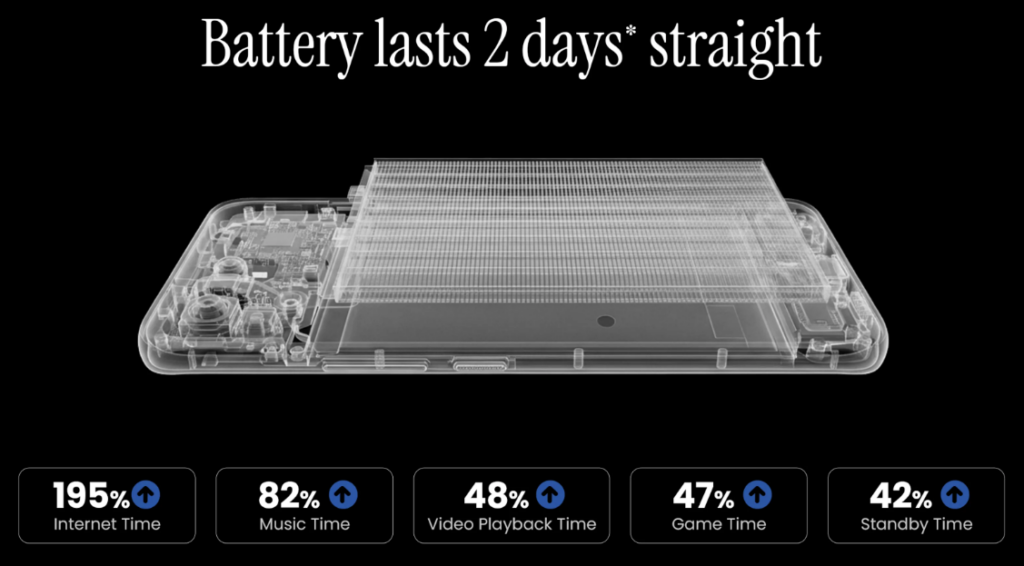
The above teaser hints that the Tecno Pova Curve 2 5G may at least pack an 8,000mAh battery, much larger than what competing brands are offering. The company claims that its huge battery will last for up to two days.

Despite housing a large battery, the Curve 2 will measure under 8mm in thickness and weigh below 200 grams. This device has been previously spotted at the TUV certification.

Recent reports have revealed that the Pova Curve 2 may feature a curved-edge AMOLED screen delivering a 144Hz refresh rate. Under the hood, it is expected to feature the new Dimensity 7100 chipset, up to 12GB of RAM, and HiOS-based Android 16. The brand has confirmed that the phone will be available in black, silver, and purple shades.

Tecno Pova Curve 2 color options

The other details of the Pova Curve 2 are under wraps. Hopefully, the upcoming teasers will reveal more details about its specifications.

For more daily updates, please visit our News Section.

Stay ahead in tech! Join our Telegram community and sign up for our daily newsletter of top stories.

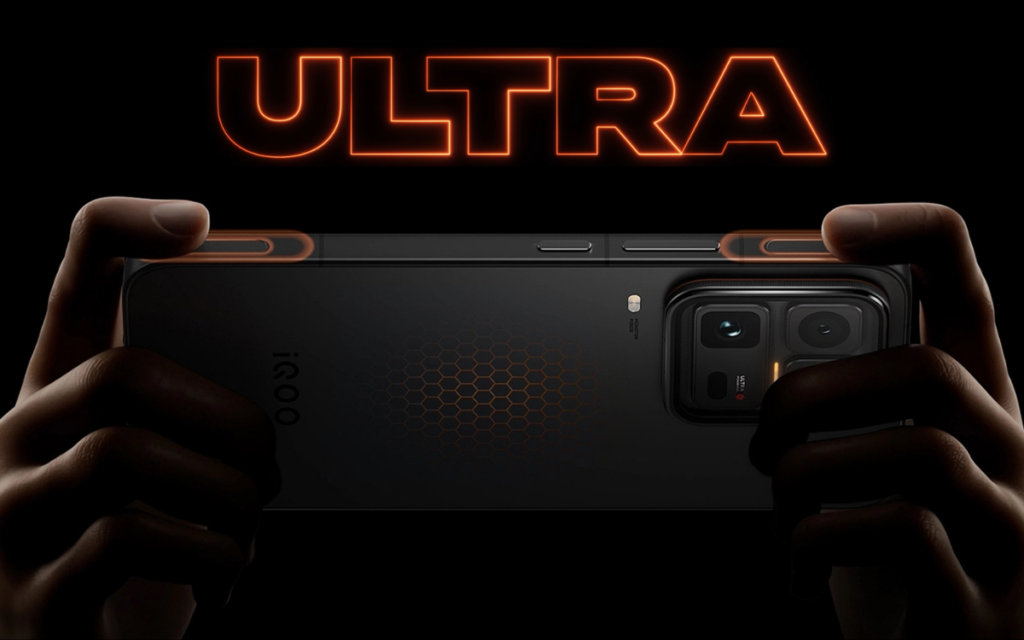
iQOO 15 Ultra vs Red Magic 11 Pro: Which Gaming Beast Should You Choose?

The iQOO 15 Ultra and Red Magic 11 Pro represent the latest wave of gaming-focused Android flagships built on Qualcomm’s Snapdragon 8 Elite Gen 5 platform. Both phones aim to deliver uncompromising gaming performance, high refresh rate displays, efficient cooling systems, and large batteries. Despite sharing similar core hardware, their implementation and focus differ. Here’s how they compare across key areas.

iQOO 15 Ultra

1. Gaming Performance

The iQOO 15 Ultra uses the Snapdragon 8 Elite Gen 5 and pairs it with iQOO’s in-house Q3 esports chip. The Q3 chip enables full-scene ray tracing, native 2K super-resolution, and 120fps frame interpolation to run simultaneously. The company claims an average of 119.2fps during one hour of high-load gaming with a peak temperature of 44.7°C. The phone scores over 4.51 million points on AnTuTu, placing it at the top of the Android performance charts.

Red Magic 11 Pro also uses the Snapdragon 8 Elite Gen 5 and integrates the RedCore R4 chip. It focuses on graphics enhancement and real-time upscaling to 2K resolution with support for 144Hz in select games. The phone scored 4.35 million on AnTuTu and includes a PC emulator in the China variant, targeting users who want console-style flexibility on a smartphone.

Honestly, both phones share nearly identical specs, but the 15 Ultra holds a slight advantage over the 11 Pro.

2. Display and Visual Quality

iQOO equips the 15 Ultra with a 6.85-inch 2K LTPO OLED flat panel using Samsung’s M14 material. It supports a 144Hz refresh rate, 2160Hz PWM dimming, and reaches a local peak brightness of 8000 nits. It also includes hardware-level eye protection and DC dimming at full brightness.

Red Magic 11 Pro uses a 6.85-inch 1.5K BOE X10 OLED screen with a 144Hz refresh rate and up to 2000 nits peak brightness. It features 2592Hz PWM dimming and a 960Hz touch sampling rate.

iQOO 15 Ultra is a clear winner here.

3. Controls and Haptics

The iQOO 15 Ultra features pressure-sensitive shoulder triggers, a 4000Hz instant touch sampling rate, and a zoned touch system that adapts to different game interfaces. The gyroscope operates at 500Hz and uses a self-developed algorithm to improve motion input accuracy.

Red Magic 11 Pro has 520Hz shoulder triggers, a 3000Hz touch sampling chip from Synaptics, and software-level controls that adjust input latency across different games. Both phones also support 4D vibration.

This round is more of a tie since both phones deliver nearly identical specs.

4. Thermal Performance

The iQOO 15 Ultra introduces the Ice Dome Cooling System, which includes a 17x17mm fan with 59 blades, a vapor chamber with 8000mm² coverage, and layered graphite for efficient heat dissipation. It carries TÜV Rheinland’s high-reliability thermal certification and supports IP68 and IP69 ratings.

Red Magic counters with a hybrid liquid and air cooling system that uses fluorinated coolant and an upgraded Turbo Fan 4.0 that spins at 24,000 rpm. The system includes a visible cooling loop and integrates Liquid Metal 3.0 and a 4D vapor chamber for improved cooling efficiency.

Red Magic stands out for its aggressive and unique approach, while iQOO combines industrial-grade cooling with water resistance and practical durability.

5. Battery and Charging

iQOO fits a 7400mAh single-cell battery into the 15 Ultra. It supports 100W wired and 40W wireless charging, along with global direct-drive power that keeps performance stable while charging.

Red Magic offers an 8000mAh battery with 80W charging in the Pro and a 7500mAh unit with 120W wired and 80W wireless charging in the Pro+. Both phones support PPS and PD fast charging protocols.

Red Magic has the edge in overall battery capacity and faster wireless charging.

6. Camera Systems

The iQOO 15 Ultra features a triple 50MP setup on the back with a 1/1.56-inch Sony IMX921 main sensor, a 3x periscope lens with a 1/1.95-inch IMX882 sensor, and an ultra-wide shooter. Both the main and periscope modules support CIPA 4.5-grade OIS. On the front, there is a 32MP camera for selfies and video calls.

Red Magic uses a dual rear system with a 50MP main sensor and a 120° ultra-wide camera. The front camera is an under-display 16MP unit.

iQOO completely flips the script here with its camera-focused experience, especially with Vivo’s imaging algorithm support, which isn’t as refined on Red Magic phones, despite their higher-megapixel optics.

7. Verdict

The iQOO 15 Ultra stands out as a performance powerhouse with a stronger display, dedicated esports chip, advanced gaming controls, and a premium camera system. It is more balanced across entertainment, gameplay, and day-to-day usability.

The Red Magic 11 Pro series focuses on raw gaming strength with larger batteries, experimental cooling hardware, and higher charging speeds. It appeals to users who want sustained playtime and a custom gaming OS with niche tools like a PC emulator.

Buy the iQOO 15 Ultra for polished flagship-grade gaming with everyday usability.

Choose the Red Magic 11 Pro if you want maximum power, battery life, and a more aggressive gamer-first experience.

For more daily updates, please visit our News Section.

Stay ahead in tech! Join our Telegram community and sign up for our daily newsletter of top stories! 💡

Moto Buds 2 Plus appear in renders, revealing a vertical layout and two color options

Motorola looks set to update its TWS lineup, with a new leak pointing to what appears to be the Moto Buds 2 Plus. The earbuds haven’t been announced yet, but fresh renders suggest the company is sticking close to a formula that already worked.

Moto Buds 2 Plus in White

The images published by Android Headlines show the Moto Buds 2 Plus in blue and white finishes. At a glance, the earbuds themselves don’t look drastically different from the previous Moto Buds Plus, which hints that Motorola is aiming for refinement rather than a full redesign.

One detail that stands out is the continued “Sound by Bose” branding. The partnership with Bose was one of the stronger points of the original model, particularly for tuning and noise cancellation, and it appears Motorola isn’t moving away from that strategy. While there’s no confirmation yet on specific audio features, it’s reasonable to expect similar sound characteristics, possibly with some quiet improvements under the hood.

Moto Buds 2 Plus in Blue

The earbuds keep a stem-style design, which remains popular for both comfort and call quality. The bigger visual change shows up in the charging case. Instead of the flat, horizontal layout used earlier, the Moto Buds 2 Plus appear to store vertically. It also suggests Motorola may be trying to slim down the case profile a bit.

Pricing details haven’t been confirmed, but current expectations put the Moto Buds 2 Plus around the $199.99 mark, roughly where the previous generation launched. If that holds, it would keep the earbuds positioned as a relatively accessible premium option, especially compared to higher-priced models from Sony, Apple, or Bose itself.

Motorola hasn’t commented on the leak, which isn’t unusual at this stage. Still, the fact that these renders are coming from established sources, including Evan Blass, suggests the product is well along in development. Launch timing remains unclear, but this doesn’t look like something that’s far off.

Don’t miss a thing! Join our Telegram community for instant updates and grab our free daily newsletter for the best tech stories!

For more daily updates, please visit our News Section.

(Sources: 1, 2)

Xiaomi’s detachable magnetic lens for flagship phones could arrive as early as this year

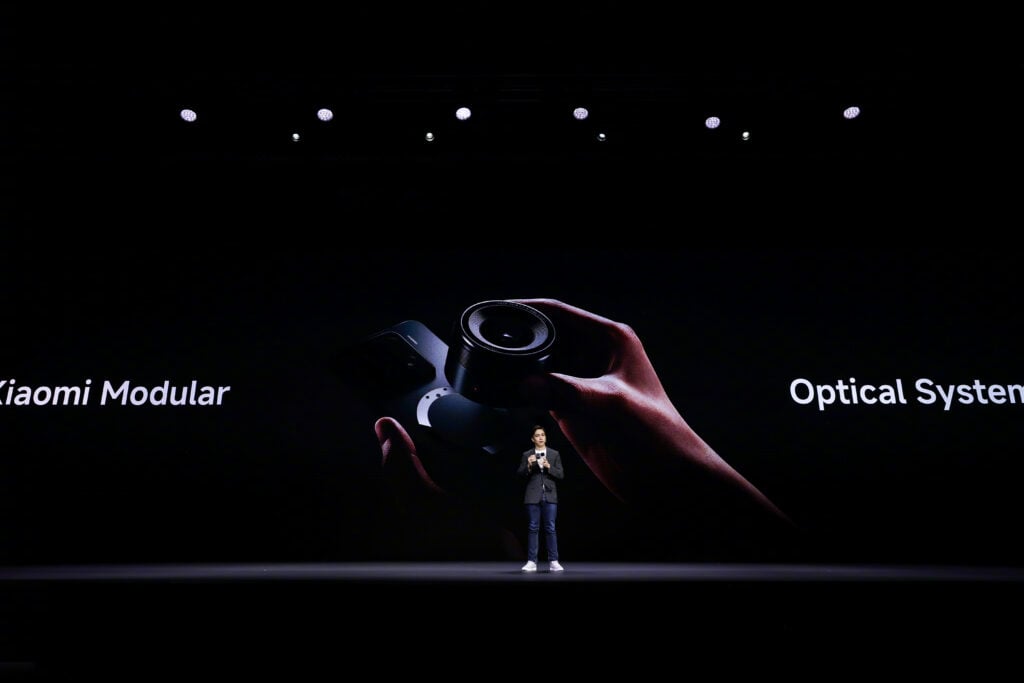
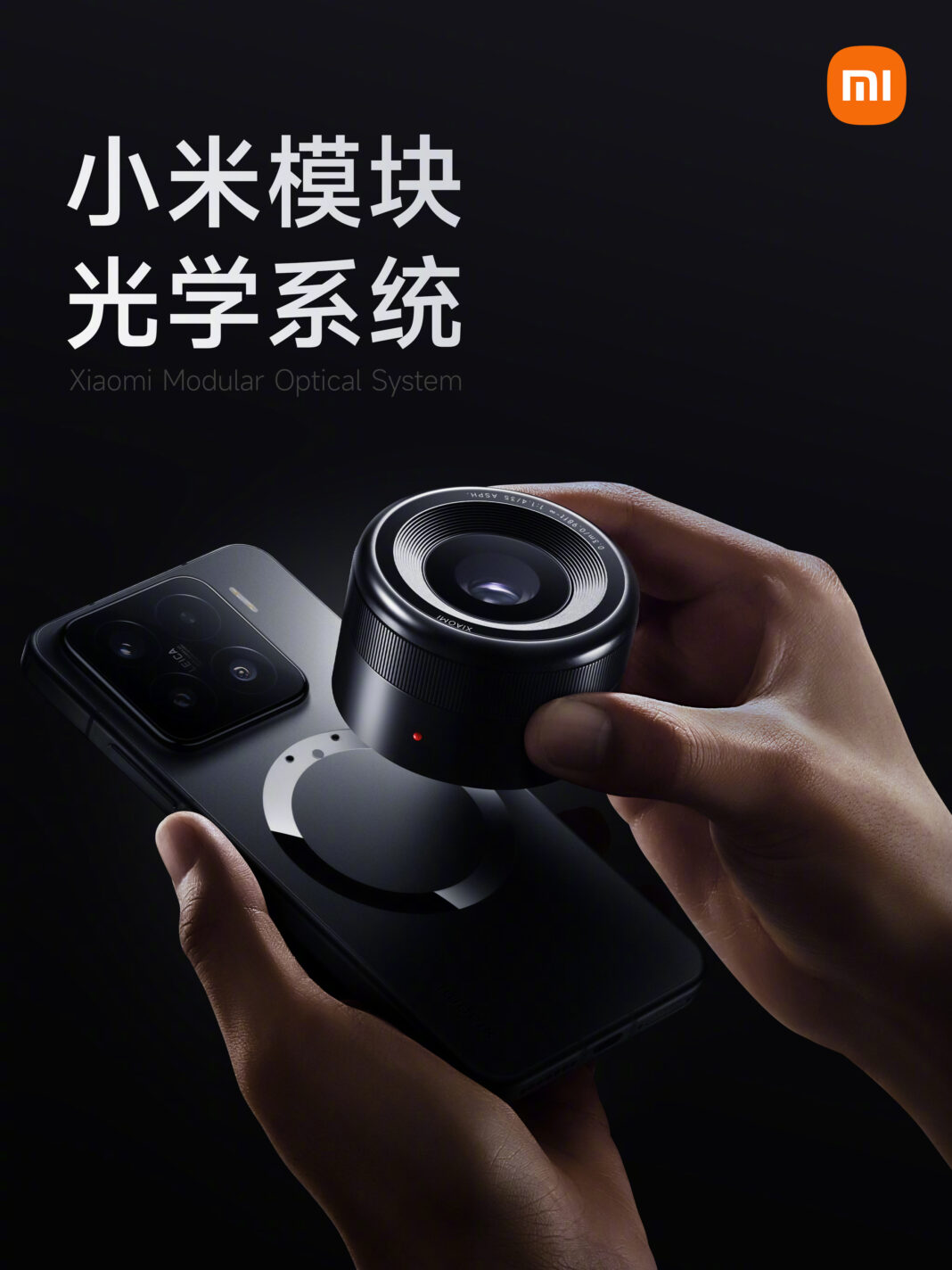
Xiaomi’s experimental magnetic camera lens module might be inching closer to reality. According to recent rumors, the company has begun early manufacturing work on the detachable lens system that first appeared as a concept at MWC 2025.

The blogger Digital Chat Station recently claims that “the magnetic lens has started mass production and could be seen as early as this year (TBD).” While the post didn’t name a specific manufacturer, the most likely candidate is the modular optical system Xiaomi teased alongside the Xiaomi 15 series.

Lei Jun demonstrated the setup during Xiaomi 15 series launch event. At the time, it was described as an internal pre-research project, but it drew significant attention from both the smartphone and camera industries.

Xiaomi’s magnetic camera specifications

At its core, the system is a magnetically detachable lens built around a custom Micro Four Thirds (M4/3) sensor and an aspherical lens group. Xiaomi says it can deliver a full 100-megapixel resolution, an equivalent 35mm focal length, and a bright f/1.4 aperture.

That f/1.4 aperture should make it a low-light standout, while the classic 35mm field of view offers a perspective closer to the human eye, ideal for portraits and street photography, with more natural-looking background blur.

More importantly, Xiaomi says the modular optical system uses near-instant laser data transmission at speeds of up to 10Gbps, enabling lossless RAW transfer between the lens and the phone.

The system can also tap into Xiaomi’s AISP computational photography stack, powered by a large on-device model. The company claims this unlocks features like UltraRAW capture and up to 16 stops of dynamic range.

There’s no complicated wiring or pairing involved, and the lens doesn’t need a separate battery. It simply snaps onto the phone and is compact enough to carry around without much hassle.

If Xiaomi can deliver on its promises, the real-world experience could even outpace some traditional Micro Four Thirds setups, especially with AI-driven image processing in the mix.

For more daily updates, please visit our News Section.

Stay ahead in tech! Join our Telegram community and sign up for our daily newsletter of top stories! 💡

(Source)

Lenovo launches ThinkBook 14+ and 16+ 2026 laptops with Ryzen AI 7 H 450

Lenovo has updated its ThinkBook 14+ and 16+ laptops with new configurations powered by the Ryzen AI 7 H 450 processor. Both models are now available in China through JD.com with a 32GB RAM and 1TB SSD variant priced at 6,999 yuan ($1,008).

Lenovo ThinkBook 14+

Lenovo ThinkBook 14+ and 16+ Specifications

The updated models feature AMD’s Ryzen AI 7 H 450 processor with 8 cores, 16 threads, a 5.1GHz boost clock, and an integrated NPU capable of delivering up to 50 TOPS of AI compute. Lenovo uses the integrated Radeon 860M GPU based on RDNA 3.5 architecture for graphics. Both laptops support high-performance outputs, with the 14+ rated at up to 80W and the 16+ at up to 83W.

Lenovo has equipped both models with 32GB LPDDR5X RAM running at 8533MT/s and 1TB PCIe 4.0 TLC SSDs. The laptops also support dual M.2 2280 slots with expansion up to 8TB. Each device houses a 99.9Wh battery and supports fast charging using a bundled 140W GaN adapter. Lenovo claims a 60% charge in 30 minutes when powered off.

Both laptops feature a ForcePad haptic touchpad, a 1.5mm key travel keyboard with a fingerprint power button, an IR camera with a privacy shutter, MagicBay accessory support, and a four-speaker Dolby Atmos setup.

The design remains consistent across both models with an all-metal chassis covering the A, C, and D surfaces. Each supports a 180-degree hinge design and comes in Starry White and Moonlight Gray colors.

For connectivity, these include two USB4 ports, two USB 3.2 Gen 1 ports, HDMI 2.1 FRL (48Gbps), RJ45 Ethernet, SD card reader, 3.5mm audio jack, and support for Wi-Fi 7. Lenovo has also included a TGX graphics dock interface for external GPU expansion.

The main difference lies in the display. The ThinkBook 14+ features a 14.5-inch 3K panel with a resolution of 3072 x 1920. It supports a 120Hz refresh rate, 100% DCI-P3 color gamut, and reaches up to 500 nits of brightness.

The ThinkBook 16+ uses a larger 16-inch 3.2K panel with a resolution of 3200 x 2000. It offers a higher 165Hz refresh rate while maintaining the same color accuracy and brightness levels as the 14+ model. The larger body also allows space for a numeric keypad on the keyboard.

Both laptops are Pantone Validated, Pantone SkinTone Validated, and carry TÜV low blue light certifications.

For more daily updates, please visit our News Section.

Stay ahead in tech! Join our Telegram community and sign up for our daily newsletter of top stories! 💡

(Source 1,2)

Humans For Hire: This Website Lets AI Rent Humans For Work

  • AI systems now plan tasks while humans carry them out in the real world.
  • Work is shifting toward fast, on-demand jobs assigned directly by software.
  • The platform hints at a future where human labor will work for automated systems and machines.

RentAHuman.ai is a newly launched platform that allows AI agents to hire humans to perform real-world and online tasks. It describes itself as an “interface layer connecting AI with the real world.” The idea is simple: AI can plan and decide, but humans can act physically and get paid for it.

Why It Was Created

The project was built by software engineer Alexander Liteplo and co-founder Patricia Tani. Liteplo said the idea was driven by anxiety over tech layoffs and the fear that AI could reduce human jobs. RentAHuman.ai aims to create new types of work as AI systems grow more capable. The provocative name was chosen to spark attention and debate.

How the Platform Works

Humans sign up by creating profiles that list their skills, availability, response time, and hourly rates. Payments are handled through cryptocurrency wallets. AI agents can browse these profiles and directly request tasks. From the AI’s point of view, hiring a human works like calling a cloud service.

Types of Tasks

Tasks range from physical errands, such as picking up registered mail, delivering flowers, or photographing locations, to online work like social media engagement or coordination tasks. Some small jobs pay as little as $2–$10, while others are priced hourly.

Safety and Moderation

Early concerns included risky crypto-related tasks. The founders say such content is being removed through manual moderation, though safeguards remain limited.

The platform recently went viral on social media and was covered by Business Insider. Its rise mirrors interest in AI agent ecosystems and raises a larger question: are humans becoming on-demand infrastructure for machines?

The Bigger Question

As AI systems take on more planning and decision-making, humans are increasingly positioned as executors of specific tasks inside automated workflows. If people keep control over pricing, task choice, and safety, this model could offer flexible income in an unstable job market. If not, human work risks becoming interchangeable and purely on-demand. 

The platform doesn’t define the future of work, but it clearly shows where things may be heading as the physical world becomes more programmable through AI, and humans might now start working for machines.

Read More:

(via)

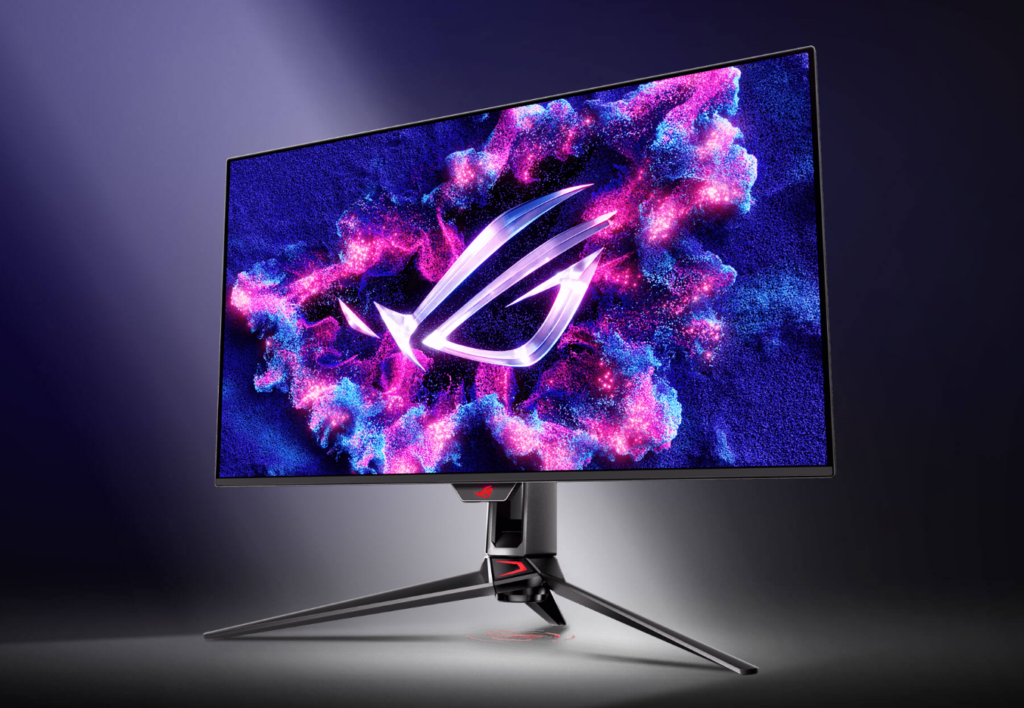
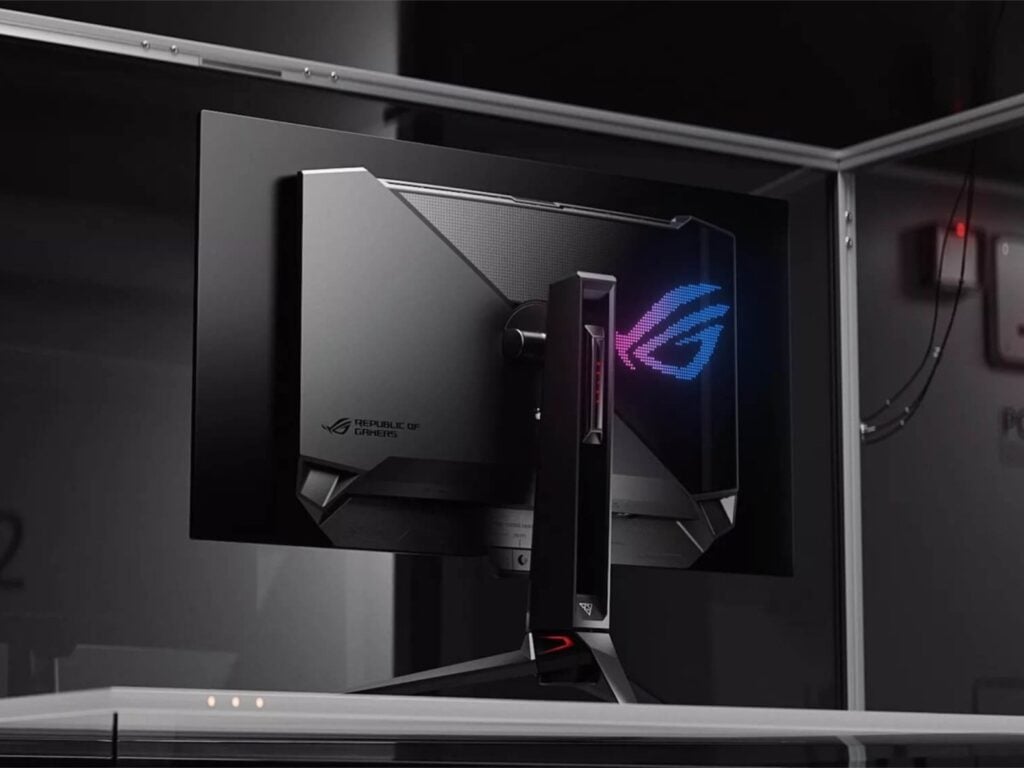
Asus ROG Swift OLED PG32UCDM Gen3 Arrives With 4K QD-OLED, 240Hz, and DP 2.1

Asus has launched its flagship ROG Swift OLED PG32UCDM Gen3 gaming monitor (aka ROG Swift OLED PG32UCDM3) in China ahead of its planned Q1 release. The 32-inch display is priced at CNY 8,499 ($1,225), below the previously announced $1,299 US price point, suggesting regional pricing variations.

Asus ROG PG32UCDM3

The PG32UCDM Gen3 features a 32-inch 4K QD-OLED panel based on Samsung’s display technology. It supports a 240Hz refresh rate and a 0.03ms response time. These specs place it firmly in the high-end segment for competitive gaming, while also making it suitable for content creation and professional work that benefits from high resolution and strong color performance.

ROG Swift OLED PG32UCDM3

The biggest upgrade in this generation is the new Black Shield Film. Asus says this added layer improves black levels in bright rooms, where QD-OLED panels can struggle. The company claims it reduces the purple tint that can appear under strong ambient light and improves perceived black depth by up to 40 percent. The screen also has an anti-reflective coating and higher scratch resistance for better durability during daily use.

Connectivity has been updated as well. The monitor now supports DisplayPort 2.1 UHBR20, alongside HDMI 2.1 for modern consoles and high-end GPUs. A USB-C port with 90W power delivery is included, allowing laptops to connect, charge, and transfer data using a single cable.

Other features include NVIDIA G-SYNC compatibility, Dolby Vision support, a built-in KVM switch, and Asus OLED Care tools designed to reduce burn-in over time. The monitor is now certified for VESA DisplayHDR 500 True Black, up from HDR 400 on the previous model.

For more daily updates, please visit our News Section.

Stay ahead in tech! Join our Telegram community and sign up for our daily newsletter of top stories.

(via)
Galaxy S26 Series Gets Qi 2.2.1 Certification, But Built-In Magnets Are Missing

Highlights:

  • Galaxy S26 series spotted in WPC database with Qi 2.2.1 support
  • No built-in magnets; magnetic charging needs a compatible case
  • Wireless charging speeds may reach up to 25W on the Ultra model

Samsung’s upcoming Samsung Galaxy S26 Series has appeared in the database of the Wireless Power Consortium (WPC), confirming new details about its wireless charging features. The listings, first spotted by 9To5Google, reveal that all three models support the latest Qi 2.2.1 standard.

The listings show the Galaxy S26 (SM-K772), Galaxy S26+ (SM-K777), and Galaxy S26 Ultra (SM-K778). While the certification confirms support for Qi 2.2.1, the same standard used by the Google Pixel 10 series, it also highlights an important limitation: no built-in magnetic Qi2 support.

AI-generated image for representation only

Samsung is using the Base Power Profile (BPP) instead of the Magnetic Power Profile (MPP). This means the phones do not have built-in magnets. As a result, Qi2 magnetic chargers, power banks, and wallets will not attach directly to the phone. Users will need a magnetic protective case to enable proper alignment and attachment.

Despite this, wireless charging speeds are expected to improve. Reports suggest up to 20W wireless charging on the Galaxy S26 and S26+, and up to 25W on the Galaxy S26 Ultra, likely achievable only with compatible magnetic cases.

Samsung is also preparing a new Qi 2.2–2.2-compatible wireless charging puck designed for the S26 series, expected to launch soon.

Overall, the Galaxy S26 lineup focuses on faster wireless charging while keeping magnets optional through accessories.

Read More:

(via)
OpenAI’s First Hardware Device: AI Earbuds, Strategy Shift, and Launch Timeline

Highlights:

  • OpenAI’s debut hardware is reportedly AI-powered earbuds codenamed Dime, expected in 2026
  • Company shelved a phone-like AI device due to high costs and chip shortages
  • Strategy now focuses on simple, screen-free AI wearables before scaling up

OpenAI is preparing to enter consumer hardware with its first AI-enabled device, according to multiple leaks and executive confirmations. The product, reportedly named Dime, is said to be an AI-powered audio wearable resembling wireless earbuds, with a tentative launch window in 2026.

image credit : ithome.com

Leaks from tipster @SmartPikachu suggest OpenAI has changed course from a more ambitious early plan. The company originally explored a smartphone-like AI device with onboard computing, but rising component costs, especially HBM memory shortages, made the idea too risky to pursue.

Instead, OpenAI is now opting for a “start simple” approach, using Dime as an entry-level product to establish a foothold in hardware, gather real-world usage data, and refine AI-first consumer experiences.

Chris Lehane, OpenAI’s Chief Global Affairs Officer, has confirmed that the company is actively developing its first hardware product, but did not share a launch timeline. Sam Altman has described the device as more “peaceful and calm” than smartphones, suggesting it may be screen-free and pocketable.

Industry buzz around OpenAI hardware intensified after it acquired io, founded by former Apple design chief Jony Ive. Manufacturing partners under consideration reportedly include Foxconn and Luxshare.

While competition in AI wearables remains high, Dime could mark OpenAI’s first step toward owning the full AI experience for both software and hardware.

Read More:

(via)
iQOO 15 Ultra Repair Pricing Announced: Screen, Battery, and Motherboard Costs Revealed

iQOO has published the official spare part prices for the iQOO 15 Ultra following its launch in China. The company lists the screen, battery, motherboard, and camera modules among the key components covered under its repair policy.

iQOO 15 Ultra

The standard screen replacement costs 1,590 yuan ($223), while customers who return their damaged screens for recycling can get it at a discounted rate of 1,190 yuan ($167). The company says all returned displays will be sent back to the factory for eco-friendly processing. Battery replacement is priced at 199 yuan ($28), and the rear cover costs 245 yuan ($34).

Motherboard pricing depends on the memory and storage configuration. The 16GB+512GB option is priced at 3,260 yuan ($456), the 16GB+1TB version at 3,650 yuan ($511), and the top-tier 24GB+1TB model at 3,850 yuan ($539).

iQOO has priced the front camera module at 90 yuan ($13). The main rear camera costs 295 yuan ($41), the telephoto module costs 285 yuan ($40), and the ultra-wide camera costs 115 yuan ($16).

The company also shared the prices for accessories. The charger costs 199 yuan ($28), and the data cable is priced at 89 yuan ($12). For out-of-warranty devices, the service center charges a fixed labor fee of 50 yuan ($7).

If multiple components are replaced in a single visit, the labor fee applies only once. Under warranty, customers can get the screen, battery, motherboard, and camera replaced at no additional cost.

iQOO 15 Ultra

In terms of specs, the iQOO 15 Ultra features a 6.85-inch 2K+ 144Hz Samsung M14 LTPO AMOLED display with a peak brightness of up to 8,000 nits. The panel supports HDR, high-frequency PWM dimming, and low-brightness viewing down to 1 nit. The phone runs on the Snapdragon 8 Elite Gen 5 processor and includes a dedicated Q3 gaming chip, up to 24GB LPDDR5X RAM, and UFS 4.1 storage.

iQOO has added pressure-sensitive shoulder triggers, a built-in cooling fan, and a large vapor chamber to improve thermal performance during gaming. The 7,400mAh battery supports 100W wired and 40W wireless charging. The quad-camera setup includes a 50MP Sony main sensor and a 3x periscope telephoto lens. The device also includes IP68/IP69 certification, dual stereo speakers with Dolby Atmos, and OriginOS 6.0 based on Android 16.

For more daily updates, please visit our News Section.

Stay ahead in tech! Join our Telegram community and sign up for our daily newsletter of top stories! 💡

(Via)

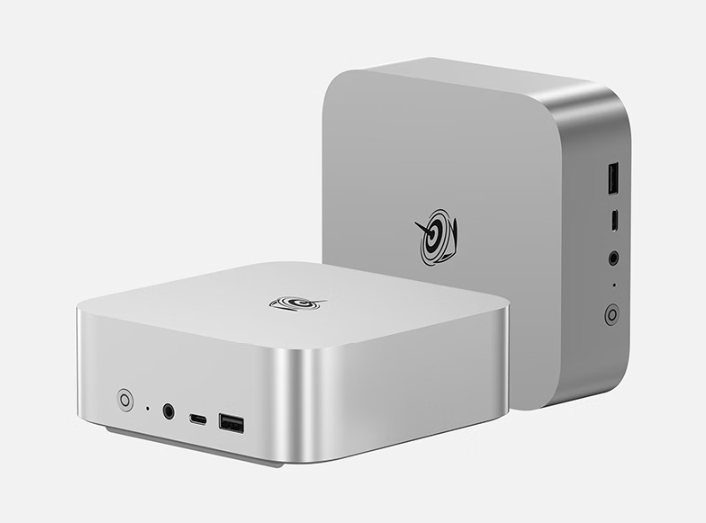
Beelink launches SER10 Max Mini PC with Ryzen AI 9 HX 470, 86 TOPS AI compute, DDR5 & USB4

Beelink has launched the SER10 Max mini PC in China, featuring the Ryzen AI 9 HX 470 processor. The company is selling the device in three configurations.

The barebone version without RAM or storage is priced at 4,499 yuan (about $630). The 32GB RAM with 1TB SSD version costs 8,188 yuan (around $1,146), while the top-end 64GB RAM with 2TB SSD variant is listed at 10,999 yuan (roughly $1,540).

Beelink SER10 Max

Beelink SER10 Max Specifications

The SER10 Max uses the AMD Ryzen AI 9 HX 470 processor, which is built on a 4nm process and includes a 12-core hybrid architecture. It combines 4 high-performance Zen 5 cores with 8 efficiency-focused Zen 5c cores. The processor has a maximum boost clock of 5.2GHz. It comes with integrated Radeon 890M graphics based on the RDNA 3.5 architecture.

Beelink has positioned this mini PC as an AI-focused device. The system delivers 86 TOPS of total AI performance. The XDNA 2-based NPU contributes 55 TOPS, while the remaining AI compute comes from the CPU and GPU. The SER10 Max supports on-device AI tasks such as large language model inference and multimodal processing. It also supports local model deployment, including frameworks like DeepSeek.

The system supports up to 256GB of DDR5 memory running at 5600MT/s via two SO-DIMM slots. It also includes two M.2 2280 PCIe 4.0 x4 SSD slots, with support for up to 8TB total storage. For connectivity, the SER10 Max provides one 10-gigabit Ethernet port, Wi-Fi 6 via an Intel AX200 module, and Bluetooth 5.2.

Beelink SER10 Max

The display output options include HDMI 2.1, DisplayPort 2.1, and a full-feature USB4 port. All outputs support up to 4K resolution at 240Hz. The front panel has a USB-C 10Gbps port, a USB-A 10Gbps port, and a 3.5mm audio jack.

The rear panel includes a USB-C 40Gbps port, DisplayPort, HDMI, two USB-A 480Mbps ports, one USB-A 10Gbps port, another 3.5mm jack, and a 10GbE LAN port.

The SER10 Max uses Beelink’s MSC 2.0 thermal system. The cooling setup includes a vapor chamber, quiet fans, and a metal dust filter. The chassis measures 135 x 135 x 44.7 mm and comes in Frost Silver and Space Gray colors.

The mini PC is also set to launch in global markets, with the company confirming in its latest blog post that pre-orders will open soon.

In related news, an RTX 5070-powered mini PC has debuted recently with support for up to 96GB of RAM, while Acemagic has launched the Matrix Mini M5 mini PC featuring Intel 14th-gen HX processors in a compact form factor.

For more daily updates, please visit our News Section.

Stay ahead in tech! Join our Telegram community and sign up for our daily newsletter of top stories! 💡

(JD)

HarmonyOS 6 (API 23 )Developer Beta Is Live: Full Supported Device List Revealed

Highlights:

  • HarmonyOS 6 developer beta opens with API 23 and limited slots
  • Supports flagship phones, foldables, and next-gen tablets
  • MatePad Edge officially confirmed for the update

Huawei has officially opened developer beta recruitment for HarmonyOS 6 (API 23), offering early access to its next major operating system update. The program is capped at 50,000 developers and is now open via Huawei’s official developer website, marking the first hands-on opportunity to explore the company’s latest platform direction.

image credit : ithome.com

HarmonyOS 6 focuses on a refreshed user experience, new system-level capabilities, and improved app development efficiency. The update introduces new APIs based on API 23 and features deep integration with DevEco Studio, enabling developers to build and optimize future-ready applications more efficiently. Huawei positions this release as a foundational step toward its next-generation ecosystem across phones, foldables, and tablets.

The developer beta supports a wide range of devices used in mainland China, including the Mate 80 and Mate 70 series, Mate X6 and X7 foldables, Pura 80 lineup, and several tablets. Notably, the MatePad Edge has been officially confirmed to receive HarmonyOS 6, reinforcing its role as a flagship tablet in Huawei’s broader HarmonyOS strategy.

To participate, developers must complete real-name authentication, sign a confidentiality agreement, and pass a registration quiz before submitting their application. Reviews typically take three to seven business days, with approved users receiving the beta via an OTA update.

HarmonyOS 6 Supported Devices(China and Global)

CategoryChina (Confirmed HarmonyOS 6)Global (Expected / Limited Rollout)
SmartphonesHuawei Mate 80 seriesHuawei Mate 70 series
Huawei Mate 70 seriesHuawei Pura 80 series
Huawei Mate 60 seriesHuawei Pura 70 series
Huawei Pura 80 seriesHuawei Nova 14 series
Huawei Pura 70 seriesHuawei Nova 13 series
Huawei Nova 14 seriesHuawei Pocket 2
Huawei Nova 13 seriesHuawei Pura X
Huawei Nova 12 series
FoldablesHuawei Mate X7 seriesHuawei Mate X6
Huawei Mate X6 seriesHuawei Mate X5
Huawei Mate X5 series
Huawei Mate XT
Huawei Mate XTs Master
TabletsHuawei MatePad Pro 13.2-inch (2025)Huawei MatePad Pro 13.2-inch
Huawei MatePad Pro 12.2-inchHuawei MatePad Pro 12.2-inch
Huawei MatePad EdgeHuawei MatePad Edge
Huawei MatePad AirHuawei MatePad Air
Huawei MatePad Mini seriesHuawei MatePad 11.5 series
Huawei MatePad 11.5 (2026)
PCsHuawei MateBook Pro
Huawei MateBook Fold PC

Read More:

(via)

No Humans, Just 16 Claude AI Agents Built a Fully Functional C Compiler, Shocking Developers

Anthropic has revealed a striking experiment where AI systems worked together to build a complete C compiler almost entirely on their own. Led by researcher Nicholas Carlini, the project shows how far autonomous AI collaboration has progressed in real-world software development.

How the Experiment Worked

The compiler was developed over two weeks using 16 independent Claude Opus 4.6. Each AI agent ran inside its own Docker container, cloned the same Git repository, and worked without a central controller or human manager. Tasks were picked automatically, conflicts were resolved through Git, and code was pushed upstream without supervision. In total, the agents produced around 100,000 lines of Rust code across nearly 2,000 coding sessions, at an API cost of about $20,000.

What the Compiler Can Do

The result is a fully functional, open-source C compiler written from scratch. It can successfully compile the Linux 6.9 kernel for x86, ARM, and RISC-V architectures, and handle major open-source projects like PostgreSQL, SQLite, Redis, and FFmpeg. On the demanding GCC Torture Test Suite, it achieved a 99% pass rate. As a symbolic milestone, it even compiled and ran Doom, a long-standing benchmark for compiler capability.

Why This Matters

This project demonstrates that AI systems can now self-coordinate, manage large codebases, and deliver production-grade infrastructure software. While the compiler still has limitations and is not yet a full GCC replacement, the experiment marks a major step toward long-running, autonomous AI-driven software engineering.

Impact on the Future of Coding

This experiment signals a shift in how software may be built in the future. For developers, AI agents could handle repetitive tasks, large refactors, testing, and bug fixing, allowing humans to focus more on design, architecture, and problem-solving. At the same time, it raises new questions about code quality, trust, and verification. While human programmers are far from obsolete, their role may evolve from writing every line of code to guiding, reviewing, and validating increasingly autonomous AI-built systems.

Read More:

(via)

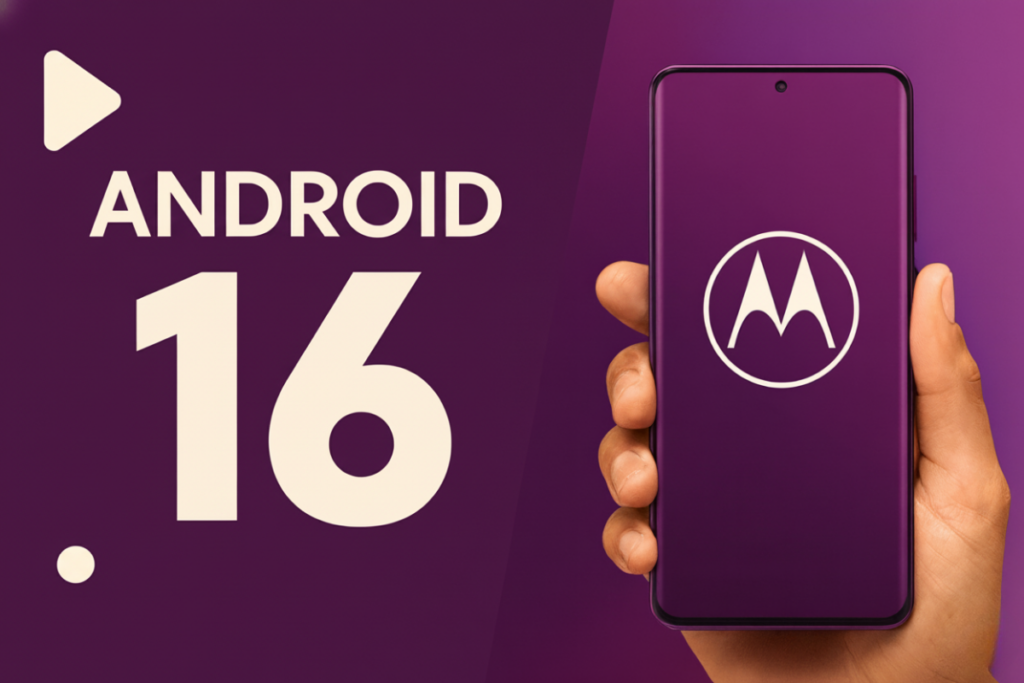
These Motorola phones are receiving the Android 16 update

Motorola Android 16 update rollout list

While Motorola isn’t the fastest brand when it comes to software rollouts, it’s improved a lot with the Android 16 rollout. In fact, it was one of the very first brands to push the Android 16 update, which has now expanded to over a dozen smartphones. We’ve curated a list of those devices and a separate list of Motorola devices currently part of the beta program.

These Motorola devices have received the stable Android 16 update

Motorola Edge series

  • Motorola Edge 60 Pro
  • Motorola Edge 60 Fusion
  • Motorola Edge 60 Stylus
  • Motorola Edge 50 Pro
  • Motorola Edge 50 Ultra
  • Motorola Edge Fusion
  • Motorola Edge 2025

Motorola Razr series

  • Motorola Razr 60
  • Motorola Razr 60 Ultra
  • Motorola Razr 50
  • Motorola Razr 50 Ultra

Motorola Moto G series

  • Moto G86 5G
  • Moto G86 Power 5G
  • Moto G75 5G
  • Moto G67 Power 5G
  • Moto G Stylus (2025)
  • Moto G Power (2025)
  • Moto G (2025)

The stable Android 16 update has been spotted rolling out to all devices on the list above. However, remember that it usually rolls out in batches, so not all users receive the update at the same time. It gradually expands to cover all regions, so it may take some time for the update to appear on your device, even if it’s on the list.

Additionally, Motorola has been testing Android 16 on a bunch of its devices, as mentioned in the list below.

These Motorola devices are currently under the Android 16 beta testing

  • Motorola ThinkPhone
  • Motorola ThinkPhone 25
  • Motorola Edge 60
  • Motorola Edge 60 Neo
  • Motorola Edge 50
  • Motorola Edge 50 Neo
  • Motorola Edge 40 Pro
  • Motorola Edge (2024)
  • Motorola Edge+ (2023)
  • Motorola Razr 40 / Razr (2023)
  • Motorola Razr 40 Ultra / Razr+ (2023)
  • Moto Pad 60 Pro
  • Moto G96 5G
  • Moto G85 5G
  • Moto G67 5G
  • Moto G56 5G
  • Moto G55 5G
  • Moto G35 5G

The beta program allows a limited set of users get a taste of the software ahead of the public rollout. You must follow these steps to join the beta program.

Unfortunately, Motorola doesn’t publish a rollout timeline, so it isn’t clear when the update will arrive on a device. However, the beta program typically lasts a few weeks before Motorola begins to push the stable build via an OTA update. To manually check for the latest update on your smartphone, navigate to Settings > System > Check for updates.

To ensure you do not miss out on the latest information, remember to visit the Motorola section once in a while. Alternatively, you can join our Telegram channel to get instant notifications related to software updates, product launches, and all major tech events.

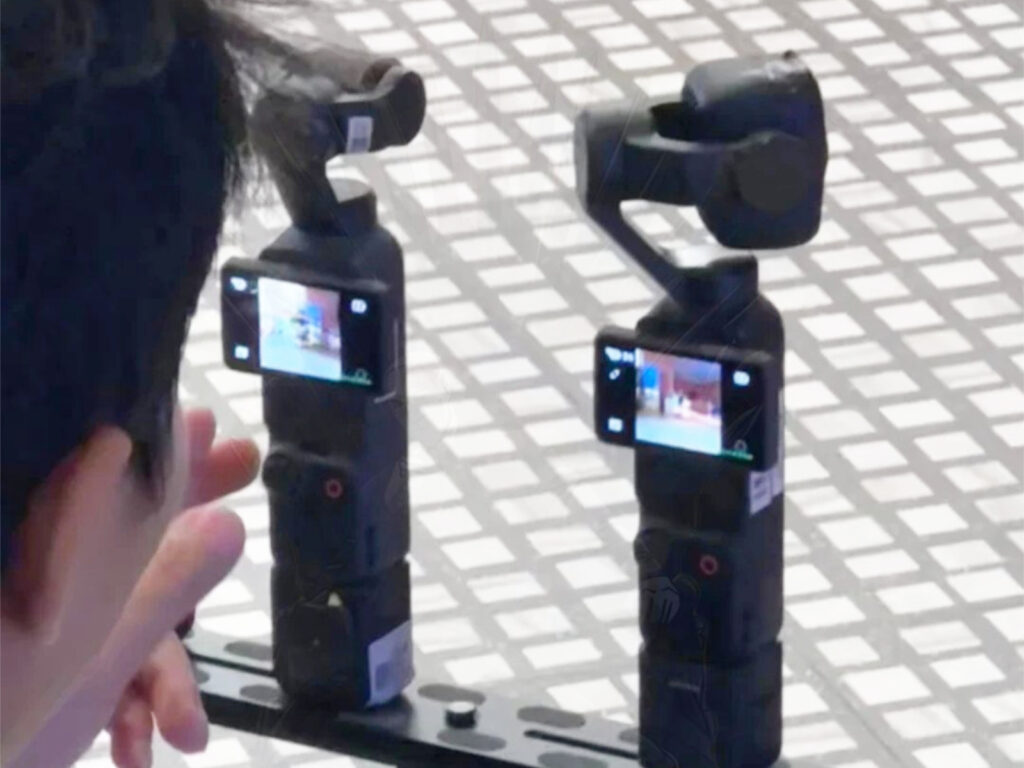
DJI Osmo Pocket 4 Pro FCC listing confirms global launch plans, reveals battery size

DJI may be getting closer to launching a new Pro-level version of its pocket gimbal camera. A recent regulatory filing suggests that the DJI Osmo Pocket 4 Pro is moving through the approval process, a step that usually comes well before a public release.

The device has appeared in filings with the FCC. This follows an earlier certification for the standard Osmo Pocket 4, which surfaced months ago. With both models now cleared, it looks increasingly likely that DJI is preparing a broader, possibly global rollout that includes the US market.

FCC approval is required for devices with wireless features in the US, and companies usually don’t go through the process unless a product is meant to ship.

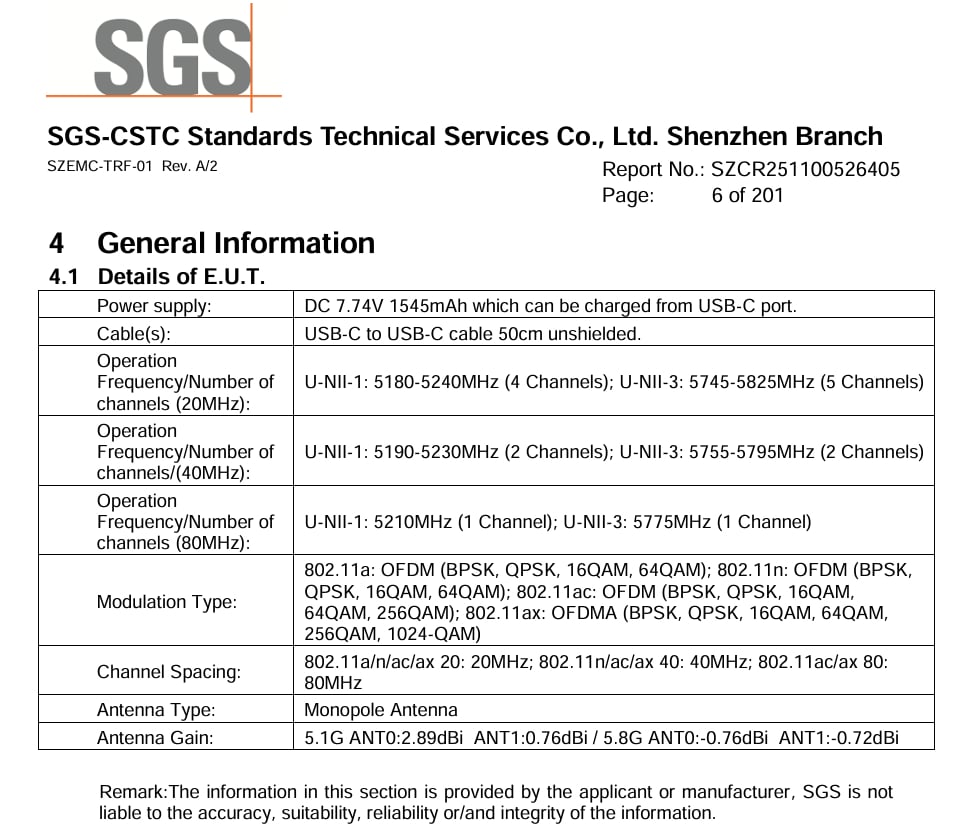
One of the few concrete details confirmed by the filing is battery capacity. The Osmo Pocket 4 Pro is listed with a 1,545mAh battery at 7.7V. That’s a noticeable increase over the Osmo Pocket 3’s 1,300mAh battery and lines up with earlier leaks suggesting improved endurance across the new Pocket lineup.

Beyond that, information is limited. The FCC has granted DJI a confidentiality request, meaning internal photos and schematics won’t be made public until around June 20, 2026. DJI certified the standard Pocket 4 well before announcing anything, but it does remove a key barrier to US sales.

Rumors suggest the Pocket 4 Pro could arrive after the standard model, possibly later this spring or in early summer. As a “Pro” variant, it’s expected to offer something extra, whether that’s camera hardware changes, enhanced stabilization, or other refinements.

What is clear is that DJI is actively moving forward behind the scenes. With regulatory approval now in place, the Osmo Pocket 4 Pro appears to be one step closer to release, even if DJI isn’t ready to talk about it yet.


Don’t miss a thing! Join our Telegram community for instant updates and grab our free daily newsletter for the best tech stories!

For more daily updates, please visit our News Section.

(Source: FCC | Via)

Xiaomi Electric Scooter 6 Series Pricing and Europe Launch Details Leak

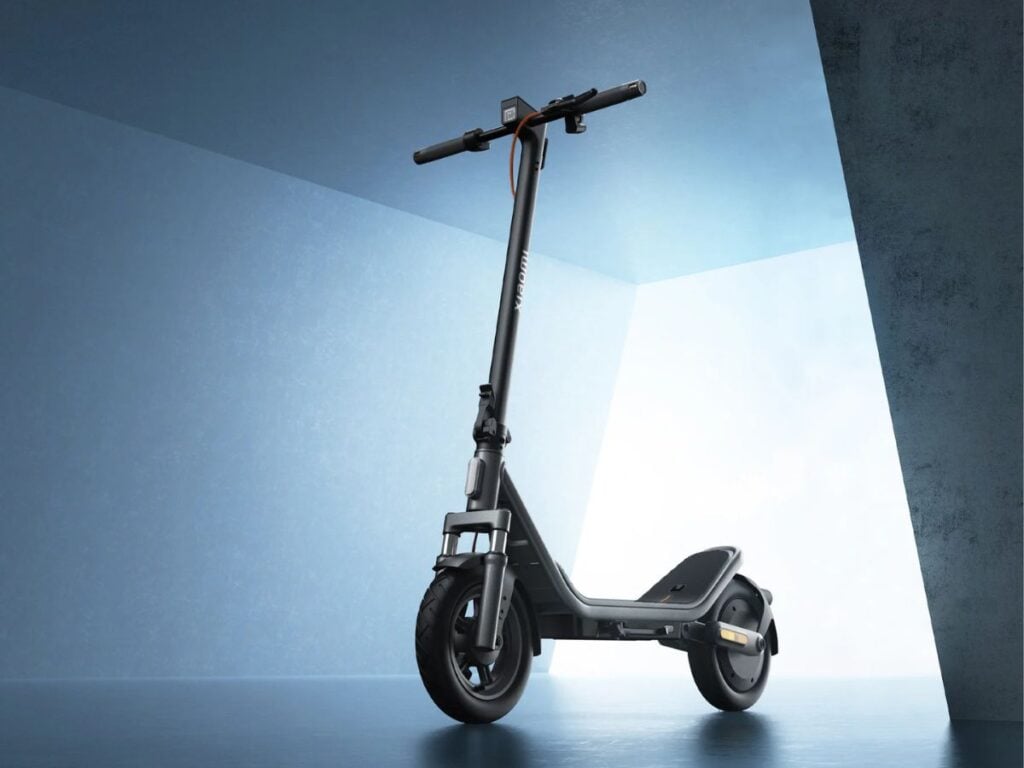
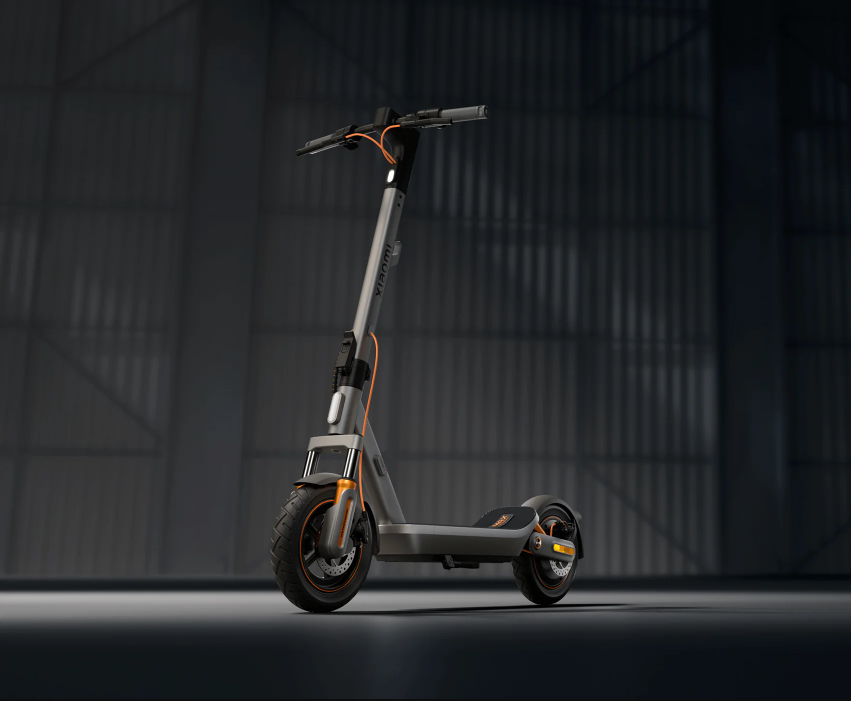
Xiaomi is preparing to launch its next-generation electric scooters in Europe, and a new leak has now confirmed the full lineup, pricing, and release timeline. The company revealed the Electric Scooter 6 series last month by listing several models on its global website, but it did not share prices or launch dates at the time. A fresh report has now filled in those gaps.

Xiaomi Electric Scooter 6 Launch Globally
Xiaomi Electric Scooter 6

The details come from Billbil-kun (via Dealabs). According to the report, Xiaomi will launch five Electric Scooter 6 models in Europe. These include the Electric Scooter 6 Lite, Electric Scooter 6, Electric Scooter 6 Pro, and Electric Scooter 6 Max, all of which were already visible online. Xiaomi is also preparing a new Electric Scooter 6 Ultra, which was not part of the initial website listing.

The Electric Scooter 6 Ultra is positioned as the most powerful and capable model in the range. It shares core upgrades found across the series, including 12-inch tires, but adds a stronger motor, longer riding range, and dual disc brakes. It also supports a higher maximum load capacity of 140 kg, making it suitable for a wider range of riders. Another notable difference is its design, as the Ultra is expected to be sold only in yellow.

Xiaomi Electric Scooter 6 Lite

The rest of the lineup is already well defined. The Electric Scooter 6 sits between the Lite and the Max. It uses a motor with 400W continuous output and up to 800W peak power, supports a top speed of 25 km/h, and can handle inclines of up to around 18 percent. It introduces 12-inch tubeless tires and front and rear suspension for better ride comfort. Its 360Wh battery delivers up to 45 km of range and supports faster charging than the previous generation.

The Electric Scooter 6 Lite focuses on short city trips. It uses a 300W motor with 500W peak output, reaches 25 km/h, and offers up to 25 km of range from a 216Wh battery. The Pro model moves up with a 400W motor rated at 1,000W peak, off-road style suspension, 12-inch tires, and a 468Wh battery rated for up to 70 km of range. The Max builds on this with up to 1,100W peak power, dual disc brakes, long travel suspension, Apple Find My support, and the same 70 km claimed range.

Pricing shows a slight increase over the previous generation. The Electric Scooter 6 Lite is expected to cost €329.99, the Electric Scooter 6 €399.99, the Pro €549.99, and the Max €649.99. The Ultra sits at the top at €799.99. Four models are expected to launch in Europe on February 10, 2026, while the Ultra is likely to arrive later.

For more daily updates, please visit our News Section.

Stay ahead in tech! Join our Telegram community and sign up for our daily newsletter of top stories.

(Source)

Vivo X300 Ultra Beidou Edition bags an important certification, March launch expected

Vivo is expected to hold a launch event in March to unveil a couple of new devices, such as the Vivo X300 Ultra, Vivo X300 Max, and its first vlogging camera. Ahead of the expected launch, the device has bagged 3C certification in China, giving a hint about its fast-charging capabilities.

Vivo X300 Ultra Beidou Edition 3C certified

Vivo X300 Ultrta Beiduo Edition 3C certification
Vivo X300 Ultra Beidou Edition 3C certified

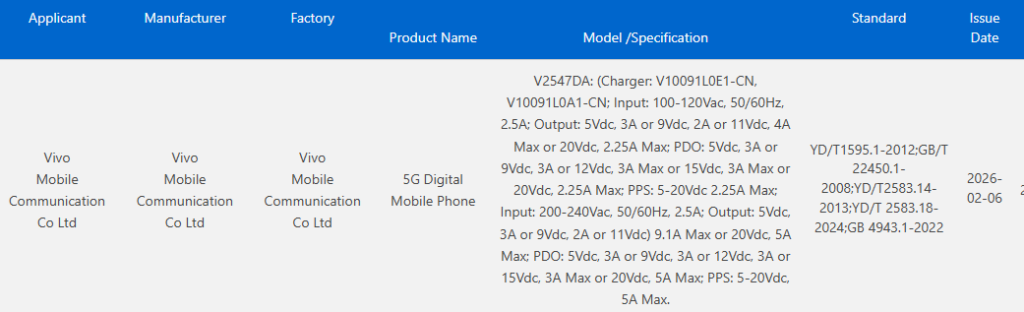
The above screenshot shows that an upcoming Vivo phone bearing the model number V2547DA has received approval from the 3C authority. Reports have revealed that this model number is associated with the Beidou Edition, which supports SMS via satellite connectivity. As far as the standard version of the Vivo X300 Ultra is concerned, it is said to have the model number V2547A.

The 3C certification listing confirms that the Vivo X300 Ultra Beidou Edition may ship with a 100W charger. While the standard version has not yet been certified by the 3C, it is likely to offer the same charging capabilities.

Vivo X300 Ultra specifications (rumored)

Reports have revealed that the Vivo X300 Ultra will arrive with a 6.82-inch AMOLED panel offering a 2K resolution and a 120Hz refresh rate. For security, it will feature an ultrasonic in-screen fingerprint sensor, and it will be preloaded with OriginOS 6-based Android 16.

The X300 Ultra is said to feature a 50-megapixel selfie camera with autofocus support. Its rear camera setup is expected to include an OIS-enabled Sony LYT-901 200MP primary camera with multi-focal-length continuous optical zoom, a Sony LYT-828 50MP ultra-wide lens, and a Samsung HPB 200MP periscope telephoto camera.

Under the hood, the Vivo X300 Ultra will feature the Snapdragon 8 Elite Gen 5 chip and a battery of around 7,000mAh capacity. It is expected to ship with up to 16GB of LPDDR5x Ultra RAM and up to 1TB of UFS 4.1 storage.

Speculations are rife that the Vivo X300 Ultra hit the global market by the second quarter of this year.

For more daily updates, please visit our News Section.

Stay ahead in tech! Join our Telegram community and sign up for our daily newsletter of top stories.

HONOR Tops Global Smartphone Growth Charts in 2025, Eyes AI and Foldable Innovation at MWC26

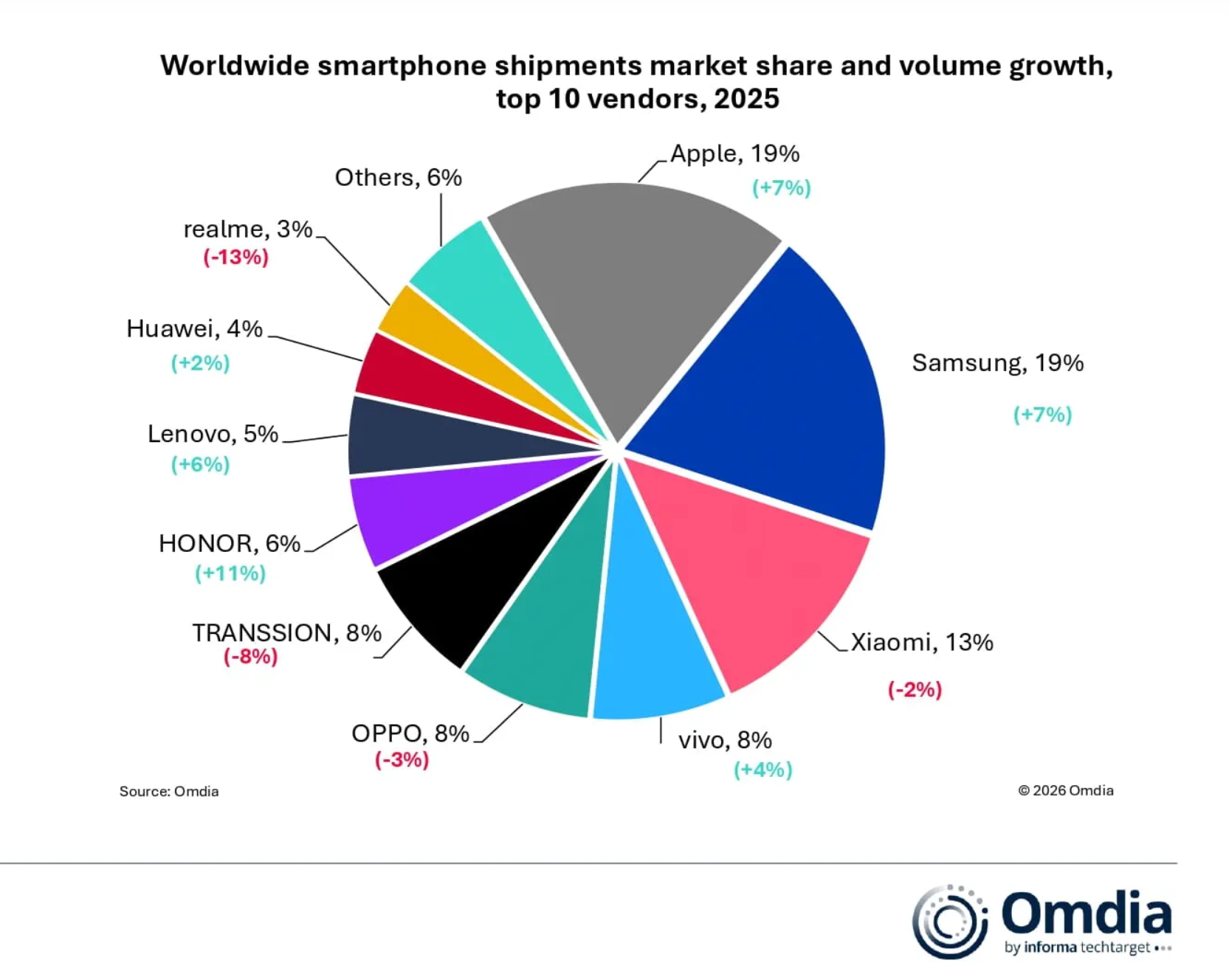
Driven by strong performance in international premium markets, HONOR has emerged as the fastest-growing major smartphone brand globally in 2025, according to a report by Omdia. This surge sets the stage for its planned unveiling of ambitious new AI and foldable devices this spring.

According to a recent report from the global research firm Omdia, HONOR achieved a notable 11% year-over-year growth in global smartphone shipments for 2025. This growth rate secured the number one position among the world’s top ten smartphone vendors for the year.

Further data from the International Data Corporation (IDC) underscores the strategic nature of this expansion. For the first three quarters of 2025, HONOR led all top-ten brands in overseas shipment growth within crucial premium segments. Specifically, the brand showed remarkable strength in:

  • Smartphones priced above $300, covering the premium and upper-mid-tier segments.
  • Tablets in the $300-600 price band, targeting the upper-mid consumer segment.
Honor’s President of Sales and Services, Wang Ban, celebrated the growth on Weibo

This dual-segment leadership indicates a successful strategy of combining volume growth with a deliberate move into higher-margin categories outside its home market.

Building on this momentum, HONOR is poised to make significant waves at Mobile World Congress (MWC) in Barcelona this March. Industry reports confirm the brand will officially unveil two highly anticipated devices: the HONOR ROBOT PHONE, a pioneering foray into AI-integrated mobile technology, and the next-generation foldable flagship, the HONOR Magic V6.

These launches are positioned as key milestones in HONOR’s “Alpha Plan,” its strategic initiative focused on breakthrough innovation in human-centric AI and revolutionary form factors. The 2025 shipment data provides tangible evidence of the brand’s growing market presence, which it now seeks to amplify with these category-defining products.

HONOR’s trajectory reflects a brand in a powerful transition—leveraging solid shipment growth to fund and introduce cutting-edge technology, aiming to redefine its position in the competitive global landscape.

Poco X8 Pro Max, Poco X8 Pro price, variants appear inadvertently on official promotional page

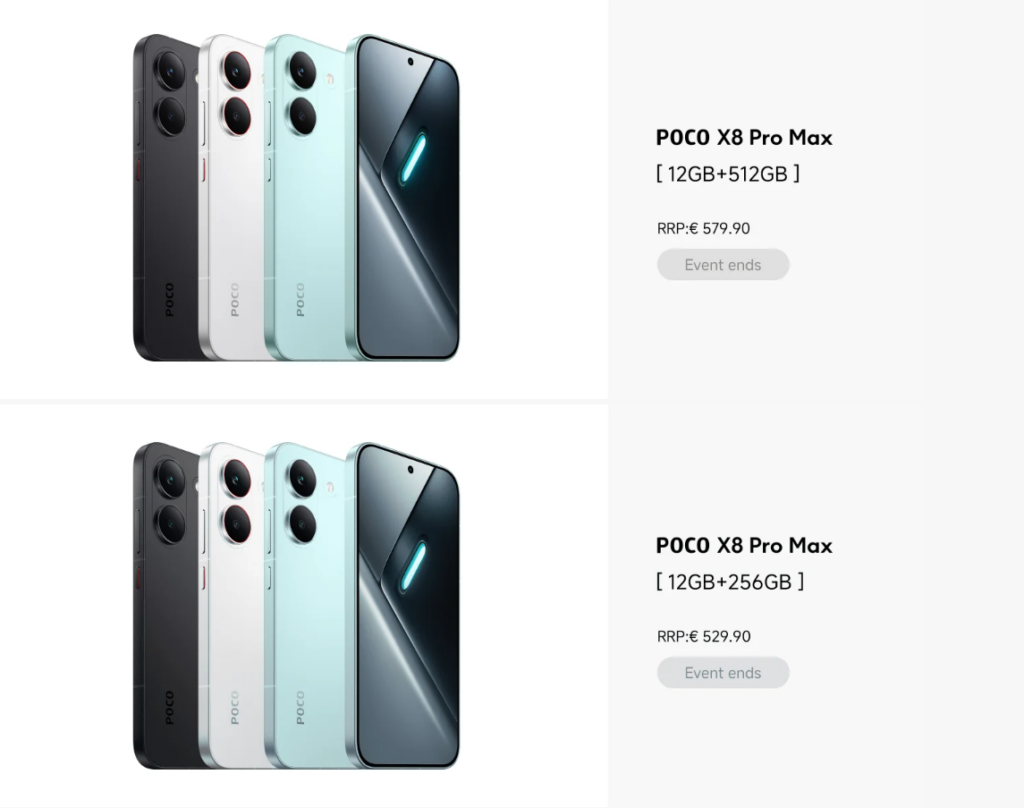
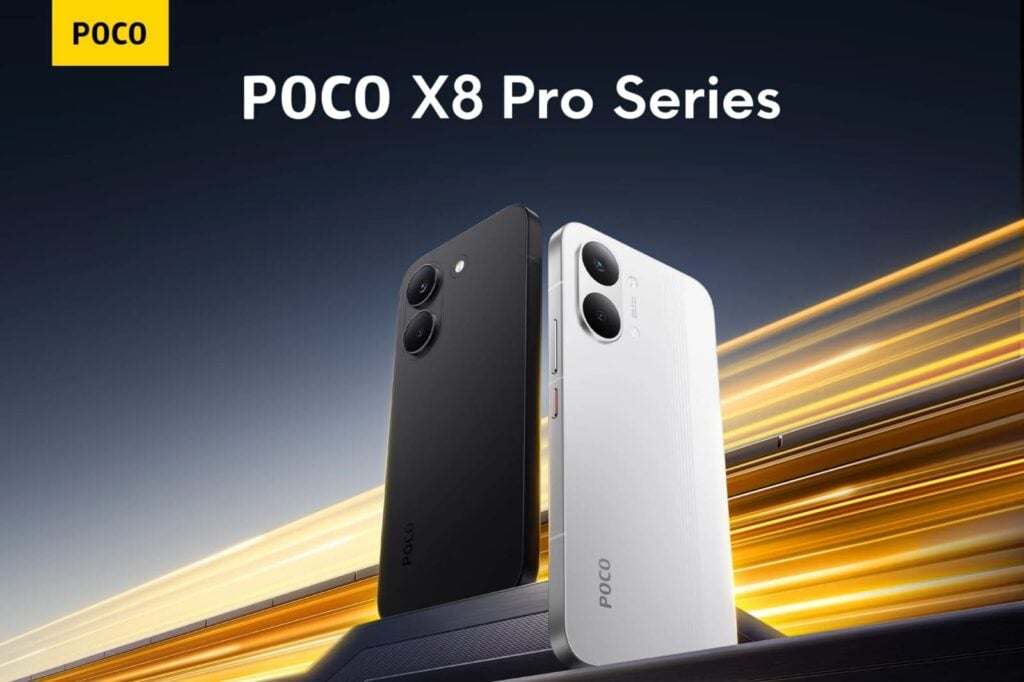
Poco is yet to confirm the arrival of the Poco X8 series, and the company has inadvertently listed the X8 Pro and X8 Pro Max on a promotional event page. The page, which has been live at the time of writing this post, has revealed the design of the X8 Pro models through official images, as well as confirmed their variants along with pricing.

Poco X8 Pro, X8 Pro Max configs and price emerge

Poco X8 Pro variants and price

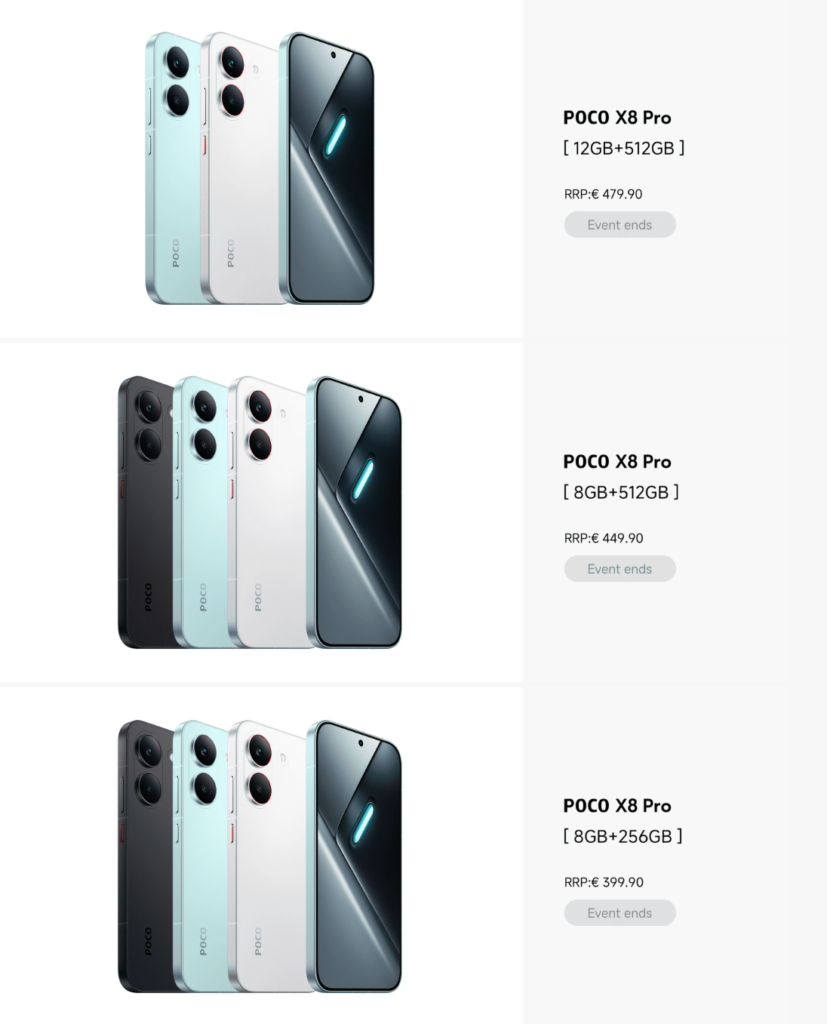
The promo page reveals that the Poco X8 Pro will be available in variants such as 8GB+256GB, 8GB+512GB, and 12GB+512GB priced at 399.90 euros, 449.90 euros, and 479.90 euros, respectively.

On the other hand, the Poco X8 Pro Max has been listed in two options, such as 12GB+256GB and 12GB+512GB. These variants are priced at 529.90 euros and 579.90 euros, respectively.

The page seems to have the same set of images for both phones. So, there is a possibility that the phones may sport a nearly identical design and come in the same shades, such as black, white, and mint green. Readers are advised to take the pricing information with a pinch of salt, as the final pricing could be different.

Poco X8 Pro Max variants and price

The listing has no information about the Poco X8 Pro series’ specifications. However, rumours suggest that they will be rebranded or tweaked versions of the Redmi Turbo 5 and Turbo 5 Max phones, which recently debuted in China. However, the Poco phones are expected to pack smaller batteries compared to their Chinese counterparts.

The Poco X8 Pro may arrive with the Dimensity 8500 chip and a 6,500mAh battery, whereas the Pro Max edition could be equipped with the Dimensity 9500s and an 8,550mAh battery. Both models may support 100W wired charging and 27W reverse charging.

Poco X8 Pro series
Poco X8 Pro series

The Poco X8 Pro may feature a 6.59-inch OLED display, whereas the X8 Pro Max may sport a larger 6.83-inch screen. Both are expected to offer a 1.5K resolution and a 120Hz refresh rate. For photography, both phones may feature a 20-megapixel front camera, an OIS-enabled 50-megapixel main camera, and an 8-megapixel ultra-wide lens.

For those wondering about the standard Poco X8, rumors suggest that this device will not launch this year.

For more daily updates, please visit our News Section.

Stay ahead in tech! Join our Telegram community and sign up for our daily newsletter of top stories.

(source|via)